Marcin
-
Posts
1,421 -
Joined
-
Last visited
-
Days Won
1
Content Type
Profiles
Forums
Events
Store
Downloads
Gallery
Everything posted by Marcin
-

Arsenal Mark on RJT sword Fittings
Marcin replied to george trotter's topic in Military Swords of Japan
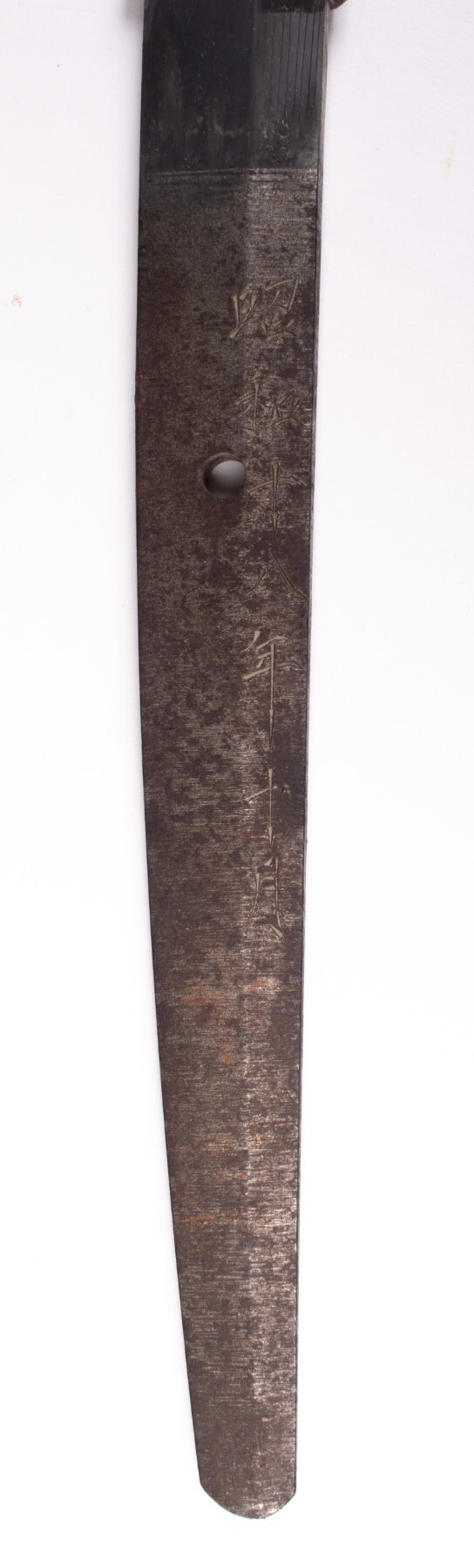
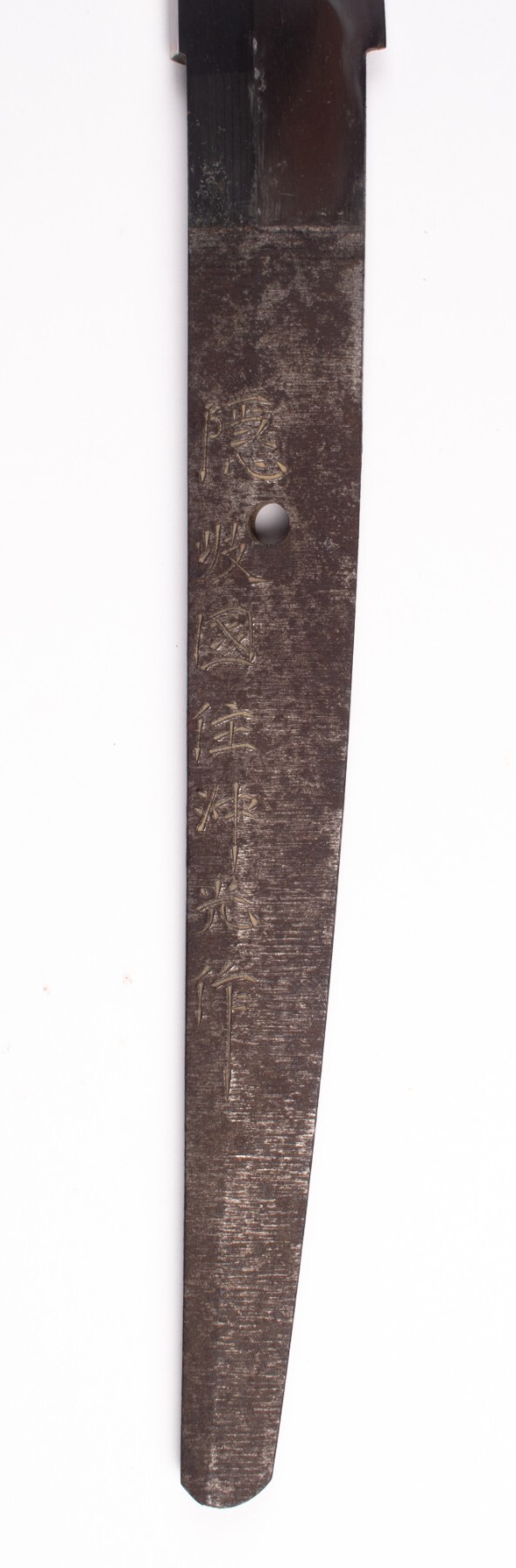
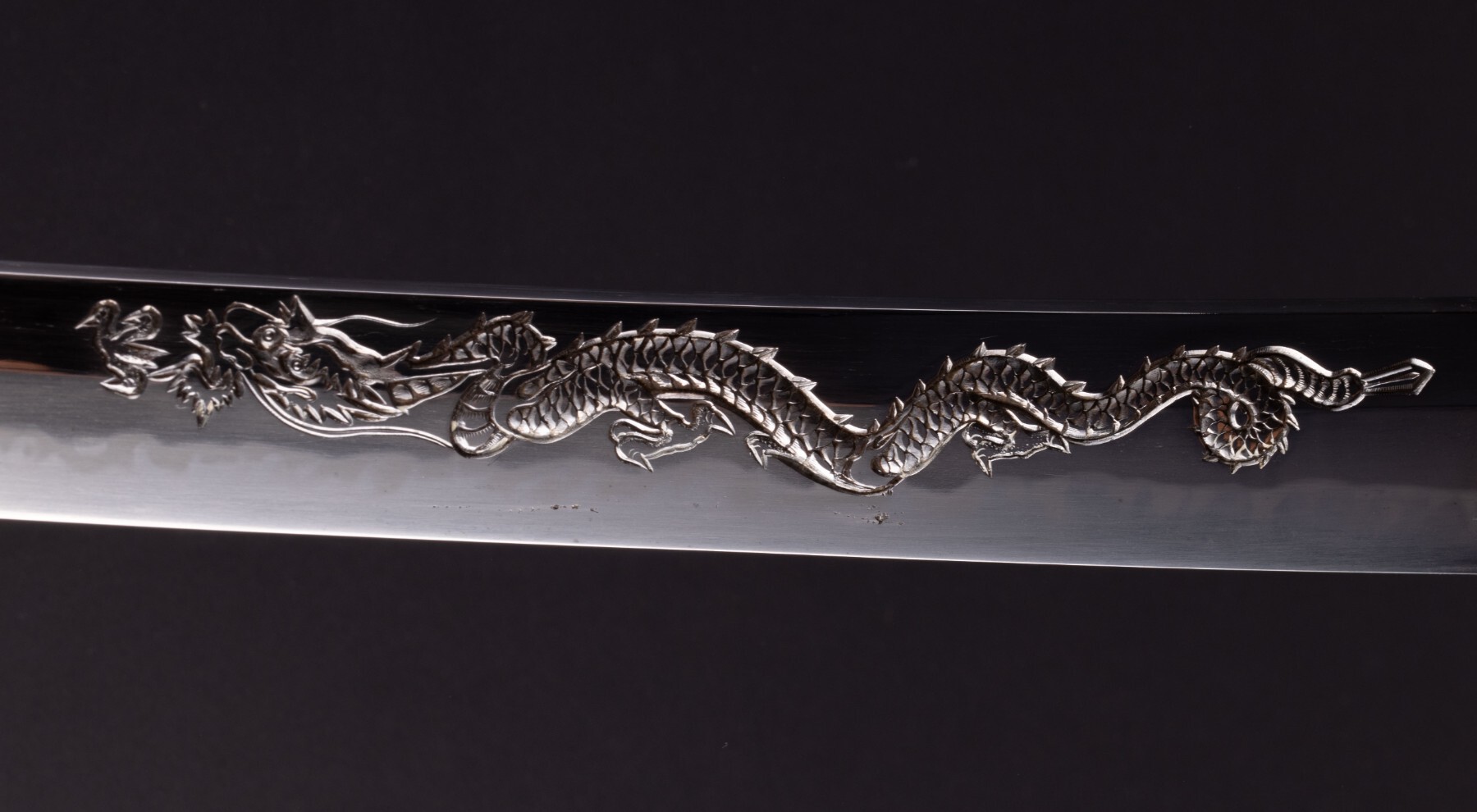
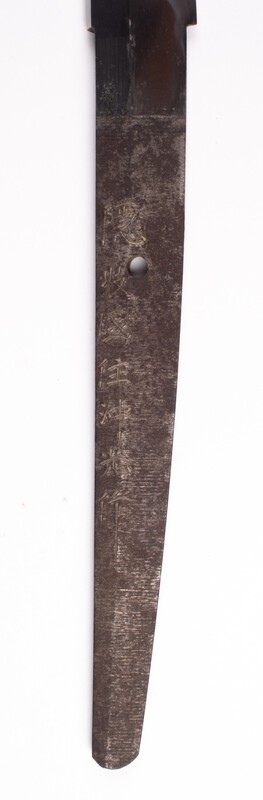
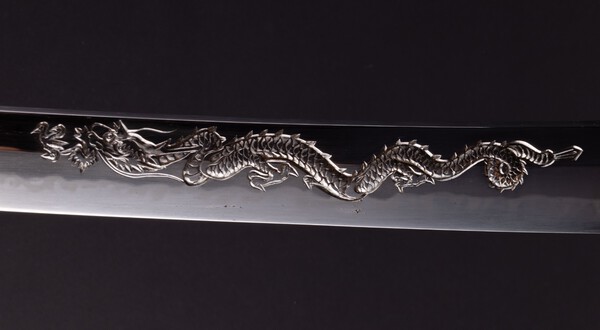
I have same trouble with Hara Okimitsu born 1928 and his father who was RJT. Which one made blade I attacheted? [Blade made in 1943] horimono carved another tosho.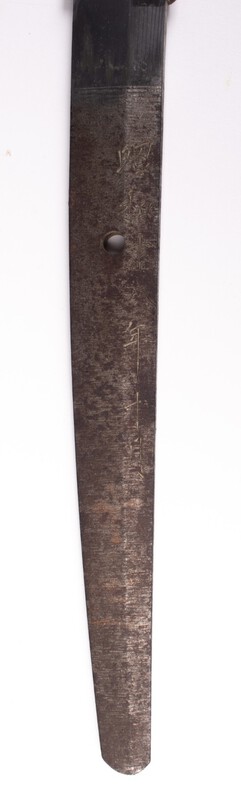
-
Arsenal Mark on RJT sword Fittings
Marcin replied to george trotter's topic in Military Swords of Japan
@Bruce PenningtonHe isn't mentioned here? http://www.jp-sword.com/files/seki/gendaito.html Born 1926 so he was 19 when war ended. -
Custom Gunto, tachi adapted for war or a modern Frankenstein?
Marcin replied to a topic in Military Swords of Japan
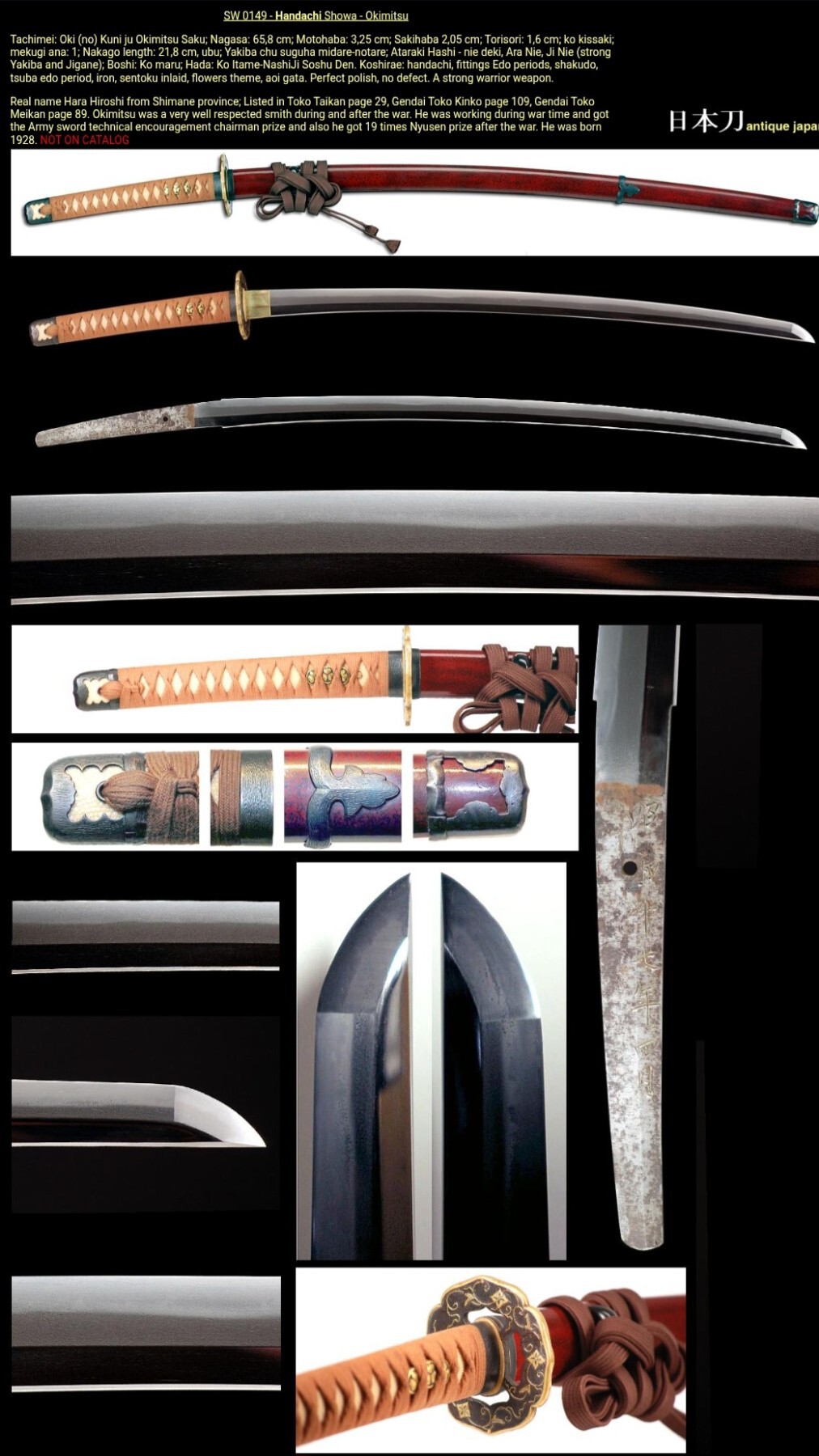
Similar case? With Showa Okimitsu [RJT] https://www.nipponto.com/Sword/detailokimitsu.html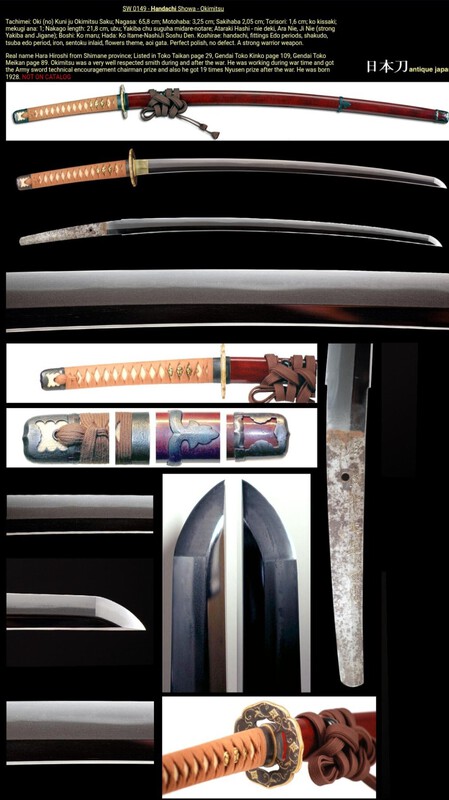
-
If you can have one in hand please do it! His bare blade is wanderfully balanced.
-
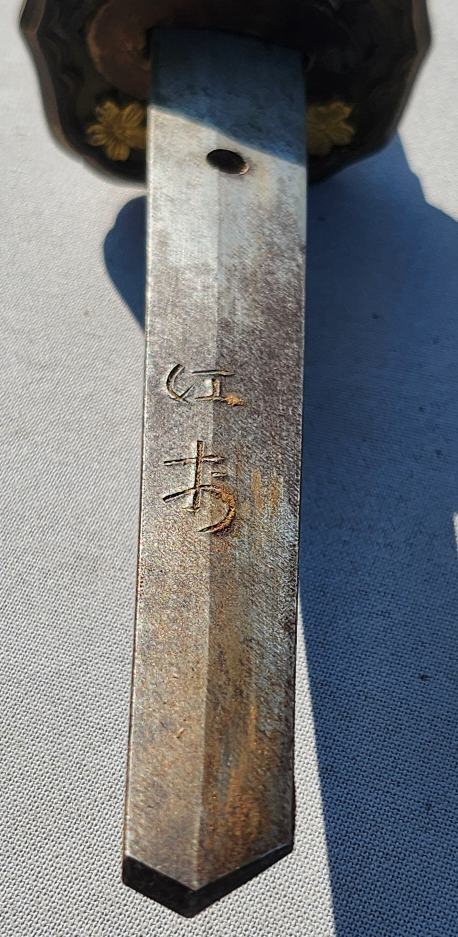
Some stating that specifically shorter signatures are his. In my opinion shorter should be considered as his "inspection aproval". https://www.japaneseswordindex.com/emura.htm "It is known that many Emura signed blades were in fact made by his students, inmates at the Okayama Prison, and not by the master smith himself. Due to the variation in quality of Emura signed blades, each blade must be judged on its own merits and not simply on its mei." Every blade should be inspected. It was mentioned that his forge produced usually blades barely above 2 shaku. I would even advice to look closer on mountings. For now I'm gathering examples with nbthk but /Dunno if there is 100% proof that even having blade apraised to be genuine "made by" Emura it was made by him. [Truth of this statement ofcourse will be proven by existing mei]/ Dunno If there is any bigger article about blades having his mei. Example I posted above is another different example from linked ones.
-
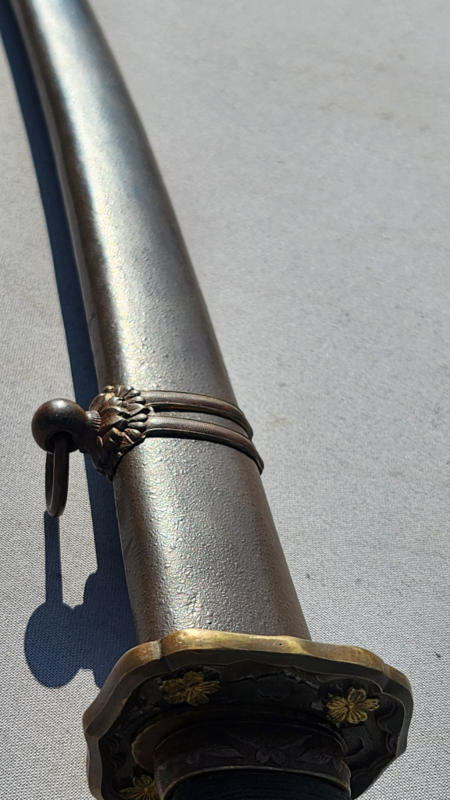
Definietly no chuso on tsuka. I don't have photo of saya [koiguchi] so I don't know if there are remnants of locking mechanism. But saya is splendid [if genuine ofcourse] so it probably had some cover.
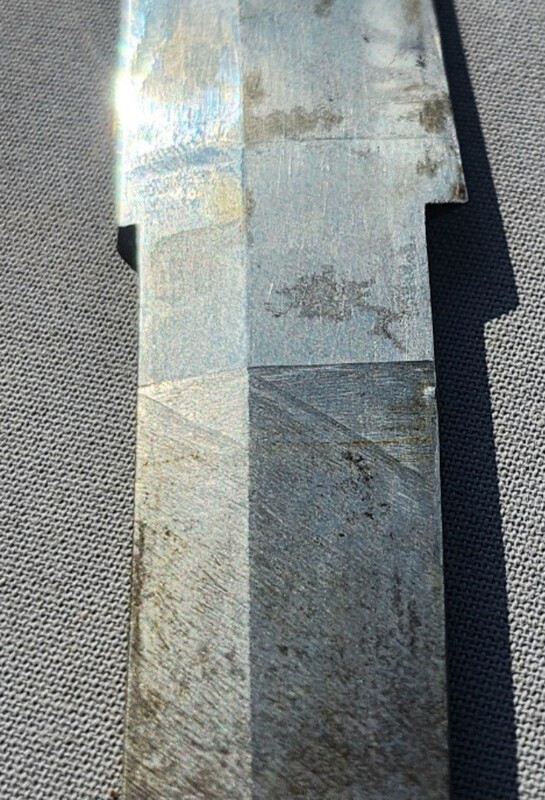
-
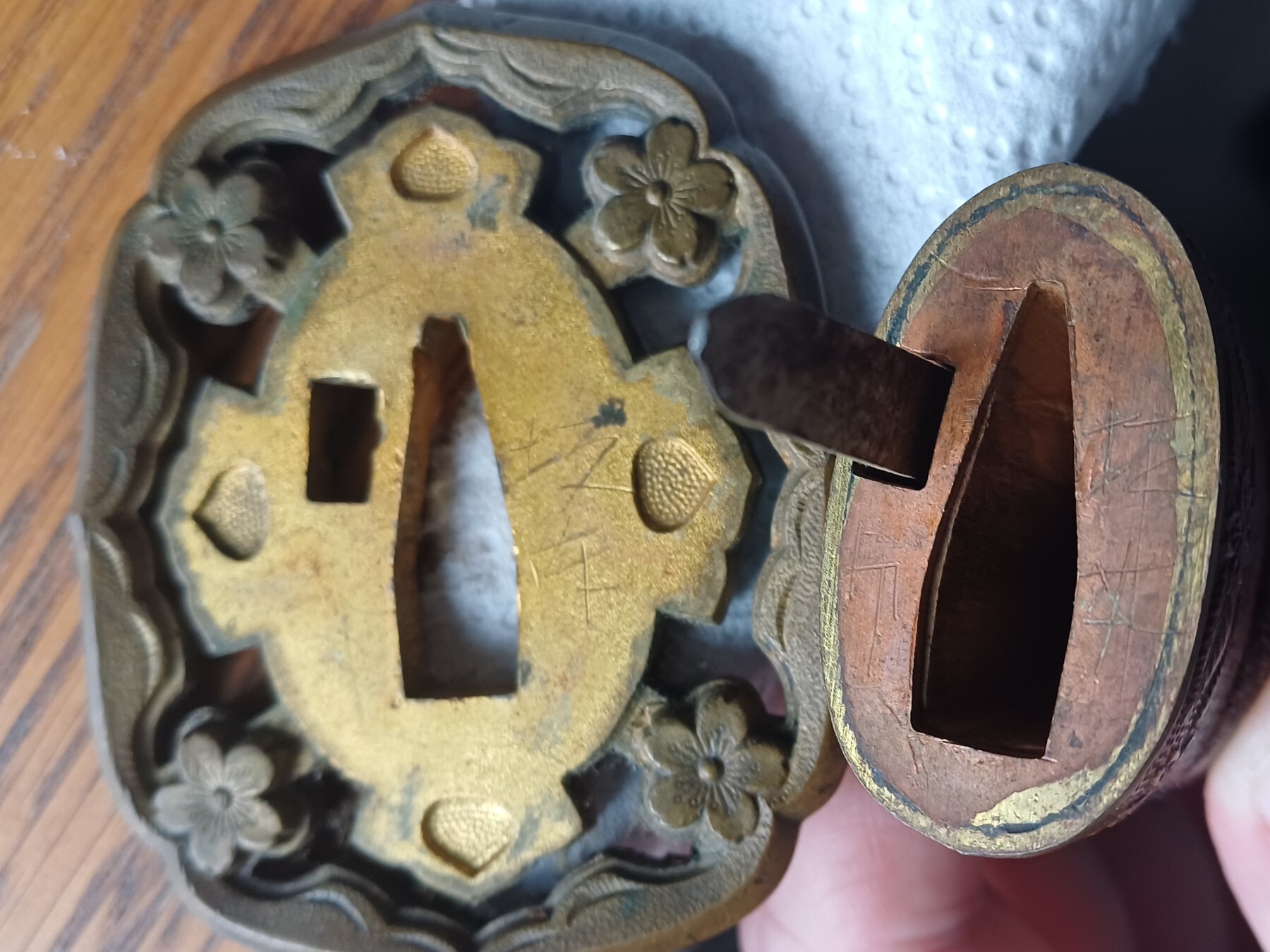
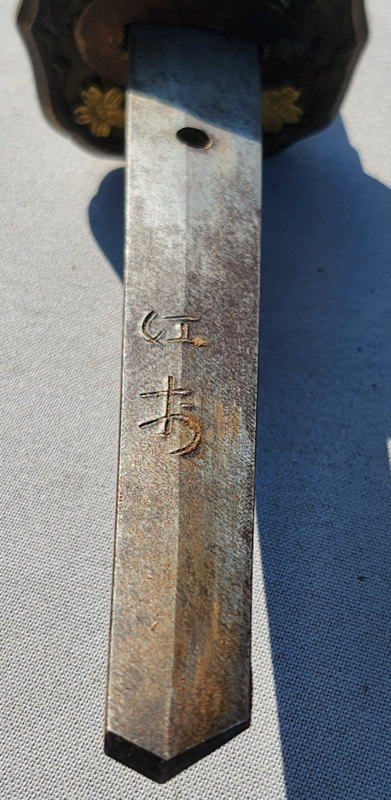
I dont see any. Prisoner number? Only assembly markings.
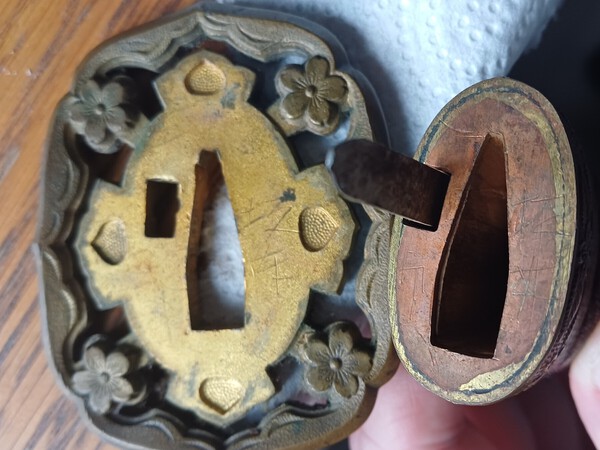
-
And more.
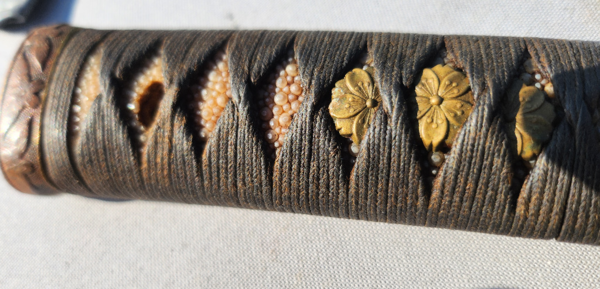
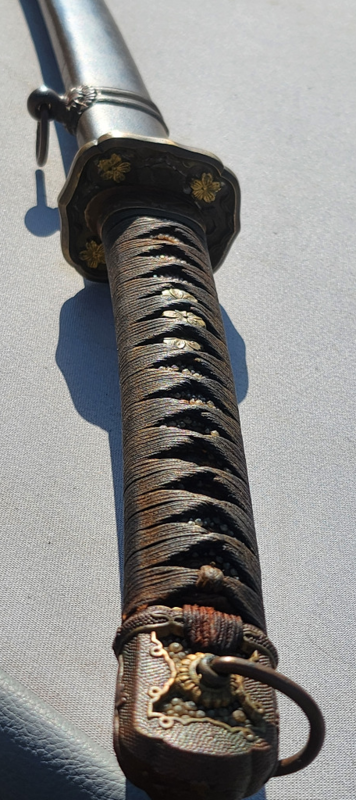
-
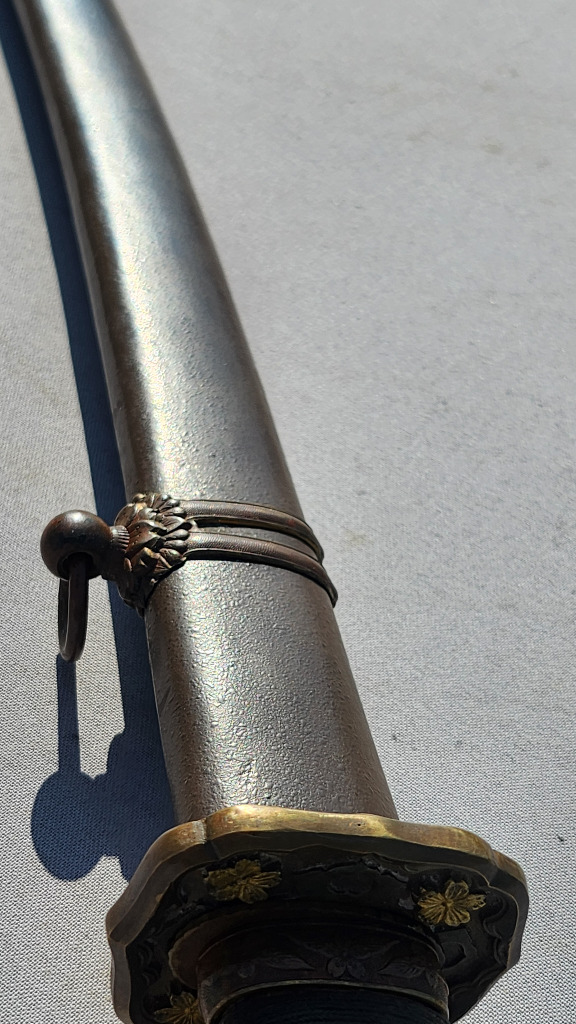
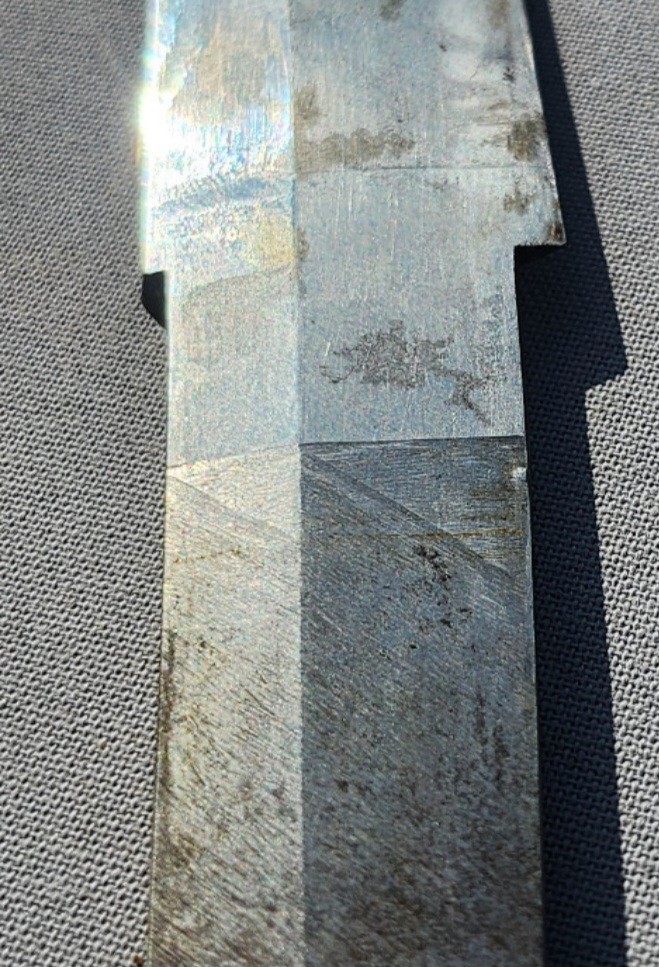
@Bruce Pennington and rest of boyz. I had found recently emura with crudely done fittings. Your opinion please. Tsuba is suspicious.
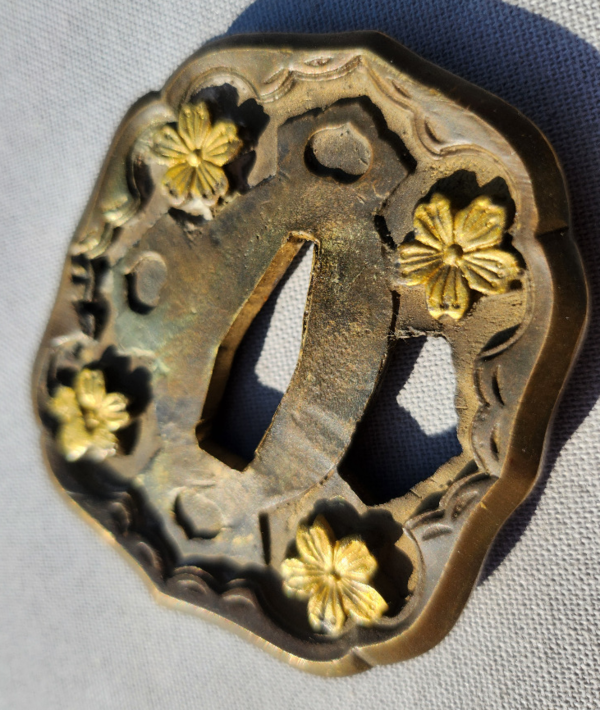
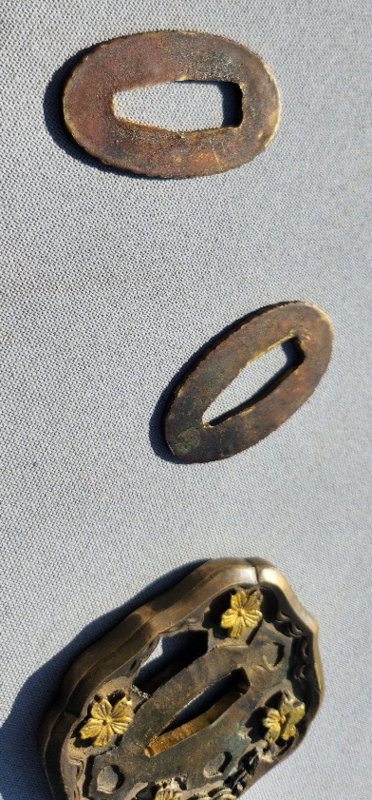
-
@IJASWORDS any of yours have similar markings?

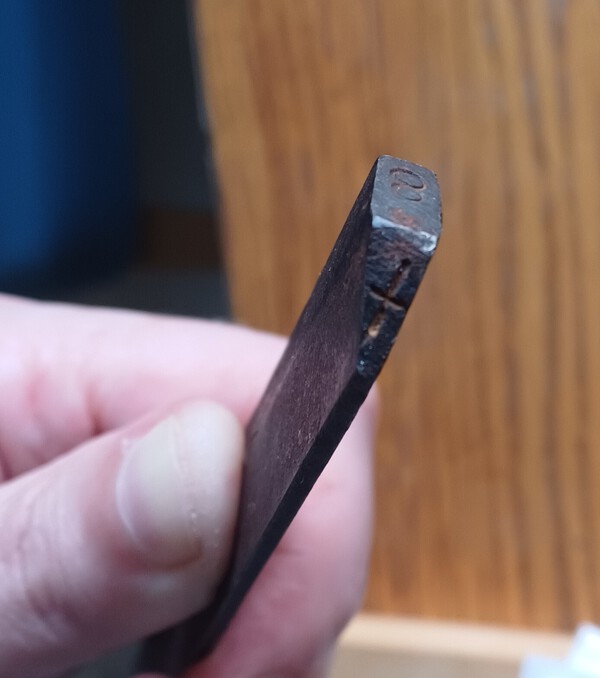
-
It could have been worse [back of the sheep]
-
Info needed possibly looking to sell
Marcin replied to Rebeccacran's topic in Military Swords of Japan
Here you go similar condition 900$. Dunno how to compare blades. Yours have same stamp etc. https://www.liveauctioneers.com/item/208615160_wwii-ijn-Japanese-naval-officer-s-samurai-sword-kai-gunto-swansea-ma -
Is there a stamp above tachi mei?
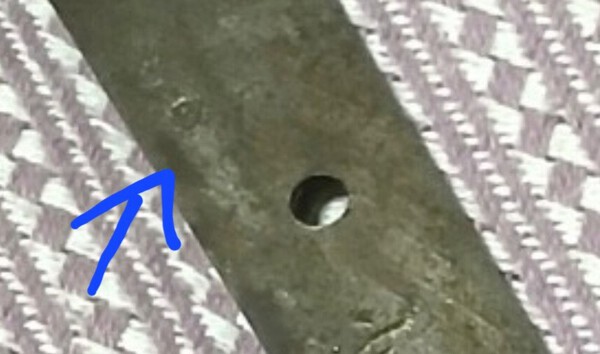
-
Info needed possibly looking to sell
Marcin replied to Rebeccacran's topic in Military Swords of Japan
Worthy adding is: -its steinless steel blade, -saya lacquered wood not rayskin wrapped. -tsuba consists of one element [dunno if its brass/copper] For comparison full toyokawa 265 [fuchi and tang marked too] https://www.militaria.co.za/nmb/topic/52795-affordable-kai-gunto/#comment-554951 @Bruce Pennington anchor in circle is toyokawa right? Tenzoshan used anchor without circle. -
Shinshinto- Gendaito periods inaccurate?
Marcin replied to jdawg221's topic in General Nihonto Related Discussion
You can say same about shinsaku period. Ban was lifted in 1953? Thanks to Honma/Akihide/Sato. -
Shinshinto- Gendaito periods inaccurate?
Marcin replied to jdawg221's topic in General Nihonto Related Discussion
Shinto/shinshinto In the late 18th century, swordsmith Suishinshi Masahide criticized that the present katana blades only emphasized decoration and had a problem with their toughness. He insisted that the bold and strong kotō blade from the Kamakura period to the Nanboku-chō period was the ideal Japanese sword, and started a movement to restore the production method and apply it to katana. Katana made after this is classified as a shinshintō (新々刀), "new revival swords" or literally "new-new swords" So shinshinto period smiths started making swords in koto style. It's never clear period boundary but a longer process. But new things appear like shikomizue or "samurai spirit reborn" gendaito for army straight said had to resemble koto. -
Shinshinto- Gendaito periods inaccurate?
Marcin replied to jdawg221's topic in General Nihonto Related Discussion
It's sword era. Ban on swords [1876] not a start of meiji era [1868] is a timestamp. https://www.japaneseswordindex.com/period.htm So you don't look on sugata but date. If someone currently tries to do blade resembling kamakura in shape it's still shinsakuto. Many smiths actually schifted from sword making into making tools. It was tragedy for art/industry. "Swords forged after the Haitōrei Edict are classified as gendaitō. The craft of making swords was kept alive through the efforts of some individuals, notably Miyamoto kanenori (宮本包則, 1830–1926) and Gassan Sadakazu (月山貞一, 1836–1918), who were appointed Imperial Household Artist." Look into Akihide Kurihara and his father history. Also first blast furnace was built in 1857 by Takato Oshima. You don't divide blades itself looking on characteristics in this actual period becouse smiths were making blades the old fashioned way. Unlike muromachi/edo with strict measurements included in emperor's decree. -
https://www.jssus.org/nkp/fake_japanese_swords.html
-
https://www.jssus.org/nkp/fake_japanese_swords.html
-
2.5k$? Depends on blade.
-
TRANSLATION ASSISTANCE FOR TYPE 95 HABAKI STAMPS
Marcin replied to Bazza's topic in Translation Assistance
True wrong bohi -
Imo chinese wallhanger.
-
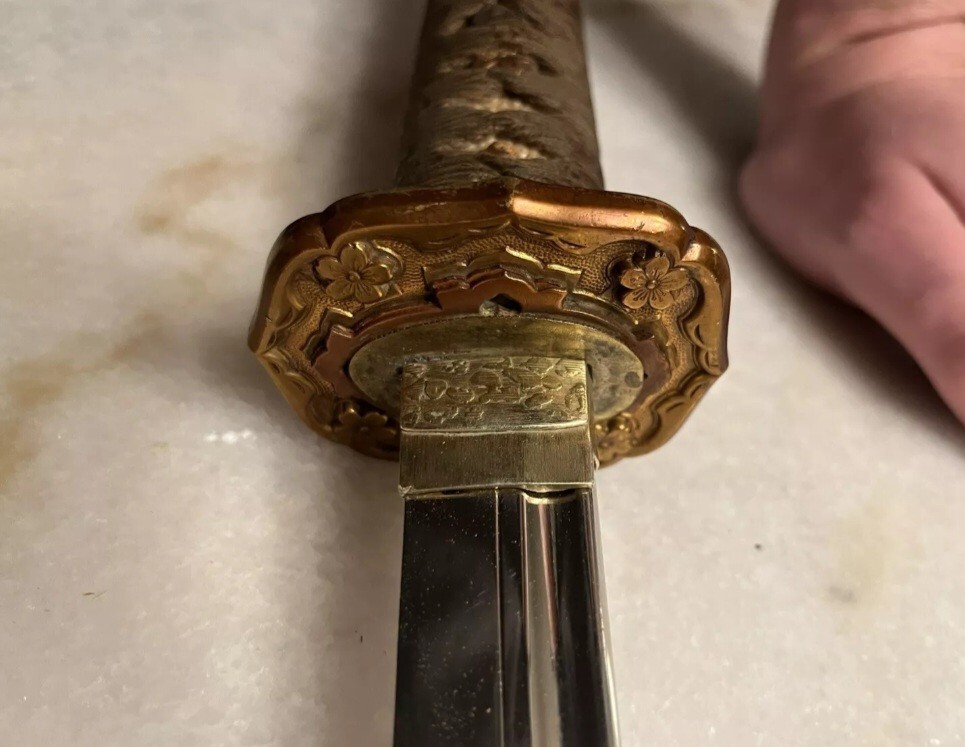
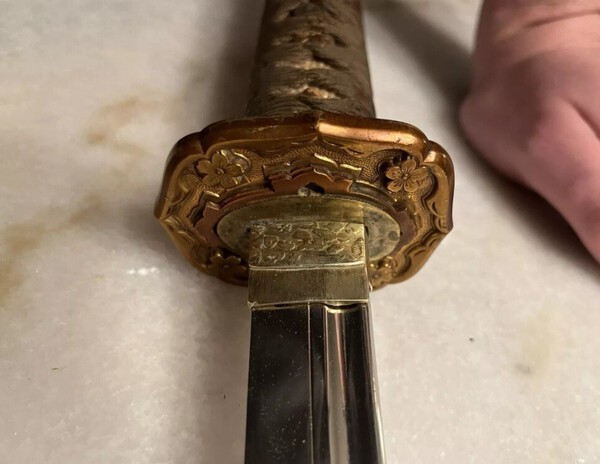
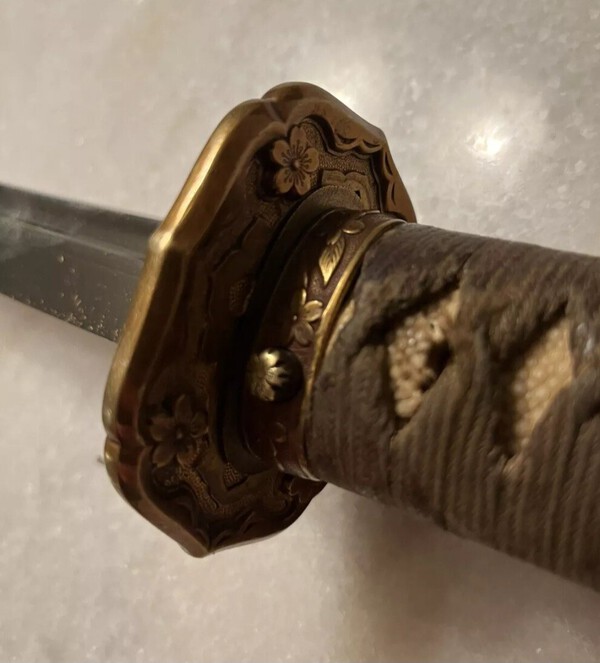
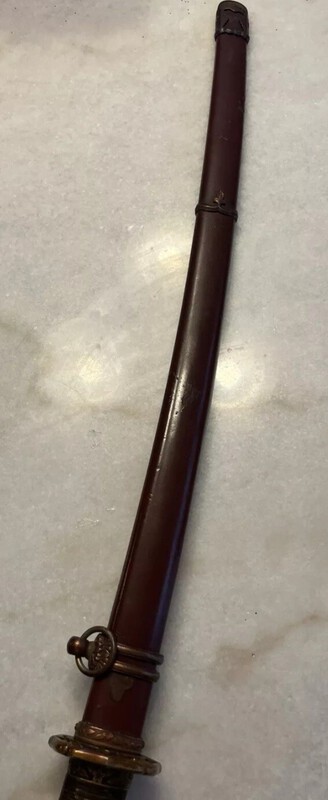
There is a lot of empty koshirae around ready to be reused. Notice tsukamaki [wrapping] should be alternate, diamond shaped. Tsuka ito looks suspicious. [Color, texture and thickness] Also your blade is made of damascus steel? Nakago is banana shaped to fit tsuka? Give us habaki and sarute [probably added separately] close up please. I will attach wakase [gilded?] T98 with modern blade. Just look at first photo on habaki and seppa from edge side, you see clearly how bigger original habaki was. https://ebay.us/m/P4lM5q Ofcourse omura too http://ohmura-study.net/903.html
-
Check Rai hada, maybe your sword have some harder steel patches along entire blade.