Tim Evans
-
Posts
175 -
Joined
-
Last visited
-
Days Won
1
Content Type
Profiles
Forums
Events
Store
Downloads
Gallery
Everything posted by Tim Evans
-
Translation of the the book Owari To Mikawa no Tanko lists Shigehiro as a maker of Shiire tsuba, or, tsuba for stock. He is listed in the Haynes Index as H 08258, but no other information other than what has already been posted. If you don't mind my asking, how did it come to you? I think it is interesting to track how these items move around. . .
-
The Modern Reader's Japanese-English Character Dictionary by Andrew N. Nelson has a guide in the front to help locate kanji by stroke count and radical, which then refers you to the page where there are kanji with those characteristics translated to English. It is my go-to reference for deciphering kanji.
-
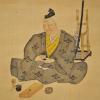
Menuki Hyotan Namazu ("Catching a catfish with a gourd")
Tim Evans replied to Iaido dude's topic in Tosogu
Niten Ryu is one of the Koryu (traditional martial arts). This is a very deep subject. Unlike Gendai budo, the Koryu are still considered to be closely held martial skills that are not popularized to the public. You will not see much promotion, commercialization, monetization or recruitment by Koryu organizations. To learn more, this site is a good place to start. https://koryu.com/ -
Menuki Hyotan Namazu ("Catching a catfish with a gourd")
Tim Evans replied to Iaido dude's topic in Tosogu
The theme of moon and monkey is often seen on Niten Ichi Ryu koshirae, but as kodugu not tsuba. The iron moon and monkey tsuba have always puzzled me since they don't look Higo and are normally put into the "Shoami" bucket by the Japanese. Here are some examples of moon and monkey menuki. Also another menuki set in an article by Fred Weissberg, at the bottom. https://nihonto.com/miyamoto-musashi / And a set of kurikata and soritsuno in another article by Fred. https://nihonto.com/10-1-20/ The cult of Musashi has always been strong and continues today. I suspect most of the later Edo period Niten koshirae were commissioned by the Noda-Ha (Kumamoto branch) of Niten Ichi Ryu Hyoho, but also could have been created by the Edo Higo (Kumagai) kinko-shi for members of the two Edo branches of Niten Ichi Ryu Hyoho.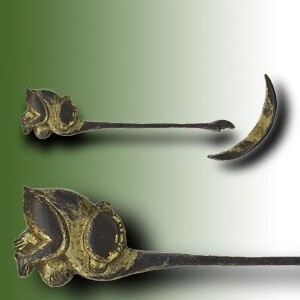

-
Assistance with description of motif element
Tim Evans replied to Steve Waszak's topic in Translation Assistance
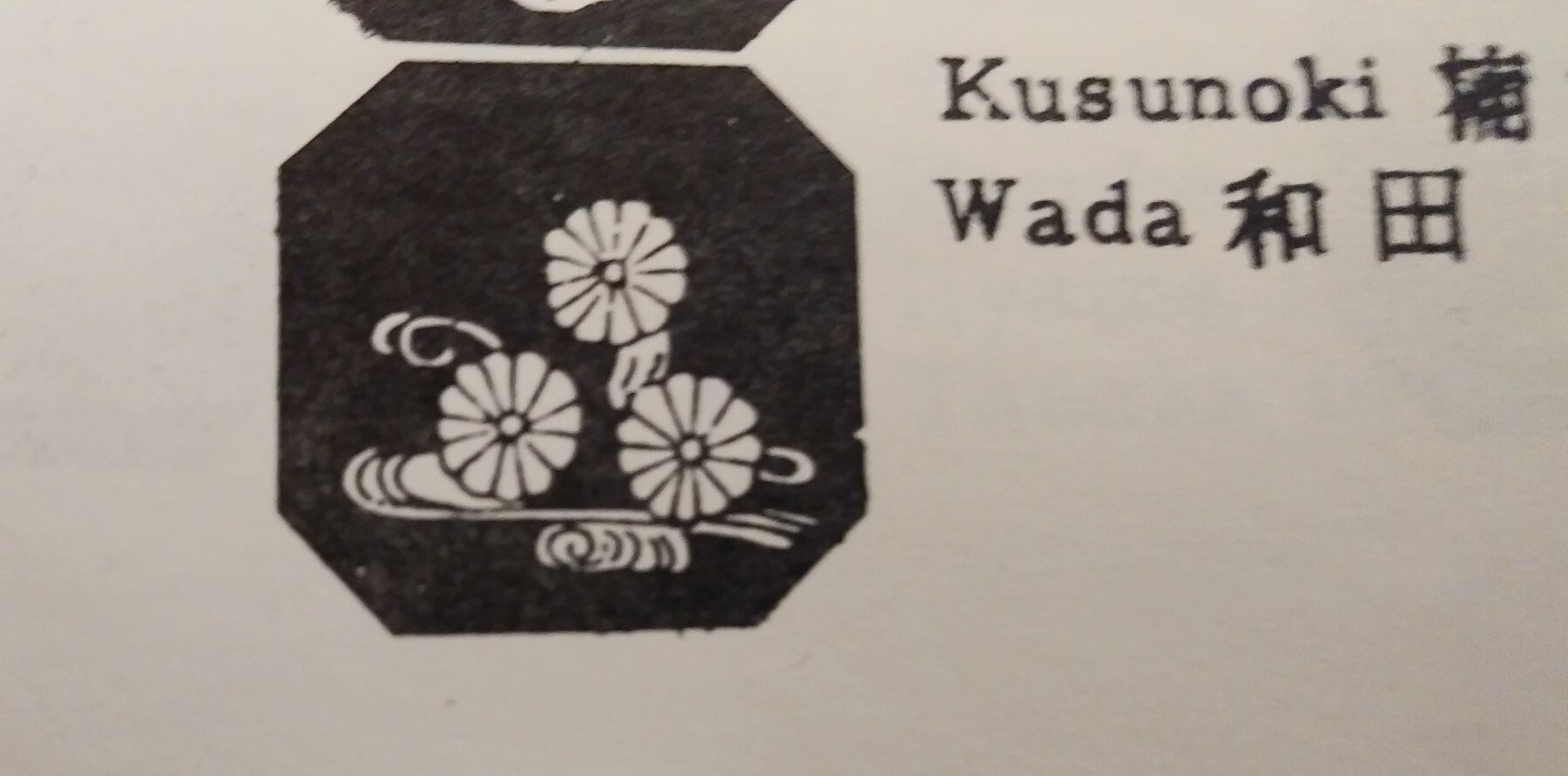
On the first tsuba, I think the device on the left is a Kamon of three kiku blossoms. This is a kamon of the Kusunoki family. Kusunoki Masatora was an official in the Oda Nobunaga administration (Papinot page 335). Here is another example.

-
Itomaki-No-Tachi Koshirae (How do I match a tachi blade?)
Tim Evans replied to Iaido dude's topic in Nihonto
It looks like all the seppa are stacked between the fuchi and the tsuba. It appears to be four seppa, I think should be two in front of the tsuba and two behind. -
Yes, a tsunagi can be reverse engineered. There are US based sayashi who can do that if you don't want to try it yourself. Do you have all the parts, such as the seppa and mekugi?
-
Itomaki-No-Tachi Koshirae (How do I match a tachi blade?)
Tim Evans replied to Iaido dude's topic in Nihonto
There is a readily available book called The Craft of the Japanese Sword which is a good overview of the process of making a gendaito, handing off to the polisher, handing off to the habaki maker and then to the saya maker. It describes how these artisans work together to create the finished product. I mentioned finding a reliable agent, someone who either lives in Japan or travels there regularly and is in the sword business. I have seen two or three recommended here on NMB, but one I recall is Paul Martin. He has a website with a page on how to commission a new sword. -
Itomaki-No-Tachi Koshirae (How do I match a tachi blade?)
Tim Evans replied to Iaido dude's topic in Nihonto
There are members here that are very familiar with the Gendaito scene. Chris Bowen comes to mind. Another consideration is the habaki. Does the tsunagi have a metal habaki or wood? If wood, then a habaki will need to be made to fit both the blade and the saya. Maybe find a reliable agent to manage the work in Japan? Tasks - Make the sword, polish the sword (Maybe not top grade polish if going the be kept in old koshirae). Make habaki (if needed), have a sayashi fit everything together correctly. You probably want a shirasaya made to have the blade shipped. Also coordinate between all of the artisans and getting the completed sword documented and sent back to you. -
Itomaki-No-Tachi Koshirae (How do I match a tachi blade?)
Tim Evans replied to Iaido dude's topic in Nihonto
If the koshirae has a tsunagi, then a sword smith can use it to make a sword blade to fit. -
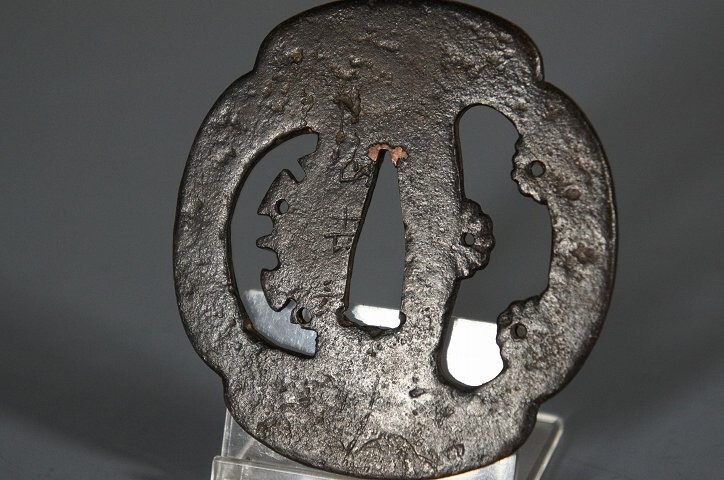
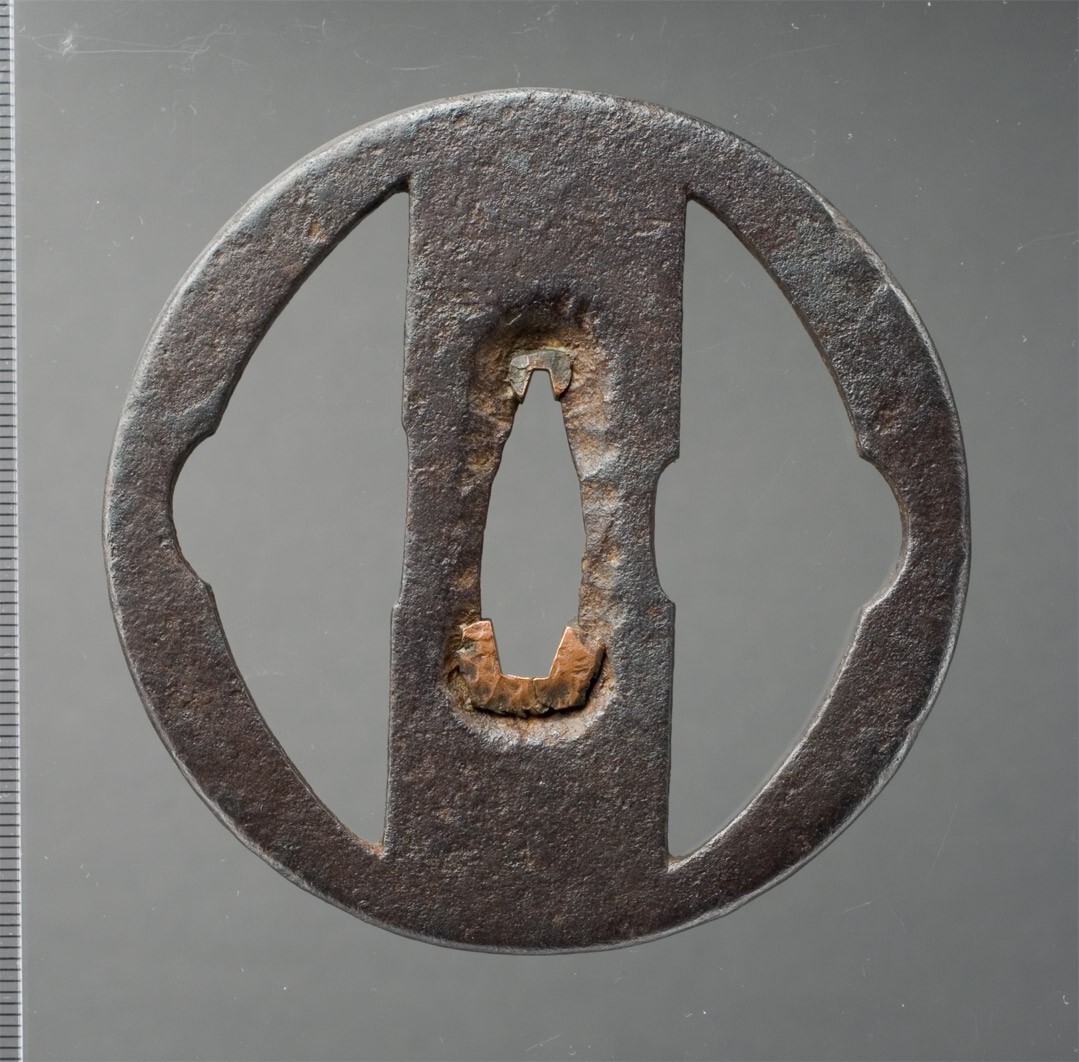
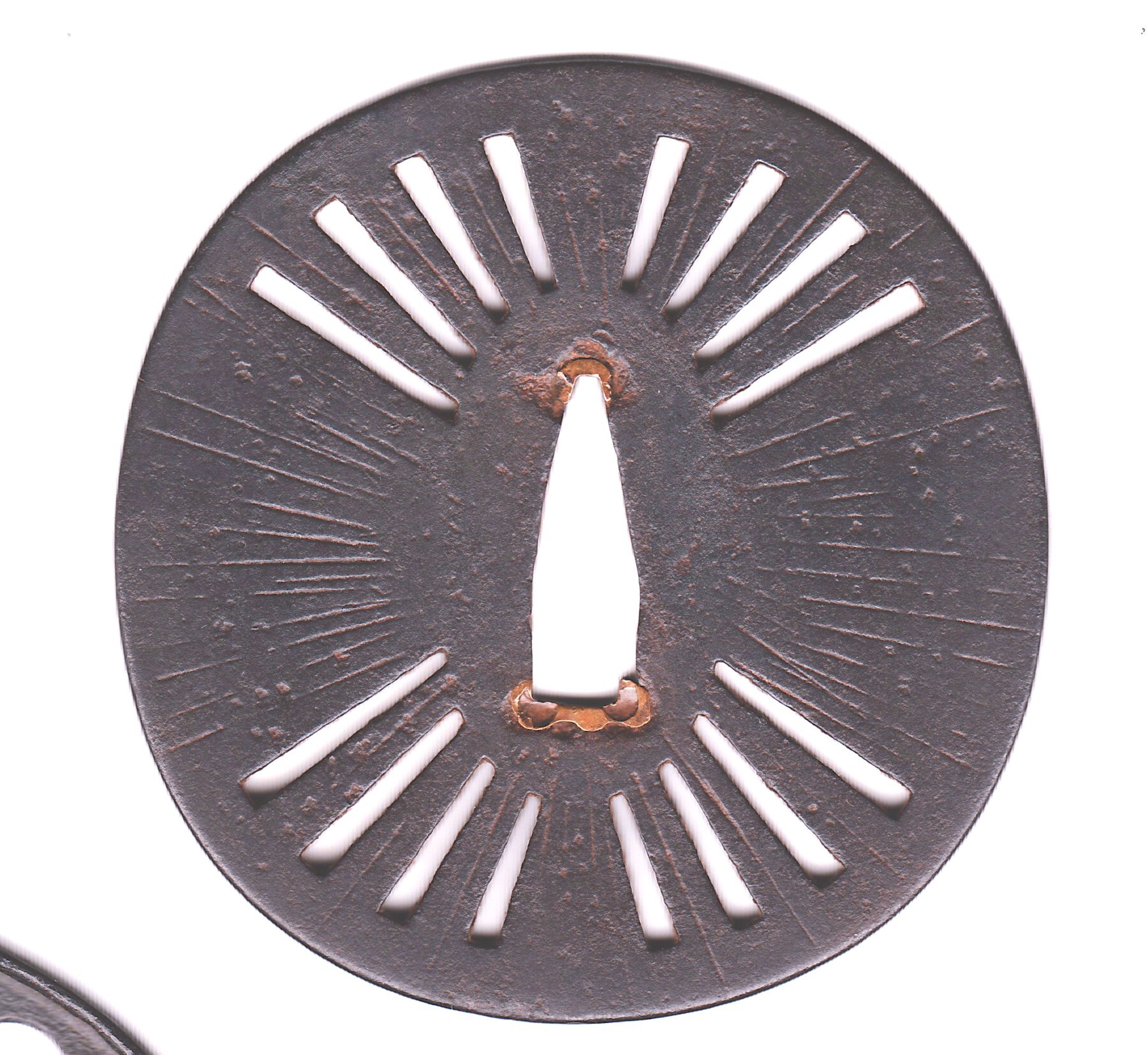
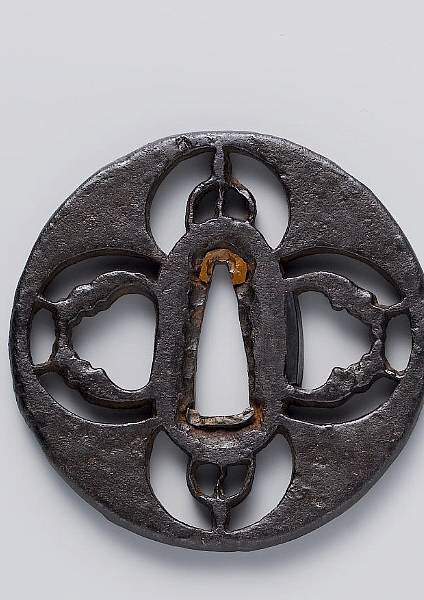
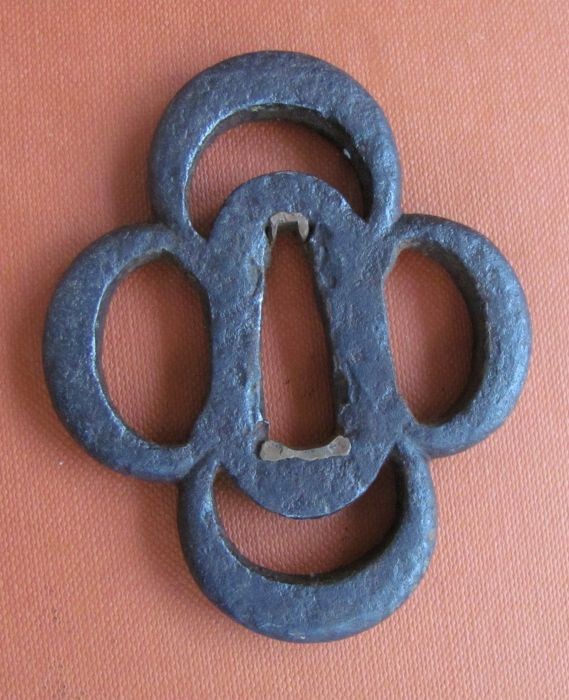
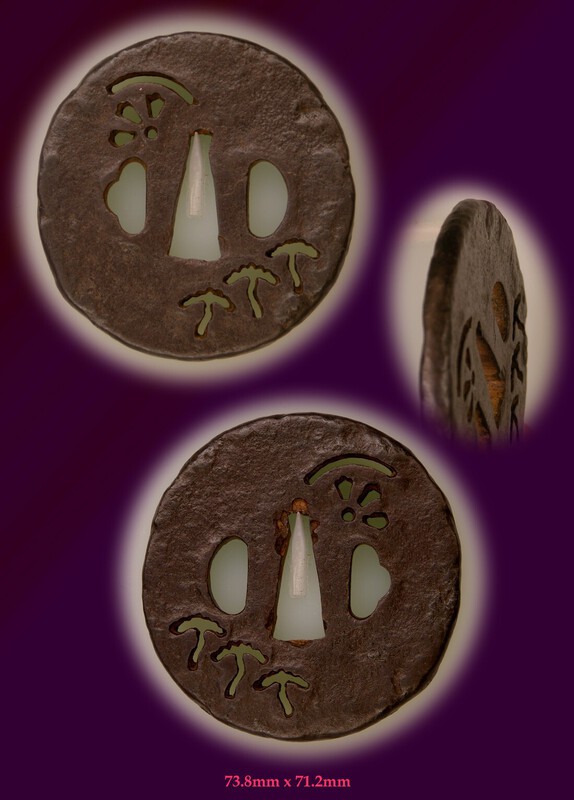
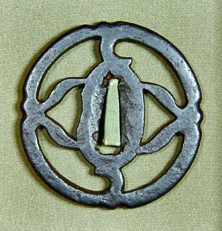
Some images I have collected over the years of suspected Ono tsuba. I don't own them nor have I seen them in hand, so feel free to disagree.





-
Bob Haynes interviews, well worth watching. BIG posted this link in the Events section: https://www.militaria.co.za/nmb/topic/50544-robert-haynes/ Or direct link for all 5 videos: https://ificah.de/interviews/
-
A good start. Quite often a cleaning project will look worse before it gets better, so that requires a long term commitment. There is a detailed description of the iron tsuba cleaning and patina growth process in Sasano's "gold" book: Sasano, Masayuki. Sukashi Tsuba. London, England: Robert G. Sawers, 1974. It may be possible for you to find a copy through the local library if you want to read it first. As Sasano states, after removing the red rust the next step is to stimulate the formation of black rust, so avoid lotions or oily perspirations that would shut out air and interfere with the oxidation process. A wash with mild soap and water is ok to degrease and get off any remaining loose red rust. Setting it in a sunny window is helpful because adding some mild heat will increase the rate of oxidation.
-
An interesting comment in the Varshavsky collection reference from Dale. Provenance: Robert E. Haynes, Mark Weisman. This is what shibuiswords.com says about this tsuba: Just for context, Robert (Bob) Haynes is one of the foremost Japanese sword fittings authorities in the US, having studied with Dr. Kazutaro Torigoye in Japan in the 1960's. There is a lot of useful tsuba material by Bob on the Shibui Swords site, Elliott and Bob collaborate a lot since they live near each other.
-
On the subject of books, a must have for beginning collectors is "Tsuba, An Aesthetic Study", by Kazutaro Torigoye and Robert Haynes, from the "Tsuba Geijutsu-Ko" of Kazutaro Torigoye. The characteristics of Yagyu tsuba is one of the topics. More info and how to order at the the Northern California Japanese Sword Club web site. http://ncjsc.org/ncjsc_publications.htm Also Markus Sesko's website is worth a look. Free blog articles on swords and fittings plus books to order. https://markussesko.com/
-
Actually the Europeans and the Japanese mounted them both ways. For the Japanese, mounting it convex side toward the tsuka would make any carving or decoration more visible, also less likely for the tsuba to interfere with the fingers. Attached is an example of one mounted concave side toward the tsuka, also a rapier mounted convex side toward the hilt.


-
The cup shaped tsuba were influenced by the swords worn by Europeans. Anything European was exotic and fashionable in the 16th century and later. The main seaport the European ships used was Nagasaki in Kyushu so a lot of the cup shaped tsuba come from Kyushu tsuba groups like Hizen and Higo. European influence in tsuba design has been discussed several times. https://www.militaria.co.za/nmb/topic/44557-funny-shape-tsuba/#comment-462729 https://www.militaria.co.za/nmb/topic/18403-namban-hands-up-if-you-like-namban-tsuba/ for examples. The shape of the tsuba is mostly about the visual effect the smith desires, the shape would not noticeably affect the balance of the sword.
-
Mid-size tosho, multilobe mokko shape. The use of repetition and alternation shows a more sophisticated design than what is typical. It does not seem to be a ka-mon. The narrow hitsuana indicates a mid-Muromachi timeframe.

-
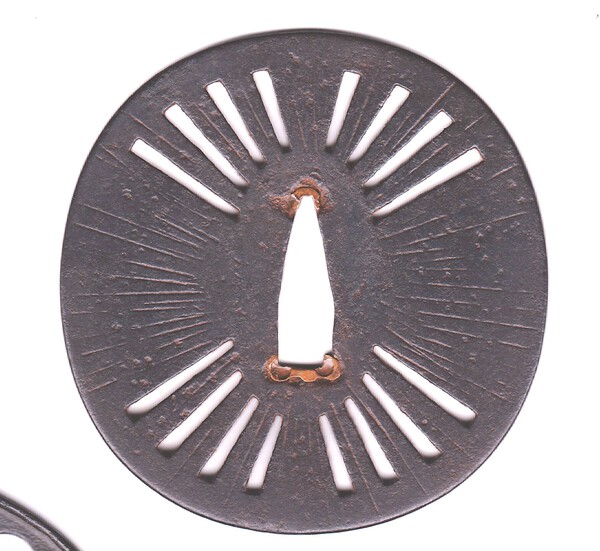
Hosokawa connections to Catholicism Hosokawa Tadaoki (Retired name is Sansai) was a patron of the famous tosogu-shi of Higo province. Although not a convert himself, according to the Historical and Geographic Dictionary of Japan by E. Papinot: Married to Akechi Tama who was baptized in 1597 as Gracia Son, Tadatoshi, who was baptized in 1597. Later made to recant at the request of the Tokugawa Bakufu Son, Tatsutaka, who was baptized in 1587 as John Brother, Okimoto, who was baptized in 1594 Tadaoki was very friendly with the Jesuits, particularly Gregorio De Cespedes Presented is a Higo tsuba that bears a strong similarity to a Catholic monstrance. I attribute this one to Hirata, although Nishigaki has been suggested. A monstrance is a Catholic ritual object, an example below. Fred Geyer has done a deep dive into Christian symbolism on 16th century and later Japanese objects. If this interests you then check out his old NMB posts or find his essay, Kirishitan Ikenie Tsuba in the 2006 Kokusa Tosugu-Kai book

-
Post with pictures of tsuba mounted on bokuto https://www.militaria.co.za/nmb/topic/49004-why-is-there-a-big-hole-in-this-tsuba/#comment-509896
-
Thanks Manuel. One other question, is there a pocket for a kozuka in the saya? I see there is a kozuka hitsuana in the tsuba.
-
I am curious, is the tsuka-ito lacquered? it looks like the fuchi is lacquered also.
-
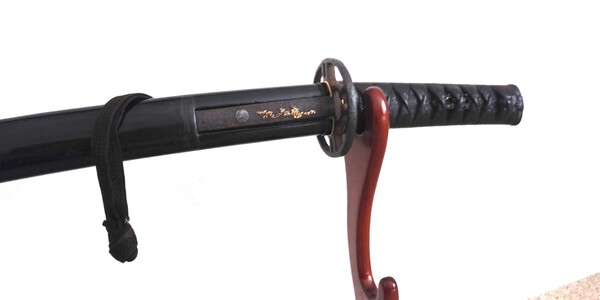
For some reason I am not able to edit my initial post. Anyway, some images right side up.

-
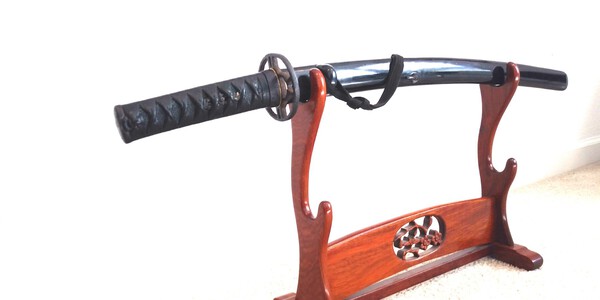
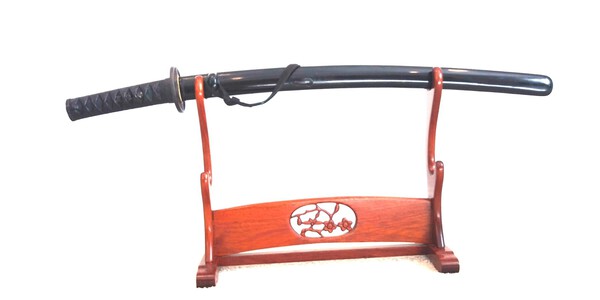
Nice! Also really rare, especially outside of Japan. Here is one I have. I date it a little newer, probably late 1500s to mid 1600s, Owari style koshirae. Iron fuchigashira, tsuba, and kozuka. I apologize for the last image being upside down. It seems the website is ignoring the exif orientation tags.

-
Iron Kozuka What is represented here is a bamboo flower container that is used in the Japanese Tea Ceremony. This type is normally hung on the wall of the Tokonoma in a Soan, or Wabi style tea room. A very famous example, and considered to be a prototype of bamboo flower containers is the Enjo-ji, made by Tanaka Soeki (Rikyu) while in attendance to Toyotomi Hideyoshi during the siege of the Hojo in Odawara in 1590. This flower container is named in reference to the bell at the Enjo-ji temple which is cracked. See here for a picture of the flower container in the Tokyo National Museum. http://www.tnm.go.jp...geId=E15&colid=G4217 Because the Enjo-ji flower container is cracked, it leaks a bit, and this is evoked by the four dots, representing water drops, below it. Age: It is likely that this kozuka was made sometime after 1590. My guess is Bunroku through Genna, by which time the new capital in Edo is firmly established. I have seen two other kozuka like it, so I think it is a production item sold to warriors who practiced the Tea Ceremony. Maker: Heianjo Zogan Inlays of copper and silver in addition to the brass suemon (excludes Onin) Inlays being raised slightly above the iron surface (excluded Yoshiro) The archaic and stylistic “Onin-like” nature of the design (Umetada, Higo, etc. are more naturalistic)