Ray Singer
-
Posts
5,376 -
Joined
-
Last visited
-
Days Won
147
Content Type
Profiles
Forums
Events
Store
Downloads
Gallery
Everything posted by Ray Singer
-
No, that is just the most representative working period during his career.
-
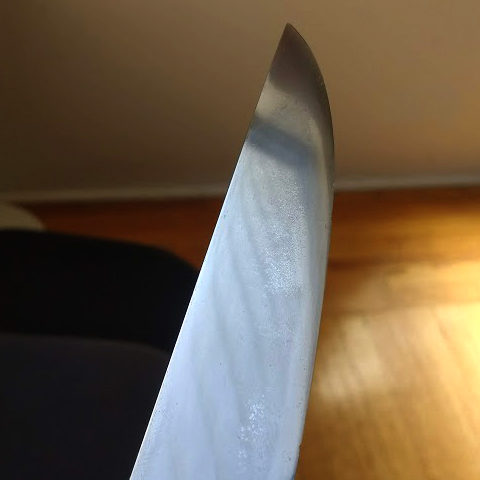
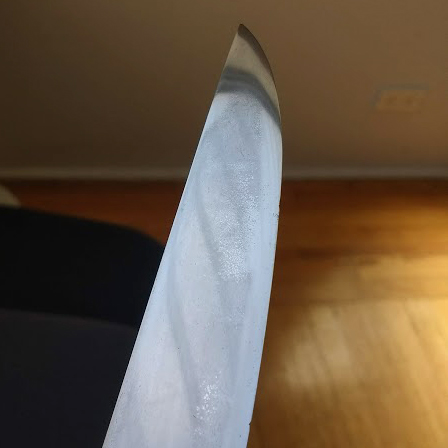
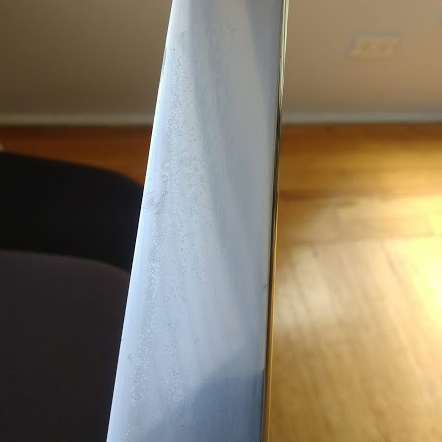
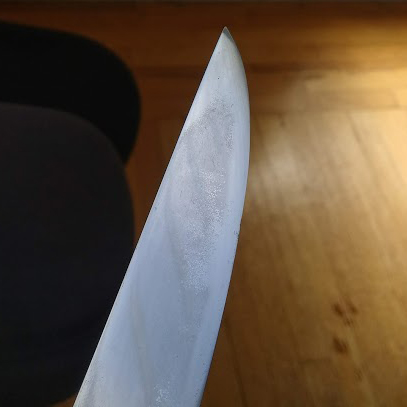
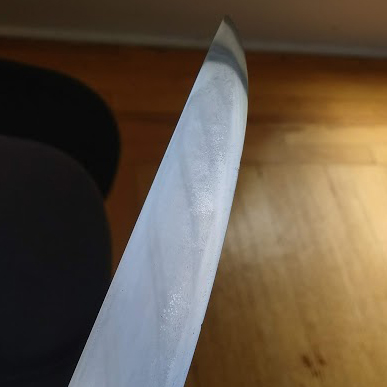
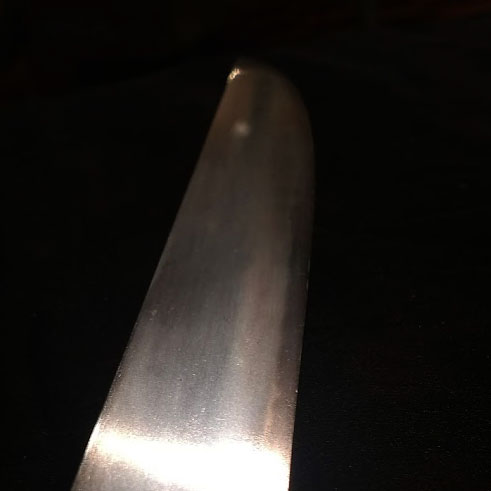
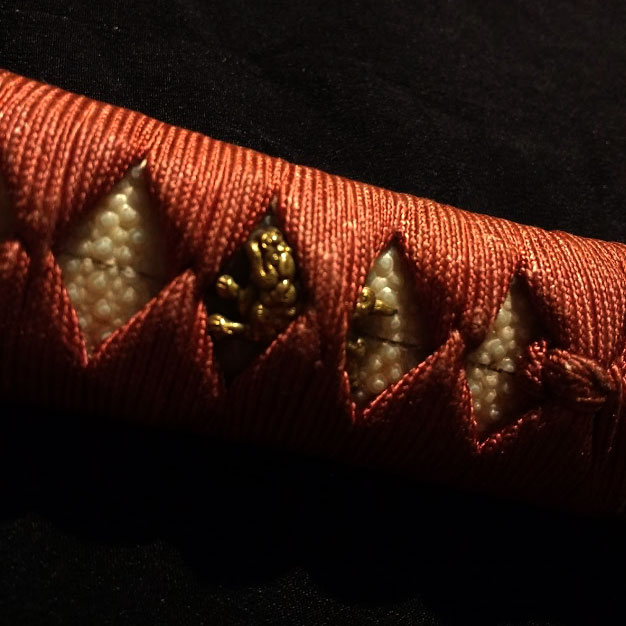
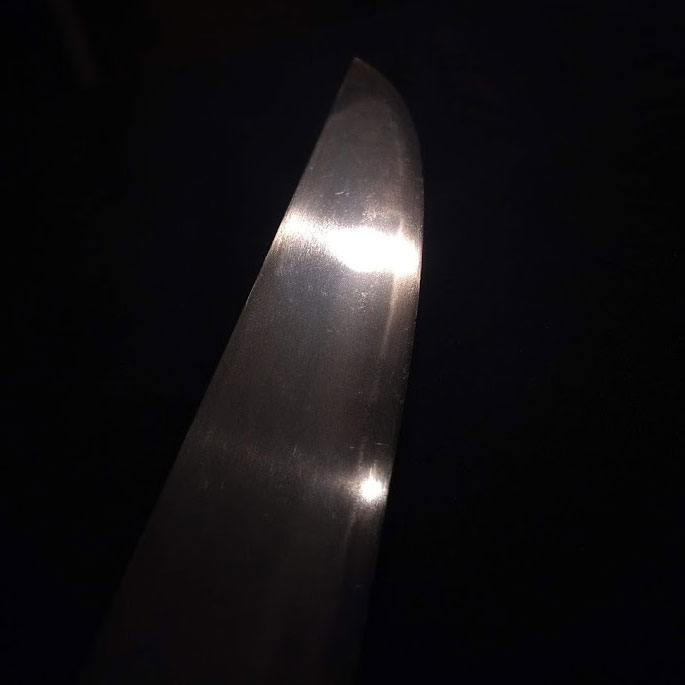
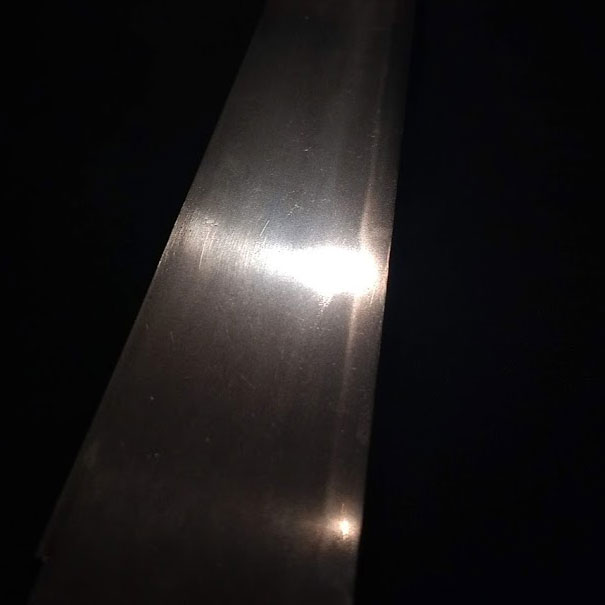
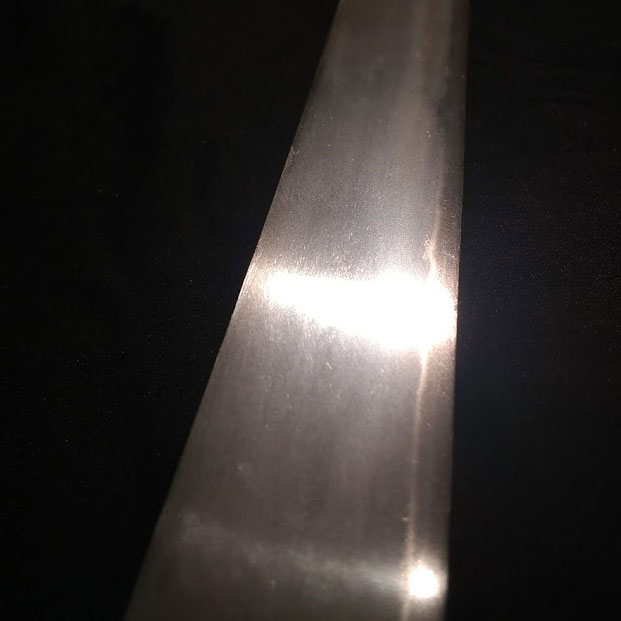
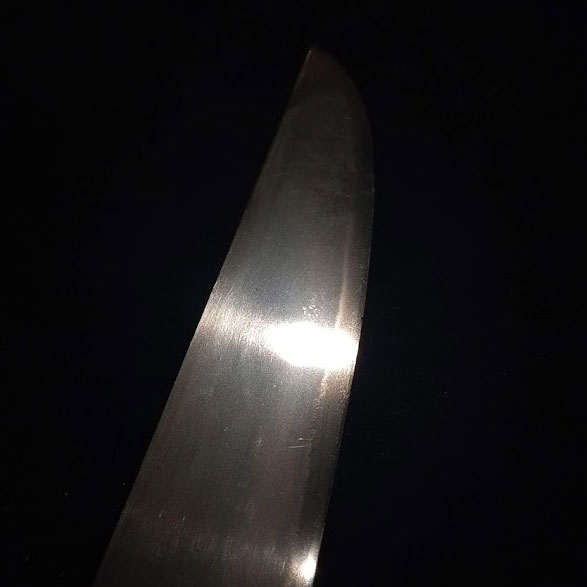
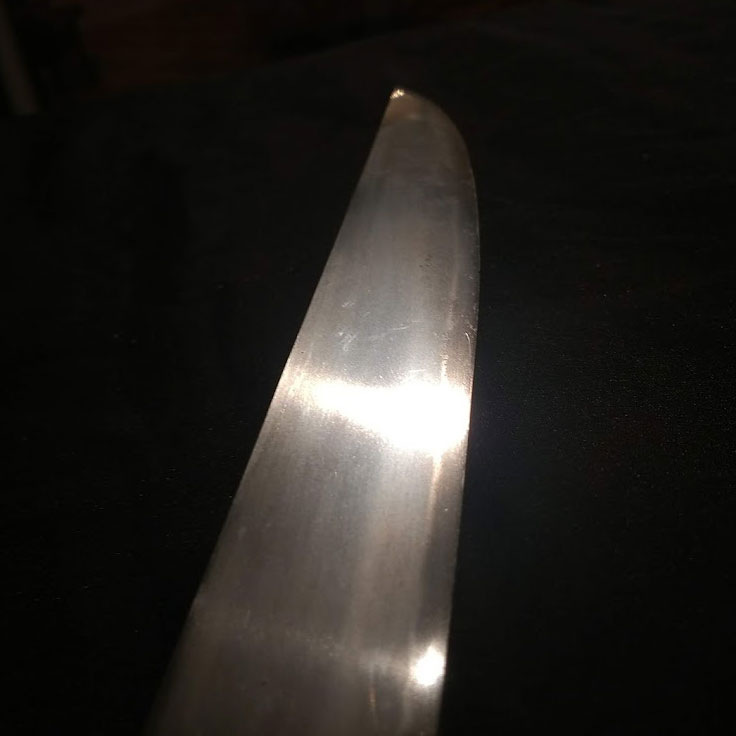
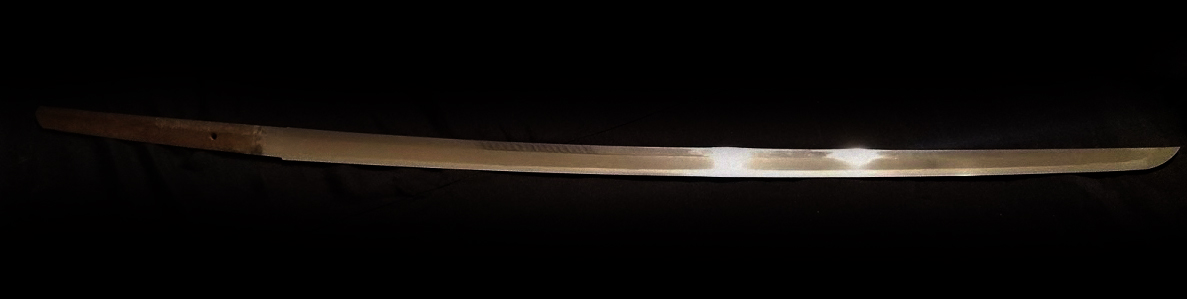
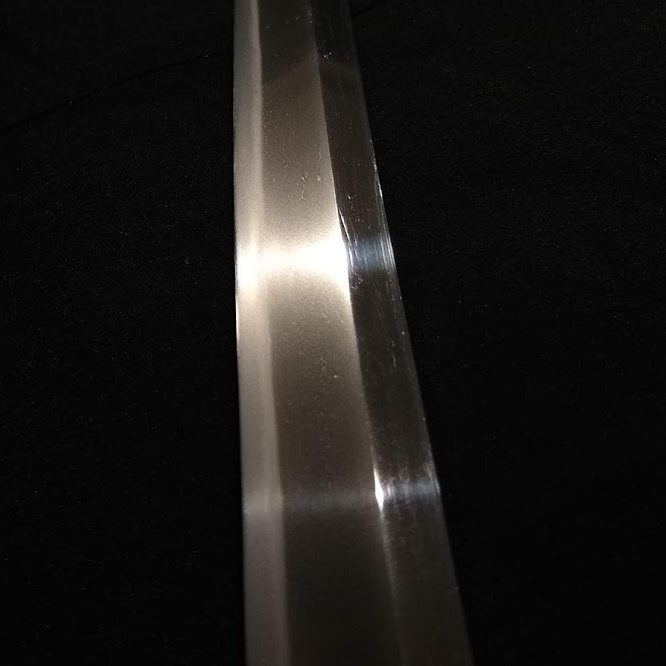
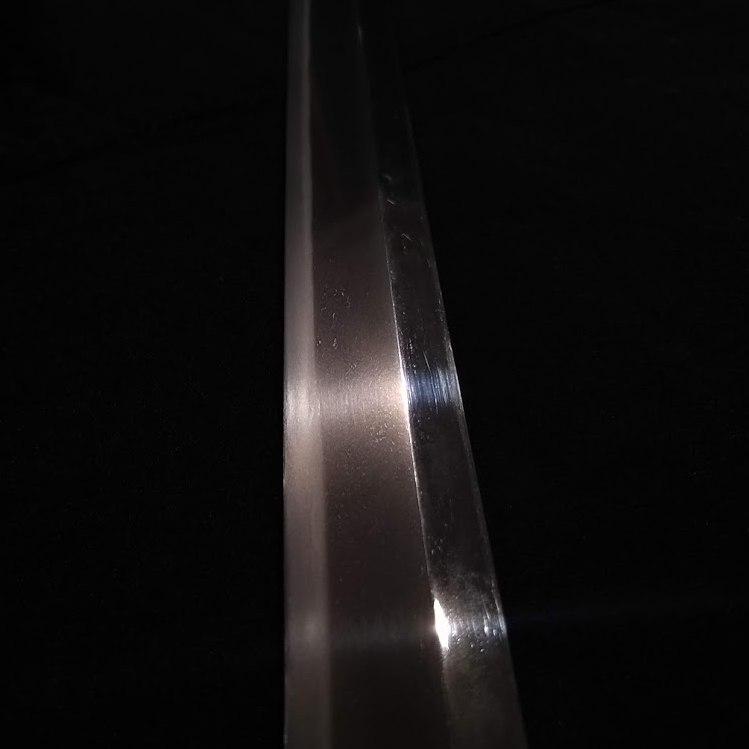
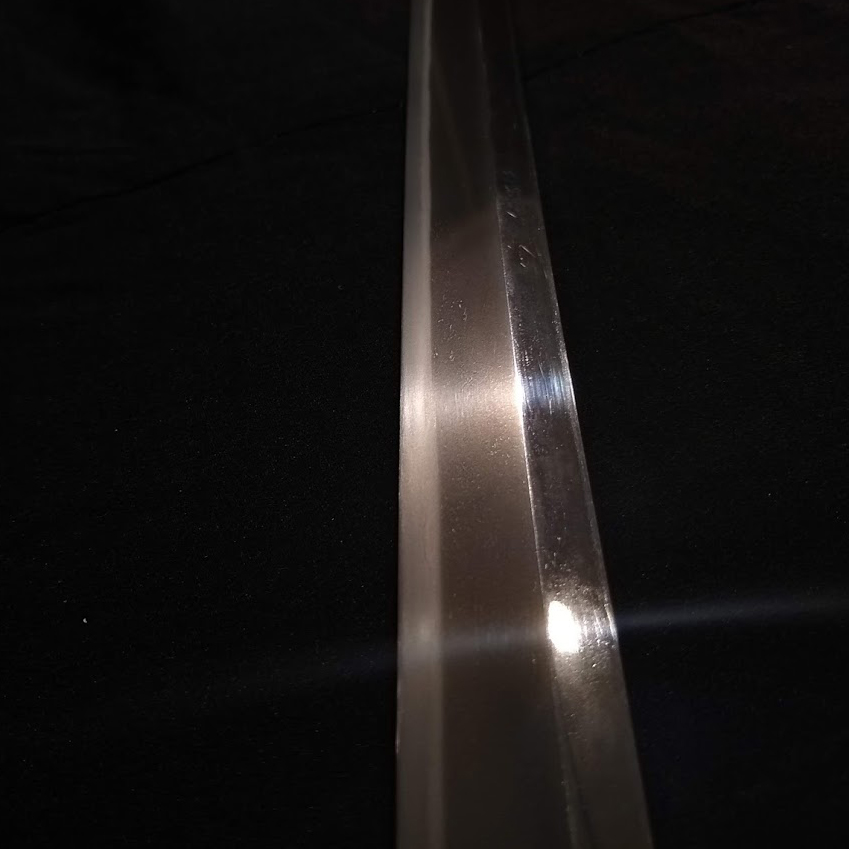
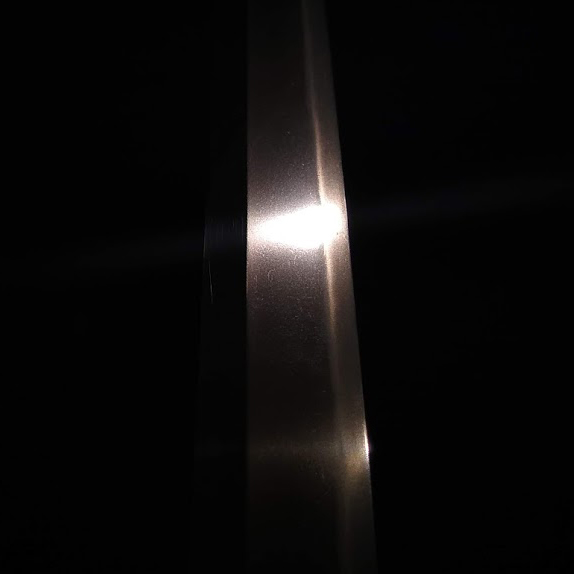
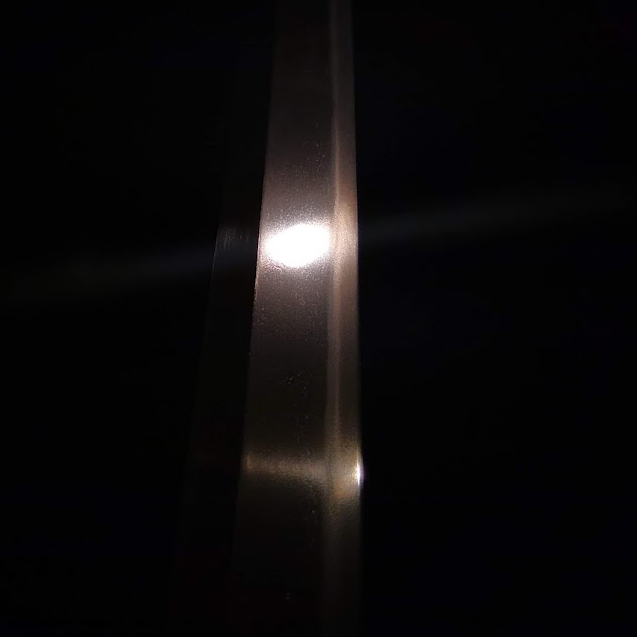
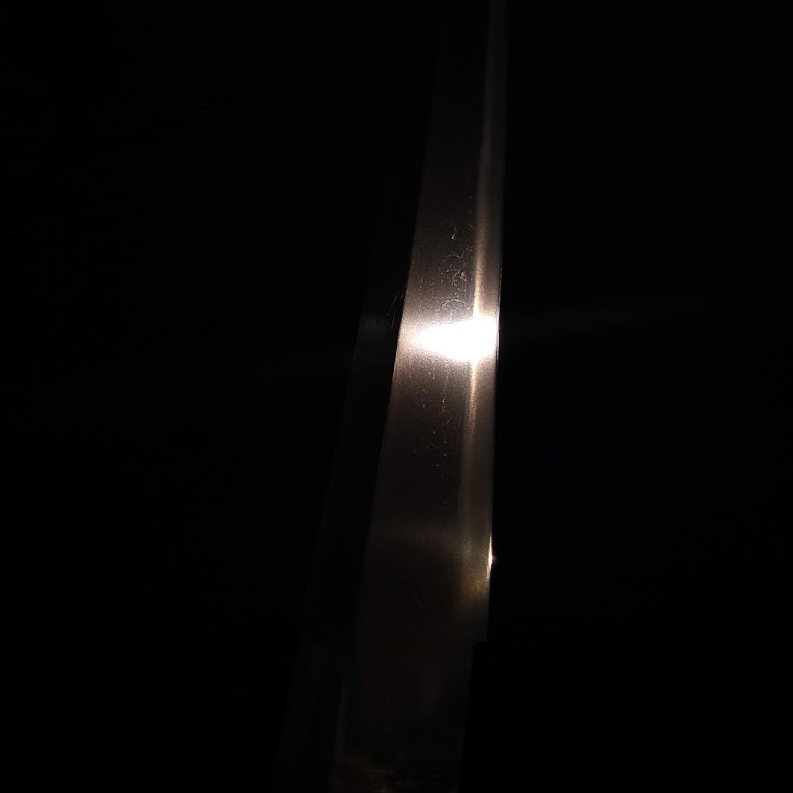
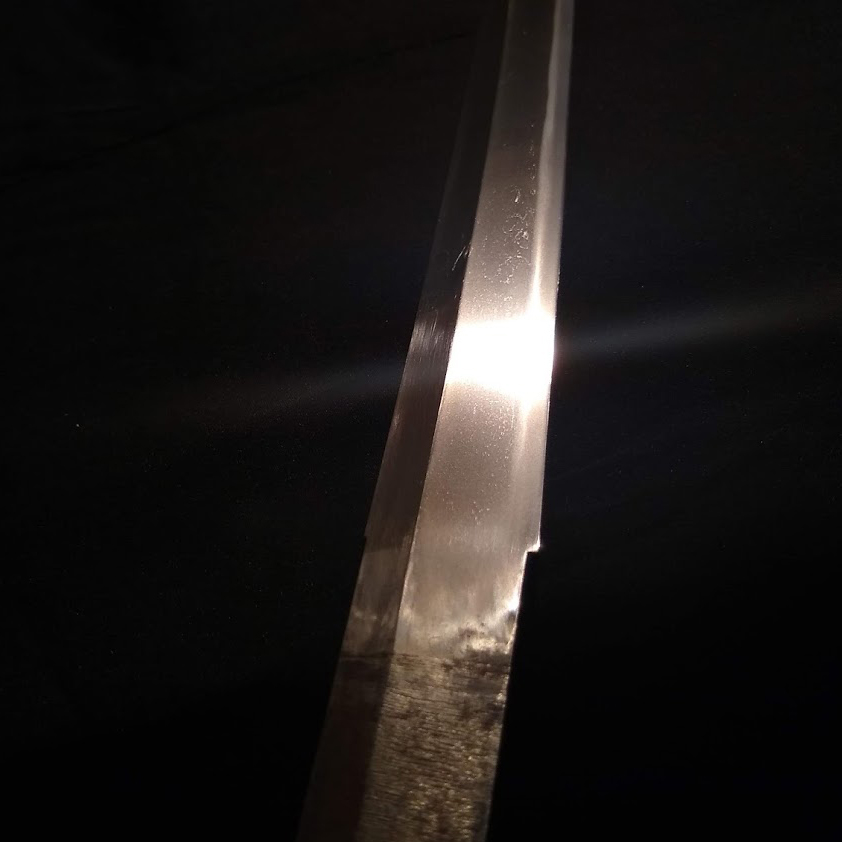
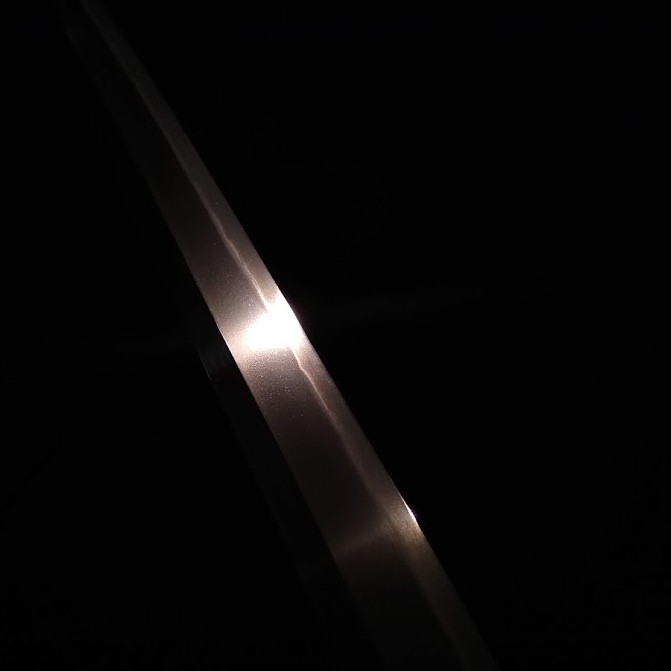
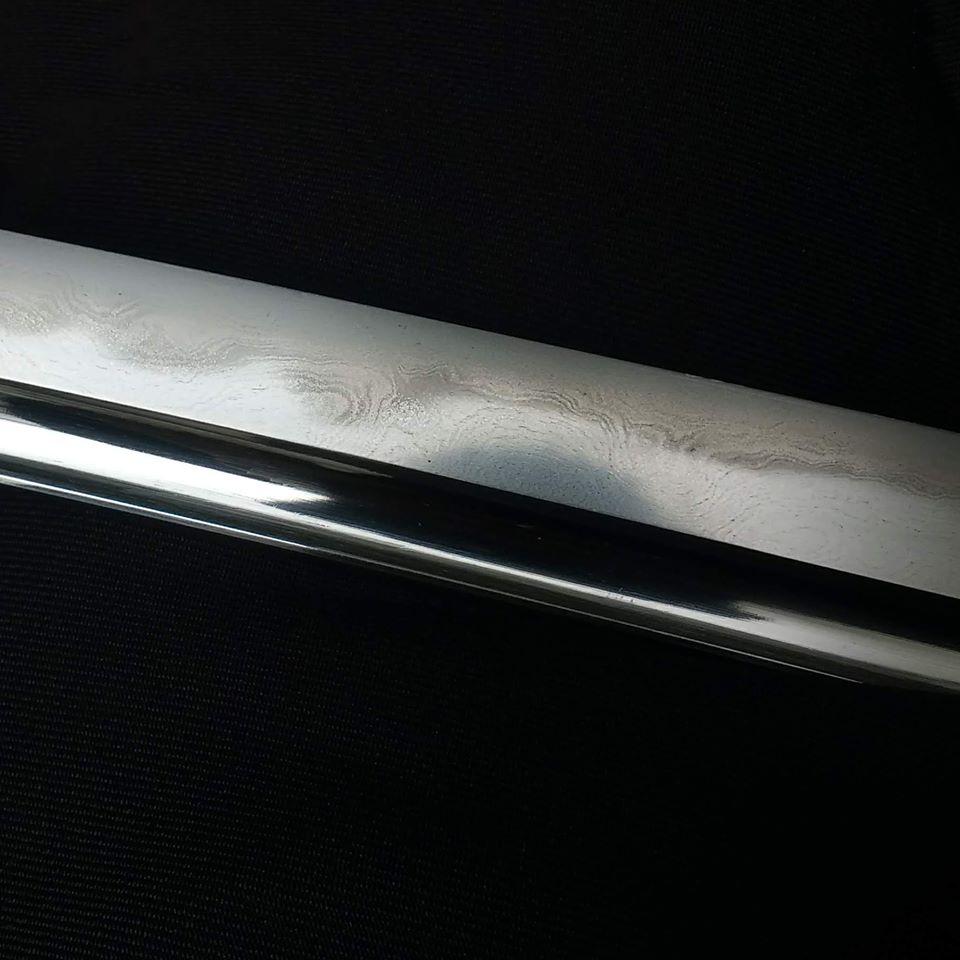
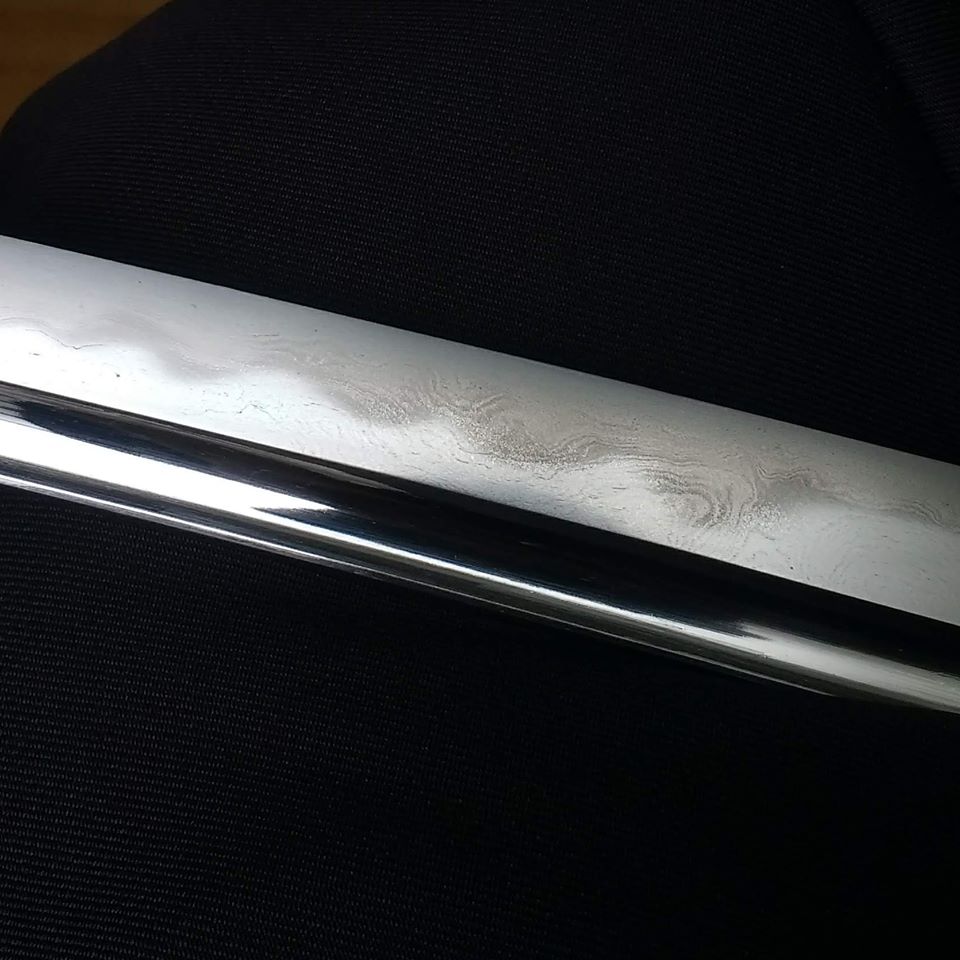
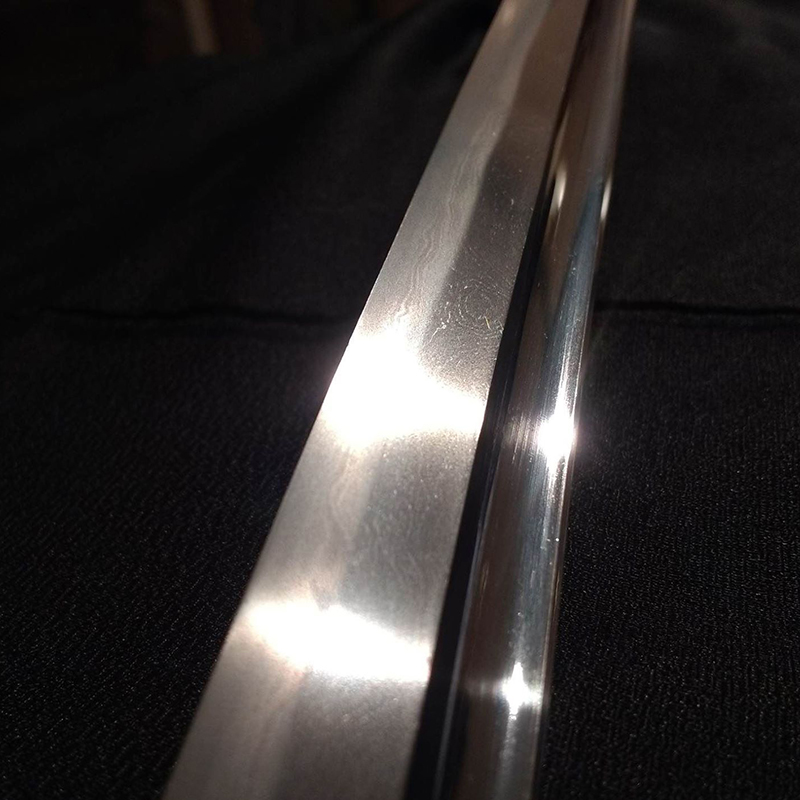
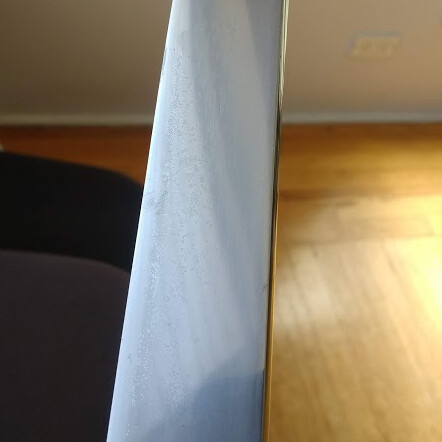
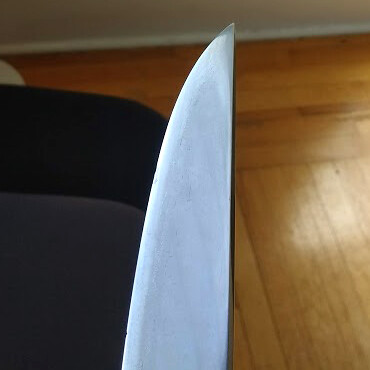
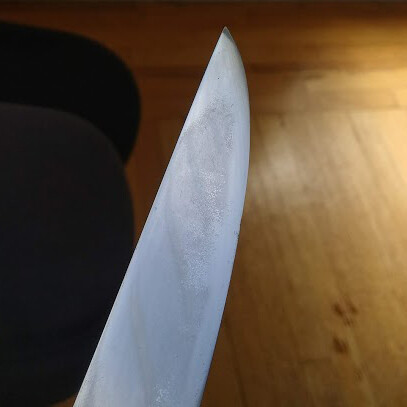
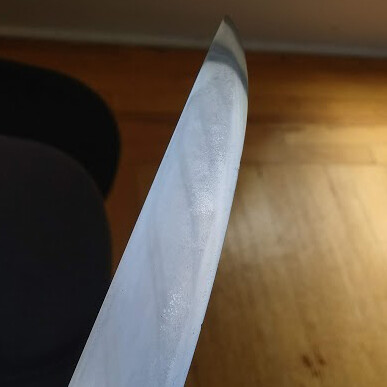
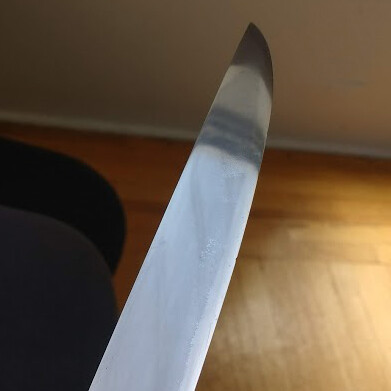
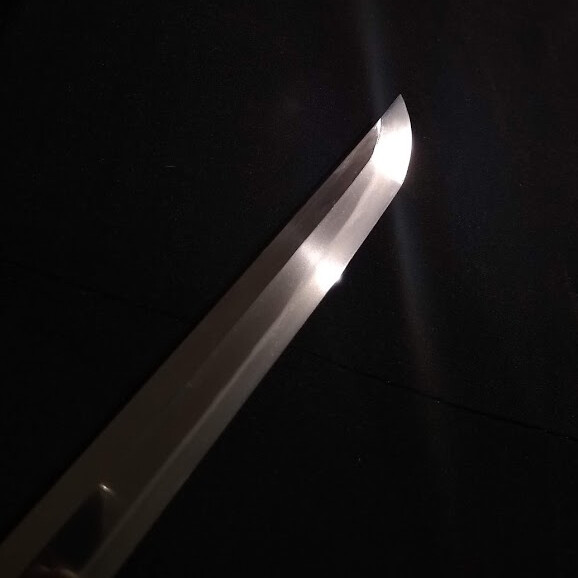
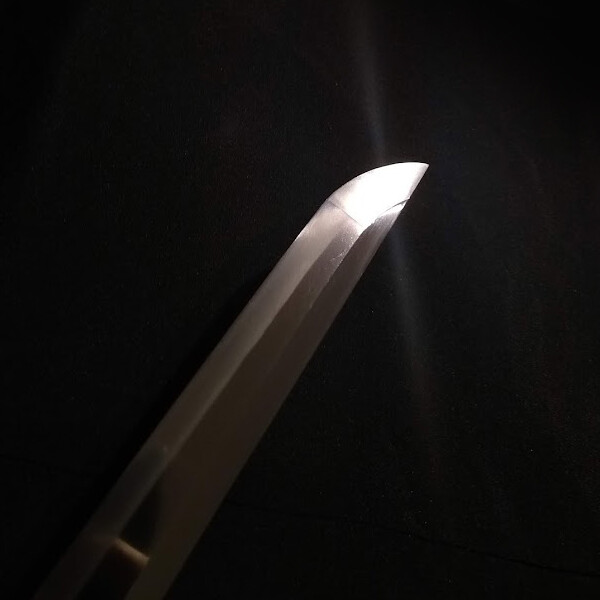
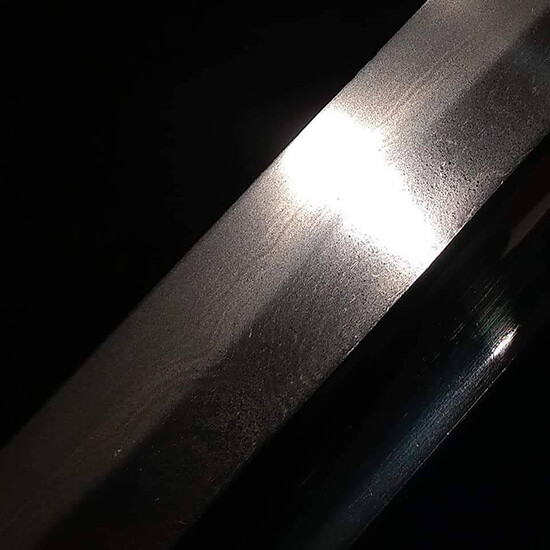
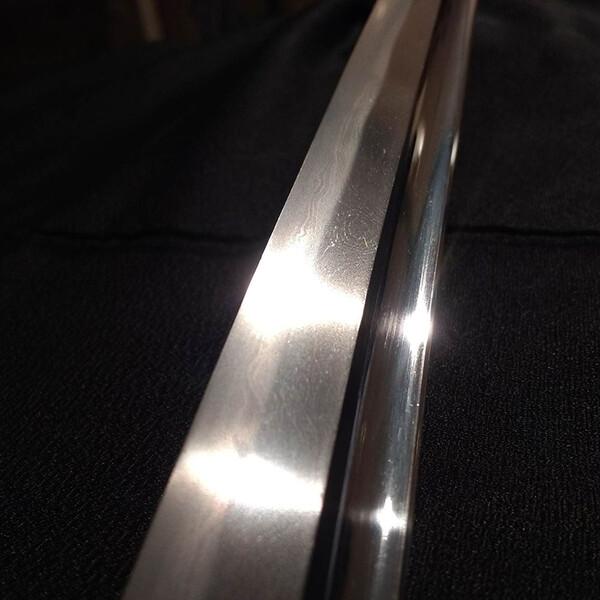
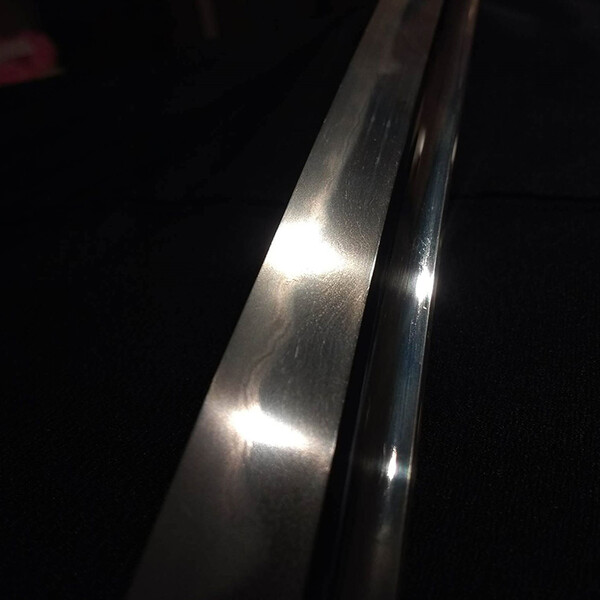
I expected that this one would quickly at the listed price, even in these strange times. I didn't do a terribly good job of showing the workmanship in the first set of photos, so here are a few additional which show the nie hataraki in this blade.
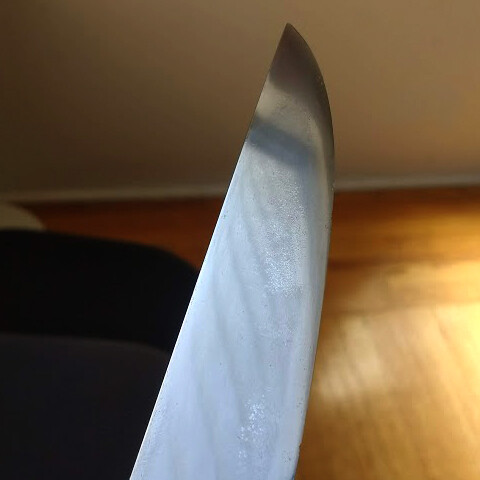
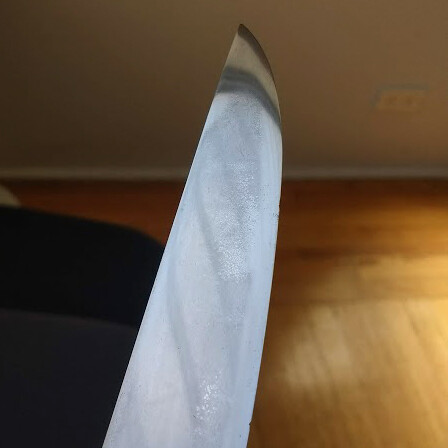
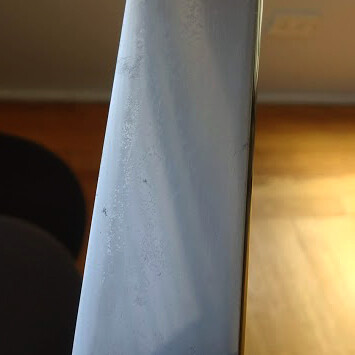
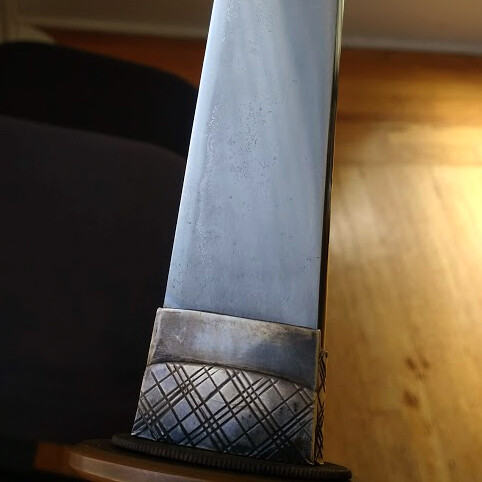
-
Appreciated, thanks Ken! Best regards, Ray
-
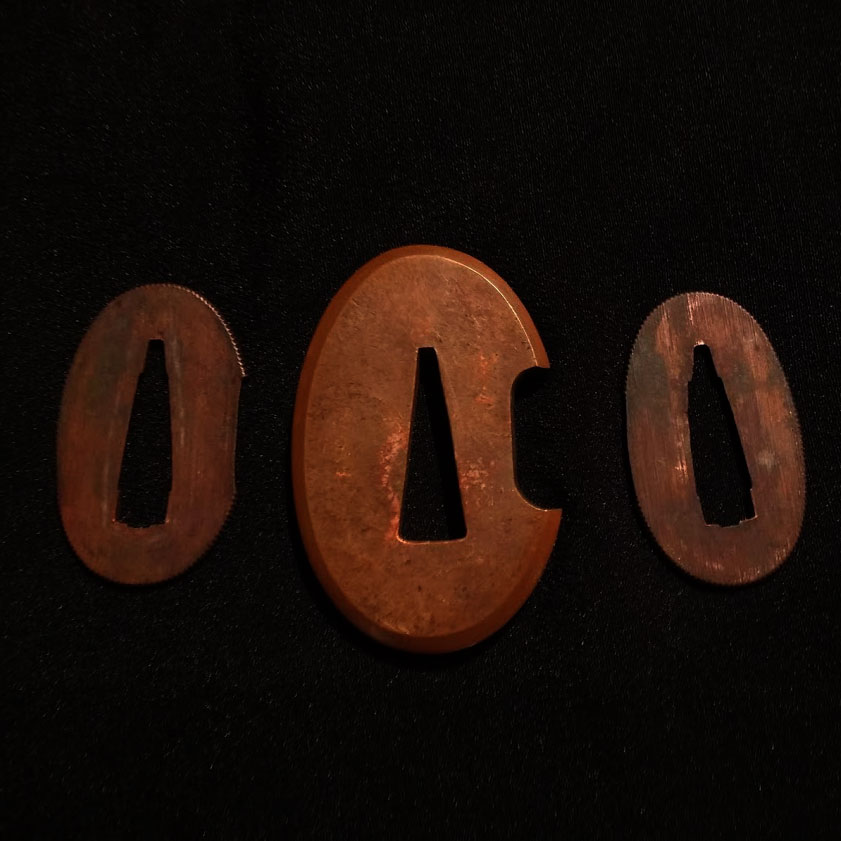
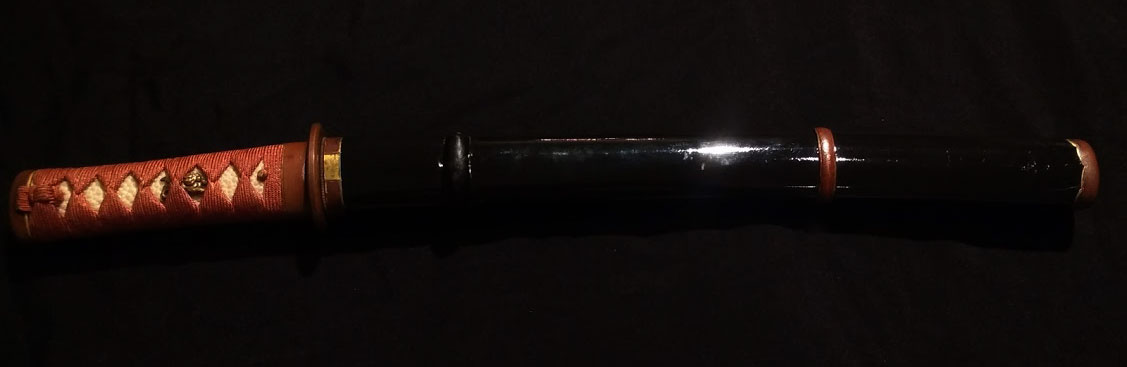
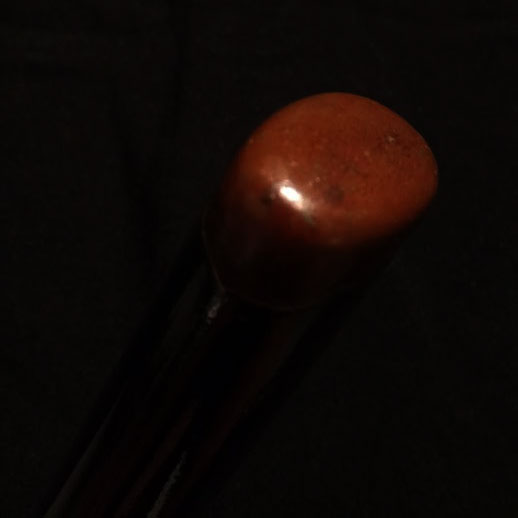
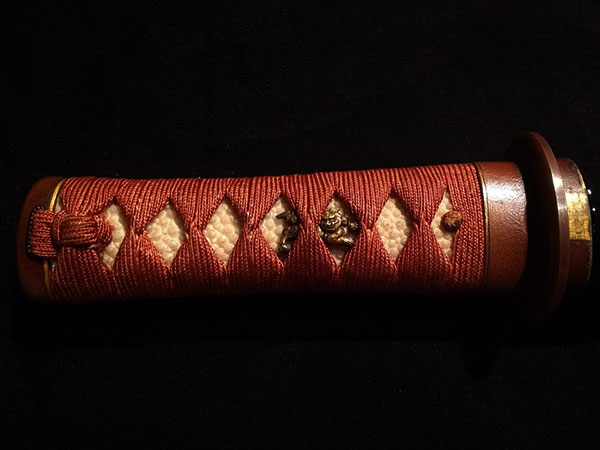
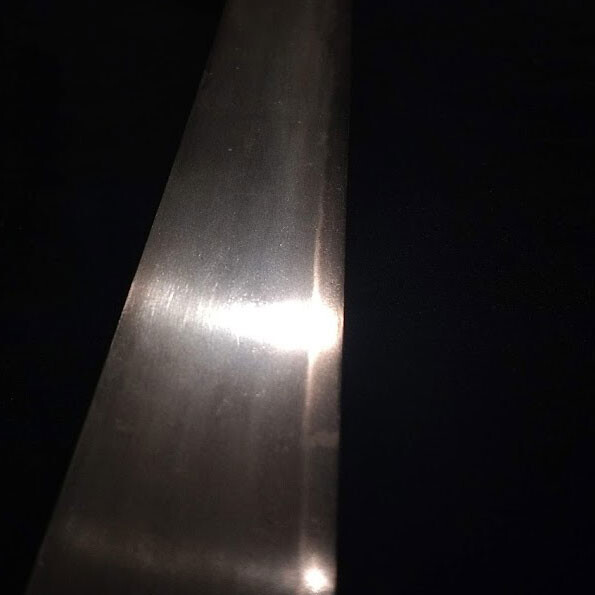
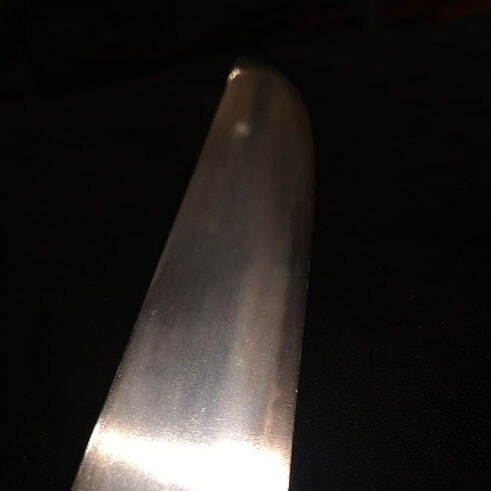
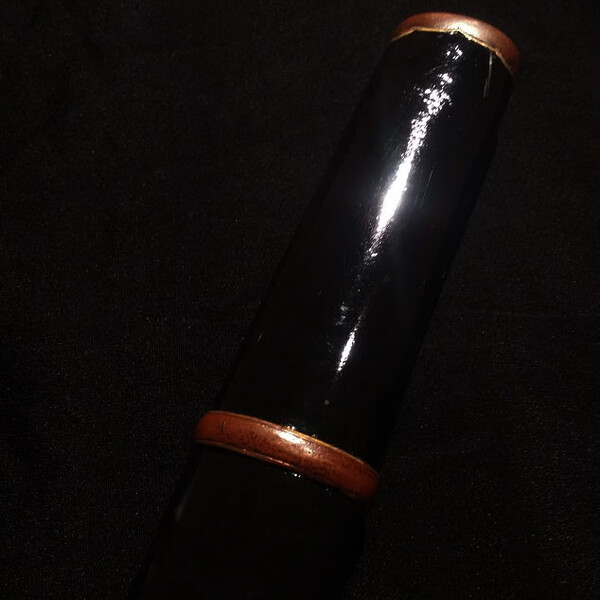
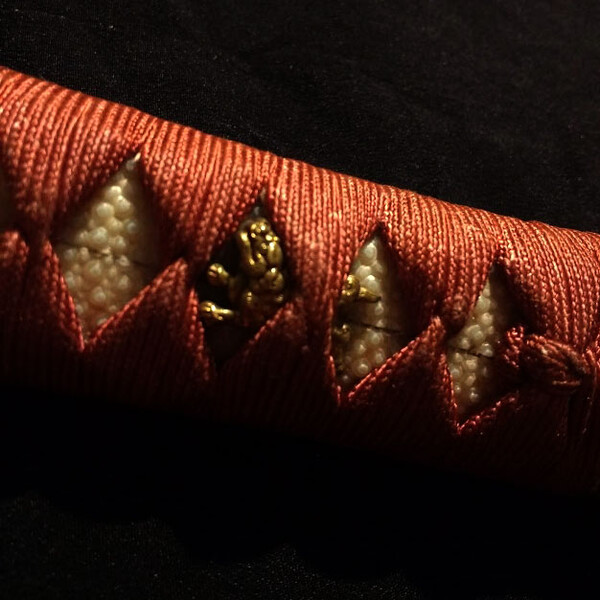
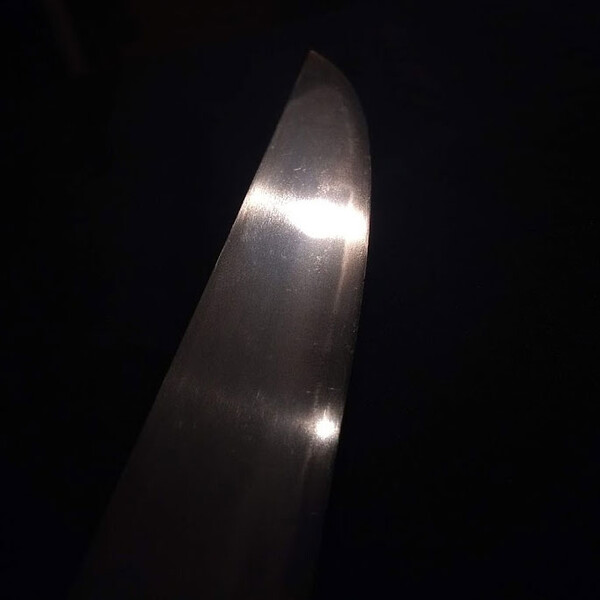
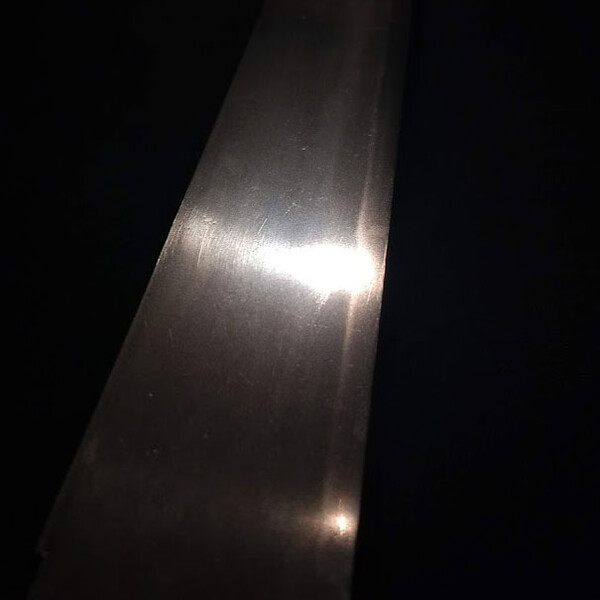
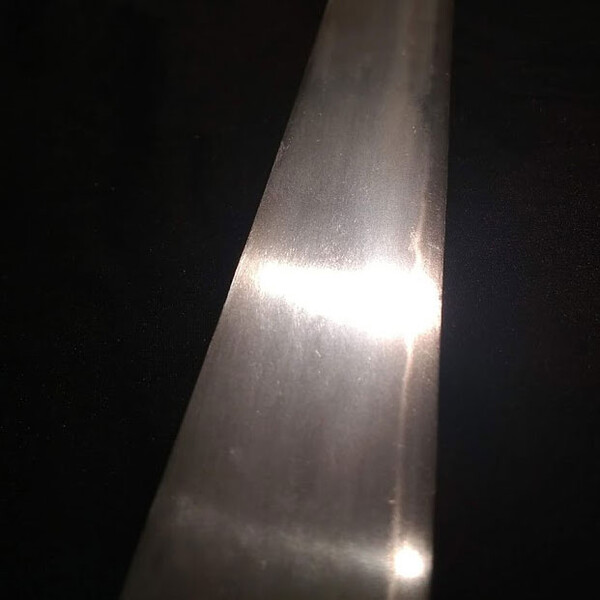
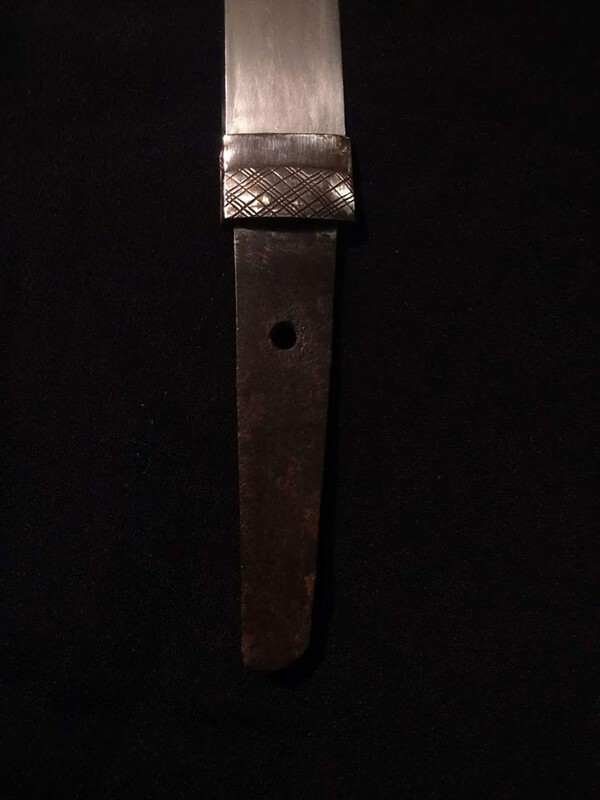
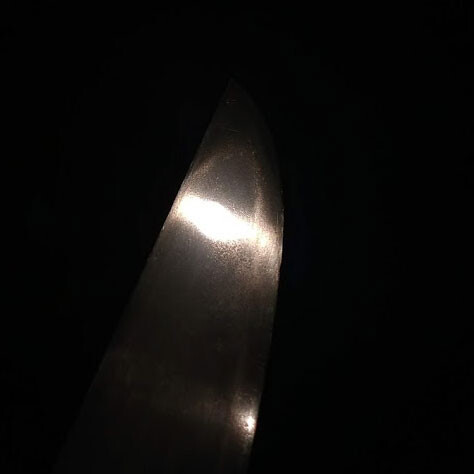
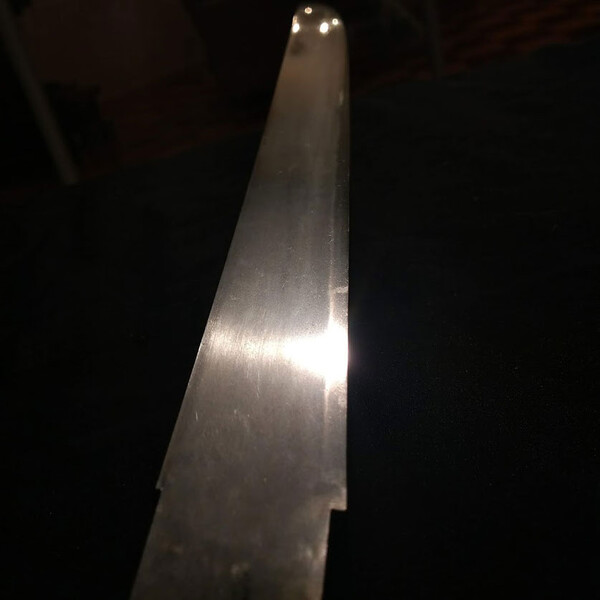
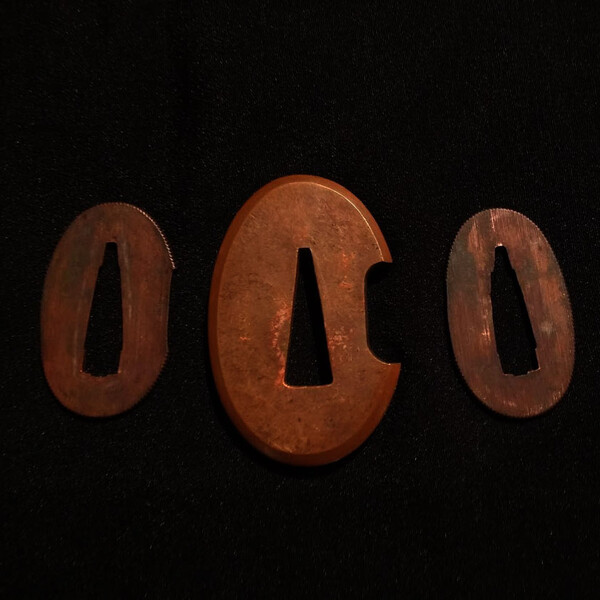
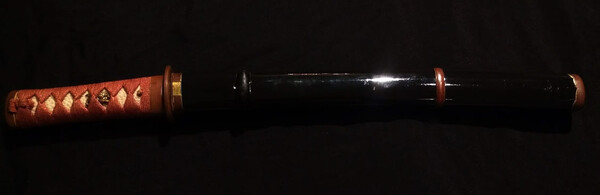
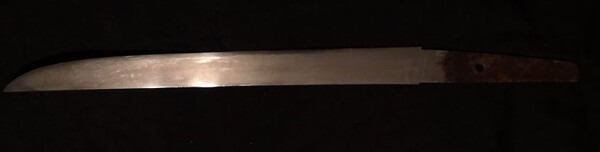
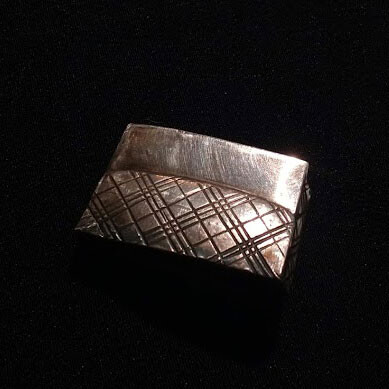
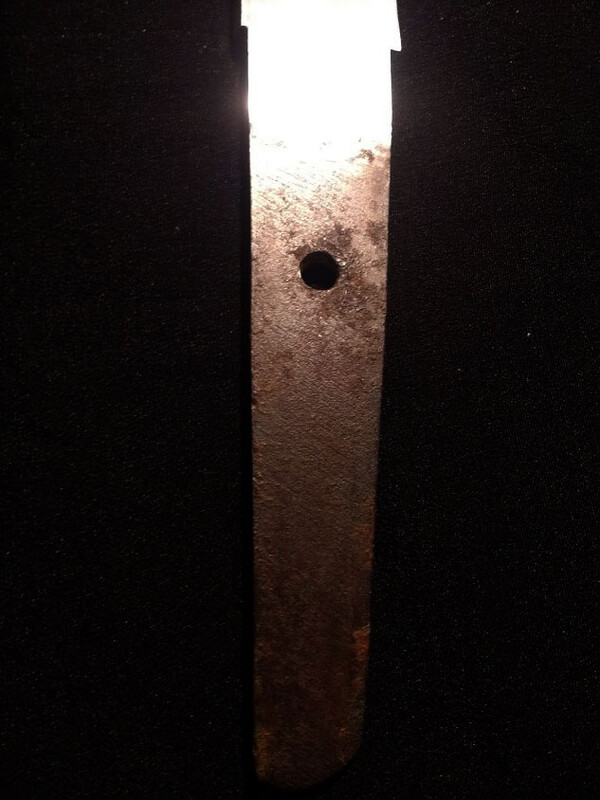
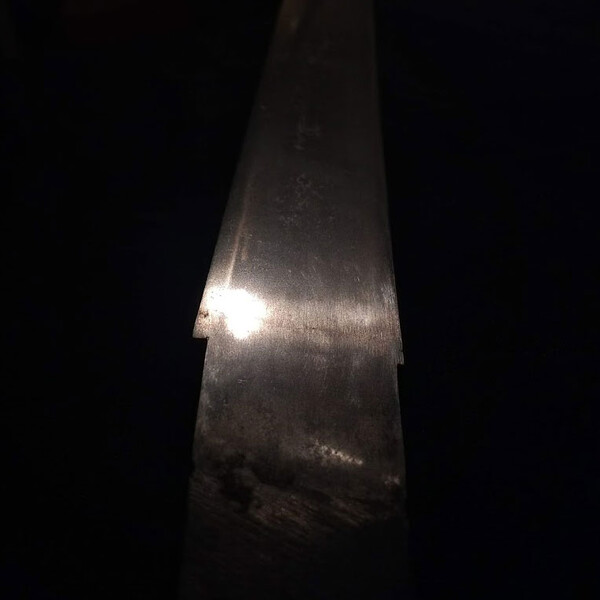
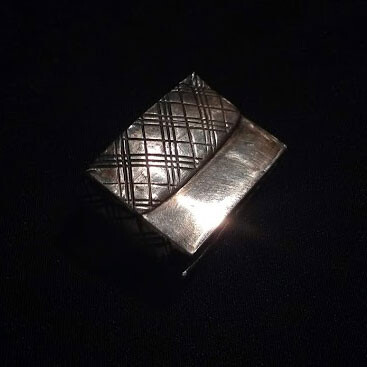
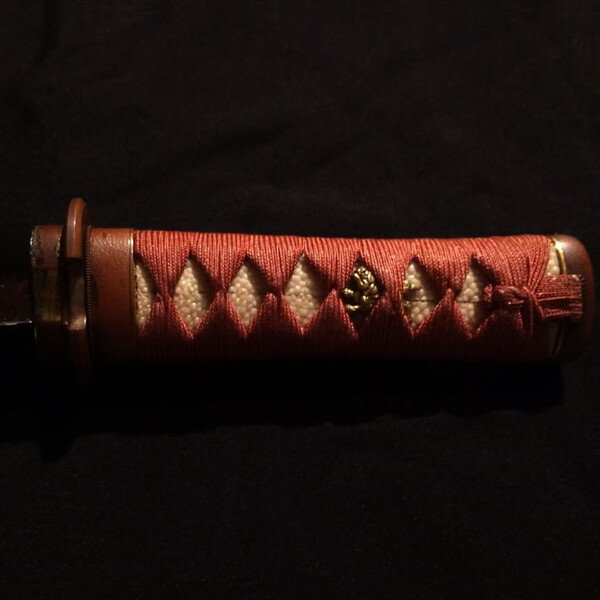
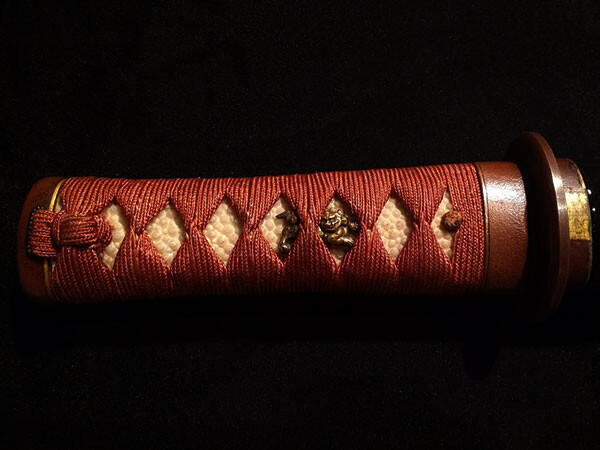
Nice ubu shinshinto tanto in issaku koshirae, with ensuite copper fittings. Hamon is suguha based with small activities (sunagashi and ashi). Polish is a bit hazy but the jihada appears be to ko-itame. Menuki are of shishi and well done. There is no kozuka/kogatana. Best regards, Ray PS. Dimensions coming soon.
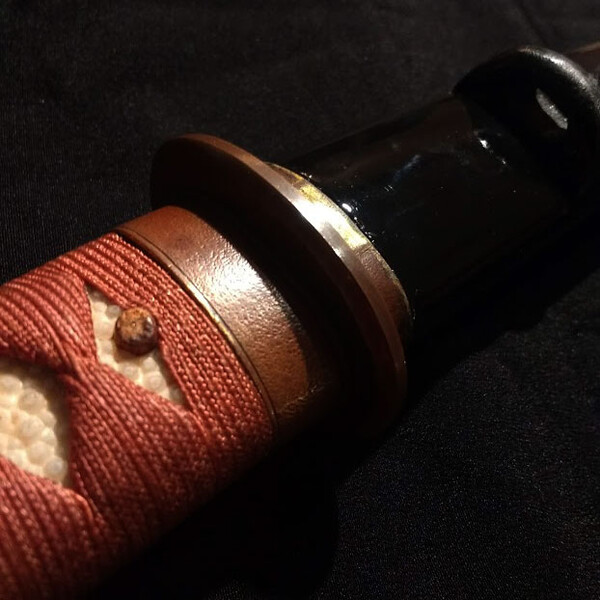
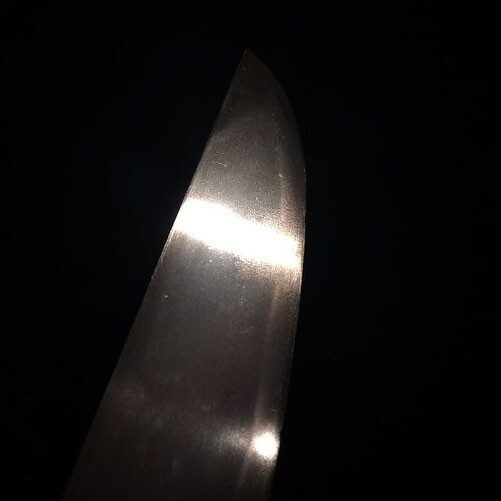
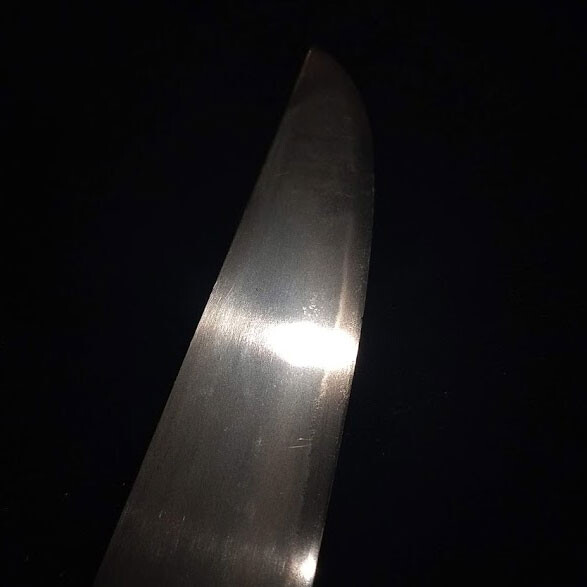

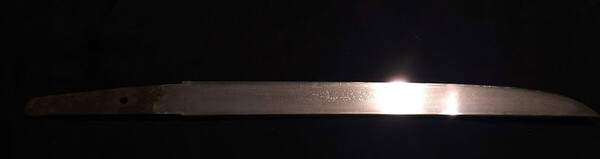



-
 Any report on the Atlanta show from those who attended?
 -
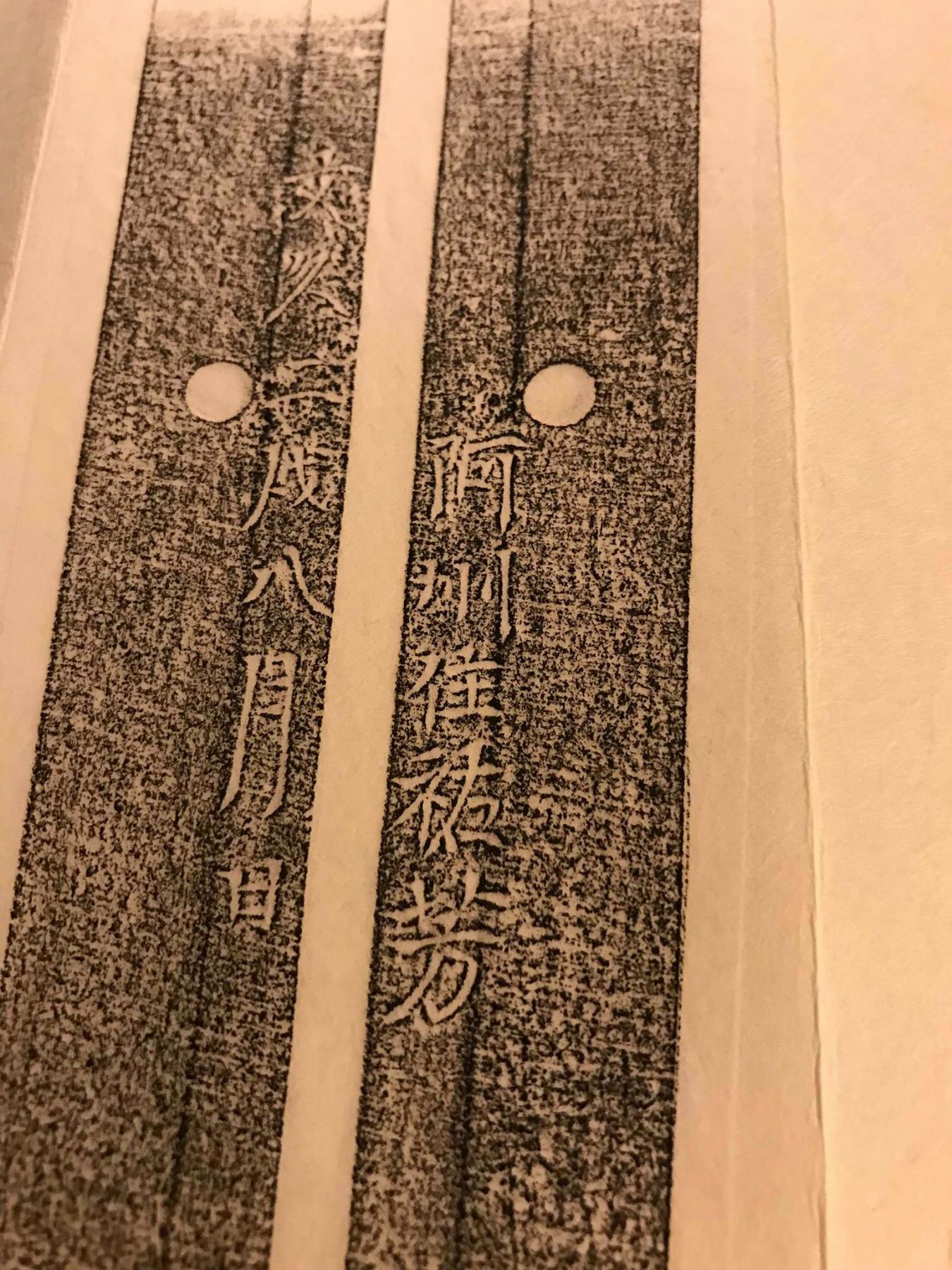
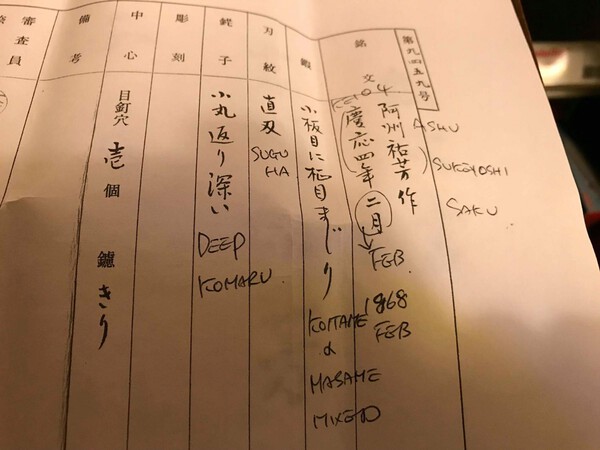
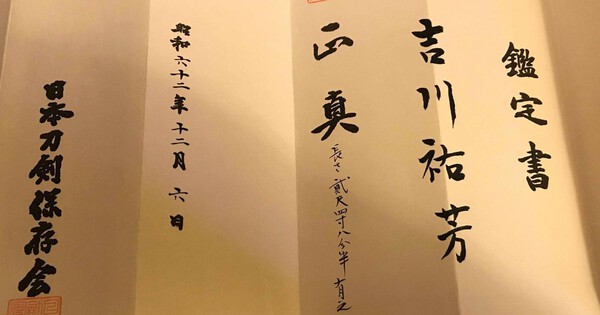
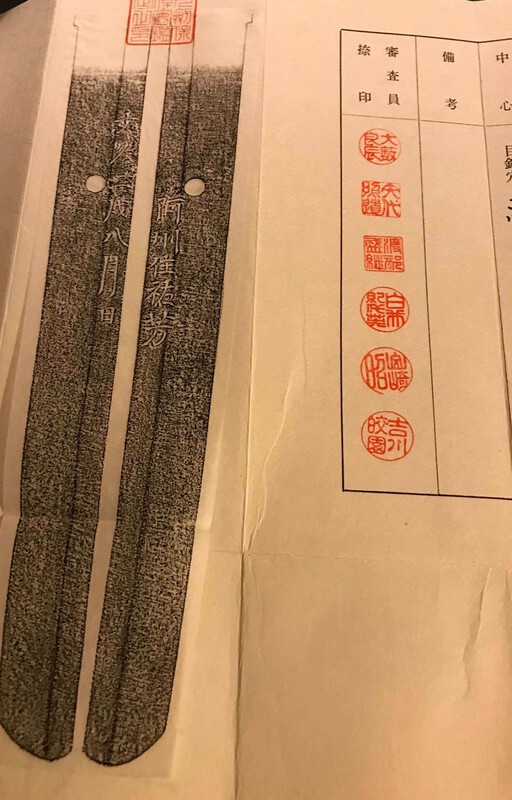
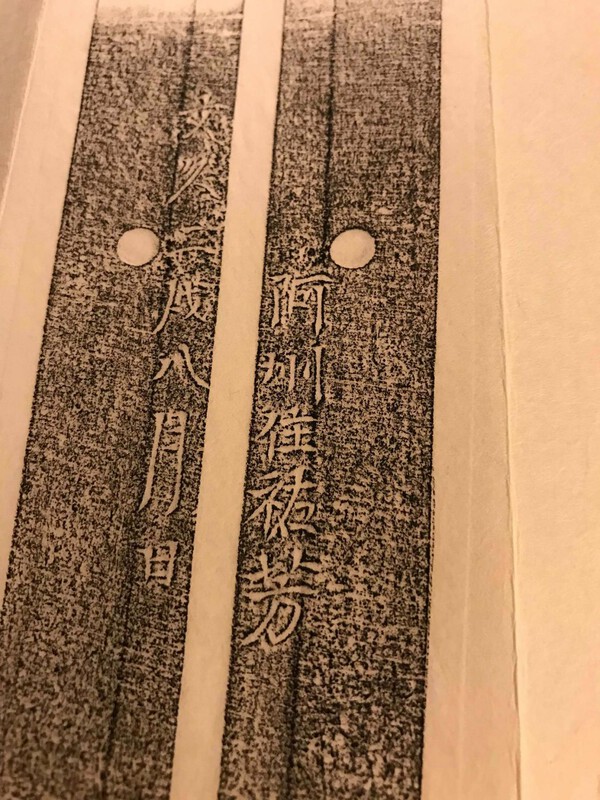
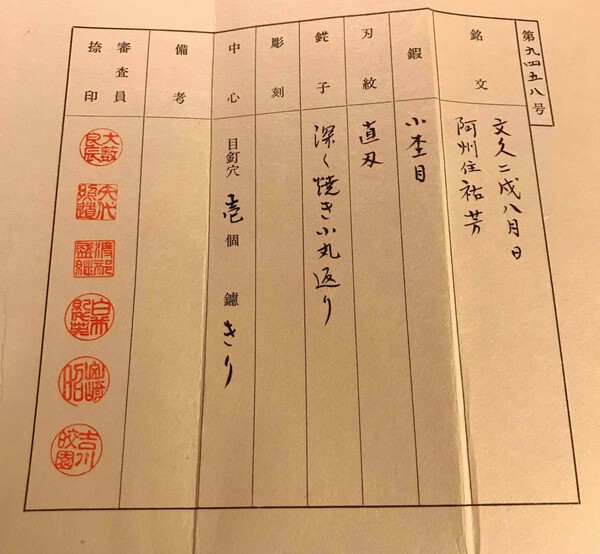
Photos of the kanteisho attached.
-
Thank you Ken!
-
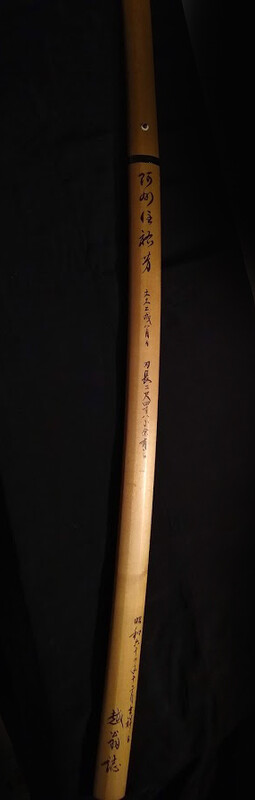
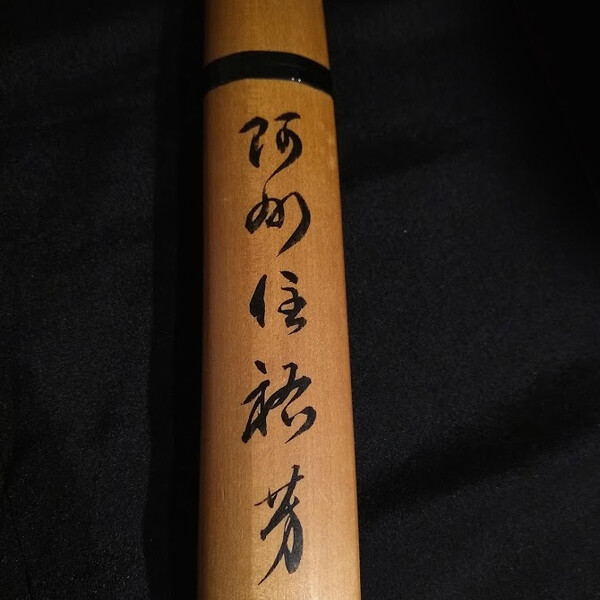
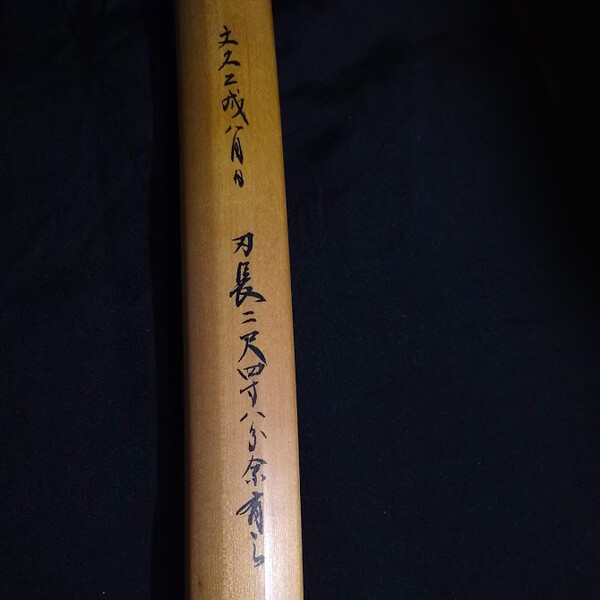
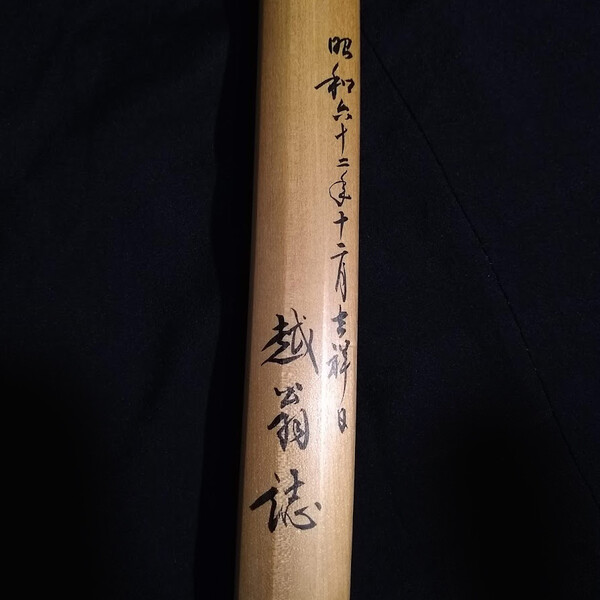
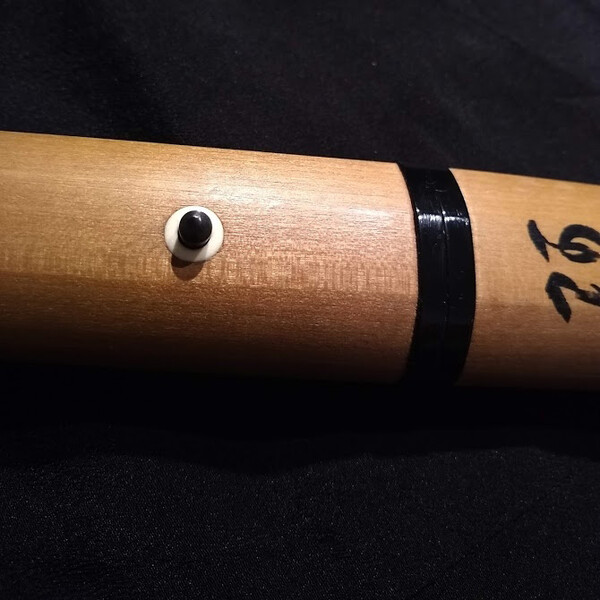
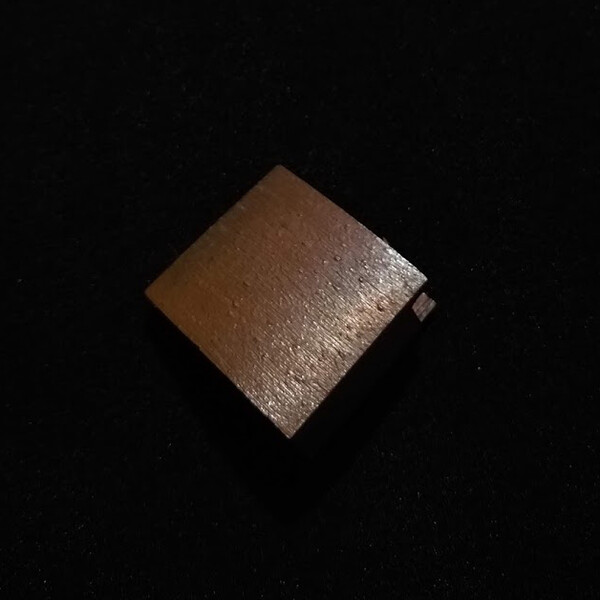
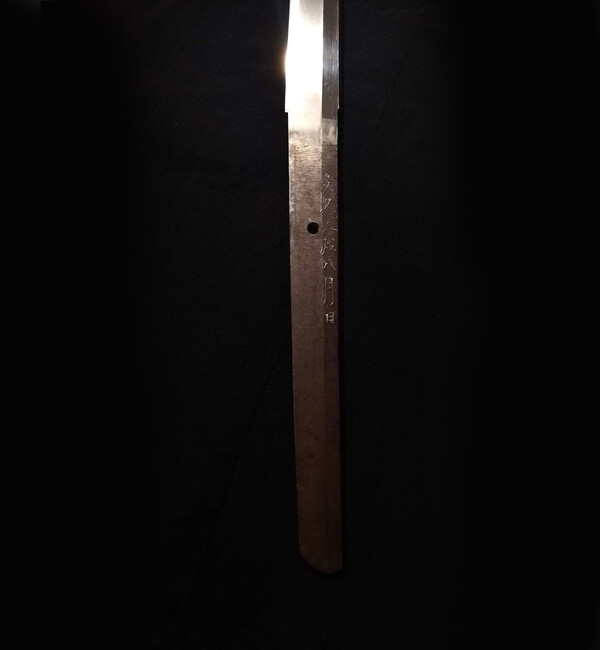
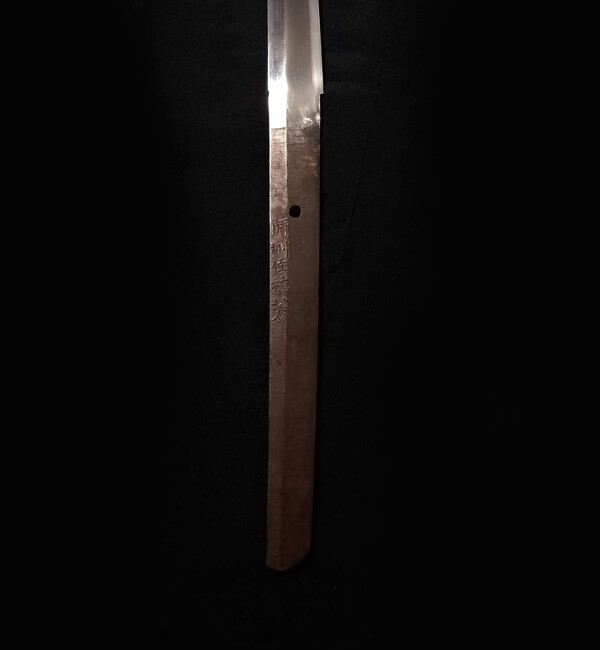
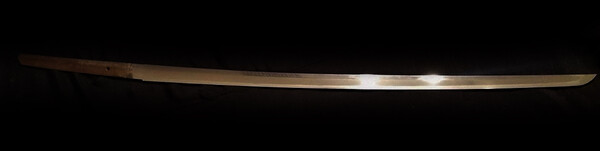
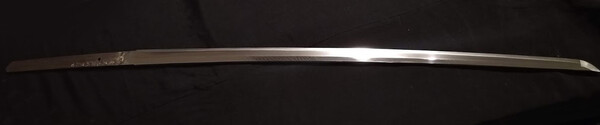
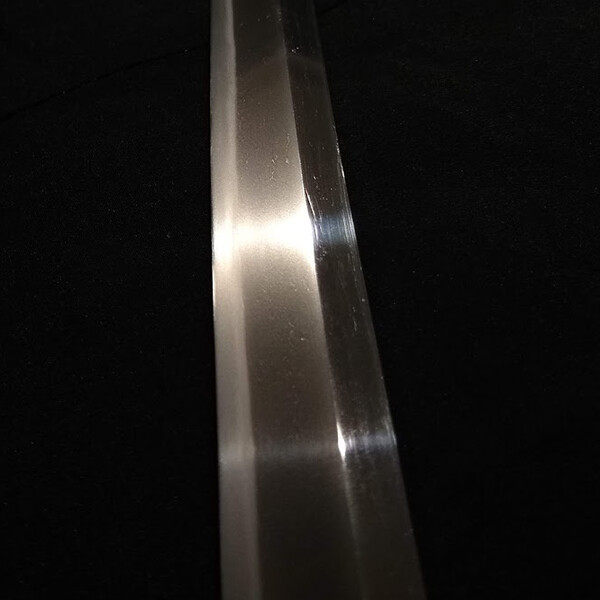
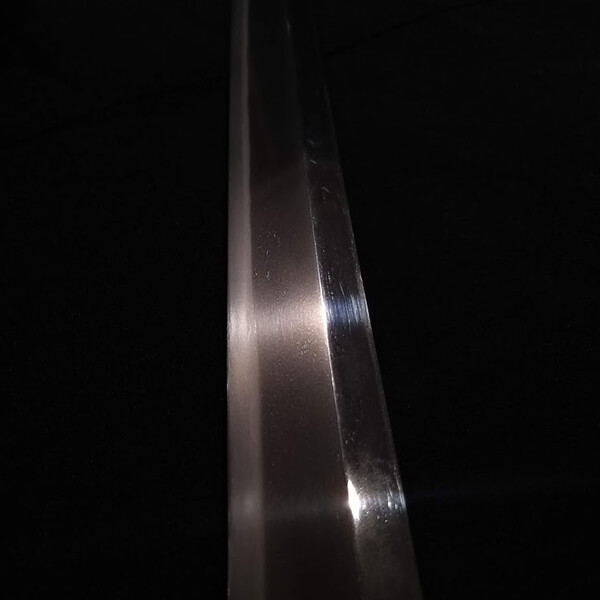
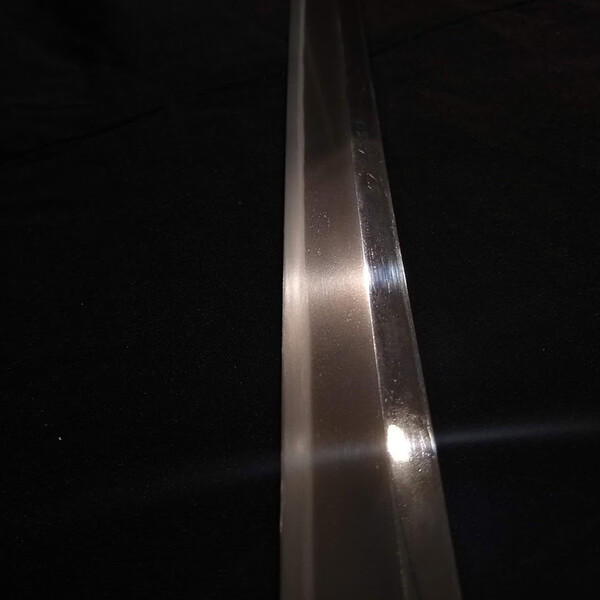
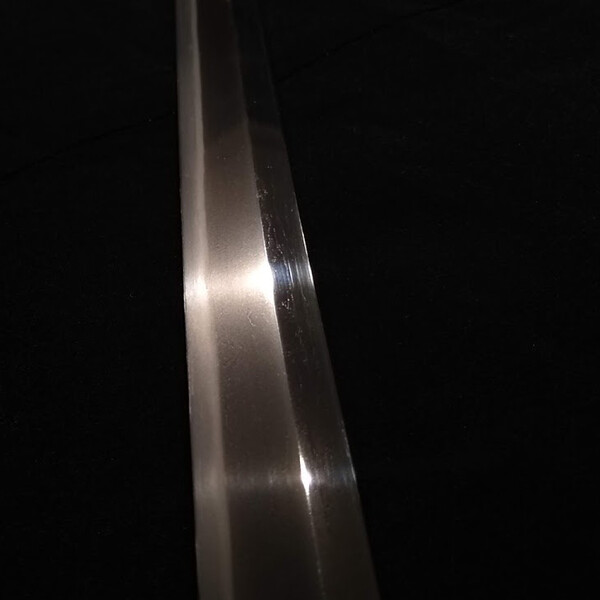
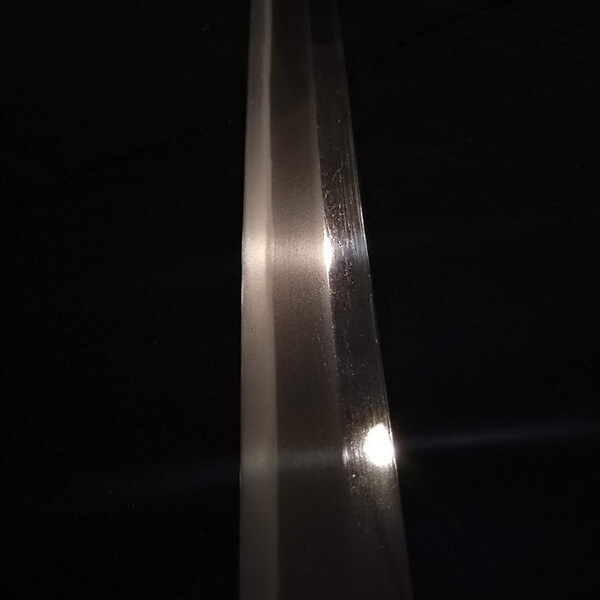
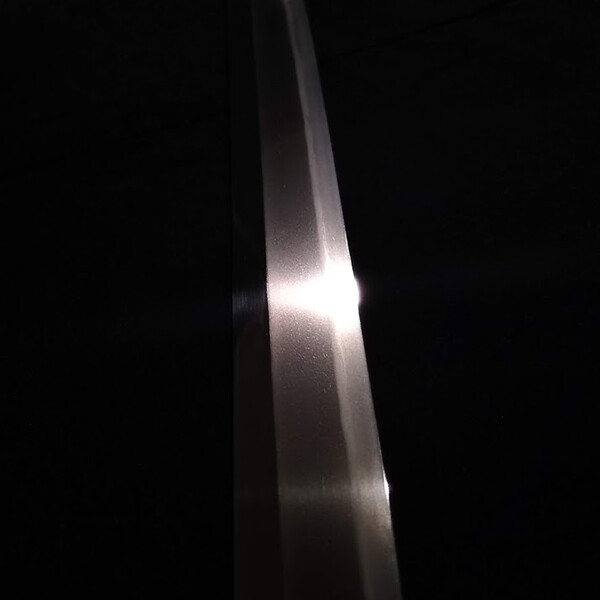
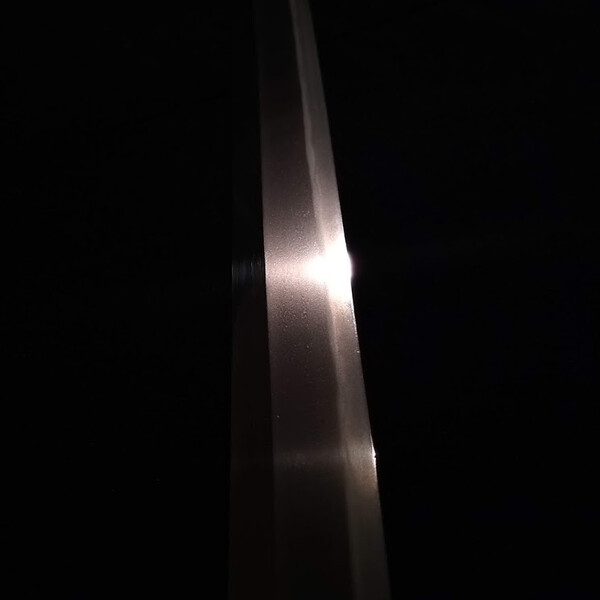
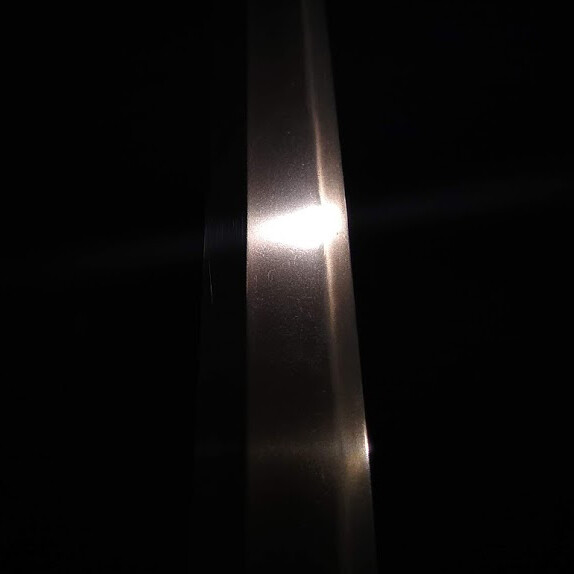
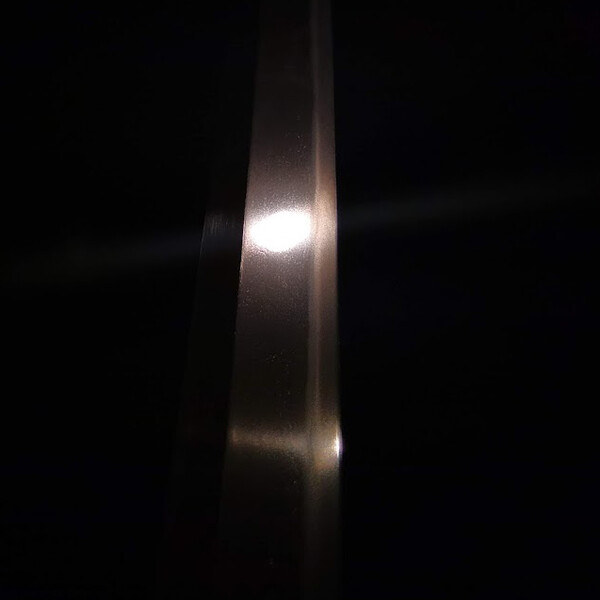
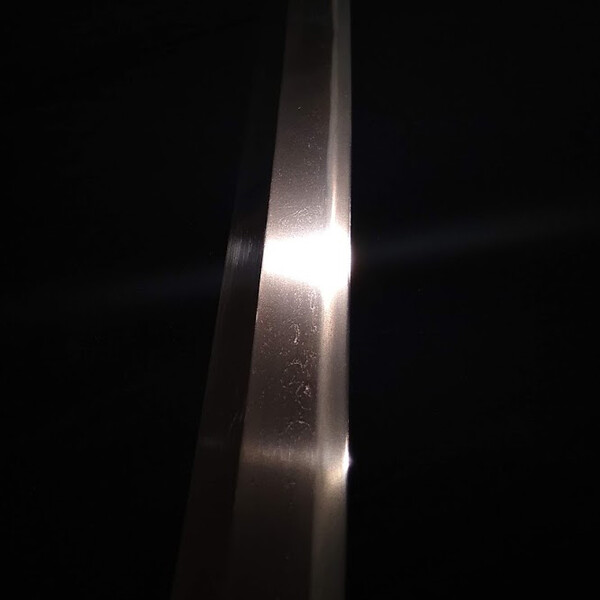
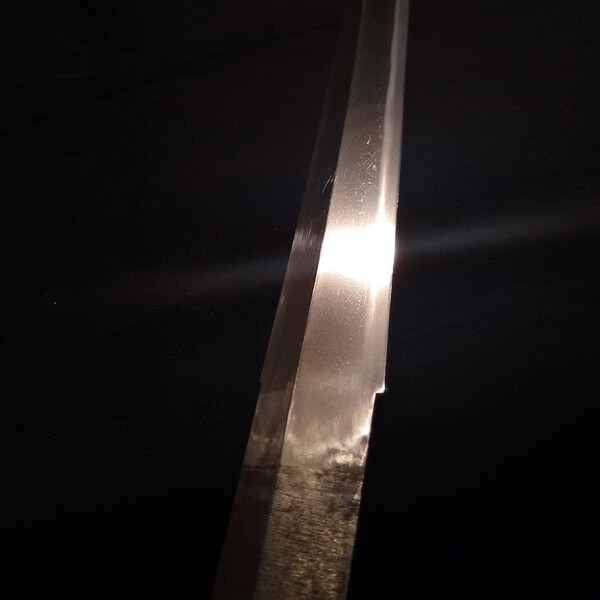
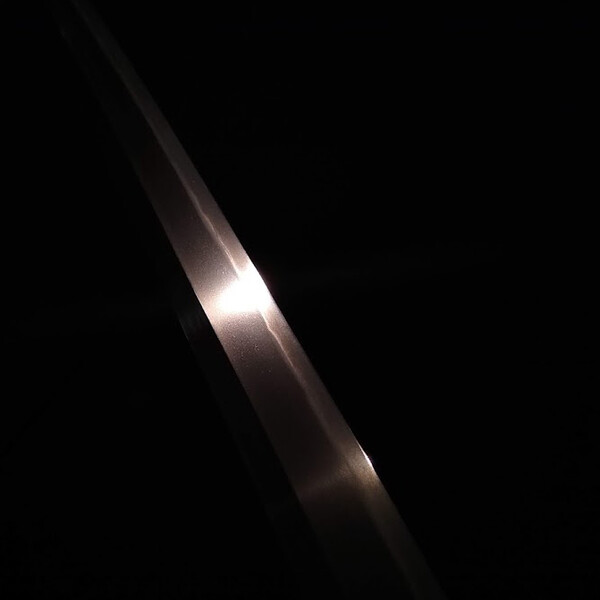
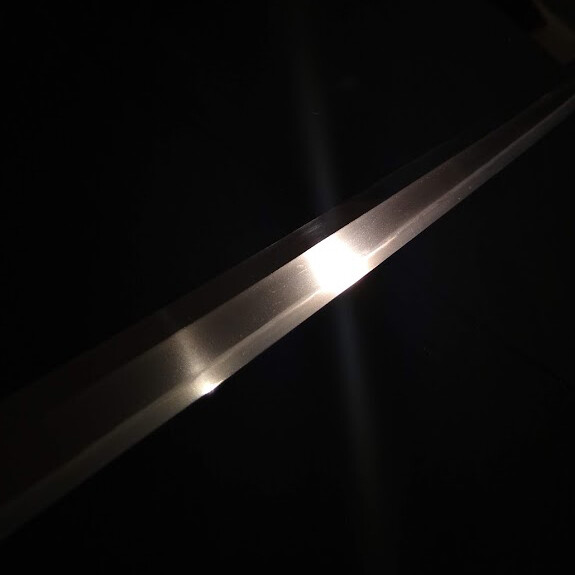
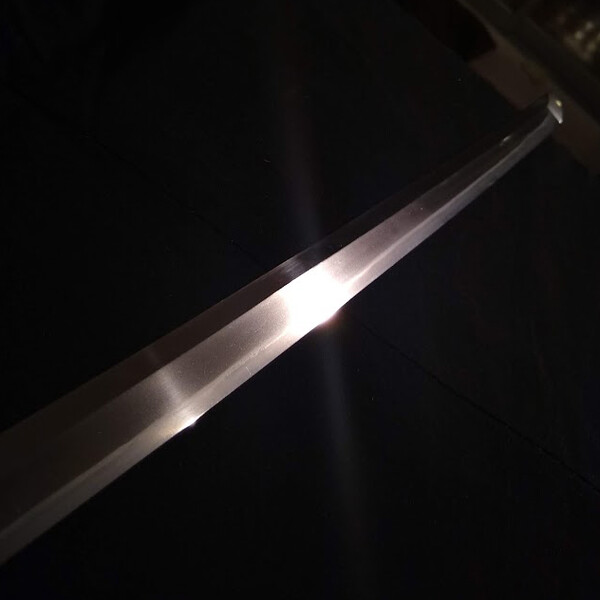
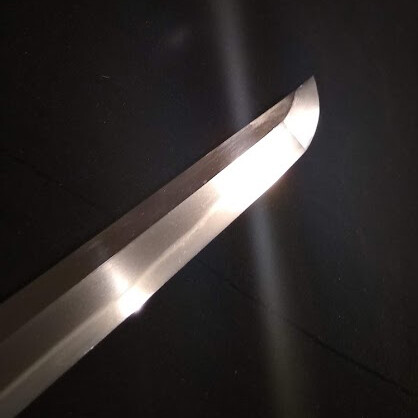
Excellent, long Shinshinto katana by the Yokoyama smith Yoshikawa Sukeyoshi. Signed 阿州住祐芳 Ashū ju Sukeyoshi. Sukeyoshi was a smith of the Yokoyama school and a student of Sukenaga. NTHK kanteisho. 75.15cm nagasa. Full dimensions and additional details coming soon.
-
Please help me translate this document
Ray Singer replied to antiquegallery's topic in Translation Assistance
Thank you Guido, sloppiness on my part. Kunifusa is of course correct. -
Please help me translate this document
Ray Singer replied to antiquegallery's topic in Translation Assistance
It is a katana signed Kanefusa (kodai, later generation). -
In retrospect. I did not read the original ask carefully enough. So my reply above focused on those that I felt were the best smiths of the time period without considering the budget-conscious aspect.
-
I like the list here. http://www.militaria.co.za/nmb/topic/13791-ebay-shibata-ka/?hl=%2Bakimoto+%2Bakitomo&do=findComment&comment=145445 Especially these 10: Tsukamoto Okimasa Kotani Yasunori Kajiyama Yasunori Ota Chikahide Gassan Sadakatsu Kasama Shigetsugu Takahashi Sadatsugu Miyairi Akihira Horii Toshihide Takahashi Yoshimune
-
Sorry James, a bit hectic the past few days. I generally use either a black cashmere or black crepe silk cloth.
-
I am sorry, but this is a Chinese fake.
-
You are right, my mistake above
-
Help, Please: Kiyumitsu Kabutogane Kanji
Ray Singer replied to Bruce Pennington's topic in Translation Assistance
I believe it is 飯島 - Iijima -
David, it's unfortunately a Chinese fake.
-
I believe that is Hotei.
-
Thank you Greg, really hope to get back to the YouTube channel soon. If only I could focus on this full time
-
Hardened areas on the mune are referred to a muneyaki. Yo are disconnected elements within the hamon which appear visually disconnected from the habuchi.
-
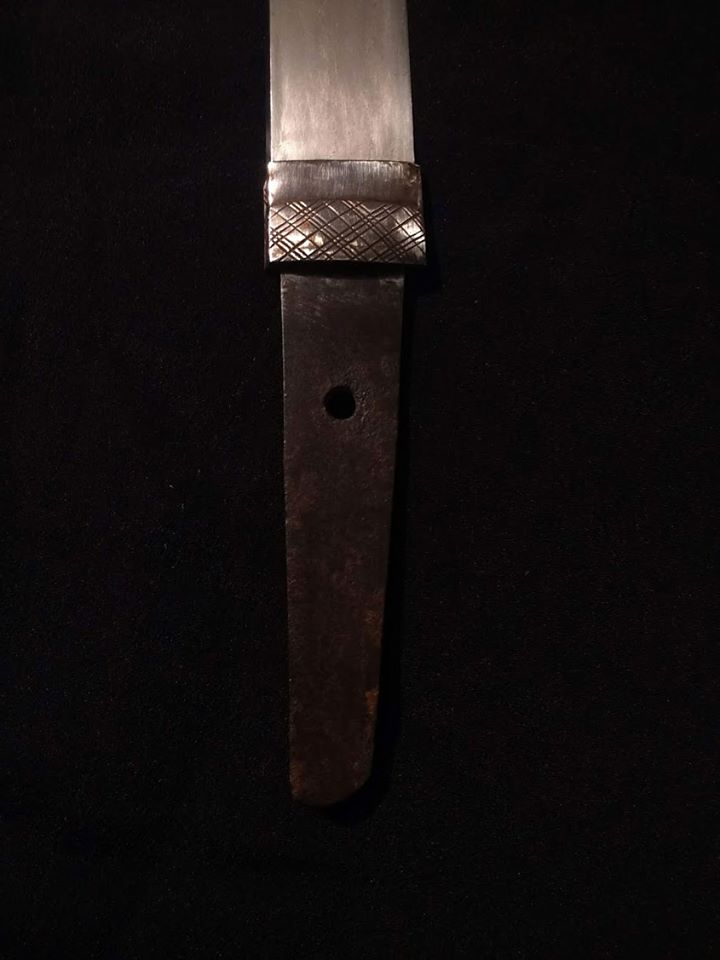
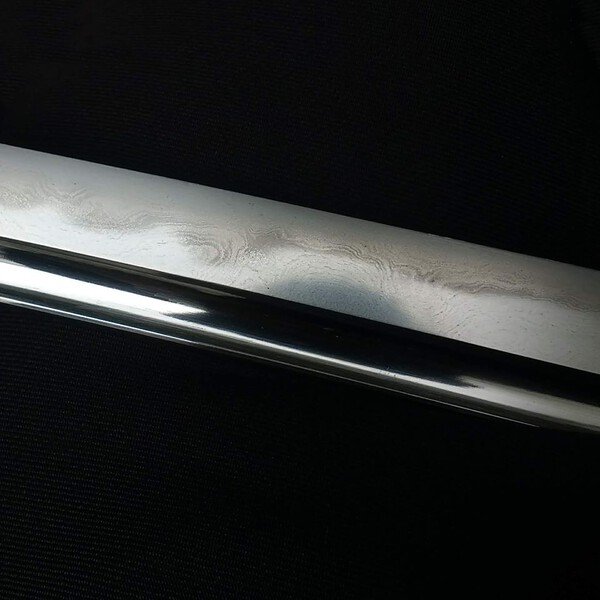
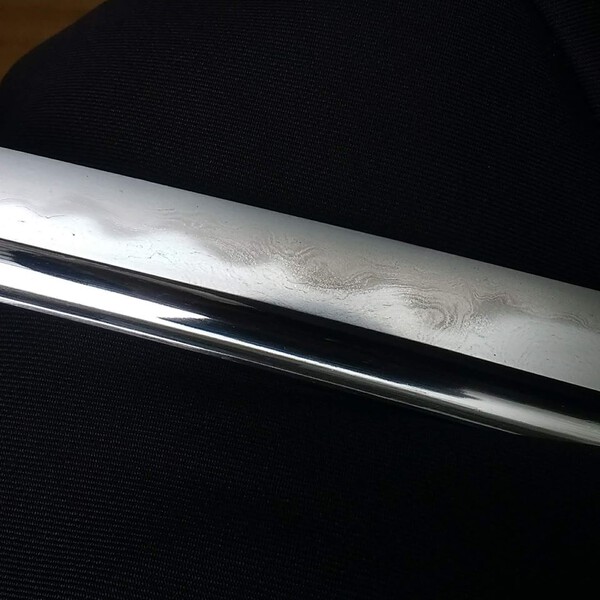
A few additional photos from this past weekend. A diffuse light is good for showing nie, and in this case three of the photos were taken with just a diffuse natural sunlight coming in over my shoulder on an overcast day.

- 66 replies
-
- 11
-

-
Bizen Hidekage katana in shirasaya with beautiful workmanship
Ray Singer replied to Ray Singer's topic in For Sale or Trade
Please move back to the sales archives. Thank you again. Kind regards, Ray -
Greatly appreciate that insight. Best regards, Ray
-
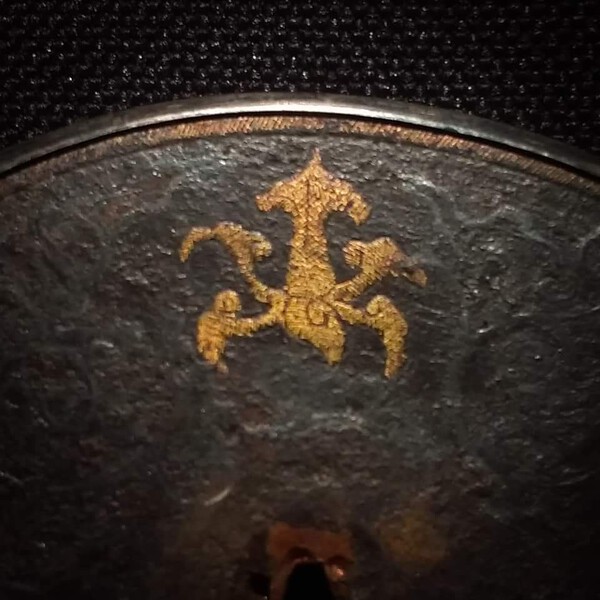
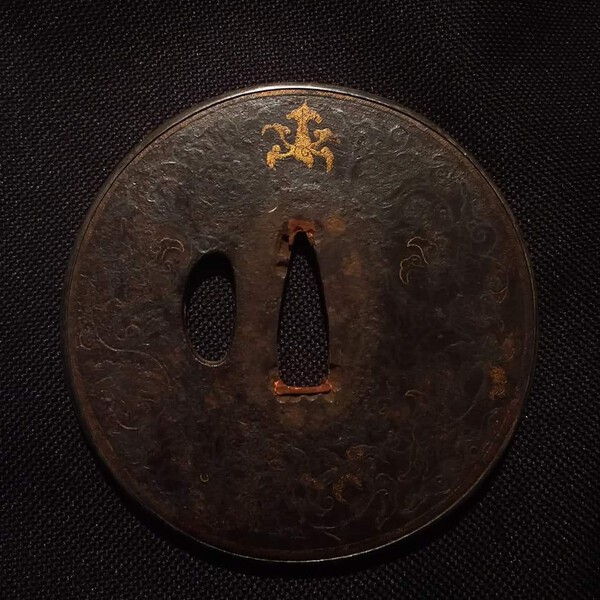
Does anyone have a thought in the symbol at the top of this tsuba? Has the appearance of a fleur-de-lis. Tsuba looks to my eyes like a Hizen example, but happy to be corrected on either the motif or the attribution. Much appreciation, Ray
-
Is there anything before (above) these 4 kanji? Looks looks like ___ ju Kunimasa saku.