kyushukairu
-
Posts
644 -
Joined
-
Last visited
-
Days Won
3
Content Type
Profiles
Forums
Events
Store
Downloads
Gallery
Everything posted by kyushukairu
-
Gethin, as you said, the nengo is Tenpō 14 (1843), year of the rabbit (天保十四卯年) The bottom part states that it was made by Kawarabayashi Hōsai (川原林宝斎鐫)
-
社 means 'shrine' or 'company', and as far as I am aware there is no city which begins with this character, so unfortunately the kanji alone does not seem to offer any indication of the arsenal where it was inspected
-
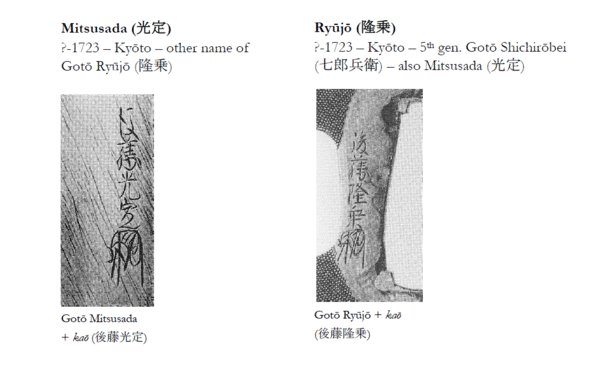
Curran, I think that may be a typographical error in Haynes. According to Sesko, the same smith signed with both 'Mitsutada' and 'Ryujo'. I've put both entries together for comparison.
-
Wakizashi I have had for many year help please!
kyushukairu replied to Airwarrior's topic in Nihonto
Andy, to acquire an official opinion from a shinsa panel, you will need to send the sword to USA (to Chris Bowen) or Japan (to Paul Martin), which will cost about £300 for shinsa fees and return postage. Alternatively, you can compare the signature to that of examples which have already been judged as legitimate by shinsa - as I have already done for you (most of the examples shown are from around the same date in the Tempo era). Unfortunately, however, in my opinion, there are too many discrepancies in the signature for it to be considered legitimate.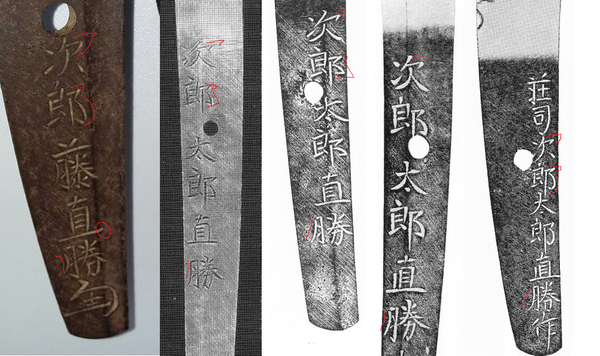
-
The second one looks to be signed 'Goto Mitsusada' (後藤光定)
-
Yes, Curran, I picked it up this morning. I'm usually all about the kinko, but there was just something about this one. There seems to be a consensus on 'Owari'. I'm pretty happy with that! Thanks Pete and Steve. Hopefully this isn't the start of a new obsession ha
-
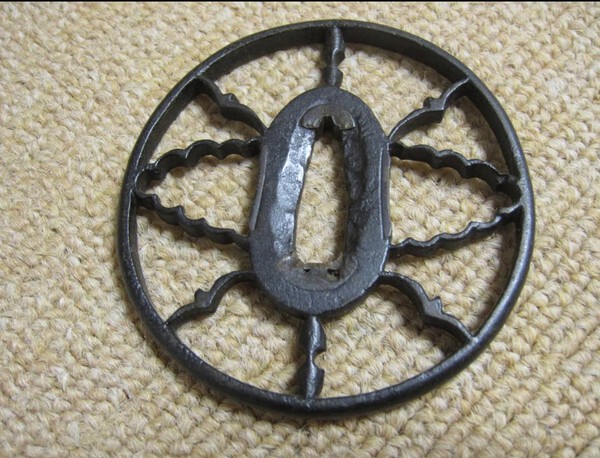
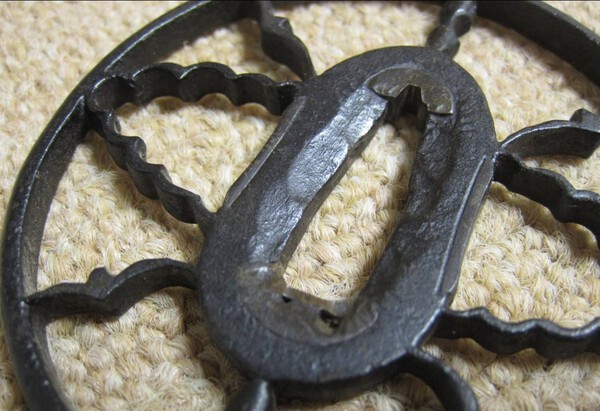
Iron tsuba are not usually my thing, but the simplicity of this one appealed to me. In particular, the naïve design of geese in flight, the quality of the iron, and the shakudo sekigane. Whilst I see Akasaka and Owari characteristics, I'm not confident in making any such attribution. I would, however, appreciate the opinions of those well-versed in iron tsuba.
-
Tsuka now sold. Kathi also identified the theme as the goddess Benzaiten appearing to Minamoto Yorimitsu in a dream and presenting him with a special bow and arrow
-
Hello Tom, Your friend's sword is signed by the smith 'Hiyoshi Tokumitsu' (日吉徳光) 'A lucky day in Februrary 1944' 昭和十九年二月吉日
-
The mei reads 'made by Sanjo Kokaji Munechika' (三條小鍛冶宗近)
-
Thanks Paul! I'm glad you are happy with the menuki and appreciate the feedback! Hello Kathi, yes they are the same item. I've tried to depict the kashira in the first picture and the rest of the tsuka in the second. I think you may be right about the theme as the male figure (Takenouchi Sukune) appears to be cradling a child (Ojin).
-
If you would like any further images, please don't hesitate to ask!
-
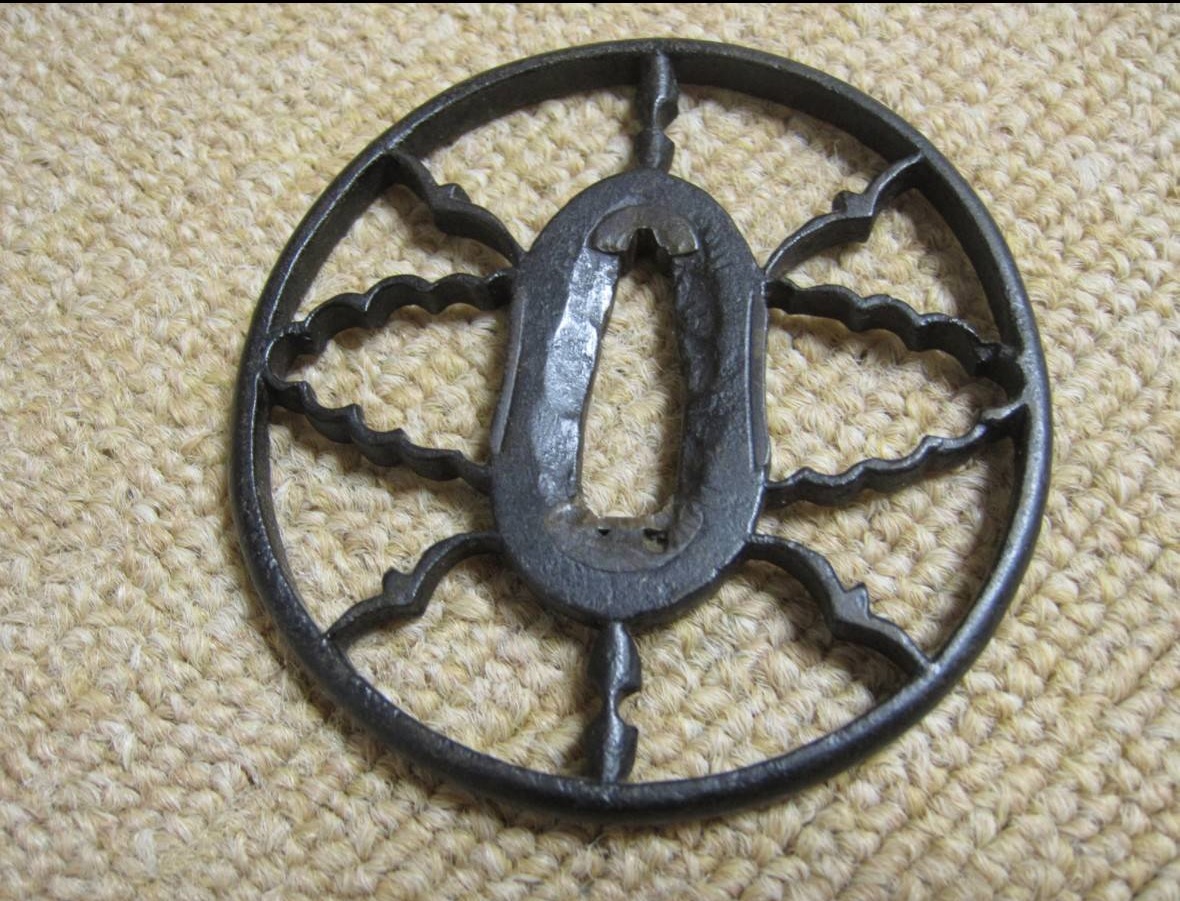
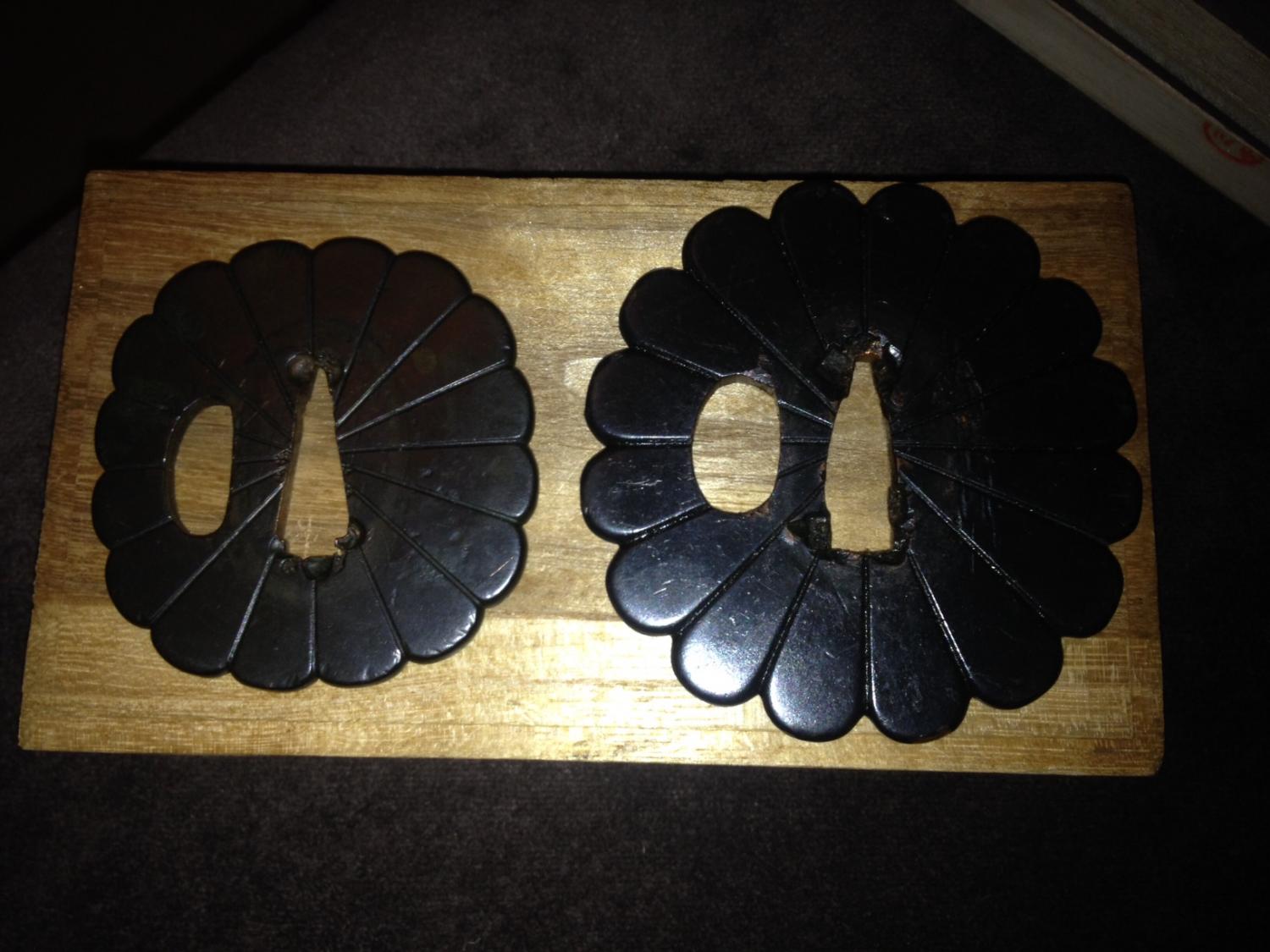
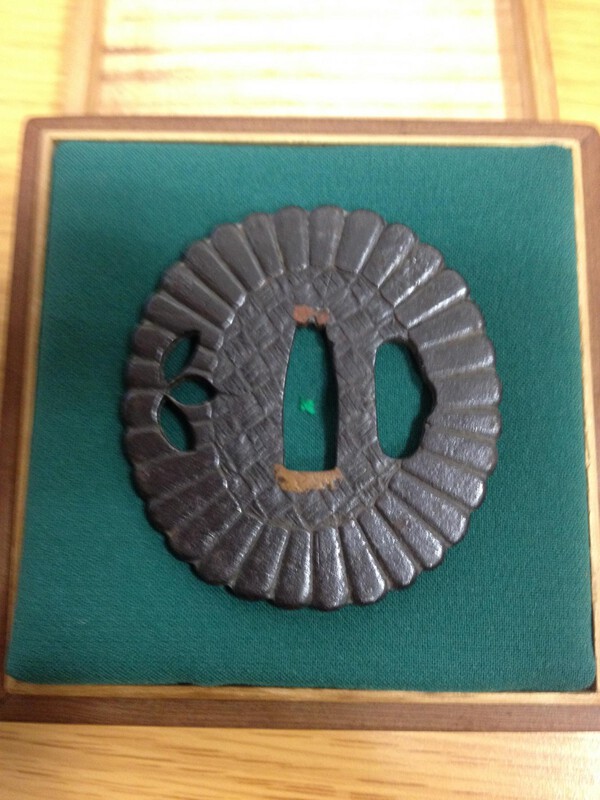
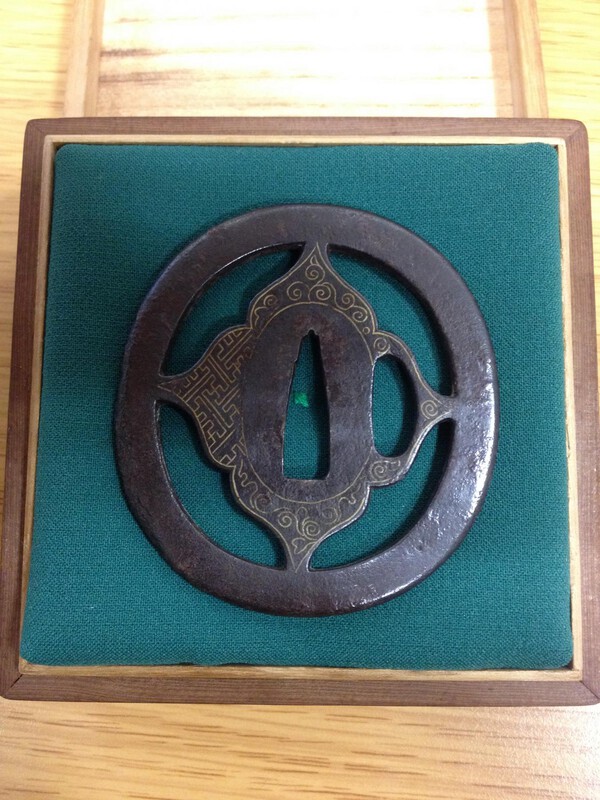
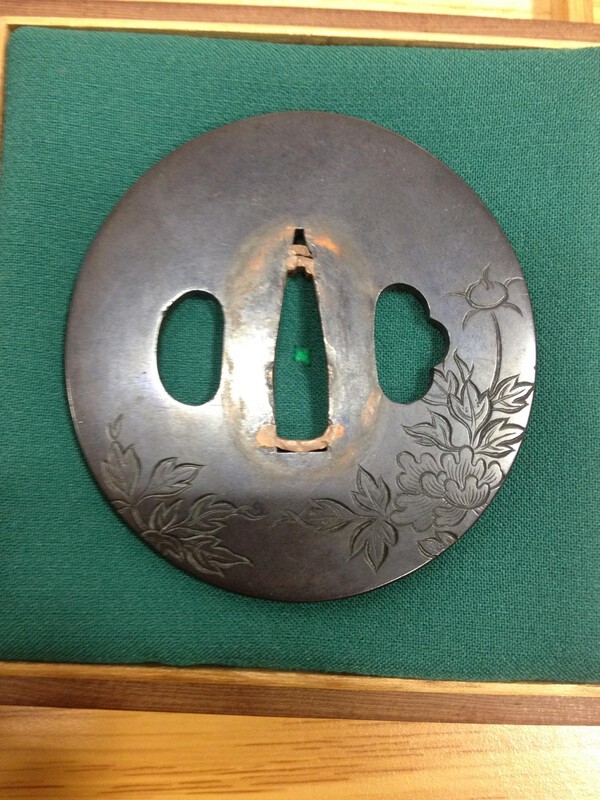
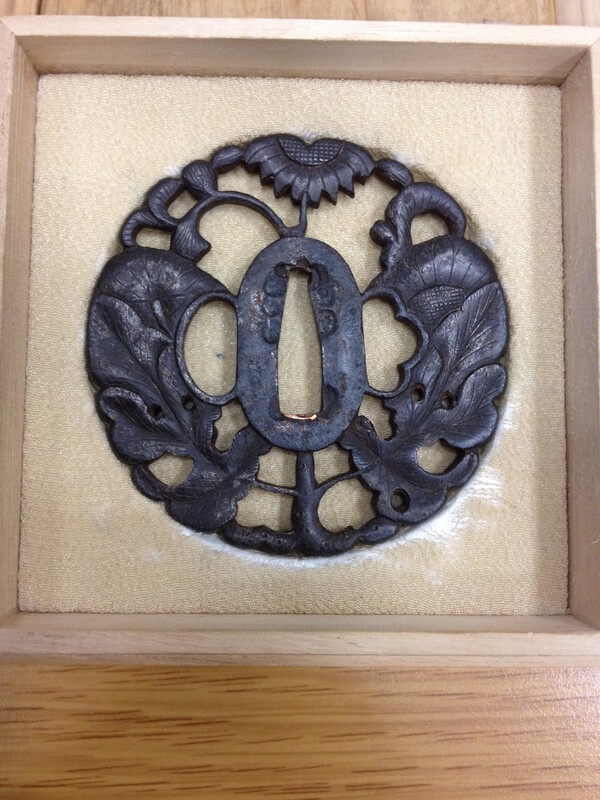
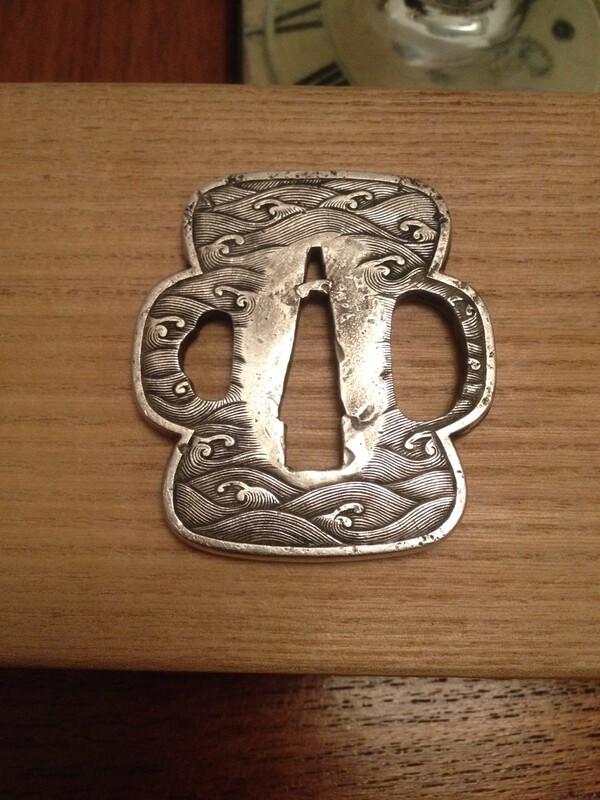
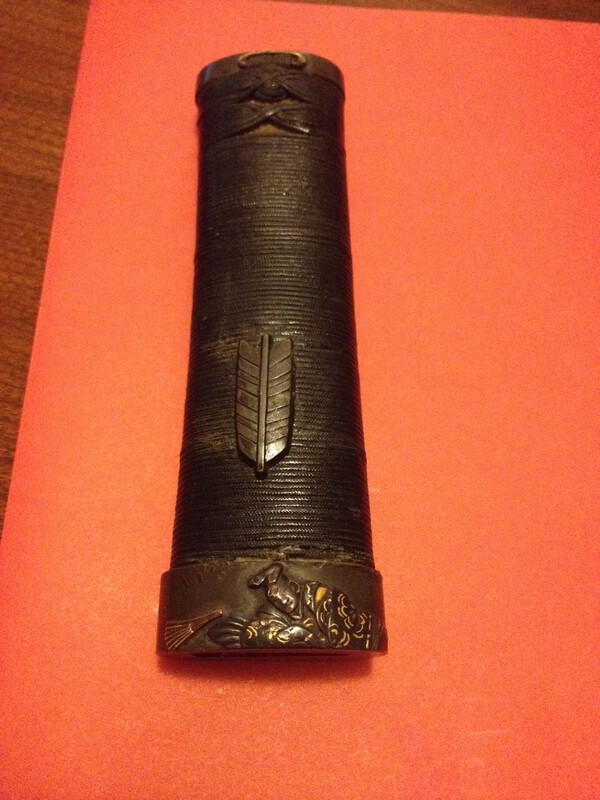
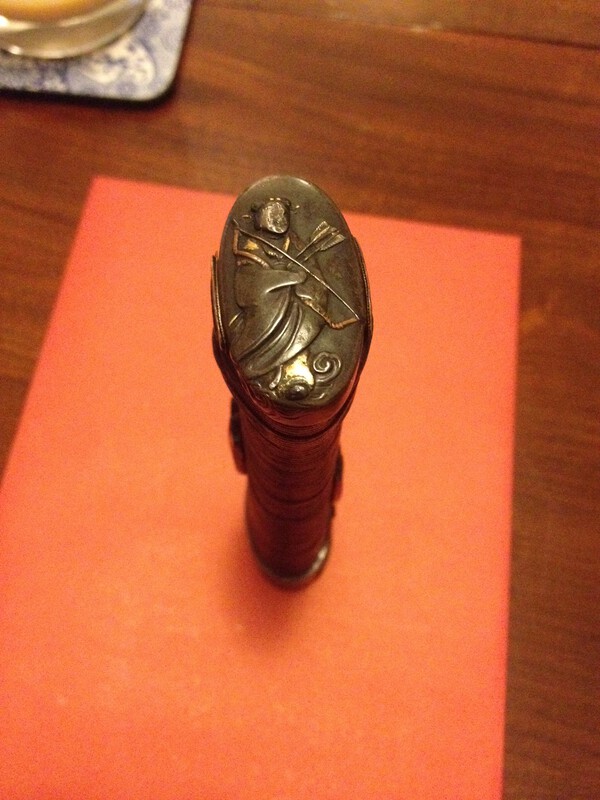
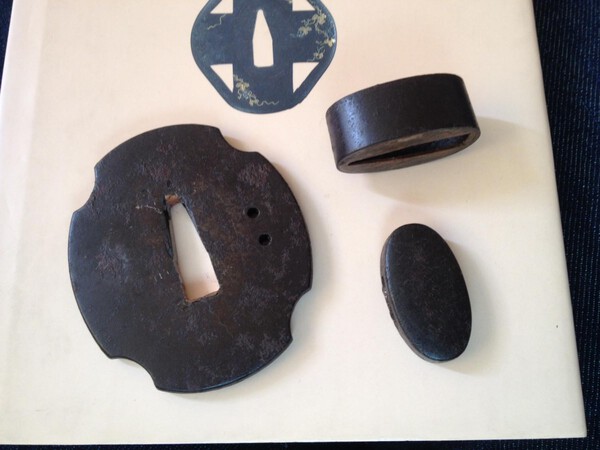
Reposting as it seems my original post has been deleted. The Musashi tsuba and Kamon menuki have now been sold. Heianjo, iron tsuba (75x68mm) £160 Kiku-gata, cross-hatch, iron tsuba (79x65mm) £140 Peonie, shakudo tsuba (75x70mm) £200 Chrysanthemum sukashi iron tsuba (78x78mm) £180 Plain iron, Satsuma-style tsuba (69x60mm) and fuchigashira £160 Daisho kikugata, shakudo (79x65 and 64x61mm) £250 Silver wave tsuba (51x47mm) £280 Arrow themed tanto tsuka £250 Kind regards, Kyle

-
Yes, Jose. Kao is the Japanese term for seal/signature and Gō is the term for art name or pseudonym. Personally, I doubt it was made by Yasuchika. Rather I'd say it's a gimei Nara tsuba, but still a very nice piece.
-
Thanks Grev. I think you may be right. I found a similar styled tsuba on Grey's while searching for 'sahari', though he refers to this particular technique as 'sahari overlay' http://www.japaneseswordbooksandtsuba.com/store/holbrook-tsuba/h317-ko-shoami-daisho-tsuba I also have a tachi with 'sahari overlay' fuchigashira, though I had initially just thought they had suffered corrosion ha


-
Does anyone know the name of the metal work technique employed on this tsuba? It almost reminds me of a kind of wabi sabi technique seen on chawan (such as koge or yohen)

-
Not too sure about the theme of the fuchigashria, but they seem to be missing quite a bit of inlay. Personally, I'd clean the tarnish off the menuki (this can be done with toothpaste), as that would reveal the details and make the theme easier to identify
-
The tsuba is signed 'Tōu' (東雨), which is the gō of Tsuchiya Yasuchika. Not sure about that kao though. As for the numbers inside the nakago-ana, whilst these are often seen on museum pieces, in this case it could have simply been added by collector who wished to number their pieces.
-
Kinko Tosogu (Fuchigashira, Menuki, Kozuka, Tanto Set)
kyushukairu replied to kyushukairu's topic in For Sale or Trade
Sorry, K. Only the sentoku kozuka is left from that group -
Kinko Tosogu (Fuchigashira, Menuki, Kozuka, Tanto Set)
kyushukairu replied to kyushukairu's topic in For Sale or Trade
Looks great, Ray! Very elegant, indeed -
Assistance To Translation Wakizashi Edo Period.
kyushukairu replied to Oliver J's topic in Translation Assistance
Hello Oliver, The mei reads as follows: 'A day in february 1573' (天正元二月日) 'Kunitsugu' (國次) The kanji on the shirasaya just states the mei (as noted above) and then gives the measurements below -
Daisho Fuchi Mei Translation Please
kyushukairu replied to Barrie B's topic in Translation Assistance
The style of carving is quite similar, and I would guess that it was done by the same hand. The writing on the dai fuchi is 'Hitachi Kasama ni oite/ hoken kore' (於 常陸笠間/ 彫剣之) -
Looks to be signed 'Shigemune' (重宗)
-
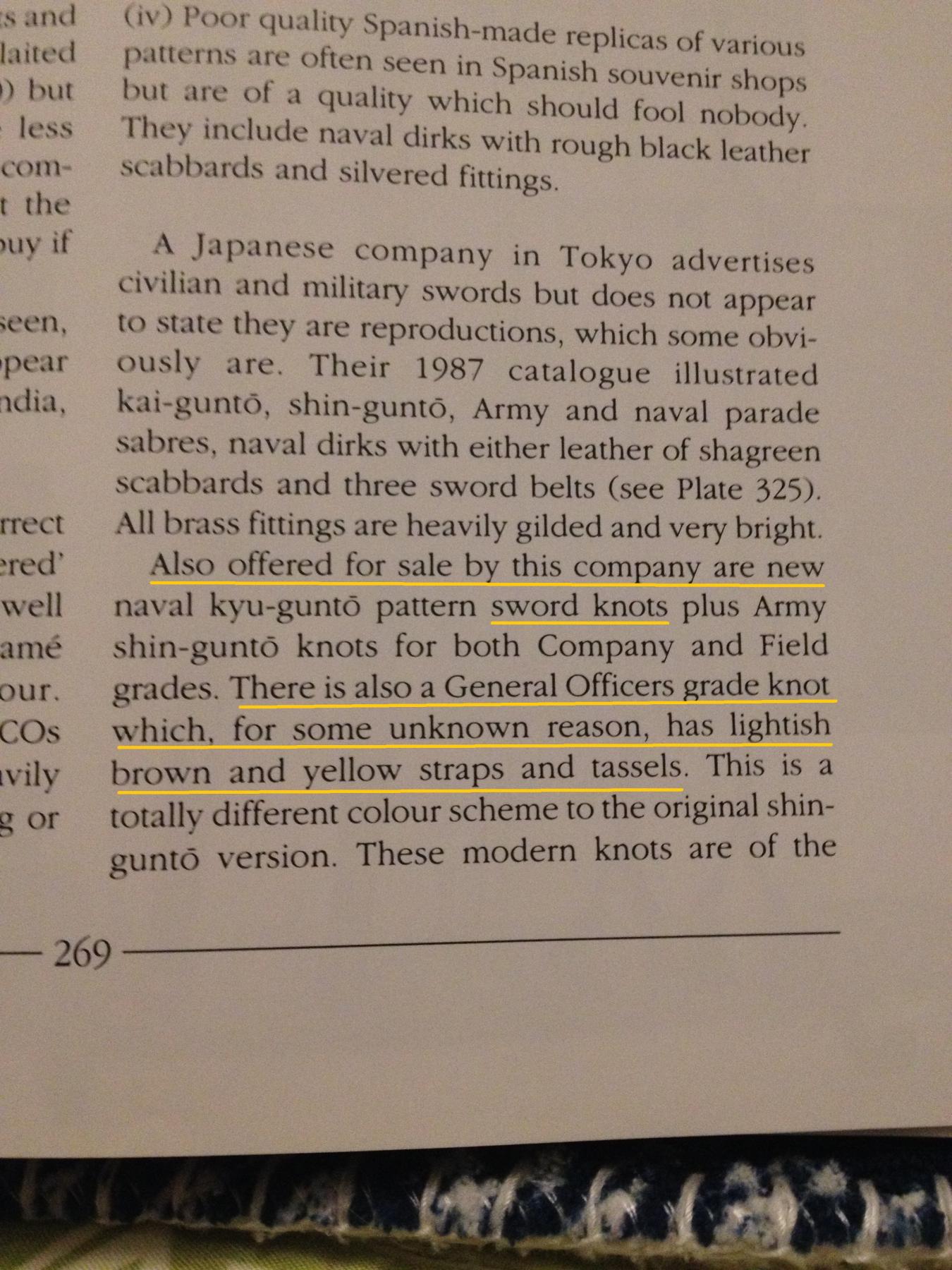
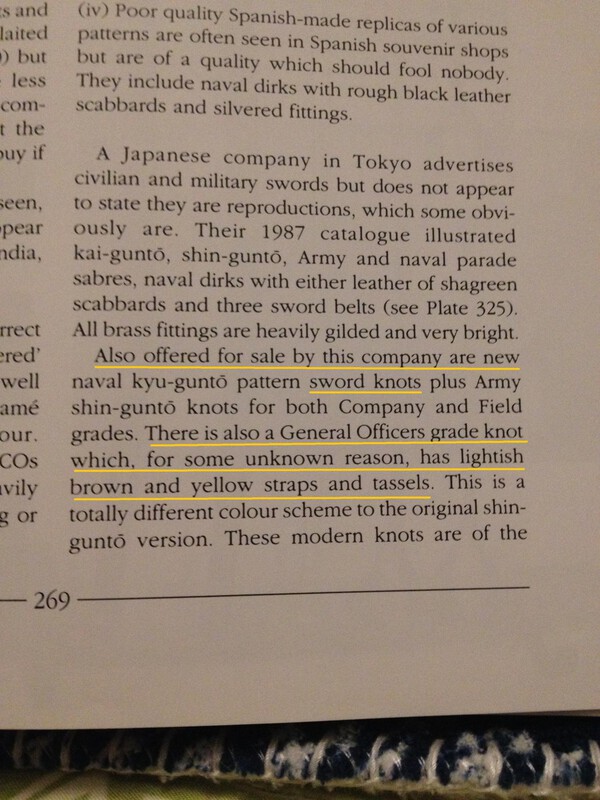
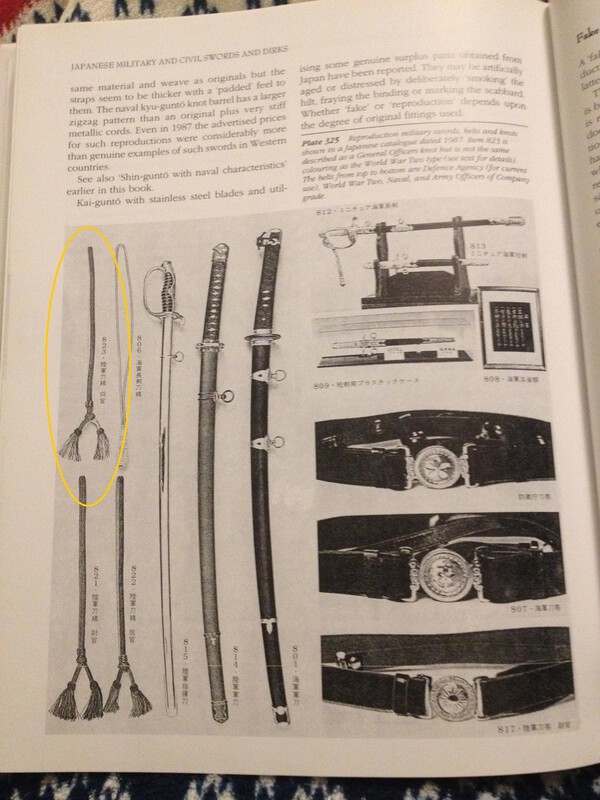
Thank you for all your opinions and suggestions. Whilst having a causal browse through Fuller and Gregory's Japanese Civilian and Military Swords and Dirks, I believe I may have found the answer. In the section on fakes and replicas it is noted that in 1987 a company in Tokyo was selling reproduction military swords and tassels. However, it is also claimed that this company sold unusual, brown and yellow sword knots, so I think it's fair to assume that this is the origin of the tassel in question
-
The latter two kanji on the left appear to be 雋之, and the second kanji on the right, which I assume to be part of the artist's go is 亮 Merry Christmas to you too, Bruno