SalaMarcos
-
Posts
142 -
Joined
-
Last visited
Content Type
Profiles
Forums
Events
Store
Downloads
Gallery
Everything posted by SalaMarcos
-
Recently I wrote about this, but now I'm asking myself about such a name of this typical thin tsukamaki done by Satchô samurai during Bakumatsu that's called shônai tsukamaki. Why shônai, when Shônai domain was in the North of Japan and was a domain on the side of Bakufu and not imperialist? Maybe because it was Shônai attacck against Satsuma residence in Edo who started the Boshin wars? What do you think about this name of the tsukamaki/koshirae?

-
I think is real, but not very old. I saw many tsuba like this mounted in XIX century swords with a shônai Satsuma koshirae.
-
I'm with John, the cross seems added many years later. It's sad, but I know some people even today that bougth Edo period tôsôgu and then fit with zôgan techniques some crisian crosses, virgin Mary medals, and so on... and they sell it as a kakure kirishitan tôsôgu... Not just private colectors but also museums are falling in this kinds of fraud. I was at the kakure kirishitan museum inside the Shimabara castle, and the few things related to crosses or christian motifs are very very well hidden. About works on the years of the "iberic century" with the permision of catholic religion, I saw also few examples of christian propaganda on tôsôgu. Just some myôchin tsuba, or some nanban tsuba with little crosses, but no more. Recently, I read some researchs about the tokei sukashi of Owari tsuba in relation with jesuitic anagram, that's is very intersting and kind possible, but when I saw corsses so clear like that, my opinion is about 99% added later, in the XX or XXI century. But about the Gotô original kôgai... good piece.. just shame about adding the cross.
-
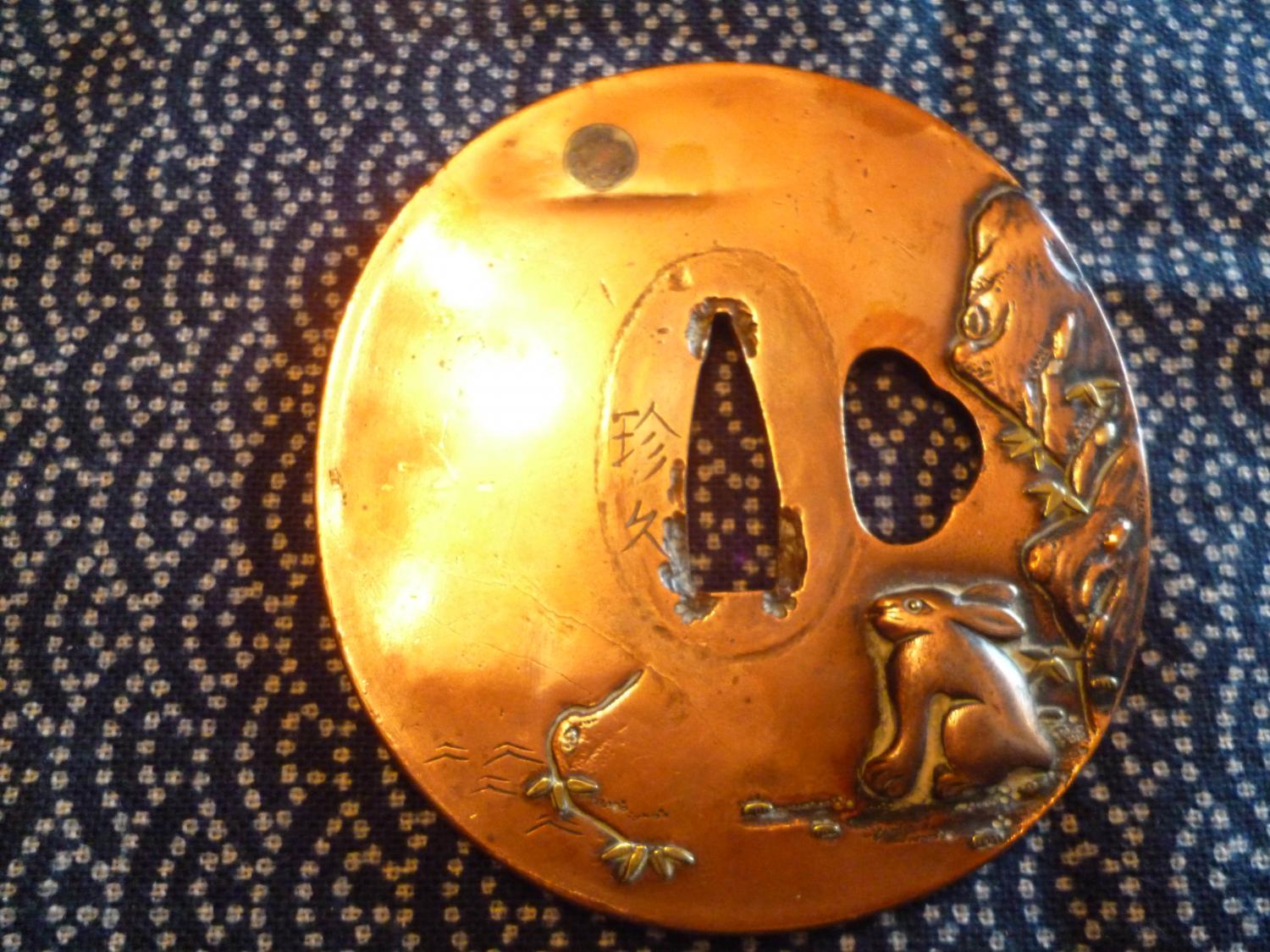
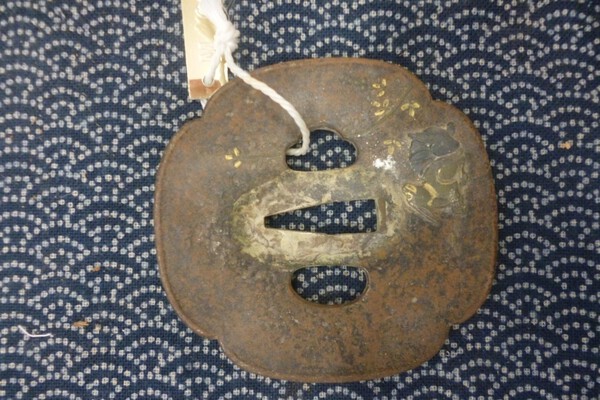
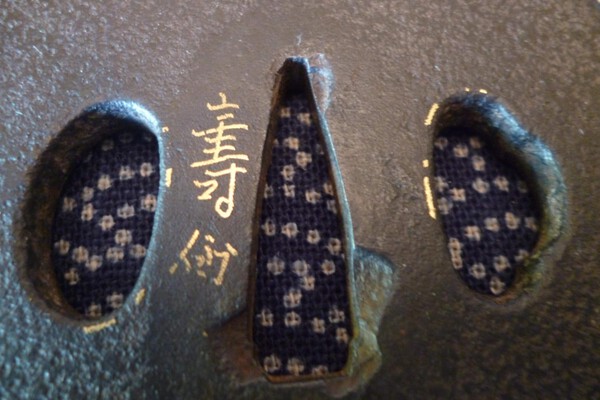
2 Usagi in a very rusted tsuba from the Fine Arts Museum in Tenerife (Canary Islands-Spain)
-
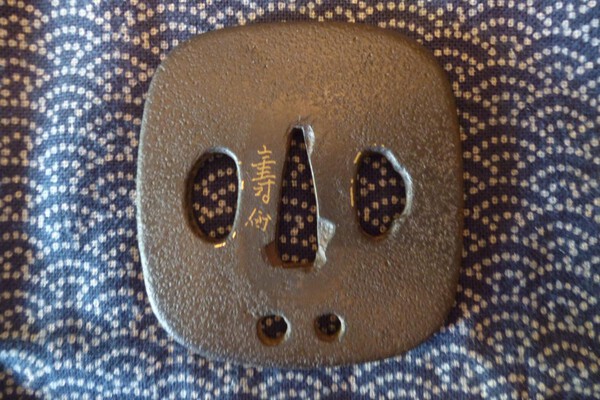
Dear friends, I'm keep going on my PhD about tsuba in spanish colections and I found this one. I can't identify the mei or the tsubakô... the udenuki ana could sugest some artist from the South? Do you think that the kinzôgan mei could be made by the Umetada's? Thank you very much
-
THANKS, Grey, I will check this! Next it would be wonderful if Sesko made a crowdfunding translation
-
Hi Geraint, Thank you very much. Yes,I printed this all the texts on this website time ago But recently I founded some Edo-Itô tsuba, and also meet a tsubakô 11th generation Edo-Itô, and I wonder if there are any book from Joly, Wada or Fukushi that talks a bit of this school. All I founded is texts by Haynes-Torigoye. Very good indeed, but just asking if someone knows another work
-
hello from Spain, has anyone ideas about books or sources about the Edo-Itô school? Thaks a lot!
-
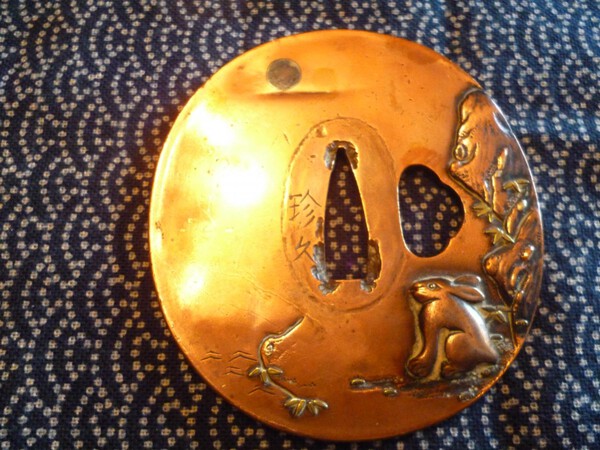
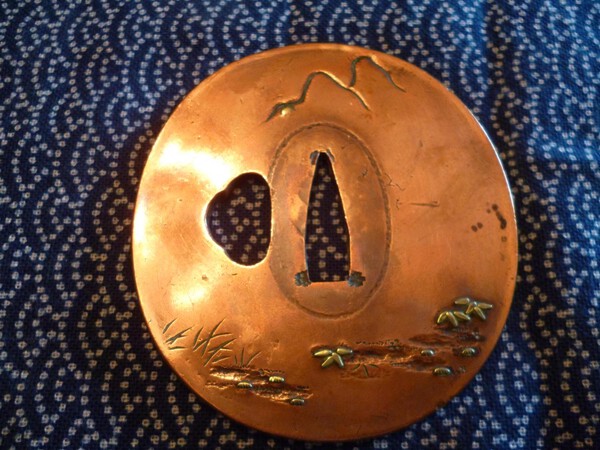
I saw in a spanish private collection this tsuba signed by Satō Yoshihisa - Chinkyū, of the late XVII century and early XVIII.... but... could be gimei? I don't know certanly.
-
Hi all, For me, this seems more close to the suhama gata from the sandbank of the island and mount Horai. I saw many times this for decoration in Japanese buildings, made of gold copper. Today I missed searching one picture, but instead I give you some pics of the suhama gata form in diferent images. http://kyoto-wagasi.com/img/teiban/suhama_001.jpg http://kyoto-wagasi.com/img/teiban/suhama_002.jpg http://img-cdn.jg.jugem.jp/618/667514/20100510_657837.jpg Regards from Spain. Marcos.
-
I think that the size of the tsuba is a very important point to determinate if this was for a yari or naginata. As the picture shows, it seems a normal size Yoshiro tsuba: 8,6cm (large) 8,6cm (wide) 3mm (thickness) and arround 147gr weight. In that case is not possible to consider a yari or naginata tsuba, as allways this kind of tsuba are very small (if exists). I think that the most probable hyphothesis is that the nakago ana, was carved just for decoration for a western present, without any other meaning. Even it's very posible that after that, some western mounted it in a nihontô just for a wallhanger decoration, even when the tsuba doesn't fit and moves arround the blade, because those kind of things doesn't disturb so much the XIX western colectors. If there is another hyphotesis...maybe is to enlarge the nakago ana for a western weapon...but I think is more proble the first theory.
-
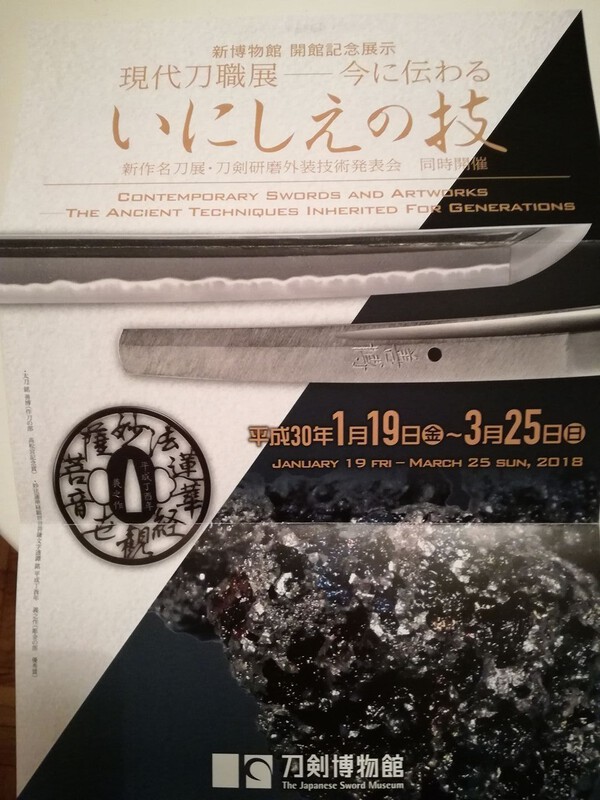
Ōkawa Chikō, renowned Tsuba artist whom I interviewed two years ago and who dedicated a tsuba to me, has been selected for promote the first exhibition of the new building of Tōken Hakubutsukan (NBTHK). It is an honor to have met this great artist and best person and tremendously happy for his new achievements. Here you've what I wrote about him, sorry it's in spanish, I'm working in translate all my articles. https://cooljapan.es/okawa-chiko-la-pervivencia-la-estetica-samurai/
-
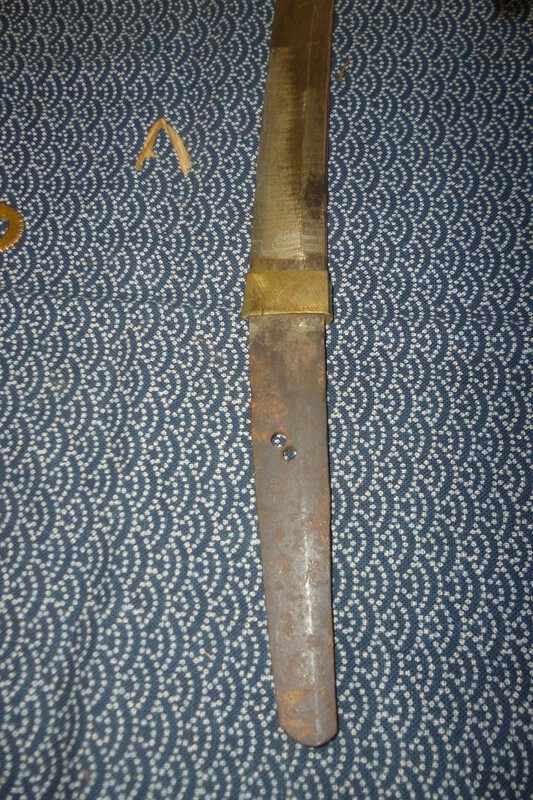
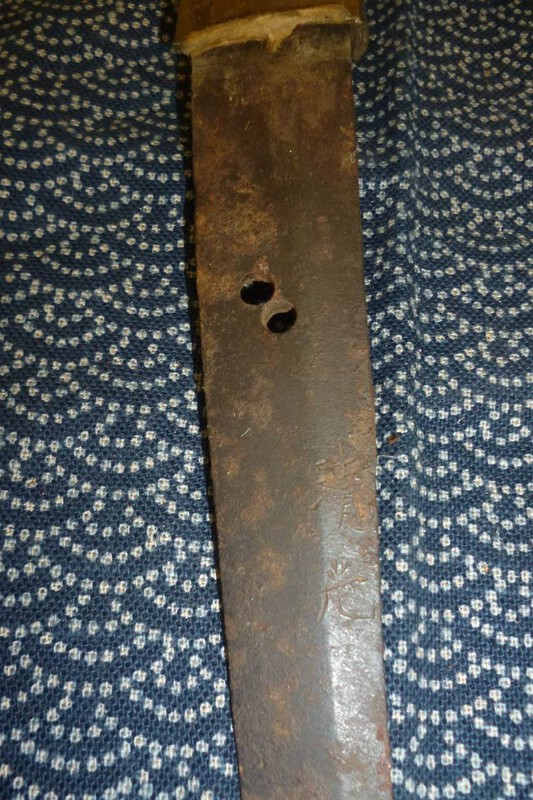
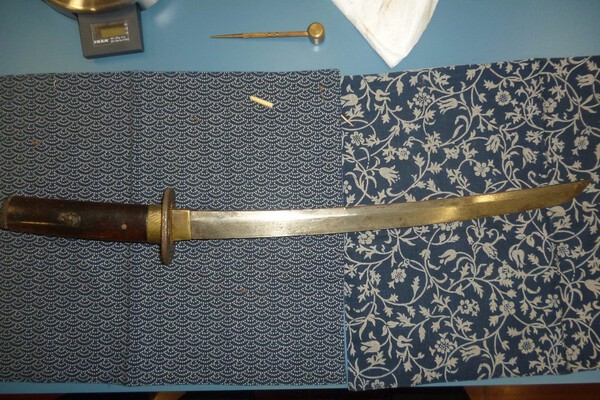
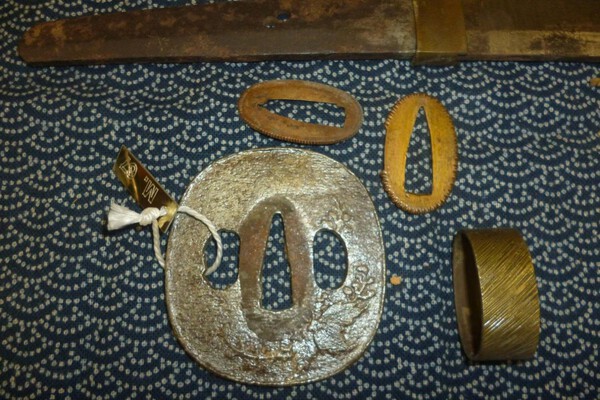
Dear all, I found this with teh mei Kiyomitsu 清光, but there are so many schools and artists with this name... Could be one of the Bizen Osafune? I really don't know... and don't try asking me about hamon, hada... because the blade is a very bad condition... Any ideas? By the way, the tôsôgu doesn't help so much because it's bad quality.
-
Thank you very much Stefan and Brian!
-
Dear all members, I readed some books of urushi in general, but I wonder if any of you know any book specific about the diferent urushi on saya and their decoration techniques. If not, I also accept your favourites sources on urushi / makie / togidashi .. and other urushi techniques applied on saya and other tôsôgu parts like some examples of tsuba. Thank you very much in advance. Marcos.
-
Thank you very much!
-
I'm really impressed with this information. Thank you very much. It's difficult to find books about habaki, almost all tôsôgu books never talk about it. Except this website I don't have idea where to find sources. Could you give me an advice about any specific book? Thanks again!
-
Dear all, Thank you for all your replies. About the first one, is from a tantô, maybe the artista from the tsuba is the same of the habaki? The second one is from a sword Bizen Osafune Sukemitsu and a koshirae with a Hikone Sôten tsuba, very cool koshirae. Maybe the tsubakô kinkô who made the rest of the koshirae made also the habaki? maybe... And this is 2 more fancy habaki I checked: First, from a tantô, no idea about school, the second is from one of the best pieces I checked in my hands, a Mino work.
-
Dear all members, I found this 2 habaki, and I never saw it before, some ideas about it? anyone saw it before? The one with the bori of plants seems like some Nobuie work... but I don't think could be related. Thank you very much.
-
Haha, ok, I was thinking that was an old thing, previous to LV! haha Interesting shop!
-
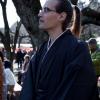 Hi Randy, Just one thing I wish to add. People gave you here 2 links from 2 diferent branches of Ogasawara ryû. Both are oficial, but one is the honke (main house): the one with the sangaibishi kamon full in purple, and the other is a bunke (secondary house) the one with ths jumonji inside the sangaibishi kamon. The historical fact is the following: Ogasawara ryû was created in early Kamakura jidai as an archery school. As the Minamoto, and Hôjô shogunate consolidate, they introduce little by little more ettiquete inside the teachings of the school. Arround Muromachi jidai, I think in the Kitayama bunka era of shôgun Ashikaga Yoshimitsu, the school was so full of geijutsu arts and reihô that almost left the archery and horsmanship teachings. Then was created a branch of the school that focus on that "military" part. The main school continues today just teaching traditional reihô, geijutsu arts, and modern protocol by the hand of the 33th sôke Ogasawara Keishôsai. The other branch main teach is Kyûjutsu-kyûbajutsu-yabusame, but also teach reihô, as you post in your video. You can found it also in the Nihon Kobudô Kyôkai homepage.
 -
Hi Toryu, where is located this koshirae?
-
Fantastic news! I can't wait for reading it!
-
An Early Victorian Japanese Shakudo Fan Necklace, Circa 1890
SalaMarcos replied to Bazza's topic in Tosogu
Very interesting. Thank you very much. -
Thanks for that book recomendation!