Higo-san
-
Posts
734 -
Joined
Content Type
Profiles
Forums
Events
Store
Downloads
Gallery
Everything posted by Higo-san
-
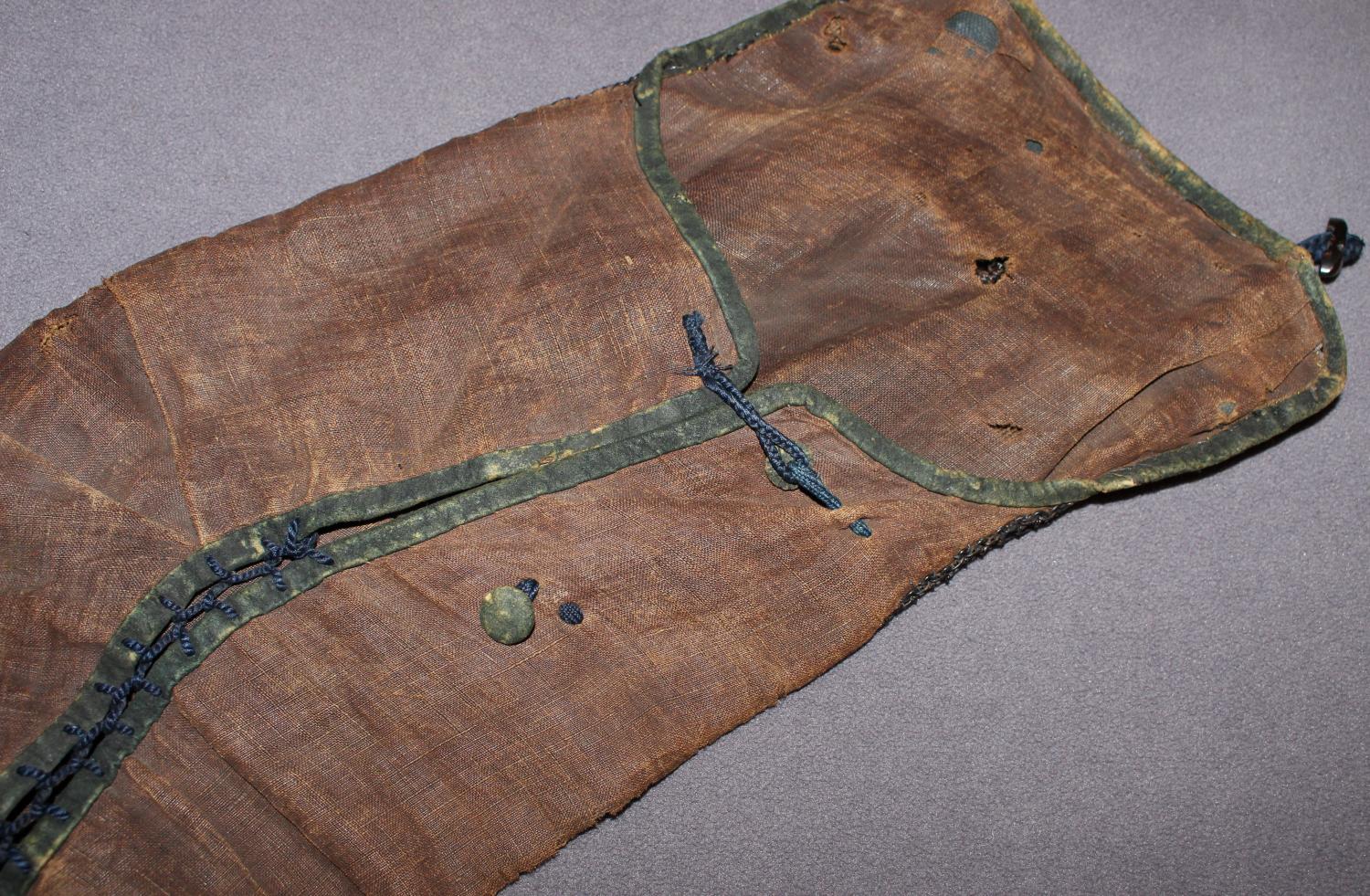
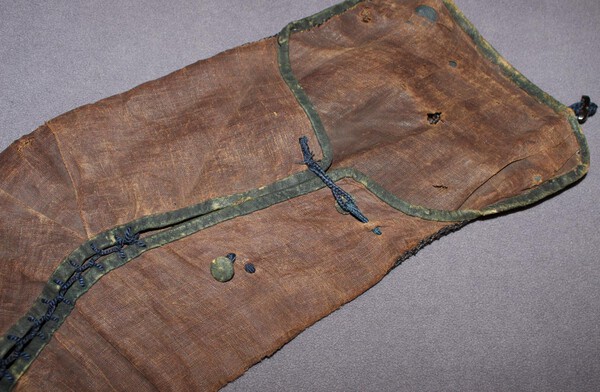
And the backside. Thanks for watching and Merry Christmas!

-
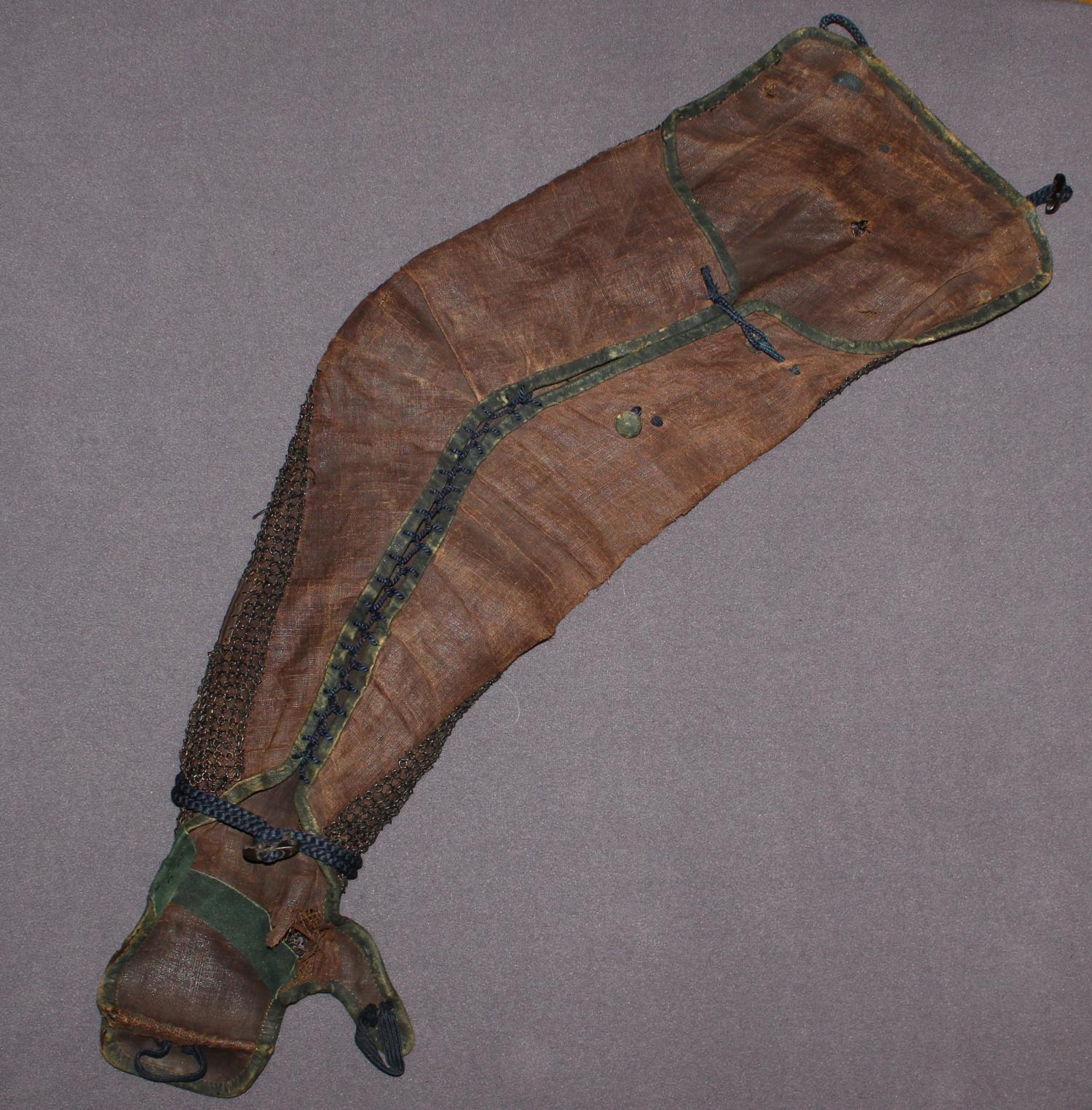
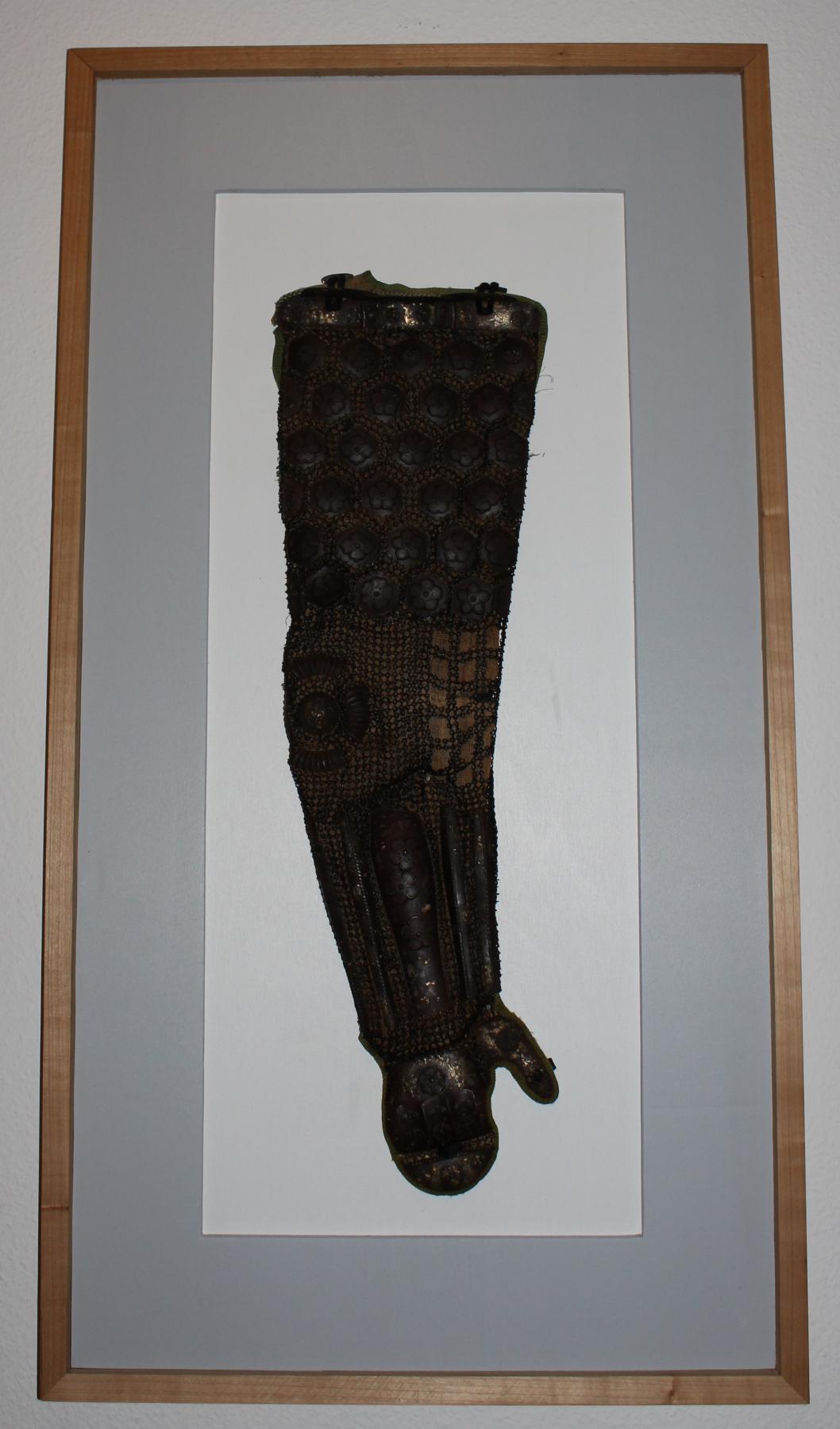
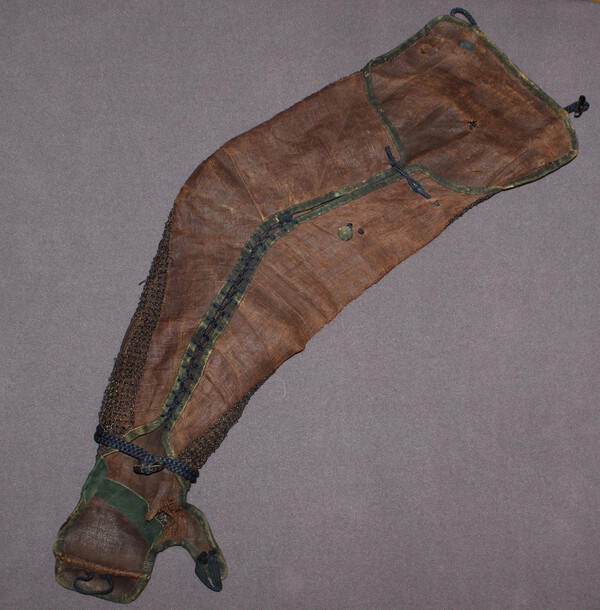
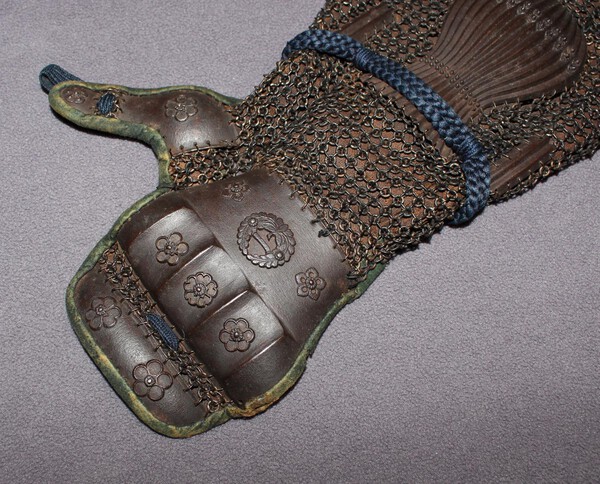
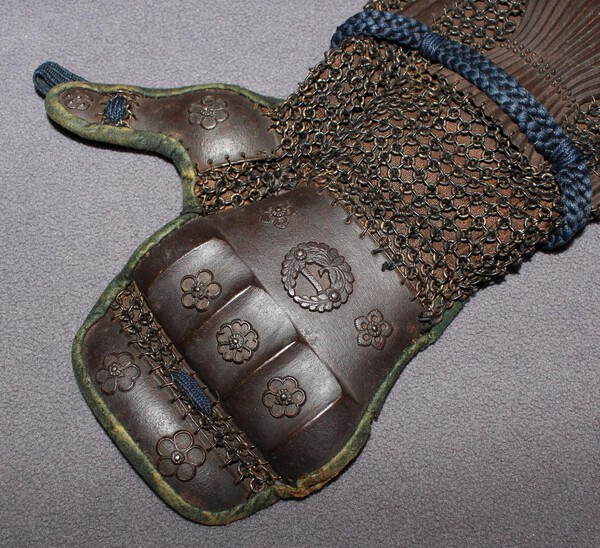
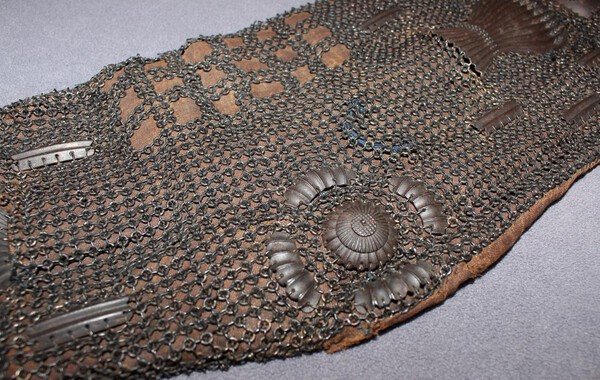
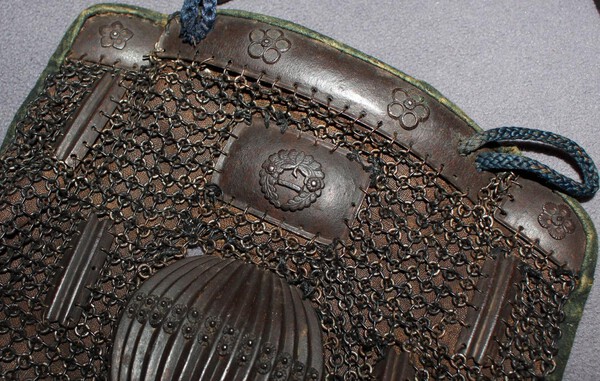
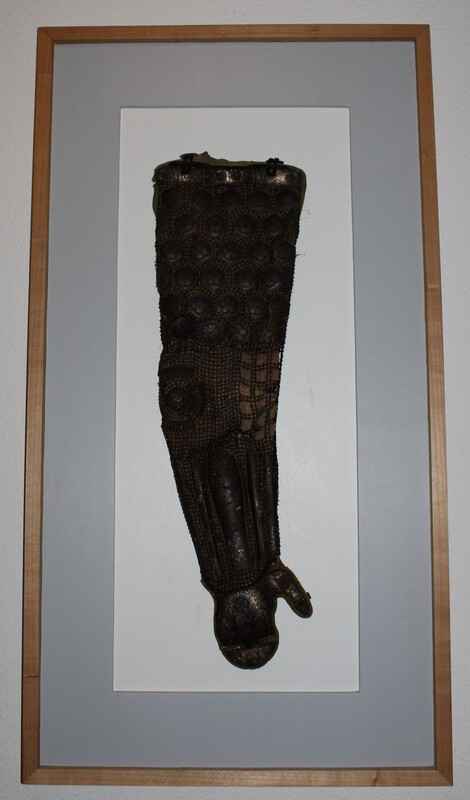
Dear all, this is my last sale before Christmas: a very beautiful russet iron kote with a Family mon. My guess is that this is a work done by a Kaga armorer due to the nicely done little mon. This is a high-grade piece that came from the Ott Collection. I have also attached a pictures that gives you an impression of how a single kote can be displayed (the kote in the frame is not part of this offer). Length: 65 cm Age: Edo period Asking Price: EUR 300.00 (including PayPal) plus shipping Best, Chris
-
Agree with Luis - the second one is worth a Hozon shinsa. The other two tsuba are also nice but the middle one definitely stands out with beautiful details (just take a close look at the eyes). Best, Chris
-
Just a small update: there are lots of items left that did not sell during the auction. Hermann usually gives a 10-20% discount on these: https://www.hermann-historica.de/de/objekte?aid=157&Lstatus=3&Accid=1719&cname=Japan Best, Chris
-
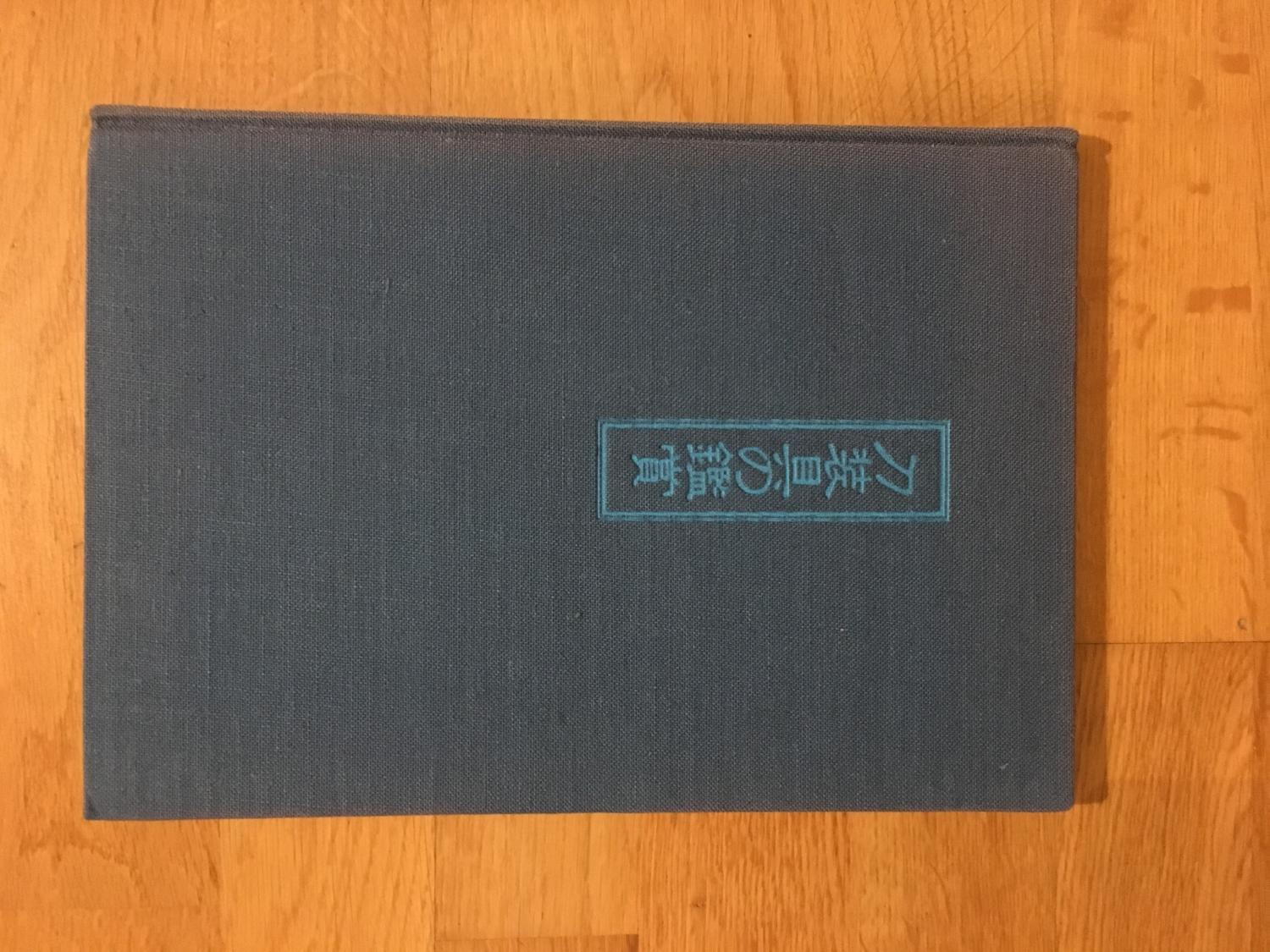
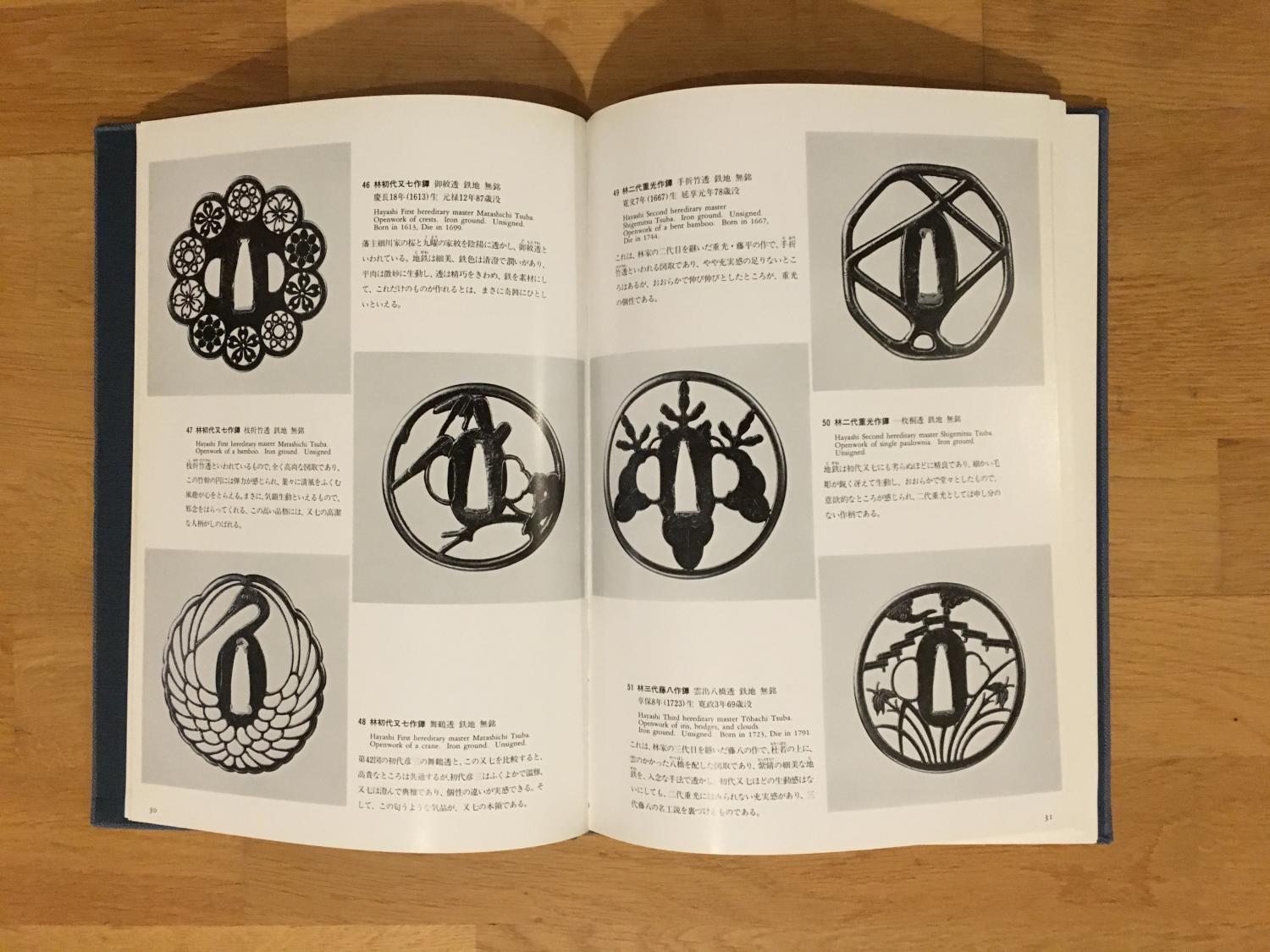
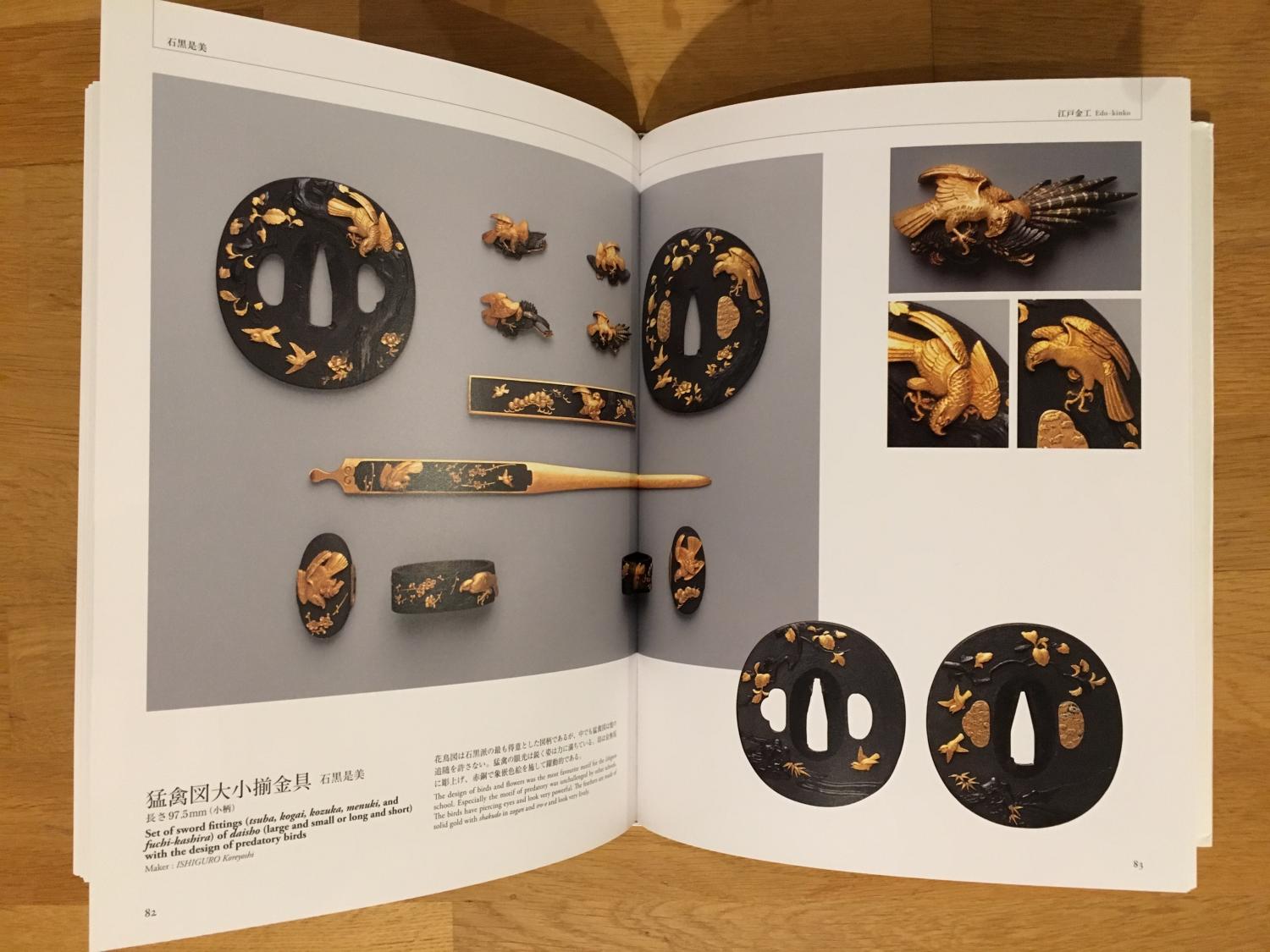
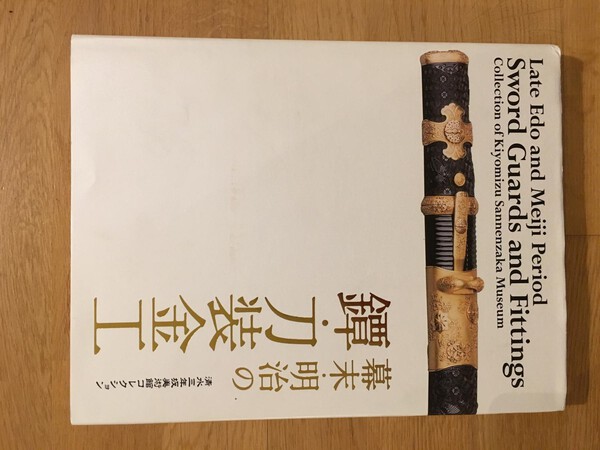
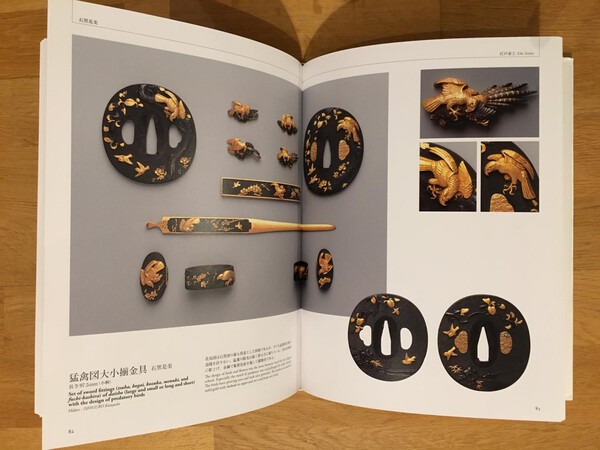
One last update and discount for the weekend: - Hara Shinkichi, Die Meister der japanischen Schwertzieraten (3 volumes!) - good/very good condition: EUR 150.00 (about USD 180.00) plus shipping costs - Late Edo and Meiji Period Sword Guards and Fittings (hard bound) - very good condition: EUR 95.00 (about USD 110.00) plus shipping plus shipping costs - Sasano Masayuki, Tosogu no Kansho - used/good condition: EUR 85.00 (about USD 100.00) plus shipping costs Best, Chris
-
Thank you, Dirk. I am glad to hear that!
-
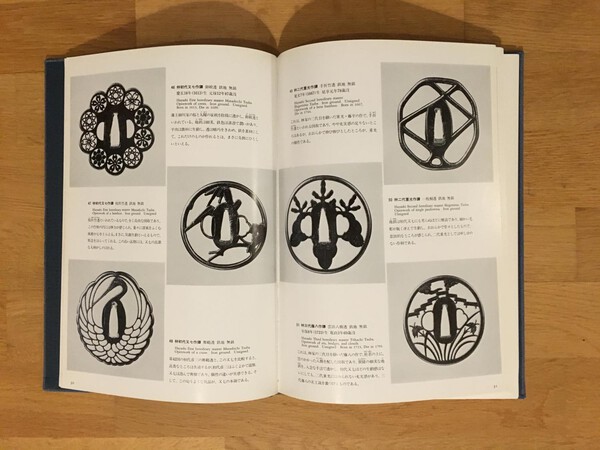
Please find below pictures of the remaining four books. I will give a 10% discount on these (valid until the end of the week)! It is really hard to find the 1931 volumes by Hara Shinkichi which contain the high-quality collection of the Hamburg Kunst und Gewerbe Museum. Plus, I have also included the 1902 Hamburg booklet.


-
Higo volumes are SOLD. Yamanaka volumes are SOLD.
-
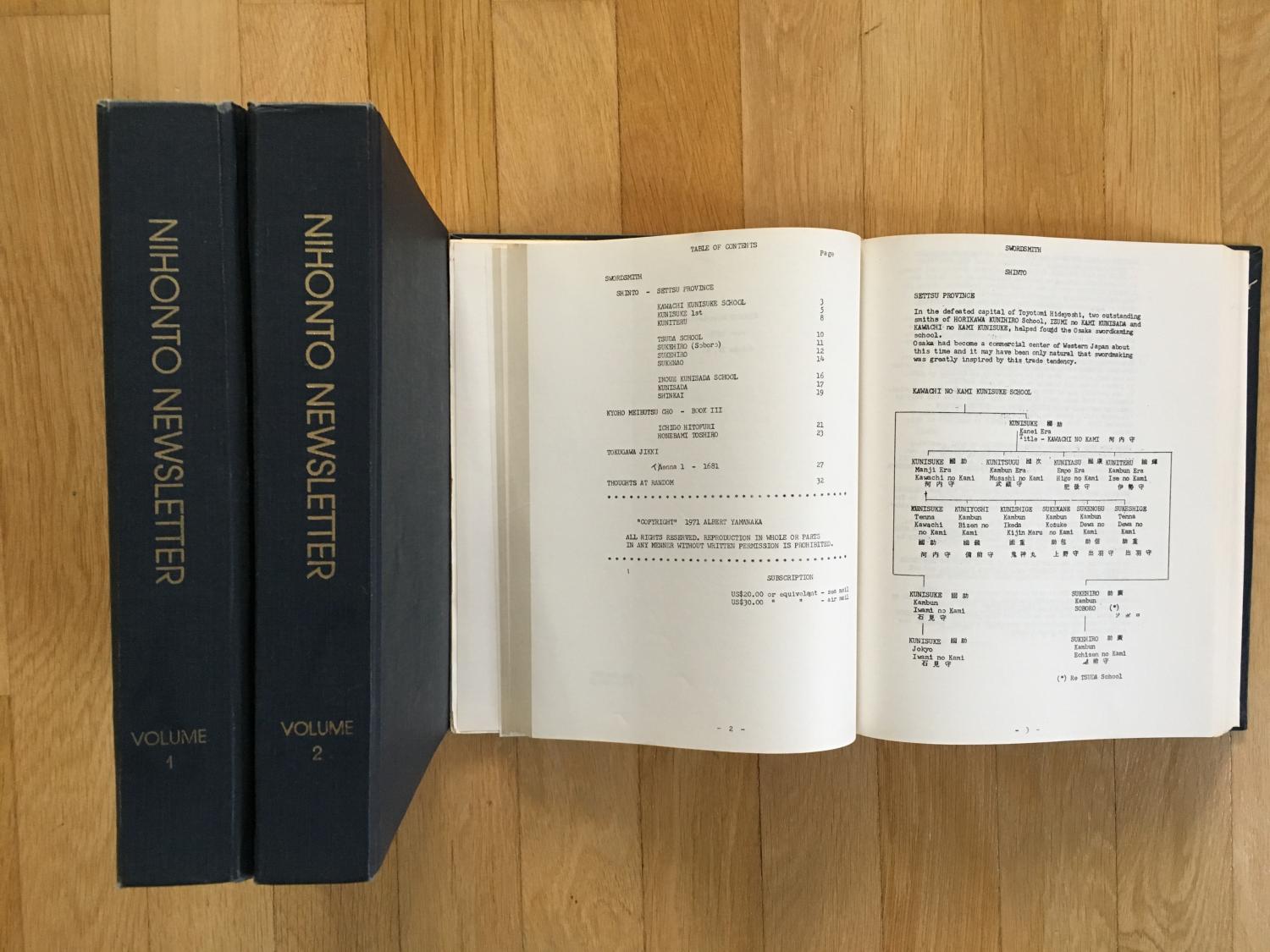
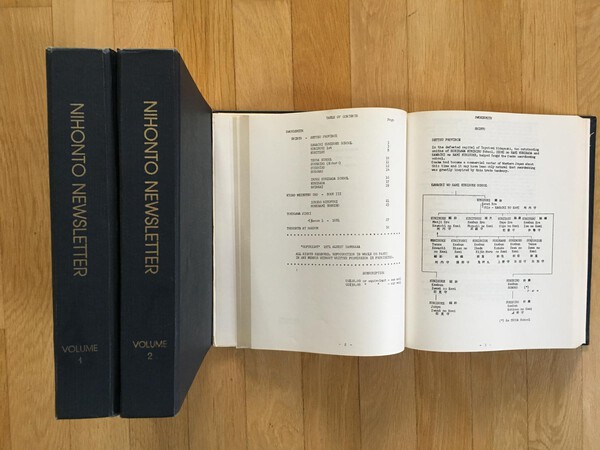
Thank you, Ken and Tom! As there seems to be some confusion about the Yamanaka Newsletters, I have attached a picture of the volumes. Sorry about the quality, but I do not have my camera at hand. Regarding the other books, there is (at least to my knowledge) only one edition. And yes, I am selling the Higo volumes (limited edition of 500 copies) plus translations way below the original retail price. Best, Chris
-
Hi Tom, the authors are Masayuki Murata and Michiko Hirota! The book is about the collection of the Kiyomizu Sannenzaka Museum. Best, Chris
-
Dear fellow board mebers, I have a couple of very good and rare books for sale: - 3 Higo Volumes by Ito Mitsuru (Works of Hirata & Shimizu, Works of Nishigaki Kanshiro and Work of Hayashi & Kamiyoshi) plus English translations of the Kanshiro and Hayashi volumes - all books are in a very good condition: EUR 850.00 plus shipping costs - Hara Shinkichi, Die Meister der japanischen Schwertzieraten (3 volumes!) - good/very good condition: EUR 200.00 plus shipping costs - Late Edo and Meiji Period Sword Guards and Fittings (hard bound) - very good condition: EUR 120.00 plus shipping plus shipping costs - Sasano Masayuki, Masterpieces from the Sasano Collection - like new condition: EUR 120.00 plus shipping costs plus shipping costs SOLD - Sasano Masayuki, Tosogu no Kansho - used/good condition: EUR 100.00 plus shipping costs - Nihonto Newsletters by Yamanaka (bound in 3 volumes): EUR 220.00 plus shipping costs I will accept PayPal! Best, Chris
-
Hi Luis, I agree with Franco that these menuki were originally cast. However, they are still authentic late Edo-period menuki in my eyes. You can see that additional work steps were done after the casting process (like carving details, gilding and so on). Furthermore, they are bent on the backside which is also a sign of authenticity. Regarding quality, I suggest you to take a look at the fine examples from the Boston Museum of Fine Arts (you can view many items online by using the search function on the MFA website) and judge the quality by yourself. Best, Chris
-
Hi Luis, the mei could be Tadatsugu. Tadatsugu was an Umetada school artist working around 1700. Therefore, I agree with Jean regarding his Edo period attribution - however, I disagree with the term "revival". At least to my non-native speaker ears, the term "revival" has some bad connotation to it. Since we do not call a Masahide sword "a koto revival piece", I would suggest to simply call this tsuba a (not Ko-) tosho tsuba (even though I do not know whether or not Tadatsuga was also a trained swordsmith) or in fact an Umetada mon sukashi tsuba. Best, Chris
-
Hi Luis, your tsuba can be attributed as an Awa Shoami work made in the mid 18th century. A beauftiful tsuba! In case that you are also wondering about the subject: these are called tachibina or traditional standing paper dolls. Best, Chris
-
I like Henry's idea. These could be Buddhist prayer beads on a string.
-
Hi Sergei, this could also be the lacing of an armor. I have seen an old Owari tsuba in Japan showing what looked like the outlines of many rice fields seen from above and was told that this was indeed meant as a reference to the shikoro of a helmet. Kind regards, Chris
-
The full Mei does most likely read "Yamashiro Kuni Fushimi" (山城国伏見) on the right side and "Kaneie" (金家) on the left. I agree with the Saga Kaneie attribution and with Brian's low C (sorry, Stephen...). Best, Chris
-
Very tempting.........!
-
I had the opportunity to visit Tom a couple of times. He is a true collector of iron tsuba and now wants to part with a couple of quality pieces from his collection - this is really nice stuff and I can recommend Tom as a very kind person. I cannot believe that some pieces have not already gone - some of my favorites can also be found here: http://www.militaria.co.za/nmb/topic/21172-tsuba-christmas-sale-1-kyo-nishigaki-owari/. Good luck Tom - hope to visit you again soon, Chris
-
Tsuba Christmas Sale #2 - Umetada, Echizen, Saotome ...
Higo-san replied to Leporello's topic in For Sale or Trade
Number 7 and 8 are a bargain... Nice stuff, Tom! -
Thank you, Stephen!
-
How much do you want for the Fuchi, Stephen?
-
Can Anyone Shed Any Light On This Tsuba And Menuki?
Higo-san replied to general_piffle's topic in Tosogu
Hi Joel, the Mei reads "Bushû jû Masanaga" (武州住正長); there is a similiar piece in the Boston MFA Collection (http://www.mfa.org/collections/object/tsuba-with-design-of-cherry-blossoms-and-waves-11532). Best, Chris -
Can Anyone Shed Any Light On This Tsuba And Menuki?
Higo-san replied to general_piffle's topic in Tosogu
Hi, The menuki represent three Tomoe mon and can be found commonly on (Buddhist) temples all over Japan. There also a couple of families who used the Tomoe mon. Your tsuba reminds me of Choshu, Bushu or Echizen craftsmanship; I would date it to middle until late Edo period. I agree with Rich regarding the plugging. This was a rather common practice which can be seen on many tsuba. Best, Chris -
Hi Patrice, I am not 100% sure about the tanto but the koshirae is definitely not an old Japanese piece. And I am almost sure that the tanto is modern made, too. Best, Chris