All Activity
- Past hour
-
I love this sentiment. I collect because I love the aesthetics of the tsuba, and I pick pieces that I want to look at every day. I never get tired of them, and I aspire to have so many that I too will be able to rediscover them when I go digging into my cabinets.
- Today
-
A Naval Kyu-Gunto by Teruhiro
PNSSHOGUN replied to Marcus Devonport's topic in General Nihonto Related Discussion
If you have any more pictures of the mounts we'd love to see them, sometimes you can find the officers surname on the guard under the fittings with these. -
Can we know more about the Ko-Aoe Koretomo? I have a particular interest in this smith. Les
-

A Naval Kyu-Gunto by Teruhiro
Marcus Devonport replied to Marcus Devonport's topic in General Nihonto Related Discussion
Thank you, for the kind words. It is very reminiscent of Bizen-den in the lower portion of the blade; especially with the lobes of tadpole choji. Its only the later third of the blade, before you start to see that classic Mino-style gunome. -

A Naval Kyu-Gunto by Teruhiro
Jon replied to Marcus Devonport's topic in General Nihonto Related Discussion
Good going getting it, I may have to come over for tea and a look if im ever in Yorkshire. -
That is a very fine Daisho, can't recall seeing one with with matching cutting tests before.
-
G'day Guys, OK, so it is still a Chinese knock-off of a Japanese gunto, but it may have been made around the time of the war (or not). Cheers, Bryce
-
A Naval Kyu-Gunto by Teruhiro
PNSSHOGUN replied to Marcus Devonport's topic in General Nihonto Related Discussion
Very nice indeed, it appears to be an Utsushi of Yokoyama Daijo Sukesada. -
A Naval Kyu-Gunto by Teruhiro
Marcus Devonport replied to Marcus Devonport's topic in General Nihonto Related Discussion
Thanks, I have something of a history with this particular sword... I was really invested in the sword when it came up for auction, but couldn't match the winning bid 😁 Yet somehow the sword found it's way back to me a little over a year later, in a dealers private collection.- It took 12 months of gentle negotiation before we could close a deal -
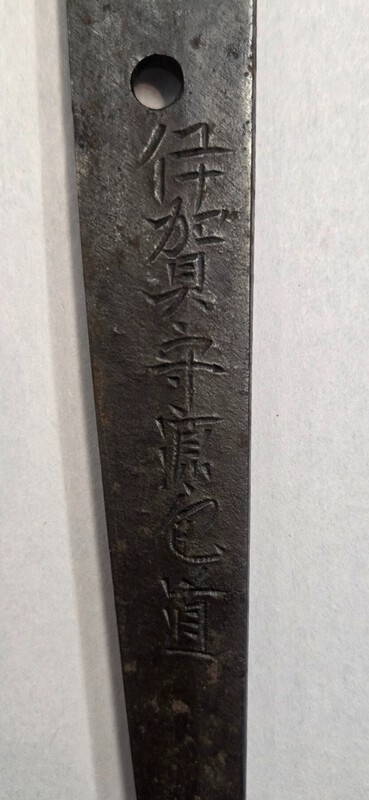
伊賀守源包道 = Iga no Kami Minamoto Kanemichi
- Yesterday
-
A Naval Kyu-Gunto by Teruhiro
Jon replied to Marcus Devonport's topic in General Nihonto Related Discussion
Brilliant thanks for posting, I did put up the original question around the generation of the smith because I was considering purchasing the bade back in 2024… it looked great, but I decided against.. due to wife aversion issues( my wife is pathological adverse to me spending money on swords). -
Wow thank you null device. I'm still curious, is the last what is the last character. Is it "kao"?
-
A Naval Kyu-Gunto by Teruhiro
Marcus Devonport replied to Marcus Devonport's topic in General Nihonto Related Discussion
-
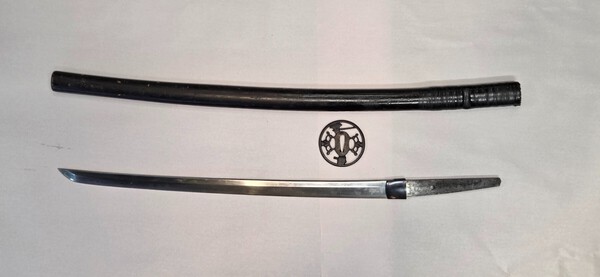
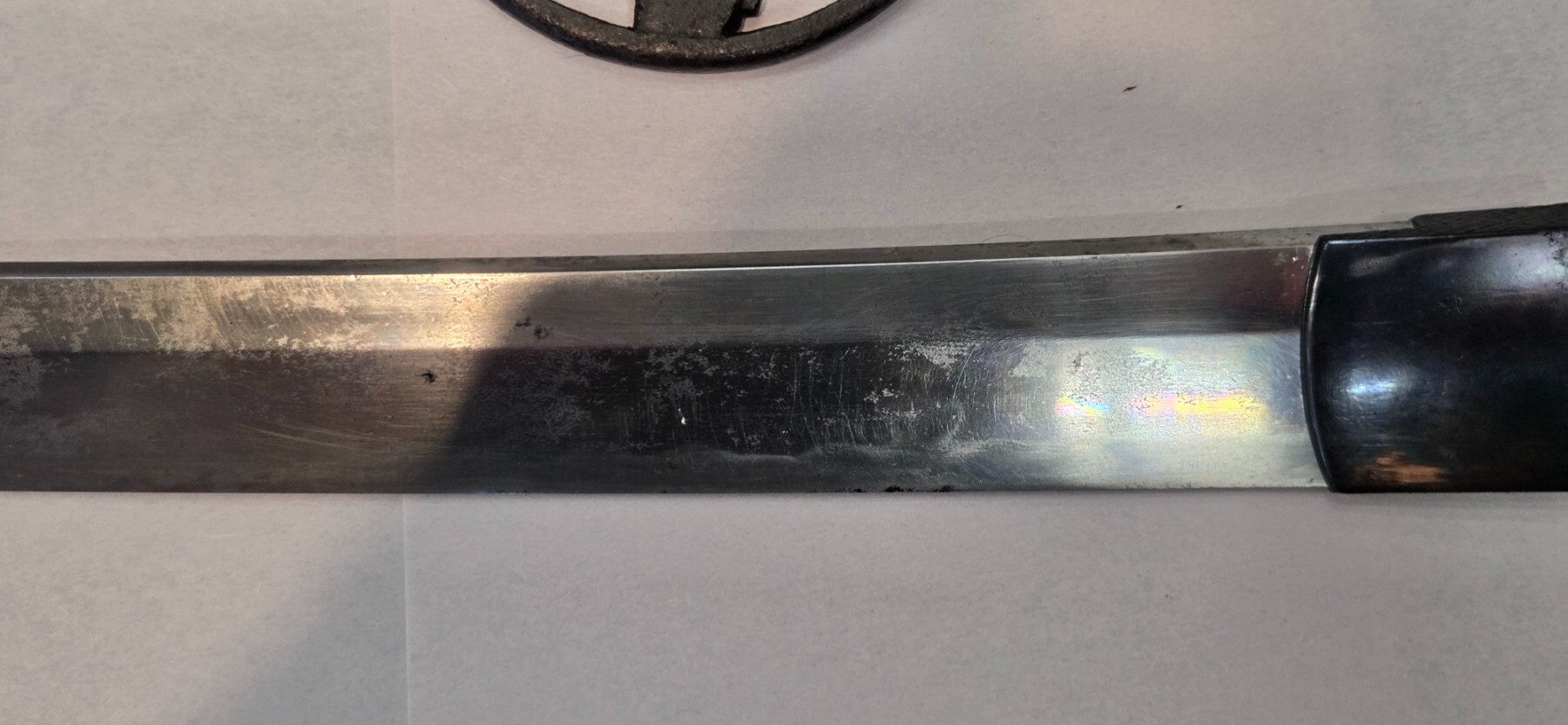
Hi Everyone, Picked up this piece recently. A bit neglected and incomplete. Still sold. Feels like early/mid edo at my guess?? Unfortunately it has lost all it polish. Hada and hamon there behind all the scratches. Looking for help with the translation please.


-
A Naval Kyu-Gunto by Teruhiro
Marcus Devonport replied to Marcus Devonport's topic in General Nihonto Related Discussion



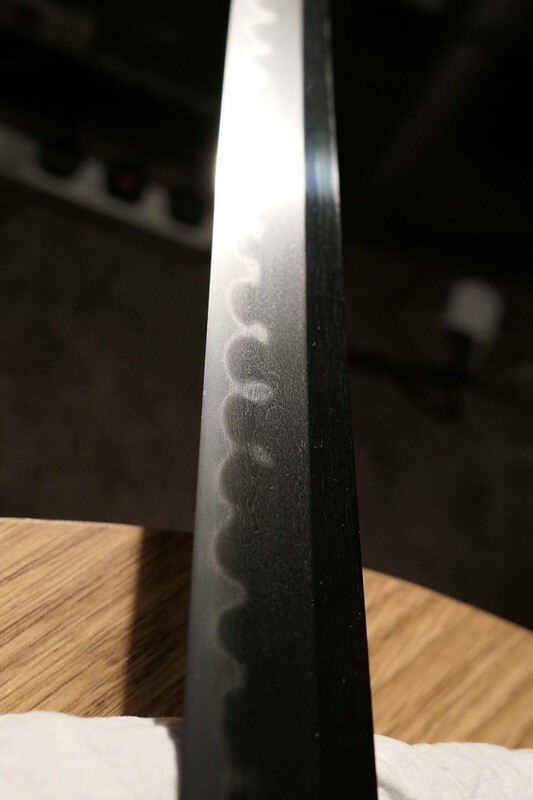


-

Showato translation assistance request
nulldevice replied to fujidog's topic in Translation Assistance
Ishido Teruhide -
A Naval Kyu-Gunto by Teruhiro
Marcus Devonport replied to Marcus Devonport's topic in General Nihonto Related Discussion


-
Hi everyone, I was hoping someone could translate this for me. 98% Sure its showato and not older. Blade does not appear to be folded, only clay tempered. Original polish is pretty much totally gone. Looks like five characters right? I think the first is "Ishi"? Any help is much appreciated.
.thumb.jpg.ca88a5d7d76c4badf8b34c5508d9cad8.jpg)

-
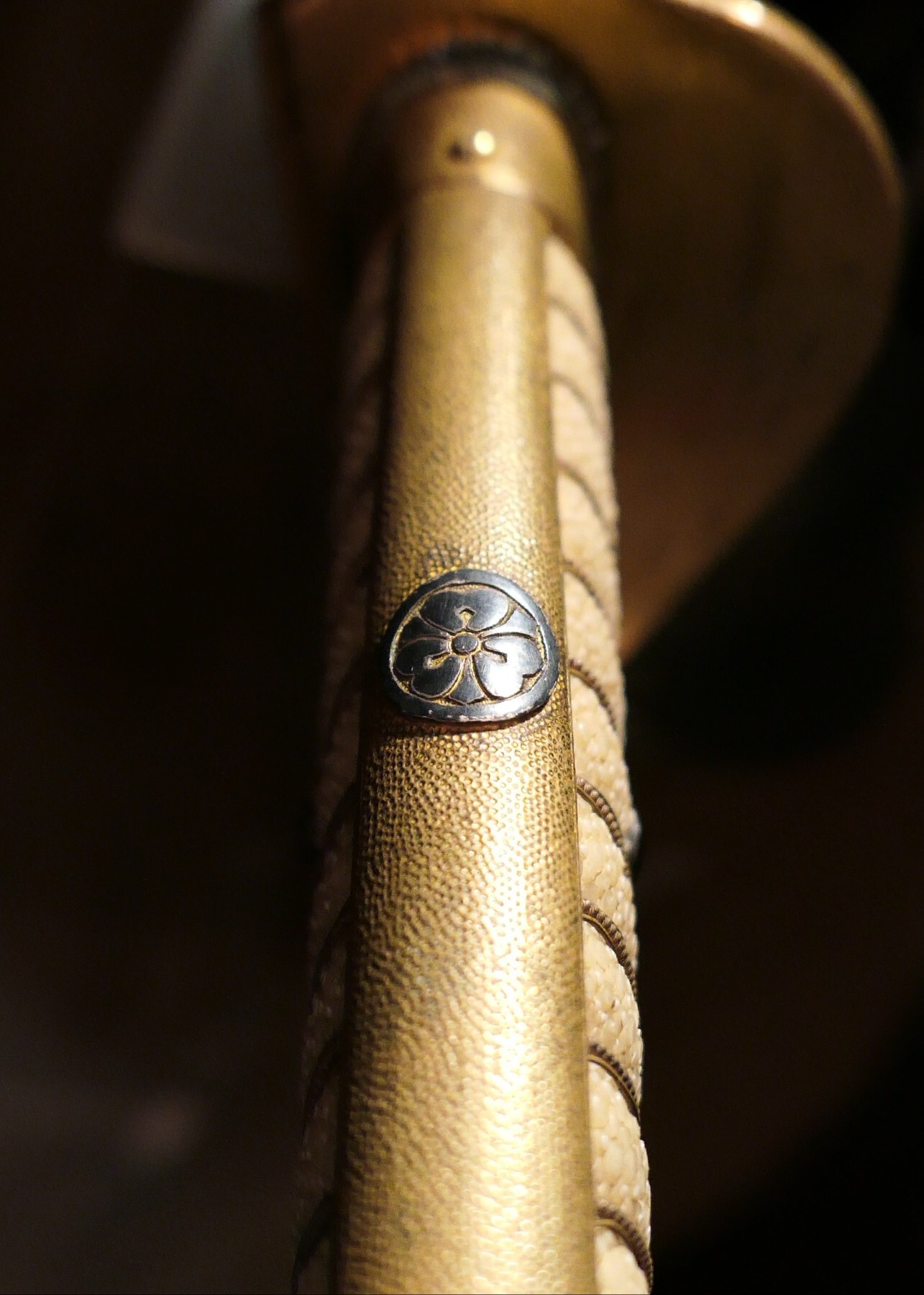
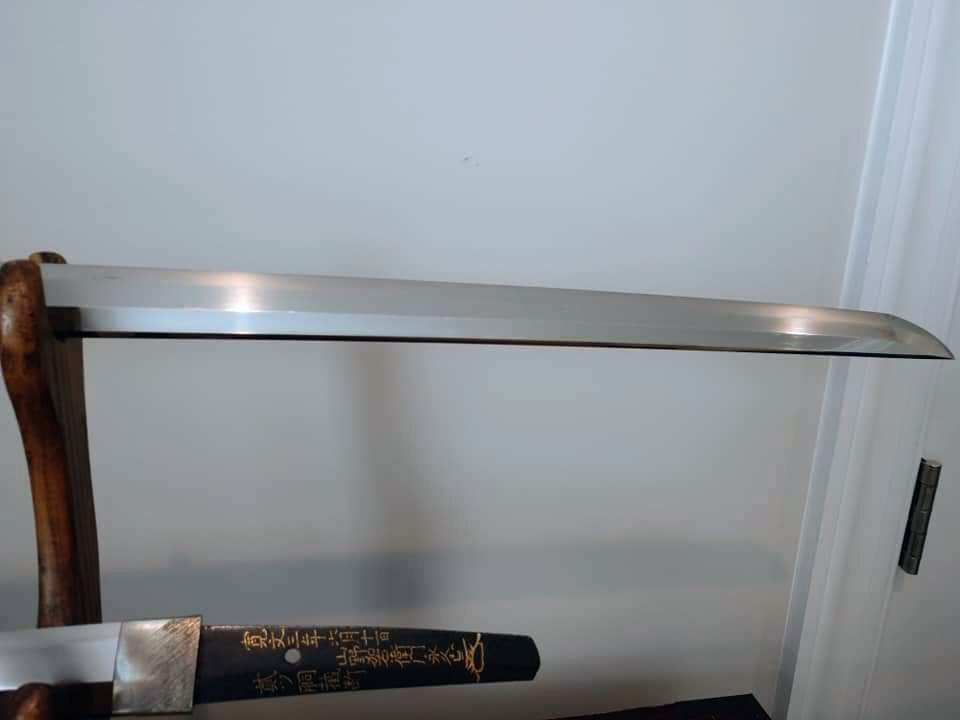
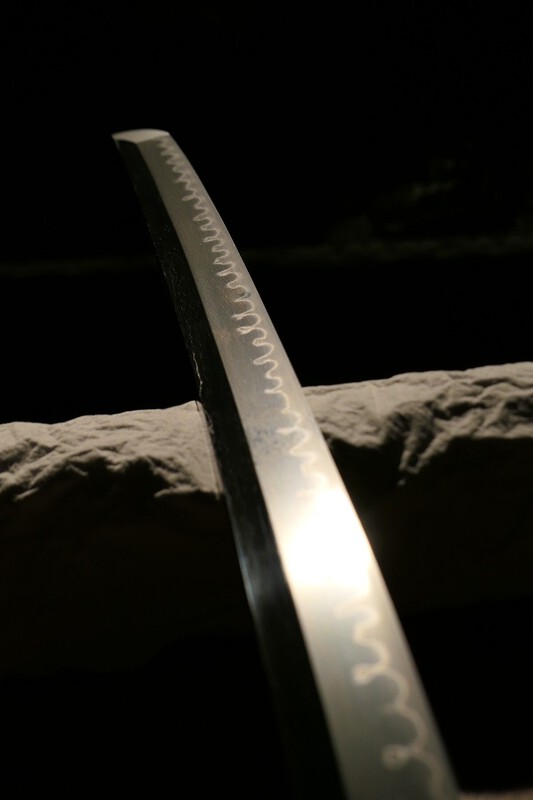
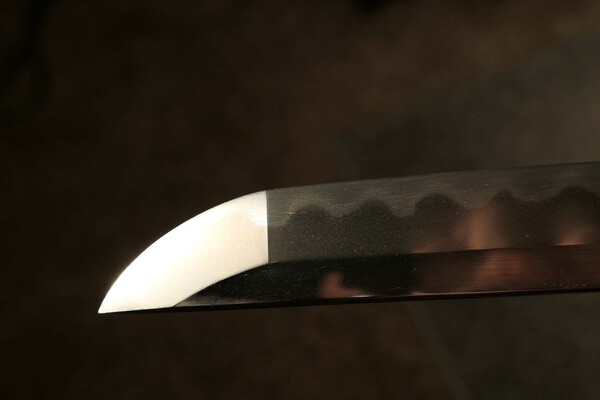
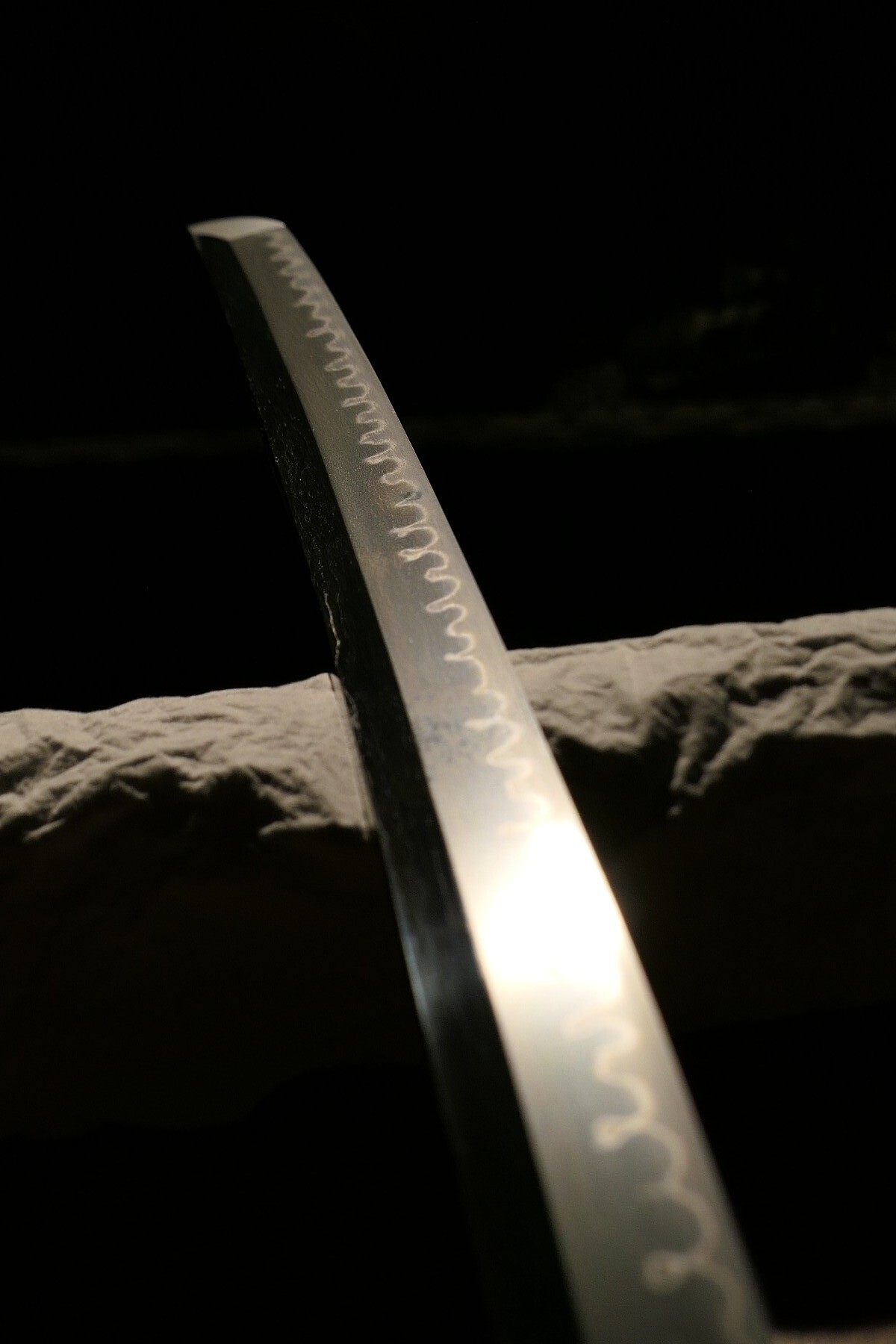
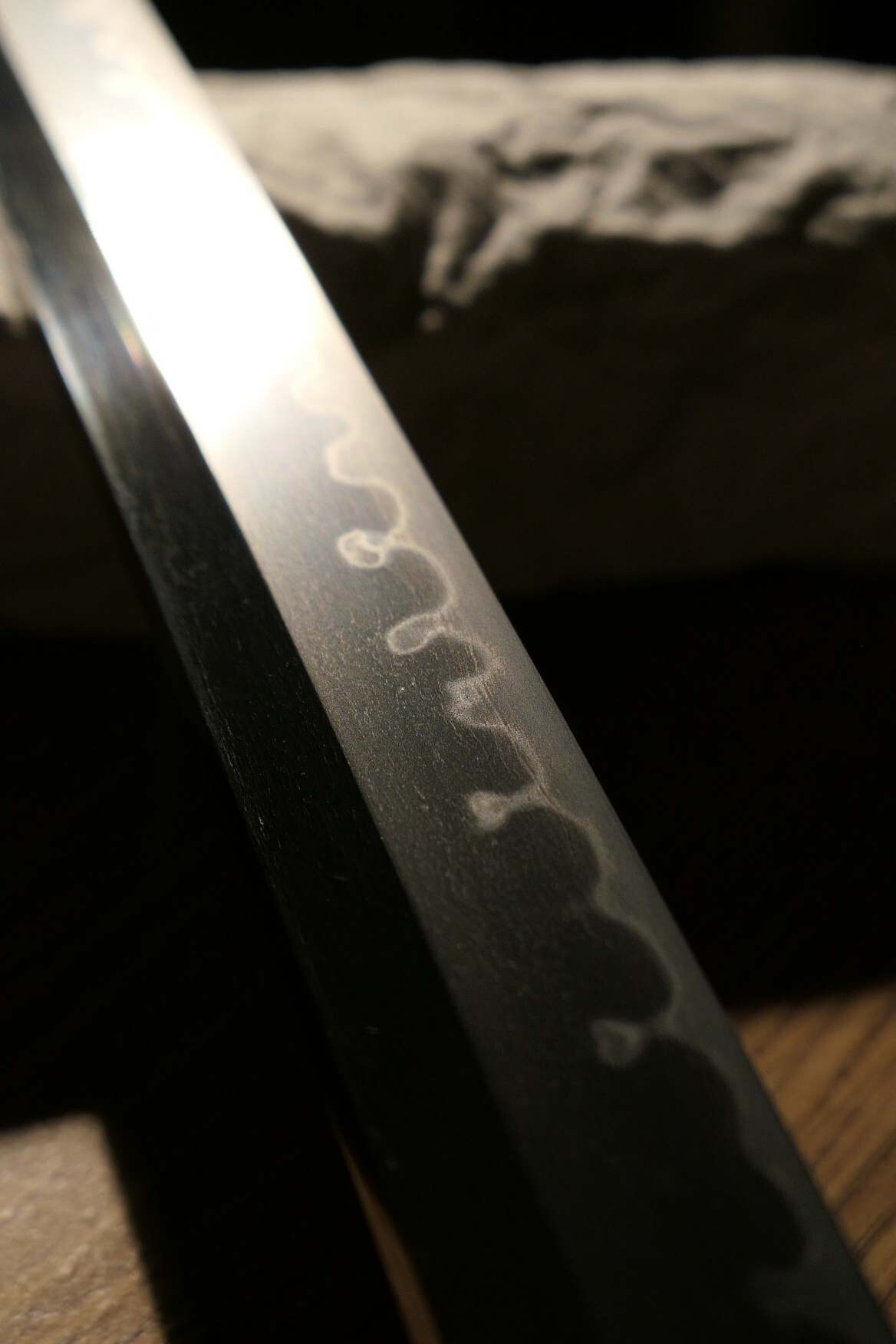
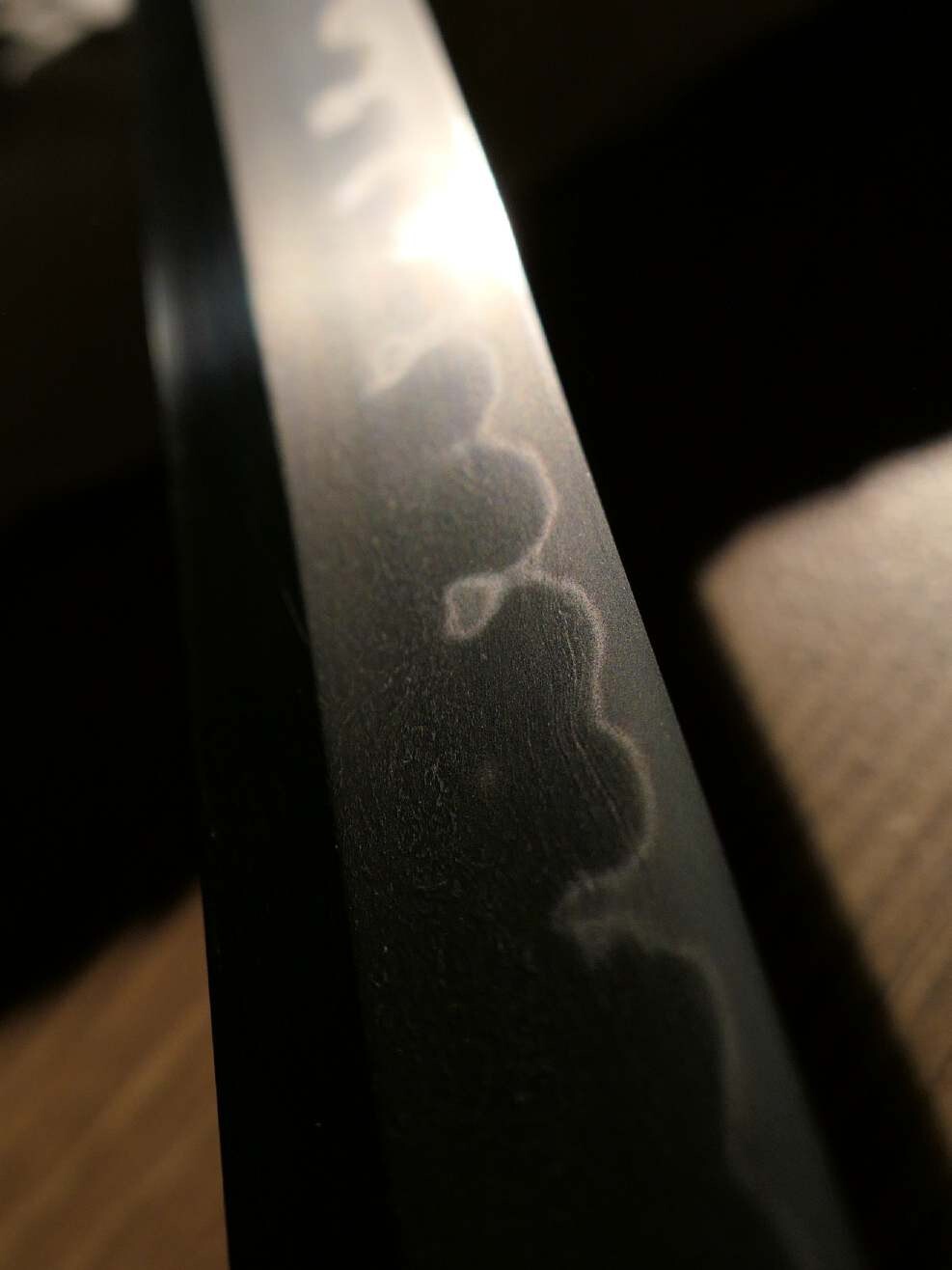
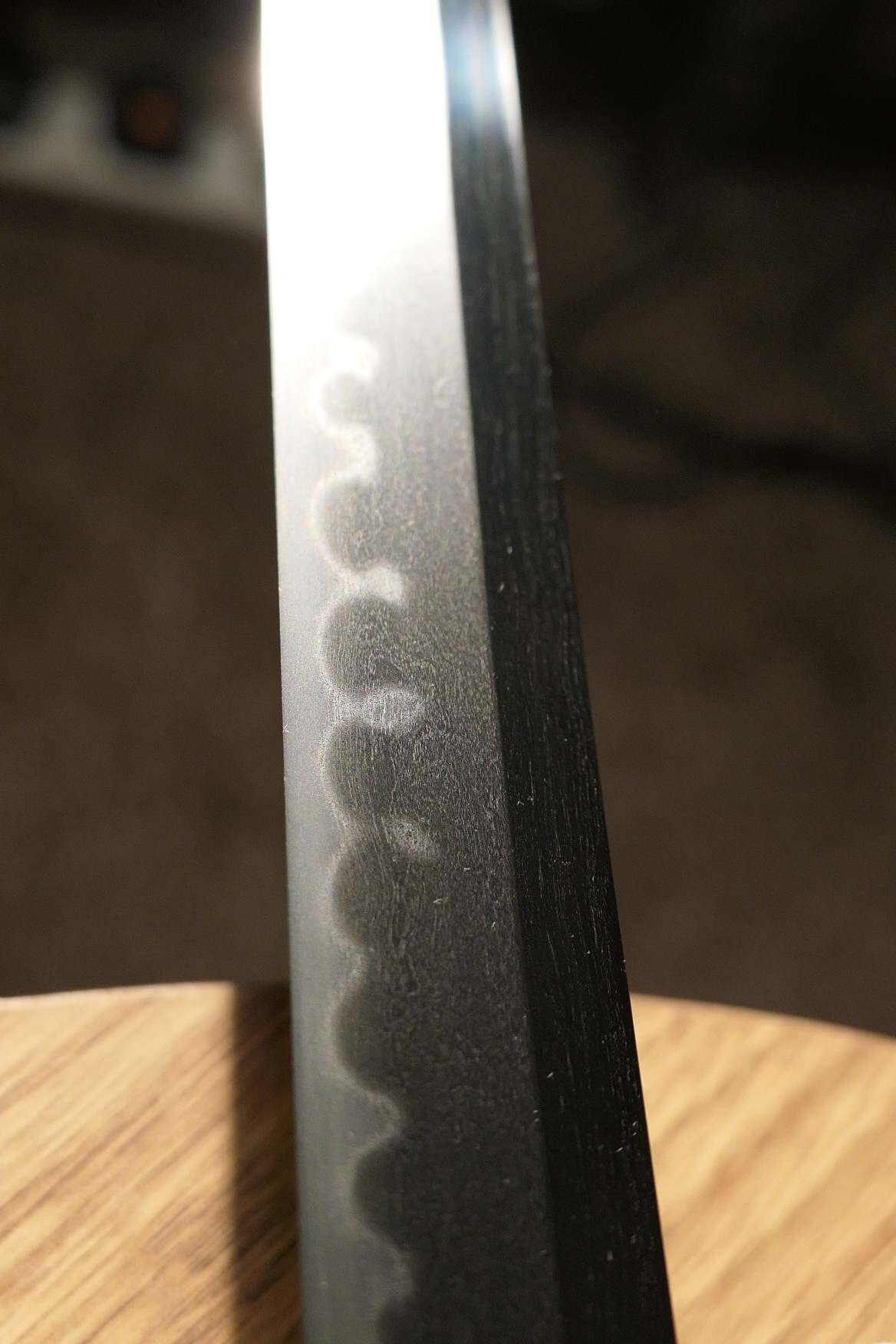
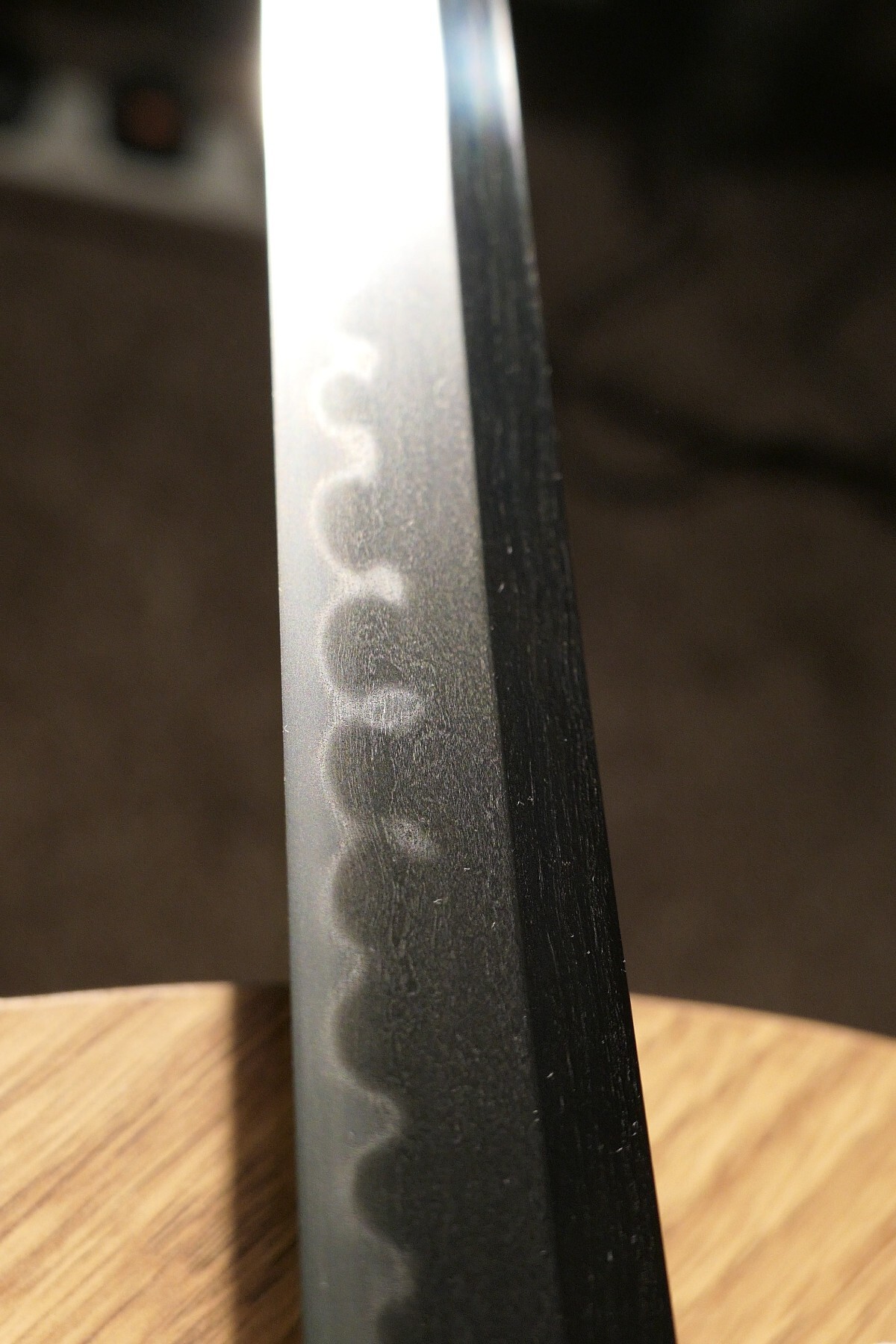
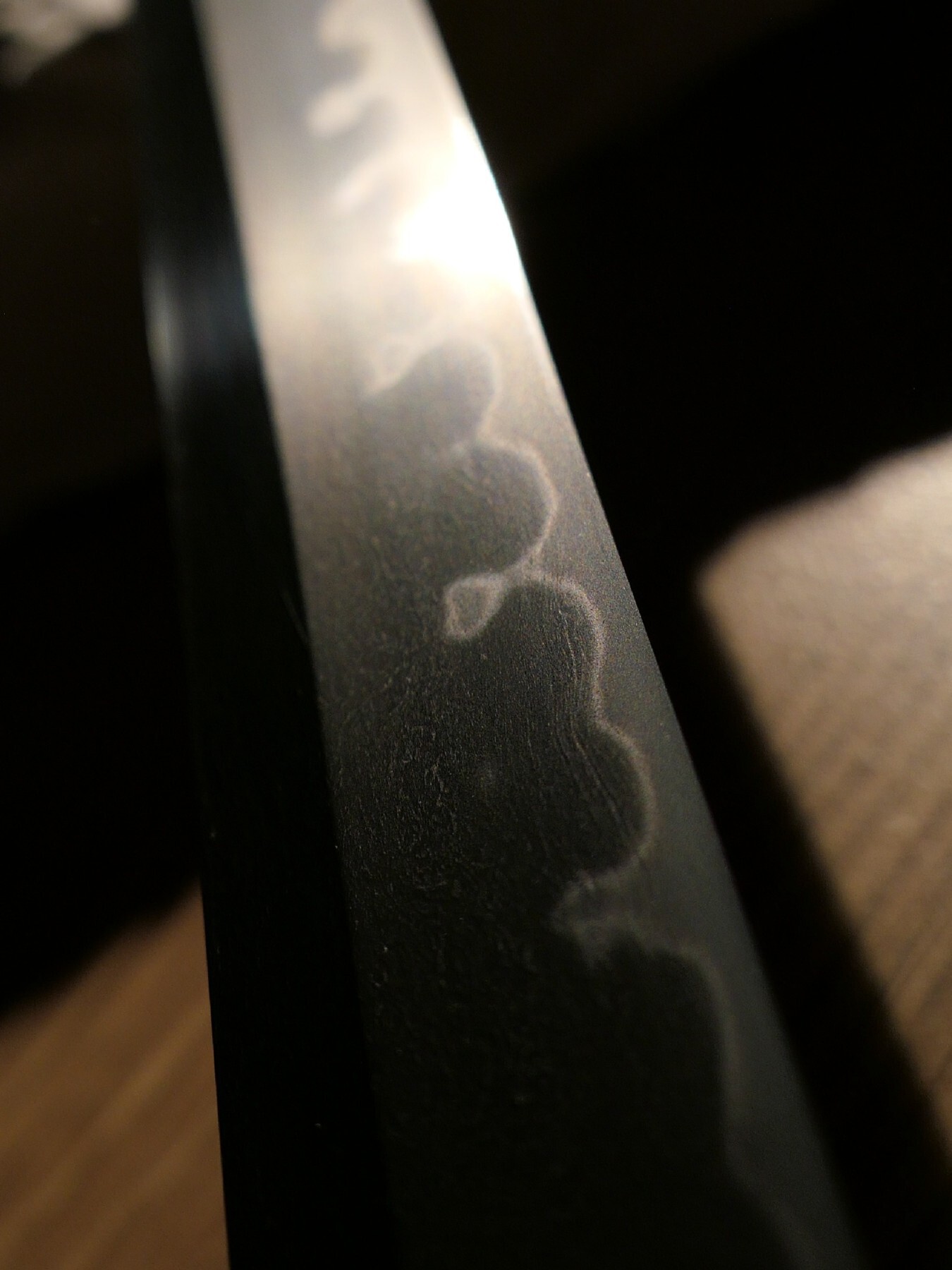
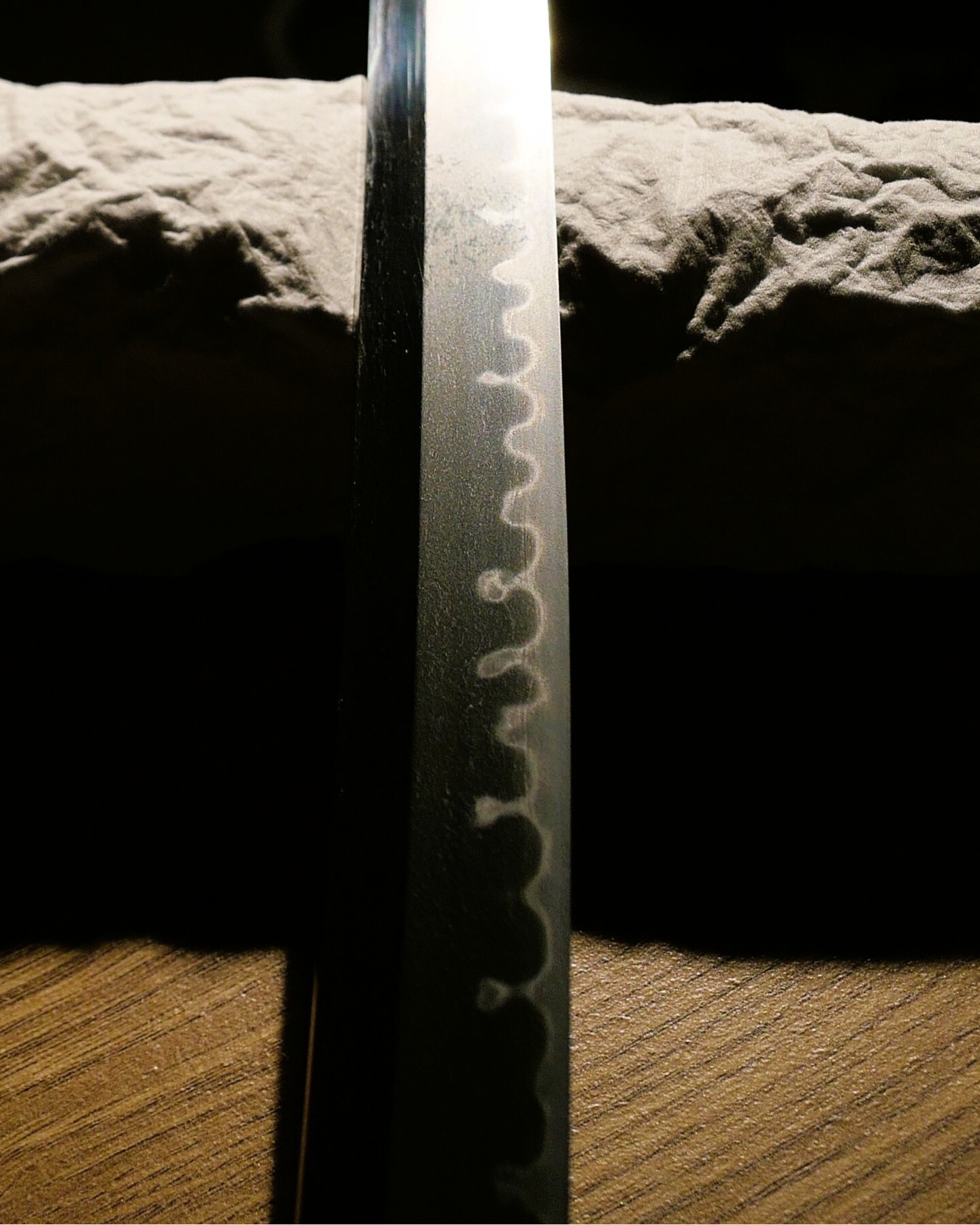
Wanted to make a post, sharing my latest acquisition to the group. Signed Harima no Kami Fujiwara Teruhiro- whilst the first 3 smiths of the line were tremendously skilled representing the best of the line, the NBTHK has attributed this piece as the work of a "later" generation. I absolutely love the presentation of this sword; having been mounted in Naval Kyu-Gunto Koshirae. I had seen a small number of Teruhiro signed pieces appear in the catalogues of higher-end auctions; with these largely being Shodai or the early generation blades. The majority of which being Tanto/Wakizashi length. Full-length katana have proved to be far more elusive- Despite their line continuing over 15 generations, I've struggled finding many examples of their work for reference online. So, I thought the group would appreciate a post, on this lesser seen smith. In my search, I happened across a past article, featuring this exact sword So I'm pleased to be able to share more of it to the group I'm not usually one to gravitate towards Hada when viewing a blade, but it really is a stand-out feature in this blade. The Hada itself tends towards Itame with burls of Mokume. There is a high degree of contrast in the colour of the steel, which makes the 'grain structure' appear 'bright' (without better terminology to describe it!) I *think* I see Chikei. Although this is a feature I struggle identifying, at my current stage of learning (I'd be grateful to the more seasoned members, who may correct me if I've misidentified this) I'm also greatly enjoying the variation to the Hamon, shifting between Kawazuko-Choji and Gunome-Togari There's abundant Hataraki throughout; with many instances of Sunagashi, Inazuma and Tobiyaki. Hope you enjoy- and of course, I look forward to hearing your thoughts on the blade itself All the Best, and Happy Collecting - Marcus


-
Dai - signed Harima Daijo Tadakuni - ubu 75 cm with koshirae Test cut - yamano Nagahisa cut 2 bodies in half dated Sho - signed Harima Daijo Tadakuni - ubu with Koshirae 43.2 cm Test cut - Yamano Nagahisa cut 2 bodies in half same date as the Katana Nagahisa was the most famous test cutter of the Edo period . Rare to find daisho with test cut on the same day


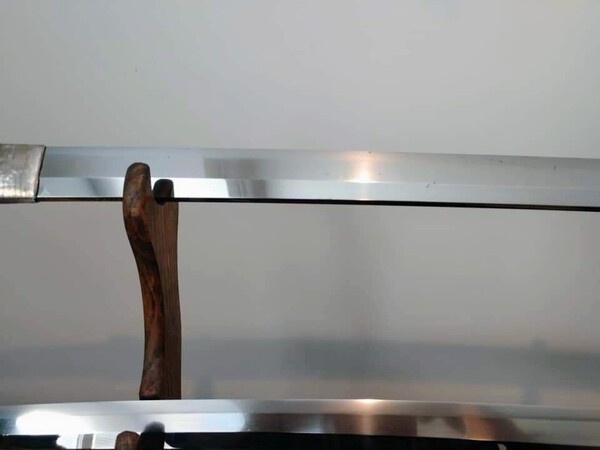

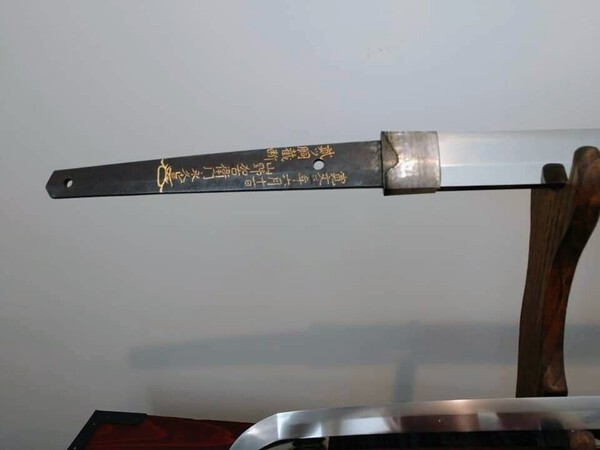
- 1 reply
-
- 3
-

-

-
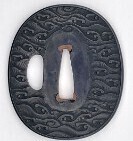
Wow Jean, my opinion you are a tsuba snob. You stated- "but with a proper protection treatment (which can mean rust-removal and new patination) and good care (e.g. not hanging it on a nail....), it can survive more centuries. But that has to do with some understanding of the processes and responsibility." So you think I have no "understanding of the processes and responsibility." You think that me hanging my tsuba on a steel nail on my walls for my enjoyment is not responsible. Come on tsuba snob. Tsuba were mounted on steel tangs of swords, hanging them on my walls with a little steel nail is not going to damage them! Like I said before, you are a tsuba snob! All I need from my tsuba is to survive longer than me. If I have another 15 years left, I would consider myself really lucky. What happens to my tsuba after I pass will not be my problem, it would be up to my heirs to figure that out. You do what you want to with your tsuba, and I will do what I want to with my tsuba to enjoy them while I am stilll around. End of story! My opinion.
-
In the first place, preservation has nothing to do with the value of an object. Any antique iron TSUBA will turn into oxide earlier or later, but with a proper protection treatment (which can mean rust-removal and new patination) and good care (e.g. not hanging it on a nail....), it can survive more centuries. But that has to do with some understanding of the processes and responsibility.
-

-
The cost of NBTHK papers just went up recently. Not that it matters much in this small financial debate about the restoration of a Yagyu. I have seen them cleaned up before, worked on a bit, and then off to NBTHK for papers.












.jpg.fd276997b96600f291e0572fd4471270.jpg)