Kantaro
-
Posts
456 -
Joined
-
Last visited
-
Days Won
1
Content Type
Profiles
Forums
Events
Store
Downloads
Gallery
Everything posted by Kantaro
-
 Japanese sword, military sword, unique command sword, command sword, legal, iron sheath, army, parts, military | Jauce Shopping Service | Yahoo Japan Auctions. eBay Japan What do you think?
 -
Possible Diplomat Type 19 Emblem?
Kantaro replied to Bruce Pennington's topic in Military Swords of Japan
It makes me think of a Korean Sword. Not completely the same emblem...mumble Swords Of Korea
-
The top of this lamp has a Gorinto 古刀匠 design and is representing the five elements and makes me think of other Tsuba. Markus Sesko wrote:"a gorintō on a tsuba is associated with death. Imagine a medieval knight having his armor decorated with gravestones." Early sukashi motifs 1 | Markus Sesko

-
So if I understand it correctly we only have to find a Ninja and whatever he uses becomes automatical a Ninjato...?
-
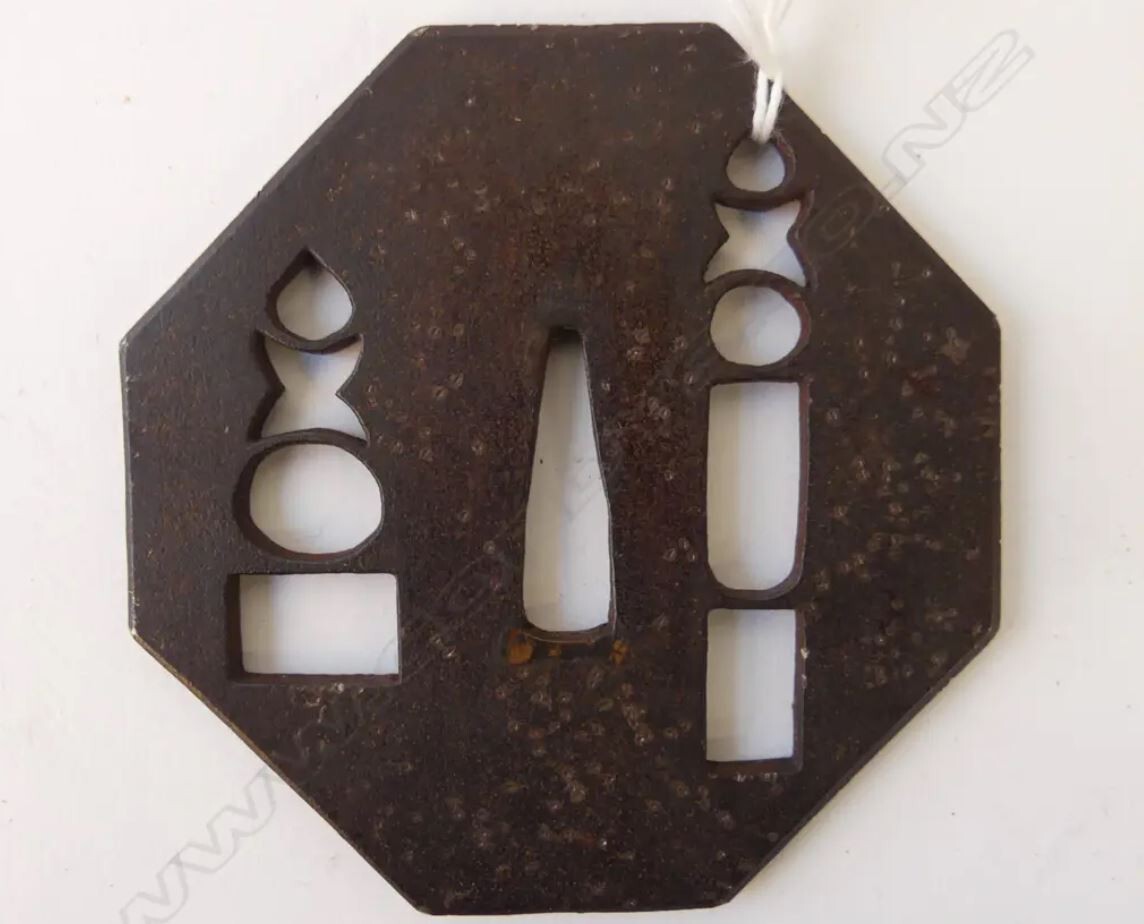
Yup you are right, it are leaves...or teardrops or just a rope...but still 11...one missing? Here is another 12 [Tsuba 00] Iron base, irregular shape, ginkgo leaf connected openwork tsuba, unsigned, Heian Castle style, brass inlay, unsigned, single-hole hole, small edged corners, iron tsuba, sword fittings, mounting, exterior, paulownia box included | Jauce Shopping Service | Yahoo Japan Auctions. eBay Japan
-
11 boar eyes? Never seen one with 11...
-
Seems as that tsuba was used on a door as a key-hole cover or something similar?
-
Is that a decorative wallhanger with a non-magnetic blade?
-
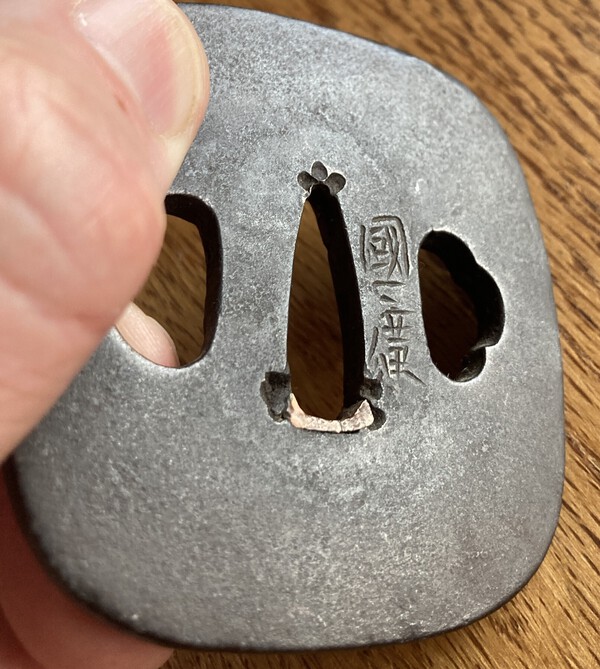
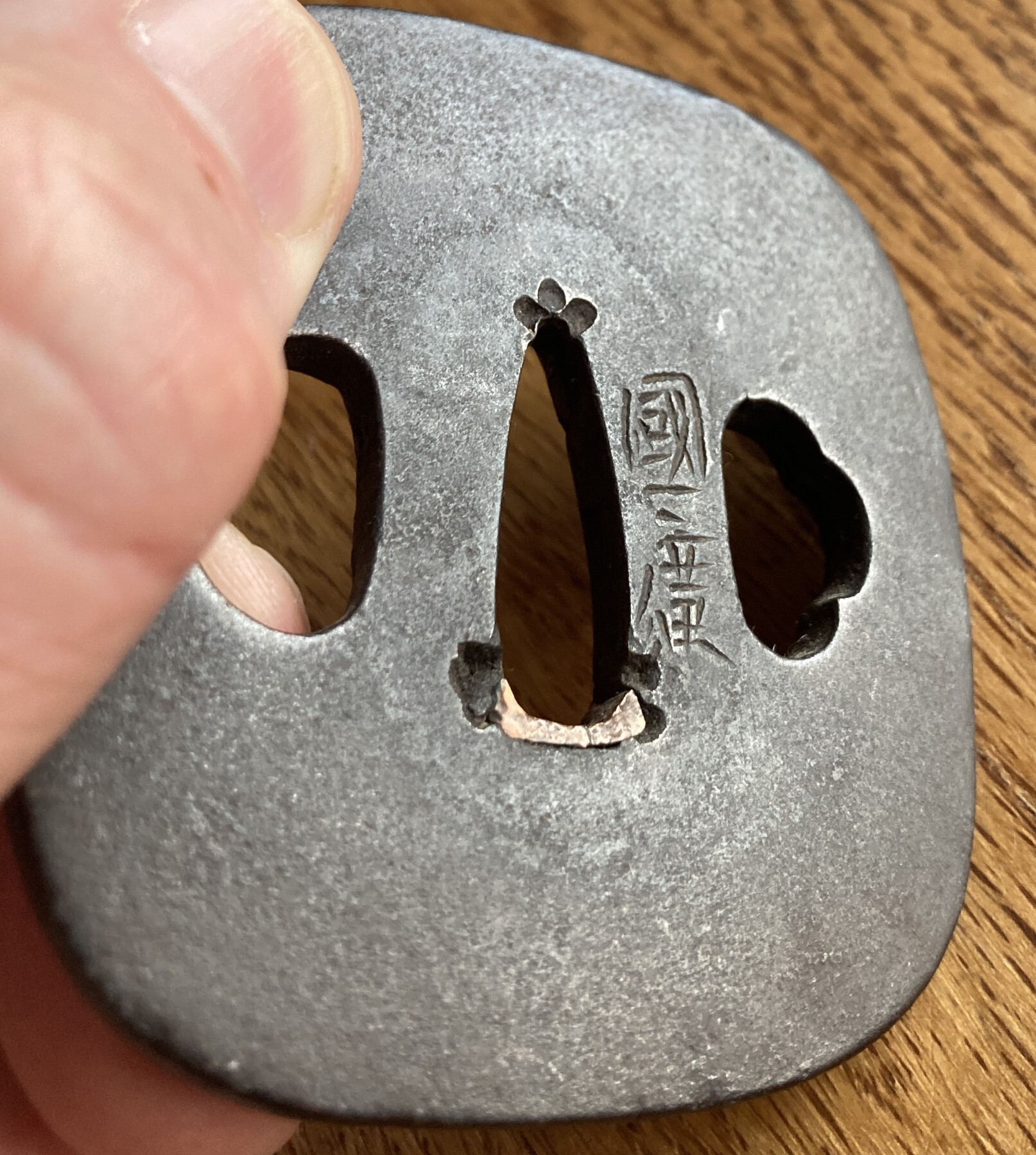
Indeed Uwe, found also one on ebay but signed on the left side... Antique Signed KUNIHIRO Iron Metal Japanese Tsuba Sword Guard 鍔 鐔 Lot A | eBay

-
Thanks Piers!
-
Can you help me with translating this mei? Kind regards.
-
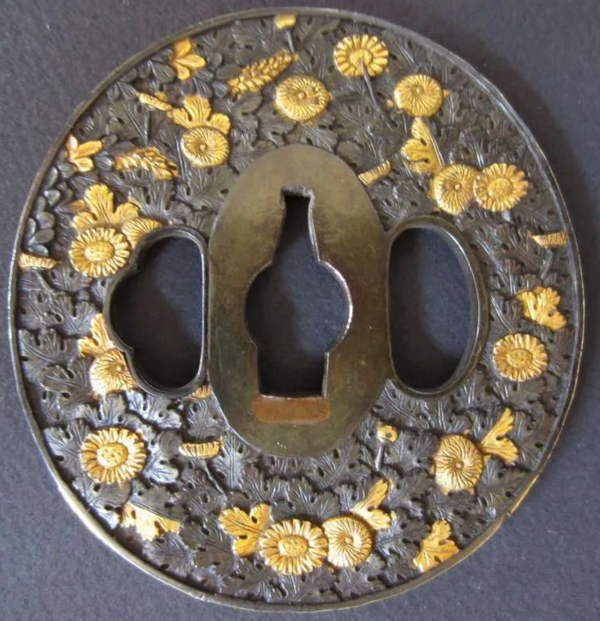
Nice one Dale, I like it! The price of this one hereunder wow, pffffft really? Antique Japanese Tsuba motif of Chrysanthemums - Zentner Collection
-
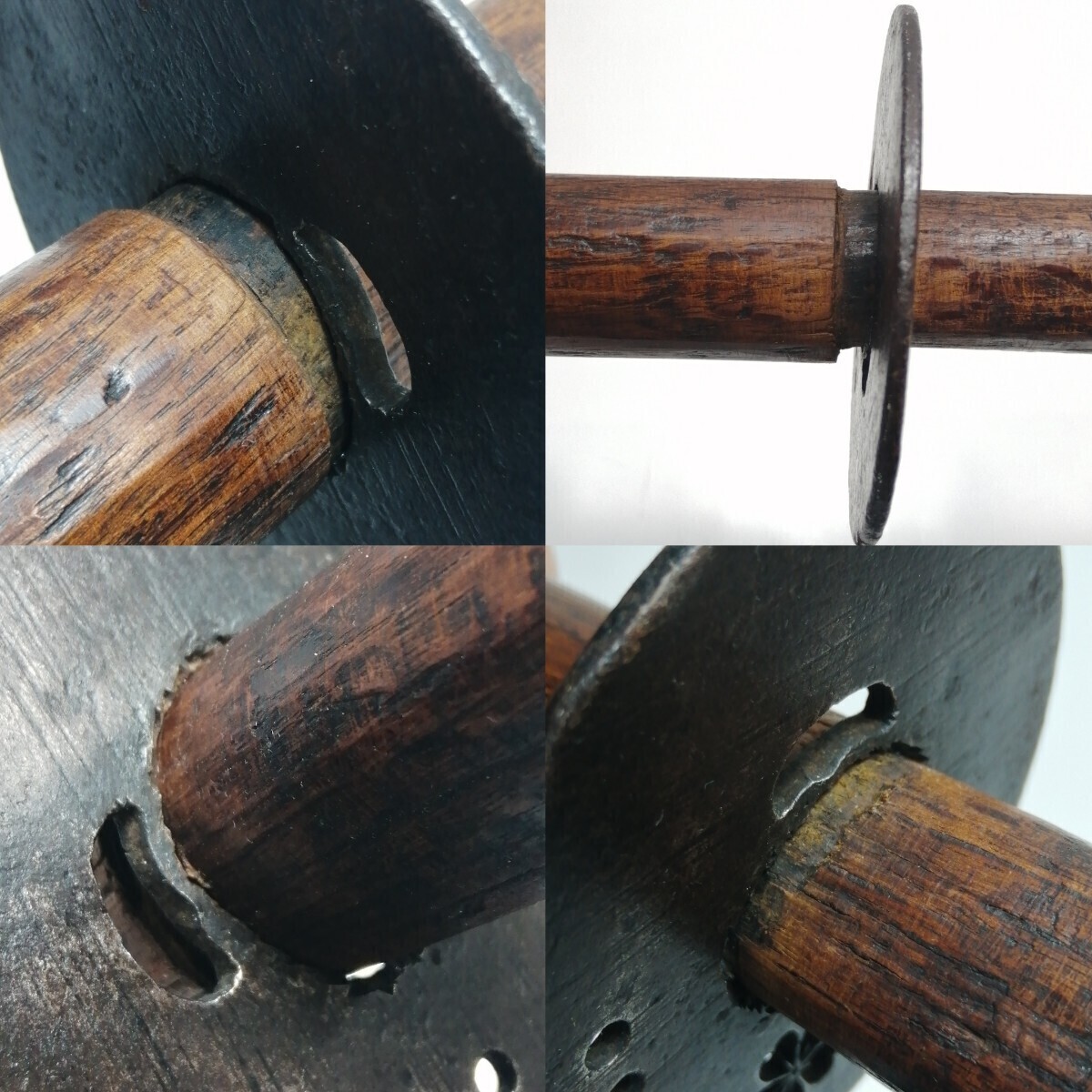
How old would you estimate the original Heianjo Tsuba?
klein.thumb.jpg.0e2a8c1164428f25ff7998f7493e9f51.jpg)
-
Just a thought... During the Meiji era (1868–1912) and early Taisho era (1912–1926), kendo was still evolving, and practitioners often used equipment that blended traditional and modern elements. Some kendo masters, particularly those who were deeply rooted in classical kenjutsu traditions, might have preferred the feel and symbolism of an iron tsuba, even if it was heavier and less practical than the lightweight tsuba used today. Possible Context: Transition from Kenjutsu to Kendo: Early kendo masters who were trained in classical swordsmanship might have modified iron tsuba for use on shinai to maintain a connection to the traditional samurai aesthetic and training methods. Personal Preference: Some masters might have valued the durability and historical significance of an iron tsuba, even if it was unconventional for kendo. Gekiken Competitions: Before kendo was fully standardized, gekiken competitions were more rugged and less regulated. An iron tsuba might have been used in these early sparring matches, though it would have been risky due to its weight and hardness. Notable Figures: While there’s no widely documented case of a specific kendo master using an iron tsuba, some early kendo pioneers who might have been associated with such practices include: Takano Sasaburo (1862–1950): A key figure in the modernization of kendo, he was deeply knowledgeable about classical kenjutsu and might have experimented with traditional equipment. Naito Takaharu (1862–1929): Another influential kendo master who helped standardize modern kendo but had roots in classical swordsmanship.
-
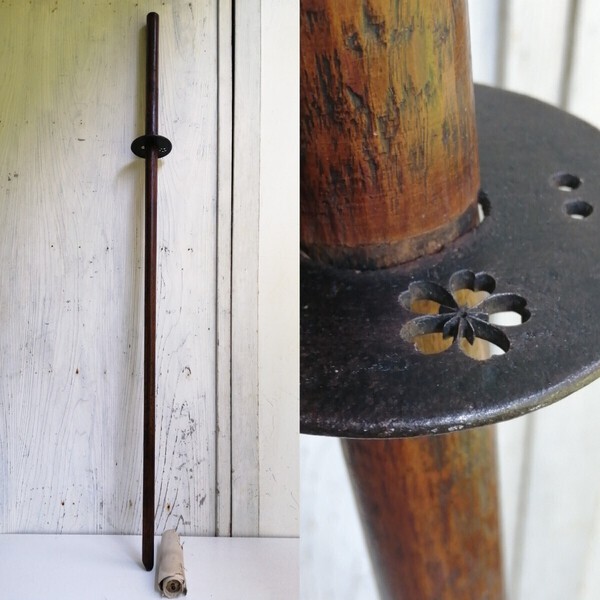
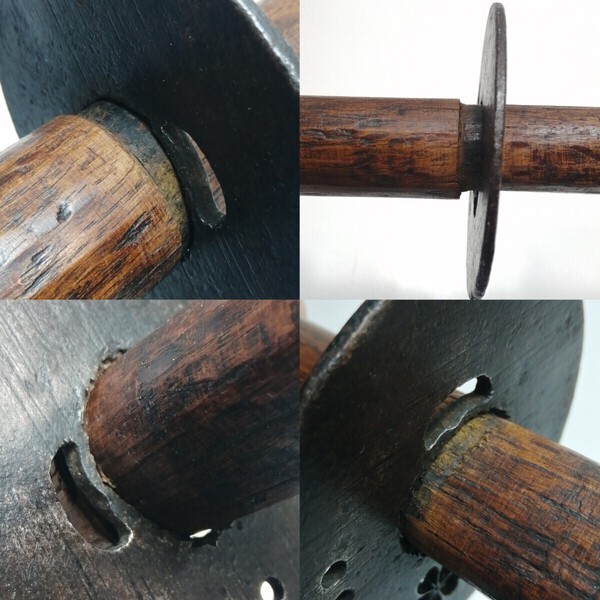
I suppose 1928 was the date it came to the museum in Kansas and 1924 for V&A? The one from Tim Evans: "There is attendant documentation implying that this bokuto dates to about 1888, or 20th year of Meiji. The tsuba looks much older" (I put his pics hereunder)
-
Very interesting Dale! Any idea how old that iron one with the oval hole from the Kansas City museum is? Is it also an altered existing tsuba or was it originaly made for bokken?
-
Its a Tinta.
-
type 19 kyu gunto dress swords, i love them.
Kantaro replied to lonely panet's topic in Military Swords of Japan
Looks like a Policesword? Got a Link Dave? -
Thought of new idea, electroforming of swords and knives
Kantaro replied to Mustafa Umut Sarac's topic in Nihonto
I do wonder if she is pretty... -
Hello, I wonder if this can be translated or is it just a makersmark or a number? It is an enamel ox and came from Japan. Thanks.


-
"And then, having said all of this.... how sure are we that it wasn't a Naginata Tsuba from day one... later modified to fit a sword? " hmmm I understood that Nakago-ana for Naginata were not round? So if it was a Naginata tsuba from day one...later modified to fit a bo-ken or it was a sword tsuba from day one...later modified to fit a bo-ken. I also understood Naginata Tsuba are quite simple. So I think Dale is right. It is an Iron Heianjo sword Tsuba modified to fit a Bo-ken. But why should you add hitsu?? Weird...it is indeed an interesting piece and the modification is very well done.






klein.jpg.a77060c8505006f3203a3623581ff514.jpg)