Jesta
-
Posts
245 -
Joined
-
Last visited
-
Days Won
1
Content Type
Profiles
Forums
Events
Store
Downloads
Gallery
Everything posted by Jesta
-
Nice pieces… Markus Sesko has an excellent article on this topic: https://markussesko.com/2014/02/02/tsuba-with-the-bird-of-prey-catching-a-monkey-motif/ It’s really interesting to see how the motif has not only been depicted slightly differently, but also can interpreted differently.
-
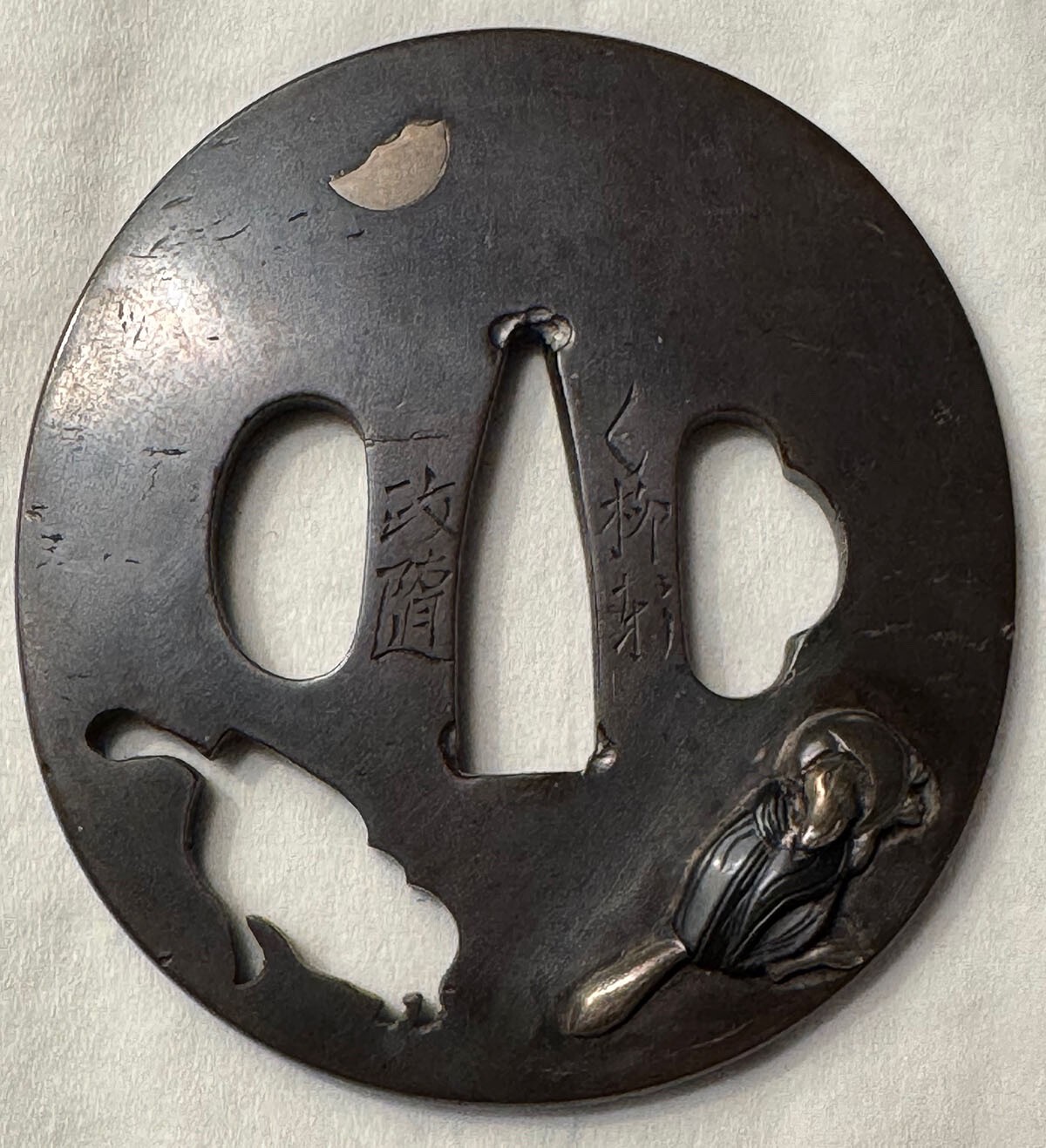
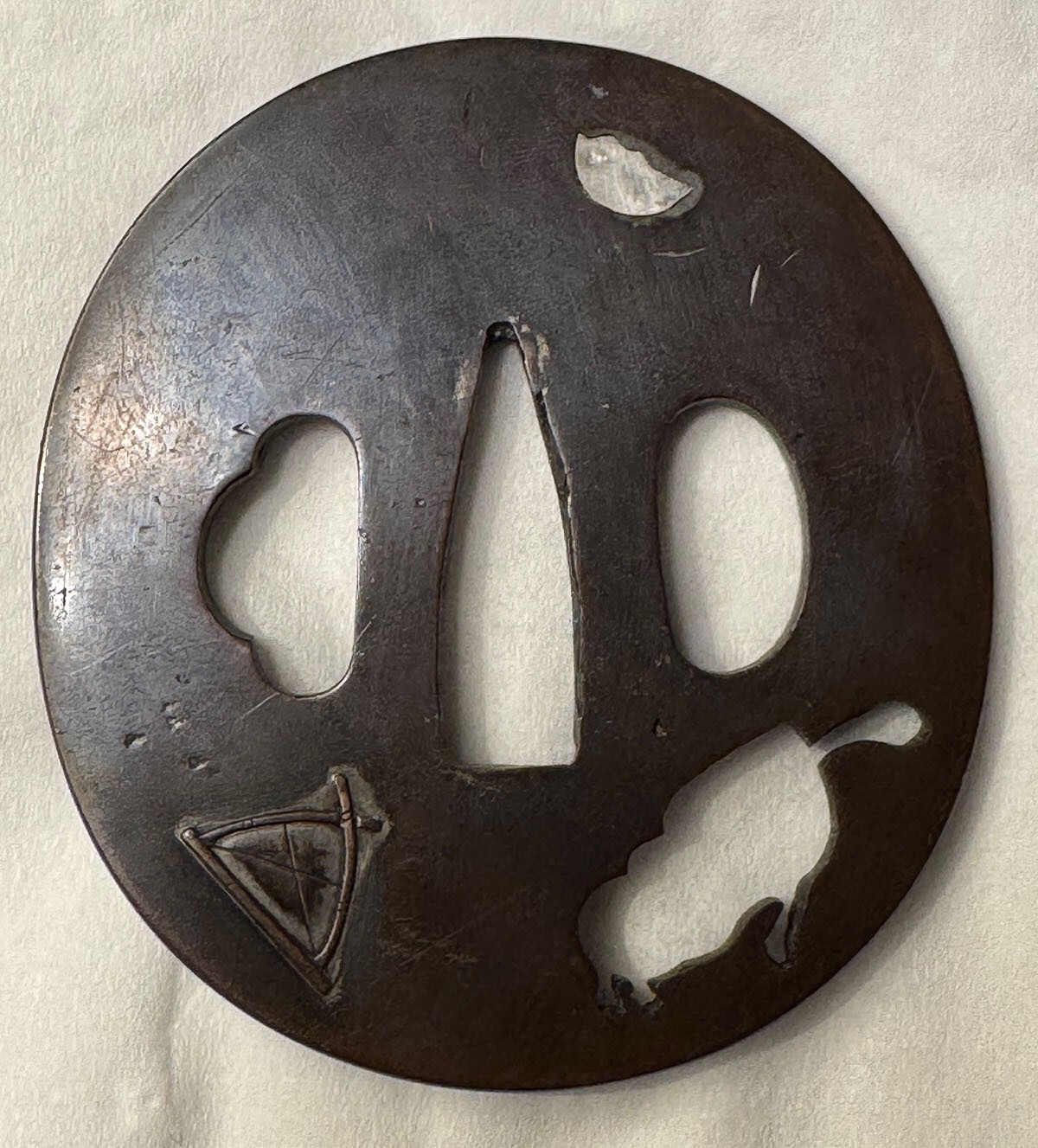
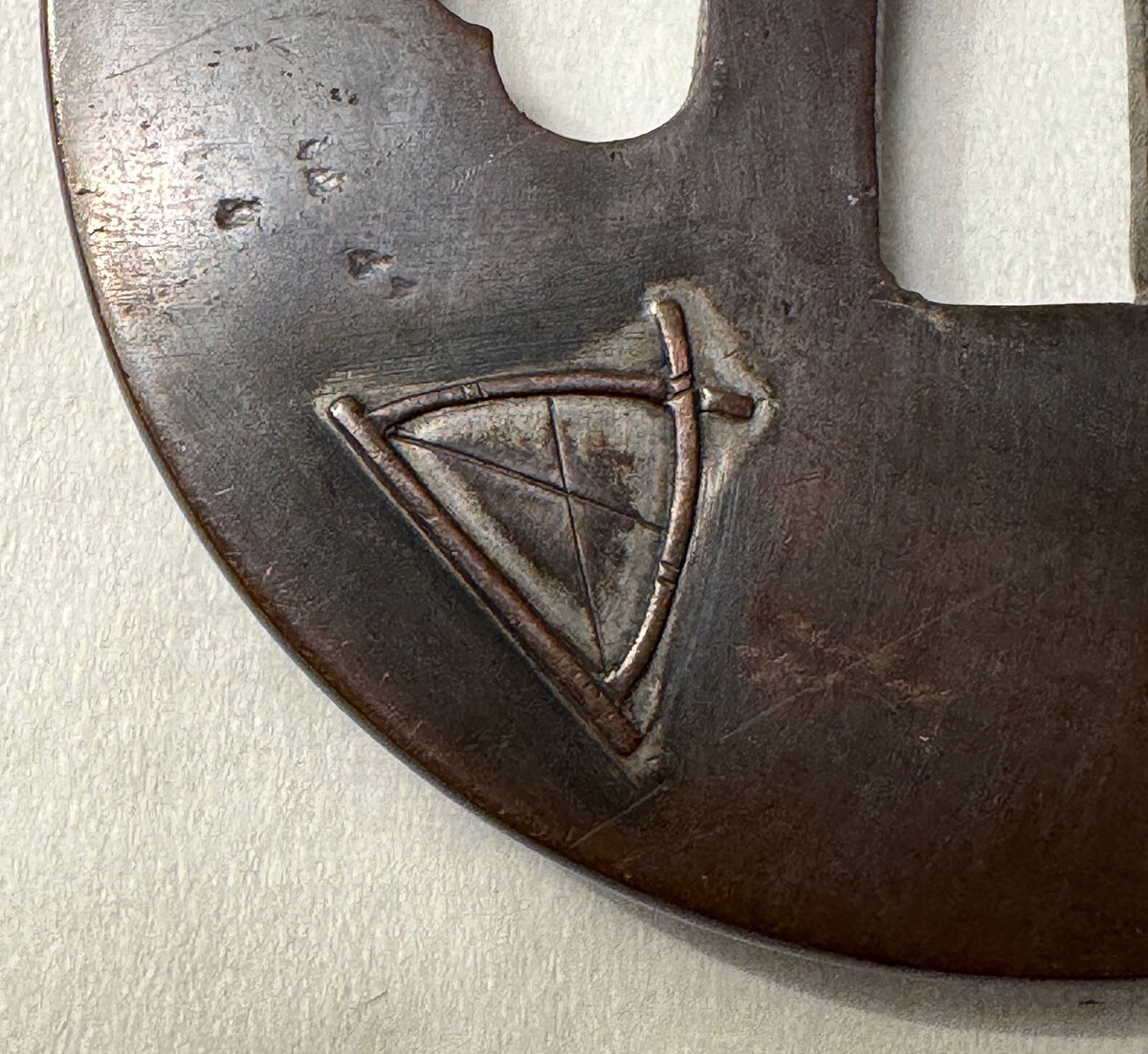
I just picked this one up in London. There’s a kitsune under a moon, with a kitsune in openwork. I am not sure what the design on the ura side is. If anyone can help with the mei, and origins that would be great. Thanks.
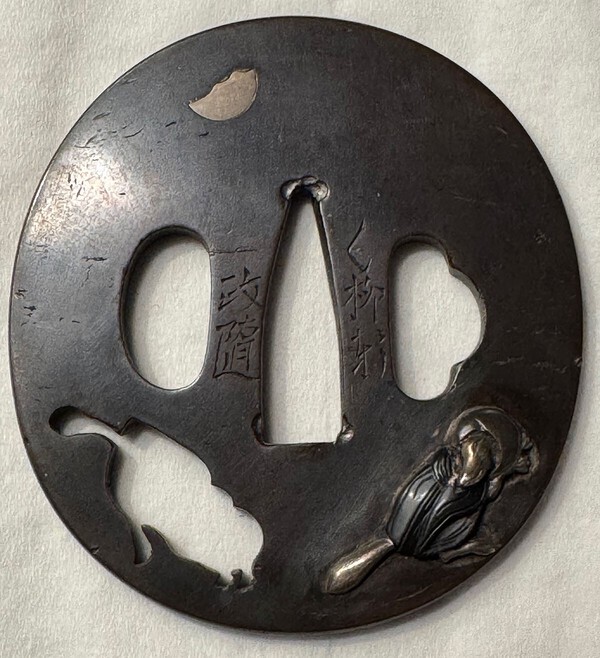

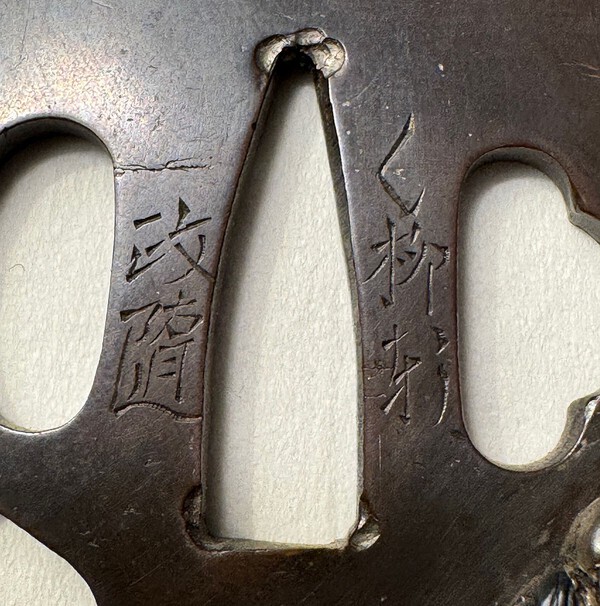

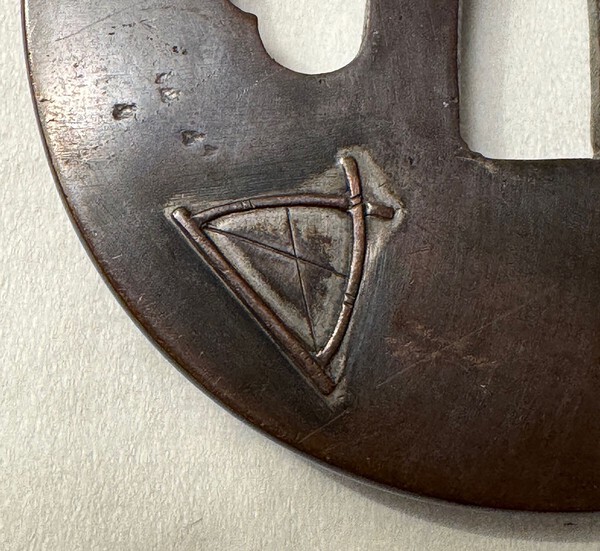
-
One of my concerns about pieces like this is that it doesn’t have papers. If it is genuine, then I would be surprised that the owner has not had it papered yet. On the other hand, it is a really beautiful piece, which also caught my eye…
-
Yeah, I see these around quite a lot. What I also find interesting is how few of them appear to have been mounted at any time. I wonder how many were made for the export market (those that aren’t modern anyway)
-
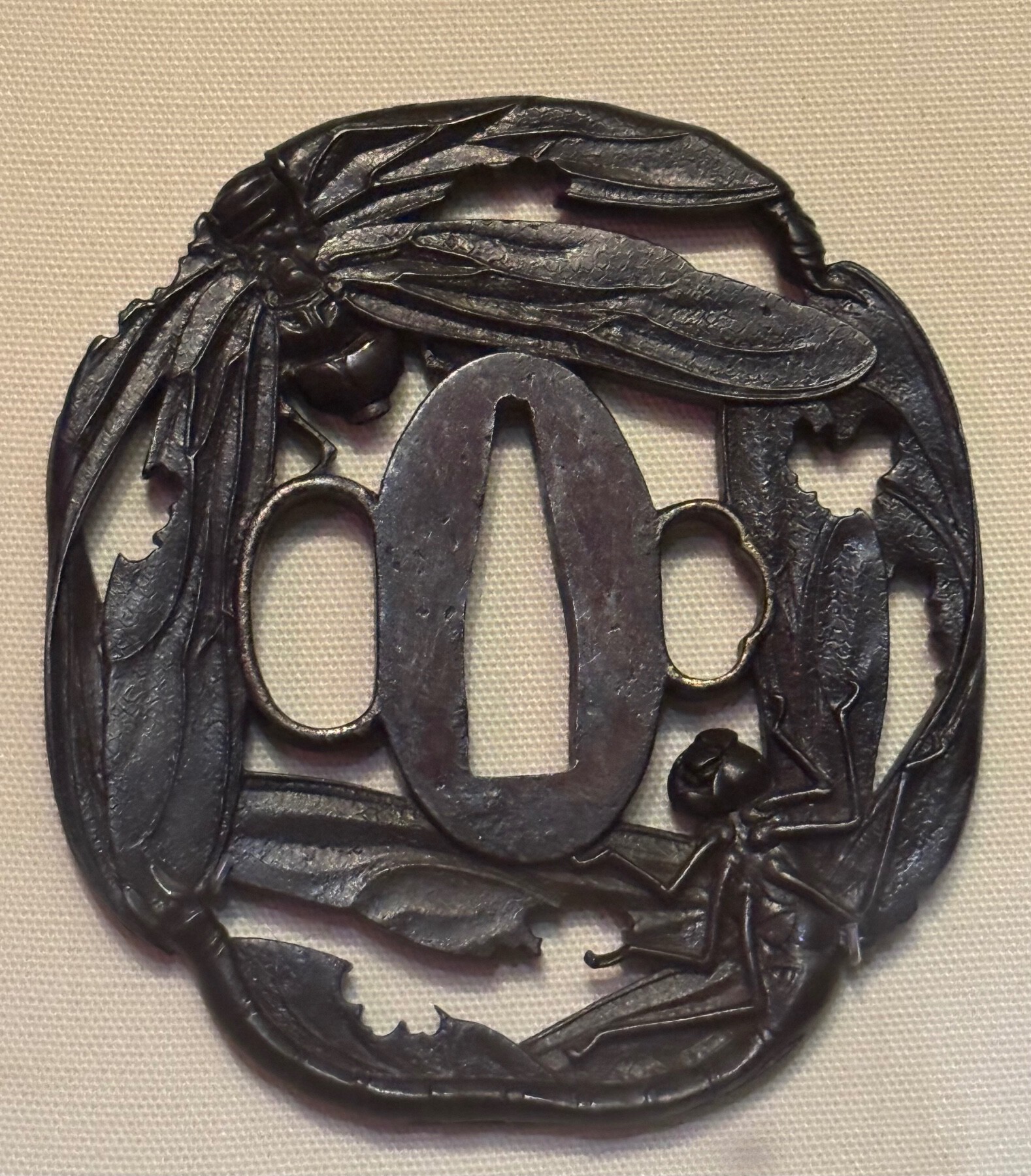
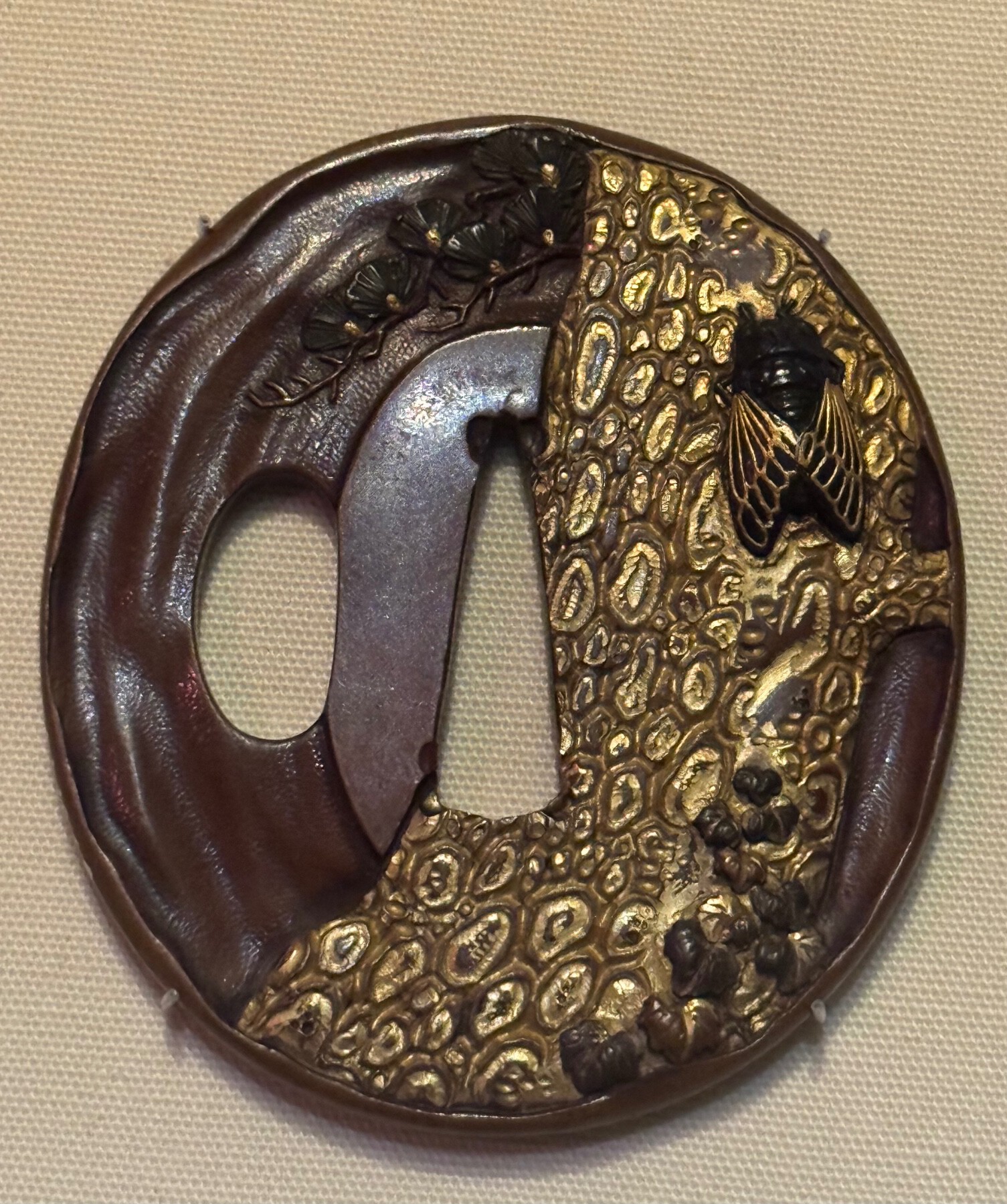
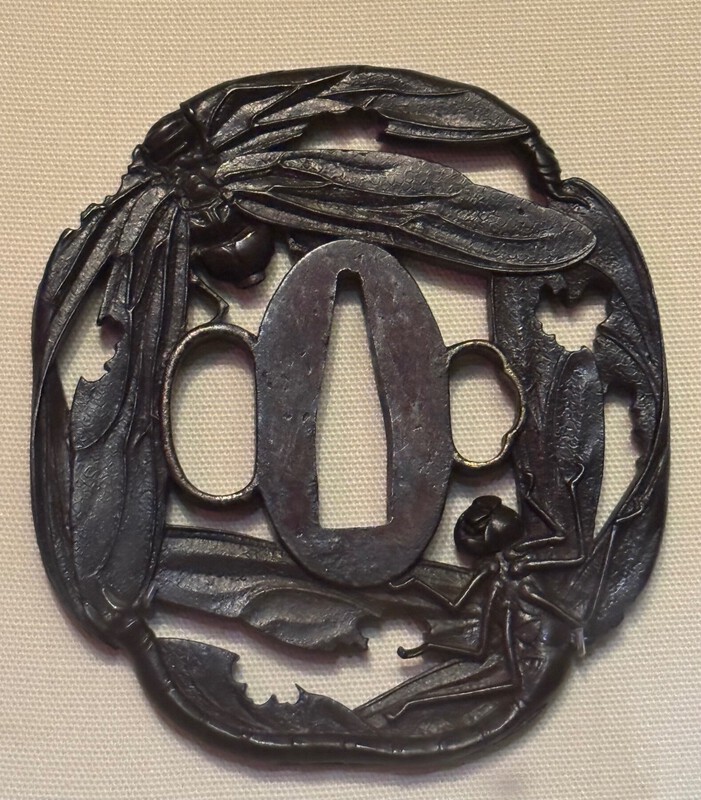
I am afraid that I didn’t take any wide angle shots. The tsuba display was a single case, with some other koshirae and a note about how decorative things became as swords were seen more and more as status symbols. I was referring to the cicada… I could have sworn it was a bee on a honeycomb, but you are right, and I can see it now that I look again.
-
I think that it’s highly likely that Klimt was influenced by Japanese art.
-
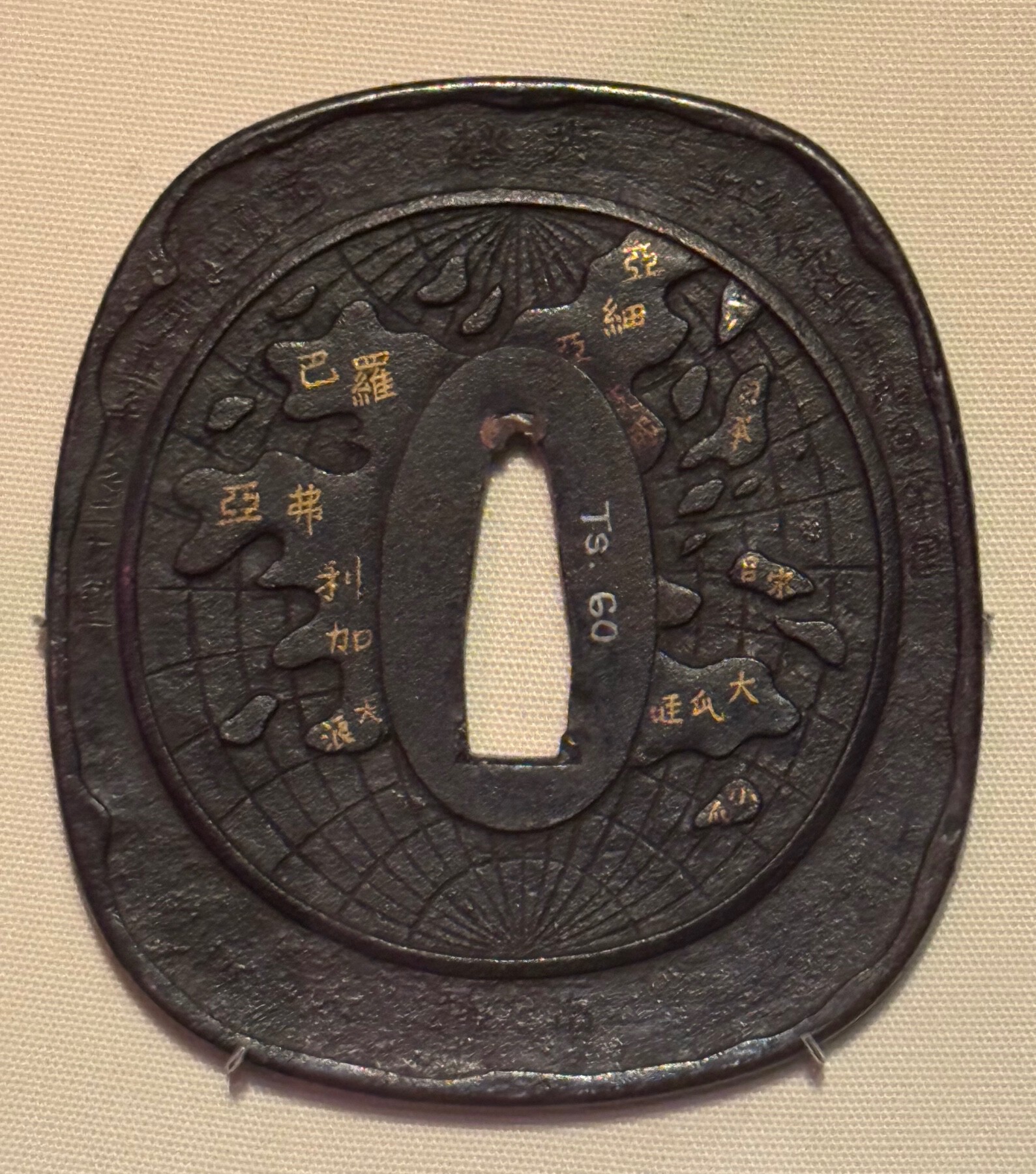
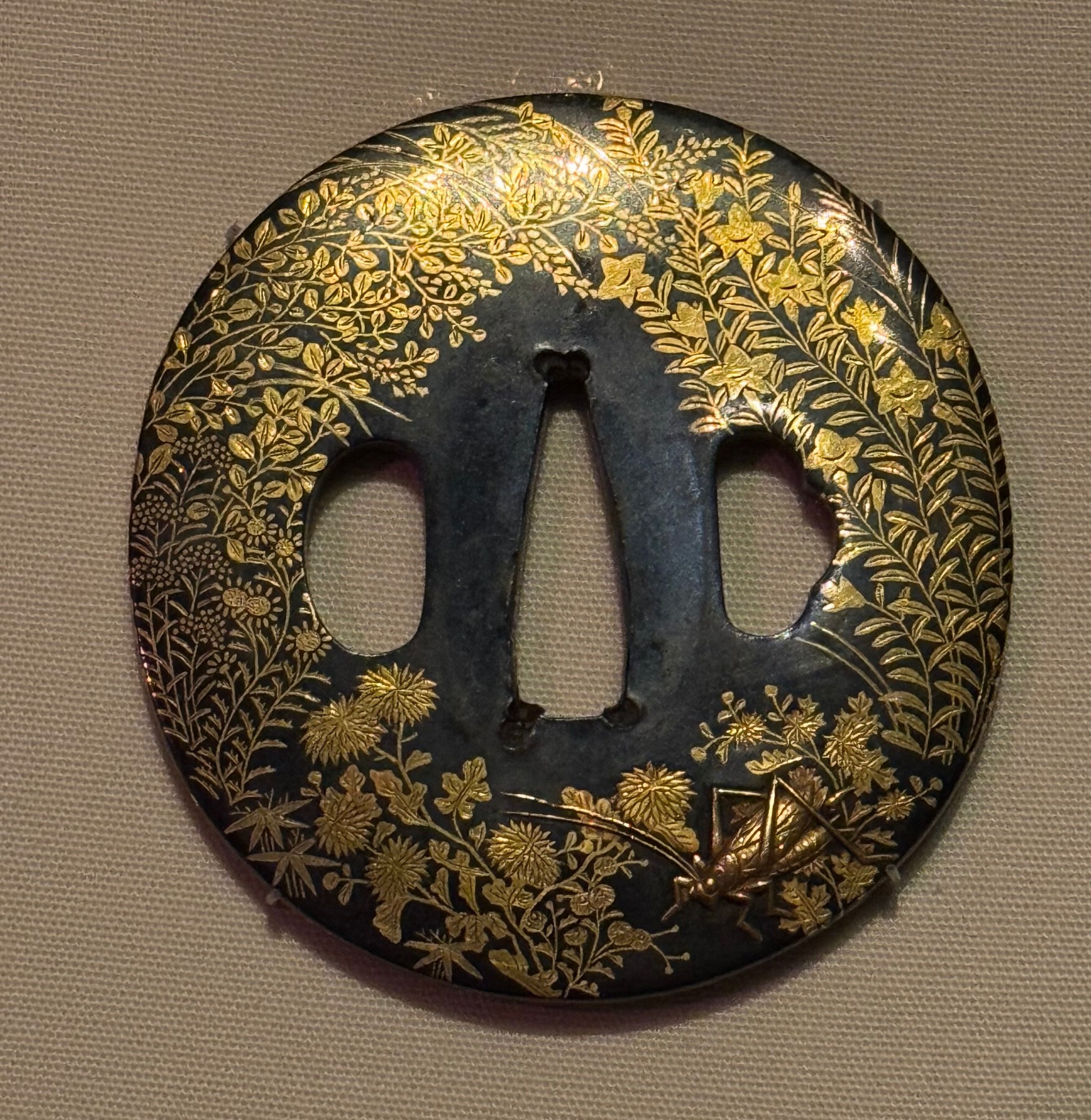
The final two: ...
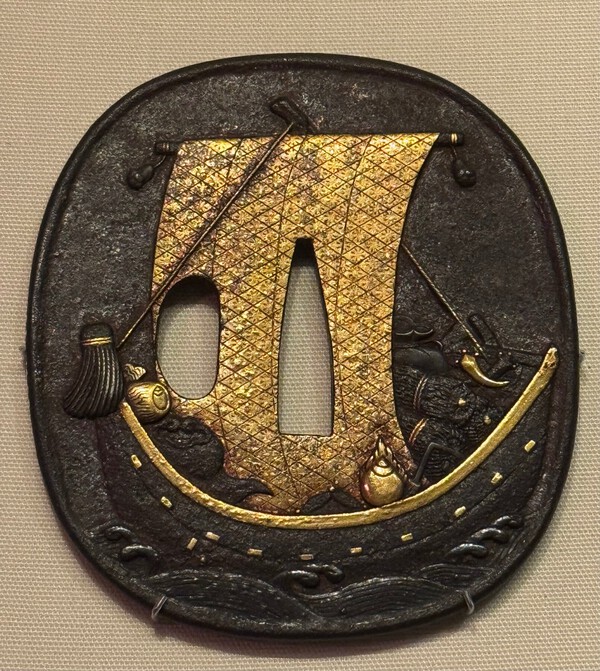
-
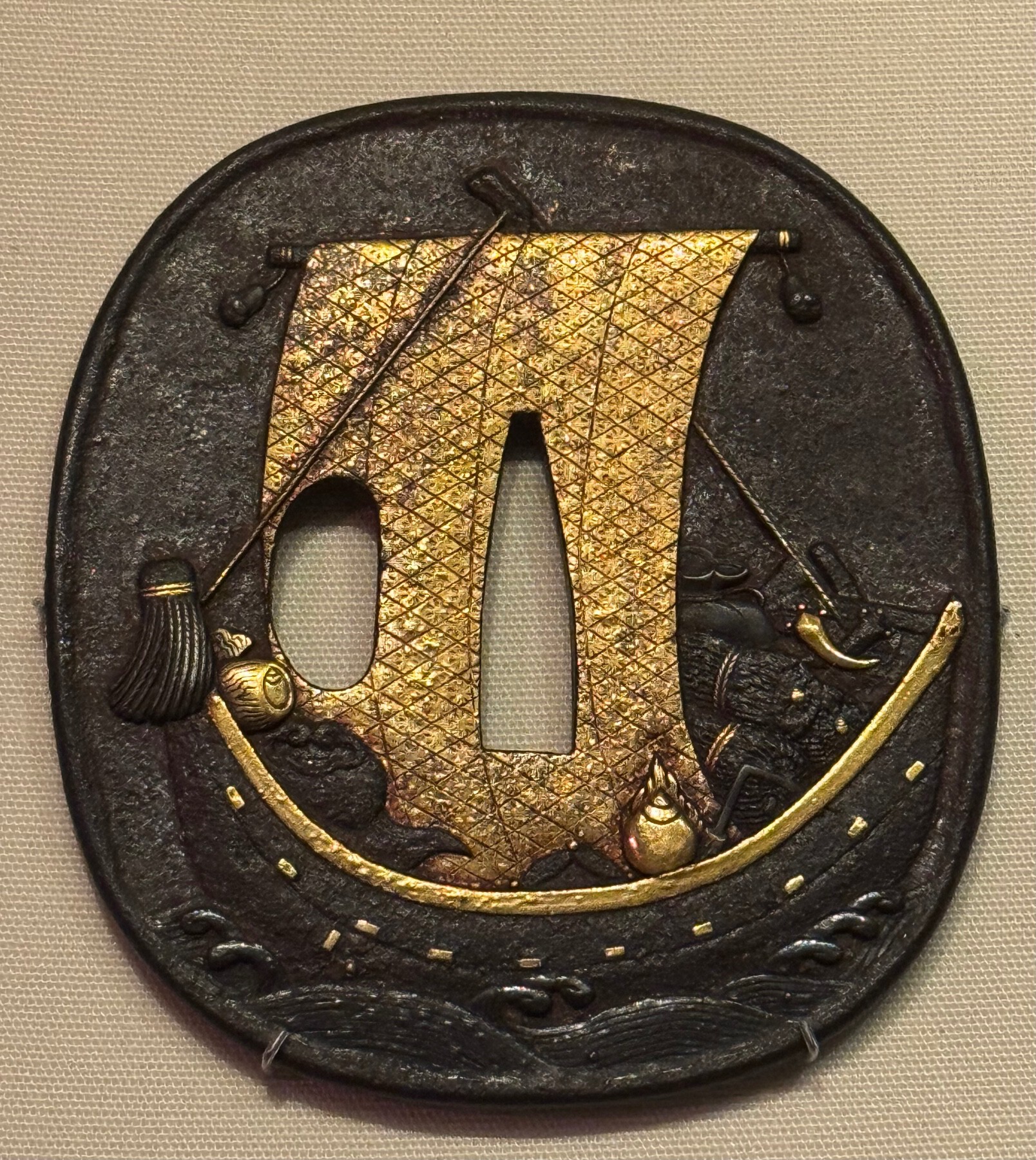
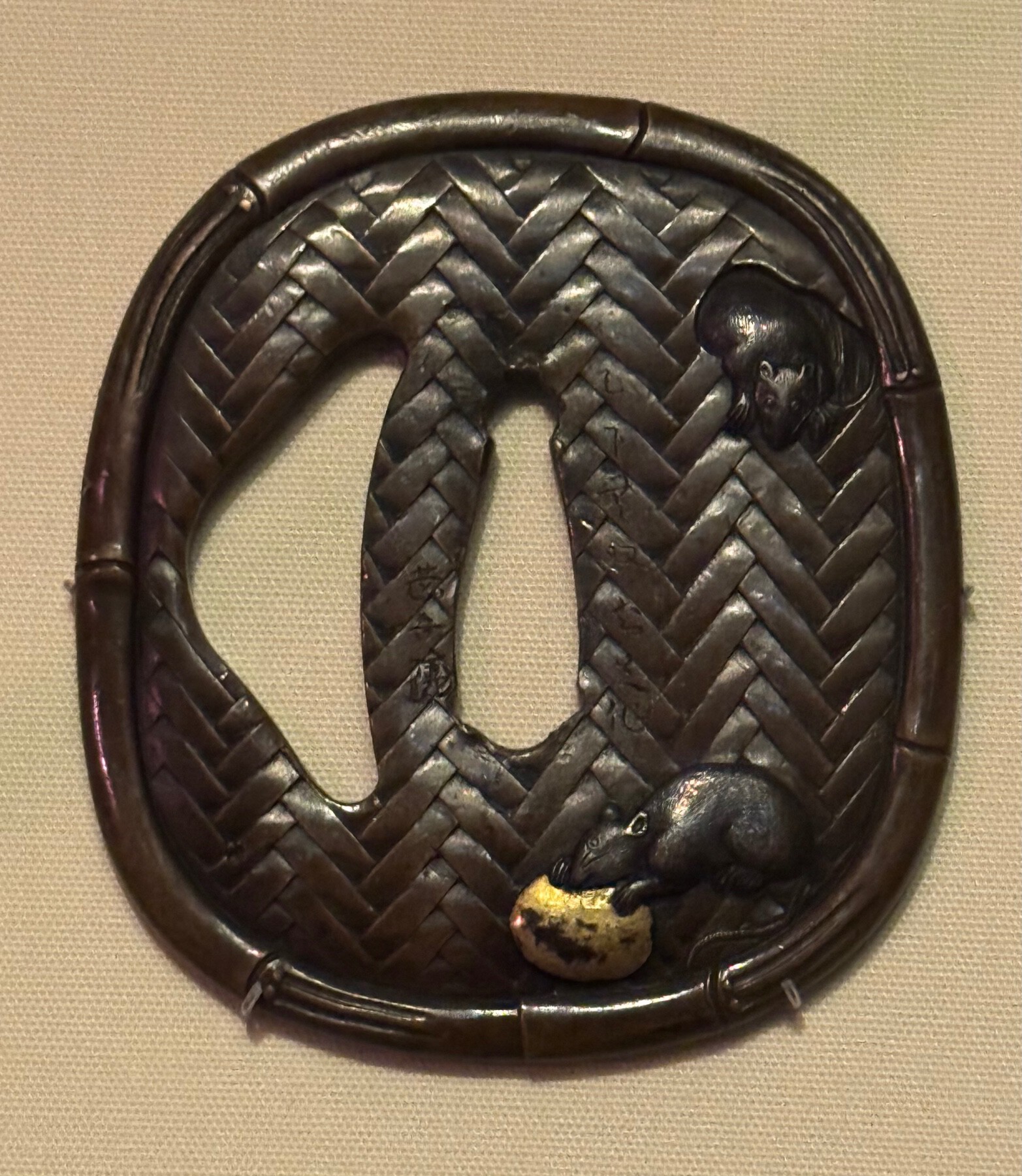
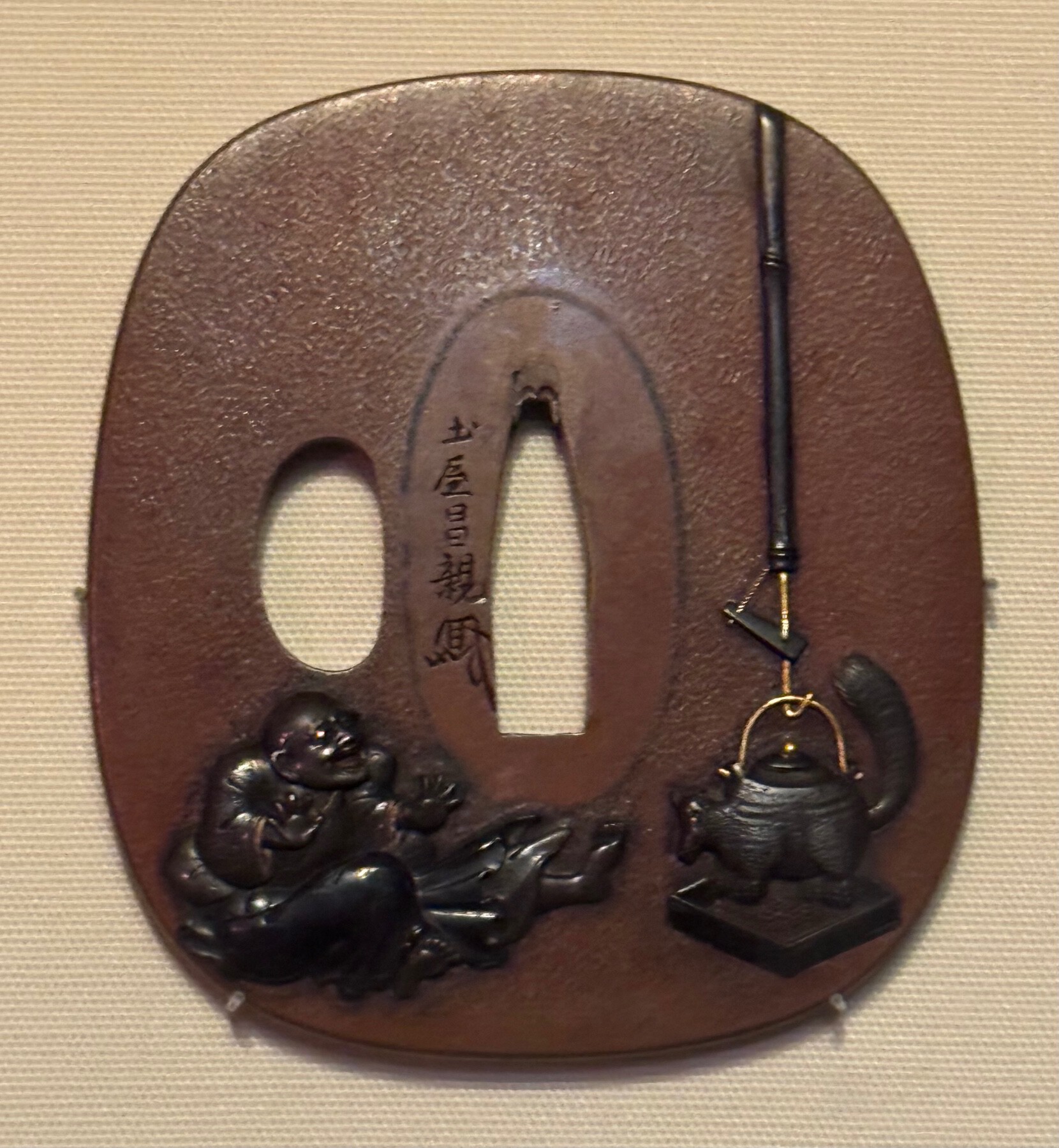
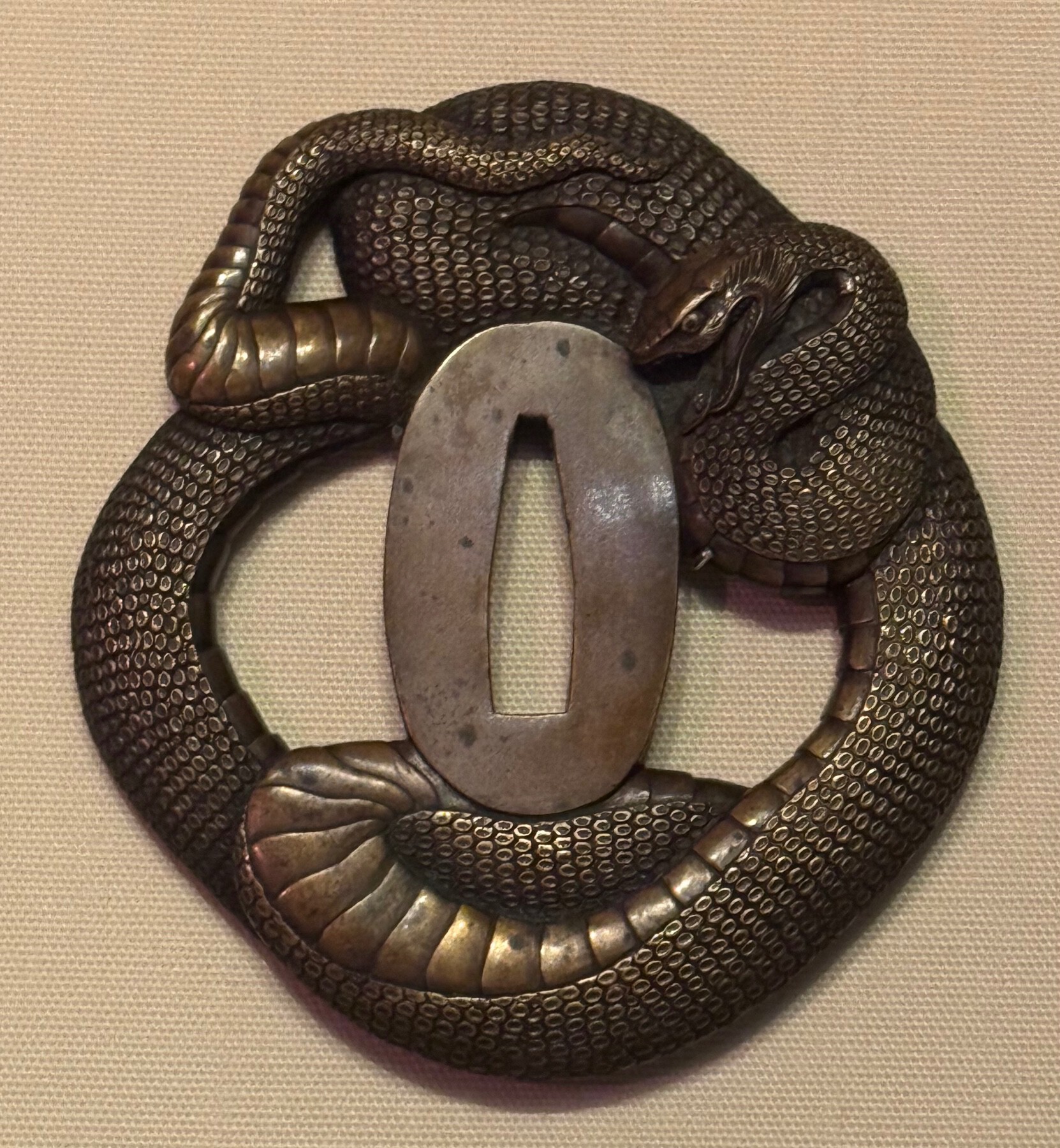
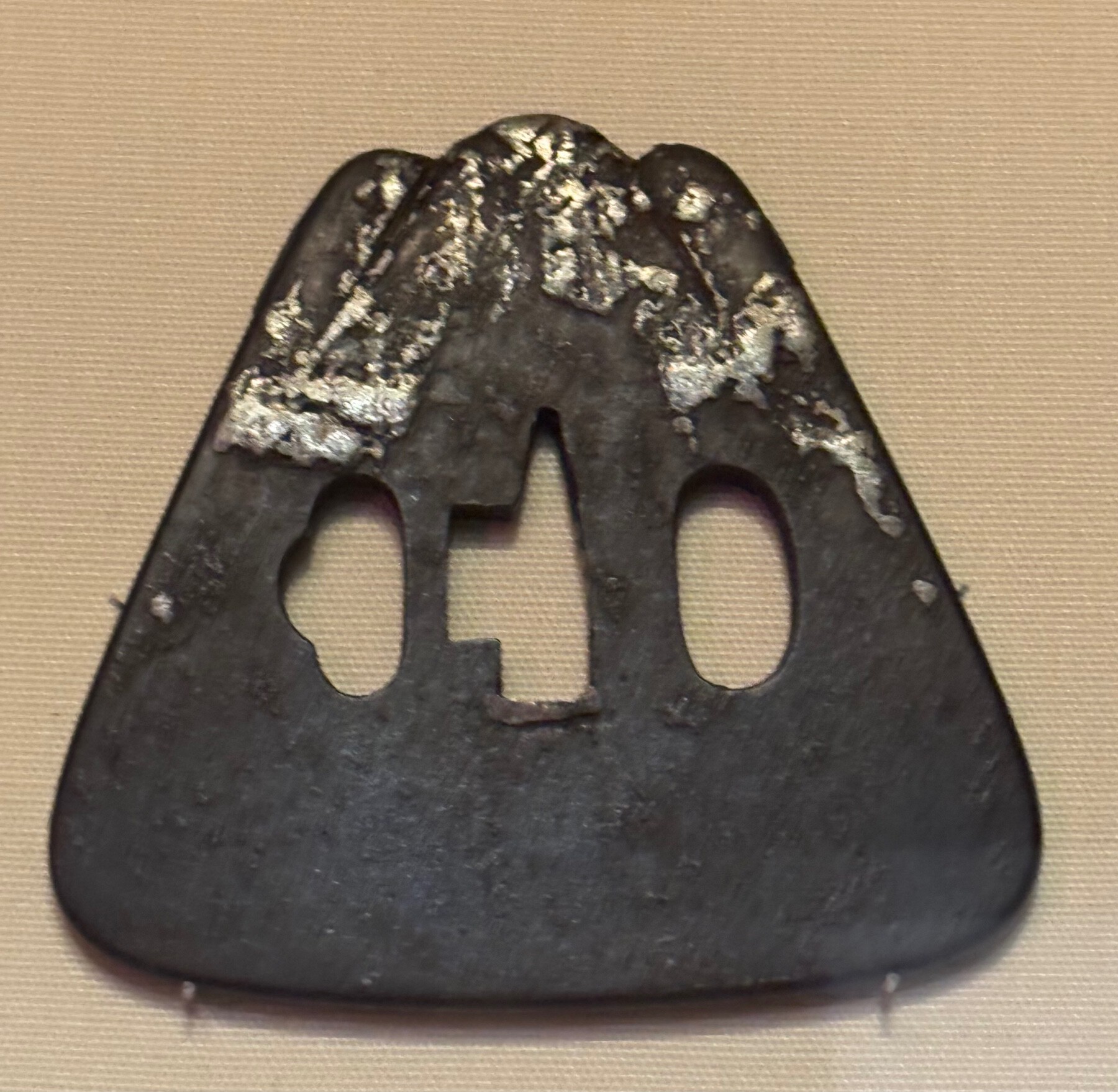
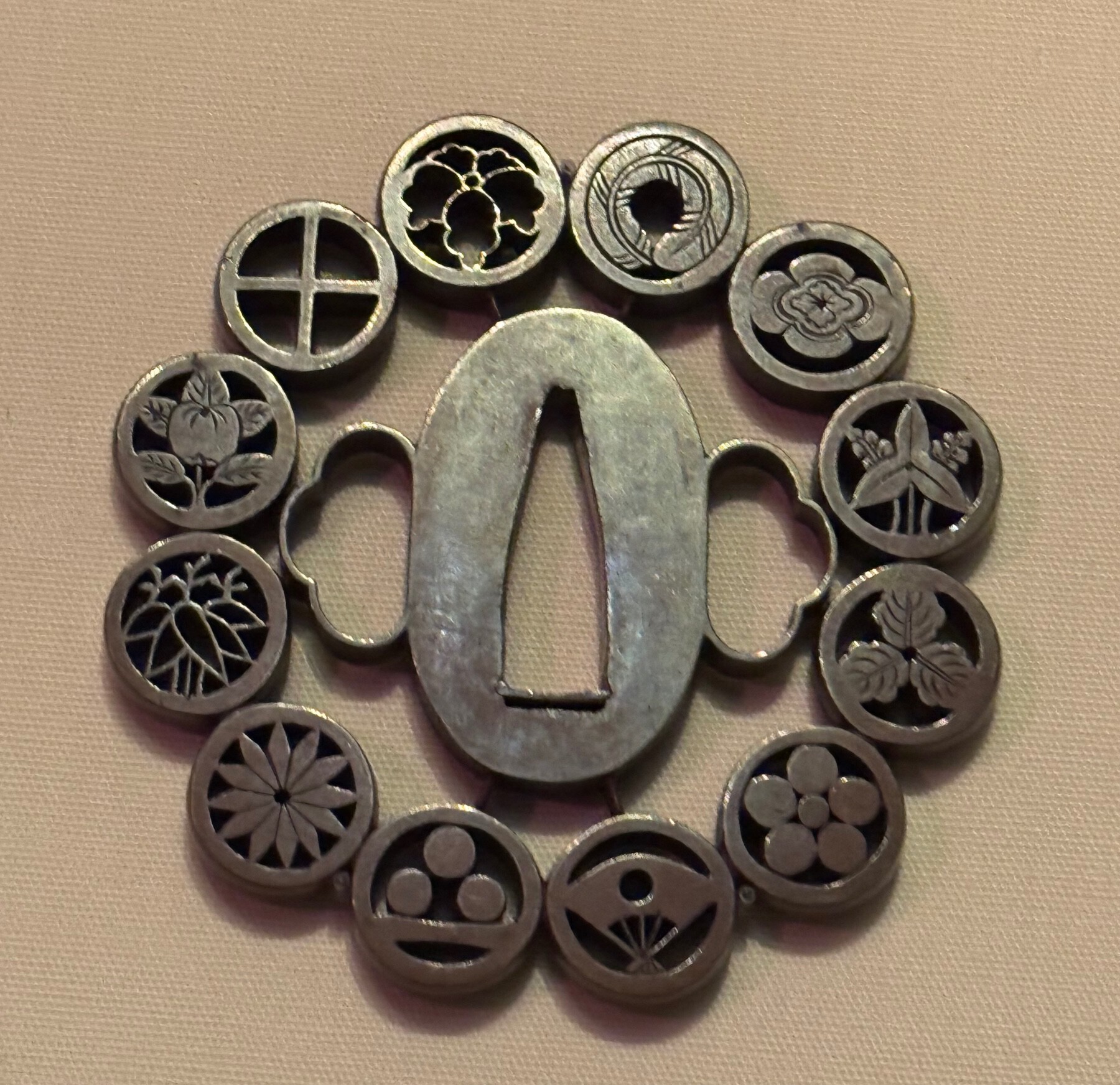
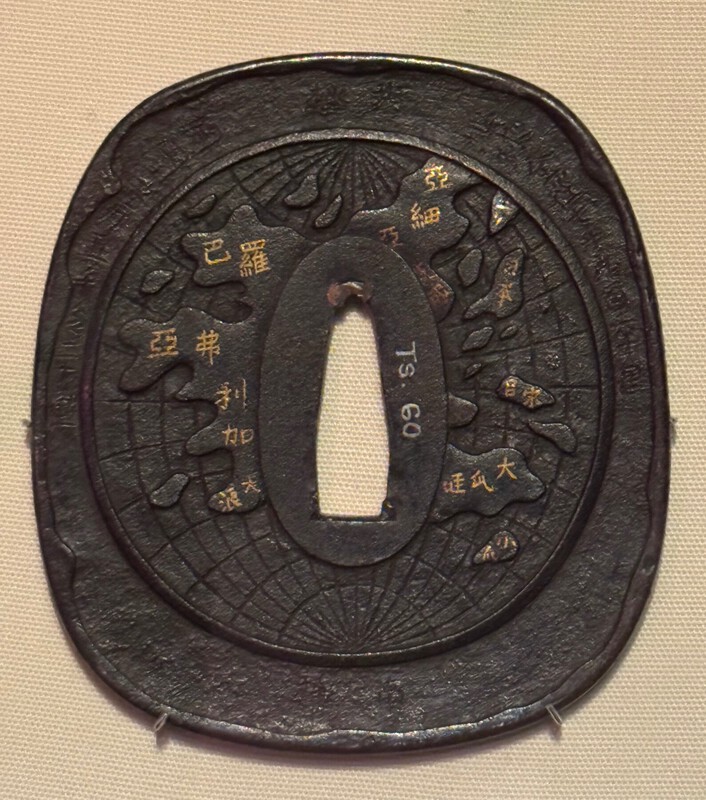
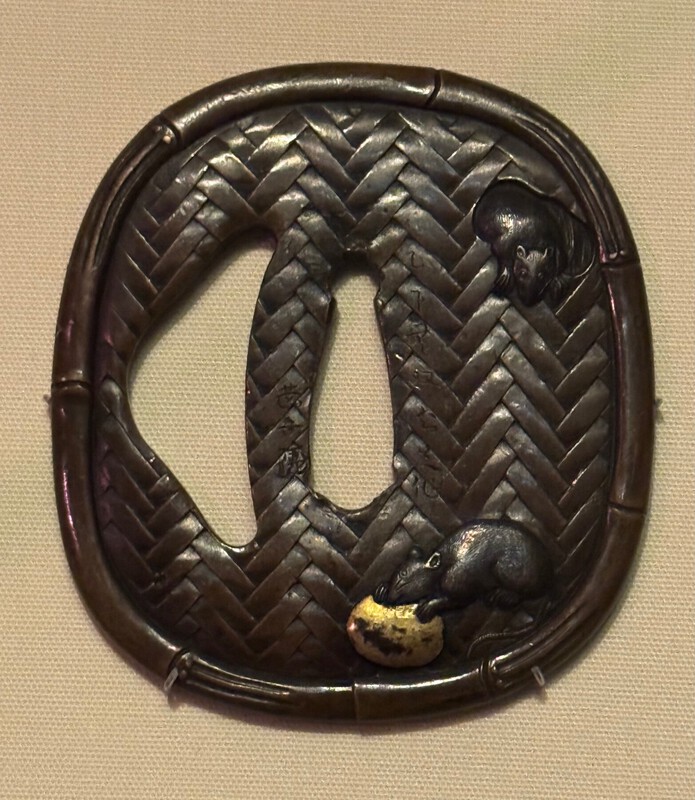
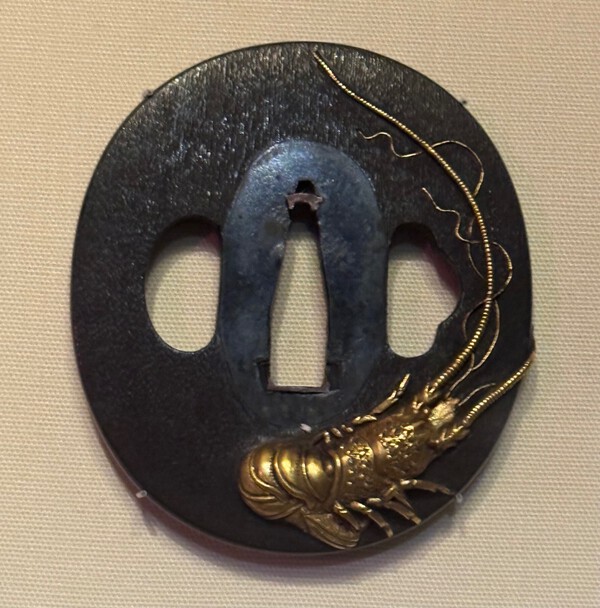
I went to the Samurai Exhibition at the British Museum yesterday. It was pretty well laid out, with the focus really seeming to be on armour, with some discussion of the weapons used, and the role of the samurai in the Edo period. There was one display with tsuba, so I thought I would share them (two more in the following post). As usual, there was almost no description of the tsuba provided, so if anyone could include comments, origins, etc, then it would be great. The tsuba are really quite nice, with a good variety of themes, some seen before, and others that are less common. I really like the bee tsuba, it reminds me of Klimt.





-
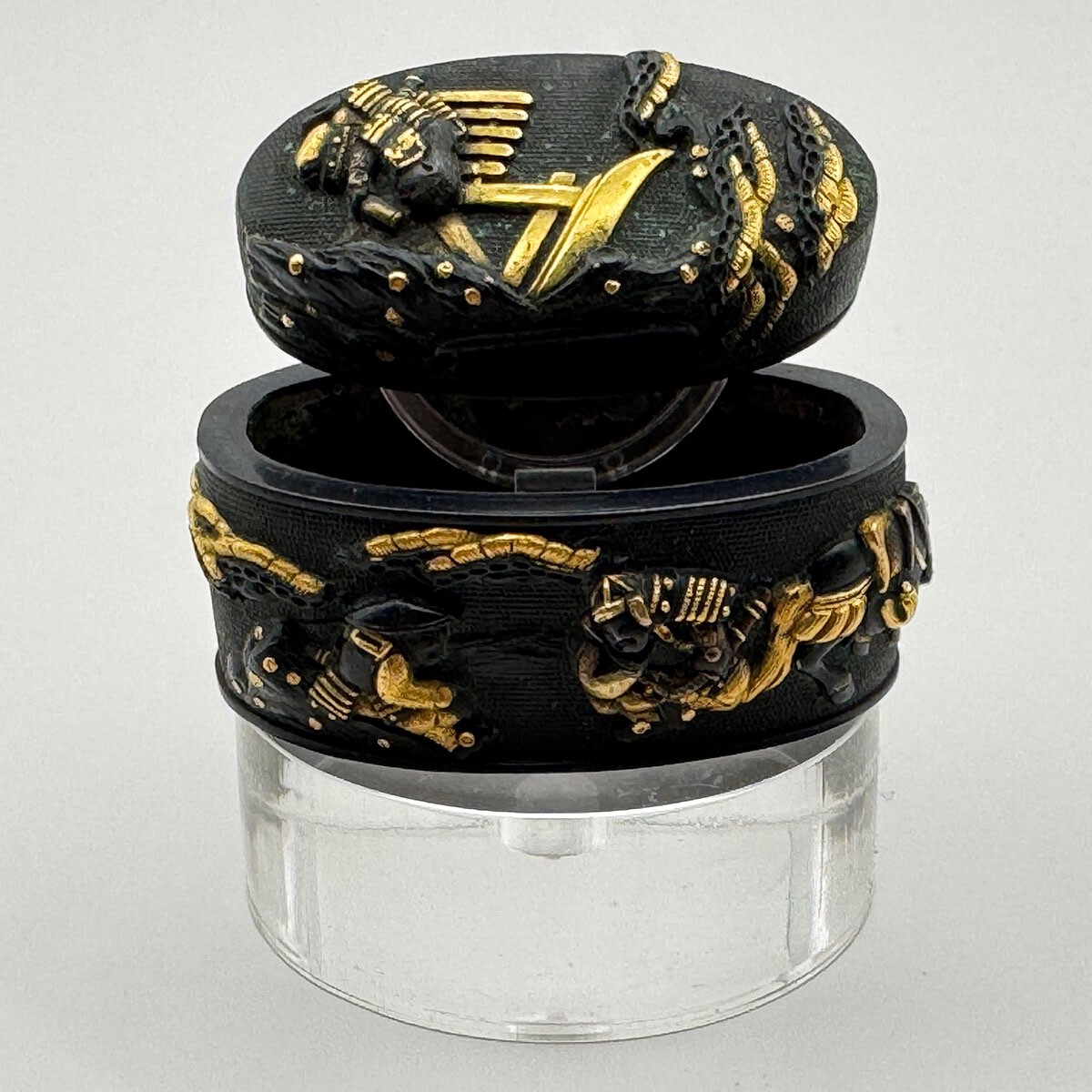
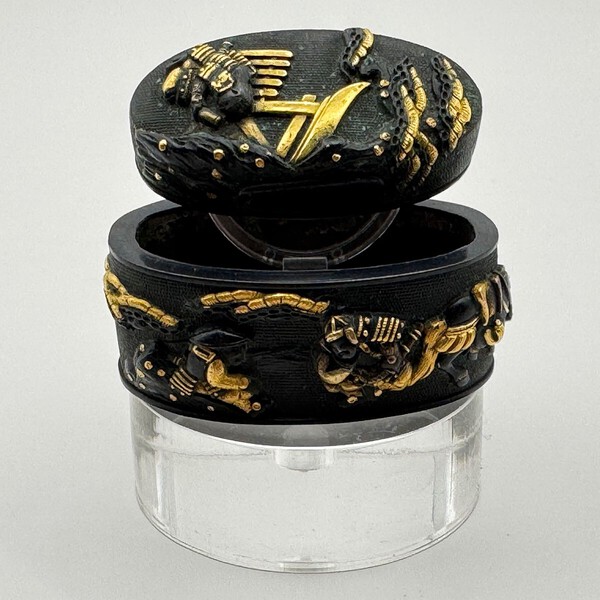
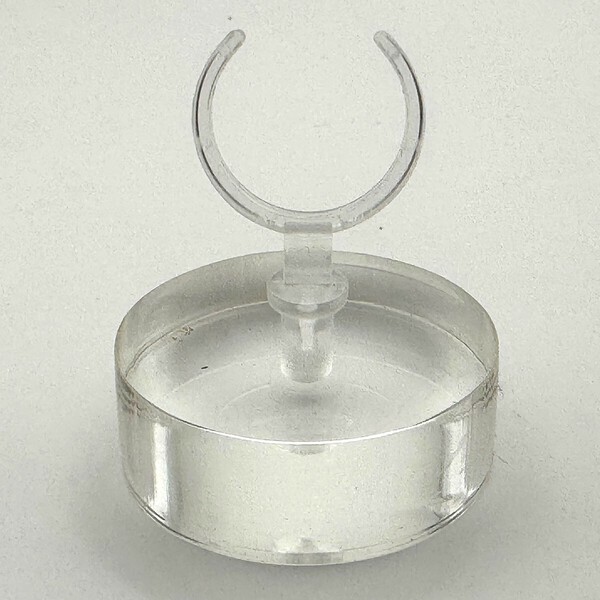
Inspired by this, I gave it some thought, and decided to try a simple acrylic ring display. I have been really struggling to find a good way to display fuchi kashira, and I don’t have the skills to craft a wooden stand, so I bought these on Amazon. It seems to have worked out quite well, I think. Anyone else have any cunning plans for this sort of thing?
-
That is excellent. I have been looking for a good way to display fuchi-kashira sets. Thanks for sharing.
-
This was my first thought too…
-
Yeah, I was just thinking that. I will look out for them next time…
-
I love this sentiment. I collect because I love the aesthetics of the tsuba, and I pick pieces that I want to look at every day. I never get tired of them, and I aspire to have so many that I too will be able to rediscover them when I go digging into my cabinets.
-
Much like Mauro noted, I don’t see any of the typical motifs that link this to the Race across the Uji. It is very nice, but the Chinese armour and sword, combined with the lack of a bow, or bridge, or companion to race make me think that it is more likely to be depicting something else.
-
I love the playful theme
-
I have one that is very similar, but there is no tekkotsu on mine.


-
Hi Will Looks like an iron marugata shaped (round) tsuba. The effect of the folded over edges is similar to one in my collection that is listed as sukashi, so yours may well be of that type too. There are others here who will be able to give you a more definite identification. Dan is right, tsuba are usually seen with the edge up because the Japanese typically wear the swords that way in their obi (belts) so the designs are intended to be seen that way. There is usually a clear front side, but in your case the sides seem to be identical, and the two ana (holes) each side of the central nakago ana (tang hole) are also identical meaning that there is no clear front or back.
-
I know I’m very late to this thread, but I was looking through “The Beauty of Tsuba” (just bought it) and saw the same design listed as Higo. The one in the book looks very similar to one Dale posted, but there are some differences.

-
Good points, and well-made. I have these labelled as “flood” in my collection. I chose the possibility that it was Futami Bay partly because the torii seems to be at that angle on the rock in the woodblock, and the bridge has similarities. The water under the bridge is definitely water, whereas whatever is covering the torii and the shrine is… ambiguous. Do you have any thoughts on the sticks (poles?) supported or held by the ropes on the omote side? I don’t know what they could be, but they get repeated too. As for getting tired of them, I haven’t yet been able to bring myself to sell any of my collection. I gave one tsuba away because I thought that it deserved a better home, but I am rather attached to the ones that I have. Hard to do anything, but accumulate
-
That’s a beautiful piece. Really lovely.
-
Agreed. It’s very poor quality, and looks like it was made fast for a quick sale. That was my initial thought. My skepticism around this is that there is no clear depiction of water, so it could be mist or fog, and the bridge is not submerged. Since this scene gets repeated line-by-line in the cheap tsuba I am thinking that it must be a recognisable scene that has elements that immediately trigger the audience to know what it is.
-
I went down a bit of a rabbit hole on this one. One possible answer that I have come up with is that this is a view of Futami Bay and the temple and torii there. This seems to have been a famous view (see woodblock below), the angle of the torii would fit with the angle on the tsuba, there is a temple or shrine in the mid-ground, and there is space for boats on the left.

-
Reviving this topic because I came across this in an auction (apologies for the low-res pic - it’s a screenshot of a zoomed in pic on the app). The theme is pretty much identical, but they have mashed together the various parts depicted on the daisho (omote and ura) into a single scene. So… I am still wondering if this was a well-known motif. It would seem strange for it to be repeated in what looks like something for the quick-sale market in the late Edo period (or Meiji period) that wasn’t something commonly known. Are there any resources compiling the typical motifs used on tsuba so that they can be searched?


-
Looks very similar to Dale’s door handle… https://www.militaria.co.za/nmb/topic/53845-oh-goody-another-door-handle/
-
With the caveat that you shouldn’t take legal advice from a forum post: While copyright law varies across the world it would generally be a breach of copyright to reproduce something and share it, either in translation or not. It doesn’t matter if it is given away free or sold, except possibly in terms of how much you might end up being liable for, if you get sued. If you share it here, then the site might be exempt under the rule that sites are not held liable for posts by their users, but Brian could be asked to take it down, and non-compliance would leave him open to being sued too. In educational settings you are allowed to reproduce up to 10%, or one chapter (whichever is lower), but that is because schools have an exemption for this. Fair use is possible, but you would have to include a commentary on the work, where the work is only reproduced to illustrate your commentary. I can’t tell you whether it is a good idea or not, but that is broadly what the law says (to my admittedly limited knowledge as a lecturer).