Michael 101
-
Posts
272 -
Joined
-
Last visited
-
Days Won
1
Content Type
Profiles
Forums
Events
Store
Downloads
Gallery
Everything posted by Michael 101
-
Thank you for posting the link to a very similar tsuba but this time attributed to Yogoro school, as I note are two other very different tsuba from the same sale. Its very interesting as other Yogoro (Mito) work also points towards a conection with the Goto school (to whom the second Kanshiro studied under) and thank you for posting. To clarify my kantei was based purely on my own studies and discussion with another more experienced higo collector and close reference to Ito Mitsuhira's excellent publications and studies. Attributions change as more information becomes available and I very much respect the focused higo school research carried out by Mitsuhira san in his recent work. This tsuba does not have any papers - I would submit - my only concern would be the return of another rather expensive "Higo" attribution. Kindest regards and thanks Michael
-
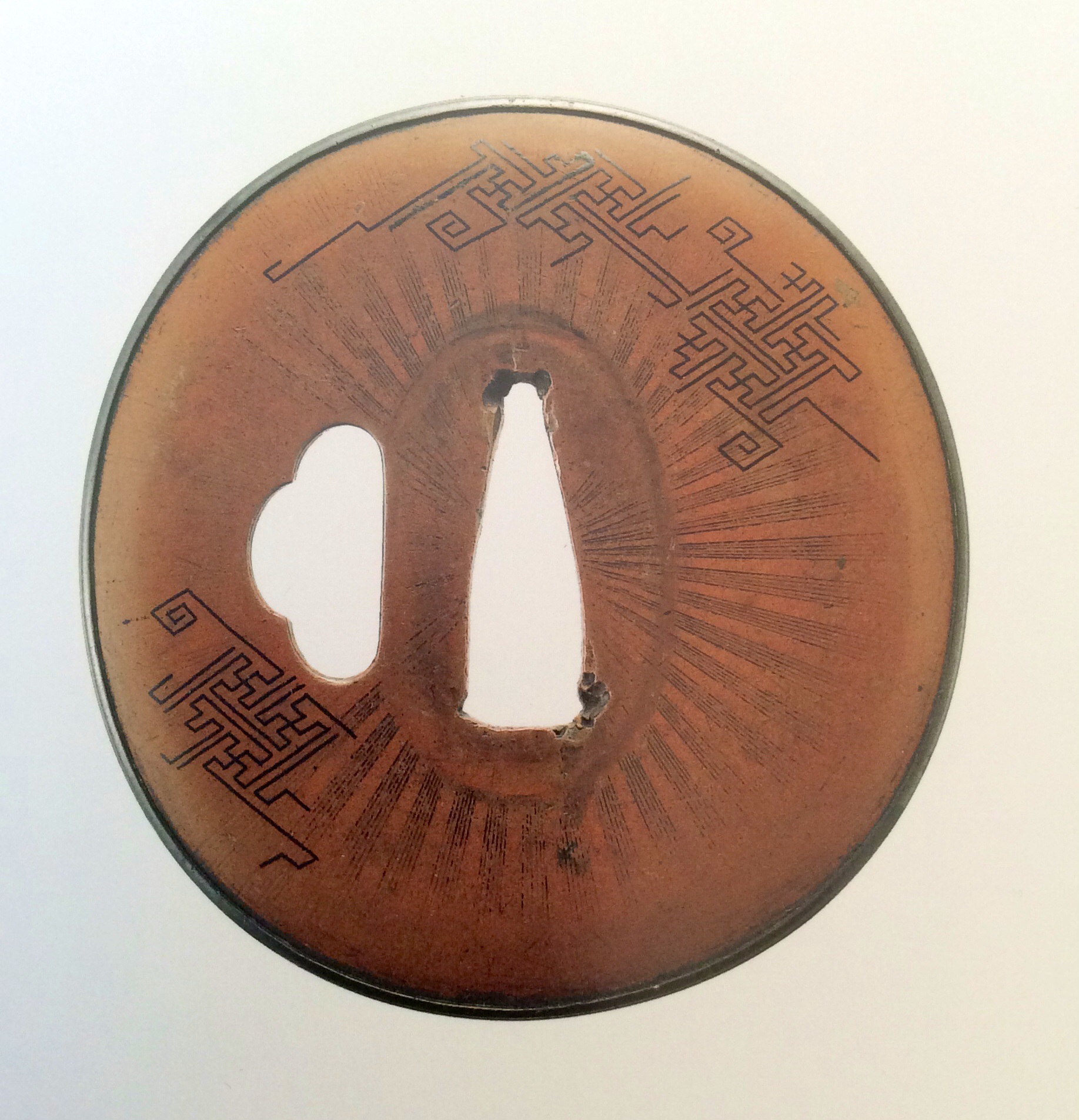
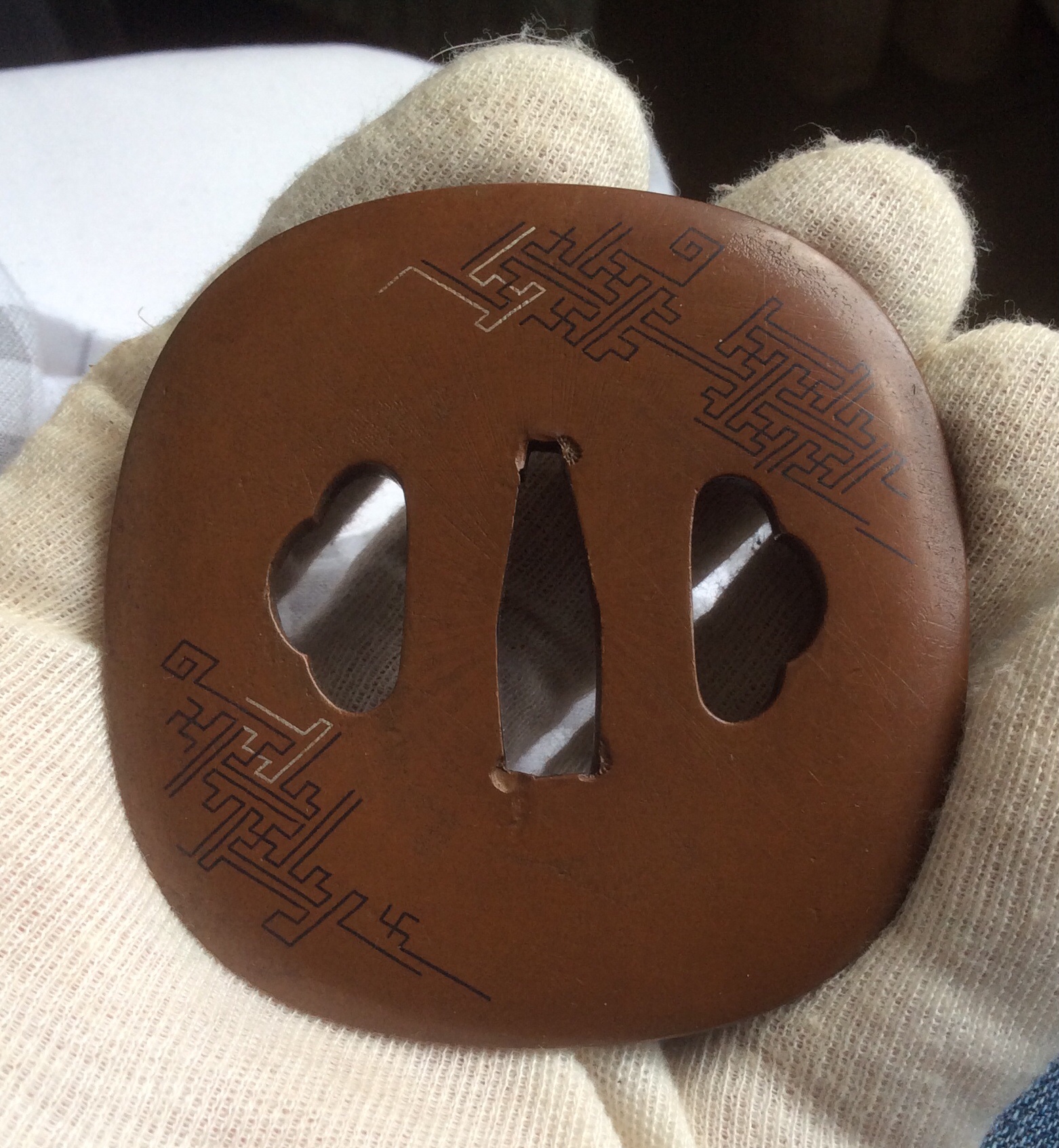
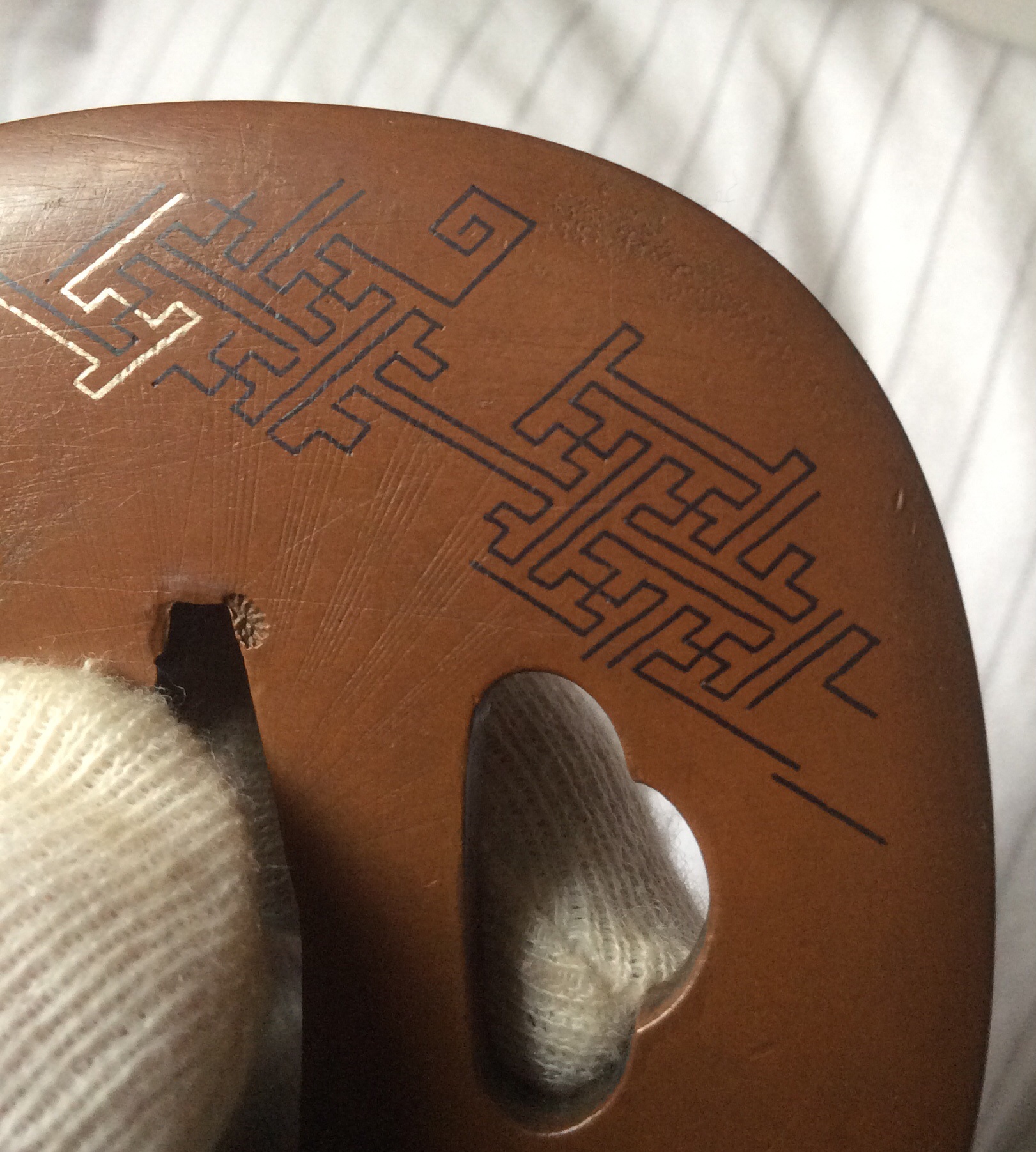
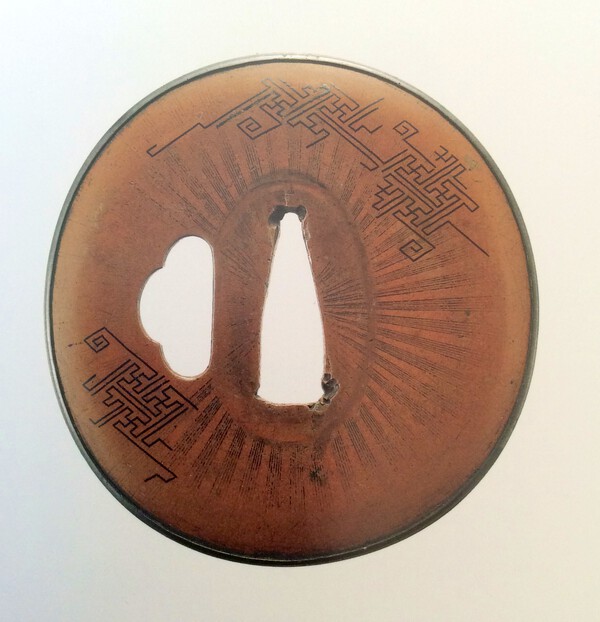
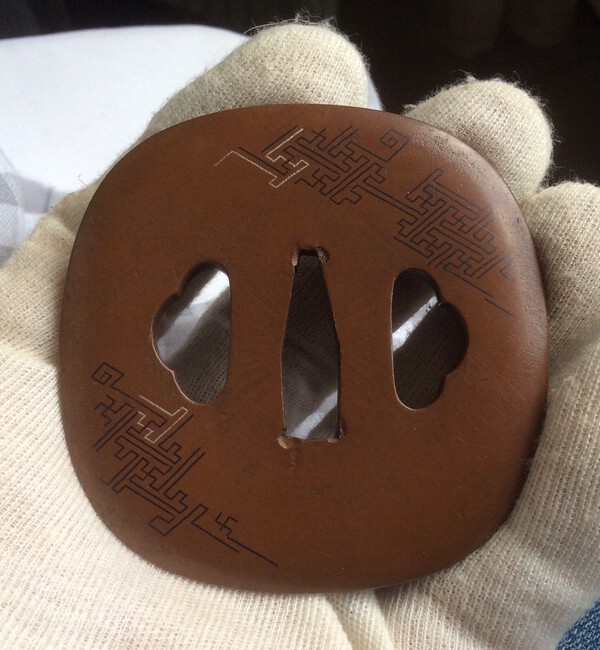
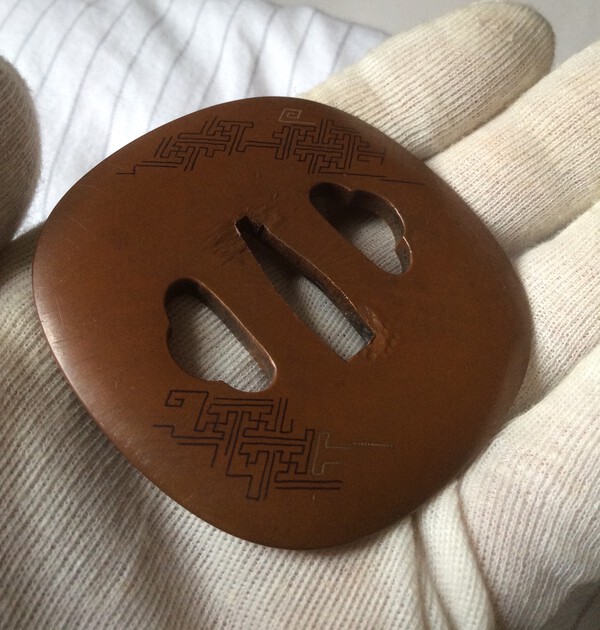
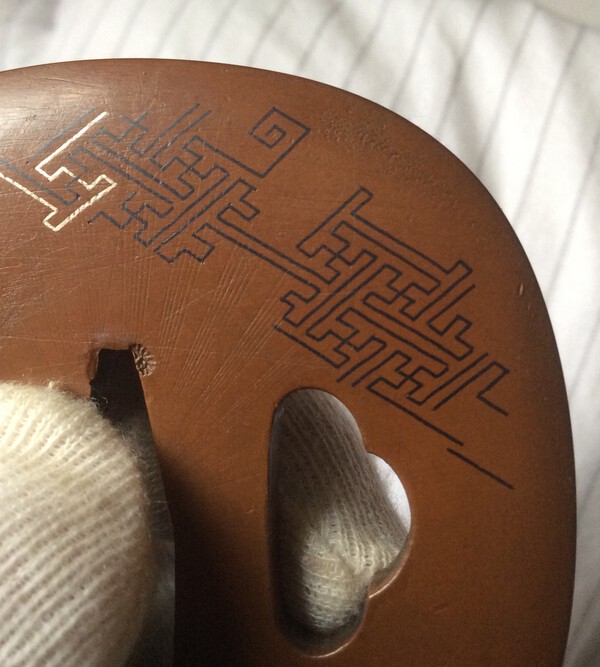
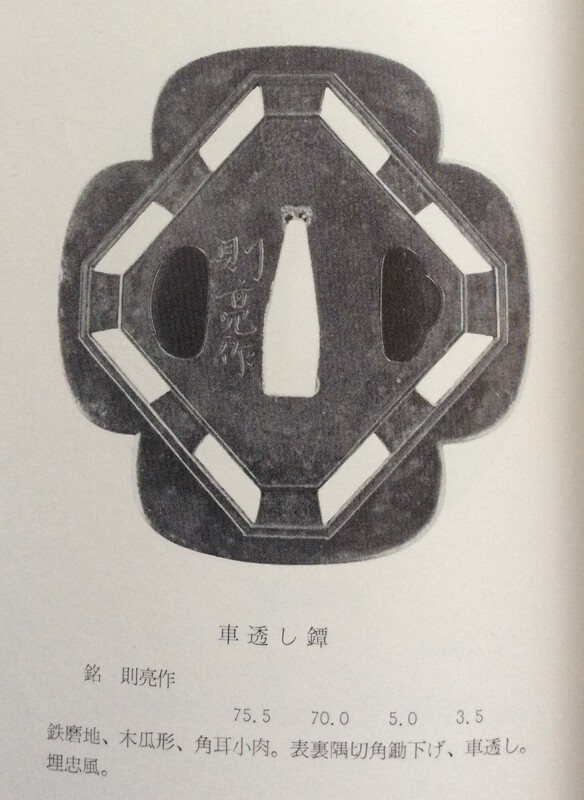
I can fully understand the various calls, especially so for Umetada. Not an easy one at all, which is the fun of these anyway. Only one person nailed it - Higo Nishigaki more specifically the second master Shigesaku (1639-1717) The very tastefully placed inlaid pattern is called Sayagata, a crest design originally found on silk. This example shows some wear and would most likely have been originally fitted with a shakudo fukurin. The second master also studied under the Goto school and his work is often very refined. Unfortunately my photos do not do it justice as the amida yasuri are very finely carved. The aori gata shape and the matching hitsu ana are more typically Higo in style. I have added a picture of a very similar example complete with its fukurin, published in Ito Mitsuhira's excellent book on Nishigaki Kanshiro works for comparison. Many thanks Michael
-
Thought yesterdays kantei was good fun and thought Id add one of my own. This one is distinctly go stone in profile (thicker in the middle) and in addition to its shakudo and silver inlay has finely carved amida yasuri. Its 7cm high x 6.9cm wide x 0.48cm thick at the centre. Let me know your thoughts or questions Kind regards Michael
-
Shoami very similar to Akasaka but still sticking with Shoami. Kindest regards Michael
-
Hello Gethin, An Interesting tsuba not an easy one to place - although I am reasonably sure its not Hirata. Satsuma is a possibility but I would also look into Sado Island work as another potential source. I cant easily explain why, it just reminds me of a papered Sado work I once owned. Good quality iron and a very nice tsuba. Kindest regards Michael
-
Hi Peter, Could well be Akasaka - could you help by providing the measurements, height, width and thickness (at thinest and thickest parts) Kindest regards Michael
-
Hi gentleman, I have owned at least 6 hirado tsuba over the years (including one of the ones pictured above) some signed others not - they vary from the massive brass "door knocker" type to some very delicately carved signed examples. Also signed fuchi kashira and kozuka. There is a huge variation in this schools work and possibly three generations. Plus their work was much copied - for example the one kindly shown by David is very similar to ones also made by Norisuke. I suggest the tsuba was possibly made in the hirado style either by one of the kunishige generations or a school worker or even a copyist inspired by their style. Not sure we can get any closer. Just wanted to add that I do not confess to having any great knowledge on this school - just floating an idea that others can shoot down or expand on. Kindest regards Michael
-
My guess for the maker would be Hirado Kunishige who was from Hizen late 18th early 19th century. He favoured this type of cloud / wave combination. You can look him up easily on the web for more detail. Kindest regards Michael
-
Hi Bruno, I can confirm that the mon is not restricted to the shoami school - I can recall Ko Akasaka (mon with the axe) and Owari as well as Nobuiye examples. Kindest regards Michael
-
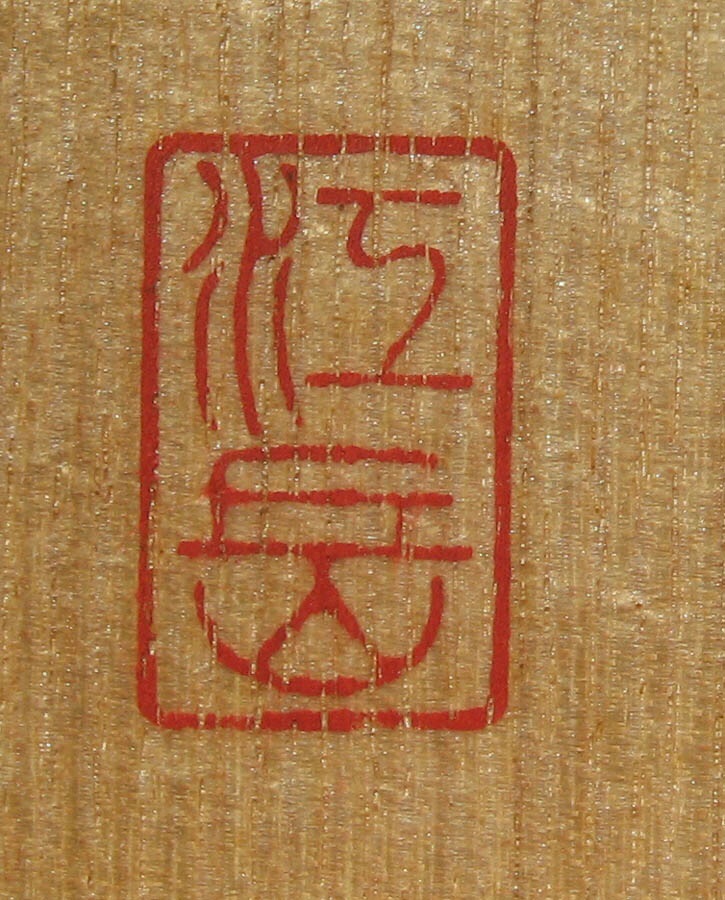
Translation of a box seal / chop mark
Michael 101 replied to Michael 101's topic in Translation Assistance
Thanks another member translated as "Red Mountain" Anyone seen this one before ? Kindest regards Michael -
Can anyone help ? Recently bought a very nice tsuba. The box had no hakogaki or markings other than this very clean chop Mark. Does anyone recognize it or able to translate the name? Please see attached picture Kindest regards Michael

-
Probably Benten goddess of luck, love the arts etc She is often seen playing music seated on a dragon Kindest regards Michael
-
Hi David, I have to agree with the last comment - I would look to another school - perhaps Myochin rather than Higo for this tsuba. The hitsu style is very Higo in style but the mimi is not. I think you have its age spot on - at that late period many schools designs merged and Myochin and others such as Norisuke were masters at copying the latest fashions. However its a really nice tsuba so well done on adding it to your collection. Kindest regards Michael
-
Hi David, Im certain that they would have. Ito quotes some of the leading Tsuboi makers as Yoshida Noriharu, Sakamoto Yaichi, Sakanashi Gorobei, Miyazaki Kanzo, Miyanaga Nenokichi and Tanabe Yasuhira. Makers such as Noriharu specialised in Jingo utsushi. Hope this helps. Kindest regards Michael
-
In Higo metal working terms its referred to as Koboku (ko or kareru - dead ) ( boku, moku, ki - Tree) as explained by one of the leading modern scholars on this subject Ito Mitsuru. Tsuboi is a district rather than school or family, its where numerous metal workers lived, many of which specialised in producing affordable copies of famous makers for less well off samurai. It was also the home district to several masters such as 3rd Kamiyoshi master. Think of it in a similar way to Hong Kong providing copies of Rolex watches for the masses. Main Higo school works by the masters would have been largely restricted to the Hosakawa and senior retainers and way above the pocket of the average samurai - who wishing to stay in fashion would purchase a more economical copy. Some workers were incredibly skilled and it is believed that many of their works get papered to main school. Kindest regards Michael
-
Hi David, Interesting tsuba. The inlay is called Koboku zogan and represents a dead trees branch. this tsuba doesnt have the highly refined finish of the kamiyoshi school and isn't even up to the standard of Suwa Ikuhei - my personal opinion is a Tsuboi workers copy of a Hayashi school tsuba. The iron may well have been rust damaged and restored but I suspect its finish was not that great from the time of its manufacture. Kindest regards Michael
-
Agreed The eBay tsuba was very much a copy - and falls far short of main school Jingo work in every way. Probably made by a tsuboi worker, a school which specialised in copying higo works for sale to samurai with not so deep pockets ! Kind regards Michael
-
Hi guys, Firstly I must say that my initial comments were made after viewing from my ipod whilst on a business trip and now that Ive had a chance to view on a big screen and see your additional pictures I dont think this is Shimizu Jingo - but its very interesting as it certainly has elements that the Jingo school later used in their designs - such as the dragon, the dote mimi, the design on the mimi and the flat round shape. And looking at it the other way the hitsu could certainly be Jingo influenced but as you already comment - probably a later addition - so could well have been copied from Jingo. The tsuba plate would I think show more curvature (thicker at the seppai dia more slender towards the mimi) and be more heavily worked if it were Shimizu Jingo. I wish I could examine the iron in person to be sure but show Curran at Tampa and Im certain he will be able to help you. Kind regards Michael
-
Hi David, I will not be able to get to my books to confirm this for you until Wednesday - BUT I think you would be better looking towards the Shimizu Jingo school for the maker of your tsuba. The flat round shape - the dote mimi and the hitsu ana shape really do suggest the work of an early Jingo master - I think you may have made a very very good purchase indeed. I now want to see the other tsuba you bought from the sale !! Kind regards Michael Cox
-
Higo tsuba are widely admired and therefore copied extensively not only now but also in the Edo period. The beautiful Hayashi 1st master tsuba above would have been way out of the reach of all but the most senior of the Samurai rank so copies of popular designs would be comissioned. My guess is that the tsuba from aoi art is a 19thcentury copy by the Kumagai school - this schools work varied from brilliant to awful and I would say out of politeness that this tsuba falls in the middle. Best save for a Hayashi original or as an alternative an Akasaka version. Kind regards Michael
-
Keeping up the theme I have added a favourite little 4th Shimizu Jingo tsuba with a similar theme to the others shown above. The elongated maru gata shape and the incomplete gin zogan inlay (probably as made by the artisit) really add to the overall impression and impart an austere and simple beauty. The iron quality is superb as per all mainline Shimizu works. Kind regards Michael

-
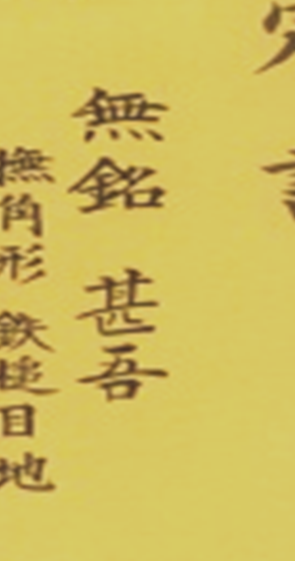
This example shows the later charactor used by the NBTHK to identify post 1st / 2nd master Shimizu Jingo masters
-
With regards to Currans comment on the differing charactors used for Jingo - I will post two examples taken from NBTHK papers from my collection - this example is from a 1st master which is identified by the NBTHK use of the earlier second charactor (next post will show the comparison)

-
Hi Mike, Just to clarify do you mean nidai as in second Jingo master i.e. third Shimizu. Reason for my question is Ito's books on the subject state that the 2nd Shimizu didnt sign his works. I also note the enlarged round shape to the top of the Nakago ana, would under Ito's view place this as third Shimizu. Sorry to complicate things ! A really lovely tsuba by the way. Kind regards Michael
-
I agree - it looks to me as if its trying to be a 2nd Master Hayashi (Shigemitsu) but the lack of rust in the sukashi concerns me and it also looks like it has been artificially aged by scatching. A Shigemitsu would tend to be large (circe 8cm high thick 0.55mm ) and made of very dense iron and be about 130g so judging the iron quality may help you. Kind regards Michael