Katsujinken
-
Posts
824 -
Joined
-
Last visited
-
Days Won
3
Content Type
Profiles
Forums
Events
Store
Downloads
Gallery
Everything posted by Katsujinken
-
Kirikomi (?) marks meaning
Katsujinken replied to Ron M's topic in General Nihonto Related Discussion
Agree with Brian. Tanto and kirikomi are not a thing (that I have ever seen). (Now waiting for a seasoned vet to pull out a picture from a 47 year old newsletter. :-P) -
Ugh. Welp. So much for that.
-
I emailed them about the SSN thing because I had the same concerns. There’s no need for it as a buyer. They replied and said that I could just write N/A or something to that effect.
-
Oh this photo is quite different in my opinion. Very helpful. Perhaps Alex saw more clearly than I did from the start. I'm willing to move a bit on my point of view here — this could be from someone attempting tameshigiri, but I still harbor some doubts because the scratches appear in clumps. Regular tameshigiri practice, even by an amateur, creates a consistent area of wear. The "clean" areas we see here raise questions for me. I'm still more than 50% confident that what we see here is due to what I called "misadventures" (including whacking unorthodox targets) than traditional tameshigiri, but everything others have said is totally fair.
-
“Misadventures” would include someone trying to do “tameshigiri” without proper training, but I really don’t think that’s what this is (and I have the experience to say this with confidence). Impossible to know for sure without a time machine though! Notice how the scratches stop right at the shinogi — someone did this by hand with a goal in mind. But again, no time machine.
-
Those scratches look like they came from sandpaper or a tool of some kind. Like an amateur tried to repair or remove the results of some misadventures. I respectfully disagree with Alex. Scratches from tatami on wara are generally more subtle than this, so I don’t believe that’s what this is. They’re also a bit too close to the end of the blade in this case to reflect consistent use for tameshigiri. There’d be no need to do anything in the kissaki if the blade was used for actual tameshigiri practice.
-
I ordered one yesterday without issue.
-
exporting swords out of US
Katsujinken replied to RichardY's topic in General Nihonto Related Discussion
Yes, you do need to confirm your particular airline’s policy regarding “weapons”. -
exporting swords out of US
Katsujinken replied to RichardY's topic in General Nihonto Related Discussion
I assume you mean checking the sword as luggage during round trip air travel? No, there’s nothing you need to do. If it’s old and valuable, it’s always a good idea/precaution to have documentation proving that you have owned it prior to your trip and did not acquire it abroad (if your trip is international) to avoid any confusion about duties and the like. -
Nice choice. Welcome to the edge of the rabbit hole. And to the NMB!
-
Great choice!
-
I was going to say exactly this. Here's a video of this process (link to specific timestamp at 46:08)!
-
Thank you so much! I love this book too.
-
May his memory be a blessing.
-
I’ve found ChatGPT does a great job with jargon filled printed nihonto material in Japanese, but I’ve never tried asking it to OCR cursive poetry…
-
Incredible! Thanks for sharing.
-
EMS. I have paid duty on a UPS package in the past, but everyone should note the difference between a customs duty and a tariff.
-
This is one of Sasaki sensei’s students from the wonderful doc “In Love with the Samurai Sword”: https://youtu.be/i5f7HI05mCU?feature=shared He seemed like a very kind, earnest fellow. Glad to see he’s still at it!
-
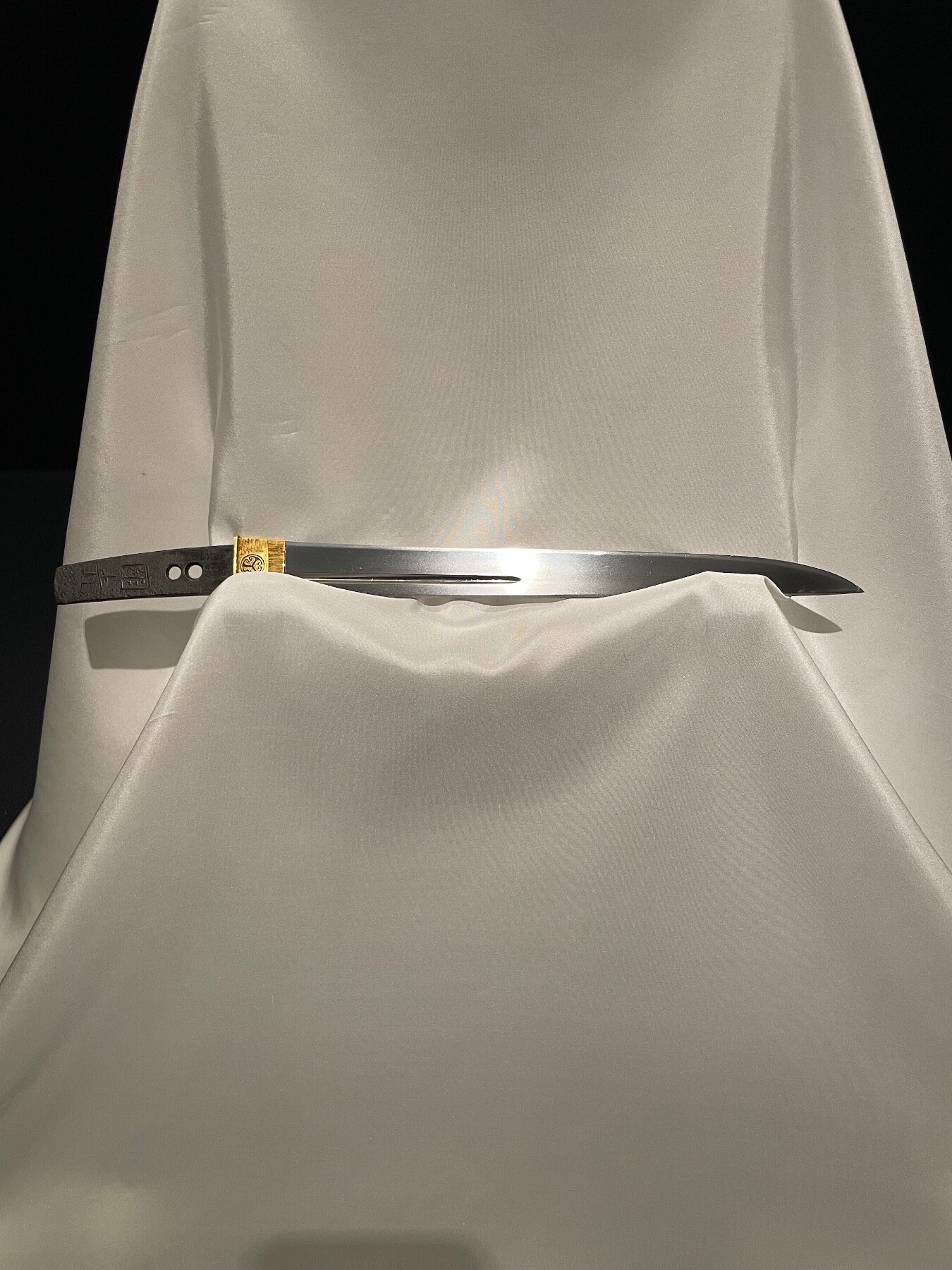
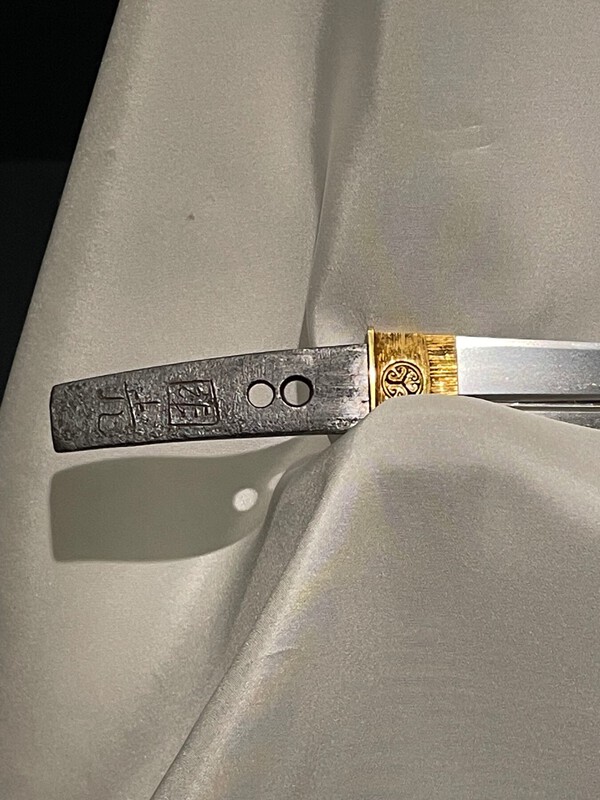
新藤五国光 (Shintōgo Kunimitsu) was, in effect, the founder of the Sōshū tradition; three celebrated smiths—Yukimitsu, Masamune, and Norishige—trained under him. At first glance his workmanship recalls the Yamashiro Awataguchi school, yet the prominent chikei (dark steel lines) and kinsuji (bright “golden” lines) that appear in the steel surface are hallmarks of his blades. Kunimitsu favored straight hamon (suguha) of varying widths and, as a master of tantō, is considered a peer of Fujishirō Yoshimitsu. This tantō is forged from well-refined steel showing delicate chikei and is tempered in a neat, narrow suguhahamon. With a slight inward curve (uchizori), the harmonious balance of its steel texture and hamon gives the piece an appearance of dignity and refinement.

-

-
Hello Lewis! Wonderful post, thank you for sharing it and best of luck! The video of the Kunimitsu you shared is mine, so I am happy to say I have additional photos, attached here and in subsequent messages.
-
With respect, I disagree. 9mm would be on the extreme end for a motokasane, far from average. Most brand new swords made for iai and tameshigiri are generally 5-7.5mm at the motokasane.
-
5-7mm is average, and strength at the motokasane is very important due to the concentration of stress right at that point when the sword meets resistance or some kind of impact, just above where the hands hold the tsuka. That said, swords were generally designed for a purpose, for example armored combat (much more kinetic) vs unarmored combat (more of a slicing action needed), so you’ll see variations. An engineer could certainly explain this better than I can though!
-
New Shinken Purchase! Gendaito - Akamatsu Taro Kaneyuki
Katsujinken replied to Charliebrown's topic in Nihonto
I don’t want to derail the thread, but this is a common misconception. There’s nothing good about a tip heavy sword — it leads to poor technique and other bad habits. Styles that use shinken, where tameshigiri is integral and not an afterthought, generally advise their practitioners to use one sword for everything because tameshigiri is meant to be an extension of kata and vice versa. Great looking sword! -
Definitely looks like a repair of some kind. That is not natural.