Bruce Pennington
-
Posts
14,281 -
Joined
-
Last visited
-
Days Won
170
Content Type
Profiles
Forums
Events
Store
Downloads
Gallery
Everything posted by Bruce Pennington
-
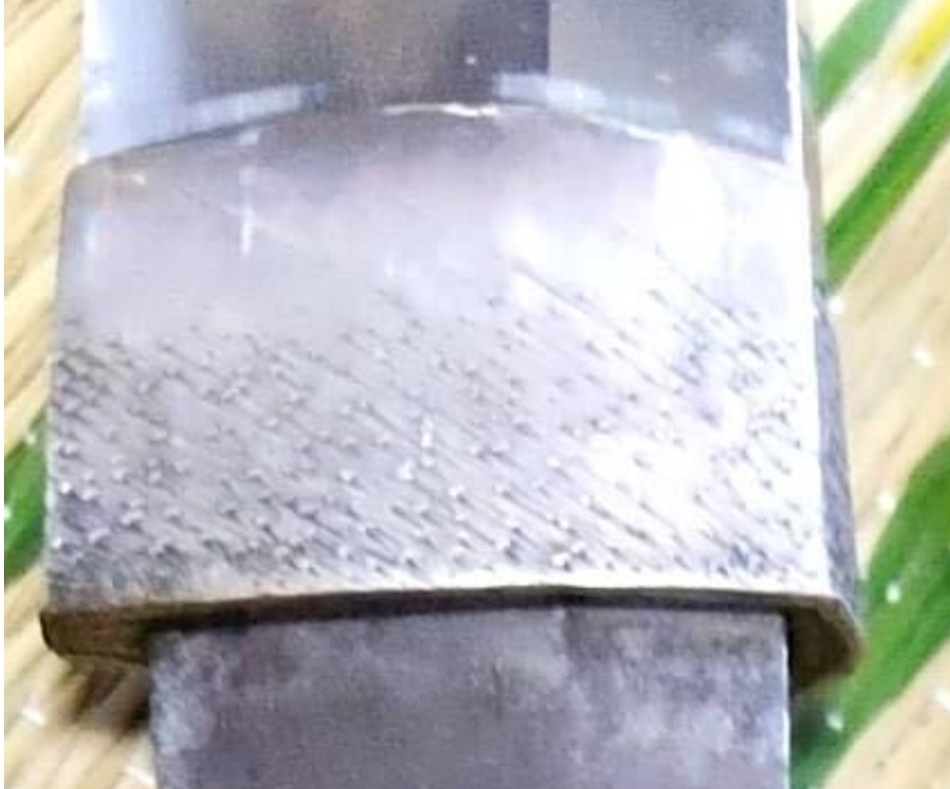
 Wanting to hear a translation of the seppa stamped mei. First stamped seppa mei I've ever seen! and like Chris said:
 -
Help please with identification of dirk
Bruce Pennington replied to drb 1643's topic in Military Swords of Japan
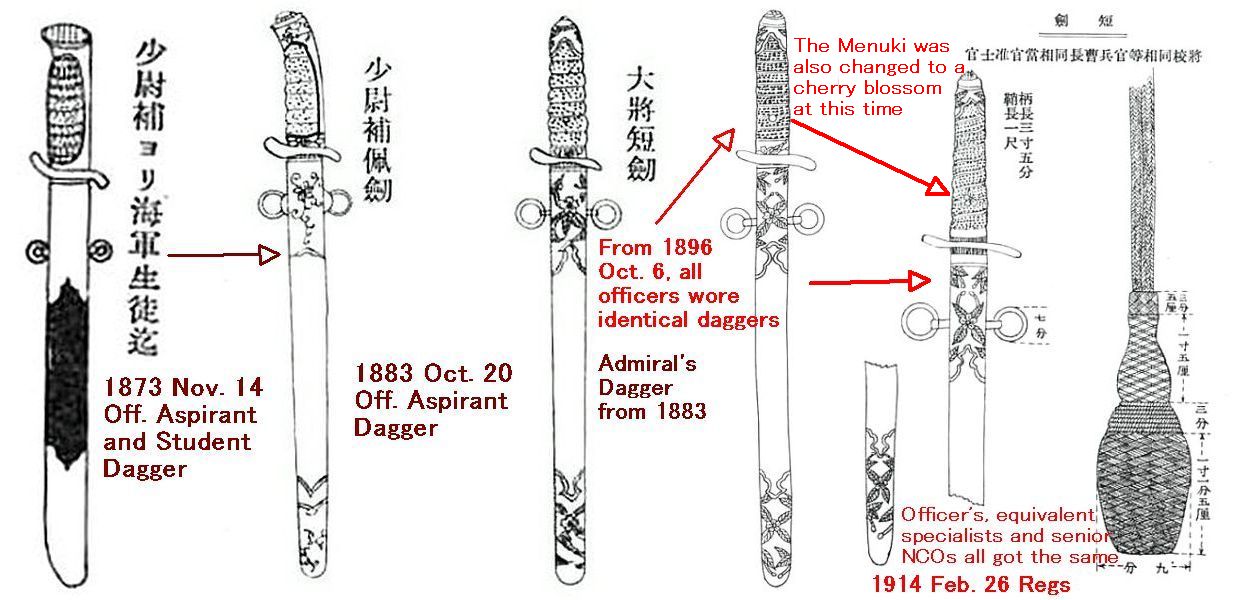
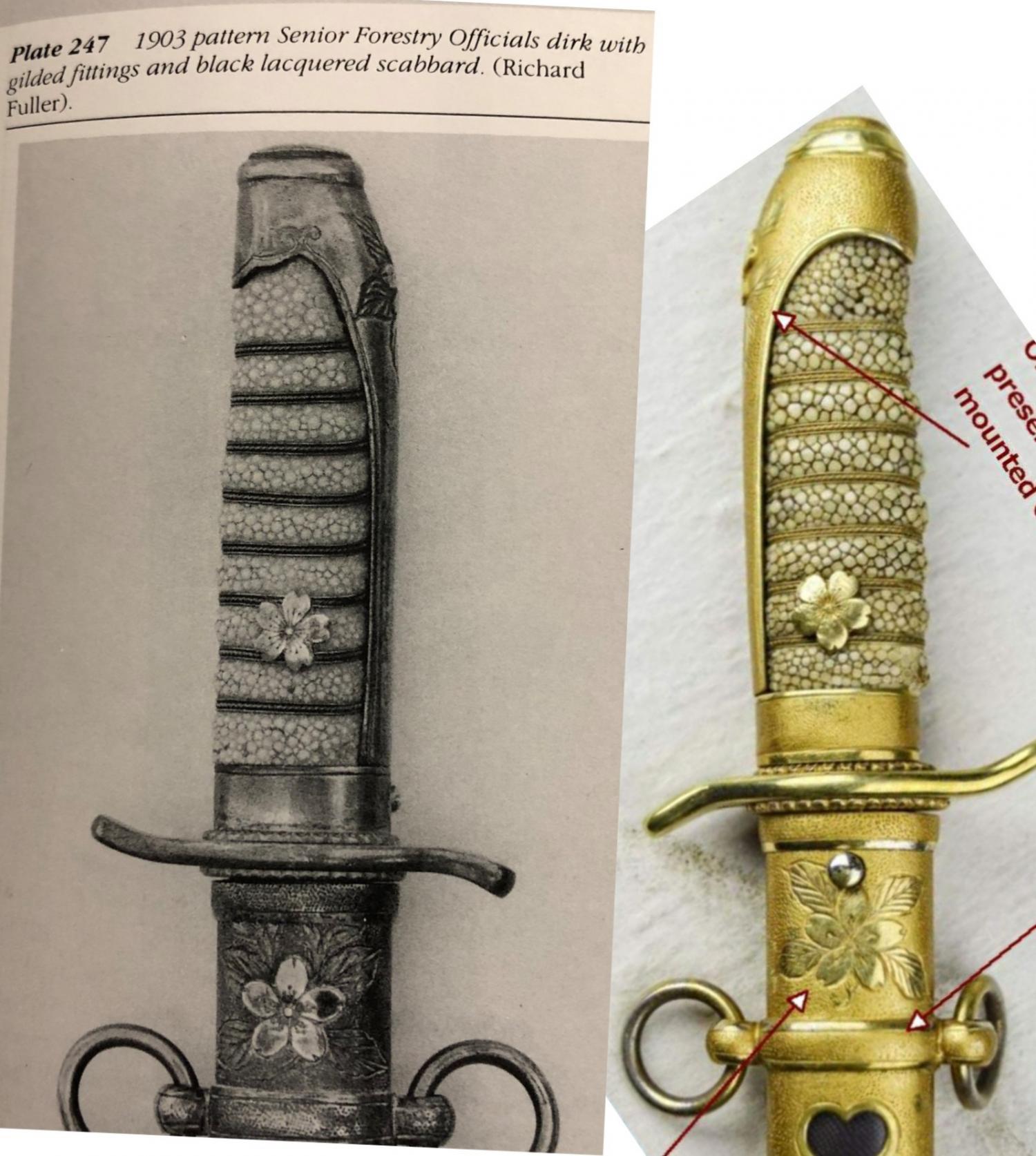
Ok, the latest from our conversation with Nick Komiya at Warrelics: Both dirks in my post #6 above are FORRESTRY dirks! Nick is convinced that both Ohmura and Fuller are incorrect on the dirks with backstraps and floral patterns. He says those are cadet dirks. The only forrestry dirks are the ones without floral patterns and are silver in color (Fuller's pattern 1) An interesting discovery is that these dirks came originally without sakura on the menuki, but were added in a 1914 mod. Link to conversation: http://www.warrelics.eu/forum/Japanese-militaria/navy-cadet-dirk-anyone-actually-seen-one-769657/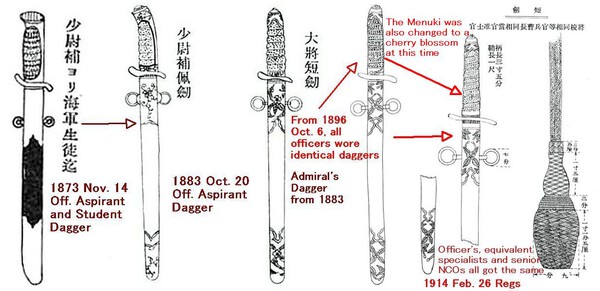
-
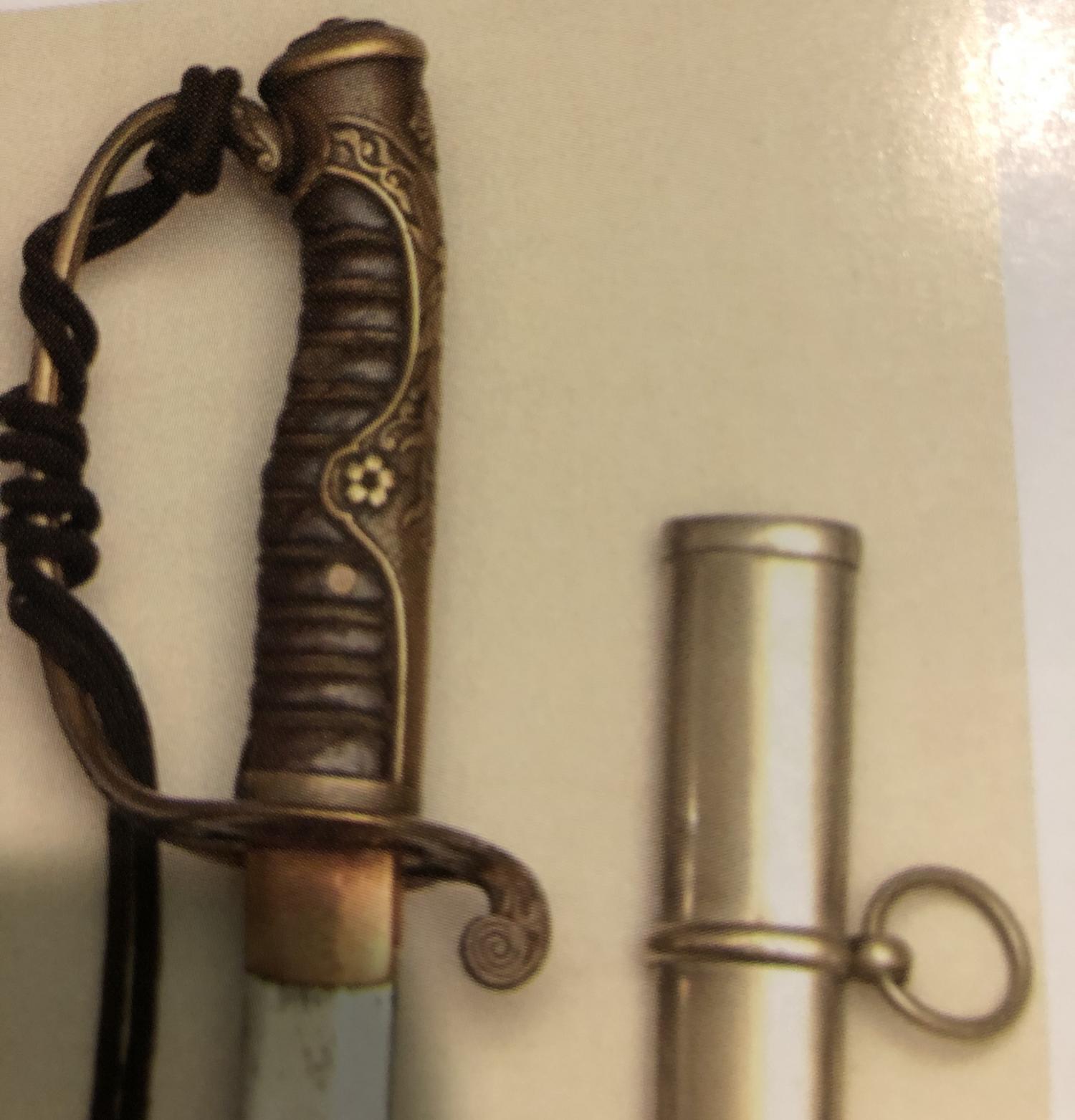
Alex, Do you know the source of the information? Is your friend over there? Are these pics from there? I'm just hoping someone is messing with us. Having said that, if you had brought this to us without the cover story, I'd have to agree with you that certain things bother me about it. - The sakura on the fuchi is wrong. - The tsuba has that new, brass look - The nakago seems bent rather than a natural curve - The nakago is obviously falsely aged. - I'm no nihonto buy, but that hamon looks wrong Much of the rest is very convincing though, enough so, that it would be one of those where guys say "Nothing I can prove, but enough flags that I'd walk away from this one!". PS, please tell me someone is just messing with us!
-
Brian -- Thank you!
-
I appreciate your sentiment Paul. Most, if not all, my swords are in my collection because they are special to me, or affect me, in one way or another. I know we're all different in our collecting principles, but for me, the future value of my swords were never a consideration in my purchases. They are valuable to me. Great topic!
-
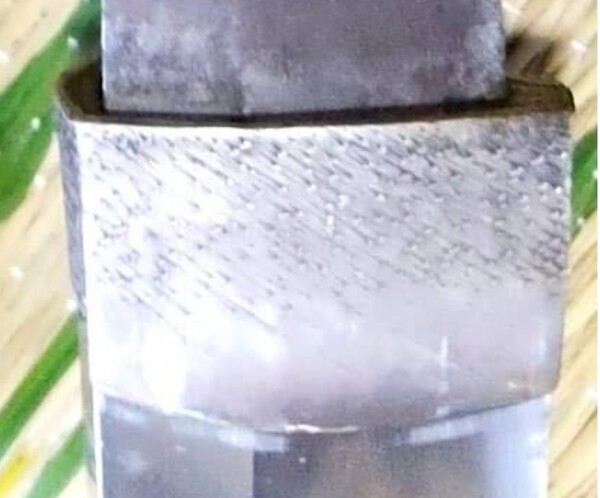
One from Michael's post on the translation forum:
-
The Mysterious "w" Stamp!
Bruce Pennington replied to Bruce Pennington's topic in Military Swords of Japan
Thanks Marc. Yoshiharu is one of the known smiths that had the stamp, though we don't know why there is a small group of names - Kaneoto (with Seki stamp); Haruhisa; Kokima Kanenori; Tenshin; Takehisa; Yoshiharu; and Yoshitani. Your blades doesn't have a serial number on the nakago mune, does it? -
Help please with identification of dirk
Bruce Pennington replied to drb 1643's topic in Military Swords of Japan
I agree! Many of the great reference books were written before the internet age, or before it grew into what it is today. We have been able to get access to records and resources, now, that weren't easily found when the books were written. I won't go so far as to say Ohmura-san was wrong on his "cadet" designation, but it is quite possible. -
Bas, During WWII, the massive number of blades required forced the industry to find ways to make more blades than ever were possible using traditional methods. But even with the diviations from tradition, there were many smiths still making quite beautiful blades. Maybe yours simply used non-Japanese steel, maybe it was oil-quenched rather than water-quenched. Here is a list of 9 different ways blades were made during the war.

-
I really do smell my blades each time I have them out!!!
-
Help please with identification of dirk
Bruce Pennington replied to drb 1643's topic in Military Swords of Japan
And Nick's pictures (post #, match those of Ohmura. What I'm trying to determine, now, is how to distinquish between the senior foresters dirk and the cadet dirk. They seem very slight.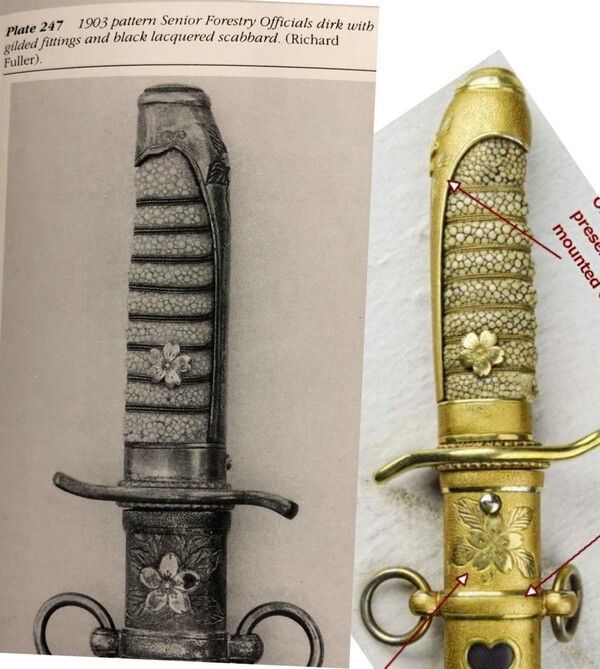
-
Translation assistance with kyo gunto.
Bruce Pennington replied to Whitegryphon70's topic in Translation Assistance
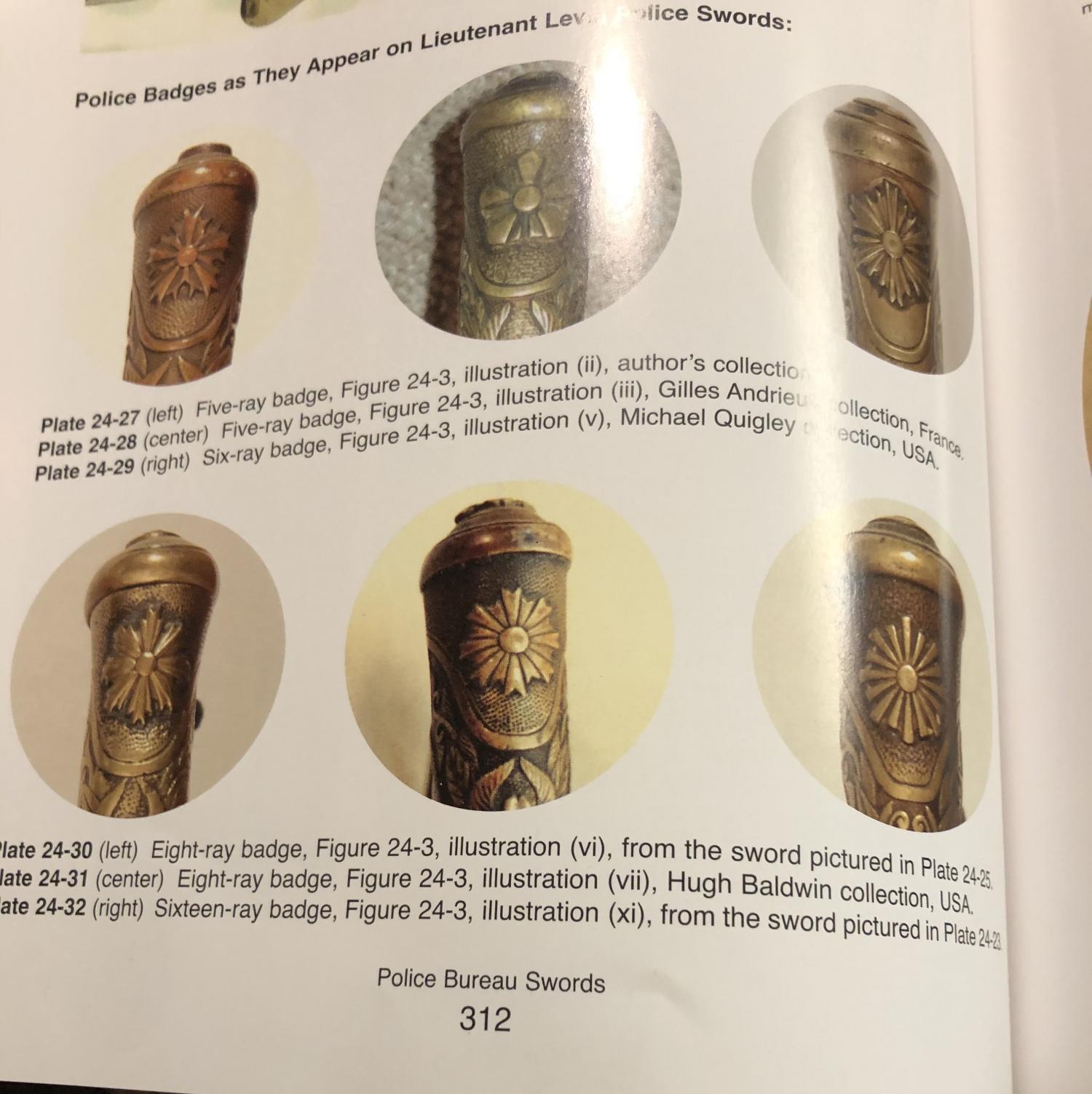
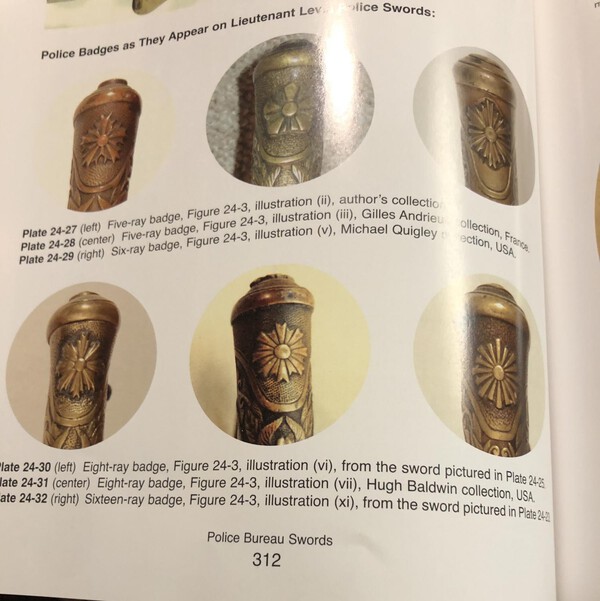
Dawson's book, pg 310, has your sword - a 16 ray lieutenant level police sword.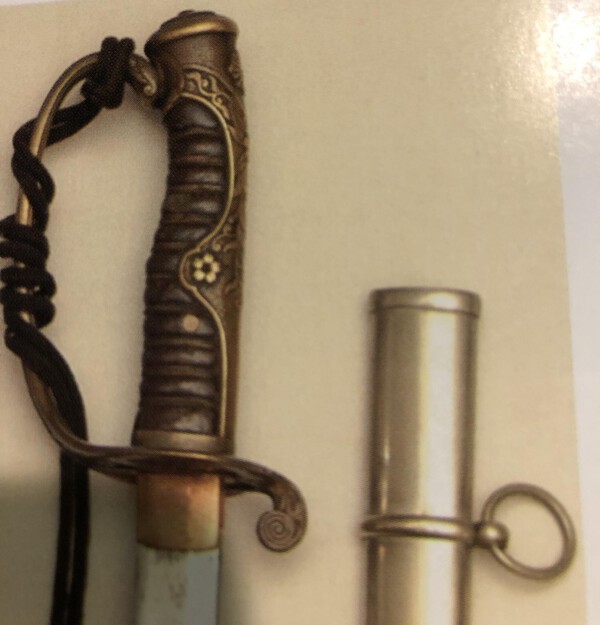

-
Help please with identification of dirk
Bruce Pennington replied to drb 1643's topic in Military Swords of Japan
Well, after some digging, Ohmura's site is the only source I can find that addresses the cadet dirk, and I can't tell any difference from it and the senior Foresters dirk, and the "possible second (1903) pattern Forestry dirks listed in Fuller's book. I'm going to post the question over on Warrelics and see if Nick Komiya comes up with anything. I'll update here if I get clarification. -
Parade Sword for Military Drill
Bruce Pennington replied to Kiipu's topic in Military Swords of Japan
Very cool, keep it coming! The Type 8 & 19, which these are styled after, varied greatly, so it wouldn’t surprise me to see the same with the training models. -
Thanks Mark! I could see how the one's with the "hail" would increase the friction in the saya.
-
Translation assistance with kyo gunto.
Bruce Pennington replied to Whitegryphon70's topic in Translation Assistance
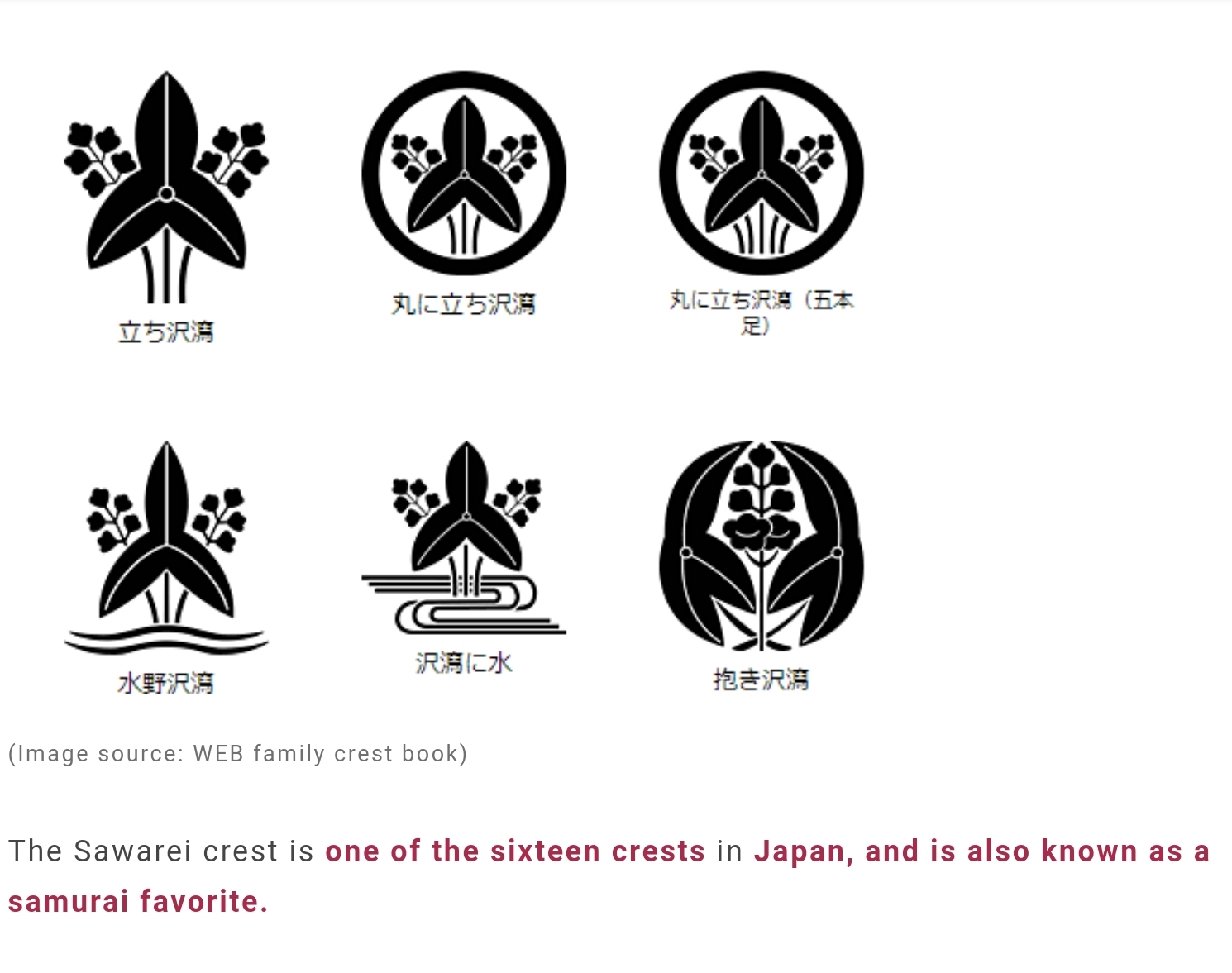
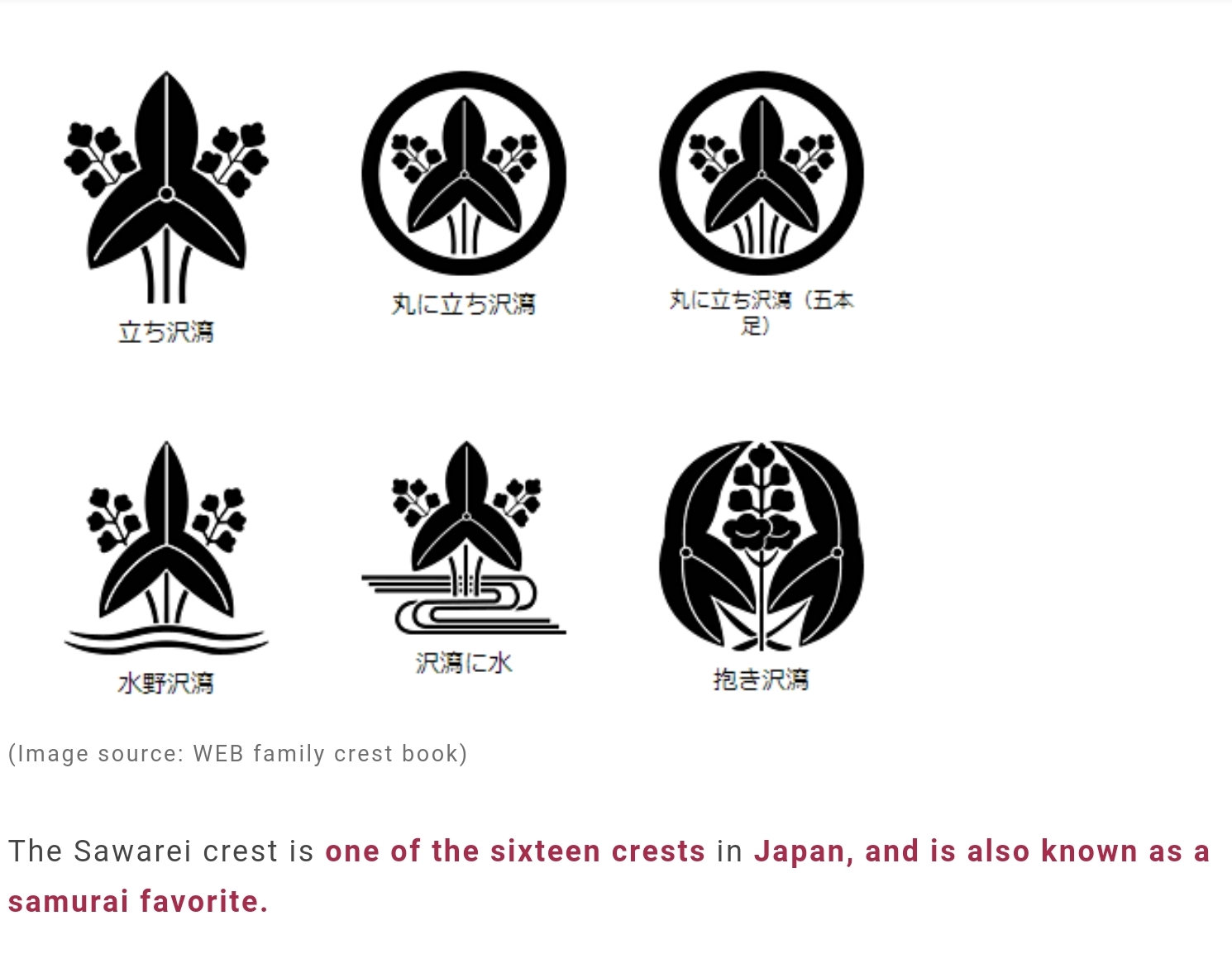
Here's your crest! Sawarei: (thanks to Piers!)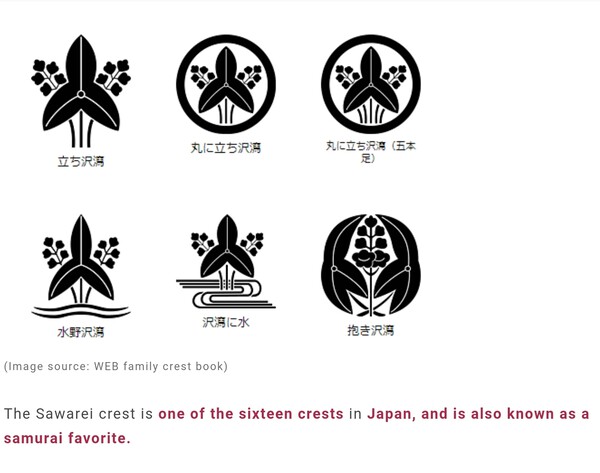
-
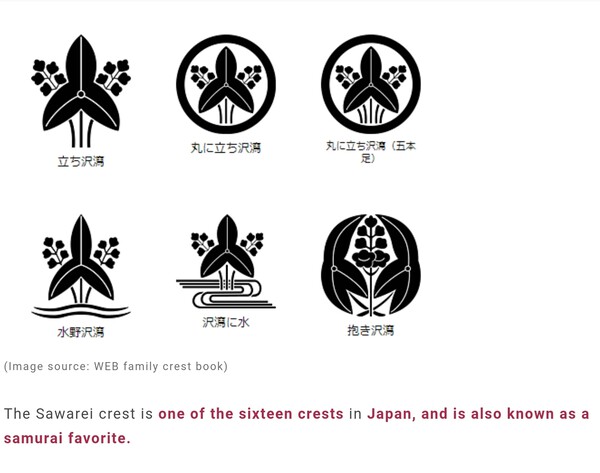
Thanks Piers, you nailed it!
-
That guy must have been getting paid by the hour!
-
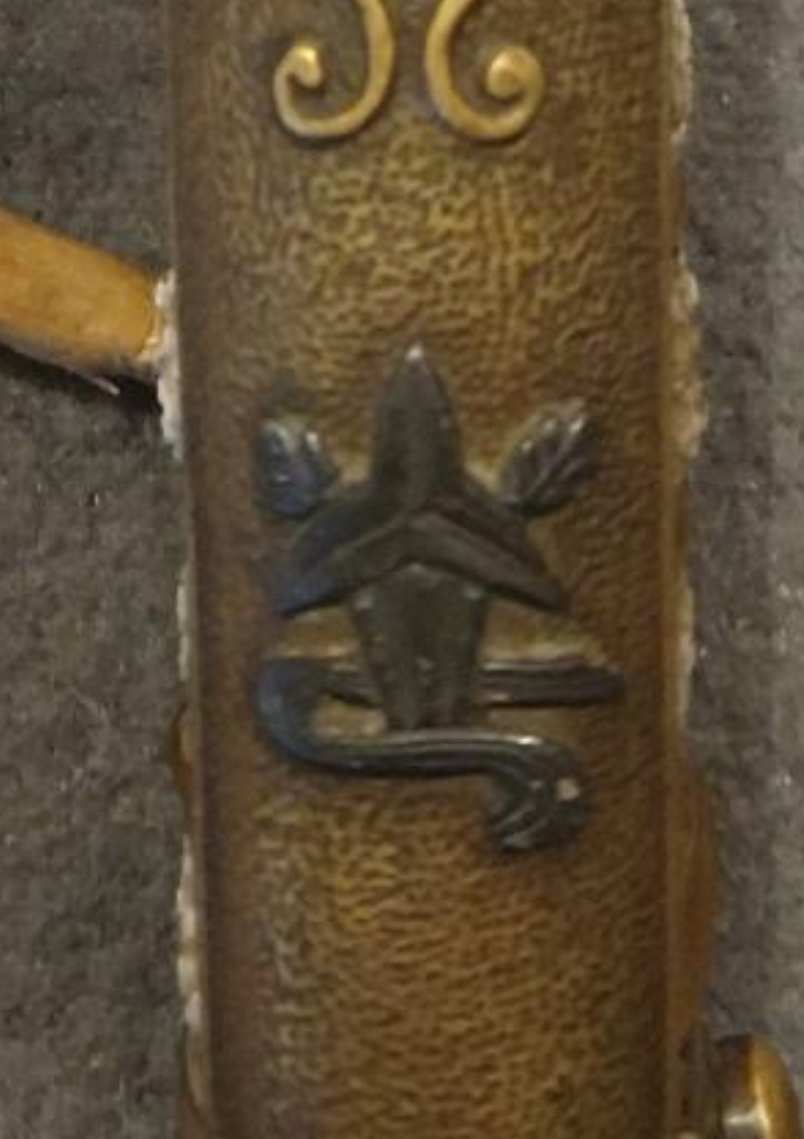
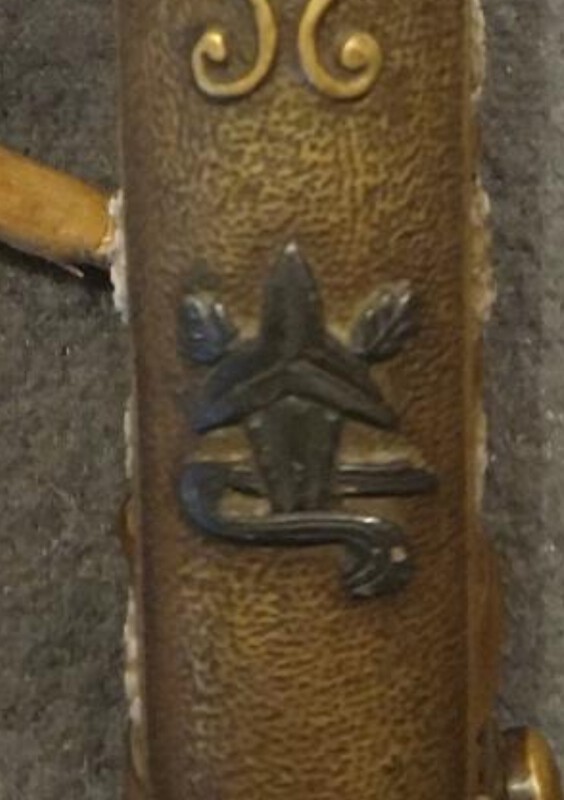
Here's a unique one! I'm even wondering if it's not a kamon, but a unit crest or something else. It's on a police Lieutenant sword, here: http://www.militaria.co.za/nmb/topic/32587-translation-assistance-with-kyo-gunto/
-
So “Koshi-yujo”! Thanks Geraint! Now we have a name. The left or right handedness might explain the direction.
-
Thanks Mark! Your second 2 fit the pattern, but that first one is opposite direction from the group, though, even it carries the same direction as it wraps around.
-
Brian, Do you think moving this thread to the "Tosogu" forum would get some input from the fittings experts?
-
Thanks Dave! I have never seen the first one you show, which definitely looks like the big-cat scratches we see on Snoopy's WWI airplane when he's fighting the big cat next door! Each of your examples fit the left-to-right pattern, as well (blade tip down). After seeing 4 examples of the rain-pattern, I now can see the "cloud" and the streams of rain falling from the cloud. There has to be a reason. Artistically, if I were making them, I'd want the patterns to look the same, while in hand, rather than flipped. So maybe the reason is mechanical, like John and Tom are suggesting.
-
John, any thoughts as to why the kanji would be flipped like that? I have a seppa with a mirrored kanji on it and would love to find out the purpose of the practice.
-
Gorgeous, Neil! I think the pattern pre-dates WWII, so wonder if any of the Nihonto guys have some history or insights on this pattern.