estcrh
-
Posts
2,003 -
Joined
-
Last visited
-
Days Won
8
Content Type
Profiles
Forums
Events
Store
Downloads
Gallery
Everything posted by estcrh
-
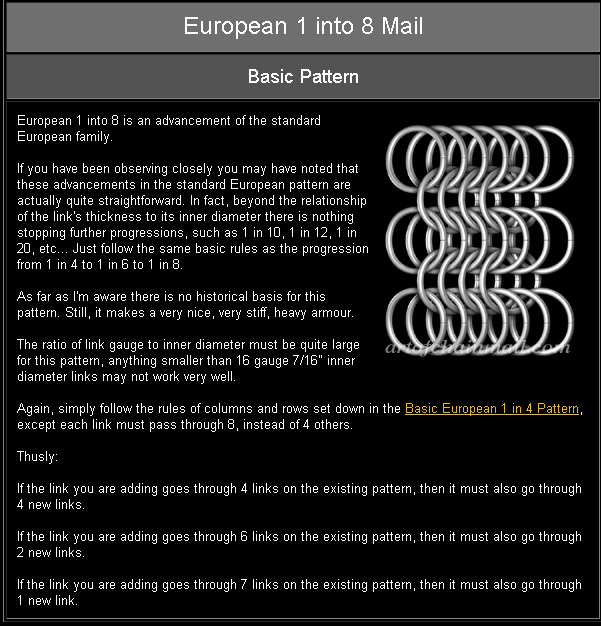
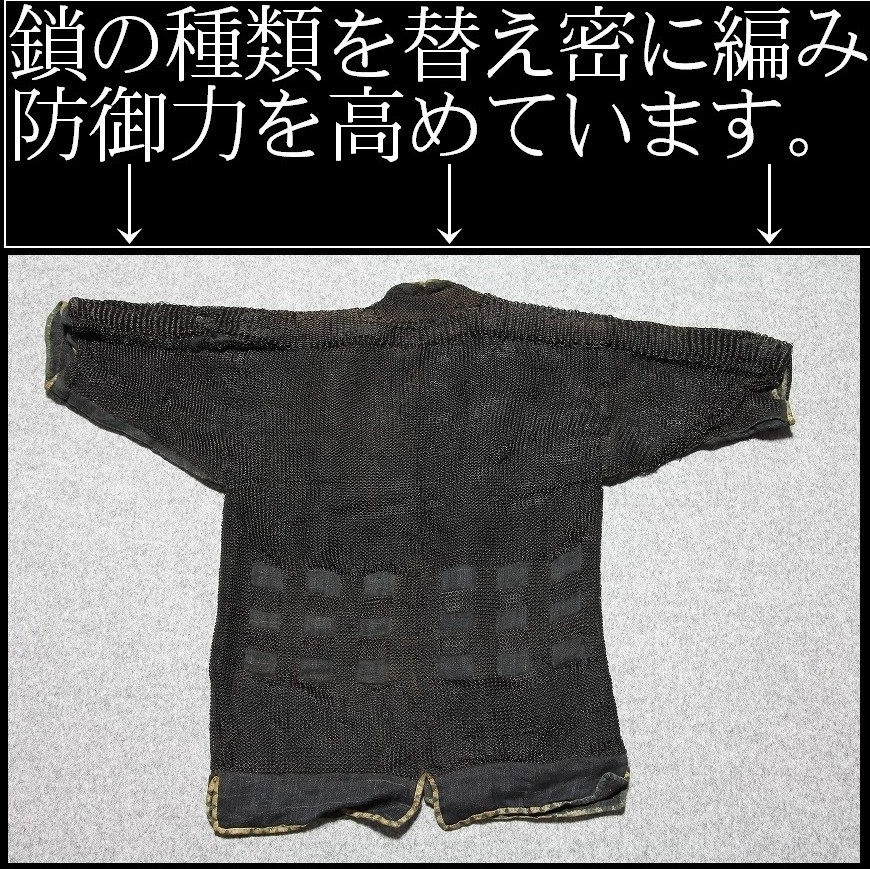
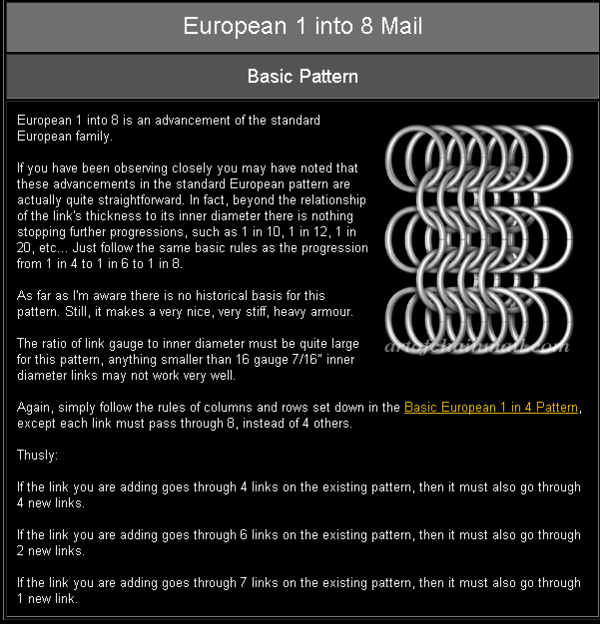
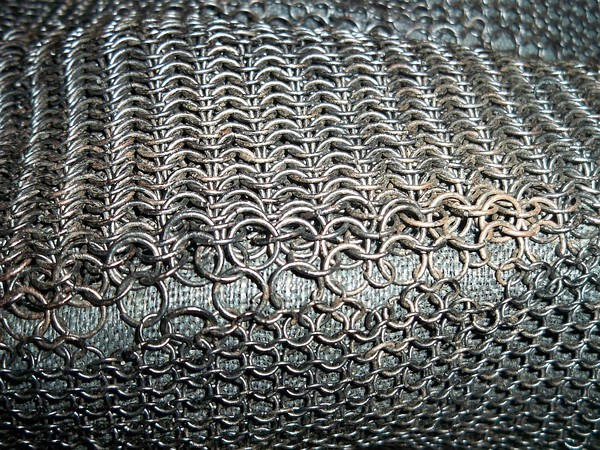
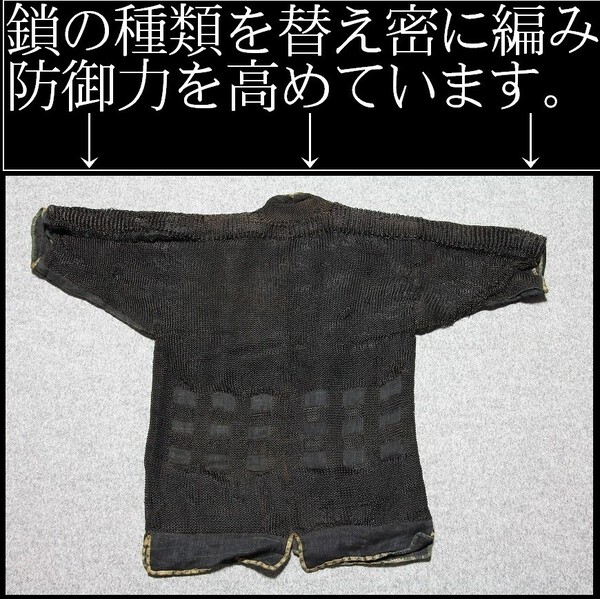
Here is what the artofchainmail.com has to say about the use of 8 in 1 mail historically, If this statement is true then the kusari dou gusoku that I previously posted and the kusari katabira with the 8 in 1 kusari on the shoulders are currently the only public images of 8 in 1 mail in actual use.
-
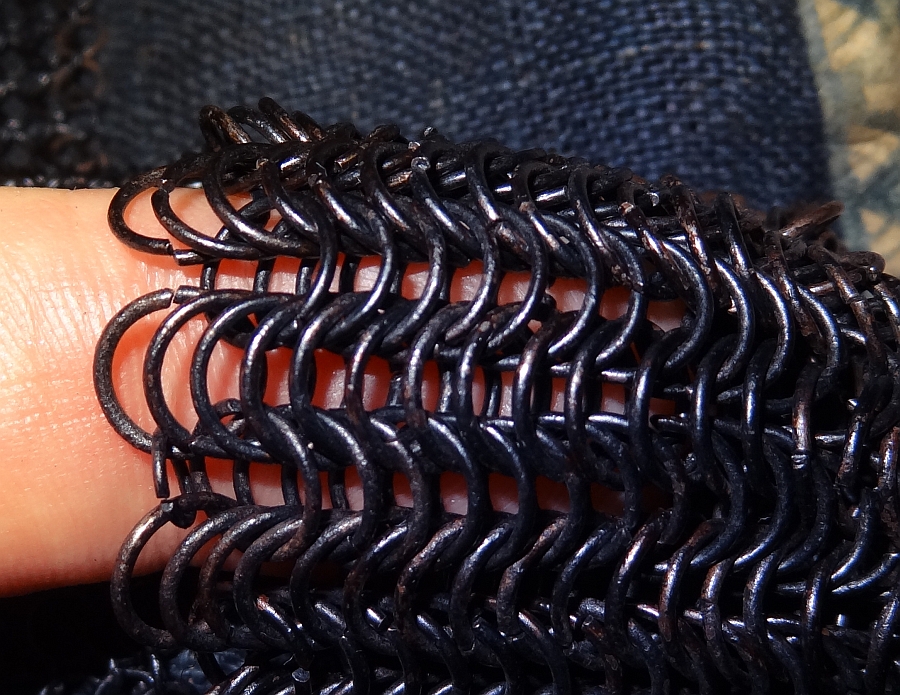
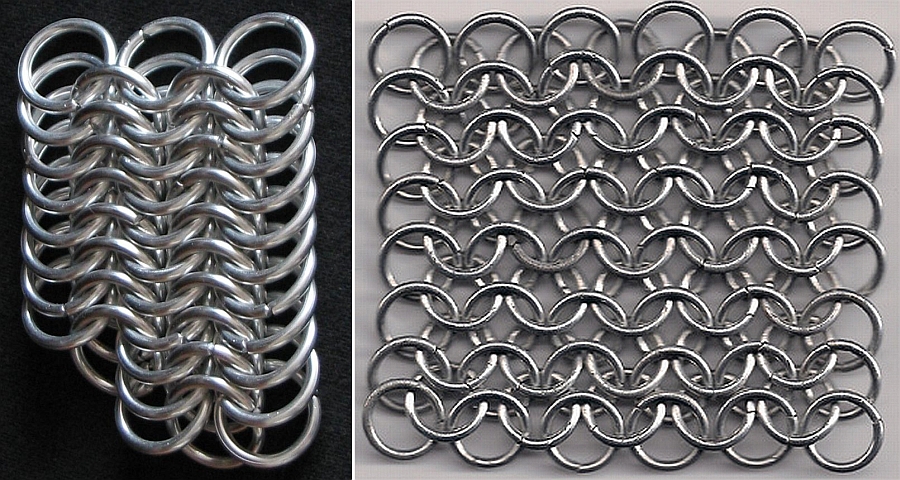
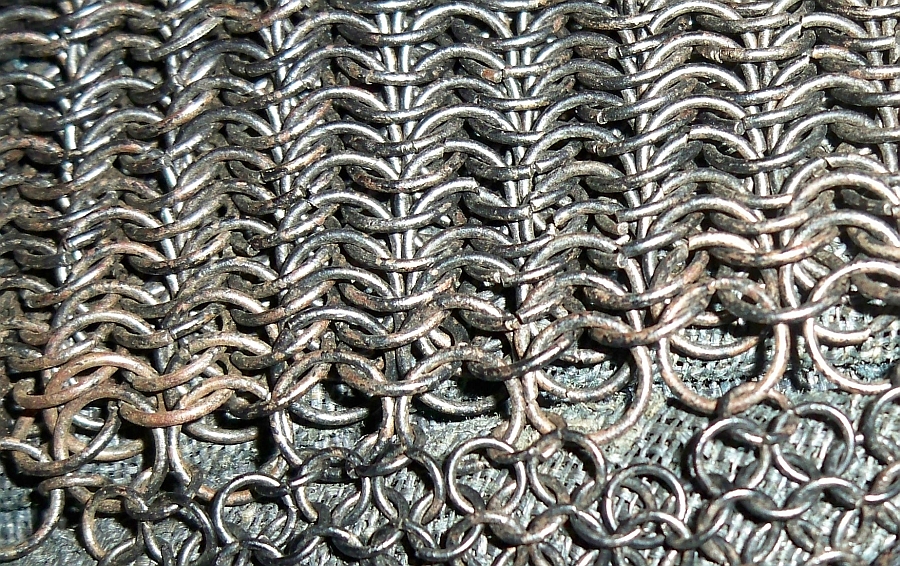
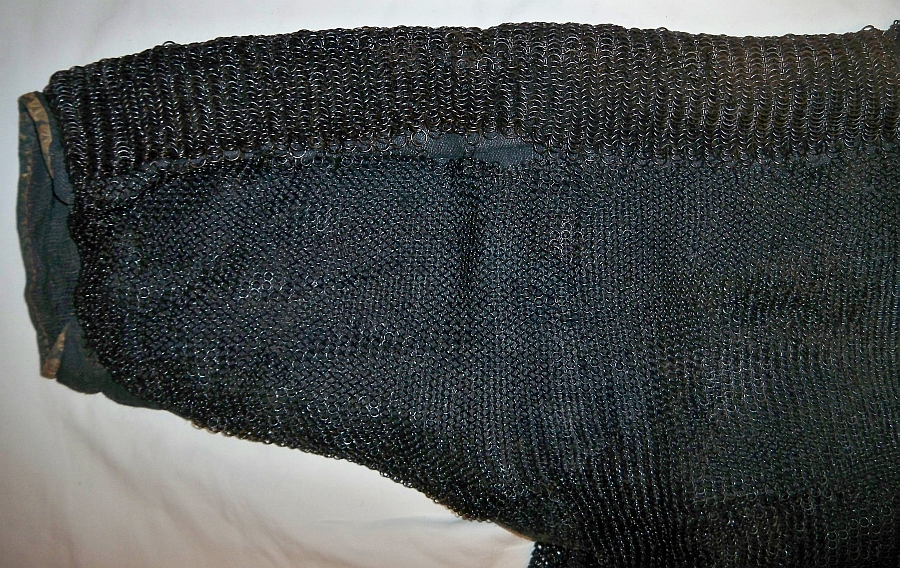
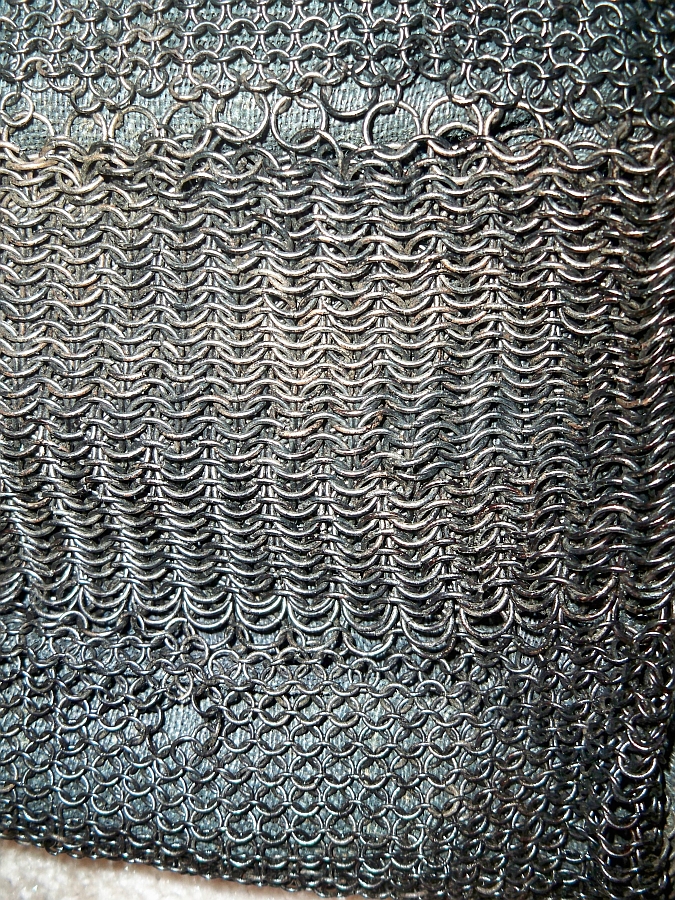
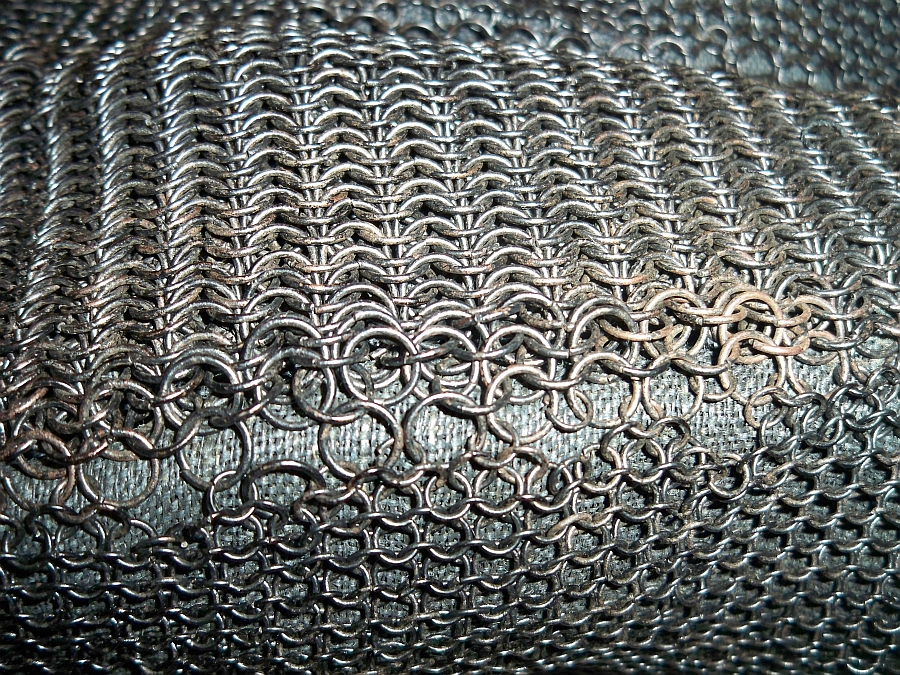
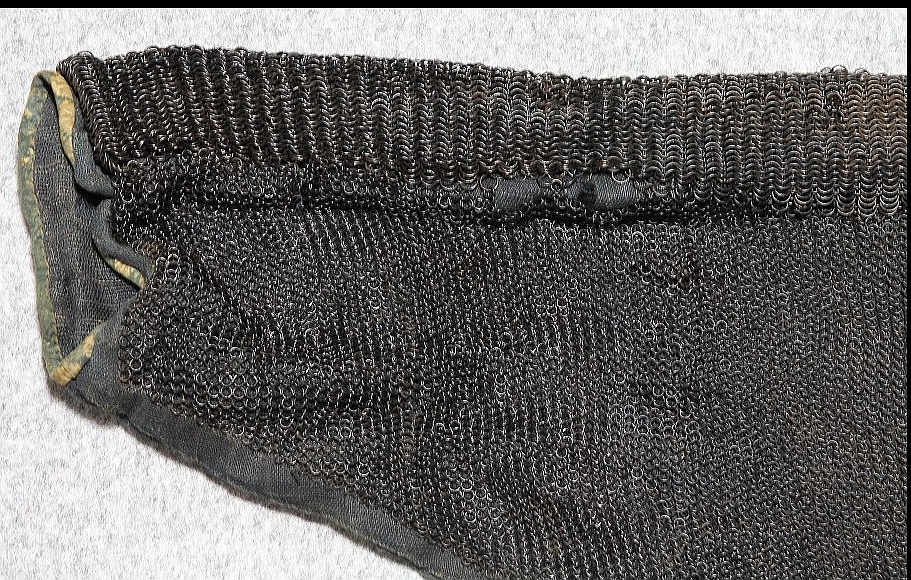
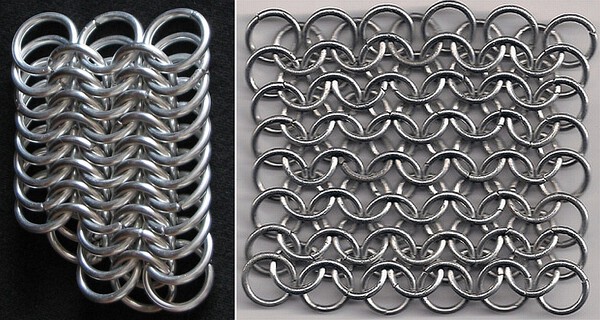
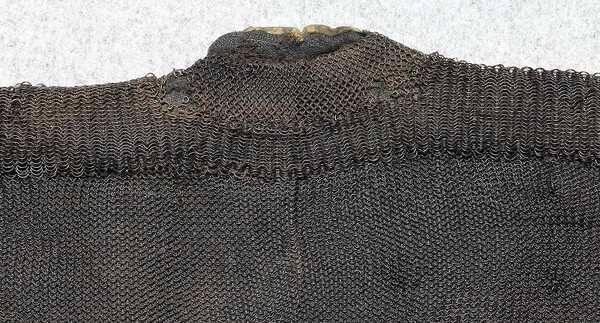
John, to be fair even riveted mail was of no use against musket balls and blunt force weapons. I have posted some more images of this unusual kusari, even the areas were the kusari is no longer sewn down the links are way closer than 4 in 1 mail, after close examination it seems that this is an example of 8 in 1 mail or one link passing through four links on either side, any opinions? When you view 8 in 1 and 4 in 1 side by side the difference is quite evident. The artofchainmail.com has a good quide on how 8 in 1 mail is made. http://artofchainmail.com/patterns/euro ... c1in8.html
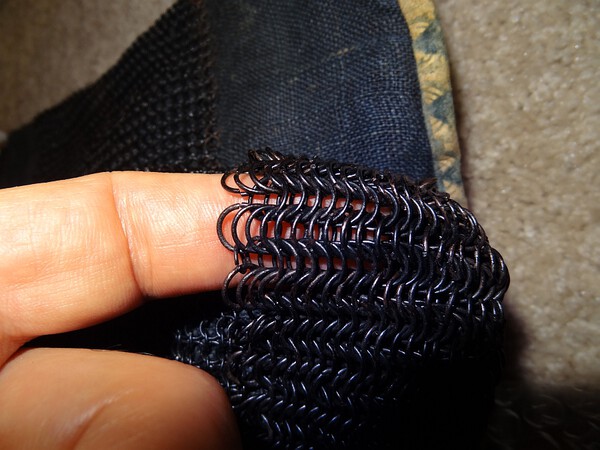
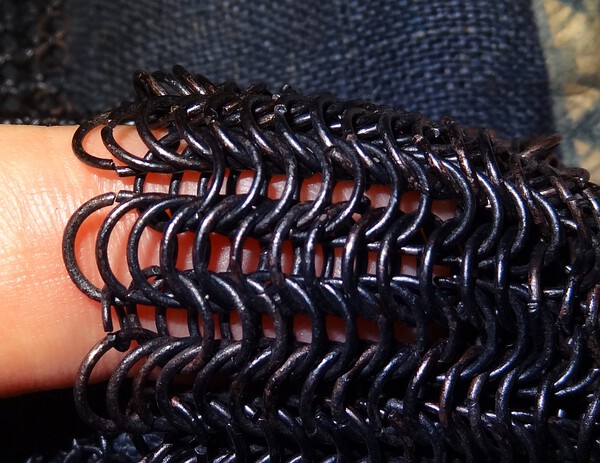
-
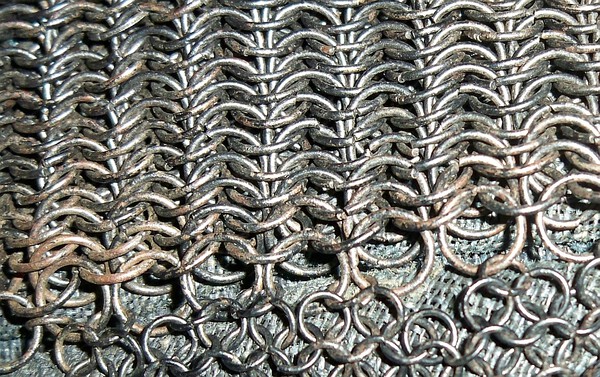
Henk, I am having trouble figuring out exactly what the difference is, any ideas, some how the person who made this was able to tighten up the links until they almost stand up, do you know anyone who makes mail for re-enactment, maybe a person who does this sort of thing would have a better idea on how it was done. To the eye these links look completely black.
-
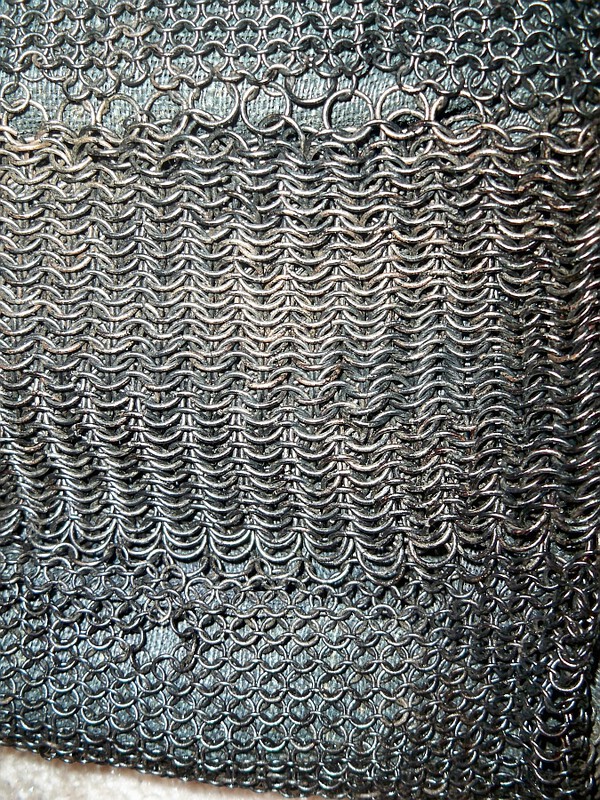
Henk, the Japanese used many patterns including the European 4 in 1. Here is a comparison between the image you posted and the one I posted, something is different between the two.
-
Henk, the majority of kusari was butted or a combination of butted and twisted links, I have hundreds of images of different kusari items and they all utilize butted kusari to some extent while images of riveted kusari is quite rare although it was manufactured and used. Wikipedia article on kusari. http://en.wikipedia.org/wiki/Kusari_(Japanese_mail_armour) Wikipedia commons kusari images. http://commons.wikimedia.org/wiki/Category:Kusari_(Japanese_mail_armour)
-
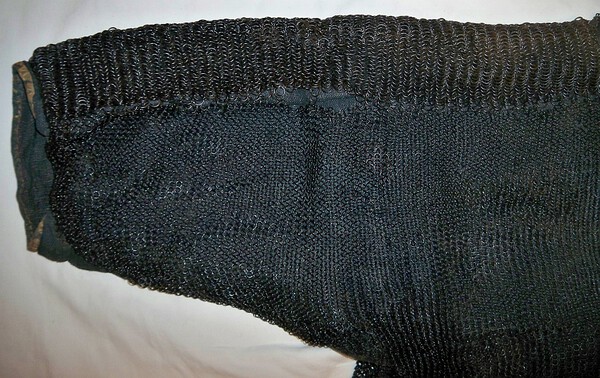
For anyone who might be interested, here is a close up view of the unusual kusari pattern that was used on the kusari dou.
-
Henk, some nice prints, I would like to see more close up images of processions. T.Sinclair, if you look carefully at period prints you will often see armor being worn under the street clothing of samurai. In "Secrets of the samurai: a survey of the martial arts of feudal Japan By Oscar Ratti, Adele Westbrook, the continued use of armor in the 200+yr Edo period as being common and a necessity is discussed. A couple of examples. Here is a samurai wearing kusari represented by cross hatching on the neck and arms. Here is a samurai wearing kikko armor, which are small hexagon leather or iron plates.
-
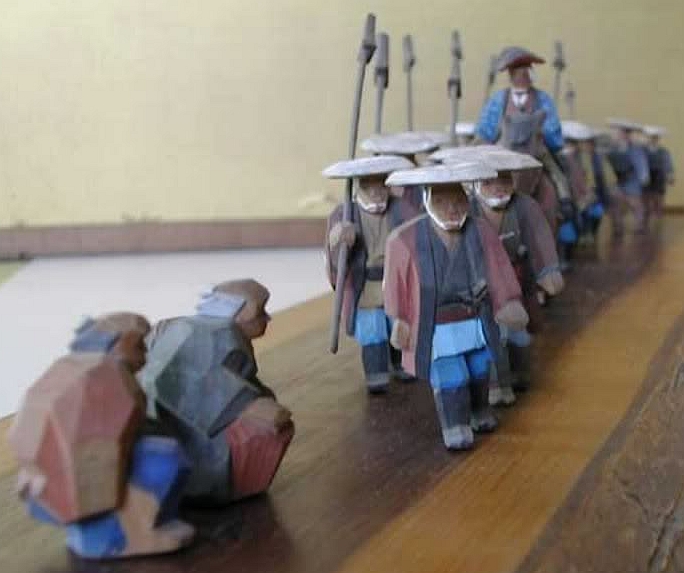
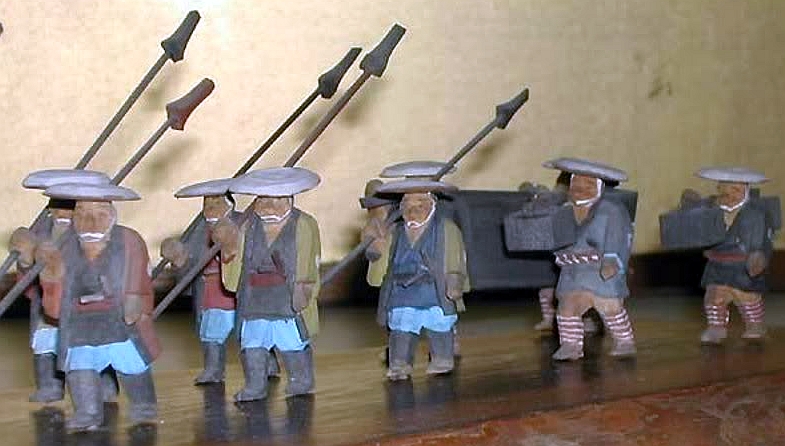
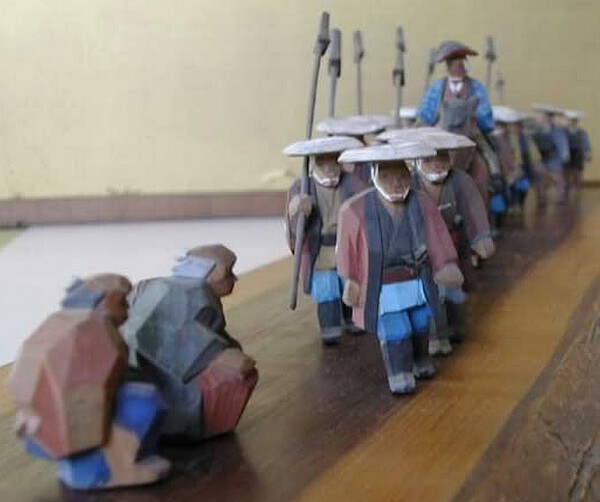
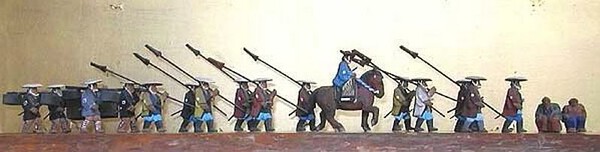
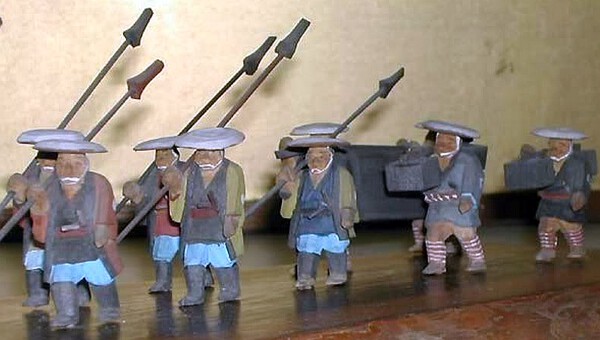
Henk, I added the wood carving as it shows a couple of different methods of carrying equipment, the very large palanquin type is interesting. I have never seen another carving like this one, if you take a look at the head of the procession you can see two commoners lowering themselves and waiting for the procession to pass.
-
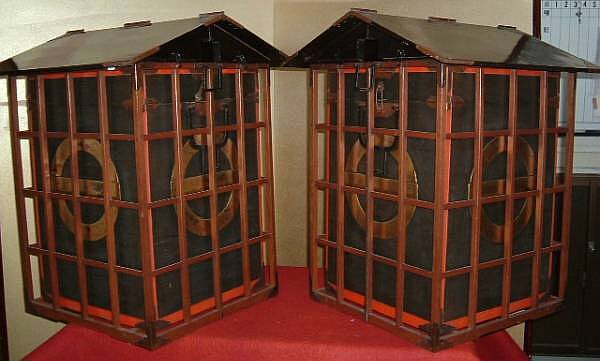
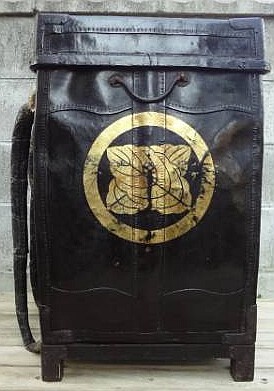
Henk, yes armor could be transported from one place to another on a mans back, but that is not the same as carrying your personal armor every were you go, I do not think a samurai would go walking around Edo city all day with a huge 40lb-50lb box on his back, on the other hand tatami armor could be carried in a very small package depending on the type. During large campaigns pack horses were used along with other methods to carry supplies,http://books.google.com/books?id=hpOpn8fbKgEC&pg=PA109&dq=samurai+pack+horse&hl=en&sa=X&ei=WWAqT5v4HI2WtwfPrZ3yAg&ved=0CDAQ6AEwAA#v=onepage&q=samurai%20pack%20horse&f=true

-
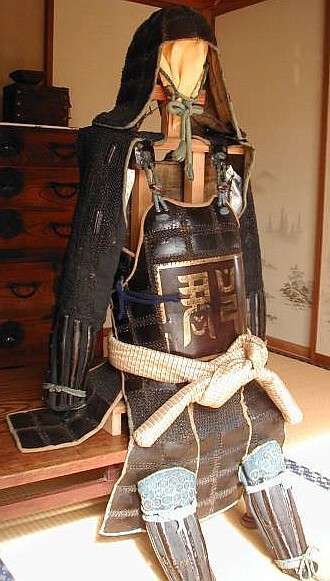
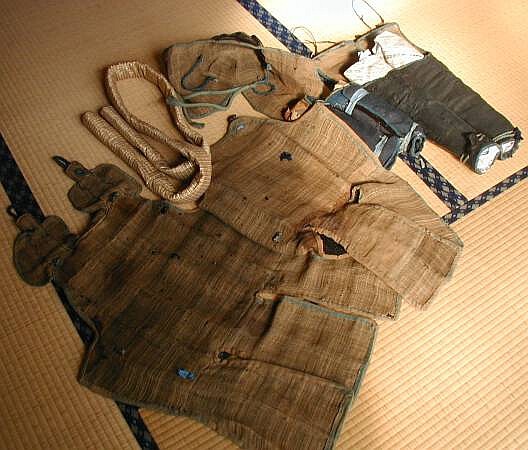
Ian, is there anything you dont do? Anyway you do good work. While it is true that higher ranking samurai would have had plenty of help carrying their armor, lower lever samurai would not have had that benefit. From the information I have gleaned about the period that this lightweight portable armor was worn, it was swords that were the primary weapon that would have been used and defended against, and this type of armor would have protected the wearer quite well from a sword attack. It seems if there was any actual fighting to do that higher ranking samurai would send in their retainers to handle the problem and they would only get involved when absolutely necessary, relegating their armor to a status symbol. Don Cunningham mentions higher ranking Edo period police would assist in an arrest only when necessary, riding in on a horse and wearing armor. I have seen a lot of lower level tatemi armor that shows actual wear and tear, not just deterioration, there are repairs of the armor and fabric, stains, signs of long use, I rarely see unused armor of this level, while I have seen higher level armors in near perfect condition. As for why a high ranking samurai would have owned tatami armor we can only guess, maybe it just looked cool to them, and as you mentioned there was a comfort factor also, tatami armors are lighter and they breathe much better. I have also seen this type of armor labeled as "travel armor", which I believe comes from people trying to explain its use, I see it instead as being "portable" meaning that a lower level samurai who had to lug his armor and equipment around with out the help of several retainers would have used tatami armor with out a doubt, folding armors could be carried by one man, this is virtually impossible with a traditional armor. If your boss gave you the task of keeping the peace in your particular han I think tatami armor would have been the only practical choice. A full suit of kusari armor could weigh as little as 20lbs and it would have provided a distinct advantage over an un-armored opponent. Edo period prints show an abundance of light weight armor being worn by the average samurai while out and about, especially under clothing, this probably reflects what was seen by the artists, as opposed to Indo-Persian drawings and prints which show very little armor being worn. Here is a lower level tatami armor I just saw for sale, lightweight, portable, with a cloth lining, very wearable and it provided good protection for the wearer.
-
Dave, the Edo period police were samurai, the were assisted by non samurai helpers. http://en.wikipedia.org/wiki/Edo_period_police I have seen many karuta, kikko and kusari armors that were very elaborate and were obviously owned by samurai, others were extremely basic, not much different than traditional armors but tatami armor has not been adequately represented in books and exhibits making them seem like a lessor armor, also images of this type of armor are not as easy to find as traditional armor images. Don Cunnunghams books on the Edo period police mention kusari as being worn and Anthony Bryants books mention tatami as being worn by ashigaru.....some people have taken that to mean that this type of armor was mainly worn by police or ashigaru but this is not the case from what I can see, tatami armors of all types were very common and worn by all classes of samurai and their retainers. Who would have worn this tatami armor? Certainly not an ashigaru or police on patrol.
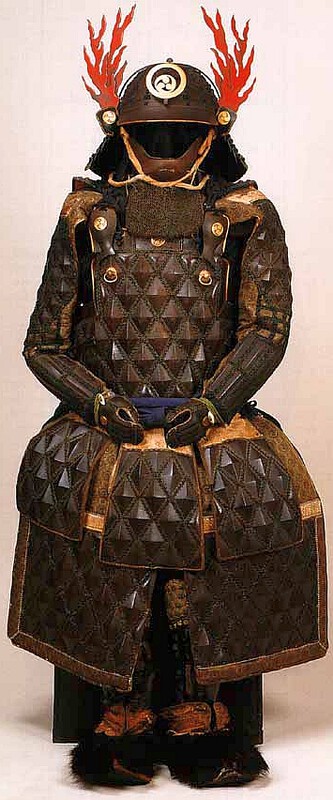
-
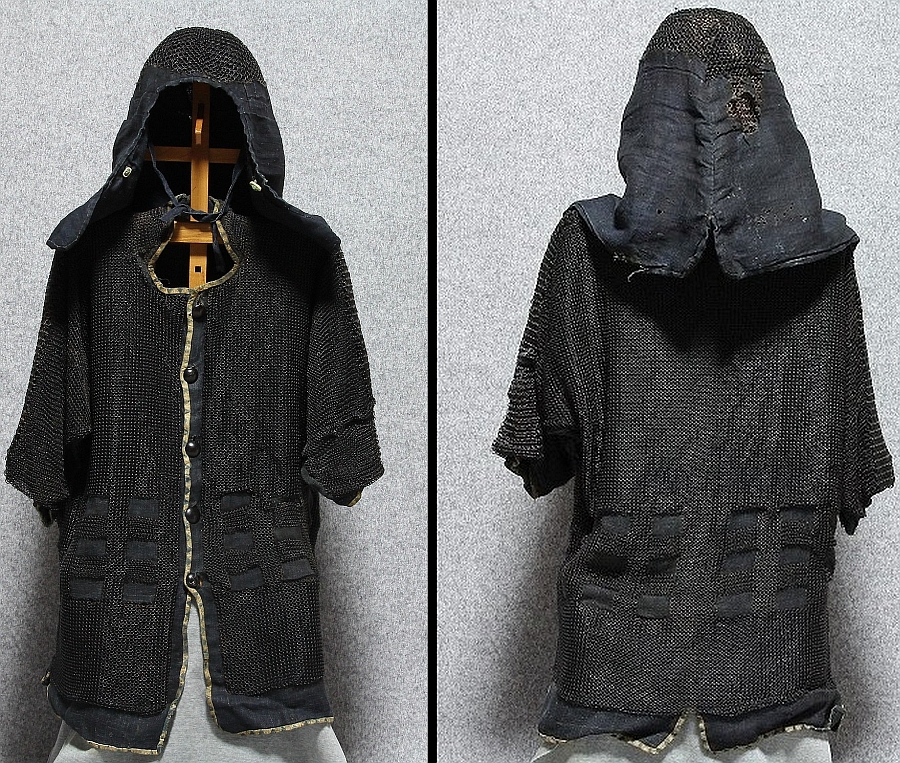
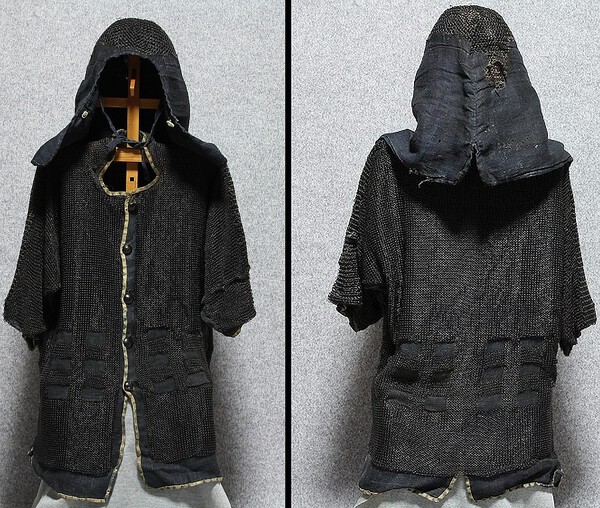
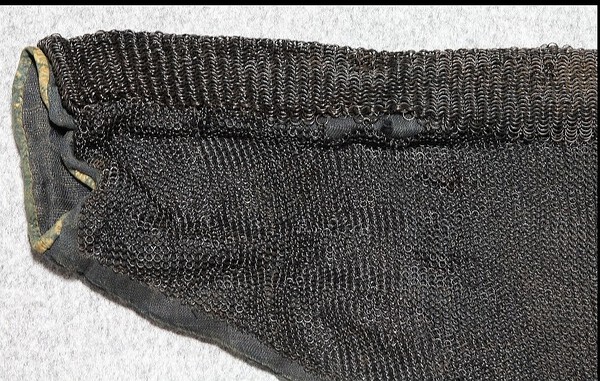
Ian, the armor maker just could not stand wasting a small scrap of yellow cloth he had sitting around, a couple of months ago I ran into something that made me think of this armor, it was a kusari katabira and zukin, at first it did not look to unusual except for the European style buttons, but on close inspection I saw that it has the same extra heavy kusari across the top of the arms and shoulders. This is only the second example of this type of kusari that I have seen, im not sure what this mail pattern is called but its interesting.
-
Barry, thanks for posting your images so that people who cant make it to the exhibit can see what they are missing!
-
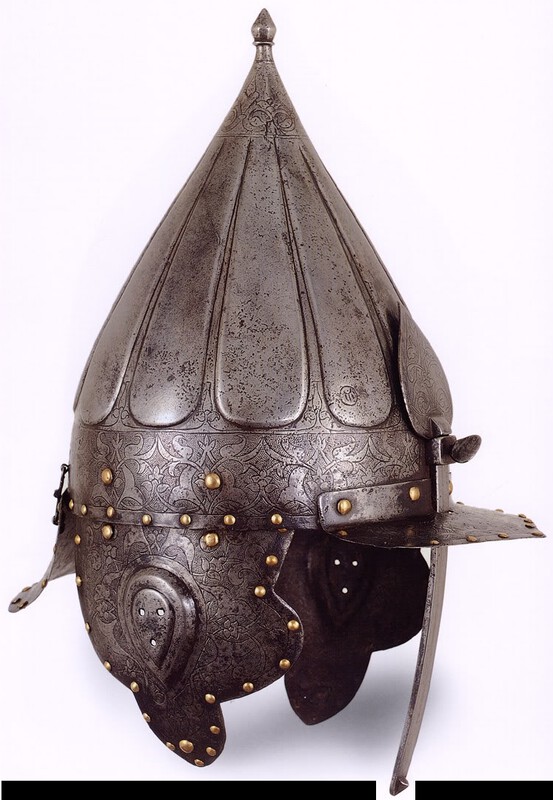
Just to clarify, it appears that Ian's helmet has the remainders thru, under and above the brow of a sliding nose guard of the type normally seen on early Indo-Persian helmets and then later on certain European helmets. Due to the time period Ian's helmet was constructed its likely that it was modeled after an Indo-Persian style nose guard. Here is a picture of a chichak, a type of helmet (migfer) originally worn in the 15th-16th century by cavalry of the Ottoman Empire, you can see the sliding nose guard. Chichak's featured a rounded bowl with ear flaps, a peak with a sliding nose guard passing through the peak, and an extension in the back to protect the neck. Various other countries used their own versions of the chichak including Mughal India, in Europe the zischagge helmet was a Germanisation of the original Turkish name.
-
Ian, thanks for the pictures, thats a really interesting kabuto, and it looks solid as a rock. The later period fittings make it look ancient, an nice example of a refitted kabuto.
-
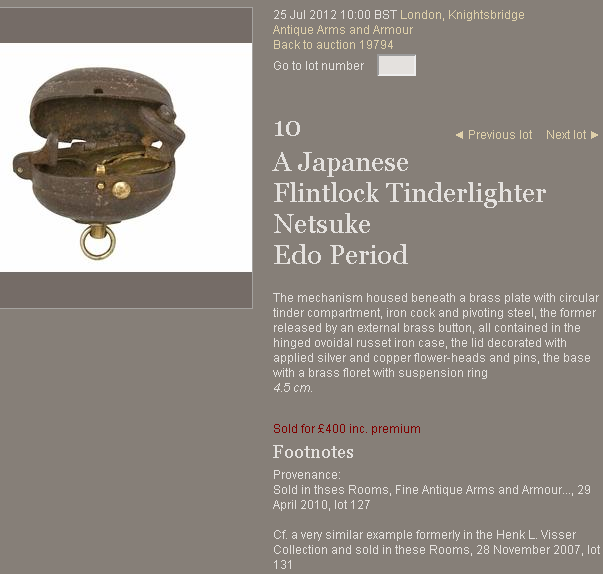
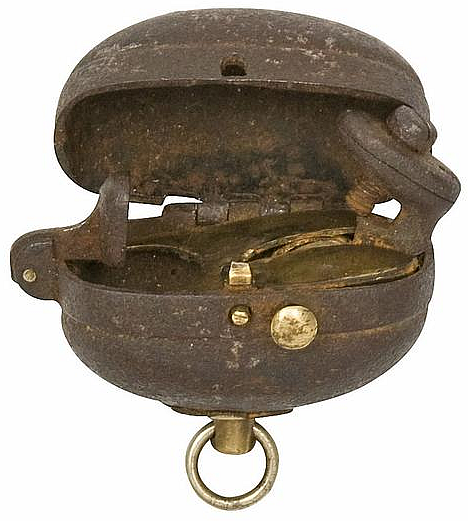
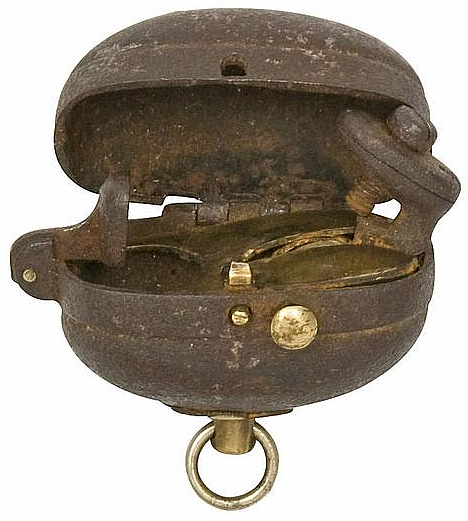
FLINTLOCK TINDER LIGHTER NETSUKE ( SNAPHANCE )
estcrh replied to watsonmil's topic in Tanegashima / Teppo / Hinawajū
Thought I would post this one here for future reference.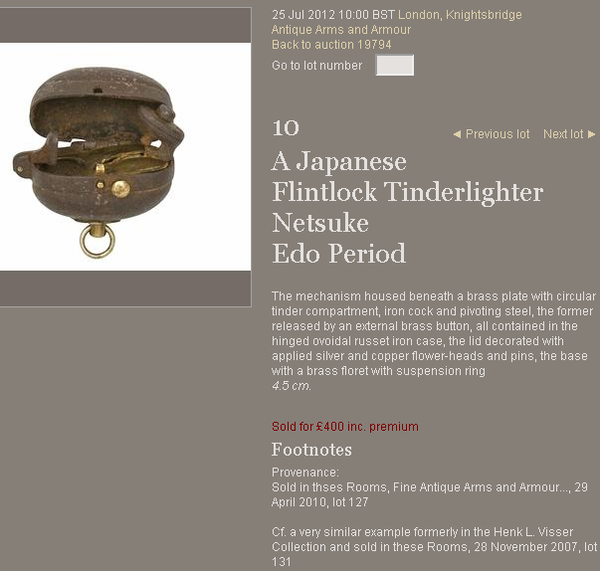
-
Dave I have not seen this before but possibly it was done to cover the handles as they can cause damage to other hitsu and get caught up with other hitsu handles when they are stored closely to each other and have to be moved around a lot.
-
Ian, thanks for the correction, the only image I could find of that kazaghand had it labeled as being Indian, typical internet misinformation. if you could dig up an image of that particular kabuto I would love to see it. Here is an image of the other existing kazaghand that you mentioned. John, the capeline helmet that you mention is based on the Ottoman chichak style helmet I believe.
-
Sorry Piers and Ron, it just looks that way due to editing (cant trust a photo), the middle picture is the correct view. It is amazing to see how few matchlock pistols there are online that are not Japanese, I never realized that until recently, I know that they were used in Europe and other countries besides India but the overwhelming majority of matchlock pistols are Japanese, maybe the Japanese did actually produce such vast quantities compared to other countries.
-
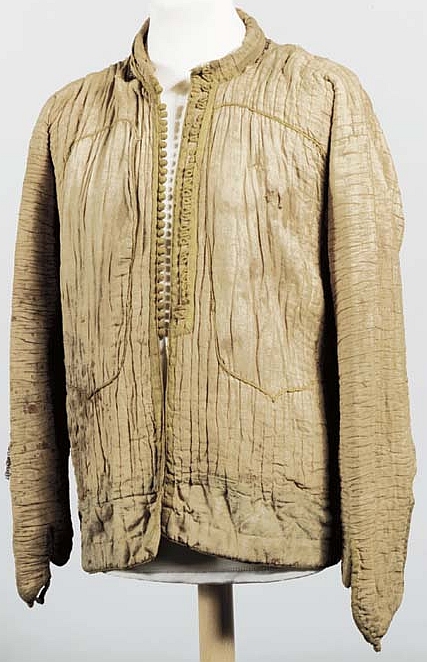
Ian that would be something to see, since the Portuguese brought the matchlock to Japan it makes sense that they may have brought armor of some type as well. I have wondered if Japanese armored clothing may have been influenced by Indo-Persian examples, here is an Indian (actually Turkish as per Ian) jacket with hidden mail and a Japanese one, very similar.
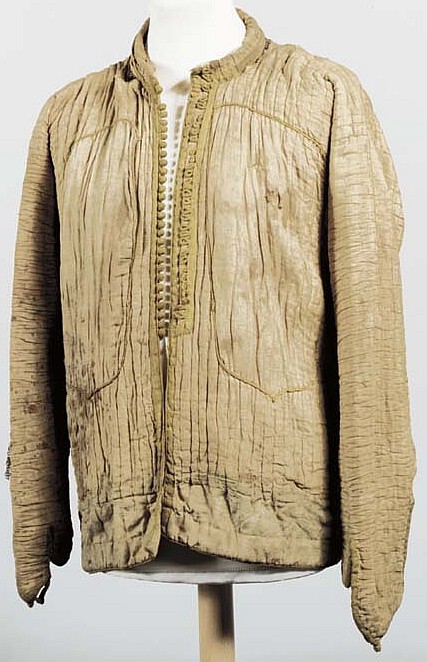
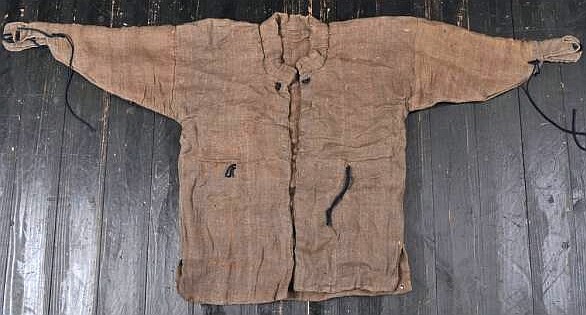
-
For some reason its hard to find images of matchlock pistols that are not Japanese. Here is an Indian torador matchlock pistol.
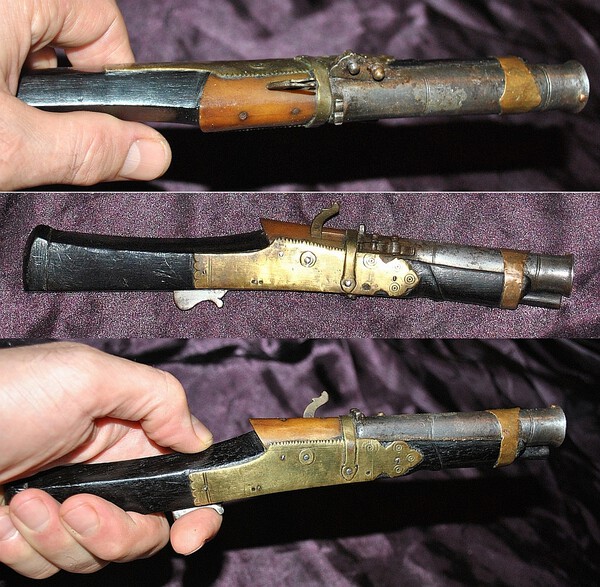
-
Help with date and quality of this modern armour.Late EDO ??
estcrh replied to Mark Andrews's topic in Katchu
Mark, I have posted links to six well know samurai armor dealers with good reputations, you may know some or all of them, browse their listings, ask if they have anything in stock that is not listed and ask them to contact you if they get any new stock, if you find something interesting post a link or photos here and see if it gets ripped apart by the usual suspects. If anyone else has any suggestions I am sure they will list them. There are other armor dealers in Japan and other countries but many do not communicate well enough in English to make a purchase feasible unless you have help so I would suggest sticking to dealers who ship internationally and can communicate in English. Many dealers will take a few payments on an item which is helpful, let us know if you find anything interesting. http://www.kinokuniya.tv/ http://www.giuseppepiva.com/ http://www.yoroikabuto.com/ http://www.winterjapaneseart.com http://www.yamabushiantiques.com http://samurai-gallary.com/ -
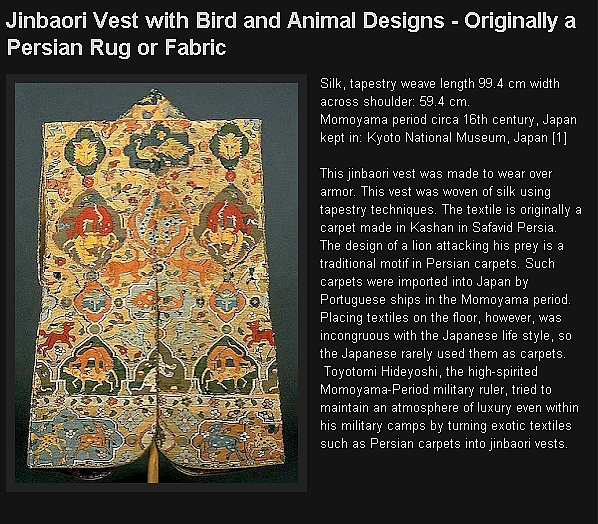
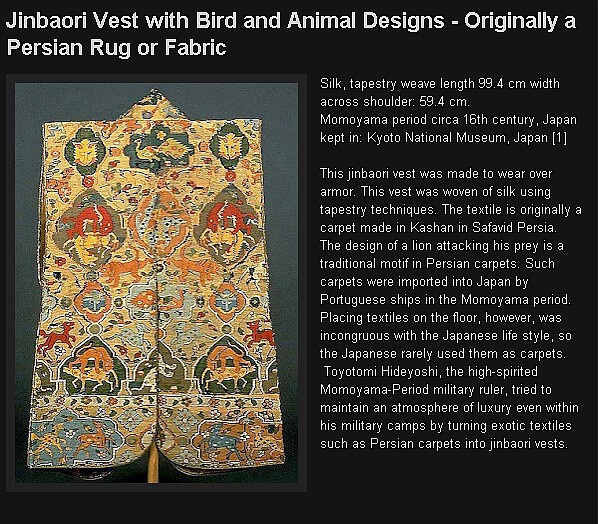
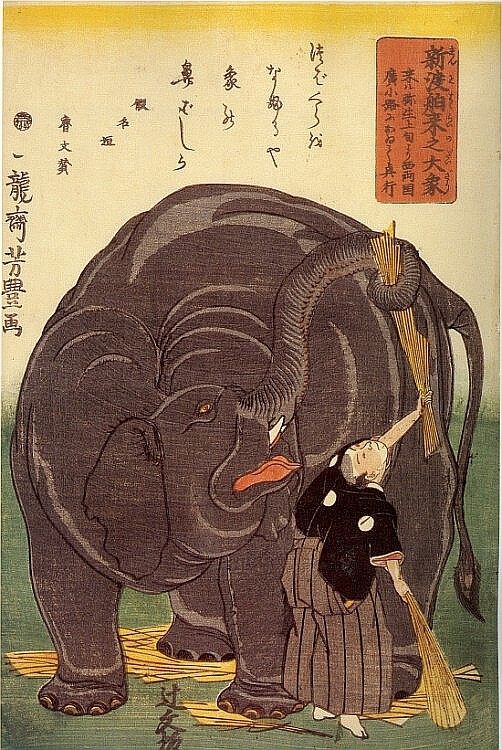
Since jinbaori were worn with armor I will post this here. I ran into an image of a jinbaori that is really unusual. While searching for images of Indo-Persian weapons and armor I noticed a jinbaori that looked it was made from a Persian carpet/textile, the description stated that the Portuguese brought Persian rugs to Japan and the Japanese made the rugs into jinbaori etc. This got me to thinking about what else may have come to Japan from the Indo-Persian areas...elephants perhaps? Has anyone else ever seen evidence of other Indo-Persian items in Japan.
-
i'd like some imput on a set of put together edo era armor
estcrh replied to gun addict's topic in Katchu
Timothy, they are just being nice, it is not worth anything near the asking price, run away fast and do not look back!!!, if the seller really knew what he was doing he would have posted detained images of the armor so anyone interested could see what was being sold. There are not many real samurai armor dealers in the world but if you are seriously looking for an authentic armor ask for some links to respectable dealers and forum members will let you know who they would recommend. -
You have a good eye Ian, it may be that the bowl itself was not re-lacquered when at some point it was updated, leather covered shikoro would make sense as a new lacquered shikoro would look strange when mounted on an old helmet bowl with old lacquer.