French nihonto
-
Posts
189 -
Joined
-
Last visited
Content Type
Profiles
Forums
Events
Store
Downloads
Gallery
Everything posted by French nihonto
-

Kyu Gunto - Blade assessment
French nihonto replied to Kaiser21's topic in General Nihonto Related Discussion
no because for it to be "three cedars", as the name suggests, there are three, two small and one large, (the two small for the valley). on your blade they are the same size.

-
optimal conservation
French nihonto replied to French nihonto's topic in General Nihonto Related Discussion
indeed it is a beautiful showcase, but it is not mine. I hope to have a similar rendering on mine. I will build it to measure. the hardest part is for the glass plate, I would like it to be in one single piece so as not to have an unsightly join which will hamper the visibility and appreciation of the swords. -
Kyu Gunto - Blade assessment
French nihonto replied to Kaiser21's topic in General Nihonto Related Discussion
Nice find, from what I see a hamon gunome which loses in amplitude in this approach of the kissaki, I am of the same opinion as Chris. Any late edo, or possibly any early meiji. There doesn't seem to be any major flaw. On the other hand it seems to me even red rust on the site of the habaki, it is necessary to stabilize it. -
optimal conservation
French nihonto replied to French nihonto's topic in General Nihonto Related Discussion
I will test it, it seems interesting -
optimal conservation
French nihonto replied to French nihonto's topic in General Nihonto Related Discussion
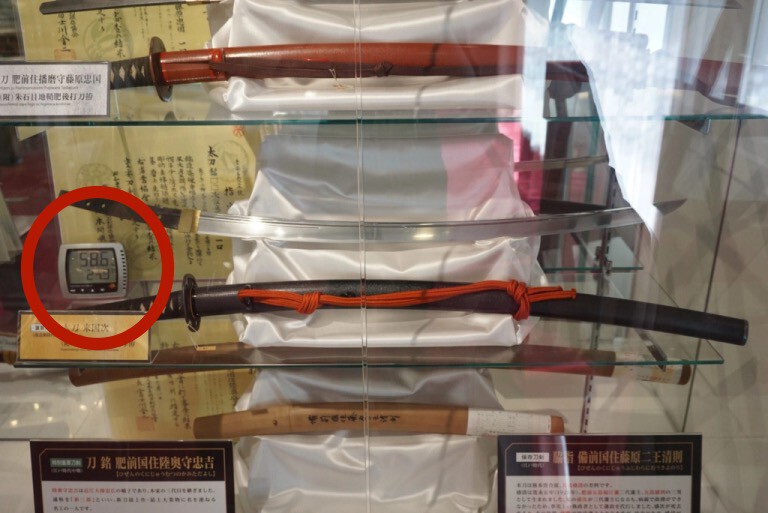
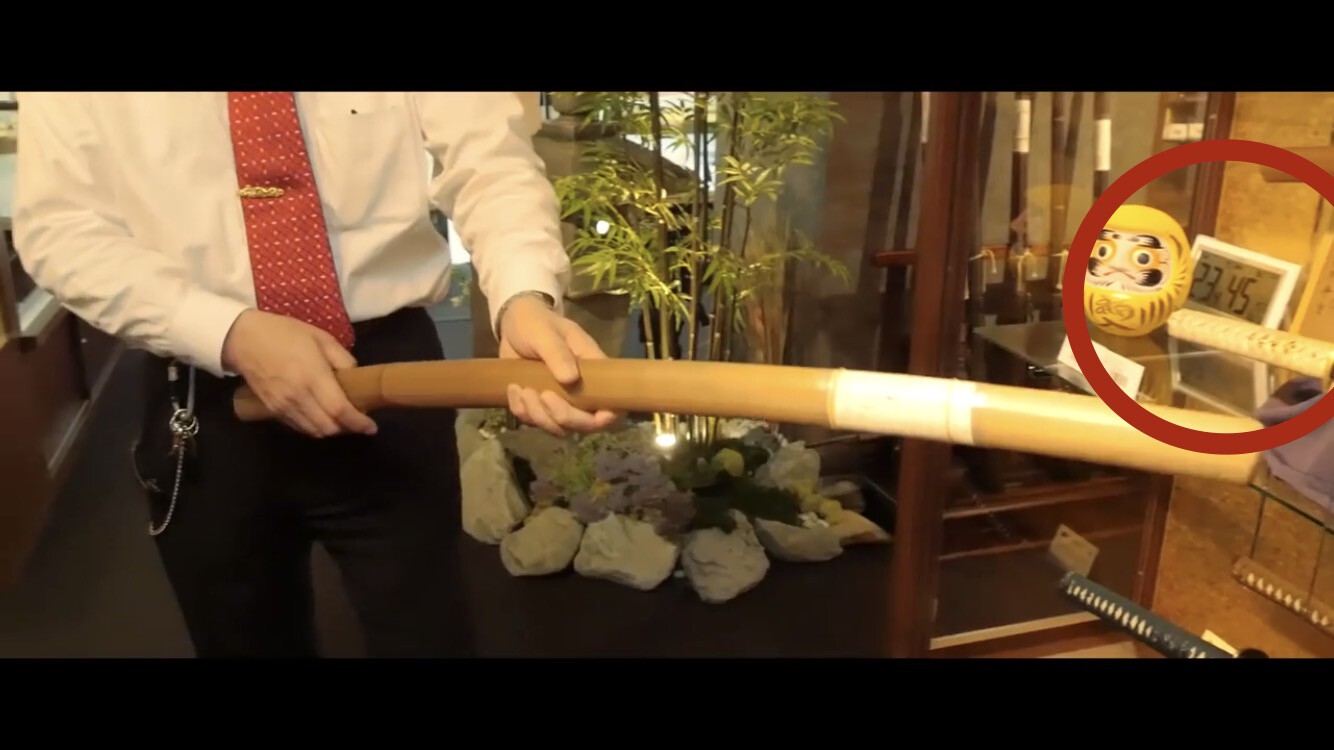
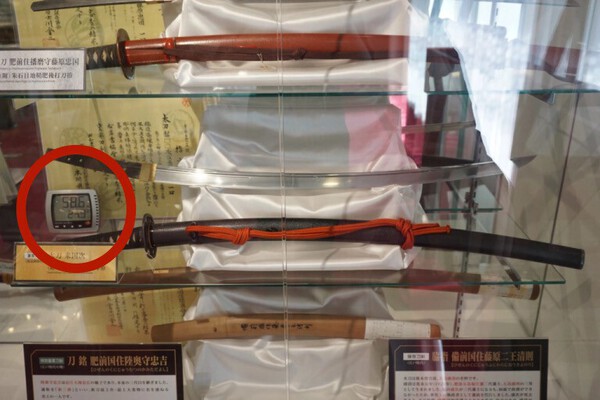
I have never looked into the subject until now, but it is very interesting. for me at the moment, with the chimney fire running 24 hours a day, I am at 45%, below 40% it is harmful to the lungs I believe. other photos: (it is still around 45%) except the last one, which is strange, hoping that it is a malfunction of the hygrometer, because 58% is too much
-
optimal conservation
French nihonto replied to French nihonto's topic in General Nihonto Related Discussion
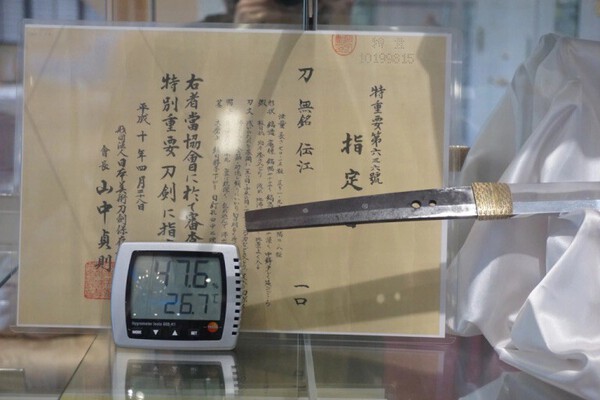
After a lot of research, in museum conservation articles. the optimal conservation range for wood is between 45% and 55%, for the anecdote the Mona Lisa is preserved at a rate of 55%. For metals the optimum conservation range is between 35 and 50%. So for the case of a conservation of a koshirae with a bare blade the best compromise would be to have a humidity level of 45%. I have found picture that support this.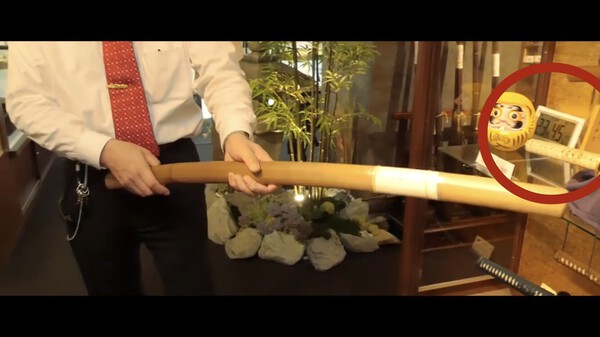
-
optimal conservation
French nihonto replied to French nihonto's topic in General Nihonto Related Discussion
the bowl of water seemed delicate to me. Or go to counterbalance an overly powerful dehumidifier. If the size of the dehumidifictaur is well suited to the surface to be dried, no need to use excess water -
optimal conservation
French nihonto replied to French nihonto's topic in General Nihonto Related Discussion
thank you john for the info, very interesting the bowl of water, it seems delicate as a process in a small showcase like mine, it would be necessary to find the right quantity to put. thank you richard for the hygrometer, it looks good. -
optimal conservation
French nihonto replied to French nihonto's topic in General Nihonto Related Discussion
thanks for your answer, the difficulty is that I wanted to expose the bare blade and its koshirae below. for the blade the lower the humidity, the better. but for the koshirae it takes a minimum of humidity to nourish the wood. so what is the right balance to keep the blade and koshirae in optimal condition? -
hello gentlemen, for some time I would like to expose a bare blade in a display case or in a glass bell, but as we know a blade which is not protected by its frame is more exposed to humidity, in nihonto museum the blades are exposed naked. I would like to know what are the constraints in this kind of case. What are the things to respect? optimal humidity rate, frequency of maintenance, positive and negative point of this kind of exposure, ect. Thank you all
-
That the lower part of the nakago is rustier than the upper part, on suriage blades is common and normal. On your nakago the rust on both extermities looks the same and old, and the middle part seems to have a different rust. but nothing serious just interesting enough to note it. I think the rust of the lower part is that of the original nakago, and superior rust comes from humidity passing through the habaki. this indicates a rather old suriage period. Maxime

-
Very nice curve. the rust of the nakago is not uniform, with a great disparity, strange. On the other hand, I don't like the tsuba too much, even if sometimes the photos are misleading.
-
thank you jean, I went to see the videos on youtube. Very pleasant to see a blacksmith so pedagogue, and at the same time with a real thirst to explore. Perfect mix between tradition and modernity. I keep your contact proposal under the elbow, because one day it could serve me well.
-
I would like to know more about this blacksmith, has anyone already heard of him?
-
you probably know it, but this article is excellent on the subject : https://markussesko.com/2019/08/27/destructive-sword-testing/
-
Channel youtube sensitive soul abstain
French nihonto replied to French nihonto's topic in General Nihonto Related Discussion
Yes too much oil for sure, but the worst is how he put it down, hitting it with the glass bottle. -
Hello gentlemen lovers of beautiful blades. You may know this youtube channel, on this channel the man cuts a lot of things with a sword, which looks like a wakizashi at first sight. Until everything goes well, youtube is full of this kind of video, well until the moment I saw that the said blade was an old blade. First point to the heart. Then I saw how he cleaned this blade, a massacre... Second point in the heart... Then I saw this last video, where he is burning the blade. My heart doesn't have the strength to take a blow again, I tell myself that I have to do something. In one of his comments he says that since the blade is not signed it's not serious. As this gentleman apparently does not know the nihonto, I count on several members to explain it to him. Maybe if there are several of us he will listen.
-
Wakizashi Identification Assistance Requested
French nihonto replied to tsubacurious's topic in Nihonto
A very pleasant blade, for the signature I will let the great specialists express themselves. The black traces on the surface are fine rust or dirt? I can't see. I'm thinking more of rust but maybe try to pass some alcohol on it to see what comes off and what remains. As pure as possible for the alcohol. Then a thin layer of light oil. -
Looking for dirty old blades is still very much alive, because behind the dirt there is sometimes gold. In terms of knowledge, an old rusty blade or a blade with a perfect polish makes us progress just as much, but differently. We will be attracted by different details on one or the other, because of the good readability of one, unlike the other. Personally I alternate my purchases between blades in good condition and tired blades.
-
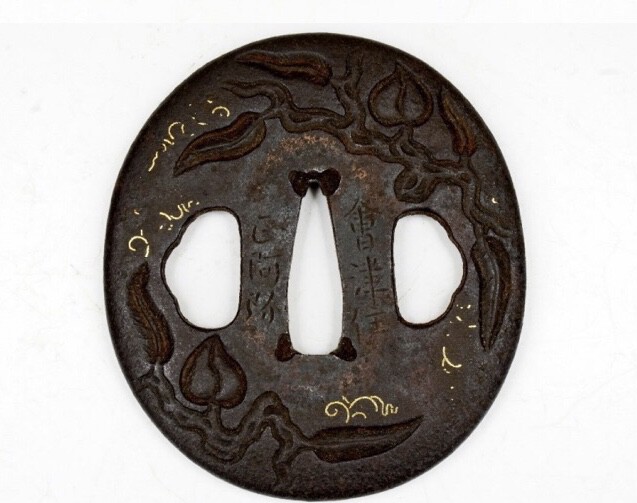
for the tsuba I would say a nice shoami school production. I am one that equips one of my blades, they are very easy to recover.but rather widespread

-
I am not a specialist in tsuba but the tsuba is older than the blade, I have already seen this style dating from the first half of Muromachi.
-
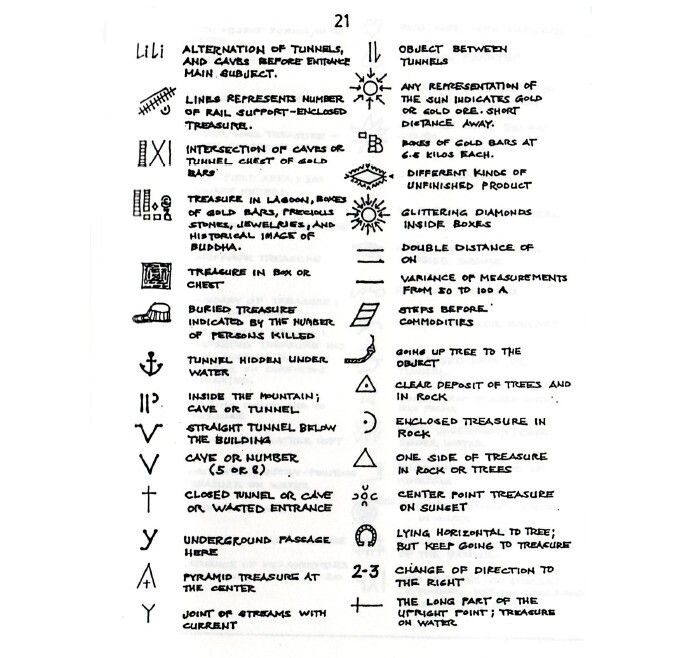
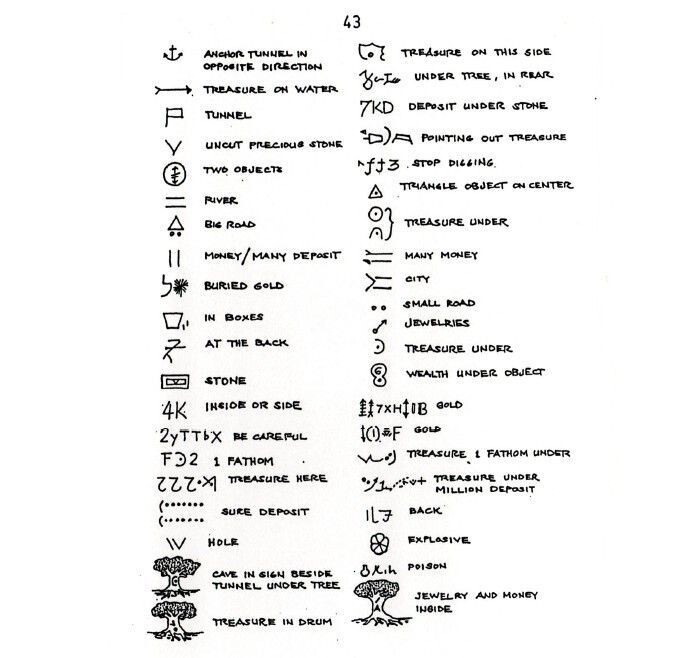
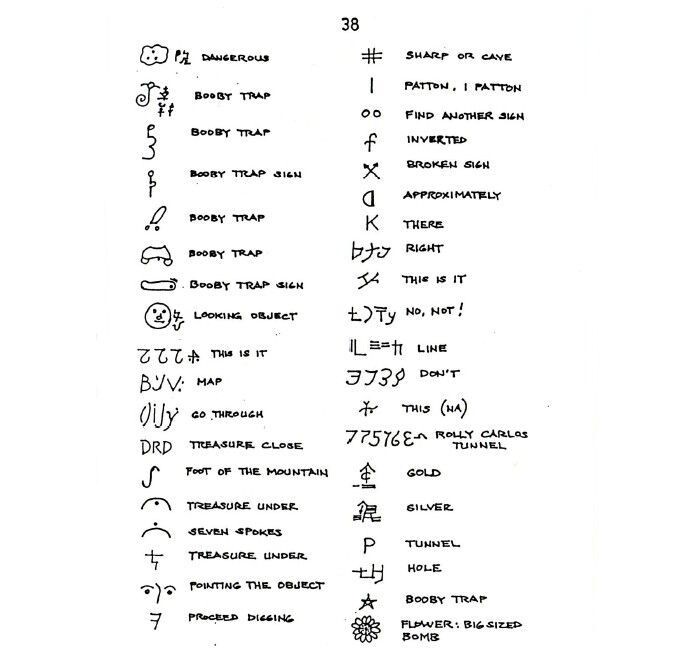
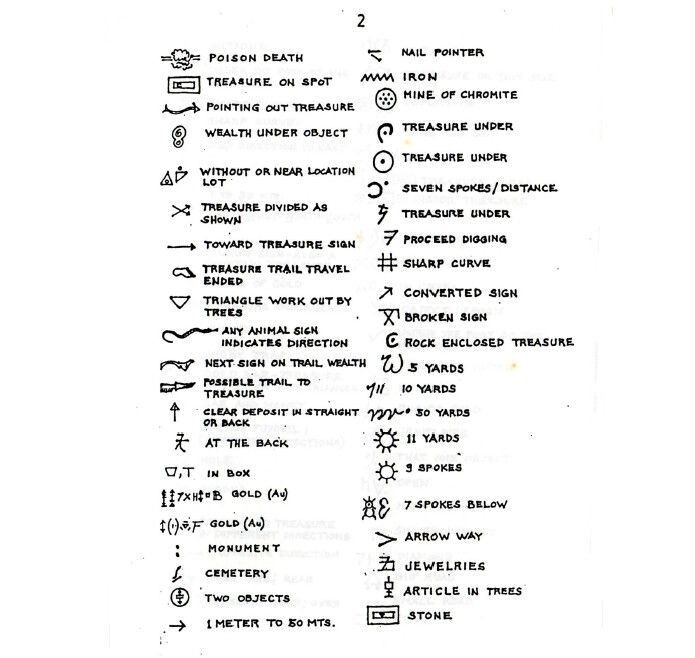
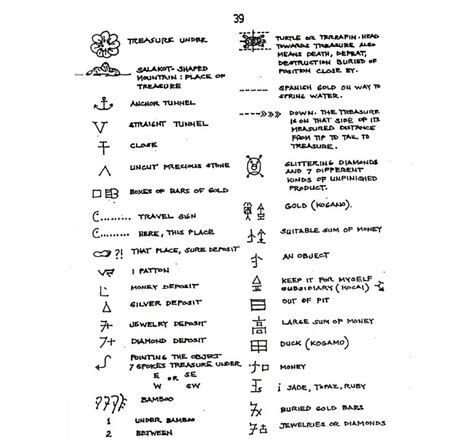
Haha it's probably not the case but that's already seen. It is especially a good pretext to talk about this exciting story of the treasure of Yashimata. Holds other fragments of the code, it's for you Chris :


-
I confess, it's a little bit where I wanted to go, it looks a lot like what we found on the maps concerning the famous treasure of Yamashita, they even created a code for the occasion it seems to me, we can find fragments of this code everywhere. It makes me think a lot about it. You never know. A fragment of this famous code:


-
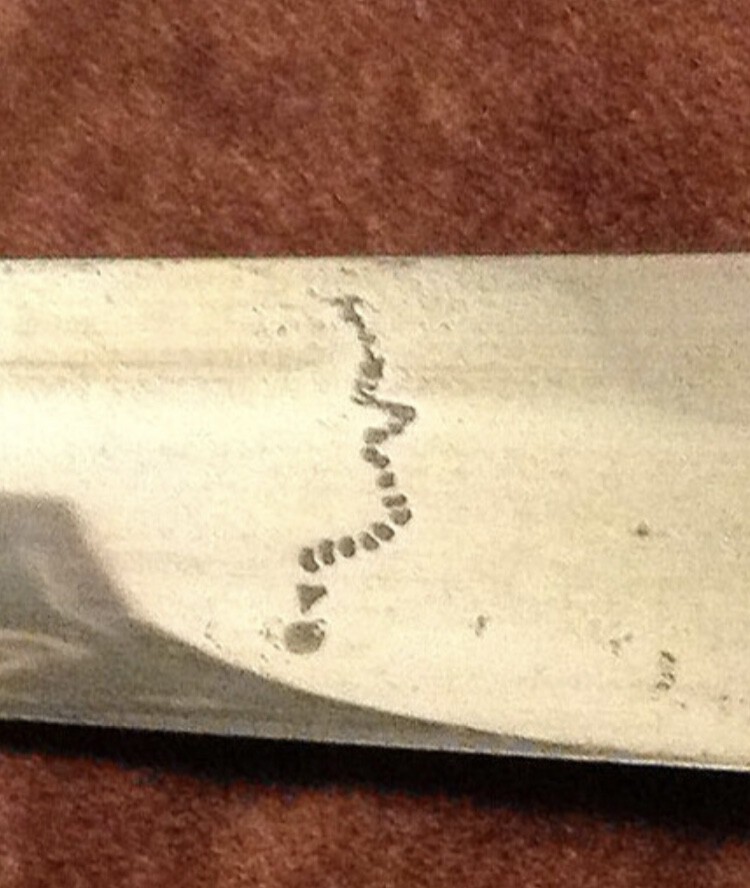
Possible, by enlarging it seems less "natural" than a sumigane, with well defined symbols such as the "S", the arrow and the well defined point at the bottom. But it's probably my imagination, you're probably right.

-
What's that black dot on the surface of the first blade that forms a line? some symbols almost look like man-made.