Ray Singer
-
Posts
5,374 -
Joined
-
Last visited
-
Days Won
147
Content Type
Profiles
Forums
Events
Store
Downloads
Gallery
Everything posted by Ray Singer
-
Thank you Axel! This one was in queue in to send to John Tirado for shirasaya, however I just bought a beautiful sword from a member of our group for my own collection, and as a consequence will need to let a couple of pieces I own go. Best regards, Ray
-
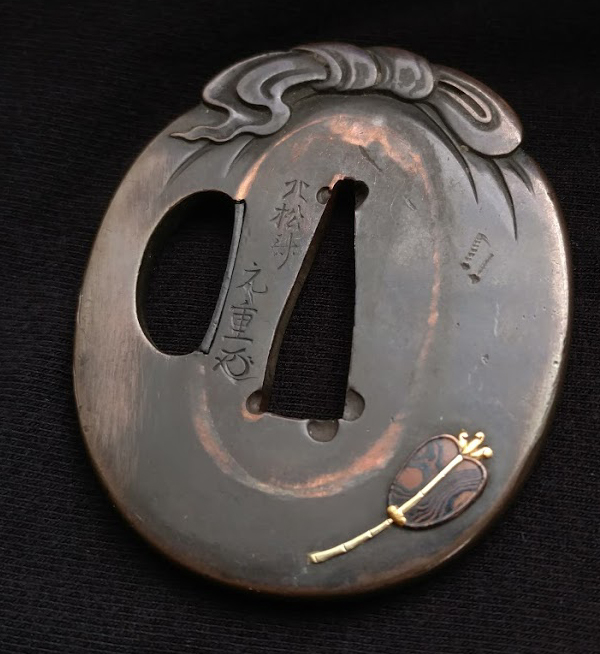
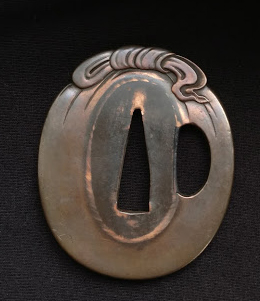
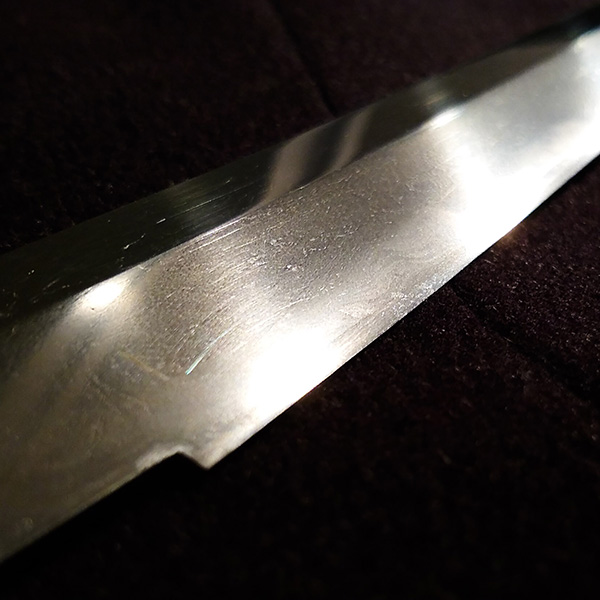
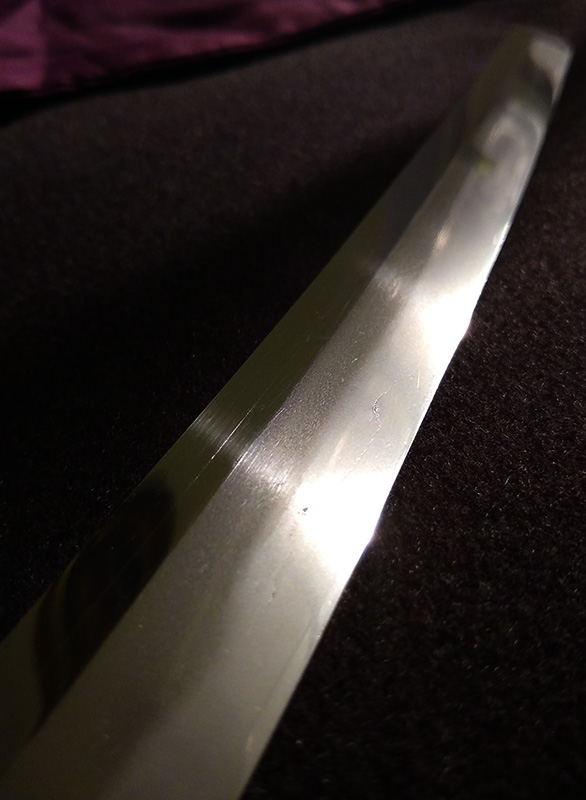
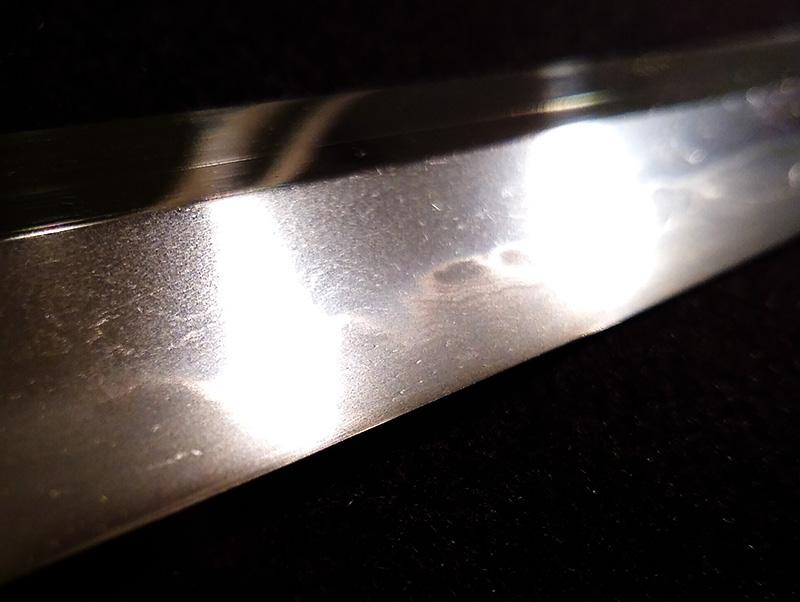
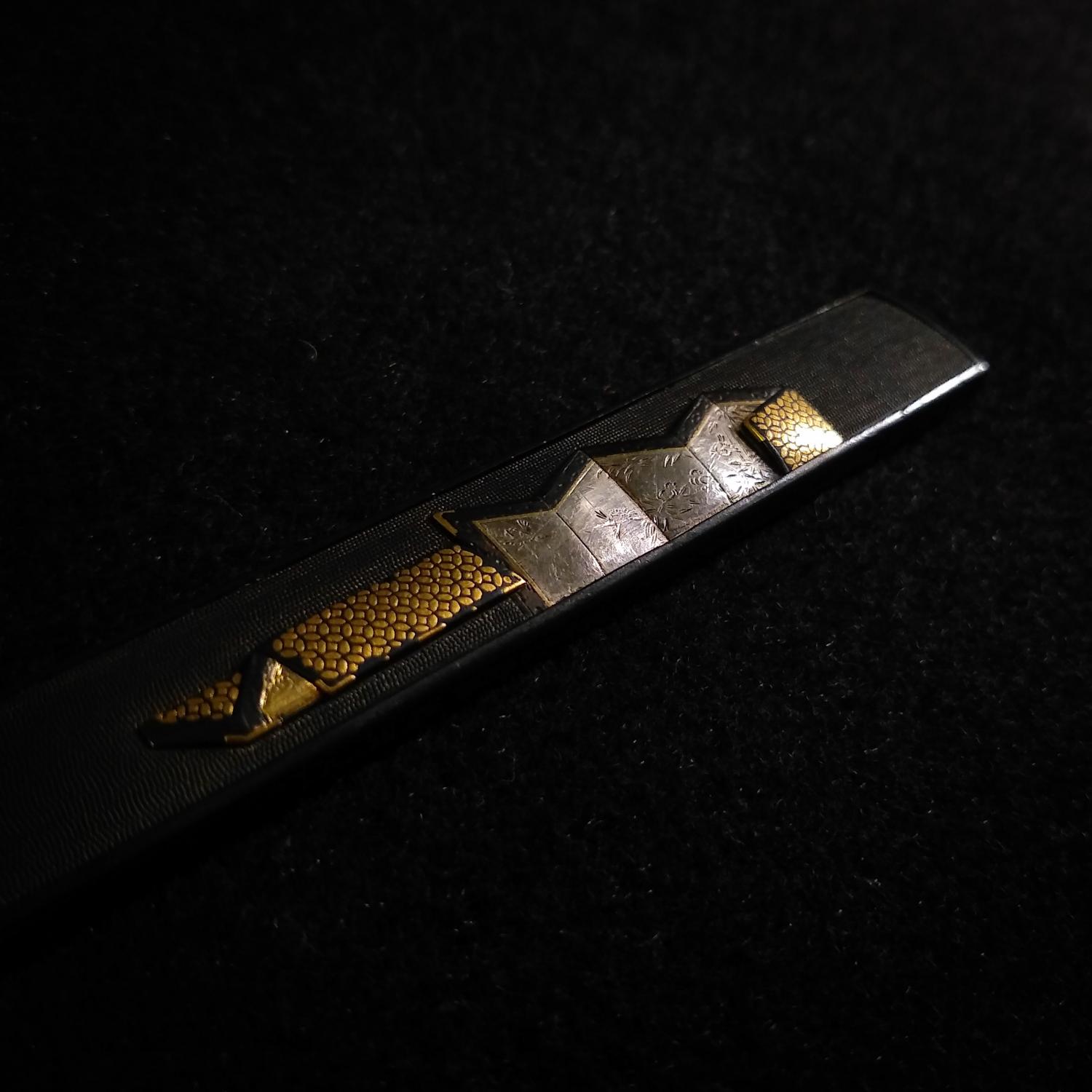
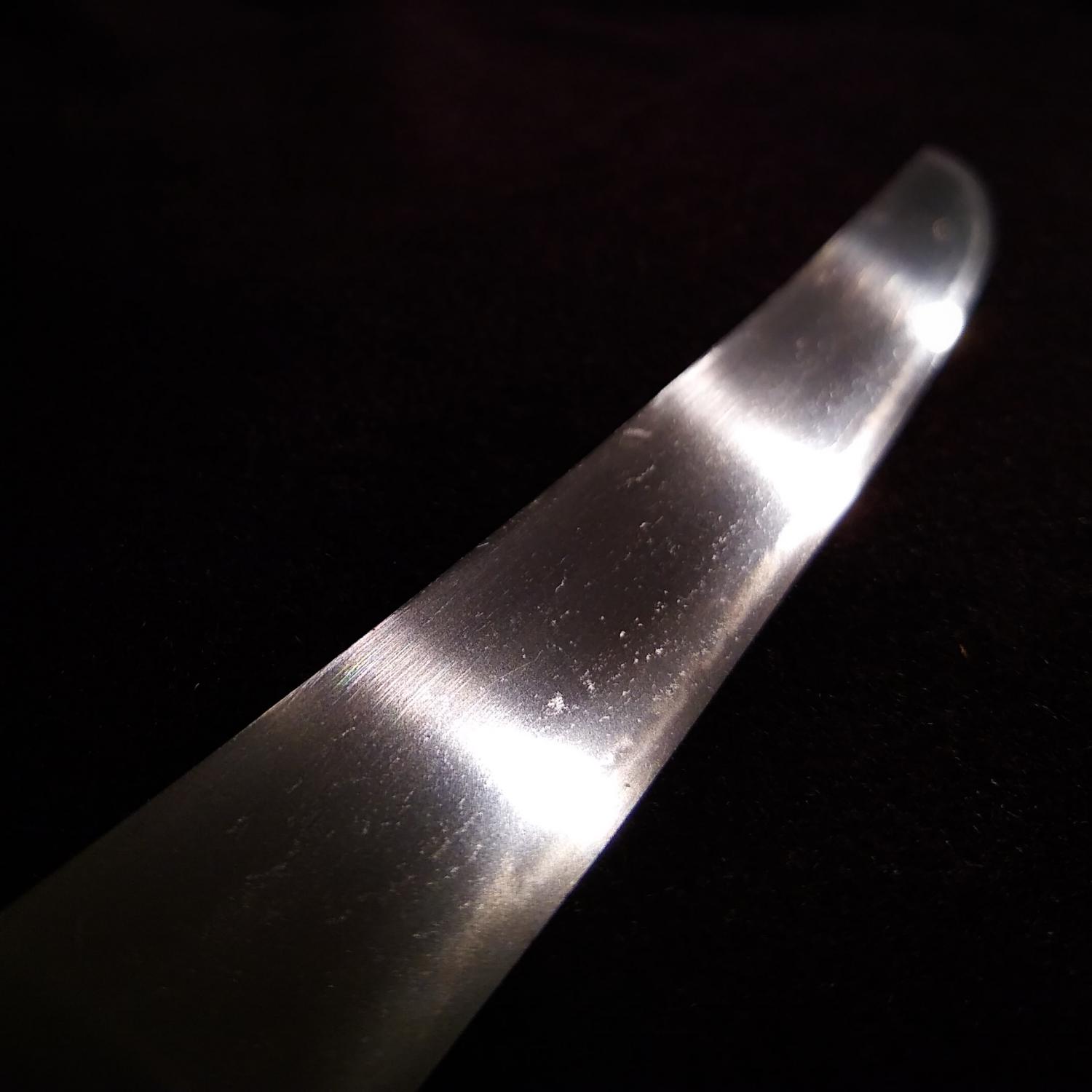
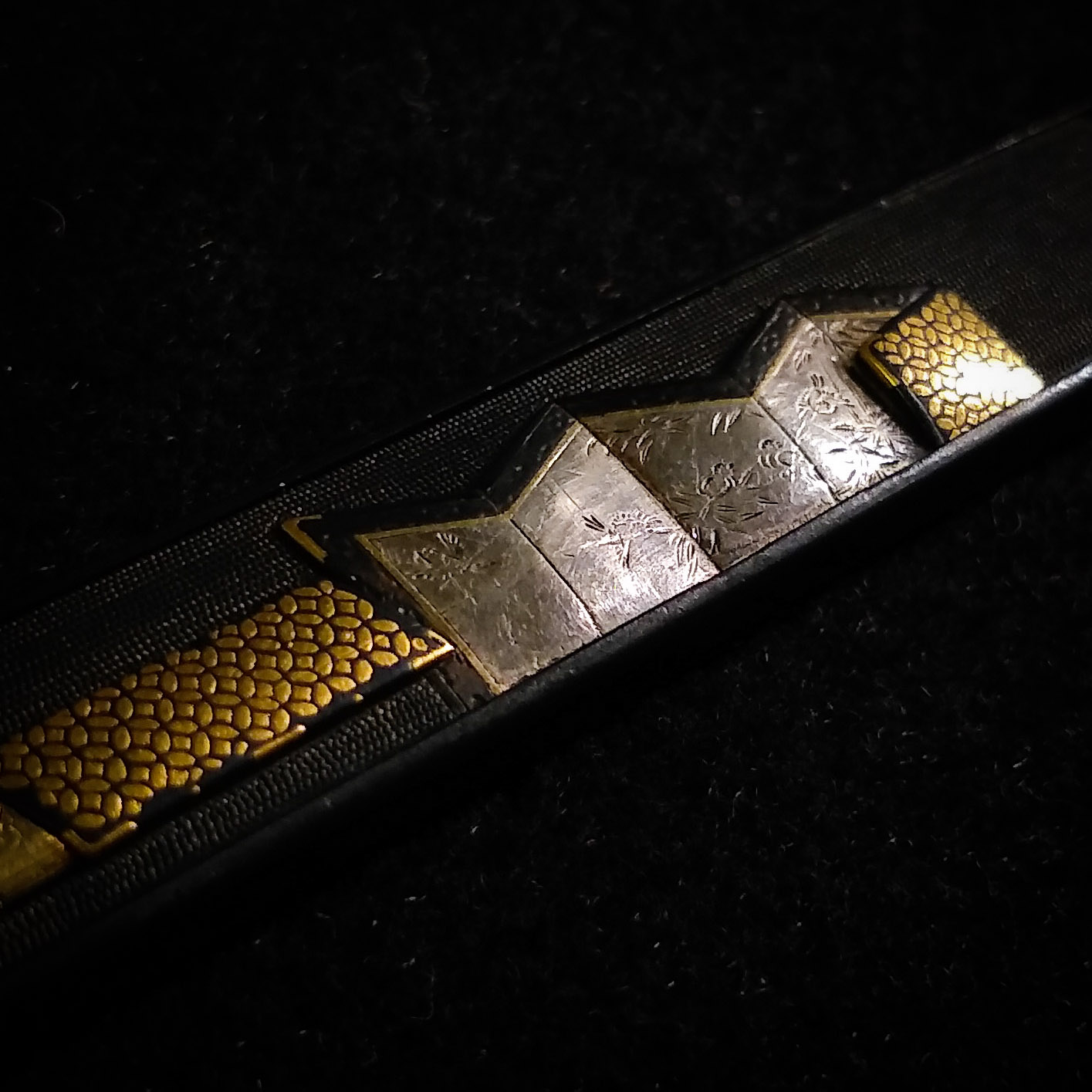
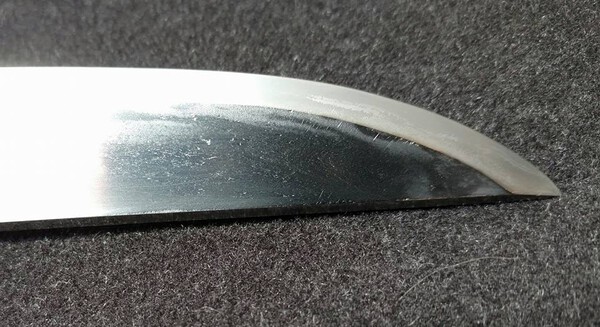
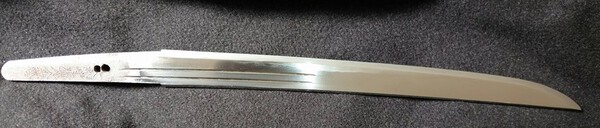
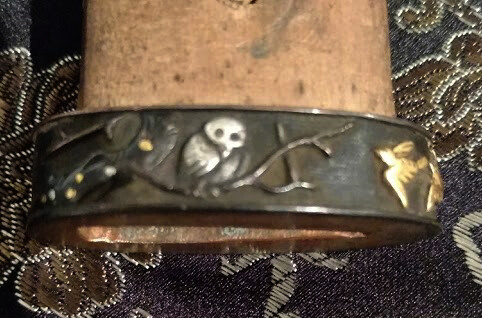
Listing for sale a beautiful ko-wakizashi by the smith Yamato (no) kami Kanekura. He was a shintô smith who worked in both Mino and Edo. It is very rare to encounter examples of his work. In fact when Homma-sensei visited Dr. Compton and viewed his collection, he said that he had never encountered a Kanekura in Japan and the only examples he had seen were the one Compton owned and another in the Boston MFA. I have since seen two additional Kanekura offered for sale. This is a katakiriba-zukuri blade with a Soshu style hamon in nie deki which reminds me of the work of Oya Kunisada. The jihada is a wonderful, flowing itame. The blade is ubu and signed 'Yamato (no) kami Fujiwara Kanekura'. It it in a partial koshirae, with a signed, Hotei-themed tsuba (mei is Motoshige + KAO). Best regards, Ray









-
 Not sure if I understand the question. It is typically clear from the attribution whether the sword is Nambokucho or later. That is not always the case for smiths who span from nambokucho into Oei, but sometimes there is a notation (for example, Nobukuni Late Nambokucho). This is not something related to being an NBTHK member, but rather is specific to the kanteisho itself.
 -
Hi Chris, this looks like a very nice sword. The mei (Ichi) appears fairly crisp and does not show the age you would expect from an authentic, zaimei ichimonji. It also looks to have a very long kaeri. Do you have a clear photo of the koshirae? I am curious if we are looking at an original Tensho-period tsuka.
-
Help/advice With A Potential Purchase
Ray Singer replied to nickm's topic in General Nihonto Related Discussion
Fuchi appears to be signed 則次 KAO (Noritsugu). Yes, koshirae with all silver tosogu are sometimes seen. Congratulations on your new acquisition. -
Army Purchase Civilian Swords Of Wwii?
Ray Singer replied to george trotter's topic in Military Swords of Japan
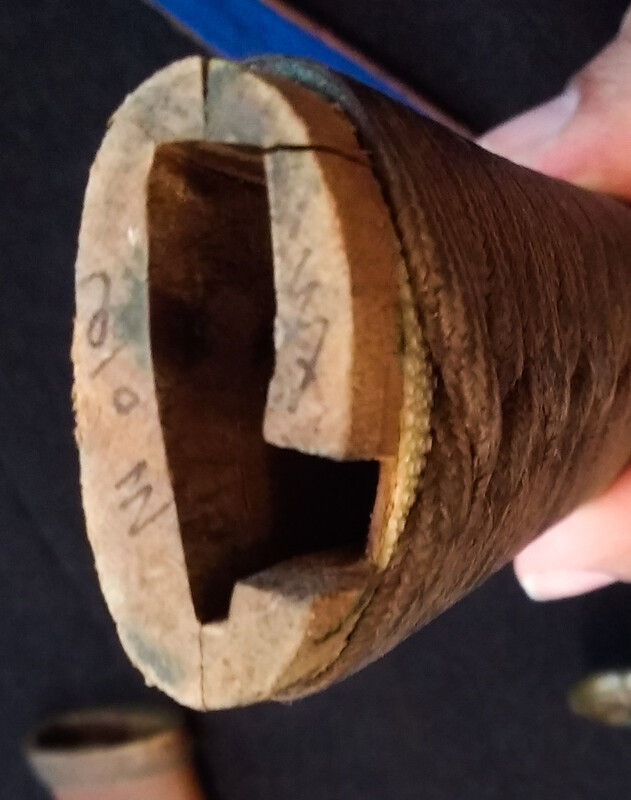
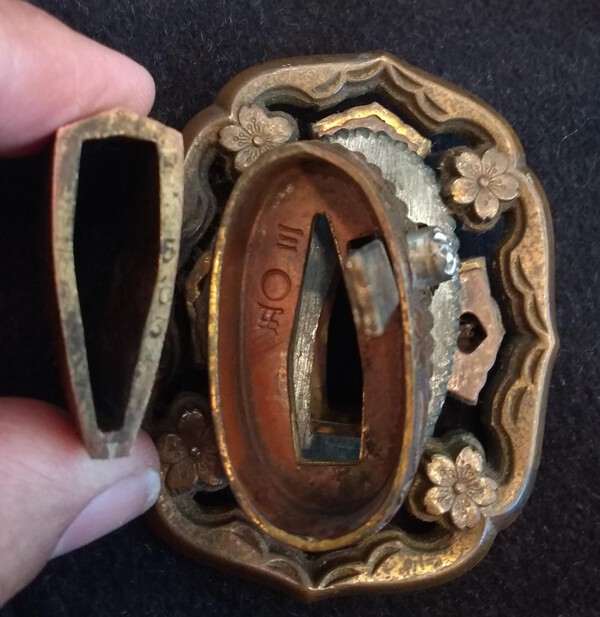
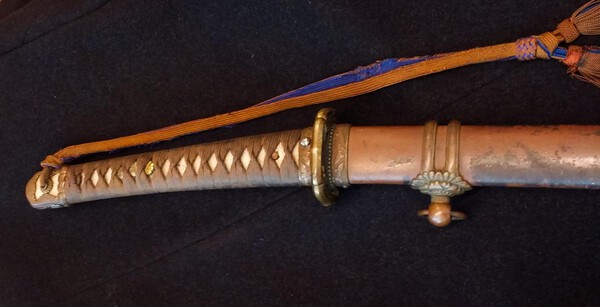
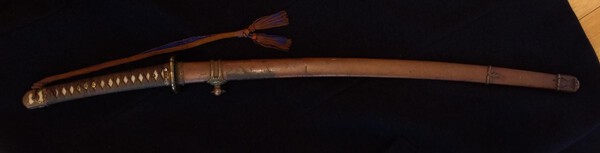
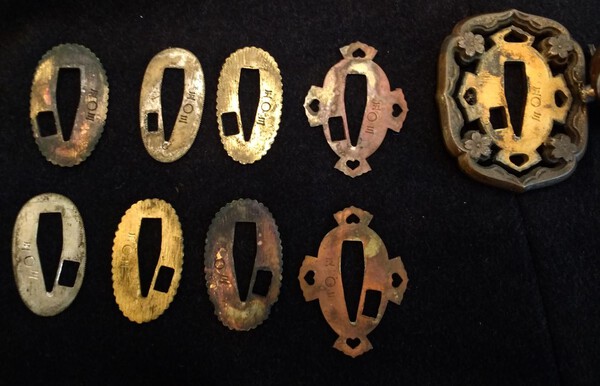
Sorry, I missed this post earlier. Please see below for a link. Photos of the koshirae and habaki are attached. http://www.militaria.co.za/nmb/topic/18610-show-us-your-high-class-gunto/page-6?do=findComment&comment=269199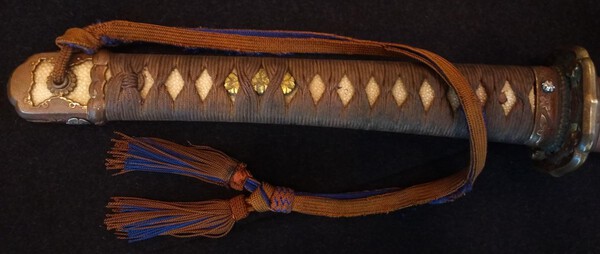
-
Thank you for the kind words John. The Hidekage is still available. Whether an Oei period Bizen Hidekage, or an earlier blade as others have suggested, this is an exceptional sword. As always, an inspection period (3 days) and unconditional return is offered. Any inquiries, please reach out to me via email at raymondsinger@gmail.com. Best regards, Ray
-
Hi Mortis, At first glance, it looks like your sword is signed 壽命 (Jumyo), however it has the appearance of a Sue-Bizen blade (late Muromachi). Hamon and nakago both look Sue-Bizen. The blade has an ubu nakago-jiri but is machiokuri. As far as the mune, it appears that this is not an authentic maru-mune, but that the ihori-mune has been rounded off at a later point (due to abuse). All of geometry has been damaged and the appearance is the same as the shinogi, which has been rounded off as well. The pitting shows that this sword was heavily corroded before and someone used something like sandpaper to remove the rust. Best regards, Ray
-
Looks like a Yukinaga (Hoshu Takada ju Fujiwara Yukinaga). Slightly suriage.
-
Looking For Opinion's And Information
Ray Singer replied to LittleMountain's topic in General Nihonto Related Discussion
No mention of a shinsa here. https://www.nihonto.com/29th-token-kai/ -
Help/advice With A Potential Purchase
Ray Singer replied to nickm's topic in General Nihonto Related Discussion
I personally would be comfortable purchasing for $2,000. It does appear to be baleen and I would preserve as-is (rather than having new tsukamaki done) if you're able to acquire it. -
Looking For Opinion's And Information
Ray Singer replied to LittleMountain's topic in General Nihonto Related Discussion
I would send to shinsa if mine, even if it is a mumei utushi of an earlier sword. I like this one very much. Congrats on the purchase. -
Looking For Opinion's And Information
Ray Singer replied to LittleMountain's topic in General Nihonto Related Discussion
Appears at first glance to be a shinshinto blade. The overly pronounced jihada made of mixed steel (with harder layers strongly visible within the forging) is often seen from that time period. My impression is that this is a later blade made to emulate an o-suriage koto. -
Sagami (no) kami Fujiwara Munekuni. Shin jugo mai kobuse nite tsukuru. (made using the 15 fold method)
-
http://www.militaria.co.za/nmb/topic/23943-bizen-kagemitsu-tanto/?fromsearch=1
-
There is obviously a wide range of desirable swords at that price level, and the most desirable will depend on the individual tastes of the collector. If I had $10,000 to spend I would probably buy something like the Osafune Kagemitsu tanto which sold out of Japan recently. A healthy daito by a second tier school might also be found at that level, such as Enju, Echizen Rai, Naoe Shizu etc. A healthy late Nambokucho Kozori, Omiya or Nobukuni might be achievable for that budget as well.
-
Authentic Japanese sword. Not authentic signature for Nagamichi. Best regards, Ray
-
I agree with what was said above,this has potential. Look forward to seeing more photos.
-
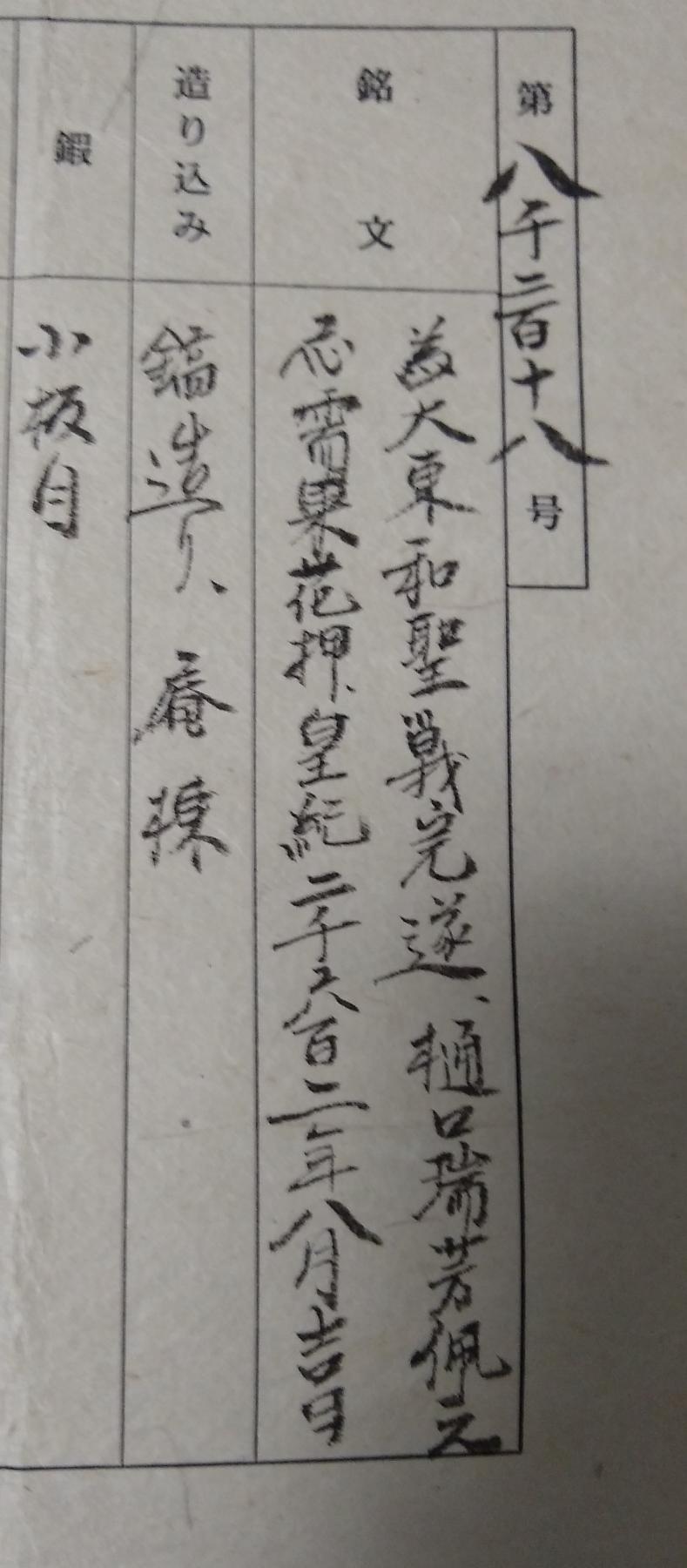
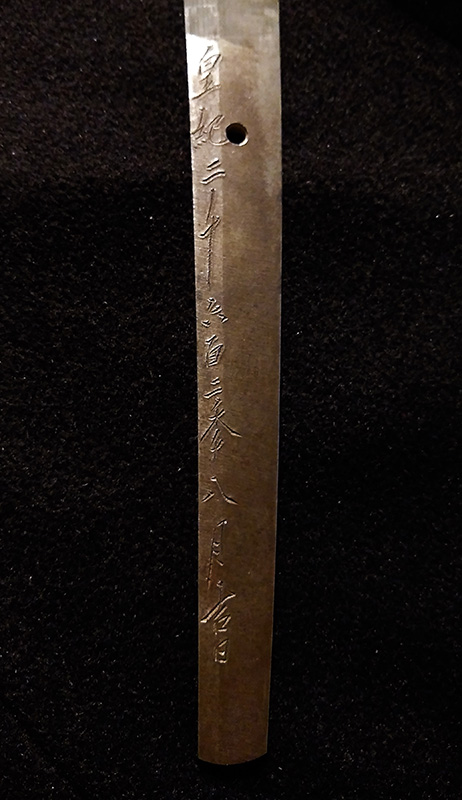
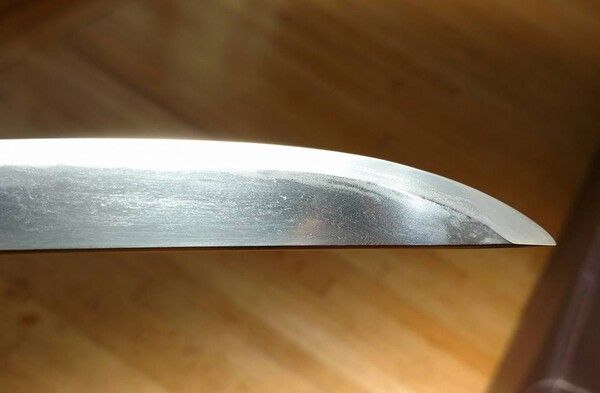
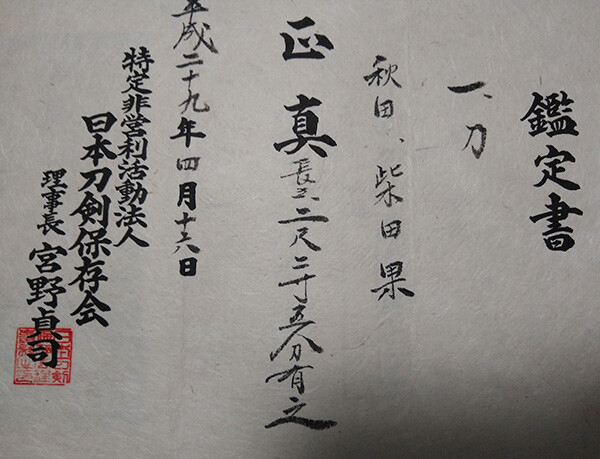
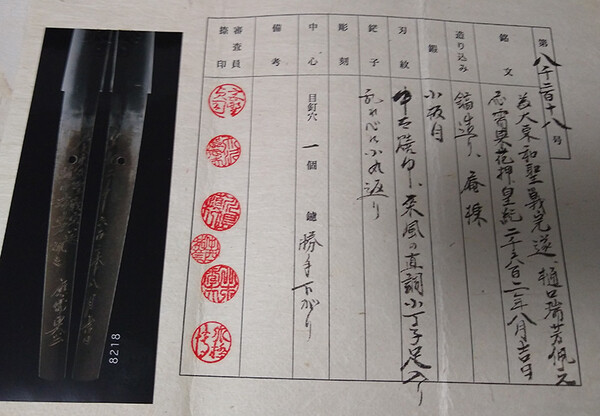
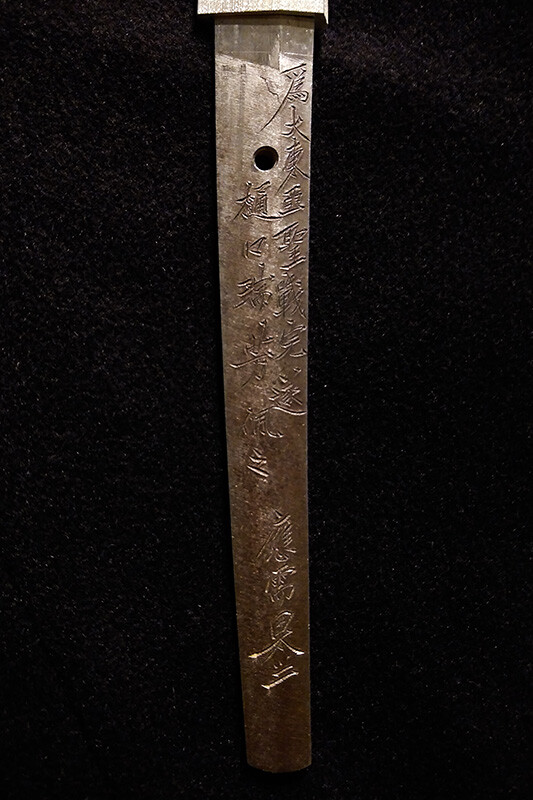
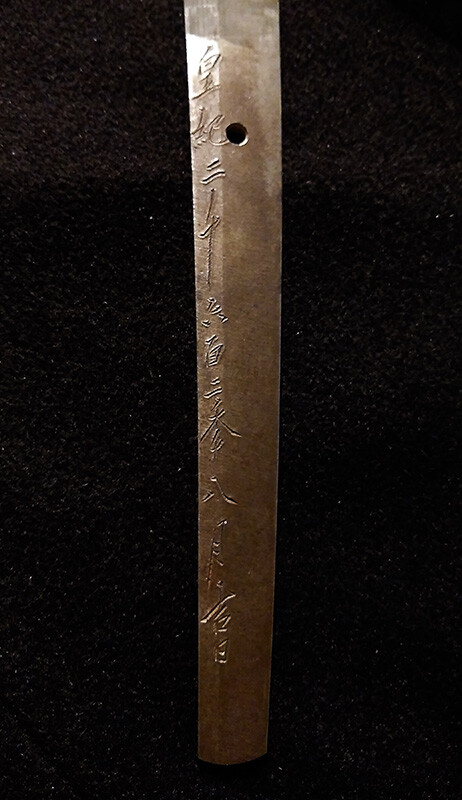
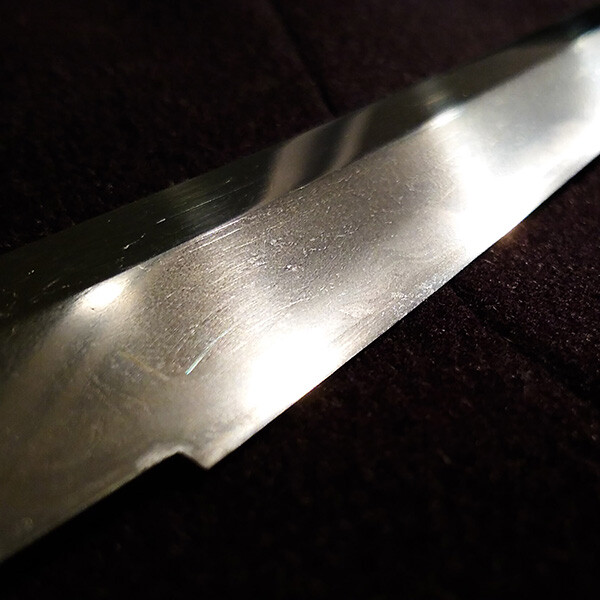
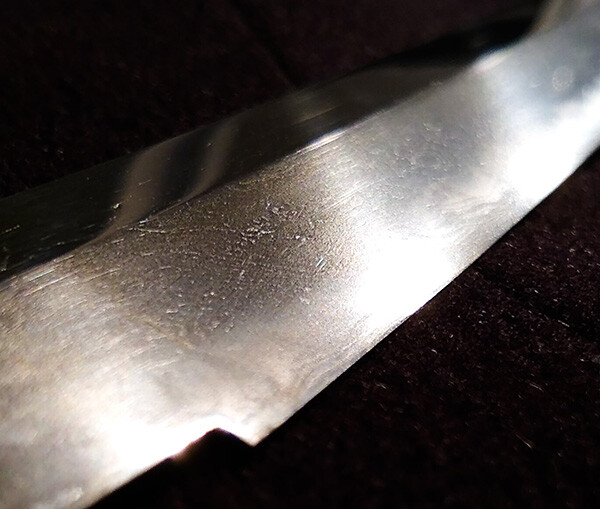
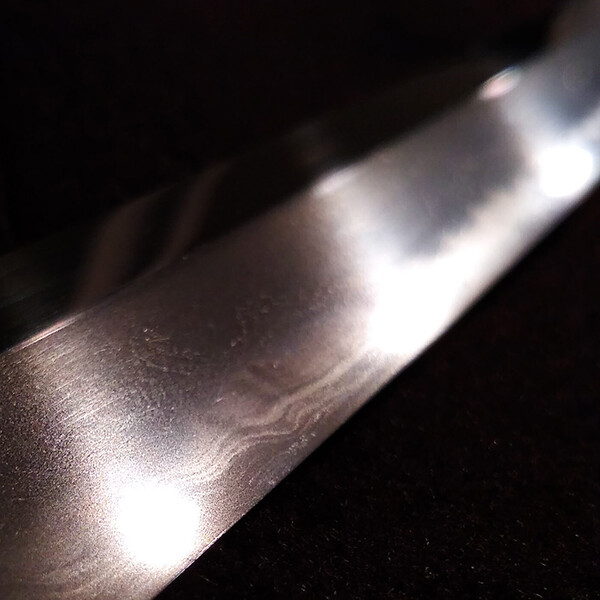
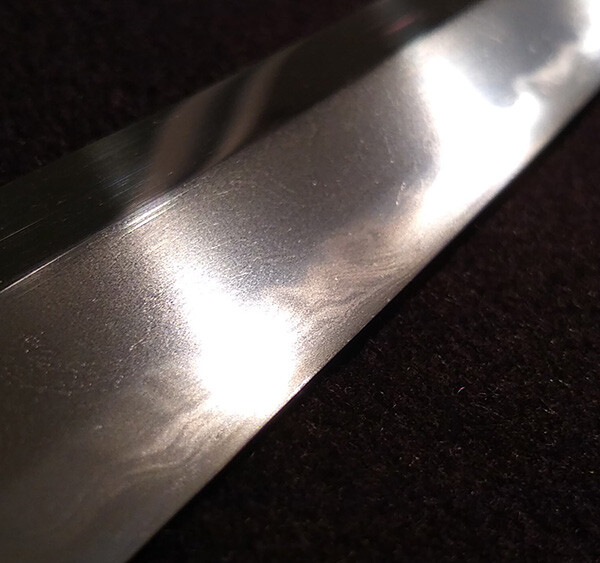
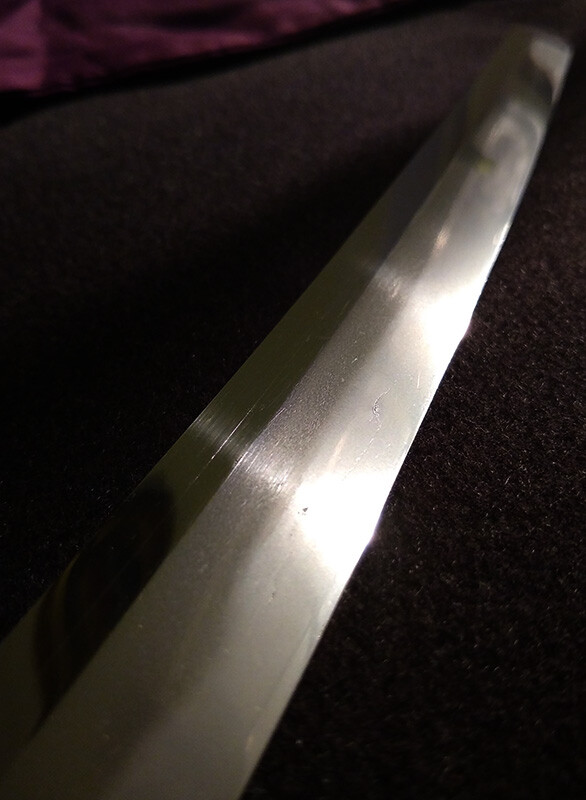
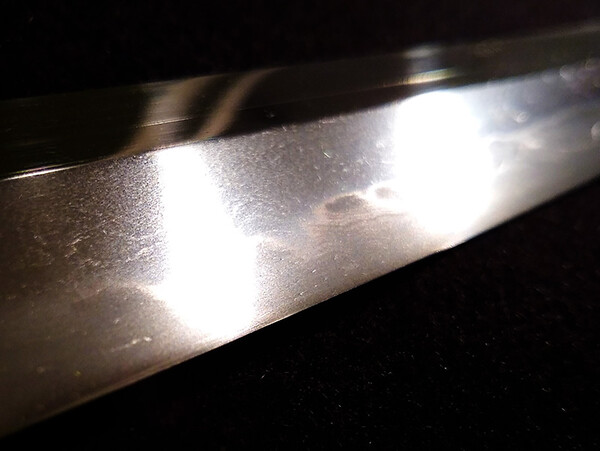
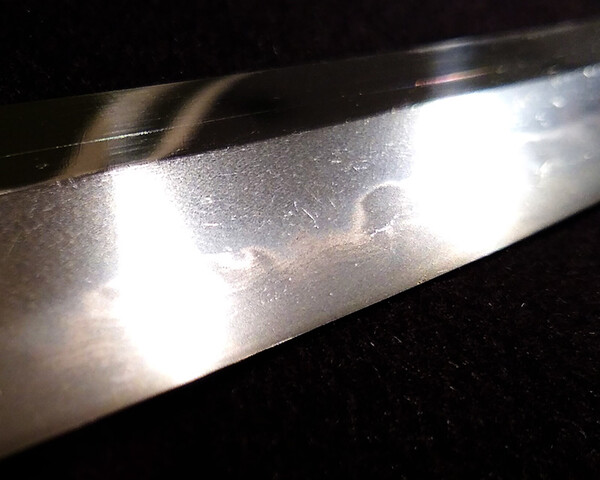
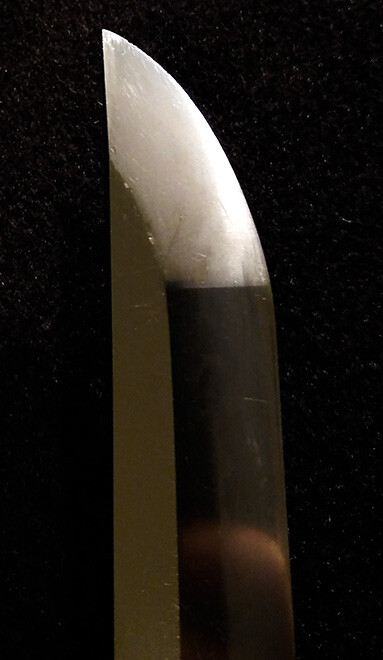
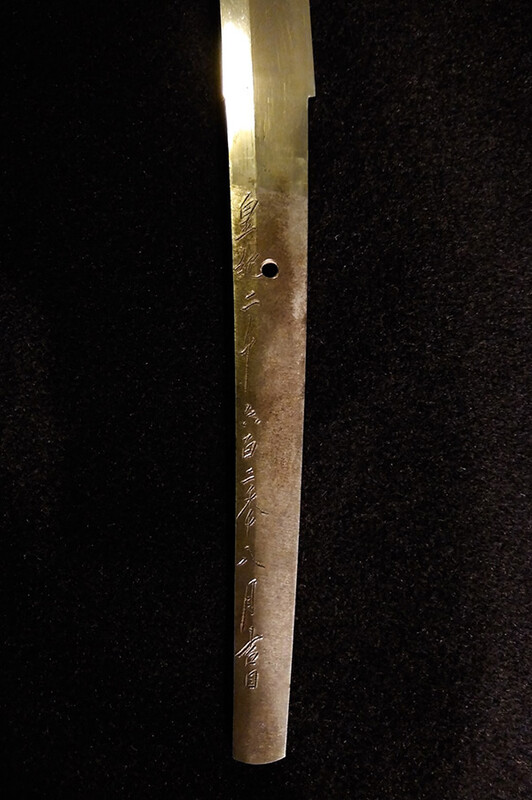
Listing a rare and important gendaito by Shibata Ka. He was a very special smith, being in a unique position of being able to study masterworks at leisure within his own collection and was subsequently able to reproduce the jigane of Kamakura jidai works to a remarkable degree. Shibata Ka has been my favorite gendai smith for a long time, and I would have put him (in my own opinion) as the overall best until I was able to study some very exceptional blades by Tsukamoto Okimasa. Darcy has a wonderful write-up on this smith on his website, so I will include a link here. https://yuhindo.com/shibata-ka/ This sword is an exceptional piece done in So-den Bizen with a brilliant choji/gonome-midare hamon having kinsuji running in parallel strands throughout. There is much depth of activity, with ashi, yo, etc descending to the edge. The sword is 68cm in length with a 31mm moto-haba and 6.5mm kasane. Due to my interest in this smith, I have made a point to study his work whenever possible. This is now the 8th example I have been able to study, along with 3 other katana and 4 tanto. Sadly, this blade has two kizu which unfortunately seems to be common in his work. He was generally self taught and the presence of kizu in his work is discussed in Tamio Tsuchiko's reference on gendai smiths. In the case of this blade, there is a kitae-ware w/ small fukure in the hamon (shown here) and a second small fukure under the nakago (I will upload an additional photo). The sword is an overall very good state of polish. It is in shirasaya with koppamaki and has a solid silver habaki. It has a patriotic dedication on the nakago along with the name of the individual who ordered this sword. It is dated a lucky day in the 8th month of 1942.





-
This might also make for a nice daisho with the Shigemasa katana Joe is selling. It's worth noting that they were made just a few months apart.
-
Bob's reading looks right.
-
The sayagaki is difficult to read at that angle. Perhaps the last two kanji read 眞行 Saneyuki. If I were to take a stab in the dark I would say 正中眞行 Masanaka Saneyuki.
-
Hi Ken, I have not. As mentioned above I am presently relying on a mobile device. I have not (yet) transitioned to a dedicated camera and for convenience handle all tasks (photography, image editing and uploads) via mobile.
-
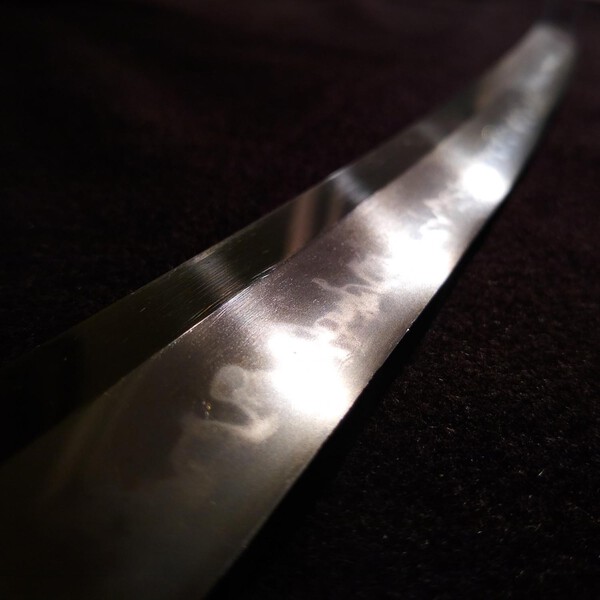
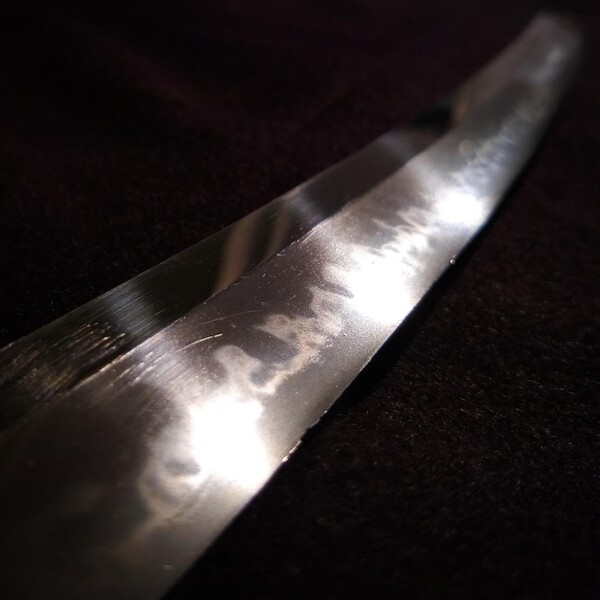
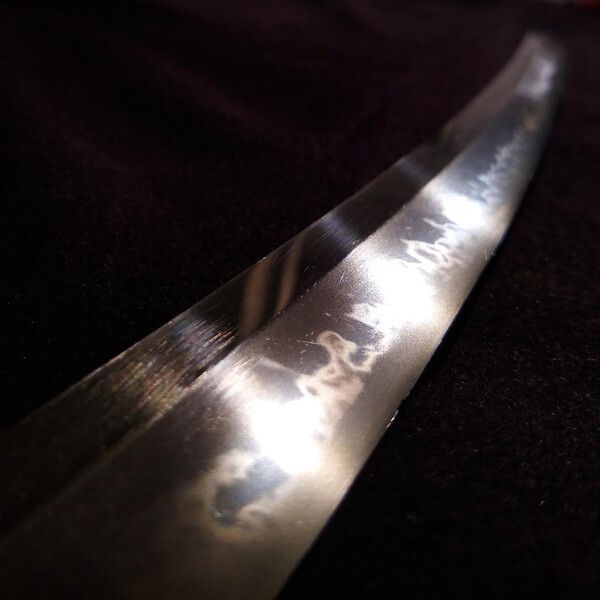
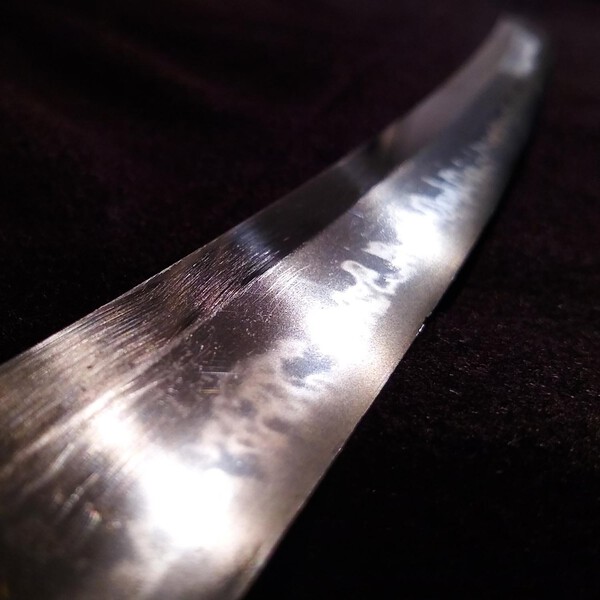
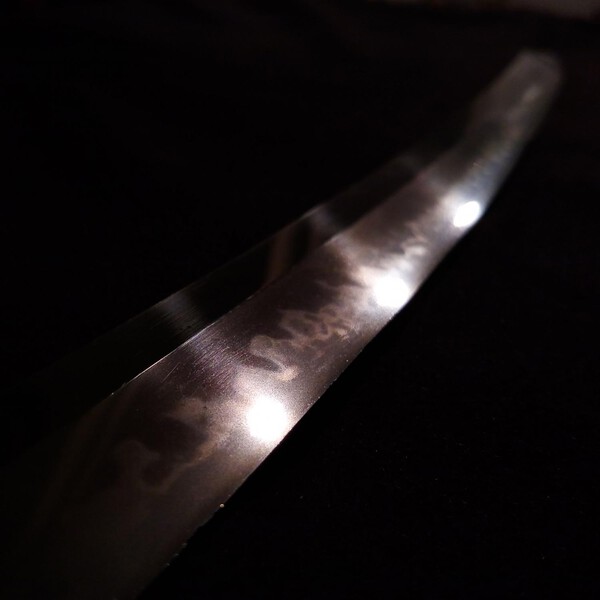
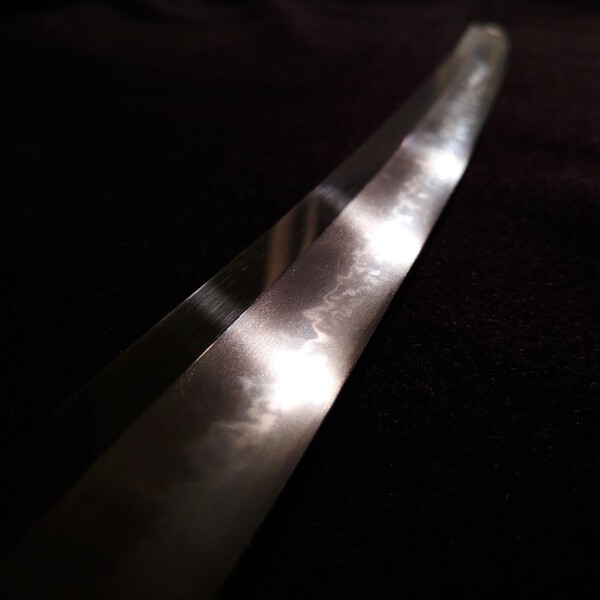
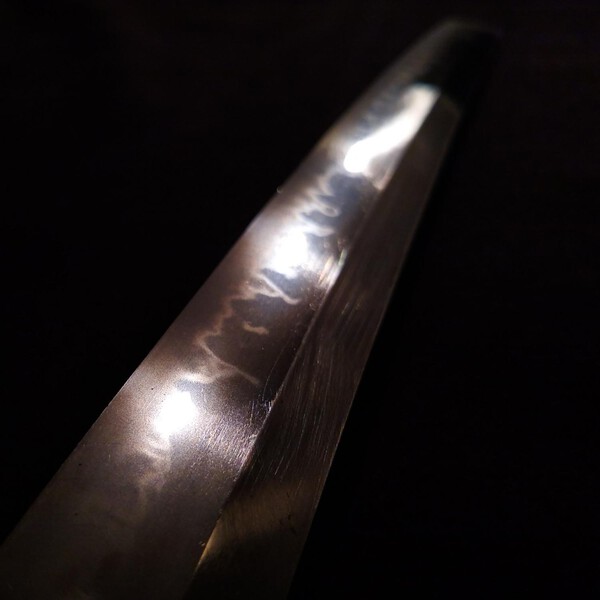
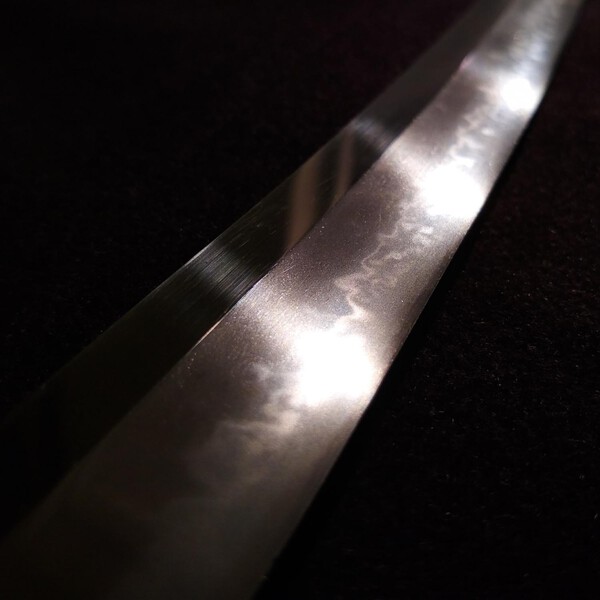
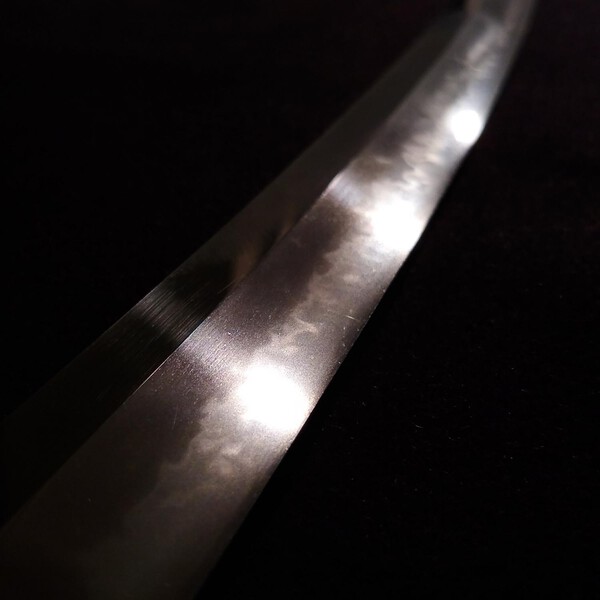
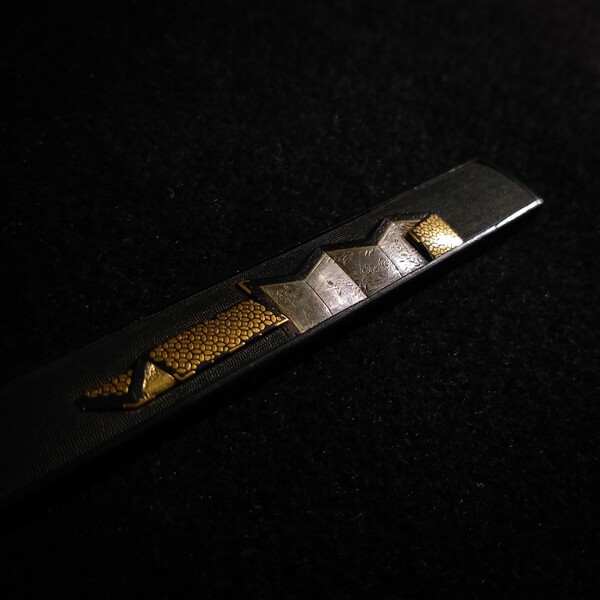
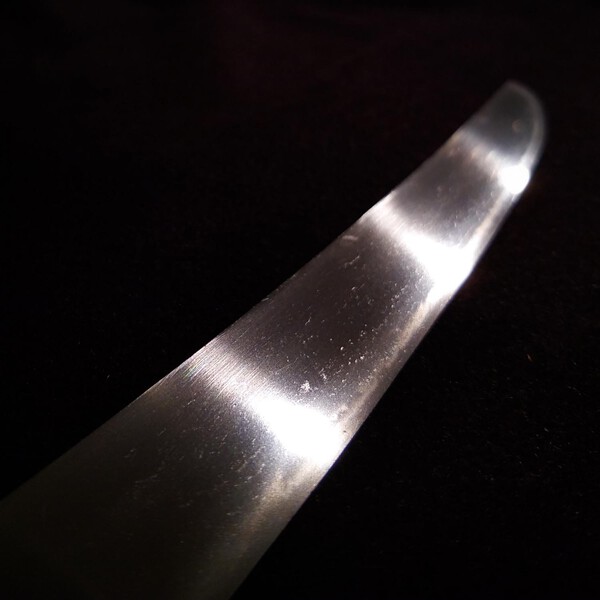
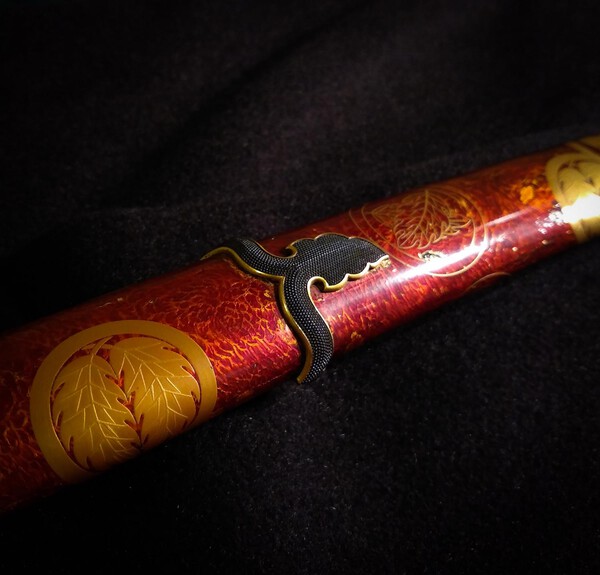
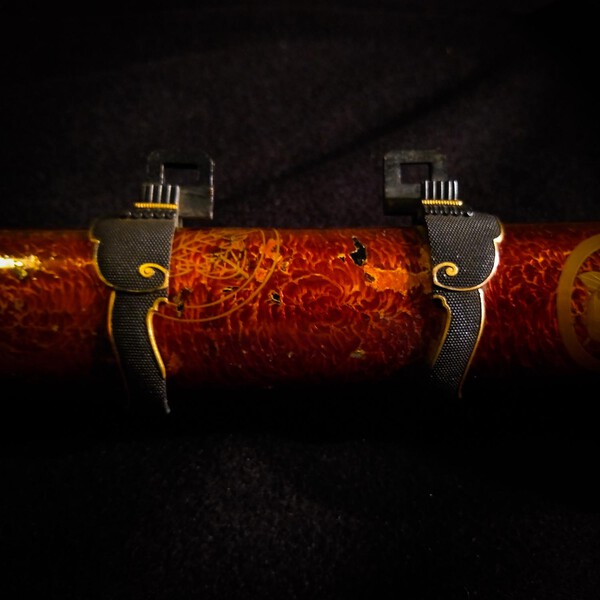
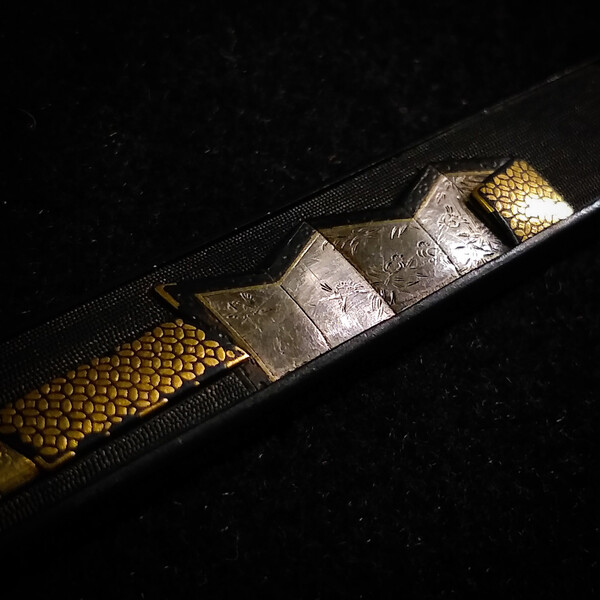
A few remaining pieces that I didn't have a chance to photograph last week.

-
Beautiful results Jeremiah.