SwordStudent703
-
Posts
21 -
Joined
-
Last visited
3 Followers



Recent Profile Visitors
878 profile views


SwordStudent703's Achievements






-
Study/Kantei: Sōshū-den Wakizashi (Hiromitsu / Akihiro circle?)
SwordStudent703 replied to SwordStudent703's topic in Nihonto
Hisayoshi is an ingenious suggestion! Thanks Bugyotsuji. My thoughts are that the blade came from a Nanbokucho tachi, I am reading that two Soshu-den Hisayoshi’s worked in the Muromachi, and later Shinto eras. So, chronologically it might not fit, unless I’m wrong about the Nanbokucho tachi. Hence my focus is on Nanbokucho smiths. Thank you very much for taking the time to share your thoughts though -
Study/Kantei: Sōshū-den Wakizashi (Hiromitsu / Akihiro circle?)
SwordStudent703 replied to SwordStudent703's topic in Nihonto
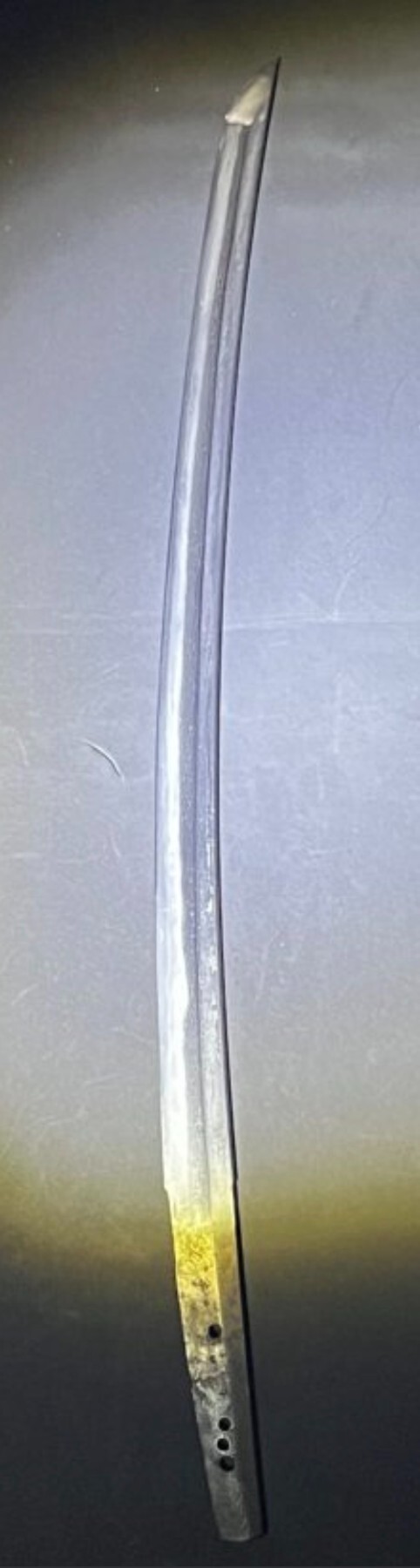
Sorry here's some photos of it overall:


-
Study/Kantei: Sōshū-den Wakizashi (Hiromitsu / Akihiro circle?)
SwordStudent703 replied to SwordStudent703's topic in Nihonto
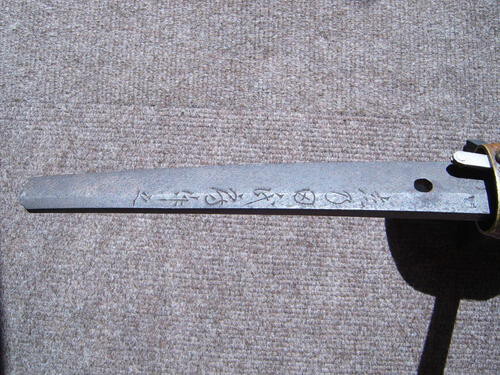
Photos of the Mei:

-
Study/Kantei: Sōshū-den Wakizashi (Hiromitsu / Akihiro circle?)
SwordStudent703 replied to SwordStudent703's topic in Nihonto
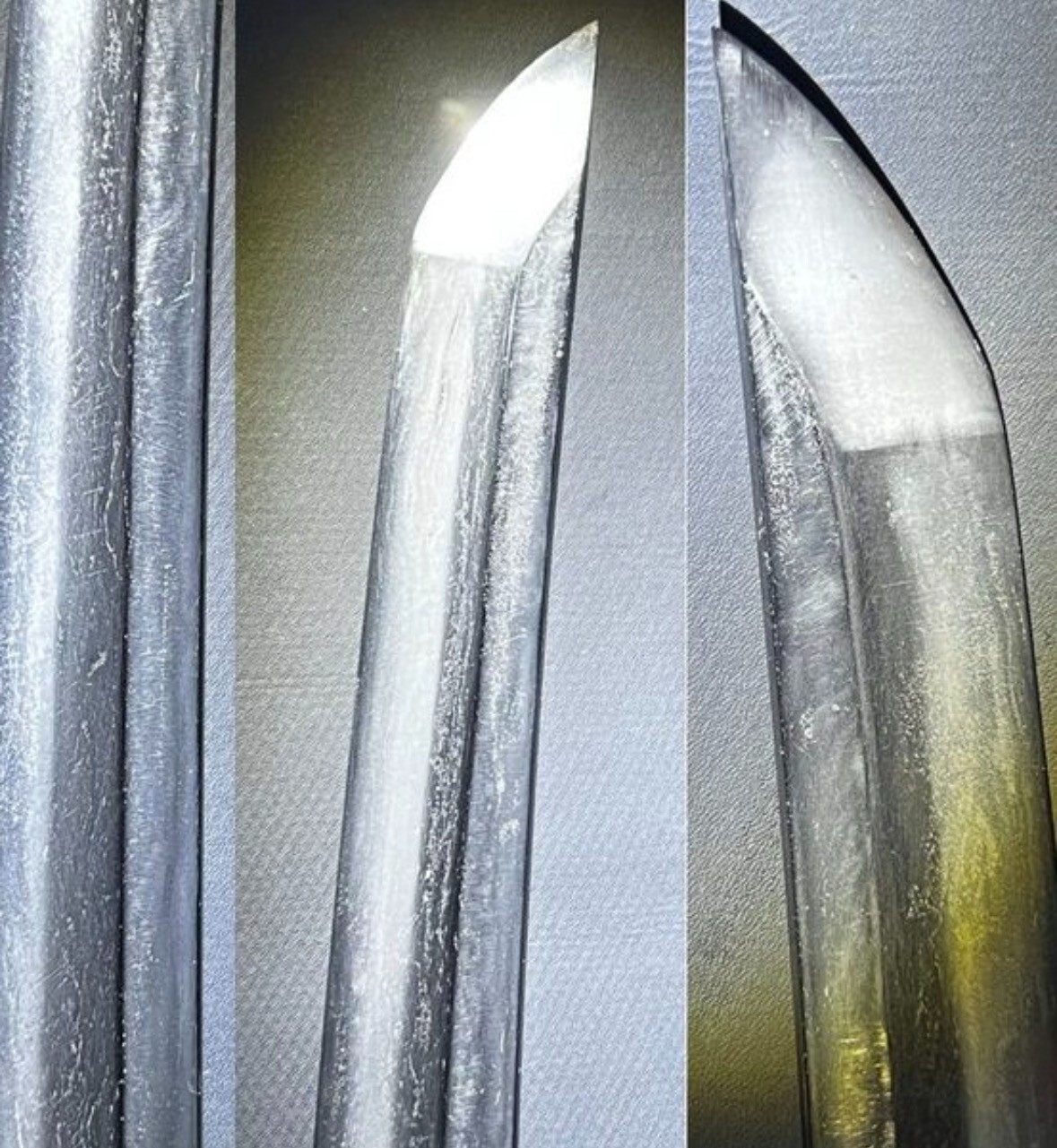
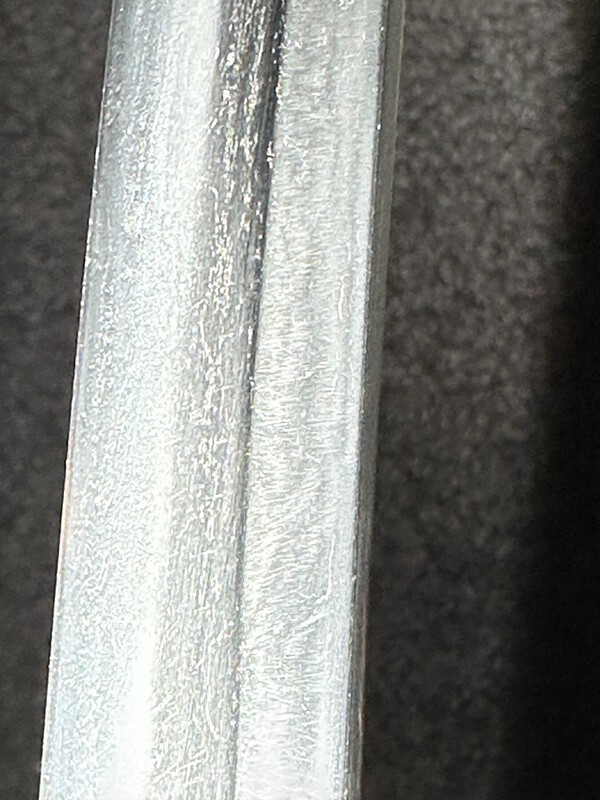
Photos of the Hitatsura:


-
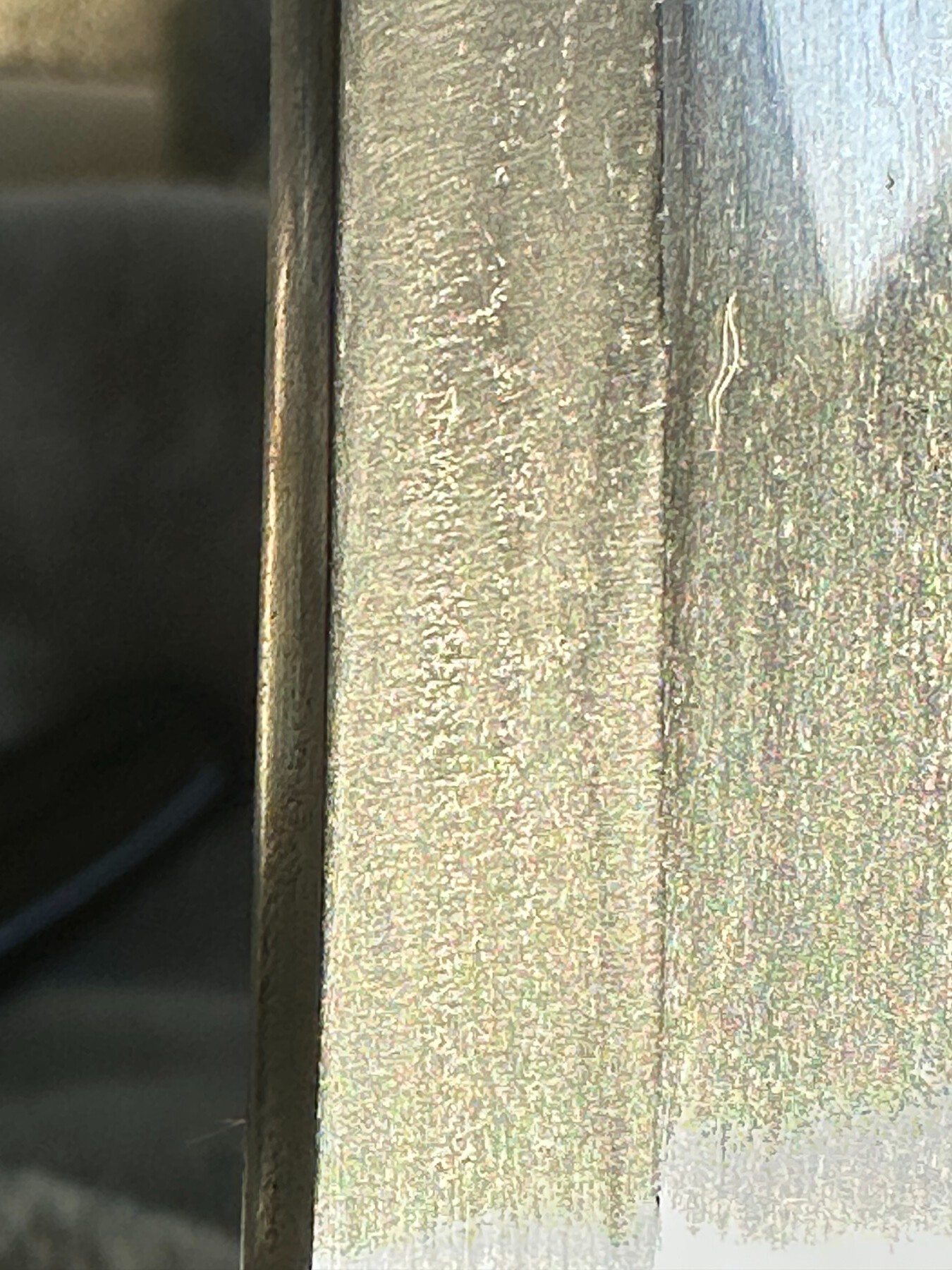
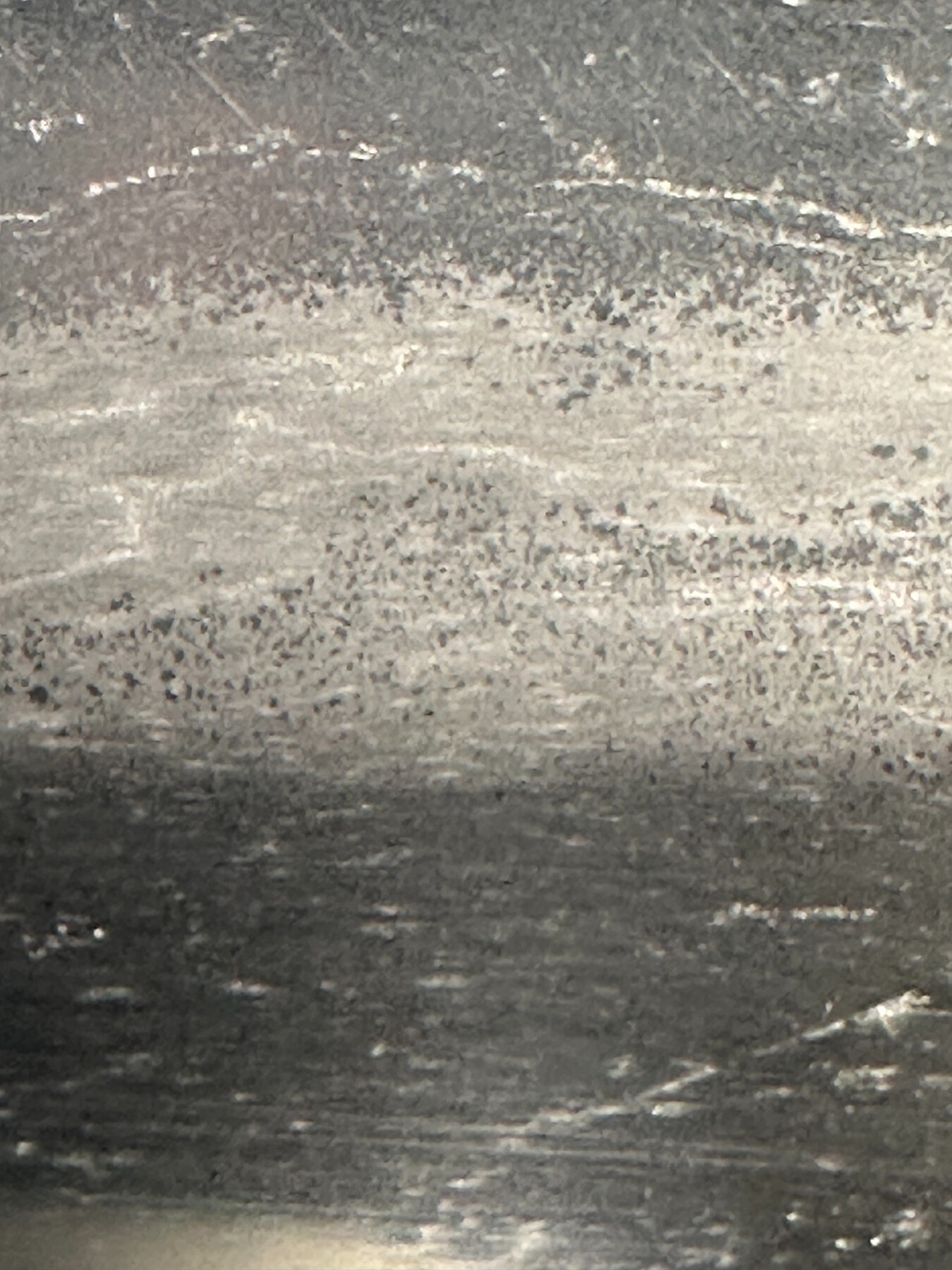
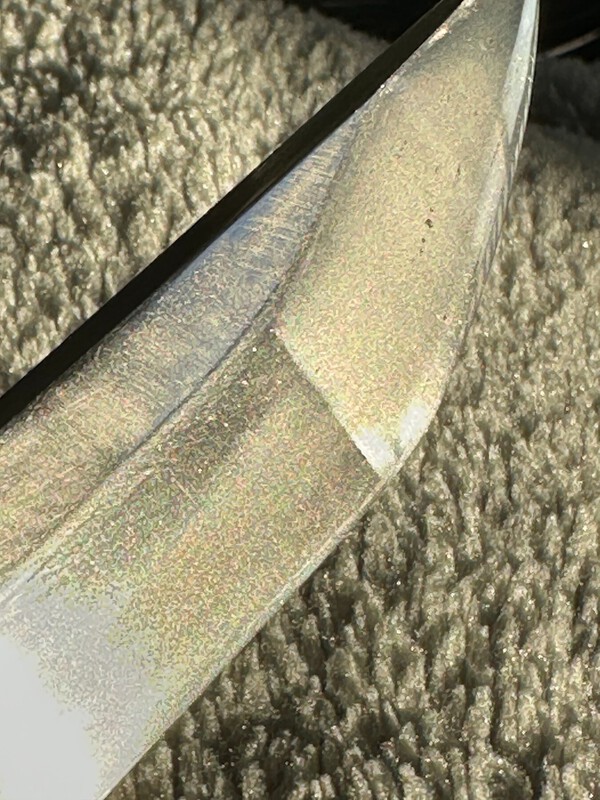
Hi everyone, I wanted to share a fascinating piece I recently acquired and open it up to the board for discussion, and insights regarding potential attribution. The blade appears to be a classic mid-14th-century Nanbokucho tachi that has been shortened to wakizashi. It carries some prominent, active characteristics of Sōshū-den workmanship. I am preparing the blade for a full appraisal route and hope to eventually submit it for Shinsa – any information posted will not be used for commercial purposes. I would deeply appreciate your views on the smith/circle before taking the next steps. Key Blade Dimensions & Characteristics: Total length: 635 mm. Nagasa: 493 mm. Nakago: 142 mm. Yasurime: katte sagari. Sori: 15.4 mm, Torii-zori. Motokasane: 5.4 mm. Sakikasane: 5 mm. Motohaba: 28.3 mm. Sakihaba: 17.7 mm. Kissaki length: 28.5 mm, chu-kissaki with rounded fukura. Mune: Iori-mune, gentle oroshi. Hamon: Suguha-notare mix with nie-deki (ara-nie). Hataraki: sunagashi, kinsuji, jinie, chikei, uchino-ke. Hitatsura: The hitatsura and tobiyaki clouds blanket the shinogi-ji. (Looking at Kōkan Nagayama’s criteria in The Connoisseur’s Book, this steers me away from branch like Hasebe and locks the focus onto mainline Sōshū masters.) Hada: itame & mokume mix with nie-fushimi. Boshi: komaru. Hamon/Hitatsura: Deepl full-body hitatsura. In the middle sections of the nagasa, the temper tracks in a wave. However, as it approaches the kisaki, it becomes tobiyaki clouds. The boshi displays o-kaeri that engulfs the tip. The blade was shortened, but the top portion of a long-form signature remains. The location marker is cleanly legible and reads: Sagami Koku Junin... Directly below the Nin character under raking light, we can see the cler remnants of the subsequent character's initial chisel paths. I have taken specific close-ups of this area. To my eye, they do not form a flat, rectangular top cap. Instead, there are two deep, diagonal troughs slanting from right to left. This looks consistent with the left-sweeping "roof" radical of Hiro, pointing toward Hiromitsu. Alternatively, given the ō-kaeri loop of the bōshi, I am also considering the left-hand "grain" radical of Akihiro. I am uploading photos of the flowing grain above the habaki, the wave-to-cloud hitatsura, a kitae-ware lamination opening in the ji, and close-ups of the nakago chisel marks. I would love to get your thoughts. Do you see this as a viable Hiromitsu/Akihiro, or is there another contender I should be cross-referencing? Thank you all in advance for your time, your scholarship, and your insights! Best regards, SwordStudent703



-
The visible strokes to the right of the mekugi appears to be the bottom half of the character 兼 (Kane). The peaks of the hamon are rounded and repetitive (characteristic of the Mino tradition). The hamon shows hints of ‘three cedars’ (sanbonsugi), the signature style of the Kanemoto school. The smith likely worked in the style or lineage of Magoroko Kanemoto.
-
SwordStudent703 changed their profile photo
-
Mark is this still available?
-
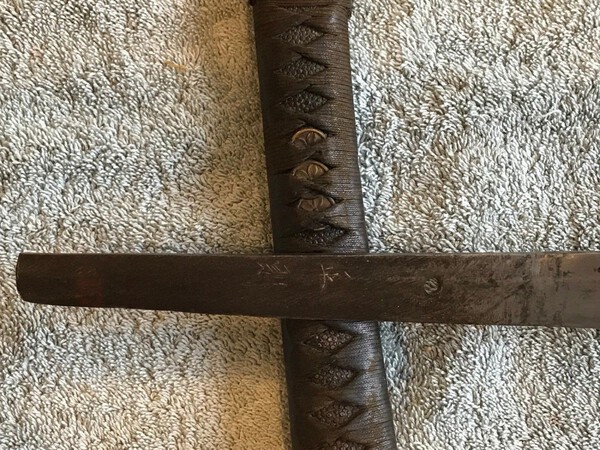
Hey guys looking at buying this one, it is presumed to read: Masanori, is it right? Thanks
-
Update On The Gendaito Project
SwordStudent703 replied to Markus's topic in Military Swords of Japan
Hi Marcus, My Indiegogo shows that the Gendaito project is closed and I can't donate through that forum. Have donated directly through paypal though. Good luck with the project and hope to see your excellent work soon. -
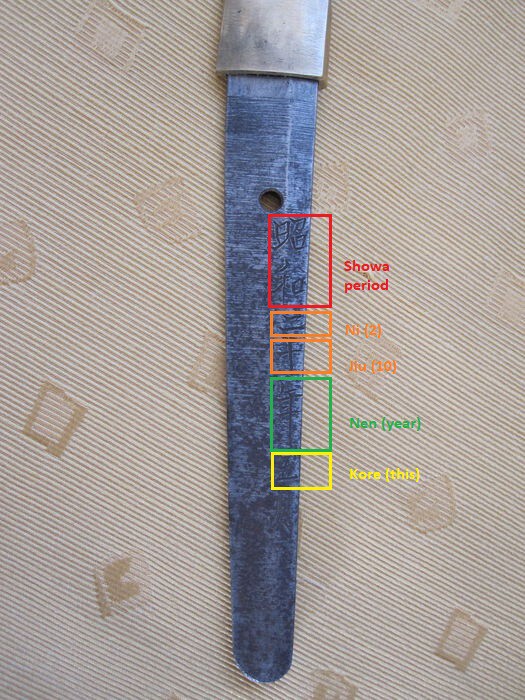
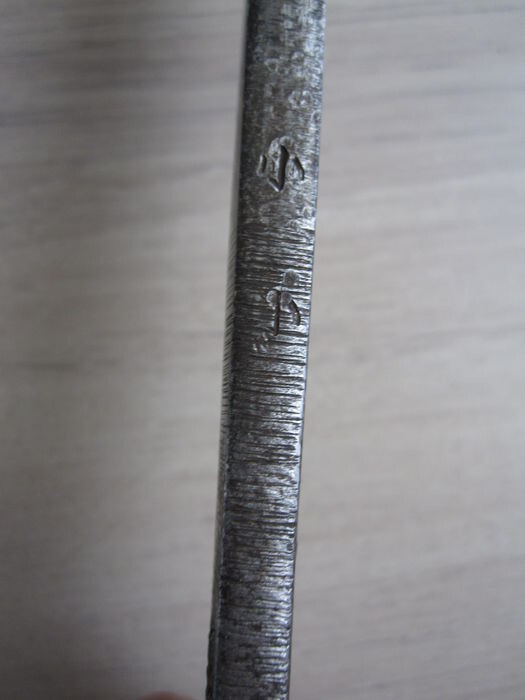
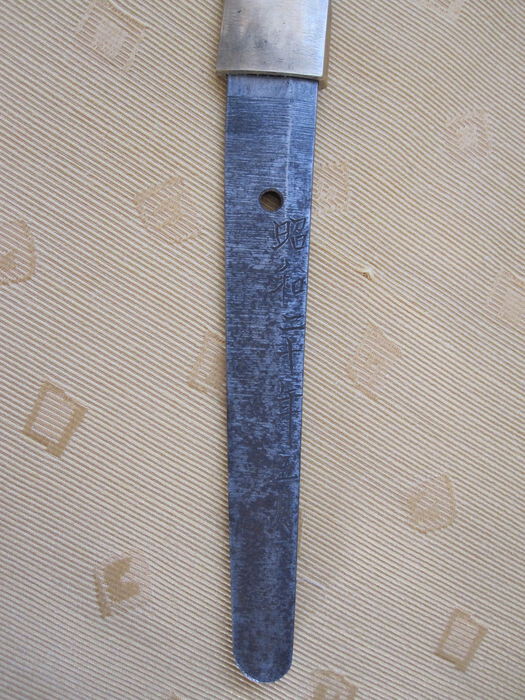
Hey Steve, Thanks for the translation!!! I don't know if the date pic is going to be that clear but I've uploaded the unboxed pic up in my original post together with some inspection stamps. Unfortunately since I don't have other pics to upload as I poached these from the auction site Sincerely!
-
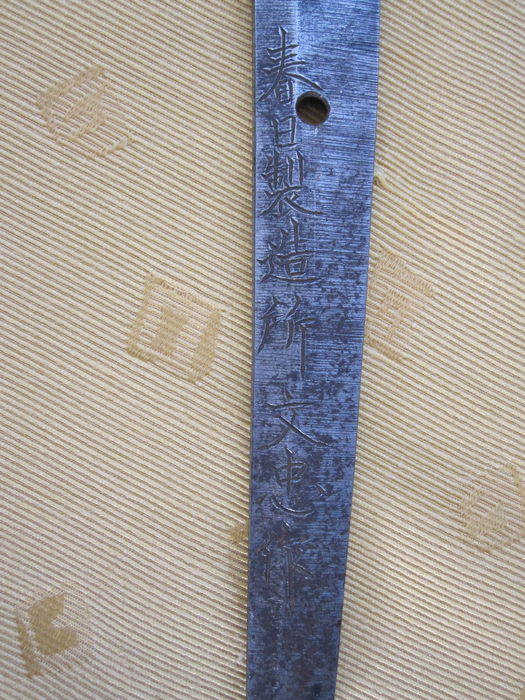
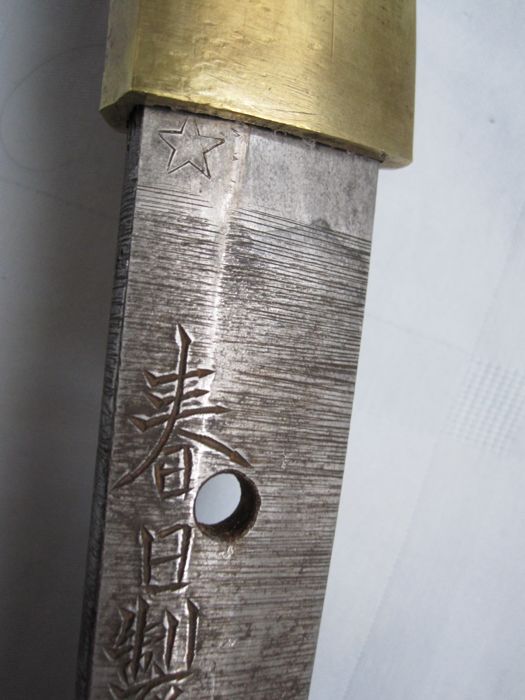
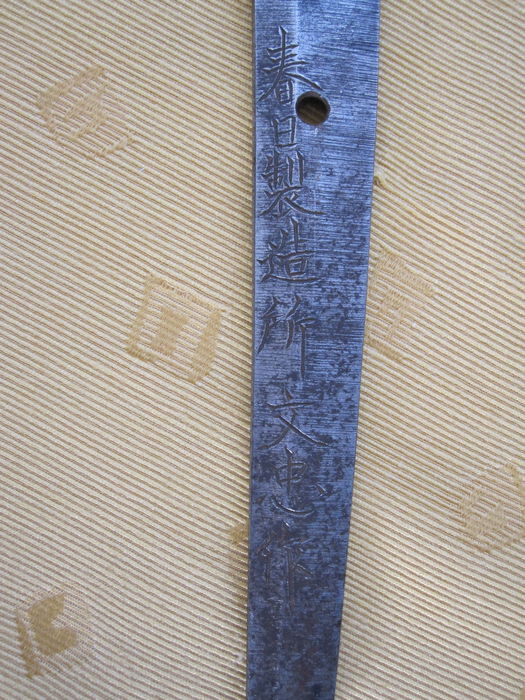
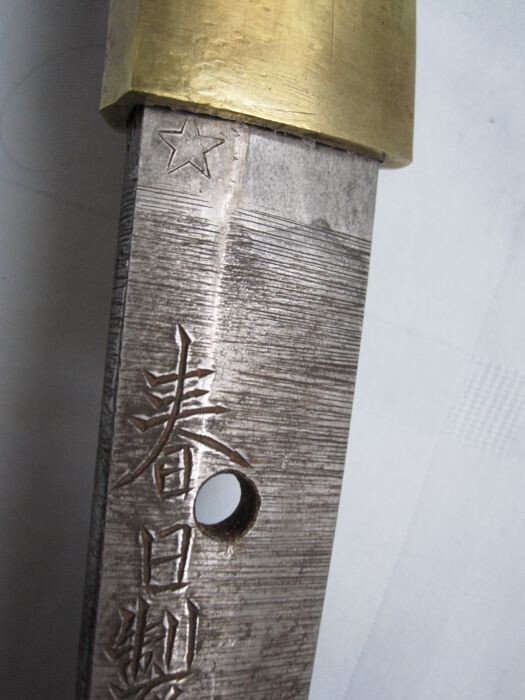
Hey guys, Here's a Star Stamped - Rikugun Jumei Tosho gendaito that I'm considering bidding on but I'm not so sure who the smith is. Can anyone maybe help with the translation? Would appreciate any help. I've tried to translate the date inscription myself but would welcome any corrections :D Thanks.
-
Need Help With Seppa And General Identification
SwordStudent703 replied to Jam's topic in Military Swords of Japan
Hey Jam, Just be mindful when you refit it with new seppa (washers), the seppa to the blade's side is a little larger than the ones facing the tang side. Here's a good website to give you an indication of the order of the different washers and their sizes: http://ohmura-study.net/906.html It's a fine sword to start you off with to learn the terminology and fittings of a gunto. -
Hey guys, Just a quick question, it may sound daft but if you don't ask you won't know... so here goes: 1. Is it possible to find swords by smith's who made blades for the army inside naval mountings and would that be an indication of a "put together" sword? 2. Did certain smiths make blades for just the army or just the navy or were blades made for the whole military who then distributed them? The reason I'm asking is because I saw a naval kai gunto for sale but it had a seki stamp on. Also, I presume if it is a gendaito that does not have a seki stamp then it would be quite possible for the owner to have gone to a smith who was contracted by the army and request that a blade be made for him on consignment for his kai hunto? I appreciate your time and please share your thoughts.
-
Thanks guys, Youre tremendous! I appreciate the help sincerely.
-
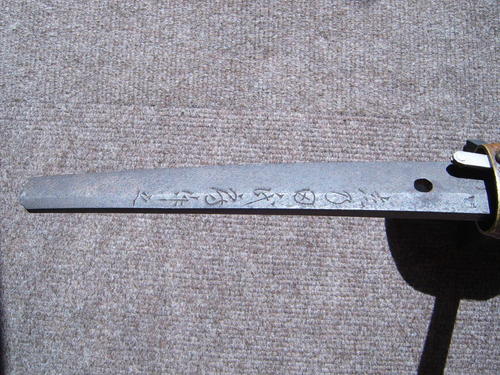
Hey everyone, I saw a 'seki' stamped gunto and am trying to find the right kanji to read the tang. I think its cursive which is making it very difficult for me. I can't even get past the province name, lol. I can only make out the last two kanji saying "saku kore" (made this) but that's only because I recognized that most ww2 era blades end thus. If anyone could help it would be great. Unfortunately I don't have a better pic to upload. Thanks.