Bruce Pennington
-
Posts
14,252 -
Joined
-
Last visited
-
Days Won
169
Content Type
Profiles
Forums
Events
Store
Downloads
Gallery
Everything posted by Bruce Pennington
-

Just Arrived Navy Dirk W/ Decent Looking Blade
Bruce Pennington replied to ggil's topic in Military Swords of Japan
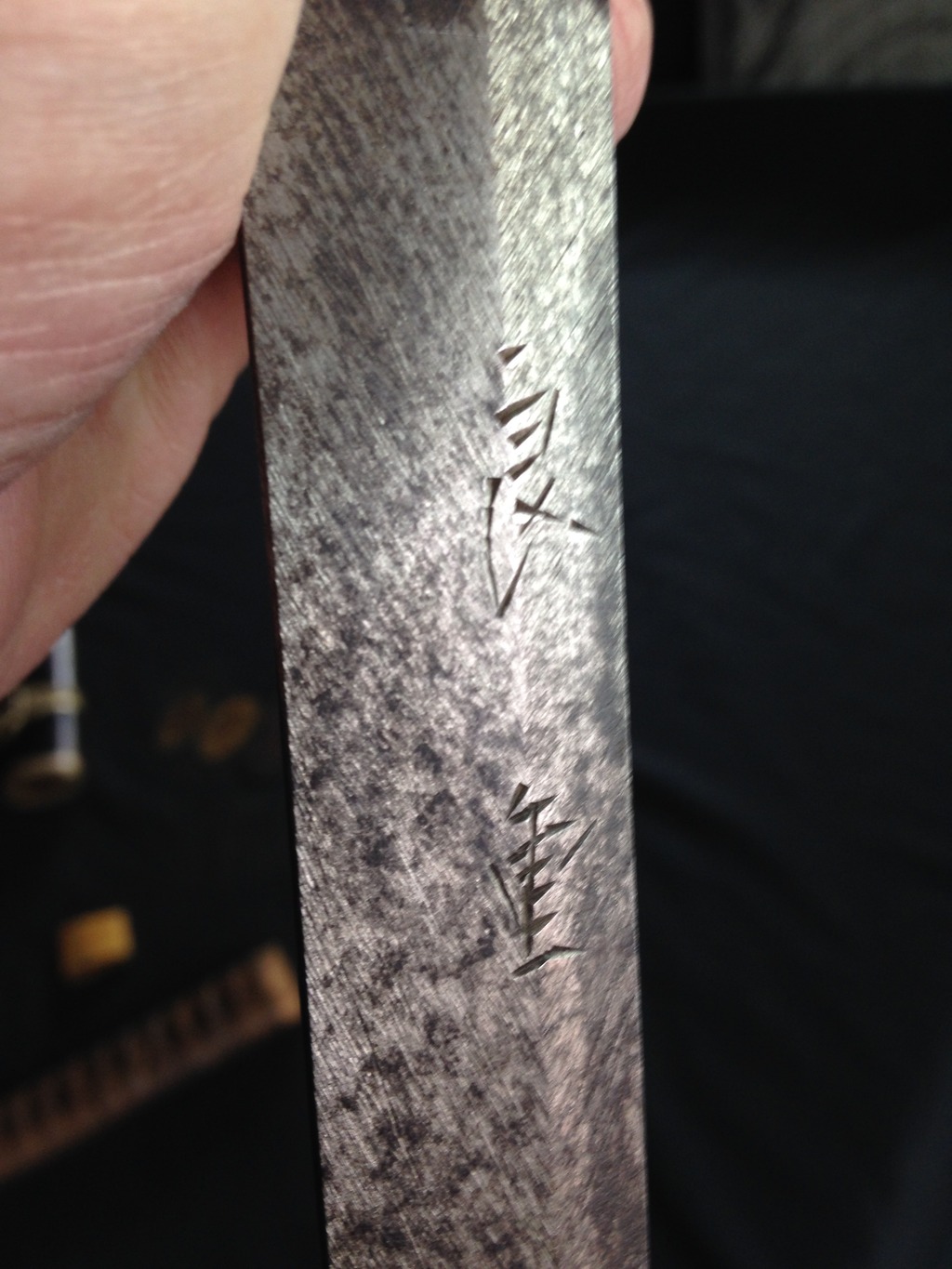
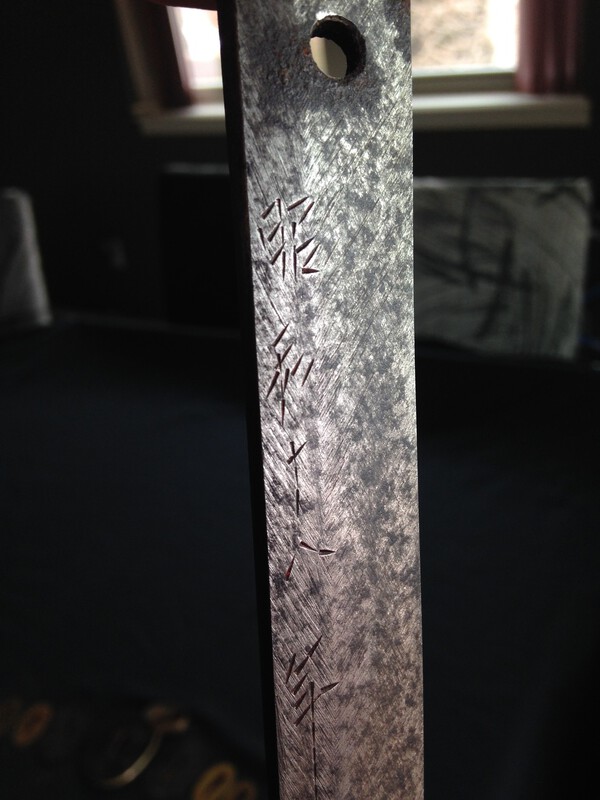
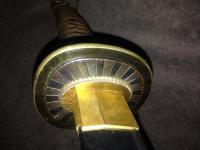
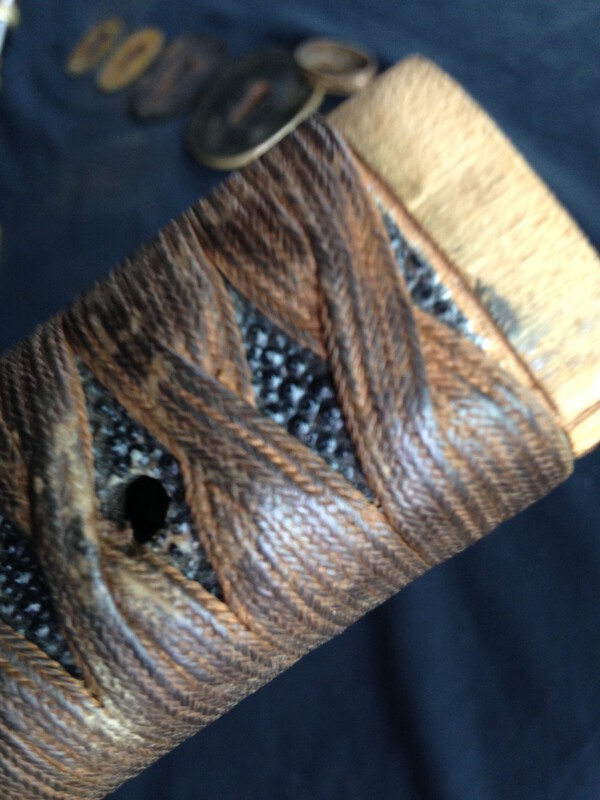
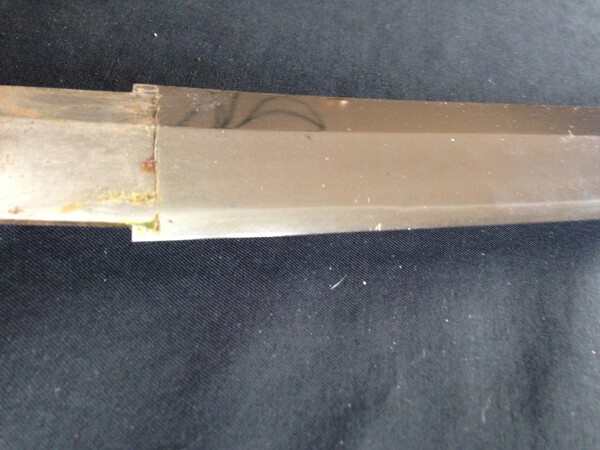
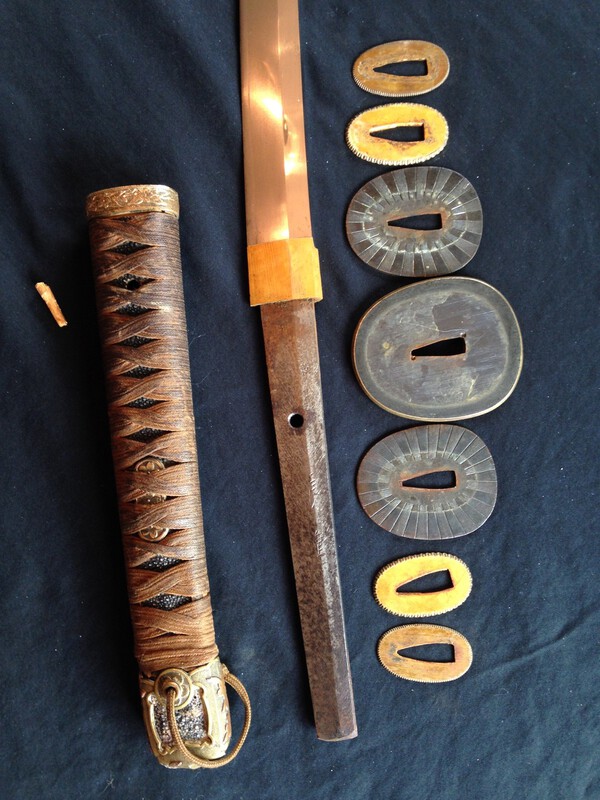
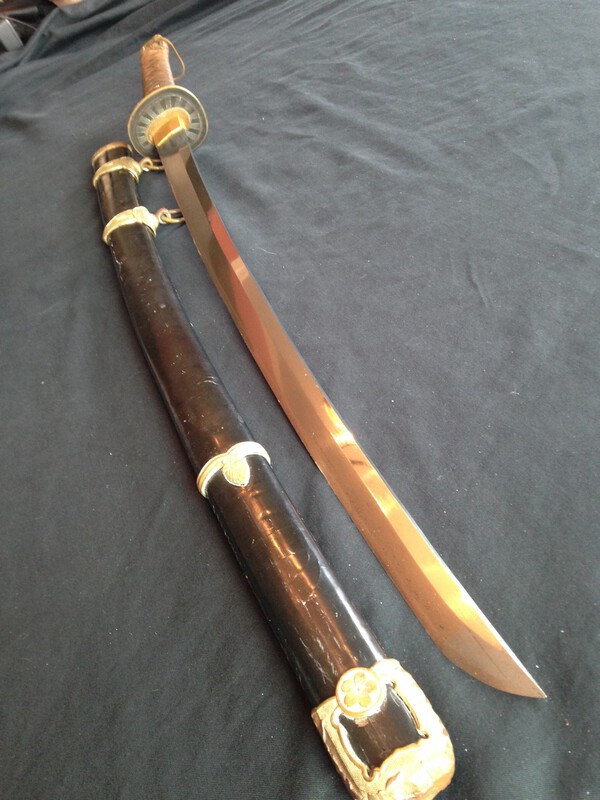
LOL! Sorry Grant, I wasn't thinking! It's a Yoshishige, 1943 blade with a "Seki" stamp!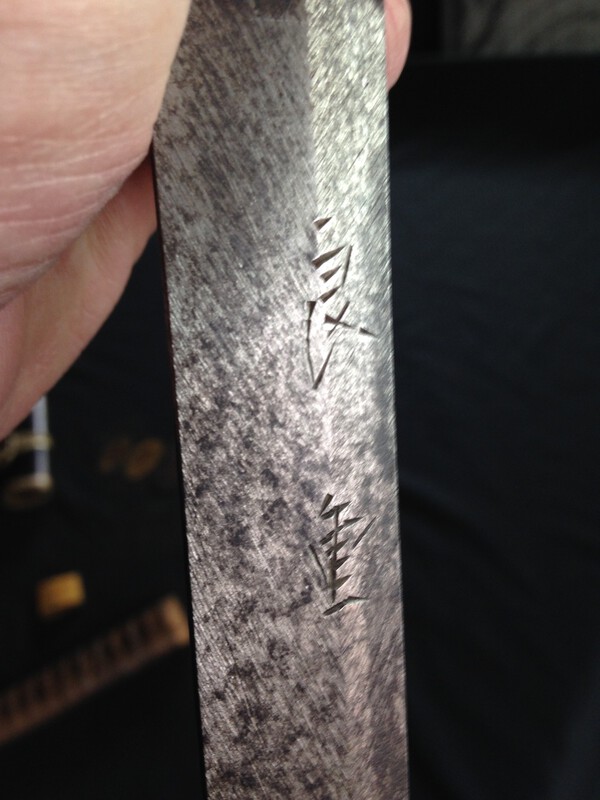

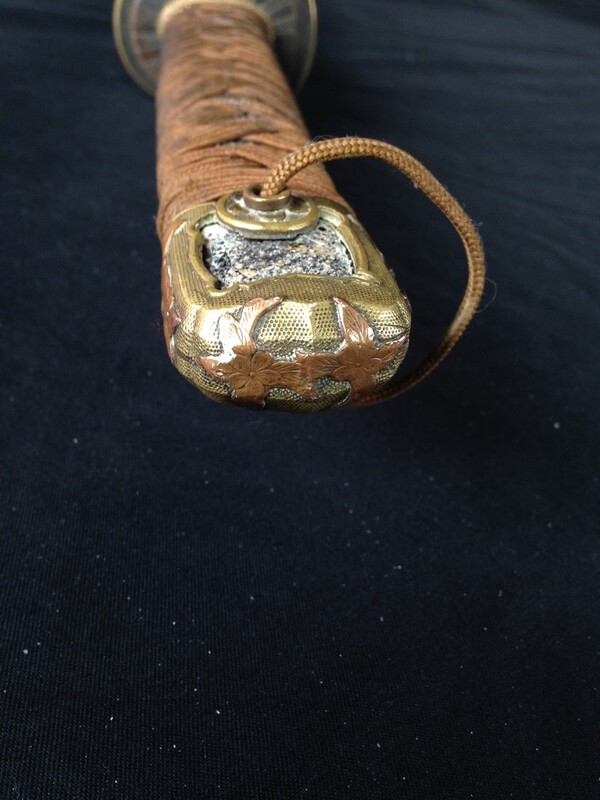
-
Just Arrived Navy Dirk W/ Decent Looking Blade
Bruce Pennington replied to ggil's topic in Military Swords of Japan
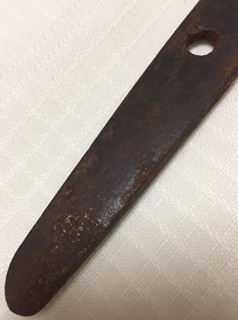
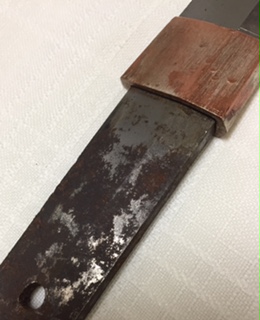
Grant, I've got a real nice, signed, kai-gunto but the end of the nakago was never vinished. I find these things interesting because it puts the "human" in the discussion! With thousands of these things being made, the human element is going to show up now and then, with a missed sharpenning here, a missed nakago-jiri finish there. Makes it all the more real, if you ask me.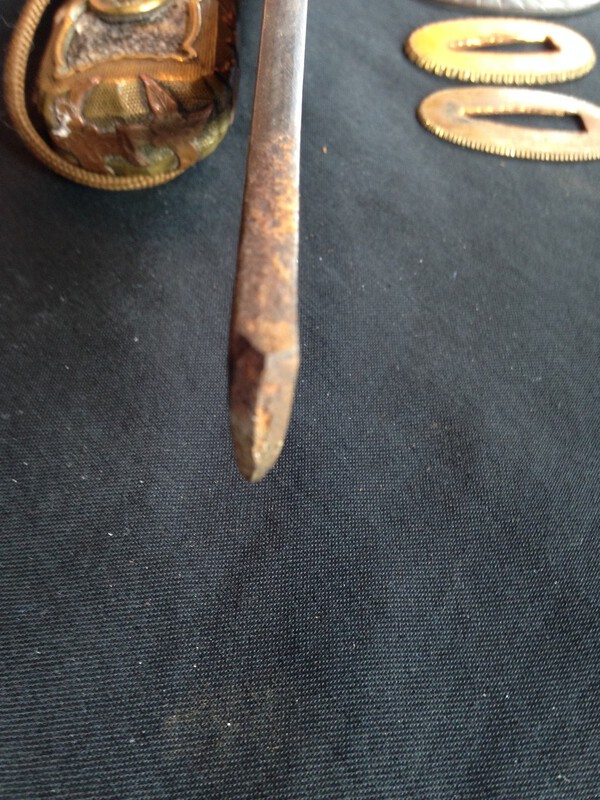
-
Obsession: Wwii Japanese Nco Samurai Swords
Bruce Pennington replied to Corry's topic in Military Swords of Japan
Gets in your blood, doesn't it! Can't see the number or the stamps. Can you post pics of the those for us addicts? Good looking blade! -
NCO shin gunto question - tsuka wood
Bruce Pennington replied to grapppa's topic in Military Swords of Japan
Randy, It all depends on what you plan to do with the gunto. For resale value, everything you add or re-do will detract from it's collector value. If you plan to keep it forever and just want to restore it a bit, I'd follow Dave's thought of using bamboo slivers (although any of the ideas you mentioned would tighten the tang without changing the original conditon). Same thoughts on the leather seppa. If you are keeping it and just want to tighten it up, cutting a new piece of leather is fine, but I'd keep the original whether selling or keeping. Mostly - enjoy your hobby the way that makes it fun for you! -
NCO shin gunto question - tsuka wood
Bruce Pennington replied to grapppa's topic in Military Swords of Japan
You lucky dog! You got one with the leather tassel! Very nice Randy! I've taken the sarute off each of my gunto. They are hard to bend, so I wouldn't expect it to break. I wrap two plyers with a heavy cloth to pry it open. The cloth prevents the layers from cutting into the sarute and/or scratching the tsuka if it slips (unfortunately learned the hard way on both accounts!). When re-assembling, insert one end of the sarute, cover the other side with the cloth, and press firmly to mash the open end back into the hole. Works for me. -
Got a nice addition to the Gunto Repair discussion fron Nick Komiya, Warrelics forum: "You will find a fair number of documents in the archives by using 軍刀修理 as a search word. These teams were sent out in groups of 10 or 20 to various destinations overseas from 1939. After they finished their term of 6 months, they were offered employment by the army and even supported for local settlement should they wish to open shop abroad for the service they provided. Thus it appears only about half of them returned home after the mission, judging by the reports about their return. They also issued a detailed repair manual, but I do not know whether it can be found in the archives, sorry. The mission statement for these repair teams says their purpose was primarily repair of external fittings, not the blades. Last edited by nick komiya; 10-04-2016 at 02:36 PM."
-
I agree, but I'm wondering just how loose are you talking about Randy? Have you taken the handle off yet? Is it so loose that maybe the wood liner has been removed by a previous owner? If it's just a little wiggly, a few of mine are that way, and I just accept it as the wood has dried and shrunken over the lay 70 years.
-
Ok Randy try this website for wood: http://www.ryujinswords.com/saya.htm Also, a friend says he has gone to boat shops to get magnolia wood.
-
Randy, Could you post some picks of the handle and hand-guard so we can take a look?
-
finished reading Kapp & Yoshihara, "Modern Japanese Swords and Swordsmiths, From 1868 to the Present" and came across an interesting discussion of gunto repair teams: "...so many smiths and sword craftsmen were sent overseas to battlefields to repair and maintain swords. ... Kurihara organized a group of sword craftsmen that included smiths, polishers, and koshirae craftsmen, to go to the wartime battlefiedls to repair swords on the spot. The group was called the Gunto Shuri Genchi Hoshidan (the Volunteer Gunto Repair Group), founded in 1936. Kurihara's original plan called for five to seven smiths in each group. A group was to consist of twenty people and include polishers, tsukamaki (hilt wrapping) craftsmen, and other. Theoretically, each person would work on ten swords a day, but they had to remain at each location far longer than planned and often worked on more than the original quota." I thought it interesting that so many gunto needed repair! I wonder to what level of quality the repair was. Did koshirae have to meet IJA spec? Or might it look like some of the odd-ball stuff we see on these forums? Anyone have more info on the repair teams and the work they did?
-
Kai-Gunto With Koto Blade
Bruce Pennington replied to Bruce Pennington's topic in Military Swords of Japan
Thanks Franco! Yes, the smaller hole nearer the habaki is the one in use in the kai-gunto fittings. The larger one isn't being used at all, so was probably the original. -
Kai-Gunto With Koto Blade
Bruce Pennington replied to Bruce Pennington's topic in Military Swords of Japan
Sure, learning as I go! The nakago, about half-way back, at the widest is 6.63mm, tapering both to the mune-machi and the nakago-jiri. -
NCO shin gunto question - tsuka wood
Bruce Pennington replied to grapppa's topic in Military Swords of Japan
Ah-so! I see the confusion is all mine! I see now that Randy was talking about the wooden lining inside the tsuka, not seppa problems. In light of many previous discussions of how NCO blades never seem to fit tightly again after being taken apart, it just occured to me that the wood, inside the tsukas, must dry out over the decades and shrink. I agree with Steve - please keep the original liner. I wonder if there might be a simple work-around fix, like wrapping the nakago with a layer or two of plastic-wrap to snug the fit up? I don't know if plastic wrap will discolor the nakago over time? Another idea would be to thicken the wood somehow - maybe fitting thinly sliced slivers of ice-cream stick inside, or even wraping the wood halves with a very thin cloth? -
Kai-Gunto With Koto Blade
Bruce Pennington replied to Bruce Pennington's topic in Military Swords of Japan
Franco, I'm still rough on the difference of Haba and Kasane, so I'm calling "A" the measurement of the mune, and "B" the measurement of the widest part at the shinogi: Moto-haba "A": .533cm Moto-kasane "B": .61cm Saki-haba "A": .406cm Saki-kasane"B": .514 -
NCO shin gunto question - tsuka wood
Bruce Pennington replied to grapppa's topic in Military Swords of Japan
Steve, this question from Randy, American-Falconer, is a new one tacked onto a 6 year-old thread. I wonder if a moderator could split this into a new thread to avoid confusion? -
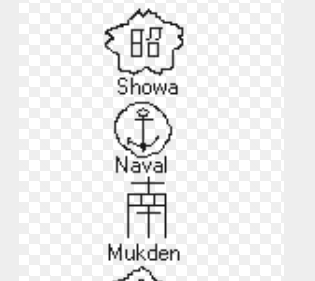
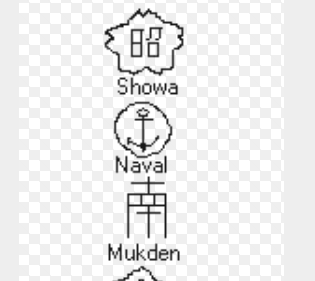
James, Stephen is correct, this thread is huge and about the "stamps" or individual marks that mean things other than the swordsmith and date. Yours has a "Sho" or Showa stamp, closest to the handle, shaped like a flower with a symbol inside. It was used, according to Fuller & Gregory, from 1926-1941 on blades made for war using non-traditional methods or steels other than tamahagane.
-
NCO shin gunto question - tsuka wood
Bruce Pennington replied to grapppa's topic in Military Swords of Japan
A-F, it would be nice to have a first name to call you by. Do you mean you have a 1935 Type 95 NCO gunto with copper handle? It would help to see photos of the problem area, but chances are you simply need 1 or 2 spacers (called seppa) either side of the tsuba (hand guard). I'll post pics of what I mean. If that's this issue, you can find them at almost any online store that sells Japanese swords, plus there are guys on this site that sell parts like that.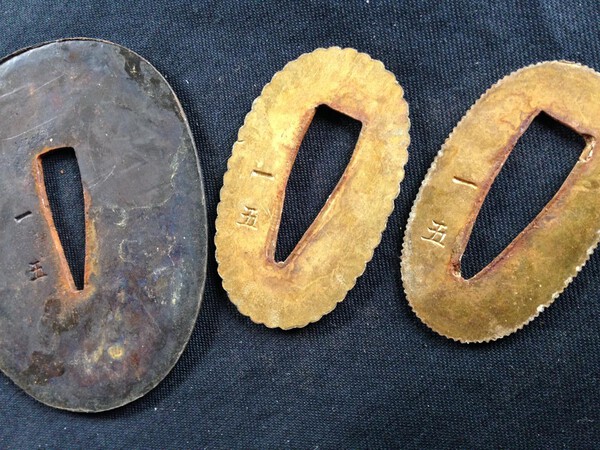
-
Kai-Gunto With Koto Blade
Bruce Pennington replied to Bruce Pennington's topic in Military Swords of Japan
Franco, I'll have to buy a measuring caliper, but I'll do that soon and post the measurements! -
Kai-Gunto With Koto Blade
Bruce Pennington replied to Bruce Pennington's topic in Military Swords of Japan
Jamie, check your PM's for possibly getting together. -
Kai-Gunto With Koto Blade
Bruce Pennington replied to Bruce Pennington's topic in Military Swords of Japan
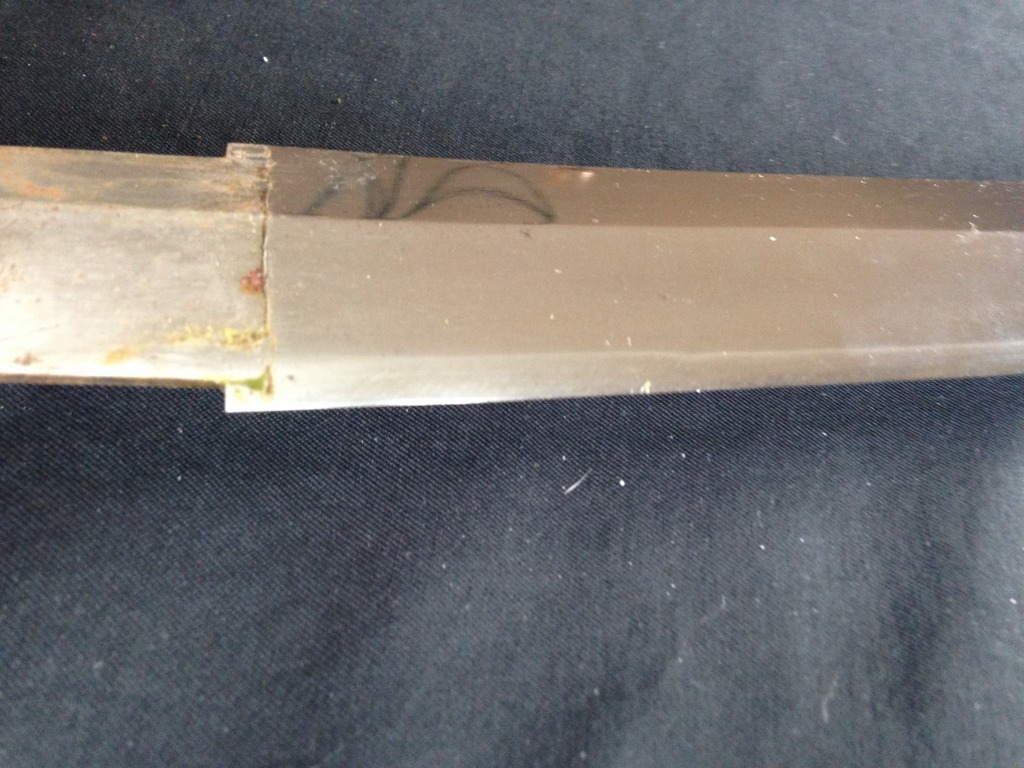
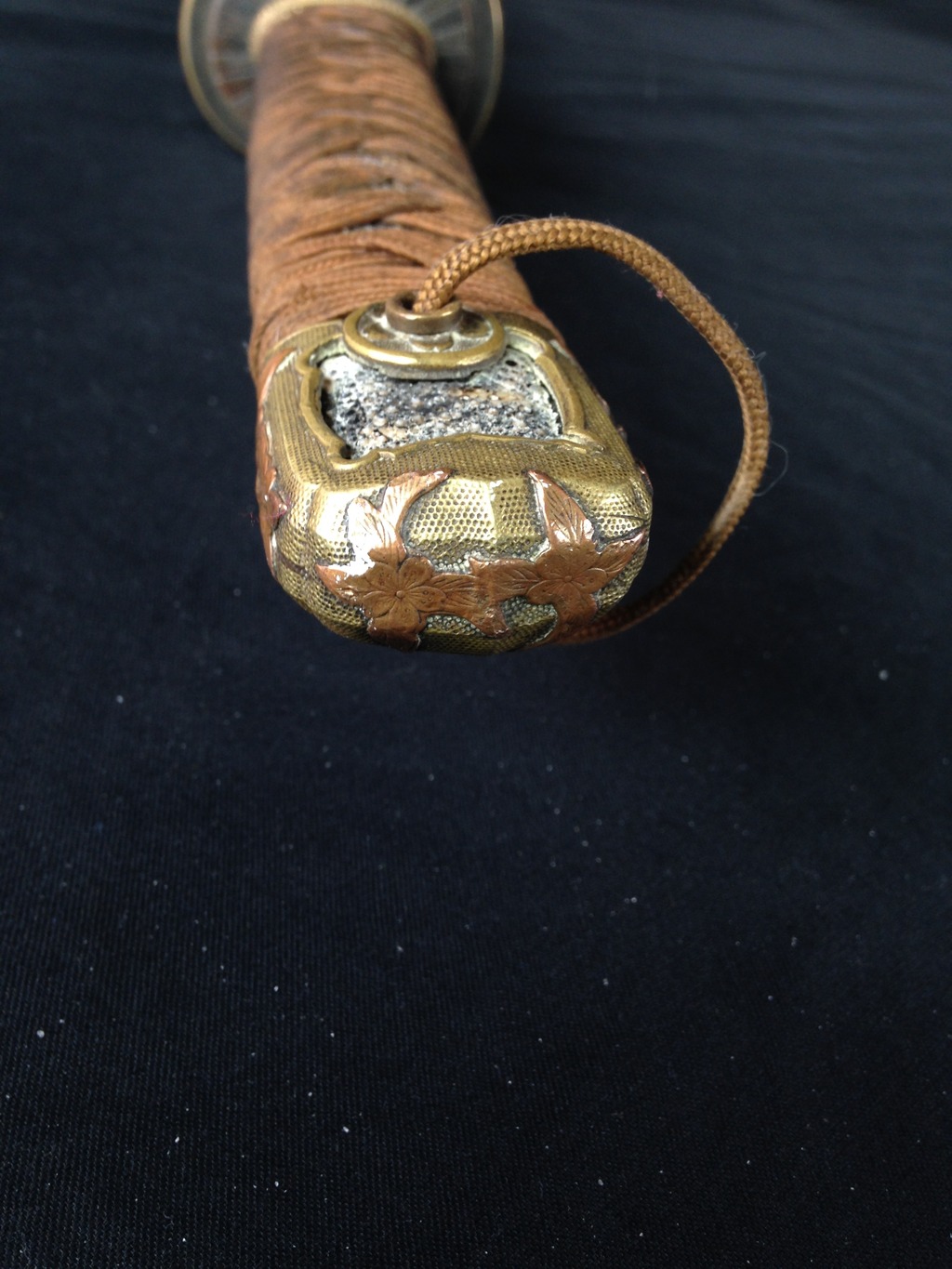
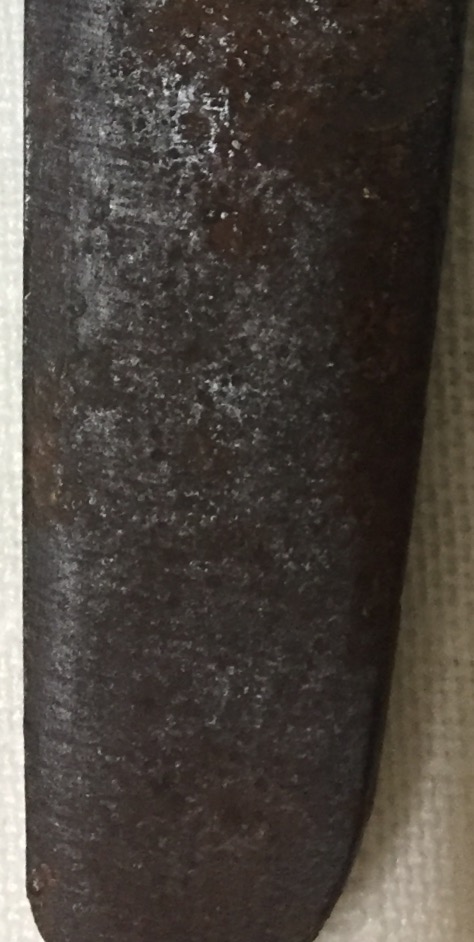
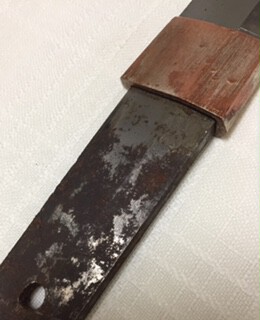
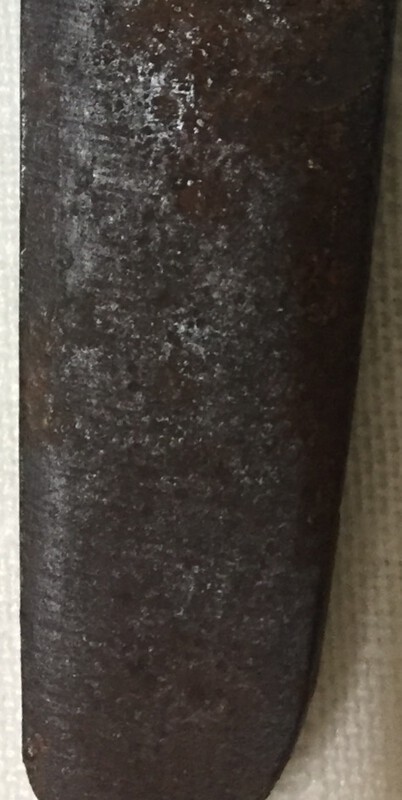
The nakago has feint Kiri-style file marks, and even the nakago-mune has file marks decernable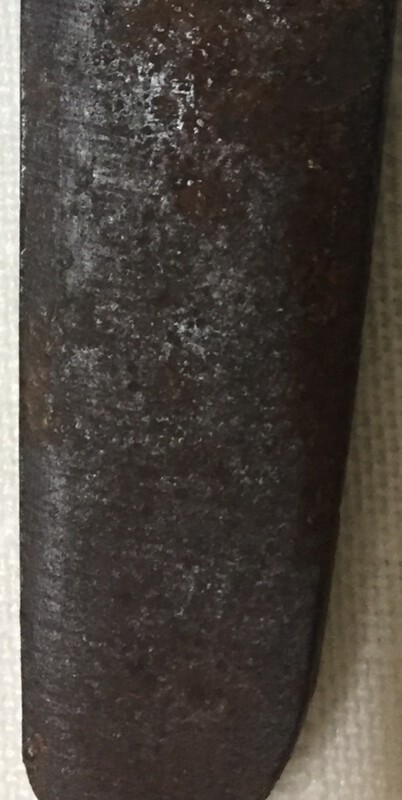
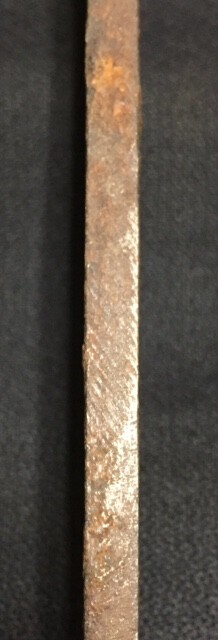
-
Kai-Gunto With Koto Blade
Bruce Pennington replied to Bruce Pennington's topic in Military Swords of Japan
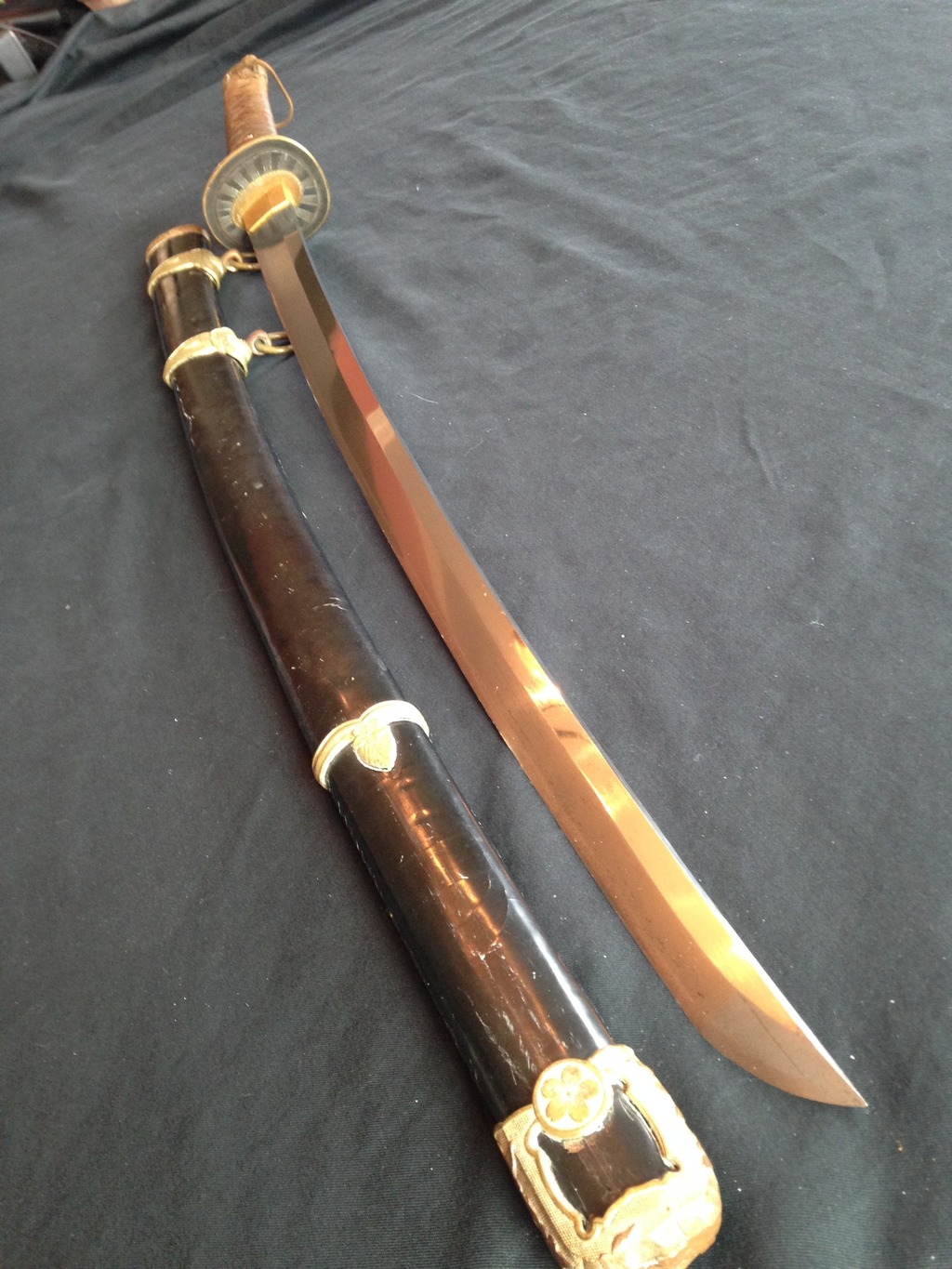
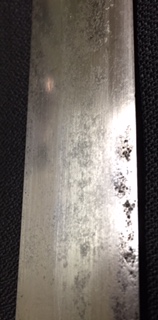
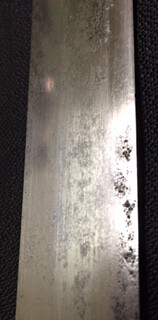
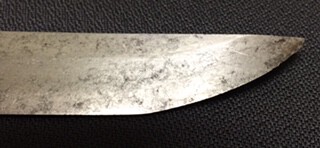
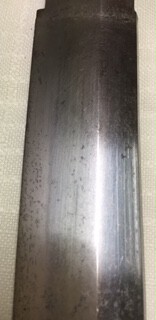
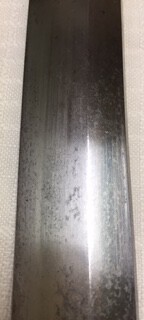
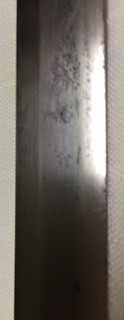
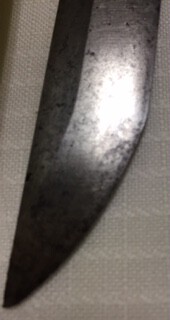
Ok, lots of new pics! I was surprised when I found out how to properly measure the sori, I have been looking at it wrong and it is very slightly Saki Sori - the deepest part of the bend is 1" forward (toward the tip) of center!!! The website I've been referencing comments that sakisori was popular during the Muromachi period (1392-1572). However that doesn't prevent someone later, like Shinto, from liking and using the style. Dimensions: Nagasa: 26" (66cm) Full length: 34 3/8 (87.3cm) Sori: 17/36 (1.19cm) @ 12" from tip (center would be 13")
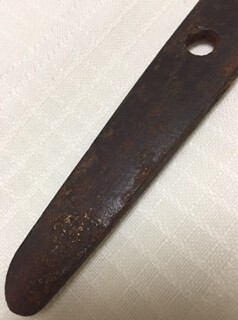
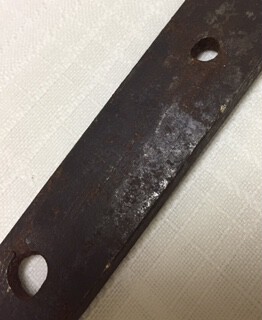
-
type 3 Gunto & kai-Gunto identification & commentaries
Bruce Pennington replied to rancho's topic in Military Swords of Japan
Have any pics yet? -
Kai-Gunto With Koto Blade
Bruce Pennington replied to Bruce Pennington's topic in Military Swords of Japan
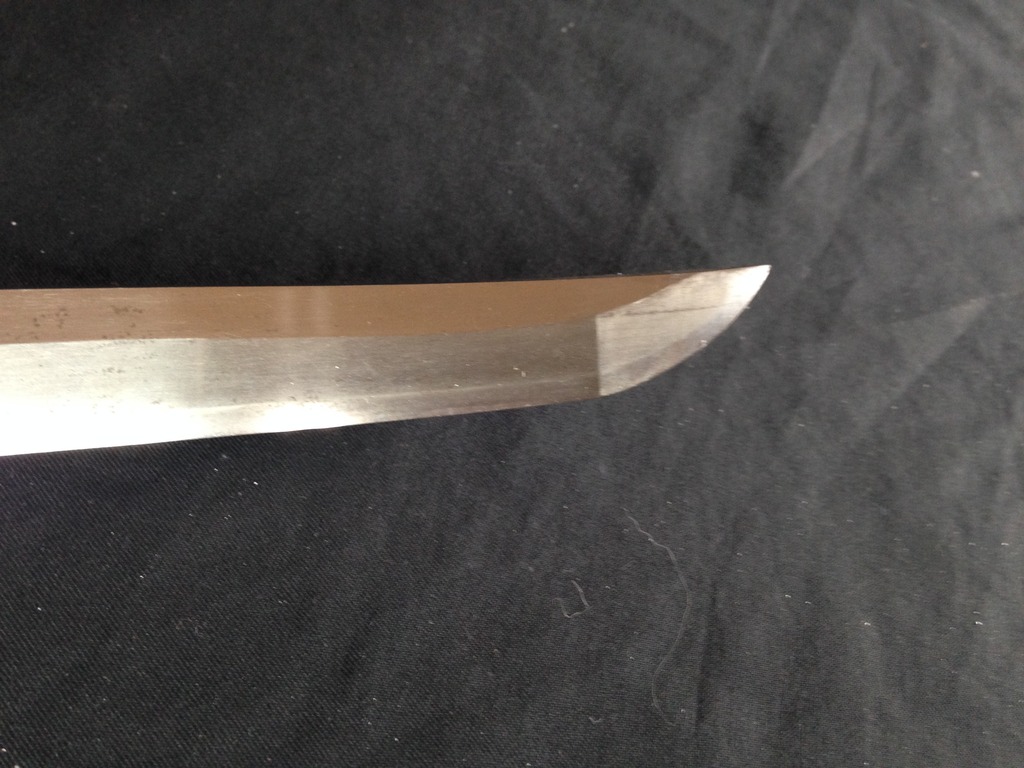
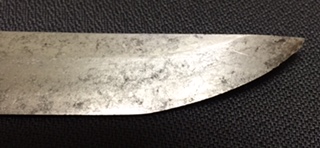
Also, the kissaki looks like it must have been damaged at some point and reshaped. -
Kai-Gunto With Koto Blade
Bruce Pennington replied to Bruce Pennington's topic in Military Swords of Japan
Franco, I'm on a road trip. It will be Thursday before I can get the measurements and post them. Sorry! -
Kai-Gunto With Koto Blade
Bruce Pennington replied to Bruce Pennington's topic in Military Swords of Japan
Alex, I'm afraid I'm on the road and won't be home for a few days. I'll find out when I return and post answers!