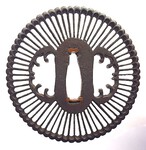
Barrie B
-
Posts
298 -
Joined
-
Last visited
-
Days Won
2
Content Type
Profiles
Forums
Events
Store
Downloads
Gallery
Everything posted by Barrie B
-
Hi all, Has anyone purchased or received a copy of Hans Koga's (Koga-bijutsu) book, YUHI - Mindset and techniques for crafts of handle-wrapping and Japanese sword furniture? I would be interested to hear back about the book please if anyone has received a copy. Thank you. Barrie.
-
I live in Australia and have used Kelly many times with oversize items like Yari Koshirae and precious DaiSho koshirae that I wanted care with. Every single transaction was perfect in every way - with lots of communication the whole way. I have also purchased a large Katana Tansu through Kelly, which was amazing. Contact Kelly if you have any hassles. Barrie.
-
Yup. I paid, but I wasn't trying to jack the price up; I actually wanted those items... Cheers Stephen. Barrie.
-
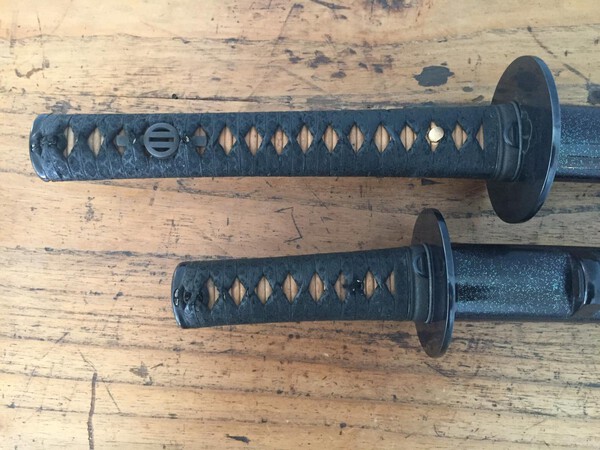
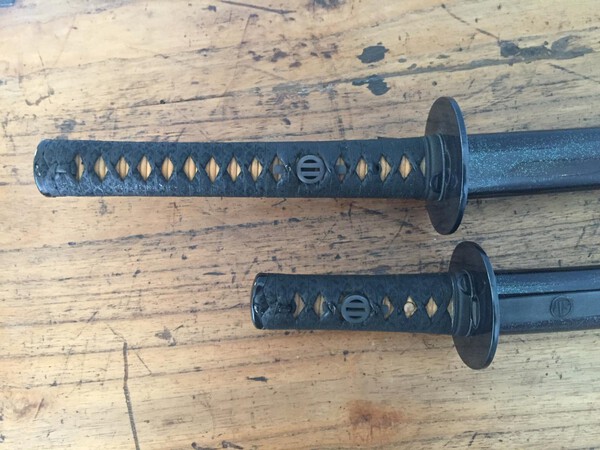
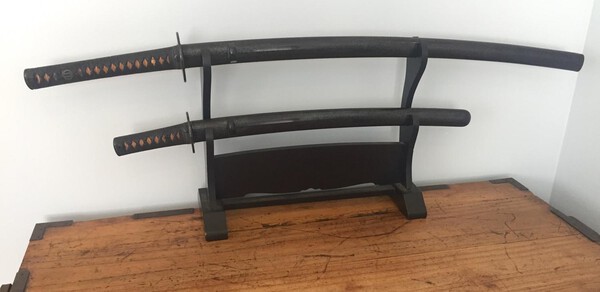
mmm... I thought I read somewhere (Markus Sesko maybe?) that Menuki were originally always placed under the palms when Tachi were more commonly used. With the evolution/ development of the Katana (and Wakizashi), (with the cutting edge now up instead of down), the Menuki were not moved, due to tradition maybe..? Although, of course, they are (orientated) the right way up on Katana (and Wakizashi) when worn, as opposed to being upside down. I am away from home at the moment so cannot check my books. Or I might just be totally wrong..! Either way, it is a good subject to discuss. As for extant examples of Menuki under the palms, I have - on one of my daisho - Menuki orientated in the Yagyu Ryu style. That is, with the Menuki placed under the palms when holding a sword for combat, and in fact, on the Wakizashi, there is only one Menuki. The other Menuki is not missing; being a one handed sword (sho), there is only one Menuki that resides under the palm when held - albeit by the right hand. These are not Yagyu Daisho; just the Menuki placement is in the Yagyu Ryu style. BTW, of all my Koshirae, these are the only ones with this orientation for the Menuki. So not very common.. Barrie.
-
I can reiterate what Ed has said. I have also chased items on YHJP that have not had a bid placed on them for days.. All of a sudden when the auction is ending and I bid, someone shill bids.. This goes on for a while until I think, okay, it is a fair price now, but when they get greedy, I stop. On several occasions 'the shill bidder' has won the auction. Like Ed, I know they have been caught with their own item. Occasionally though, the next morning I'll wake up to an email stating the highest bidder pulled out (surprise surprise..!) and the item is mine. Thankfully I didn't go too high and I actually wanted the item, but their blatant dishonesty is outrageous.. Barrie.
-
FWIW and if anyone wants to do a comparison, similar themed Tsuba can be seen in: The Isiguro School of Japanese Sword Fittings Artists (Ishiguro Koreyoshi) pp.68 and Japanese Swords and Sword Furniture in the Boston Museum of Fine Arts (Natsuo) pp. 320 & 321. Barrie.
-
Steve and Kyle, Thank you for your assistance. I genuinely thought these were made by different kinko artists and one was a later commission; however, they are - as Steve said - exactly the same in finish and design. Although this did not surprise me as these artists were very clever and could match anything.. I am pleased to know that they are a true set though. Thanks again, Barrie.
-
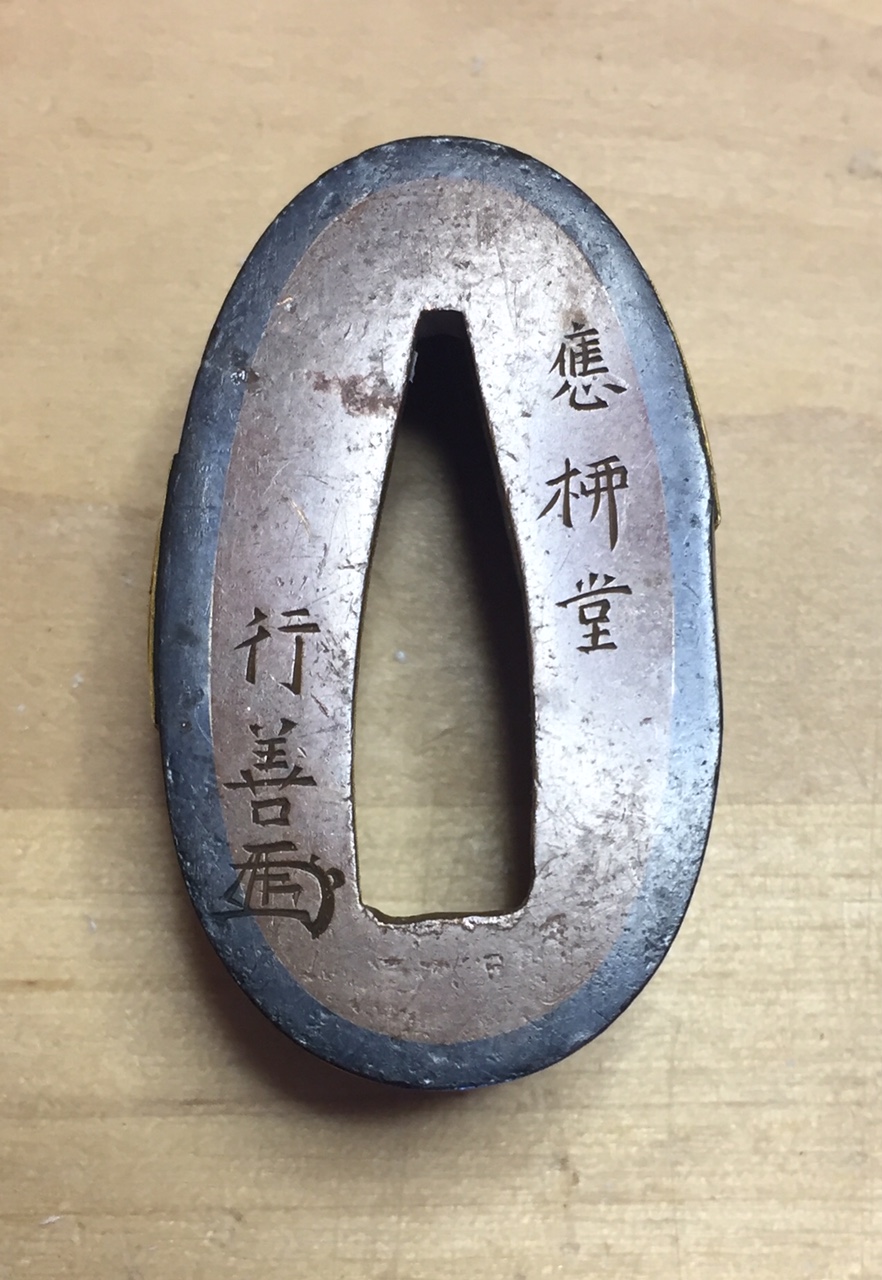
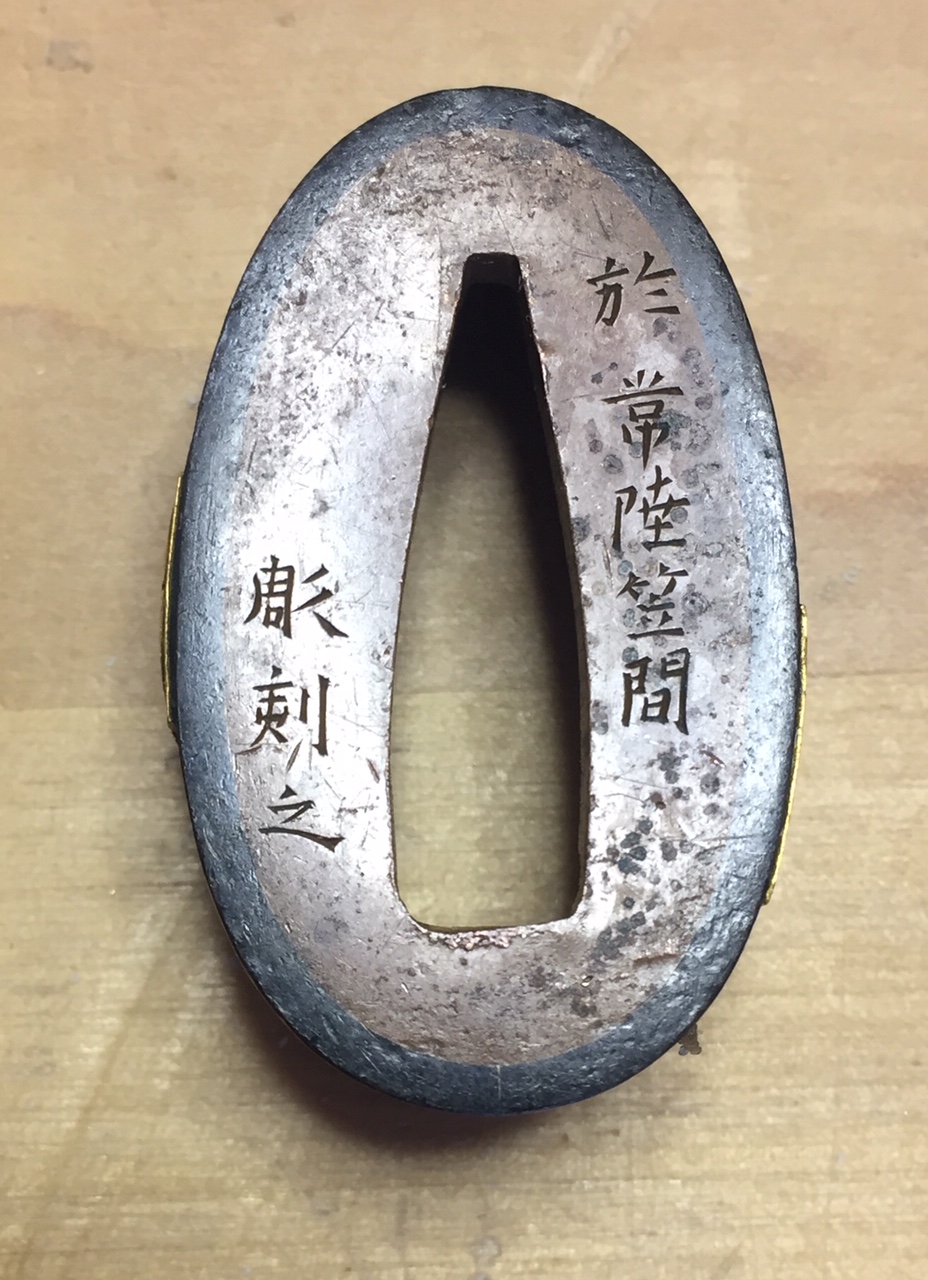
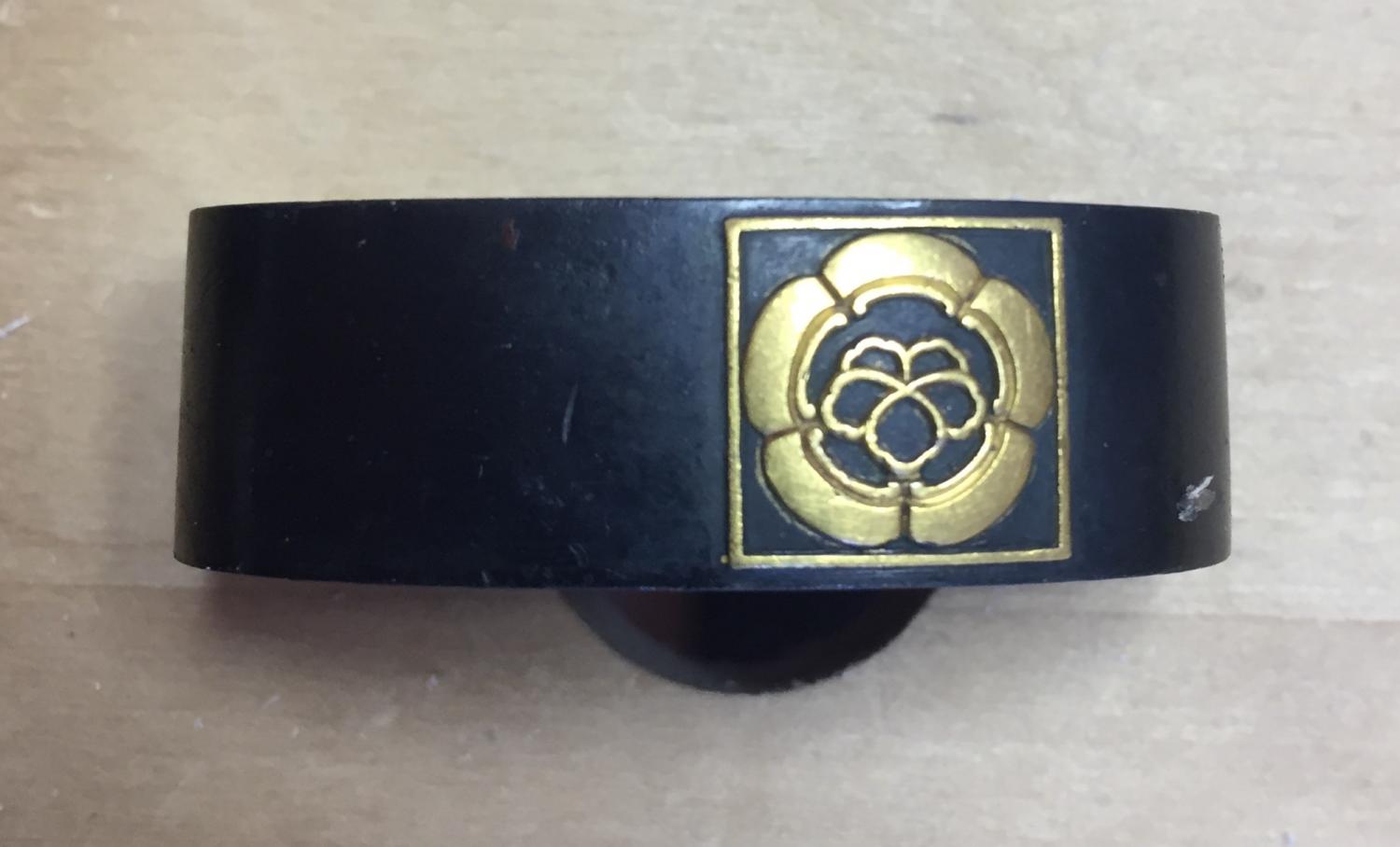
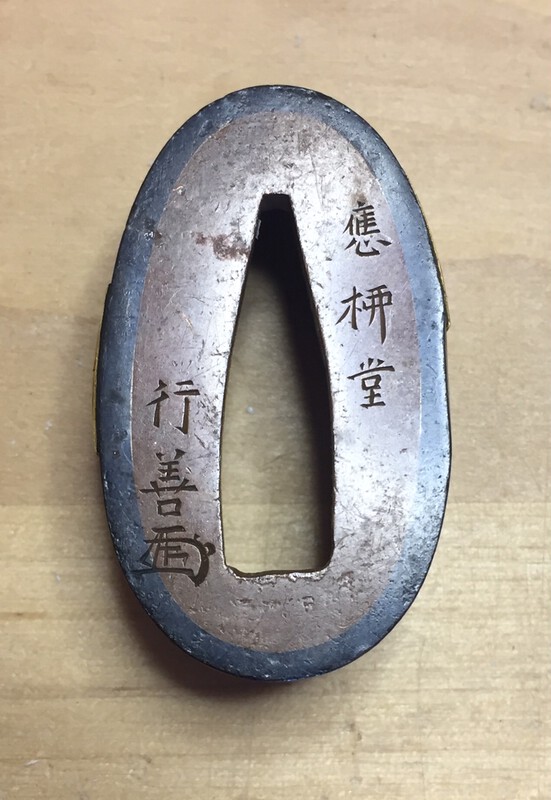
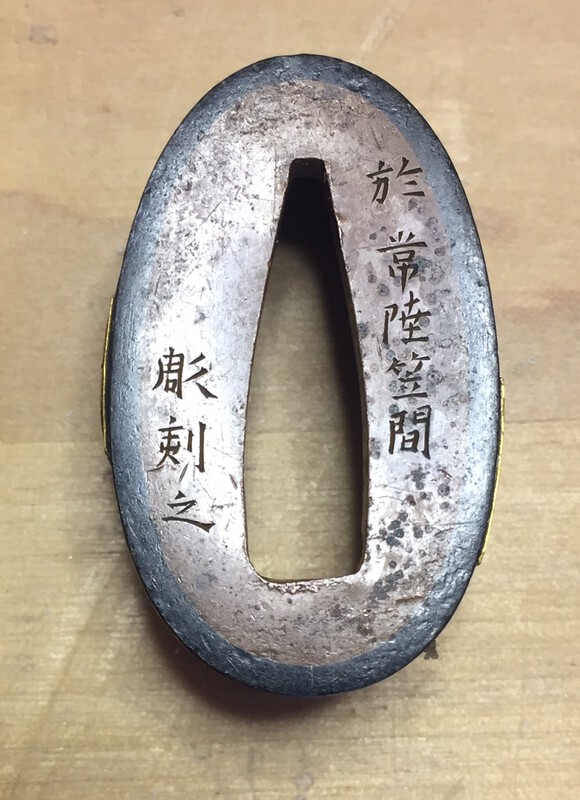
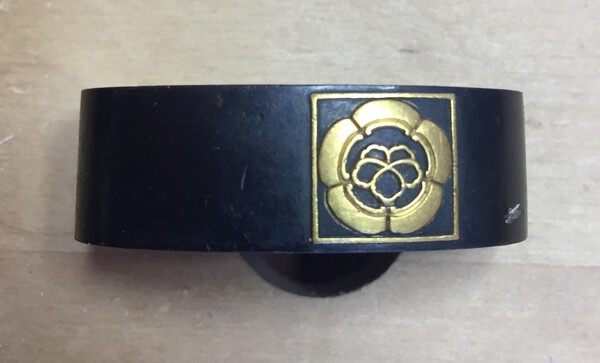
Thank you so much. I was really stumped with this. So these were made at Hiratsuki Kasama by Yukiyoshi..? What does 彫剣之 mean? And do we know who/ or which family used this Mon, or is it too generic to tell..? Thanks. Barrie.
-
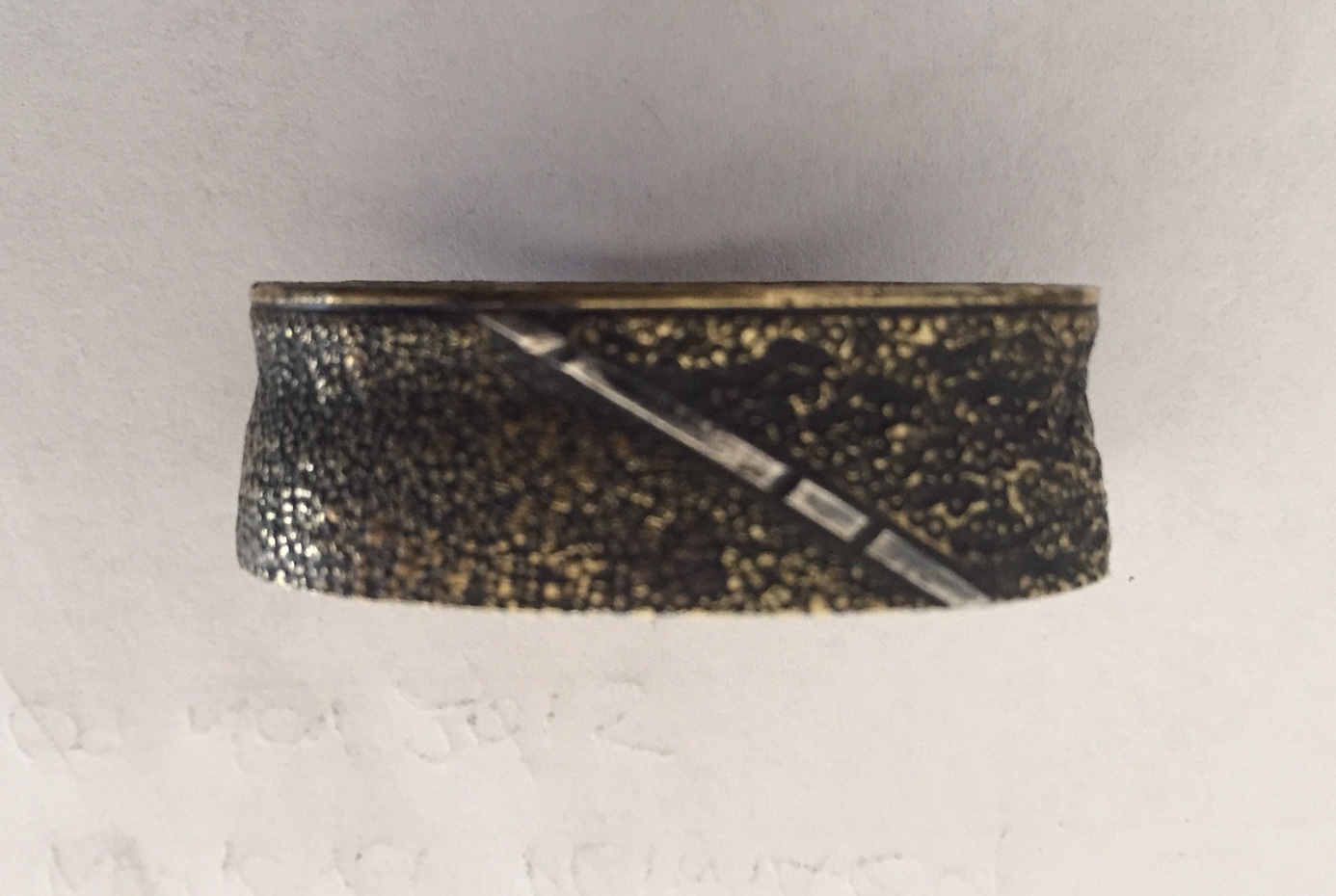
Hi all, I have what appears to be a Daisho Fuchi; however, they seem to be made by different artists? Perhaps one was a later commission to match the first..? I am interested to find out if both smiths are contemporary? The Fuchi both have exactly the same Shakudo finish with matching Mon(s) - which I can't identify either. I have Hawley's Mon Book and this particular Mon is not recorded. The Matsudaira had many 'similar' Mon, but not this 'exact' one, according to Hawley. Can someone please assist me to translate these? I have worked out that one of the smiths was Yukiyoshi Ca 1800 or 1850 (H 12488, 12489 or 12490), but the other has me stumped, as does the rest of the kanji. Any assistance would be appreciated. Thank you. Sincerely, Barrie.
-
Best Alternative To Jauce?
Barrie B replied to lotus's topic in Auctions and Online Sales or Sellers
I too have used Kelly on several occasions and can thoroughly recommend his services. One benefit I found was that Kelly was able speak directly to the seller to negotiate the sale of a very nice Daisho Koshirae - that the seller did not want the hassle of selling internationally - whilst also securing a very reasonable price. Kelly was then able to organise the export license, which the seller was not willing to do obviously.. I have also used Kelly for oversize items like Tansu. Barrie. -
Alexsandr, I agree with Steve and BT.. If you really wanted to draw a long bow, then this would (or could) be a 'Merchant Koshirae' but, it may also be an early Meiji 'put together'.. Antique fittings and a (really) nice saya with good same' under the ito.. Enjoy it for what it is.. Barrie.
-
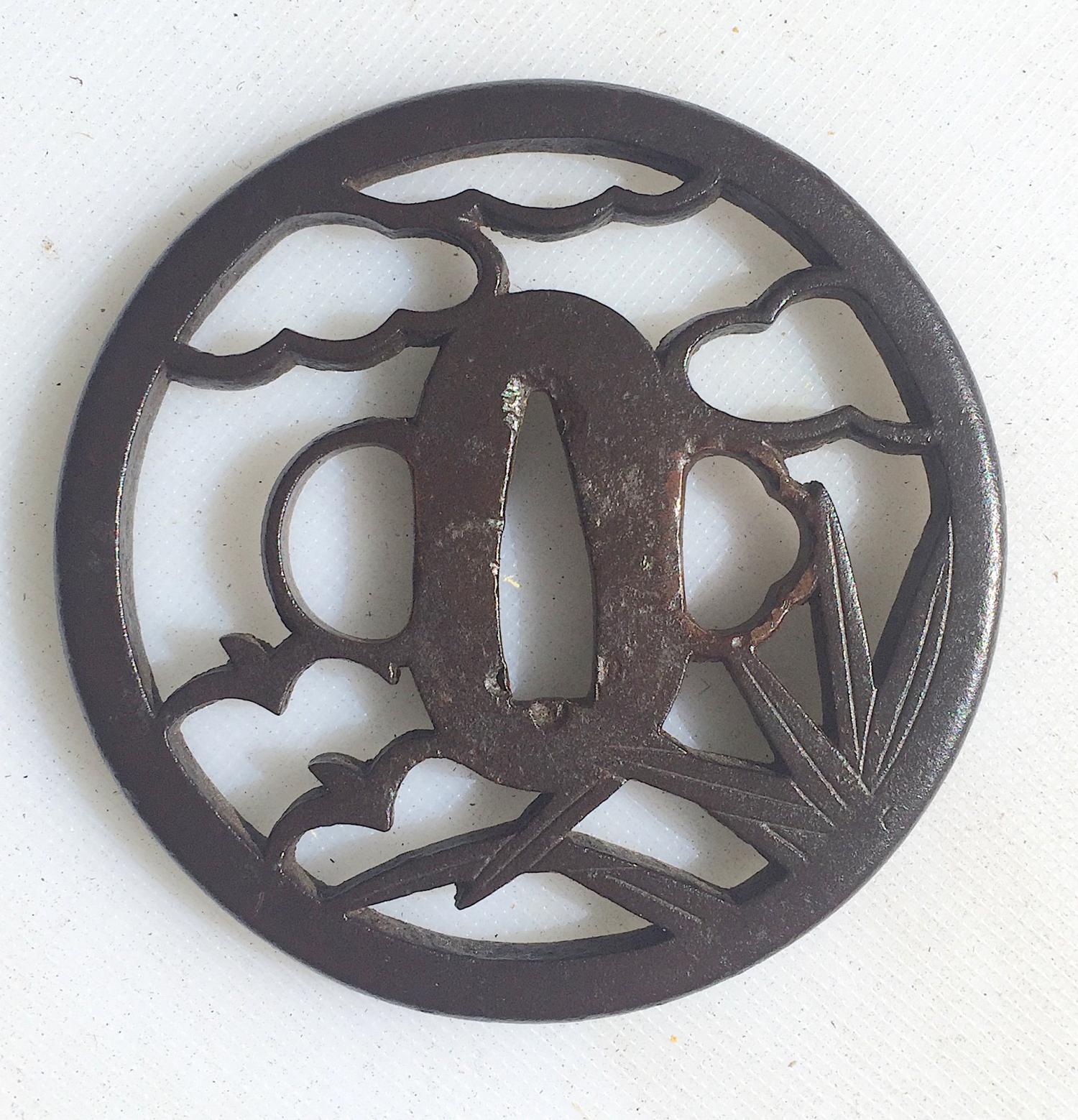
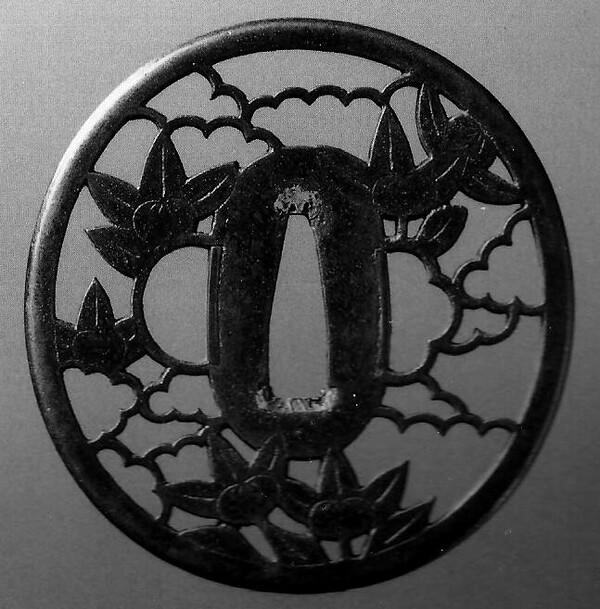
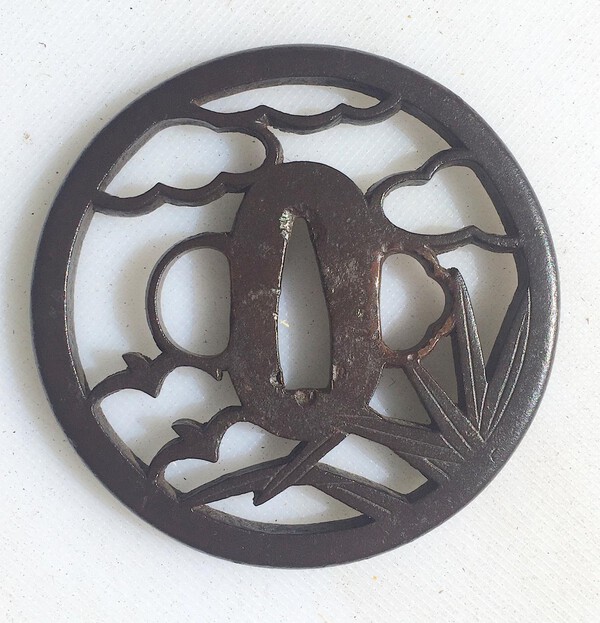
Thanks Michael, I was looking at this Tsuba and thought it had similar traits... Especially the mimi, Seppadai chisel marks and Hitsu-ana (Kogai & Kozuka) shapes. And the Reed design crossing into the Seppadai slightly. Although, I agree that mine is a little more 'chunky'. Perhaps mine is a late attempt at copying Hayashi work? Barrie.
-
Hi all, Trying to research this Tsuba and I am thinking Hayashi work.. Any opinions? Its a bold and not very delicate sukashi, which is why I am thinking that. Size: 80.5mm H x 81mm W & 5.5mm T. Apologies that the photo is not better.. Thanks, Barrie.
-
Hi Grev, I assume you mean the small cut outs at the top of the Kozuka-ana and at the bottom of the Kogai-ana? I am wondering if these were from a previous design and the the hitsu-ana were added later..? Nice Tsuba BTW. Barrie.
-
Thank you very much everyone.. Very interesting... I have to shoot off to work now, but I will do some more homework tonight when I get in.. Hopefully Kuniharu is in Haynes.. Thanks again. greatly appreciated. Barrie.
-
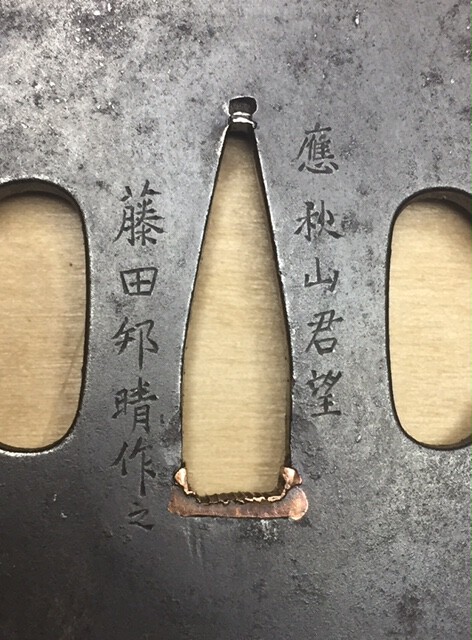
Thanks Joe, So Fujita is the family name..? Barrie.
-
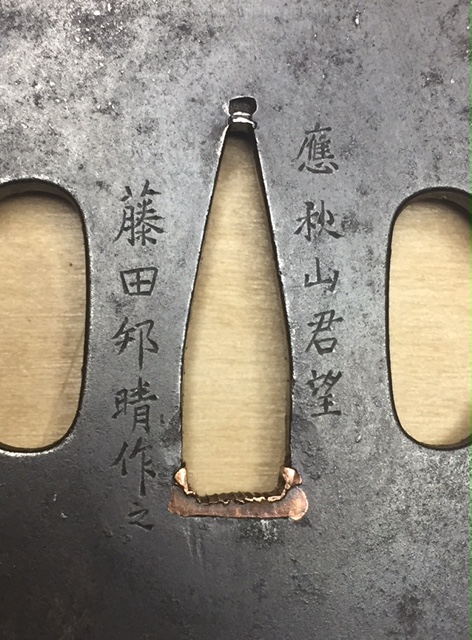
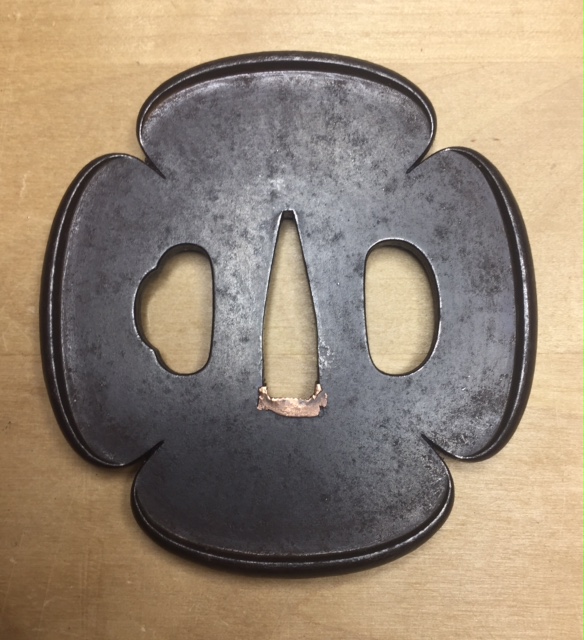
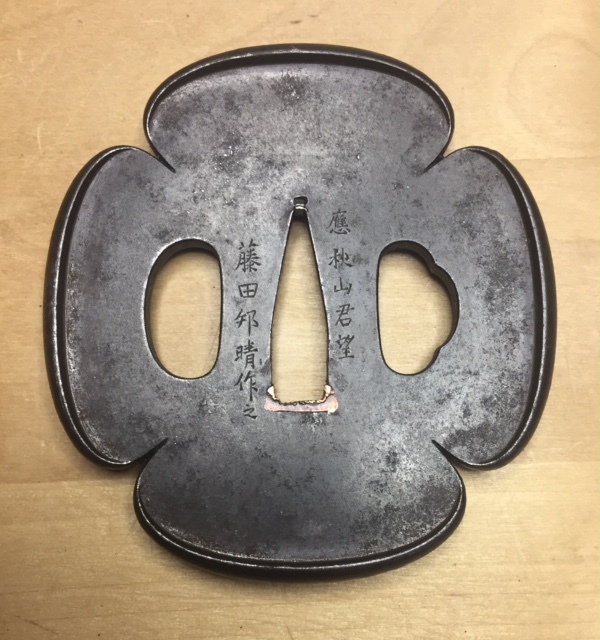
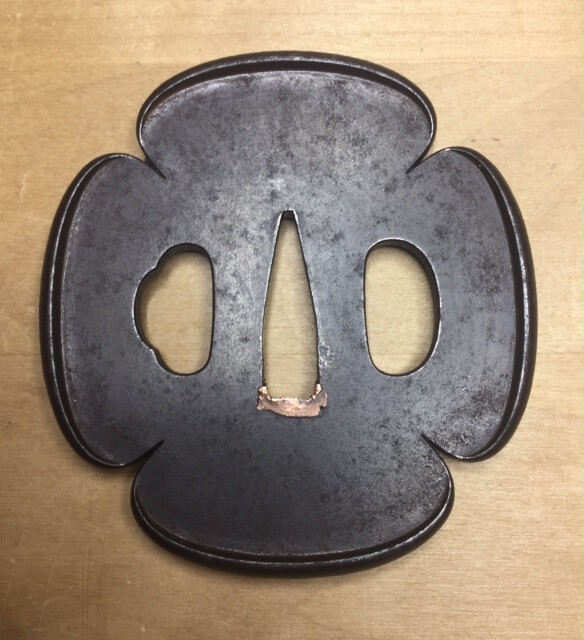
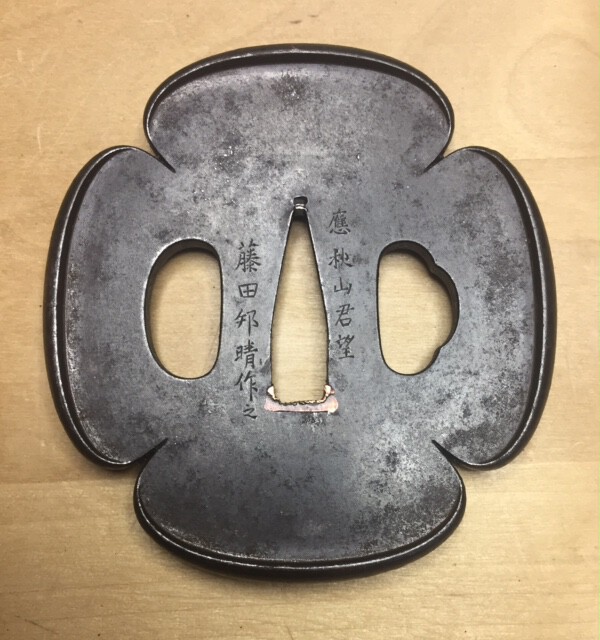
Hi, I have a tsuba with quite a long mei on it, that I do not quite understand.. Any assistance would be appreciated. Thanks, Barrie.
-
Hi Geraint, Thanks; that is exactly what I was after. Barrie.
-
Thanks for the reply, Bruno. Any idea what this 'style' is called? Barrie.
-
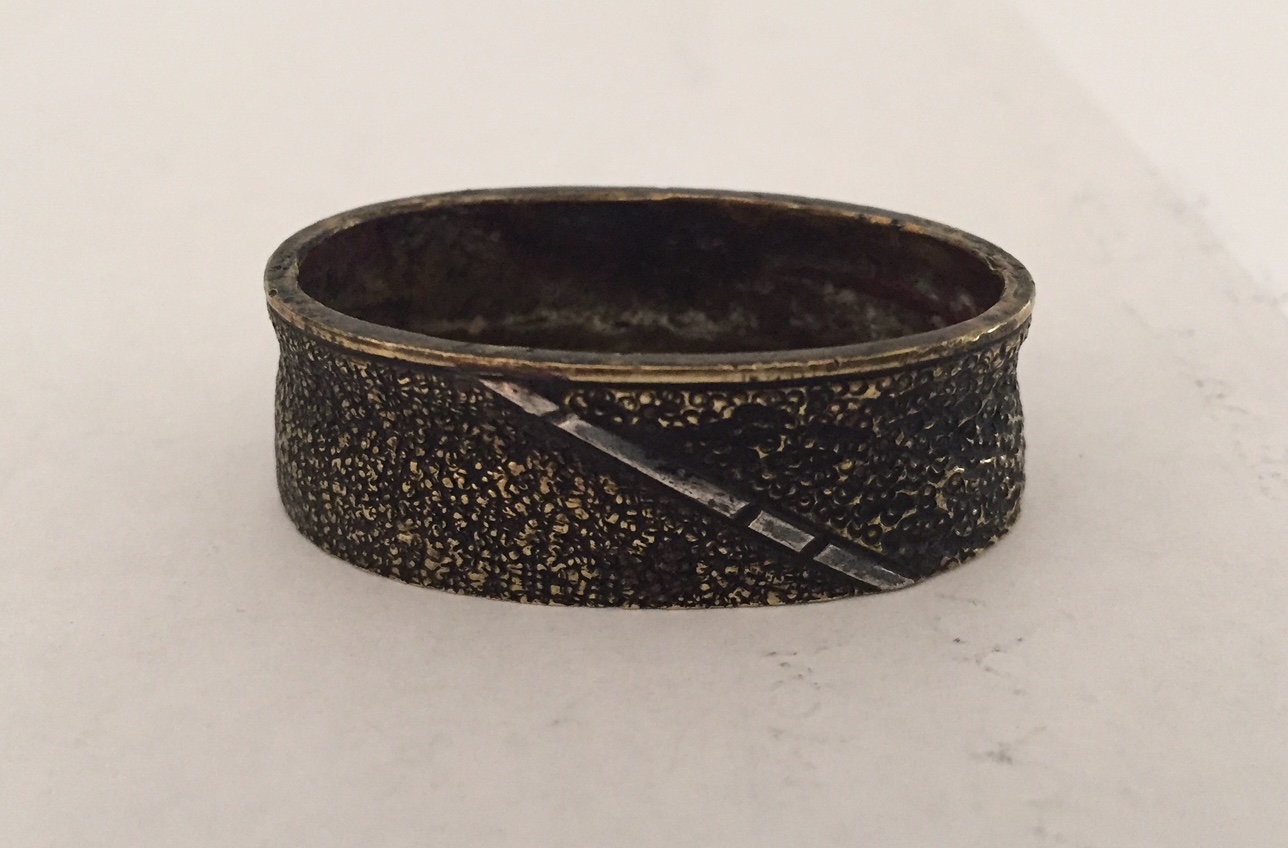
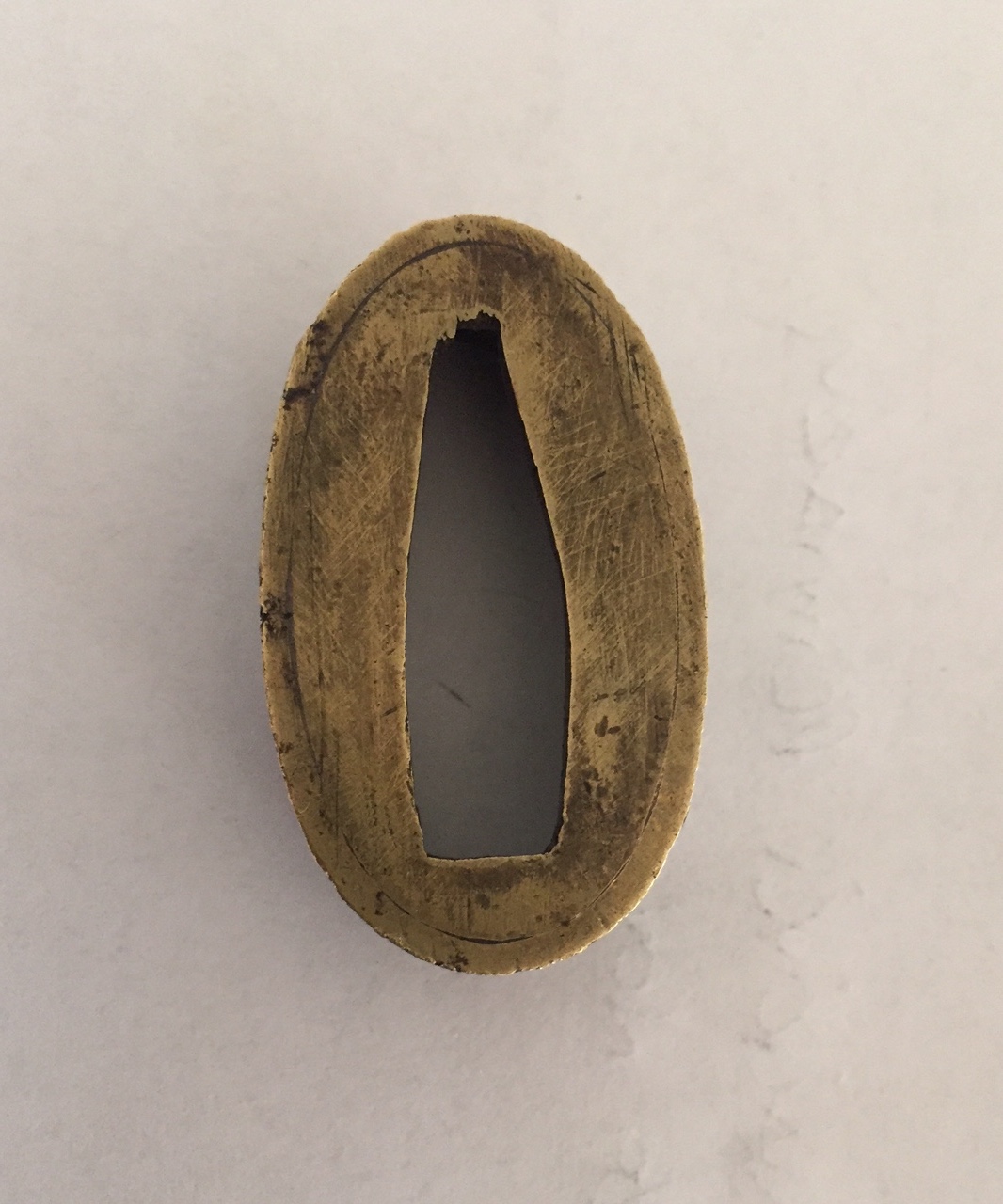
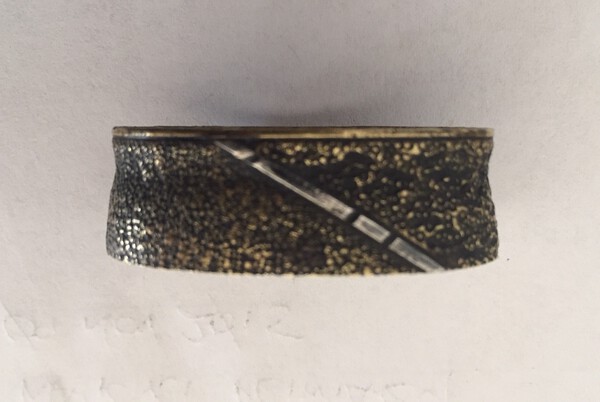
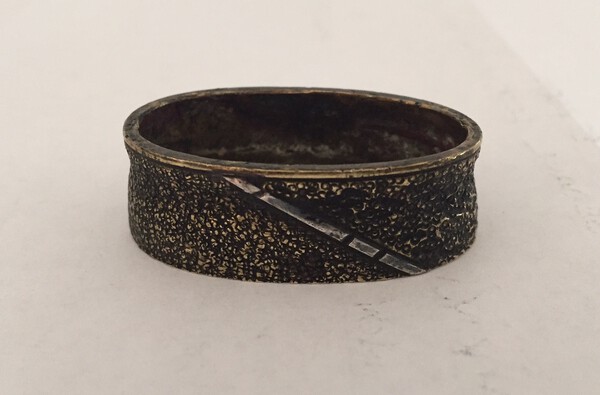
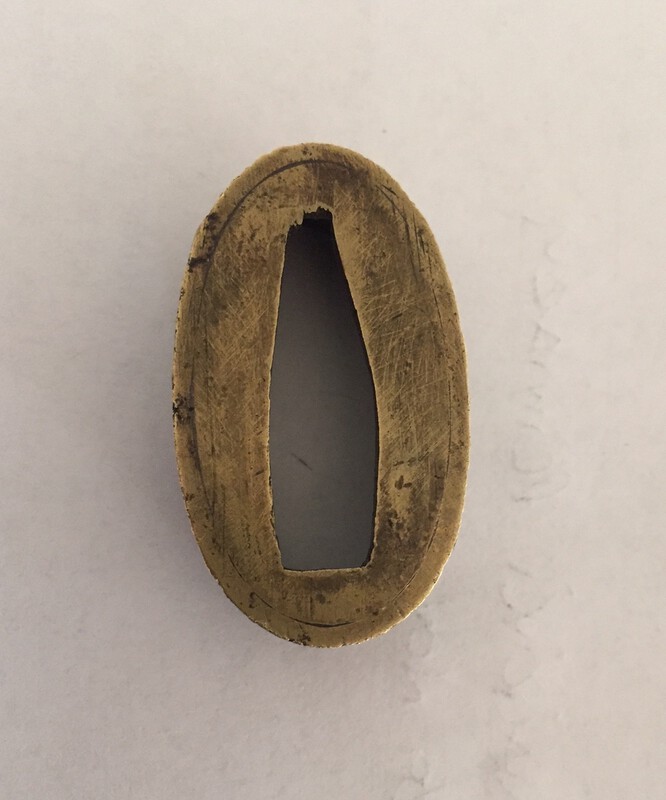
Hi all, I have this Fuchi lying around (we all have them!) and I was wondering what style this would be called and when did it become popular? The Fuchi is 40mm, so on the large side compared to most F/K I own. I have seen a few koshirae with these fittings (over the years) and I must admit, they do not appeal to me, at all.. The fitting has a Higo shape, but looks crude or rustic.. I am sure it was not easy to make, but it is definitely not the refined elegance we are used to seeing of koshirae fittings. Any idea when they were first made, or by which group? And what is their appeal? Were they tourist pieces or was this style actually fashionable at one stage in the late Edo period? Anyone know? Thanks. Barrie.
-
Steve, Thanks, you might be right. It does seem odd that anyone would either sign or mark up seppa.. Barrie.
-
Bruce, Thank you for your reply.. I have a Kai Gunto that has numbers stamped on all the fittings and this makes sense in a mass-production environment, but away from that, seppa were custom made for the blade and koshirae. I really do not see how they could be easily mixed up - unless they were in a semi-mass production environment as well? My only guess is perhaps they were marked to be paired up later after a seperate kinko artist applied the gold foil. Perhaps the 'kinko' artist waited until he received several/ many pairs of seppa (perhaps on a string) to apply the foil, so as to be more efficient with his time.. After all, if you are set up (to 'foil' one pair), you are surely good to go for a small production or batch.. I would have thought that the foil would be applied by the same person making the seppa, just as it is on habaki. Anyway, perhaps we will never know. Barrie.
-
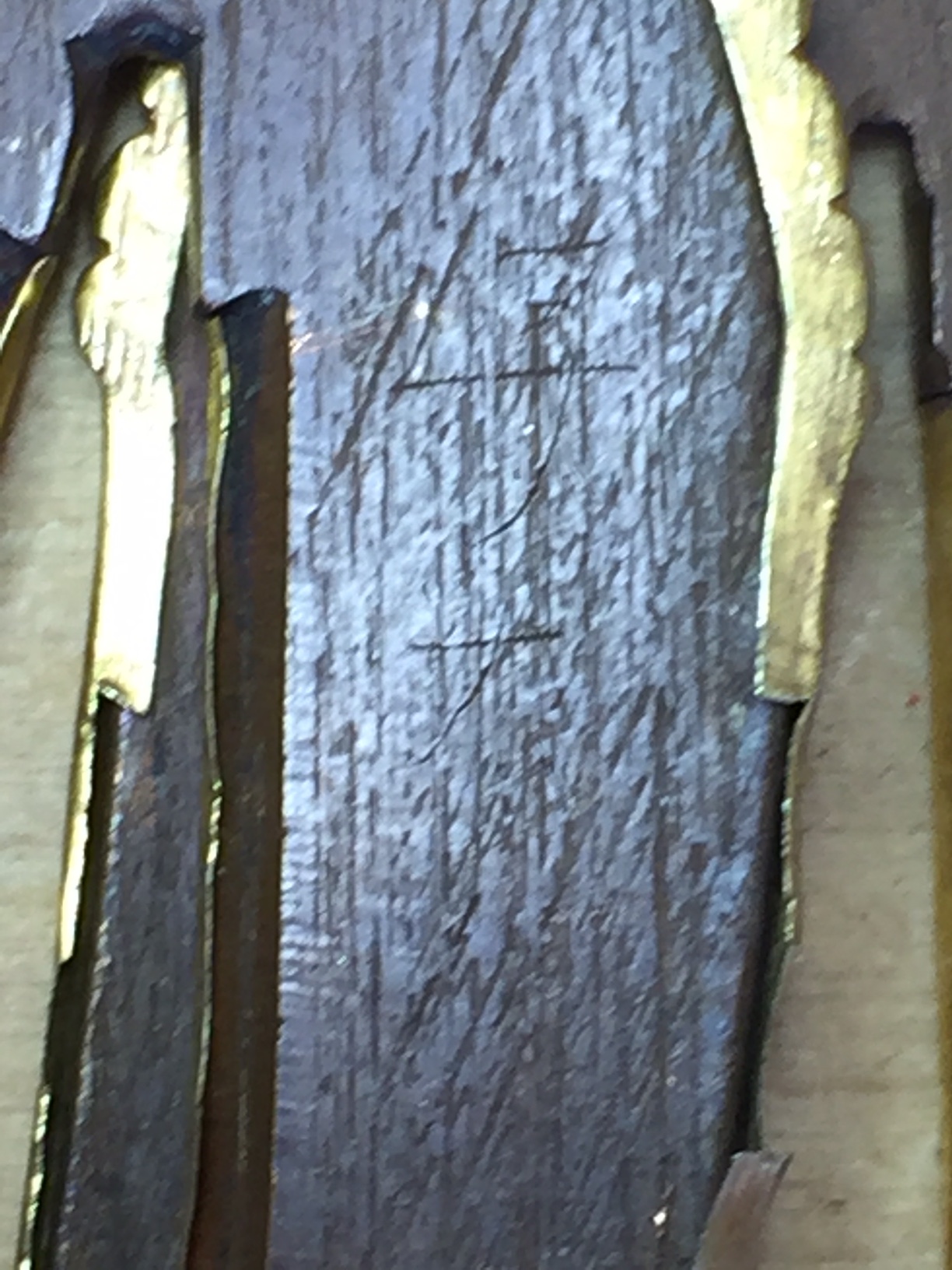
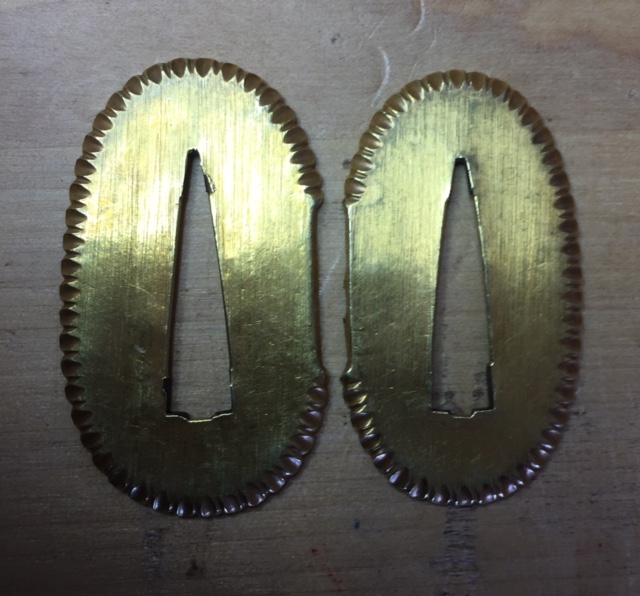
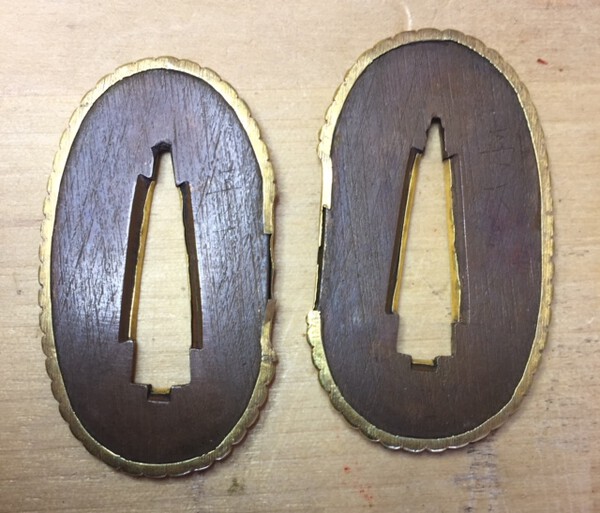
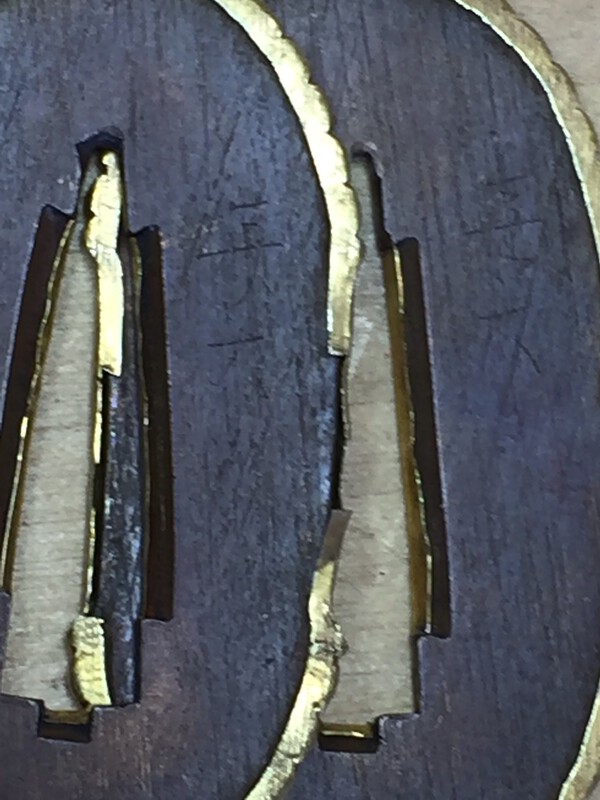
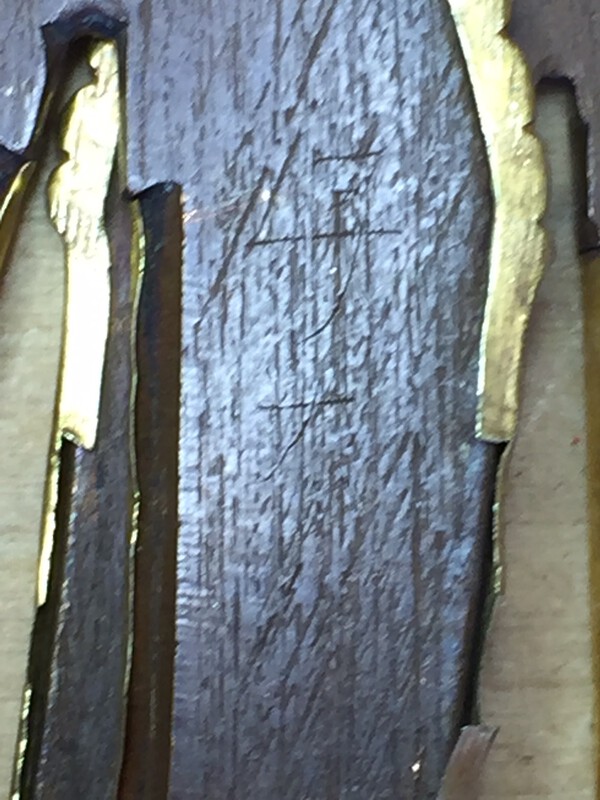
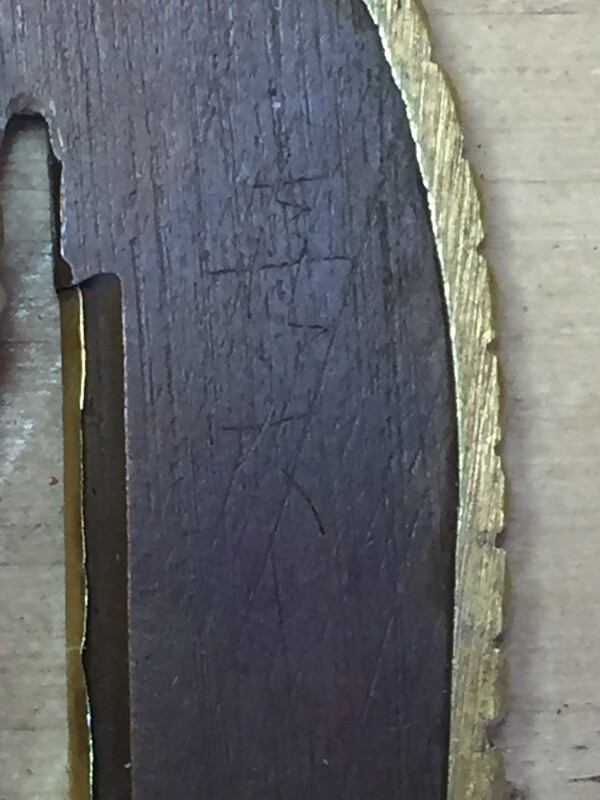
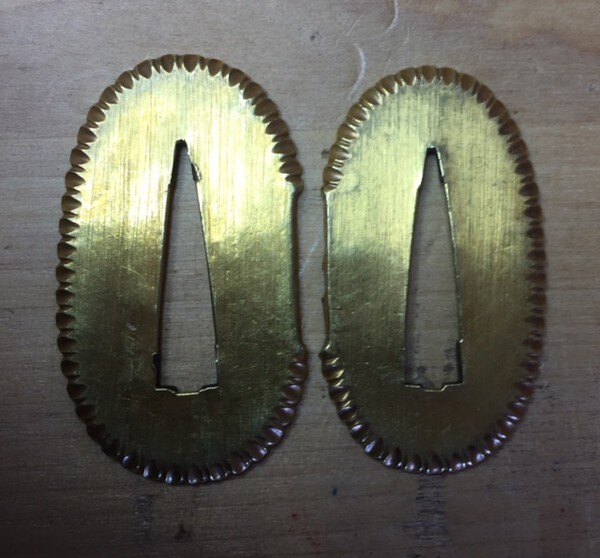
Hi all, I have these gold foil seppa that have kanji on them. Can anyone please tell me what they say/ or mean? I can't imagine that they are marked Ura and Omote as this seems obvious to me.. The kanji on both seppa do look similar as well.. Is it (perhaps..?) lightly and rather cleverly signed by the apprentice tasked to make them..? ..or perhaps they were marked by the maker for payment at a later date..? Or perhaps marked for the blade they were made for, as the maker possibly made several pairs a day? Any assistance would be appreciated. Thanks. Barrie.
-
I have successfully used a scroll saw blade - trimmed to a sharp point at one end (just prior to a saw tooth) to create a 'barb'.. Once you get a bit of paper out, you can keep working to draw a bit more out each time. Works really well to clean out Kozuka handles of wood and paper, but may not be long enough for your Tsuka.. You may have to affix to something to get the depth. Good luck which ever way you go... Barrie.
-
Help Please - Writing On Box (Not Hakogaki)
Barrie B replied to Barrie B's topic in Translation Assistance
Thomas, Makes sense.. thank you..! And for you quick reply; I really appreciate it. Unfortunately, this does not reflect what was in the box.. so obviously a recycled box. Again, I appreciate your assistance. Sincerely, Barrie.