Guido
-
Posts
3,242 -
Joined
-
Days Won
99
Content Type
Profiles
Forums
Events
Store
Downloads
Gallery
Everything posted by Guido
-
I saw that Moriie when it was sent to Japan, and was present when it was shown to Mr. Tanobe. Besides the signature not matching known examples, there were other indications that the mei was added later. It would have been - IMO - an acceptable compromise to paper it nontheless, with the additional specification ato-mei. However, that's not the policy of the NBTHK (or any other organisation AFAIK). So, if we can't live without having our swords papered, we have to obey their rules, for better or worse. No-one is forced at gun-point to have a mei removed ....
-
 Because they can't simply destroy other people's property, they would need a court order to do that.
 -
No, just posted it as yet another example. I'm saving my money for the DTI :D.
-
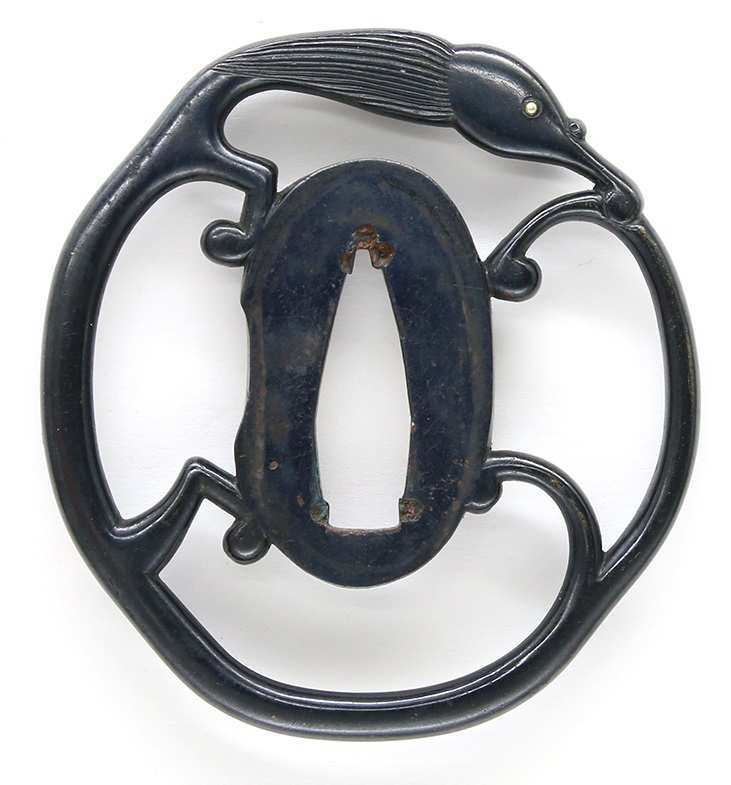
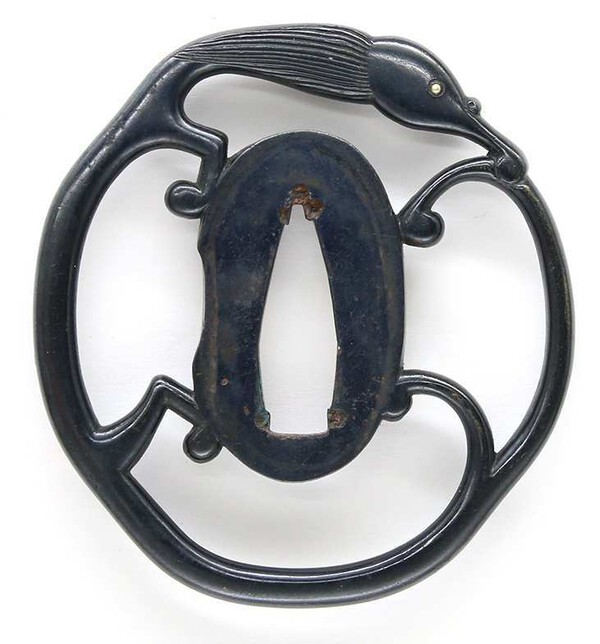
Just popped up on the Aoi Art website: http://www.aoijapan.com/tsuba-mumeiunsigned-edo-akao. However, Mr. Tsuruta transcribes 雨龍 as unryū.
-
Under the administrative code of the ritsuryō 律令 system, the kajishi 鍛治司 was the "smithery bureau". But that's about Nara period, I don't know if it was used later on. Also, (no) tsukasa 司 was a court rank. FWIW ...
-
This is getting confusing, Jean - Chikuzen Nobukuni is a different line. "Hisanobu Guido"? Wow, didn't know I had a namesake back then!
-
Not Ryōkai himself, but Tsukushi Ryōkai, Jean. Yoshisada, a pupil of Yamashiro Ryōkai Hisanobu, moved to Kyūshū around the beginning of the Muromachi period, and his mon gradually flourished and spread throughout Chikushū and Hōshū. Therefore Yoshisada, Yoshizane, Kazuyoshi, Shigeyuki, Muneyoshi, Hisanobu, Yoshimasa, and a great number of other tōkō are all grouped together, and called Tsukushi Ryōkai 筑紫了戒. The quality and style of the beginning period was the style of Yamashiro, their home kuni; hamon of suguba or suguba-hotsure is the most common. I attached some pics of a Tsukushi Ryōkai tanō I owned about 10 years ago (on another note: this tanō displays clear mizukage - although ubu [as Mr. Tanobe states in his sayagaki]).



-
I googled 小太刀 (hey, I'm at work, nothing else to do ), but there isn't much info out there. One website stated that most of them were made during the Kamakura era, because kodachi became fashionable among court nobles who wanted to wear a sword like the buke, but one that did not get in the way at the palace, and especially when travelling in ox carts - therfore the "scaled down version".
-
Togishi Tsuyoshi Morodomi does it again :)
Guido replied to kusunokimasahige's topic in General Nihonto Related Discussion
You could have the chance to look in hand at many first rate swords on a regular basis by joining the European branch of the NBTHK. Leiden isn't that far from Bonn where most meetings take place. -

-
Togishi Tsuyoshi Morodomi does it again :)
Guido replied to kusunokimasahige's topic in General Nihonto Related Discussion
Sorry if this sounds offensive, but judging a polish from looking at pictures is like learning brain surgery from watching a couple of episodes of House, MD. I, too, thought I figured it all out, but now I have a hard time disposing of the bodies ... -
That's a namiryū 波龍, a dragon among waves.
-
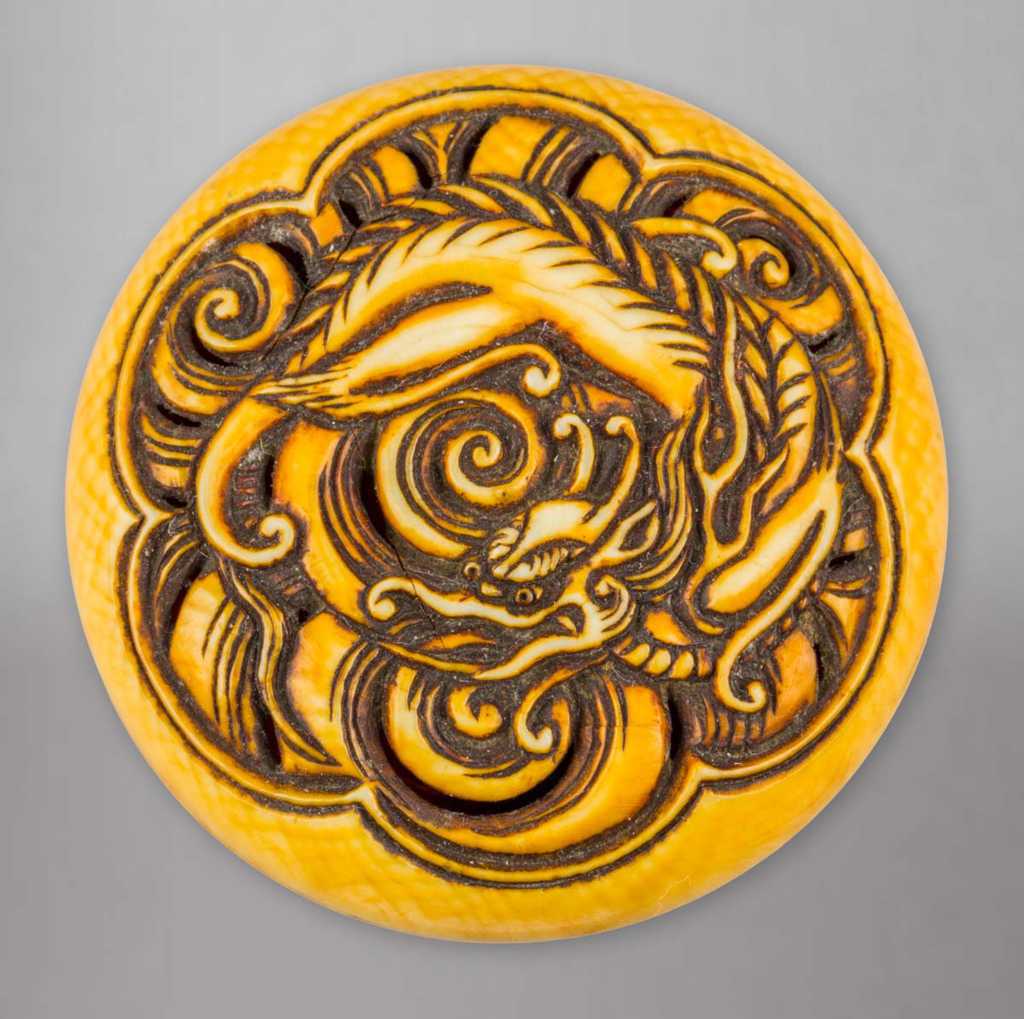
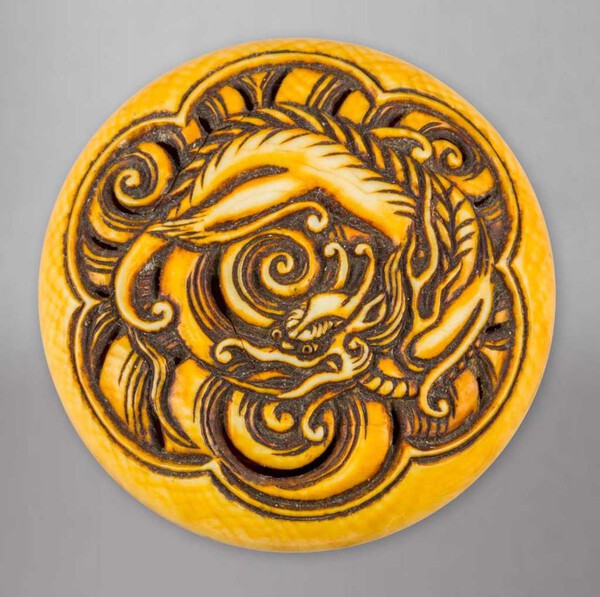
Here's a manjū netsuke (ivory, 19'th century) from my collection depicting a rain dragon:
-
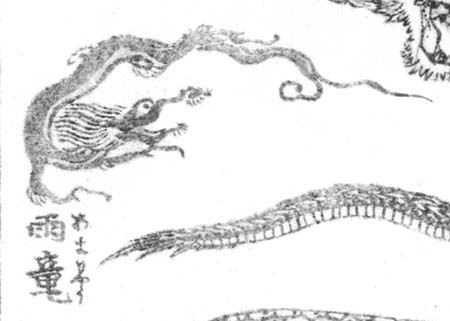
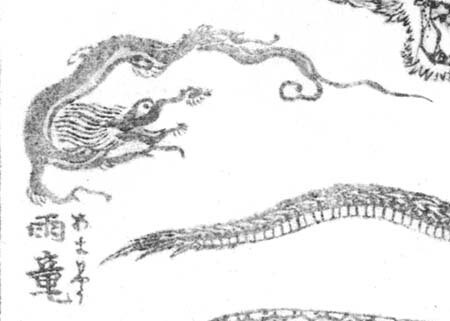
I did a quick Google search for 雨龍, and here are two (of many) results (龍 can also be written 竜):

-
I think it's an amaryū 雨龍, rain dragon.
-
The Shôwa swordsmith Sadayuki 貞行 used kiku-ichimonji in his mei.
-
IMO a transcription helps learning reading mei much better than a translation. Maybe posters should specify in the future whether they look for one or the other.
-
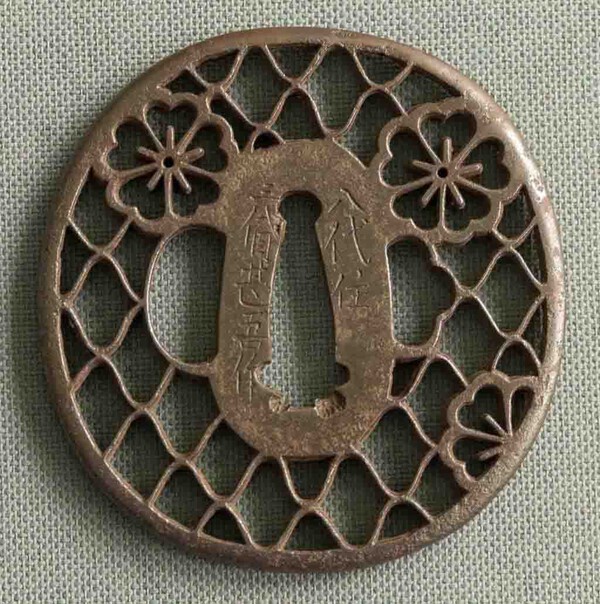
I posted this one already a couple of months ago, but here you go (tokubetsu hozon):


-
Eight years ago I sold a Rai Kunizane katana that had a wonderful, original Edo-Higo koshirae with all matching phoenix and kiri motif. It apparently changed owners a couple of times, and when a well known US dealer posted pictures of it on FB last year, someone had the original phoenix/kiri tsuba swapped for an Akasaka sukashi-tsuba (IIRC) - it simply broke my heart. I'm not one of those "we're all only temorary custodians" esoterics, but that was a senseless degradation of a piece of well preserved history.
-
Described, maybe, but there never was such a thing. Robert Fleischel, a French sagemono dealer and scholar located in Tōkyō, did a lot of research into bokutō at the National Library and other places, but found no evidence that they ever were worn by physicians. Doctors were either commoners who were not allowed to wear swords, or samurai who, as the research proved, wore real swords. Just one of those many urban legends ...
-
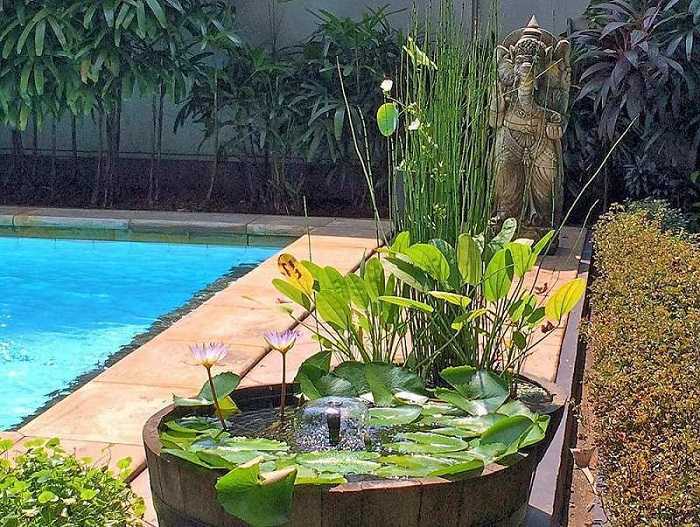
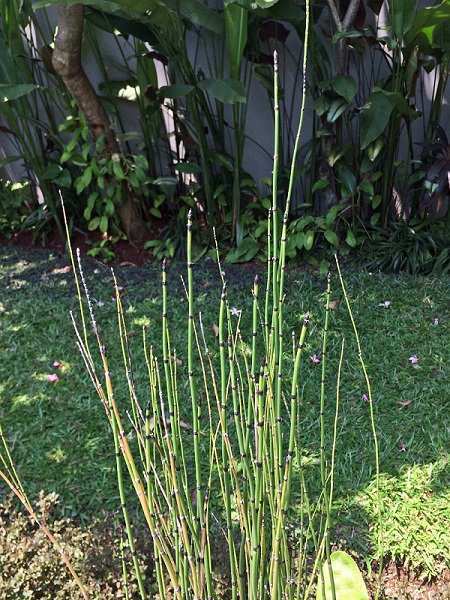
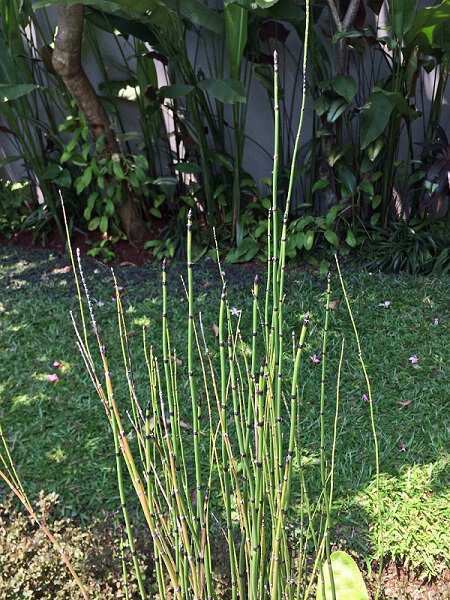
It grows in my garden, too - in Indonesia it's called "water bamboo".

-
Yugen - a study in the dark. Another free film in HD.
Guido replied to Ford Hallam's topic in Tosogu

-
Yugen - a study in the dark. Another free film in HD.
Guido replied to Ford Hallam's topic in Tosogu
Yes, nice indeed. However, despite your best efforts, you don't look sufficiently Japanese enough to me. May I suggest some shakuhachi background music for your next project and maybe wearing a hachimaki? -
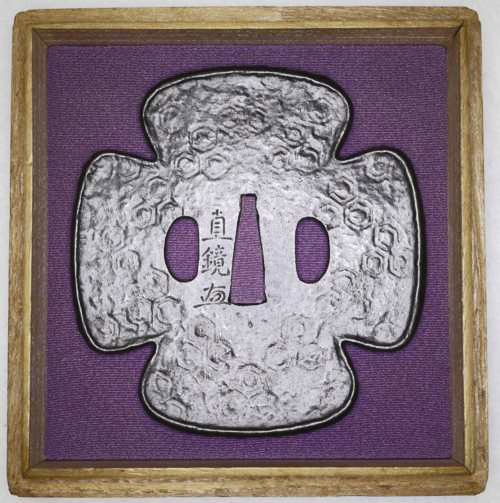
Very nice tsuba, Ron! I'm partial to Naoaki as well, here's mine (although only a Nobuie utsushimono , it has tokubetsu hozon papers):