Tcat
-
Posts
603 -
Joined
-
Last visited
-
Days Won
2
Content Type
Profiles
Forums
Events
Store
Downloads
Gallery
Everything posted by Tcat
-
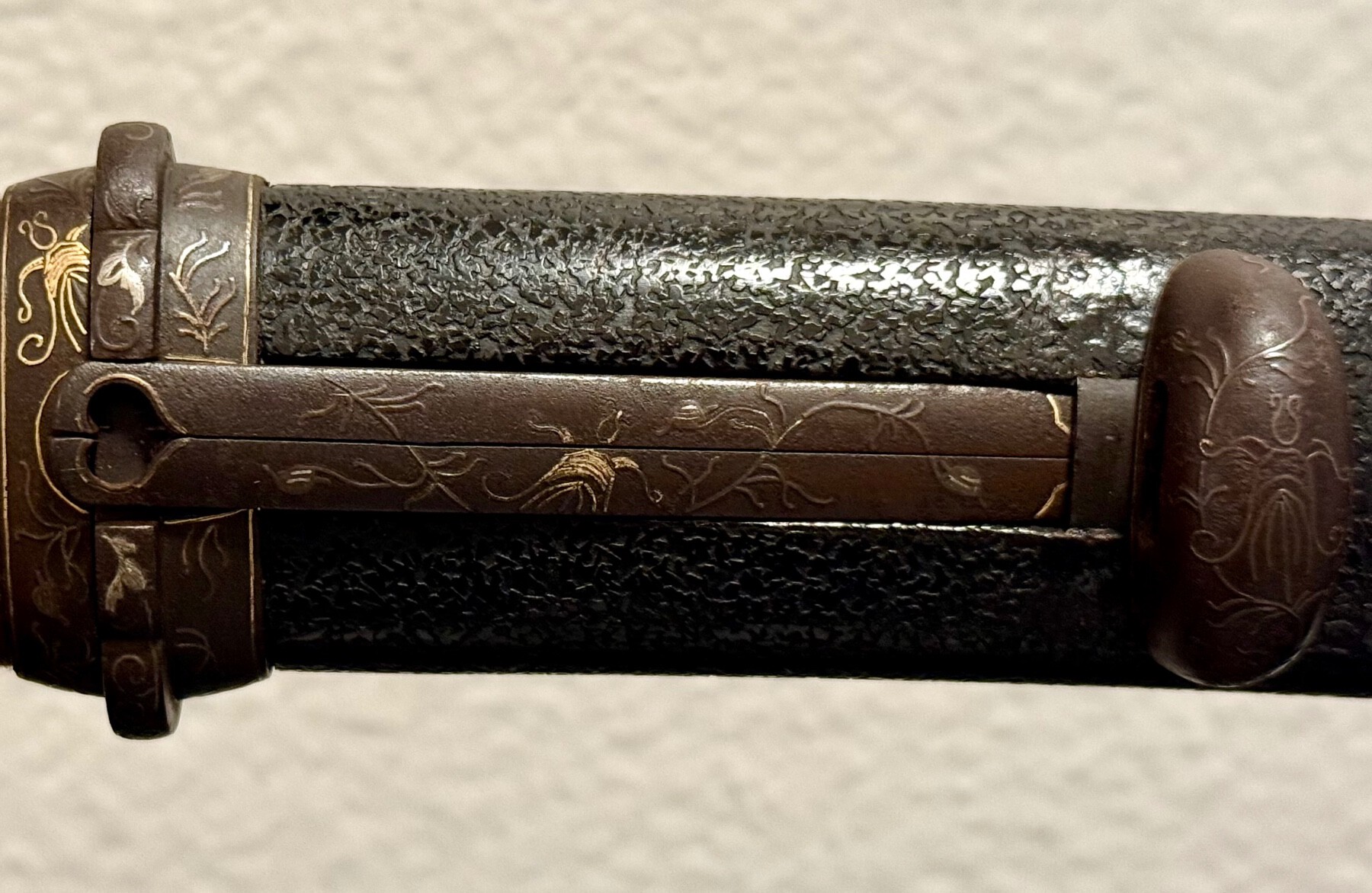
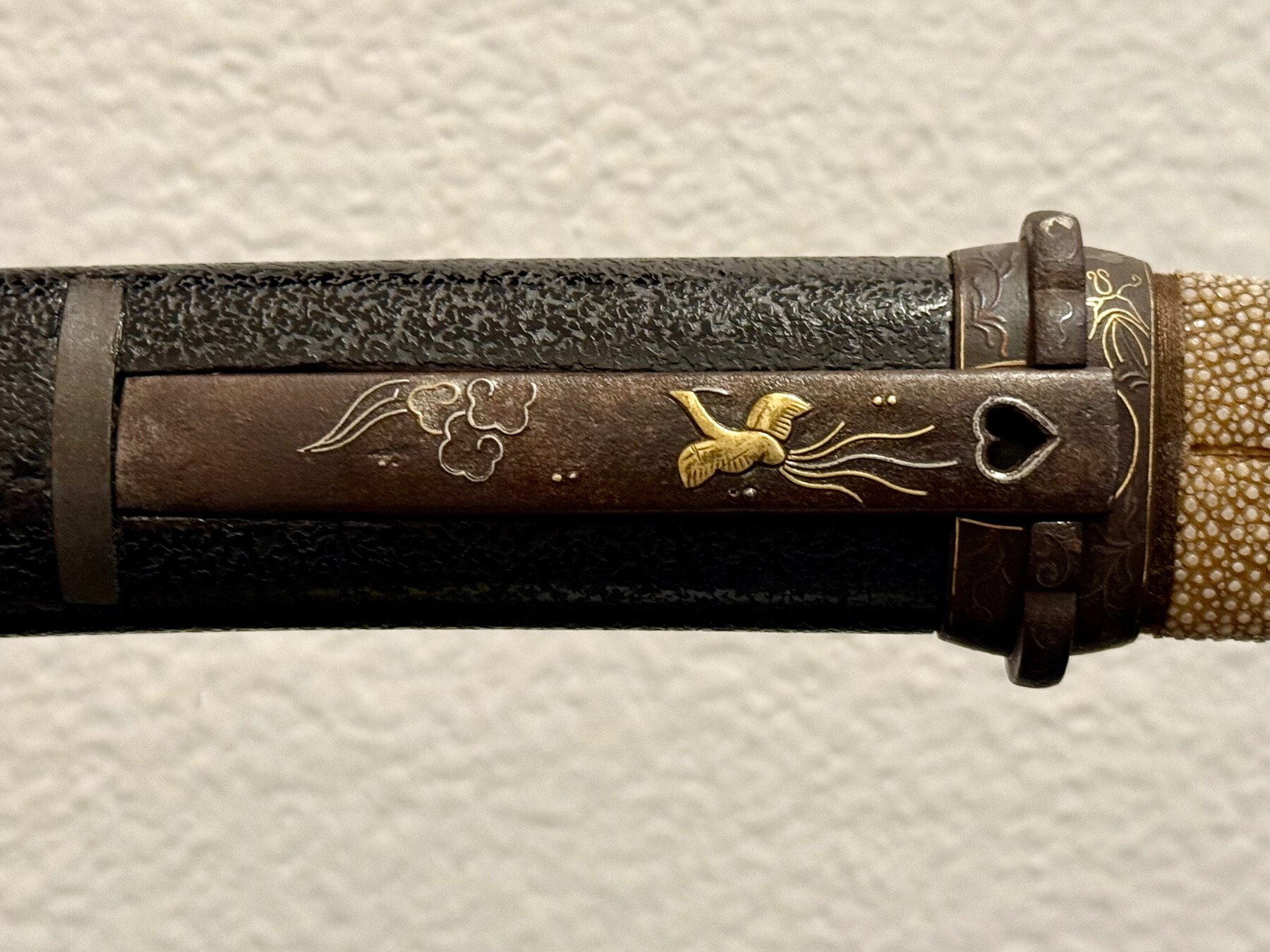
SOLD - A waki-soshu koto o-tanto signed Hiromitsu 黄光 - likely from late generation (c.1550-1620) Hiromasa or Fuyohiro schools - as judged by a world famous US-based collector/dealer. The blade features a broad suguha, with o-itame hada and lively hataraki still prominent in the ji steel. The boshi is komaru. The blade has hi, with soe-hi on the omote and take-kurabe (futatsuji-hi) on the ura side. The nakago is ubu. The sword is mounted in a wonderful and original mid-edo issaku hira-zogan aikuchi koshirae, complete with wari kogai and kozuka. The decorative inlay on the iron ground is predominantly copper wire, originally silver-washed, forming vines and buds. Some of the silver wash is still present around the fuchi and on the koiguchi, which forms a false hamidashi. Gold zōgan resembling lily blossoms (yuri) appears in several places. The pierced kozuka features a phoenix and cloud design. Finely detailed menuki depict floral arrangements and natural scenes with sika deer in shakudō, gold, and copper. The tri-metal aesthetic of the koshirae (silver, gold, and iron) reflects high social status of the original owner. The saya is finished with a high quality kuro ishime style lacquer, and the overall craftsmanship, quality and condition of the mounts is very good. A copper compression-fit mekugi secures the mount, while an elegant copper habaki finished with antique gold wash completes the piece. Dimensions Nagasa: 31.25 cm, Sori: 0.64 cm Motohaba: 2.92 cm Moto-kasane: 0.65 cm Sakihaba: 2.22 cm Saki-kasane: 0.47 cm Blade Only Weight: 217.1g Mekugi-ana: 1 Total Weight: 506.5g Total Length of Koshirae: 53 cm Condition: Minor wear, losses and repairs to the koshirae consistent with age and use. The blade has a burst fukure near the habaki visible in the photos and video. On close inspection it can be seen that this flaw does not touch the ha or edge of the blade. More photos / video available on request. 5% of the total sale will be donated to NMB

-
Incredible...and thanks very much.
-
Just curious if this is a common thing
Tcat replied to Dogditcher's topic in Military Swords of Japan
Quite common. Popular themes were made over and over, with designs copied between schools and down the ages. Workshops also often made fittings in batches, so you can come across 'identical' examples. Same with tsuba.- 1 reply
-
- 1
-

-
The ana appear to be '壷笠' or pot lid shaped. Given that they could be atobori, I wonder what the significance of that may be.

-
SOLD. Sent you ten bucks Brian, paypalled from me on June 13
-
A question for Shinshinto collectors
Tcat replied to Natichu's topic in General Nihonto Related Discussion
A big pro of shinshinto IMHO is you can get healthy, nice polish nearly flawless blades in old shapes for a low price. It's where I think a lot of newcomers on a budget should start out. The con is usually not so impressive activities in the steel and 'lack of historical relevance', the latter you can get around by focusing on smiths of note or those making weapons intended for use, eg Aizu smiths during the Boshin war. Some of the most beautiful swords and fittings ever made were produced during this period. -
Blades like this typically don't command much on the market. Its a mass-produced user piece from its time. Worn-down mumei muramachi blade with big flaws and out of polish. Artistic value is approximately nil, though it does have historical value as an example of what it is, not to mention it would probably still poke a hole in something just fine if needs be. Without any koshirae your market gets smaller. I have a similar one in a similar state I would let go for a hundred bucks and a beer..though you might do a little better. Please note I am not an expert and this is not financial advice.
-
Japanese yes, late muromachi period.
-
$60+shipping, NMB will get $10
-
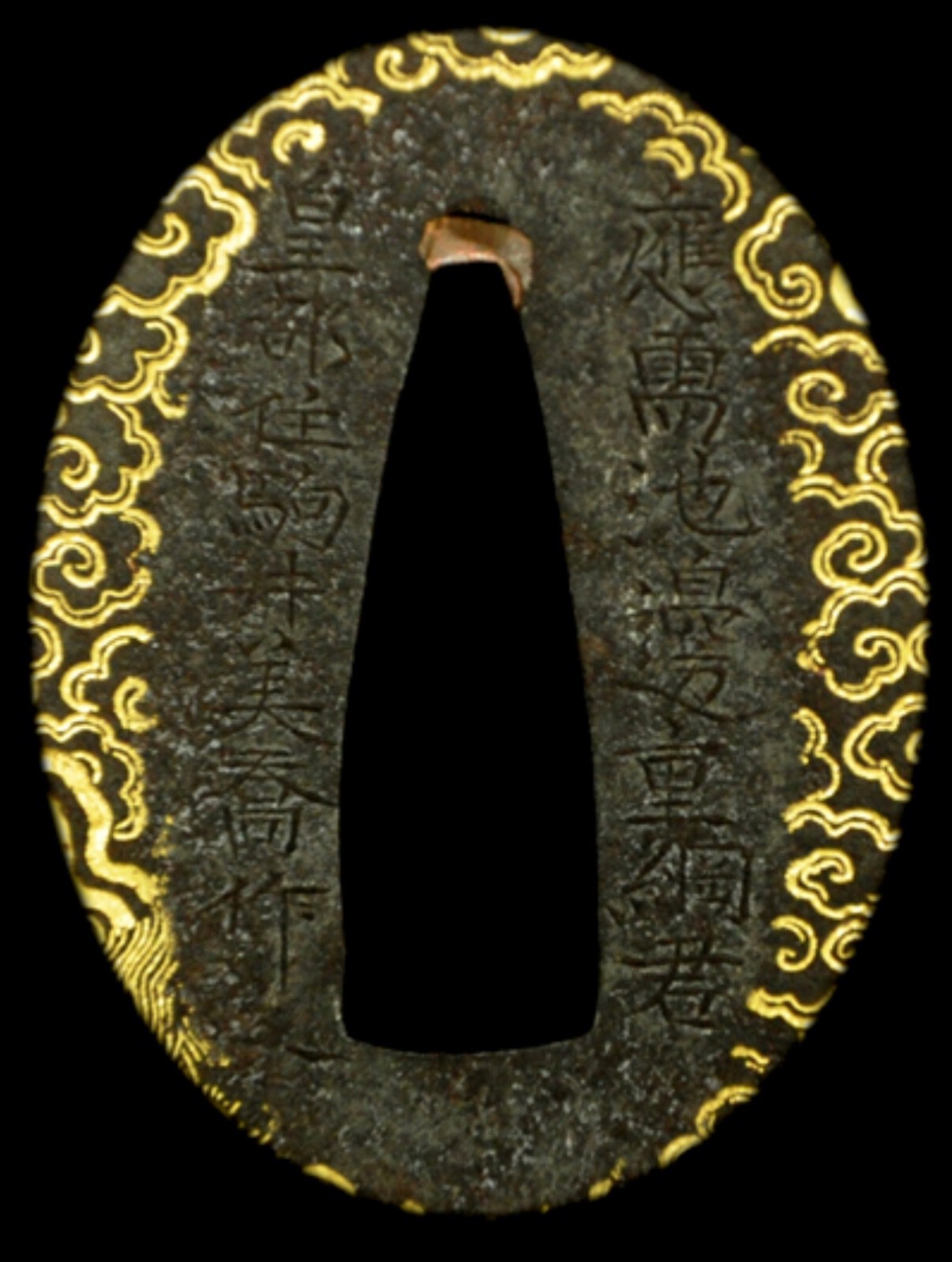
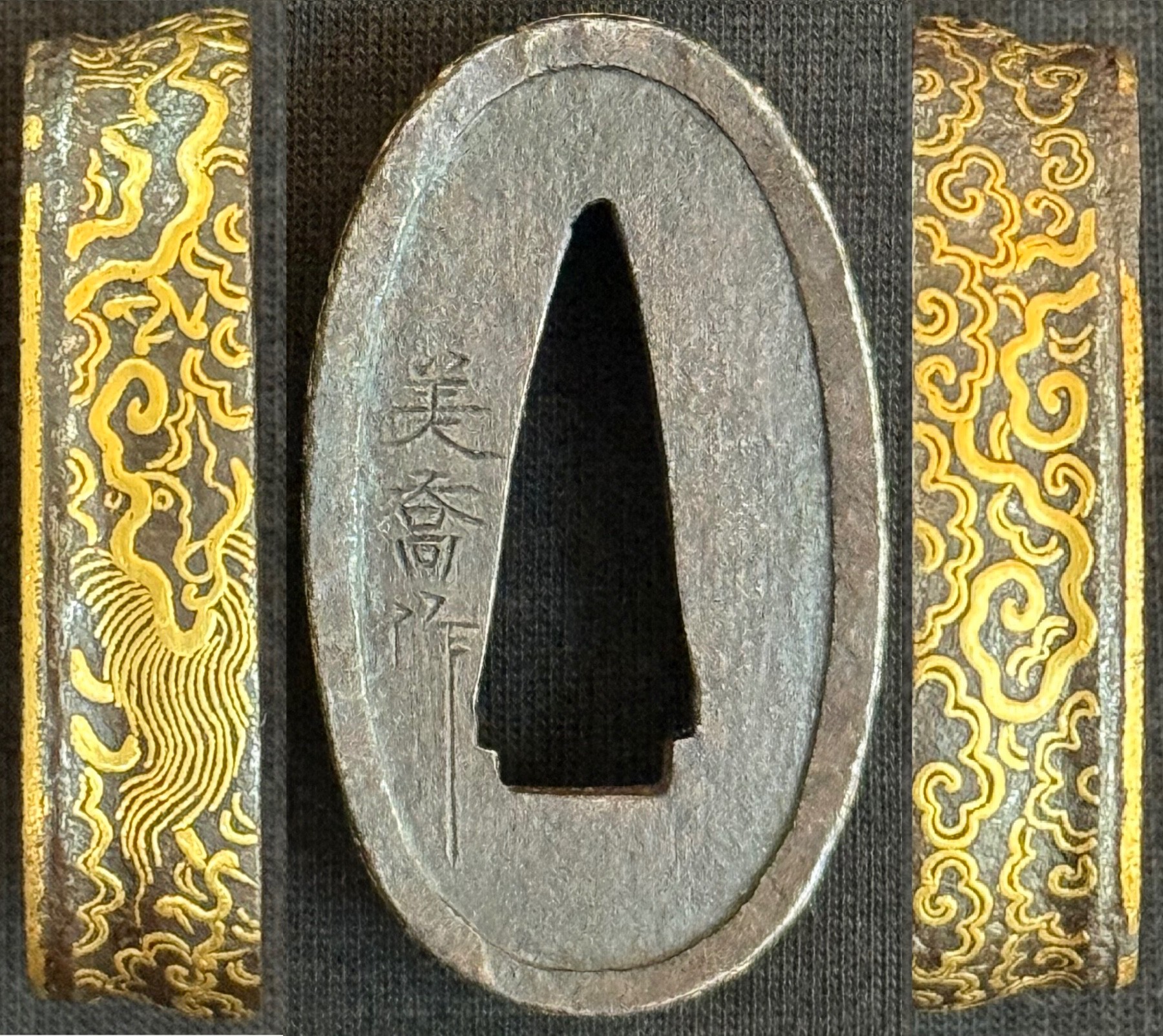
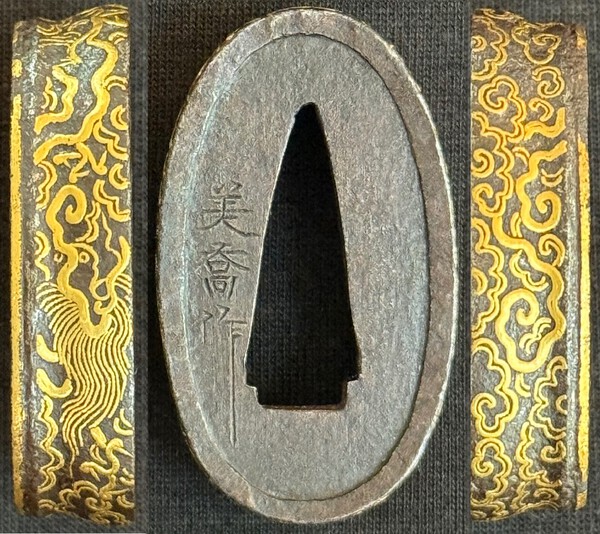
The tsuba is signed “Yoshitaka saku” - I think this is referring to Komai Yoshitaka (駒井美雄) , oldest of three sons of Komai Seibei (駒井清兵衛) who founded the Komai school in 1841. Yoshitaka was born the same year. The Komai brand later became famous for making overlayed cigarette cases, decorative boxes and similar works. Signature examples (the second is not to my knowledge authenticated, but I believe it): More info on the famous “S. Komai” school and its origins - http://www.smokingsamurai.com/KOMAI_S.html

-
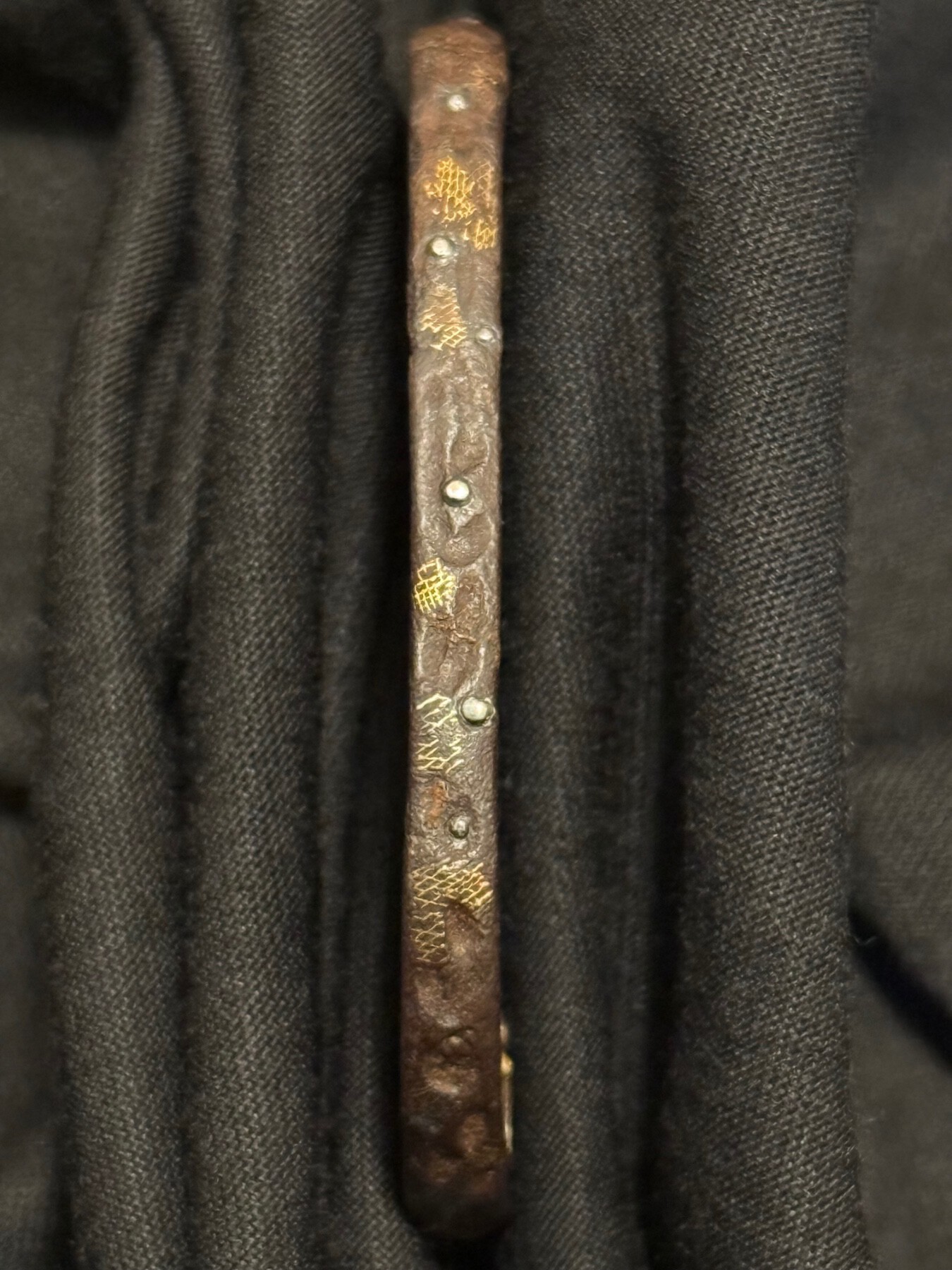
The mimi on this little tsuba is pretty cool, perhaps the star of the show. The work goes all around like in the photo above so looks really good side on or when mounted. No takers at 85 USD shipped? Bumping with a special NMB Ninja price of $75 shipped CONUS, (add 11 bucks for international shipping). I will donate $10 of proceeds from this sale to Brian for NMB server upkeep. If you pay 85 I’ll send him 20! 🤣
-
Nice. This is a WWII era sword, upper pic sig reads "Koa Isshin Mantetsu Kin Saku" meaning Asia one heart - made of mantetsu, then on the other side the date reads Showa Mizunoe-Uma Haru - spring 1942.
-
Hi all. Without overthinking it seems to be a meiji era kaiken. Quality is quite good for the era, not a cheap tourist item but also not a treasure per se. The lacquerwork is done well, with nice abalone inlays. Fittings are good but not outstanding. The blade has 'Hachiman Okami' carved into one side with a late-style looking horimono. On the other we have grass script horimono and birds. Decent horimono both sides. My guess is that its a legit meiji era 'wedding sword' kaiken worn by the bride.
-
Well… the results are in. Nearly a quarter of a million dollars for the Rai Kunitoshi tanto. It seems that everything which sold did so for higher than estimate, but a fair number went unsold. A juyo Higo koshirea though rather plain sold for 31k haha. Funny old world.
-
Will be interesting to see the results of the Sotheby's sale too...
-
SOME THOUGHTS ON BEGINNING THE COLLECTION OF TSUBA by Arnold Frenzel
Tcat replied to Spartancrest's topic in Tosogu
Hi Dale, great work and good to see you back online here. -
Price slash - $85 shipped with tracking CONUS. International buyers can request shipping provider and will get an $11 discount on the final price with shipping.
-
My First Nihonto - What was yours like?
Tcat replied to Yumso's topic in General Nihonto Related Discussion
First was a papered shinshinto tanto from John Grasso down under. Still a fave...
-
I can vouch for Artur. Many happy transactions... He has a few very nice koshirea on sale now - rare, beautiful and not common in the market especially at that price. PS. Nice armor there Blake.
-
Hi Simon, I think for a first attempt you did a good job. The untrained eye is unlikely to notice anything too far amiss. Is the blade completely secure and aligned in the tsuka and can it be removed and replaced with ease? If the answer is yes, then well done on that. The next time you do one, you will know what you're in for, and the result will be improved further. I have tried my hand at woodworking parts for swords and it is a true test of accuracy/tolerance. I once made a tsuka for shirasaya and the result worked but it took me forever and looked not as good as yours. Anyway, you've done well and there's a serious shortage of people able to mount swords these days. Keep practising and one day people might be paying you to do it...
- 4 replies
-
- 1
-
-
- koshirae
- restoration
- (and 1 more)
-
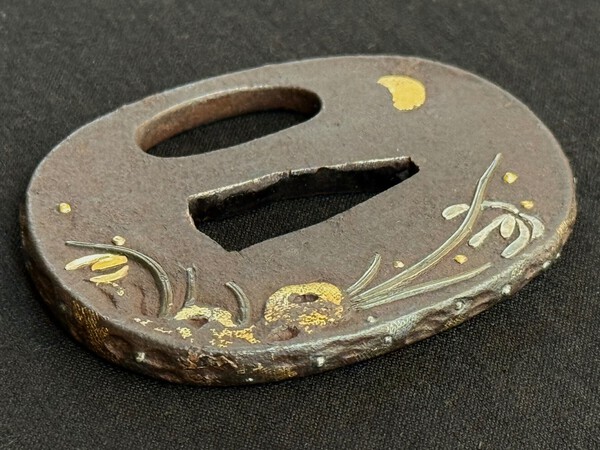
Edo era iron and mixed-metal Tsuba for a tanto decorated with gold, silver and shakudo inlay in the form of a Lily on both ura and omote sides. The mimi is also decorated with patches of nunome zogan gold crosshatching together with silver / shakudo dot inlay and hammer strikes. Dimensions: 55mm x 44mm x 4mm $125 shipped tracked and insured CONUS.