Sukaira
-
Posts
266 -
Joined
-
Last visited
-
Days Won
2
Content Type
Profiles
Forums
Events
Store
Downloads
Gallery
Everything posted by Sukaira
-
I think your suggestion for the Tanobe sayagaki is a must do! I will ask them to facilitate this. As for Juyo I am definitely tempted...any thoughts on if I should or even how long the blade would be held for (and out of my hands )?
-
I would be interested to see which ones if you could post some, that are koto and not mumei o-suriage. Original koshirae if we are talking koto seems questionable to me, but would love to see!
-
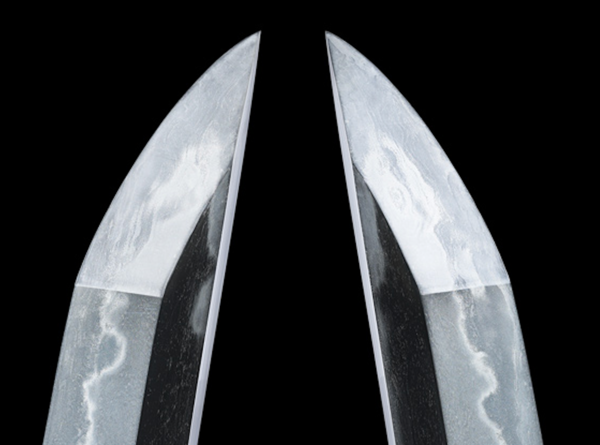
It really just checks all the boxes for me and I had been looking at it for a while but was just searching for something cheaper. I had originally been pretty close to buying this a while back https://www.aoijapan.com/katanamumeiunsigned-attributed-to-den-nakajima-rai-中島来the-17th-juyo-tokenmenukinbthk-hozon-tosogu/ I stopped however once I found out it has a big patch of umegane on the ji (not in the description but look on the image and you can see it, confirmed by Aoi Art). But I really enjoyed the sugata combined with the double hi, not to mention the Rai workmanship of this one. That lead me to look around for other swords with a similar style and I am a huge fan of Bizen (my favorite tradition) history, workmanship and style in general. I had kind of written this one off a bit because of the price, but it really has it all for me. Warring period, Bizen, uroi, utsuri, ubu, long signature, dated, healthy. I find the warring period Bizen swords especially interesting for a few reasons. You do see the Sue-Bizen description thrown around as undesirable by many, but this is mainly because of the overall average of work during this period and the writings about such. It is true, however multiple things can be true at once, and a key thing to remember, as evidenced by the rare masterpieces crafted during this time, is that the smiths did not "forget" how to produce swords with uroi, utsuri, they just weren't doing it for the most part. I am guessing due to time and material constraints combined with needs of the times and other things that have been mentioned in this forum. These were still essentially unbroken traditions and lineages of smiths before the destruction of Osafune. So when I see a Bizen masterpiece come out of that historically important and bloody time, it has always peaked my interest. I have a sword signed only Bishu Osafune Sukesada, but it is one of my favorite pieces in the collection and is overall one of the most interesting and beautiful Bizen pieces I've held, largely due to the (imo) insanely beautiful sashikomi polish on it. It is like the sun behind clouds.

-
If I ever introduce this sword to anyone, I am stealing that phrase - Great fat sword!
-
Thanks to everyone who contributed in here. As a final update, after carefully considering everything said here, I have put in an order for a different blade that I have been eyeing for a while. A Gorozaemon-no-jo Kiyomitsu masterpiece, fully signed, dated (1537) and ubu, with all the workmanship and style I was looking for. @Scogg and @Hoshi special thanks for your posts.
-
This thread 🍿
-
Help With Approximate Age and Sugata of Blade with Partial Signature KUNI
Sukaira replied to tbonesullivan's topic in Nihonto
Is this fire damage? -
That is good advice Hoshi. What would you recommend at this price point as alternatives?
-
You also understand the dilemma here! This sounds much like my inner dialogue looking over both of these blades.
-
I think so, but looking at the oshigata it is a bit scattered so others might have a better idea or experience with what that means
-
Good advice no doubt! Indeed both are calling me for different reasons so this one is tough.
-
Oh yeah that is a great idea
-
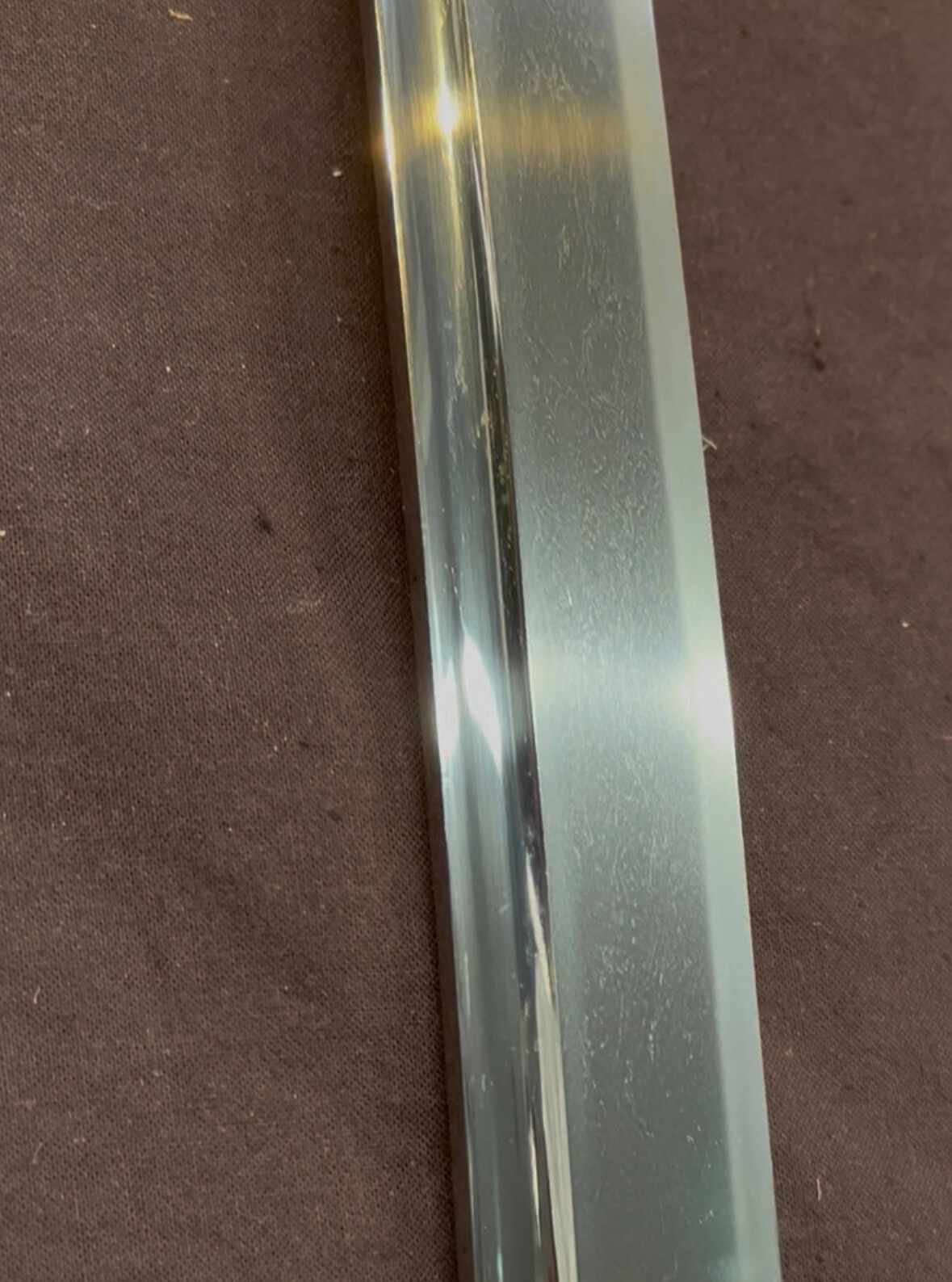
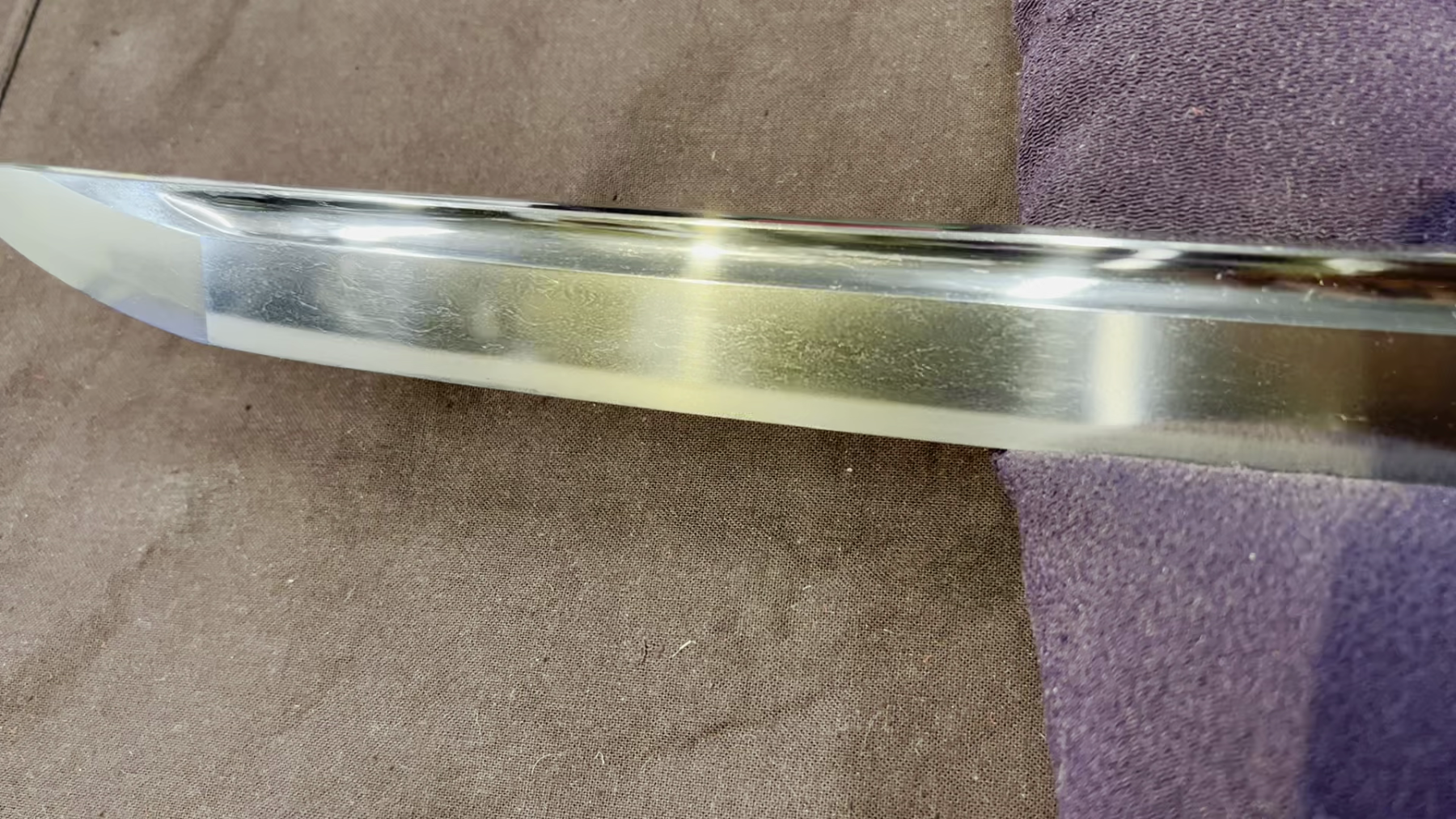
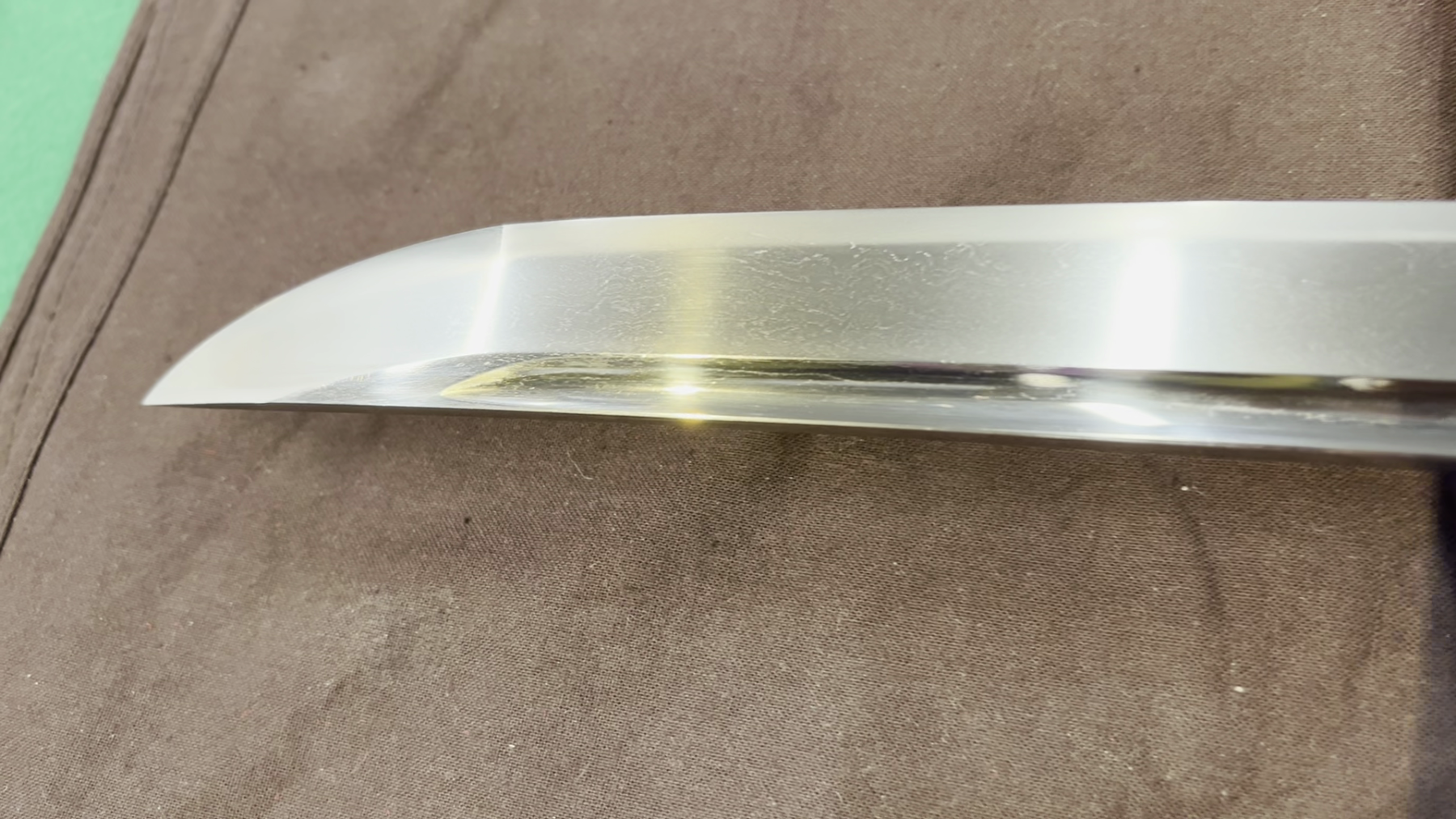
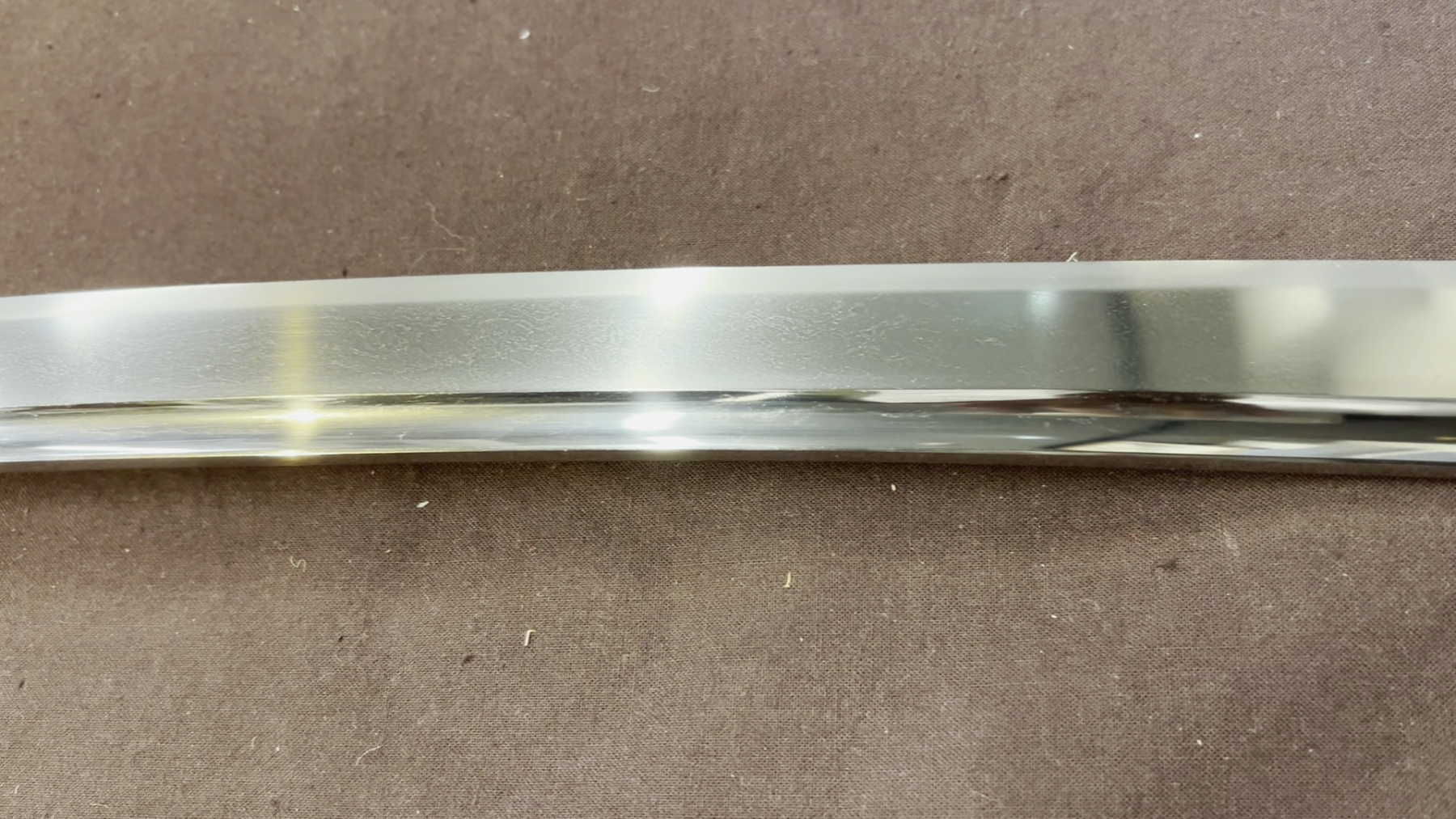
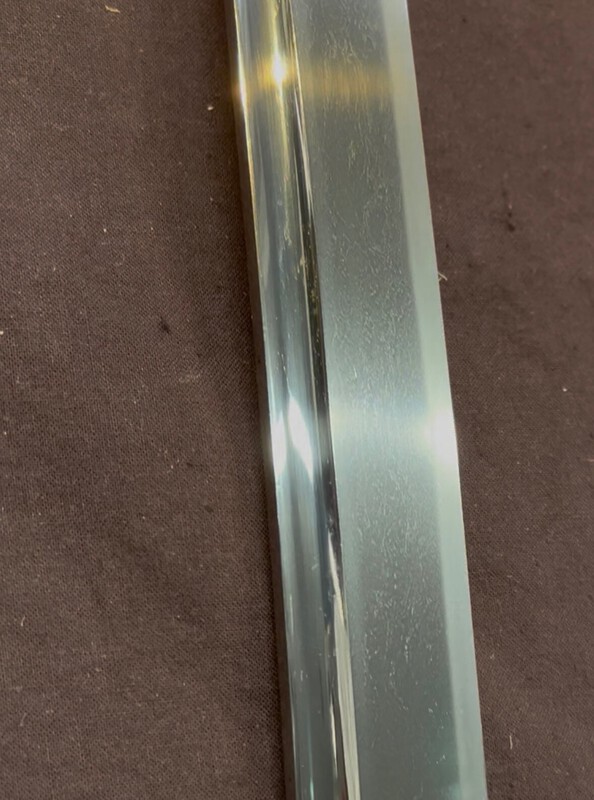
Yeah the description from Aoi and the oshigata both tell/show utsuri. So those images I posted are stills from a video and I do see it in the video. Here is an image I think shows it better, check the area running parallel to the bohi that matches the oshigata. I think the setsumei does actually mention it, near the bottom right side: "僅かに白気映り立つ"
-
Yes, I was under the impression that was one of the benefits of such a forum but maybe Jacques is here for other reasons
-
Guess who’s holding it I wanted to make a last minute post here just in case anyone caught something that might make me reconsider!
-
Quite right! They both appeal to me in different ways. I would love to own a Yasumitsu as Bizen is probably my favorite tradition overall. The nie utsuri is beautiful and the piece overall is quite elegant as you said. I am a sucker for shorter katanas for some reason. It seems like it might be machiokuri though. On the flip side I also have 2 late Kamakura / early Nanbokucho Yamashiro blades that are quite slender and elegant and I think for the period the size and shape of this Ko-Mihara is, well, quite awesome . Not to mention it seems in very good condition.
-
Alternatively, looking at this: https://world-seiyudo.com/product/ka-080125/
-
-
-
-

-
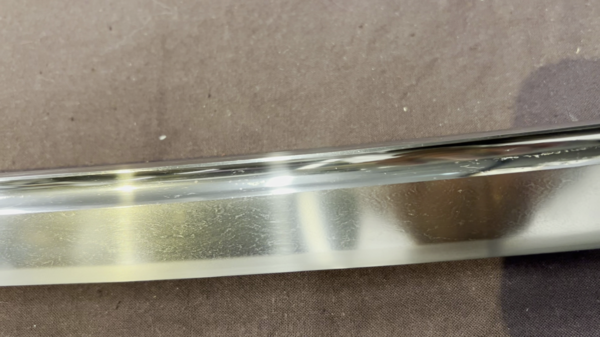
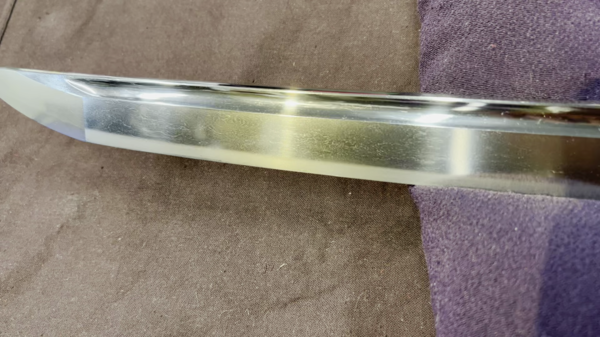
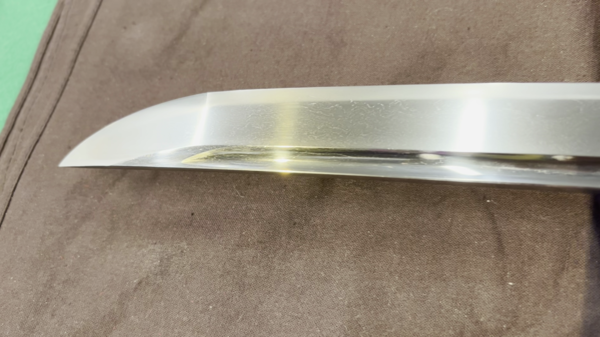
Considering acquiring this piece: https://www.aoijapan.com/katana:-mumei-ko-mihara38th-nbthk-juyo-token/ Wanted to get some seasoned thoughts on it, from others familiar with Mihara and Juyo. Included some images below - thanks
-
I have a Masayoshi katana that is a masterpiece utushimono to Go Yoshihiro. See pics below...one is an actual Go and one is the Masayoshi