Sukaira
-
Posts
209 -
Joined
-
Last visited
Content Type
Profiles
Forums
Events
Store
Downloads
Gallery
Everything posted by Sukaira
-
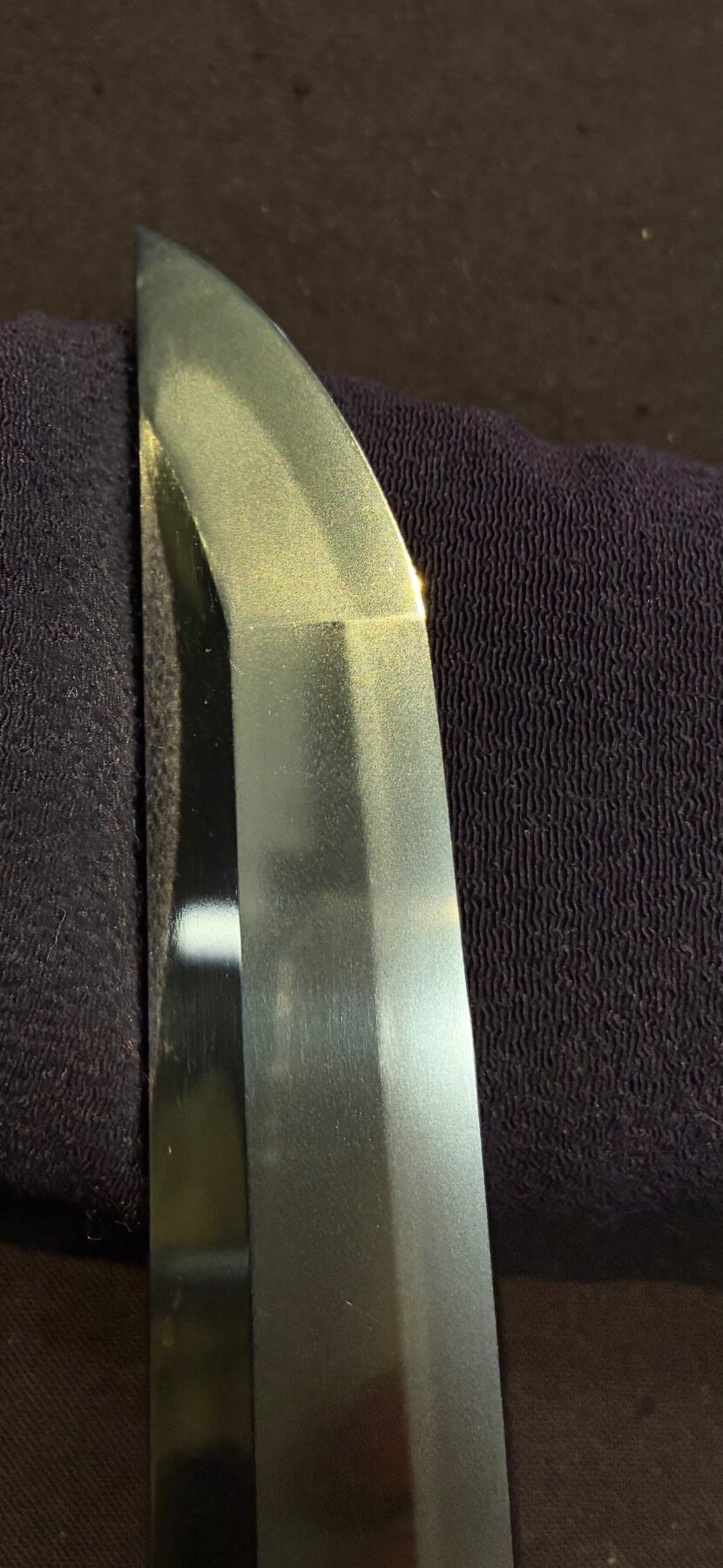
No questions - just dropping some recently acquired Tadayoshi 3 eye candy.

-
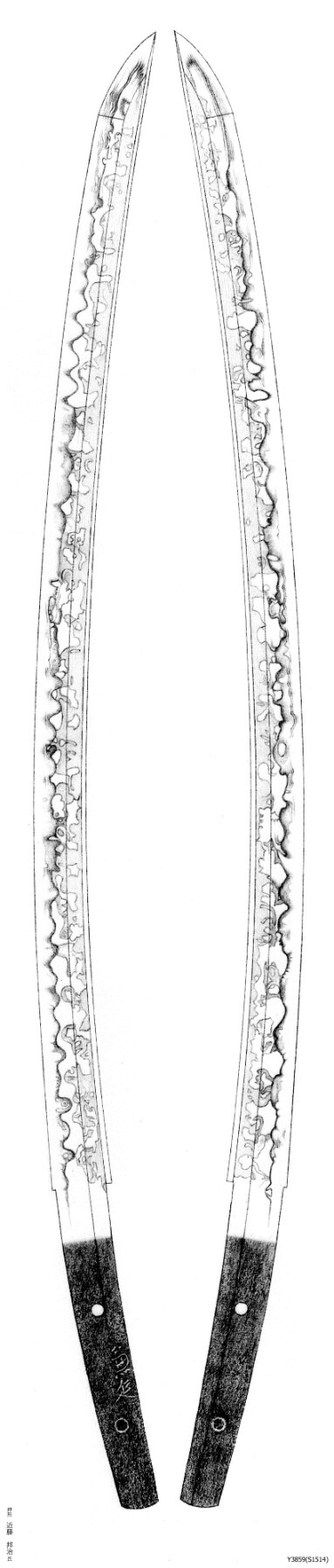
That is true, which why I want to see it after the mukansa sashikomi polish in hand, in Japan before making any decision. It is a sick piece without a doubt. It is done in soshu style and filled to the brim with hataraki - kinsuji and inazuma in the hamon, chikei with a whitish ji-nie covering the entire blade plus a pretty vivid nioguchi. Also nice that Kondô Hôji took the time to create a nicely detailed oshigata for it. Personally I love the sugata and boshi/kissaki on this one. In any case, even if it doesn't get submitted to Juyo, you guys will see some finished pics in Feb!
-
Yeah, that is quite interesting...but I guess if you think of Juyo/TokuJu as more of a competition, then maybe the needle starts leaning away from preservation and more into "who has the most awesome thing here"
-
Sounds good, will reach out if needed - thanks!
-
Yeah, I am starting to wonder if there is some lost in translation thing going on with my communications with the seller
-
How does one go about doing such a thing?
-
I can definitely see the argument for suriage. I think in February when I am there to see the polish in person I will make a final decision...but either way I will be posting some polished pics here! - thanks all for input!
-
@Jussi Ekholm that is good to know! So was in contact with seller and NBTHK says this piece is machiokuri only. The bottom mekugi ana is indeed the original, however this was originally an uchigatana, then machiokuri by about 4cm. Registration paper labels as katana but TokuHo registers as wakizashi, nagasa 60cm, original nagasa about 64cm. I will say the chestnut shaped nakagojiri seems atypical for Kanenobu though. Seems machiokuri might have been done to change this from a one hander to a two hander.
-
Welp fingers crossed!
-
That could be possible, I will have to ask the seller to clarify again, since they specifically said machiokuri by 1.5" with no mention of suriage. I was thinking with the signature so high above the bottom mekugi ana that it would be pushing into the actual blade area. For example here is another Shigaseki Kanenobu https://sanmei.com/contents/media/F27316_S1522_PUP_E.html with 2 mekugi ana and ubu, but signature is placed differently - in any case its a good call out and I will follow up on this. To clarify, is it just "unofficially" frowned upon for Muromachi to have a bit of shortening, because I read the official rules are Edo era and up must be zaimei and ubu. Is that inaccurate?
-
@Ray Singer This is Shigaseki Kanenobu 1st gen. Thanks for the heads up on the suriage! This nakago is not shortened though, just machiokuri. I thought that was not technically "suriage" since the nakago is not shortened?
-
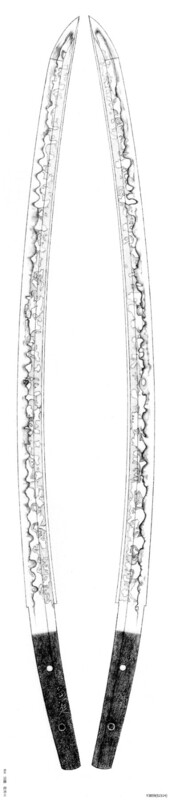
I have a nice signed piece from Kanenobu at a mukansa polisher in Japan, doing a sashikomi to bring out the full hitatsura. Right now only the primary temper on the cutting edge is brought out. It should be completed in February and I am going to take a look at the finished work in person while I am over there. The plan is to submit to Juyo, as right now it is TokuHo. This is my first time submitting a blade to Shinsa...any tips or gotchas I should be aware of? It is machi okuri by about 4.5cm, but I think that is alright for koto blades? Included is an oshigata of the blade done by Kondo Kuniharu (Kondô Hôji (近藤邦治), the president of the Gifu branch of the NBTHK) - reminds me of Yosozaemon's hitatsura Juyo (but this one was a few years earlier around 1490)
-
I wouldn't mind owning a Chogi
-
Check this image. Take a look at the upper part of the image where you'll see the darker gray part of the hamon. The white hadori work closely follows it, but then the gray completely disappears off the edge and the white hadori work just kind of starts to make up the shape with uniform humps because there is nothing to follow. If you look at the rest of the sword you'll see the same thing.

-
Was looking at this and wanted input from others that might be more familiar: https://world-seiyudo.com/product/ka-070125/ Is this nioi-gire? If it is, I imagine it is because of age and use and repeated polish, not an intentional flaw. I know such a flaw would not pass NBTHK usually so I am not sure if this really is that at all. It just seems that the actual hamon runs off the edge in places and the hadori just kind of makes things up in those areas. Thoughts?
-
This is actually not bohi, its a suken horimono
-
Good guess! Correct - I think you're right. After looking it over it does seem like a fukure more than umegane, especially since it is not entirely covered as an umegane would be.
-
@Rawa around 1300
-
Looking for input on this. Seems like it could be, but also seems strange that there are extended areas to the left and right that are a bit damaged. At the very least there is a bit of damage.


-
The Japanese Sword - Yamashiro Edition by Tanobe Michihiro is now available
Sukaira replied to nulldevice's topic in Nihonto
Both of mine arrived safe and sound as well - thanks again for the link -
Nothing inherently "wrong" with a blade being tired. Some might say it shows history and that the blade has been actually used and polished throughout time. It is really all about individual goals and likes, and of course if the blade chooses you . Without seeing the cell phone camera pics that Aoi Art sends, the scans just look to me as if the blade has been polished down quite a bit, judging by the contrast of jigane texture in some areas mixed with larger areas of dull, muddy "smooth" looking areas. That being said, these scanner pics can be highly deceptive. I don't know if Aoi Art edits these post-scan either. The listing says jigane is "mixed mokume hada and itame hada" so since it is not ko-itame or ko-mokume you should, in theory, in a healthy blade be able to clearly discern those patterns as they are not "ko" (small), but to my eye (in the scans) I don't see that much of either. Now if it was listed as fine ko-itame/mokume then maybe I would say the scanner was not picking it up very well, and the cell phone pictures/video would clear that up for you. I have seen scans of Tadayoshi 1 and Tsunatoshi with the steel looking light gray and almost completely smooth....BUT those are in konuka hada and muji hada respectively. Check the image below, this is an Aoi Art scan from a relatively healthy blade from around 1346 in ko-itame/ko-mokume mix. Notice how you clearly see the pattern covering all areas in the picture? No smooth textureless areas.

-
4th pic almost looks ayasugi-hada
-
Also, slightly off topic, but I would ask myself why a blade like this would even be mumei to begin with. After reading Nakahara's book, I can't help but be highly suspicious of mumei kantei in general...
-
It would be pretty crazy to just dismiss everything at Aoi Art (re: the "problems" comment). The best way I have found to approach Aoi Art purchases are: Evaluate the pictures like you are doing (agree the blade does also look very tired) Ask for images and video. They will send you detailed images and video of both sides under lighting. Ask for a full description of any flaws that you might be worried about or think you might see, or even just want to know about that you can't see. They - for a fact - do not usually put them in the listing. Confine yourself to the "Masterpiece" section of their site (joke, but not really)
-
Late 30's