Exclus1ve
-
Posts
165 -
Joined
-
Last visited
-
Days Won
2
Content Type
Profiles
Forums
Events
Store
Downloads
Gallery
Everything posted by Exclus1ve
-
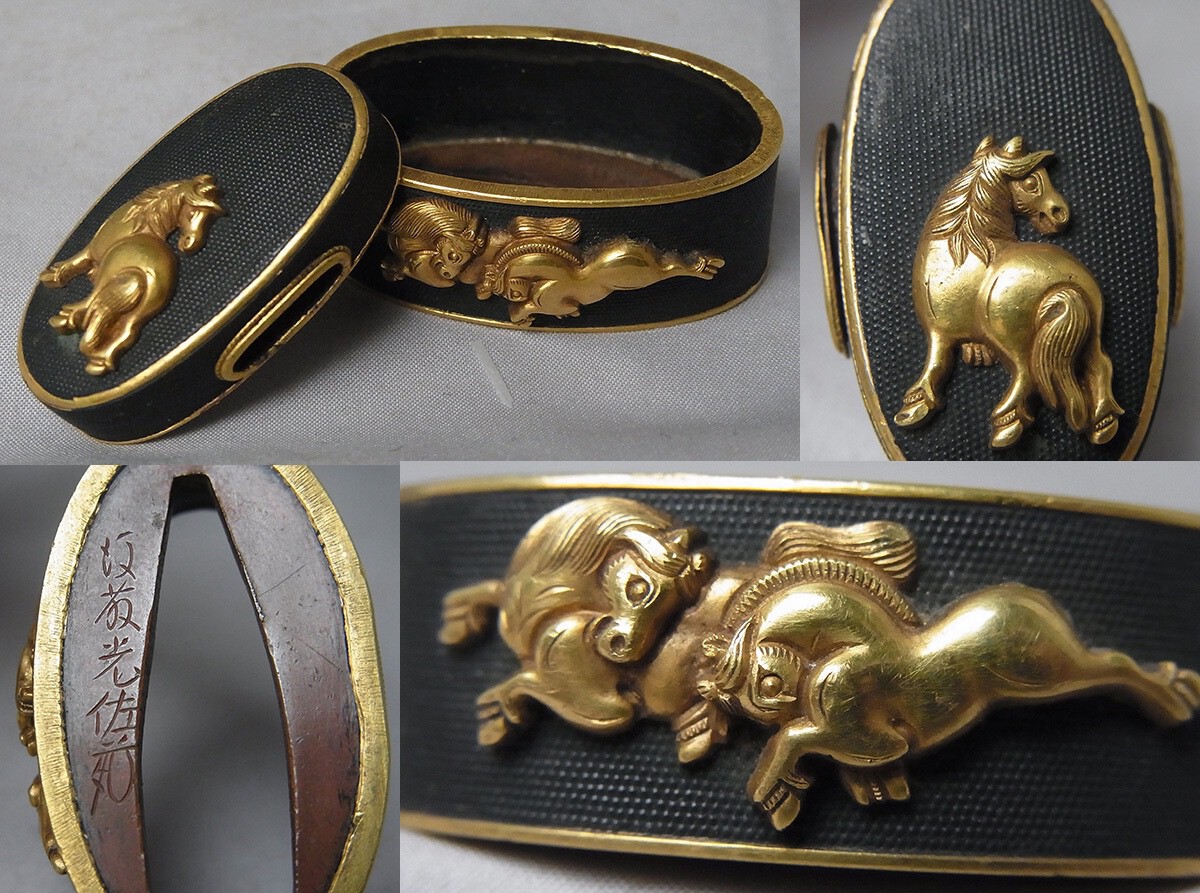
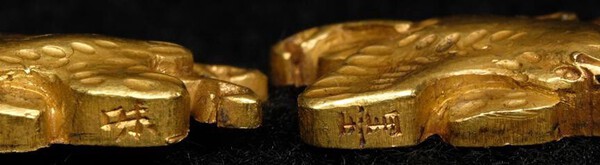
Let's add an example related to the topic. In this case, there is no inlay, only a gold coating.


-
Excellent addition to the collection, Jake! It's time to start thinking about buying a camera))
-
Yes, that's right. It becomes perfectly clear when you see it in person. You can tell by the sharp, straight contour lines. Sometimes you can even see the incisor mark (about 50-100 microns thick) When a coating is applied, the contour becomes slightly blurred, and under magnification, you can see the difference in thickness.


-
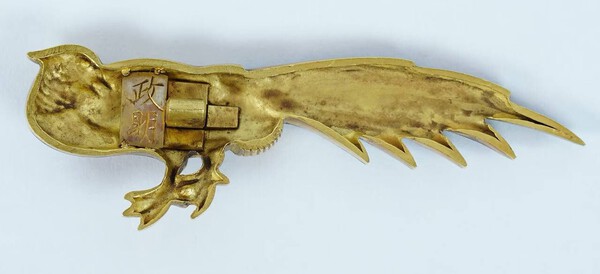
Hi! Brian said it quite accurately. The mei can be in different places, sometimes even on a plate of pure gold inside. However, as with other tosogu items, it all comes down to the quality of the craftsmanship. The more intricate the work, the more likely it is that it was created by a renowned master who may have included a mei. In most cases, mei signatures are not present, which is normal. This item is genuine. Menuki are less likely to be counterfeited, and you can easily identify them.

-
It's not my, but it's a worthy example of "live" work.


-
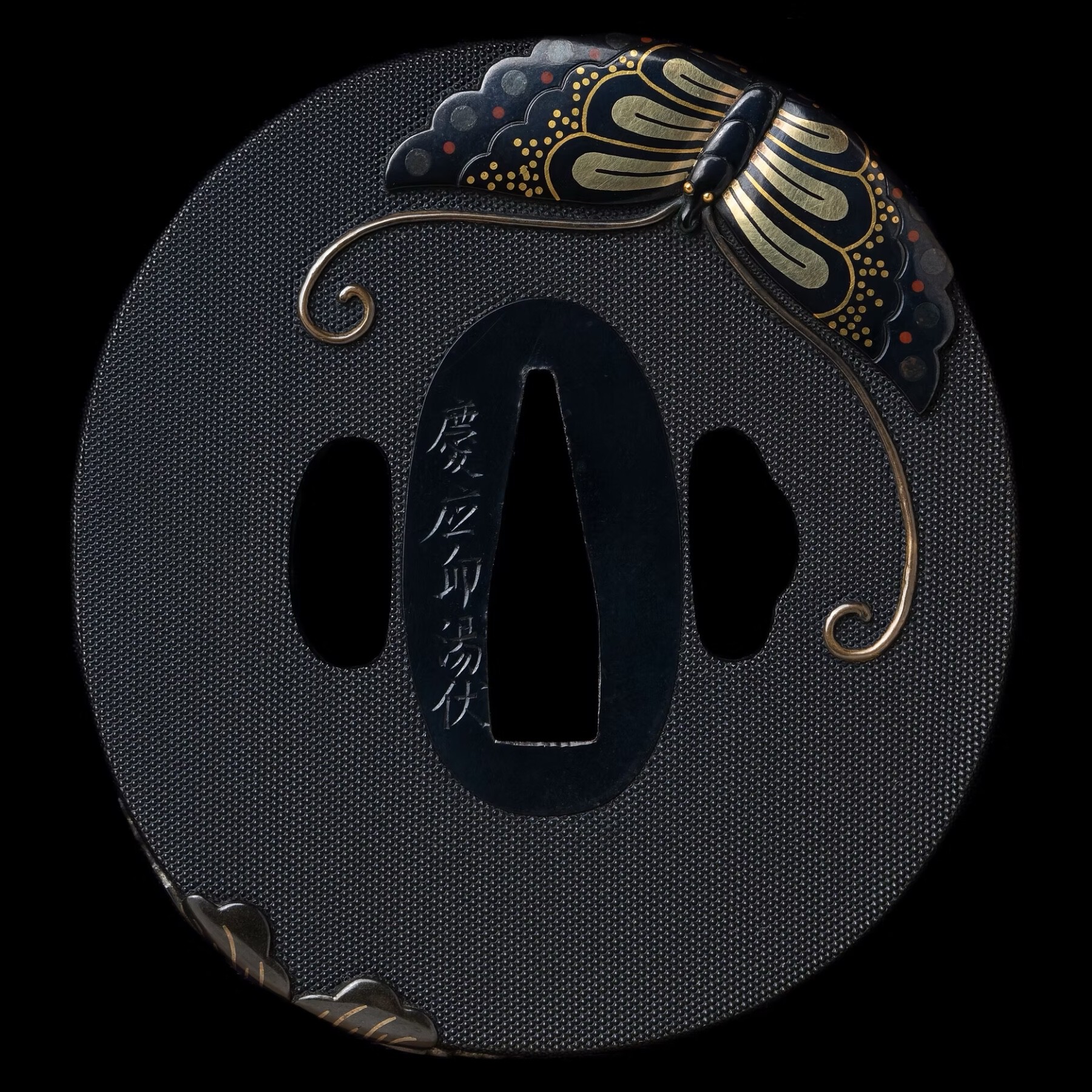
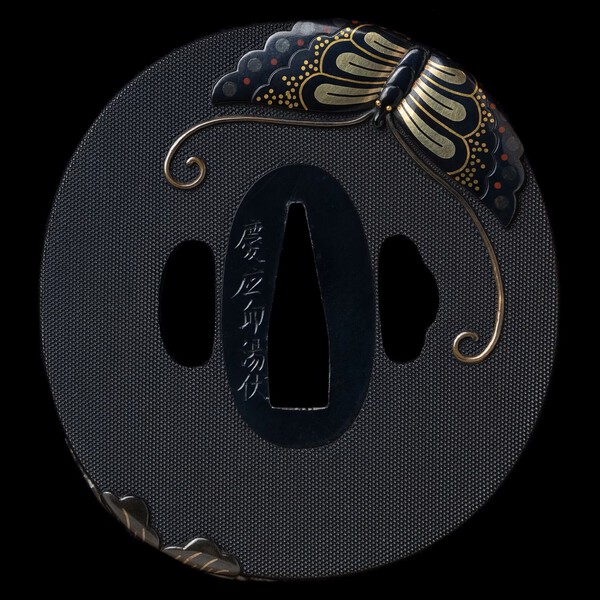
I can't help but add the reference (in my opinion) quality of the nanako. I hope Marco doesn't mind if I post a photo of his Tsuba) Each point is perfect from any angle. https://www.tosogu.de
-
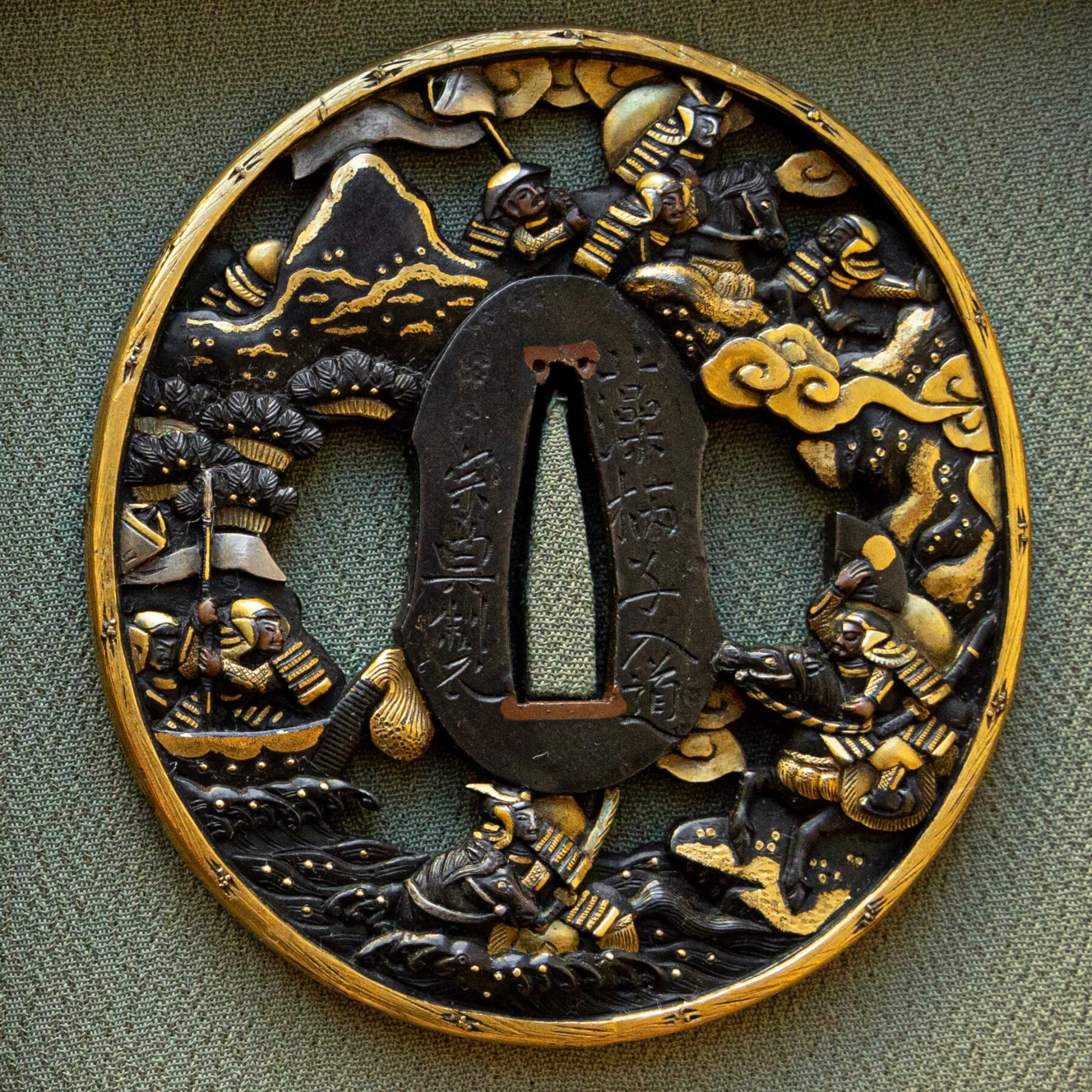
I believe that the Soten school or its followers are responsible for this. Most likely, the unusual shape of the cutouts is a result of the customer's request. The style and technique of the carving (the waves stand out particularly) are characteristic of Soten.
-
An example of good quality: https://www.ncjsc.org/photo-gallery/goto-mitsusuke-kozuka


-
-
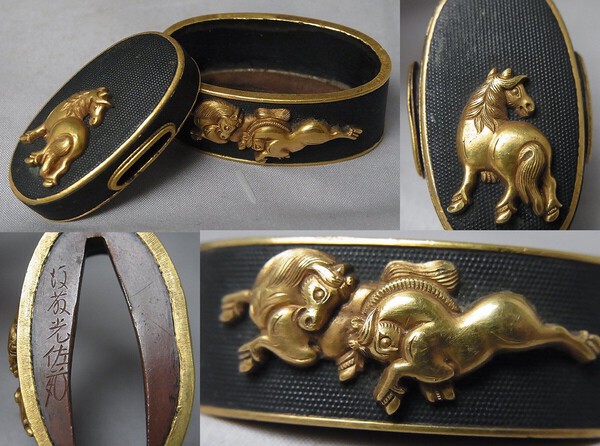
I'm inclined to assume that it's gimei. The mei is different, but I'm more confused by the workmanship.… The nanako is not done neatly, as is the inlay. However, it's still an interesting kozuka with a classic Goto school theme.
-
From Bob Morrison collection
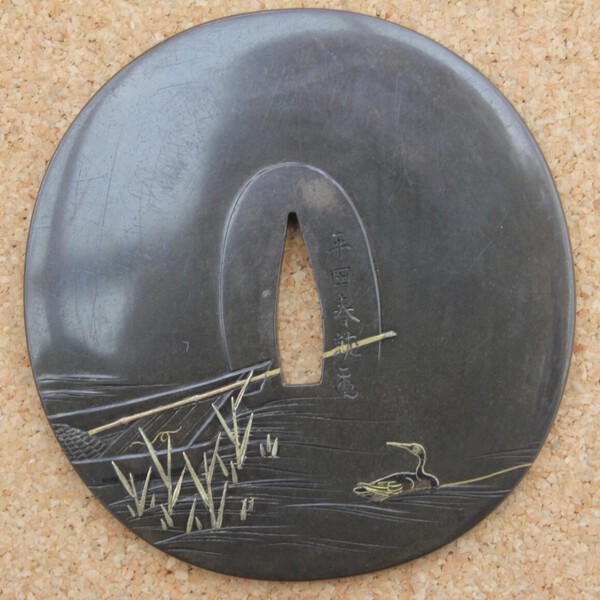
-
Video of one of the works:
-
Auction houses have always sold and will continue to sell fakes. Sometimes it's due to the incompetence of the auction house staff, but often they know exactly what they're doing — they just pretend otherwise.
-
Yes, it's casting. And of poor quality.
-
I've seen examples of Ford Hallam's work more than once, and it's amazing. Can anyone show examples of works of the same level from modern masters?
-
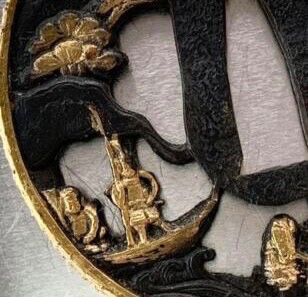
Absolutely everything is copied... When I was looking for information about my Soten tsuba, I found a similar creation)
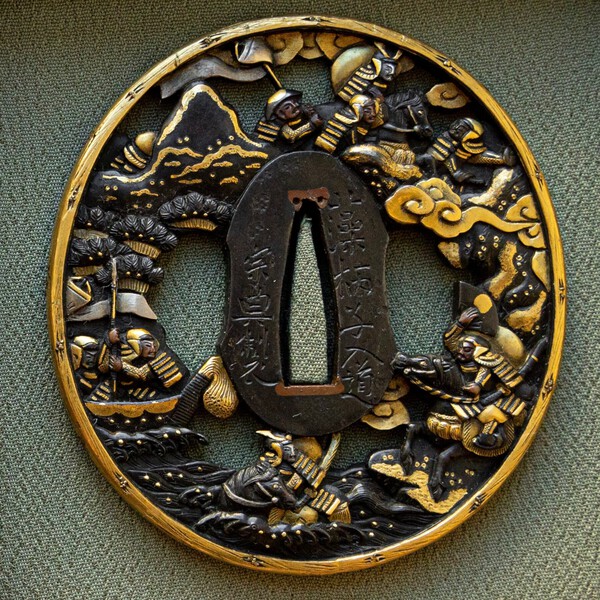
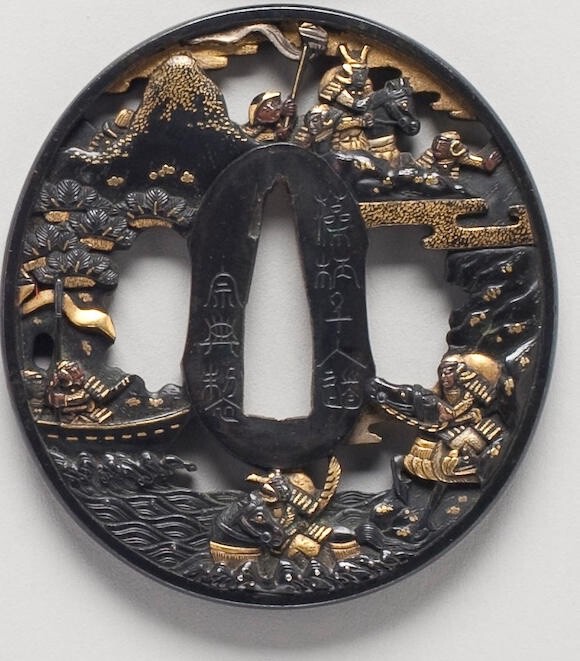
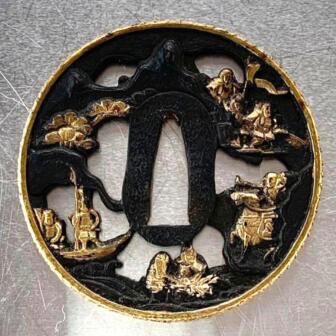

-
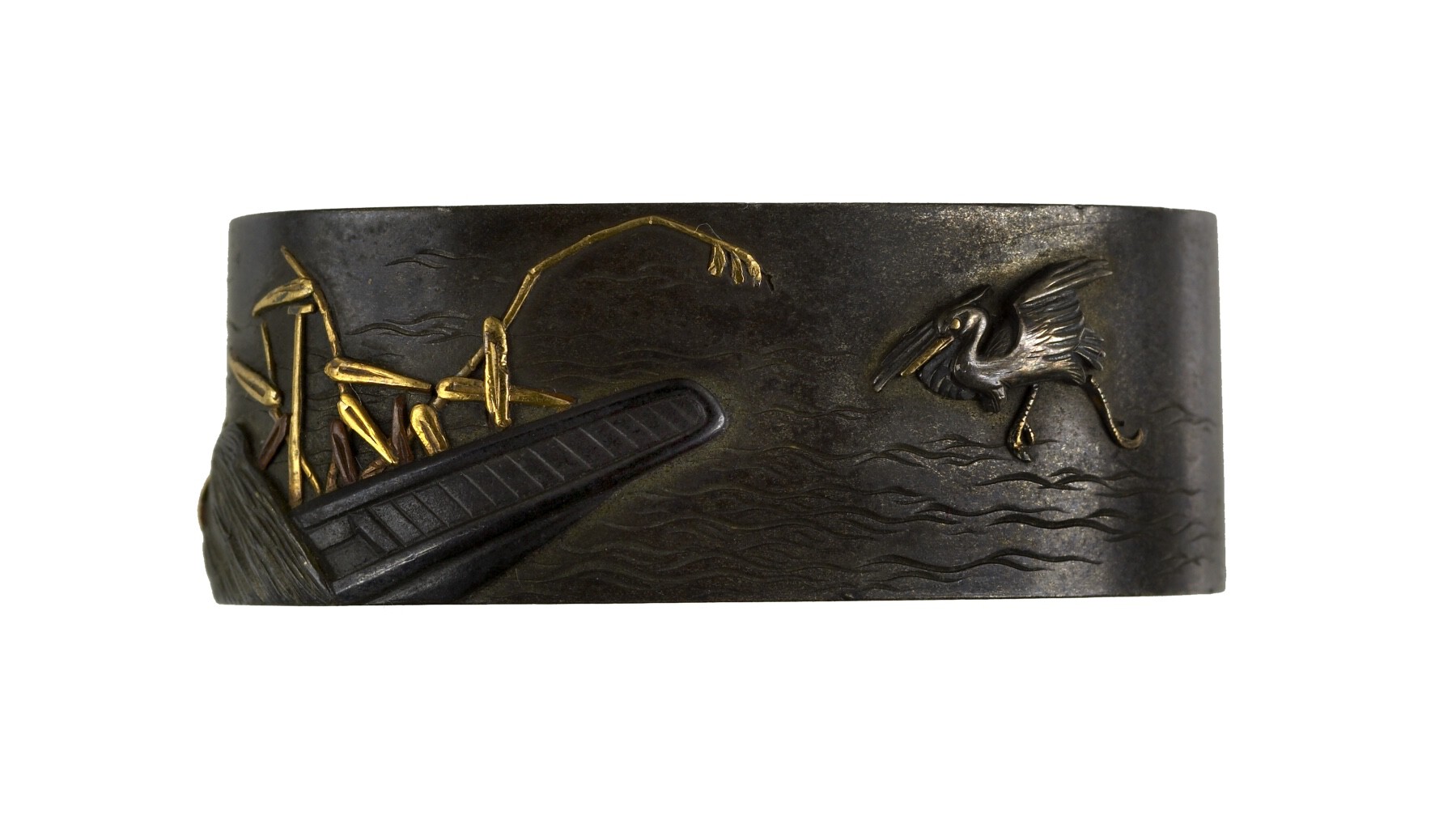
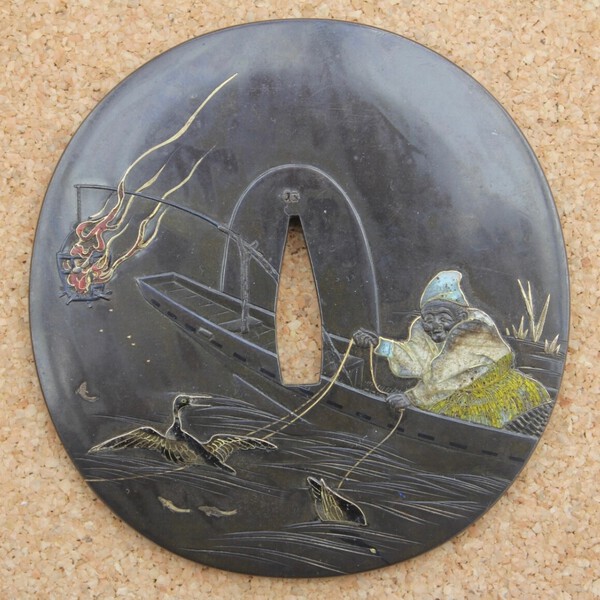
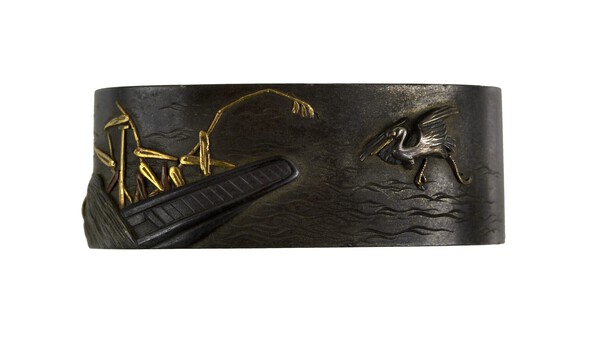
Noda Masaaki (1784-1821), late edo. I agree, the works come from different schools, but the main theme is common and quite interesting.
-
And one beautiful piece of work Noda Masaaki. https://art.thewalters.org/object/51.1070/


-
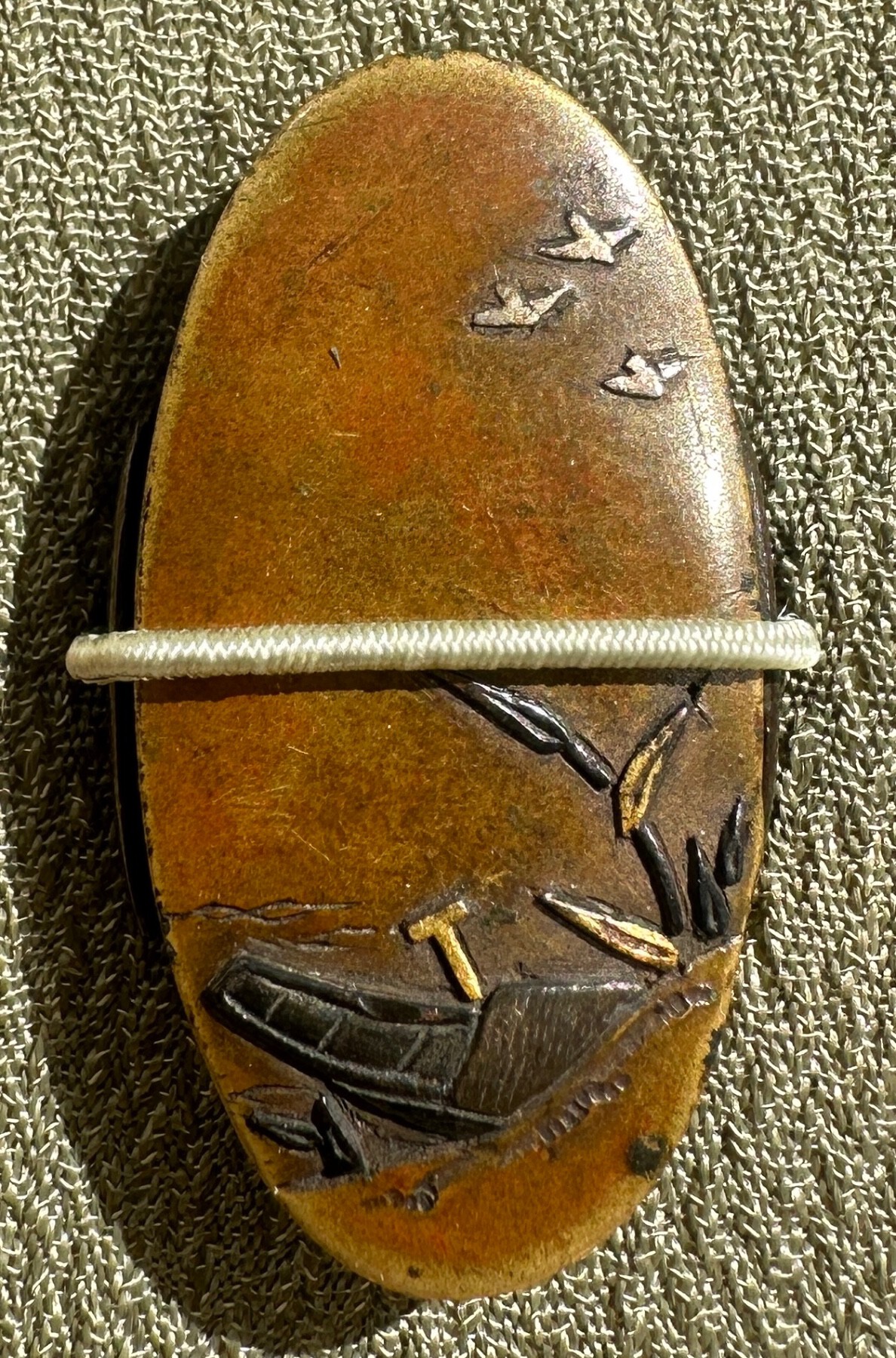
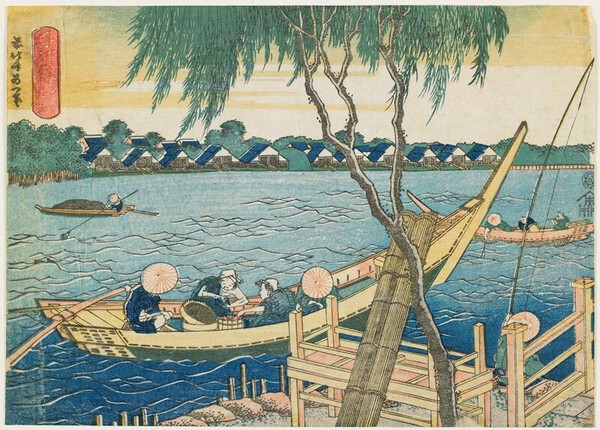
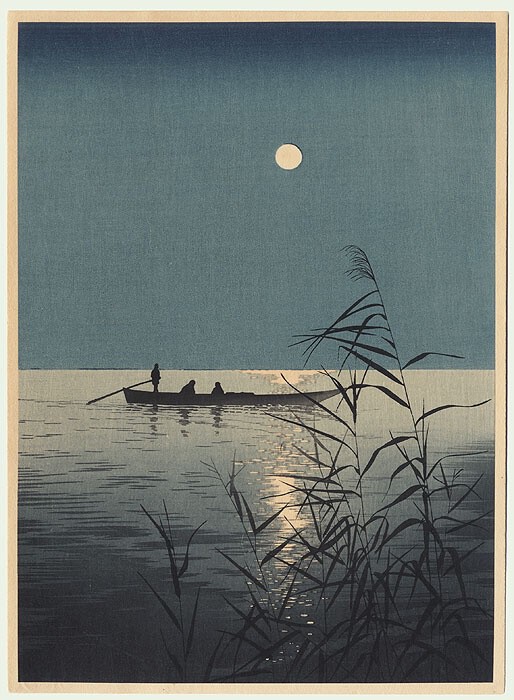
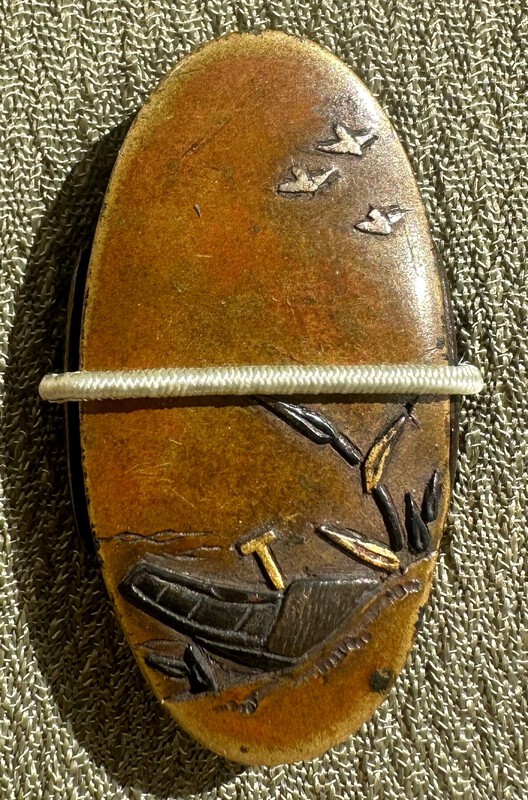
Could it be seaweed harvesting? Or fishing boat on moonlit…

-
Yes, it's really interesting. Maybe it's the wreckage of a boat near the shore... It would be nice to find a photo illustration of this scene. Yes, it is. Maybe from the same school, maybe there was a very popular sketch.
-
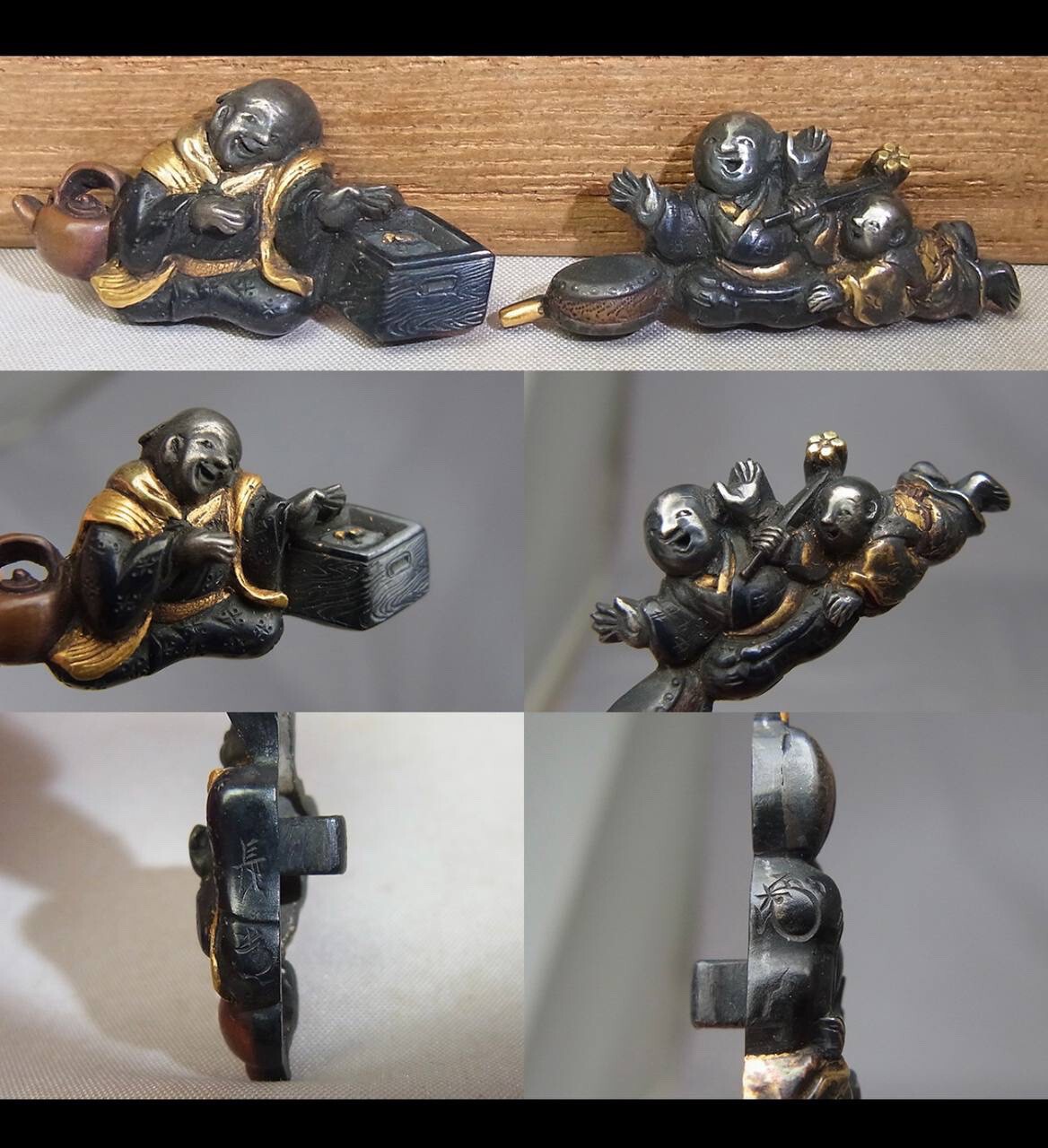
I'll add my set. The work isn't difficult, but the patina color palette was too tempting to resist)

-
A normal medium-quality tsuba. The sekigane also looks fine, and nanako fits neatly against the inlay.
-
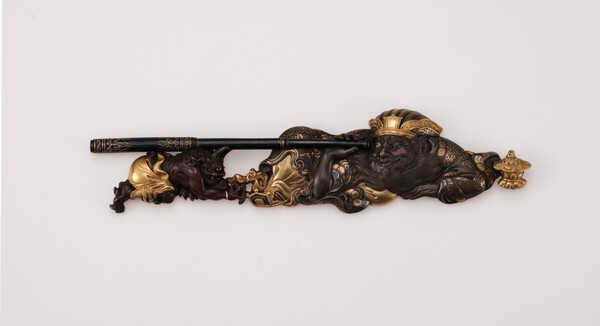
This is indicated in the catalog. The New Year's theme is appropriate. Since there are so many examples of Unno School’s work in this topic, I will add the work of the legend) Unno Shomin
-
Moritoshi was a follower/student of Yoshimori, which can be seen both in the level of workmanship and the similarity in the mei. Moreover, I took the liberty of doing a light cleaning with isopropyl alcohol to remove dust and light dirt. As a result, all the fine details became visible — details that, in my opinion, would be impossible for a craftsman of a lower level. I'll take new photos and videos a bit later — I think many people will be interested in examining the details.