PietroParis
-
Posts
796 -
Joined
-
Last visited
-
Days Won
4
Content Type
Profiles
Forums
Events
Store
Downloads
Gallery
Everything posted by PietroParis
-


-

-

-


-


-


-
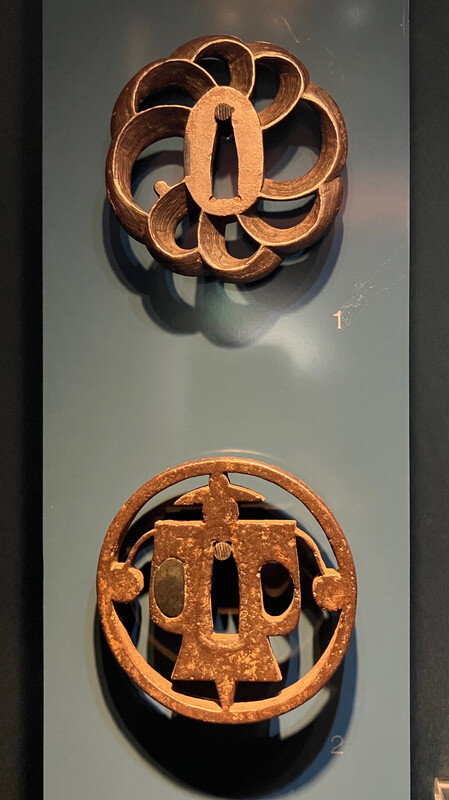
New visit to the Baur Foundation, a few more cellphone pics:


-
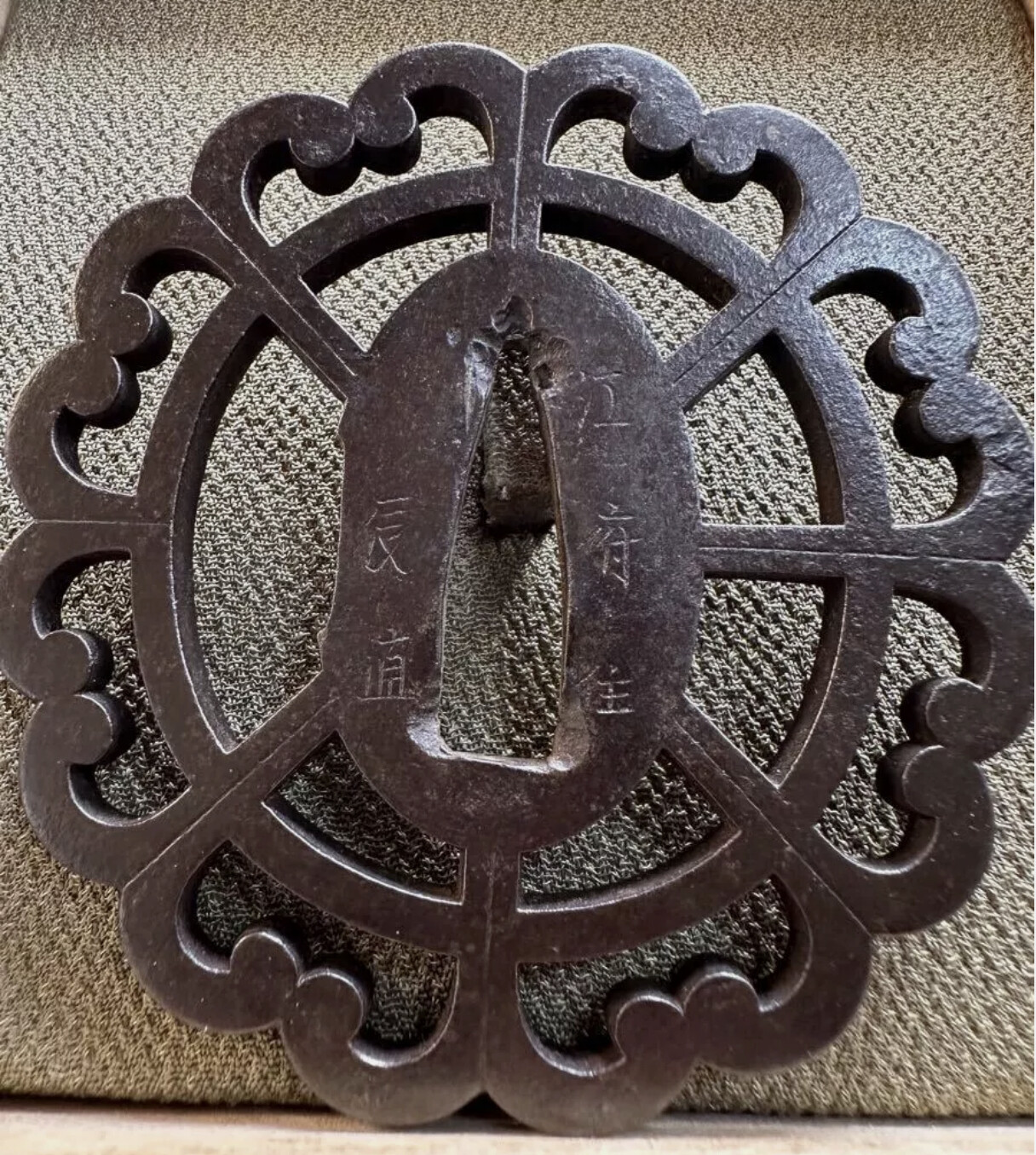
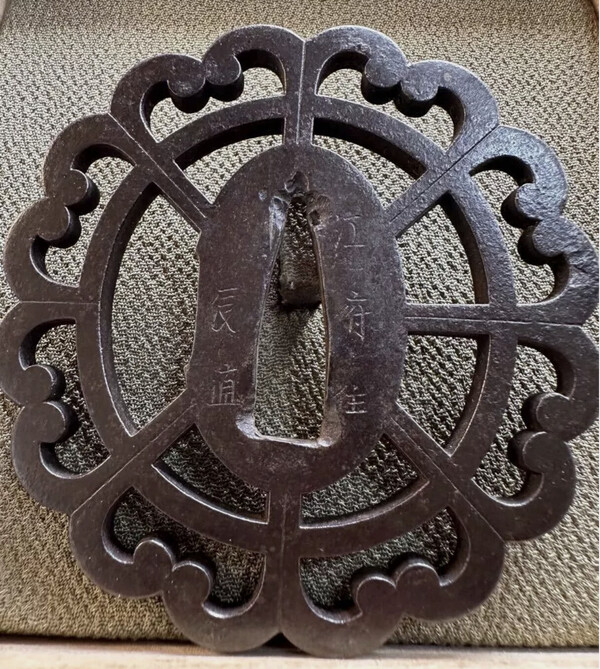
Tatsunao on eBay:
-
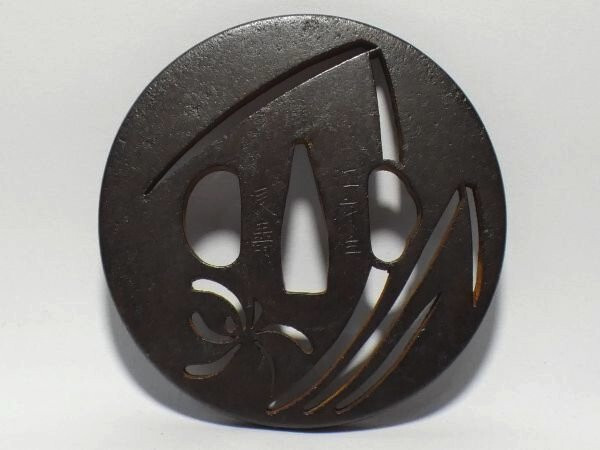
A good-looking Tatsutoshi on Yahoo! Japan:
-
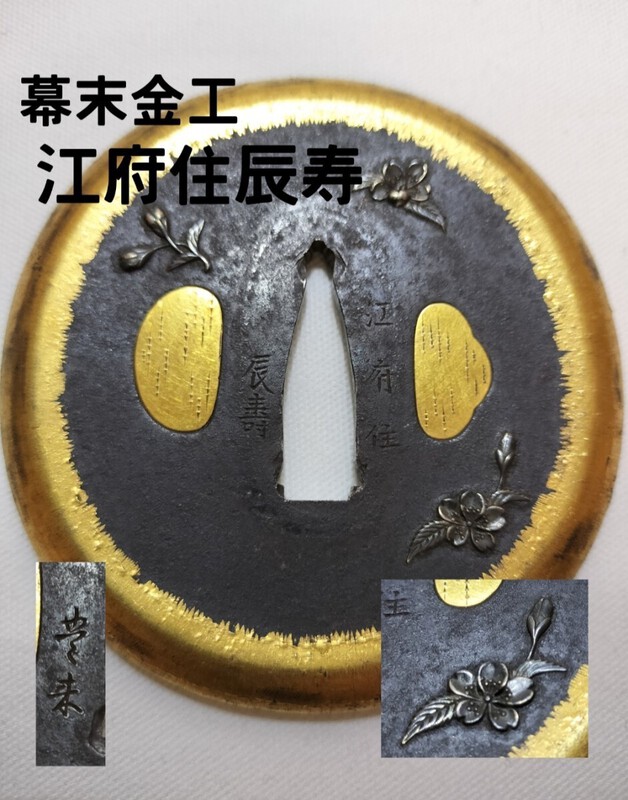
On yahoo! Japan, the weirdest Tatsutoshi I've ever seen. Is it even a tsuba?
-
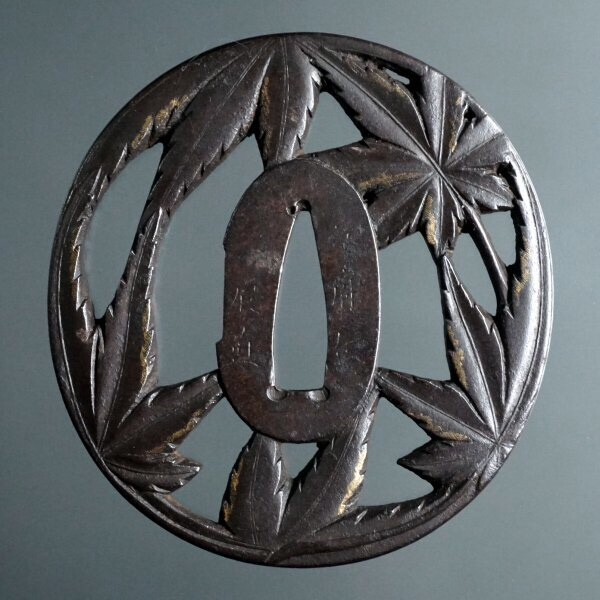
This appears to be Tatsunao’s most common motif, as you may see by earlier posts in this thread. I had to google what momiji means (something like “red leaves” or more likely just “maple”), I can’t say if this is how the motif is usually called. Finally, I can’t see yahoo! auctions directly either, I use buyee as a proxy site (see this link).
-
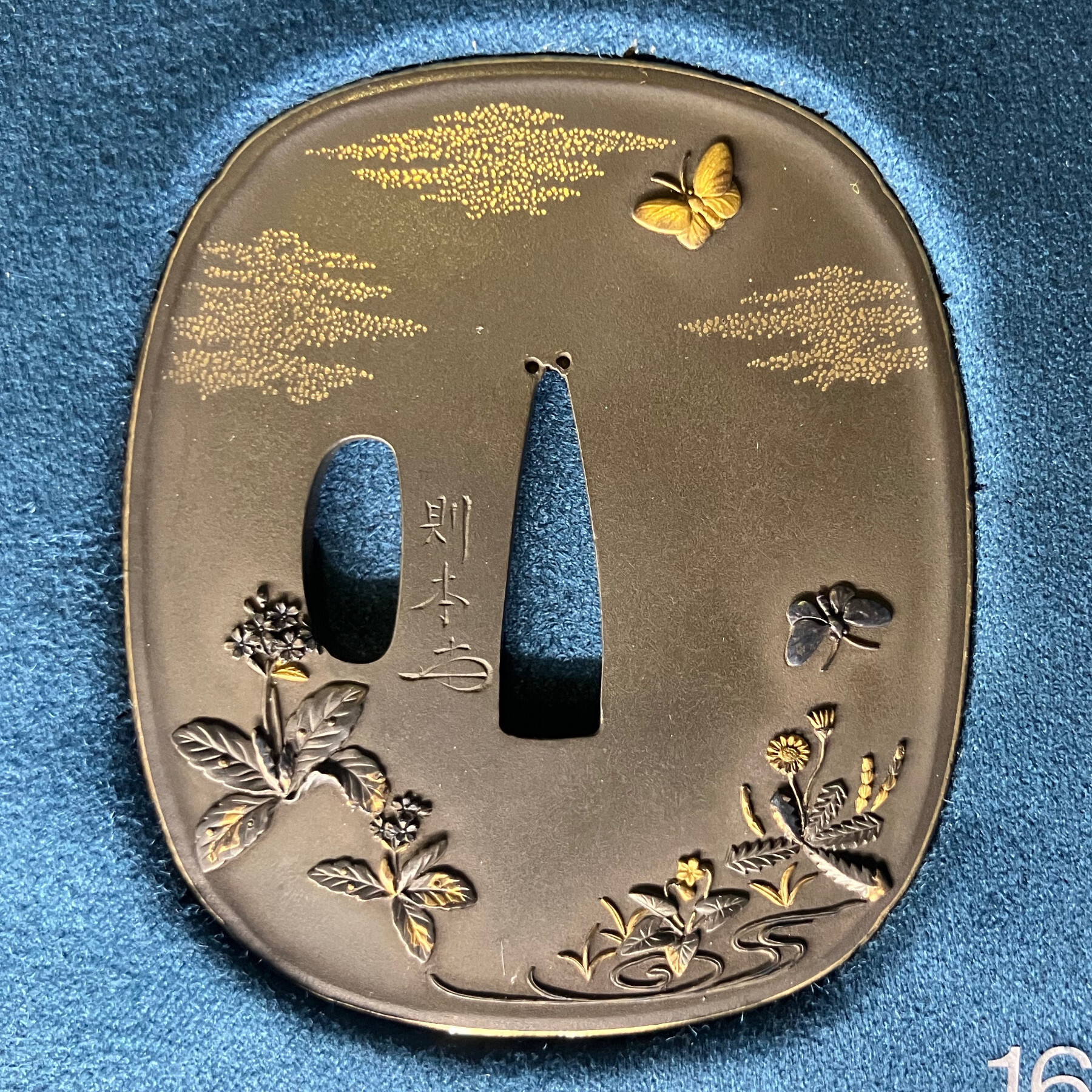
Tatsunao on Yahoo! Japan:
-
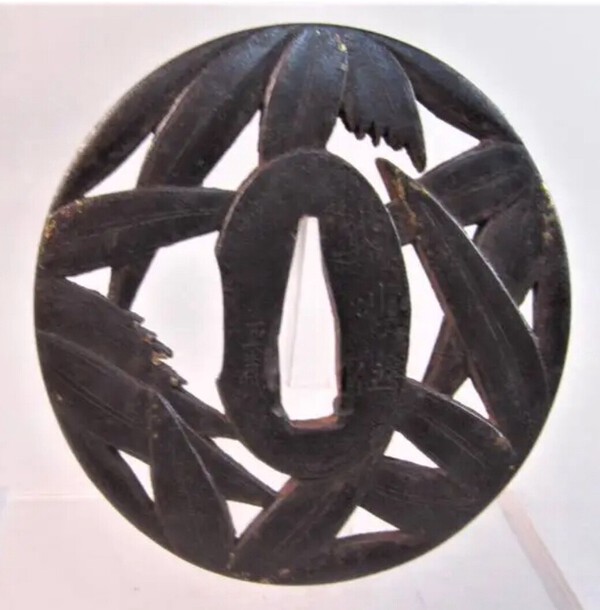
Namitoshi on eBay, expensive and poorly photographed:
-
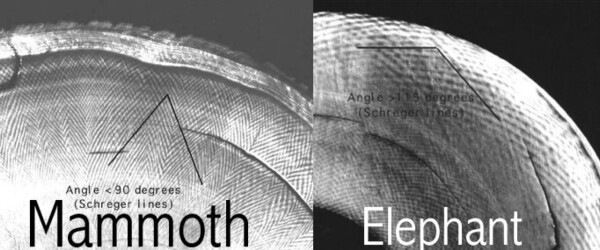
Thank you Matt, the ass picture is quite revealing: I see some kind of concentric pattern around the pulp cavity that might indeed point to natural rather than heat-induced cracks. OTOH, the intersection angles of the Schreger lines – as well as the look of the cracks, if natural – would suggest mammoth rather than elephant (although I don't know if the Schreger rule still applies this close to the center).
-
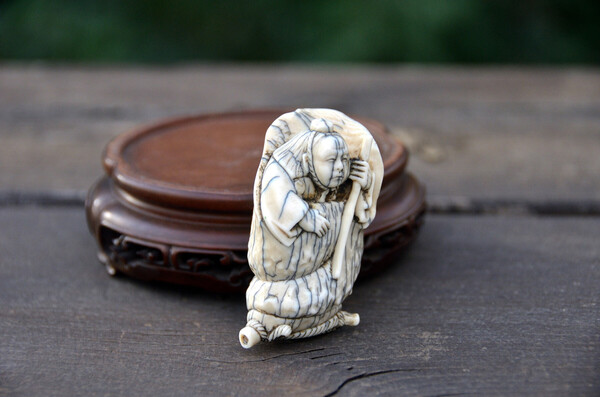
A few more "baked" pieces (also from Facebook groups, the INS website is down these days). No clue if some of these are mammoth, one could figure that out from a closer look at the Schreger lines.
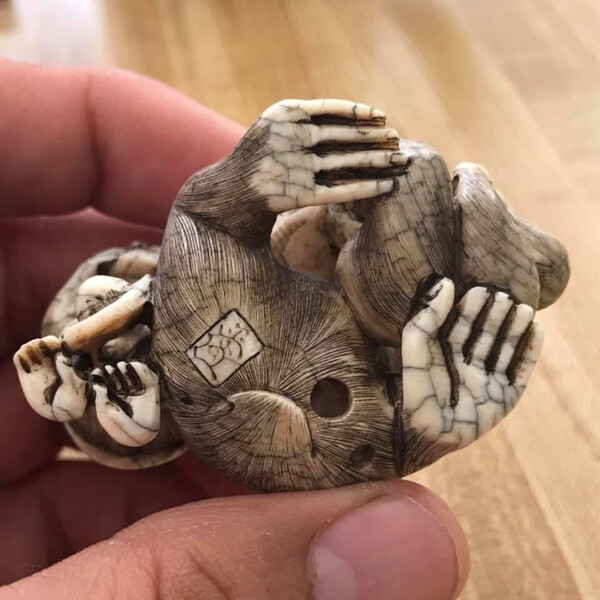
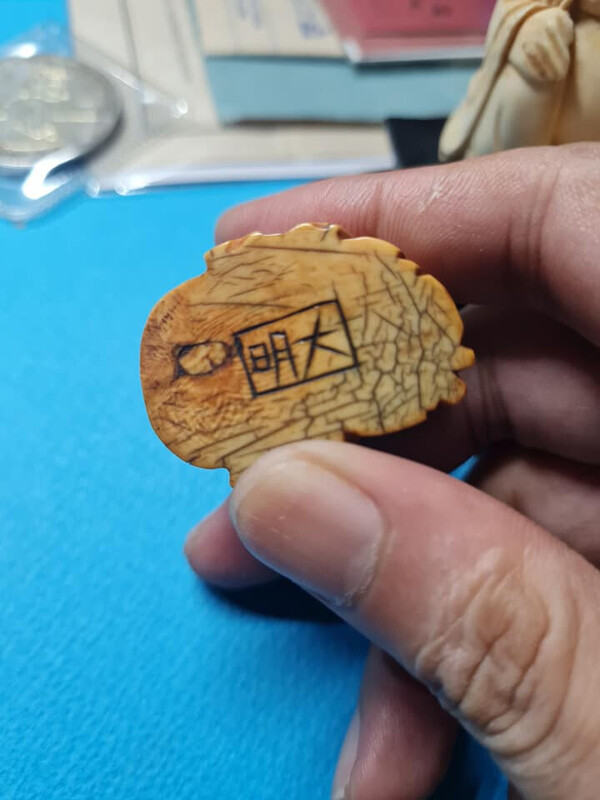
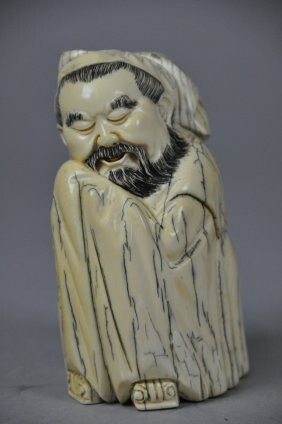
-
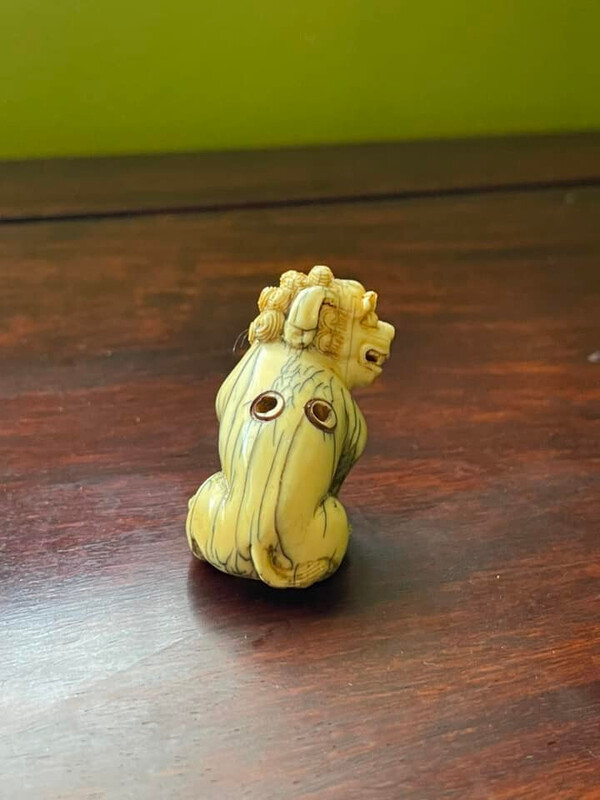
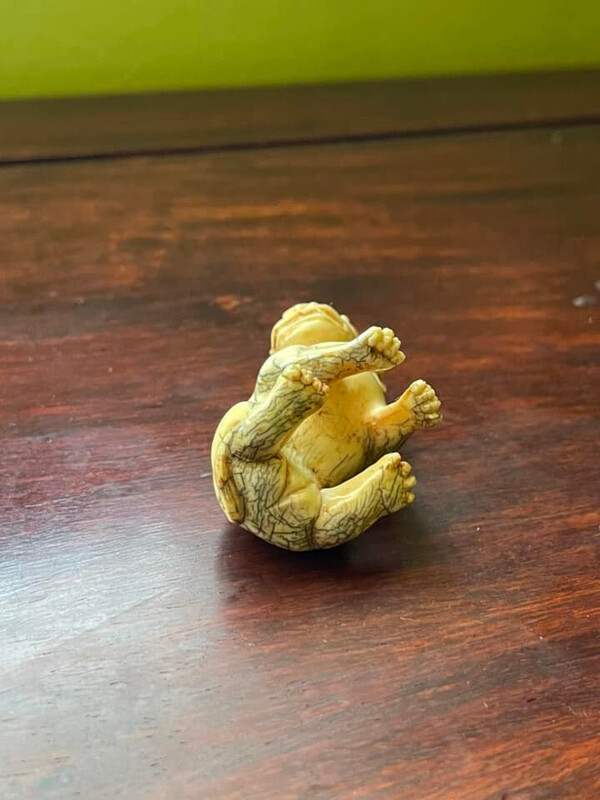
This was just a couple of days ago in a Facebook group. Of course in this case you don't need to assess the cracks to spot the modern Chinese trinket...
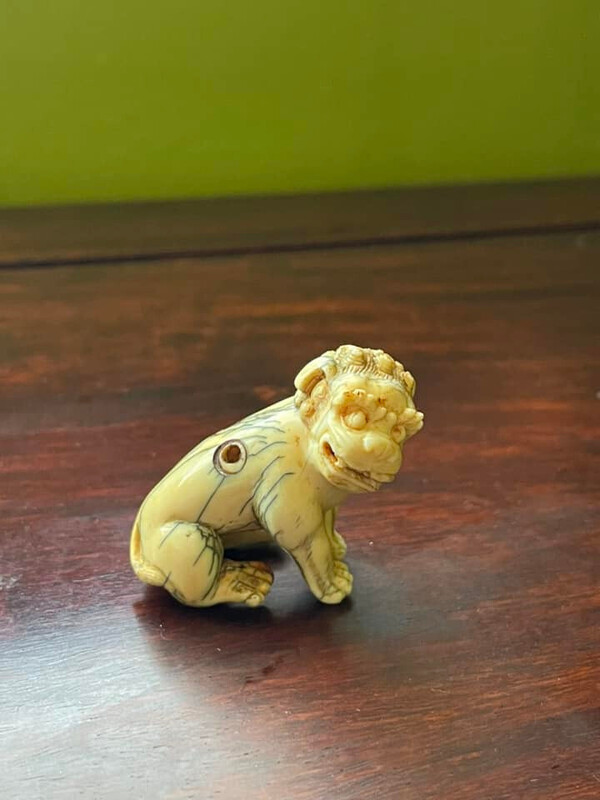
-
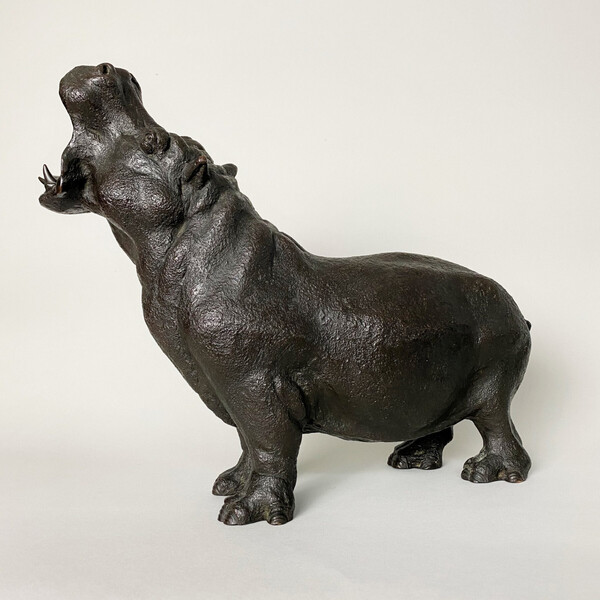
P.S. A google search does yield a couple of Meiji-period hippo okimono in bronze. See e.g. this one:
-
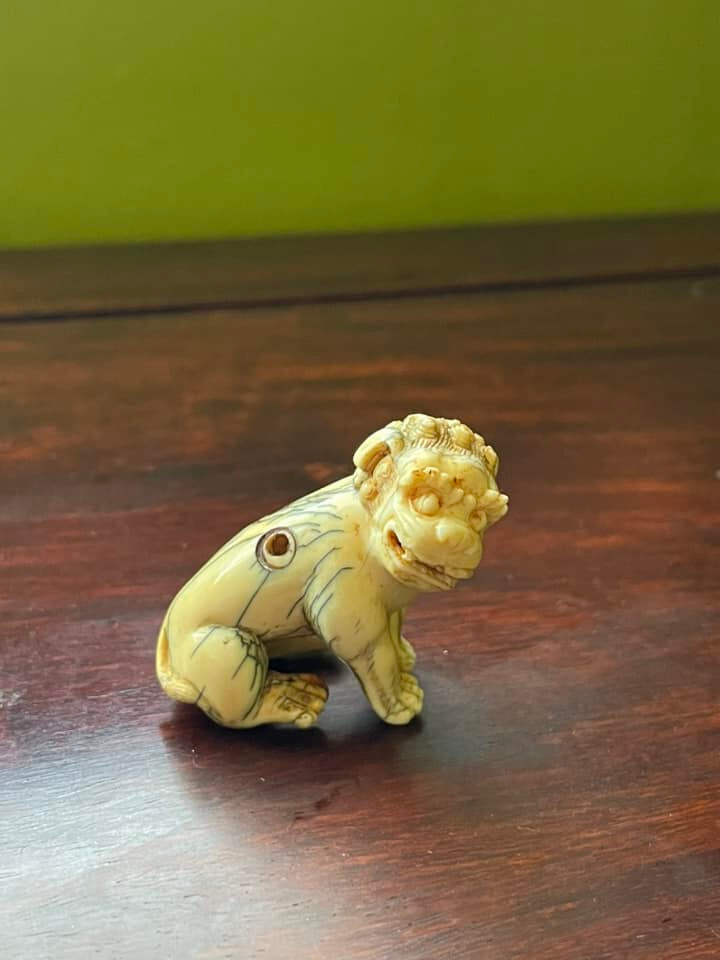
Everything is possible of course, but even in my relatively brief experience as collector I must have handled many hundreds ivory netsuke, and examined several thousand more pictures. In most cases, natural age cracks on ivory netsuke look sparse, relatively regular and aligned along specific directions, which indeed depend on the position and orientation of the ivory piece w.r.t. the axis of the tusk. In contrast, the kind of dense spider-web cracks we see on your hippo (especially on the ass and on the legs) are commonly found on modern pieces that were "baked" to make them look older. Maybe your hippo is an exception, who knows. But even in that case it seems unlikely to me that the cracks were "present even when carved", if the carving really took place in the Meiji period. The carver would have wanted to sell his product for a good price, thus he would not have used a piece of ivory that was already this disfigured. OTOH, a modern forger could very well profit from an already-disfigured piece of ivory to give an appearance of age to his product. One aspect you might investigate to distinguish between natural and heat-induced cracks is their distribution and direction. How do you think the original block of ivory was oriented within the tusk? Does the distribution of the cracks appear compatible with this orientation? You can see that the cracks in the four billiard balls are all roughly concentric, presumably centered on the axis of the tusk. I cannot figure out a similar pattern on the pictures of the hippo, but maybe that will be easier in hand. Finally, it seems to me that your last picture of the signature does not reveal the "dottedness" that one often sees when an electric drill is involved.
-
AFAIK, "spider web" cracks such as the ones on the hippo do not occur naturally, but are the result of exposure to intense heat. Whether this was done intentionally to make a modern piece look older, or it was accidental (fires were quite common in the past), is a different matter. To me the comparison with the billiard ball simply suggests that the latter was also exposed to heat at some point in its history, although the cracks on the ball show a more concentric structure. Concerning the hippo, my first impression was that such an anatomically correct representation was not compatible with Edo Japan, when the only exposure of a carver to exotic beasts would have been through foreign illustrations (*). However, it might be that, as mentioned by Colin, things were different in late Meiji. A certain sloppiness in the feet and in the signature still makes me wonder if this might be a modern piece, perhaps a sharper enlargement of the signature might reveal traces of an electric tool. (*) With very few exceptions such as when exotic gifts to the Shogun were paraded on the road from Nagasaki to Edo.
-
Never heard of this Dr Lori Verderame in the netsuke community, I had to google her to find out who she is. Would you turn to her for an appraisal of nihonto? Netsuke is an equally specialized field... I tend to agree with Colin about the price range, nevertheless $0.25 remains a great bargain!
-
I would not necessarily consider this an erroneous purchase, unless it was described as an 18th-century Tomotada and priced accordingly. As discussed above, if you disregard the fake signature it still looks like a relatively old Japanese carving, which is more than can be said of most of the trinkets marketed as netsuke nowadays. Think of it as a gimei sword, still collectible as long as you know what you're buying.
-
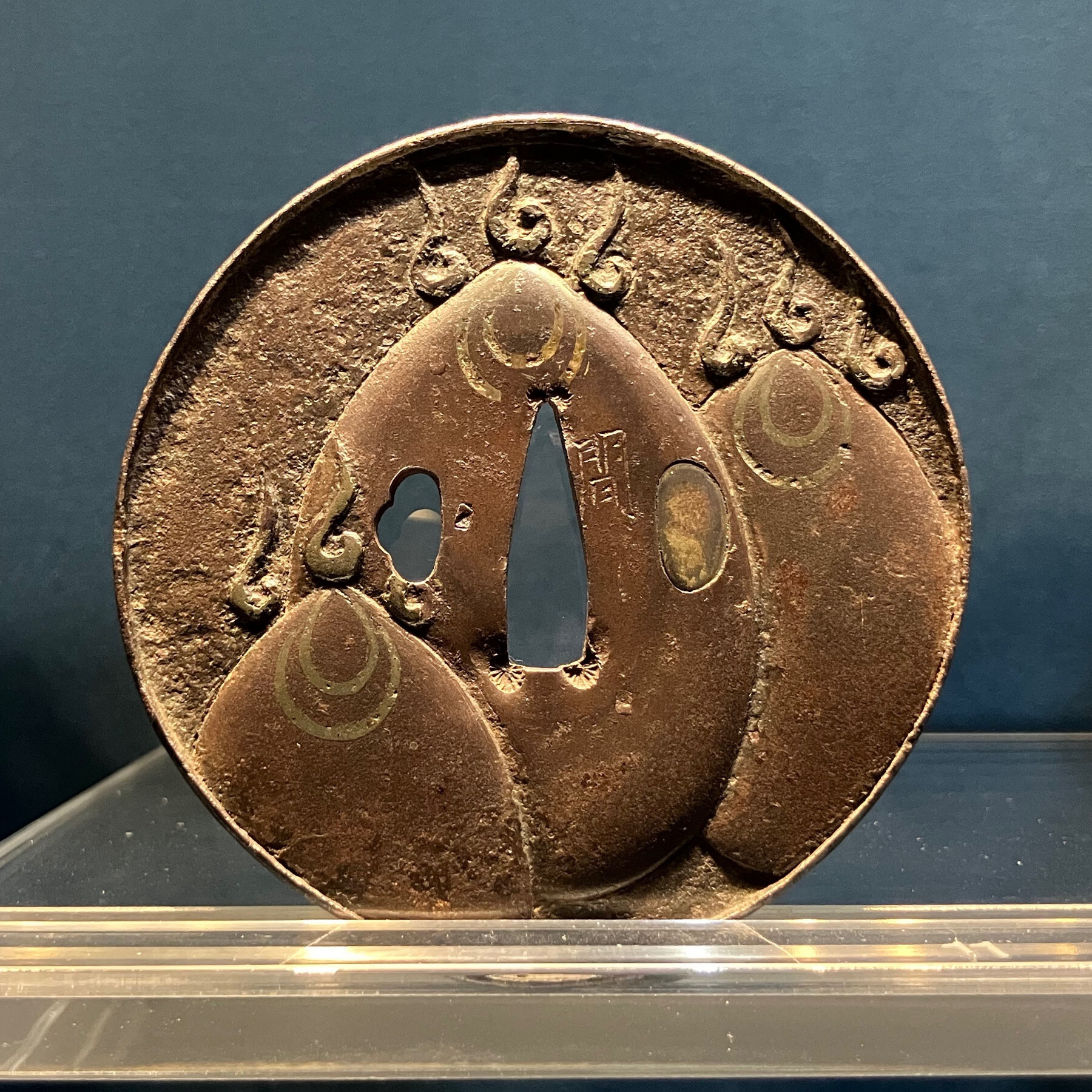
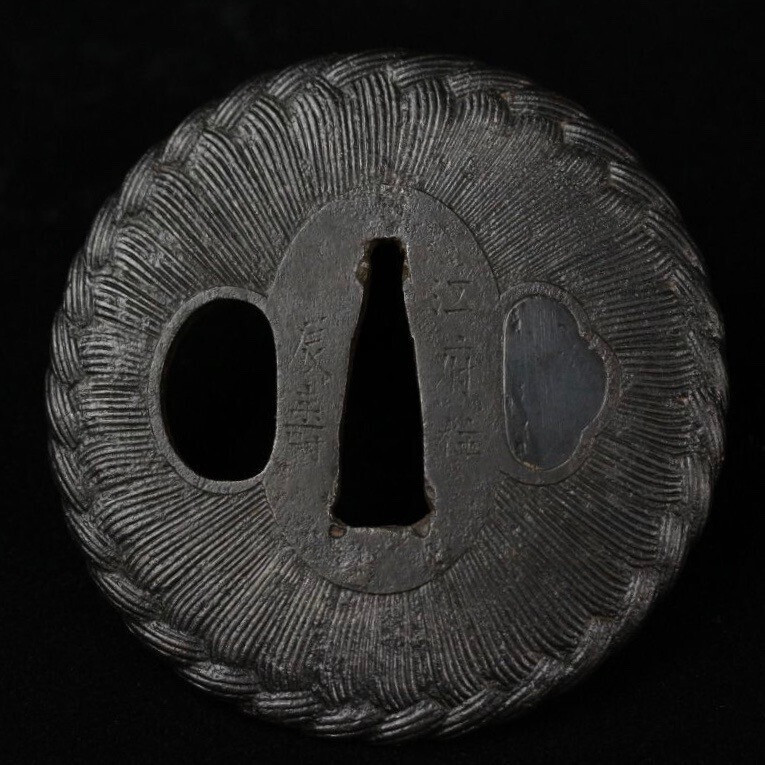
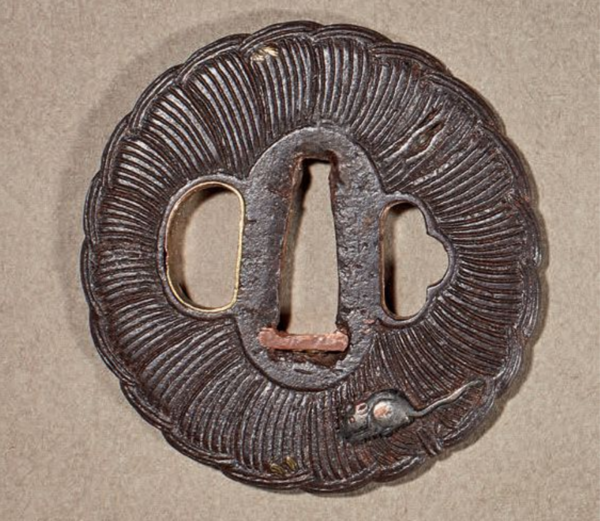
Some of you might remember this tsuba of mine that I posted about one year ago in the Tatsutoshi thread: At the time I was wondering if the subject might be a rice bale, but Piers suggested that it might also represent a zabuton (woven straw mat). I had found that suggestion believable, but today I saw another tsuba in an upcoming Parisian sale that made me revert to the rice bale hypothesis: This tsuba is described as depicting a rat that eats rice grains fallen from a torn rice bale, and the bale looks very much like mine (although somewhat less finely chiseled). We never stop learning!


-
I often wanted to contact the sellers on Catawiki but haven't found the way. Do you know how to do it?
-
When the himotoshi is asymmetric the larger hole is supposed to host the knot, so in this case the end of the cord would enter from the back and exit from the bottom. Again, this arrangement is not so unusual, even if it's not really clear to me how it could hang right. In fact, there are "extremists" in the netsuke community who believe that [Edit: the himotoshi arrangement does not matter much because] sculptural carvings were hardly ever worn as netsuke. I'm not sure what to think of that theory, but it is true that most representations of people wearing netsuke in paintings and woodblock prints depict manju (the round and flat variety of netsuke).
-
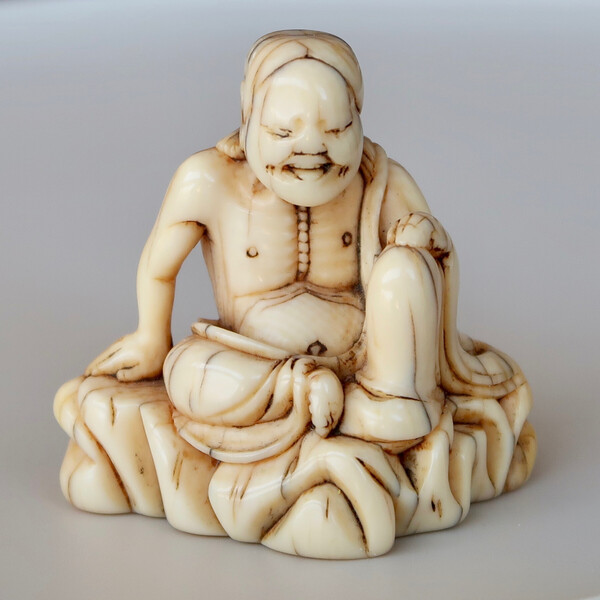
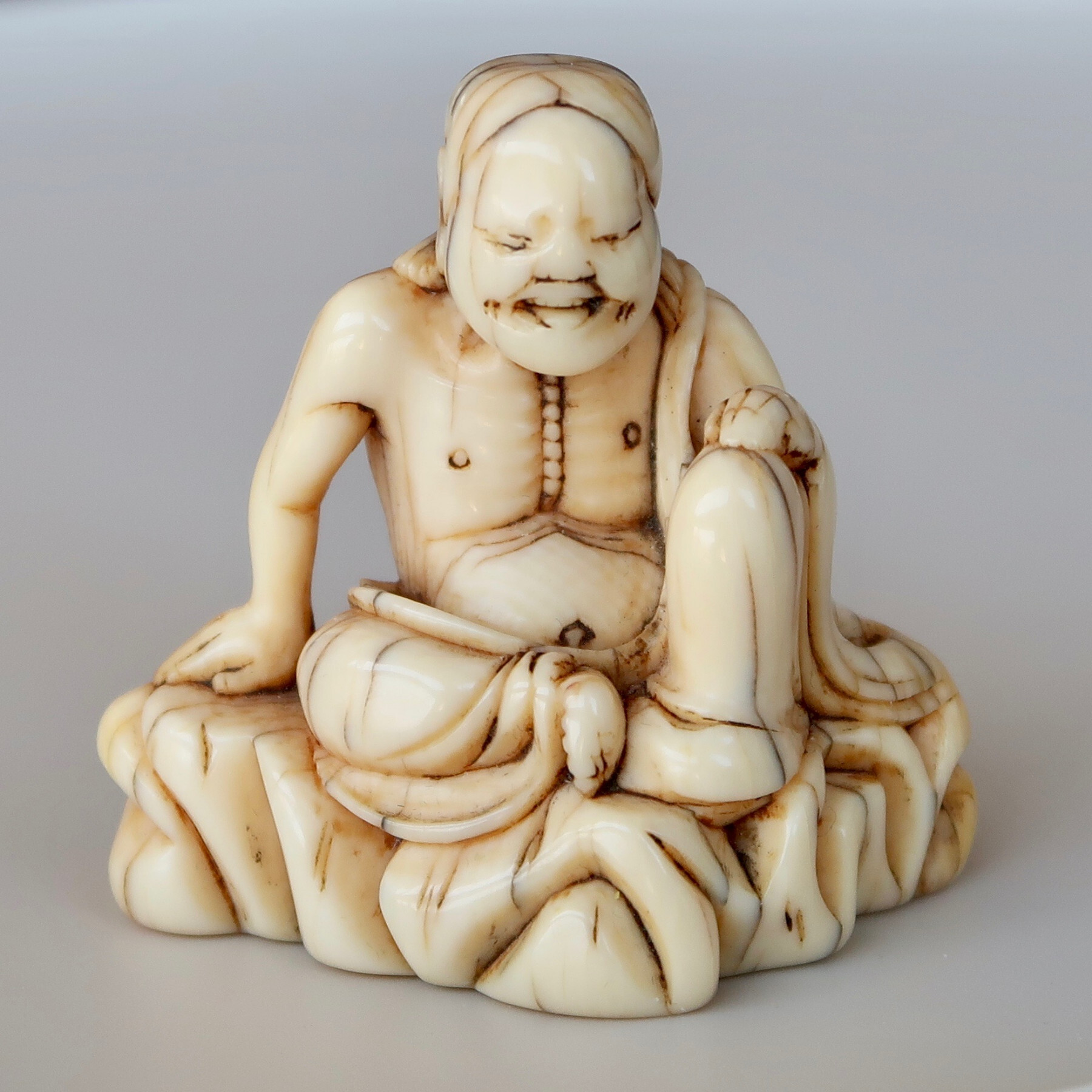
In fact the so-called "chimney" arrangement of the himotoshi is quite common in older pieces, see the example below from my (modest) collection. My concern would rather be that it is out of character on the relatively late-looking carving of the original post.