PietroParis
-
Posts
778 -
Joined
-
Last visited
-
Days Won
4
Content Type
Profiles
Forums
Events
Store
Downloads
Gallery
Everything posted by PietroParis
-
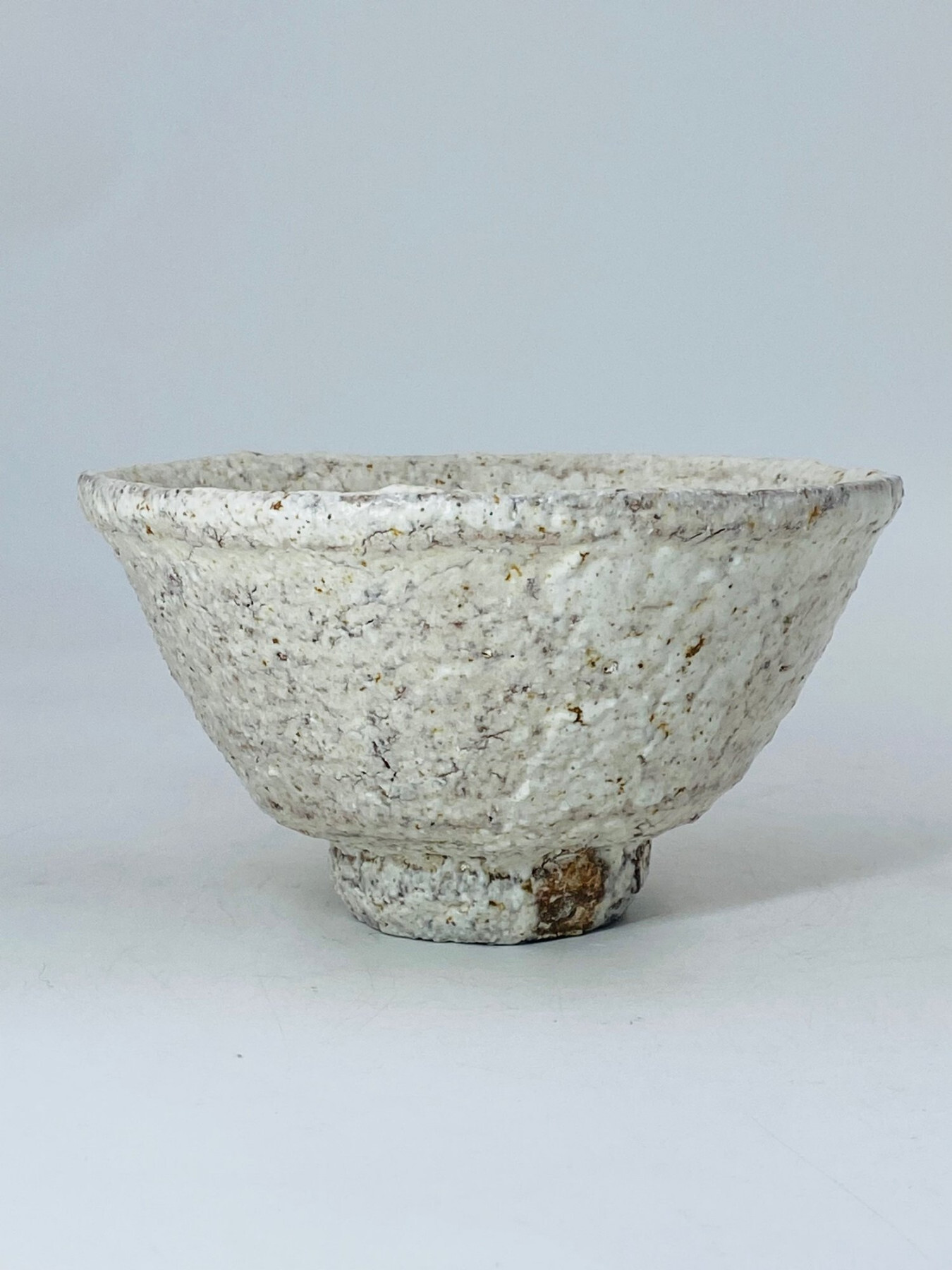
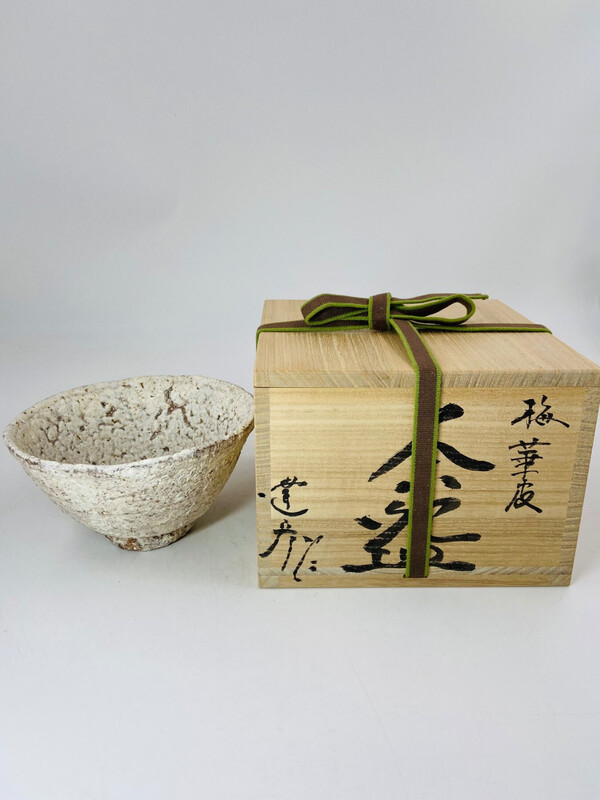
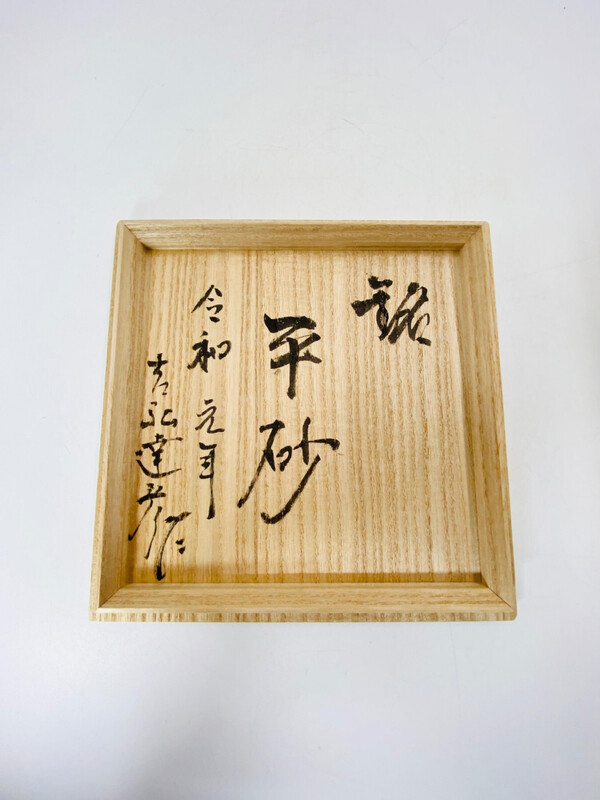
Hi All, I've just bought on Catawiki a Hagi-style tea bowl made by one 吉弘達彦 Yoshihiro Tatsuhiko, a seemingly little-known potter who, according to a google search, doubles as karate teacher in Hiroshima: The writing on the front of the box is not problematic: 梅華皮 kairagi (literally "plum flower skin", this kind of glaze) 茶盌 chawan 達彦 Tatsuhiko However, I am stuck with the writing under the lid: I can only make out the full name of the potter in the last (leftmost) column. Could anyone here please help me read the first three columns? Thanks in advance for any help!

-
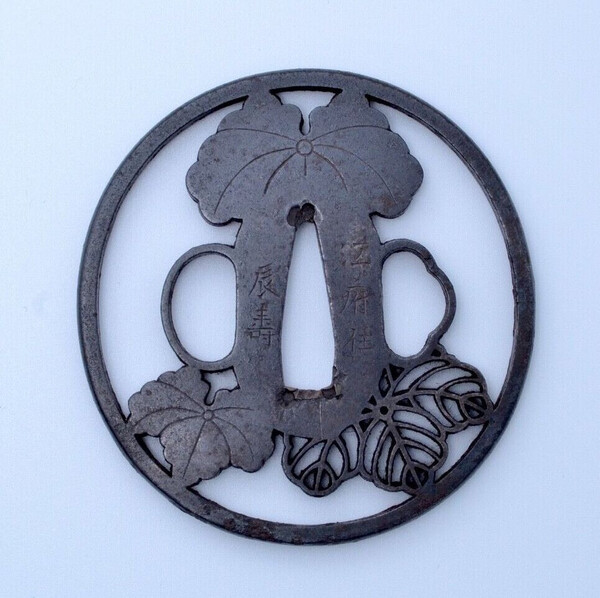
Tatsutoshi on eBay, crazy expensive:
-
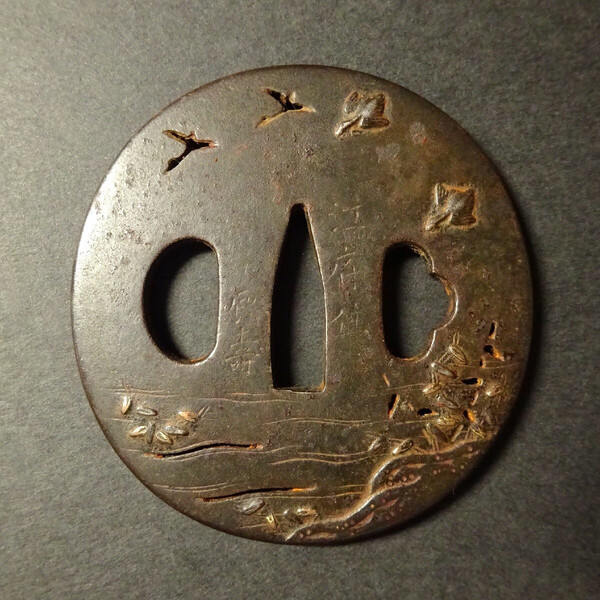
Tatsutoshi on Yahoo! Japan, with somewhat unusual inlays:
-
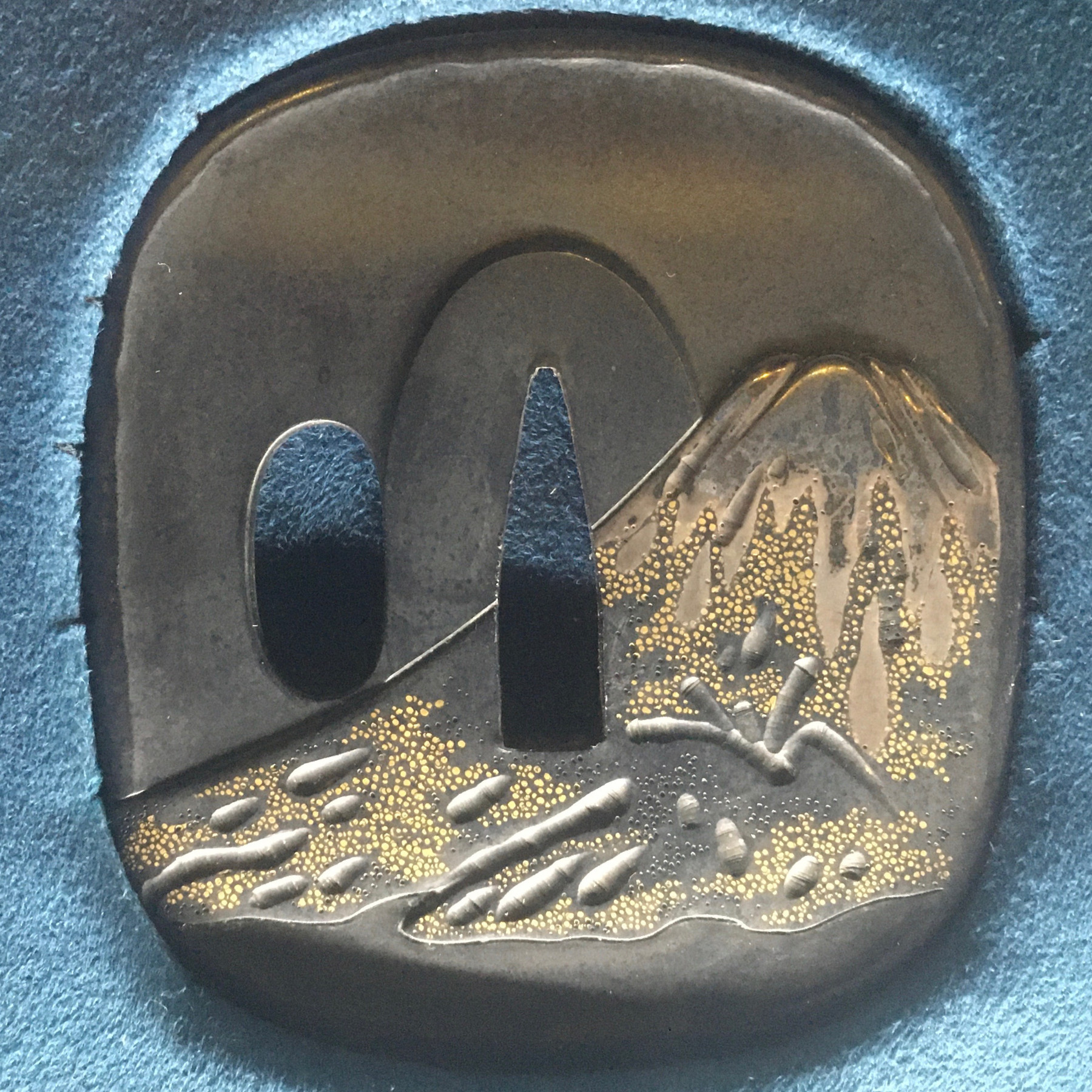
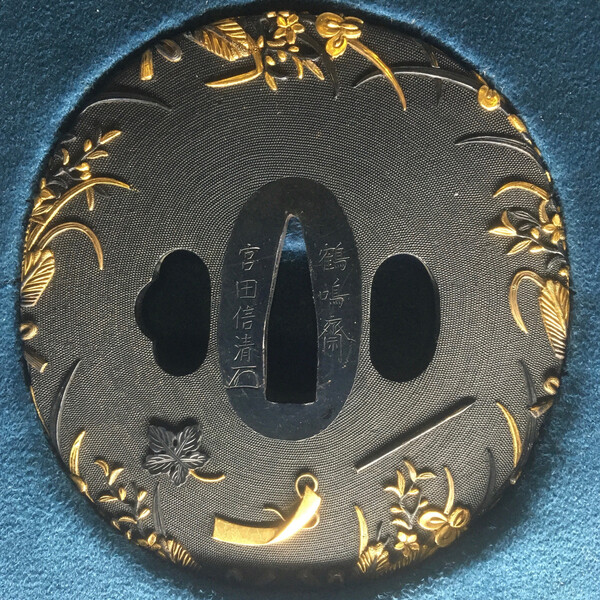
Sorry, I know next to nothing about kinko tsuba and these are all those that 1) attracted my attention and 2) were in a position where they could be easily photographed.
-
That was one of the few "old iron" pieces on show. It looks like Mr. Baur was much more interested in decorative kinko pieces.
-

- 37 replies
-
- 13
-

-

-

-
-

-

- 37 replies
-
- 10
-
-
-

-

-

-

-
The title says it all.

-
Is it visible now? I read that the Japanese pavillon has been under renovation for many years.
-
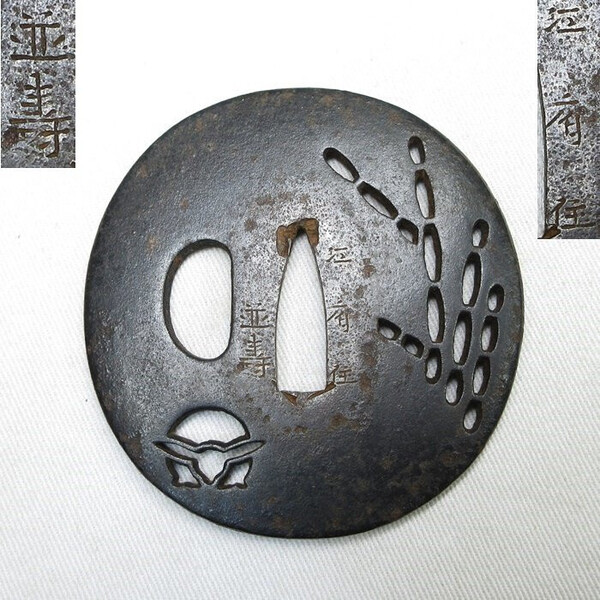
A Zodiacally correct Namitoshi on Yahoo! Japan. Cheap but, once again, rusty:
-
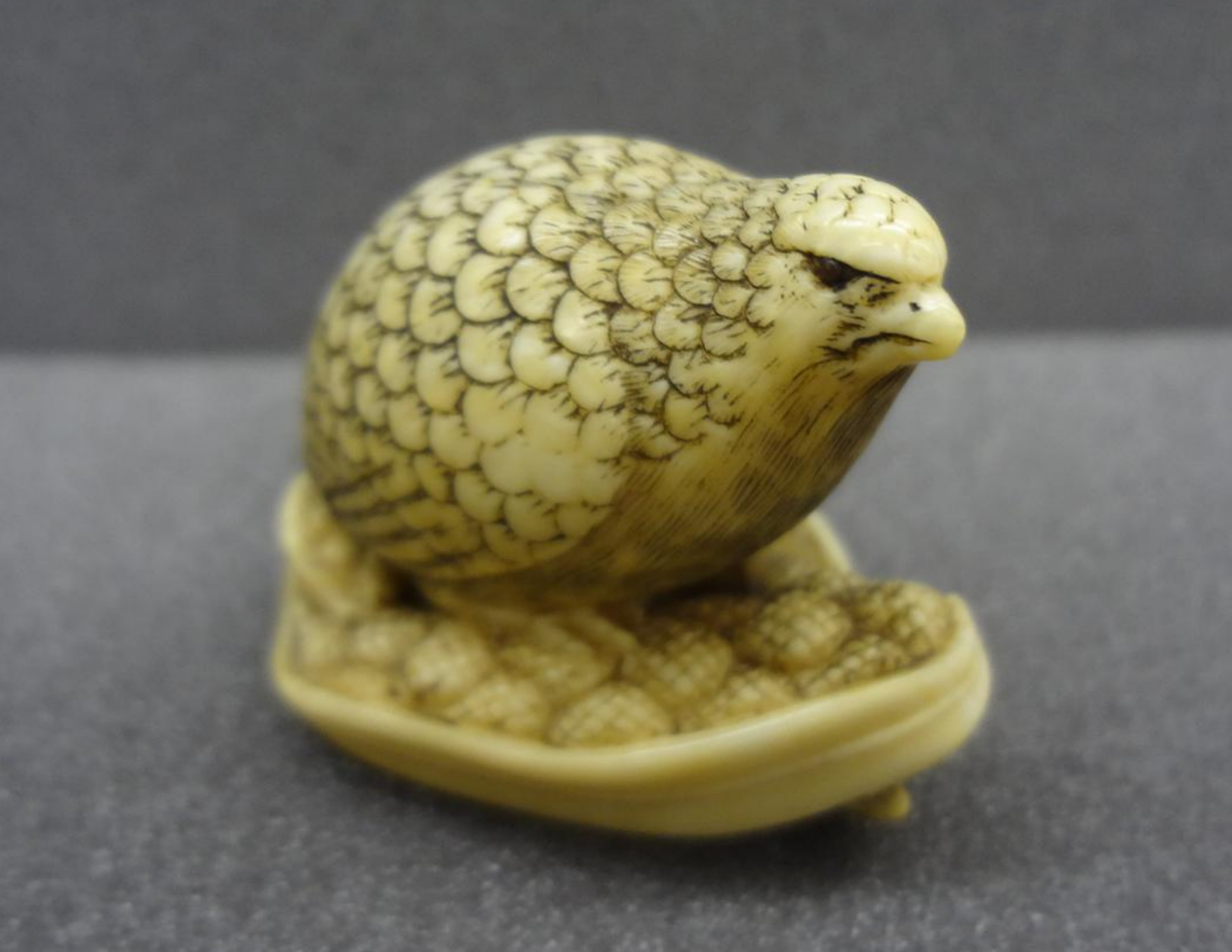
A different version here: googling "quail millet netsuke" will yield many more examples of varying quality.

-
The subject is quail and millet, and this is how it is supposed to look:

-
The signature is 玉山 Gyokuzan, but this definitely looks like a 20th-century non-Japanese imitation for the tourist market. Unfortunately, 99% of the items marketed as netsuke fall in this category, it's even worse than what happens for tsuba and swords.
-
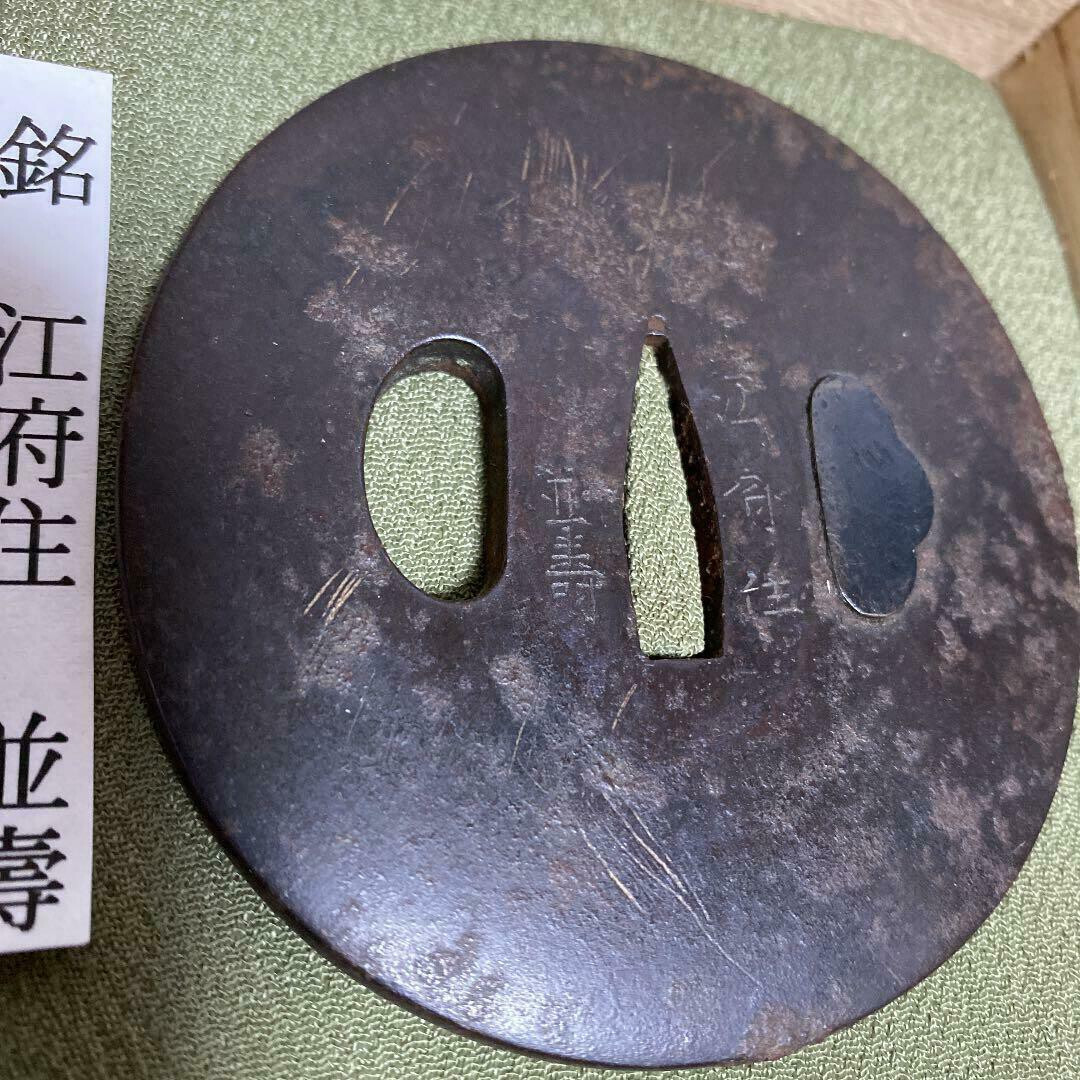
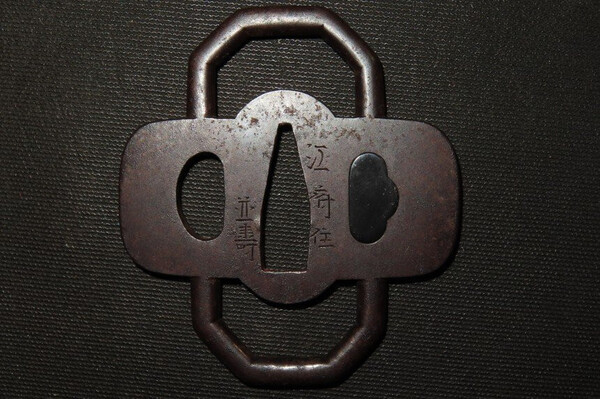
Namitoshi on Yahoo! Japan, with rust issues:
-
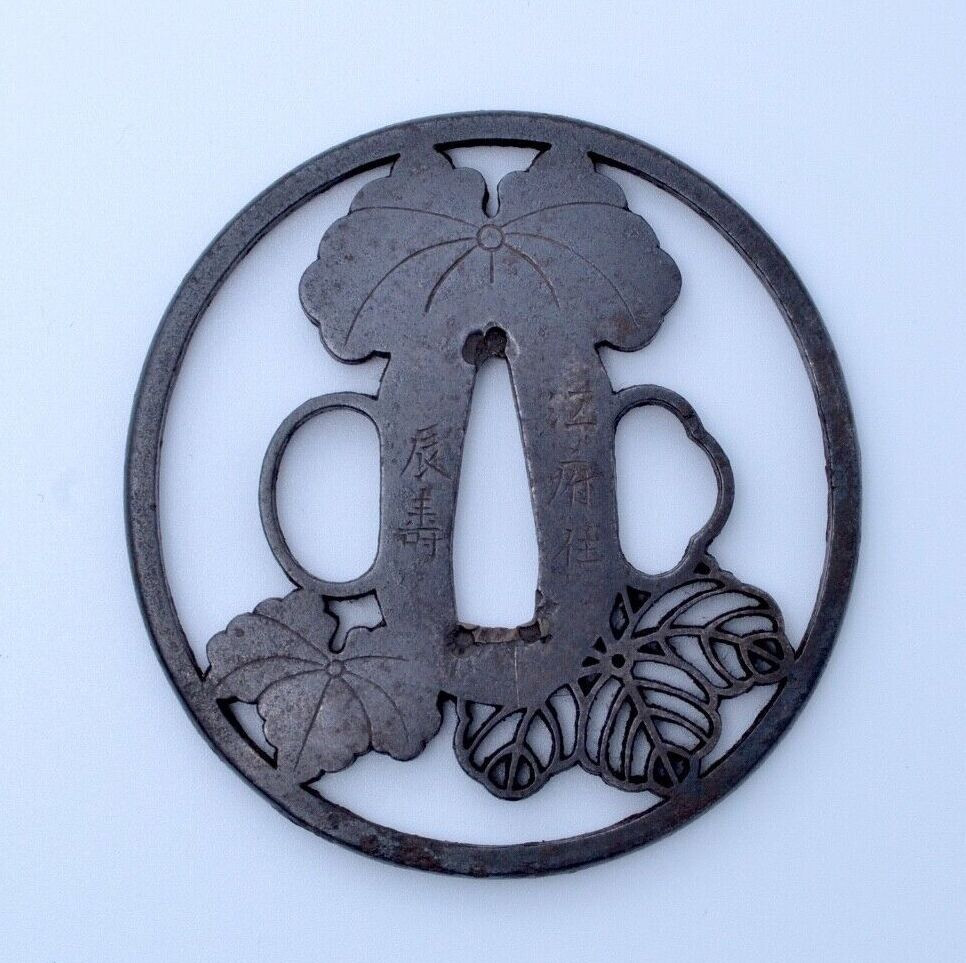
There is a 並壽 Namitoshi - abundantly represented in the thread linked above - who was a student of Tatsutoshi. Maybe it's the one mentioned in Piers' book, and Tsunetoshi was in turn his student? To console Xander, this Namitoshi tsuba from the other thread looks similar to his, but in even worse condition...

-
It might be another follower of Tatsutoshi, although he is not listed in Sesko's genealogy.
-
Of course, how embarrassing that I would screw up the main guy's name!!!
-
I am certainly not in the position to argue, but many times in this forum I have read that 江符 can equally be read Efu or Kōfu (both meaning Edo). See e.g. here.