EdWolf
-
Posts
772 -
Joined
-
Last visited
-
Days Won
2
Content Type
Profiles
Forums
Events
Store
Downloads
Gallery
Everything posted by EdWolf
-
If rubber seppa's where period used, they will probably have dried and brittle by now.
-
Hi Andi, I think you are right. I didn’t think about the saya. Maybe there is a better explanation. Regards, Ed
-
Hi Mark, That sounds like a good explanation. Maybe the better fit after re-polishing is also the reason why I can’t find an example of early (Koto period or earlier) two piece habaki. Regards, Ed
-
Hi Dave, The fact that the two piece habaki is mounted on a Wakizashi probably will eliminate the long blade theory. This raises another question. Why would someone design and build a more complex two piece habaki? After mounting, it is hard to see the differences. Regards, Ed
-
Hi Geriant, Thanks for your reply. Is the hakabi replace after polishing because it won’t fit anymore or just for aesthetic reasons? I have also heard that the two piece habaki was mainly used on long blades. It had something to do with supporting the blade in a better way. I don’t know if this is true. Regards, Ed
-
Hi to all, A beginner’s question: I have noticed 2 different types of habaki, made from one piece of metal and made of two pieces of metal. I was wondering, is the two piece habaki also used in the Koto period (or even earlier) or only from the Edo period? Regards, Ed
-
Bushido Samurai Code Goes To War
EdWolf replied to BIG's topic in General Nihonto Related Discussion
Very interesting! Thanks for sharing. Regard, Ed -
Hello Steve, The condition of the blade is rubbed. Therefor not all the details can be seen. With my limited knowledge, I can find some of the characteristics mentioned in the article of Fred in this sword. Like Boshi (Midari-komi), Hamon (midare), Nakago (file marks Katte-sagari, kuri jiri), Sugata (koshi-sori), Horimono (bo-hi, kakudome). I know, the pictures are not of the best quality but the weather in the Netherlands is cloudy so it’s hard to improve the pictures. I will try to take better picture when the weather conditions are improved. Regards, Ed
-
Thanks Uwe! I really appreciate your reply and opinion. Based on the characteristics of the blade and the date on the Nakago it’s possible that the blade is made by ‘BIZEN GOROZAEMON no JO NORIMITSU’. Fred Weissberg of nihonto.com wrote an article about this smith. The article can be found here: http://www.nihonto.com/abtartnorimitsu.html. My knowledge about Japanese swords is limited but I try to read as much as possible about it. Maybe I’m totally of track but I have a good feeling about it Regards, Ed
-
Can someone please answer my last question. Thanks in advance. Regards, Ed
-
Thanks Uwe! Is it safe to assume that this sword is made between 1441 and 1444 (Kakitsu). Just asking because I can’t read all the kanji characters. Regards, Ed
-
Hello John, Thanks for your opinion! Regards, Ed
-
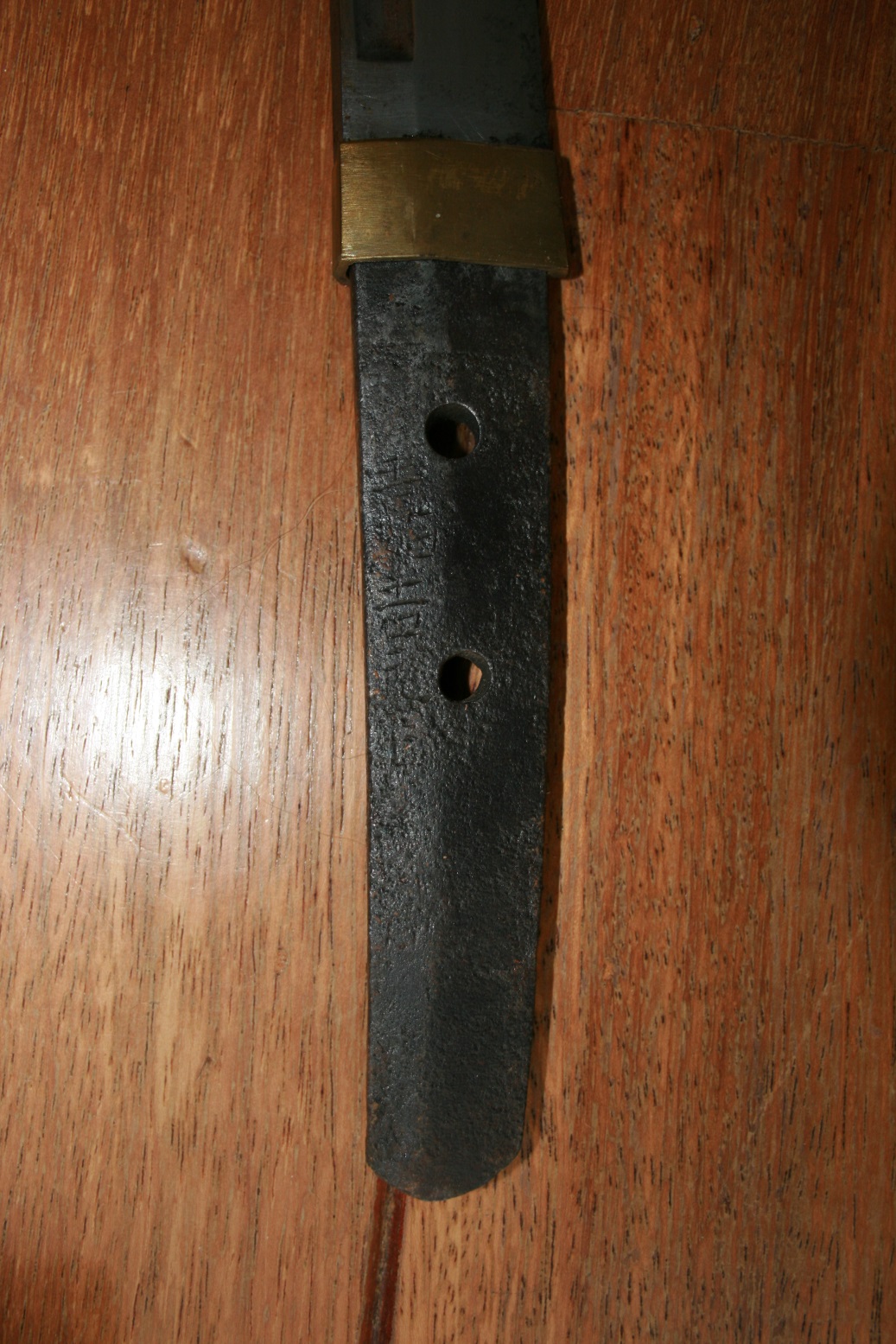
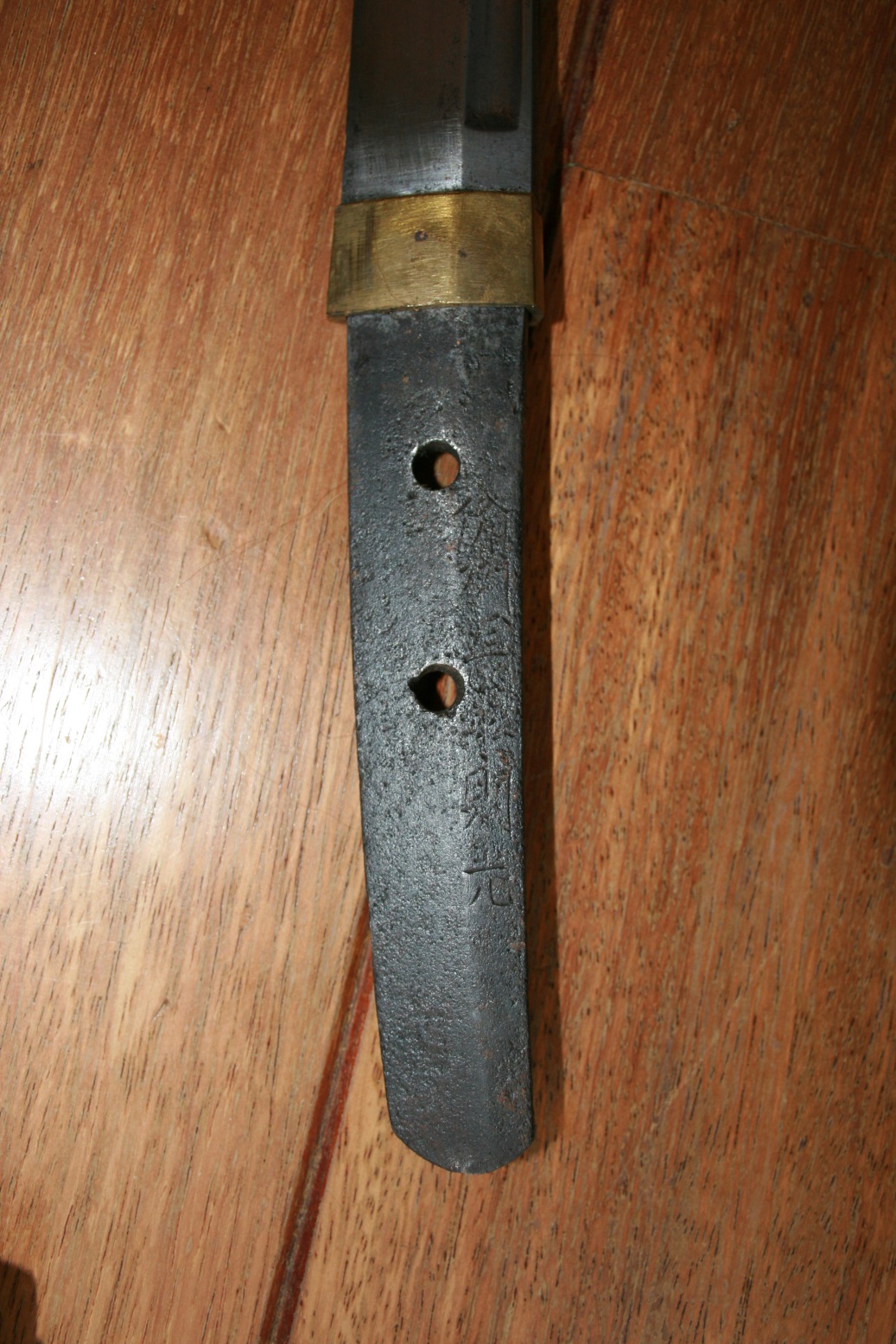
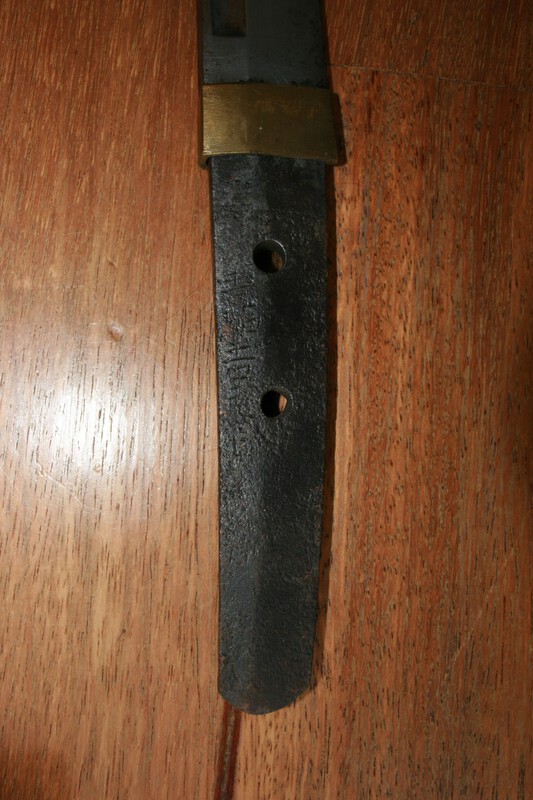
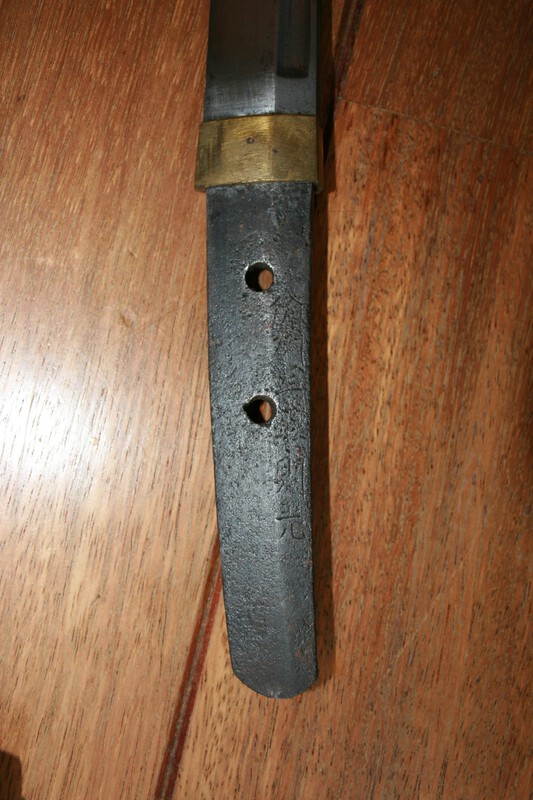
Hello to all, Last Sunday I have bought an army sword with an old blade. See http://www.militaria.co.za/nmb/topic/21832-a-friend-for-my-navy-sword/ It’s signed Bushi Osafune Norimitsu (thanks for helping me with the signature!). There is also a date part that I’m trying to decipher. I think the first to kanji are Kakitsu (嘉吉) 1441. Can one of you please confirm this? Please be gentle, it's the first time I’m trying to read a Japanese date. Regards, Ed
-
Hello Paul, Thanks. It’s indeed a nice balanced blade. I think the first two kanji characters of the date are ‘Kakitsu’ (= 1441). Regards, Ed
-
Hello Paul, Thanks for your reply. I had never heard about the dents caused by railway carriage doors. It’s a nice story. I agree, the dent adds character to the sword. I recently bought ‘The connoisseurs book of Japanese swords’. Reading this book makes me convince to buy the sword. I’m now trying to determine the age of the sword. This is difficult for a novice like me. My best guess is around 1500. Maybe I’m totally wrong I must learn a lot. Regards, Ed
-
Thanks for all the fast replies. Blade length 64 cm. I try to find more information about the sword smith. Regards, Ed
-
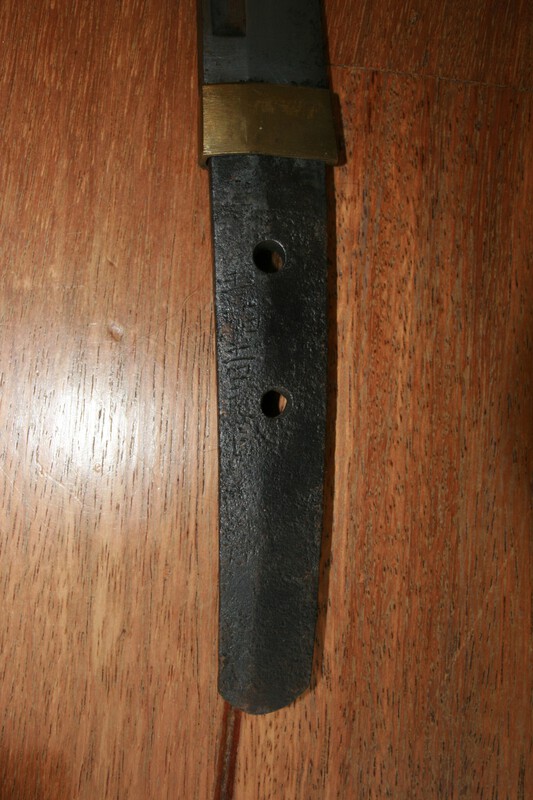
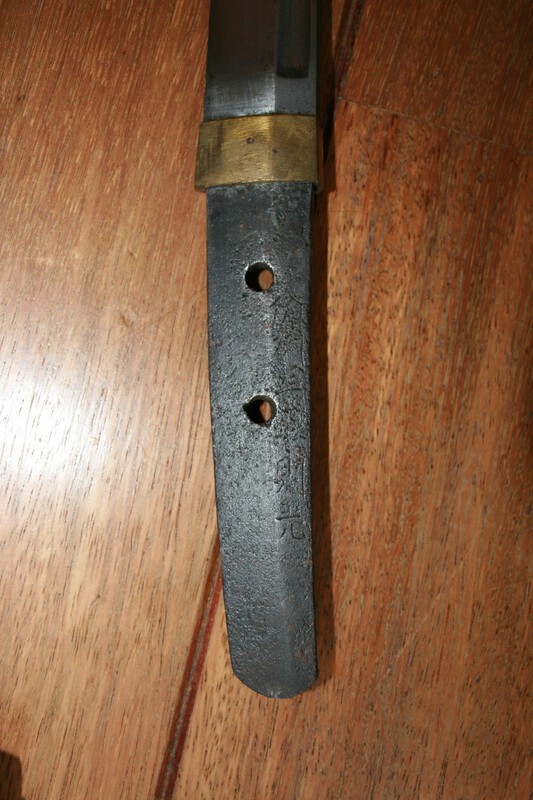
and some more pictures. Regards, Ed
-
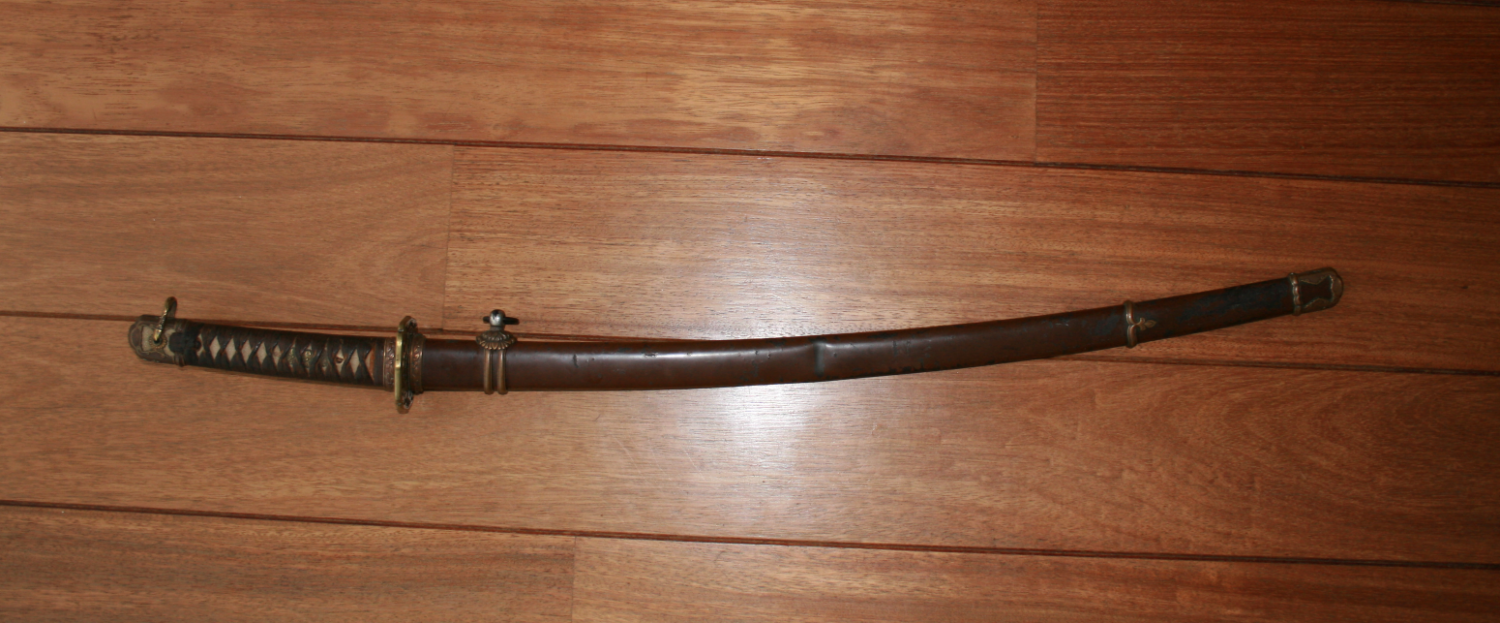
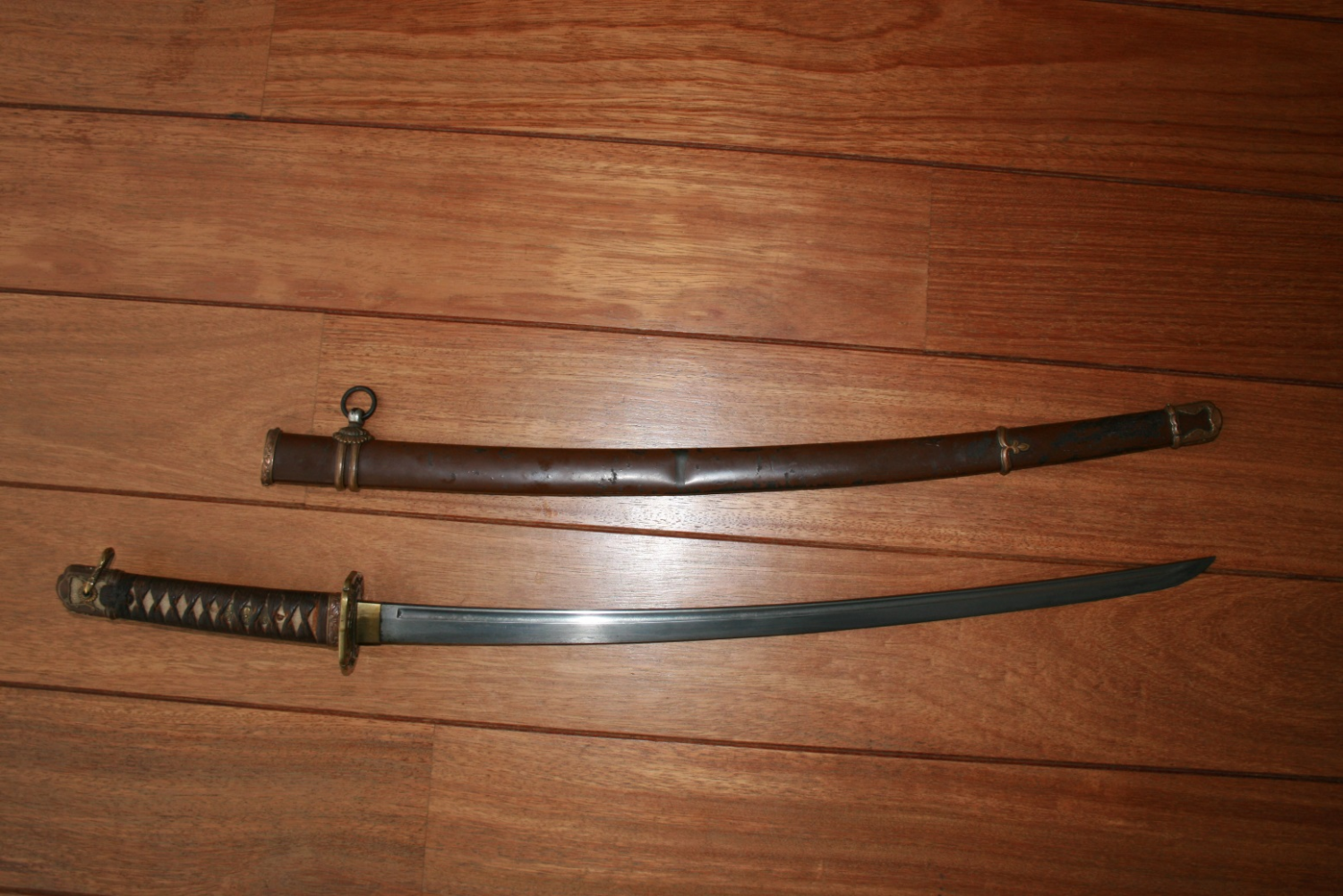
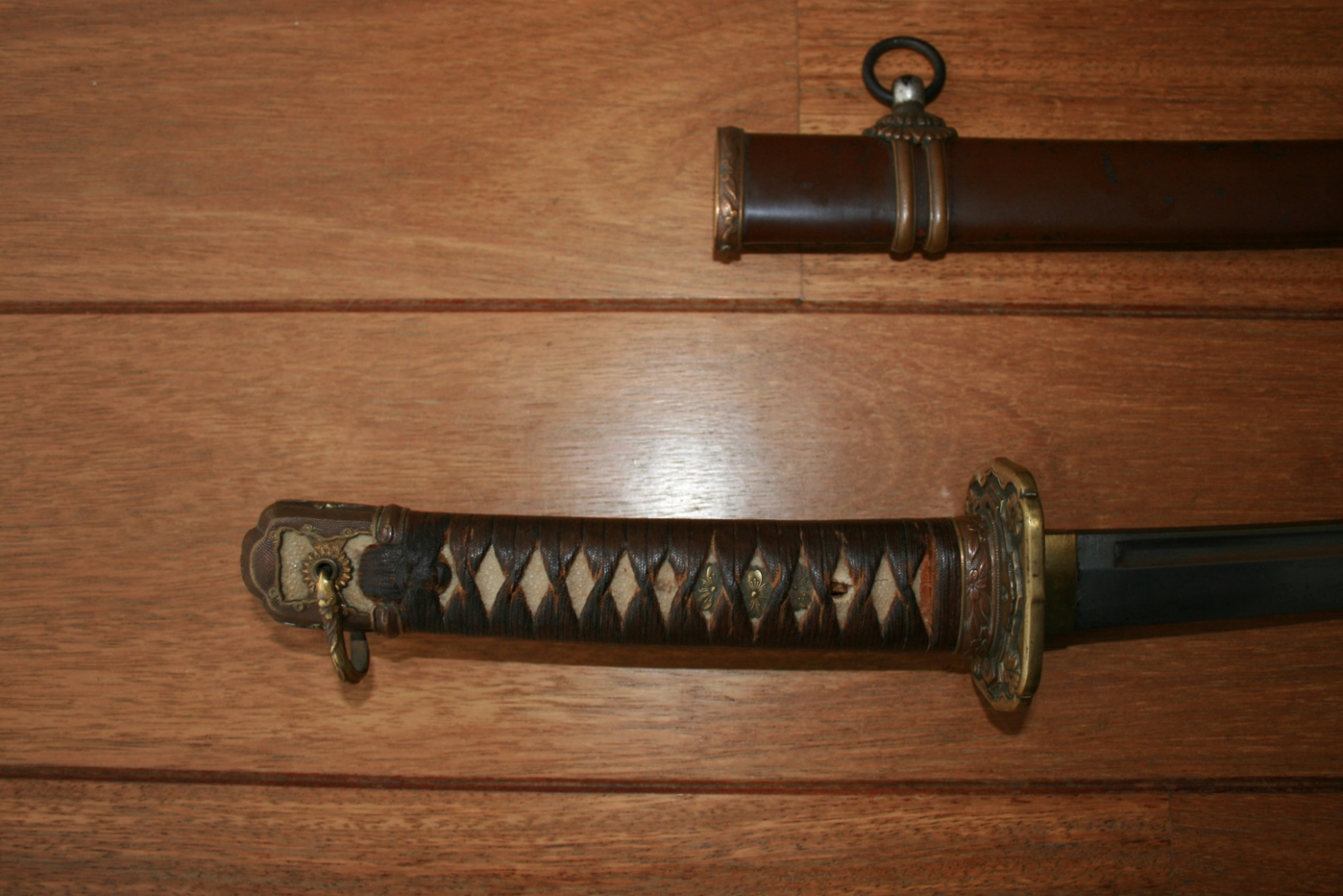
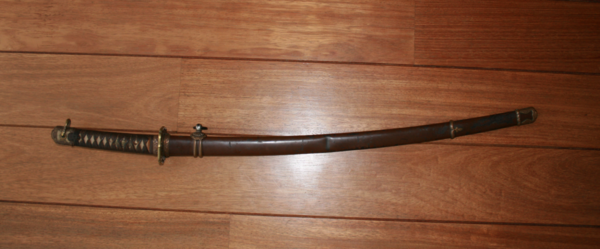
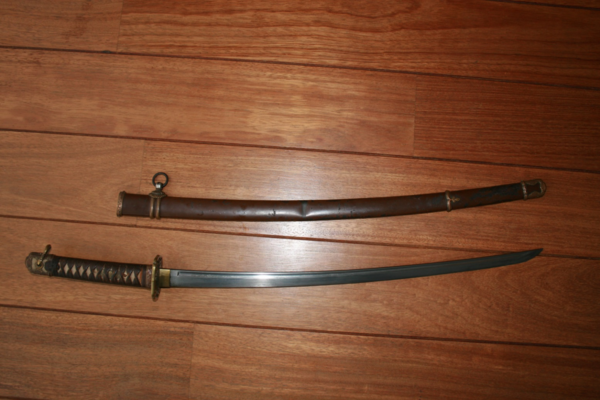
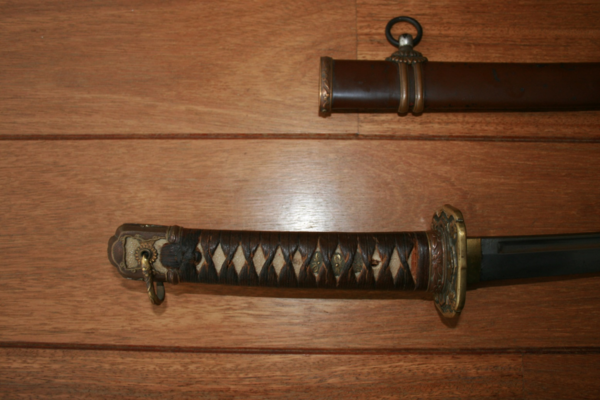
Hi to all, Today I have found a friend for my Japanese navy sword. It’s an army sword. The scabbard is painted with a dark brown paint. Not the more greenish paint color normally found. The paint looks original. The scabbard is not in the best condition. There is a big dent. The reason why I bought this sword is because of the blade. I think it’s an old blade and modified to fit the army handle and scabbard. The tang has two holes and the tang is signed. Unfortunately, the signature is hard to read. Especially for an untrained eye. Maybe you guys can help. Hope you all like this sword. Regards, Ed
-
Connoisseur's Book Re-Release
EdWolf replied to md02geist's topic in General Nihonto Related Discussion
After four weeks of waiting I finally received my copy yesterday. Beautiful book. Worth waiting! Regards, Ed -
Hi Neil, I’m by far not an expert but I recently found some information about the knots on the tsukamaki.net website. In this pdf file, a few type of knots are mentioned: http://www.tsukamaki.net/PDF/ArtTsukamaki.pdf. Hope this helps. Regards, Ed
-
Welcome to this forum. Please read the forum guidelines. You can use a tool like Paint.NET to resize the pictures. It’s freeware and easy to use. Hope this helps. Regards, Ed
-
Hi Erik, I just removed the Kogotana from the Kozuka. I have used the jar filled with hot water method (thanks Geraint!) and wrapped the Kogotana with a piece of leather for some extra protection. The tang was heavily rusted and was simply push to far into the Kozuka. Thanks for your advice. Regards, Ed