Bruce Pennington
-
Posts
14,320 -
Joined
-
Last visited
-
Days Won
171
Content Type
Profiles
Forums
Events
Store
Downloads
Gallery
Everything posted by Bruce Pennington
-

Awful YouTube video on military swords.
Bruce Pennington replied to a topic in Military Swords of Japan
Thanks for the video, Dee! They had me at "Samurai Swords" - looking at 13 gunto. Only 2 waki were likely old blades. In spite of the inaccuracies, I couldn't stop watching. Heck, there were 15 swords to drool over for 18 minutes! What's not to like! -
Date Clarification, Please
Bruce Pennington replied to Bruce Pennington's topic in Translation Assistance
Thanks Mal! The reason I pinged you on it, if you are tracking them anymore, is it is the earliest "NA" stamp I have now on file, and the second earliest double inspector-on-mune (earliest being a 1935 KO HO on mune). -
I understand the "2600" year, but the last 2 kanji mean something, right? On a Kanenobu blade with "NA HO" on the mune @mecox
.thumb.jpg.4870b968caba861c153549a4ae0e0d56.jpg)
.thumb.jpg.0c79fb9aa8b328edb46b3707fec25b8c.jpg)
.thumb.jpg.e7bd6eb9bfb339b05916054e4ba59393.jpg)
-
Thanks Alex, good video! He cracks me up how he makes of point of pouring the whiskey every video!
-
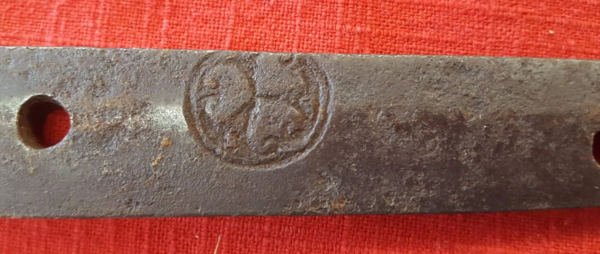
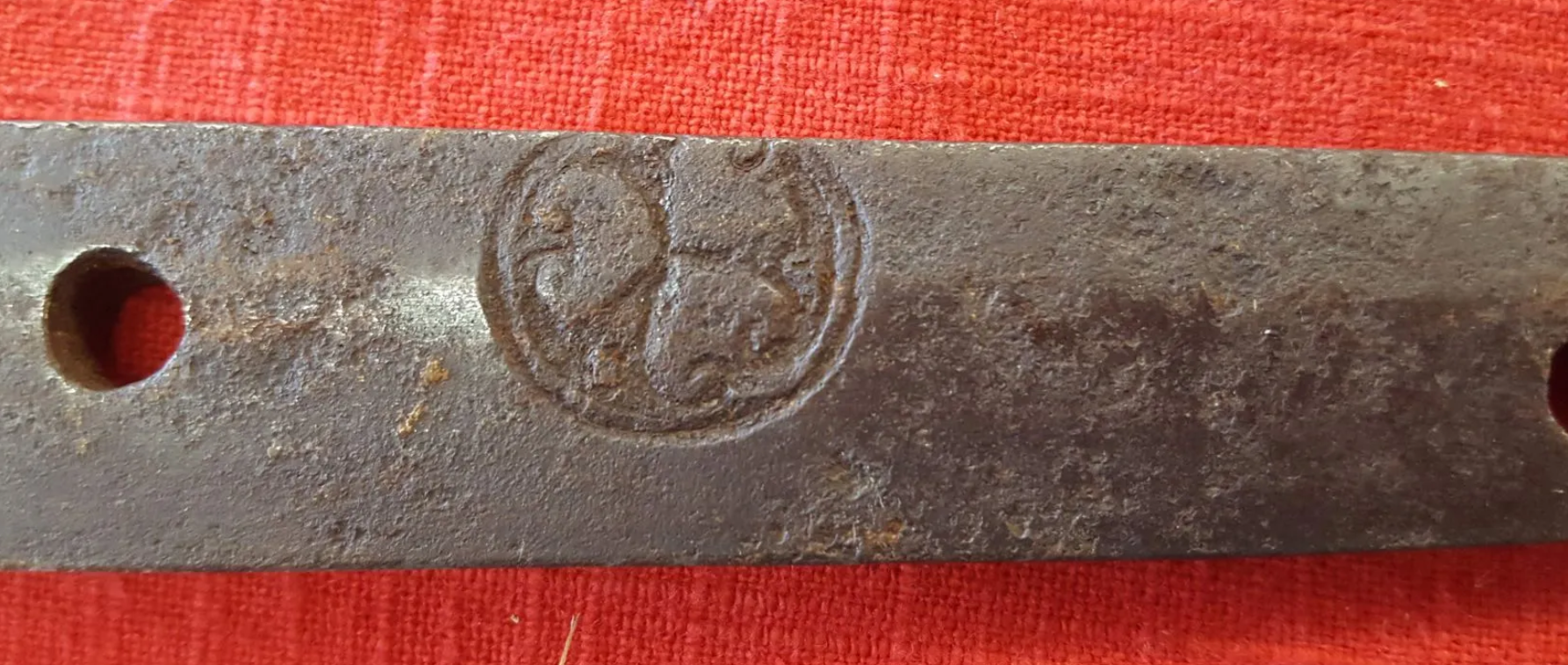
I know I've seen one of these lately but cannot find the discussion. Here is an old blade in WWII fittings. Mumei, but with the Tokugawa mark. Found at this Collectors Armory California sale site. Odd that it's mumei and odd placement on nakago


-
I shouldn't even guess.... but - Yoshimune?
Bruce Pennington replied to Bruce Pennington's topic in Translation Assistance
Bingo! Thanks guys! Here's one from Japaneseswordindex.com:
-
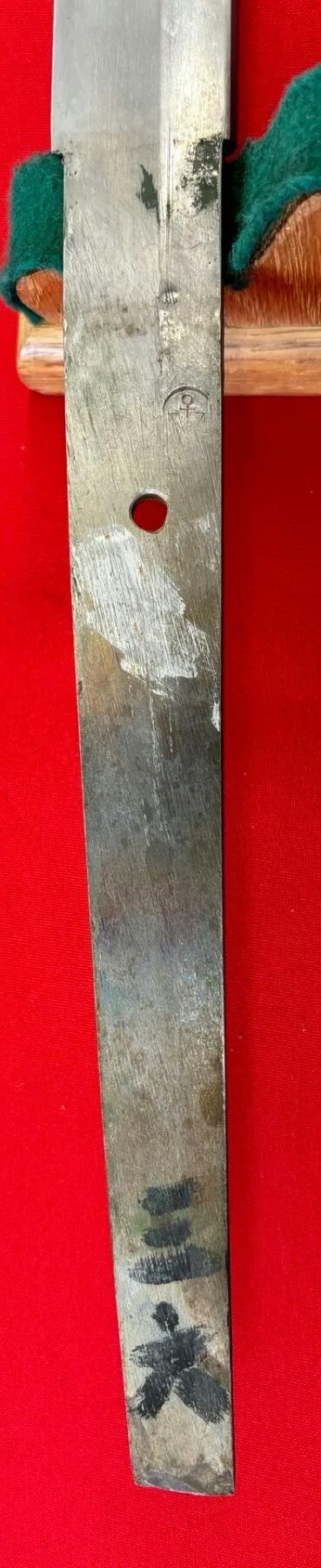
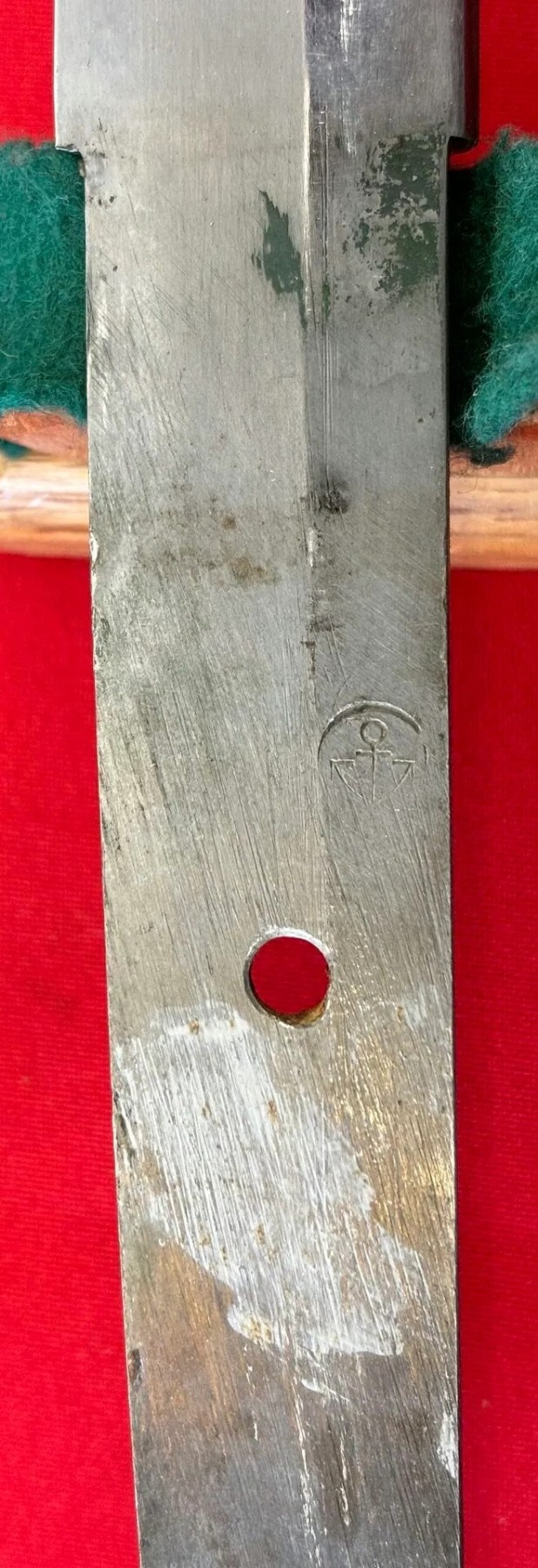
A 1941, large Seki stamped blade



-
Nlf Gunto Discussion
Bruce Pennington replied to Bruce Pennington's topic in Military Swords of Japan
A mumei duplicate #36 on this http://Collectors Armory California site:

.thumb.jpg.6e17d683af7094a527d803b4007e263b.jpg)

-
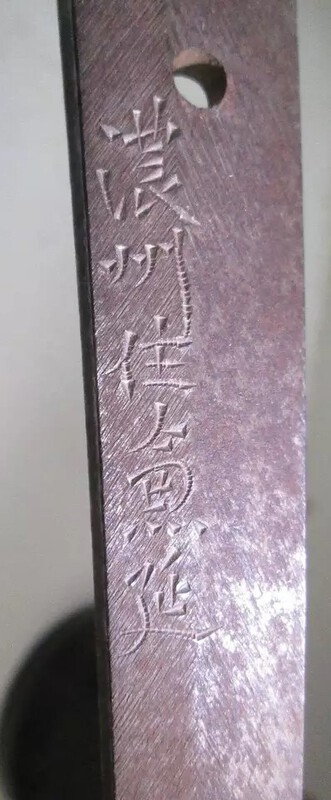
Excellent! Thanks Ray! I at first looked for "Kane", but couldn't find one in the JSI list. I should have checked Sesko's: "KANESHIGE (金繁), Shōwa (昭和, 1926-1989), Gifu – “Kaneshige” (金繁), real name Takasaki Saburō (高崎三郎), born June 9th 1917, student of Kojima Kanemichi (小島兼道), he worked as guntō smith and died July 10th 1963, posthumous Buddhist name Shaku Kyōshin (釈教真), ryōkō no retsu (Akihide)"
-
Little help, please? "Kin" is the only kanji I can recognize. It's on a large Seki-stamped Type 98. Not dated.


-
Good Buy? Ebay Shin Gunto
Bruce Pennington replied to Seriouss14's topic in Swords and Edged Weapons
@Seriouss14 Ravi, Steve has a nice Navy Takayama sword for sale: -
Here's a unique one posted by rfleming32 on this Wehrmacht-awards Thread.

-
Here's a good link for caring for your blade: Sword Care - Japaneseswordindex.com
-
It is definitely a WWII blade. The large Seki stamp was only used between 1940 and 1944. Most blades with date, bearing the stamp were made in 1942. Posting a couple of photos for posterity.

.thumb.jpg.994c943a1b1f4908d731d9ee6dbb5ecb.jpg)
-
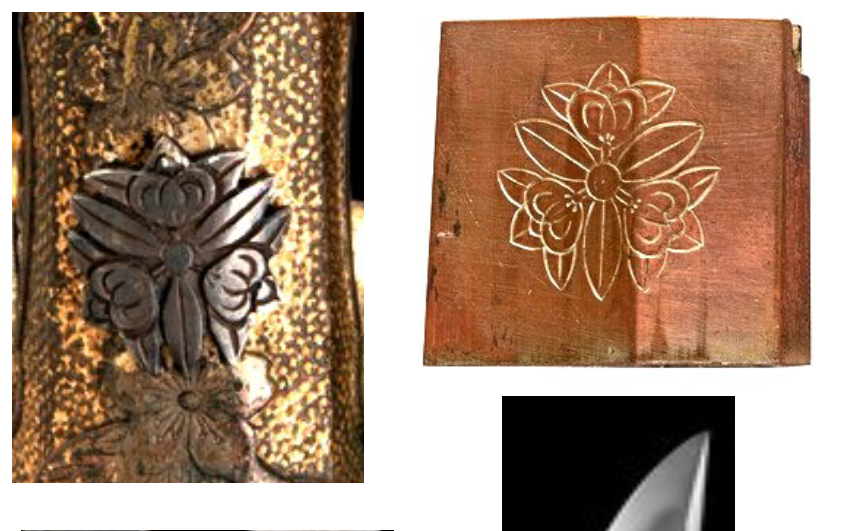
That's cool, Sam! Did you get a reading on that mon?
-
Did some digging in Sesko's list. He doesn't have any Kanesada using 兼㝎, not that this by itself is conclusive, but he actually has one using the exact same full mei as the one in your link: "KANESADA (兼定), Kanbun (寛文, 1661-1673), Musashi – “Bushū-jū Izumi no Kami Kanesada” (武州住和泉守兼定), “Kanesada” (兼定), “Izumi no Kami Minamoto Kanesada” (和泉守源兼定)"
-
Got it, Mal, thanks! I'm still only half-way through Part 1! I like your writing, and your research is incredible. Much appreciated!
-
Mon on a kaigunto owned by @mdiddy posted HERE.

-
Why are Mon so rare on Kai Gunto?
Bruce Pennington replied to PNSSHOGUN's topic in Military Swords of Japan
Here's one on a Tenshozan Forge kaigunto, owned by @mdiddy Matt, source - @mecox Mal's Japanese Naval Swords, Part 1

-
Thanks Brian! I obviously failed to read the Operating Instruction booklet!
-
Excellent, thanks! BTW, I use the term in the most academic sense - that I am totally uneducated about so-and-so - ignorant of needed knowledge.
-
I keep seeing that someone here or there has changed the Thread title, but I cannot see how that is done, or what to click on to change a title.
-
Forgive my ignorance, but all I know about "Kyu" is it means "old" as in Kyu-gunto vs Shin (new)-gunto. Does this mean something else?
-
A clarification by @uwe : "Not Kiku, Bruce, but “Kyū-Mon” (or hoshi ). Can’t tell if Hosokawa-kyū, Kokumochi-kyū or Maru ni kyū, though…"
-
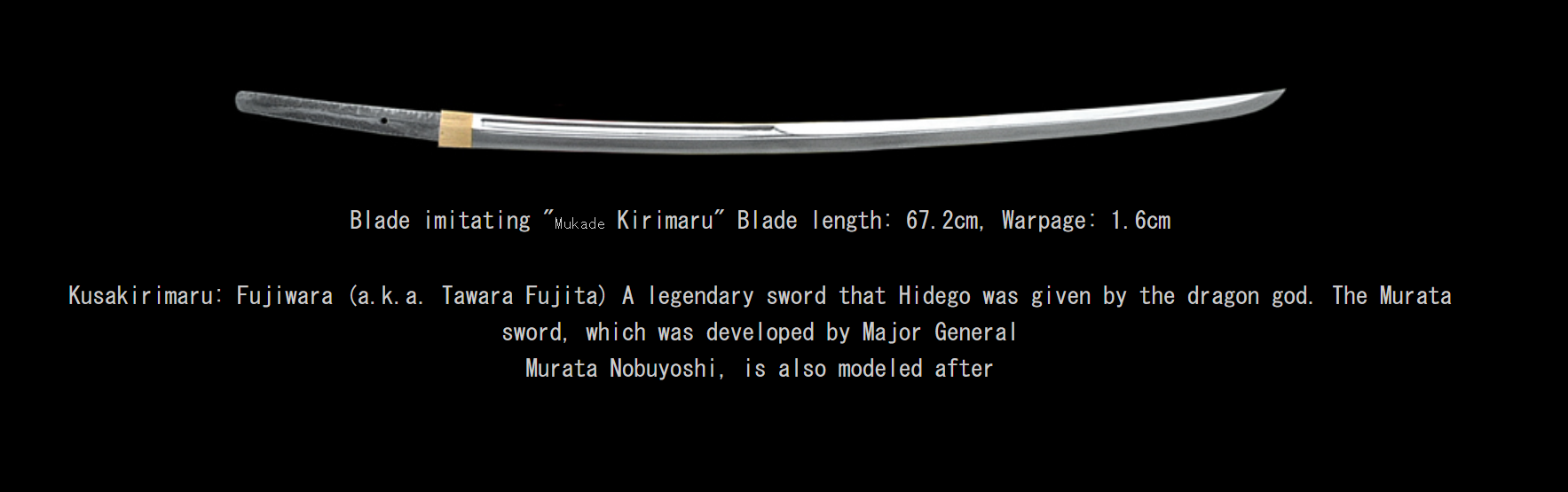
That's quite a sword, you have there Sam! We could use a clear photo showing the blade, but from what I can make out, it does resemble this Murata-to on this Ohmura Page



.jpg.f37407aaa641d8f82b6e33e96d514c33.jpg)
.jpg.f47648ac83f62c4ebc84db31f262a57b.jpg)

.jpg.1c8de054cad1cf413cbf3ceff5d42c56.jpg)






.jpg.e02e6829af13109919cc67d1924db39f.jpg)



.jpg.526c49a956363b19d97b3d08ab71075a.jpg)