Bruce Pennington
-
Posts
14,660 -
Joined
-
Last visited
-
Days Won
176
Content Type
Profiles
Forums
Events
Store
Downloads
Gallery
Everything posted by Bruce Pennington
-

Nagoya Type 95 Ver 3 Woohoo!
Bruce Pennington replied to Bruce Pennington's topic in Military Swords of Japan
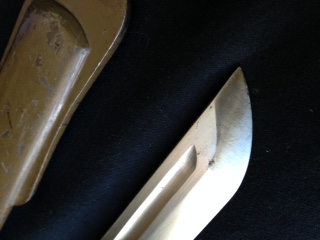
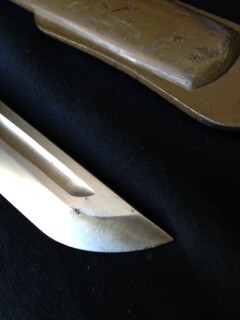
Neil, Can you post a pic of the kissaki end of the bo-hi on your gunto? I've never handled a Nagoya 95 and this being my first I was a little worried about the shape of mine. It's rounded vs the Kokura/Tokyo Arsenal blades that the end of the bo-hi follows the shape of the kissaki.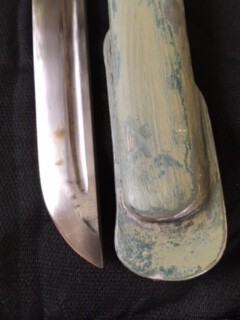
-
Nagoya Type 95 Ver 3 Woohoo!
Bruce Pennington replied to Bruce Pennington's topic in Military Swords of Japan
Thanks, Joe, very kind of you! Steve - yes! I'll have to collage some pics of my complete set and post. I'll have to decide which direction to take my hobby now. Admittedly, I don't have a COMPLETE set of Late war 95's, just a single representative. I also don't have a notable smith gendaito. So, I'll have to stew on it for a bit until something pops up. -
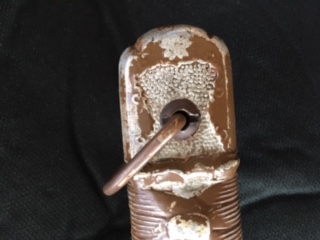
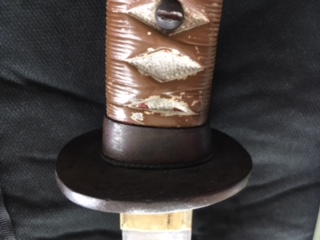
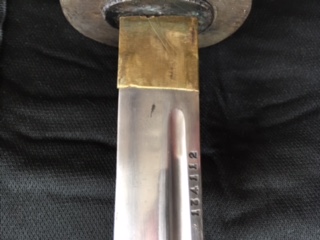
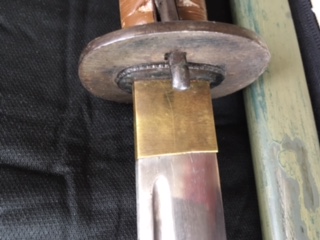
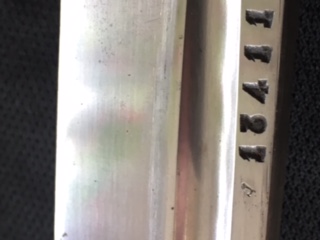
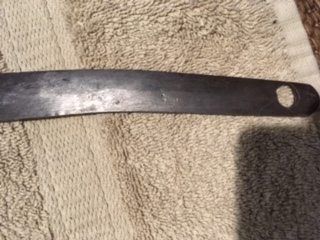
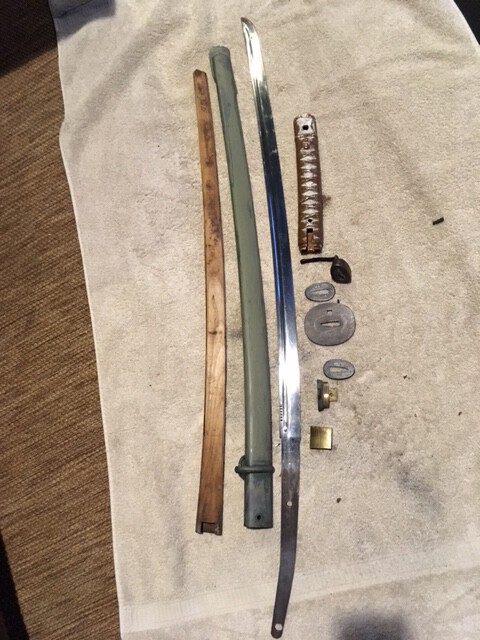
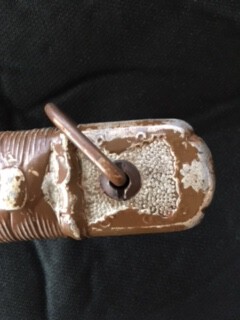
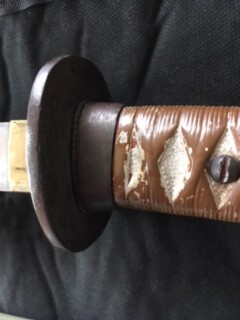
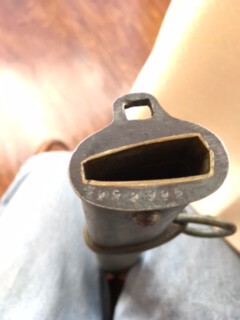
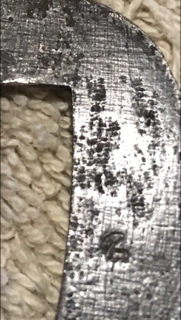
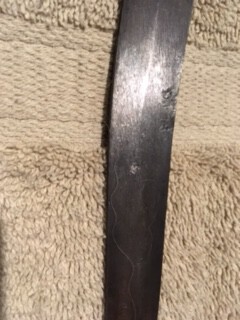
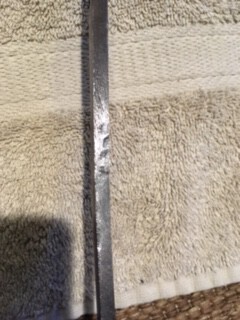
Just got my Nagoya Type 95 version 3 today! Matching numbers: 134112, with Nagoya stamp on blade and one seppa. Someone in the past has tried to repaint the saya, but I'll attack that with some acetone. The nakago is really odd and appears to have been bent. There are hammer marks on the nakago mune. At first I thought it might have been damaged and a new end attached, but there is no observable seem, and the rough file marks seem to cover the bend unmolested. The ana have been widened to account for the bend. Peculiar, but then I enjoy the odd-balls! (takes one to know one, eh?!)
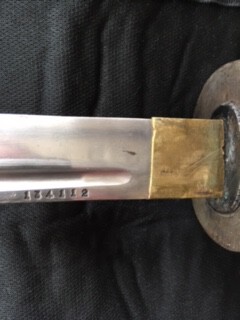
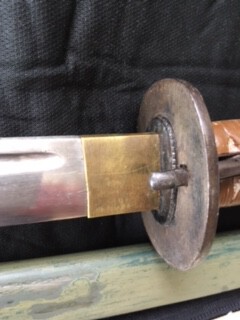
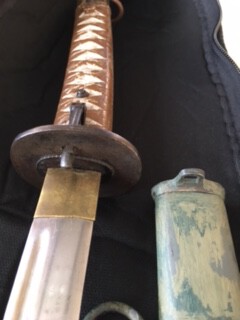
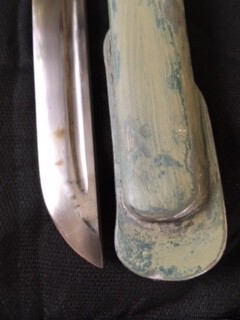


-
I've seen that TEC mark before, but my reference books are on loan at my brother's house! Does anyone have a Fuller & Gregory (or was it Dawson's) to have a look at this?
-
Wouter, I PM's Ian to see if he can repost a better pic of his mune with similar stamps.
-
No, Dating NCO gunto is tough. The serial numbers can give a really rough idea, but these were divided and assigned to various arsenals. What are your numbers?
-
Matching Serial Numbers On Nco Sword
Bruce Pennington replied to barnejp's topic in Military Swords of Japan
Sorry, I haven't understood your question rightly - the serial number is only on the blade and the saya. Tsuba, seppa, and sometimes fuchi all have assembly numbers that are there during the manufacturing process. These are filed and fitted to each gunto, so they put simple numbers, like "5" or "41" etc, to keep them together until assembled. Although, this may be done more on officer gunto. I've just reviewed all my NCO gunto and I don't have any assembly numbers on my tsuba or seppa. -
Matching Serial Numbers On Nco Sword
Bruce Pennington replied to barnejp's topic in Military Swords of Japan
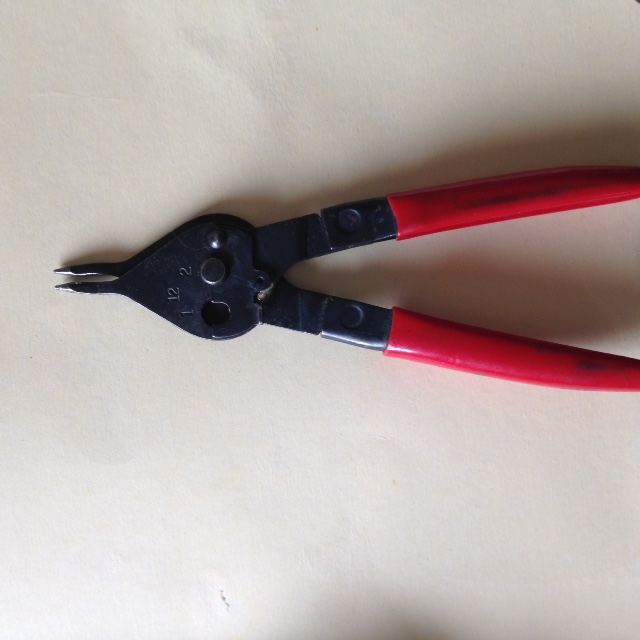
Well, seppa won't have a serial number. SOMETIMES they will have assembly numbers stamped in English (rarely in Japanese) that will match with seppa, fuchi, etc). As to removing the handle (tsuka), I like to do it but many guys don't, because once reassembled, there is always a little looseness to the whole thing. But if you are like me, and want to see everything, you'll notice the nut side has a special double pin that takes a special tool to hold while you turn the screw side with a screw driver. If it's rusted you might want to try some rust penetrant first. You'll also have to pry the tassel loop apart to unscrew the nut and bolt at the end of the handle. Here's a pic of the tool I use: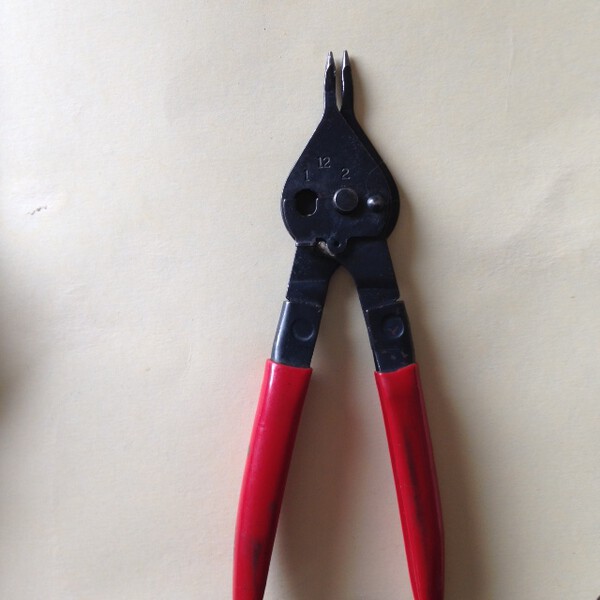
-
Suya shoten factory Tokyo First Inspector (small center stamp) Kokura Arsenal (4 cannonballs) They can be found here: http://ohmura-study.net/794.html
-
Matching Serial Numbers On Nco Sword
Bruce Pennington replied to barnejp's topic in Military Swords of Japan
Yes, although there were several of the original copper-handled NCO gunto without serial numbers on the saya. -
What Is The Best Ww2 Sword To Collect
Bruce Pennington replied to barnejp's topic in Military Swords of Japan
Barry, I like Barry's list, but on the other hand, it can depend on one's interest and budget. There are guys who specialize in NCO gunto, some Navy, some gendaito, etc. I went for a collection that is a fair representation of each of the official "types" of war gunto. A Yaskune Shrine sword with river stamp would be really cool, with general officer tassel, but I saw just a tassel for sale for $3,700! With sword, you might be paying over $6,000. For guys with limited fun-money, like me, I really love my Mantetsu Koa Isshin gunto and my copper-handled NCO! In the end, you realize, you're not going to be able to get Just ONE! -
Chris, What a beauty! Great Star stamp too! Any idea what the circle stamp means?
-
Josh, While the flaws may keep this from being as valuable, financially, as a blade in intact/original condition, you have something that is clearly a piece of history. Hopefully one of the guys who can do translation will let us know what the signature line says. The canvas covering under the silk wrap on the handle indicates that this was made late in the war (at least the handle was, can't speak for the blade itself). The all-brown officer rank tassel matches, as this style was adopted late in the war as well. This may very well have been something of a "re-build" done by a late-war sword company under pressure to produce swords, but suffered from lack of supplies. Welcome to the collecting world!
-
Showa Sword With "rutsubo Iron"
Bruce Pennington replied to Fuuten's topic in Military Swords of Japan
If you google the term, you'll find a 1973 patent application for a steel mold process, applied for by: "Original Assignee Nippon Rutsubo Kabushiki Kaish" Kind of goes along with what Stephen is thinking. -
I've noticed that too, Neil, but have never heard. It would be a question to put directly to a swordsmith I would think.
-
Fantastic! I have been told this style was designed by Takayama Masayoshi, who was an instructor at the Naval Academy in sword technique. His concept was developed after studying WWI trench warfare. The idea was draw, strike, kill with one blow. The more time spent hand-to-hand just increase the odds of someone else getting you from behind. So the blade is shorter, heavier, with more mass at the tip for more momentum. There are blades of this style signed by the smith as dedicated to Takayama, and called a Takayama-to. I've also discovered there was a "Takayama Prison" that was making war swords. So I don't know the actual source for our blades, but it's possible they were being made by the prison, or the style was just requested by the naval officer buying the sword. I've posted a couple of articles about Takayama below.


-
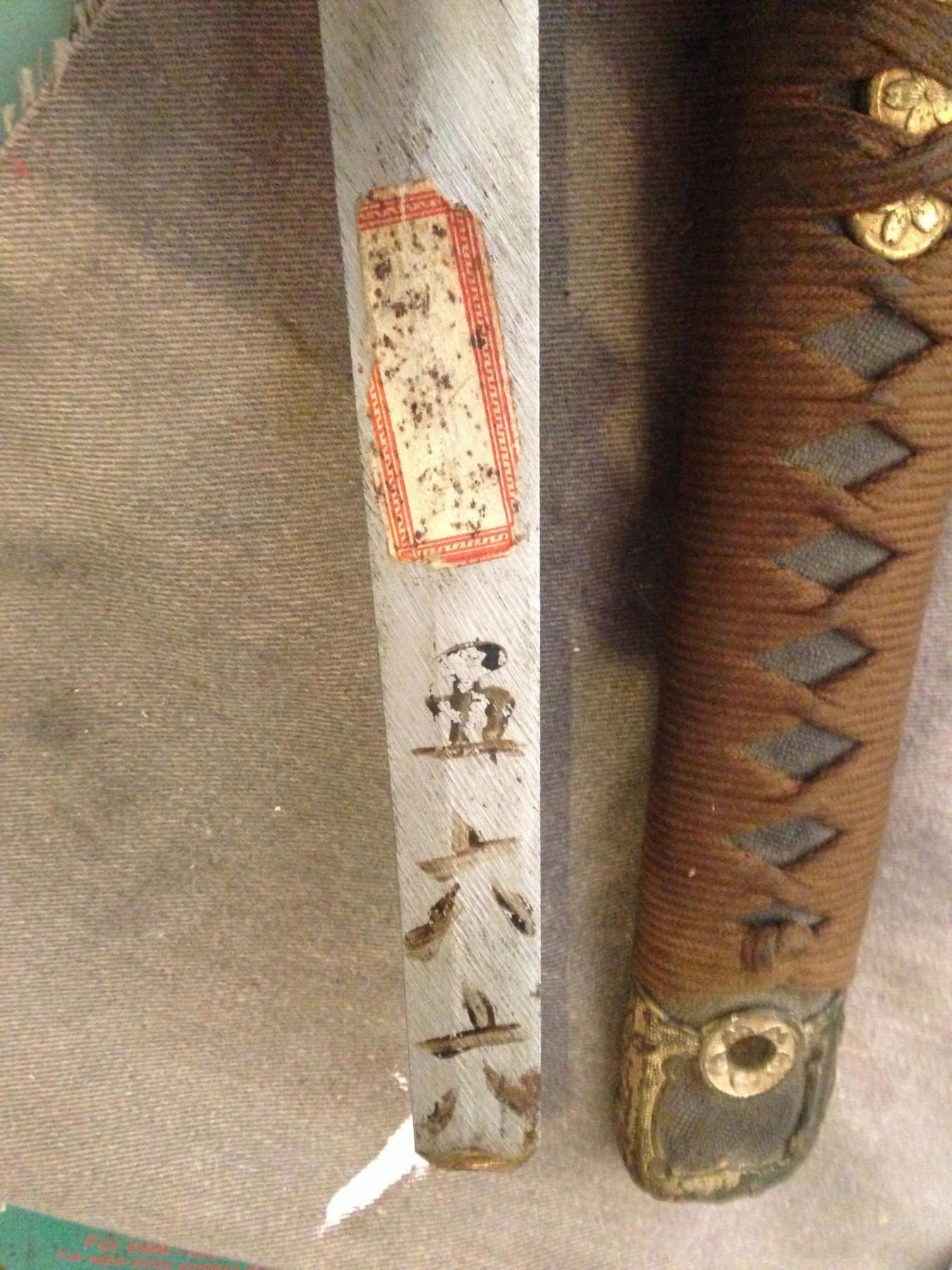
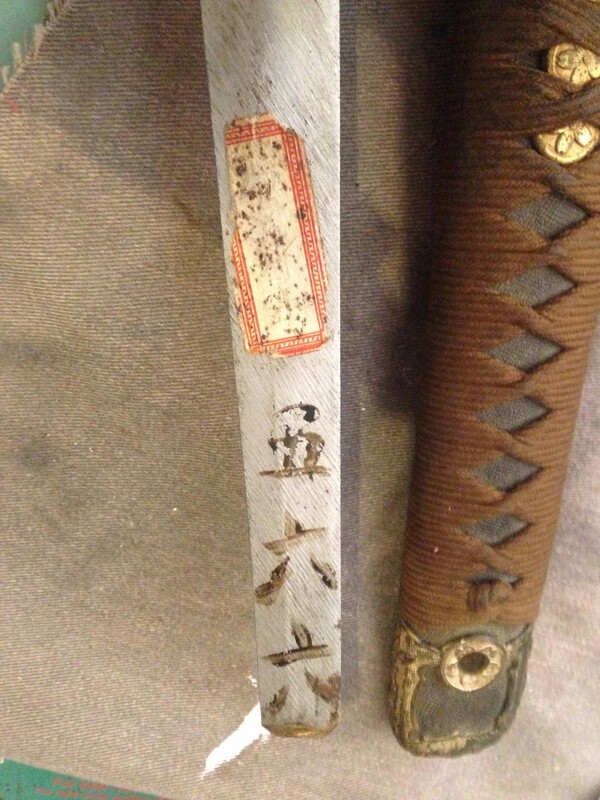
Is the other side unsigned? I have a navy gunto with the same Toyokawa Navy Arsenal stamp and the same sticker, unsigned. The blade is a bit different than normal, in the Takayama style with the fat kissaki tip, Looks like yours might be that way too?


-
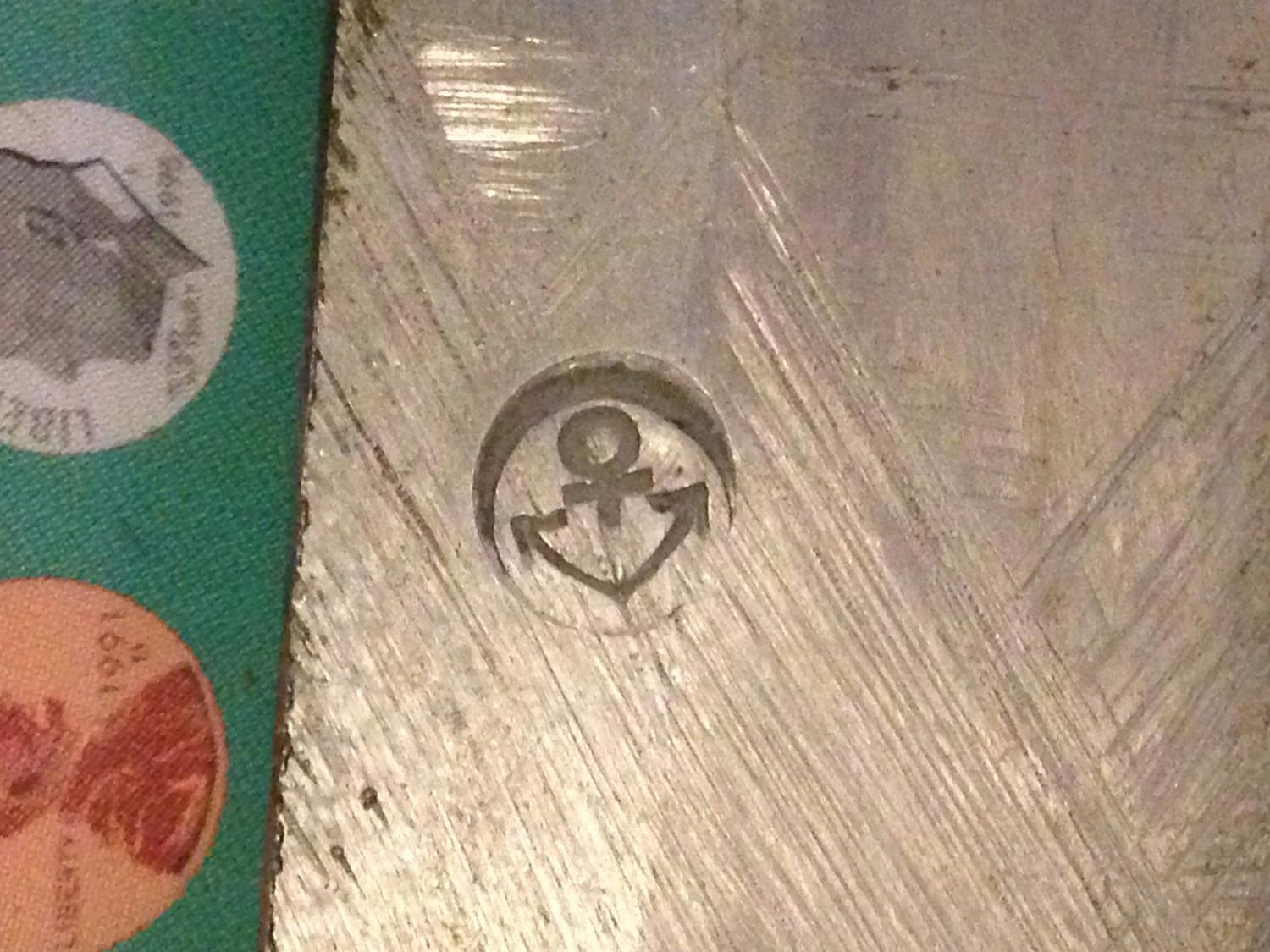
Ed, the Anchor is the Toyokawa Naval Arsenal, the painted marks are for factory assembly, but the paper sticker is still a mystery. I have one that is just as unreadable, and have never seen one that is. Thanks for the pic!
-
Kamakazi Pilots With Civilian Swords
Bruce Pennington replied to Bruce Pennington's topic in Military Swords of Japan
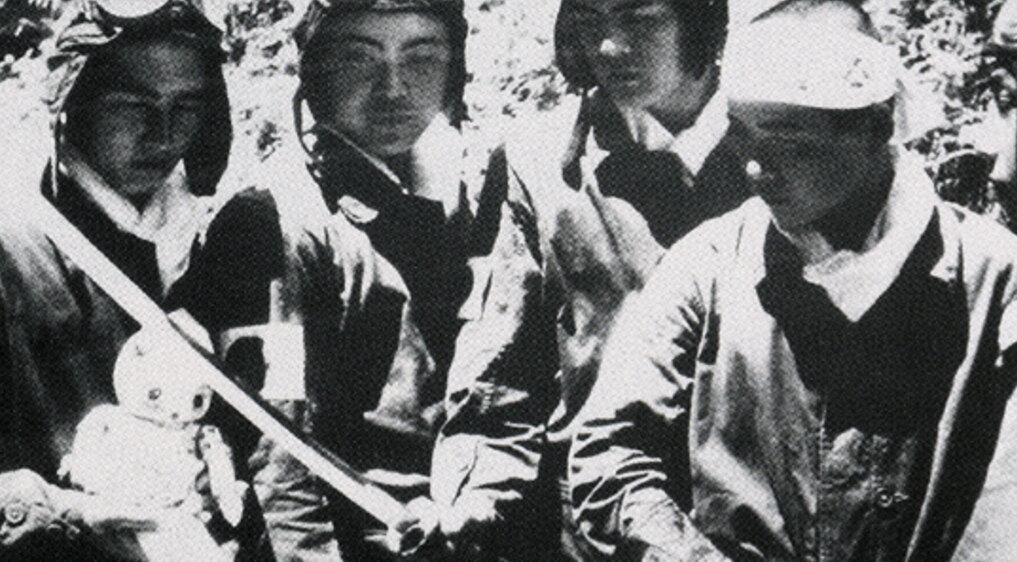
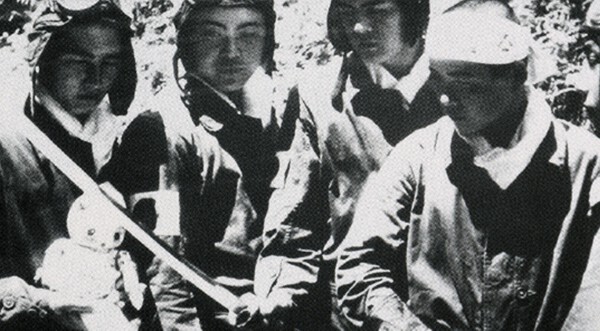
A waki! I think the second pilot from the left, in the second pic at top, is carrying a waki, too. -
Stu W over at Warrelics wrote a very educational post about the Type 95 NCO you would enjoy reading: http://www.warrelics.eu/forum/Japanese-militaria/ija-type-95-nco-sword-info-228172/ The gunto in the picture above are NCO swords, not officer swords. Only officer gunto used real silk wrapping (ito). NCO gunto handles (tsuka) were metal except for the late '44-'45 versions that had wooden tsuka. The actual date of production of your sword is difficult to pinpoint, but could have been anywhere between 1938 and 1943.
-
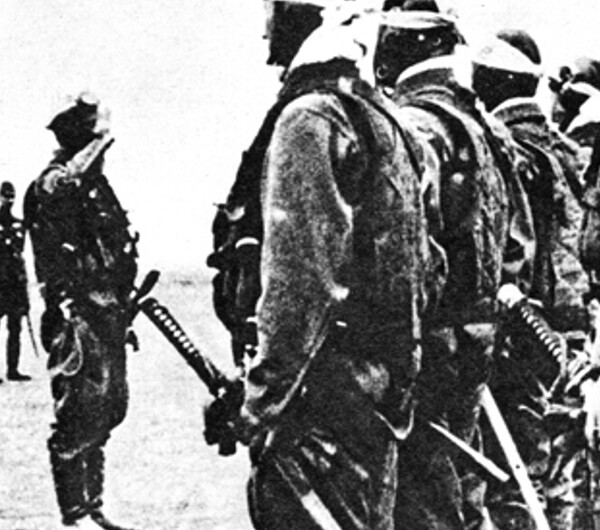
There are a number of posts showing good pics of soldiers carrying civilian swords at war. I found these 2 going back through Ohmura's fabulous website. In the first shows a tsuba that is clearly non-military. The second has a flat-topped kabuto-gane.
-
Greg, This style was predominantly made by the Nagoya Aresenal, though I just recently saw one with a Tokyo 1st stamp. If you look by the serial number, there should be an inspector stamp and it will be either a Seki or a Nagoya. If you don't know what those are, post a good closeup and we'll tell you. As to "why" they did it - who knows - but personally I like the feel better of the side latch. When pulling a top-latch gunto out of the saya, your thumb is on top and your grip is a bit open until you can move your thumb back into position. With the side-latch your grip fully incircles the handle while unlatching and you never have to move it once the gunto is unsheathed. But I've never read their actual reasoning on the different style.
-
Indentification/information Request
Bruce Pennington replied to Philip's topic in Military Swords of Japan
Phillip, I've never heard how the dating system originated, wish I knew, but you do have to subtract 1 from the numbers after the emperor date. Ha, before the Showa era, previous emperor eras often used zodiacal kanji that added to the emperor era! You really need a decoder-ring to translate those! Well, even that isn't hard and fast. The Mantetsu factory used zodiacal dating on the Koa Issin blades, in the Showa era; while I've seen some old blades from earlier eras that had numberical dating too. So, you get a mix sometimes. Link with Zodiacal date chart: https://www.japaneseswordindex.com/kanji/zodiac.htm -
Yoshichika katana with REALLY Odd Stamp in English!
Bruce Pennington replied to Ed Hicks's topic in Military Swords of Japan
Steve, Long but educational discussion about this here: http://www.militaria.co.za/nmb/topic/4764-sword-markings/ Answer is still the same - Could be either! In that discussion the claim was made about the Seki stamp that only 1 of 100 Seki stamped blades will be gendaito. Examination is the only way to find out. -
Joe, Nick was quoting a Japanese polisher from a Japanese site. I didn't paste his entire discussion, and the previous paragraph discussed the non-traditional forging issue. What I found very interesting was the timeline - Seki-area smiths using Seki stamps on showato until "an arsenal" (Nagoya?) starts using the Seki too, so the smiths turned to using the Showa stamp. I have recently seen a 1944 Seki-smithed blade with a Nagoya stamp, dated Jan '44. I'm trying to get my head around the inspectors. I wonder if an inspector, say for Nagoya Arsenal, carried more than one stamp, say a Seki, a Nagoya, and a Showa? Or were there various levels of inspectors, some at Arsenal level, some at a Defense Ministry level (showa and star stamp) that worked all the arsenals? My questions came from reading one of Ohmura-san's pages where he shows a Showa stamp and the label underneath says "Department of Interior, ministry of ordinance stamp". Link to Warrelics discussion with Nick: http://www.warrelics.eu/forum/Japanese-militaria/showa-dept-interior-stamp-662590/ Link to Ohmura page: http://ohmura-study.net/211.html