kunitaro
-
Posts
591 -
Joined
-
Last visited
-
Days Won
11
Content Type
Profiles
Forums
Events
Store
Downloads
Gallery
Everything posted by kunitaro
-
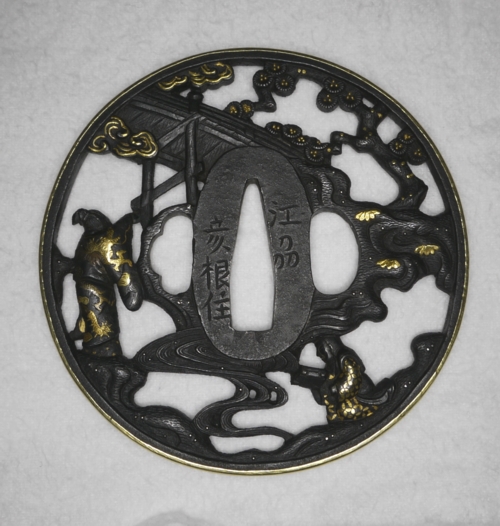
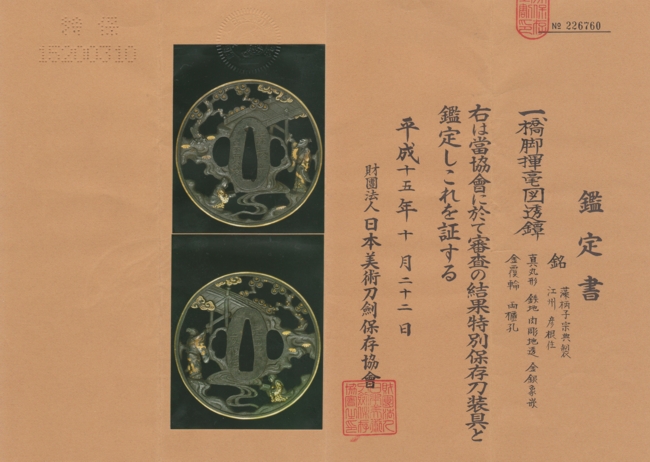
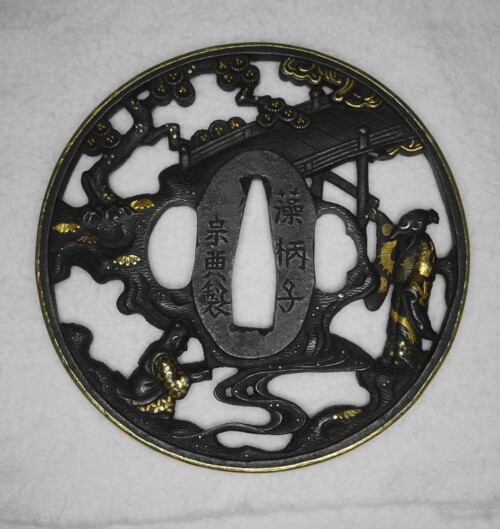
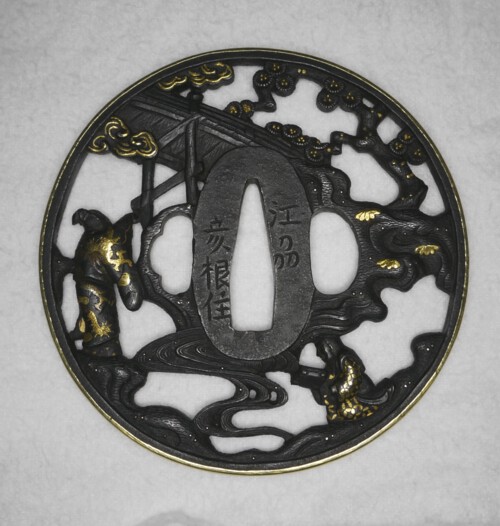
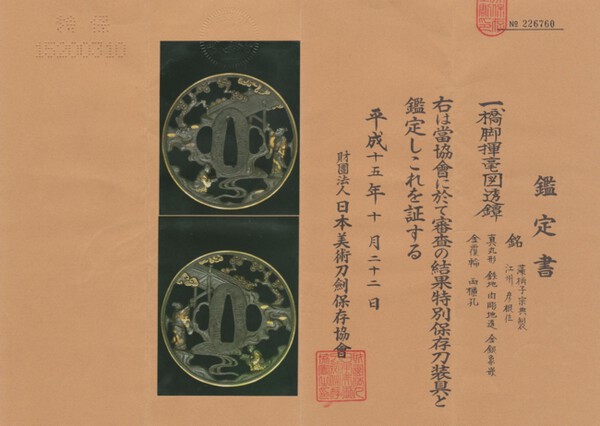
江州 彦根住 藻柄子 宗典製 NBTHK Tokubetsu-hozon 2003 Just one example.
-
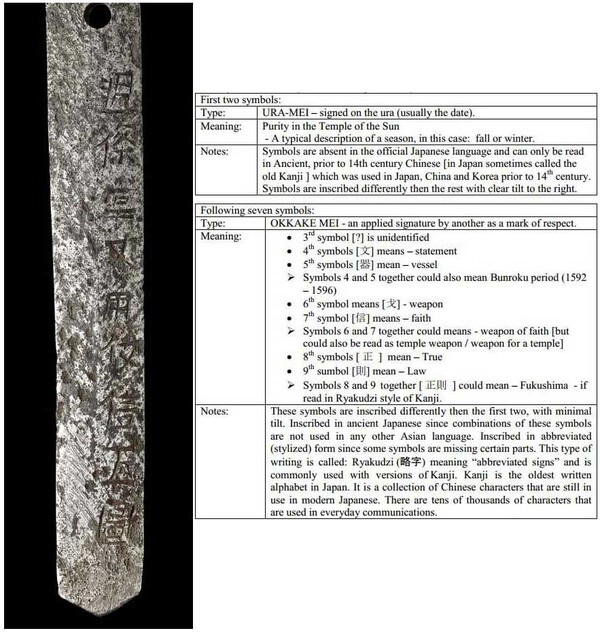
Dear mr.Trepshin, I understand that you feel offended and angry by people talk about your sword "a fake". however, I respect that you bring up this subject on opened Discussion. we will be able to inspect the subject one by one. so, all of us can lean about Japanese SWORD. starting from Mei (Signature). Here is the explanation of Signature by your experts. We have quite a few people who can read Signature of Japanese sword and we have an expert for reading Japanese Ancient letters as well. Let us see how other members find mistake(s) of this explanation. Best regards
-
Dear mr.Hallam, Thank you very much for your professional comment. i had never think about this matter until meeting with my Teacher of Nobuhide study, mr.Toyama who live in Sanjo city. He is one of the best collector and researcher of Nobuhide in Japan, as well as he is an expert of steel edged tool. family business 3rd generation of Japanese edged tool distributer. He told me that Horimono before Yakiire. it made me change perspective of Toshin-bori. I didn't think about progress of material. however, i saw quite few Nobuhide's Hori and Akitada's on Nobuhide blade. but, some are still can not judge by my eyes only... Best regards,
-
The position of mekugi-ana of this Tachi is a bit too high(close to Hamachi). i think that is 2nd Ana. Original is lower (maybe plugged, like Jean san's) the fist Ana was for Tachi, and 2nd Ana is for Katana. however, Ubunakago, look at the beaufitul Funbari.
-
Justin san, It is not true for all swords when polished to much for the hada to become nagareru. ko Itame hada masame hada hashiji hada, etc., Also, you can not say that Kokume hada is better than Itame hada, Of cause, The sword is made by hammer more than filed. Each school has their own concept and style. and Hataraki also has quality. so, not only more Hataraki(looks like) is better sword.... not that simple...also, you can not just remember some knowledge..you better to think and confirm by yourself. Knowledge is nothing if you don't understand. That is why, need to see a good sword for study. Good sword is meaning that Original healthy good condition piece. Original is meaning that knowing what it is. the best way is Genuine Signed blade. so, you know who made it. Healthy and good condition is meaning, close to brand new...then you can see more original activity. so, you can learn what is original, what is good. if you learn what is bad from 10 of un-known un-healthy, manipulated blades, but, still you don't know what is good one.... Make sense ? I am not talking about watching sword on internet though, sword in you hand.
-
It is made from Shibuichi (copper mixed with silver). and Mito kinko school. i think. Habaki is double(niju) Habaki, made from copper gold plated. Normaly (not always), Double habaki for koto, single habaki is for shinto.
-
the former owner meaning is the person who made the koshirae for the blade at Bakumatsu period. Last 50 years was treated bad.... as we see, the blade is rusted, Tsuka maki is broken, missing one menuki.
-
Thank you very much. I learn a lot.
-
for me, no problem with a few easy snap shot of the blade. i already know that is a very good sword. 1) good original habaki. and fit with the blade which is meaning the blade is healthy. (it doesn't matter small kizu, it is Mihara blade anyway.) 2) Good original koshirae, which is meaning the blade was treated well respected at Bakumatsu period.(gold foiled seppa) They understood the sword much more than us... (possible the owner in Bakumatsu was not Samurai though) 3) Nakago is well mainteined, not only Ubu one hole, but patina and Yasurime is well preserved. ( which is meaning is also the sword is very well treated ) from those reason, i am excited to see ! i think your photo is good enough !
-
Fisrt "Wakasa" is Gimei. Sencond "Hida no kami" is the first Ujifusa (Mino/Keicho period) Third "Ujifusa" is 2nd generation "Bizen no kami" a son of the fisrt. (Owari/Kanei period)
-
Chris san, Thank you very much for your effort. I think we all enjoyed. btw, could you tell us what all blades were ? I am curious.
-
Thank you. i asked length, because, i saw long(72cm) katana made in 1940' by this smith before. Most of those period blade were made it "Hamaguri-ba" (Thicker Ha-niku).
-
Could you show us more photo of blade ?
-
関前川兼継作 Seki Maekawa Kanetsugu saku How long is this blade ?
-
Do you use your nihonto for tameshigiri?
kunitaro replied to Hans Kondor's topic in General Nihonto Related Discussion
Indeed. There is a lot of interesting controversy around that time. at same time. The Book of Tea by Okakura kakuzo. http://www.sacred-texts.com/bud/tea.htm was published. After the Samurai period The long isolation of Japan from the rest of the world, Those two books are very good to observe, because they are written in English originally by Japanese person who are educated from original samurai period. we can lean the spirits of Samurai and spirits of art appreciation from those. -
I think that the signature is Good. Late koto. Good Patina, Good Yasurime, Very good Ubu Nakago one hole ! It must be an excellent sword. No smell of fake.
-
Do you use your nihonto for tameshigiri?
kunitaro replied to Hans Kondor's topic in General Nihonto Related Discussion
This we should follow. Bushido : Nitobe Innazo http://www.sacred-texts.com/shi/bsd/index.htm -
And This photo of Kissaki. you can see clear Mokume hada at Shinogi-ji. (Mino-den or Shinto are Masame hada) This beautiful (oei-bizen) Mokume Hada is different from Shinshinto or Gendai-to which is used different material to show hada(damascus). Oei-Bizen's mokume hada(Chikei) is by hammering technique, high quality Tamahagane and Yakiire activity. You can not see 100% of this by Photo. you must see it in your hand through good light. Also, by Polish...
-
Thank you very much. Yes, This is Typical Yasumitsu's Boshi. hamon of Boshi is Suguha but, still a bit notare.. and pointed, and kaeri(turn back) not long. or there is other style, with Gunome hamon, Midare-komi, ko-maru, little kaeri. That is The Midokoro (View point) of Yasumitsu, Morimitsu also see a lot of Hataraki in ha. mmmmm,,,,, Nice sword !!!!
-
Good example ! This is called Oei-Moku (Mokume hada of Oei Bizen) as you see, Mokume-hada near ha as well. When you see carefully, Shinogi-ji is also itame-mokume hada, Which is meaning The Smith hummered almost all shape by hummer, not much filing. That is why all mokume stay. when you polish a lot, hada become Nagareru (getting to more masame) Jean san, Could you please show Kissaki (Boshi) photo ?
-
The Blade is tried. many polished where did you find ??
-
re-confirmation... Showa-to is meaning "Mono steel and oil quinched blade". correct ???
-
Good morning. Fan game ! i think no.9 if more than one. then no.8 or no.1 !?!
-
This hada is itame-nagareru, almost masame near ha. Oei bizen is beauty of mokume hada with chikei. (oei-moku) and bo-utsuri. and Boshi..... want to see pointed boshi or ko-maru and little kaeri. this one has O-maru and long kaeri...
-
as Jean san said already Signature is not good (Gimei) Sugata is not Oei Bizen. Hada is not Oei Bizen, Suguha is OK, but, Boshi is not Yasumitsu. Japanese Dealer or collector will never sell Genuine signature without HOZON paper. or They can guarantee Hozon with high (reasonable) price.