MassiveMoonHeh
-
Posts
181 -
Joined
-
Last visited
-
Days Won
8
2 Followers

About MassiveMoonHeh

Recent Profile Visitors
610 profile views


MassiveMoonHeh's Achievements






-
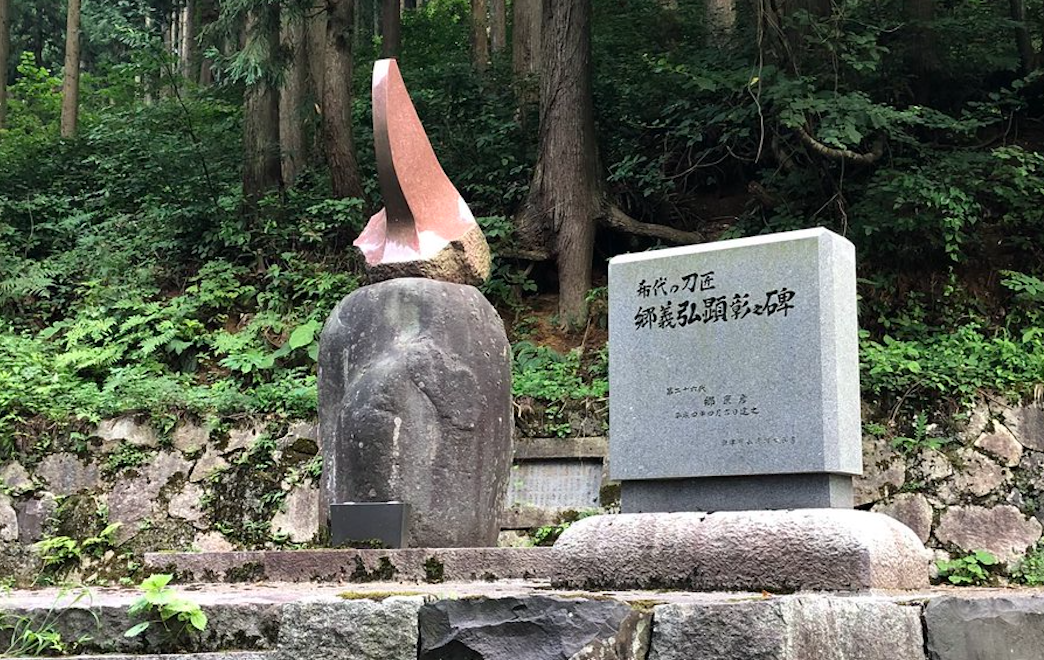
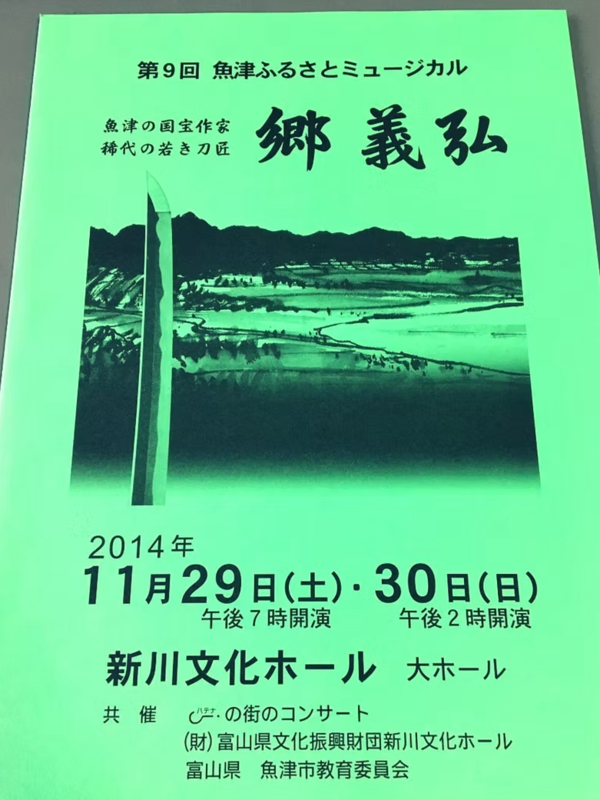
 Have been digging a little deeper into Gō Yoshihiro blades recently - hoping to share more soon but in the mean time I found a really interesting article written in 2020 by Kurobe City that puts some flesh onto this mysterious, legendary sword smith. In the article they share some pretty incredible stories, myths and legends and even some stories and pictures from his descendants the Gō family. Yes, turns out the origin of the name Gō apparently comes from his surname Gō(郷) and it was not Gō(江) which is now used for his swords and that is only one of the amazing and super interesting tit-bits found in this article. I hope you enjoy reading this as much as I did. After reading it, it kind of reminded me a little of that line from Braveheart, where it is said William Wallace shot lightning bolts from his arse - that is, like all good stories there is a sense of blurring the lines between myth, legend and reality but with so little available on this enigmatic man and because we all love hearing a good story I am so grateful that these oral traditions have been collated and shared. As they say, there is always a little truth in the rumour. Enjoy. Gō Yoshihiro - The Master Swordsmith who created famous swords in Matsukura-Gō, Niigawa-gun, Etchū By Kurobe City (May 13, 2020) Gō Yoshihiro The Three Great Works Many mysteries surround the life of Gō Yoshihiro, one of the "Three Great Swordsmiths of Japan." He was a samurai who lived during the Kamakura period, estimated to have been born in 1298 (Einin 6) and died in 1325 (Shōchū 2). In his short life, he made a name for himself as a sword smith and left behind many excellent works. Although Yoshihiro's swords do not bear his signature, their high quality makes them unmistakable, and they were favoured by Sengoku warlords, including Toyotomi Hideyoshi. In the Edo period's "Kyoho Meibutsucho" a catalogue of famous swordsmiths), he is counted among the greatest three sword smiths of all time (the "The Nihon San Saku"), and his reputation remains unshaken to this day. The "Three Great Swordsmiths of Japan" refers to three sword smiths: Awataguchi Yoshimitsu (1229-1291), Gōrō Nyūdō Masamune (1264-1343), and Gō Yoshihiro. While Masamune and Yoshimitsu were professional swordsmiths, Yoshihiro was a samurai. For Yoshihiro, sword smithing was a hobby, and he died at the age of 27 (by traditional Japanese reckoning), so his time as a sword smith was extremely short. However, through his innate talent and extraordinary effort, he produced masterpieces of divine beauty. The Nihon San Saku Scroll with Gō Yoshihiro (top left), Masamune (middle right) and Yoshimitsu (bottom right). Loyalist and anti-shogunate patriot Gō Yoshihiro, was said to be a loyalist and anti-shogunate activist, who lived in Matsukura-go, Niikawa-gun, Etchū Province (present-day Uozu City). Some documents suggest he was the Lord of Matsukura Castle, but the details are unclear. At the end of the Kamakura period, when public order was in disarray and the shogunate was losing its ability to govern, Yoshihiro was a samurai under Inoue Toshikiyo, the deputy Gōvernor of Etchū Province, and there is a theory that he secretly harboured loyalist and anti-shogunate aspirations together with Toshikiyo and was acting in secret. Gō Yoshihiro, a samurai who became a nationally renowned swordsmith at a young age, went to Kamakura at the age of 21 and became an apprentice to Masamune. There, he honed his sword-making skills while also gathering intelligence on the shogunate's activities. However, the shogunate learned of Emperor Go-Daigo's plot to overthrow the shogunate, and the emperor's close associates were exiled or placed under house arrest (Shōchū Incident, 1324), and pursuers were sent throughout the country. It remains a mystery whether Gō Yoshihiro, who had returned to Matsukura in Etchū Province, committed suicide to avoid implicating his Lord Toshikiyo and Masamune, or whether he was captured and executed as a samurai close to the imperial court. What we do know is the remaining Gō family fled Matsukura with their family temple and moved to what is now Kurobe City, where they became ordinary blacksmiths. This is a hanging scroll depicting Fudo Myoo (Acala), has been passed down through the Gō family. Family tradition says it once hung in Gō Yoshihiro’s forge. The Legend of Inamuragasaki After the death of Gō Yoshihiro, Emperor Go-Daigo regained power in various regions, and in 1333 (Genko 3), Nitta Yoshisada finally attacked Kamakura. However, Kamakura was a natural stronghold, surrounded by mountains on three sides and protected by the sea in front. Unable to make progress, Yoshisada advanced to Inamuragasaki to try to attack from the sea, but his path was blocked by sheer cliffs, and furthermore, enemy ships were waiting offshore, firing arrows, so he could not break through. In the Taiheiki, it is said that at this time Yoshisada prayed to the dragon god and threw his golden-mounted sword into the sea, and the tide went out, moving the ships far away and removing the threat of arrows, so he was able to easily cross the coastline and attack, and brilliantly defeated the shogunate army. It is suggested the sword that was thrown into the sea in this episode of the attack on Kamakura may have been a sword presented by Gō Yoshihiro to Yoshisada. It is believed that Gō Yoshihiro was well-versed in astronomy and knowledgeable about the ebb and flow of tides. The story is told that he informed Nitta Yoshisada of the timing of low tide when he sent him the sword, and Yoshisada used that information 8 years later to launch his attack... if this is true, then Gō Yoshihiro was indeed a brilliant strategist! Inamuragasaki cliffs A rare sword The highly sought-after and nationally treasured sword "Inaba-Gō" is considered the finest masterpiece among Gō Yoshihiro's works. "Tomita-Gō" is considered its equal, and is also designated a national treasure. Gō "江" refers to Gō"郷", and five other swords by him—"Kuwana-Gō," "Matsui-Gō," "Murakumo-Gō," "Buzen-Gō," and "Samidare-Gō"—are designated as important cultural properties. His early works show influences from older schools such as the Yamato-den (Nara) and Yamashiro-den (Kyoto), but after studying under Masamune, he based his style on the Soshu-den (Kamakura), resulting in a refined, bright, and brilliantly beautiful style. Yoshihiro's aesthetic sense is also reflected in the blade patterns, some of which depict the landscape of the Tateyama mountain range. Because Yoshihiro's swords were favoured by warlords during the Sengoku period, most of them were treasured possessions and never seen by the public. As they were moved from place to place, many were destroyed by fire or lost. "Kurikara-Gō," said to be the beloved sword of Akechi Mitsuhide, is one of those that went missing during the turbulent times. The more we learn about the many legends surrounding him, the more we regret that Yoshihiro did not live longer. Gō Yoshihiro's swords bear no inscriptions. There are various theories as to why, including: "He was not a blacksmith who made swords for sale, but a samurai (or nobleman)"; "He often presented the swords he made as gifts, and he hesitated to assert his own identity by inscribing his name to the recipient (a person of high rank)"; and "He had absolute confidence in the swords he made, and believed that anyone who knew would be convinced that they were Gō Yoshihiro's works." We can only imagine Gō Yoshihiro's character from the works he left behind and fragmented anecdotes. Kokuho: Inaba Gō National Treasure author turned into musical In 2014, a musical featuring this great sword smith as the protagonist was performed in Uozu. Toshiro Kitahara (representative of Hatena no Machi Concert), who was in charge of production, faced a lack of materials and various difficulties, and at one point almost gave up on making the work. However, he persevered with his research, completed everything from the script to the direction from scratch, and successfully staged the performance. Flyer for the Gō Yoshihiro Musical in 2014 Memorial monument The monument to Gō Yoshihiro stands near the main keep of Matsukura Castle. It was erected to honour the 26th generation descendent of Yoshihiro who died in the line of duty in 1985 who wished such a monument erected - a wish that was fulfilled by his mother Gō Toki and the City of Uozu. It is the last known monument to be erected for one of Masamune's Ten Disciples (Masamune Jittetsu). A monument modelled after a Japanese sword anvil was also built next to it. Not many people know that Etchū Province was once a centre for sword production or that sword smith Gō Yoshihiro existed, but recently, games that personify swords have ignited a Japanese sword boom, and attention to Gō Yoshihiro has been increasing. Gō Yoshihiro only lived in his hometown Matsukura for a few years after returning from Kamakura. Although there is very little evidence of interaction with the local community and no detailed records or historical documents, it is certain that Matsukura-go in Niikawa-gun is the place where many famous swords, including his national treasures, were created. Even after 700 years, his extraordinary talent and story continues to fascinate people. Monument to Gō Yoshihiro erected by his descendants and Uozo City at Matsukura Castle in Niigawa-gun, Uozu We would like to thank Toshiro Kitahara, who is the concert representative of Hatena Town and produced the Uozu hometown musical "Gō Yoshihiro" for sharing so much information about Gō Yoshihiro. [References] Toyama Prefecture Shimoshinkawa District Office, “Shimoshinigawa County History, Vol. 2” (1908) Toyama Prefecture Youth Activities Practical Council, “People Shining in the Local Area, Vol. 1” (1962) Uozu City History Compilation Committee, “Uozu City History, Vol. 1” (1962) Nobuaki Tamagawa, “Toyama Photography Portraits” (1975) Junji Okuda and Hiroshi Yonehara, “Etchū People (Toyama Bunko 11)” (1976) Toyama Shimbun, “Etchu Hyakuke, Volume 2” (1981) Koji Nojima, “Shinkawa Monogatari” (1987) Monthly Uozu Doujinsha “Legend Uozu” (1988) Toyama Social Studies Education Research Group, “The People Who Built Toyama Prefecture” (1985) Matsukura Promotion Association, “Jusan no Sato (No. 13) Special Feature on Yoshihiro Gō” (1993) Junji Okuda, “Illustrated History of Uozu, Kurobe, and Shimoshinkawa” (2000) Hometown Development Research Institute, “Kaleidoscope No. 218 Swordsmith” Yoshihiro Gō” (2010) Toyama Prefectural Board of Education “Stories of People from Hometown and Yama” (2011) Hatena Town Concert “9th Uozu Hometown Musical Yoshihiro Gō” (2014) The original Japanese version of this article can be found on the Korobe City website here.


- 1 reply
-
- 6
-

-

-
All I can see in my imagination is the photo this poor lady is taking of you crouching / lying on the floor behind the Yamatorige.
-
The person who posted this has just screen grabbed the book from the National Diet Library's digital platform... https://dl.ndl.go.jp/pid/1116200 The copyright law is 70 years after publication for corporate-authored works - therefore the NDL was able to digitise the book as it was printed in 1938 - the use of the NDL images and Grey's words however is where this guy falls over.
-
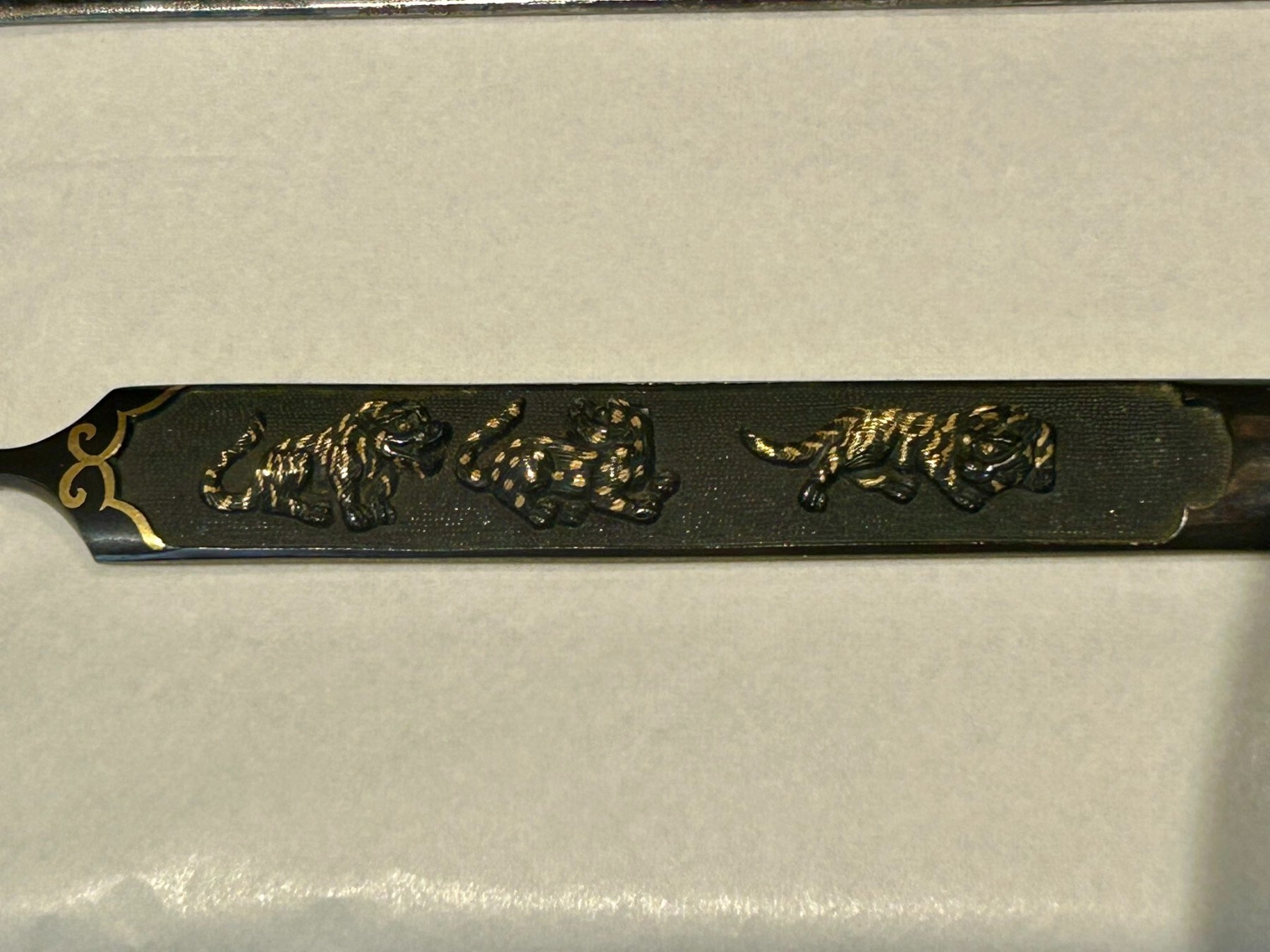
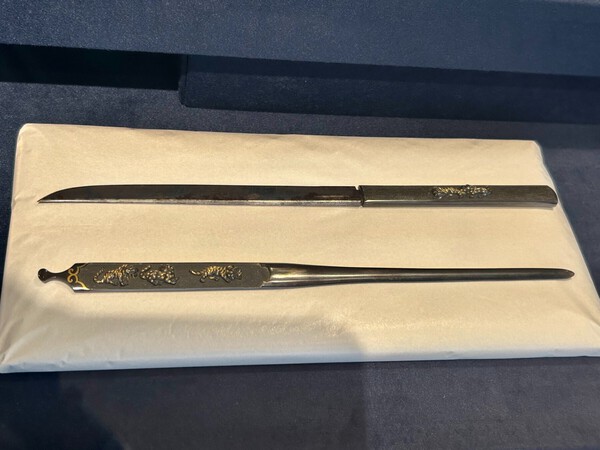
Are you able to share any images or videos of the two Yoshifusa blades? They are always a treat to see.
-
No guess who is winning. 🤣
-
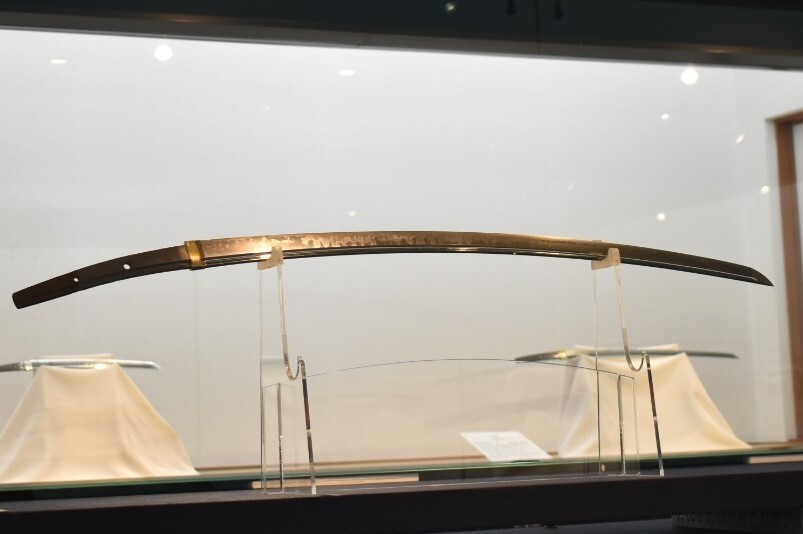
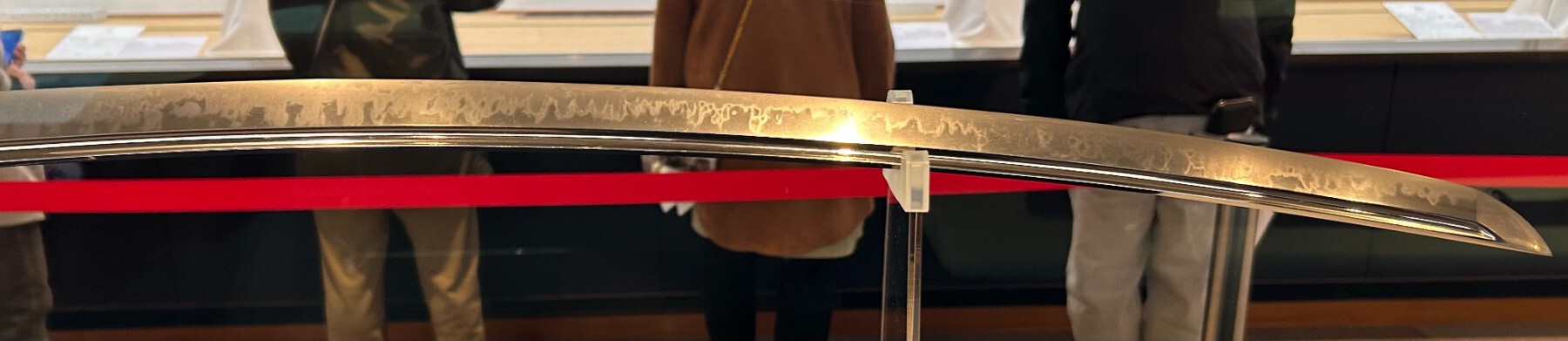
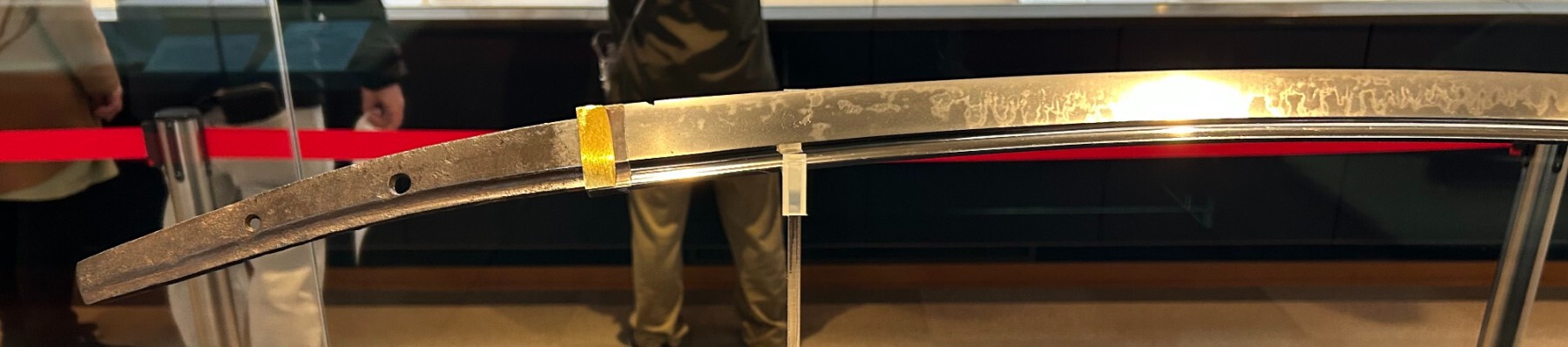
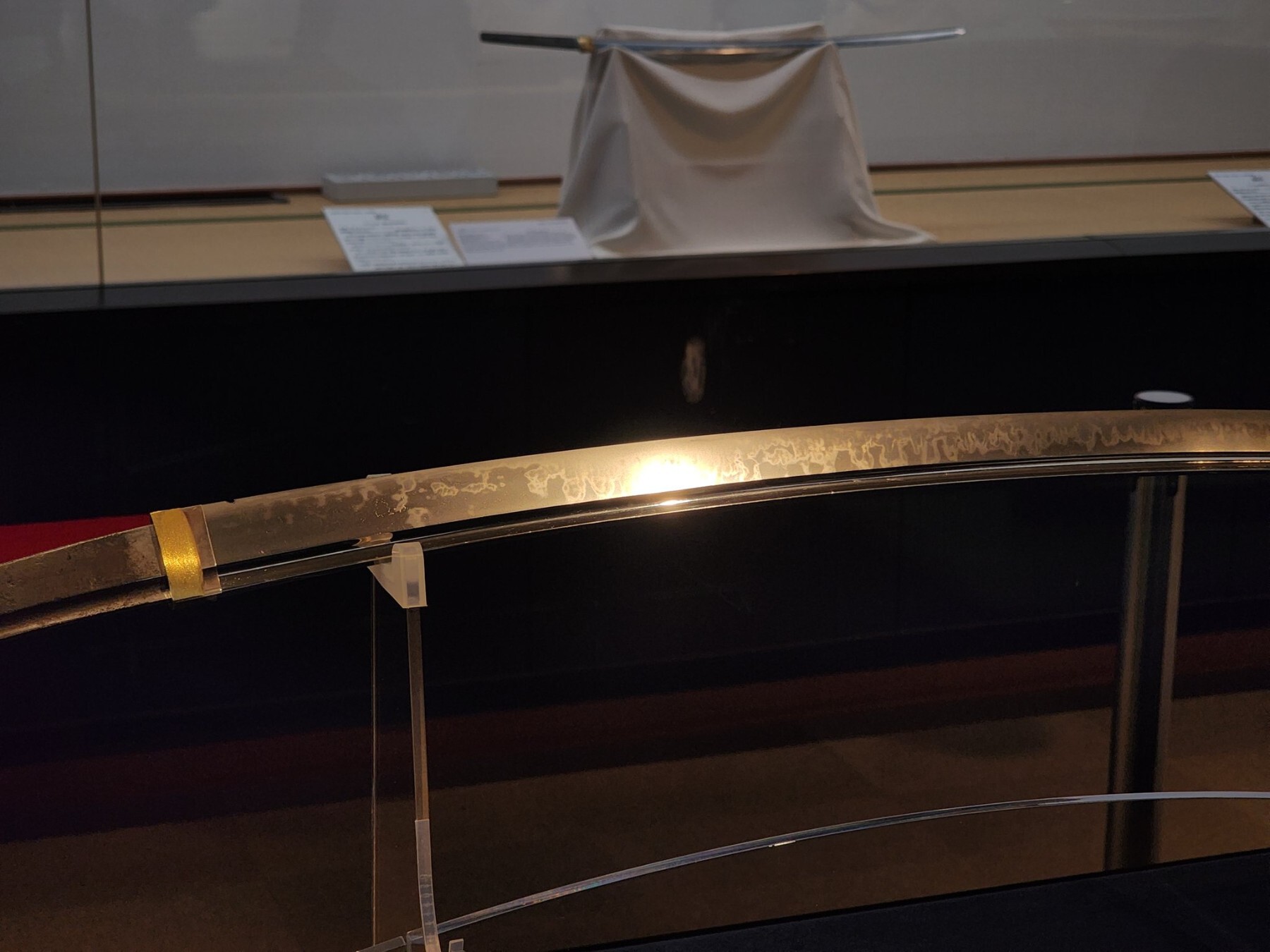
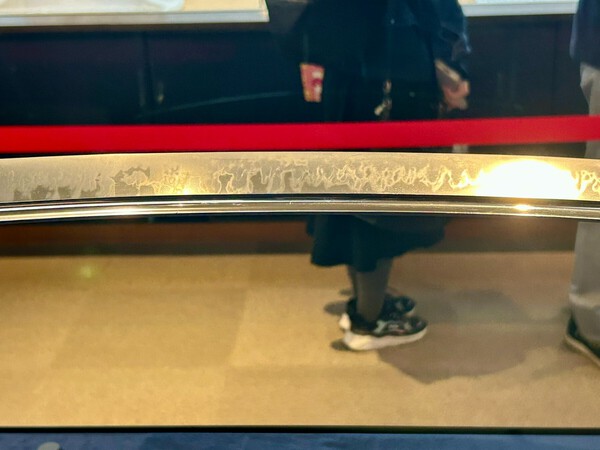
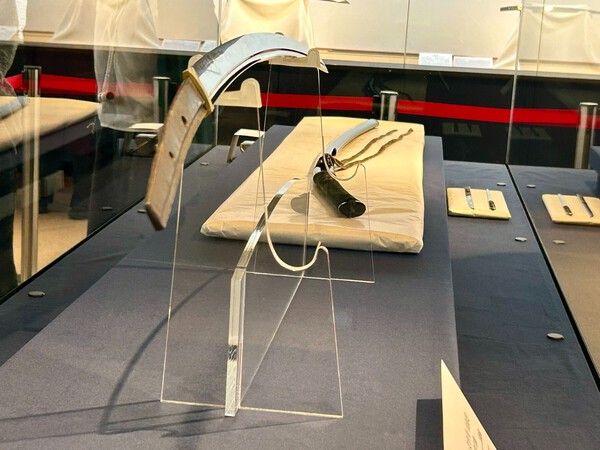
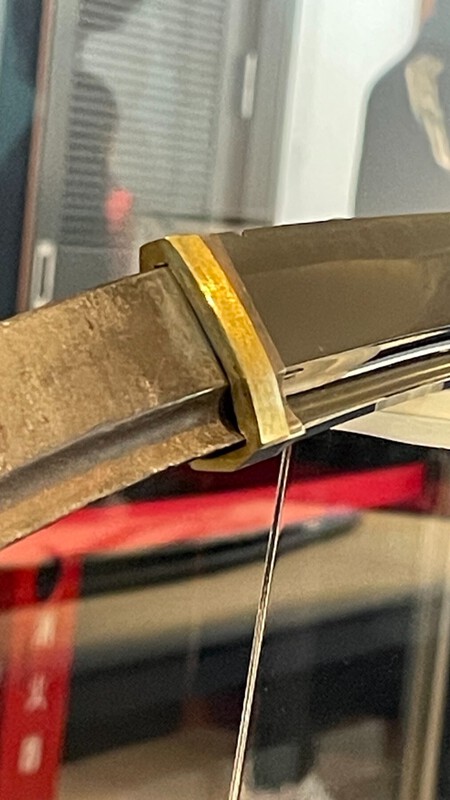
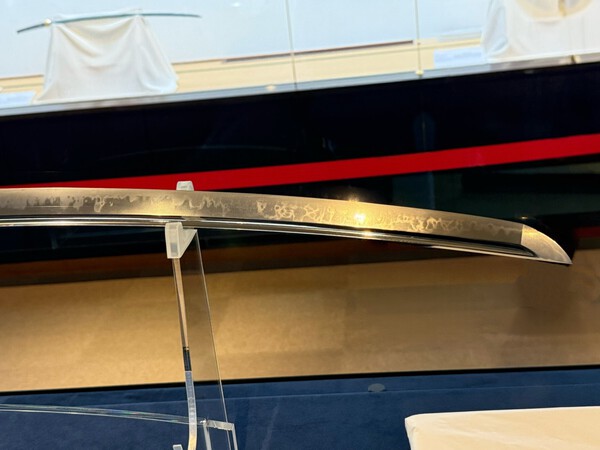
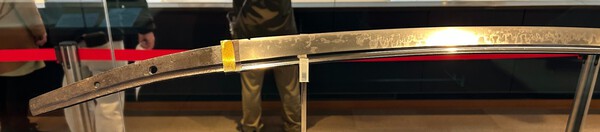
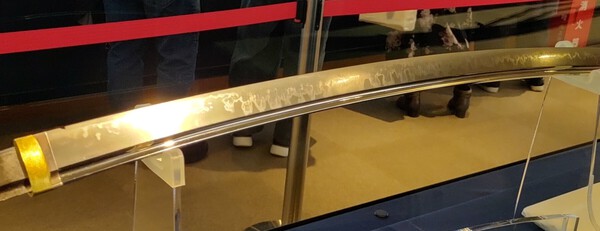
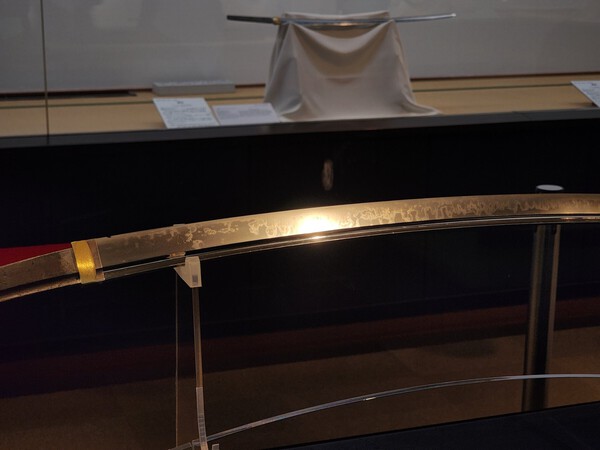
Such is the demand to see the Yamatorige that the Museum has lifted its capacity restrictions for the first time ever, meaning that they now have 3x as many people seeing the sword at the same time. This is a new normal. You can read more here.
-
untilAs part of the "Kitano Past and Present: Kitano Swords x Modern Blades" exhibition currently at the Kitano Tenmangu Treasure Hall there will be a special demonstration this Saturday, 28 March featuring: Forging by Swordsmiths Polishing by Tamaki Shiroji Habaki making by Hirata Minoru Tsuka-maki by Toyama Kazuyasu Engraving by Munekaze Kinoshita It will be an exciting event where you can view these master craftsman demonstrating the traditional techiniques required to make complete a Japanese Sword.
-
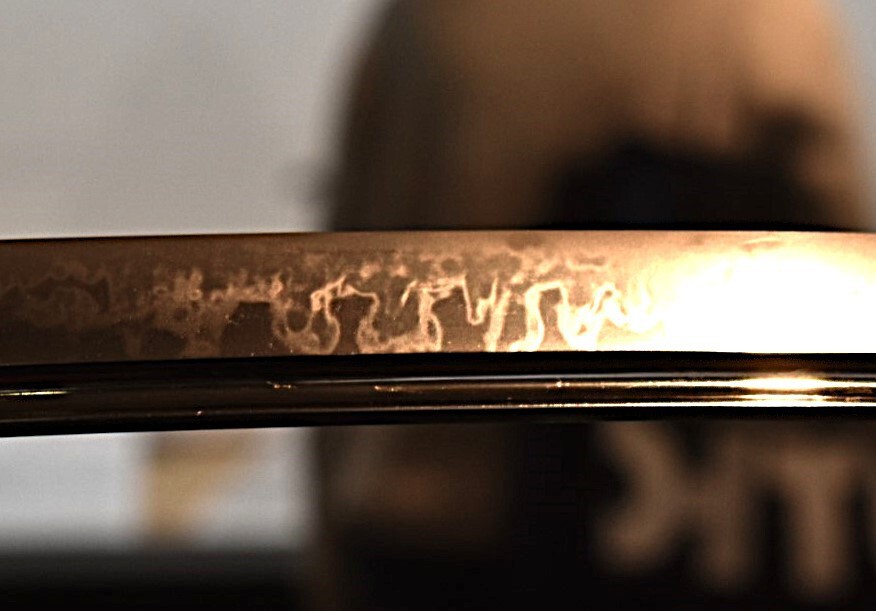
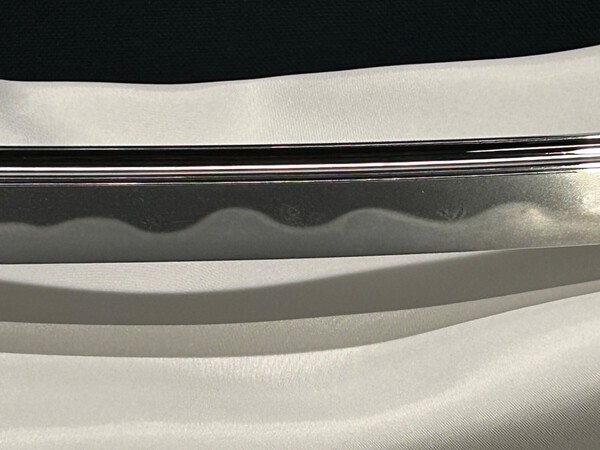
Some great photos and video of the Mikazuki starting to appear online... the start of this video catches the tiny Mikazuki just beautifully in the light. What a wonderful sword! Mikazuki.mp4


-
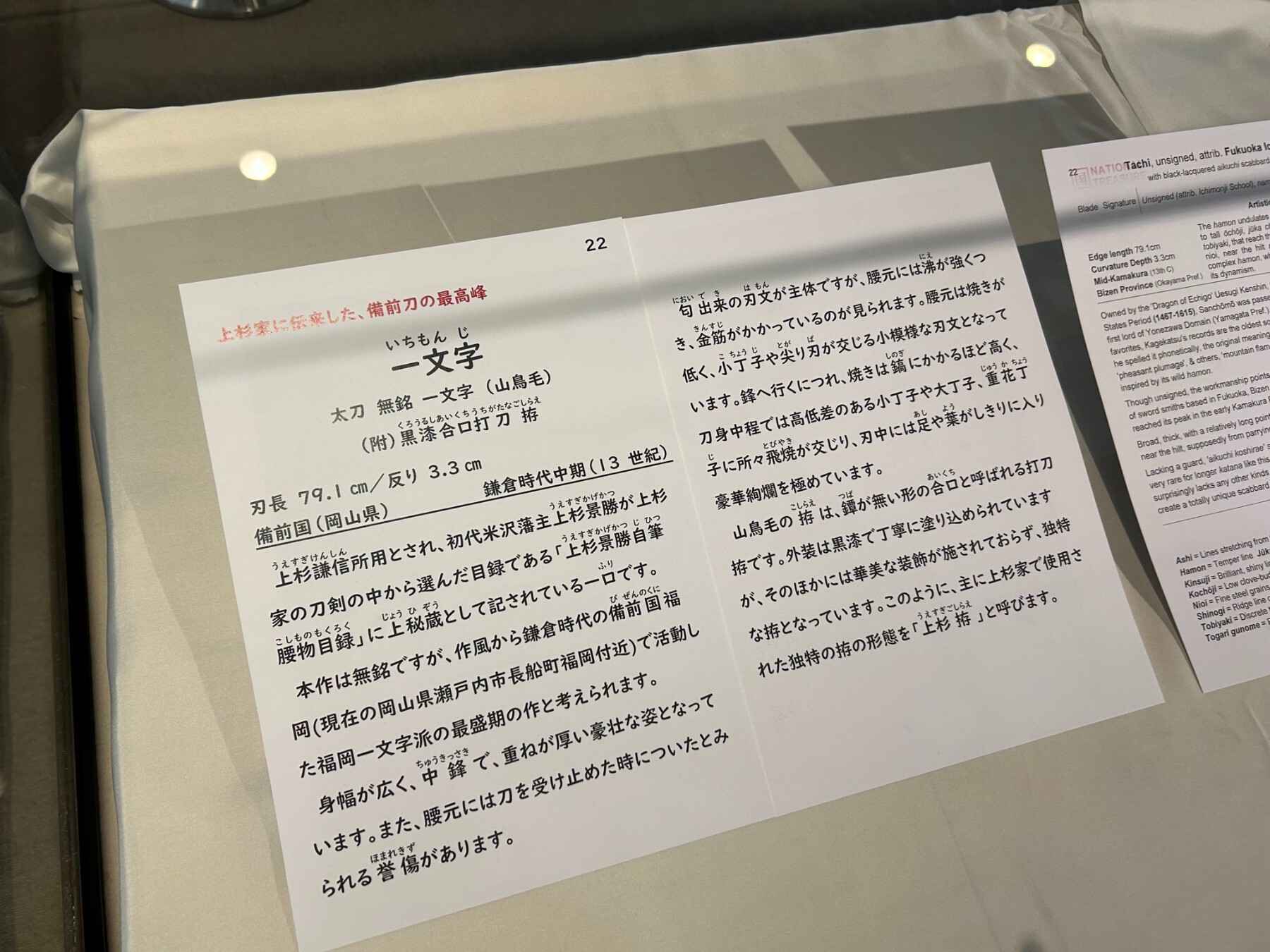
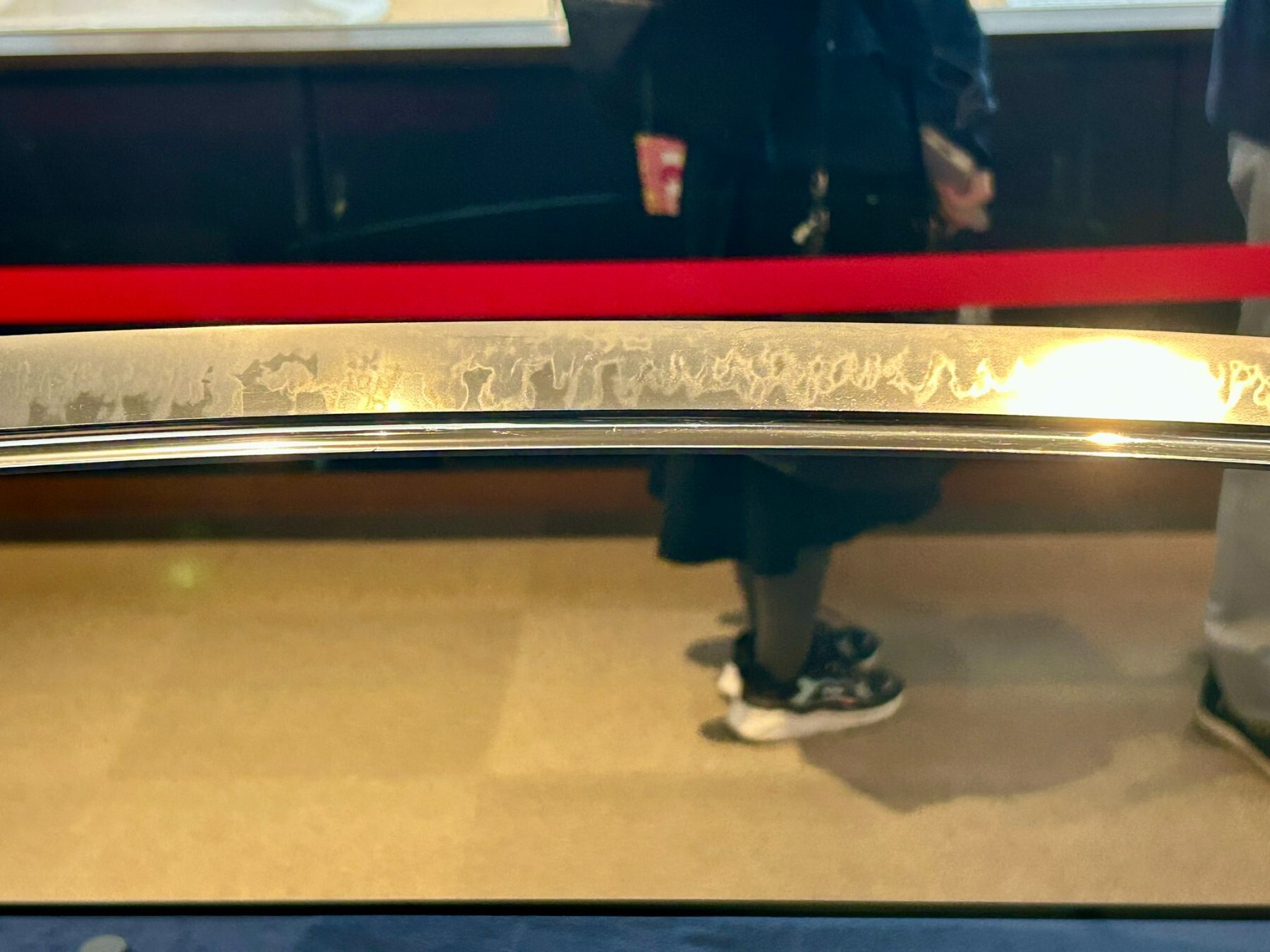
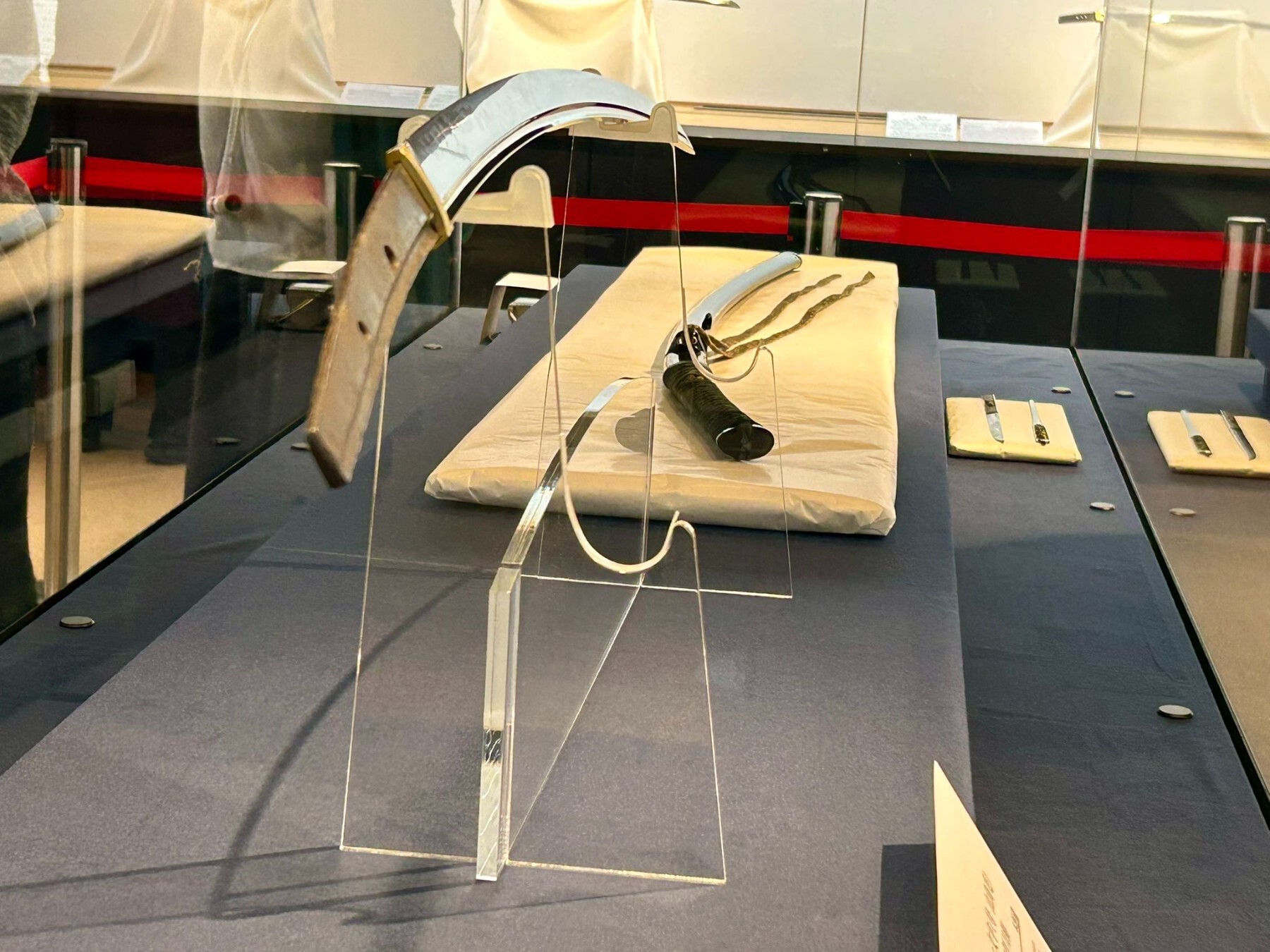
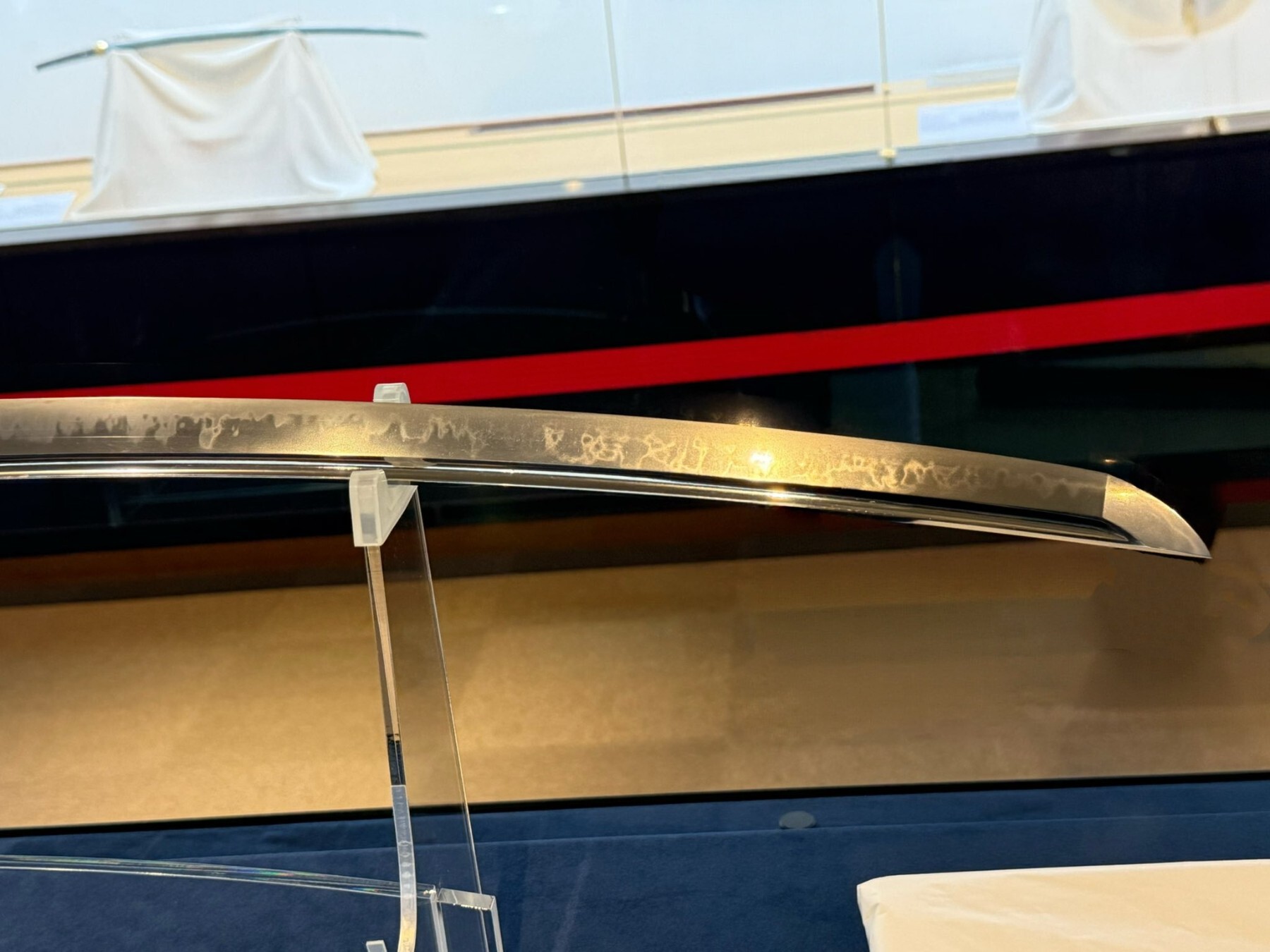
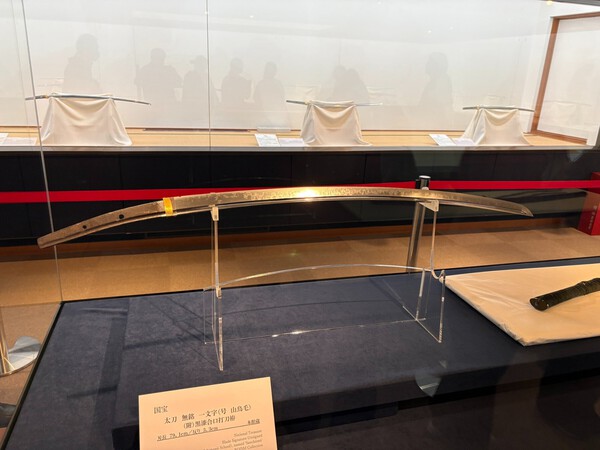
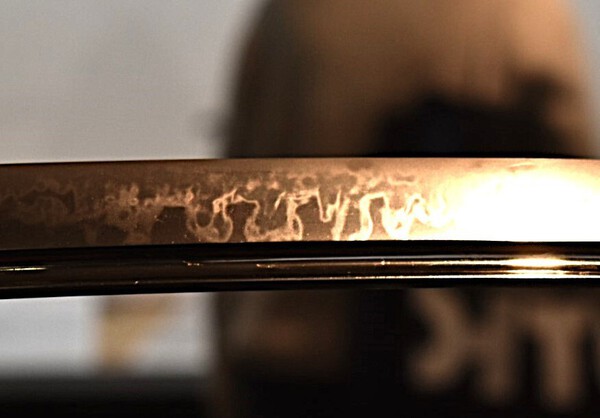
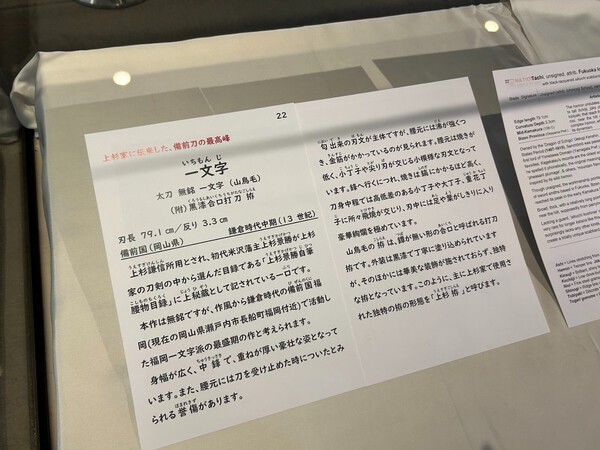
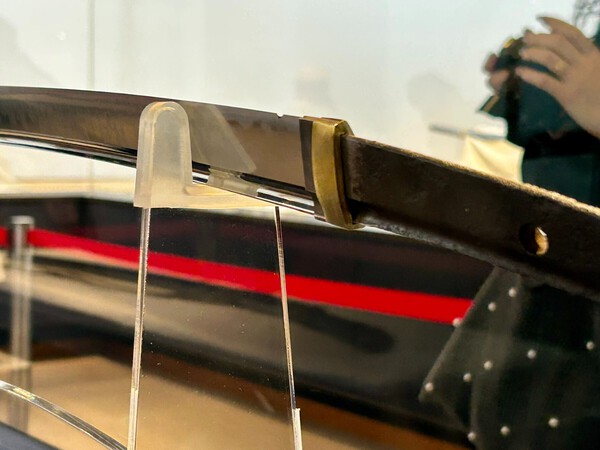
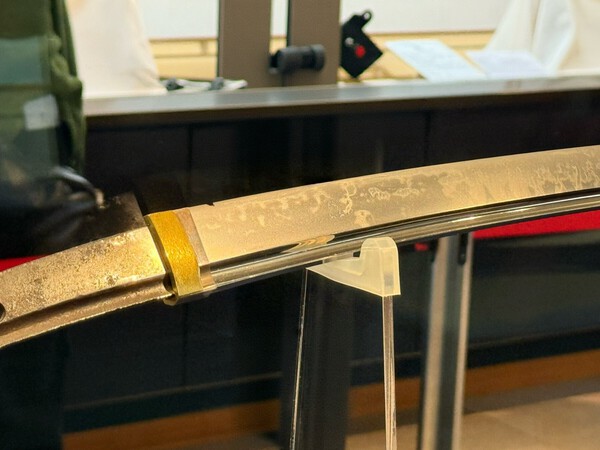
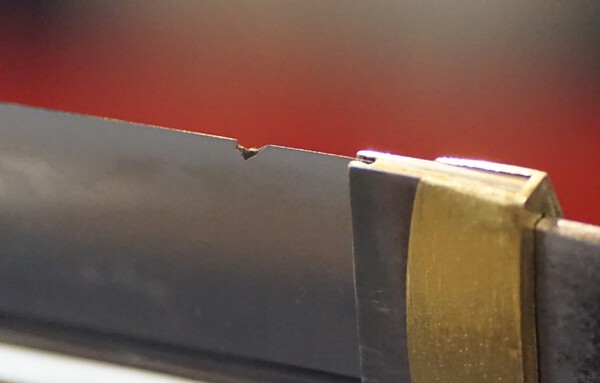
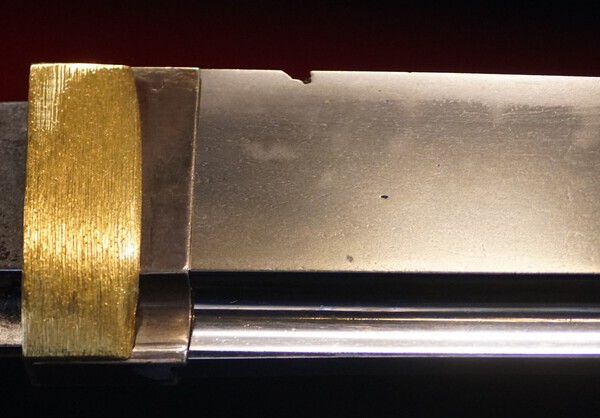
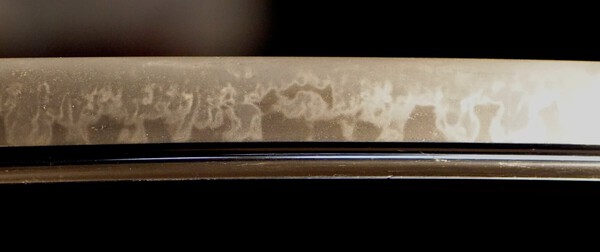
Lots and lots of photos of the Yamatorige starting to appear across the interwebs. Actually a lot of fun reading the comments and seeing the excitement in the people posting and responding to the pictures.







-
Hoshi - once again on the money bud. Why sign up for all the burdens without the perks?
-
The National Treasure status held before the war was lost and the status of Juyo Bunkazai was given under the new Important Cultural Properties laws (same time as the Important Art Objects lost their status). The current National Treasures were allocated under the Law for the Protection of Cultural Properties that came into effect on June 9, 1951. It is worth noting that this list did included some of the previous National Treasures however most became Juyo Bunkazai. All the missing National Treasures from the post-WWII occupation were reallocated to the status of Juyo Bunkazai. This may change when they are recovered but of the 19 lost National Treasures, the 9 that have been found have not been reallocated to the status of National Treasure. .
-
#28, the unsigned Masamune sword was stolen from a Shinkansen train traveling west on the Tokaido line in 1982. Tokutaro Inuzuka, had been carefully selecting swords for a sword appreciation meeting to be held later that day. The Masamune sword belonged to Yoshisada Suzuki, who a few years later made a sizeable donation from his collection of swords to the Society for the Preservation of Japanese Art Swords (NBTHK.)
-
#46, the Tomoyuki tanto was stolen from Mishima Taisha Shrine (Mishima City, Shizuoka Prefecture) in 1948 (Showa 23).
-
#24, the Sukeshige Tachi was stolen on July 22, 1972, from the Meiji Jingu Treasure Hall (Shibuya Ward, Tokyo). It bears a chrysanthemum crest and is considered the only known sword bearing the signature of Fukuoka Ichimonji Sukeshige. At the same time, an Ichimonji Yoshifusa (an important art object), Gassan Sadakazu, and Sugawara Kanenori were also displayed in the same case and were stolen. All were works cherished by Emperor Meiji. According to the investigation, the culprit hid in the Emperor's carriage before closing time the previous day, waited for the guards to leave, stole the sword, unlocked the door from the inside, and escaped.
-
#41, the unsigned tachi (long sword) (Hagane-kirimaru) and #42 the Abura-no-koji Tadayoshi tachi were stolen from the Suwa Taisha Shimosha Treasure Hall (Shimosuwa Town, Nagano Prefecture) on June 1, 1960. According to the confession of the arrested culprit, Yamada Nana, he was at a loss as to what to do with the swords, so he cut the blade and hilt and threw them into Lake Suwa. However, despite a desperate search by the police, they were never found.