.png.053a9aeb009db3dbfcf3be0362d54bb1.png)
YourBabyBjornBorg
-
Posts
218 -
Joined
-
Last visited
-
Days Won
1
Content Type
Profiles
Forums
Events
Store
Downloads
Gallery
Everything posted by YourBabyBjornBorg
-
Hi! This is 左兵衛尉来国吉作 在銘 Sahyoe no Jo Rai Kuniyoshi Saku Signed (Zaimei). This is a little confusing because Sahyoe no Jo Kuniyoshi, the maker of Nakigizune, is from the Awataguchi school, not the Rai school. (Rai Kuniyoshi, on the other hand, is supposed to be the founder of the Rai school, but there is no confirmed work of his remaining, so his son Rai Kuniyuki is considered virtually the founder of Rai.)
- 1 reply
-
- 1
-

-
.thumb.png.54593db2789c8a1dcb235543b184ce39.png) That signed Yasutsuna (Onikirimaru) might be a dull Dojigiri replica made no earlier than mid-Edo, according to Funakoshi Shin, but I'm not sure if he is an authority figure or not.
That signed Yasutsuna (Onikirimaru) might be a dull Dojigiri replica made no earlier than mid-Edo, according to Funakoshi Shin, but I'm not sure if he is an authority figure or not.- 1 reply
-
- 1
-

-
Translation help on Tanaka school tsuba
YourBabyBjornBorg replied to thutson's topic in Translation Assistance
Hi! I think this is signed 寶真斎 壽景 Hoshinsai Toshikage with Kao on the back. -
Having no clue about Tosugu, I think that Tachi Goshirae looks nice...?
-
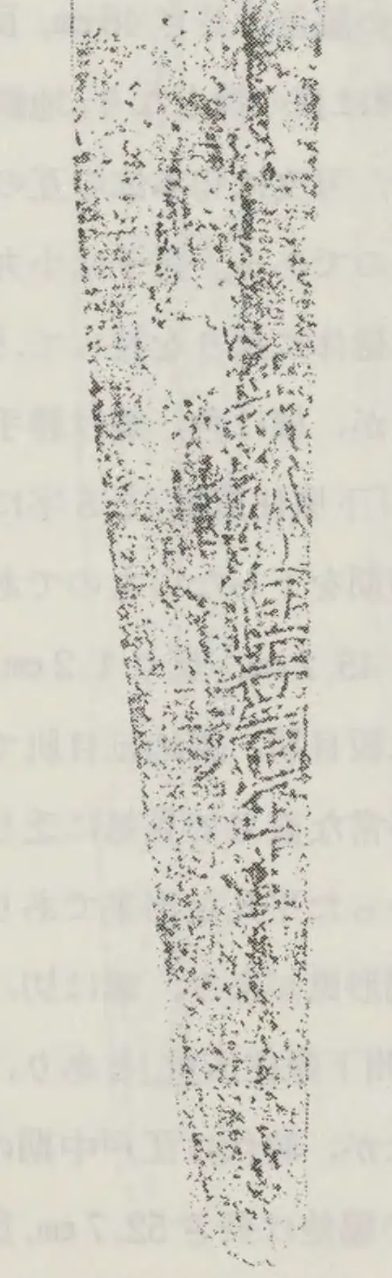
Greetings, Mr. Brain! Yes, I think this reads 兼光 八月日 Kanemitsu, a day in the 8th mouth (without a specific year). Maybe a rare practice in Sue-Seki groups? I will go and try to find more examples like this after finishing today's Kantei. Now with a new comment section! Updates: No luck on both fronts......
- 1 reply
-
- 3
-

-

-
Shodai Tadayoshi sayagaki translation request
YourBabyBjornBorg replied to Takezo's topic in Translation Assistance
Why do I have to log in just before going to bed...... Please correct me for my inevitable errors! Also, please do feel free to alter and improve my atrocious English wording. 肥前國住武蔵大掾藤原忠廣 Hizen no Kuni Ju Musashi Daijo Fujiwara Tadahiro 十二字長銘ニ寛永三年紀ヲ添エ 12-character long signature accompanied by Nenki-Mei of Kanei 3 刃長壱尺五寸五分有之 Hacho at 1 Shaku 5 Sun 5 Bu 時在丙午秋風月 August, 2026 探山識(花押) recognize by Tanzan (Kao) 幅廣ノ形態 a Sugata of broad Haba 而精良ナル米糠肌状ノ地銕ニ変化アル fine, rice-bran-like Jigane (Konuka-Hada) with changes/variations/inflections? (I think 変化 here means that the Konuka-Hada Jigane is not monotonous or dull, but I'm not sure what the English counterpart is) in it 互ノ目調の乱ヲ焼キ A Gunome-themed Midareba (usually something 調 is translated to something-like, like Suguha 調 is Suguha-like, but here I think "themed" is maybe more appropriate?) 小湾矢筈風の刃尖ナド交ジリ飛焼カ々リ(?) Ko-Notare, with Yahazu-like Hasaki (pointing tips of Hamon) and others, with Tobiyaki (I'm not sure if this is カ々リ at the end on the Sayagaki, but this does not change the overall meaning of this sentence) 匂口明ルク冴ヘ乱ノ谷ニ沸ガ溜マリ帯状ヲナシ浅ク湾レ Nioiguchi is bright and clear (Akarukusaeru), Nie accumulates in the Tani ("valley", as in Yaki no Tani and Yakigashira) of the Midareba, forming a belt-like shape (an Okite for Midare Hizen swords), a mild Notare 小丸帽子ニ結ブナド connecting to a Komaru Boshi (I'm not sure if 浅ク湾レ, "a mild Notare" here is referring to the Hamon or the Boshi, maybe Hamon? Komaru Boshi is usually Sugu in the beginning, not Notare) 此期ニ同工ガ得意トスル作域ヲ示シ出来宜矣 a display of this smith's strong suit/area of expertise in this period of time, very well made (Deki is very good) Off to my bed! -
Help with Translation on Fuchi
YourBabyBjornBorg replied to tbonesullivan's topic in Translation Assistance
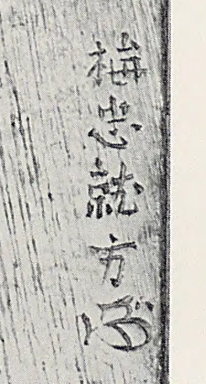
Hi! This looks like 埋忠就方 Umetada Narikata. (this last one is TH)


-
Mei translation WW2 wakisashi ancestral blade
YourBabyBjornBorg replied to Retromodo's topic in Translation Assistance
I think Kimie sounds more like a female name. -
Mei translation WW2 wakisashi ancestral blade
YourBabyBjornBorg replied to Retromodo's topic in Translation Assistance
I'm afraid it would be very hard to tell which generation, or even whether the signature is genuine, due to the current state of this sword, and information about Hiroshige is rather scarce overall. Hiroshige's signature style is also said to change a lot even within one generation. -
Mei translation WW2 wakisashi ancestral blade
YourBabyBjornBorg replied to Retromodo's topic in Translation Assistance
Hi! This is signed 武州住廣重 Bushu Ju Hiroshige, from the Bushu Shitahara school. There was one Hiroshige in Koto period (starting from the end of Tensho), 4 to 5 Hiroshige in Shinto period with existing examples. It's quite rare for Hiroshige to sign only Bushu Ju Hiroshige and not Bushu Shitahara Ju Hiroshige.

-
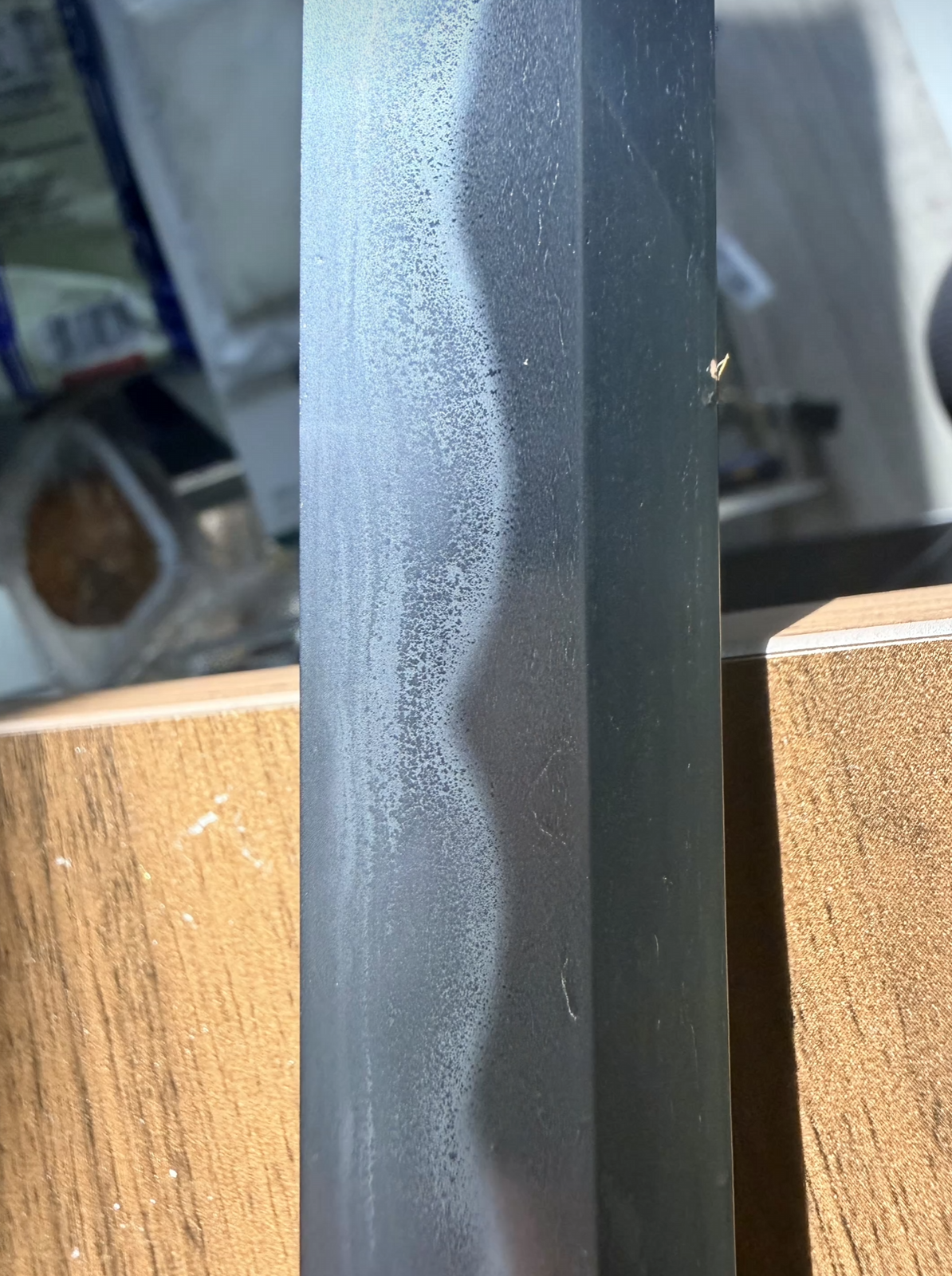
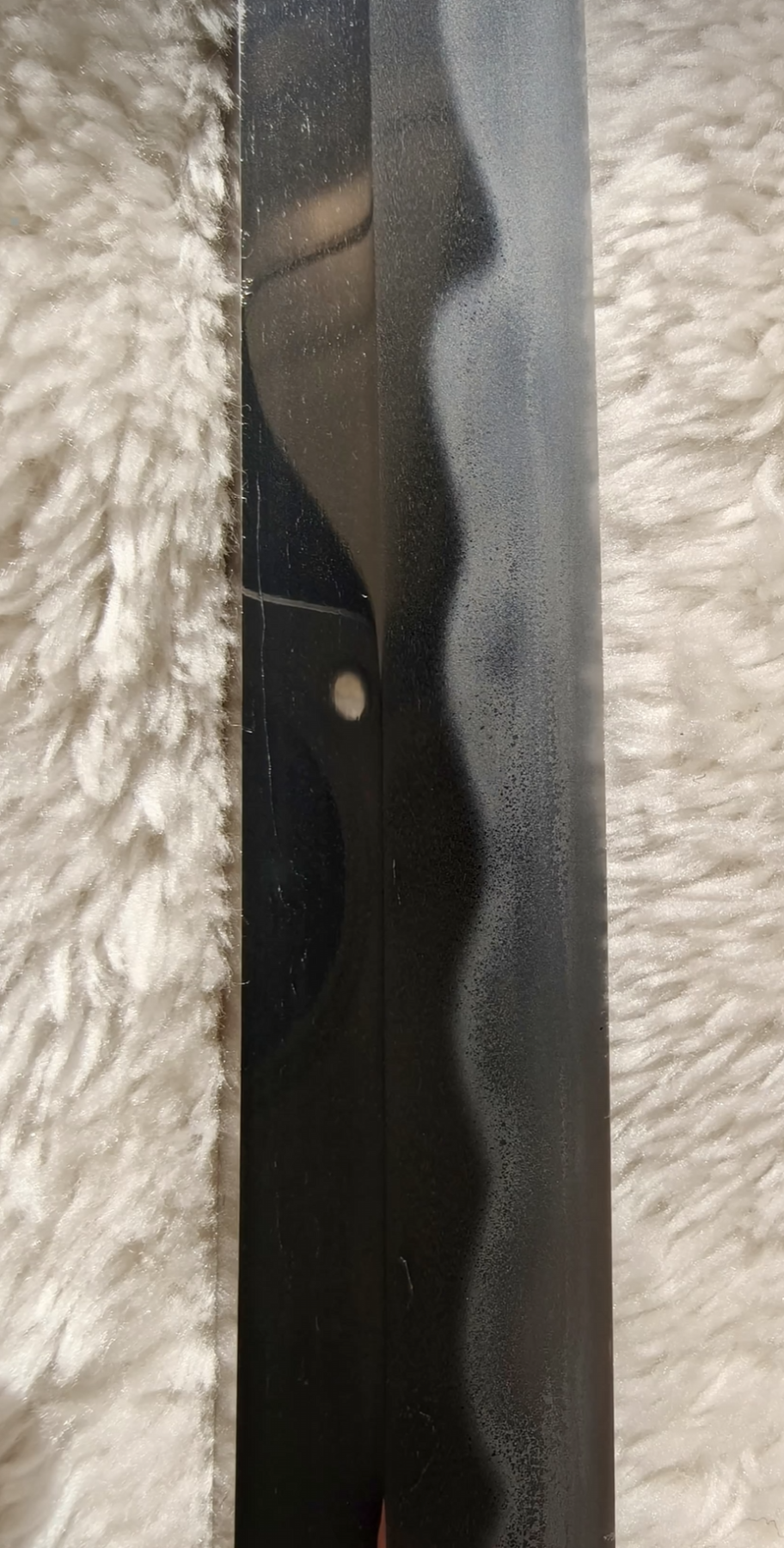
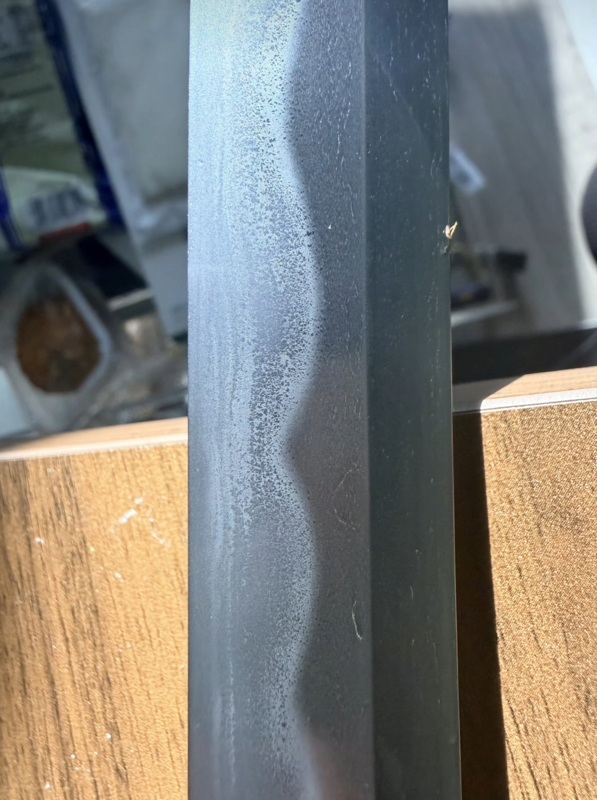
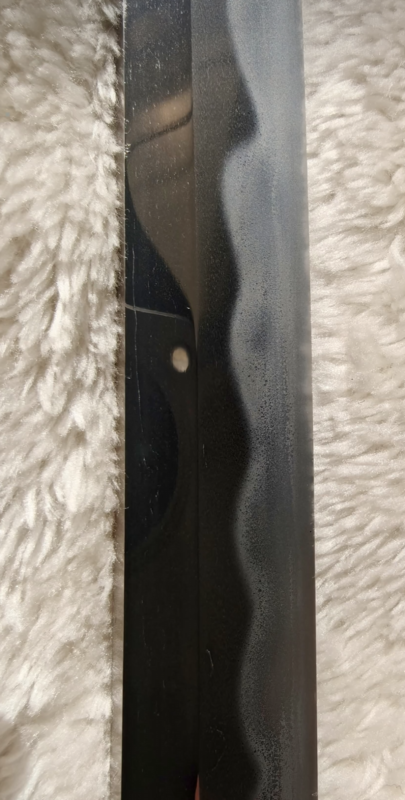
This is a Sukehiro from a friend of mine, polished by a then high school student. I think he's mostly self-taught, though...... This is quite lucky because originally this sword was going to another "polisher" who's known for acid treating and other shenanigans (I think a poor guy even sent a Kotetsu for him to "repair"), and I convinced this friend to change his mind. I have been calling this guy out for some time, but most people here in PRC lack the basic skill to spot the most obvious and poorly done acid treating, and it doesn't help with the fact that most brokers here work with this guy or at least stay quiet about his acid treating. "Blocking people from making money is like killing their parents" as the saying goes here. All of this happened in PRC, of course.
-
1330 points, eh? I bet I can...... 174 ROUNDS?! Really even 1325 is way too high for me, because I'm currently at 1263 points in Practice mode

-
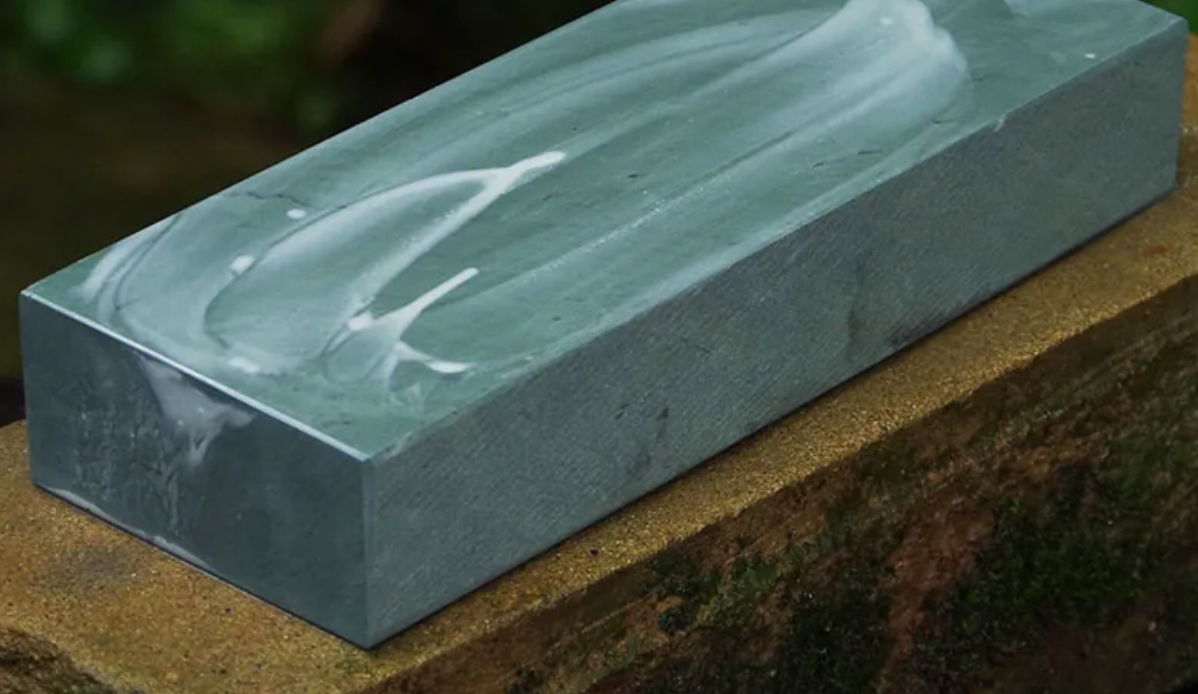
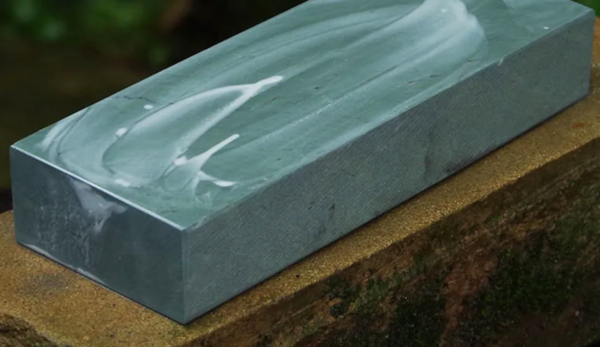
That green one could be artificial or from China. The single largest natural wet stone product is a similar kind of homogeneous green stone at around 800~1000#.
-
Thank you very much, Mr. Ekholm! Your examples are greatly helpful, especially that TH to Juyo one!
-
Ah, 惜っしい! The last Kanji is 門/Kado/door, so this is 関吉田兼門 Seki Yoshida Kanekado.
-
Thank you, Hoshi San! I was briefly in 1st place, then Mr. Ekholm took over. At least we finally know who the Indecisive Ninja was! I must say that this system of offering 5 potential options is even more helpful than the usual Nyusatsu Kantei "hints". If they were in the classic Nyusatsu Kantei system, where I myself have to give a precise answer, then most of the Kantei quizzes I did today would be impossible for a very green dum-dum like me (who only knows the biggest names in Nihonto, and throwing the answer "Kotetsu" to any Edo Shinto with a suddenly wide Yaki under the Yokote I see in Kantei. ←True story when I was reading 刀剣鑑定のきめ手), like 小反義次 or 綾小路宗延 (I was like, "Huh? Who dis?"), or even just all the different and countless smiths from the school of Sa. I am still passionately waiting for a dedicated Kantei Q&A post so we can finally discuss how to tell a Sa Yukihiro from a Sa Hiroyasu, a Jitsua from Sairen, or just rant about that one signed Hoki Sadatsuna without Kuromi/Shirake, Yakiotoshi, or most of other Hoki traits, and looking absolutely like a Ko-Bizen. 50 questions in Ranked in one day is too much......
-
Owari Tōkōfu entries for Sadahiro (定廣) Lineage
YourBabyBjornBorg replied to neo1022's topic in Nihonto
Perhaps the original 関鍛冶累代の系譜.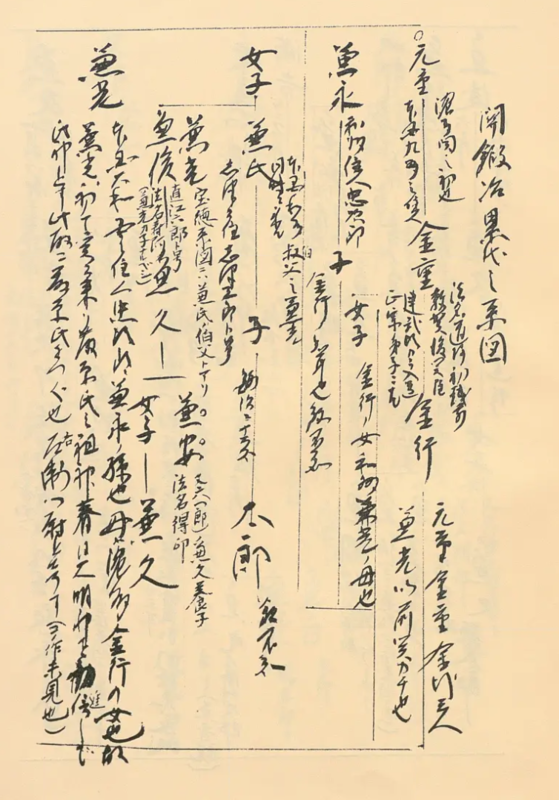
-
Owari Tōkōfu entries for Sadahiro (定廣) Lineage
YourBabyBjornBorg replied to neo1022's topic in Nihonto
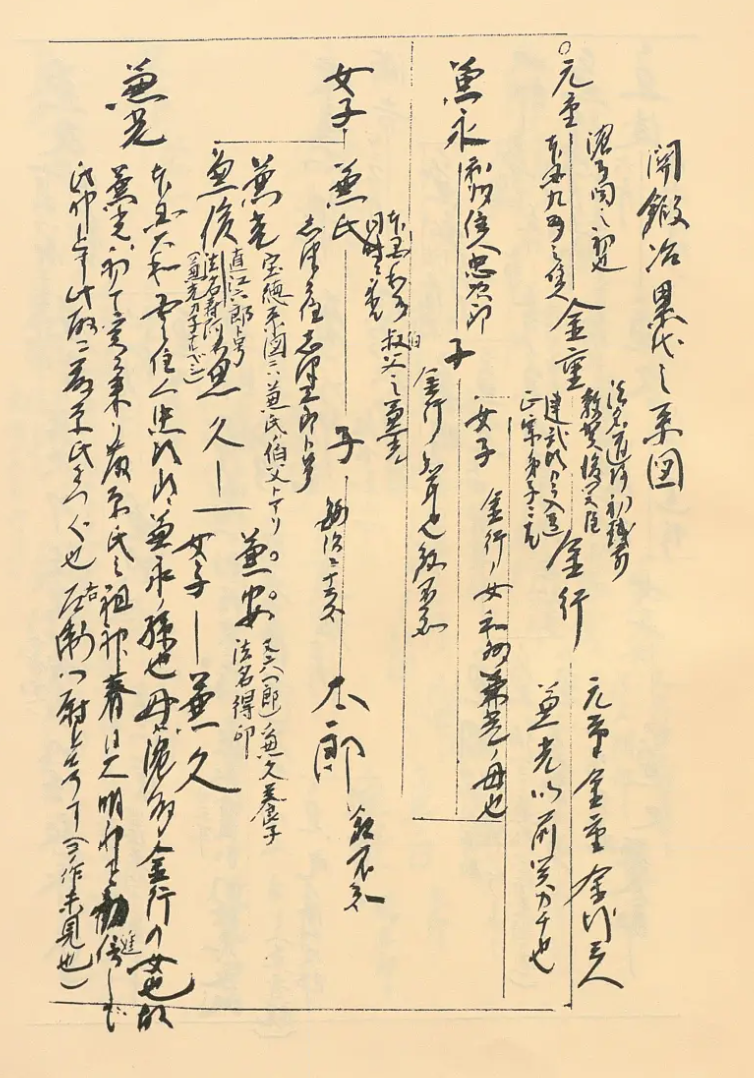
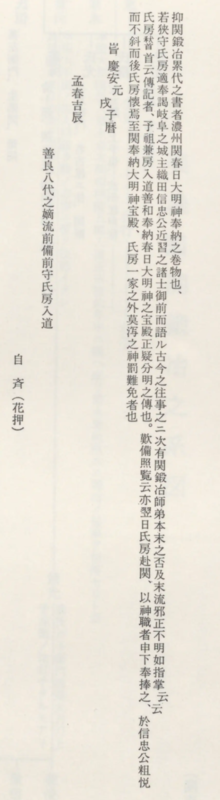
Of course! Here it is. This is from 関鍛冶累代の系譜, so it is only received tradition. From this paragraph, it seems that this was passed down for generations among Seki smiths, later donated to Haruhi Shrine by Ujifusa, and taken out by Kanefusa to give to Oda Nobutada, lord of Gifu, to understand who is who in the Seki smiths. This is dated in Keian (1648) in the end. (Also, I think it says whoever leaked this document to anyone outside the Ujifusa family will be punished by Gods, so......)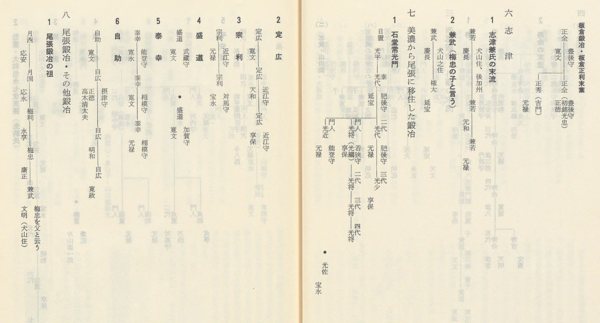
-
Great game! Is there any chance for a Japanese version of the description in the future...? Also, and this is only my wild fantasy, but wouldn't it be awesome if there were a post where people could discuss this Kantei game (the day after, so it's not spoiling anything), like a crowdsourced Kantei comment explaining the thought process!
-
Owari Tōkōfu entries for Sadahiro (定廣) Lineage
YourBabyBjornBorg replied to neo1022's topic in Nihonto
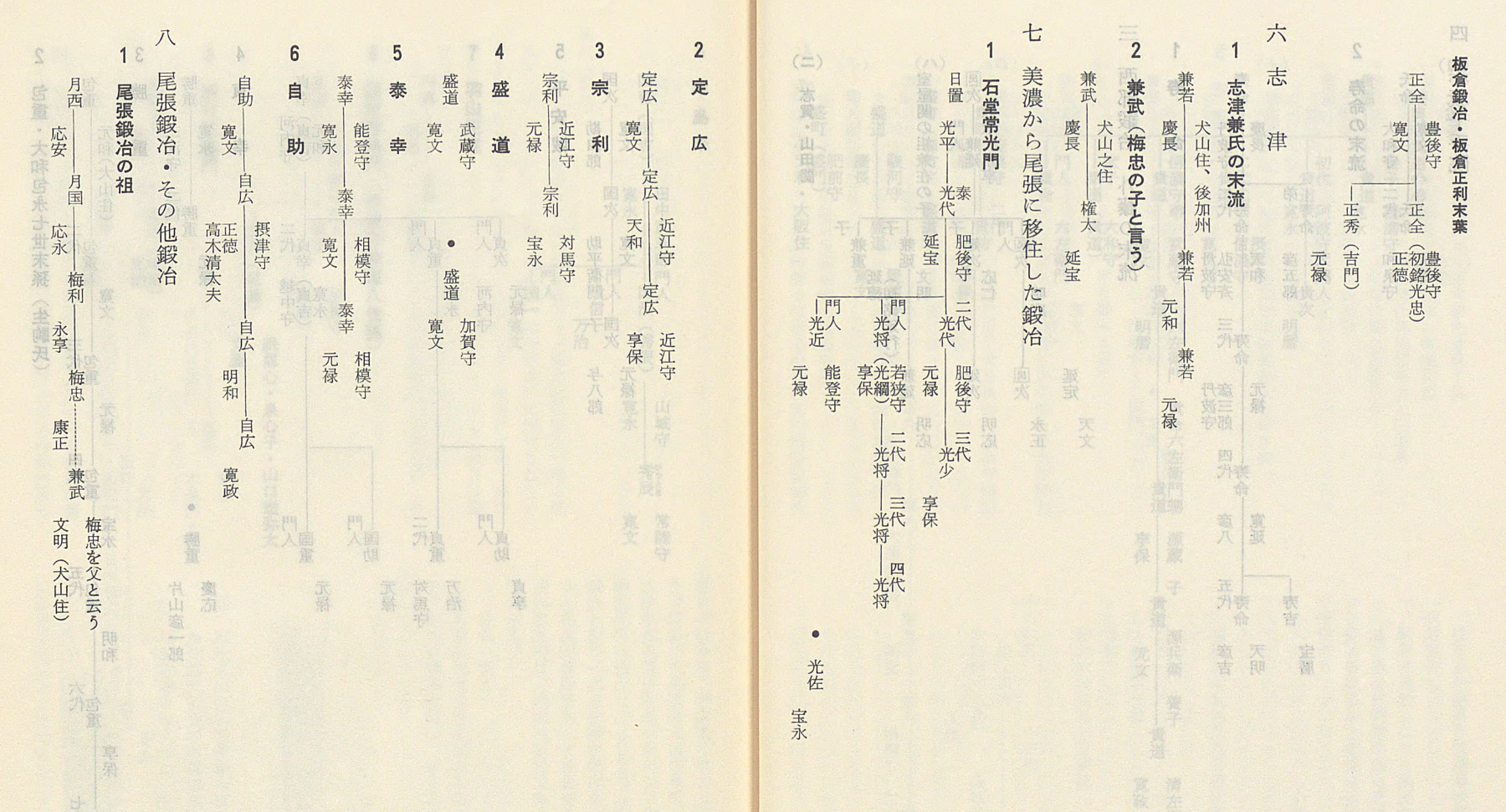
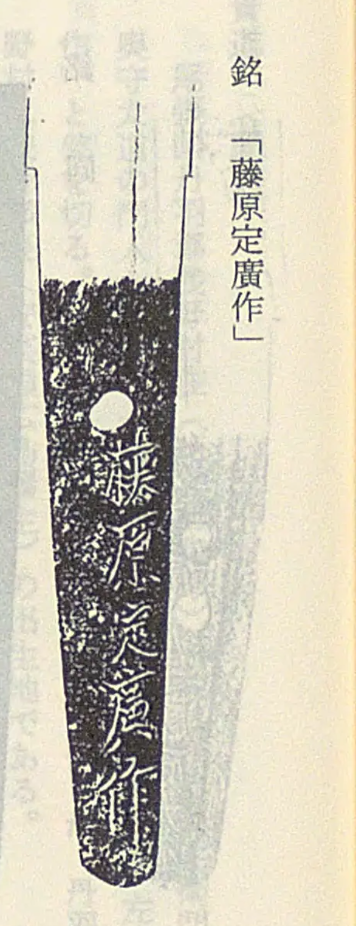
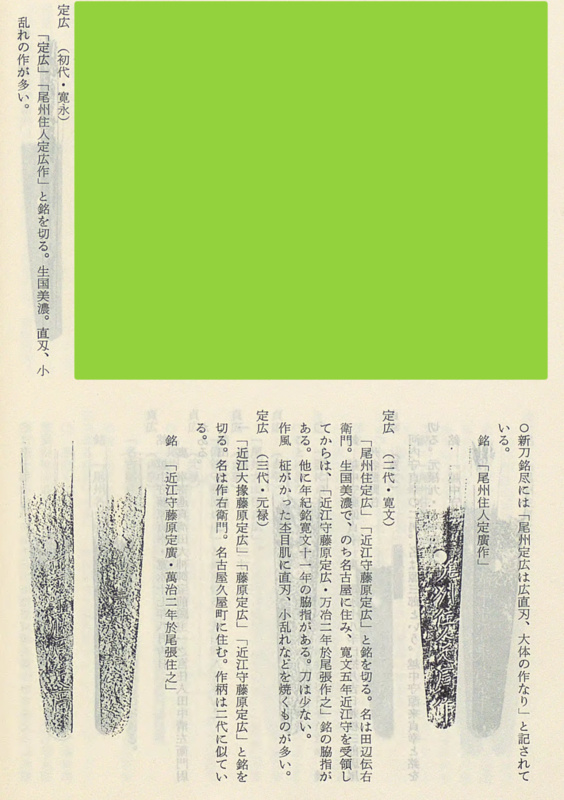
Hi! I think this is all the text about Sadahiro in Owari Tōkōfu. The quality of Oshigata is very limited.

-
Translation help on possible Myochin Tsuba
YourBabyBjornBorg replied to thutson's topic in Translation Assistance
Hi! This looks like 紀宗房 明珍 Ki Munefusa Myochin. -
Need a Translation of a sayagaki
YourBabyBjornBorg replied to Christian's topic in Translation Assistance
Hi! I think this is 古備前正恒 地刃典型 傑作ノ一 刃長弐寸四尺四分二厘有之 昭和乙巳年葉(?)月於久我山房 薫山誌(花押) Ko-Bizen Masatsune, classic/typical Jiba(Jigane and Hamon), one of his masterpieces, Hacho/length at 2 Sun 4 Syaku 4 Fun 2 Rin (70.72cm), 8th(?) month, 1965, at (his) house in Kugayama, recorded by Kunzan (Kao) I'm not sure if the 8th month is correct... -
Thank you, Mr. Rohan! I was under the impression that NBTHK would not change their attribution when upgrading to a higher paper, but I guess I was too naive. I was also not aware of that Tamatsugu-Masamune upgrade instance. Very interesting!
-
I was talking with my Nihonto friends, and this topic came up. Was there an example, or did I just dream it I know there was a 7th TJ Den Shizu that was previously a Juyo Naoe Shizu, but were there TH examples? Thank you all for your help!
-
Hi! This is signed 豊後住藤原行長 Bungo Ju Fujiwara Yukinaga. I'm not sure if the signature is genuine.
- 1 reply
-
- 3
-