John C
-
Posts
2,516 -
Joined
-
Last visited
-
Days Won
16
Content Type
Profiles
Forums
Events
Store
Downloads
Gallery
Everything posted by John C
-
Don't pay double with 'Bladetique' and similar.
John C replied to a topic in Auctions and Online Sales or Sellers
Ha. This Kunitada went for 2,510 on Goodwill. Can't wait to see it again. John C.
-
Is sword collecting over?
John C replied to Peter Bleed's topic in General Nihonto Related Discussion
Peter: I'll chime in with my two cents. I perceive the notion (passion?, obsession?) of collecting swords is still strong, particularly within the general militaria crowd. I only started a few years ago as an off-shoot of the martial arts. But I do agree that the mode of collecting has changed. And indeed, the selection of what can be collected has changed. I can't afford any of the swords I want and all that is left seems to be junk that has been adulterated over the past 60 years. I think the days of barn finds may be sadly over. Thank God sellers like the "Monkey" still have million dollar blades available! John C. -
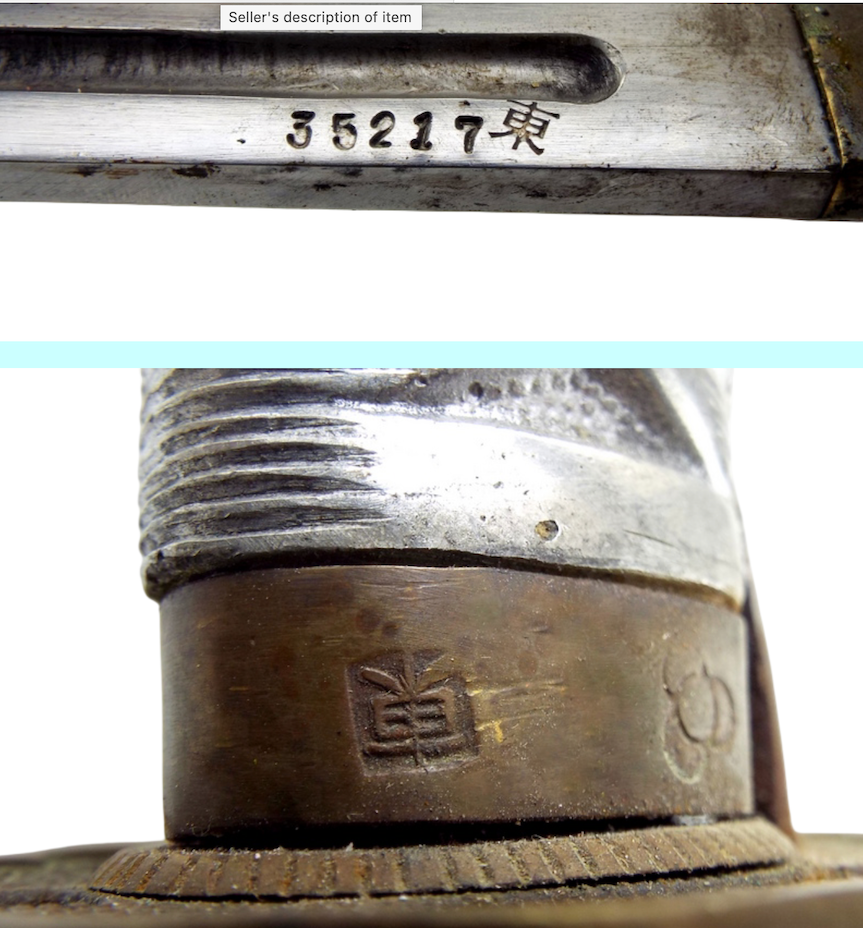
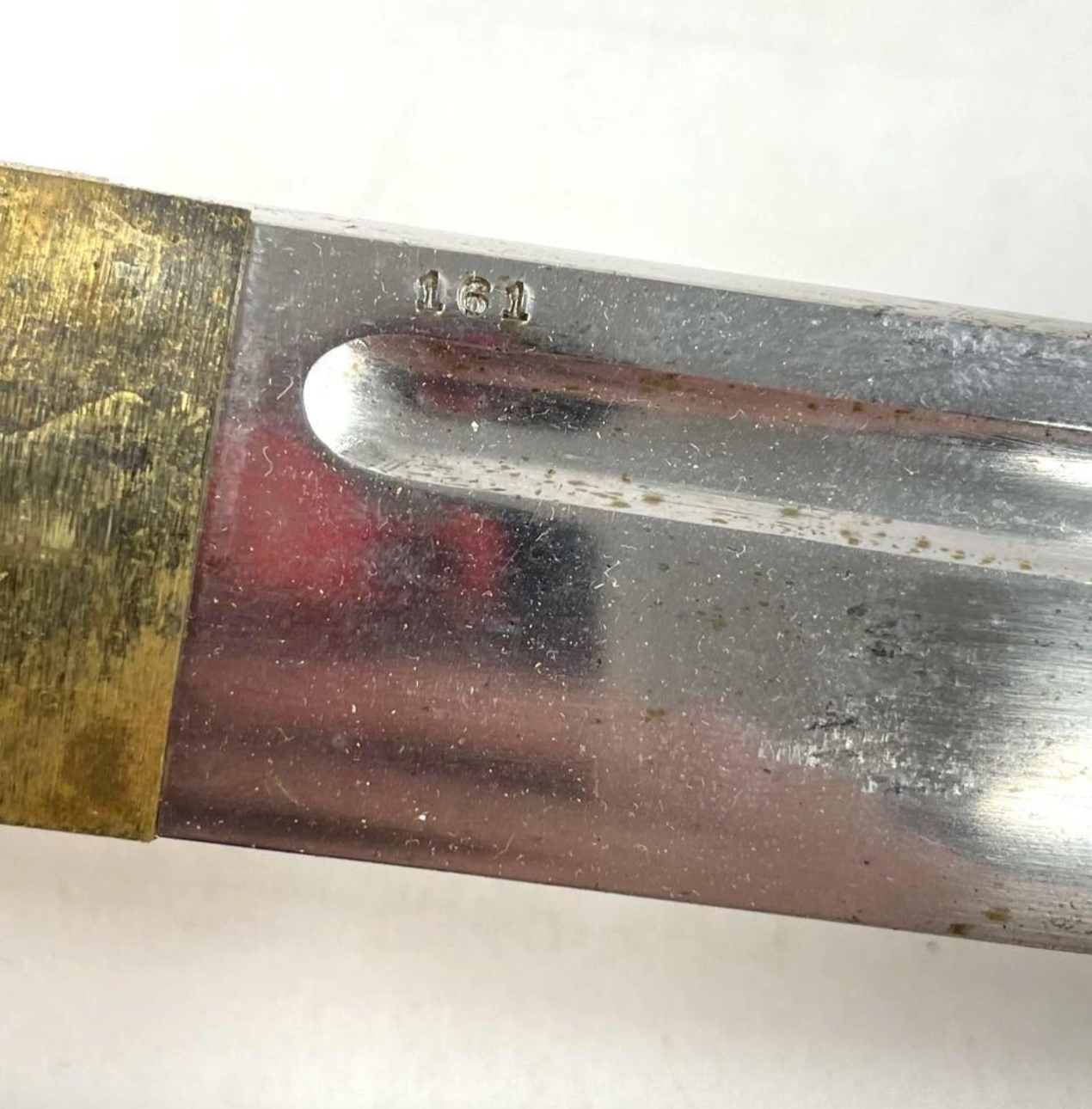
Here's another one I think is wrong. Note the arsenal marks, the lack of detail in the tsuka, the deep bohi, the kissaki end of the bohi, and the serial number, etc. etc. https://www.ebay.com/itm/236265448528? John C.

-
PLEASE, everyone. Can we save the vitriol for facebook where it belongs? Let's talk swords instead. John C.
-
Kevin: I'll answer your first question. The tsuka, seppa, and tsuba were likely changed frequently throughout the blade's life due to damage, owner's tastes, or other reasons. This is common and would not be a concern. As to the looseness, humidity levels in particular can shrink or swell tsuka causing them to not fit correctly. In addition, some sellers remove blades from shirasaya and add ill fitting mounts to increase buyer interest. We like to say "buy the blade" - so the mounts are less important. John C.
-
Thanks, Steve. John C.
-
I'm sure this may have been answered in a different post, however I can't seem to find it. Are post war tanto required to be dated? John C.
-
A 10,000 dollar tanto "used for harakiri." https://www.ebay.com/itm/185365356596? 8,000 dollar tanto from the same seller https://www.ebay.com/itm/185365363553? John C.
-
Thank you, Piers. This explains why I was having such a hard time finding the kanji as written. And thanks again @uwe for the translation. John C.
-
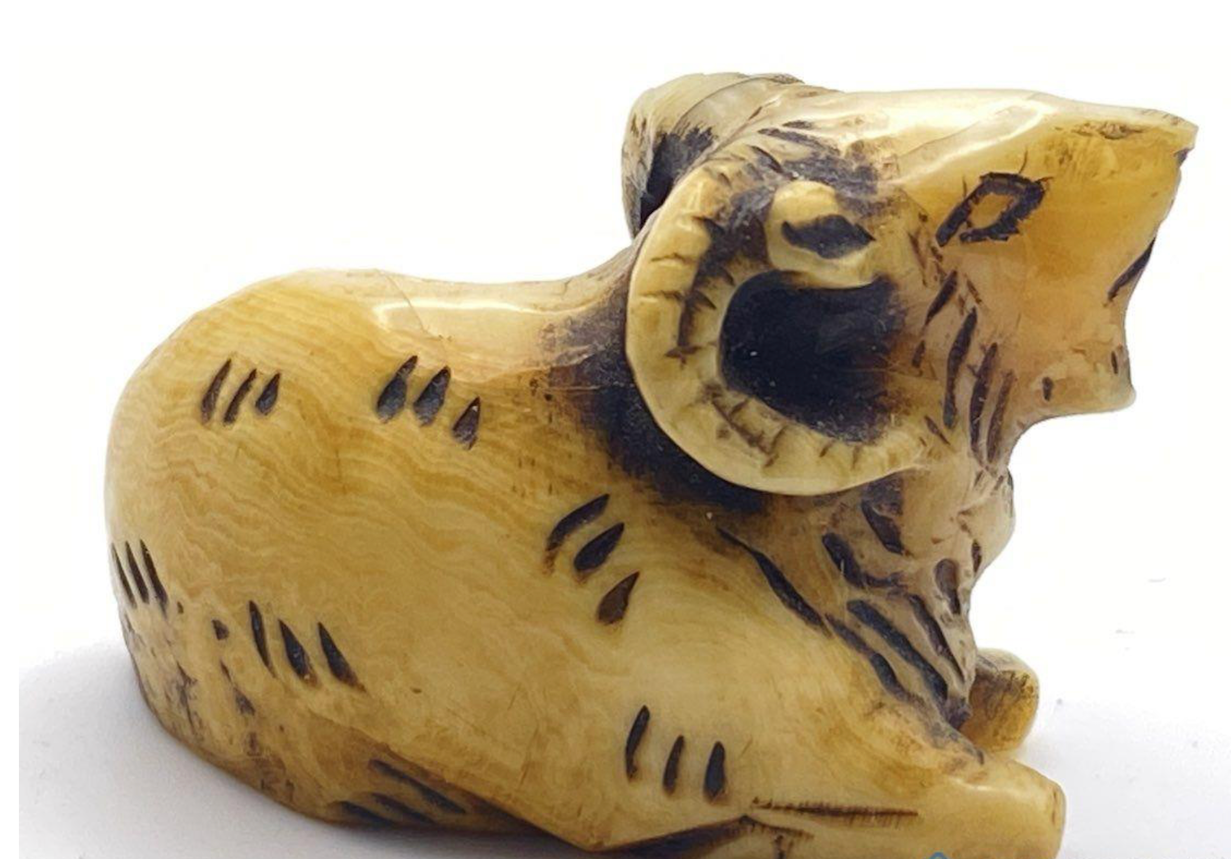
Hello: Quality of the carving aside, would this grain pattern be indicative of ivory, bone, stone, or vegetable ivroy? Simply trying to identify the material. https://shopgoodwill.com/item/238542367 Regards, John C.

-
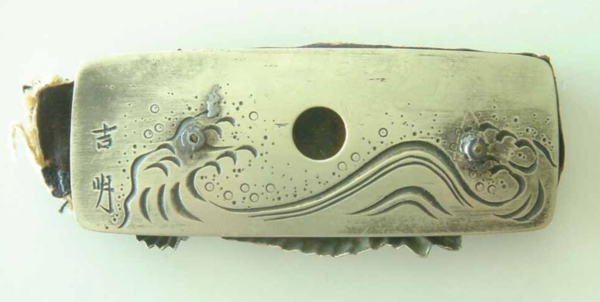
Thank you Uwe and Piers. I meant to ask about whether or not the mei is an individual or a company. I have seen many of the same style tabako ire (make-up pouch?) with this mei and fittings (broccade material, large chain hanger, manju style netsuke, Yoshiaki mei or mumei). See example below. I was curious if this were a mass produced retail piece or from a very prolific craftsman? John C.

-
@Bugyotsuji Piers - any idea what the second kanji could be? Attached is my kanagu, which has the same mei and a similar style as the first pictured. Regards, John C.

-
Hello: I was able to figure out Yoshi something but cannot get the second kanji through available resources (google app says Yoshimitsu, Tobu, or Good Luck but I don't think those are correct). The pic attached comes from Eric H. in an old thread, however I have the exact same kanagu on a tabako ire. Thank you, John C.
-
Steve: Left column is the army inspection mark (possibly Osaka, but not sure); the middle is the date (could be Showa 11 - 1936); right column is the size (Chu - medium). John C.
-
Wow, Anthony. I'm jealous. I've been looking for just one example...no wonder I can't find any! John C.
-
I like his straightening jigs (around 5:12). Simple and effective. John C.
-
Legit copper or very good fake?
John C replied to John C's topic in Auctions and Online Sales or Sellers
The least they could have done was take their own pictures. John C.
-
... little help from my friends ...
John C replied to Bruce Pennington's topic in Translation Assistance
Bruce: Kanenami??? The nami character of this mei looks similar. John C.
-
curious about a smith and open for discussion
John C replied to Mike Noel's topic in Translation Assistance
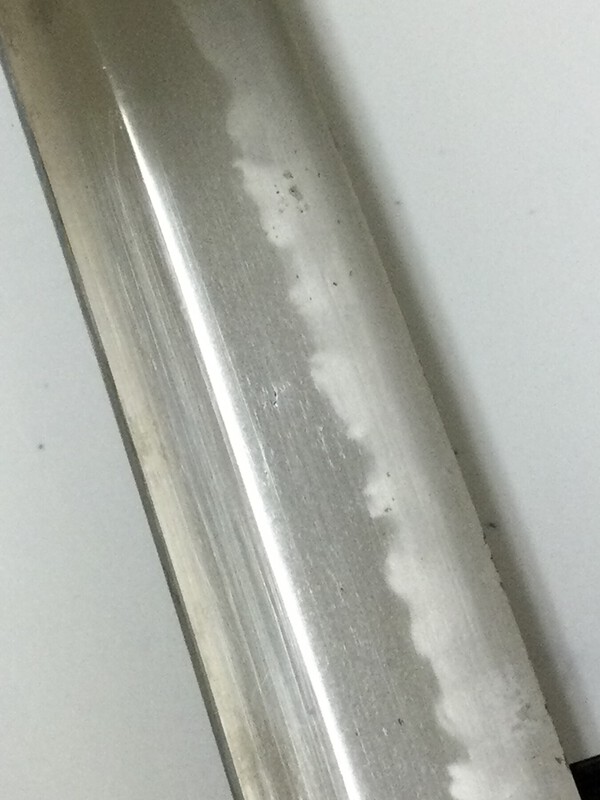
Mike: My Kanemoto mei is very similar to the one you are looking at. I've also included a pic of his typical hamon. I think the jury is still out re: oil vs water quenched. Mine looks mostly water quenched but one could argue oil quenched. I suspect he would be considered average for WWII smiths. John C.
-
Legit copper or very good fake?
John C replied to John C's topic in Auctions and Online Sales or Sellers
Winning bid was 3,001 dollars. John C. -
The stereograph pic is a street-side sword salesman during the Edo period. Just another possiblity for the disposition of collected swords. The pic is from a book called Photography in Japan found here (I apologize if this has been shared before): https://archive.org/details/photography-in-Japan-1853-1912-by-terry-bennett-z-lib.org The book has many pics of samurai who wanted a record of their kit prior to the Meiji restoration and ban on samurai/sword carrying. John C.

-
Emil: I have virtually the same sword but with even more difficult markings. At first glance, they looked like a punch and scratches. But on closer examination, they are triangular shaped (e.g., like a chisel) and appear to be the numbers 023. I suspect the assembly number would match numbers occasionally found on the wood scabbard insert. John C.

-
Legit copper or very good fake?
John C replied to John C's topic in Auctions and Online Sales or Sellers
Thanks for the replies. 1,700 is already beyond my reach but wanted to share in case others are interested. Was wondering why someone would donate it to Goodwill if it has been recorded (i.e., discovered in the wild already). John C. -
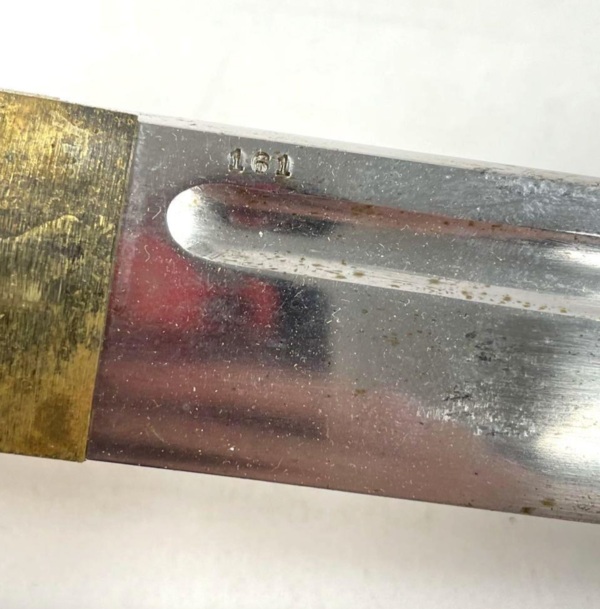
Not sure about this one. Looks good at a glance, however the details seem off (stamps are rough; chromed blade?, posibly repainted?). Already at 1,700. https://shopgoodwill.com/item/236264839 John C.
-
Steve: The left column should be the manufacturer (sorry, don't know the name), the middle column is the date (looks like Showa 17 [1943]), and the right column I believe is the size chu meaning medium. John C.