Brano
-
Posts
558 -
Joined
-
Last visited
-
Days Won
5
Content Type
Profiles
Forums
Events
Store
Downloads
Gallery
Everything posted by Brano
-
My experiment was primarily a test to see if the blade would degrade or not In fact, I apply uchiko (if used) 2-3 times a year My attempt corresponds to the application of 30-50 years equivalent and above all it is necessary to realize that it was much more unkind to the blade Steel slowly oxidizes over time (traditional oil is slightly acidic) and by applying uchiko you remove the surface oxide After a fresh polish, steel oxidizes faster, so someone recommends applying it more often over a period of several months I haven't oiled my blades in a while, and even when I did, I first completely removed the oil before applying the uchiko I repeat - it is essential to use high-quality uchiko and not press on the blade And you're absolutely right - using uchiko on a blade with a Kesho polish slowly removes/softens the hadori I don't say - use uchiko I'm just describing my own experience And you are always welcome Michael
-
I believe there are a few people here who know the difference between Kesho-togi and Sashikomi-togi And yes - I agree - uchiko is abrasive - just like uchigumori - and is just as fine or finer If you have ever been to a togi-shi workshop, then you have seen how he presses his thumb on the jizuya and how many times he repeats the movement on a certain surface And since you are a pragmatic person, you can easily compare the specific pressure when working togi-shi in comparison with using uchiko If you don't mind meeting other people, we can make an agreement and see each other sometime I can show you a Tanto on which a new sashikomi polish was made and then applied more than 100x uchiko in the course of one year (it was a kind of "test animal", because I also did not believe that uchiko would not damage the blade as my friend who is a togi-shi told me )
-
Uchiko - yes or no is a sensitive topic that is repeated here at regular intervals Despite the general opinion that uchiko is unnecessary, or even undesirable, I encounter its use both in Japan and outside of Japan It is always at the discretion and responsibility of the user From what I heard from a friend who is a togi-shi, the Tokugawa Art museum in Nagoya generally refuses to re-polish their blades and the only way to maintain the blade is uchiko If anyone passes by, visit this museum - there are always some blades on display, although often not many I generally agree with the recommendation not to use uchiko, as many of us don't have access to first class uchiko, and we also don't have the skill to use it properly. However, I disagree that using uchiko will destroy the polish on the blade
-
Books 1, 2, 15-2, 17-2, 20-2, 21-2, 22-2 and 53 sold There are 37 books left 3, 4, 5, 6, 7, 10 to 27 ( missing Vol. 14 part 2, Vol. 15 part 1 and 2, Vol. 16 part 2, Vol. 17 part 2, Vol. 20 part 2, Vol. 21 part 2, Vol. 22 part 2 ) Vol. 37, 45 Offer for 650 € + postage
-
I would say sugata is obvious Sakizori and I would go much later than Mid Kamakura BTW - works by Norimune are almost a unicorn Just one single Tokubetsu Juyo blade and a few JuBi/JuBun/Kokuho
-
Thanks Grey for the heads up But if I add postage, then I am close to the price of new books that I can buy at NBTHK
-
I am looking for Juyo Nado Zufu books: 46, 48, 55, 58 and all above
-
Last offer for 900 € + postage ( 20 €/ book )
-
I offer for 990 EUR + postage
-
 Back to this particular blade I bought the blade from a prominent Japanese collector who had it in his custody for over 50 years I know from him that he bought the blade in the late 60's with Tokubetsu Hozon papers and Taima attribute Then I found this blade in Kanto HibiSho and that helped clear up what happened In 1970, Dr.Homma sayagaki wrote Den Yukimitsu His private notes are as follows: normal mihaba and kissaki, high shinogi, noticeable hira-niku. The kitae is an itame that features ji-nie and prominent chikei. The hamon is a nie-laden suguha that is mixed with some notare, ko-midare, ashi, strongly sparkling ara-nie, many hotsure and sunagashi, and kinsuji, which tend to nagare. The bōshi is nie-laden as well, runs out as yakitsume, and displays some nijūba and hakikake. In terms of sugata and hamon, the blade would attribute to a top tier Yamato smith, but because of the so prominent chikei, also Yukimitsu (行光) comes to mind. In case the blade is indeed a Yamato work, there existed a tendency in the past to attribute such works to Taima (当麻), but signed works from this school, e.g., by Kuniyuki (国行), do not show that many hataraki in the jiba as seen here. The blade is certainly a meitō, and I would like to consider my attribution even more carefully at some point in the future In 1971, the blade was presented to Juyo Shinsa and passed Den Yukimitsu Subsequently, in 2004, it was presented to TJ Shinsa and the setsumei states the following: Keijō: shinogi-zukuri, iori-mune, relatively wide mihaba, high shinogi, due to the ō-suriage a shallow sori, chū-kissaki Kitae: overall excellently forged itame with nagare towards the ha and featuring plenty of ji-nie and much chikei Hamon: ko-nie-laden chū-suguha-chō with with a wide nioiguchi that tends slightly towards a gently undulating notare and that is mixed with gunome, hotsure, nijūba, kinsuji, and plenty of sunagashi Bōshi: sugu with hakikake and running out in yakitsume manner Nakago: ō-suriage, kirijiri, kiri-yasurime, two mekugi-ana, mumei " This blade is ō-suriage mumei and was handed down as a work of Yukimitsu. The kitae is an overall excellently forged itame with nagare towards the ha that features plenty of ji-nie and much chikei that are interwoven with the forging structure. The hamon is a ko-nie-laden chū-suguha-chō with a wide nioiguchi that tends slightly towards a gently undulating notare and that is mixed with a abundance of kinsuji and sunagashi. Thus, we clearly recognize the hand of one of the early Sōshū masters ( Soshu Joko no Saku ) and a direct attribution to Yukimitsu can be considered as appropriate. This masterwork is outstanding among all blades attributed to this smith, particularly when it comes to the quality of its exquisite forging. " It is really important to learn reading comprehension And even more important to have a perfect translation - here the work of Markus Sesko is invaluable Darcy Brockbank had some great posts here on " Den" and also "Soshu Joko no Saku" You can find some here:
 -
"Den" occurs much more often than many might think First of all, it is necessary to understand what Den actually means This topic has been here several times However, many still perceive it as something negative I hope this article by Robert Benson explaining Tanobe-sensei's interpretation will help Den - Tanobe point of view.pdf
-
If it helps, here are HiRes photos of the blade that is Den Soshu Yukimitsu https://eu.zonerama....ihonto/Album/8848611
-
I offer for sale Juyo Nado Zufu books (45 books in total) The set includes: Vol.1 to Vol. 27 ( missing Vol. 8, Vol. 9, Vol. 14 part 2, Vol. 15 part 1, Vol. 16 part 2 ) Vol. 37, 45, 53 Price for all 45 books ... 1.200 EUR Plus postage SEPA or PP payment (+ PP fee or payment to a friend) Sent from Slovakia
-
Juyo Koto by the numbers. (Sort of)
Brano replied to Mushin's topic in General Nihonto Related Discussion
For example, Ken by Mitsutada is a TokuJu and also a JuBun -
Juyo Koto by the numbers. (Sort of)
Brano replied to Mushin's topic in General Nihonto Related Discussion
I sincerely appreciate your effort, but checking random items I have to say that your numbers are not accurate Norishige has less than 120 Juyo blades and Go Yoshihiro almost 40 -
Interesting idea and I would definitely support it The question is whether it is just an initial idea or a real project in the organizing stage
-
I think there are excellent blades among some of the members here The problem is that people are not willing to share their treasures with others
-
I can't read Japanese either And I have all editions of TokuJu Nado Zufu I use the translator on my phone or ask Markus Sesko to translate some setsumei if it's very important to me From my point of view, it is primarily a certain form of education Have access to high-quality photos of blades rated by Shinsa as the best of the best Some TokuJu are as good as JuBun blades or Kokuho
-
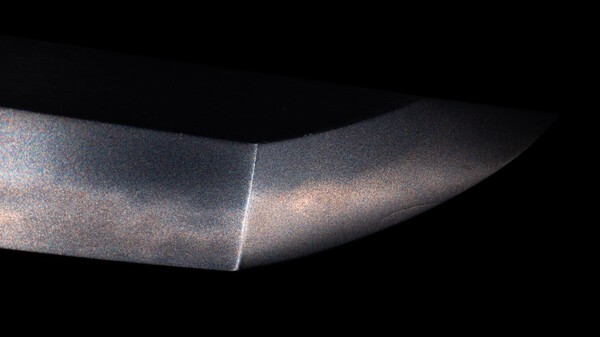
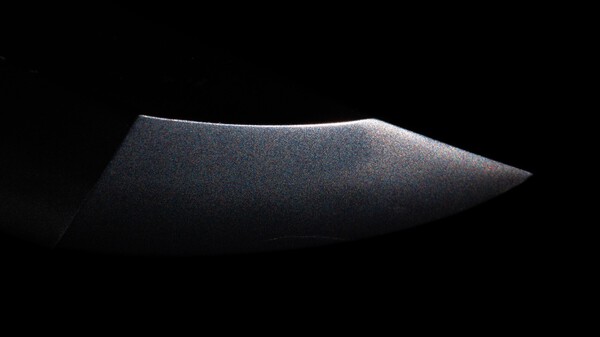
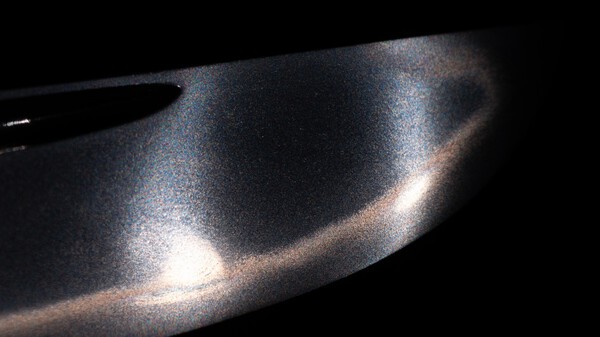
A macro lens is a necessity for another reason as well A normal lens has too long a minimum focusing distance Thanks to the macro lens, you are able to take sharp photos from a significantly smaller distance I mainly use macro lens Sigma 180mm and 70mm The disadvantage of a macro lens is a very small depth of field at lower apertures From my personal experience, I need to shoot at F9 and more when shooting vertically or F14 and more when shooting at an angle
-
Somehow I don't understand how it is possible that no one is interested in the Tokubetsu Juyo Nado Zufu set Especially at such a ridiculously low price Just for comparison - I spent 55k Yen for the TokuJu 24 alone, which at the time of purchase was more than Jussi is asking for the whole set of 9 pieces (almost 400 excellent photos of the best blades that can be bought). ... the price of one average insignificant tsuba
-
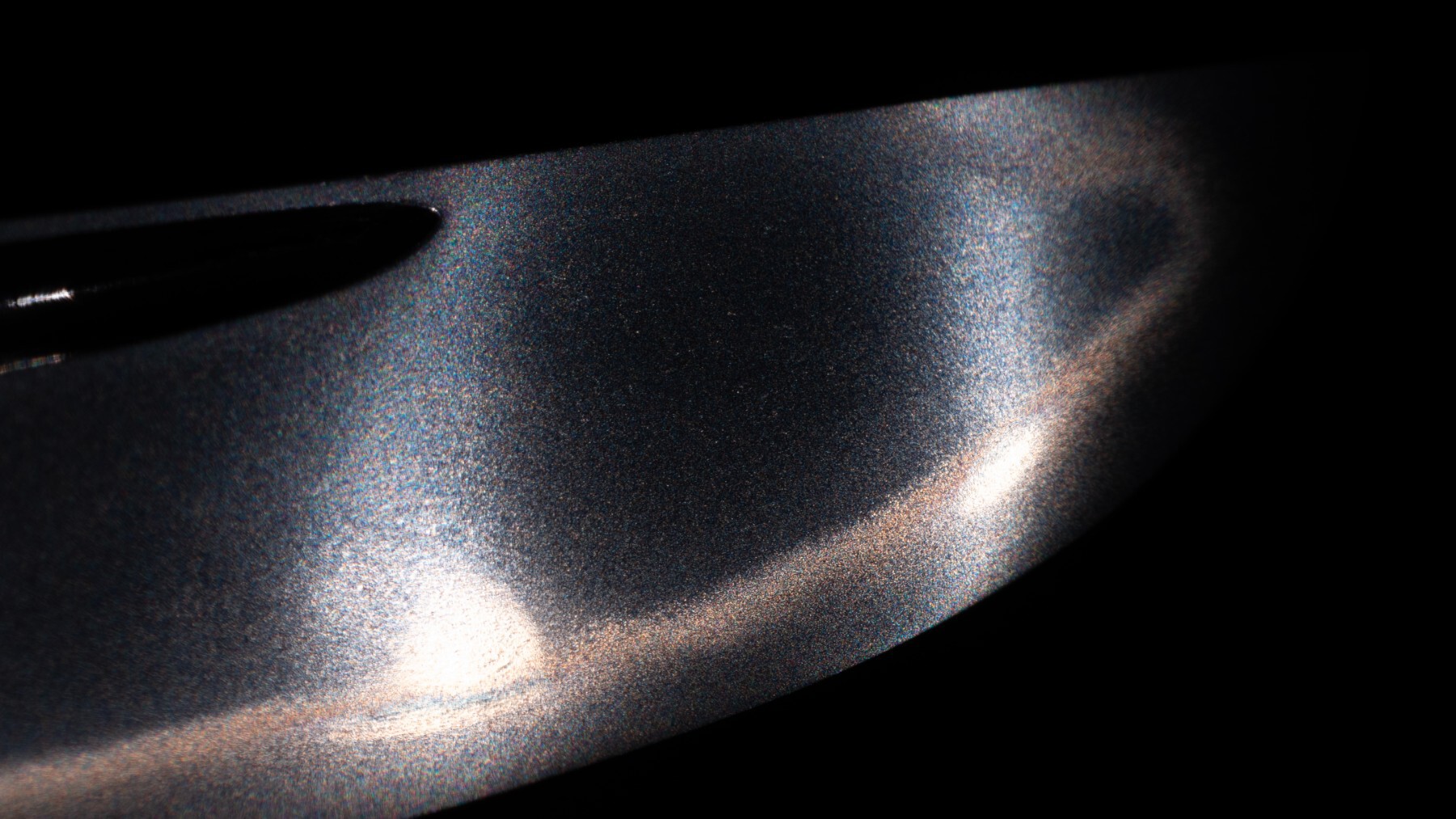
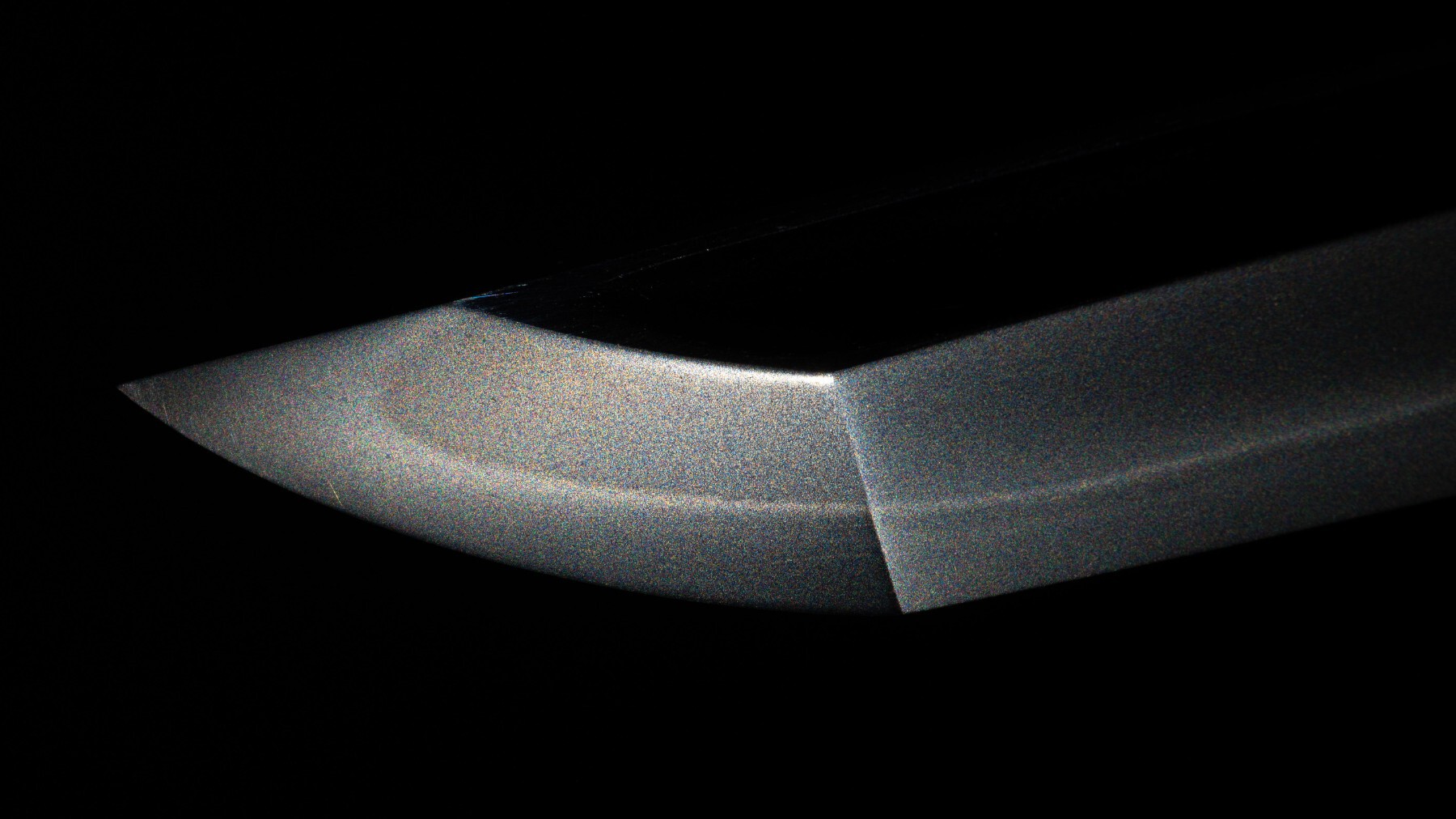
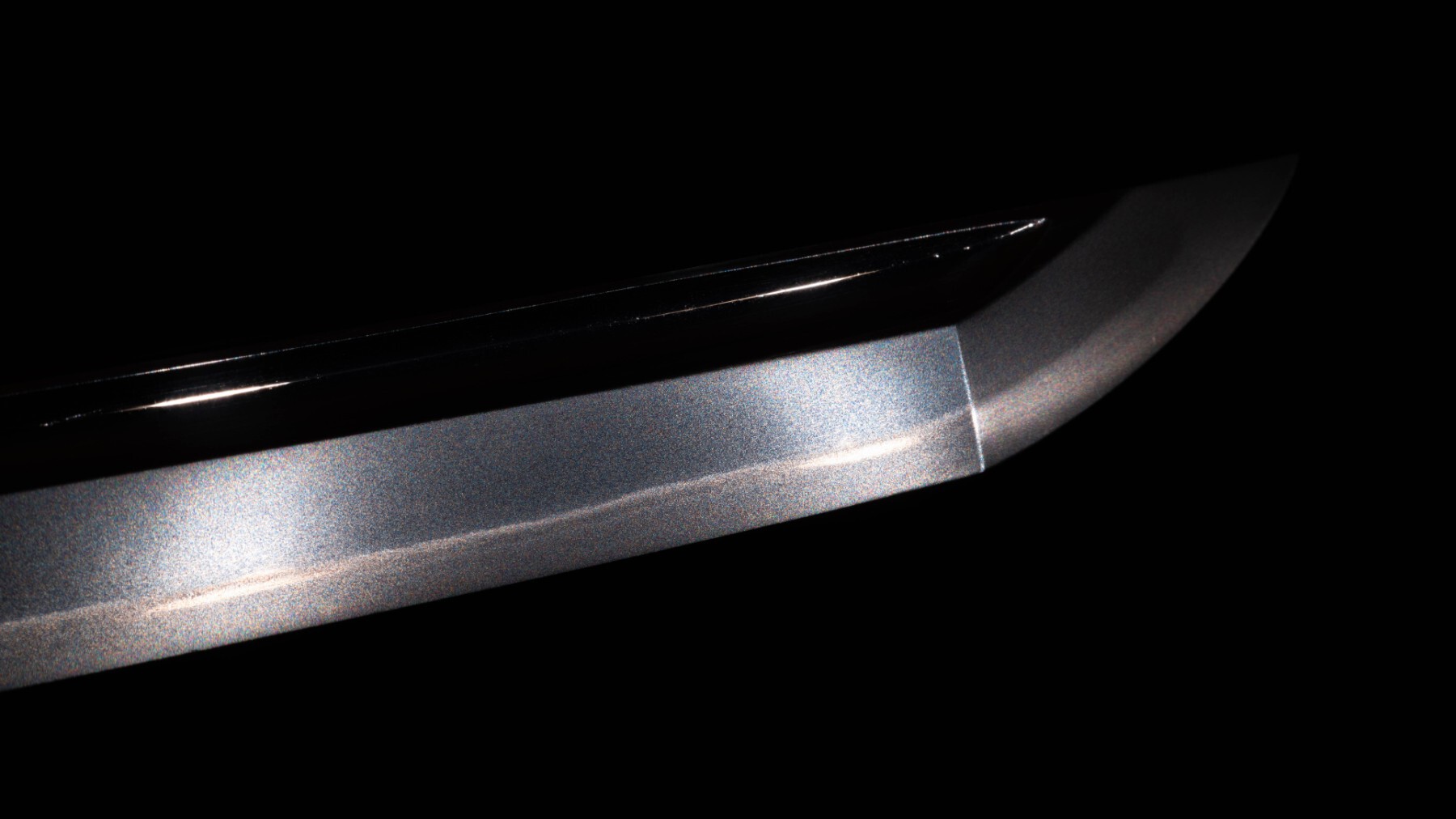
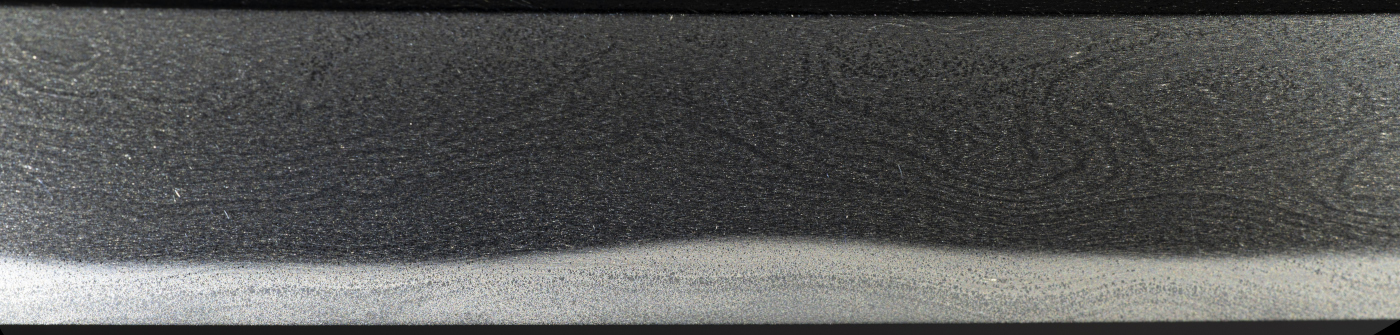
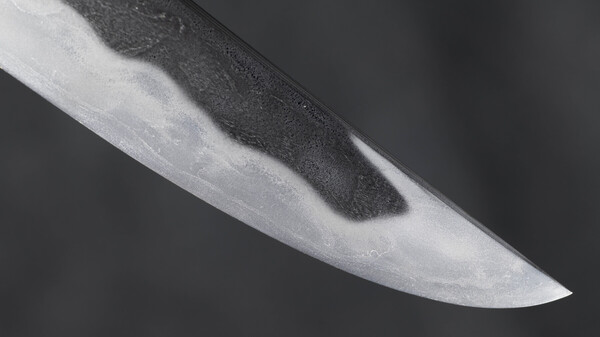
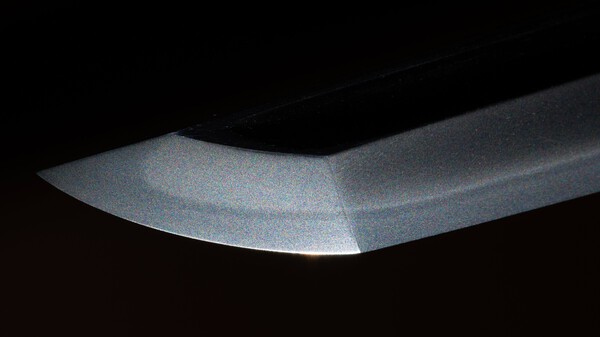
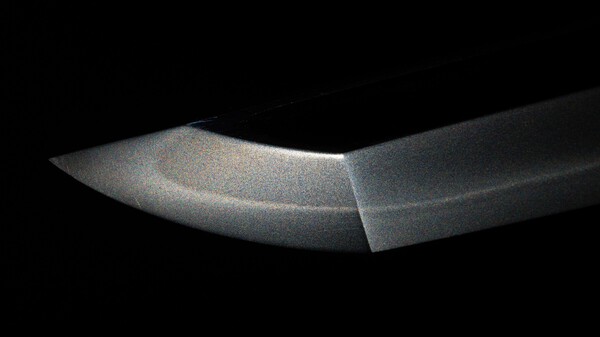
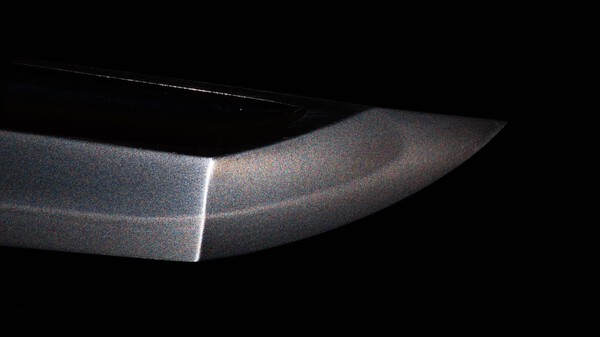
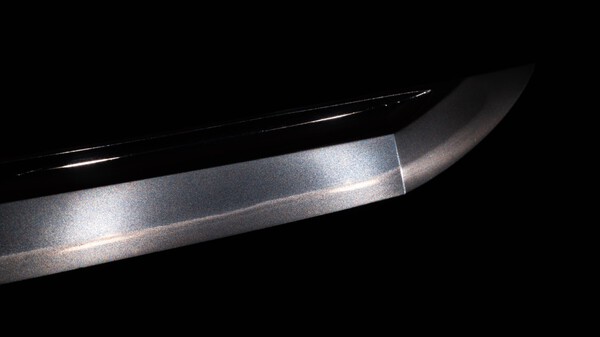
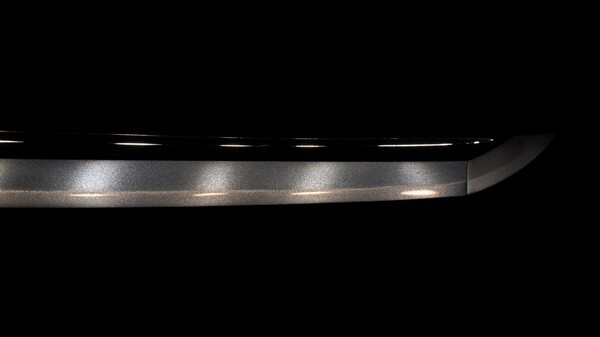
The topic of how to take pictures of blades is repeated here regularly Above all, it requires the right equipment for photography and PATIENCE Maybe some will not agree with me, but forget about the camera in your mobile phone You shoot in "bad" lighting conditions (longer shutter speed), you need to capture very fine details (low ISO) I recommend a dark room to minimize reflexion from the surroundings What you need: a tripod, a camera with full manual control (focusing, ISO setting, aperture, shutter speed, white balance ...), ideally a high-quality macro lens of at least 70mm (I use 180mm), a remote shutter release is a good aid against camera shake For photographing from the top, I use two flat LED light sources (left and right) if I want to photograph the blade without reflection ( I couldn't find a way to insert photos between the text, so the photos will be at the end ) However, you can also use a spot light and even by slightly changing the position of the light (its reflection from the surface of the blade) you will achieve different photo results Different light sources (LED, halogen, classic light bulb, warm LED, cold LED...) achieve different results Likewise, the distance of the light source from the blade changes the result of the photo So experiment and what suits you best Several spotlights for shooting at an angle The same applies to choosing a light source as I wrote above (type of light, light temperature, distance from the blade...) And then achieving the "correct position" of the blade is sometimes a difficult task You have two options: move the lights and camera, or the blade Sometimes a change of position of only a few millimeters is necessary to achieve the correct reflection of the martensitic structures The hardest part is taking the first few good photos Then you will only get better But it requires PATIENCE
-
Nr.9 Showa Dai Meito Zufu is sold
-
Nr.12 Nihonto Zuikan sold
-
Reduced prices on the following books: Nr.4 All volumes of ancient and modern inscriptions ... 110 EUR 80 EUR Nr.9 Showa Dai Meito Zufu - book bidding is cut off ( 2 books ) ... 80 EUR 40 EUR Nr.12 Nihonto Zuikan Koto + Shinto ... 650 EUR 500 EUR Plus shipping cost Price + PP fee
-
Reduced prices on the following books: 1. Special exhibition - The Japanese sword: 130 EUR 100 EUR Iron Craftsmanship and the Warrior Spirit, TNM, 1997, Softbound A4, 356 pages 2. Gorgeous Japanese sword Bizen Ichimonji 70 EUR 50 EUR Sano Art Museum 2008, Hardbound A4, 164 pages 4. Kotetsu and Kiyomaro 80 EUR 60 EUR Sano Art Museum 2006, Hardbound A4, 160 pages 6. Supreme sword country – Bizen 70 EUR 50 EUR Sano Art Museum 2015, Hardbound A4, 186 pages 8. Bizan Aito Zufu, 1958, Hardbound B4, 256 pages 240 EUR 200 EUR 9. Meito Shubi, Junji Homma 1948, Hardbound B4 180 EUR 140 EUR 10. List of swords – Imperial family/ Shogun/Daimyo family 260 EUR 200 EUR Suiken Fukunaga 2020, Hardbound B5, 410 pages 12. Index of Juyo Nado zufu: Koto I-III, Shinto I 80 EUR 50 EUR NBTHK 1985, Softbound B5 14. Tokubetsu Juyo Nado Zufu vol.1 to vol.8 ( set of 8 books ) 650 EUR 500 EUR Plus shipping cost Price + PP fee