Marius
-
Posts
3,200 -
Joined
-
Last visited
-
Days Won
26
Content Type
Profiles
Forums
Events
Store
Downloads
Gallery
Everything posted by Marius
-
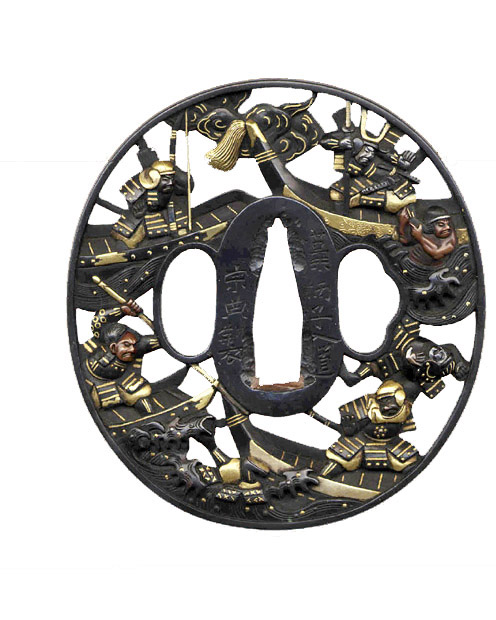
Marcello, the first tsuba is very very nice. It may be early Edo, it may be later, but it is nice. The second... looks like late Owari sukashi. The motif is ginger and wild geese. Hard to tell from photos, but the patina seems OK (do not ask about its age, though) but... The lighter colour of the seppa-dai and the shining sekigane indicate some attempt at cleaning, during which red rust has been exposed and possibly patina stripped. Looks like an unfinished job. Nice tsuba, but affected by this "cleaning". Now, this is just an opinion based on pictures. I might be totally wrong.
-
Marcello, be warned. I started with swords, but I have since sold off most of them to feed my lust for old soft metal tsuba (irogane ko-tsuba).
-
Got the same impression, hence my question about the thickness. Pics can be deceiving...
-
Marcello, Nice tsuba, congratulations :D How thick is it in the openings?
-
Sound advice and you should listen to it.
-
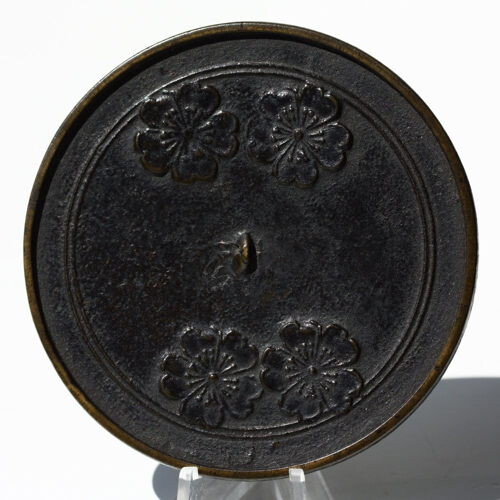
OK, here are two more, plus the mon of the Isawa family...


-
I have dug out a picture of a good quality Soten (don't know if this is the real McCoy, though). Jacques has posted it here ages ago.

-
Eric, here we go...
-
 I would never purchase anything (not only a nihonto) with such low-res pictures. Jason, I don't think it makes much sense to post such items - the pics simply do not disclose enough.
 -
Ian and All, your kind help is very appreciated. I cannot stop being amazed how such knowledgeable people are willing to share knowledge they have gained over many years with newbies. This post has another positive aspect - while I am a tsuba enthusiast with interest for nihonto and its historic fittings, I have never really gained any knowledge about katchu. This will now change :-) Many many thanks, also on behalf of my friend.
-
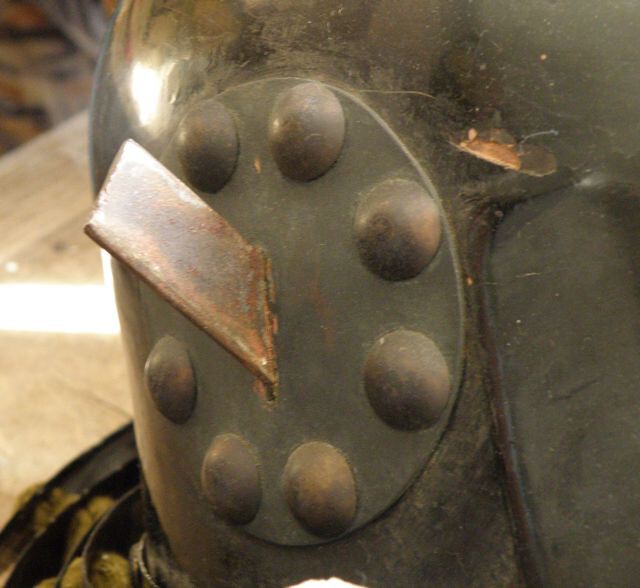
and... another picture. It is like pulling teeth :lol:
-
Based on the composition and style - very late Soten style tsuba.
-
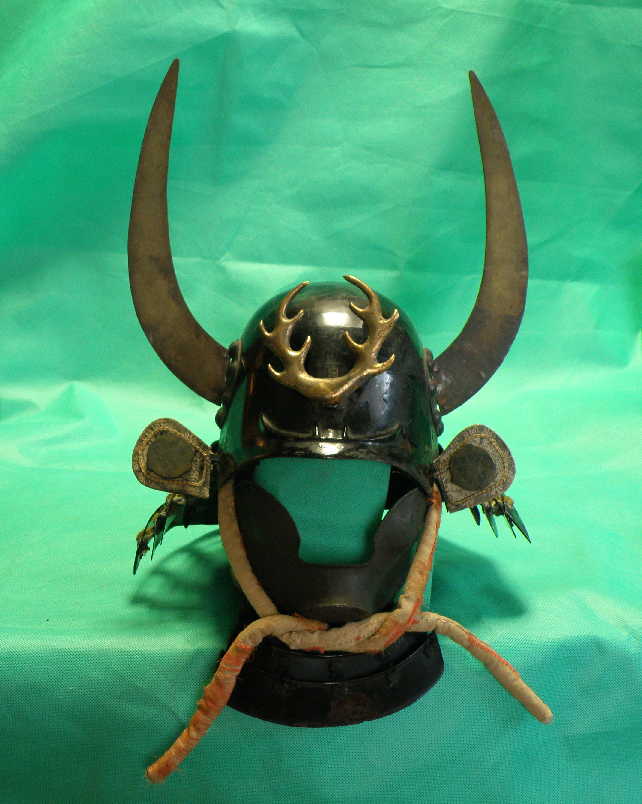
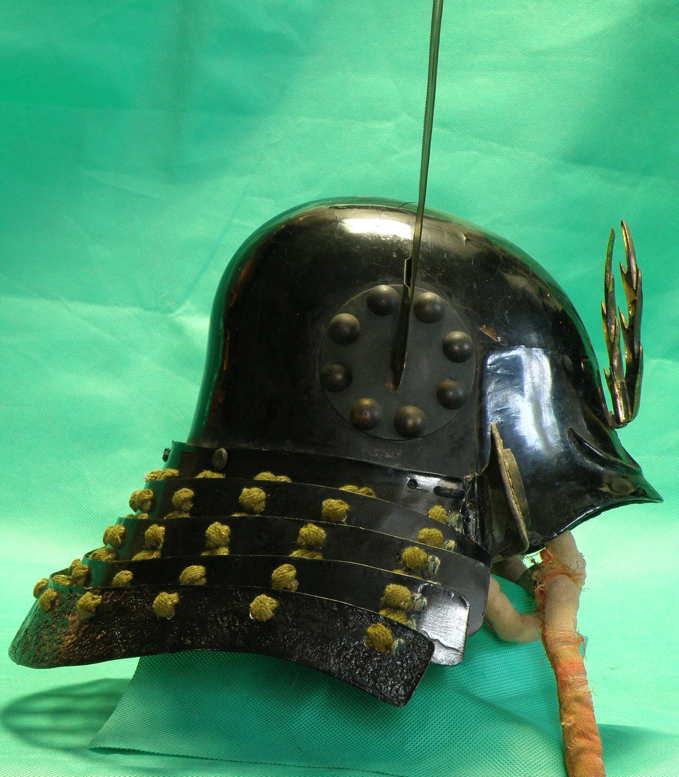
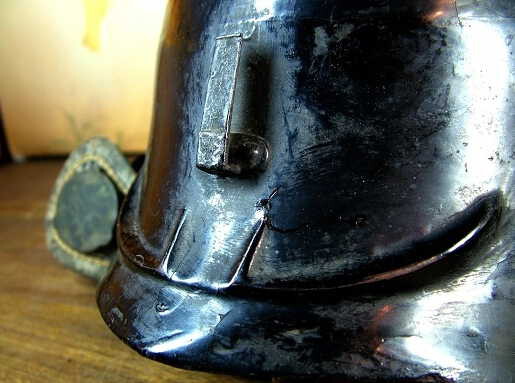
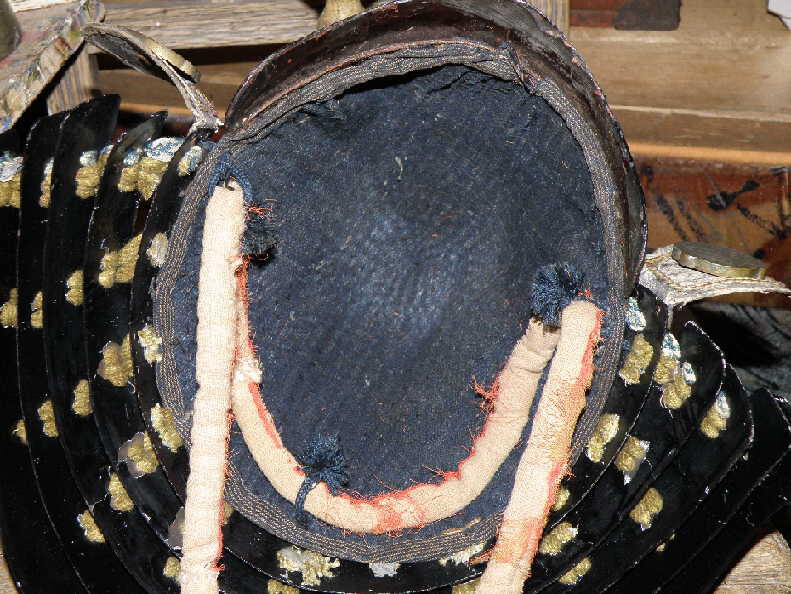
Gosh, my friend is producing these pics rather slowly I will post them as they come. Apologies Here is one of one of the wakidate. I know nothing about Japanese armour (I need to buy Ian's book first) but this looks too clumsy for any kind of Japanese work..

-
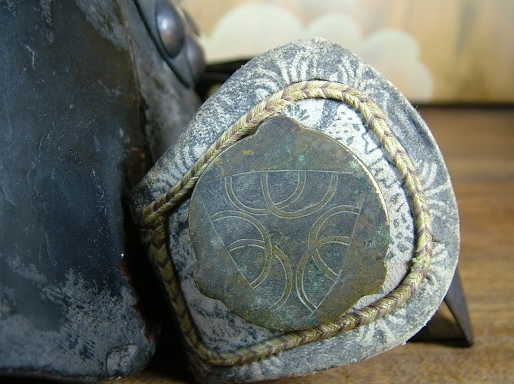
OK, here is what I have got from my friend: "The original urusi was dark brown, and the brows are in this colour. Fukigaeshi are covered with leather and fringed with a cord. The ka-mon of three hats (?) are engraved. Wakidate can be removed. They are made of thin plate, look like they have never been restored." I'll try to get some close ups from him.... Thanks again :-)
-
Eric, many thanks for your help Since I am posting this on behalf of a friend, I have to relay your questions to him. I will be back with answers soon. An many, many thanks to Ian for his valuable input. Thank you so much Ian
-
OK, attached is another pic of the kabuto.

-
Just picked up my wakizashi.... (EDIT - resized pics now)
Marius replied to gtstcactus's topic in Nihonto
Jason, what is most important is your approach :-) I guess nobody can follow the sound advice not to buy anything before having gained some knowledge. I would refrain from further purchases until you have seen much more and learned much more. One day, you'll look at this sword and say: "*****************" and you might still like it, because it was one of the early purchases. A sounder approach would be, however, selling that one above your purchase cost and saving for a good sword. Now, a good sword does not have to expensive, though it does not come cheap. Look at this one (one of many): http://www.ksky.ne.jp/~sumie99/sword16.html It is o-suriage, hence cheap. Still, a solid koto. One of many. -
Just picked up my wakizashi.... (EDIT - resized pics now)
Marius replied to gtstcactus's topic in Nihonto
OK, it is hard to describe, but you might want to compare old patina with "new patina", be it on a nakago or tsuba. True patina is like porn, tough to define, but you recognise it when you see it. Try to compare your sword's nakago with that of a good sword. Spot the difference. You need to see some good swords, with good nakago. Good nakago has yasurime, even if it is quite old. Yours does not and there is a reason for this... BTW, the nakago should not smell at all. Another hint: think how much you have paid for it. I dare say it was not exactly expensive. Think of the possible reasons why: 1. The sword is pretty average 2. The sword is saiha 3. The nakago has been repatinated for whatever reason 4. The sword is tired 5. The sword is otherwise flawed Just trying to tell you that buying nihonto is not that easy. One of my first swords had a hagire, thank goodness I have managed to spot it and return the sword. Another one I gave stupidly to a "polisher" who ruined it by polishing it down and who produced a fake hamon. It still hurts, but I had no NMB back then. -
The only pic I have got at the moment.... Doesn't disclose much, does it.

-
Morita-san, Arigato gozaimasu
-
Just picked up my wakizashi.... (EDIT - resized pics now)
Marius replied to gtstcactus's topic in Nihonto
Have a look at the patina. There are several tell-tale signs... Is it "dry"? What is the colour? Does the tang smell in any way? Are there any pittings? Other signs would include mizukage, but this is not always proof of re-tempering... The best thing would be to ask the polisher, anyway :-) -
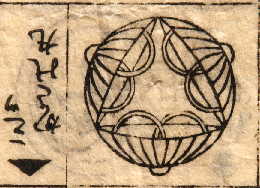
Dear All, this is clearly beyond my modest abilities... This tag was attached to a kabuto. I suppose it is a dealer's inventory tag, but I would be grateful for your help. Thank you for your time

-
Just picked up my wakizashi.... (EDIT - resized pics now)
Marius replied to gtstcactus's topic in Nihonto
OK, based on your pics only... I might be wrong, so take this with a grain of salt: 1. Tang looks like it was burnt at some time, do I see fire-scale here? 2. Yakiba is unusually broad 3. Hamon slides down before thehamachi, and the notare is somewhat unusual Conclusion: this might be a retempered blade (saiha) -
It is a badly battered blade. It has probably been buffed in the past. Here are blade shapes: http://www.ksky.ne.jp/~sumie99/styles.html
-
The seller says "tosho", not "ko-tosho". That would explain the price. It would be nice to know what the hakogaki says...