Gakusee
-
Posts
1,962 -
Joined
-
Last visited
-
Days Won
22



.thumb.jpg.77d8b8ceaccc15be659eed179b42bff3.jpg)




Gakusee's Achievements






-
Look up Mike Hickman Smith elsewhere in this forum.
-
 That is good, thanks. Don’t see the real point of copying the entire description from the website but omitting the price. Here we are transparent.
 -
If this gusoku is for sale, should it not have the asking price?
-
Great, thanks, Piers
-
Thanks, Piers So, samurai calibre is 1.8cm+ bore?
-
What is a samurai calibre? To me that looks like it can kill
-


-


-


-
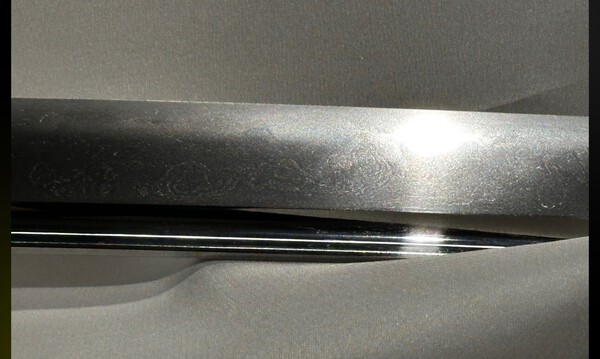
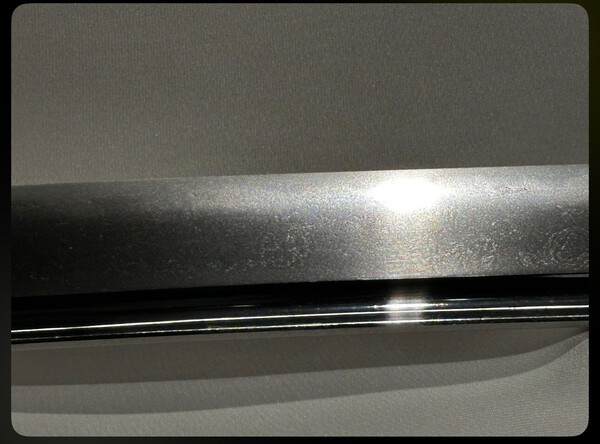
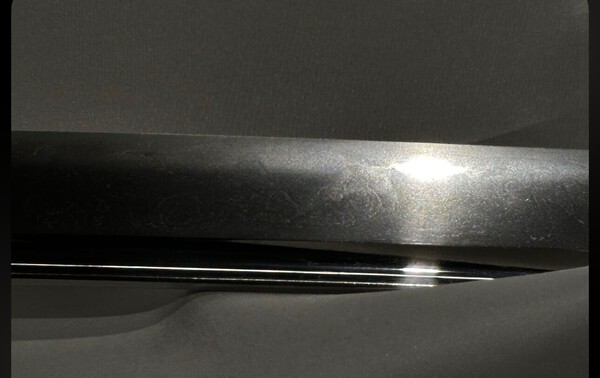
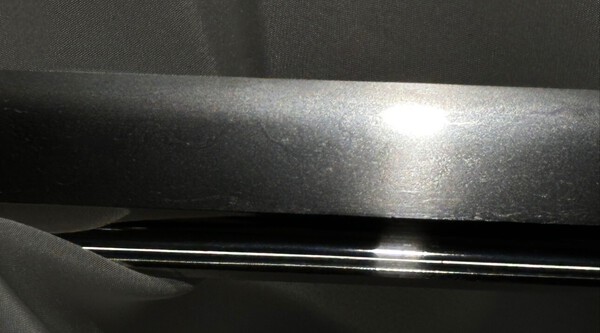
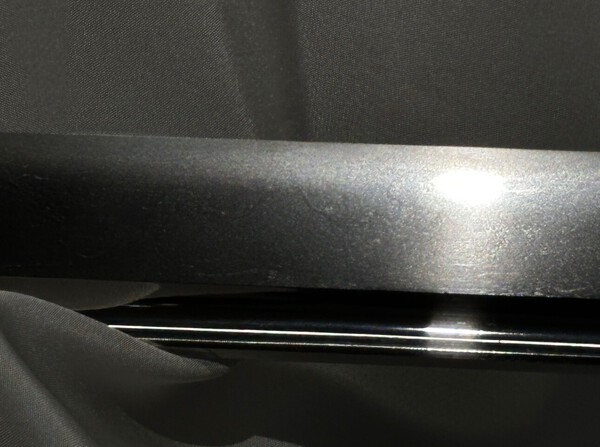
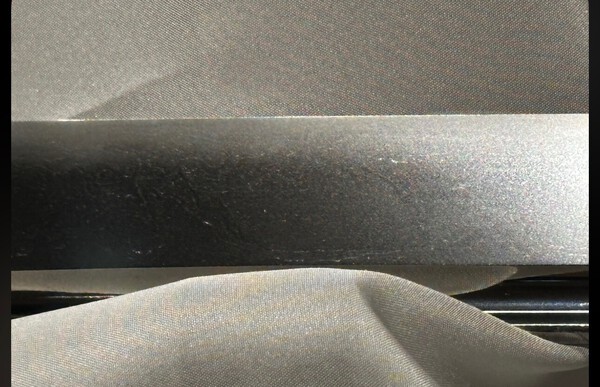
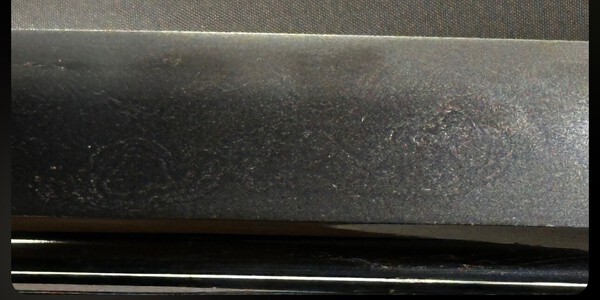
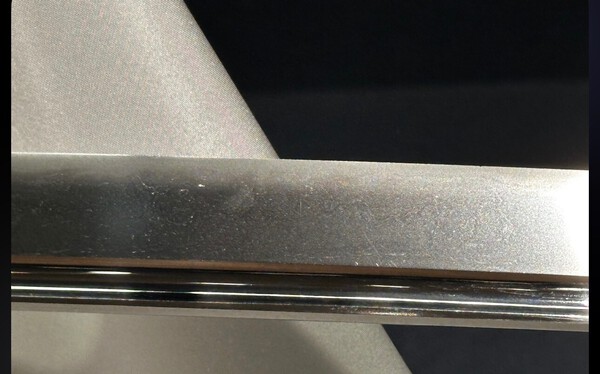
some more




-
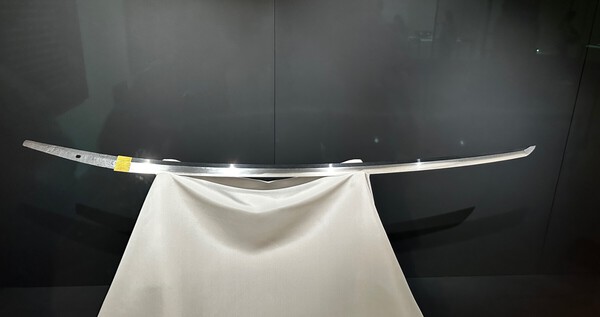
The Musashi Masamune has strong points and weak areas. It is not all exceptional. Having said that, I liked it more when I saw it in April versus a few years ago when I was rather unimpressed with it.
-
Sa Yoshisada versus Den Iwato Ichimonji
Gakusee replied to Elias6677's topic in General Nihonto Related Discussion
I mistyped - you are absolutely right. I was thinking Katayama. Norifusa is the founder of Katayama Thanks for pointing the silly mistake out! -
Sa Yoshisada versus Den Iwato Ichimonji
Gakusee replied to Elias6677's topic in General Nihonto Related Discussion
Utrecht is a no brainer for people in the DACH and BeNeLux regions. Even if you don’t buy, the social element and window shopping justify the expense. And it is also a great experience for the beginning collector in terms of viewing, handling and establishing useful contacts in the community. One does not need to stay at the expensive Karl hotel arranged by the organisers as there are a few budget-friendly and sensible hotels within 10-15 min walk. For a true top-level experience, the DTI is unparallelled worldwide. And given the FX, I think it is a very sensible buying proposition if one is brave enough to carry their blades across borders and sort out taxes and tariffs. It is all about having the appropriate documentation and being eloquent, clear and detailed in one’s written and verbal explanations to officials. It is surmountable, at least for Europe, while the US recent executive orders and legislation have made it trickier. Brano is right: without the correct introductions and relationship building, one might see some great blades at a dealer, among the ordinary, but not a full line-up. That takes years of relationship investment. Furthermore, dealers like “testing” you and ascertaining where a visitor is in terms of knowledge, experience and collecting interests. And in any case, people who go to the DTI, go to Japan for at least a week and combine that with visits to dealers, museums and of course the expo itself. So, abundant learning experiences apart from the DTI itself. Here the OP is not just any beginner but someone who feels ready to deploy substantial capital to start up. Therefore a person like that will benefit immediately from exposure to top blades in order to differentiate average from top from substandard. That is not to say that one should buy [only] at the top, but at least be able to appreciate and discern among the diversity of offers. Going back to the blades, I don’t think the OP will find a suitable quality blade in Europe to the Iwato (which it think is the superior of the two due to health, hamon, relative prestige of the school etc etc) at a similar price. I think the European dealers will price a blade like that at least at a 20% premium. My first Ichimonji experience was with Yoshioka and I ended up with two such blades with excellent hamon, Utsuri and jigane. Then I had the pleasure of owning a zaimei Norifusa, which I warmly recommend as an underpriced /undervalued alternative to top Fukuoka. In fact, Norifusa is a Fukuoka Ichimonji smith who migrated to Katayama and set up a new branch of the Ichimonji but he still is a Fukuoka smith, who combines the finest jigane of all Ichimonji (in my view) with flamboyant Fukuoka hamon. If, however, the OP likes Nambokucho grandeur, then I would recommend he consider the more mature Katayama Ichimonji (large Naginata style, boisterous saka choji hamon) within the Ichimonji school. Of course, Sa remains an alternative but there are better alternatives (sorry Mushin) in Katayama Ichi, Chogi, Kanemitsu etc. -
Sa Yoshisada versus Den Iwato Ichimonji
Gakusee replied to Elias6677's topic in General Nihonto Related Discussion
As others have said, you need to determine your aesthetic preferences first and then also fine tune your technical knowledge. I would not be too harsh on you here as both swords have similarish notate hamon outline (at least the Kesho outline) but Ichimonji has more choji and slanting gunome. That aside, it is clear to me you like robust-looking (both have very similar moto/sakihaba) older swords (14 century Koto). Look at how healthy the Iwato is. It is 50% heavier for only 10% more length. Also look at the jigane. While the setsumei (narrative) of the Juyo certificate of the Sa comments about it being kenzen (well preserved and healthy), I would say the Iwato seems healthier and also the jigane is tighter. The koshirae are both average (at best) typical Aoi add-ons, adduced by Aoi to make the “packages” more attractive to a foreigner. Don’t be skewed by them. Utrecht is helpful but don’t expect heaven and earth. After all, it is only 8-9 dealers. And if you can, visit Utrecht, visit collectors, go to the DTI. The latter is the real eye opener as that is where you see the top quality which Utrecht cannot give you (you will see JuBi and if you are lucky the occasional JuBu, lots of TokuJu and countless Juyo). Tune your eye and understanding. -
True value of this Katana
Gakusee replied to Elias6677's topic in General Nihonto Related Discussion
When the sword was initially procured and priced, the FX rate ¥/$ was close to 100. So, you were looking at c.$25k back then. Currently the FX rate is closer to 160, which means the $25k would be nearly ¥4m. Furthermore, the Japanese dealers in the last couple of years overcompensated for the yen depreciation somewhat. While previously they used to think purely in yen, as their inflation has been next to 0% for decades, lately they started mentally converting to $ and pricing accordingly, as the sword market internationalised in the last 10-15 years beyond recognition. I remember decent TJ perhaps 8-10 years ago was in the ¥14-15m range, then that became ¥17-18m, now you are looking at ¥20m+. A famous dealer complained to me a few weeks ago about former customers also demanding extremely high prices from him for the swords he had sold to them years ago (but that is a different story for another day…). So, the maths for this sword: You add to the aforesaid ¥4m (the historic price) then the ¥0.75m-¥1m koshirae, the cost of the polish, the fact that the seller probably wants some return to his investment and you get to ¥5m. The sword is rather nice, albeit not my cup of tea. But indeed in the last 15 years the floodgates of information and access have opened, so one naturally has a lot of choice. Just go to Chris’s Nihontowatch website and see what AI has enabled in the last few months. He has put a tonne of valuable (and monetarily rather expensive) information in there - for now for the benefit of people. But such access and info should really be premium….. One important thing: buy what you like and resonates with you emotionally and do not get swayed by people’s likes and dislikes in Sa or Nanbokucho shapes, or more/less nie etc. And measure and weigh carefully options, opinions, facts.