Jump to content

matthewbrice

Dealers
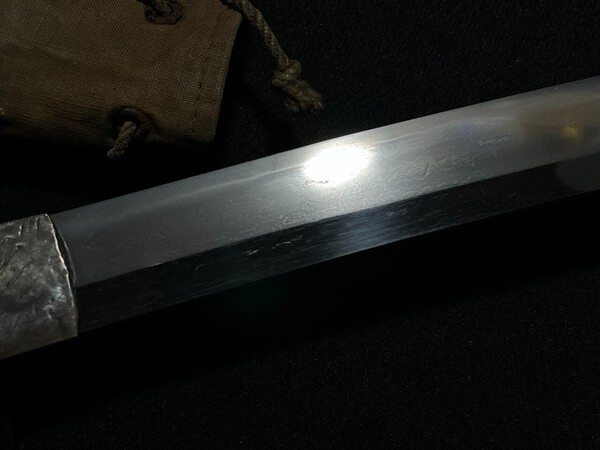
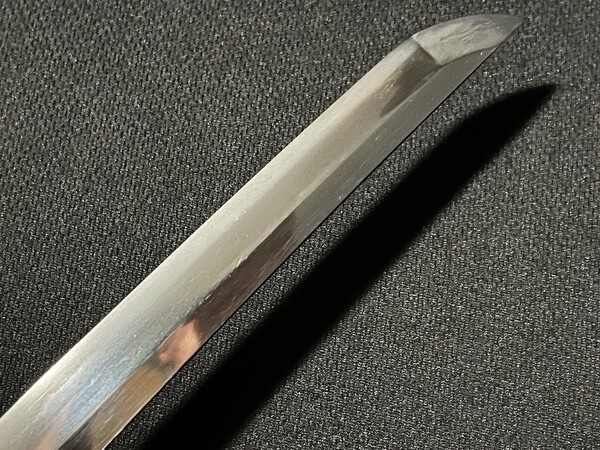
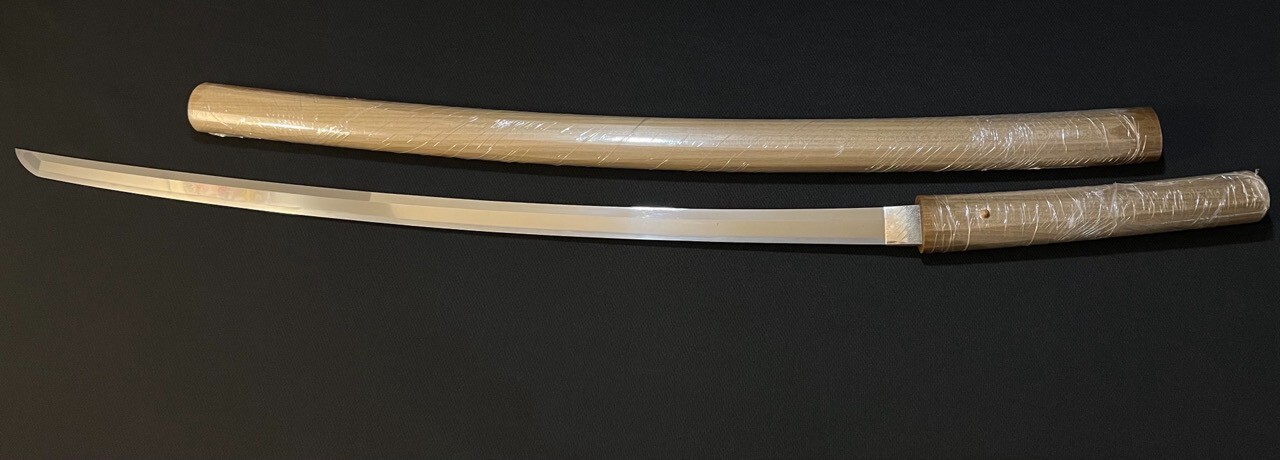
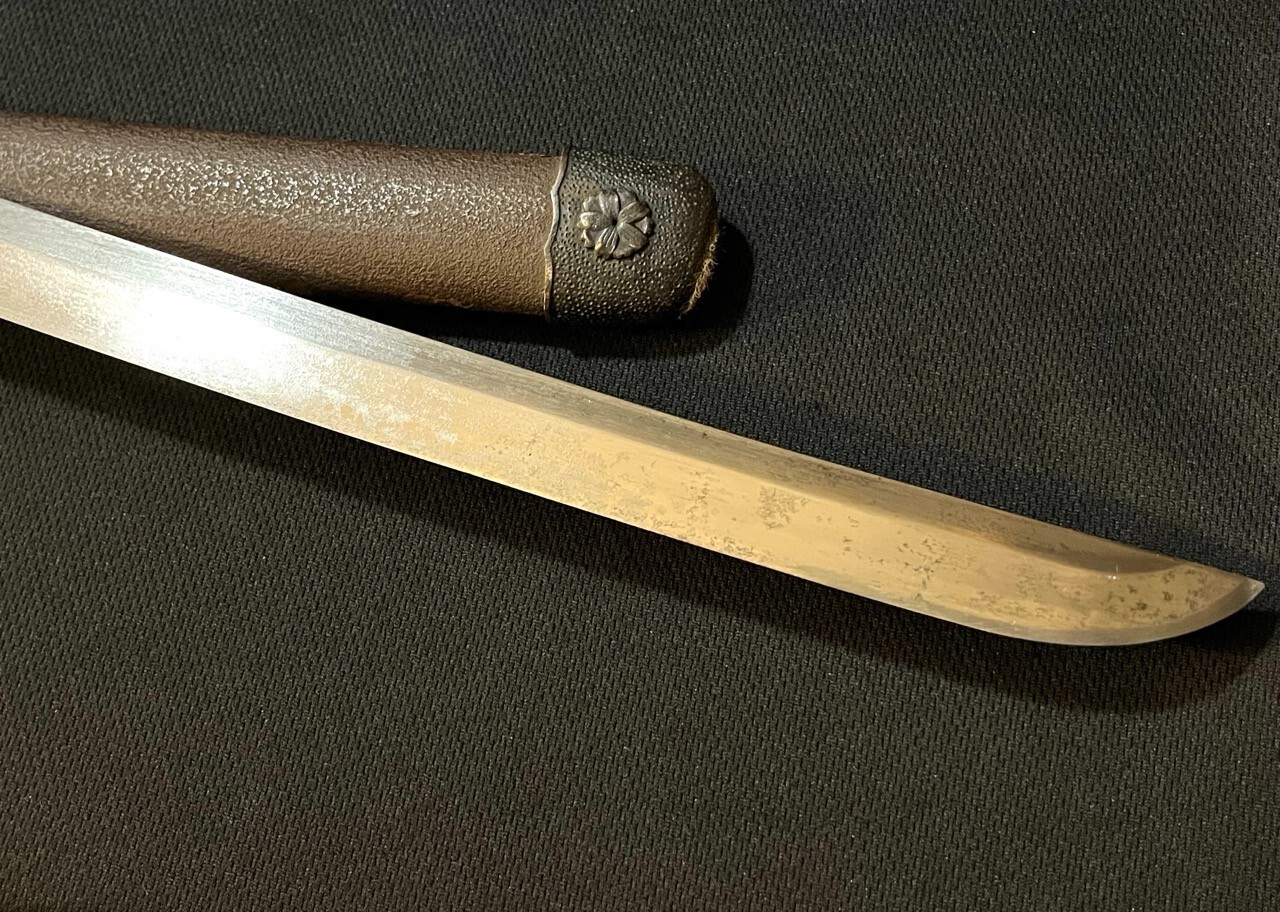
  • Posts

    479
  • Joined

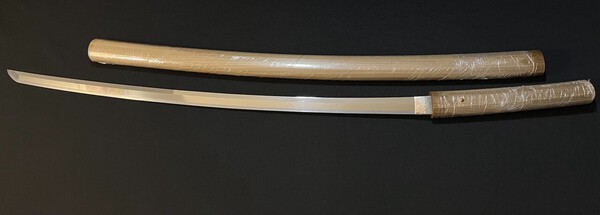
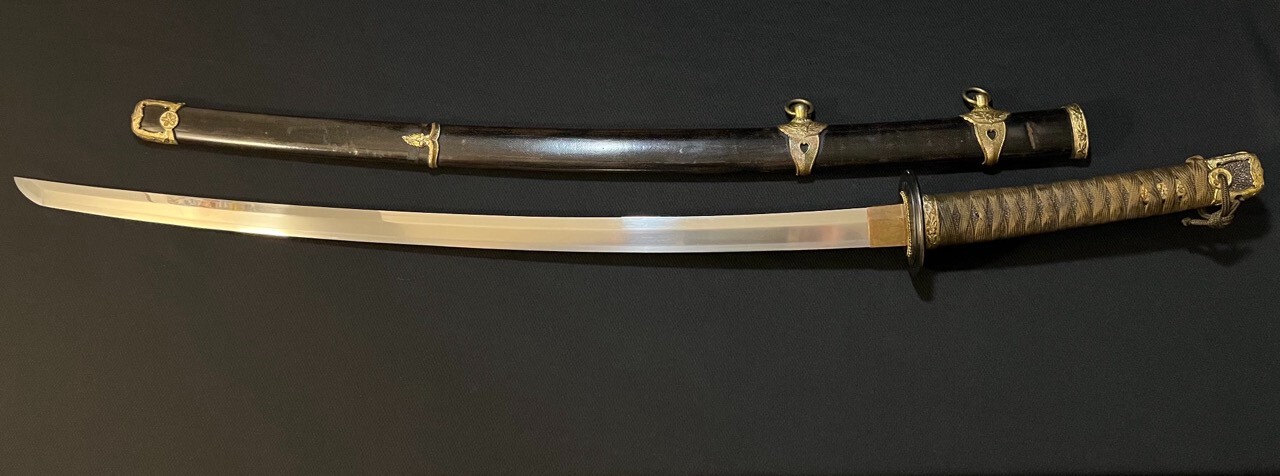
  • Last visited

2 Followers

About matthewbrice

Contact Methods

  • Website URL
    www.StCroixBlades.com

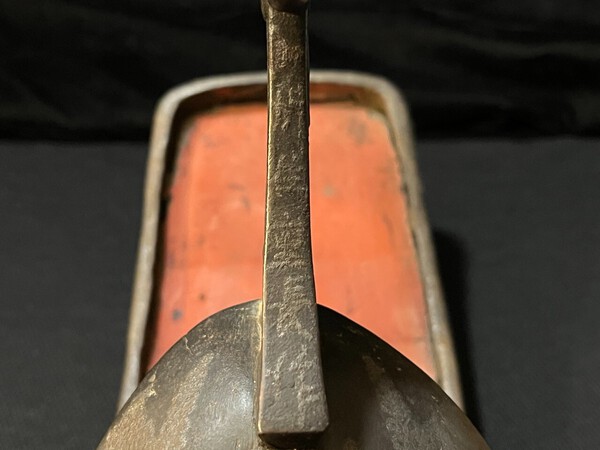
Profile Information

  • Gender
    Not Telling
  • Location:
    United States

Profile Fields

  • Name
    Matthew B

Recent Profile Visitors

The recent visitors block is disabled and is not being shown to other users.

matthewbrice's Achievements

Samurai

Samurai (10/14)

  • Reacting Well
  • Very Popular Rare
  • Conversation Starter
  • Dedicated
  • Week One Done

Recent Badges

316

Reputation

  1. This sword to be formally listed online shortly. Let me know if a nmb member would like to inquire about this sword before that. --Matthew Brice St. Croix Blades
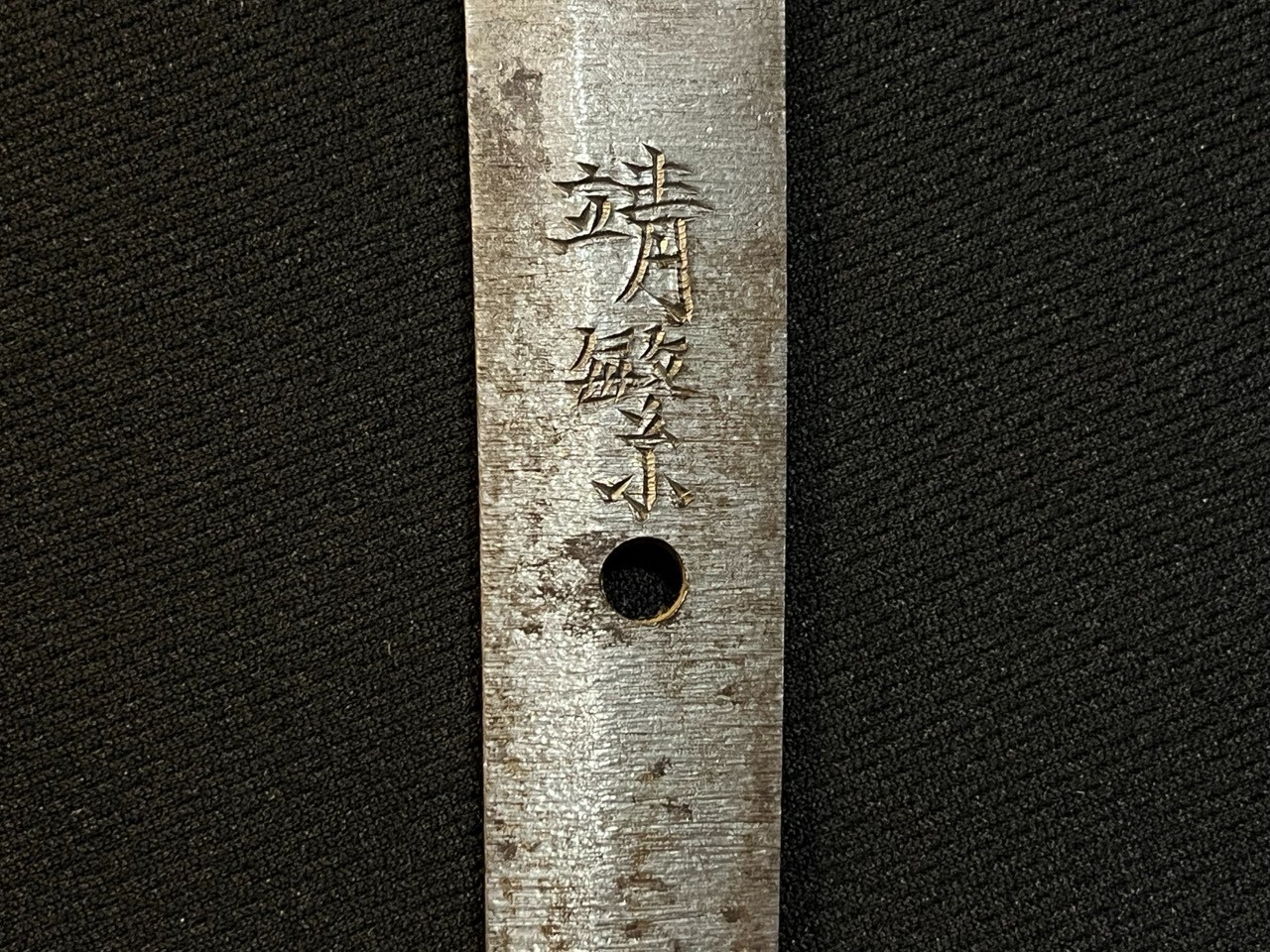
  2. I read the signature as Ueno no Kami Fujiwara Kunitsune. He worked during the Kan'ei period (1624-1644 A.D.). The NBTHK paper was issued February 8th, 2002. The nagasa is 68.8 cm, or 27.1 inches. --Matthew Brice StCroixBlades.com
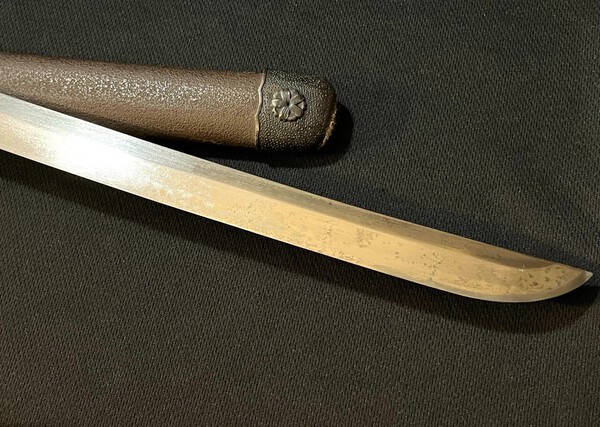
  3. Hello Tim and Colin. I don't know whom it was gifted to, and by which Emperor--though, it would have been gifted by either Emperor Meiji, Emperior Taisho, or Emperor Showa (Hirohito)). With the 16-petal chrysanthemums and 3-5-3 kiri, it was explained to me that it would have been gifted by the Emperor to a member of the Imperial peerage (Emperor Meiji developed an aristocratic class of dukes, counts, and barons) upon the Emperor's Coronation. I'll look at the NBTHK paper to look who made the blade, and will post the translation here. Blade and kissaki photos posted below. --Matthew Brice StCroixBlades.com
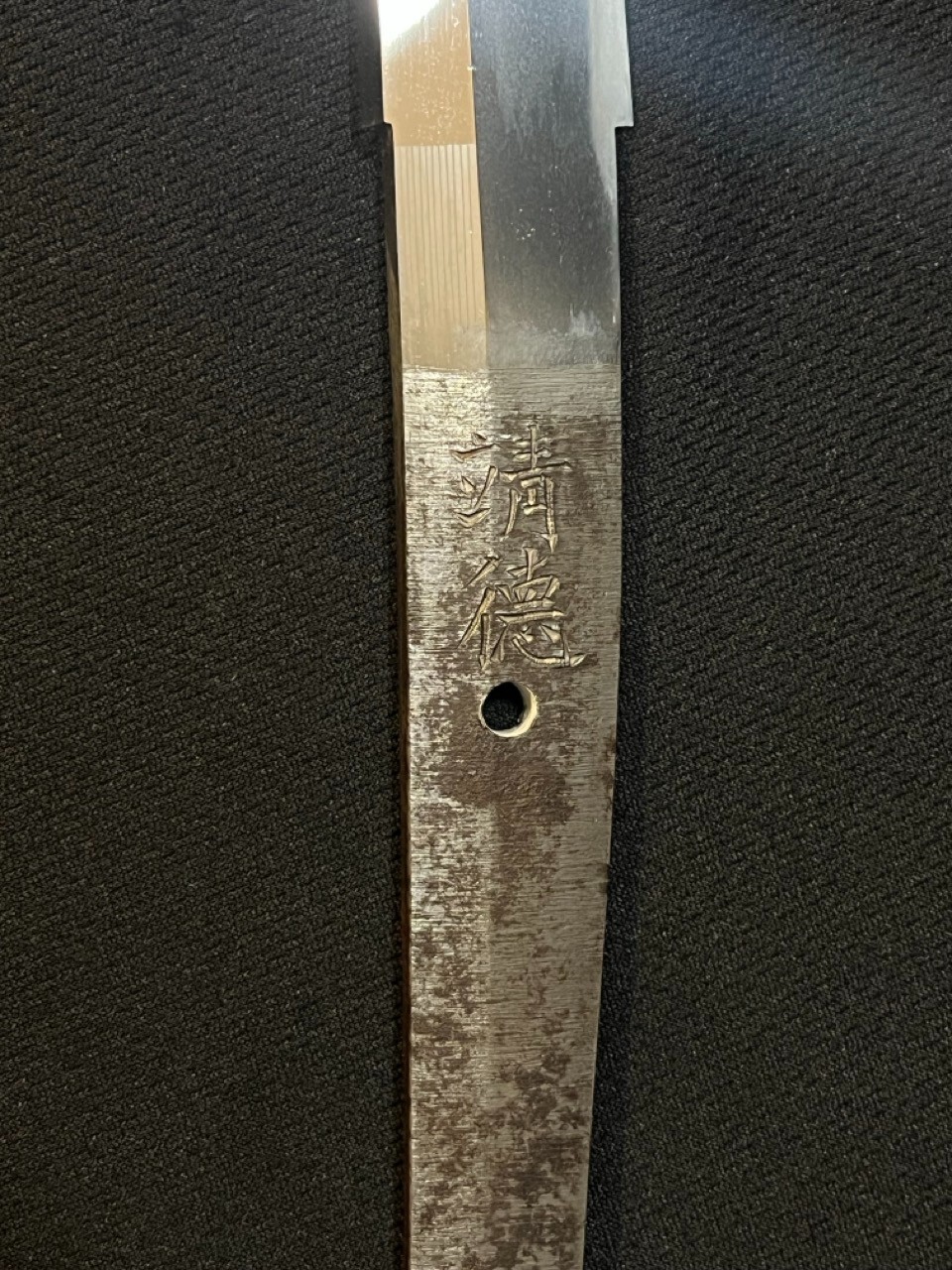
  4. A Japanese WWII gendaito sword by Ki Masatsugu is available. Notably, Ki Masatsugu was given the special rank of Jyungenro, second only to Genro, in the 1943 list, the Gendai Tosho Ninki Banzuke. Published by the Nihon Token Tanrenjo (NTT) and the Nihon Token Shinbunshi (NTS), the Gendai Tosho Ninki Banzuke served to rank what were then modern or gendai swordsmiths. He is also given the rank of Jo-jo saku, superior-superior made, on the Fujishiro Ranking System, a rank that is only secondary to Sai-jo Saku. The late Fujishiro Matsuo san was a Living National Treasure polisher and author of the Nihon Toko Jiten. Therefore, this World War II Japanese sword represents an important acquisition for any serious collection. The tang bears the signature “Ki Masatsugu”. Additionally, Masatsugu crafted this blade as a traditionally made, water-tempered gendai sword. As expected for a traditionally forged blade, it carries no Showa or arsenal stamp. The blade measures 24 5/32″ (61.3 cm) from the tip to the bottom of the notch in the habaki. The Army mounts are exceptional. The saya has the hard to find extended prototype drag fitting with kanji. In addition, the tsuba is the only infrequently found special thin variation. The original Company grade (Lieutenant) blue/brown Officer tassel is still attached to the sarute. CONDITION The rare mounts on this Japanese WWII Gendaito sword are in exceptional condition. The blade has staining from past oxidation. This blade would polish beautifully if desired. There are a couple of minor nail nicks in the blade edge, and the blade remains perfectly straight. The hamon (temper line) and boshi are healthy and well defined. Additional photos available by using the link below. $2900 plus postage --Matthew Brice https://stcroixblades.com/product/Japanese-wwii-gendaito-sword-ww2-army-samurai-gunto/
  5. A Japanese WWII gendaito sword by Kojima Kanemichi is available. Notably, Kanemichi earned the title of Sword Forging Teacher, the highest rating, at the 1941 Sword Forging Exhibition. Therefore, this World War II Japanese sword represents an important acquisition for any serious collection. Importantly, this blade represents early work by Kanemichi. He forged the sword in May 1940, recorded as the 2600th year of the founding of the Japanese Empire. The tang bears the signature “Noshu ju Kanemichi saku kore.” Additionally, Kanemichi crafted this blade as a traditionally made, water-tempered gendai sword. As expected for a traditionally forged blade, it carries no Showa or arsenal stamp. Collectors and dealers will likely agree--about 85% of swords by Kanemichi encountered are showato, so to locate a gendaito is significant. The blade measures 26 3/4″ (68.0 cm) from the tip to the bottom of the notch in the habaki. Furthermore, the sword retains its Army shin-gunto mounts, which complement the blade well. At the 1941 Sword Exhibition, Kanemichi received the rank of Special Honor Noted Seat – Sword Forging Teacher. In addition, experts rank him as a 2 Million Yen smith. John Slough notes in his book: “His real name is Kojima Tokijiro. Kanemichi was born in July 1902. At first he studied under Kojima Katsumasa, who had previously studied with Zenjo Kaneyoshi. Later, he trained under Watanabe Kanenaga. He was a Rikugun Jumei Tosho and had many students.” CONDITION Overall, the blade remains in fine polish. It shows only a couple of fingerprints, which uchiko will likely remove. Moreover, the edge shows no nicks, and the blade remains perfectly straight. The hamon (temper line) and boshi are healthy and well defined. Finally, the sword saw service during the war for more than five years. As a result, the saya lacquer shows wear and is missing in several areas. Additional photos at the link below. $2900 plus postage --Matthew Brice https://stcroixblades.com/product/kanemichi-Japanese-wwii-sword-ww2-army-2-million-yen/
  6. A teaser--soon to be formally listed, but available for purchase NOW. A fine IMPERIAL GIFT tachi. Blade is papered. This tachi was gifted by an Emperor to a member of the Imperial peerage for carry at Coronation. $19,000 plus postage (if paying via credit card or Paypal add their 3% fee) LAYAWAY available --Matthew Brice StCroixBlades.com
  7. A teaser--soon to be formally listed, but available for purchase NOW. A fine IMPERIAL GIFT tachi. Blade is papered. This tachi was gifted by an Emperor to a member of the Imperial peerage for carry at Coronation. $19,000 plus postage (if paying via credit card or Paypal add their 3% fee) LAYAWAY available --Matthew Brice StCroixBlades.com
  8. An exceptionally rare kenukigata tachi–style Japanese sword available. This Edo period utsuchi (tribute sword) faithfully recreates a National Treasure kenukigata tachi from the Heian period in tanto size. A kenukigata tachi features a distinctive mekugi-ana shape in the nakago. Kenukigata translates to “tweezers shape” in Japanese (or dog bone shape). This tanto shares the graceful sori (curvature) of an early tachi and closely mirrors that elegant profile. The blade displays a fine hamon and remains in excellent polish. The mumei blade measures 12 1/4″ (31.1 cm) in nagasa. The kaigata (oar-shaped) saya further enhances the presentation. Notably, it features a kurikata carved in the form of seashells. The mounts include a leather tsuba. Two photos below are provided of early Heian swords for comparison. Historical Context: Kenukigata Tachi The kenukigata tachi represents a rare and early Japanese sword style from the Heian period (794–1185). Craftsmen forged these swords from a single piece of steel, piercing the tang (nakago) with an opening that resembles tweezers (kenuki). Consequently, they stand as a crucial transitional form in Japanese sword development and serve as ceremonial predecessors to the traditional tachi and later katana. Key Features and Significance History: Swordsmiths developed the kenukigata form during the mid-Heian period, evolving it from the earlier warabitetō swords of the Tohoku region. Therefore, historians regard it as a prototype of the curved Japanese tachi. Usage: High-ranking imperial guards (Efu) primarily carried these swords for ceremonial purposes. Elite warriors also wore them as symbols of rank and prestige. CONDITION This fine kenukigata tachi–style sword remains in beautiful polish. Importantly, the blade shows no openings (ware) whatsoever.. Additionally, the lacquer exhibits only occasional small dents consistent with age. Overall, this antique Edo period piece presents exceptionally well and retains outstanding collector appeal. $3400 plus shipping w/payment via check, Zelle, Venmo, bank wire (add 3% if paying via PP or credit card) Visit StCroixBlades.com for more photos
  9. Kenukigata Tachi Style Sword -Rare Japanese Tanto -Kaigata (Oar-shaped) Saya FOR SALE An exceptionally rare kenukigata tachi–style Japanese sword is now available. This Edo period utsuchi (tribute sword) faithfully recreates a National Treasure kenukigata tachi from the Heian period in tanto size. A kenukigata tachi features a distinctive mekugi-ana shape in the nakago. Kenukigata translates to “tweezers shape” in Japanese, which clearly describes the openwork form. This tanto shares the graceful sori (curvature) of an early tachi and closely mirrors that elegant profile. The blade displays a fine hamon and remains in excellent polish. The mumei blade measures 12 1/4″ (31.1 cm) in nagasa. The kaigata (oar-shaped) saya further enhances the presentation. Notably, it features a kurikata carved in the form of seashells. The mounts include a leather tsuba. Historical Context: Kenukigata Tachi The kenukigata tachi represents a rare and early Japanese sword style from the Heian period (794–1185). Craftsmen forged these swords from a single piece of steel, piercing the tang (nakago) with an opening that resembles tweezers (kenuki). Consequently, they stand as a crucial transitional form in Japanese sword development and serve as ceremonial predecessors to the traditional tachi and later katana. Key Features and Significance Design: These blades incorporate an openwork handle formed as part of the blade itself. Rather than attaching a separate wooden hilt secured by a mekugi peg, the user gripped the integrated tang directly or wrapped it lightly. As a result, the design reflects an early stage in sword mounting evolution. History: Swordsmiths developed the kenukigata form during the mid-Heian period, evolving it from the earlier warabitetō swords of the Tohoku region. Therefore, historians regard it as a prototype of the curved Japanese tachi. Usage: High-ranking imperial guards (Efu) primarily carried these swords for ceremonial purposes. Elite warriors also wore them as symbols of rank and prestige. Condition This fine kenukigata tachi–style sword remains in beautiful polish. Importantly, the blade shows no openings (ware) whatsoever.. Additionally, the lacquer exhibits only occasional small dents consistent with age. Overall, this antique Edo period piece presents exceptionally well and retains outstanding collector appeal. $3400 plus shipping w/payment via check, Zelle, Venmo, bank wire (add 3% if paying via PP or credit card) Visit StCroixBlades.com for more photos
  10. Rare size--very difficult to find. This o-kozuka measures 4″ (10.1 cm) by 11/16″ (1.7 cm). A regular-sized kozuka measures 3 13/16″ (9.7 cm) by 9/16″ (1.4 cm). This kozuka has high relief shakudo, gold, and silver features. Desirable motif. This kozuka comes boxed. $750 (plus postage) --Matthew Brice http://www.StCroixBlades.com
      • 2
      • Like
  11. St. Croix Blades’ EBAY STORE has Swords and Tosogu ON SALE NOW —MOST ARE 20-30% OFF! Get an ADDITIONAL 5% OFF When You Buy Those Sale Items DIRECT From St. Croix Blades by emailing, texting, or calling (only if not purchasing the piece on eBay). Here's the link: https://www.ebay.com/sch/i.html?_fss=1&_saslop=1&_sasl=stcroixblades&LH_SpecificSeller=1&LH_BIN=1&_sop=16 Email info@stcroixblades.com, or call/text 715-557-1688 to purchase. (Layaway available). --Matthew Brice St. Croix Blades www.StCroixBlades.com
      • 2
      • Like
  12. This menpo has a mustache, and cherry blossom chin vent. The inside of the mask is in red lacquer. CONDITION: This antique Menpo is in excellent condition. The silk lacing is in excellent condition. This is a fine piece. $1850 https://stcroixblades.com/product/antique-Japanese-samurai-menpo-armor-mempo-mask-old-sword-collection/ --Matthew Brice St. Croix Blades
      • 1
      • Like
×
×
  • Create New...