Lexvdjagt
-
Posts
214 -
Joined
-
Last visited
2 Followers

About Lexvdjagt

- Birthday May 21
Recent Profile Visitors
7,371 profile views

Lexvdjagt's Achievements






-

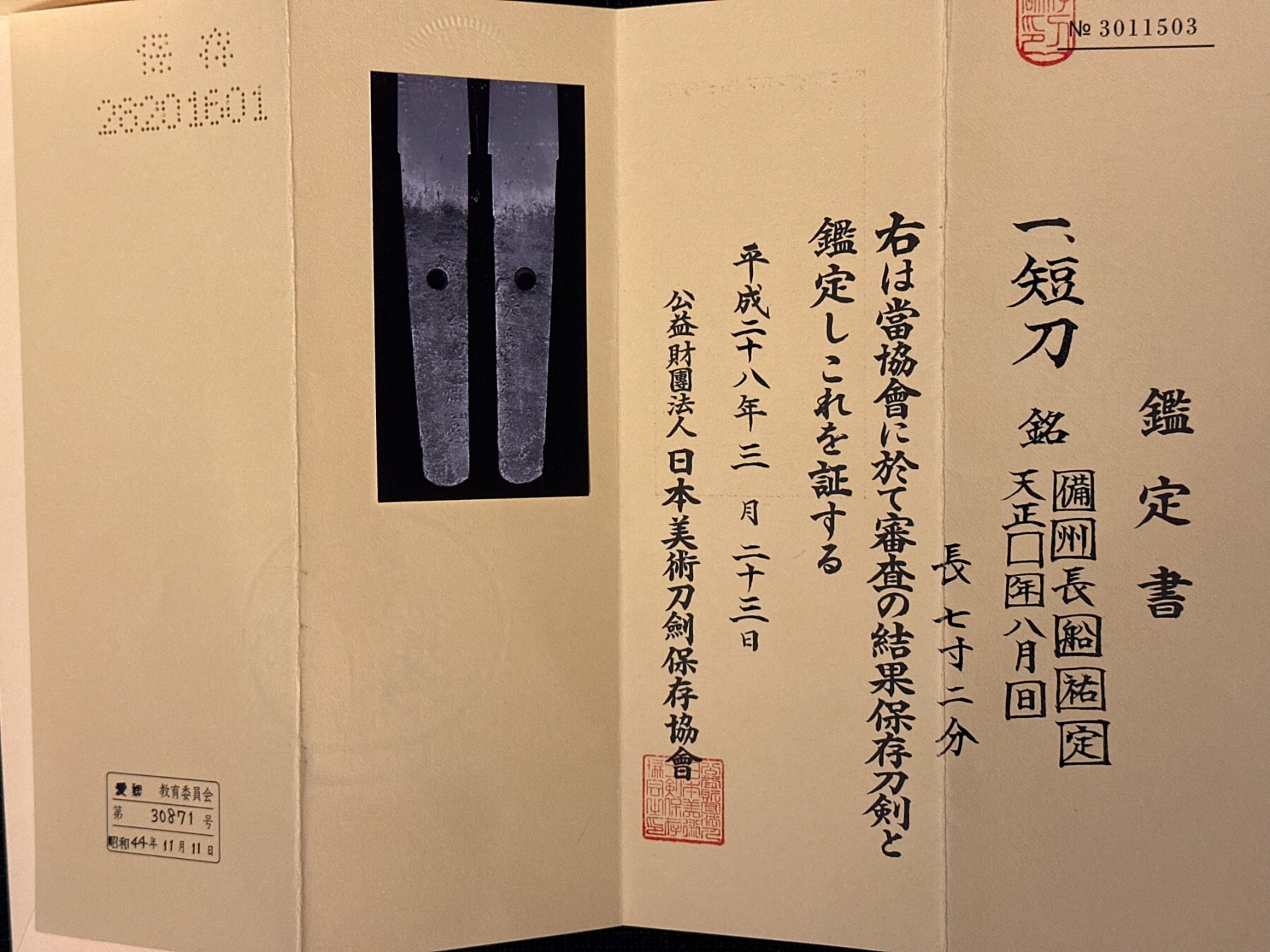
Tanto NBTHK Hozon Osafune Sukesada Tensho in shirasaya
Lexvdjagt replied to Lexvdjagt's topic in Sold Archive
SOLD -
Tanto NBTHK Hozon Osafune Sukesada Tensho in shirasaya
Lexvdjagt replied to Lexvdjagt's topic in Sold Archive
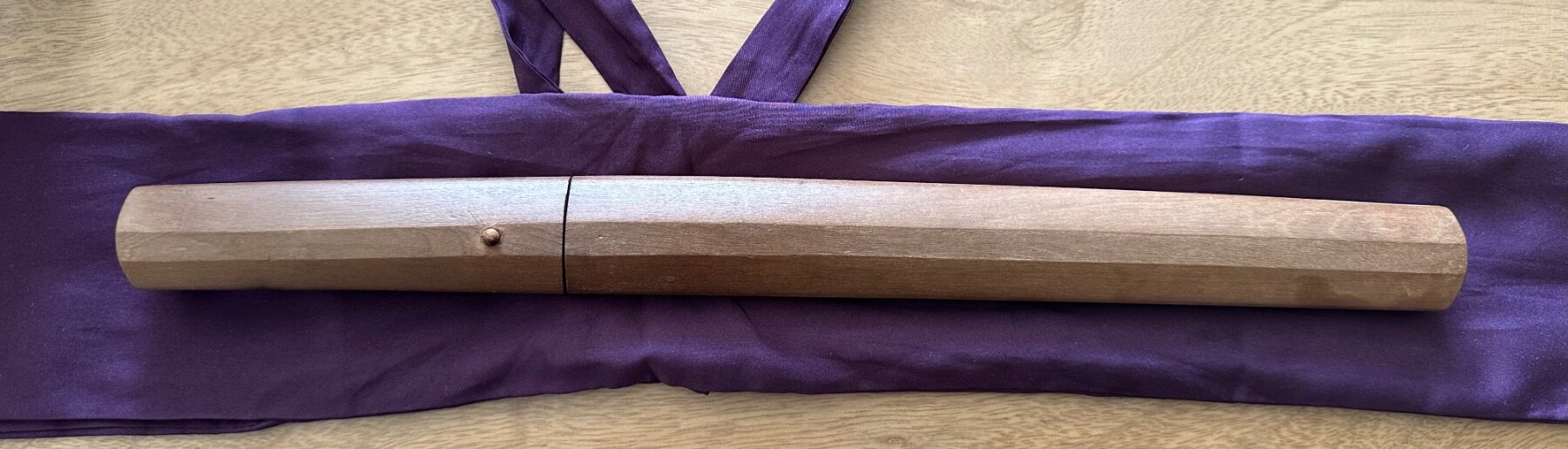
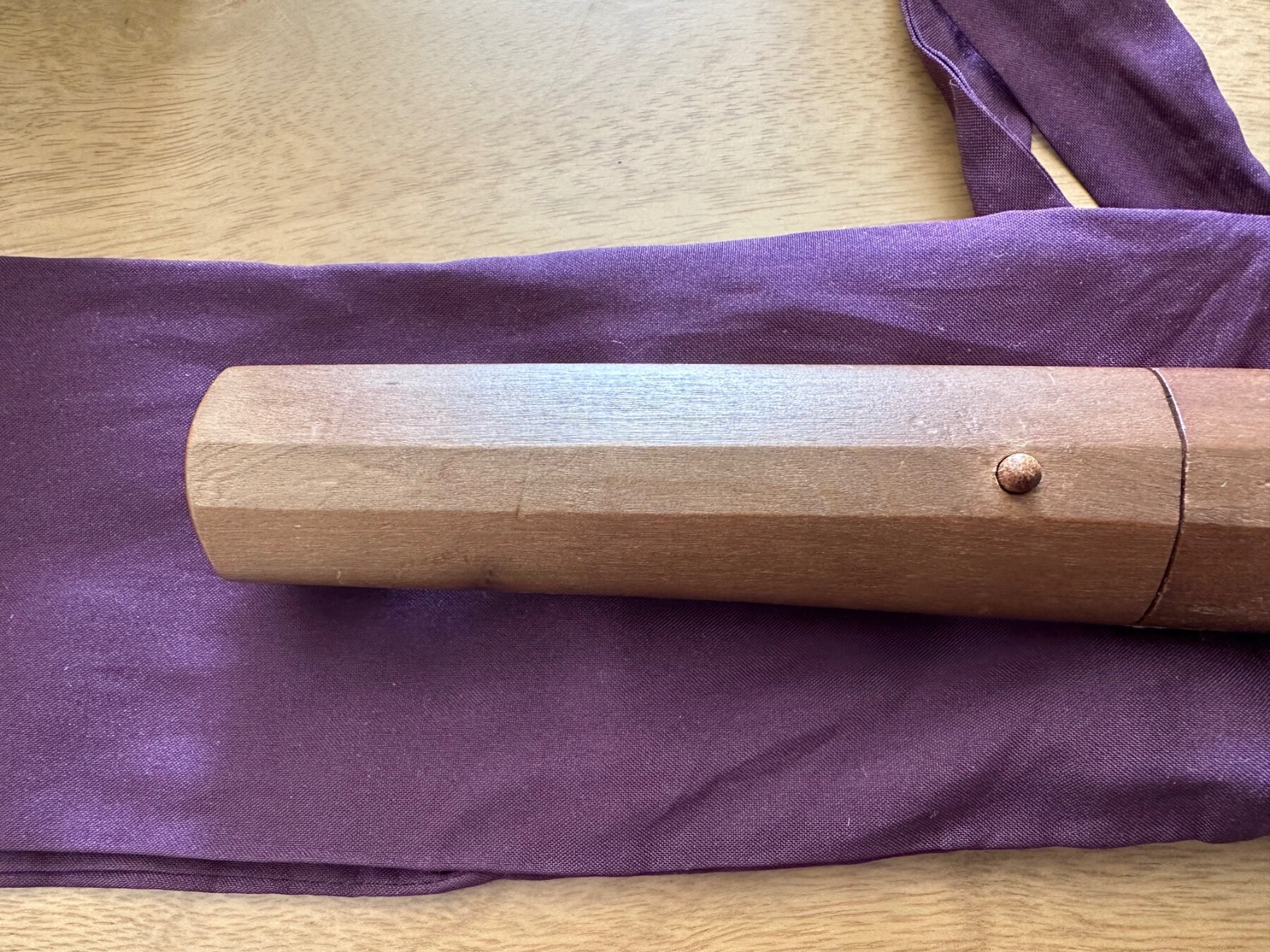
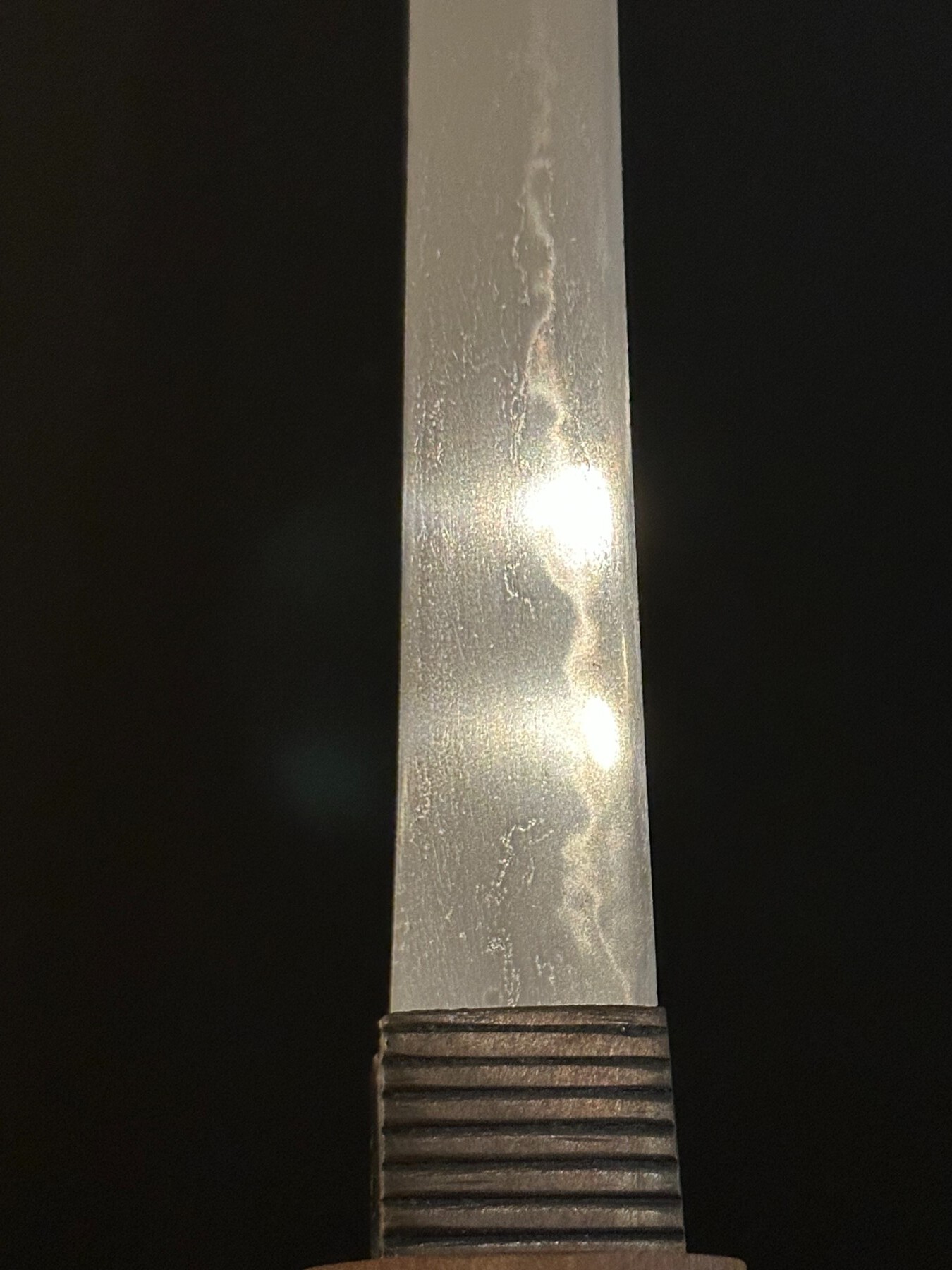
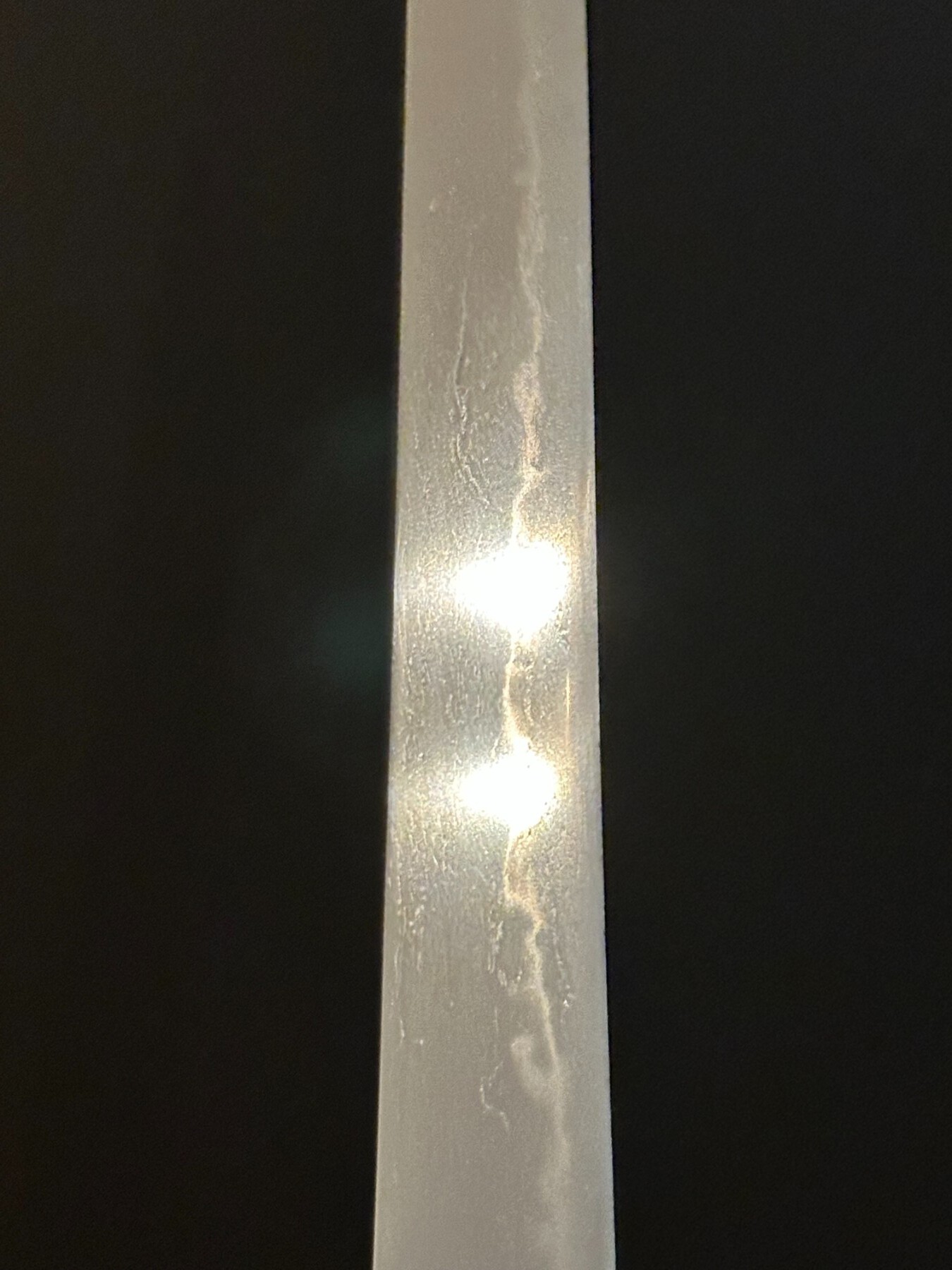
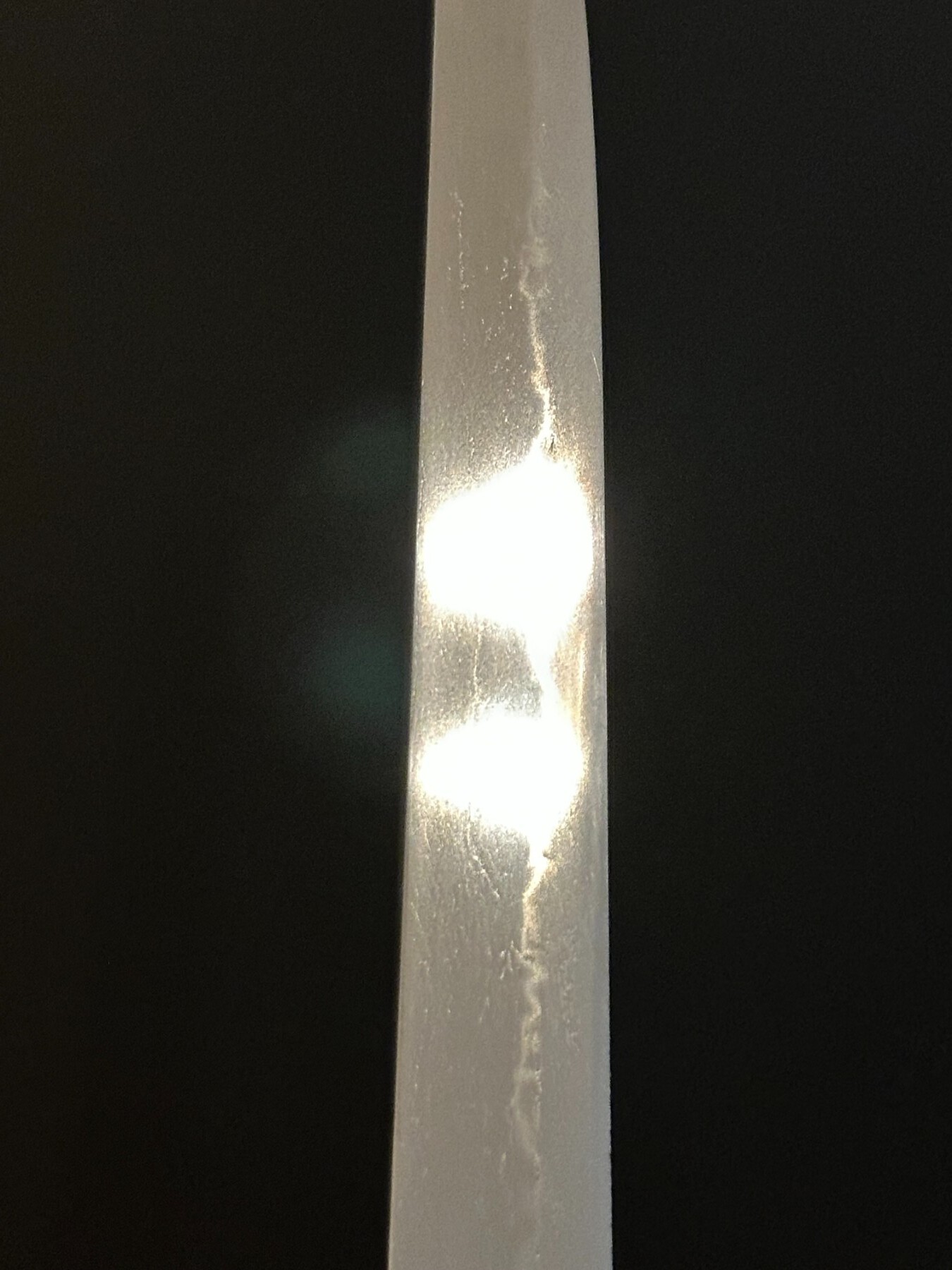
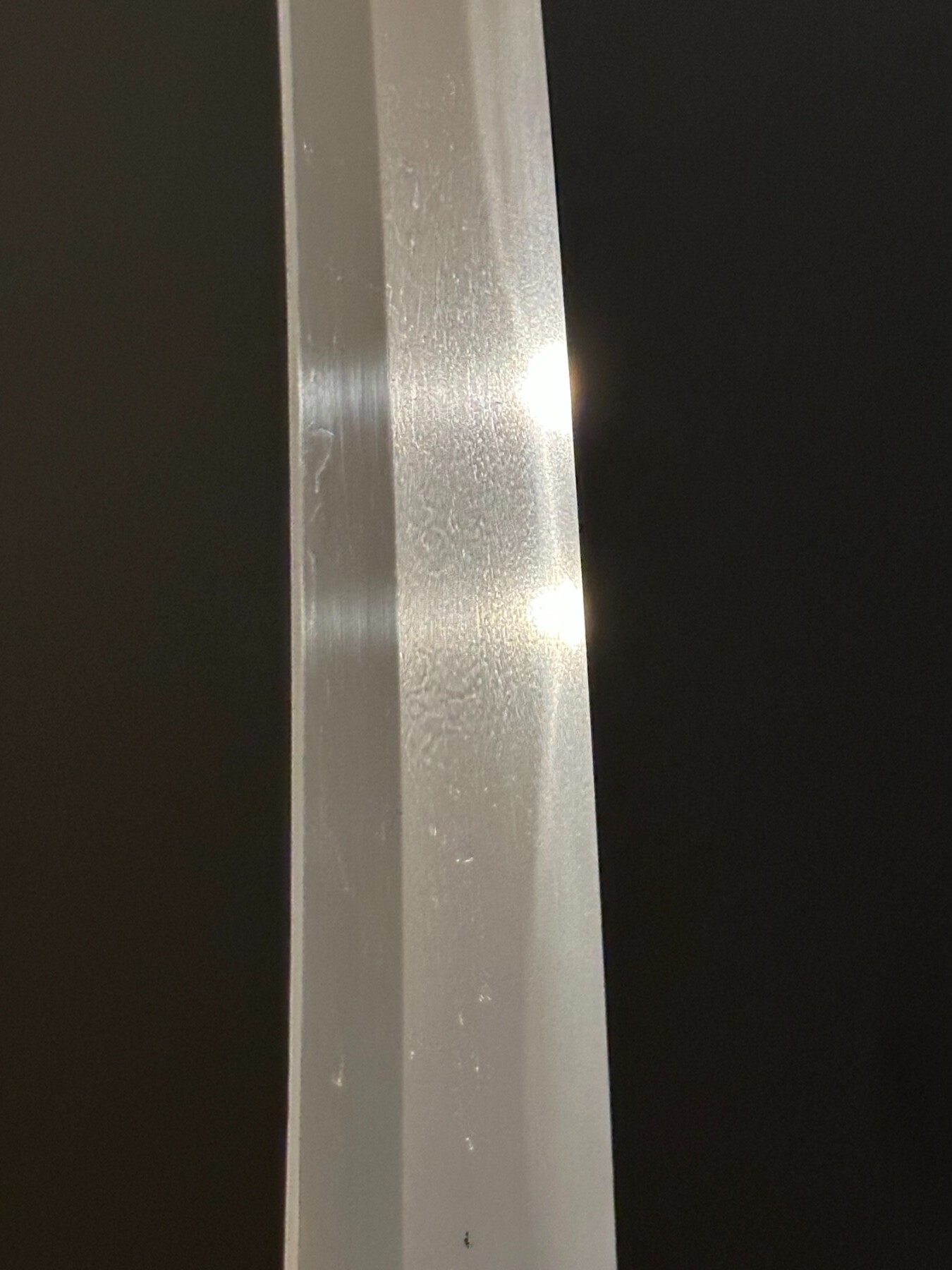
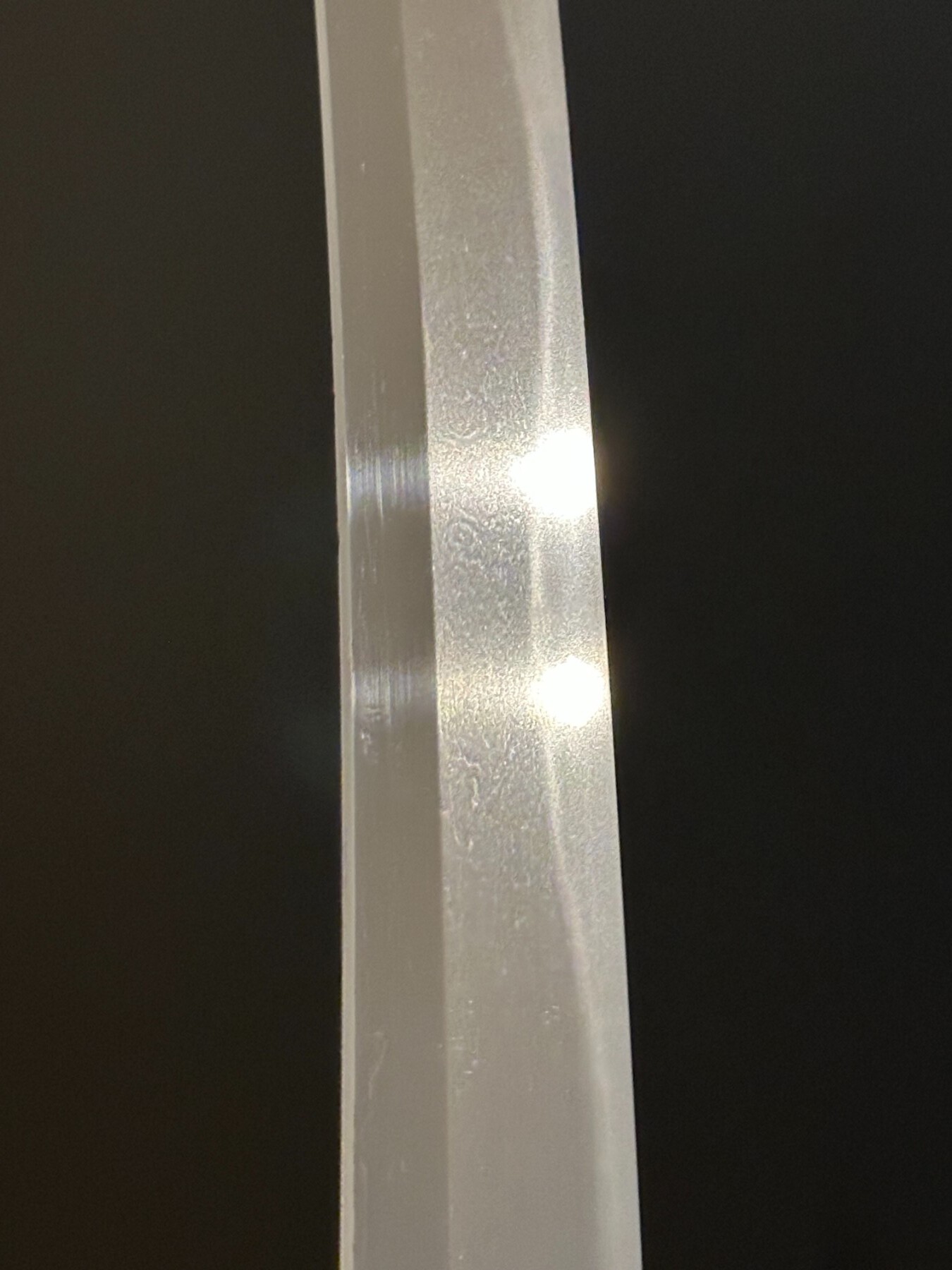
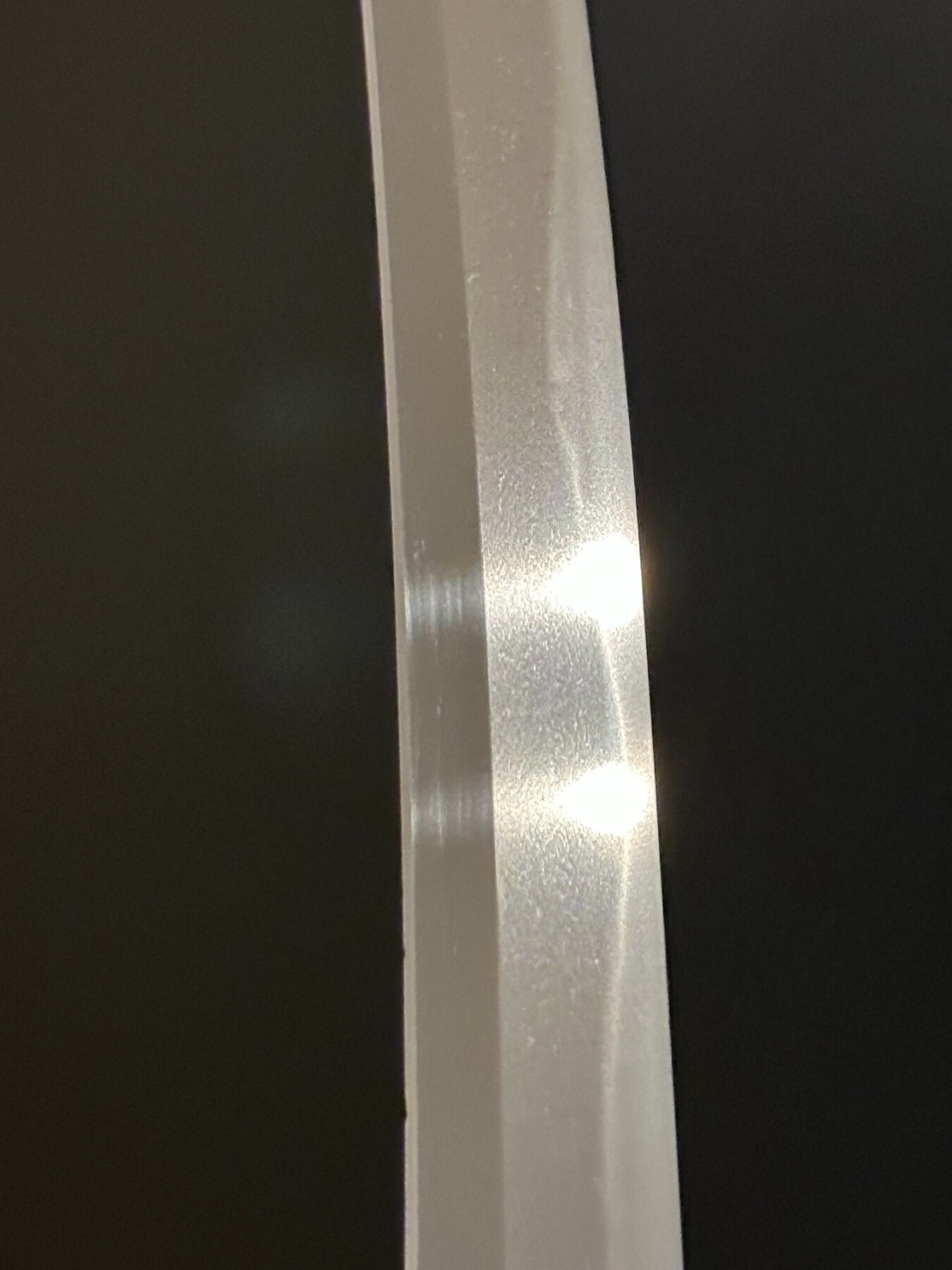
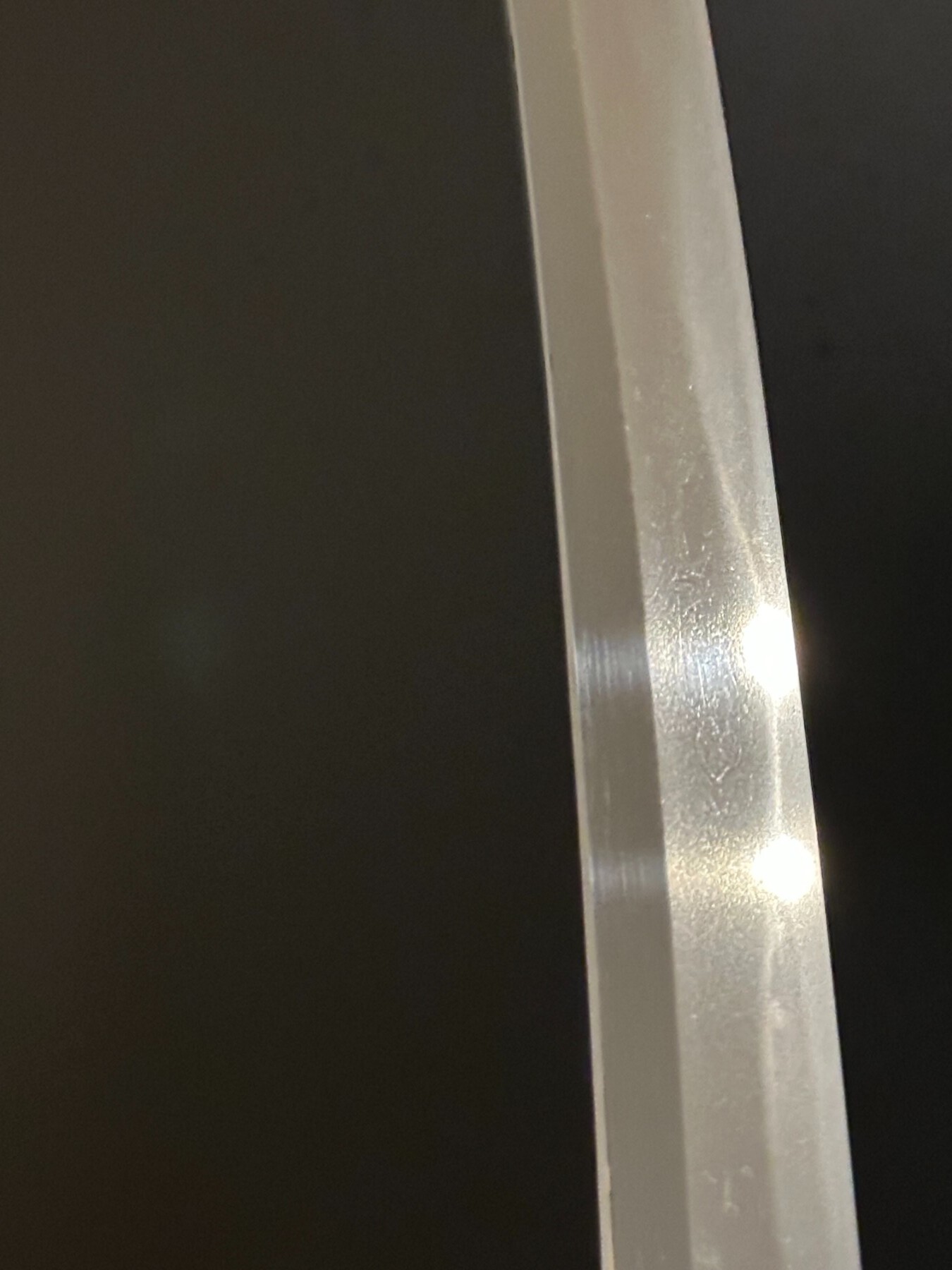
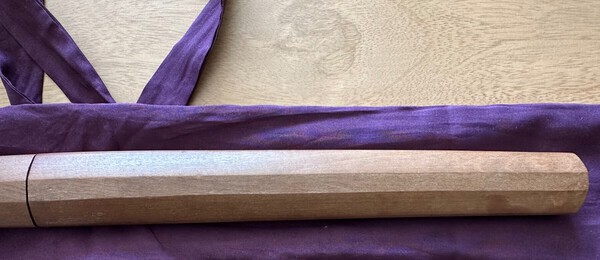
Here are some additional images of the Shirasaya, its in good condition. Greetings, Lex

-
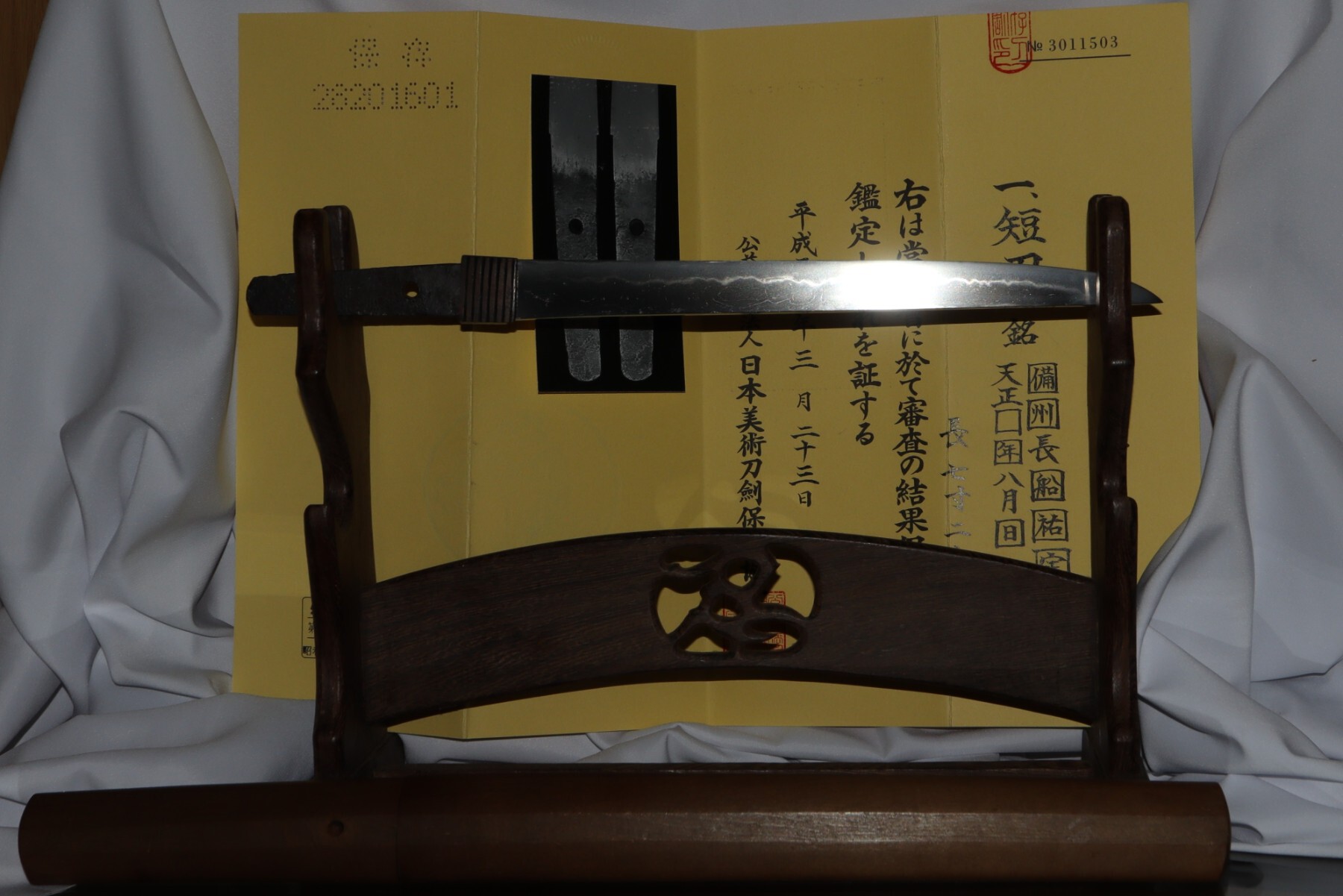
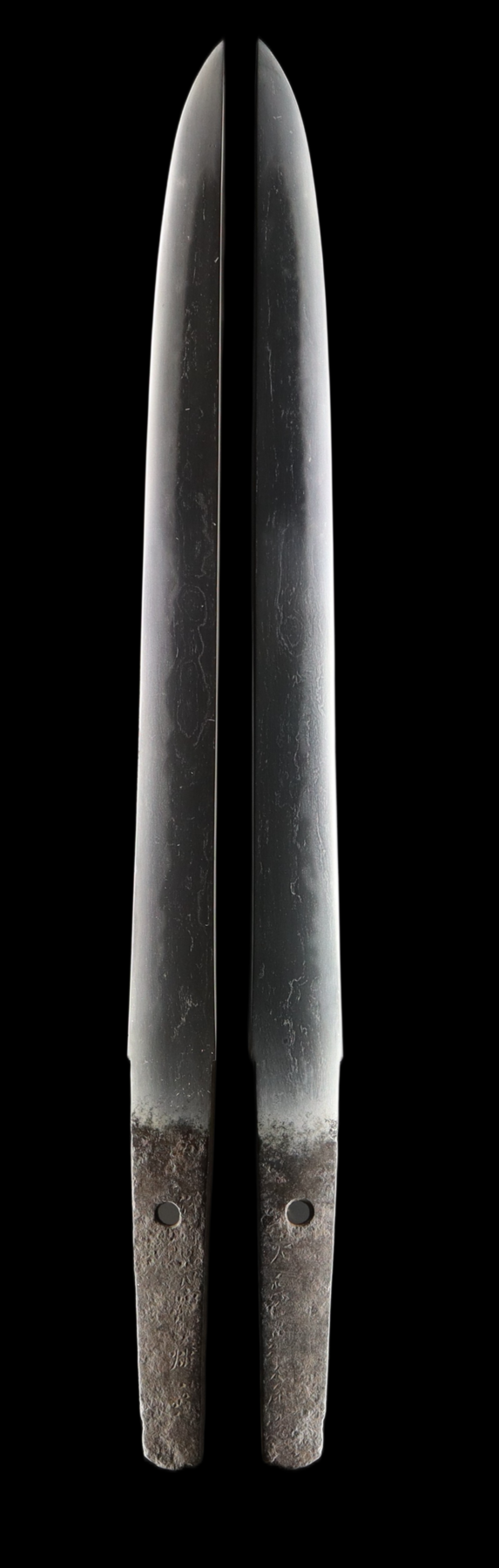
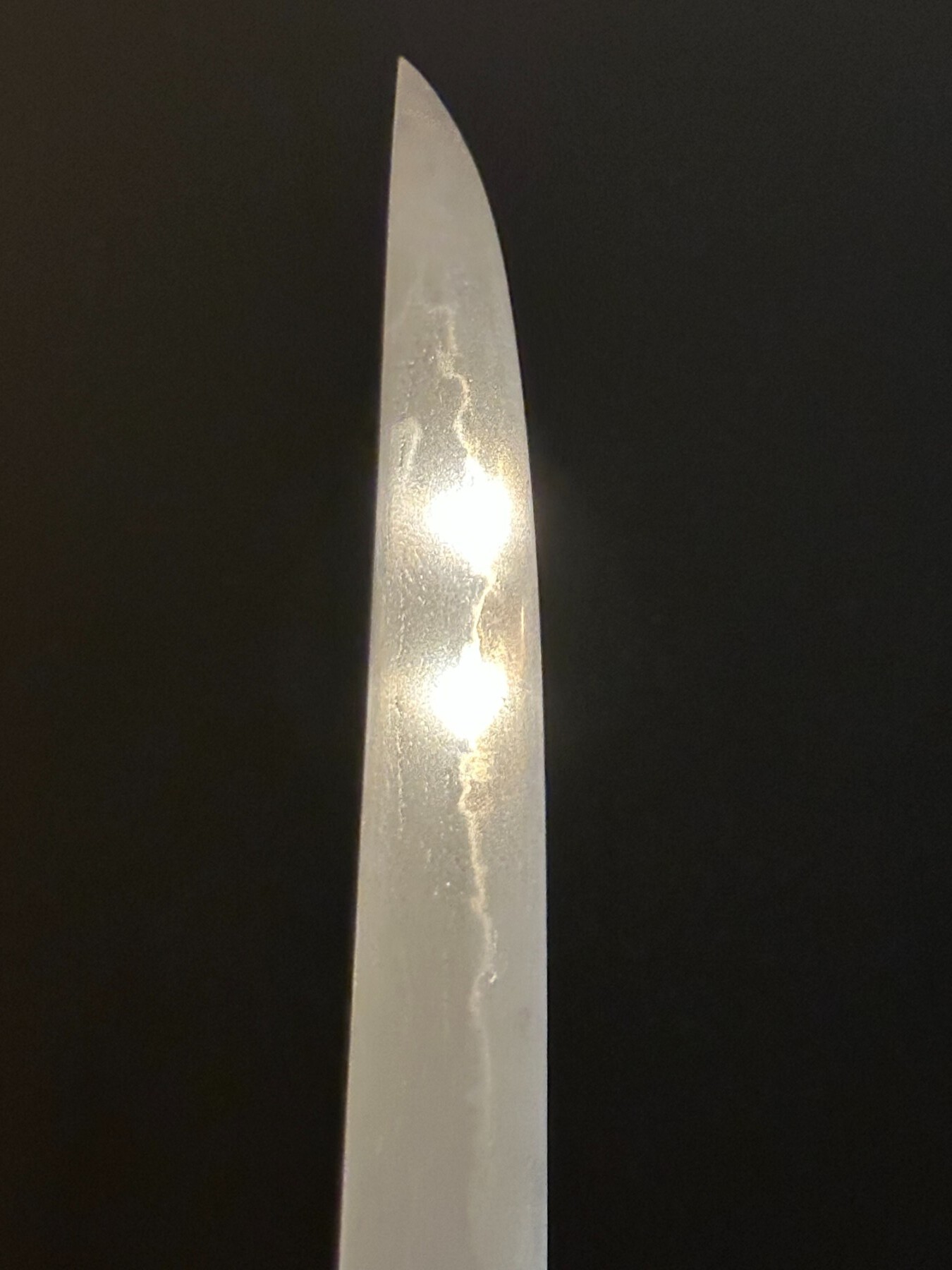
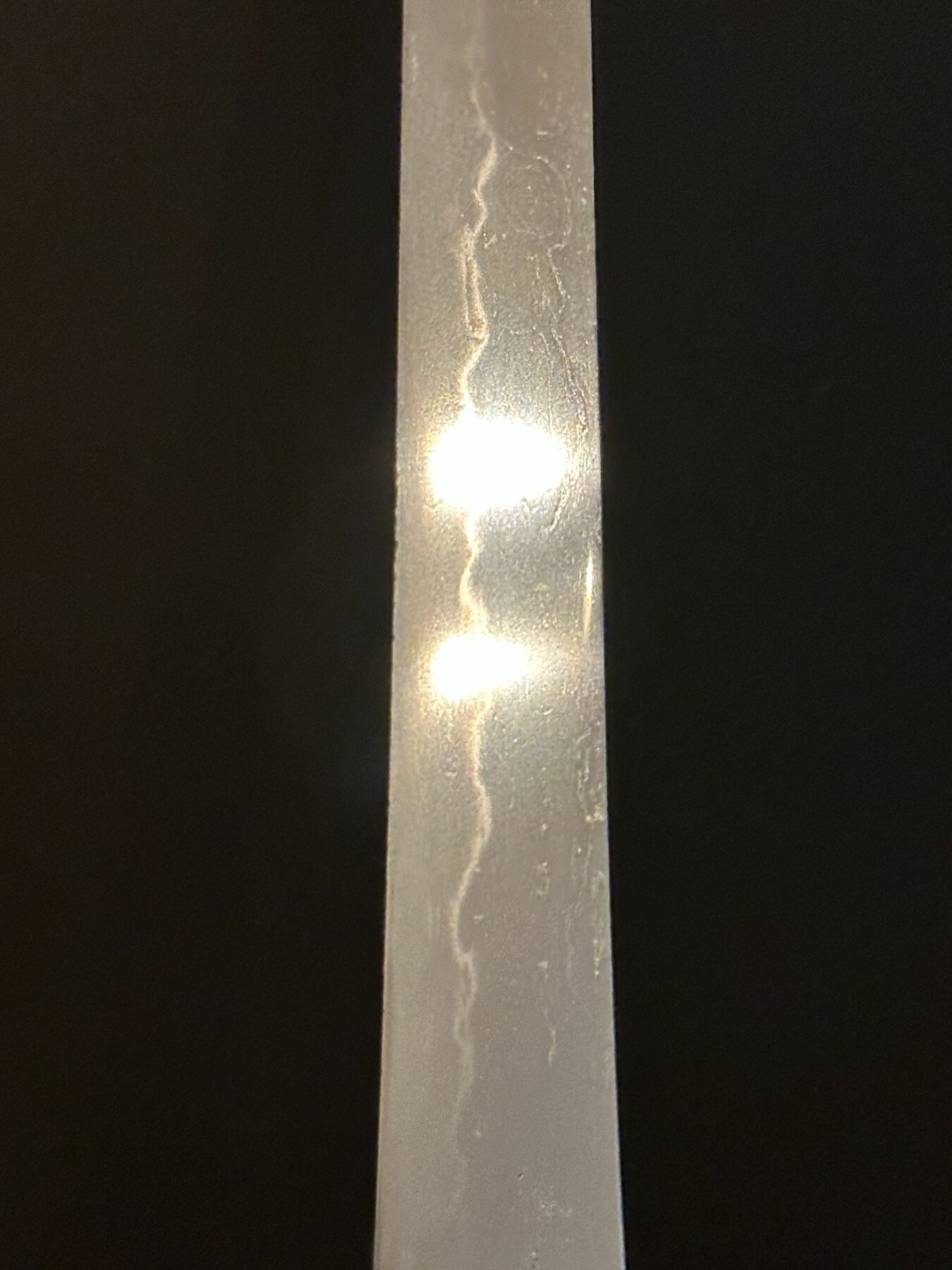
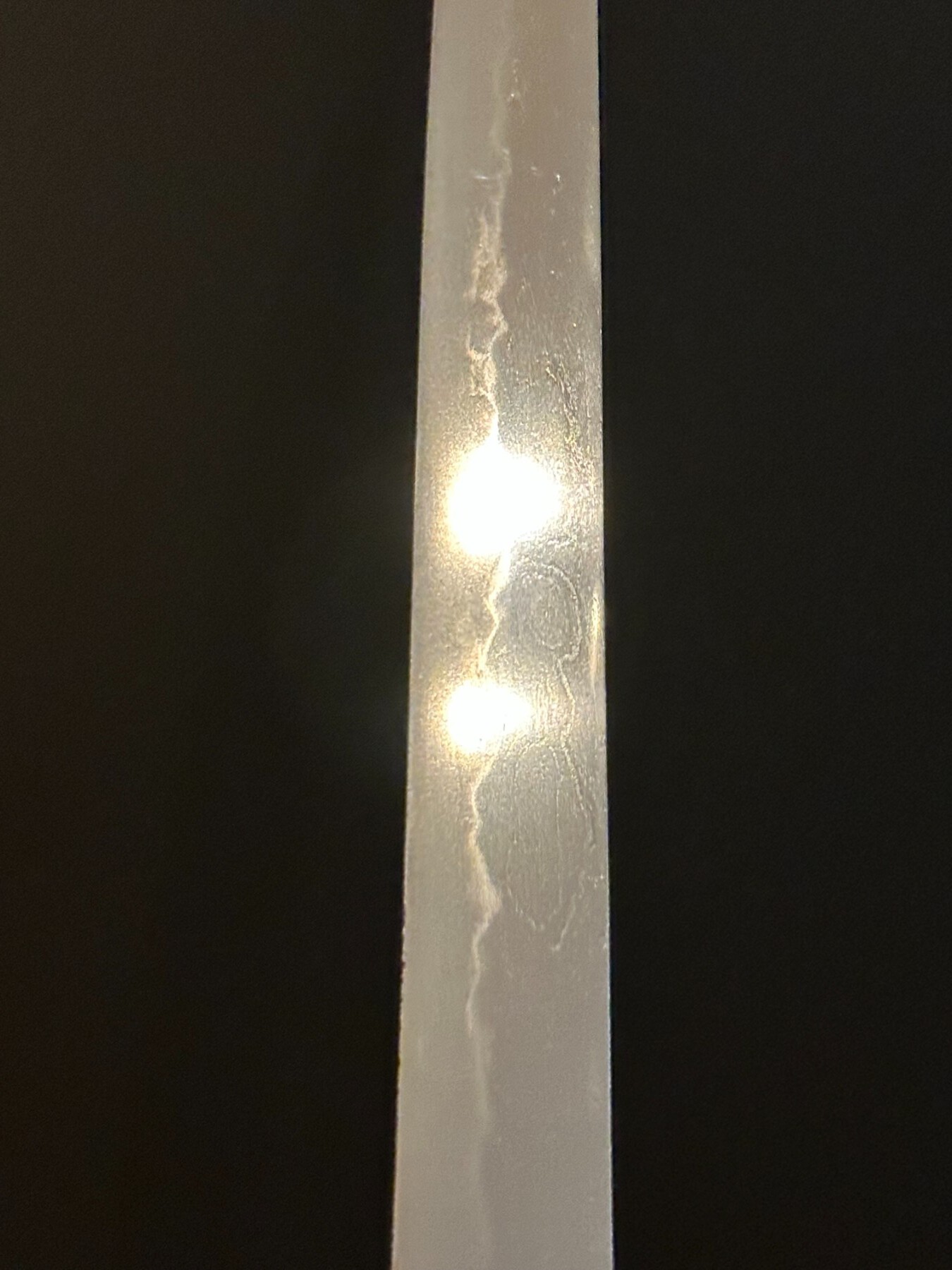
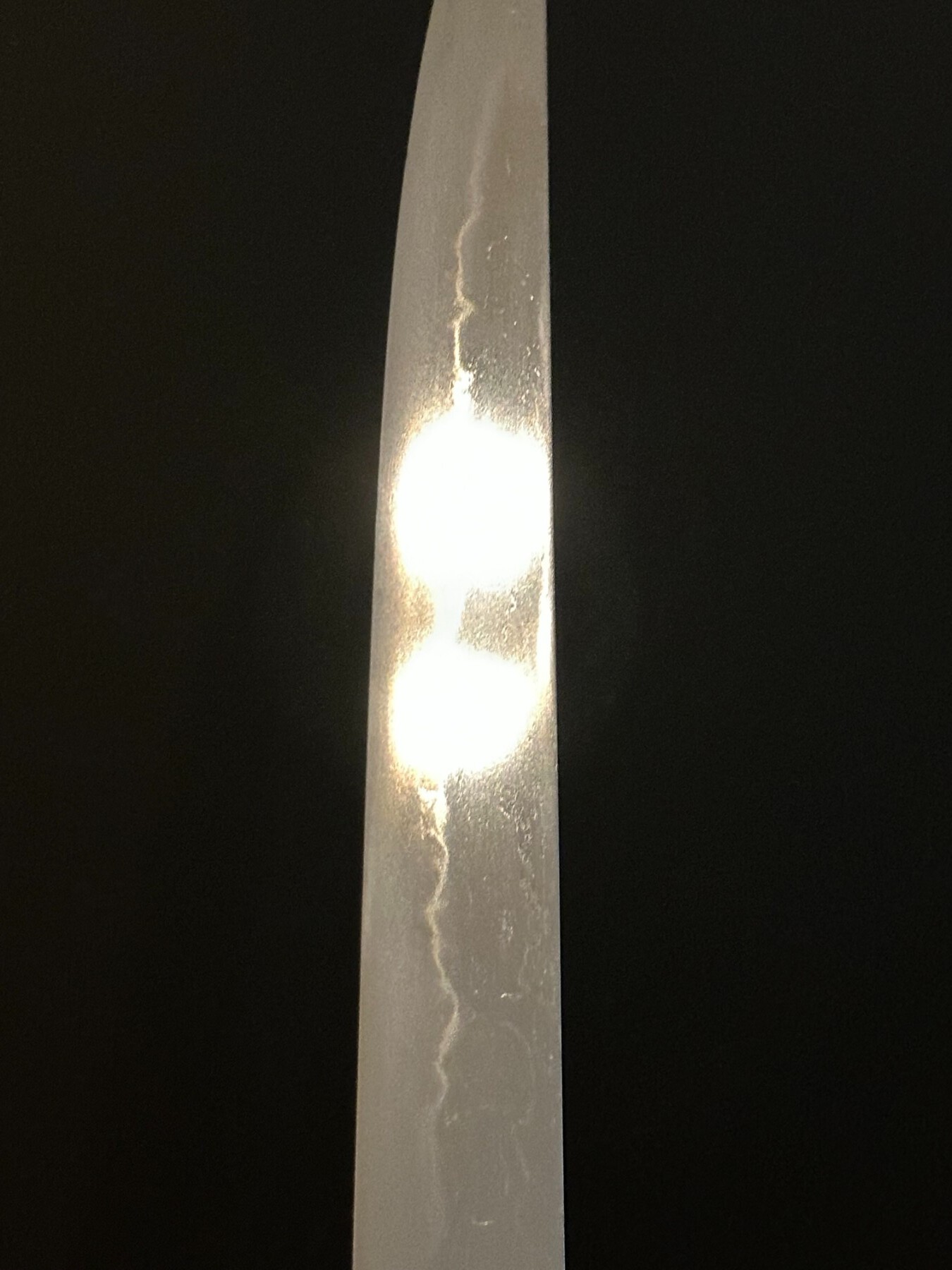
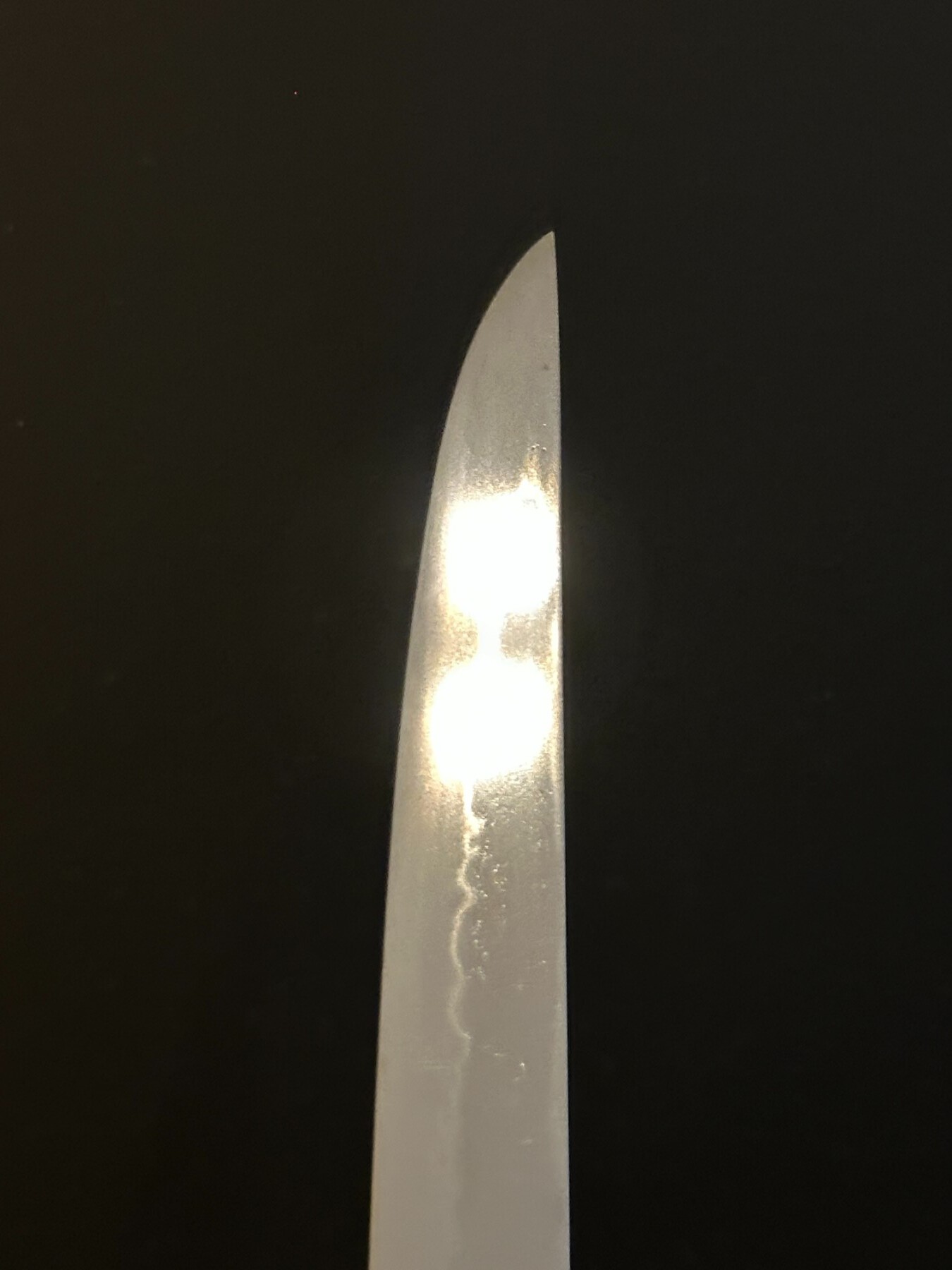
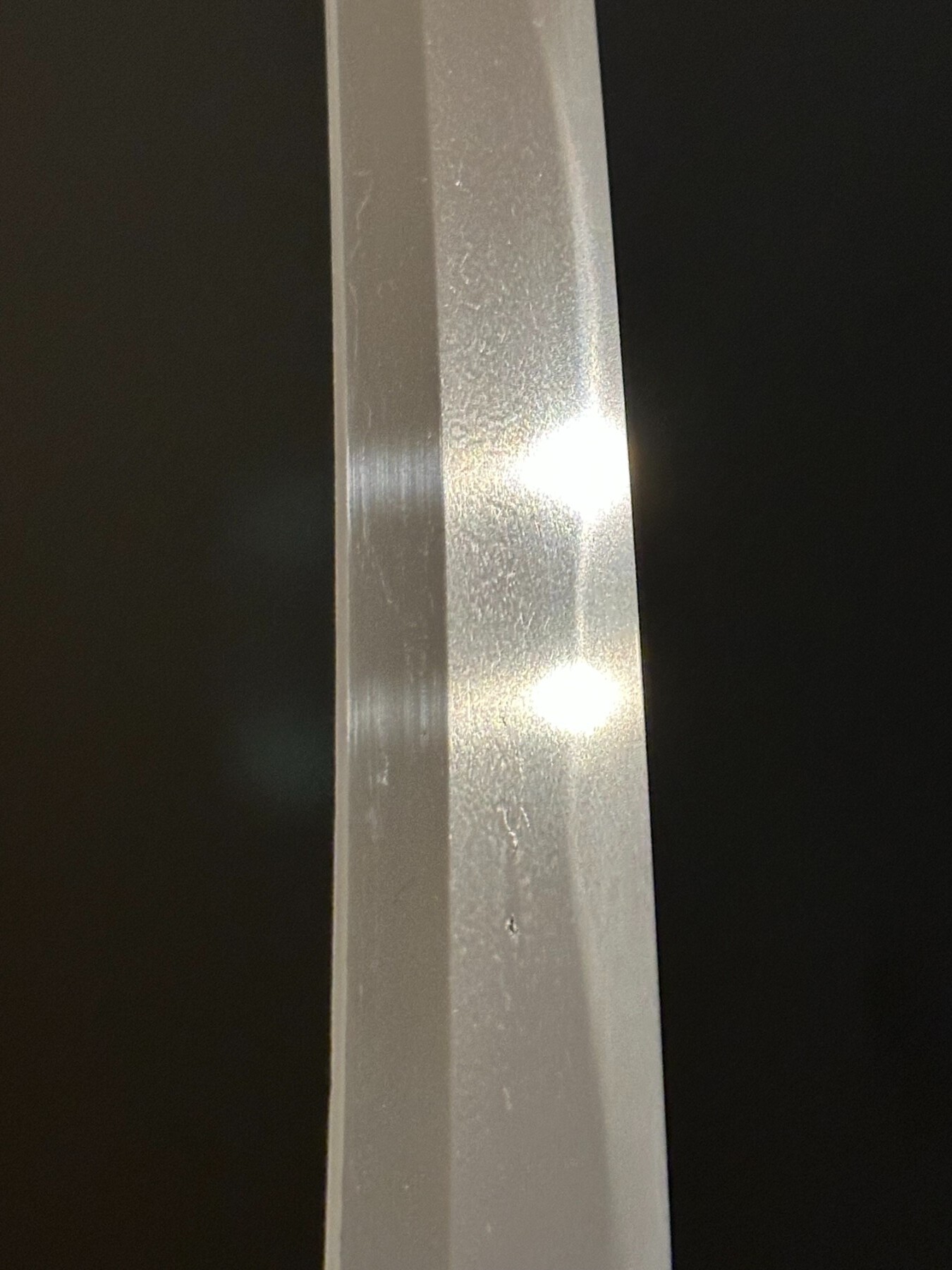
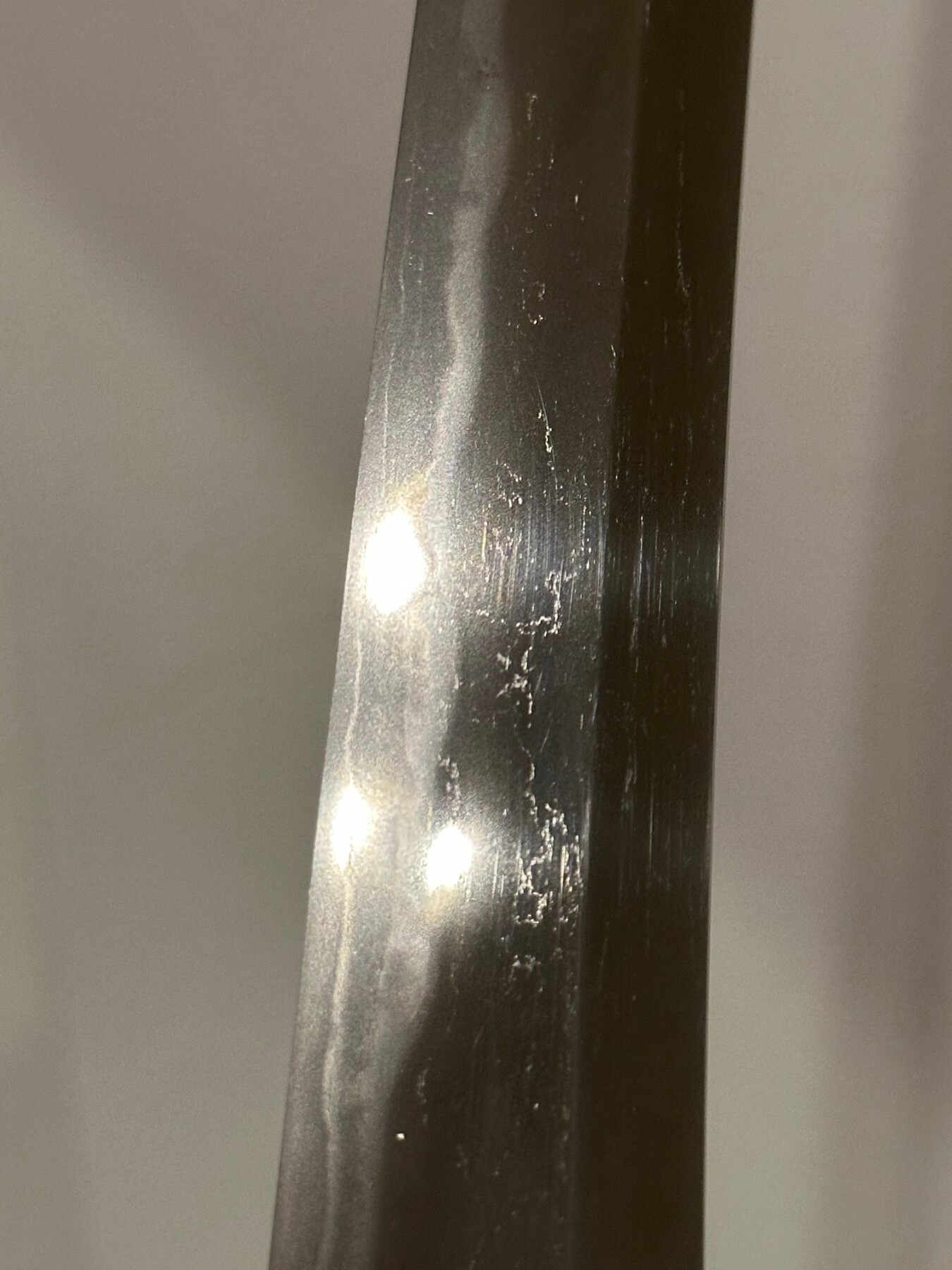
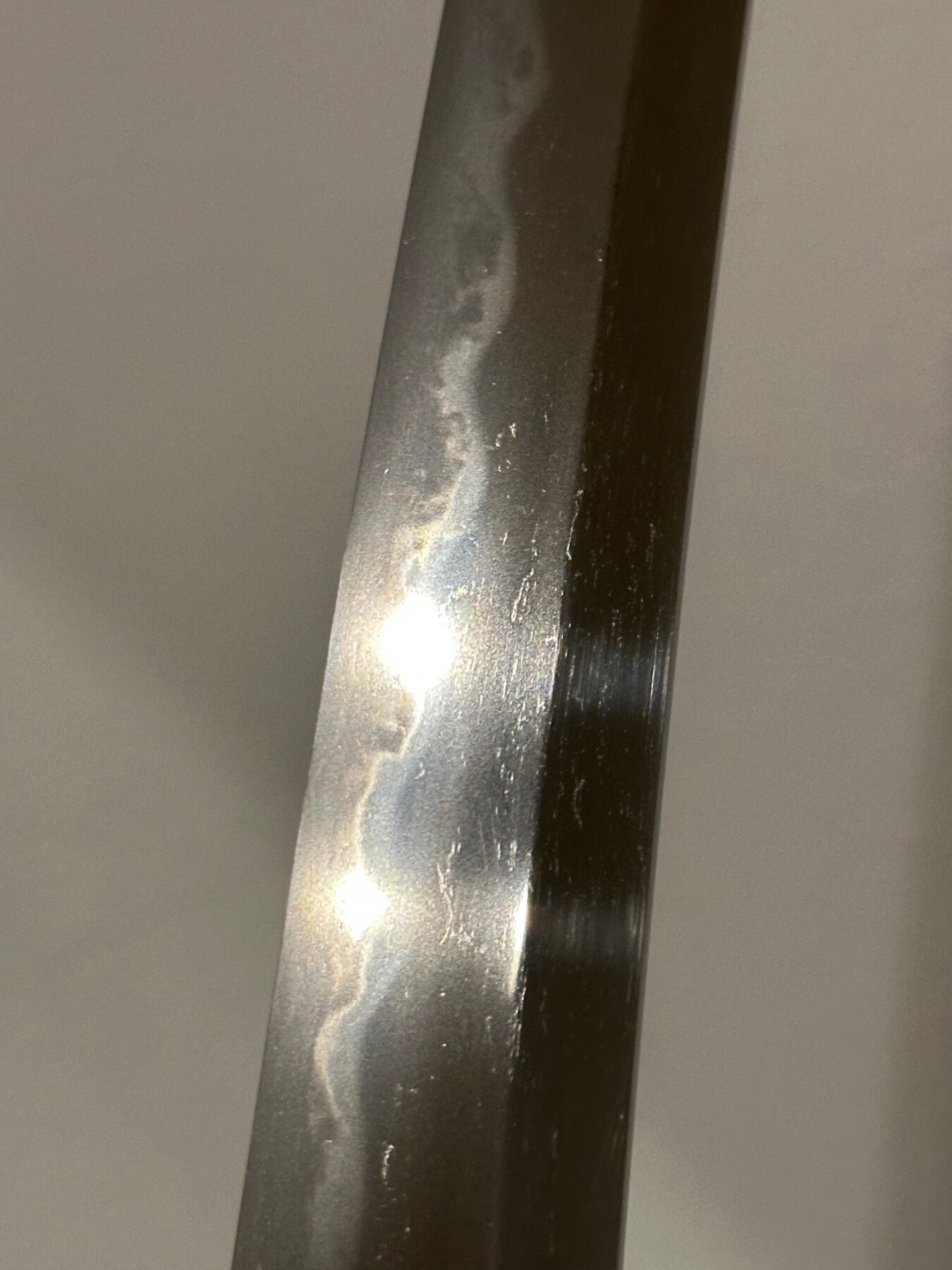
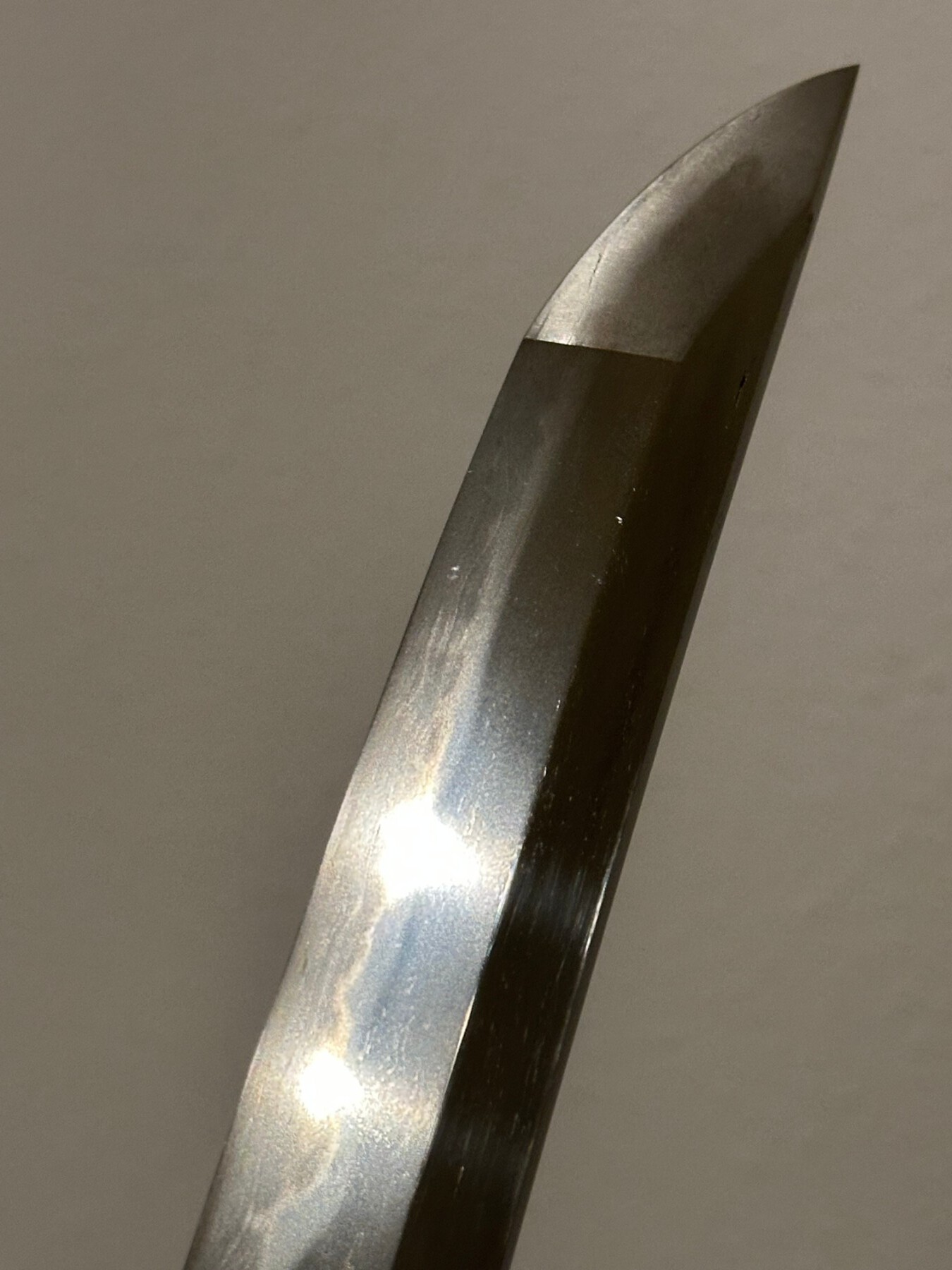
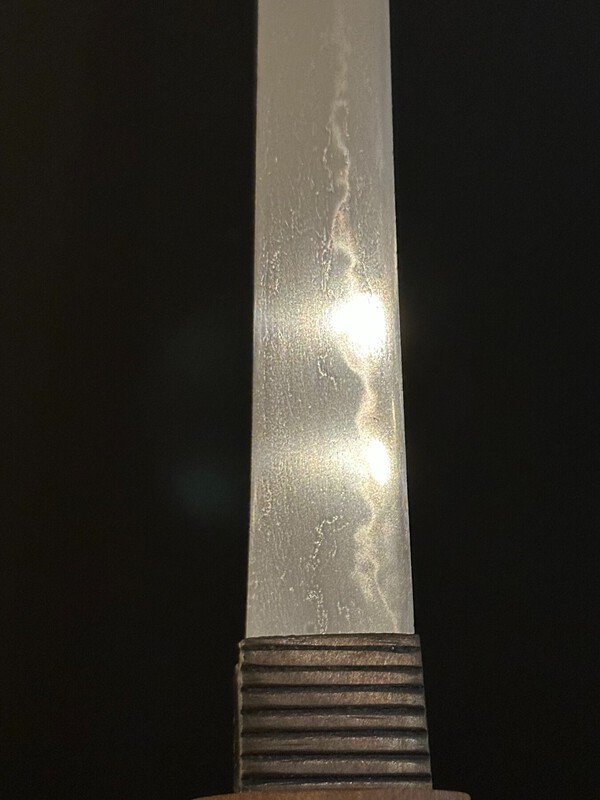
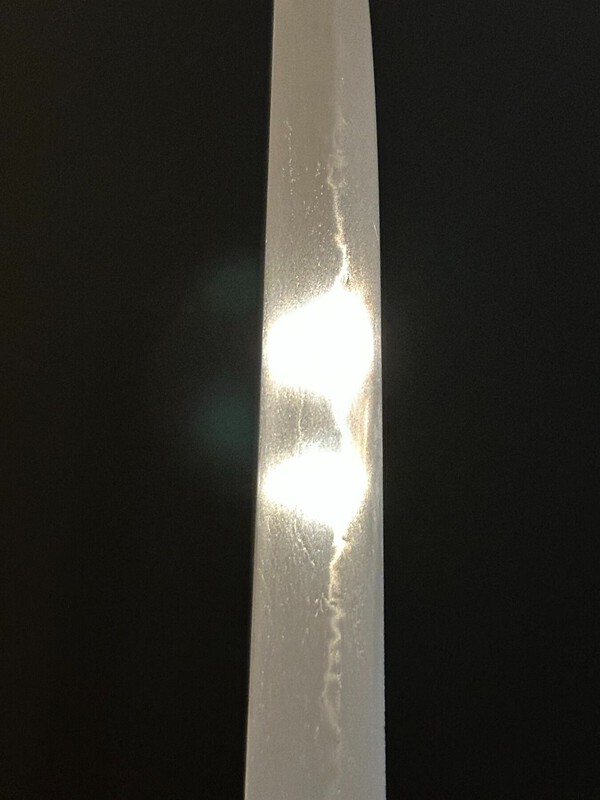
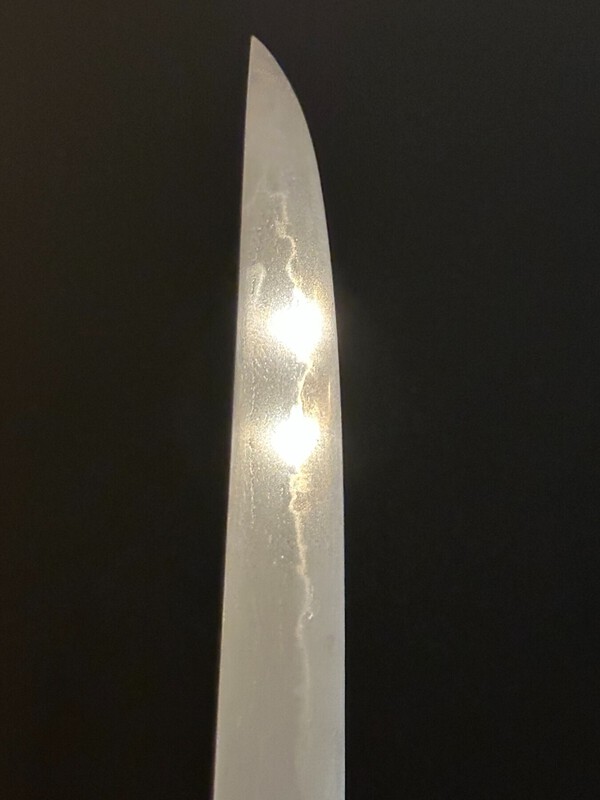
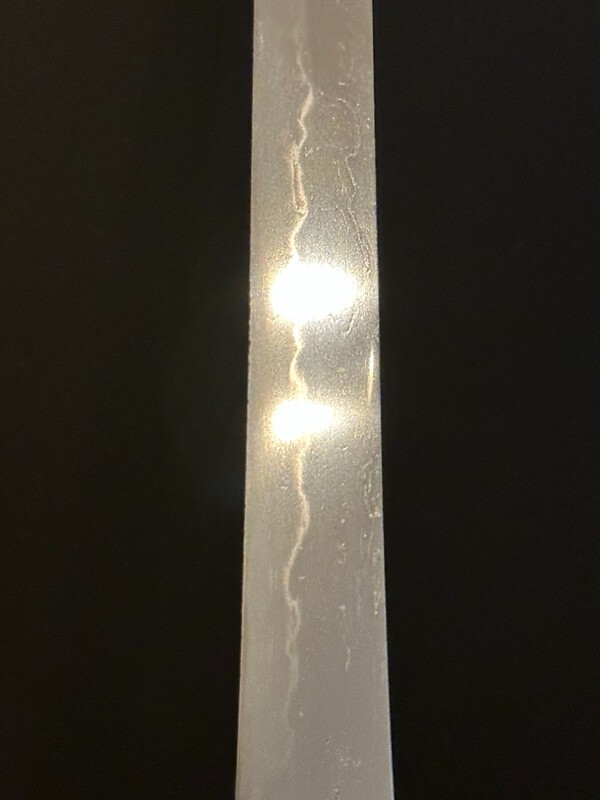
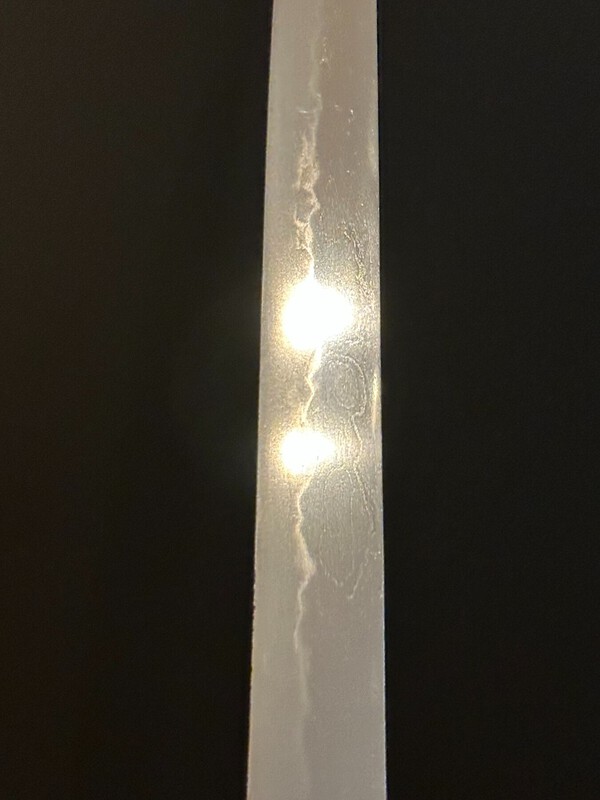
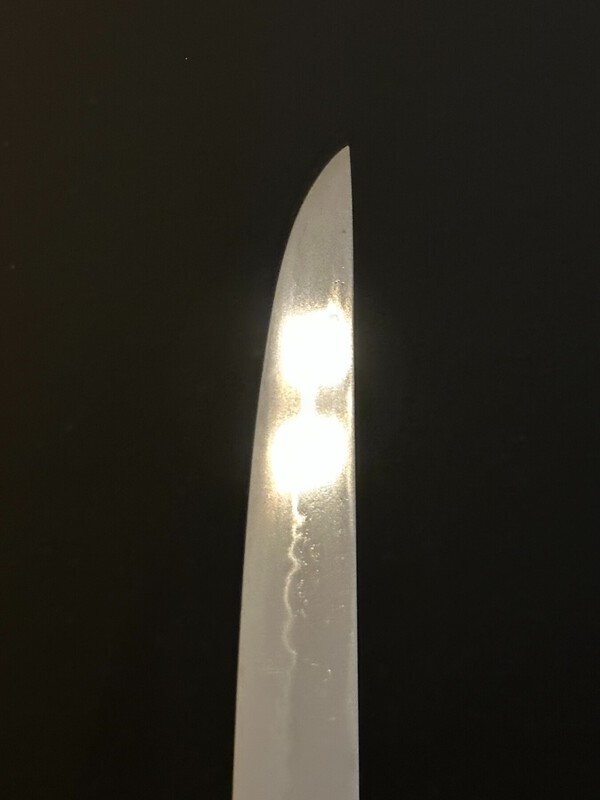
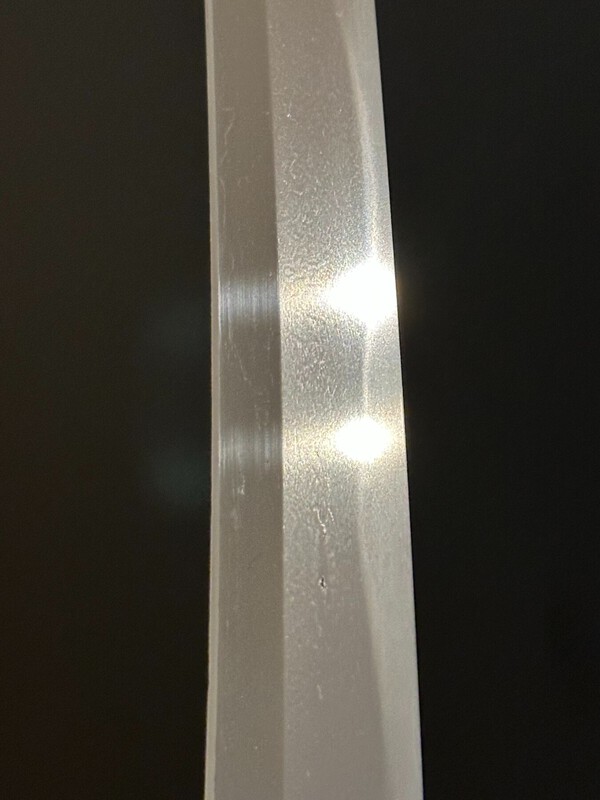
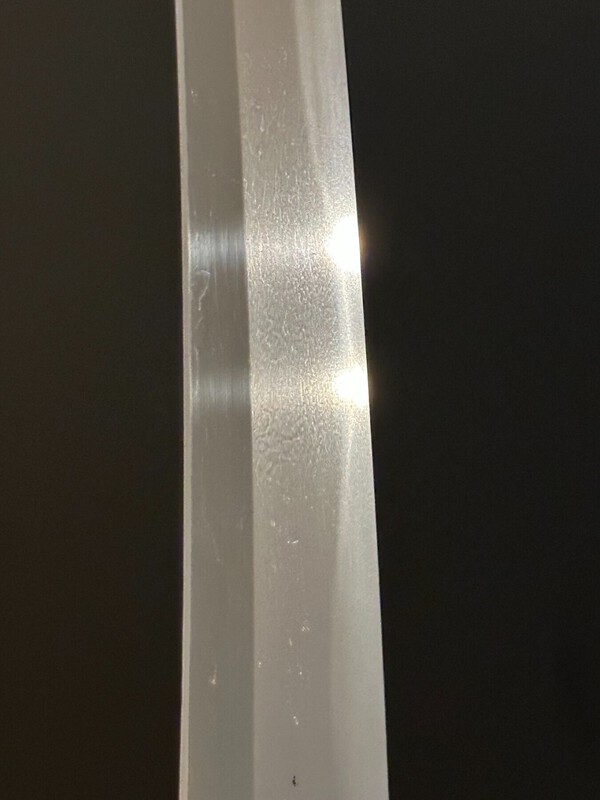
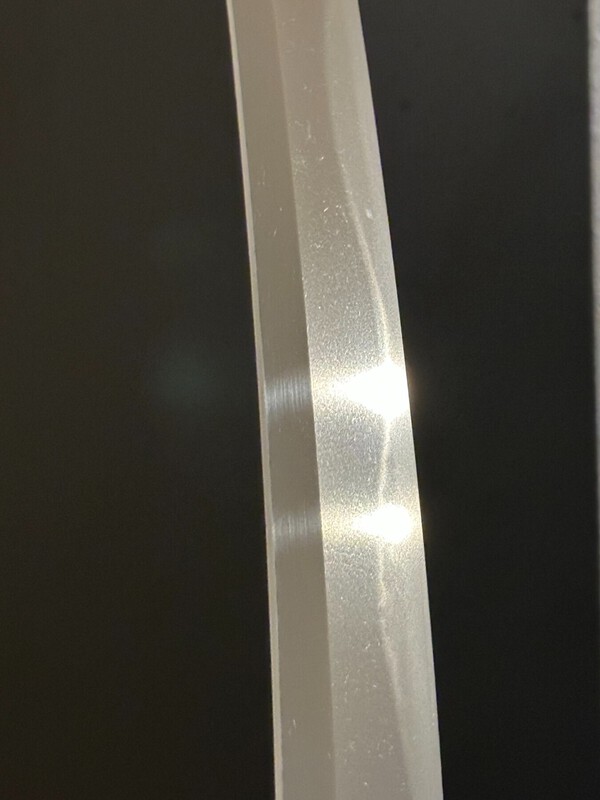
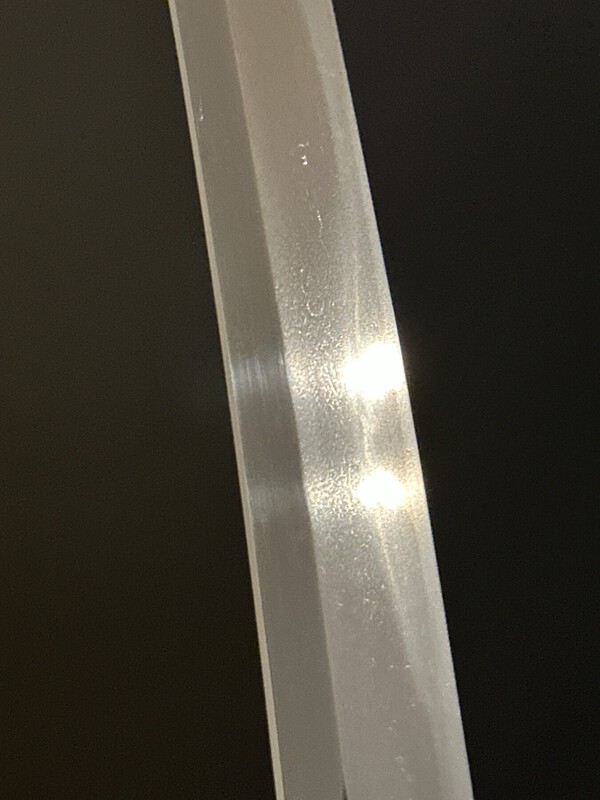
Signed Tanto Osafune Sukesada Tensho in shirasaya NBTHK Hozon EU Specifications: Nagasa: 21.6 cm Sori: 0 cm Mekugi-Ana: 1 Hira-zukuri Period: Late-Muromachi period tensho Jidai. Blade Description: A signed and dated tanto by Osafune Sukesada, accompanied by an NBTHK Hozon certificate. The blade is dated to August of the Tenshō period, though the exact year is illegible. The jigane consists of a well-forged mokume hada with areas of masame hada visible, showing good overall quality, with some nice jigane patterns to enjoy. The hamon is a nioi-based midare gunome, displaying very nice hataraki throughout. The blade presents as a solid example of Sue-Bizen Sukesada workmanship, with good overall condition and healthy structure. The tanto is in good condition, but in older polish. All imperfections are visible in the photographs; there are no major flaws or issues. A genuinely nice and enjoyable tanto. PRICE: SOLD Free shipping within the EU International shipping available (extra charge: €20–40) Express insured shipping (FedEx, UPS, DHL Express, etc.) Located in the Netherlands – Pickup available Payment Methods: Various payment methods are accepted, with bank transfer preferred. Please contact via PM to discuss payment options. Any questions are welcome. Feel free to contact me anytime.






-
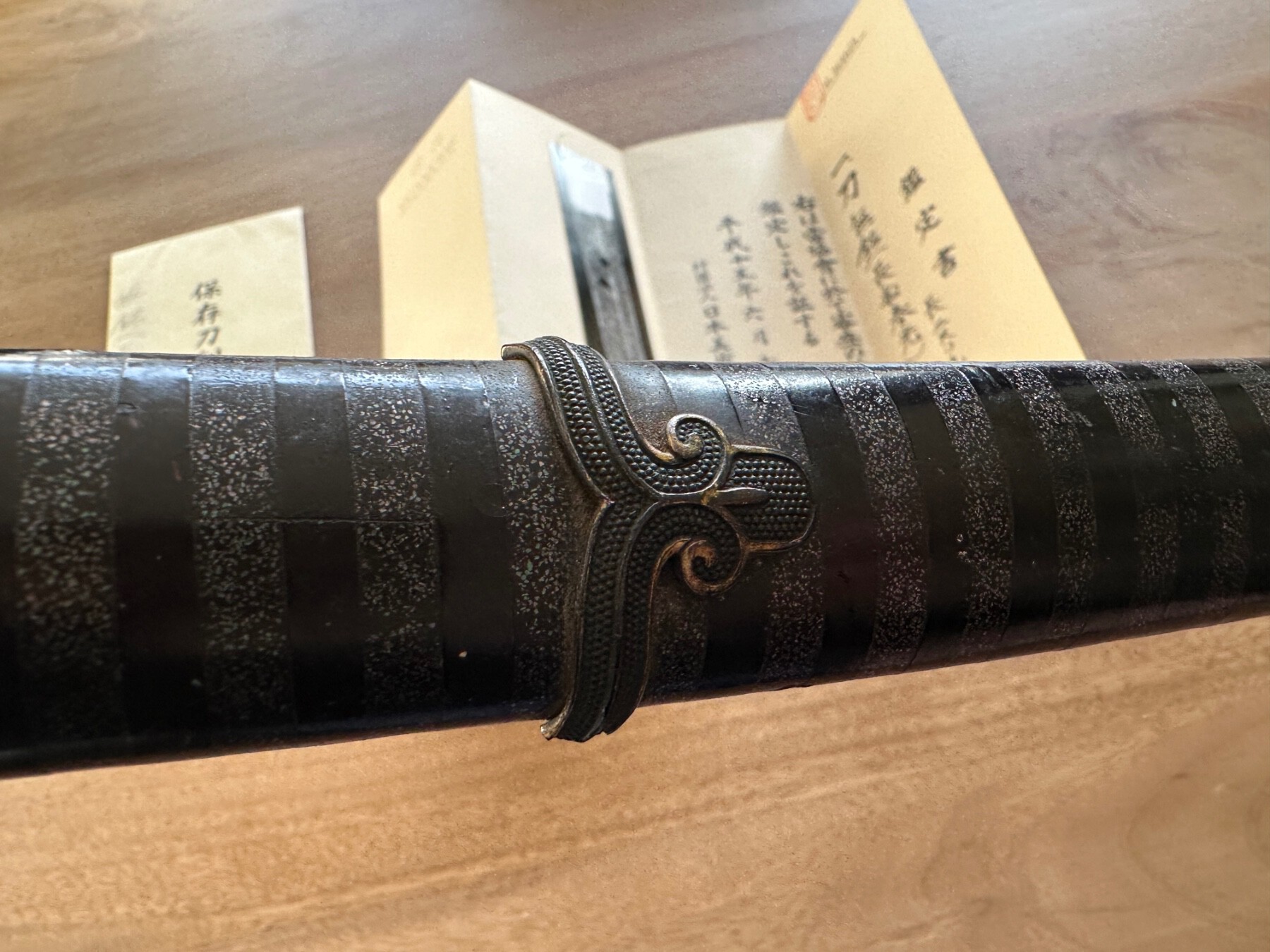
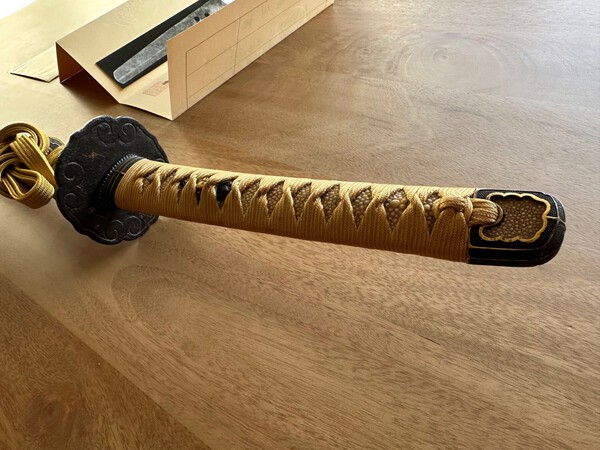
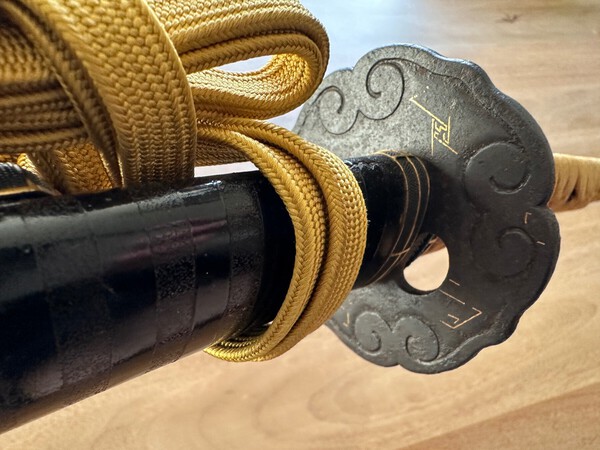
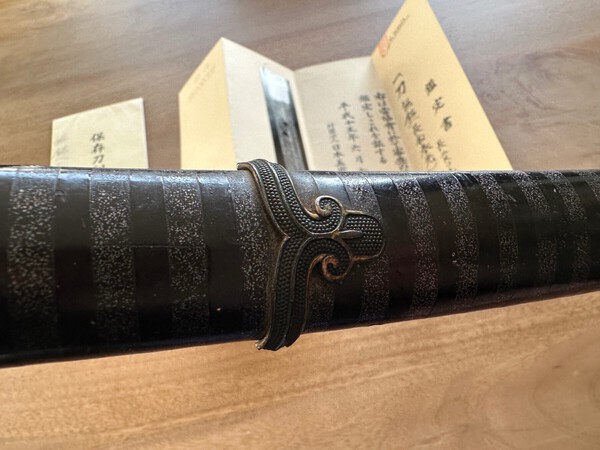
Extra pictures of the koshirae:
-
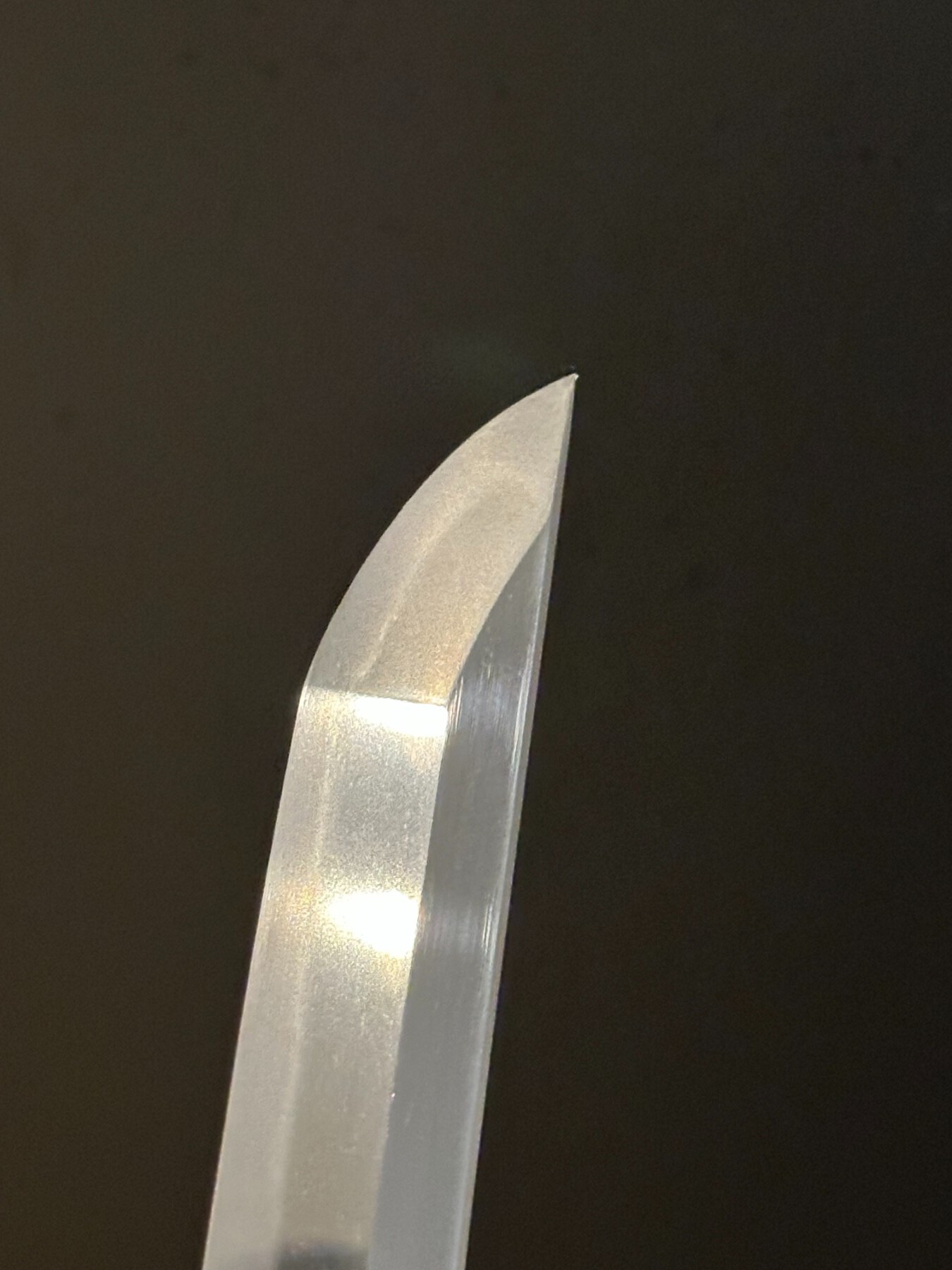
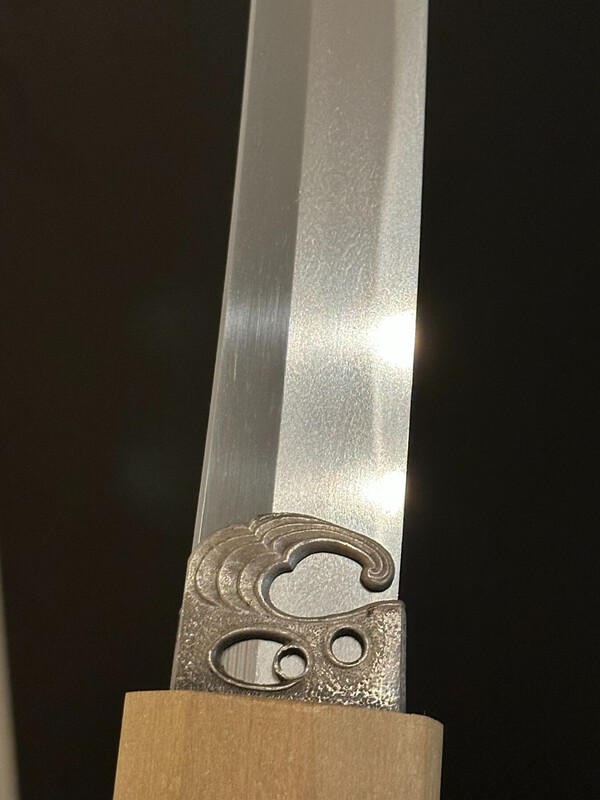
PRICE: €3300 (EURO) Free shipping within the EU International shipping available (extra charge: €20–40) Express insured shipping (FedEx, UPS, DHL Express, etc.) Located in the Netherlands – Pickup available Payment Methods: Various payment methods are accepted, with bank transfer preferred. Please contact via PM to discuss payment options. Any questions are welcome. Feel free to contact me anytime. PS: There is no damage to the tip of the sword; this is a piece of dust still attached to the kissaki while taking pictures (which I did not notice when taking the images). There is also a Shirasaya, as can be seen in the first image.






-
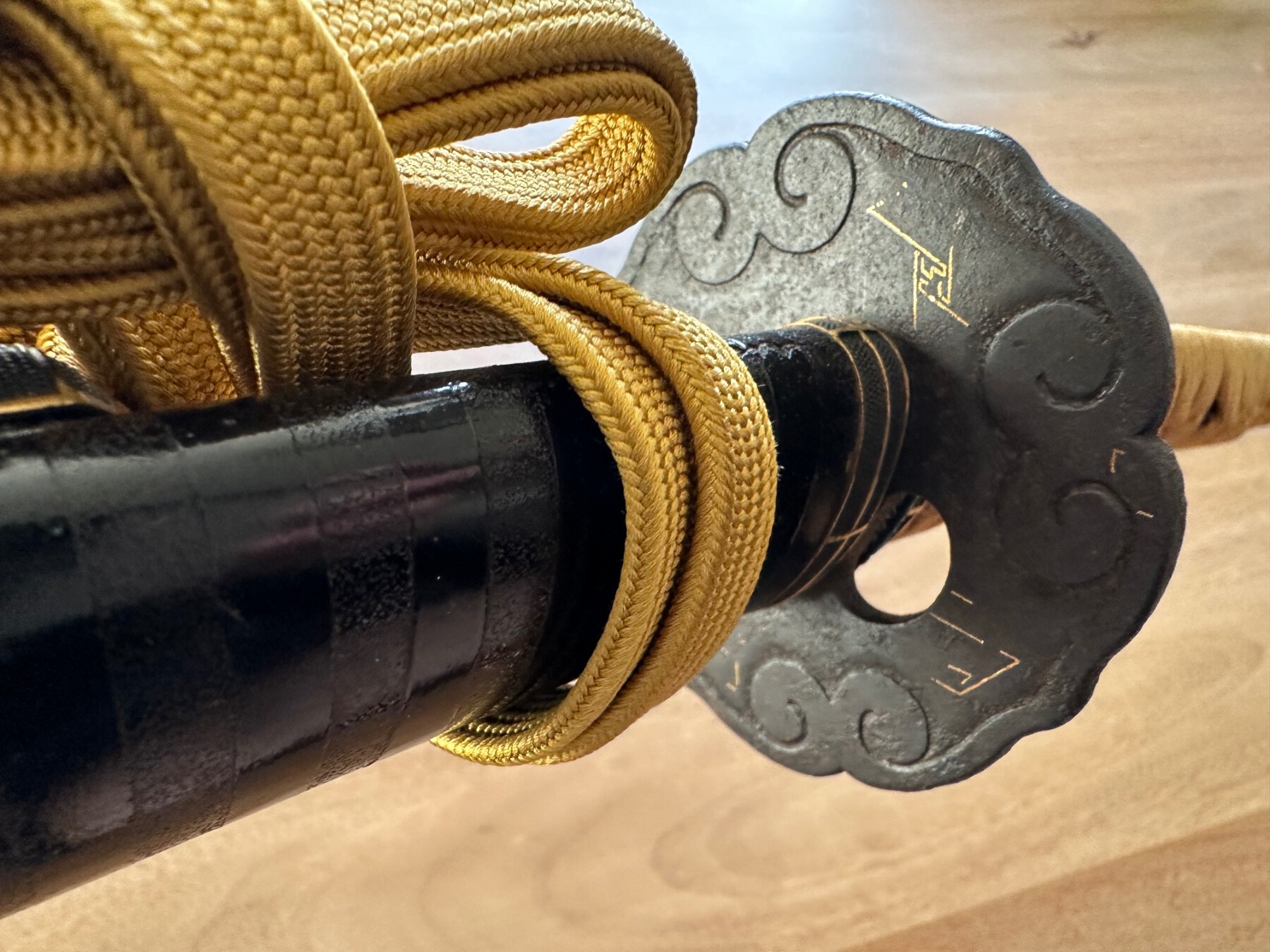
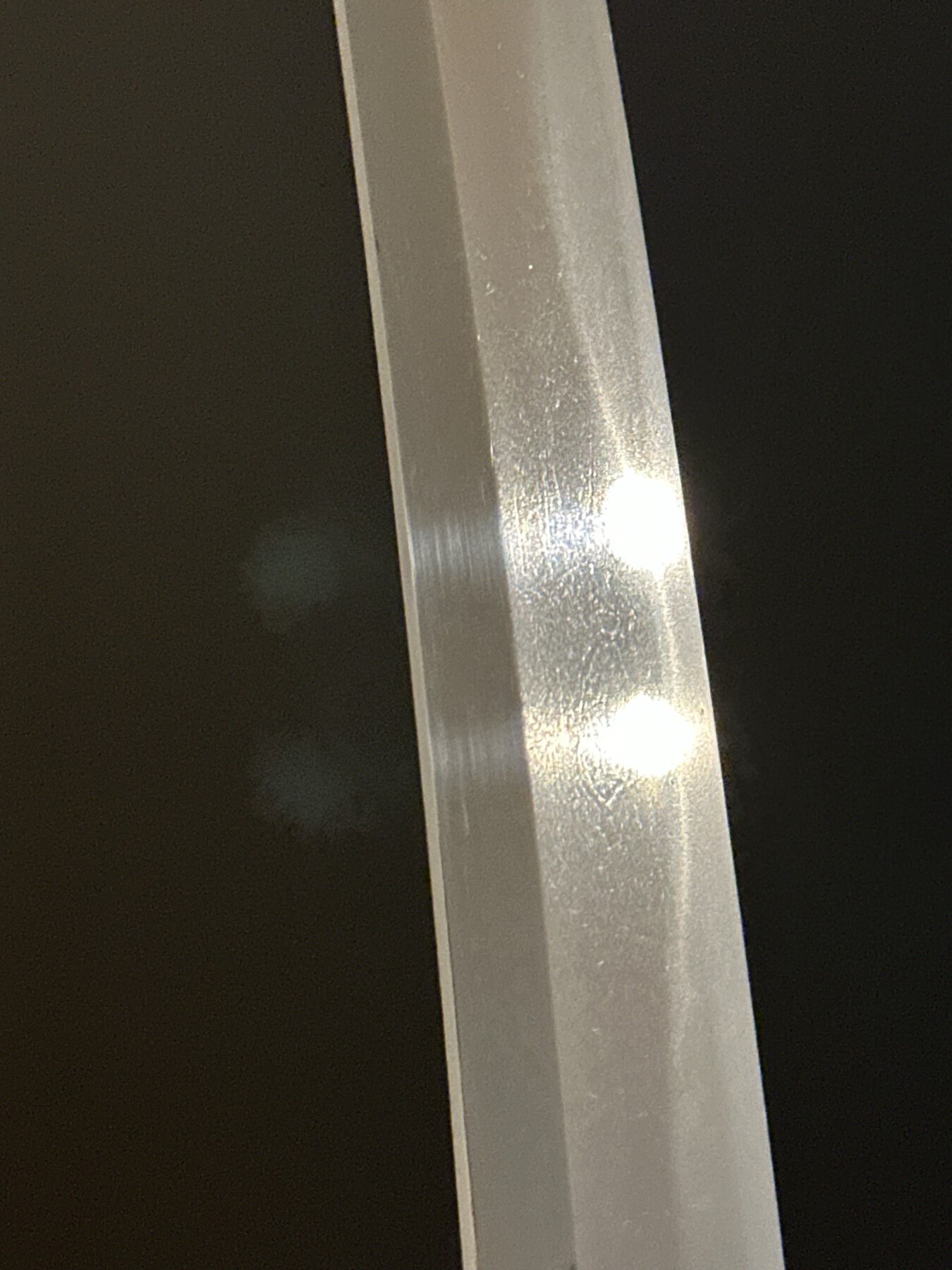
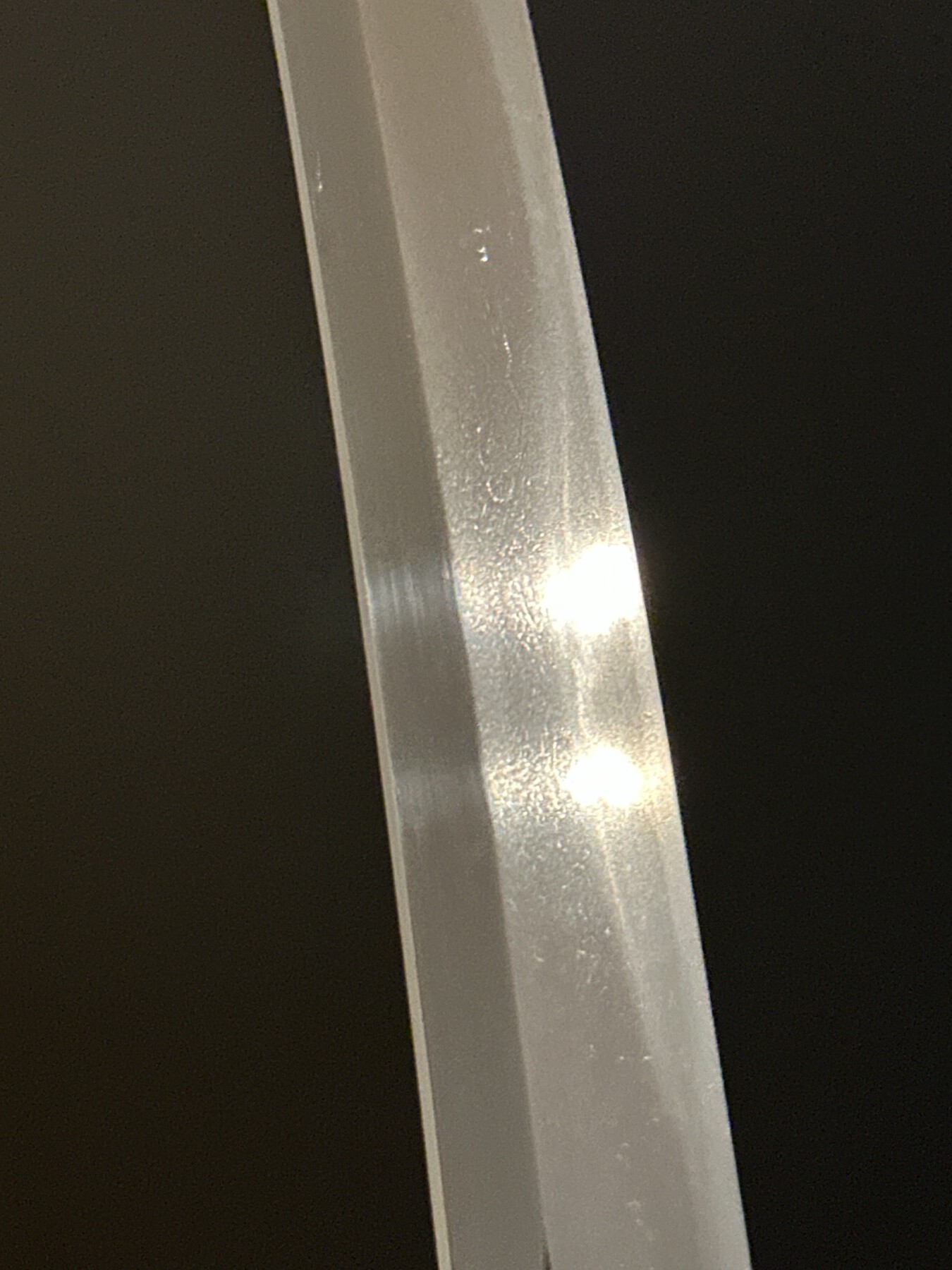
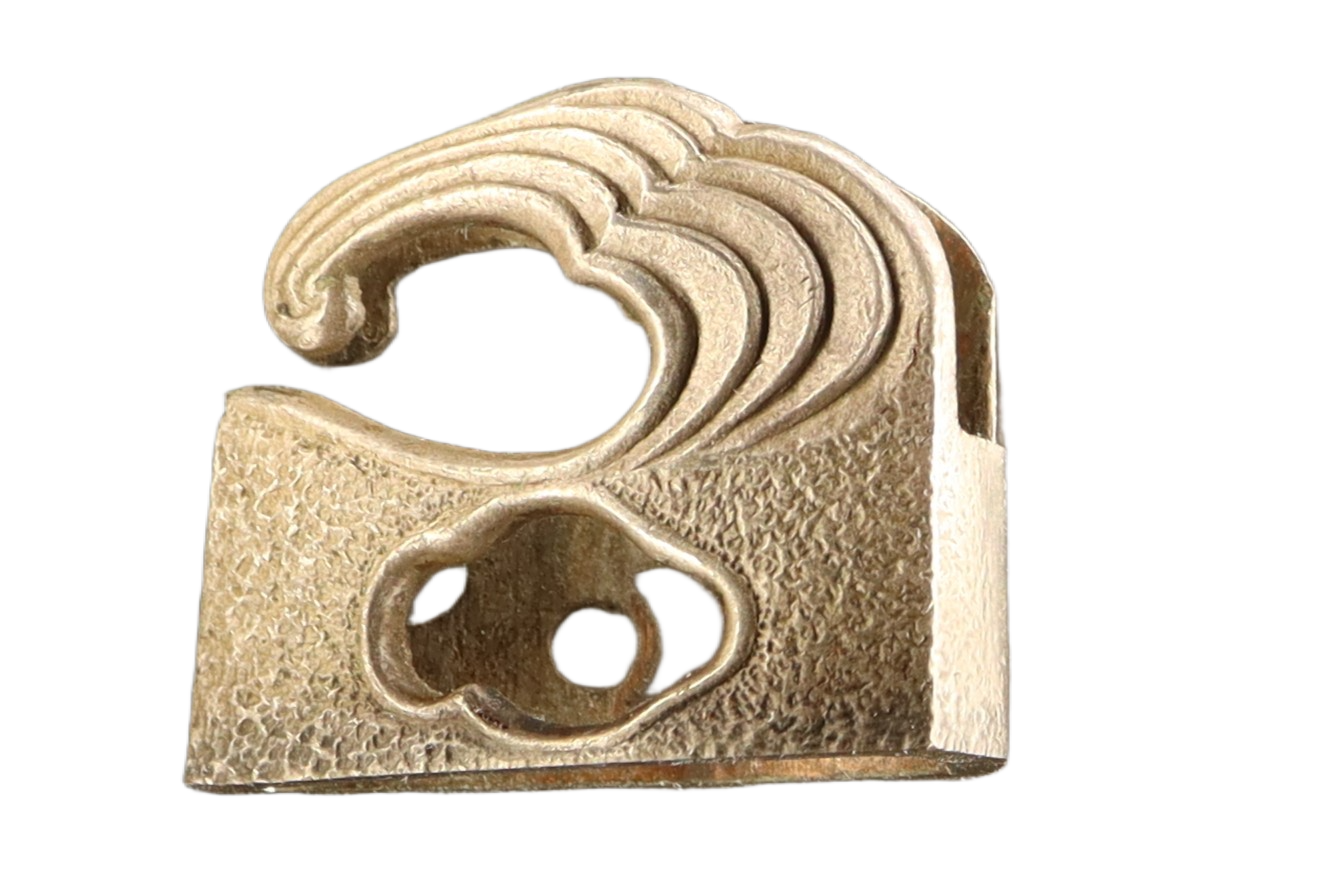
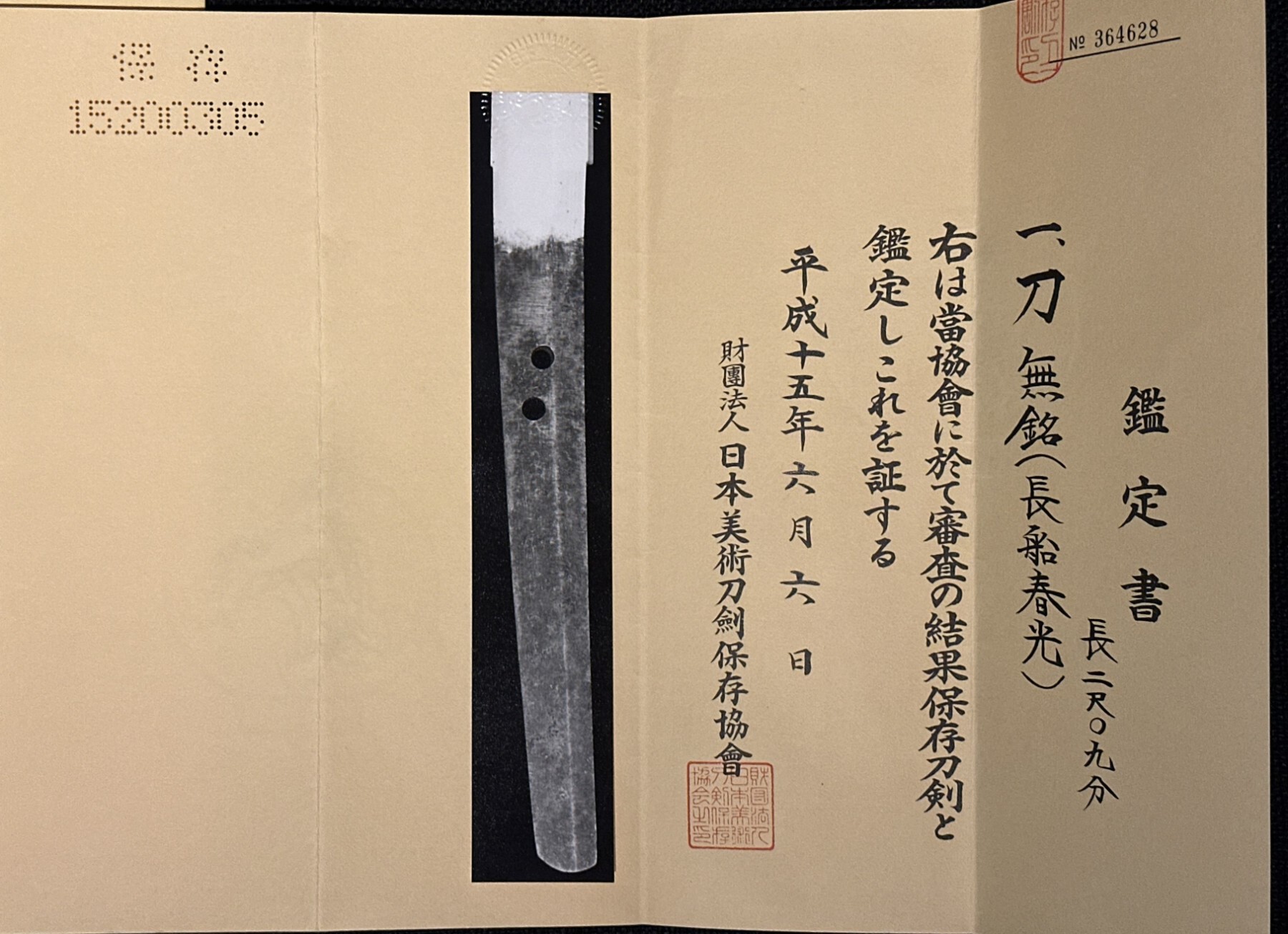
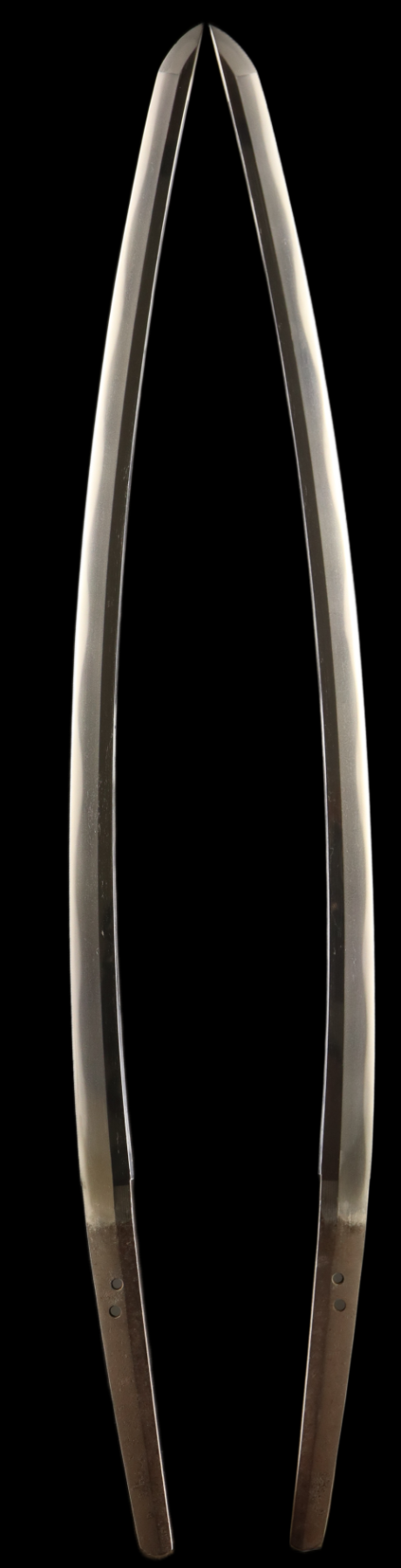
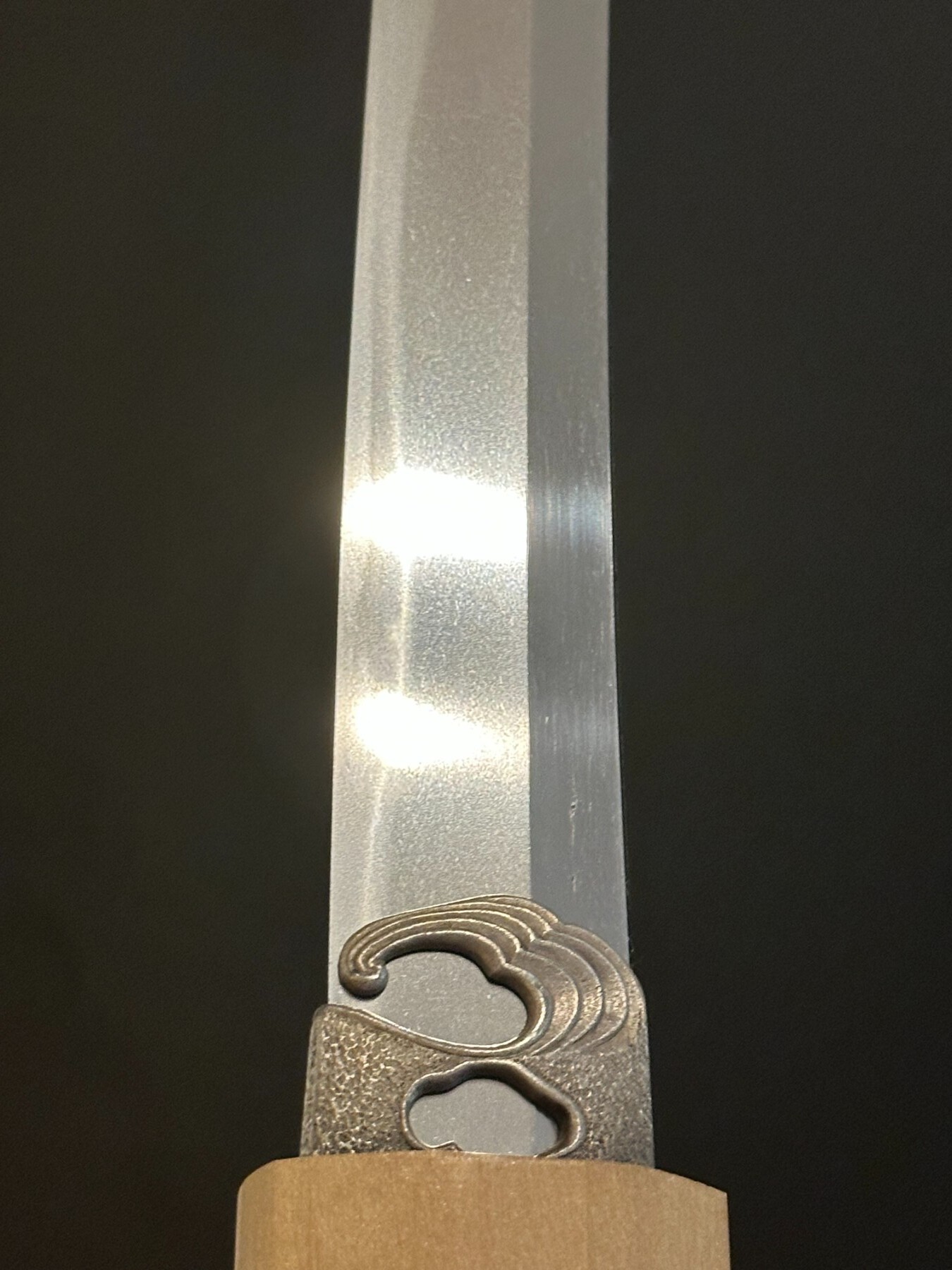
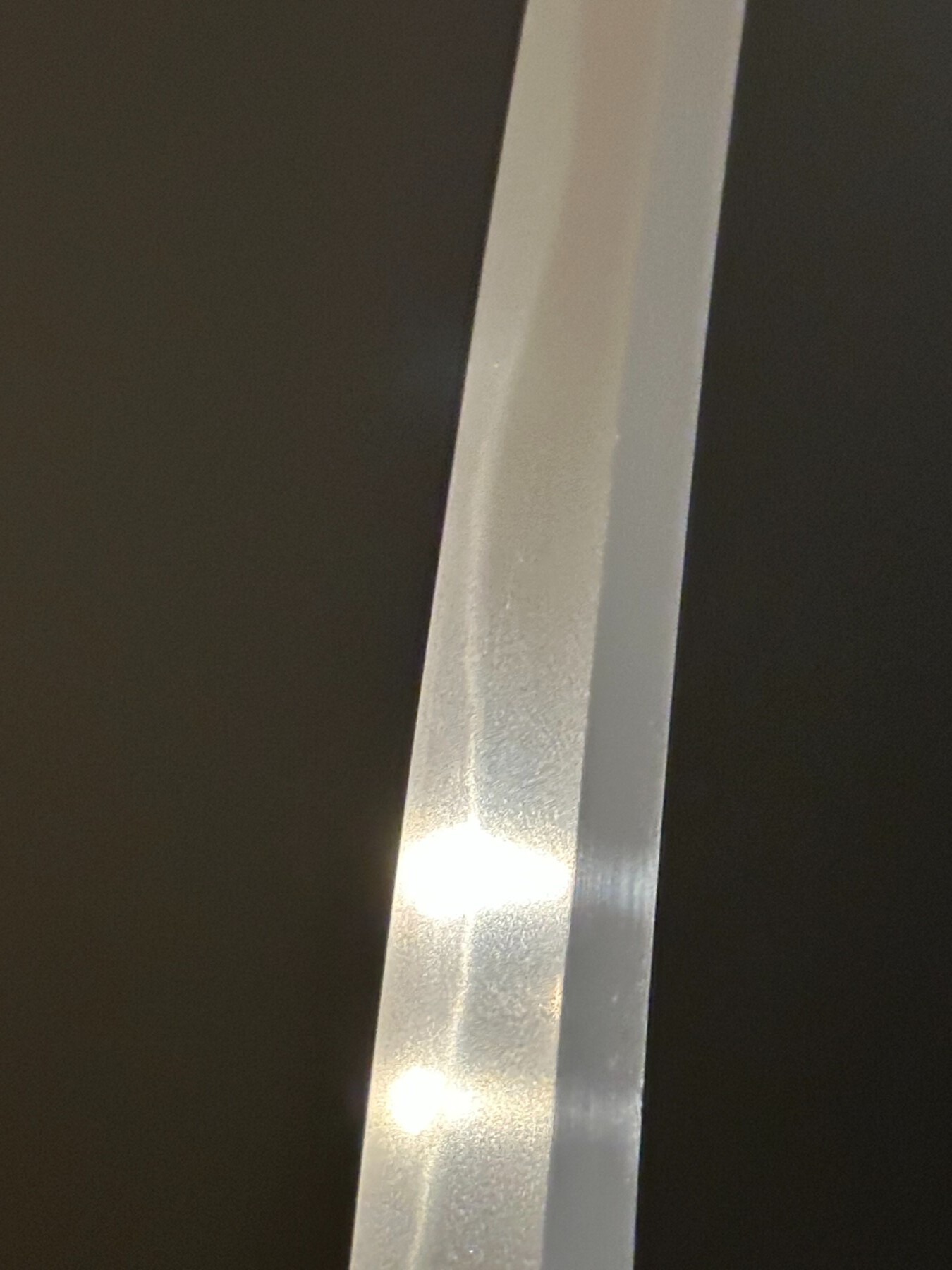
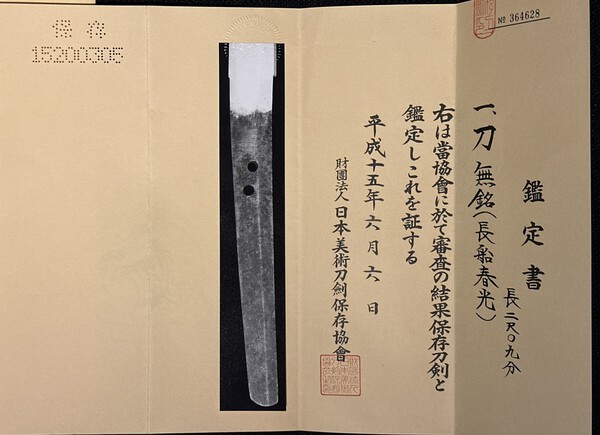
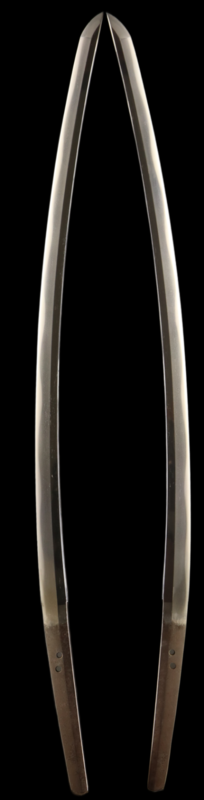
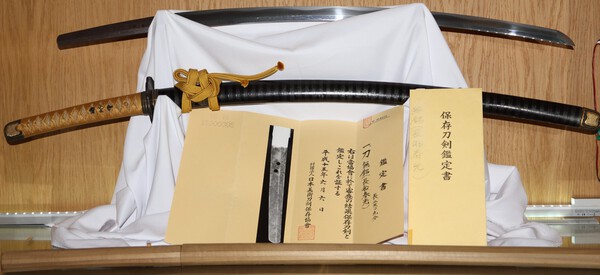
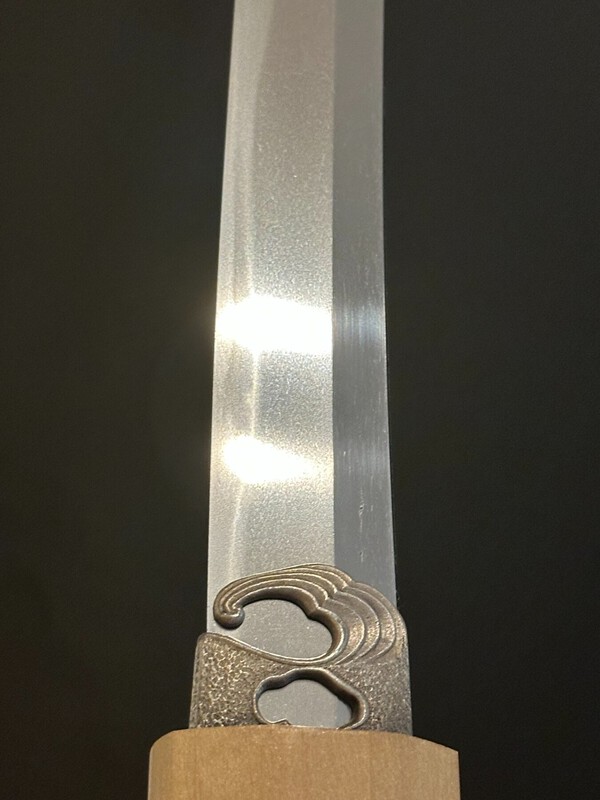
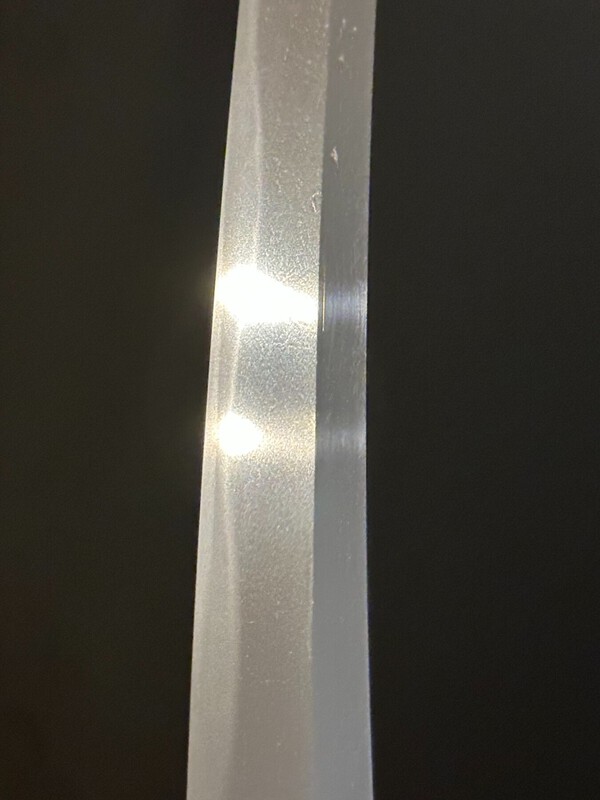
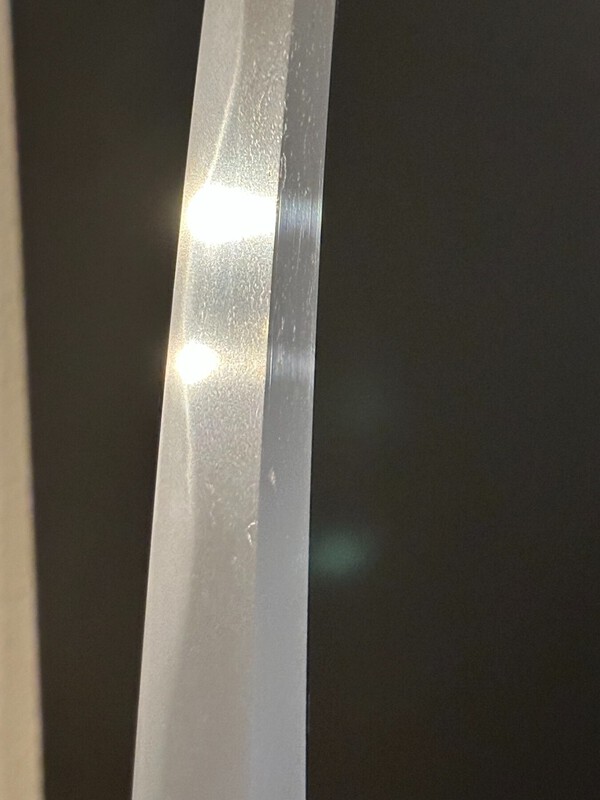
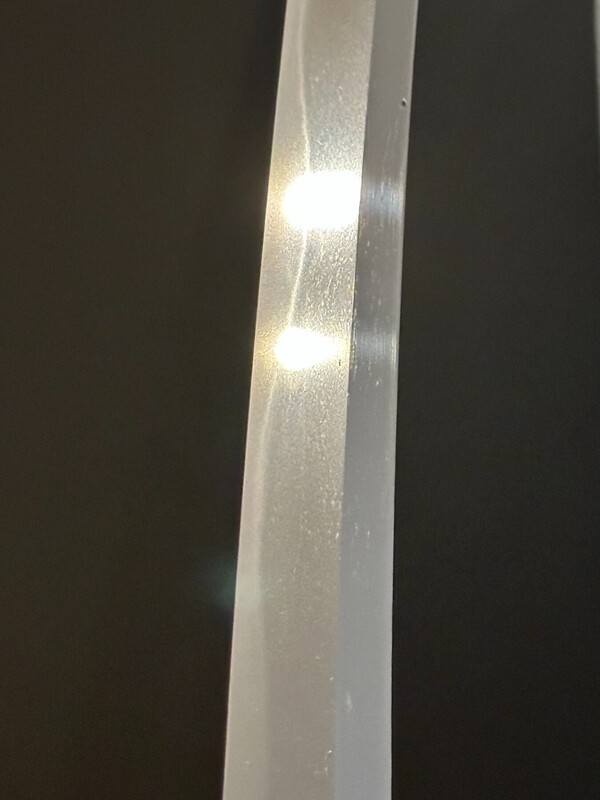
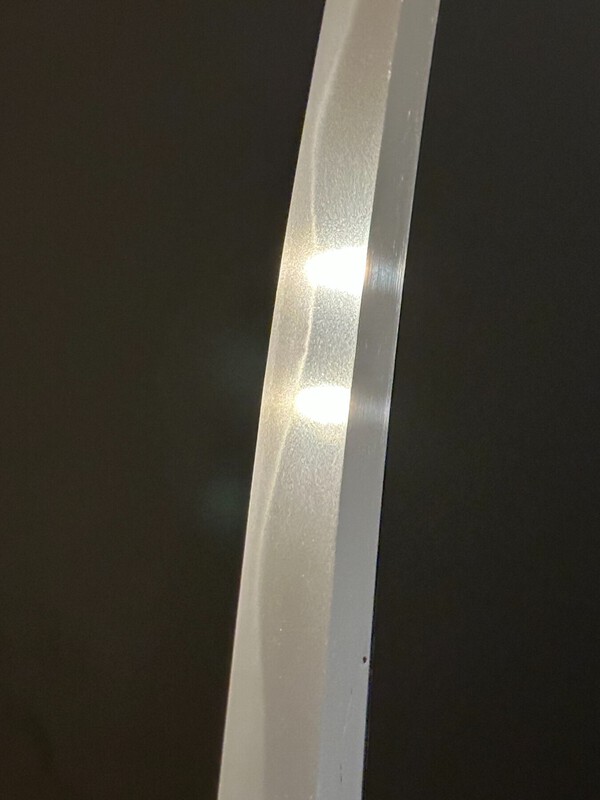
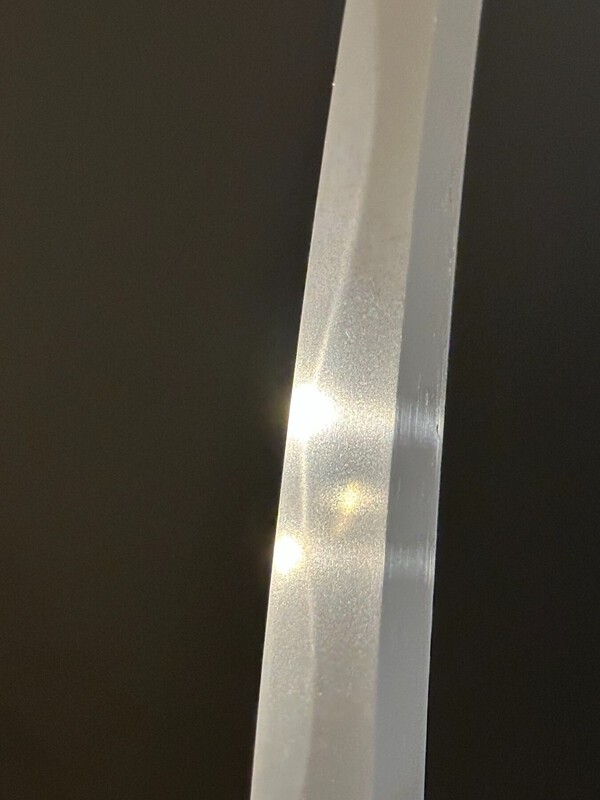
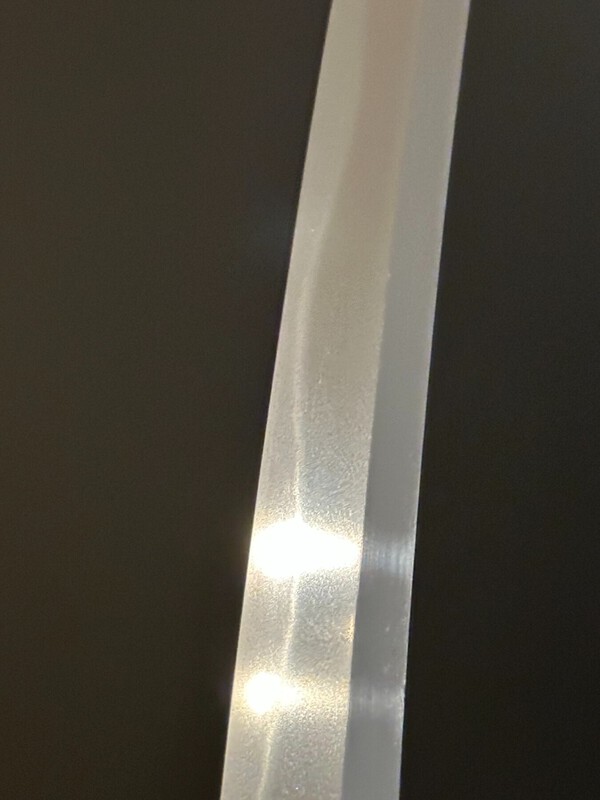
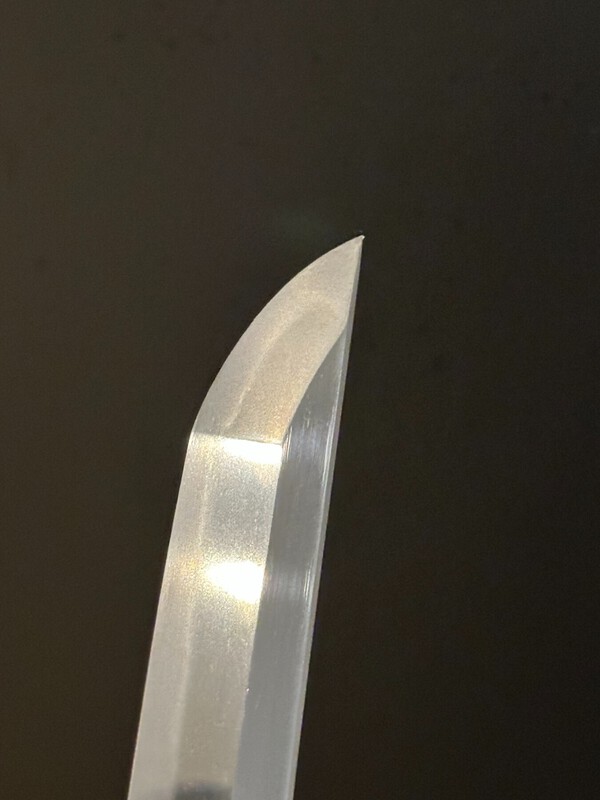
Mumei Osafune Harumitsu Katana Late Muromachi Period (Sue-Bizen) NBTHK Hozon Specifications: Nagasa: 63.4 cm (approx. 2 shaku 9 sun) Sori: 2.6 cm Motohaba: 2.86 cm Sakihaba: 1.96 cm Motokasane: 0.68 cm Sakikasane: 0.46 cm Mekugi-Ana: 2 Shinogi-zukuri, Iori-mune, Chū-kissaki Period: Late-Muromachi period around Eisho Jidai Blade Description: A stunning, unsigned katana attributed to Osafune Harumitsu, accompanied by an NBTHK Hozon certificate and mounted in koshirae. The jigane is a well-forged itame hada with mokume mixed in, of a nice appreciable level. There are areas where the hada is more dense, with mostly itame; there are some stunning parts where the sword shows nice mokume patterns, with thick ji-nie and active chikei. The hamon is a large notare-based pattern, with ko-nie and nioi forming a slightly subdued but well-controlled temper line (very similar to a wave). Within the hamon, there are ashi, ko-ashi, and yō visible. The bōshi is straight with a slight hakikake, which returns. The nakago is suriage. The blade is fitted with a silver habaki featuring a wave motif. The blade is in excellent condition; there are some slight imperfections visible on the images, including some damage to the mune (possibly Homare-kizu?). Koshirae: The blade is mounted in a late Edo period han-dachi koshirae. Total Length: 94.5 cm Tsuka Length: 24 cm Saya: Black ishime lacquer with black lacquered horn kojiri Fittings: Matching set with nanako-ji and gold edging Menuki: Shakudō with plant motif Tsuba: Iron mokkō-gata with carved decoration and gold inlay The koshirae overall is likely a Bakumatsu period piece; the tsuka has been re-wrapped, so it does not preserve the original tsuka-ito. The tsuba is considerably older than the koshirae (in my opinion).
-
Lowering price to 200 euro
-
I will be there for the third year as well, would love to meet some NMB members.
-
SOLD
-
Hello Steve, Thank you so much for the correction. I will now update the listing. Mistake on my end with the translation. Yes!
-
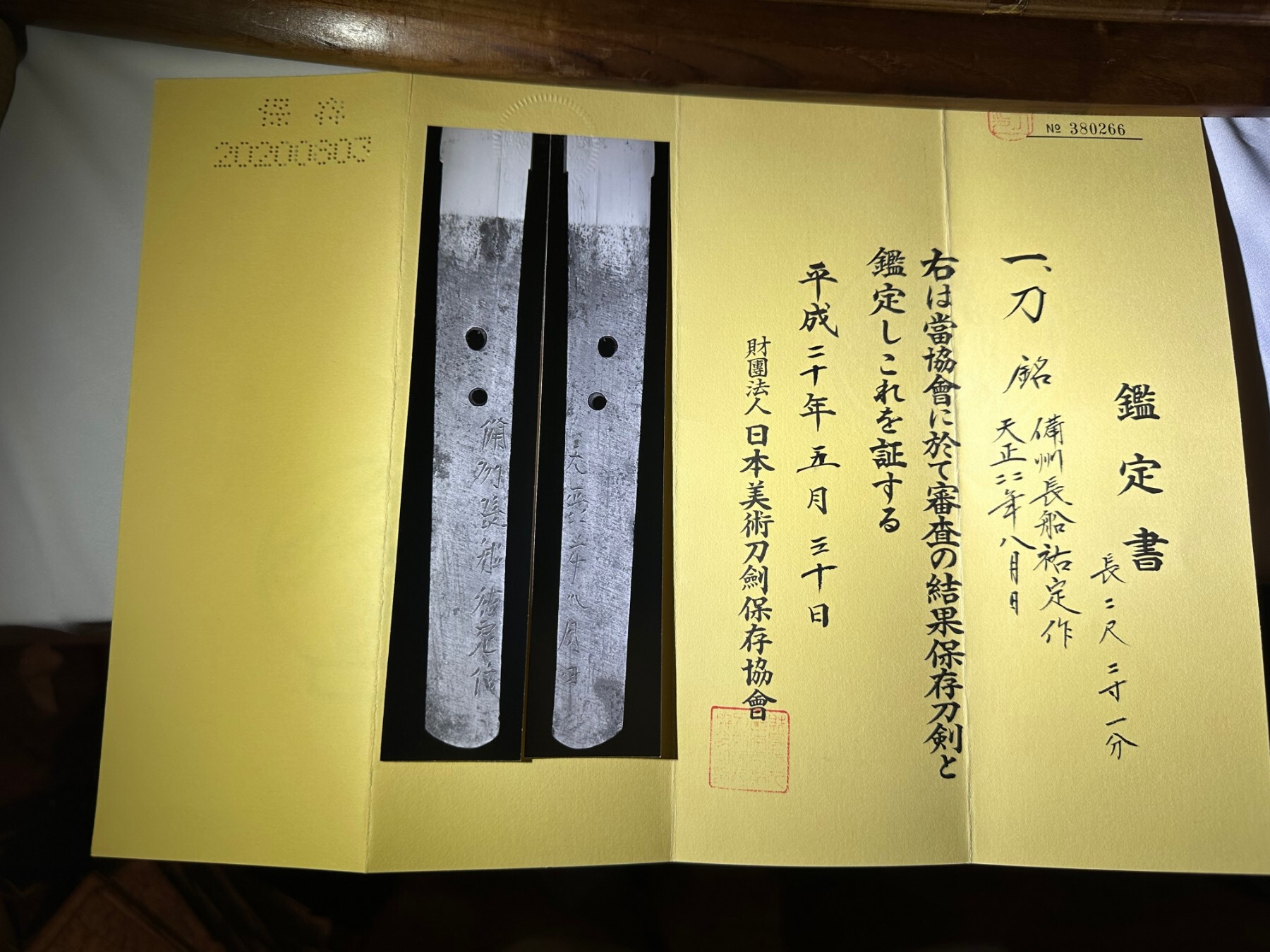
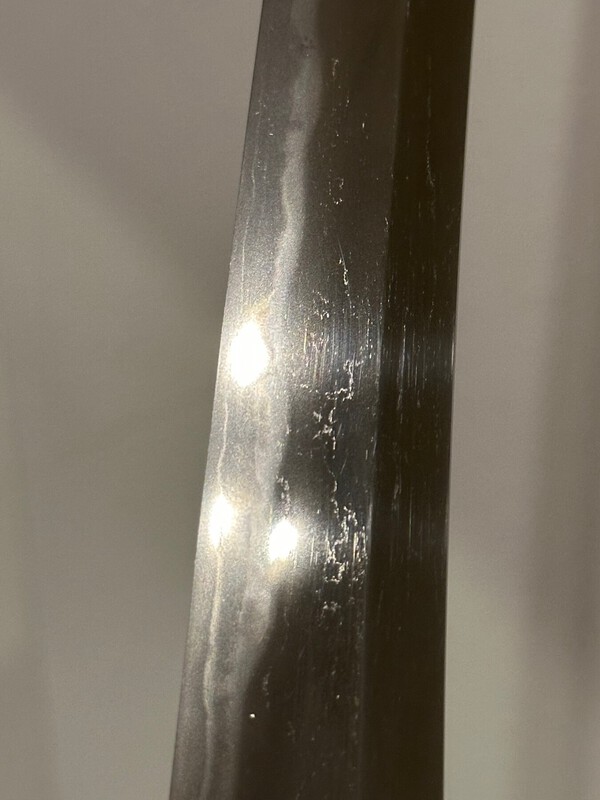
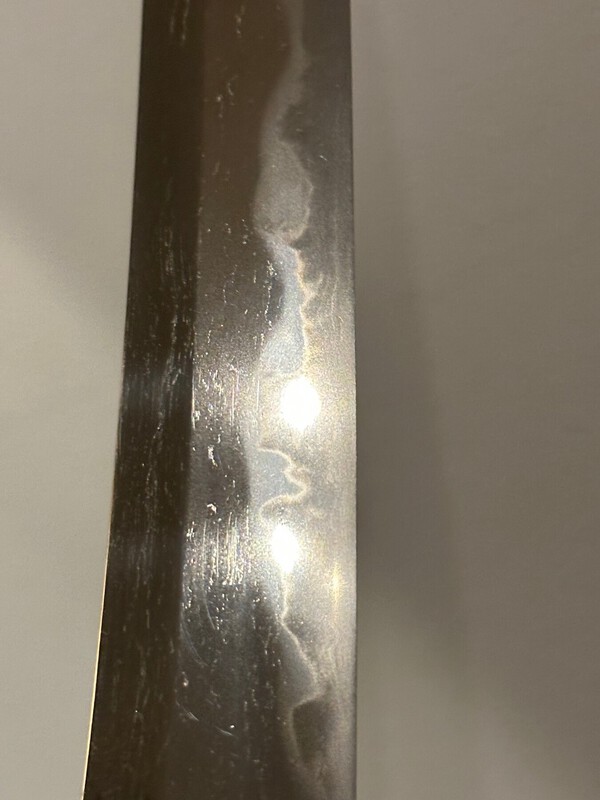
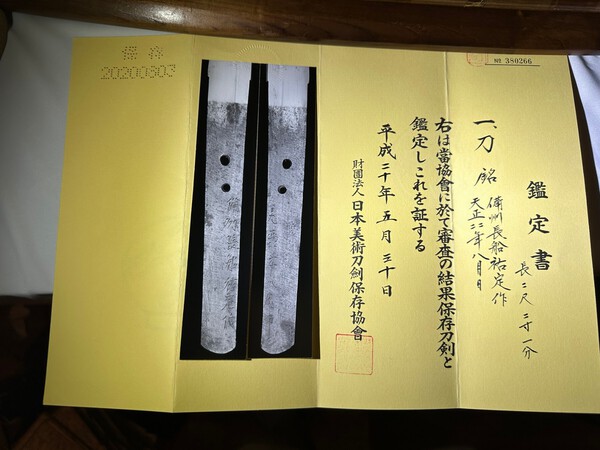
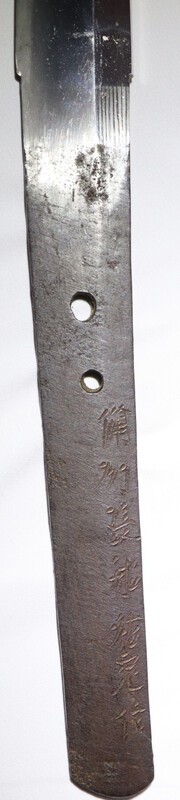
I am hereby offering this nice Sukesada Katana with stunning hataraki, with NBTHK hozon papers. This blade is being reoffered because the blade was traded in for a different sword. Specifications: Nagasa (Blade Length): 67.0 cm Sori (Curvature): 1.8 cm Width at Base (Motohaba): 3.05 cm Width at Tip (Sakihaba): 2.25 cm Thickness at Base (Motokasane): 0.73 cm Thickness at Tip (Sakikasane): 0.51 cm Number of Peg Holes: 2 (ubu) Blade Description: A very nice Katana signed Bishū Osafune Sukesada, dated Tensho 4 (1576) – 8th month, accompanied by an NBTHK Hozon Certificate and fitted with a silver-covered copper habaki. The blade is constructed in shinogi-zukuri, with a high shinogi and low iori-mune, and a large kissaki. The steel surface is a tightly forged ko-itame, with flowing areas where the grain stands out. The blade is covered with good ji-nie, and the jigane is described as healthy. The hamon is a nioi-based complex gunome-midare, incorporating small gunome, notare, and small midare, with kinsuji working through the interior of the hamon. The hataraki is stunning, as can be seen in my images. Very nice blade to study hamon activity. The nakago is ubu. Condition Some scratches on the blade overall, as can be seen in the images. Some foraging imperfections on the blade, but it does not distract from the stunning hamon. Shirsaya has some slight splitting at the end, this can easily be solved with some rice glue. Price: €2250 Free shipping inside EU Shipping outside EU available for a small additional cost (€20–40) Shipped with UPS Express (or a different service at request), fully insured to full value. Located in the Netherlands – pickup possible Any questions are always welcome! There will be a donation made to NMB if the blade is sold through NMB.

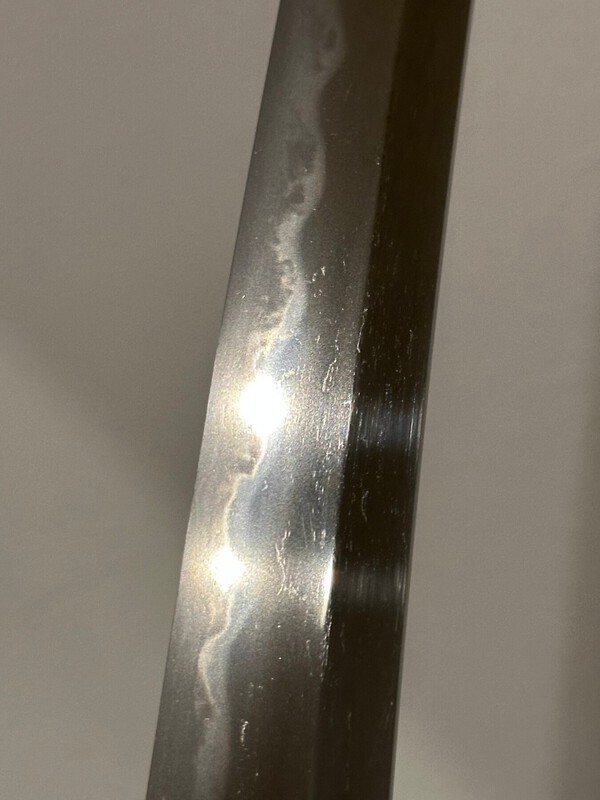
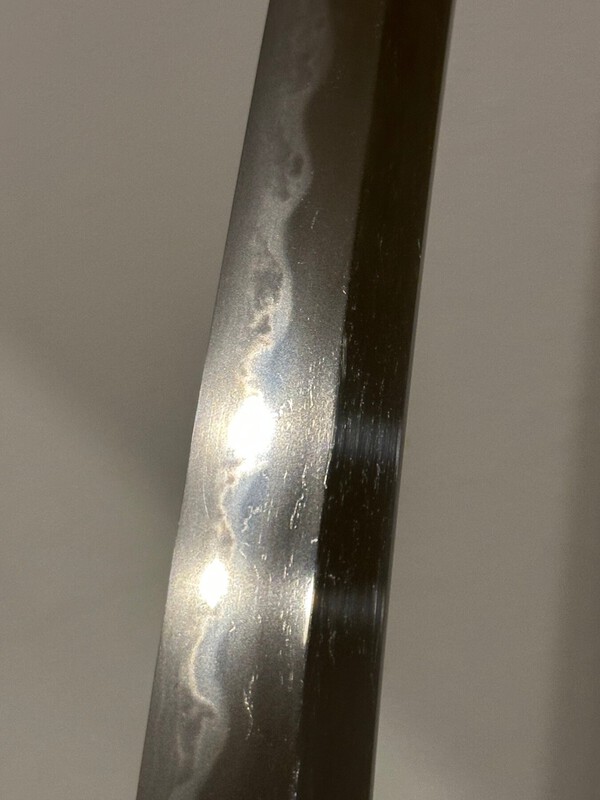
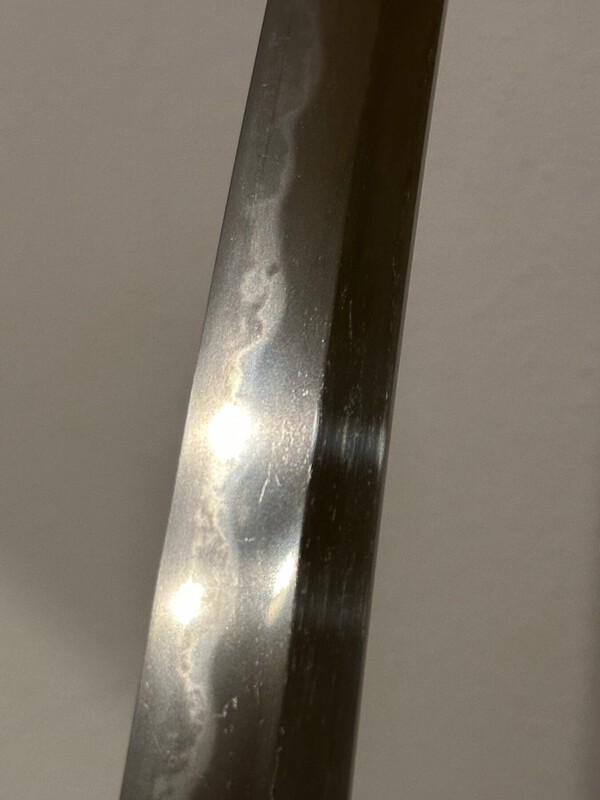
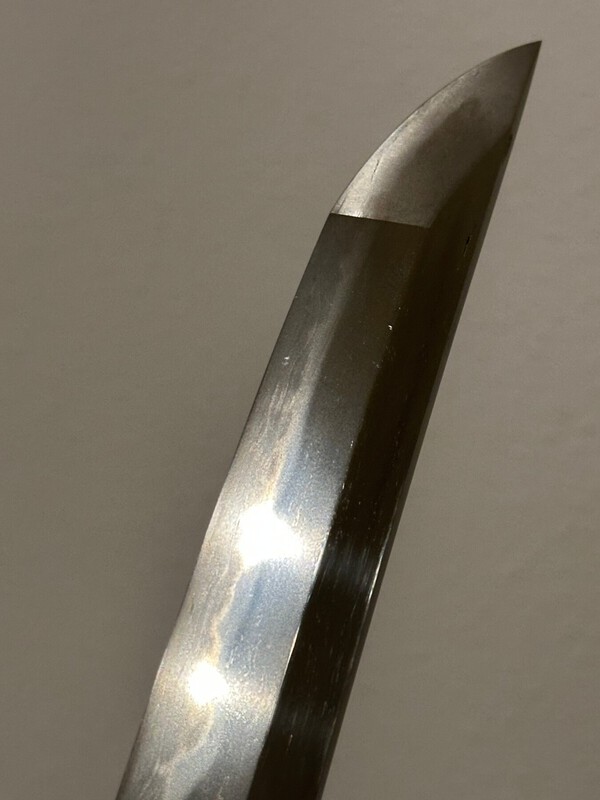




-
Hello Maik, This link will give you all necessary information about the Japan Art Fair: https://www.japanartfair.com I can absolutely recommend you attending, it’s a wonderful opportunity to view some high-end blades in a very nice setting. While you are at it you can also consider joining the Dutch Token Society, we come together 4 times per year to discuss and appreciate Japanese Swords and fittings. http://www.to-ken.nl Groetjes, Lex
-
Hello Adam, Thank you for sharing! Brings back memories from the DTI this year. Even had my own little cameo!
-
What is this Hozon Certificate ?
Lexvdjagt replied to klee's topic in Auctions and Online Sales or Sellers
The oshigata system was used until photographs became standard. They switched to photographed nakago in the late 90s. -
ON HOLD