GRC
-
Posts
723 -
Joined
-
Last visited
-
Days Won
13
GRC's Achievements






-
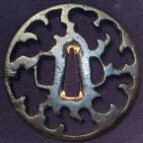
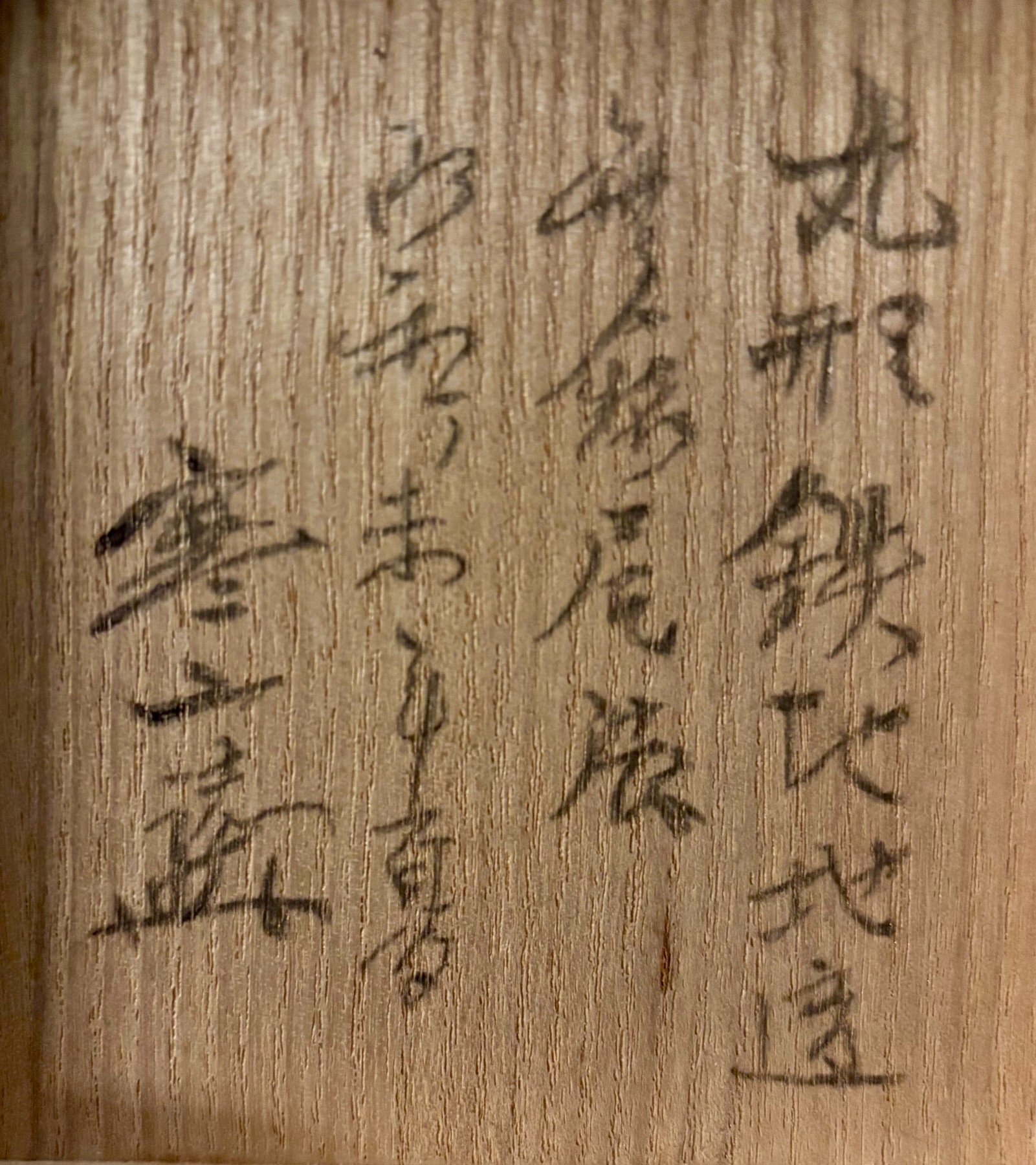
Assistance needed in translation of a tsuba Hakogaki
GRC replied to GRC's topic in Translation Assistance
Thanks Jean and Koichi It confirms my suspicions and keeps the lid open on the pandora’s box of the NBTHK assigning “school” attributions to old, unsigned iron tsuba. The NBTHK papered this tsuba to Ko-shoami, while Sato Kanzan assigned it to Owari. I love this tsuba even more now because of the blatant discrepancy in attributions. -
Any help would be much appreciated... kanji done by hand, don't do well in google translate It's for an iron sukashi tsuba with clouds and water drops. Thanks!

-
Thanks Mauro! The compiled version is certainly going to be a valuable resource for everyone. It may also serve as a window into how certain types of mumei tsuba were being classified by Sato Kanzan (and by association, the NBTHK) during that time period. It could be a useful benchmark to see how similar tsuba are being papered today and note the shifts in attributions in recent times. Not to mention, seeing some great tsuba examples along the way
-
Nanban or Hizen... not Jakushi (although there's a similar look to the nunome, Jakushi never did this tsuba shape or did this type of design theme). It's probably a Chinese craftsman working in one of the ports in Japan (therefore should get a hybrid combined attribution of both Nanban and Hizen... which never happens in the papering world, because they are fixated on sticking to the narrow set of categories that were agreed upon in the past. Both categories of Nanban and Hizen are loosely defined at best and have lots of issues... so the exact attribution under those two labels is kind of arbitrary anyway. Either way, it's an unusual tsuba so congrats on your first purchase.
-
Can this tsuba have been made by fusing two iron plates?
GRC replied to Iaido dude's topic in Tosogu
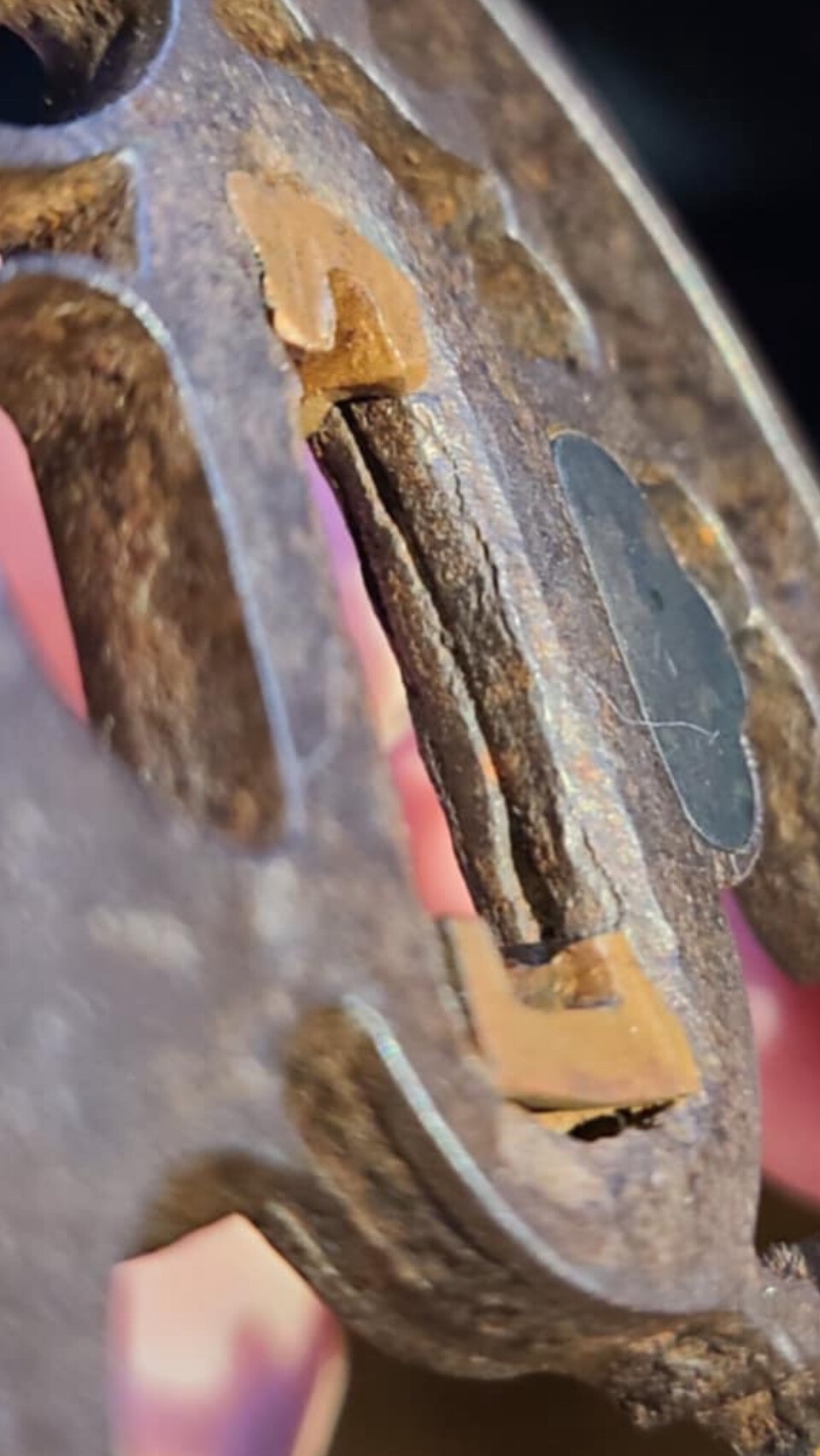
Here’s a nice example of a ko-akasaka seppa-dai that shows the four layers on the outside edge of the sepa-dai. It even has a split along the middle layers like the tsuba that started this thread… but nowhere near the same level of separation. Regardless, the whole notion of a “three layered construction” needs to be tossed aside. i’m still leaning toward a few freeze thaw cycles affecting the “tokkei” one, but who knows.
-
Can this tsuba have been made by fusing two iron plates?
GRC replied to Iaido dude's topic in Tosogu
Good to know Jean. I never would have imagined creeping rust to create such a huge gap between layers. That's pretty amazing actually. Oh and what is this tsuba forging seminar you mentioned? Are you presenting it virtually or in person or both? -
nice. I missed the gourd kanji on the papers... my fault. My sincere apologies go to the NBTHK on this one but here's a later more curvy gourd shape that this early one evolved into:

-
@MauroP... the first tsuba you posted has a really lazy description in the NBTHK papers. The first one is definitely a gourd, not "water droplets/水玉 (mizutama)". That rigidly geometric version of the gourd motif was used a lot in the late Muromachi and early Azuchi-Momoyama period... then it got more curvy and organic looking. The second one, has the classic vertical yasuri line "rain motif" on the plate, so I assume the NBTHK just went with the easy way out by calling the two holes "water droplets"... which is certainly plausible. But, I would also lean toward a sun & moon description due to the unequal sizes of the holes. But, it's also equally likely, that it was just a clever tsubako who was playing around with all of those references at the same time by purposefully making one hole larger than the other, while having the rain motif background. But complexity and nuance is not something we can expect to see in NBTHK papers...

-
Repair/restoration for an important Momoyama Period Owari tsuba?
GRC replied to Iaido dude's topic in Tosogu
Wow, someone's still in a bad mood I see... ...and still showing a penchant for dogmatic conservatism in the sense of "don't change anything", "accept everything as is". Stagnation or progress...to each their own. -
Can this tsuba have been made by fusing two iron plates?
GRC replied to Iaido dude's topic in Tosogu
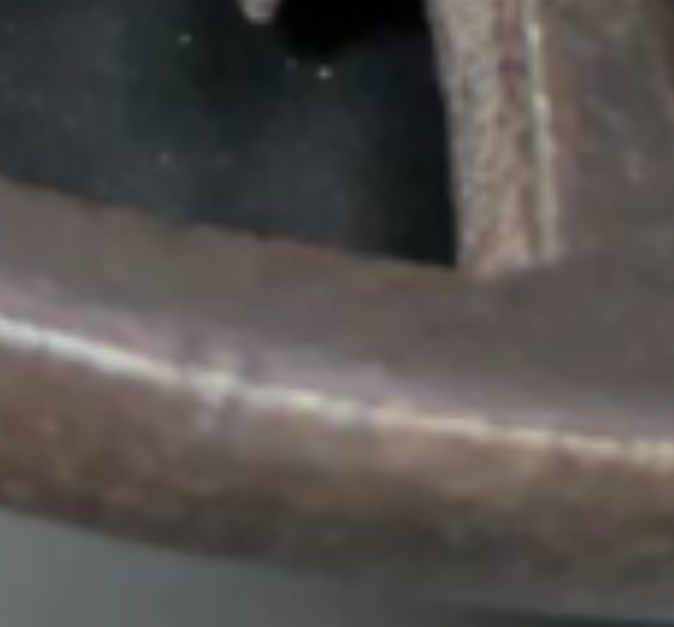
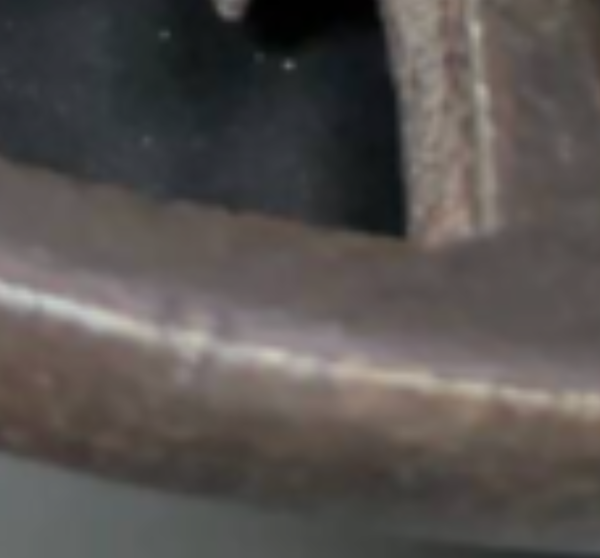
you can also see the four layers on the mimi at the bottom of the second picture that Steve posted.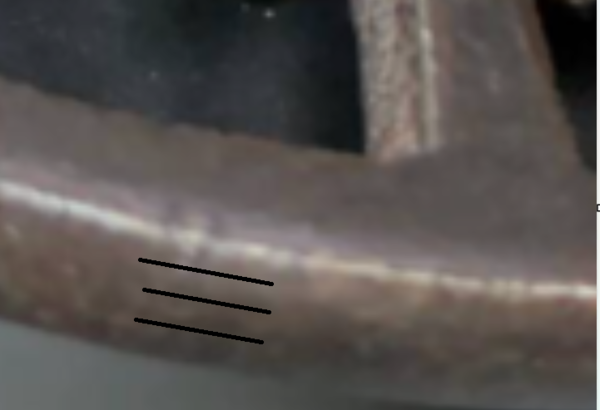
-
Repair/restoration for an important Momoyama Period Owari tsuba?
GRC replied to Iaido dude's topic in Tosogu
Found another example, also with the kozuka-hitsu-ana broken. That's the best image I could get, sorry. -
Can this tsuba have been made by fusing two iron plates?
GRC replied to Iaido dude's topic in Tosogu

-
Can this tsuba have been made by fusing two iron plates?
GRC replied to Iaido dude's topic in Tosogu
A lot of tsuba were folded and/or stacked... the usual mantra for "ko-Akasaka" type tsuba (not that this is one of those) is that there are three layers... but if you look at enough of them, then it gets pretty obvious that there are four layers. I can see that in some areas on this tsuba, the "top half" plate has a seam that shows that it is also made of two thinner plates... assume the same for the bottom half... and voila, four layers. Interestingly enough, when you see separation of the layers in other neglected tsuba (like some of the "ko-Akasaka"), the two middle layers tend to stay stuck together, which is probably why the original idea of a three layered tsuba was proposed (but is not correct). My best guess is that the two middle layers of this one were not well forge-welded when it was made, and maybe some moisture seeped in over time, followed by some repetitive freeze thaw cycles over the years in an unheated storage area, which then expanded the frozen water and pushed the plates apart (like road cracks expanding over the winter). -
even the ugliest baby has a mother who thinks it is beautiful... well most of the time anyway
-
Lol Dale, I was literally going to post the same tsuba with the exact same comment... it's either the prequel or the end of the production line before things got much more restrained in the Edo period.