Okan
-
Posts
597 -
Joined
-
Last visited
-
Days Won
10
Content Type
Profiles
Forums
Events
Store
Downloads
Gallery
Everything posted by Okan
-
It really is interesting. I won’t argue against this, as I don’t have much knowledge of textiles, and I respect your opinion very much. I’ll wait for it to arrive and take a closer look...
-
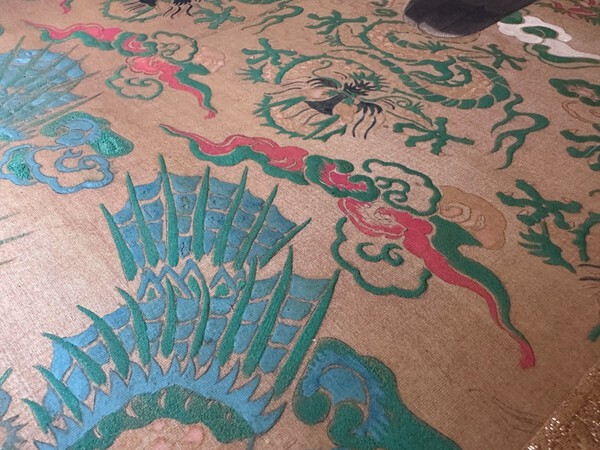
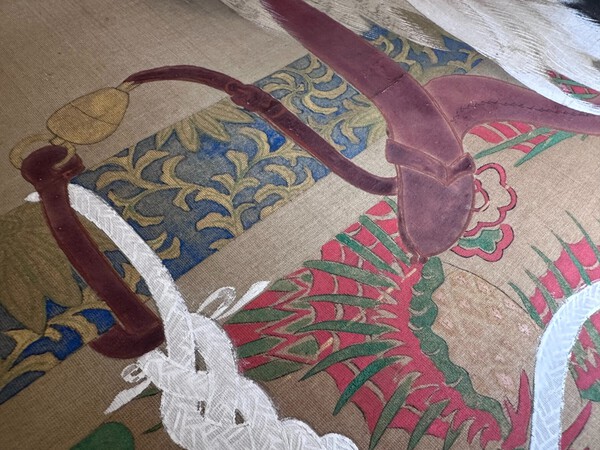
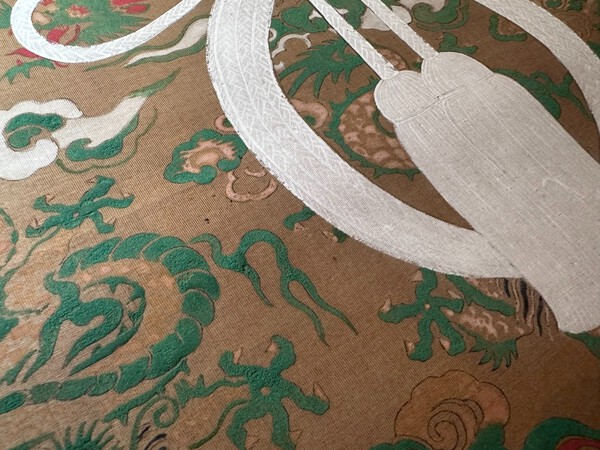
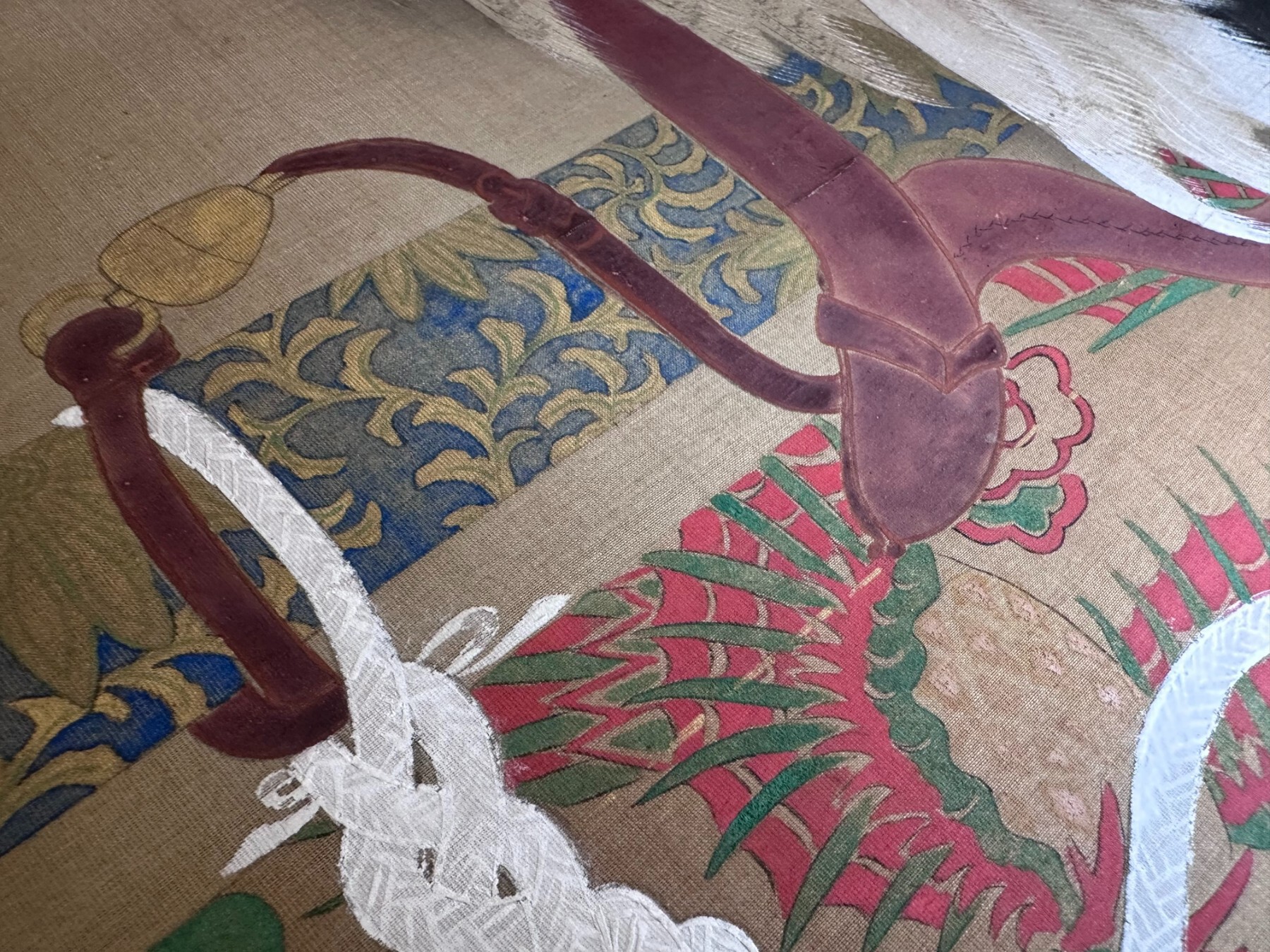
That’s actually what I thought when I first saw it, but no, it’s just a few layers of paint… I guess he tried to create the effect of embroidery.
-
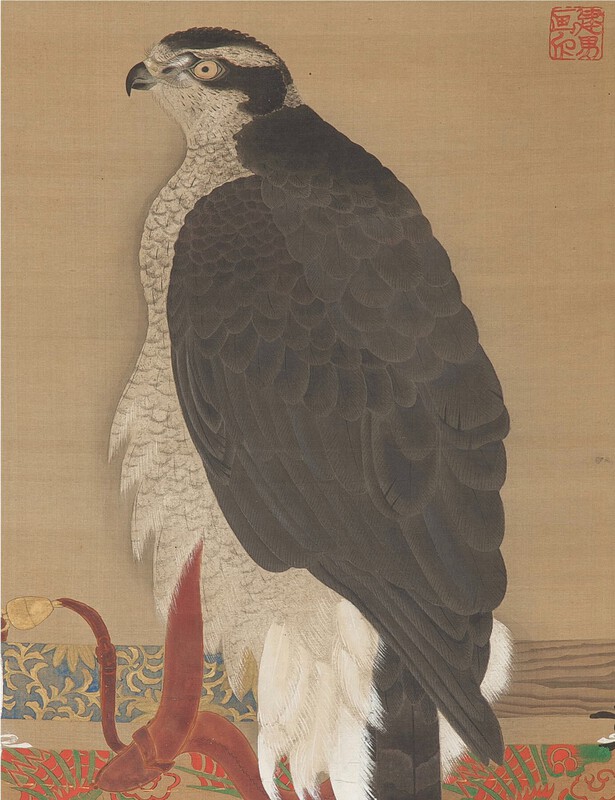
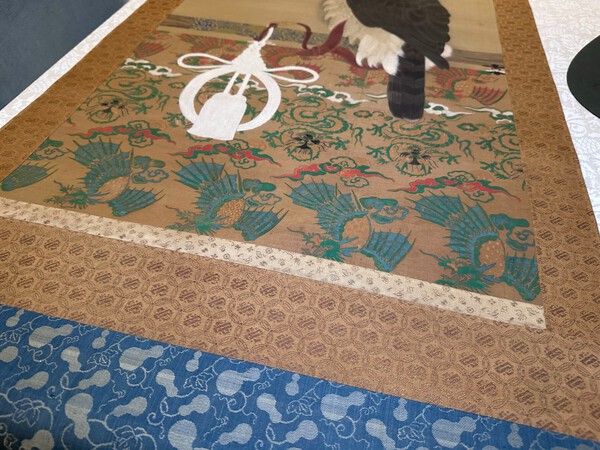
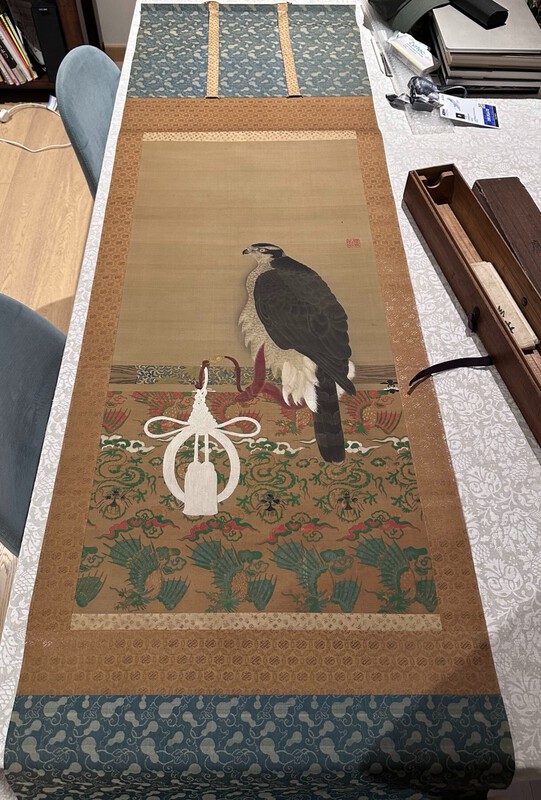
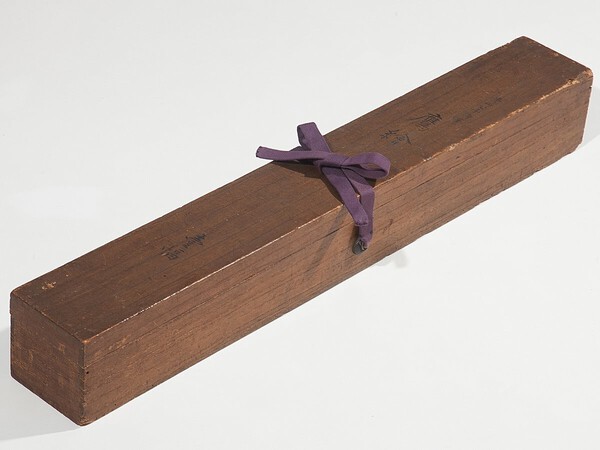
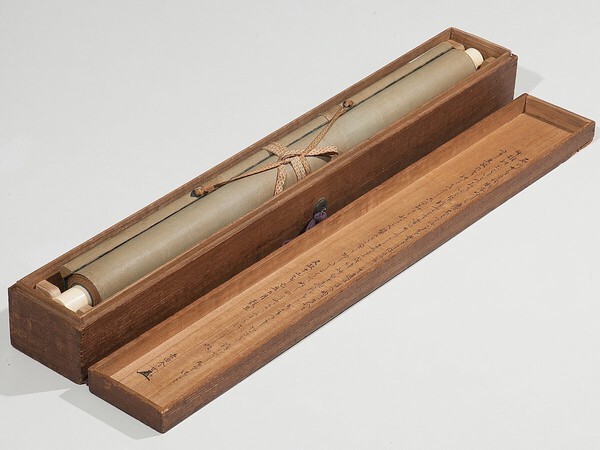
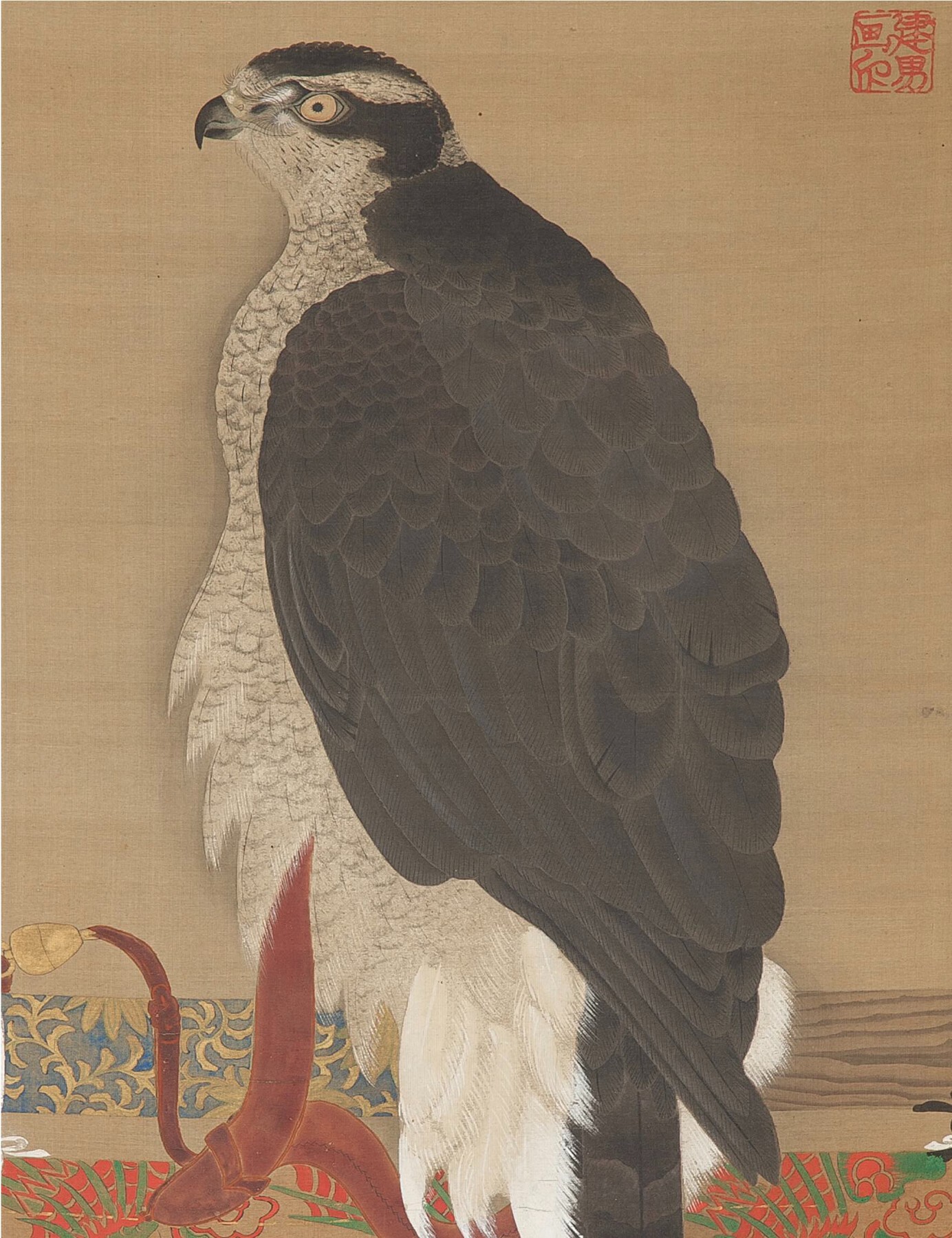
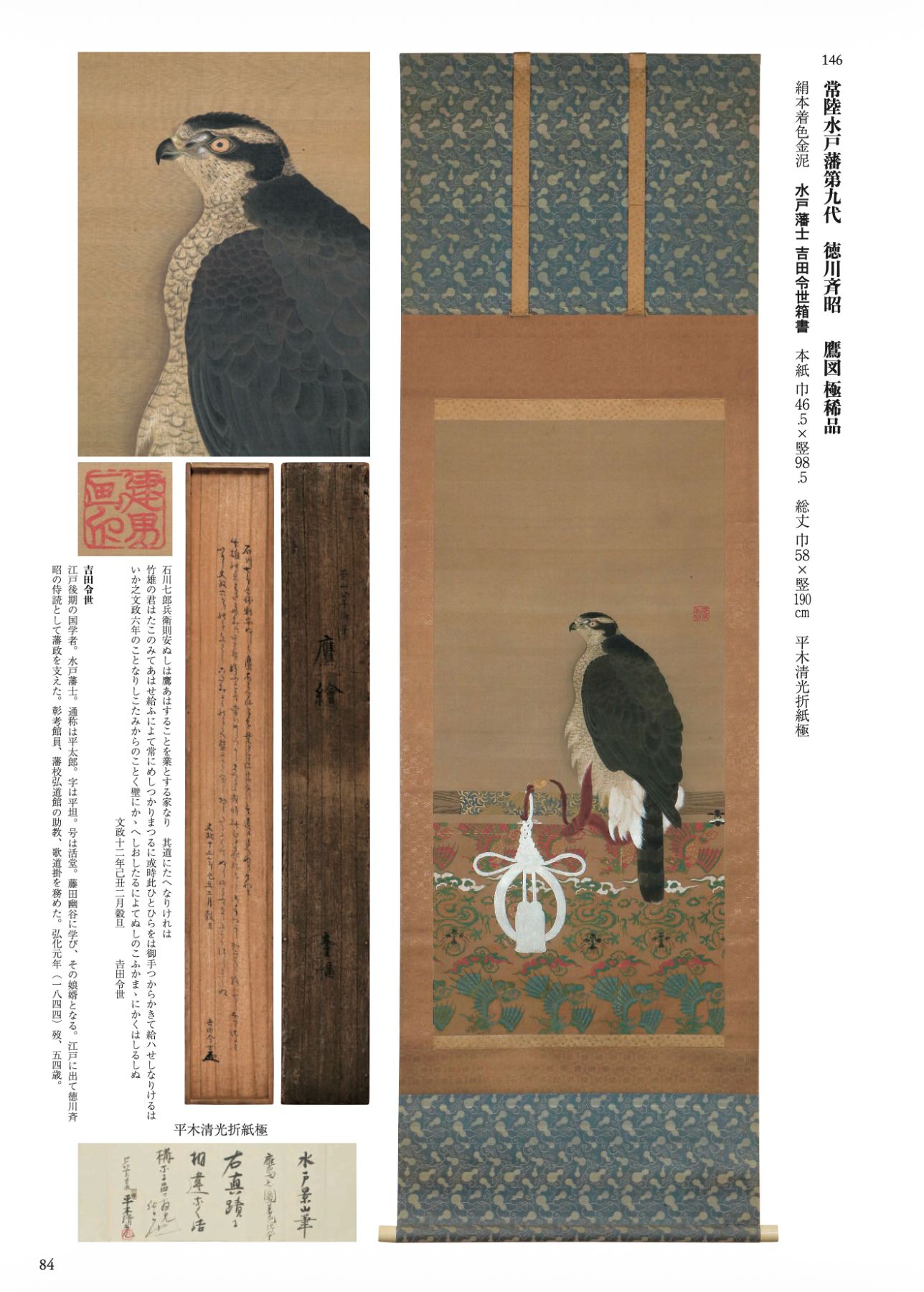
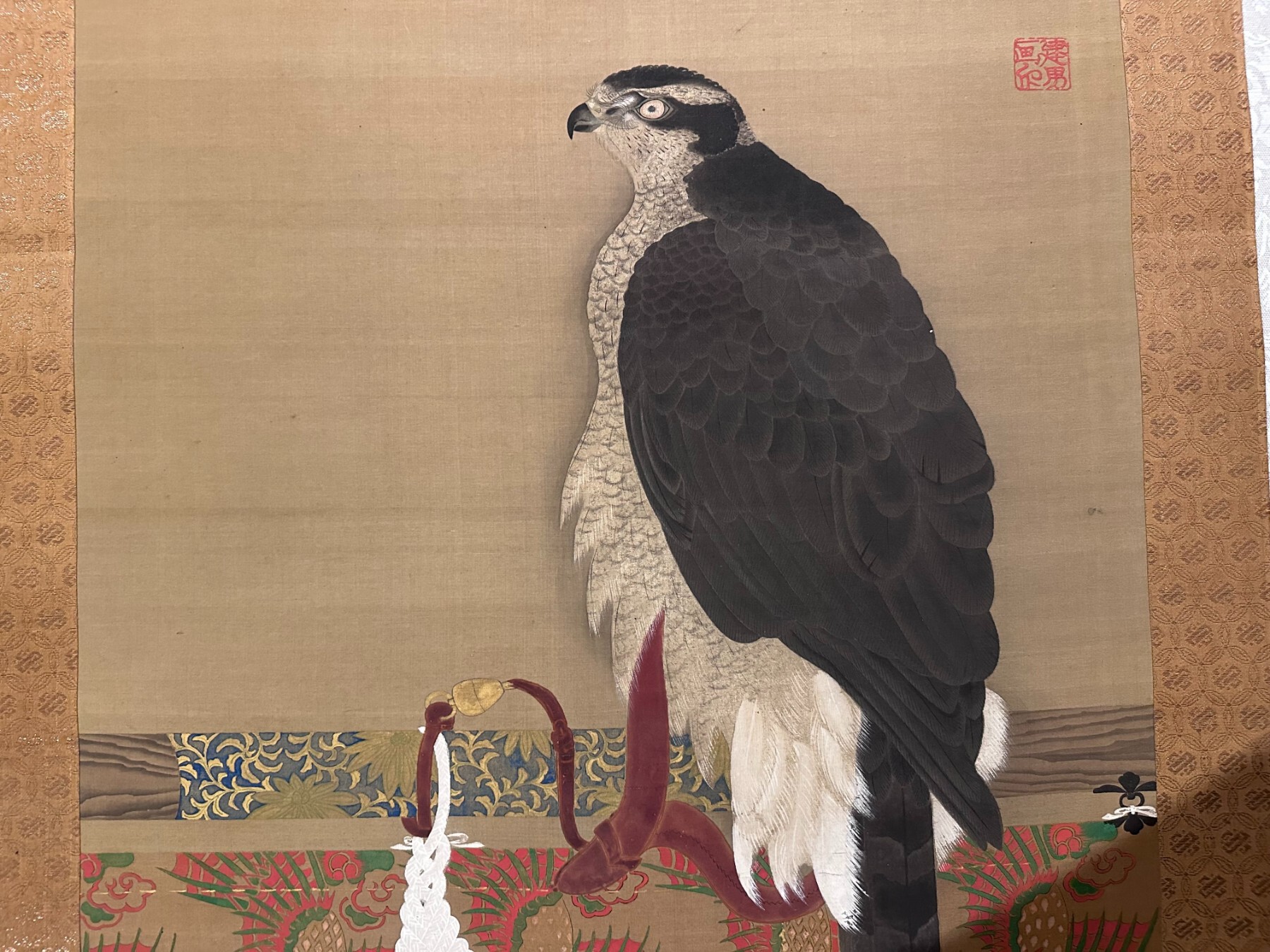
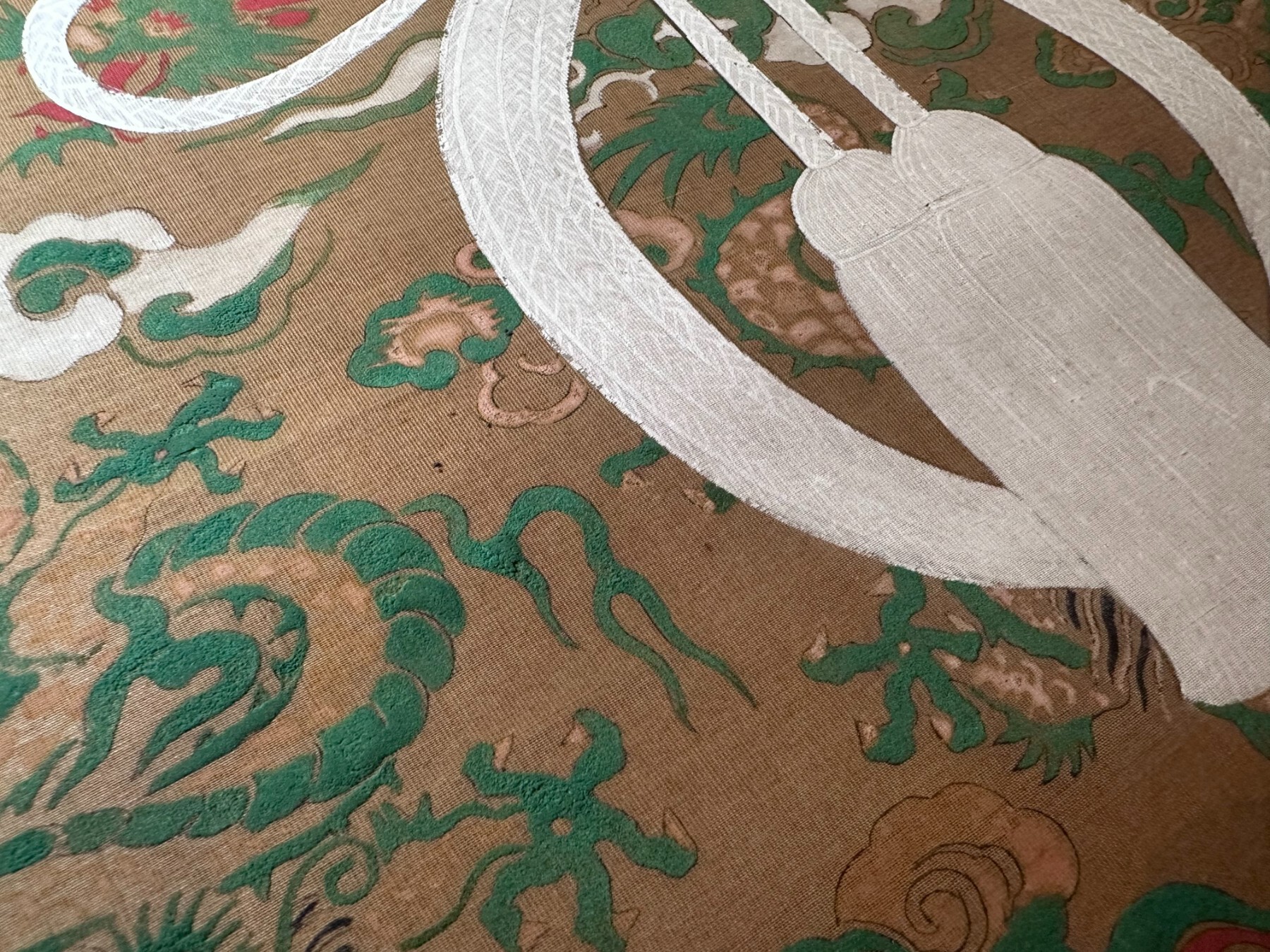
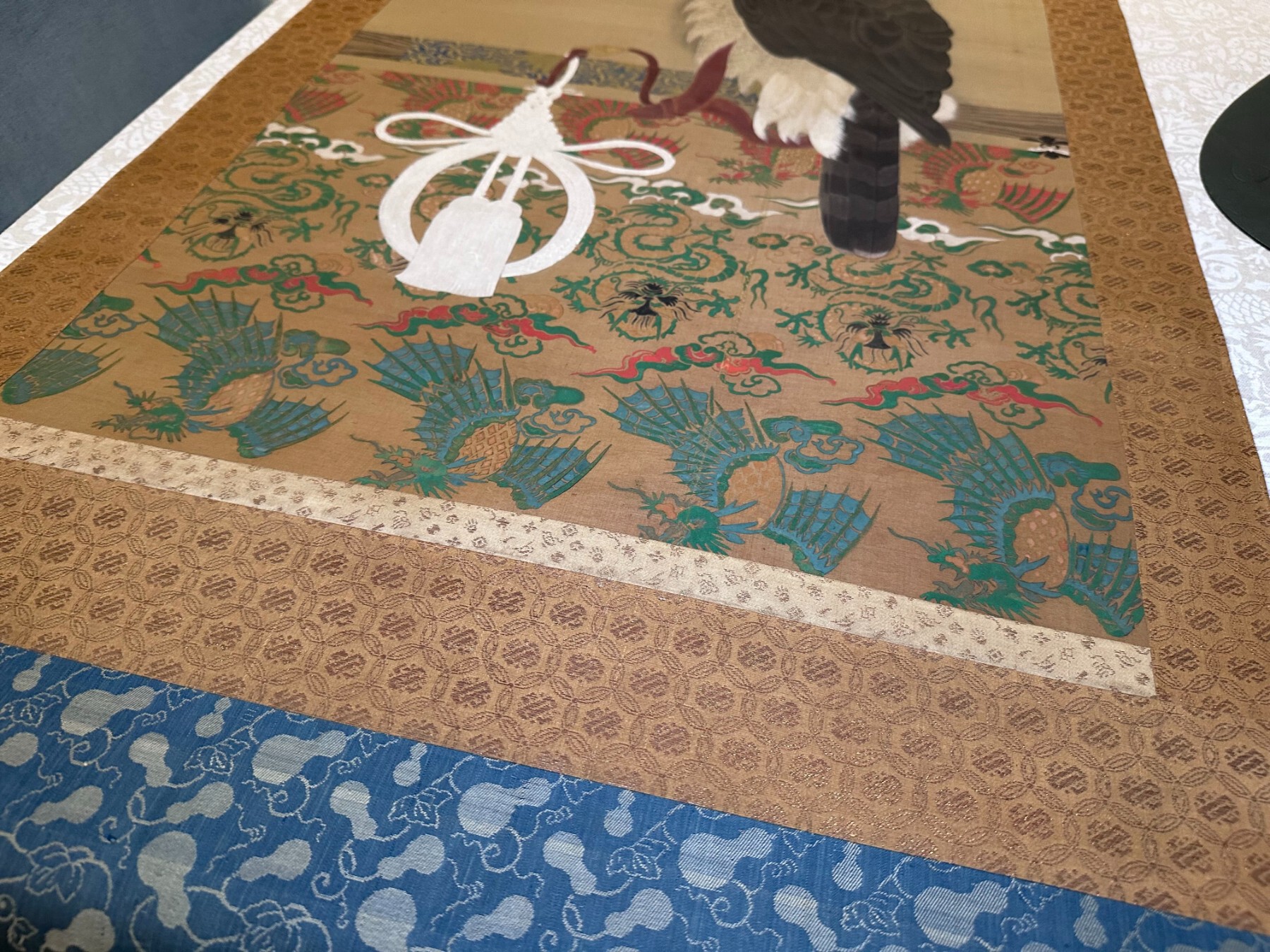
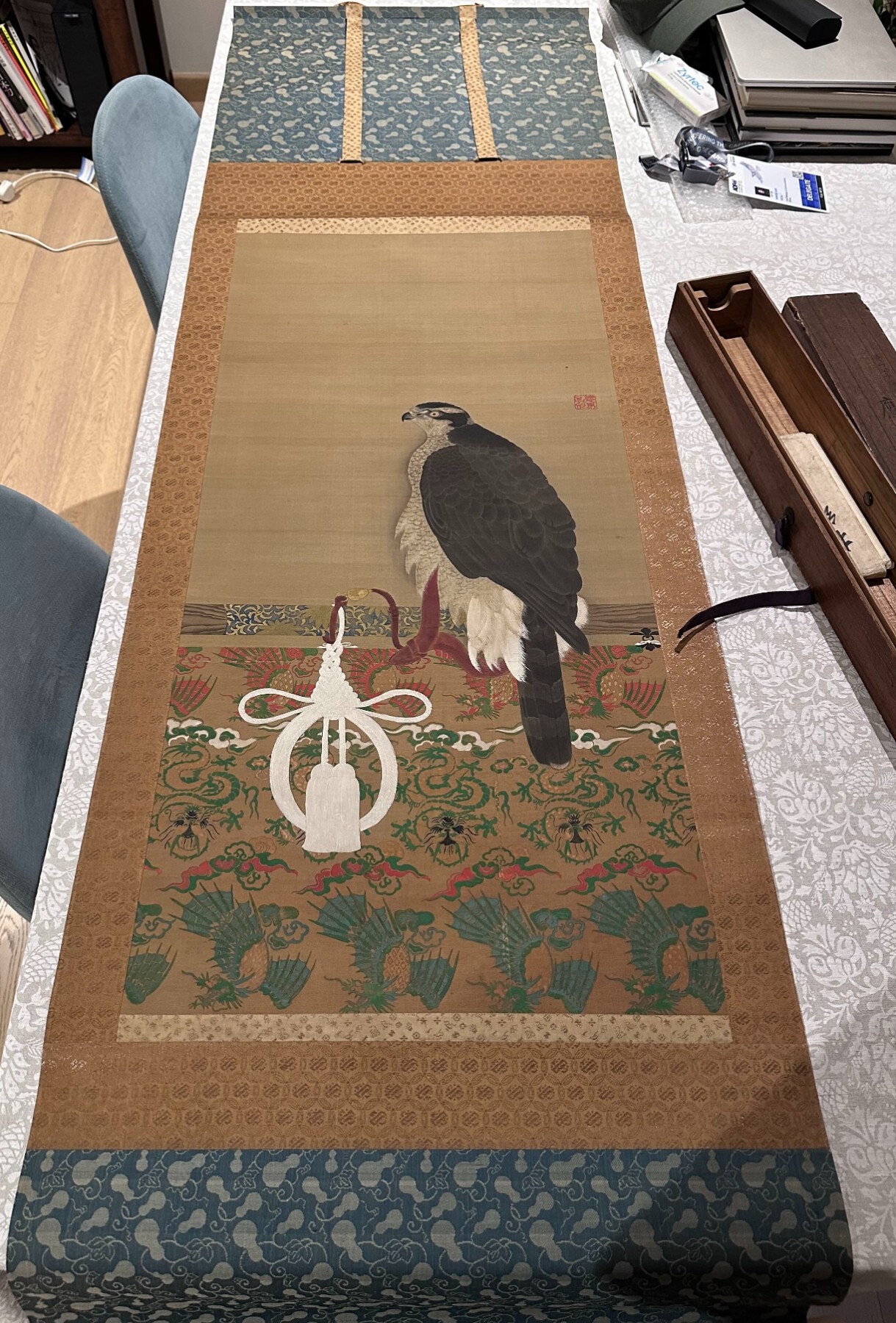
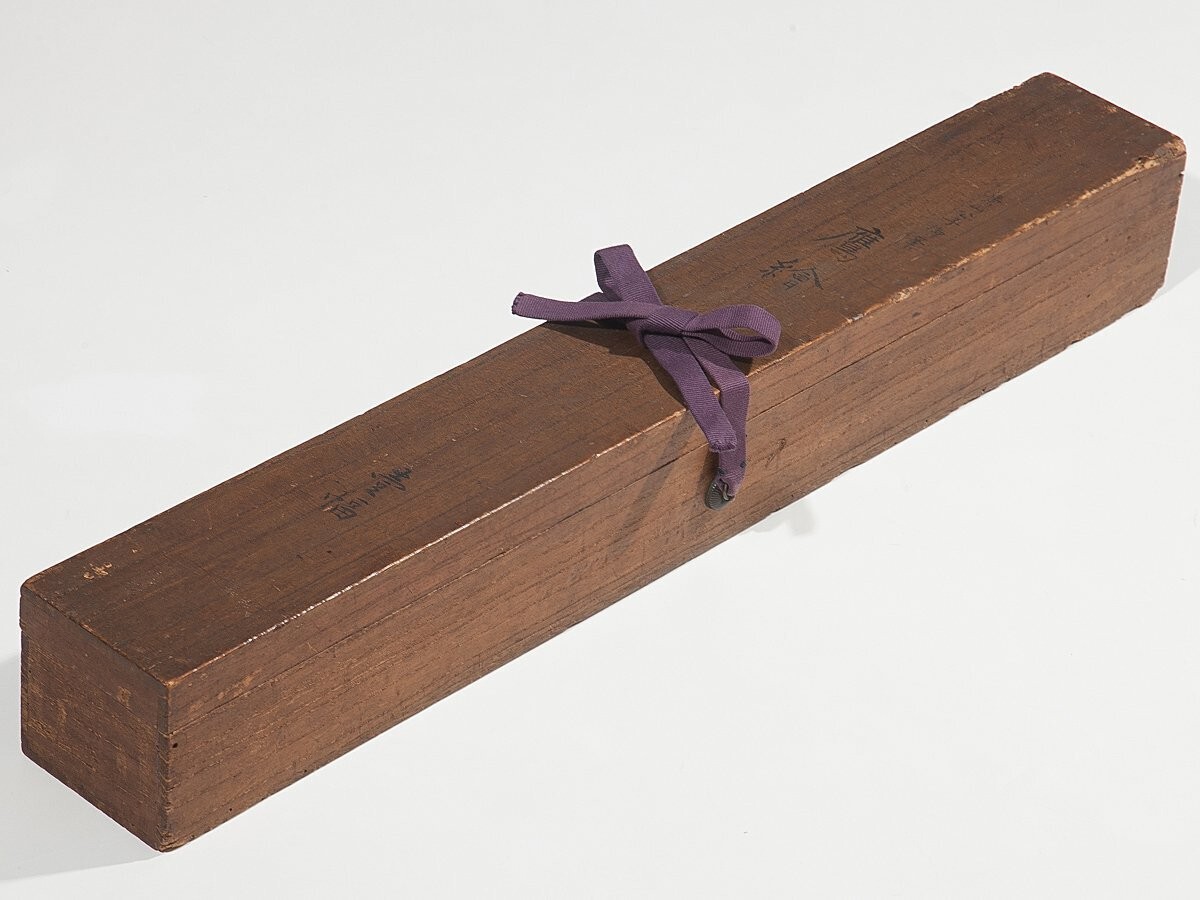
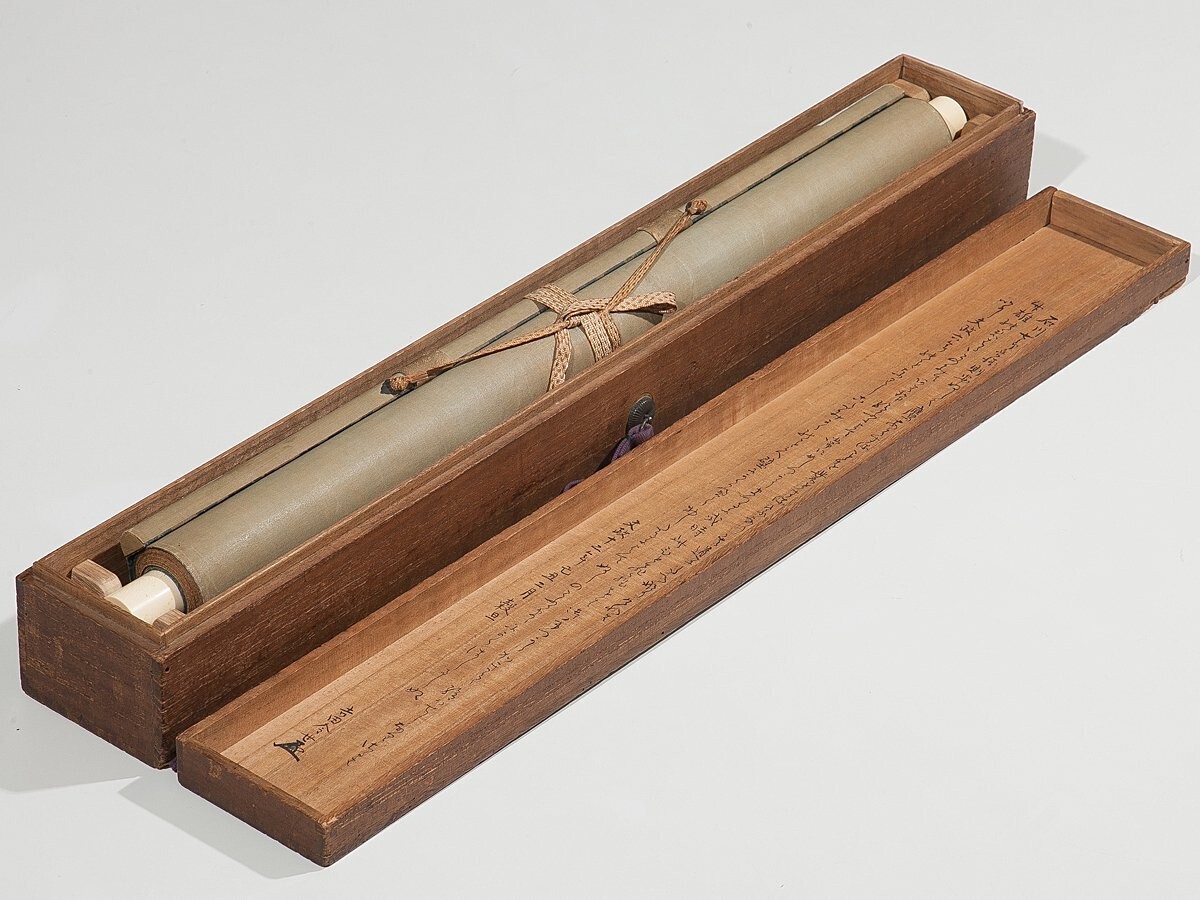
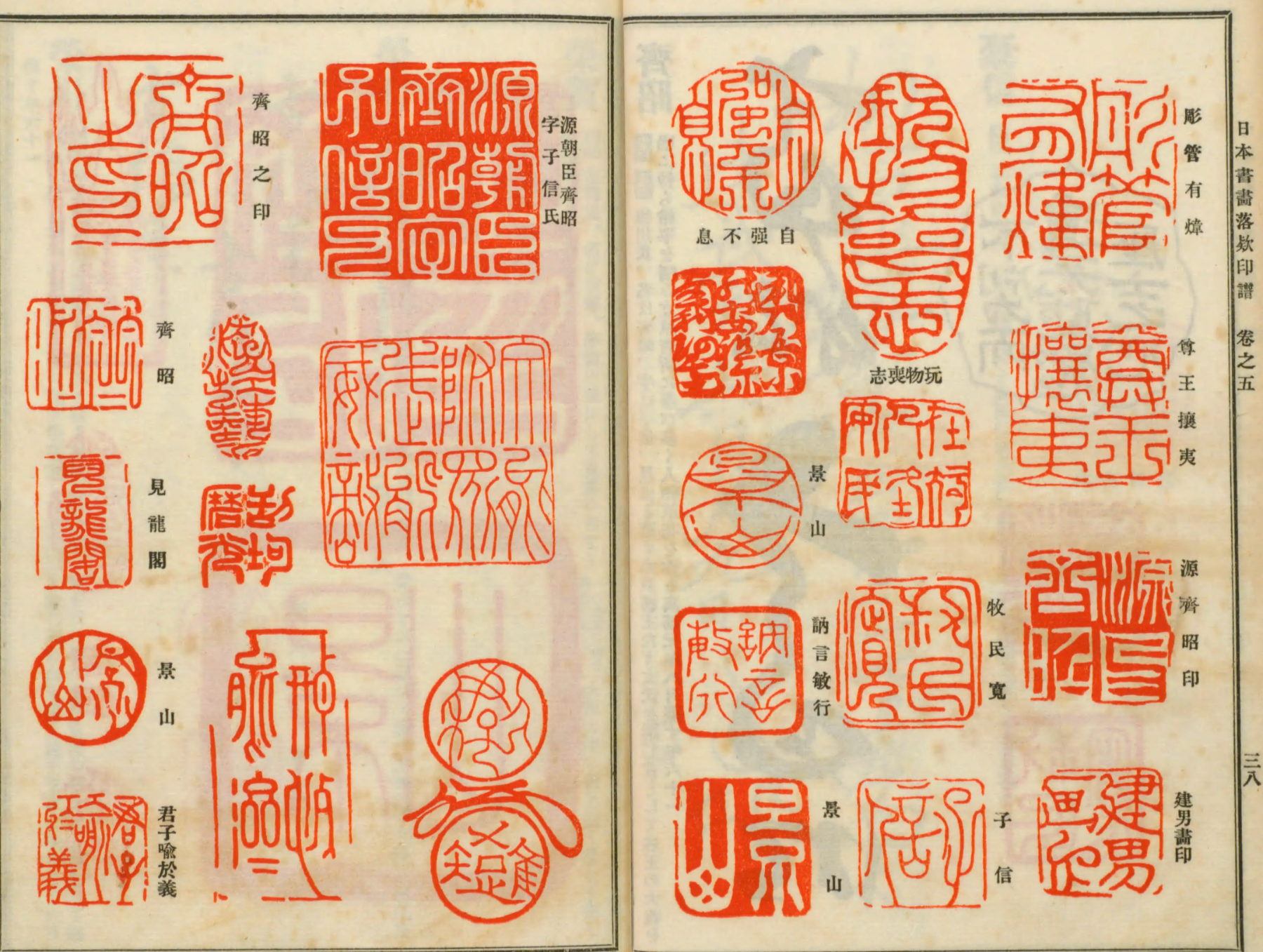
Hi all, I would like to share something interesting and rather unique: a scroll painting attributed to Tokugawa Nariaki, daimyō of the Mito Domain and father of the last shōgun. Hakogaki: Master Ishikawa Shichirōbei Noriyasu comes from a family whose hereditary profession is falconry, and he is extraordinarily accomplished in this art. Because Lord Takeo [Tokugawa Nariaki] favored hawks and held hawk-matching displays, he routinely summoned Noriyasu to serve him. On one such occasion, His Lordship personally painted this single sheet [of silk] with his own hand and bestowed it upon him. This took place back in the 6th year of Bunsei [1823]. Recently, because the master [Noriyasu] wished to mount it as a hanging scroll to display upon the wall as a family treasure, I have recorded these circumstances here as he requested. Date: An auspicious morning in the 2nd month, 12th year of Bunsei, Year of the Ox [1829] Written by: Yoshida Noriyo Origami: From the brush of Mito Keizan [Tokugawa Nariaki] Painting of a Hawk; color on silk. The above work is an authentic original Without the slightest doubt; full of vivid life/vitality The overall composition (kamae) is seen to be of high elegance/superior quality. Written by Hiraki Kiyomitsu in a Spring month (Year of the Snake) Enjoy! From the catalogue: All the seals and different names of Nariaki:
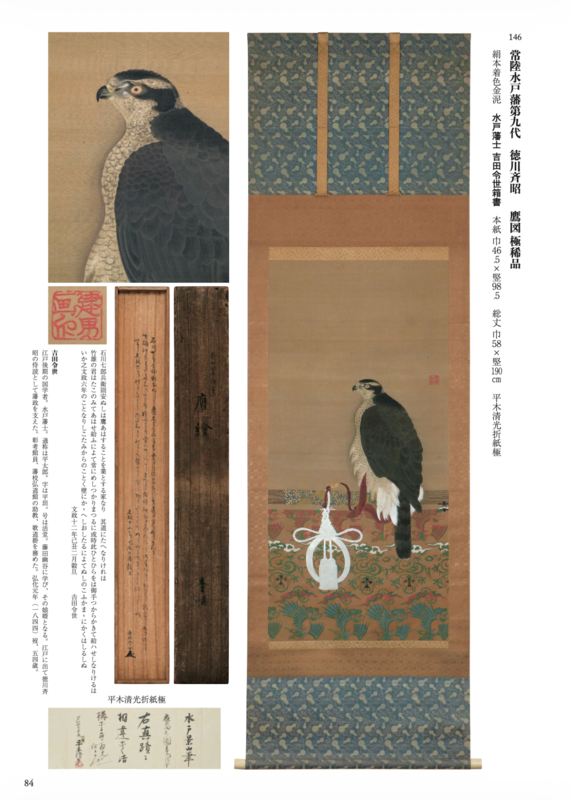
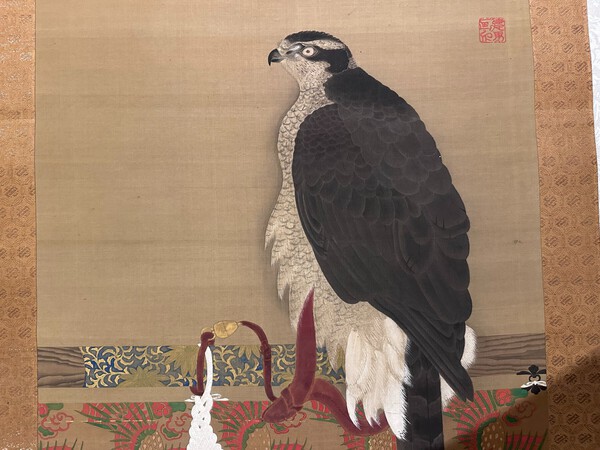
.thumb.jpg.36056a7b8eac20638ac3bea429f9c941.jpg)
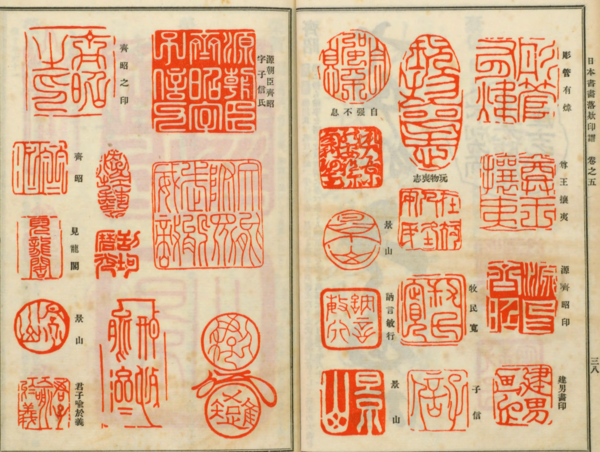
-
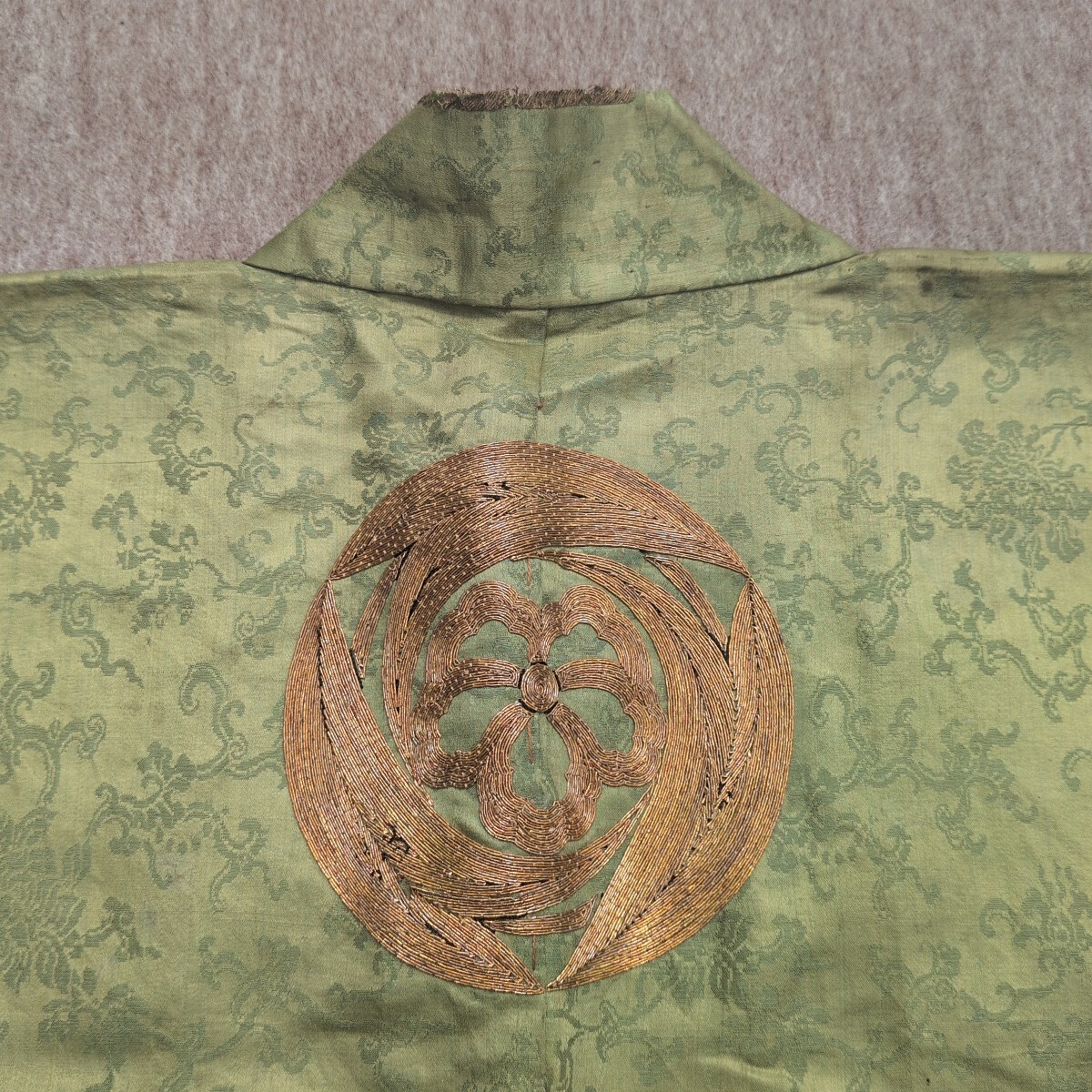
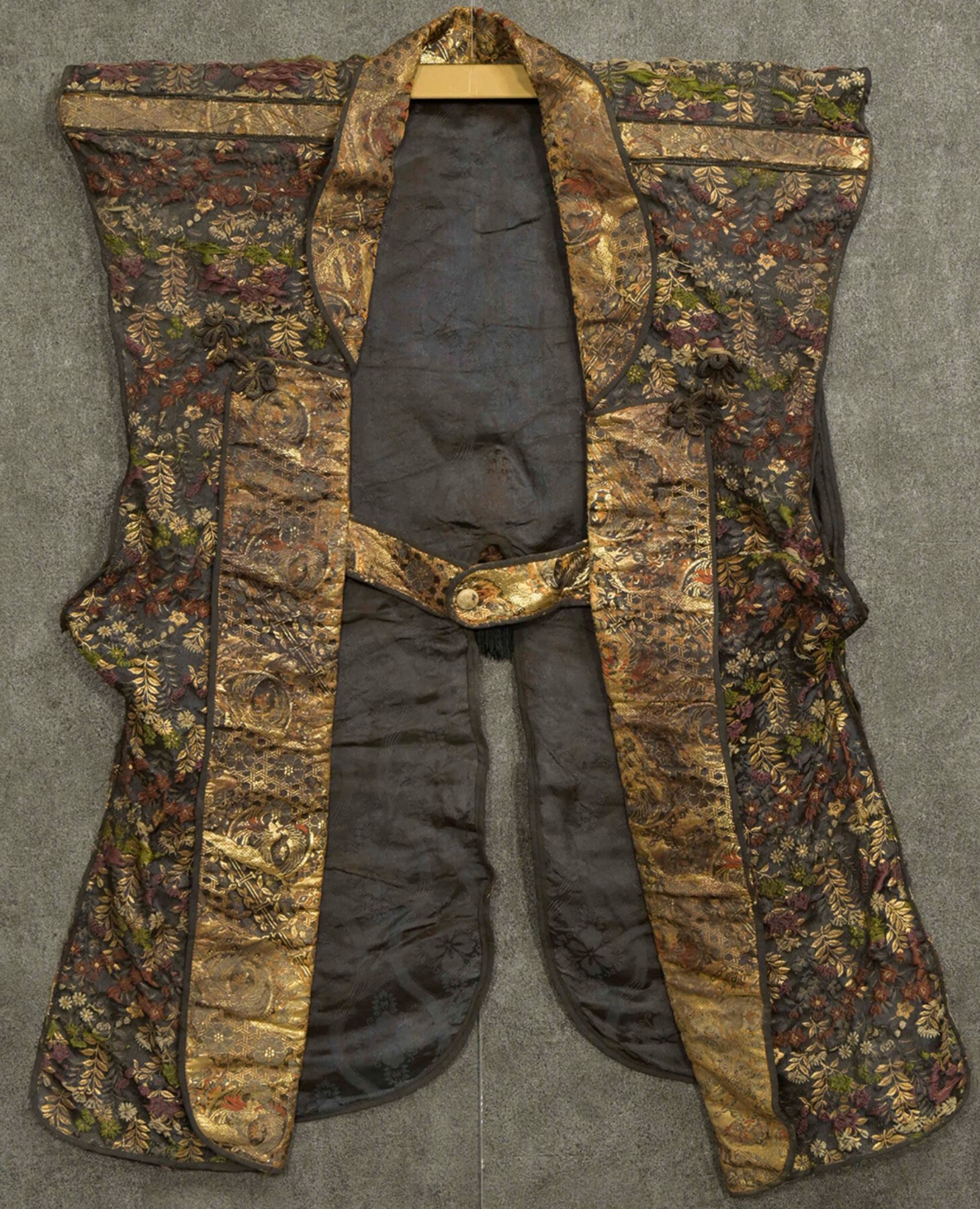
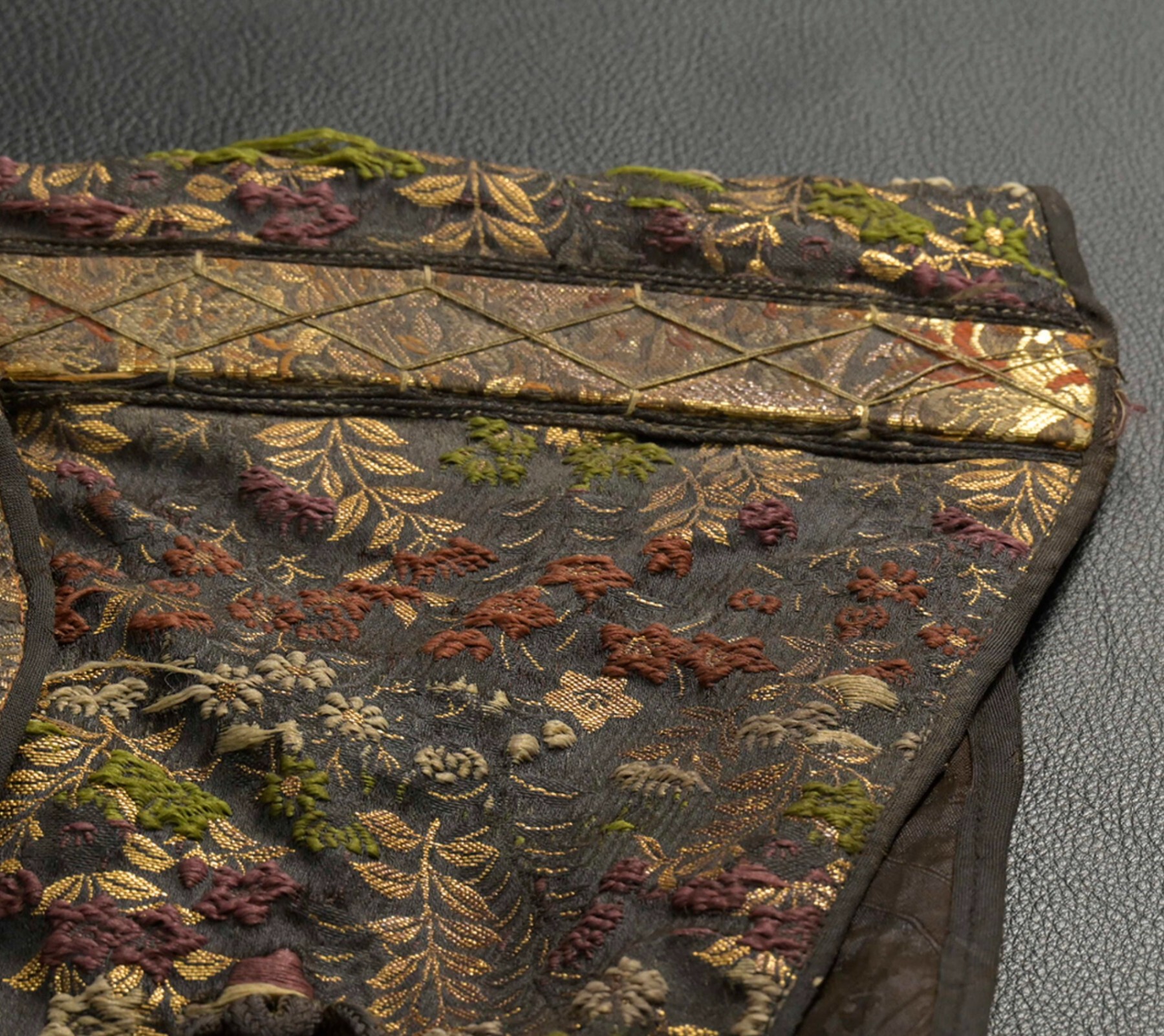
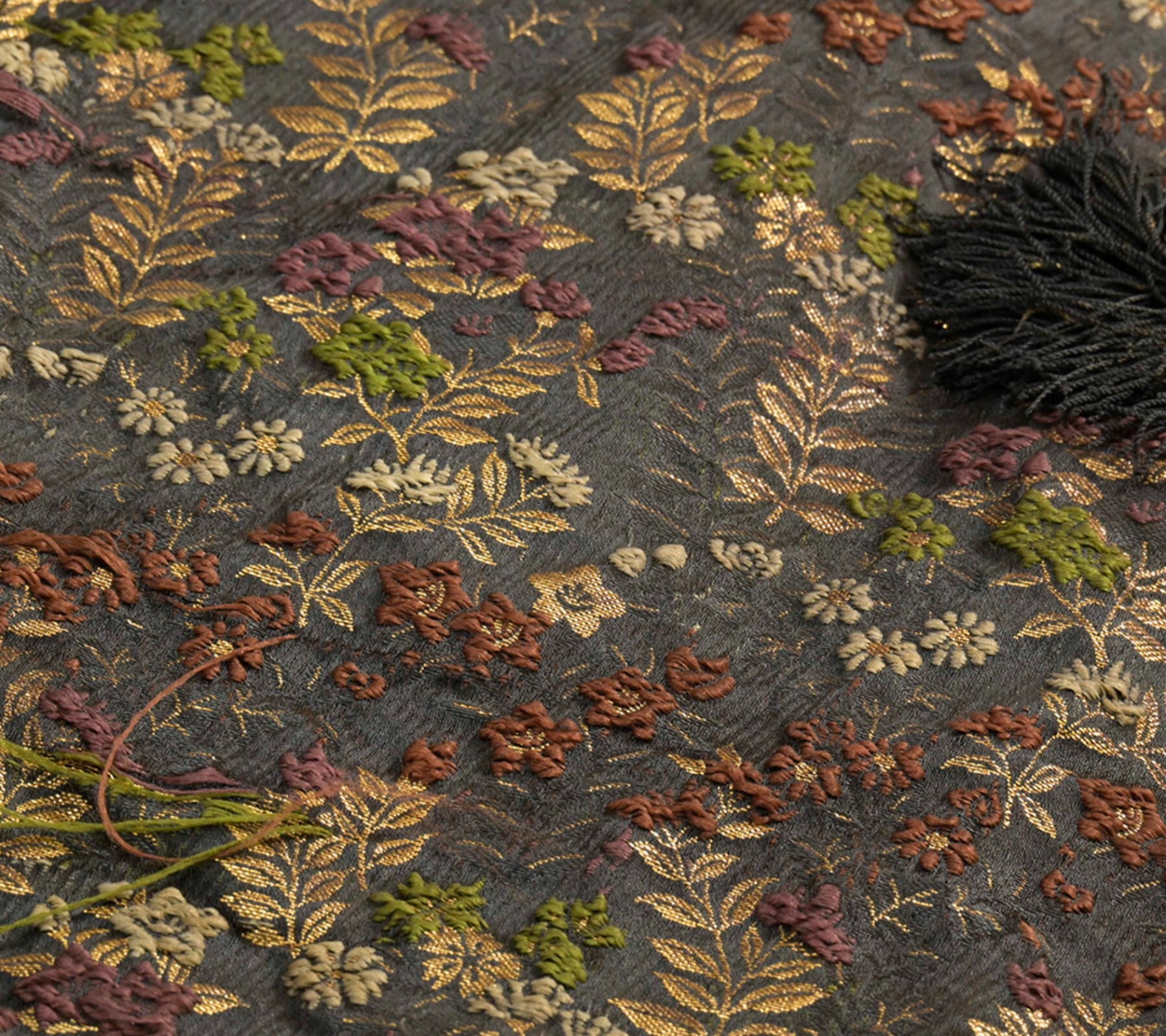
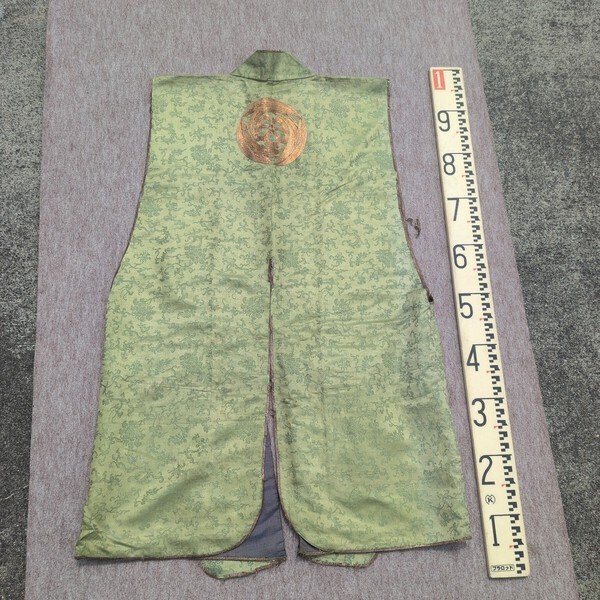
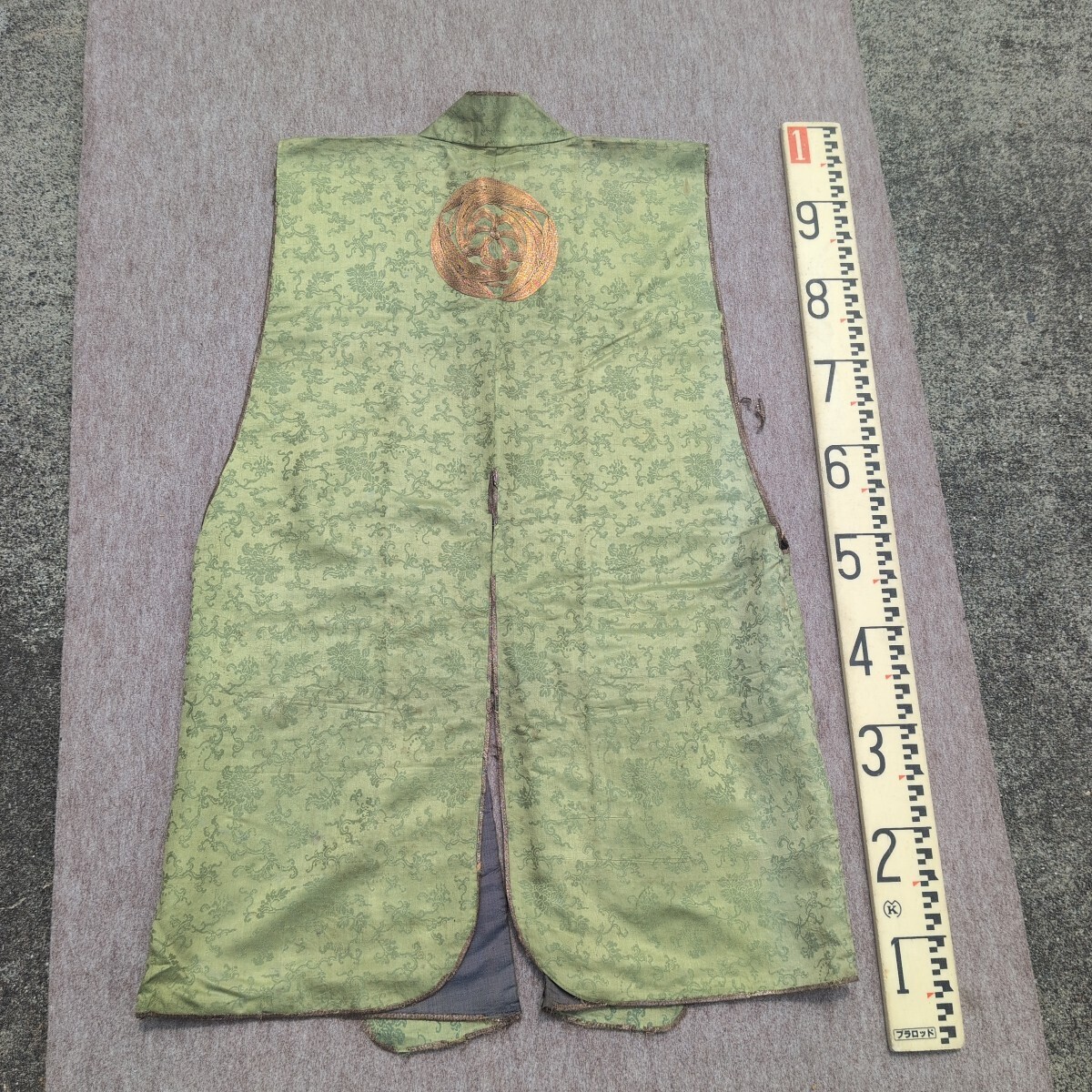
Dear Piers, I don't know much about Jinbaori either. It all started after I bought the Yoroi—I thought it needed something to wear against the freezing cold AC here in Dubai! I have no idea if the epaulettes were added later or not. I've seen some Momoyama-period Jinbaori with epaulettes, but it's possible they were later additions. I'll take a much closer look once I have it in hand next week. I usually don't like overly busy objects, but I really liked this one. I thought to myself that whoever stitched all that embroidery must have gone blind doing it—there is so much work in it. Unfortunately, standard cleaning isn't an option. I'm currently looking into safe ways to handle it, but I believe dehumidifying it and giving it some careful UV light treatment (without damaging the fibers) might be the only way to go. And yes, the second one is silk. Nothing fancy. I tried to go with green this time—my favorite color, and your favorite color!
.thumb.jpg.e4a2dbf12c34b5989222a522d29ccce3.jpg)
-
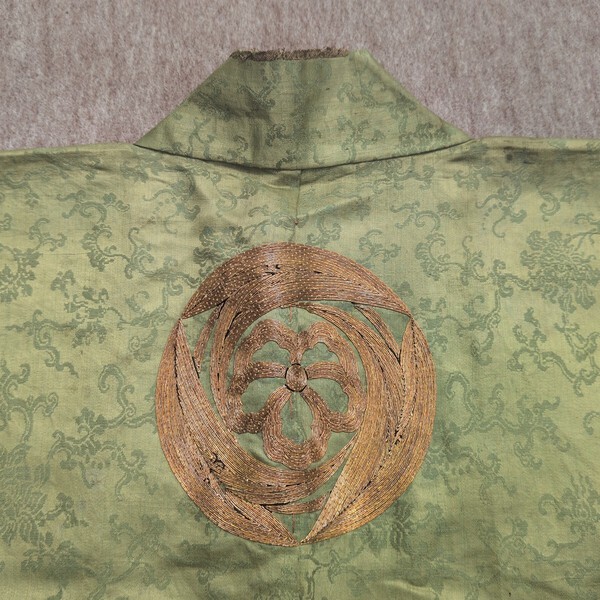
@Robert S Actually there is one more. Can we call this "heavy coiled gold thread embroidery"?
-
Thank you, Rohan!
-
Hi Robert, Thank you very much for the extensive information. I bought this one, but it hasn’t arrived yet. I’ll share some more macro photos next week after I’ve had a chance to inspect it more closely with all the new knowledge I’ve gained here now.
-
Dear Jean, Just a small correction. I think you may have confused jinbaori with haori, as the Japanese used buttons on jinbaori since Momoyama period. They got them from the Portuguese. The Japanese word for button, “botan,” actually comes from the Portuguese word “botão.”
-
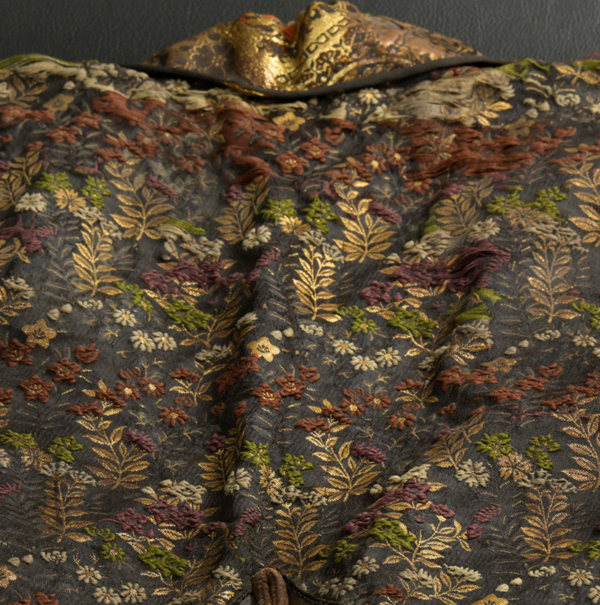
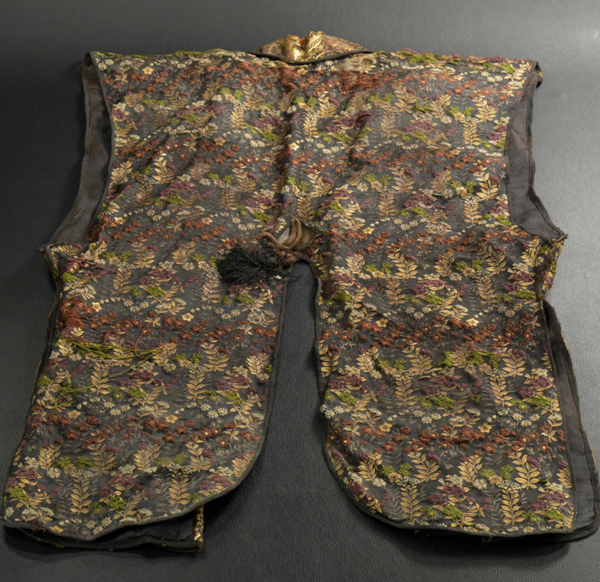
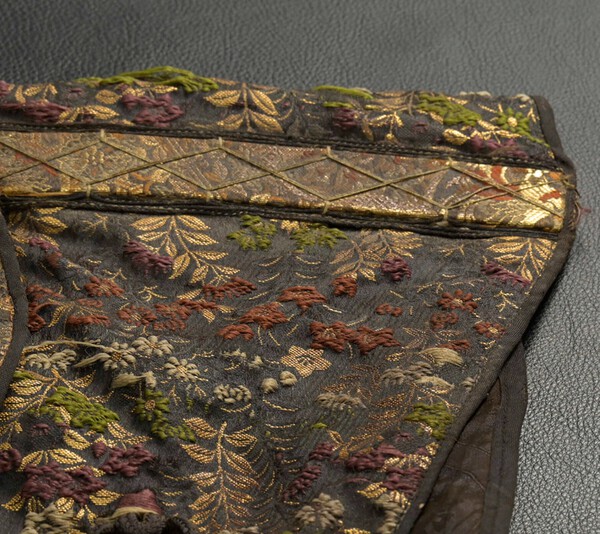
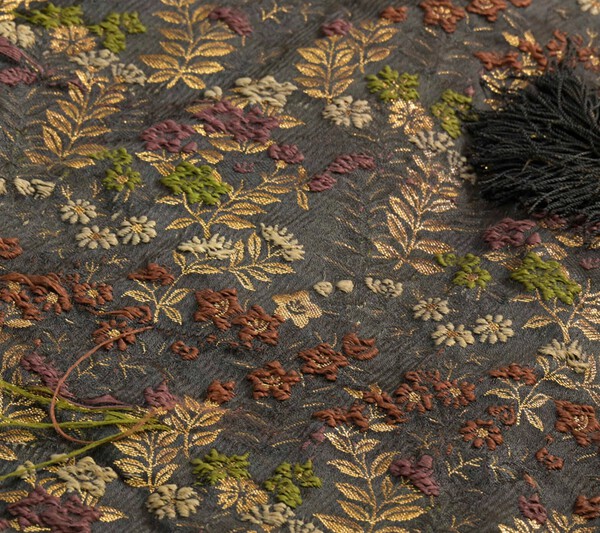
Hi all, I’m trying to determine the age and learn more about the fabric of this jinbaori. Any information or opinions would be greatly appreciated. Thank you!

-
Zabō Tsuba Sen. I'll pm it to you.
-
No worries. It’s not a textbook test, but it adds another point in favor of it being legit. Sometimes photos can be misleading, so it’s difficult to judge from pictures alone. Of course, the most definitive answer would come from someone with experience examining it in hand. That being said, I’m fairly confident it’s not a cast.
-
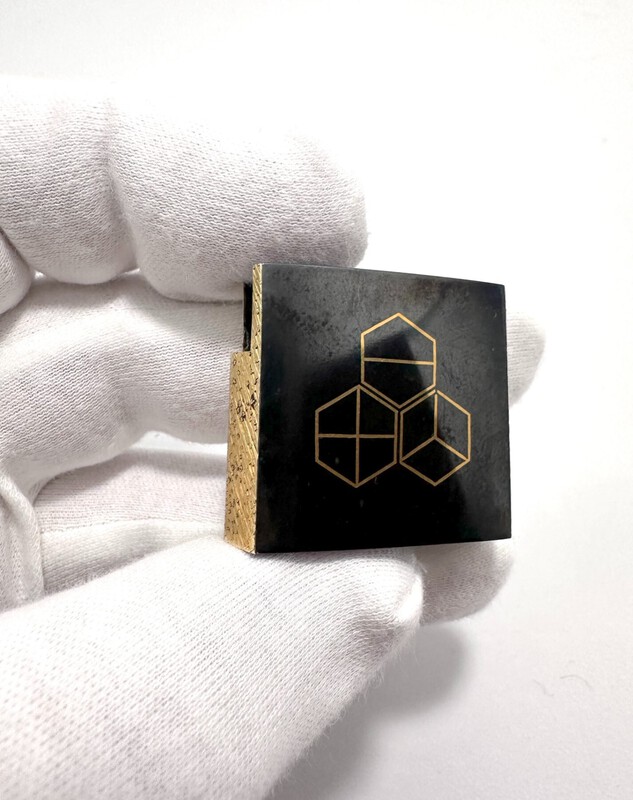
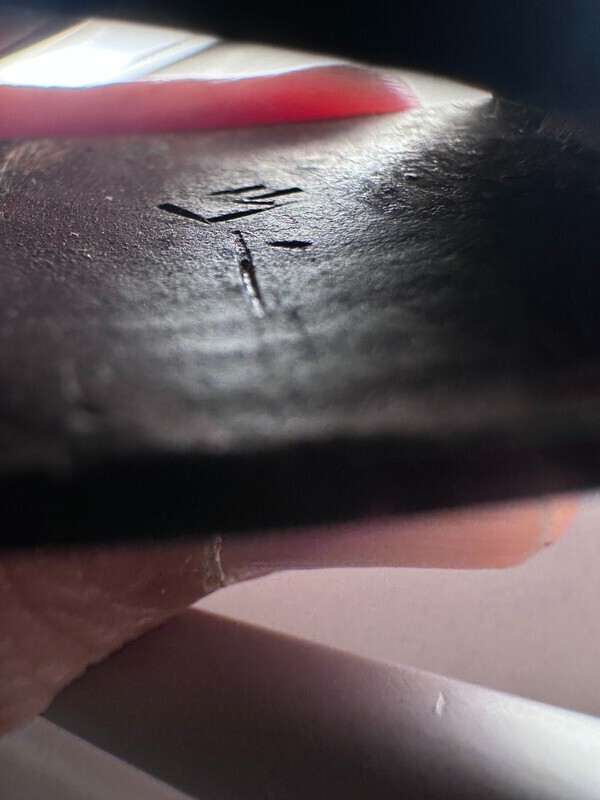
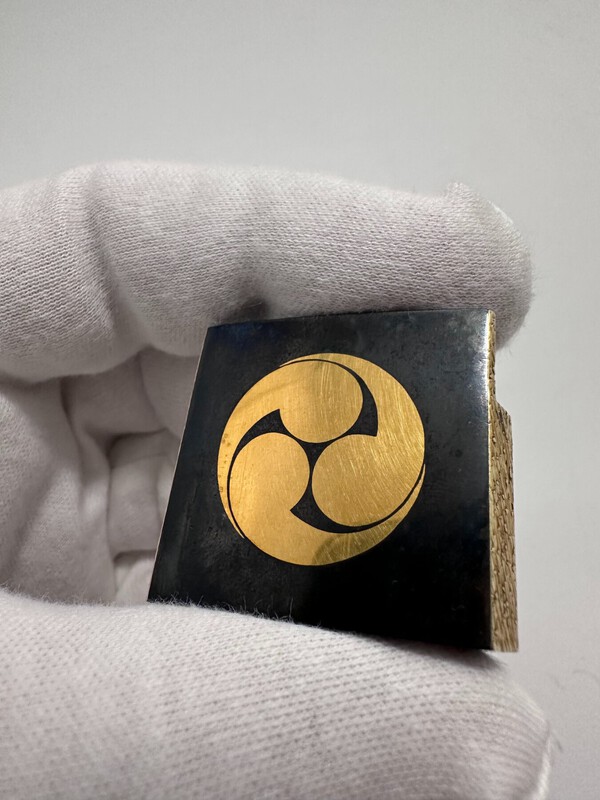
I've probably shared this with a sword a while ago but here is another shot for the archives. Signed(inside-huh) Made in 1853.
-
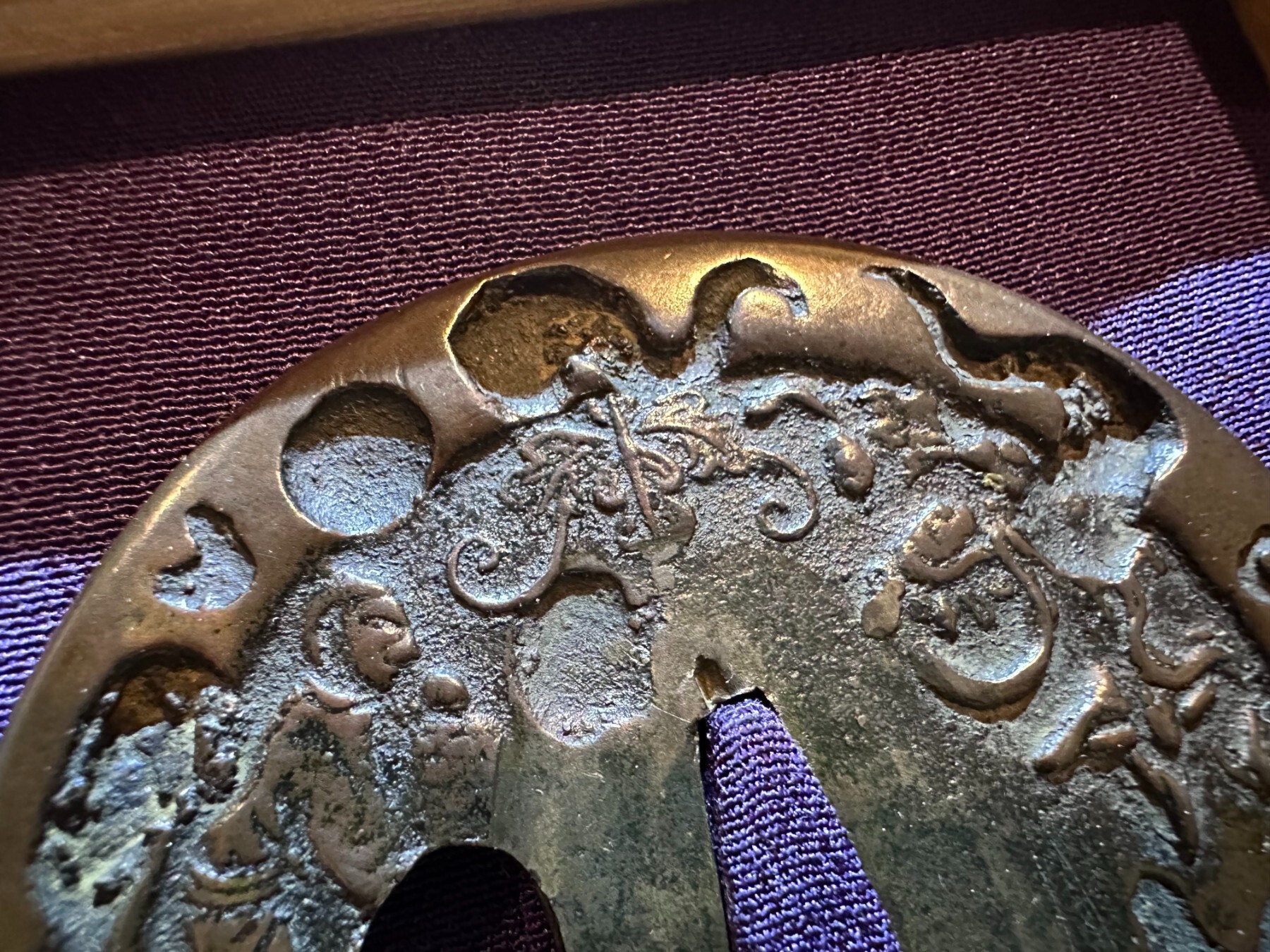
Balin, hold the tsuba by the edge with your fingertip at the center and tap it gently with your fingernail. Do you hear a high-pitched ringing sound, or is it a dull sound? Cast usually makes a dull sound.
-
Doesn't look like cast.
-
Hi Les, Yes I know this tsuba. Is it yours?
-
Thank you Uwe!
-
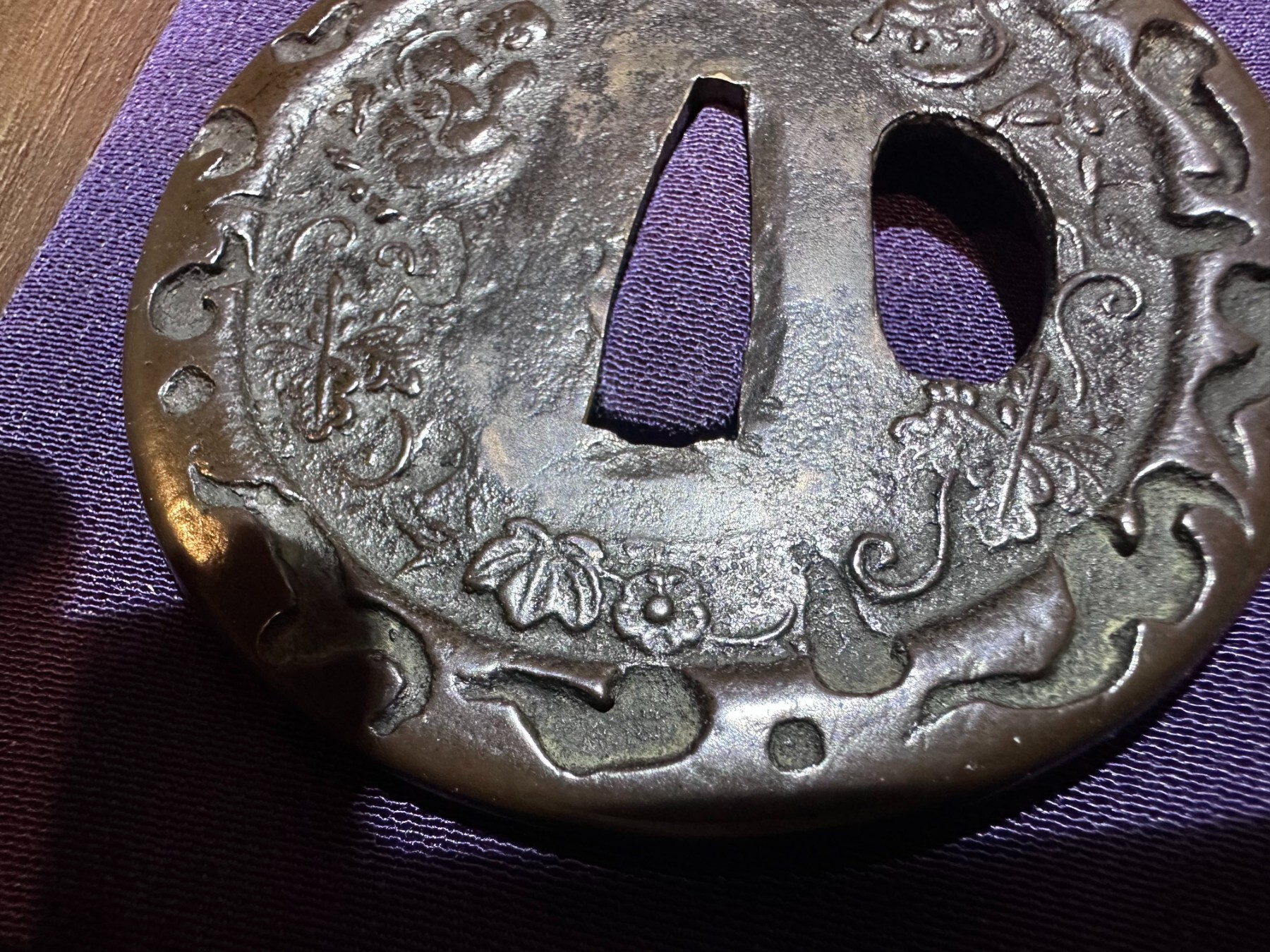
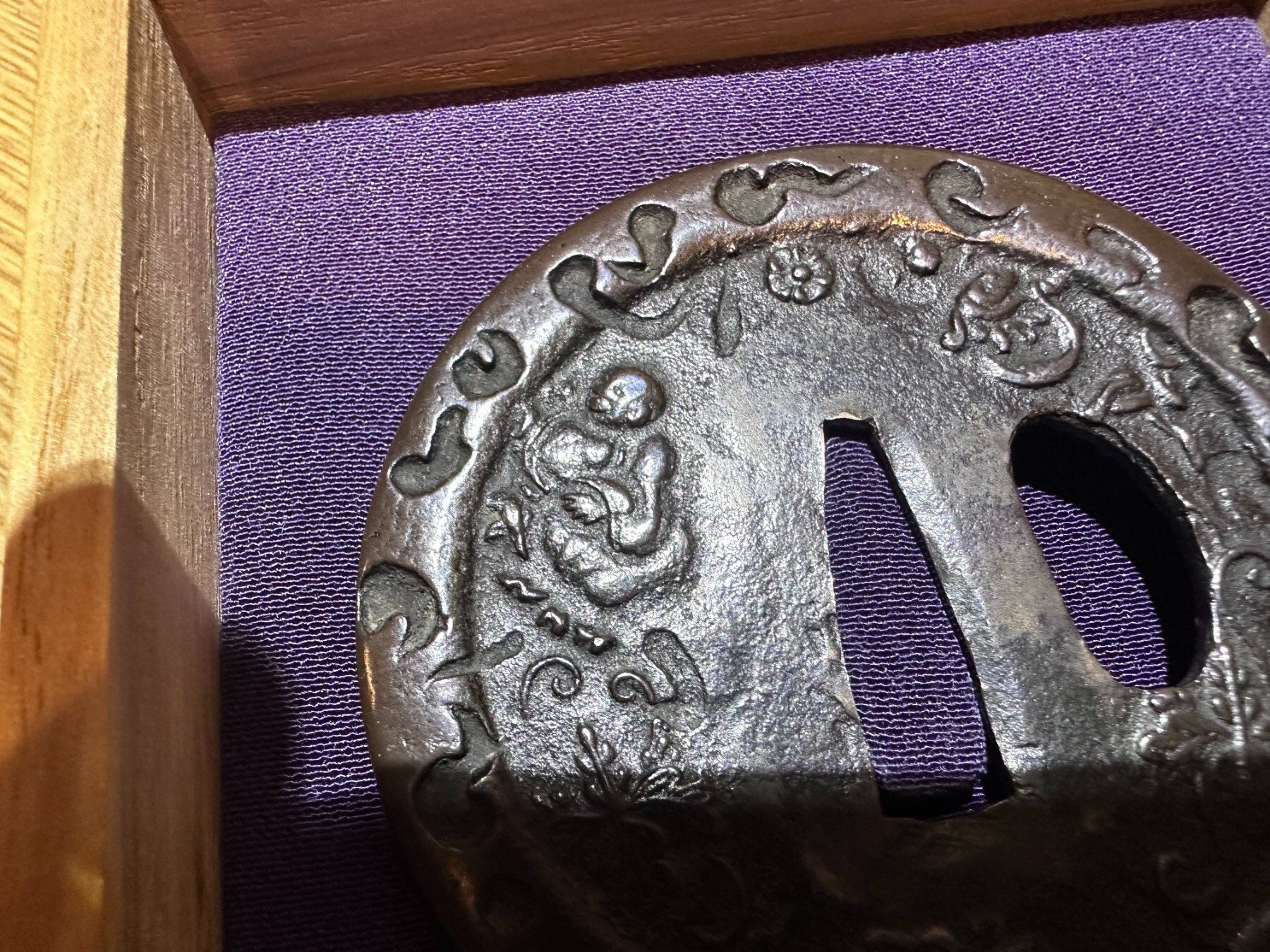
Hi, Can anyone help out with this one? Thank you very much

-
Dear Piers, I really don't know the difference between Ko-Kagamishi and Kagamishi..Ko is early Muromachi and without late Muromachi maybe? It's papered as Ko:

-
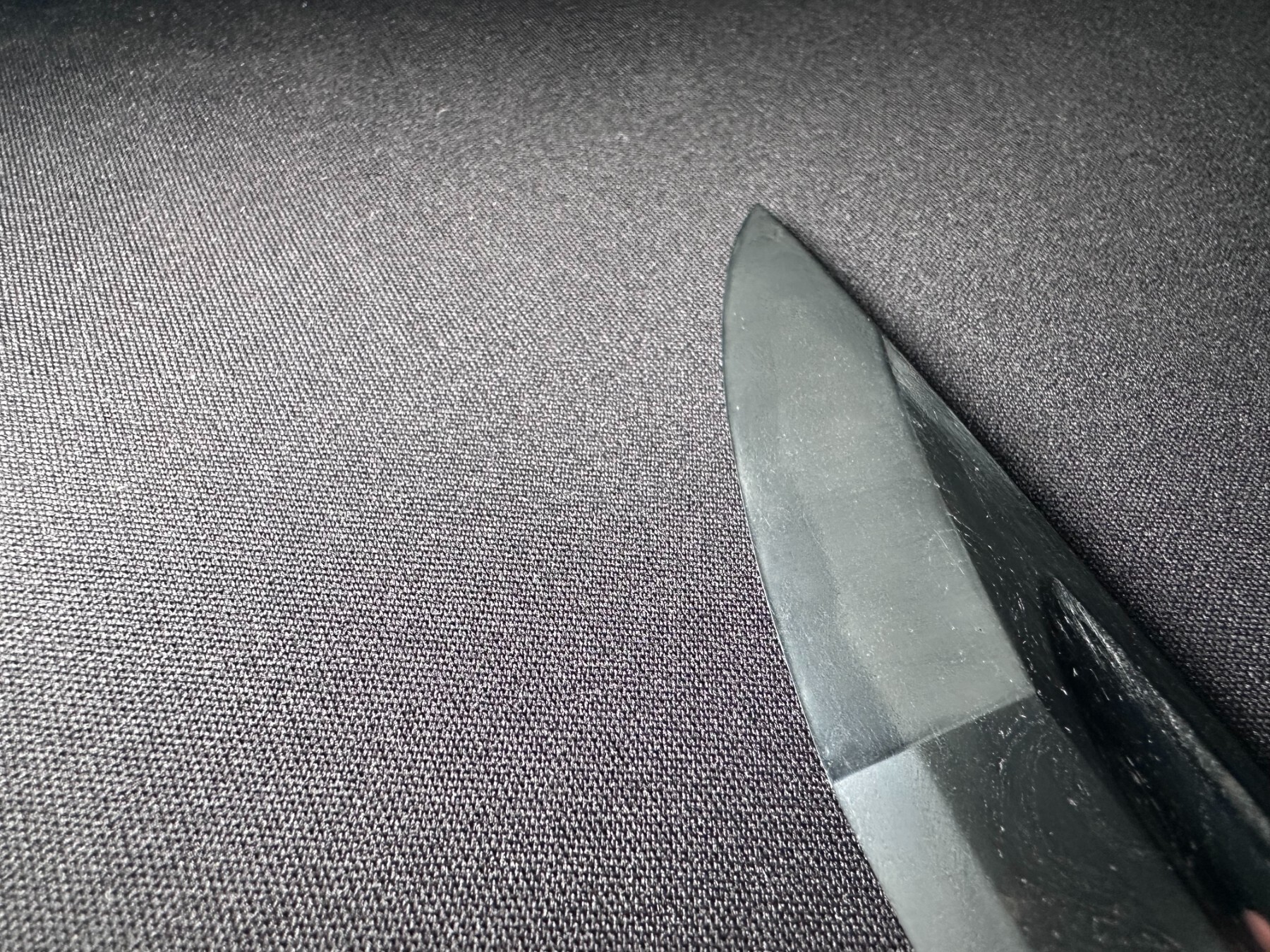
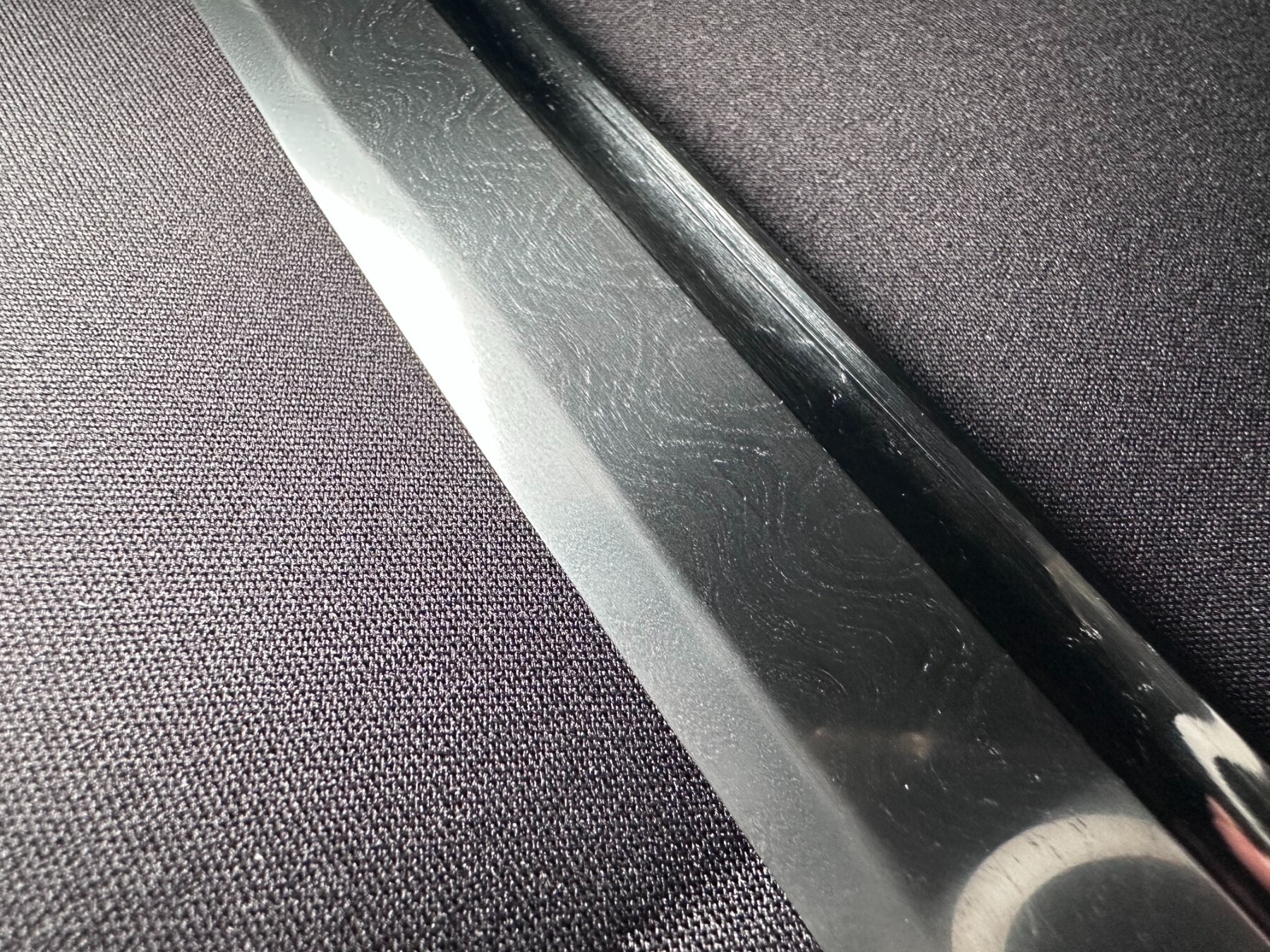
Hi all, I thought I’d share something neat. Although I haven’t had much experience with Kagamishi, I figured picking one up would be a good opportunity to start learning. These are just some quick photos for now, but I’ll take proper ones when I’m back home.


- 29 replies
-
- 15
-

-

-
Awataguchi Tadatsuna(2nd) Katana (NBTHK Tokubetsu Hozon) A refined katana attributed to the second-generation Awataguchi Ōmi no Kami Tadatsuna, one of the prominent Osaka masters of the Edo period. Details: • Period: Mid Edo (1688-1704) • Province: Settsu • Certification: NBTHK Tokubetsu Hozon Token • Mounting: Koshirae + Shirasaya Dimensions: • Blade length: 71.2 cm (2 shaku 3 sun 5 bu) • Curvature: 2.0 cm • Mekugi-ana: 1 • Motohaba / Kasane: 32.3 mm / 7.4 mm • Sakihaba / Kasane: 22.2 mm / 5.2 mm The blade reflects the refined character of Osaka workmanship, with elegant proportions and a composed, well-balanced sugata that sits naturally in hand. The koshirae is thoughtfully assembled, centered around a rare polished same (ray skin) saya, paired with shakudō nanako fuchi-kashira and aoi menuki. Akasaka-style sukashi tsuba completes the mounting, bringing a sense of quiet strength and cohesion. Altogether, the mounting presents with understated sophistication, enhancing the blade without overpowering it. $16,000 https://drive.google.com/drive/folders/15YCFRog4WH2x76ZN4iy-uxWKdhSQujKk?usp=sharing
- 1 reply
-
- 4
-
-
-
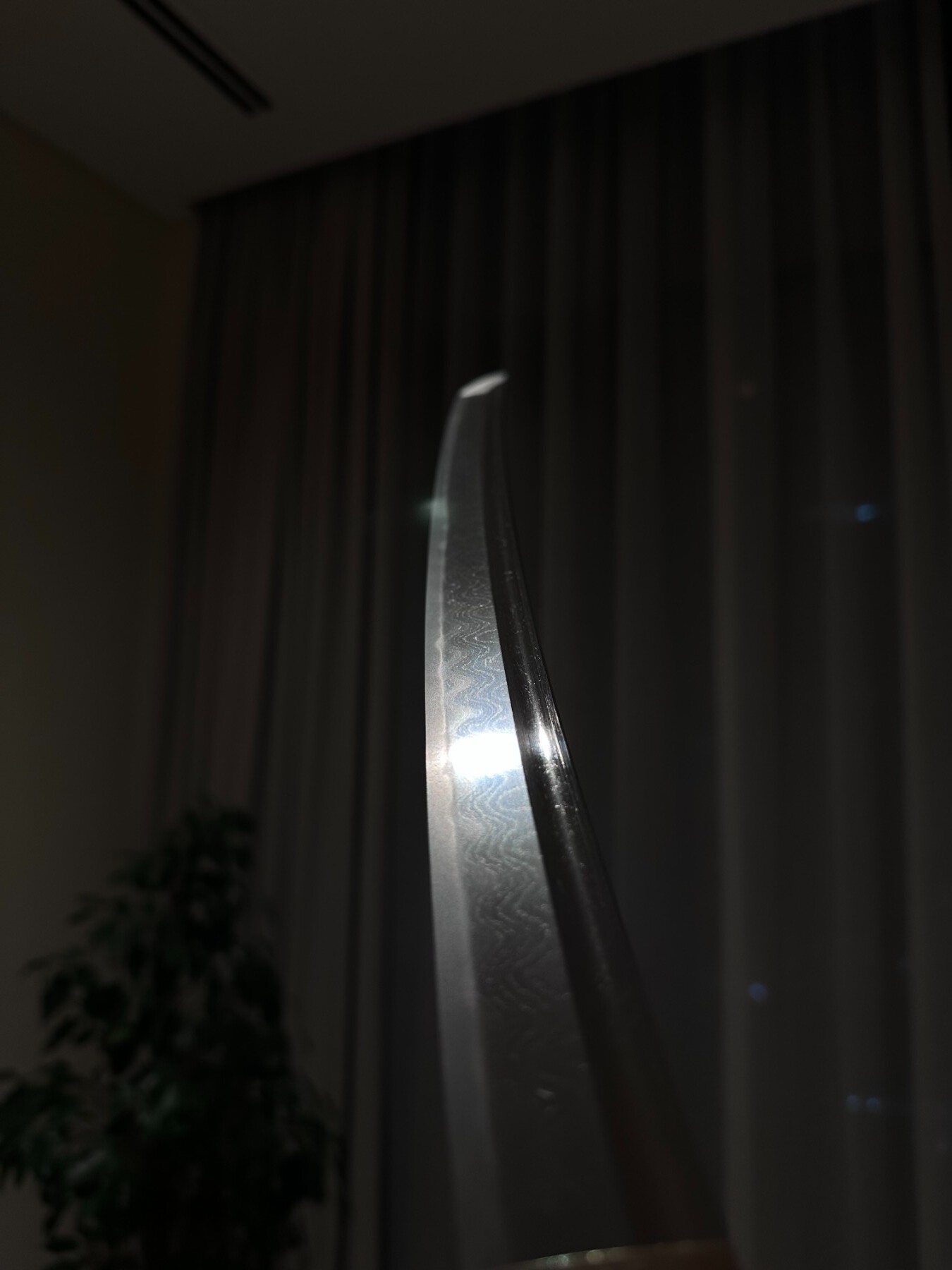
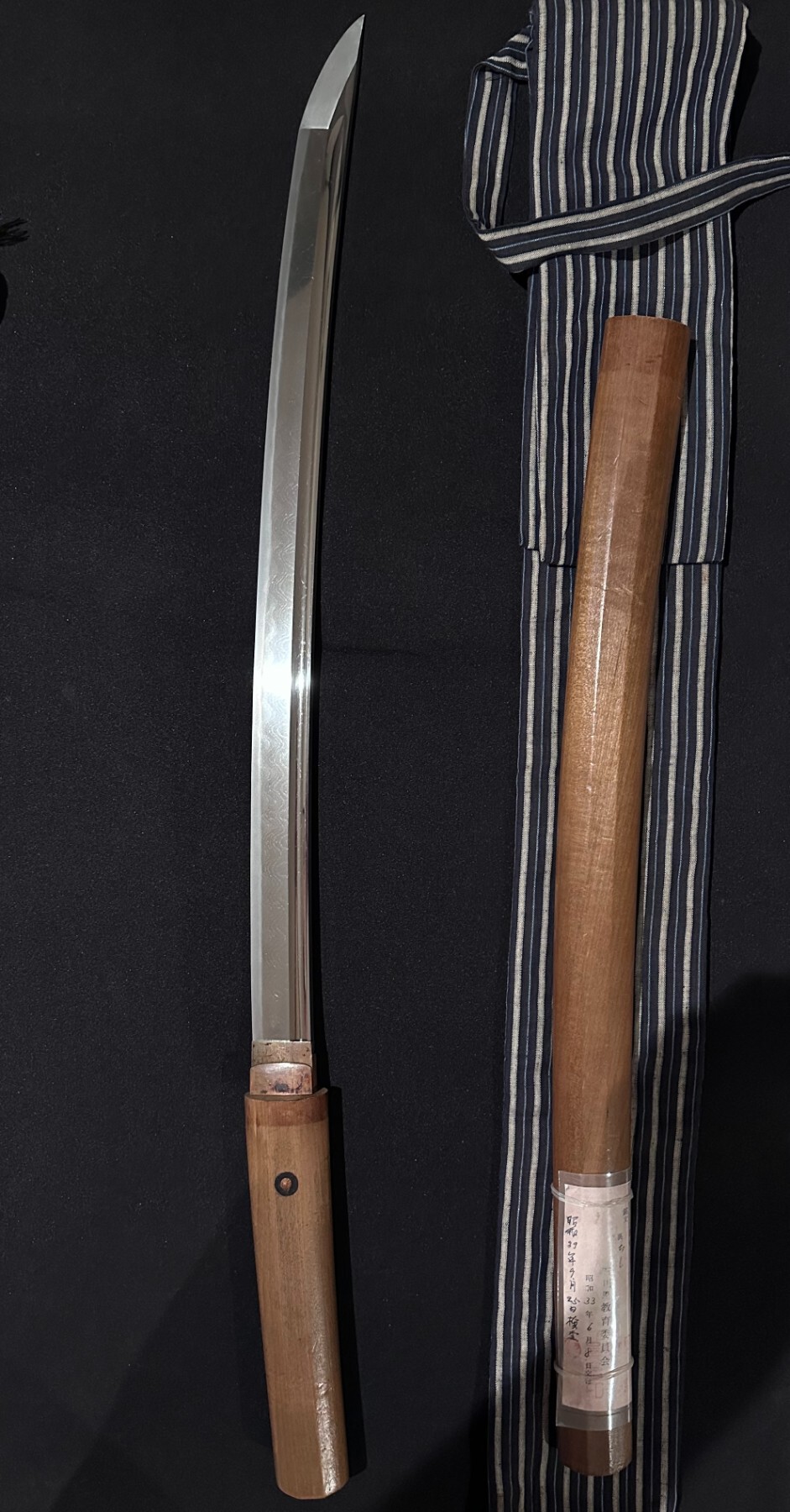
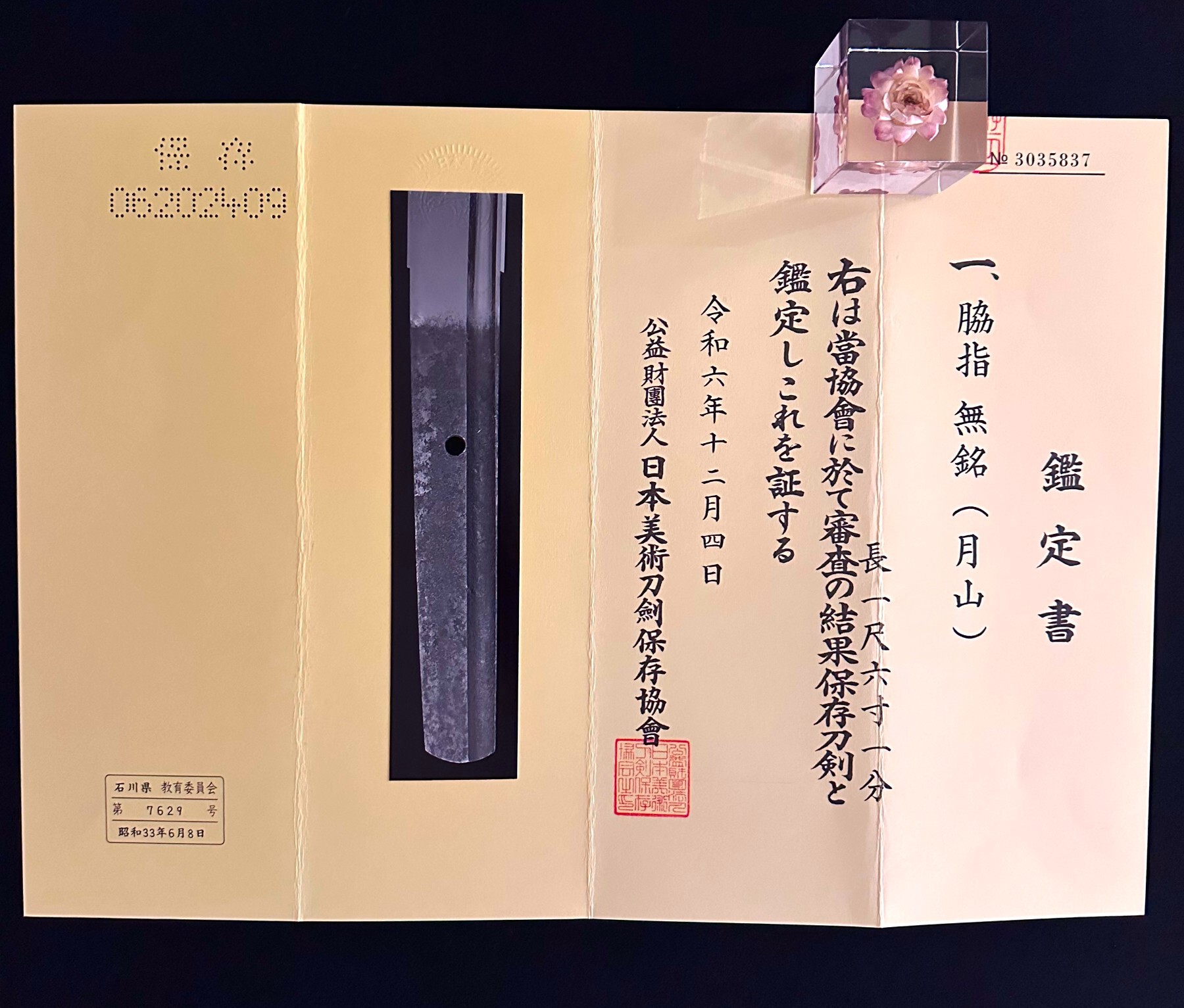
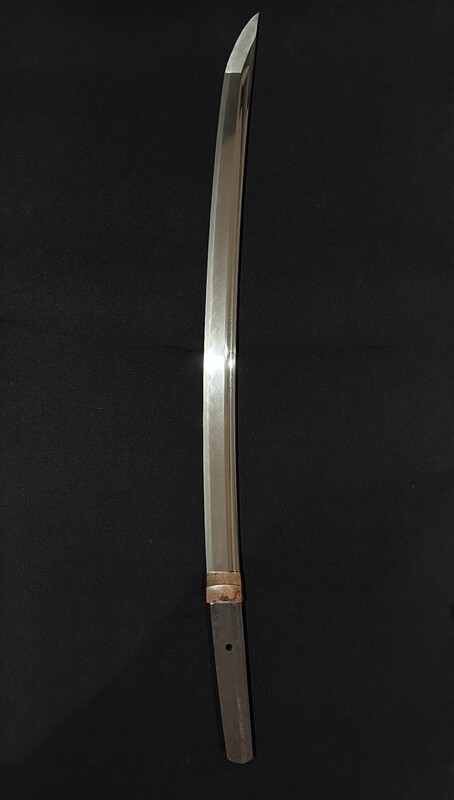
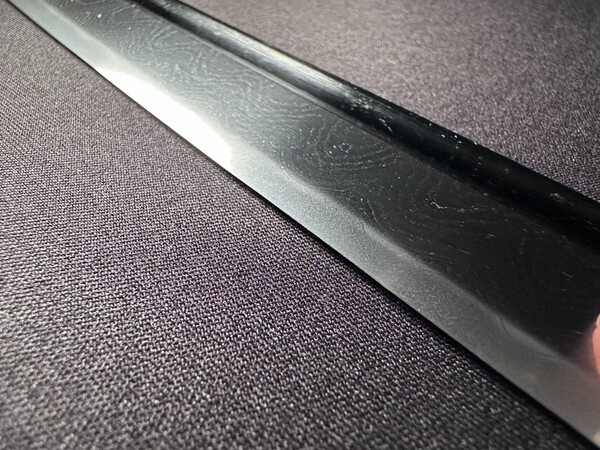
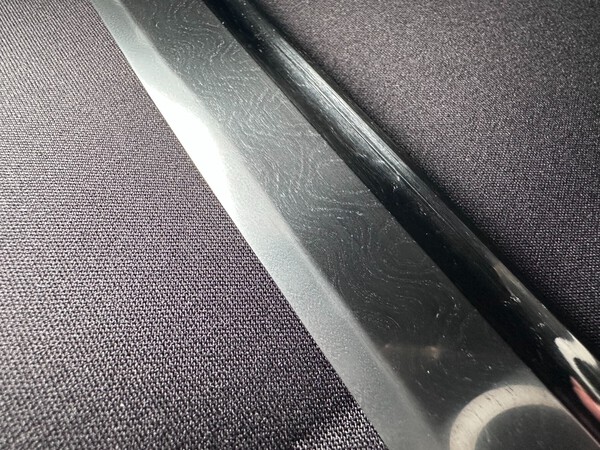
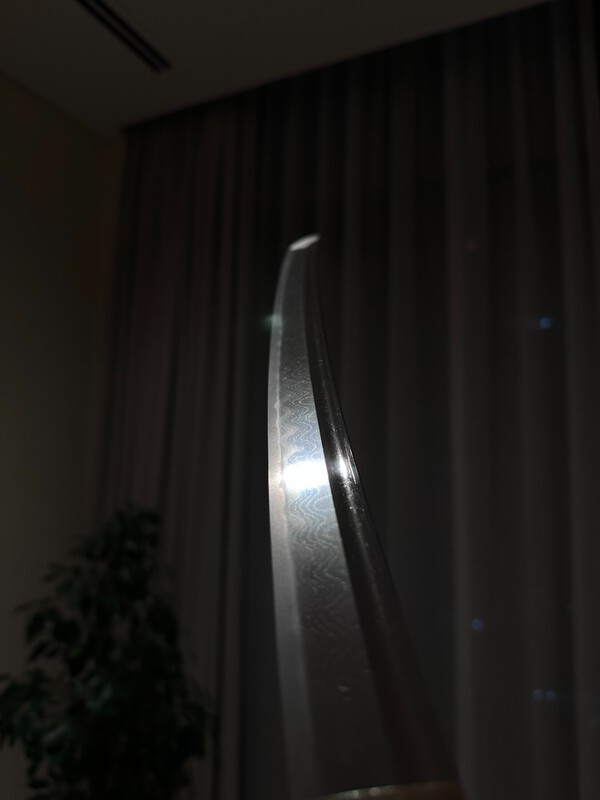
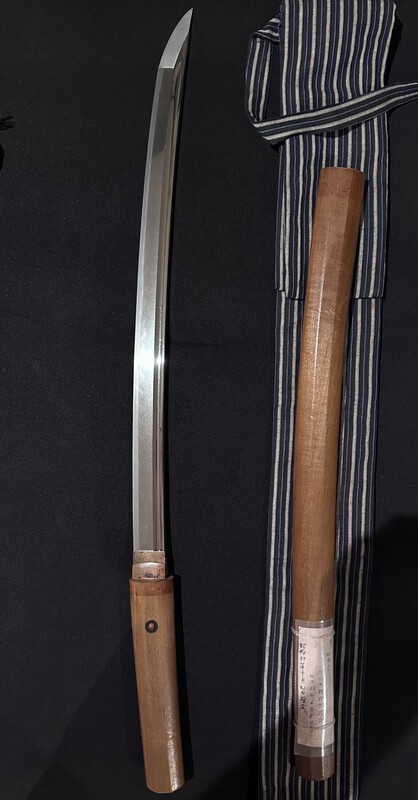
A fine Ko-Gassan wakizashi with NBTHK Hozon paper Nagasa: 48.9 cm Sori: 1.1 cm Motohaba: 2.9 cm Kasane: 0.5 cm Date of registration: Showa 33 (1958) Ishikawa pref. The Gassan school of Dewa Province is one of the most respected traditions in Japanese swordmaking, with a lineage extending from the Koto period into modern times. Authentic Koto-period Gassan Wakizashi are rarely encountered on the market. Based on its workmanship, excellent Ayasugi hada and overall characteristics, including its ō-kissaki (approx. 6 cm), the blade shows traits associated with the Nanbokuchō to early Muromachi period; however, precise dating remains difficult due to the consistency of Gassan style throughout the Koto era. Price: $5,600 USD A solid, papered, and increasingly hard-to-find Ko-Gassan piece.





-
- 4
-
-
Great work as always. Congrats!




.jpg.9e102c530f9a5a411d5553992cd1f9d1.jpg)
.jpg.29171d7e8185f8a1b4280b571dd9950d.jpg)