Tokugawa Gord
-
Posts
67 -
Joined
-
Last visited
-
Days Won
1
Content Type
Profiles
Forums
Events
Store
Downloads
Gallery
Everything posted by Tokugawa Gord
-
This tanto is now sold. A donation shall be made to NMB.
-
Open to offers folks. Price now reduced to 800$ USD. A donation to NMB shall be made if the sale goes through - thank you for your time.
-
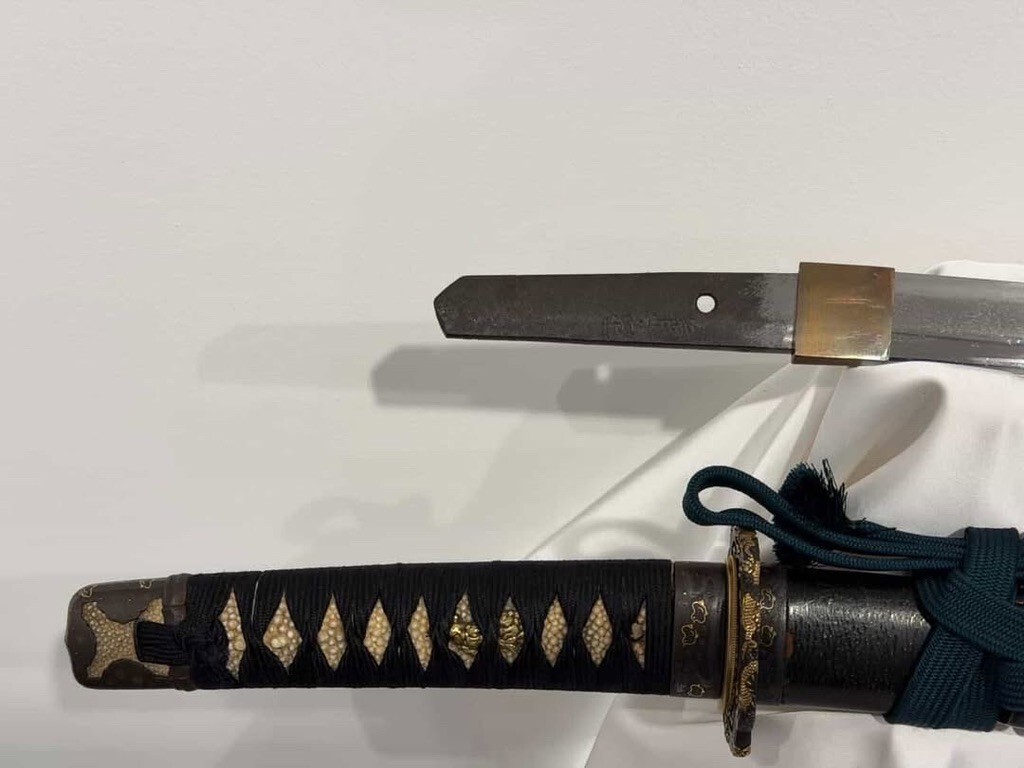
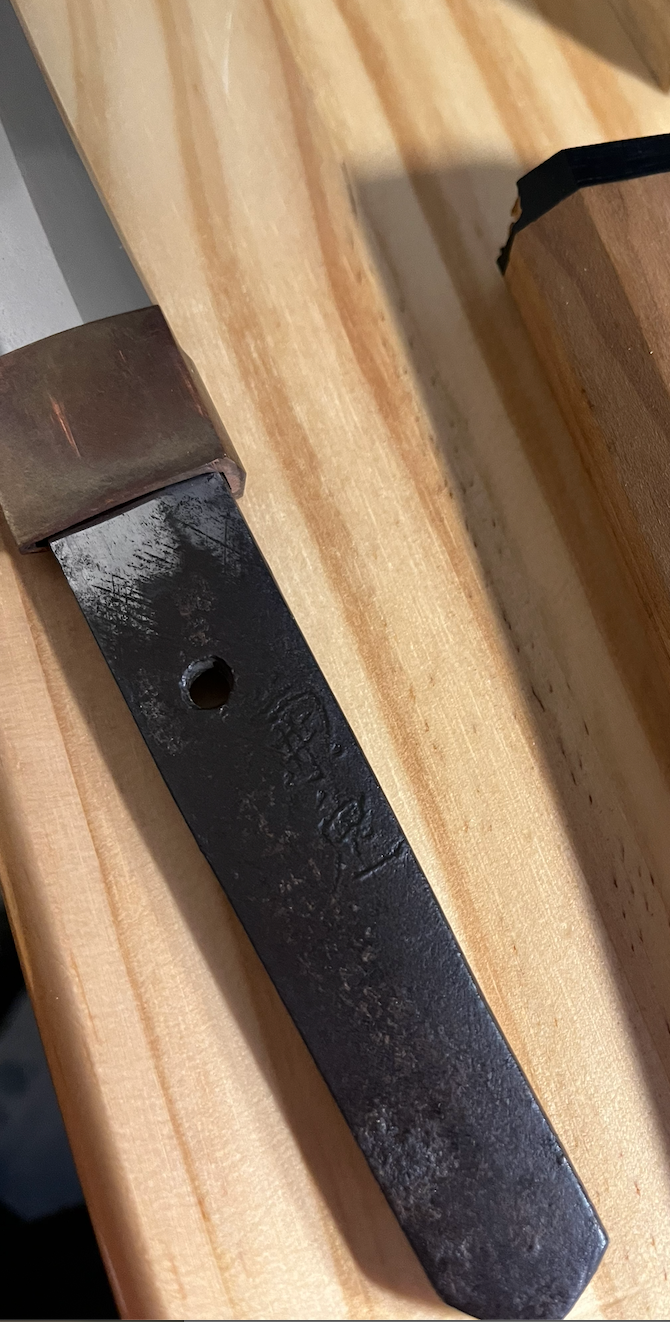
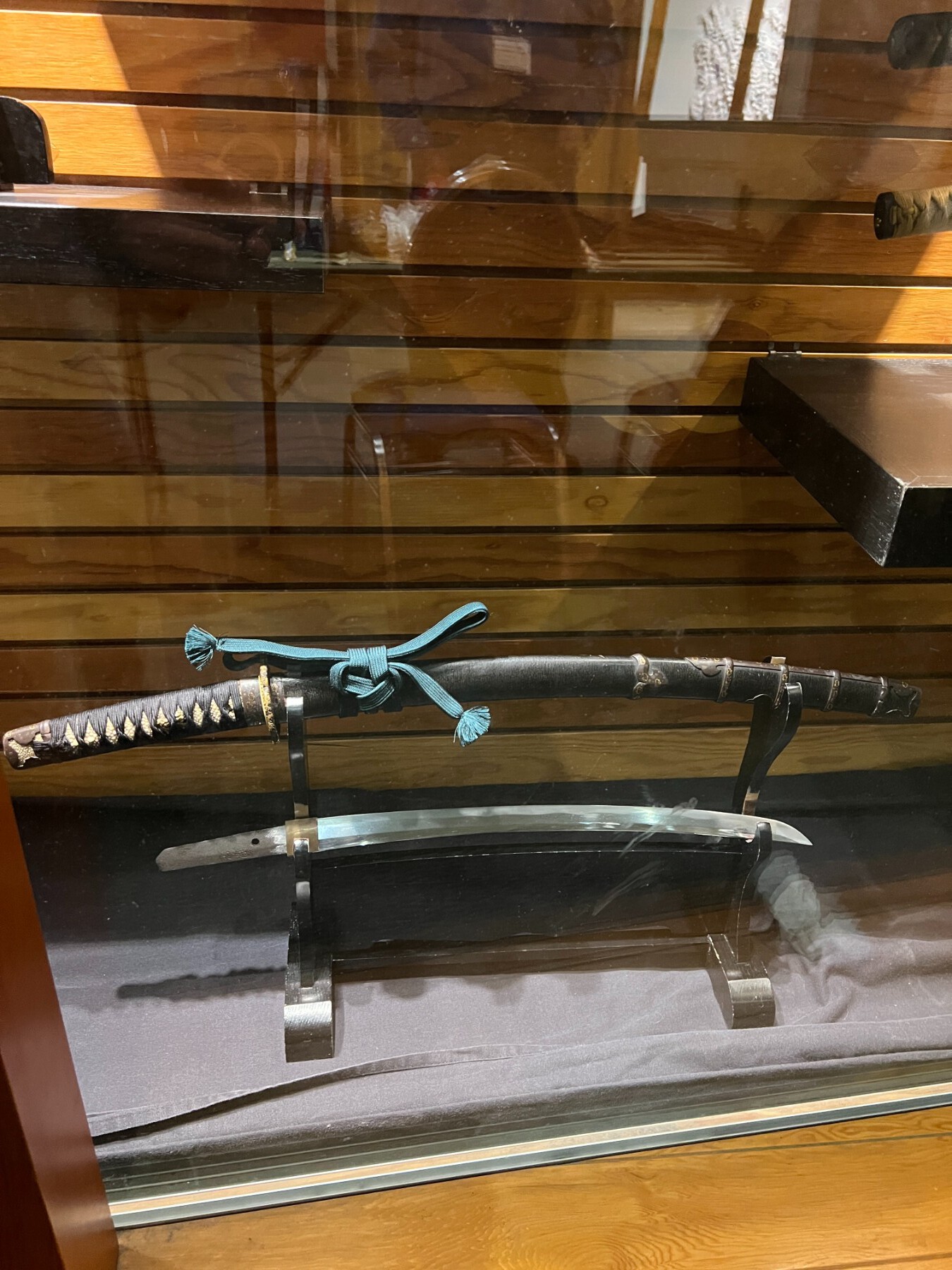
Konnichi wa fellow collectors, O genki desuka?, This blade was exhibited in the Toronto Sword Exhibit in March 2026, and received good praise from the crowd. This is a flawless, standout piece with tons of activity to see, especially in the mono-uchi. Take a close look at the technical finish: the straight horizontal file marks (kiri-yasurime) and the rising rounded tip of the tang (ha-agari kurijiri) are diagnostic hallmarks of the prestigious Kanewaka lineage in Kaga . From the massive 25 cm presence to the crystalline activity along the hardened edge, every element of this blade works in harmony to create something far greater than its individual parts.

-
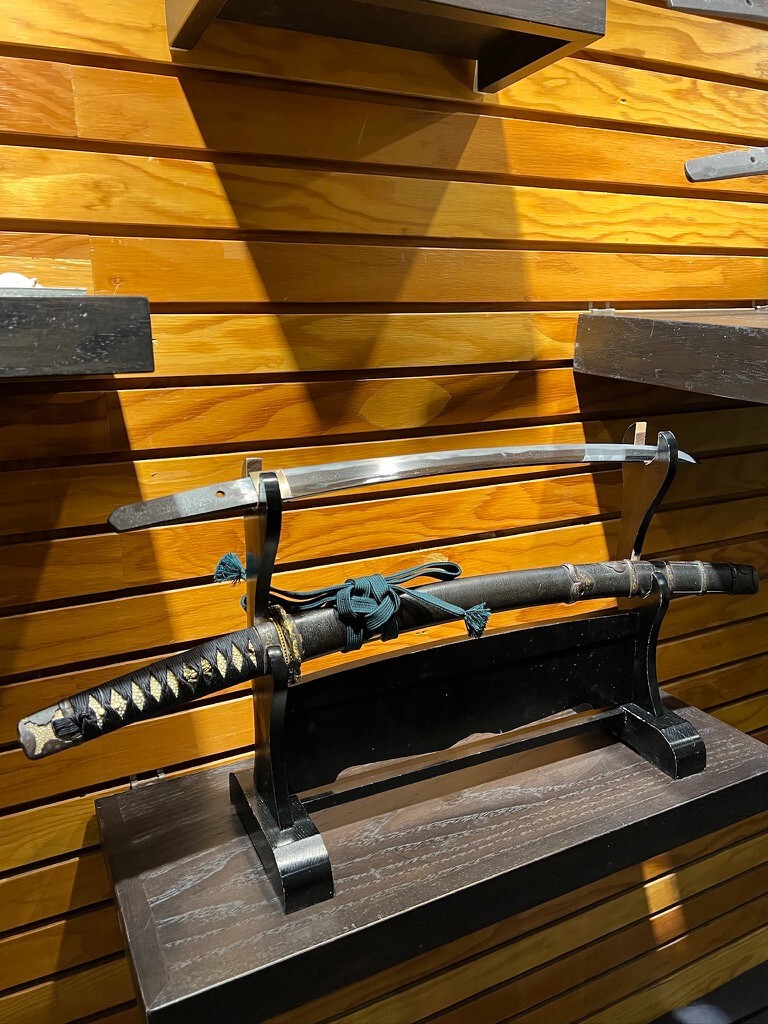
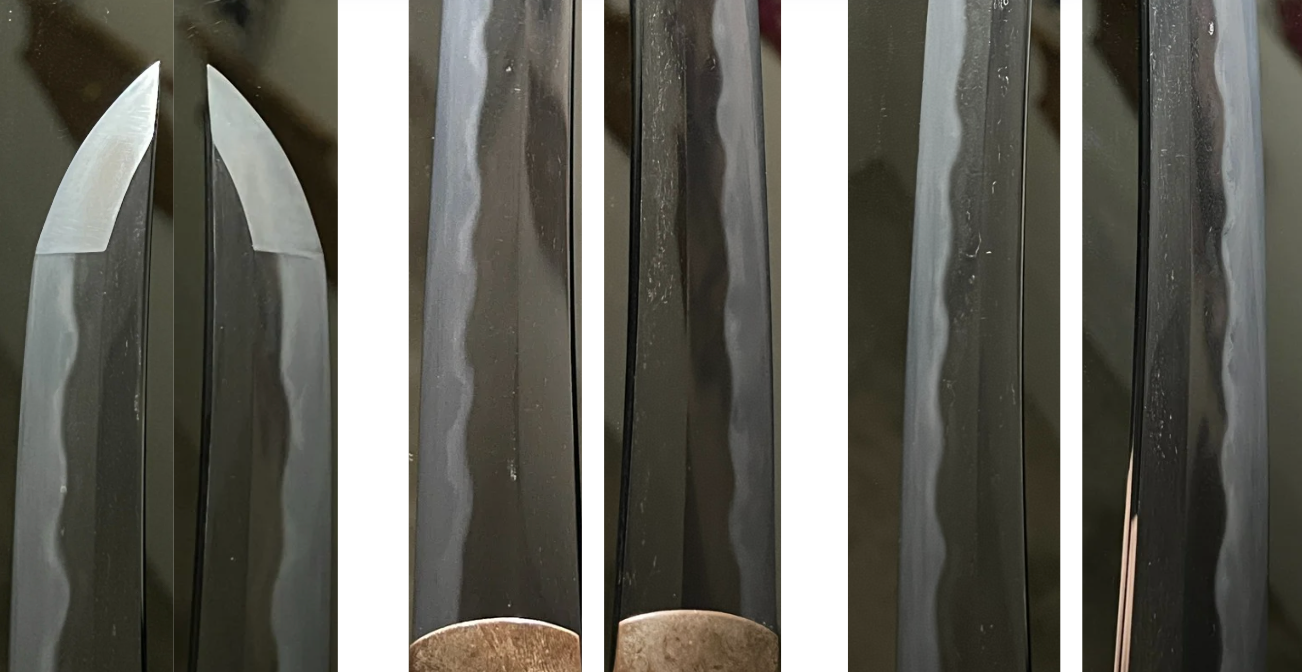
A fine Shinshinto Period - Bakumatsu era tanto for sale, circa 1853–1867. The steel surface appears incredibly clean, uniform with Itame mixed with Mokume hada. This level of steel refinement and "cleanliness" is a definitive trait of Shinshintō / Bakumatsu craftsmanship, where processing methods yielded highly purified steel compared to earlier eras. The temper line is a brilliantly clear, crisp Suguha (straight line) with a bright nioiguchi. It runs perfectly parallel to the edge and finishes in a clean, elegant bōshi (tip temper) that turns back neatly. If you look closely at the nakago-jiri (the tip of the tang), it has a distinct asymmetrical curve. The cutting-edge side (ha) slopes up sharply and roundedly toward the back edge (mune). This is the Kashu-Jiri (Kaga-style tang end). It is a textbook signature trait of the Kaga school that smiths from this region maintained across centuries, even into the Shinshintō and Bakumatsu eras. Type (Tachi, Katana, Wakizashi, Tanto, Naginata, Other) : Tanto Ubu, Suriage or O-Suriage : Ubu Mei : (Mumei, Signature) : Mumei Papered or not and by whom? : No Era/Age : Shin-Shinto/Bakumatsu Period Shirasaya, Koshirae or Bare Blade? : Koshirae Nagasa/Blade Length : 25cm (9 ½ in.) Sori : Uchi-Zori Hamon Type : Suguha Jihada : Itame mixed with Mokume Other Hataraki Visible : Clear, bright nioiguchi, short and fine ko-ashi exuding elegance and control. Flaws : None Sword Location : Toronto, Ontario Will ship to : Continental USA, Canada or Europe. Payment Methods Accepted : Paypal, E-Transfer Price and Currency : $1000 USD Other Info and Full Description : Forged during the turbulent Bakumatsu period, this unsigned (mumei) blade exemplifies the fukkotō (revival) movement — an ideology that sought to move away from the flamboyant styles of the mid-Edo period and recreate the supreme quality and stoic aesthetics of the ancient Kotō masters. The work demonstrates a peak level of technical skill, intended to appear as though the blade grew naturally from its raw materials. Measuring 25 cm, the blade features a refined suguha (straight) temper line with slight undulations (notare), set against a characteristically blackish jigane unique to Kaga Province. The forging structure is a masterpiece of texture, displaying a tightly forged itame-hada (wood grain) seamlessly mixed with flowing mokume (burl grain). The tang features straight horizontal file marks (kiri-yasurime) and a rising rounded tip (ha-agari kurijiri), diagnostic traits of later Kaga lineages such as the Kanewaka school. This tantō stands as a superior example of martial functionality blended with high artistic achievement. All wrapped up in a simple koshirae with black laquer, and comes with original receipt from a sword shop in Japan/Japanese export papers.


-
This Wakizashi is now marked sold - thank you. A donation to NMB shall be made.
-
Price reduced to $800 USD. Open to offers - thank you for your time.
-
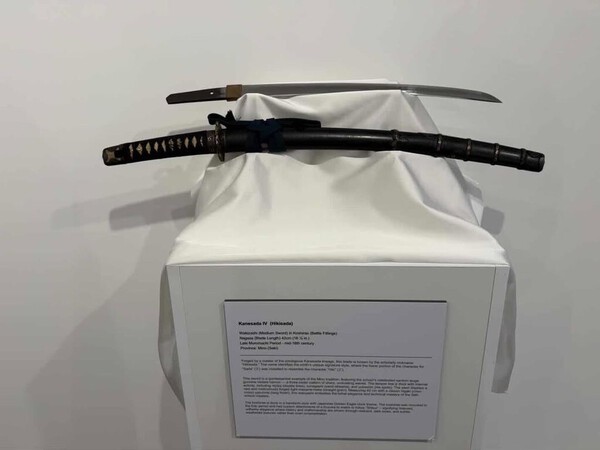
Based on my research, I believe this sword was forged by a master of the prestigious Kanesada lineage, this blade is known by the scholarly nickname “Hikisada.” The name identifies the smith’s unique signature style, where the lower portion of the character for “Sada” (定) was chiselled to resemble the character “Hiki” (疋). This sword is a quintessential example of the Mino tradition, featuring the school’s celebrated sanbon tsuge gunome midare hamon — a three-cedar pattern of sharp, undulating waves. The temper line is thick with internal activity, including nijŭba (double lines), sunagashi (sand-streams), and yubashiri (nie spots). The steel displays a rare and meticulously forged tight masame-hada (straight grain). Measuring 42 cm with a classic higaki (criss-cross) yasurime (tang finish), this wakizashi embodies the lethal elegance and technical mastery of the Mino school masters. A good pick-up for a collector starting out or looking to study a very good Mino blade - it has provided me years of research and I rather enjoy looking at it to this day. Additional photos: https://drive.google.com/drive/folders/1BHZDkqMBteGggR9-t-HJnsiVC6SGegzs?usp=sharing
-
Hello Everyone, it's me again. Just reposting the Google Drive with the high-resolution photos of the beautiful craftsmanship. I hope you will find them enjoyable. https://drive.google.com/drive/folders/1BHZDkqMBteGggR9-t-HJnsiVC6SGegzs?usp=sharing
-
Hello Nathaniel, That is correct, 21mm - looks like I flipped the numbers
-
Hello Nathaniel - thank you for your interest. Please find your requested measurements below: Motohaba: 26mm or 1 Inch Sakihaba: 21mm or 3/4 Inch Moto-Kasane: 7mm or 1/4 Inch Saki-Kasane: 4mm or 1/8 Inch
-
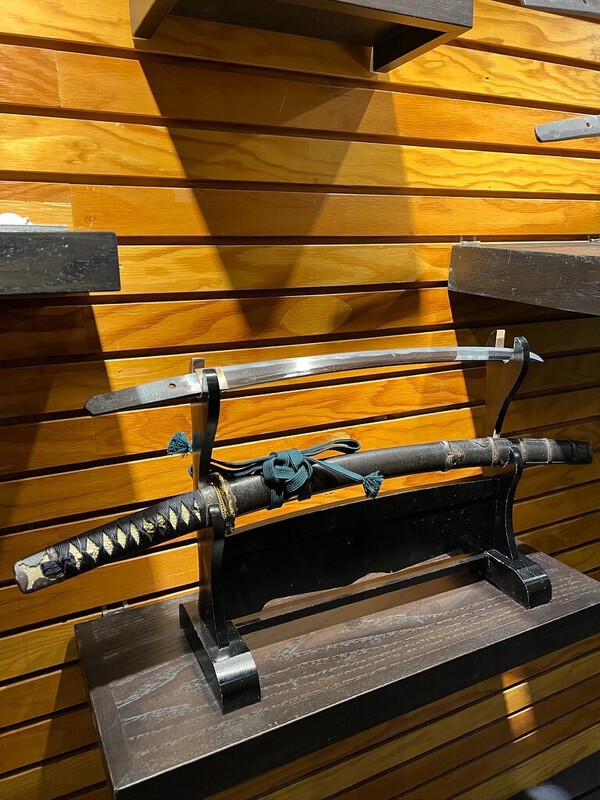
Thank you for your interest Rawa - it is a good piece. I am selling the wakizashi in a shirasaya only - the koshirae belongs to another wakizashi. Apologies for the confusion, as it was exhibited together with that koshirae in the photo.
-
A fine Muromachi period Kanesada wakizashi with masame hada, profused, and very tight. Hakikake boshi with dark jigane. Above the hamon we see nijuba with yubashiri running gunome to gunome. Sunagashi runs through the valleys - which is impressive to see in person. Hamon is sanban tsuge gunome midare with a chu-kissaki. The back of the blade is iorimune and the yasurime are gyaku-takanoha, which all point to Mino tradition. My research leads me to believe it to be one of the later generations - signed similarly to Hikisada. This sword is a quintessential example of the Mino tradition, featuring the school’s celebrated sanbon tsuge gunome midare hamon — a three-cedar pattern of sharp, undulating waves. Type (Tachi, Katana, Wakizashi, Tanto, Naginata, Other) : Wakizashi Ubu, Suriage or O-Suriage : Ubu Mei : (Mumei, Signature) : Kanesada Papered or not and by whom? : No Era/Age : Middle to Late Muromatchi Shirasaya, Koshirae or Bare Blade? : Shirasaya Nagasa/Blade Length : 42 cm or 16 1/2 Inches Sori : 1.9cm or 3/4 Inches Hamon Type : Sanbon Sugi Gunome Midare Jihada : Masame Other Hataraki Visible : Ko-Nie, Nijuba, yubashiri, sunagashi (bright streaks of nie) Flaws : None Sword Location : Toronto, Ontario Will ship to : Continental USA, Canada or Europe. Payment Methods Accepted : Paypal, E-Transfer Price and Currency : $1000 USD Other Info and Full Description : The temper line is thick with internal activity, including nijŭba (double lines), sunagashi (sand-streams), and yubashiri (nie spots). The steel displays a rare and meticulously forged tight masame-hada (straight grain). Measuring 42 cm with a classic higaki (criss-cross) yasurime (tang finish), this wakizashi embodies the lethal elegance and technical mastery of the Seki school masters.


-
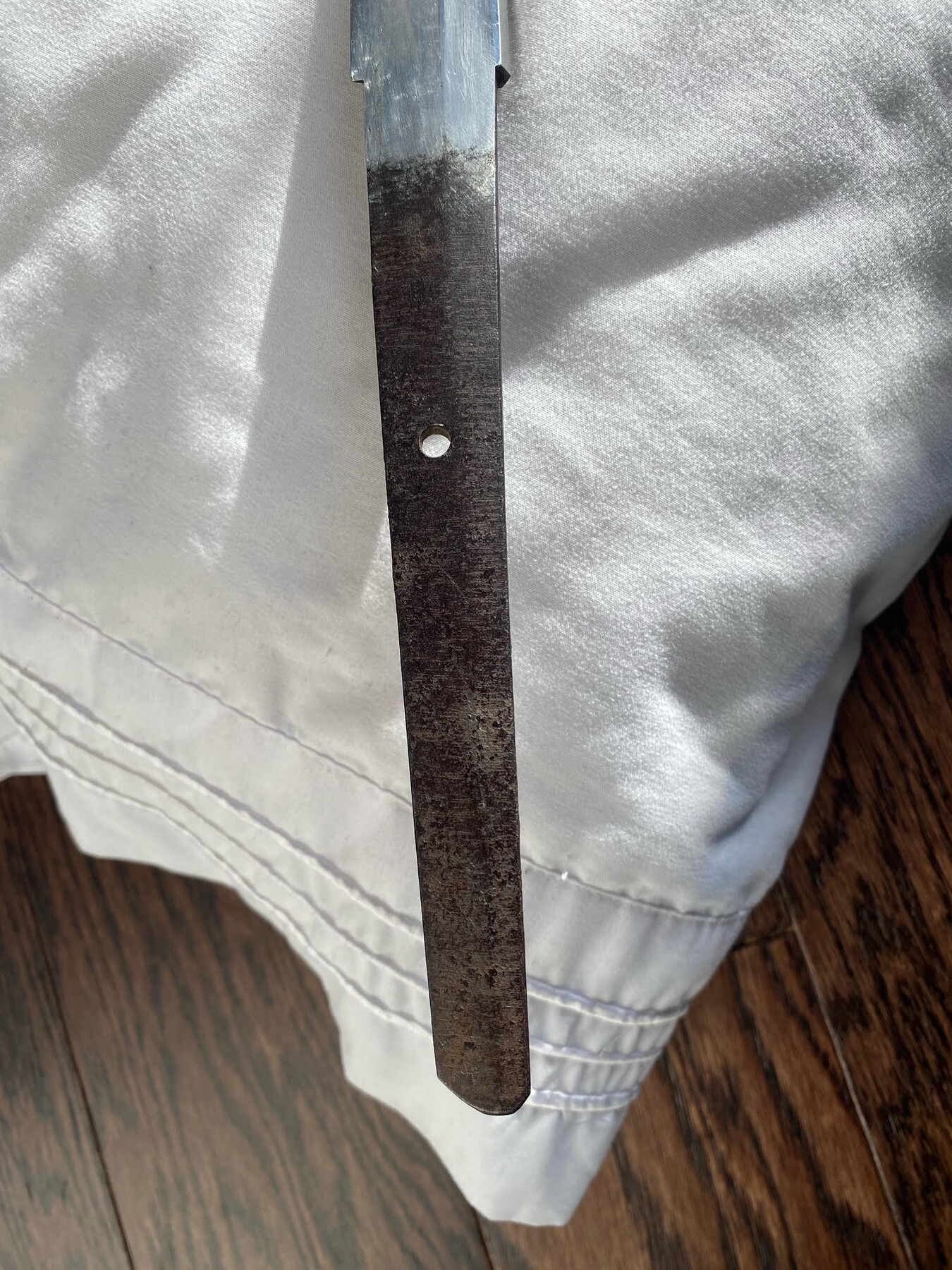
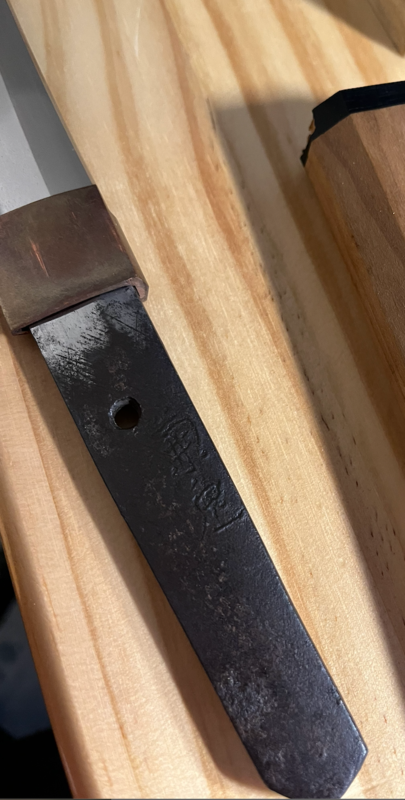
When I take a picture up close like this I see a a Sanji-Mei forming, but it has faded greatly over the years. Is anyone able to make out the characters?
-

-
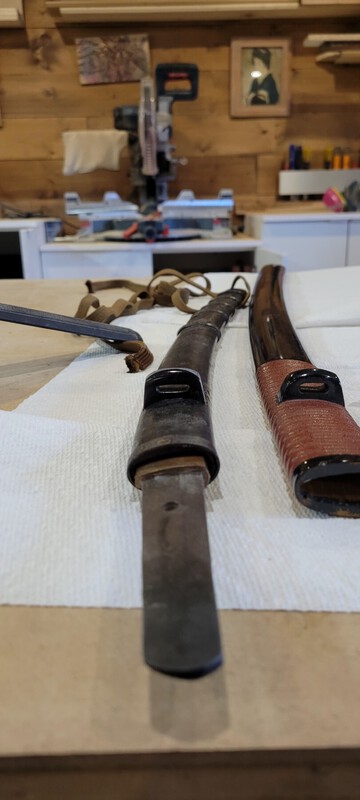
Hello Kirill. Please see nakago photograph attached here. What do you think?

-
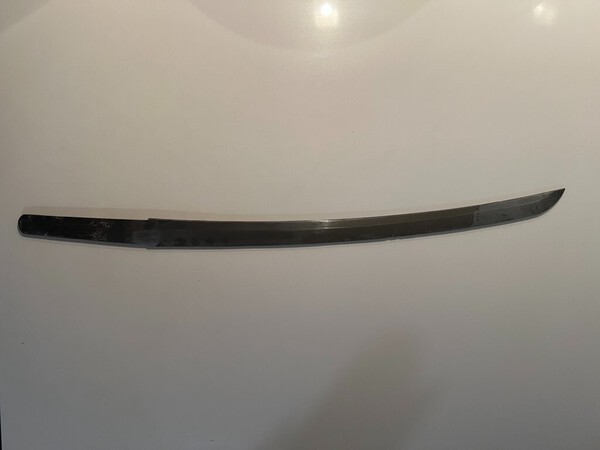
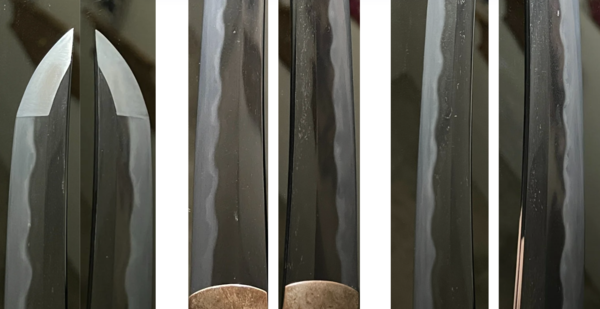
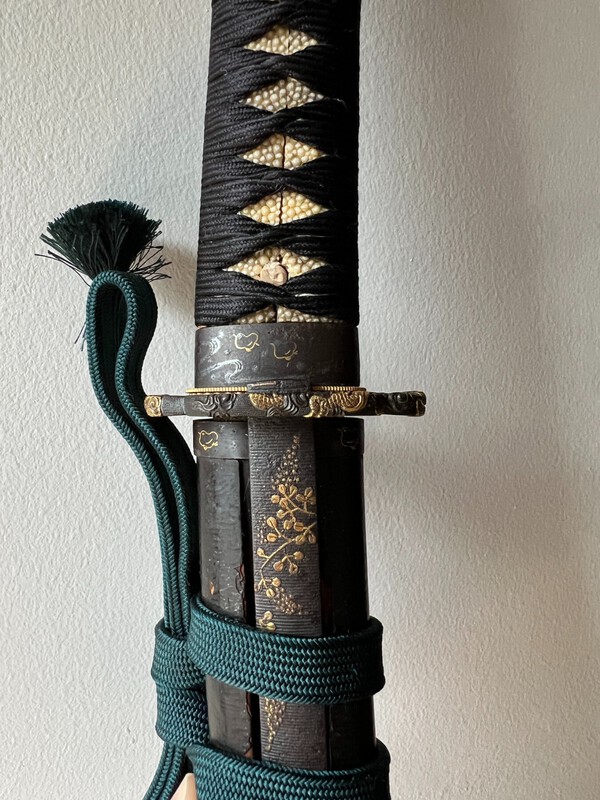
Hello Everyone. Hope that you are having a great week and making a nice cup of matcha while researching your next Nihonto purchase. I have an unidentified wakizashi I am struggling with, as it is mumei and exhibits features of Mino and or Bizen. The hamon and overall sugata is similar to Bizen school, closest I found in geometry and hamon was the Sukesada line or Oei Bizen. What confuses me is the toriizori curve, which is generally a Mino feature. The hada is mokume, kissaki is chu-kissaki and the boshi is hakikake. I place this wakizashi to mid to late Muromatchi period based on the overall patina on the nakago and the features within the steel. A beautiful gunome midare hamon with a slight fumbare which both give me the sense of great elegance, stability and power. Any additional information on this wakizashi will help a long way, Japanese swords are a long time passion of mine, and I am so glad to have the opportunity for this particular one to find me. After your careful assessment and review of the photos I would make a decision on whether to take it to Shinsa or not. Warm Regards, Gordon S

-
Early EDO Period Katana looking for a new home.
Tokugawa Gord replied to Tokugawa Gord's topic in Swords and Edged Weapons
Sold thank you everyone and thank you NMB. A donation shall be made. -
Early EDO Period Katana looking for a new home.
Tokugawa Gord replied to Tokugawa Gord's topic in Swords and Edged Weapons
This katana is now marked Pending. -
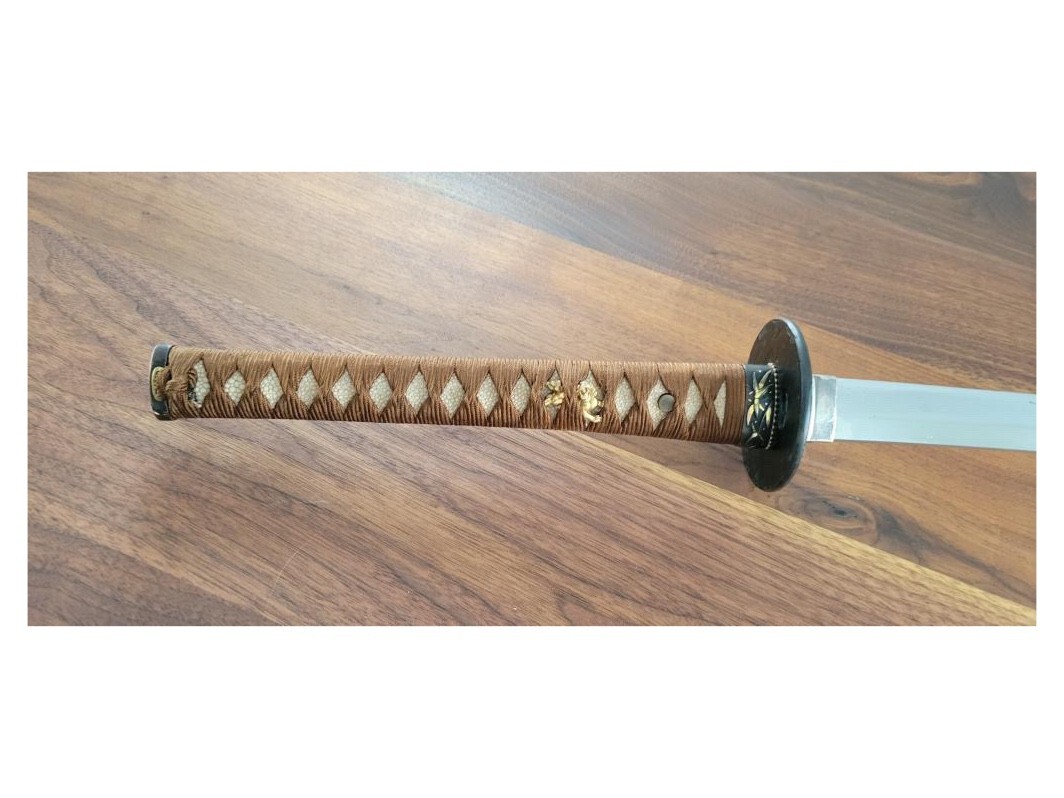
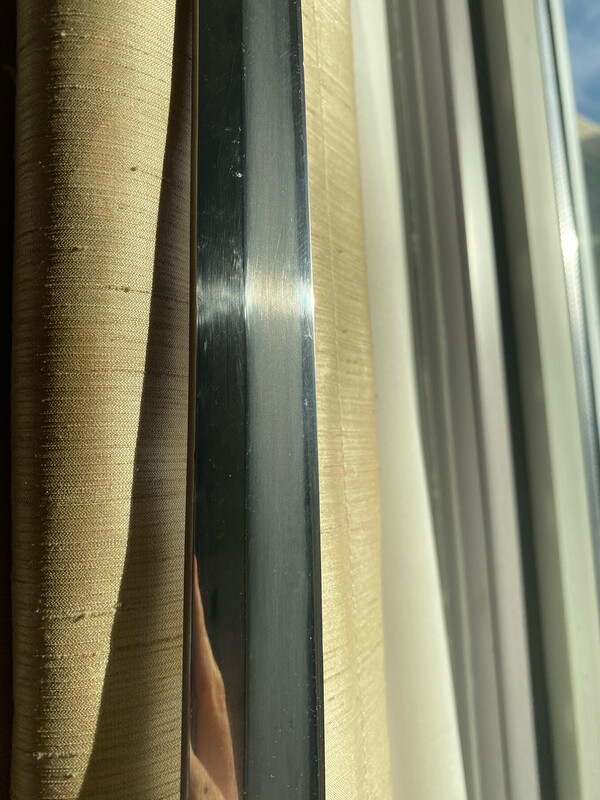
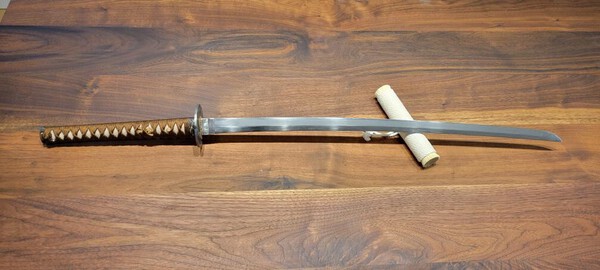
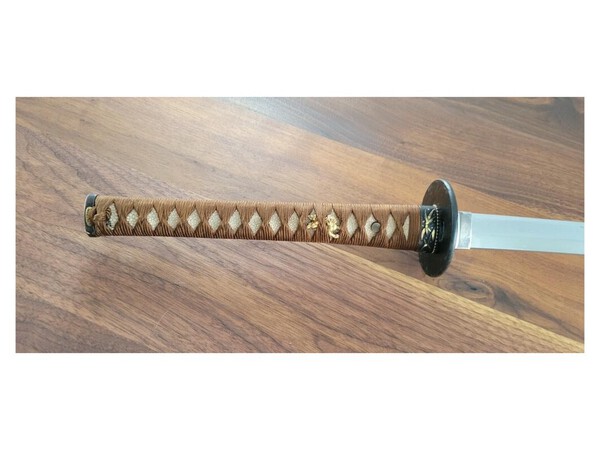
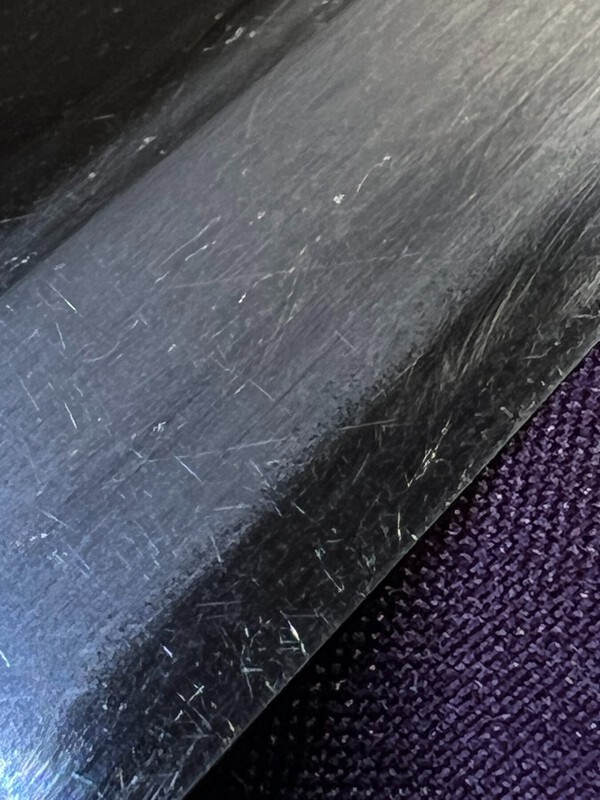
A finely crafted, historic katana from the early Edo period of ancient Japan circa 1600s. The blade is mumei (unsigned) and has a long, beautiful sugata (shape) - almost tachi like. The shape of the tip kissaki is Chu Kissaki and a very rare ito suguha hamon in suguha (straight thin line) which are said to be some of the sharpest qualities. Ko-Mokume hada along shinogi and masame hada along the edge. Uchinoke, hakikake, small kinsuji, inazuma, nie, nioi, ashi, and others are also found. These are all considered very attractive in our Japanese sword world. The blade is light, and almost wants to tip upwards, indicating an order age than estimated. I have researched this blade, and believe it to be Yamato school - Shikkake to be particular. No papers no backstory just a good blade with some lovely fittings: bamboo theme futchikashira with beautiful Goto school shishi menuki. Type (Tachi, Katana, Wakizashi, Tanto, Naginata, Other) : Katana Ubu, Suriage or O-Suriage : Ubu Mei : (Mumei, Signature) : Mumei Papered or not and by whom? : No papers Era/Age : Early Edo Shirasaya, Koshirae or Bare Blade? : Koshirae Nagasa/Blade Length : 26 1/2 inches Sori : 1.4 cm Hamachi - Munemachi : 1 1/4 inches Hamon Type : Suguha / Ito Suguha Jihada : Masame mixed with Ko-Mokume Other Hataraki Visible : Uchinoke, hakikake, small kinsuji, inazuma, nie, nioi, ashi, and others are also found. Ko-nie deki along the hamon. Flaws : No major flaws Sword Location : Toronto, Canada Will ship to : Continental USA, Canada or Europe. Payment Methods Accepted : Paypal, Cash Price and Currency : 1400 USD Other Info and Full Description : A percentage of my sale will go towards upkeep of NMB

-
Sundays are for Sword Cleaning 🧼
Tokugawa Gord replied to Tokugawa Gord's topic in General Nihonto Related Discussion
+
-
Sundays are for Sword Cleaning 🧼
Tokugawa Gord replied to Tokugawa Gord's topic in General Nihonto Related Discussion
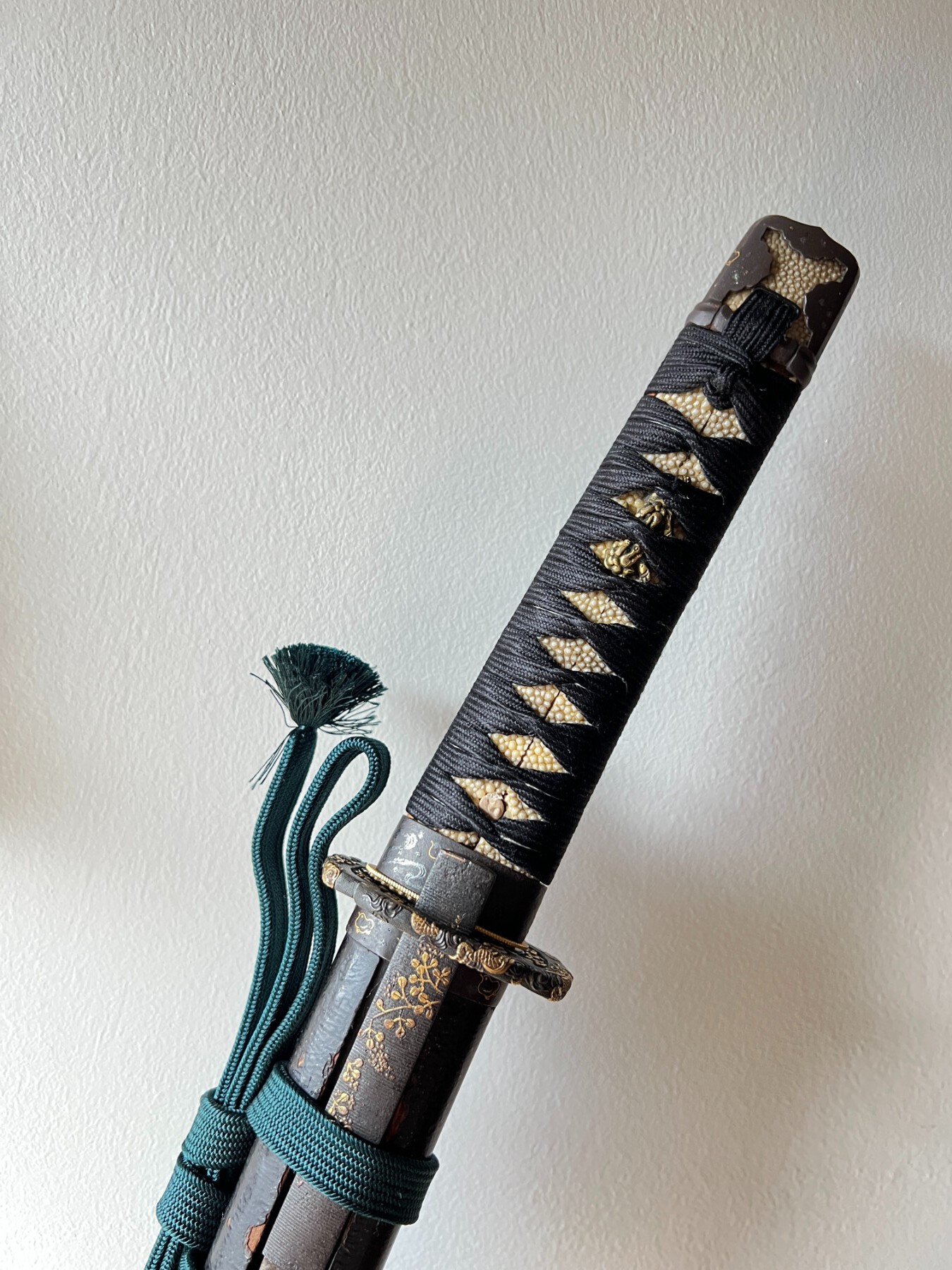
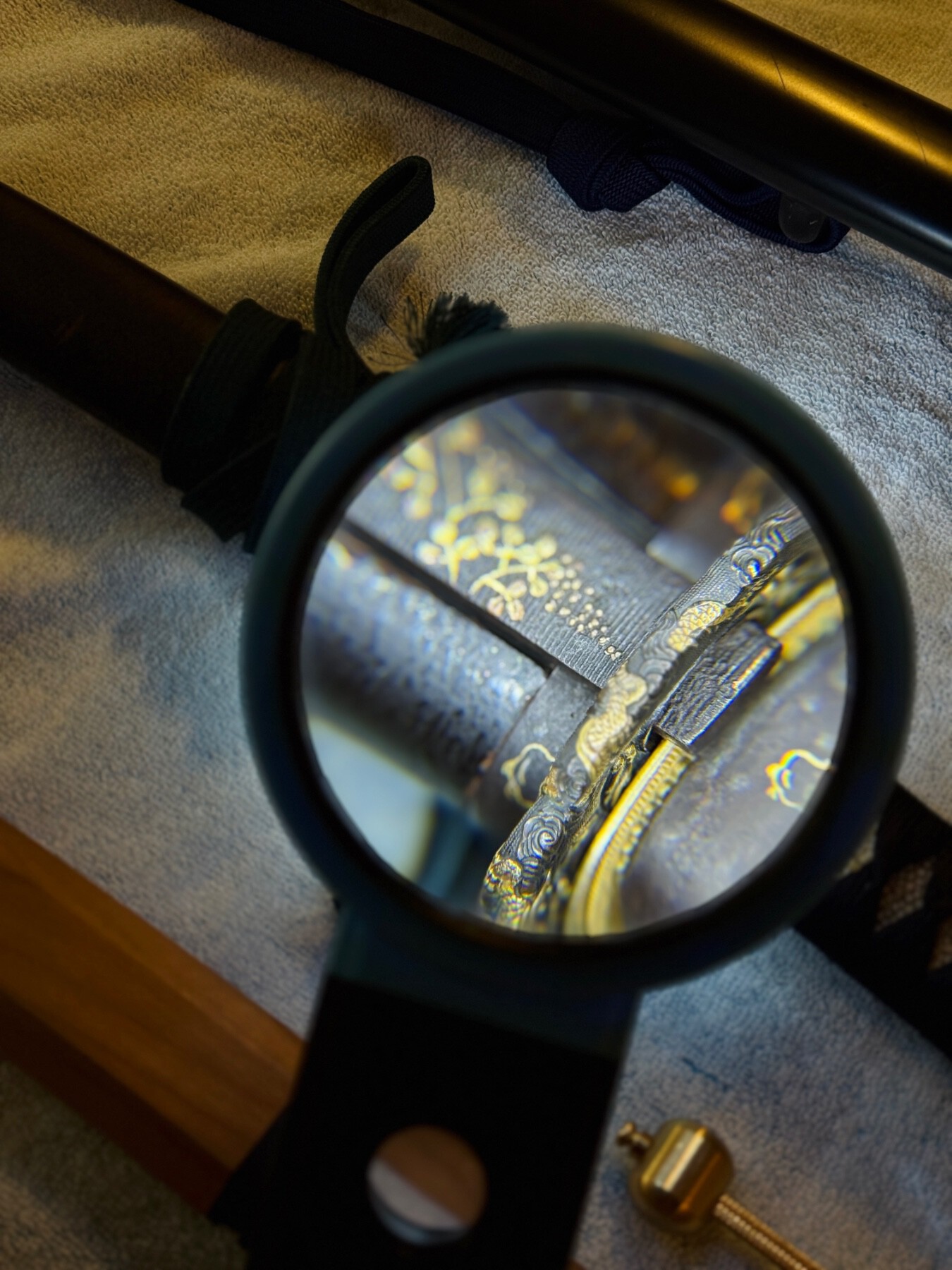
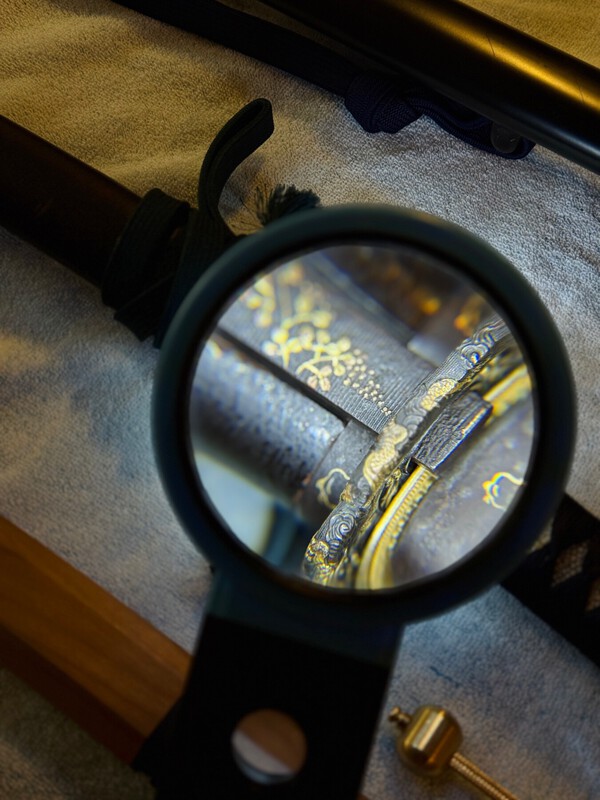
By popular demand: posting the entire koshirae here for everyone's pleasure. Enjoy!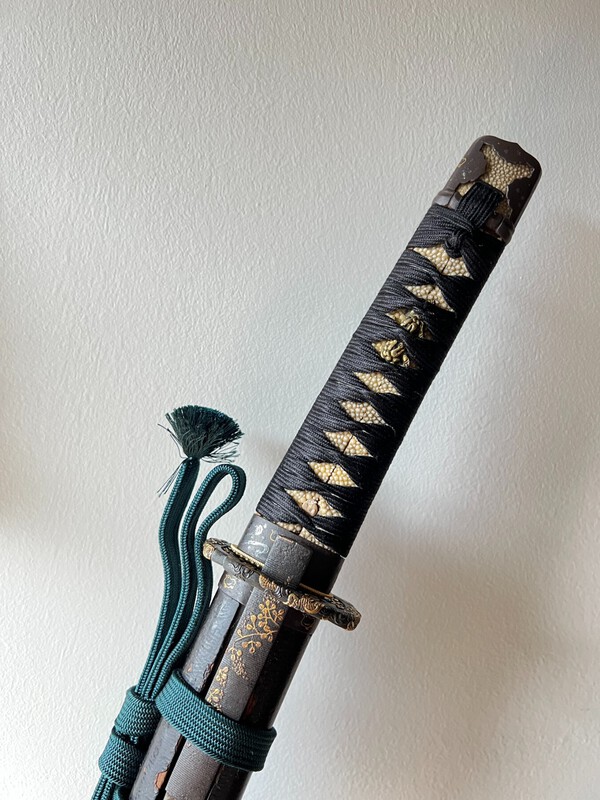
-
Sundays are for Sword Cleaning 🧼
Tokugawa Gord replied to Tokugawa Gord's topic in General Nihonto Related Discussion
Great eye Geraint!! The tsuba is indeed not original - it is a Mino School tsuba mounted on there . -
Sundays are for Sword Cleaning 🧼
Tokugawa Gord replied to Tokugawa Gord's topic in General Nihonto Related Discussion
Thank you for your appreciation Geraint, I am quite fond of this koshirae as well. Can you guess which piece is not original (there is only one) -
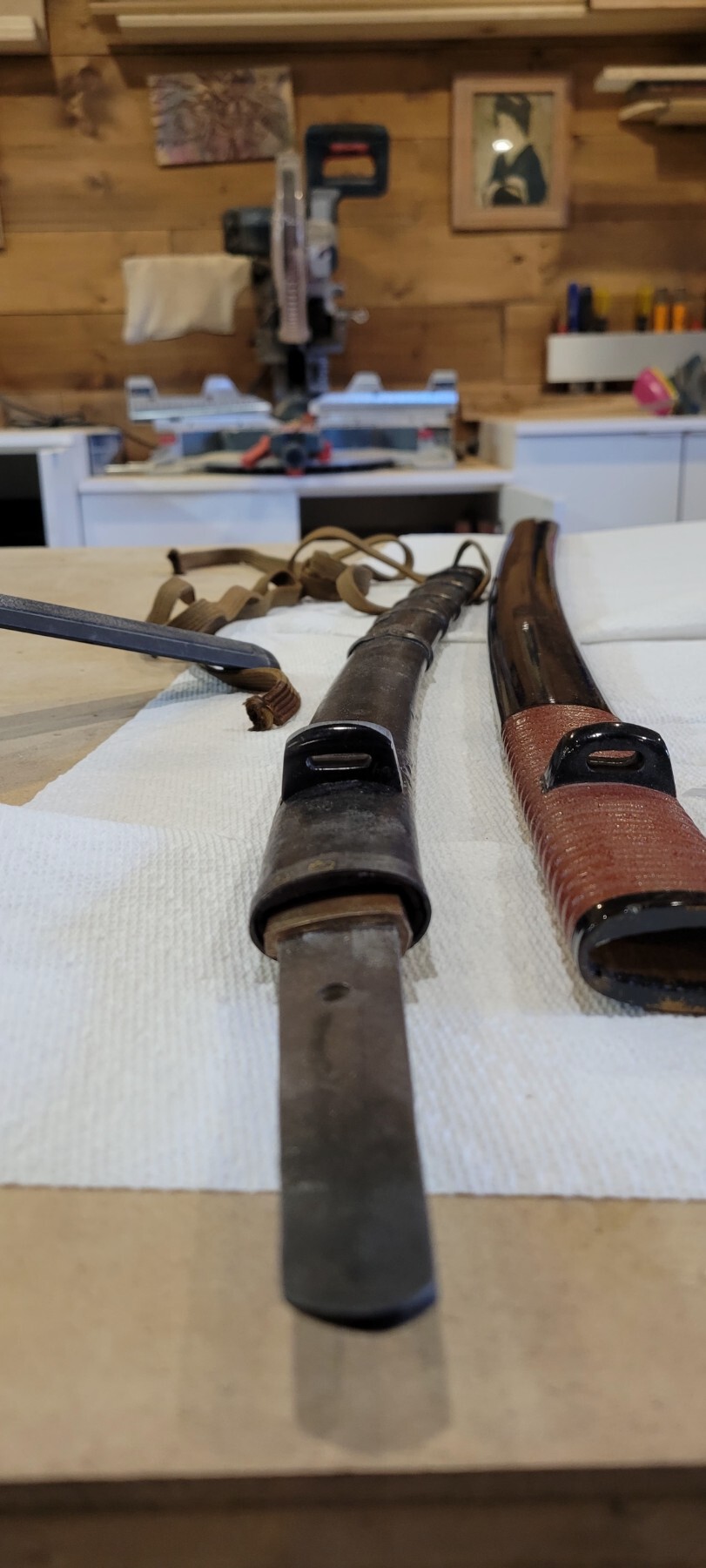
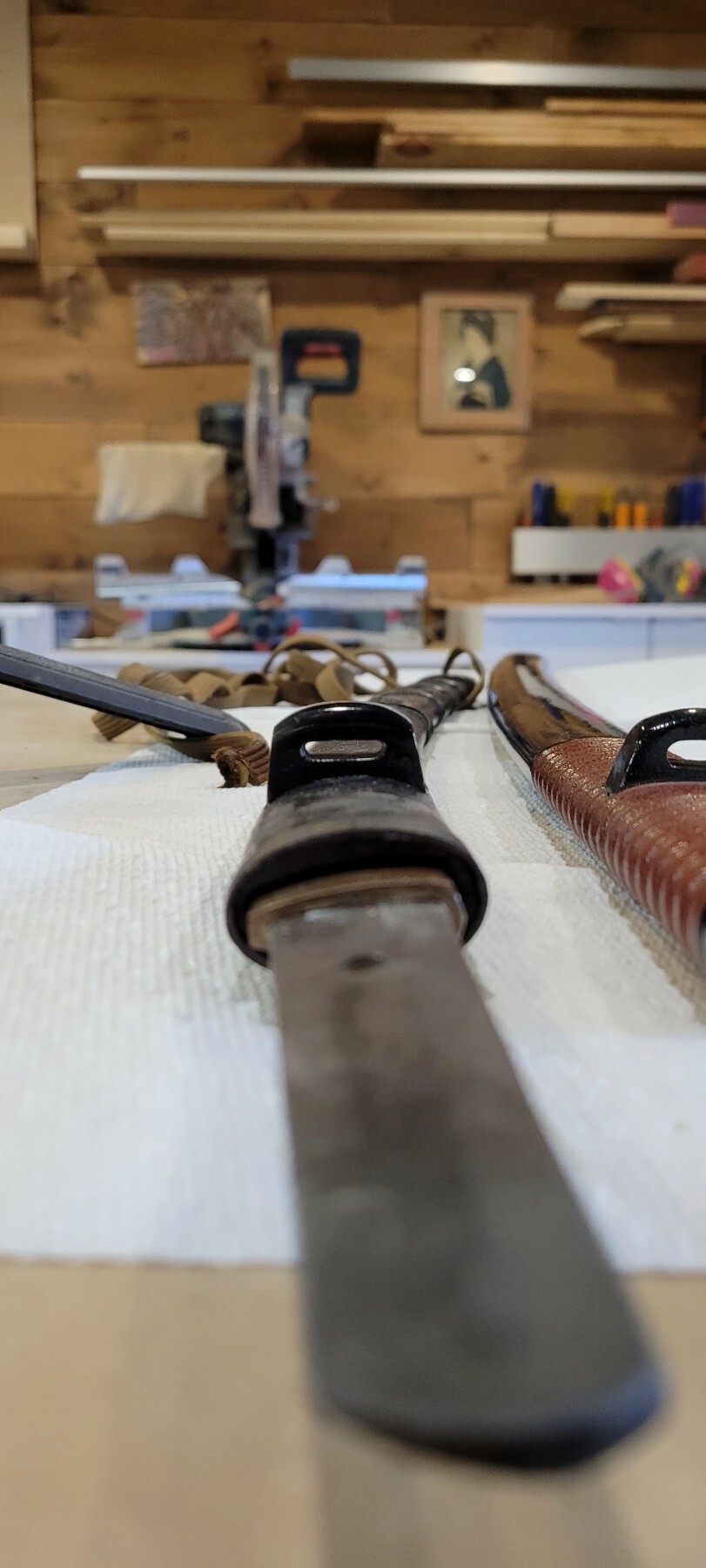
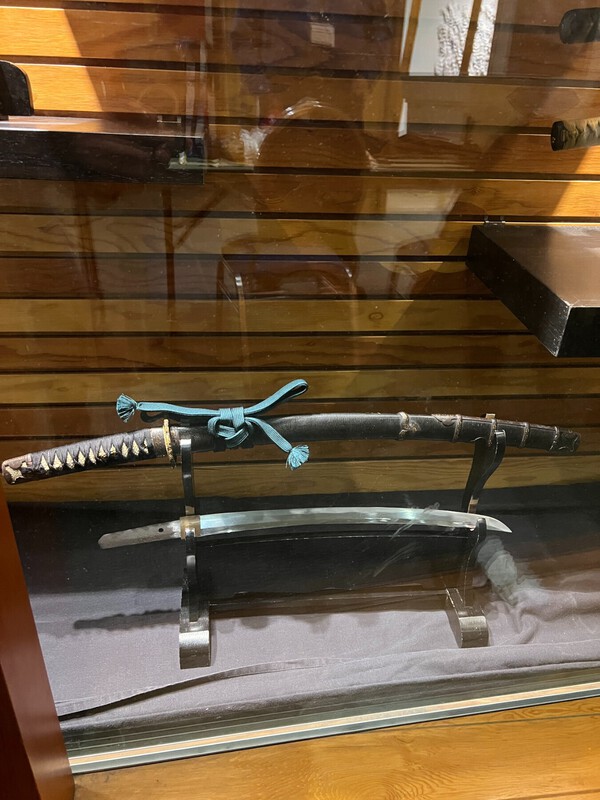
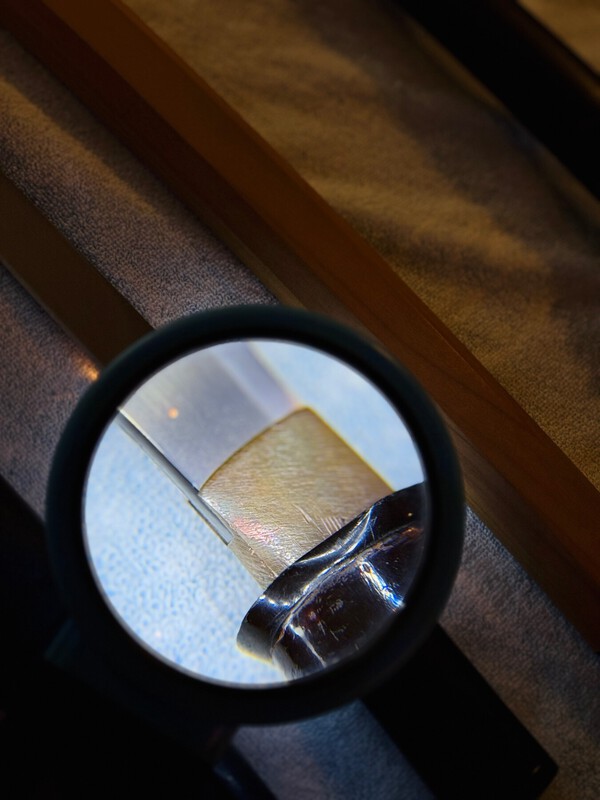
Konichi Wa. Sundays are for sword cleaning 🫧🧽. Many North American antique collections are found in poor condition due to the lack of awareness on what it takes to keep steel pristine - following the ritualistic cleaning of swords by our predecessors. Pro tip: use a mineral oil specific for carbon steel, like for example Yoshishiro brand oil; it protects the blade and other parts of the steel from rust. Mineral oil is colorless, odourless, and you should regularly clean your blades depending on how often you are studying/exhibiting them. As a rule of thumb I will maintain mine every two to three months, as that is how often our Toronto Token Kai (Sword Club) meets, where I serve as director. I begin by wiping the old oil with a microfibre cloth, and then use rice paper to apply a thin, fresh layer of oil on each sword. This method ensures that the artifacts in our care are preserved for future generations. I also commit to this process out of respect for Japanese history and as a meditative practice. These swords left the battles long behind, and the onus is on us to preserve them for their eventual return to the shrines of glorious Japan. 🇯🇵
-
Yamato Tegai for sale at the San Francisco Tokenkai
Tokugawa Gord replied to yurie's topic in Swords and Edged Weapons
Hello! What is the price? Thank you.