Prewar70
-
Posts
416 -
Joined
-
Last visited
-
Days Won
1
Content Type
Profiles
Forums
Events
Store
Downloads
Gallery
Everything posted by Prewar70
-
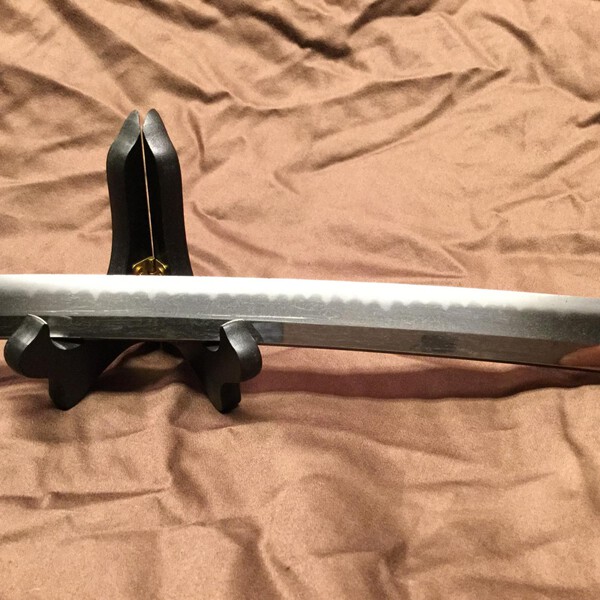
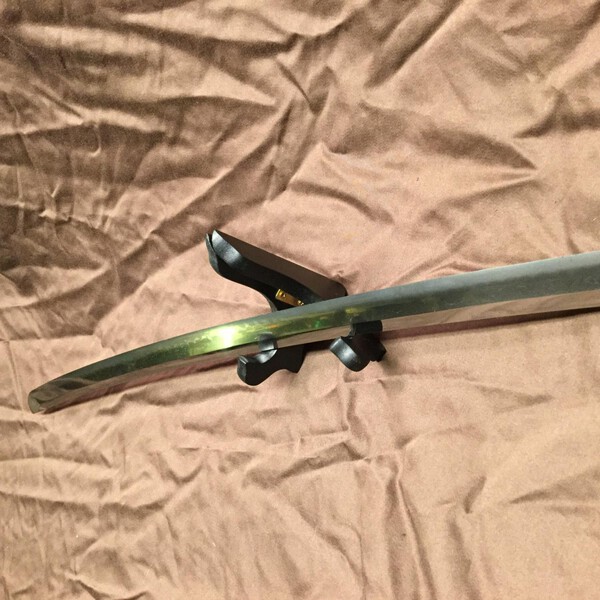
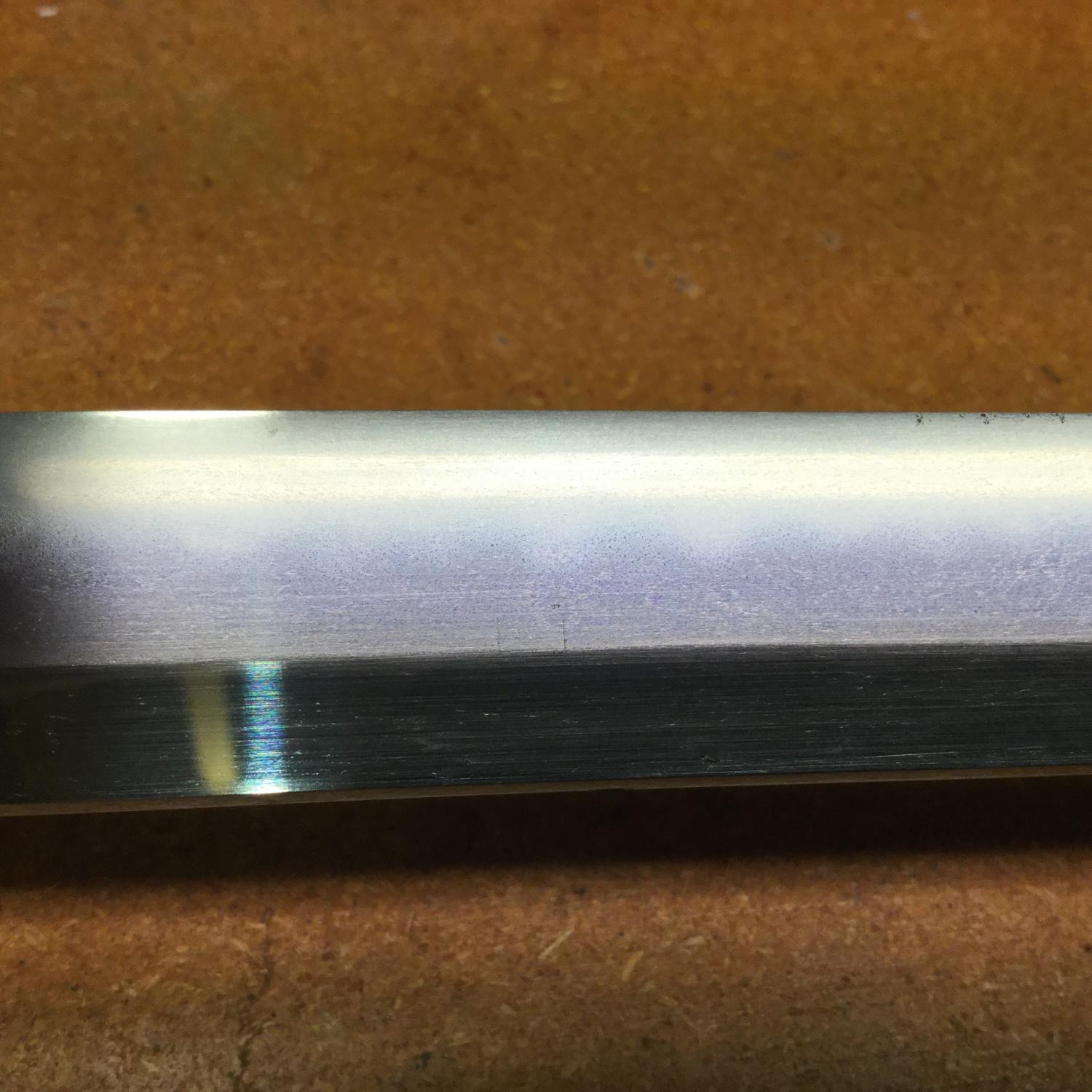
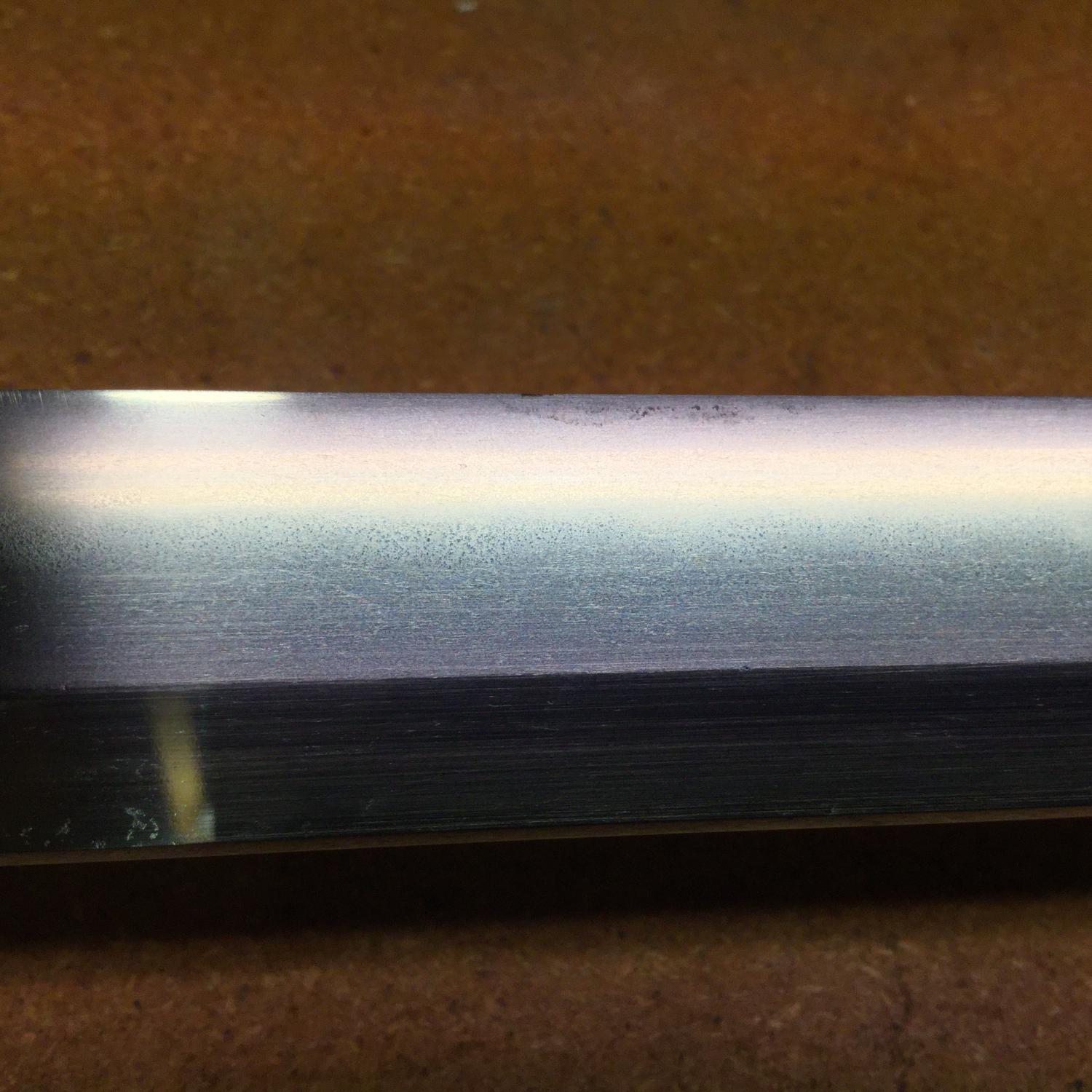
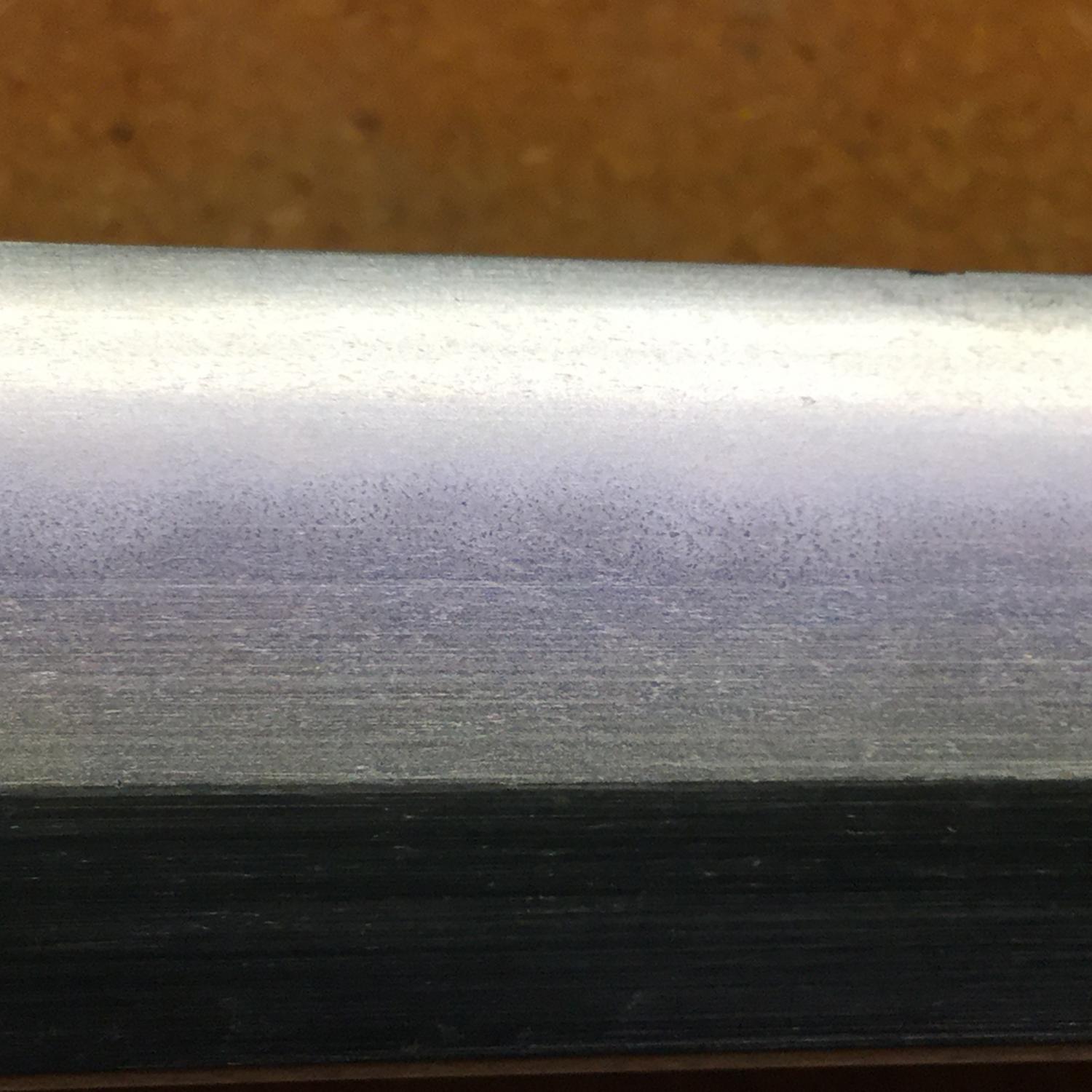
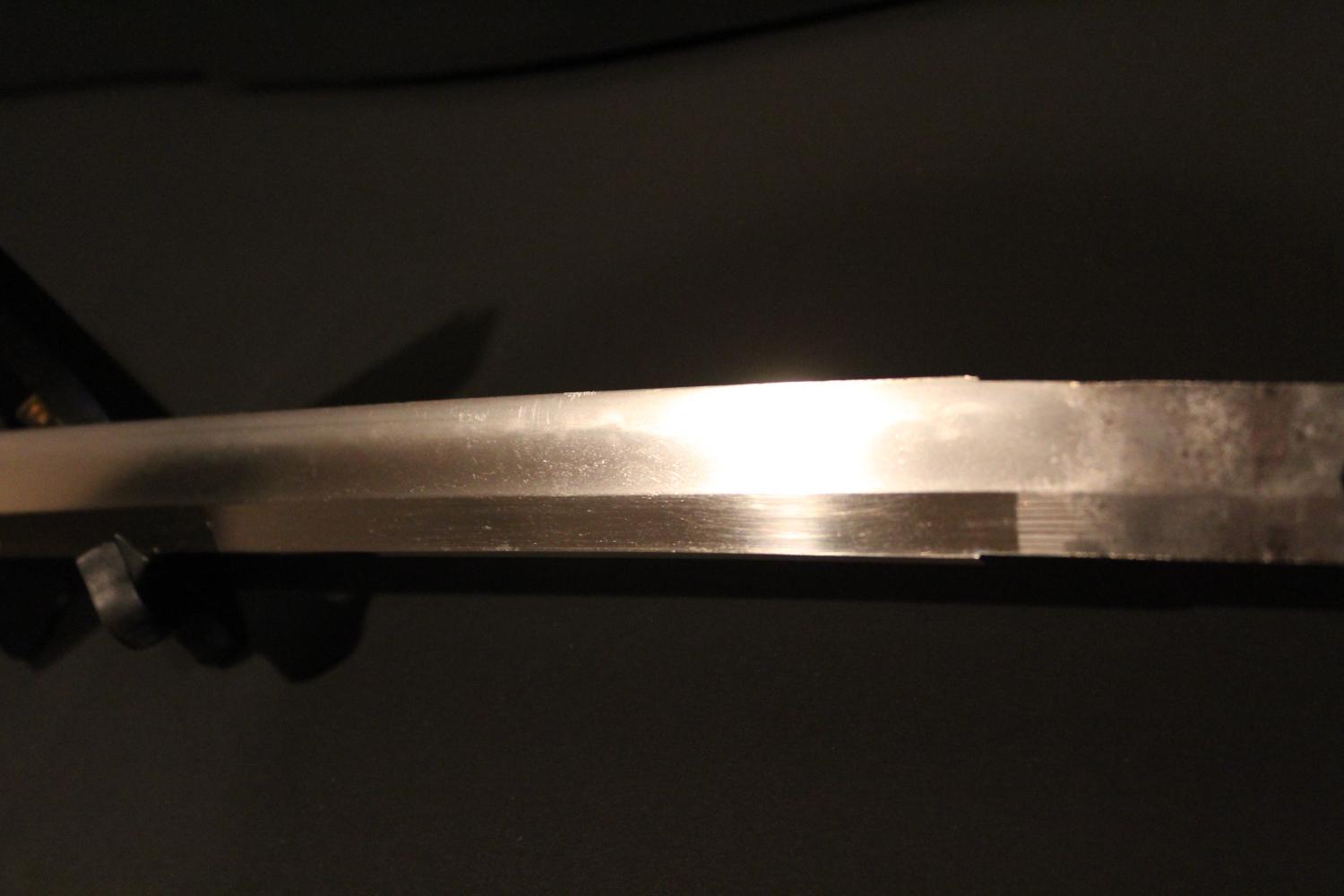
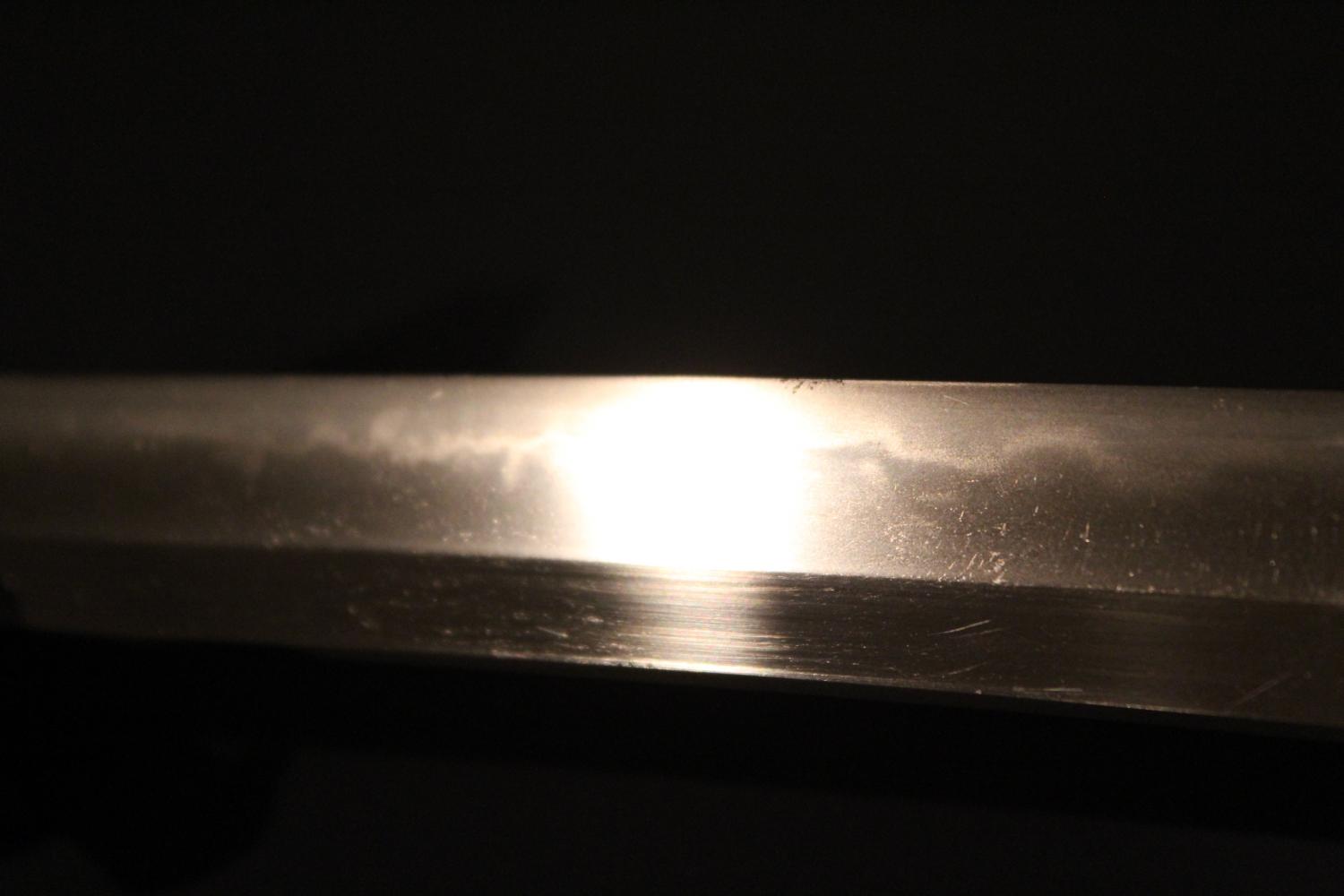
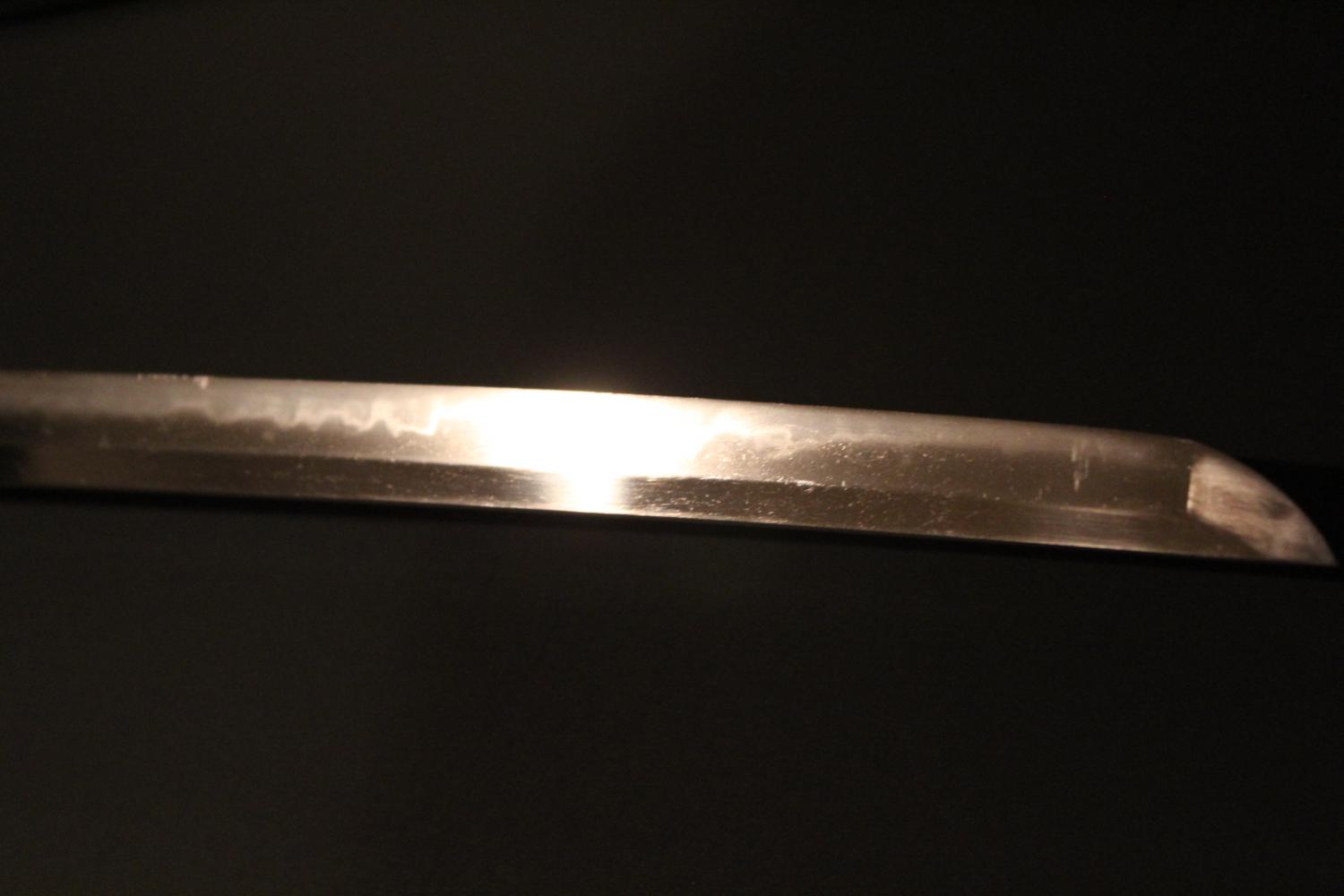
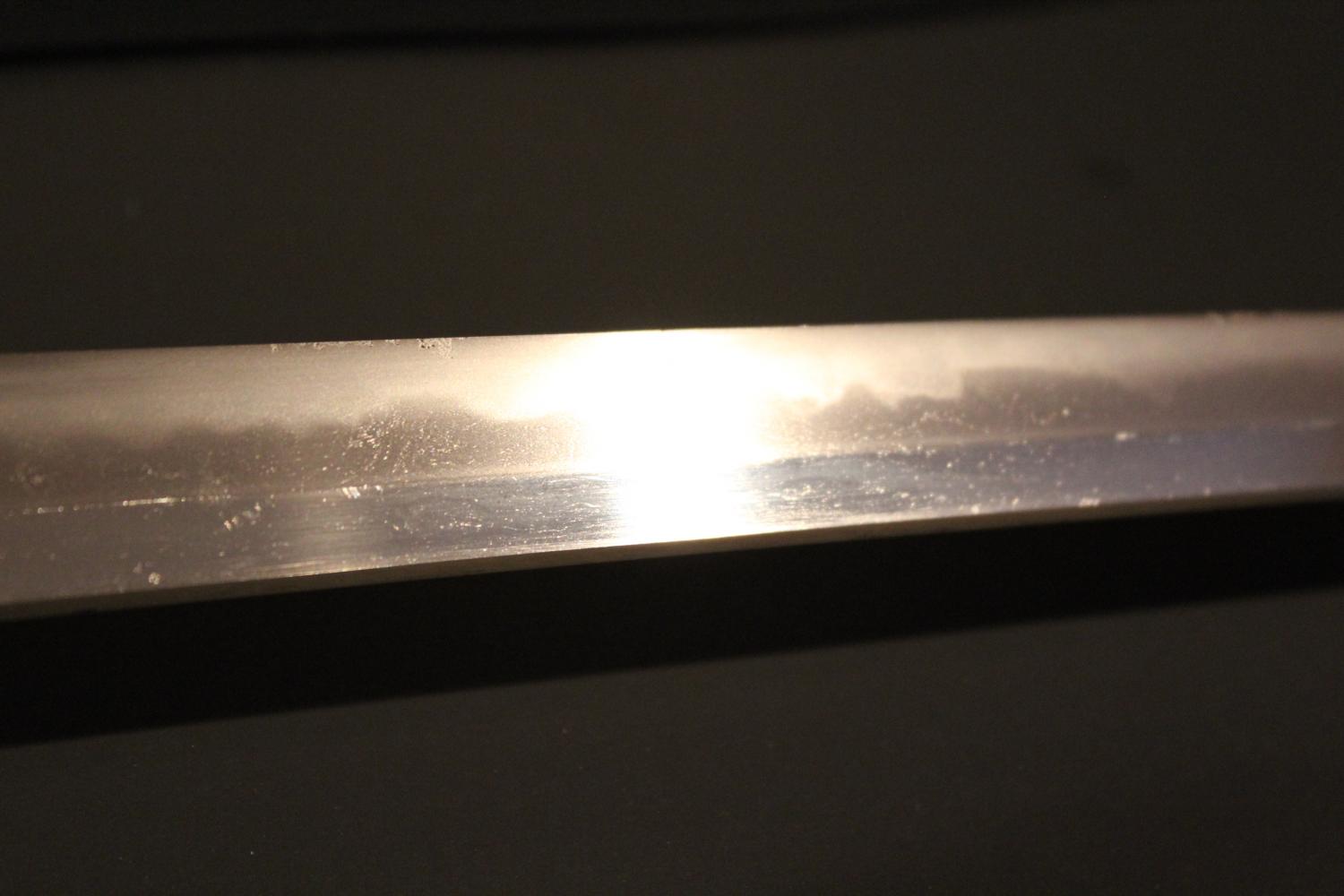
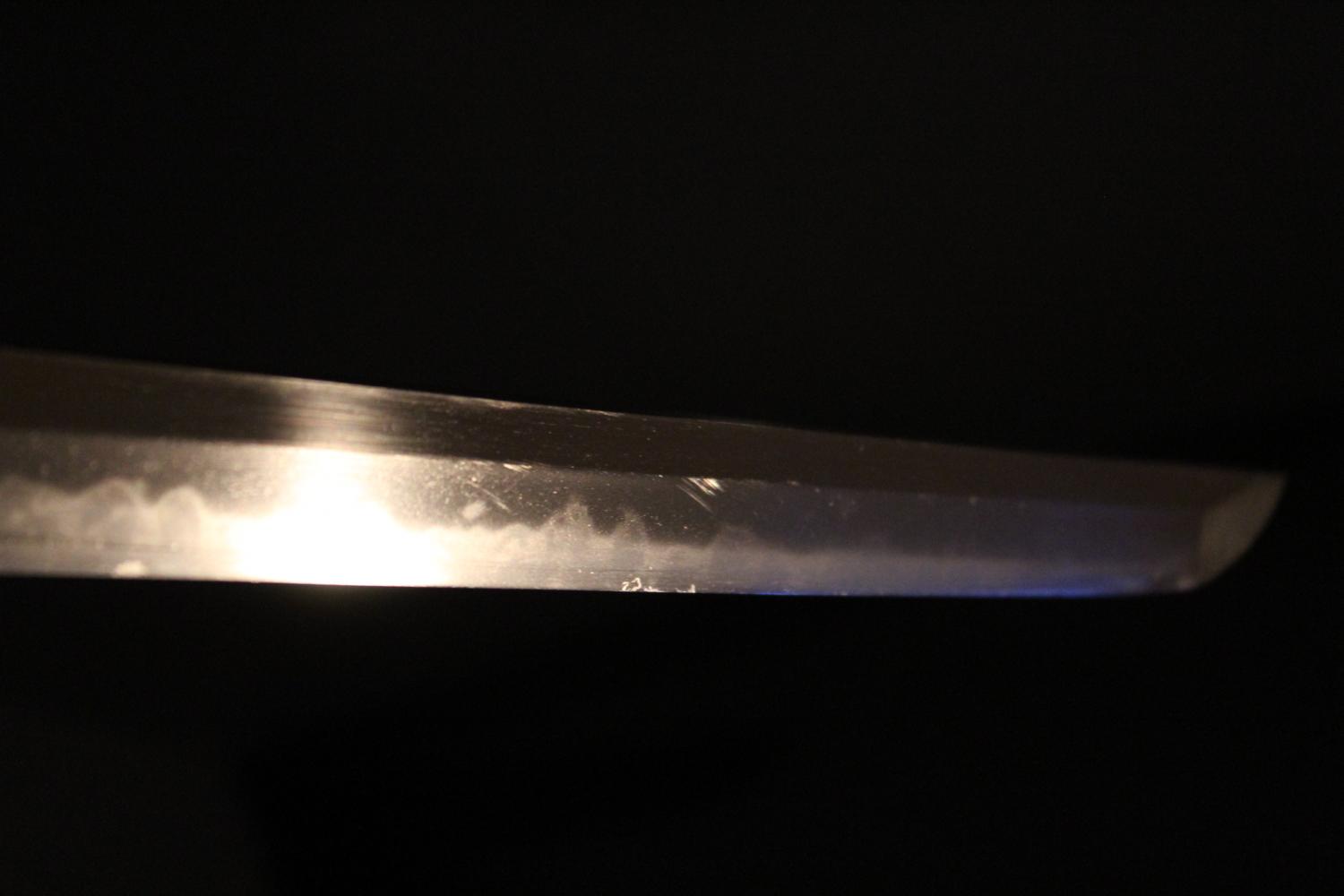
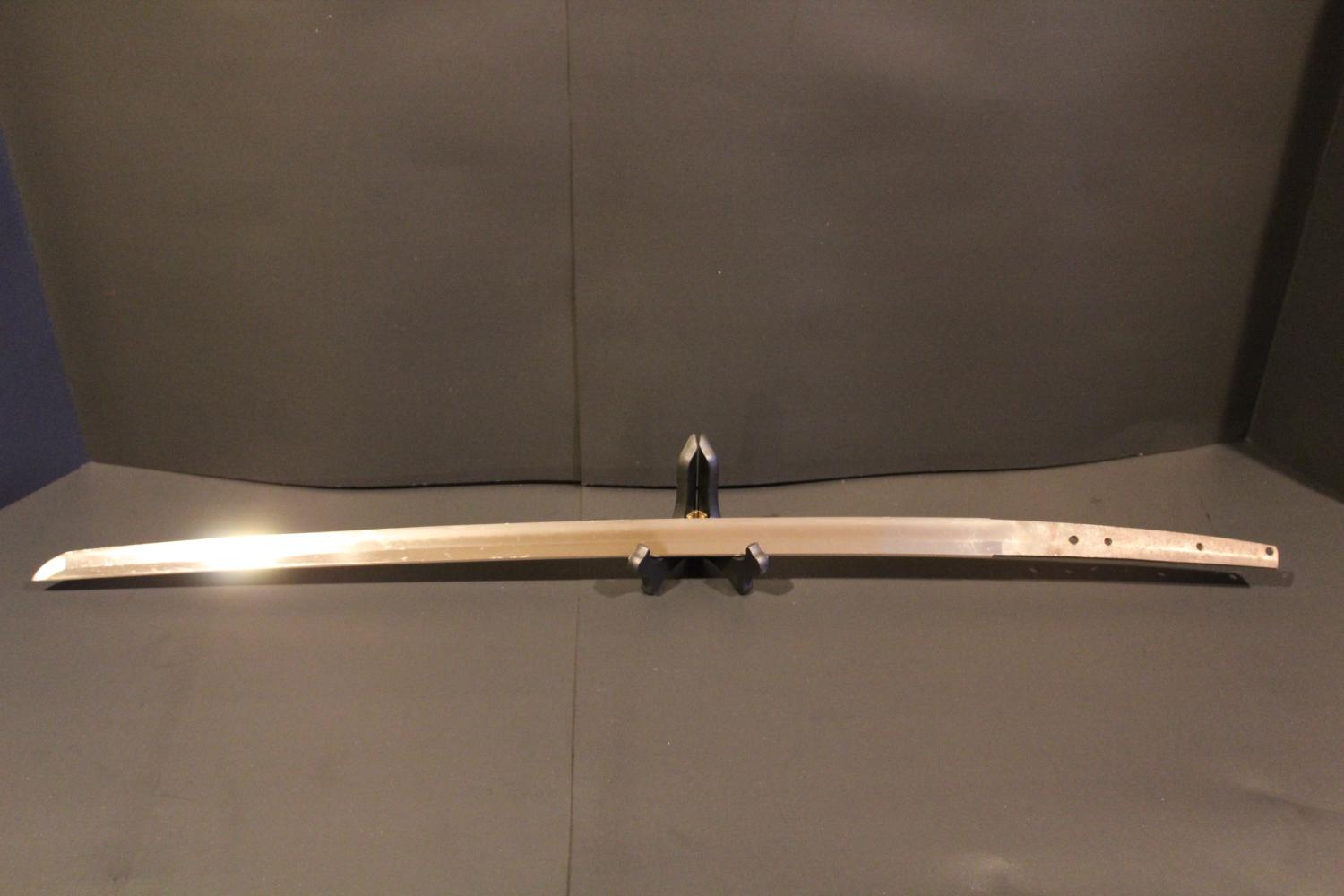
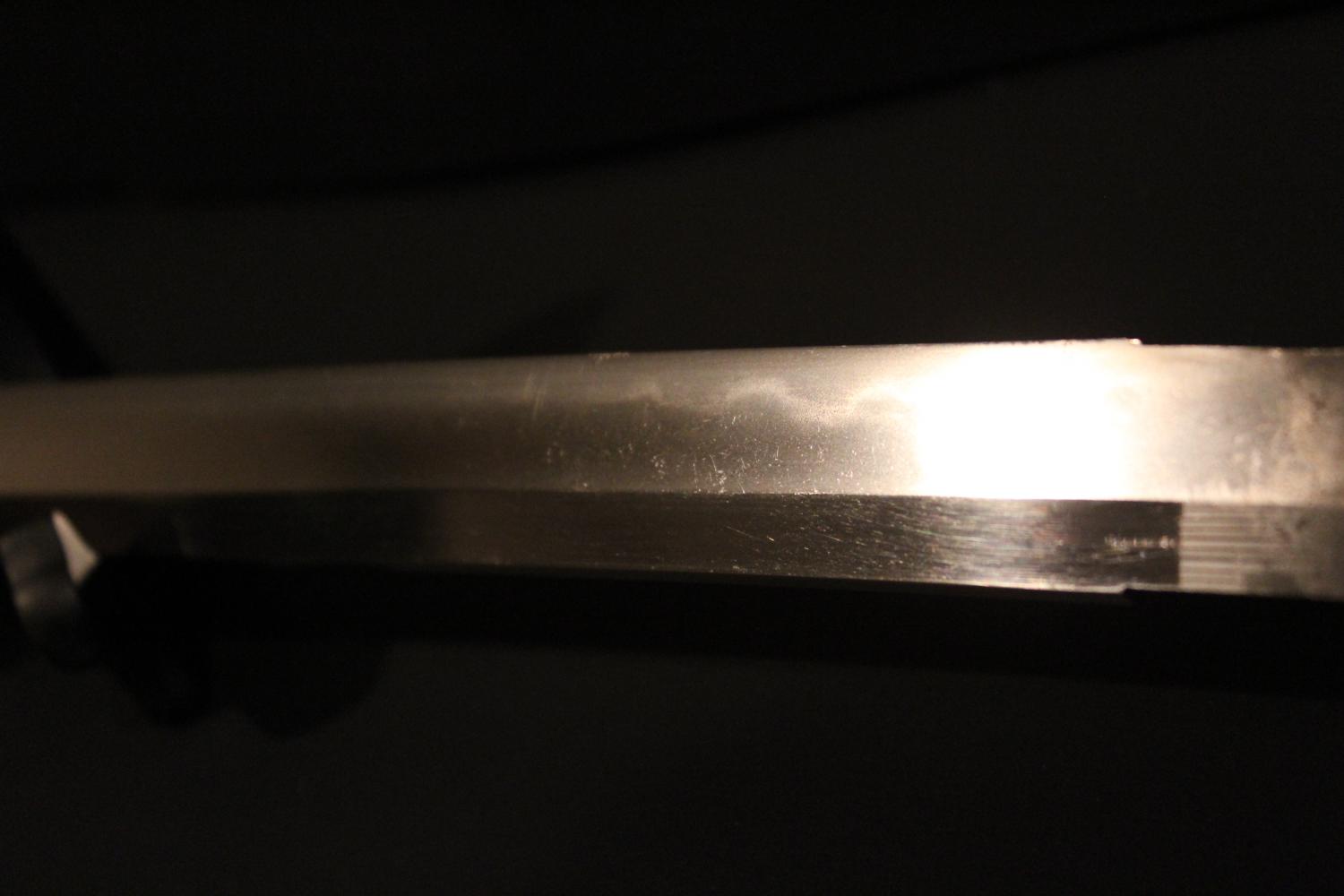
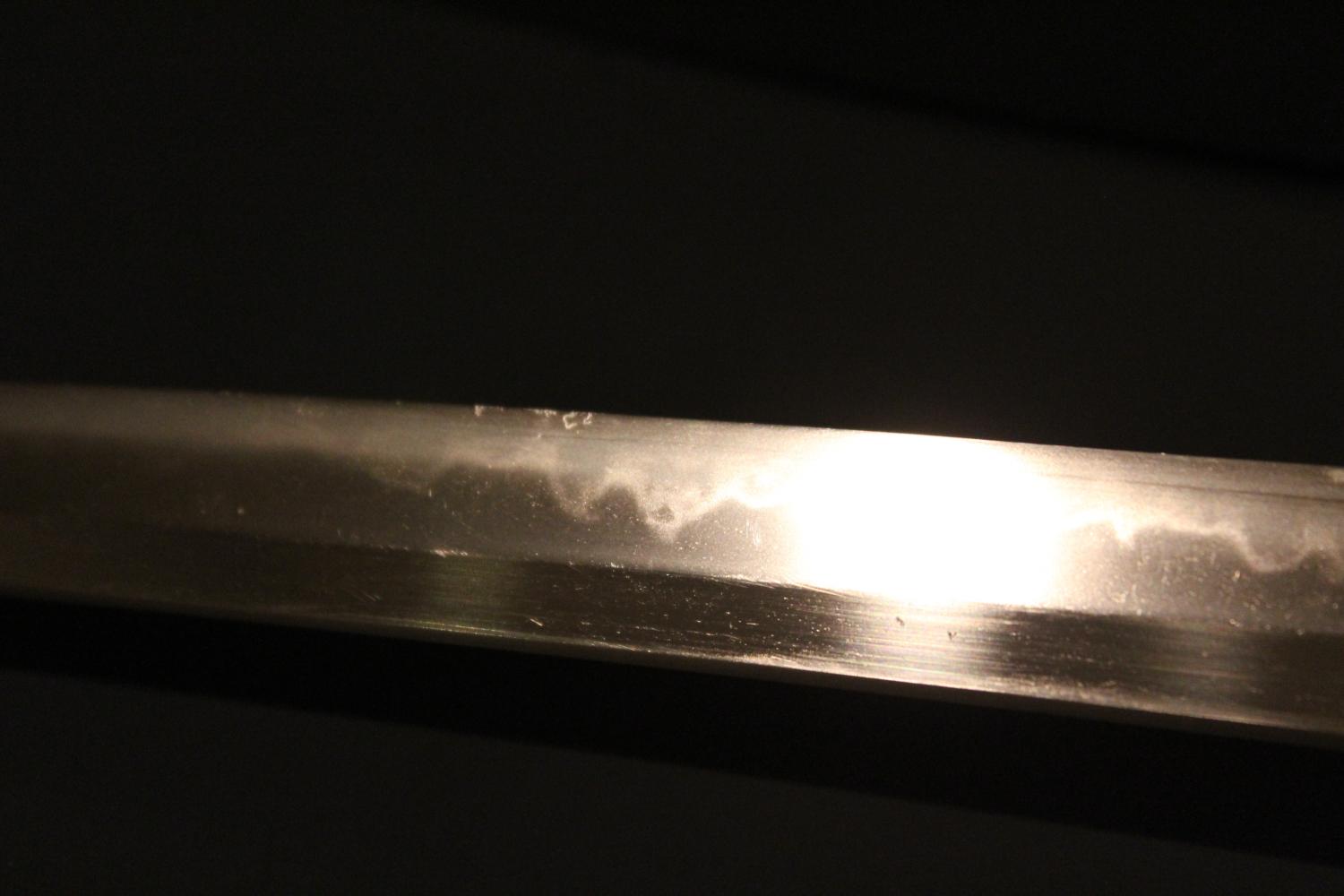
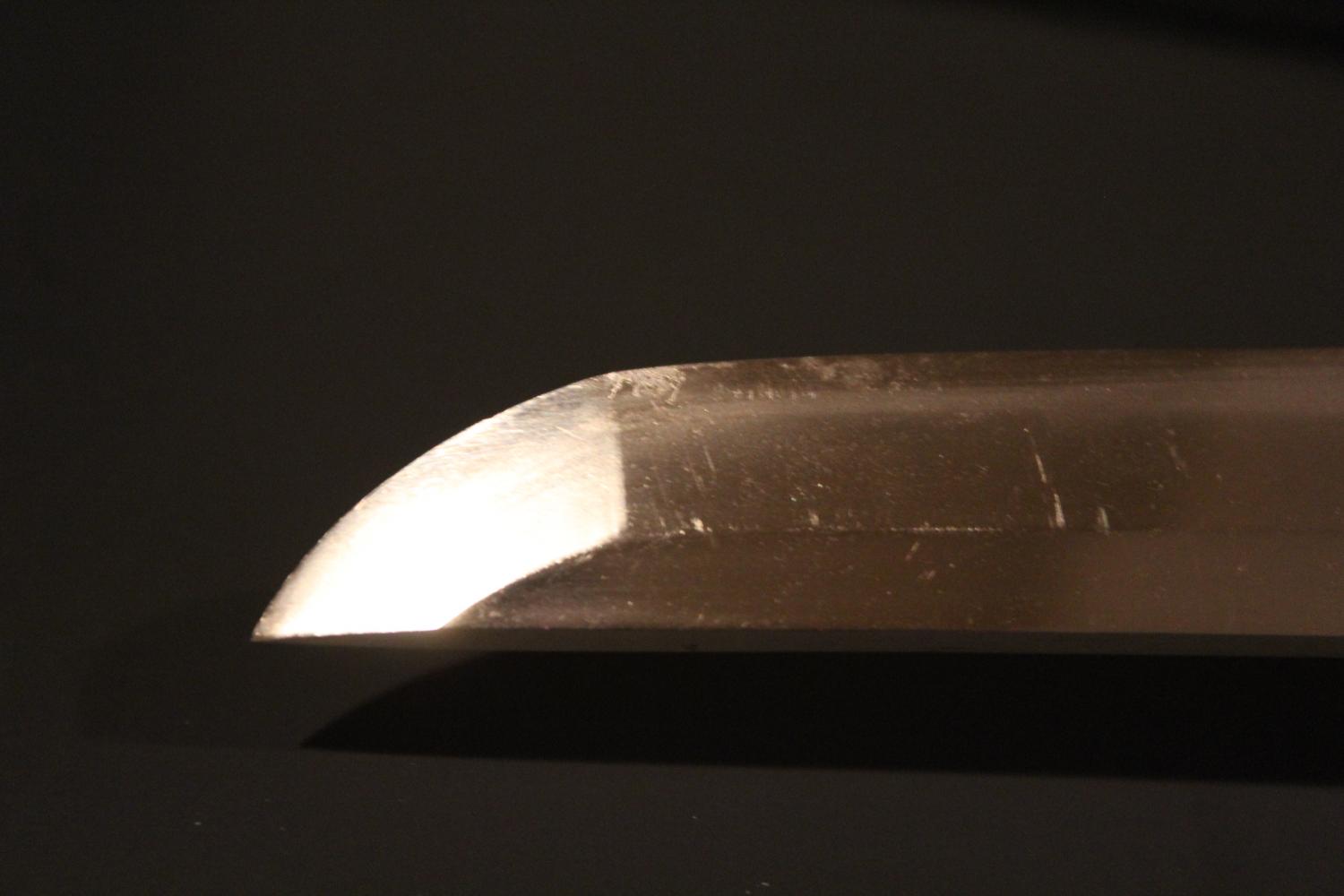
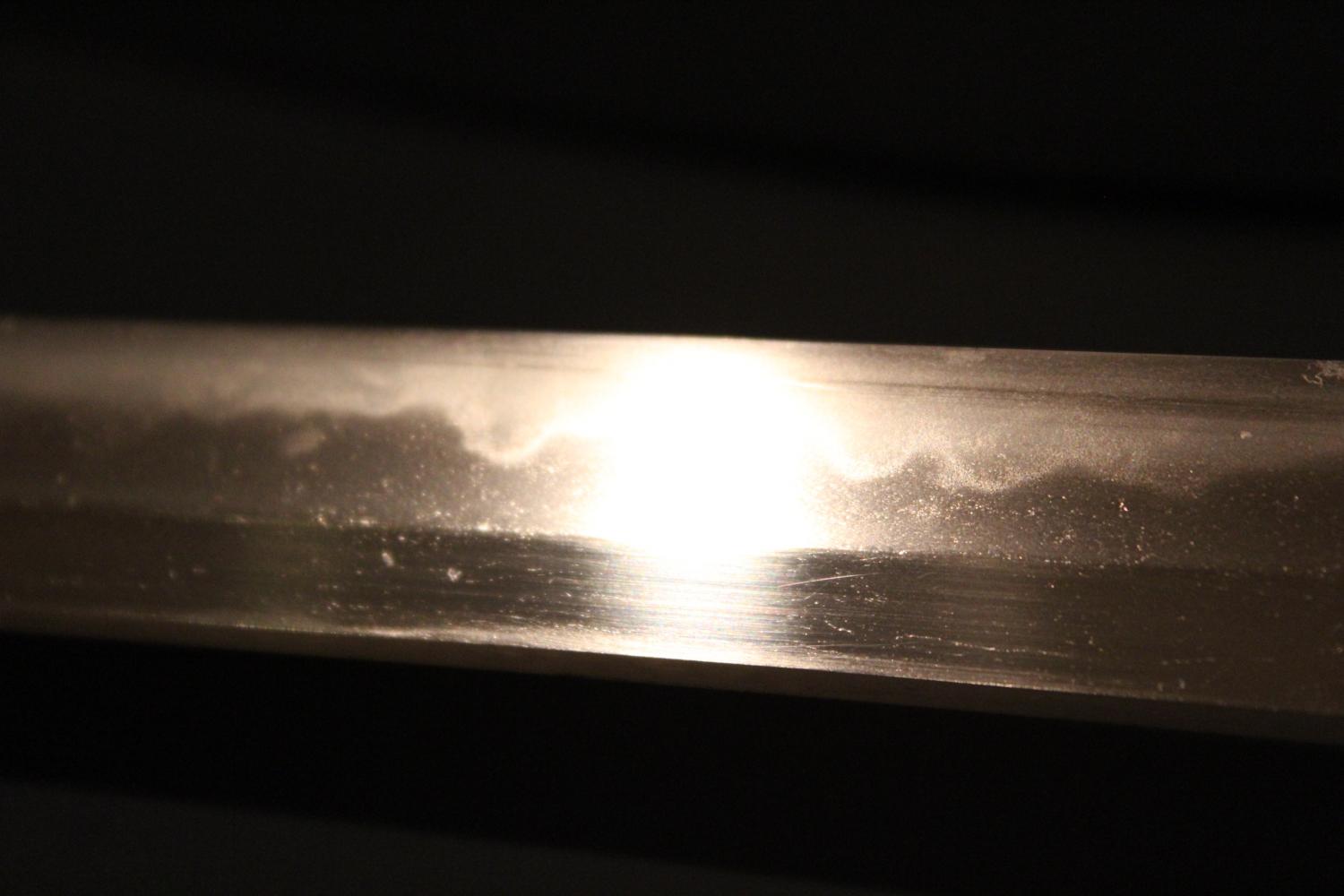
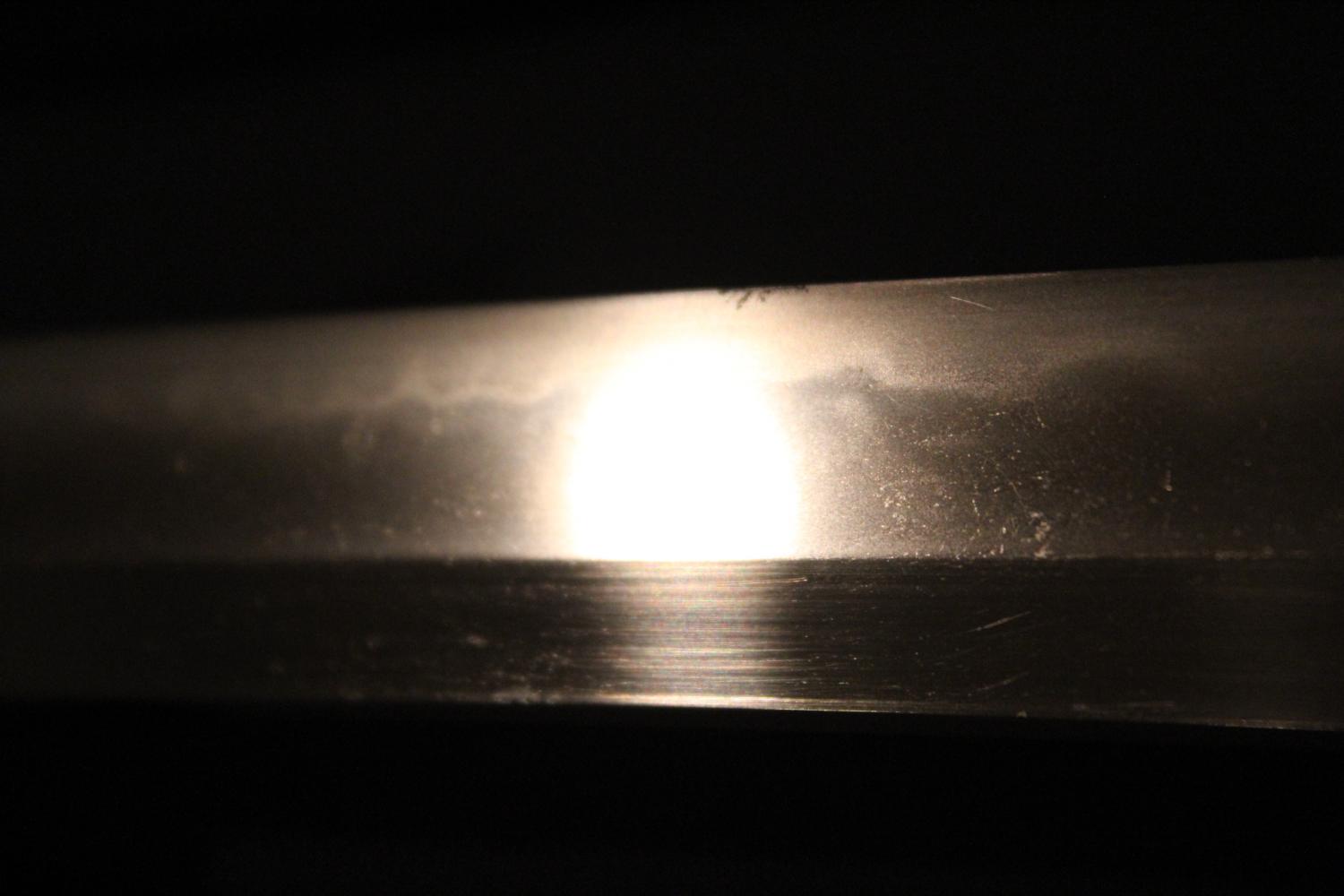
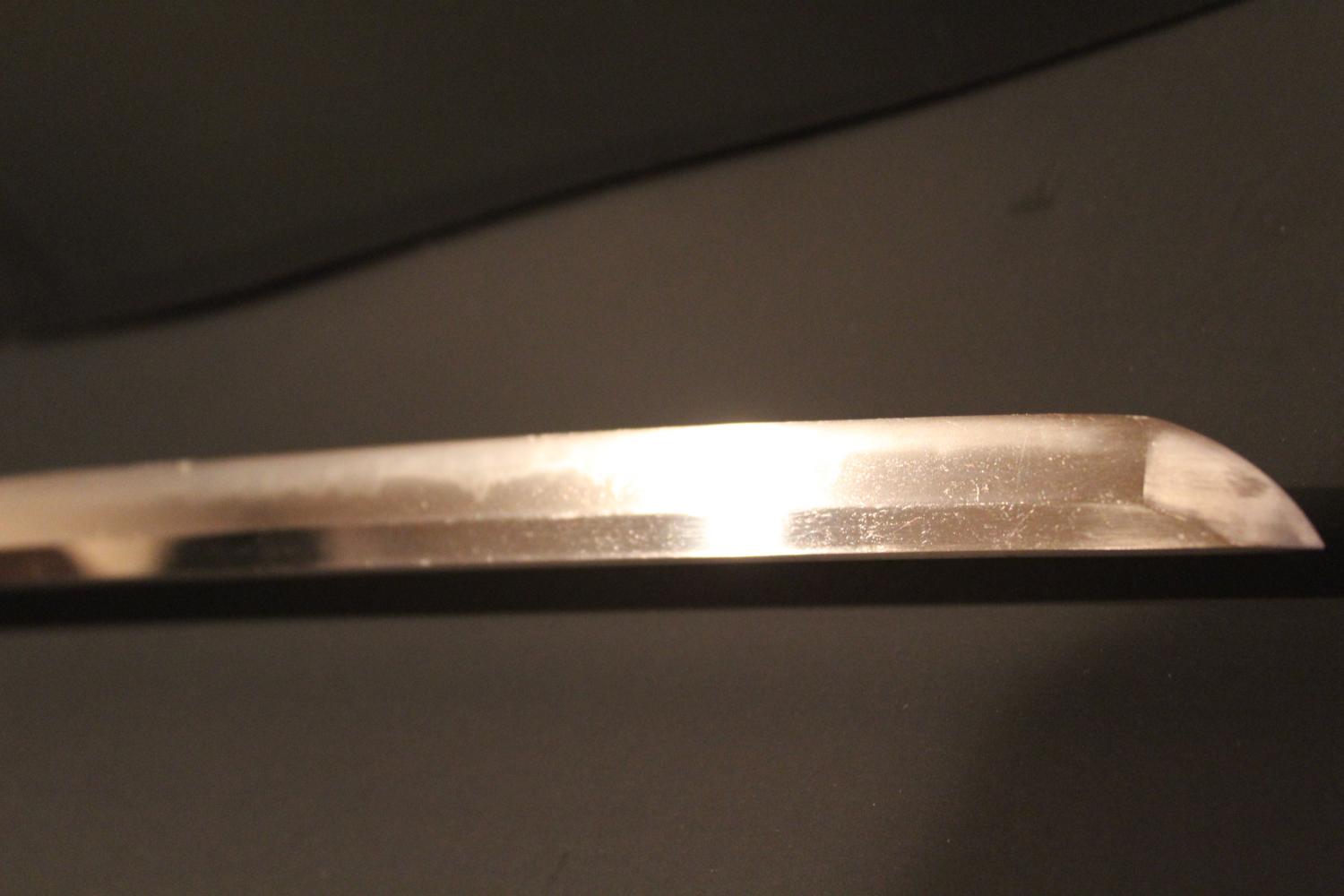
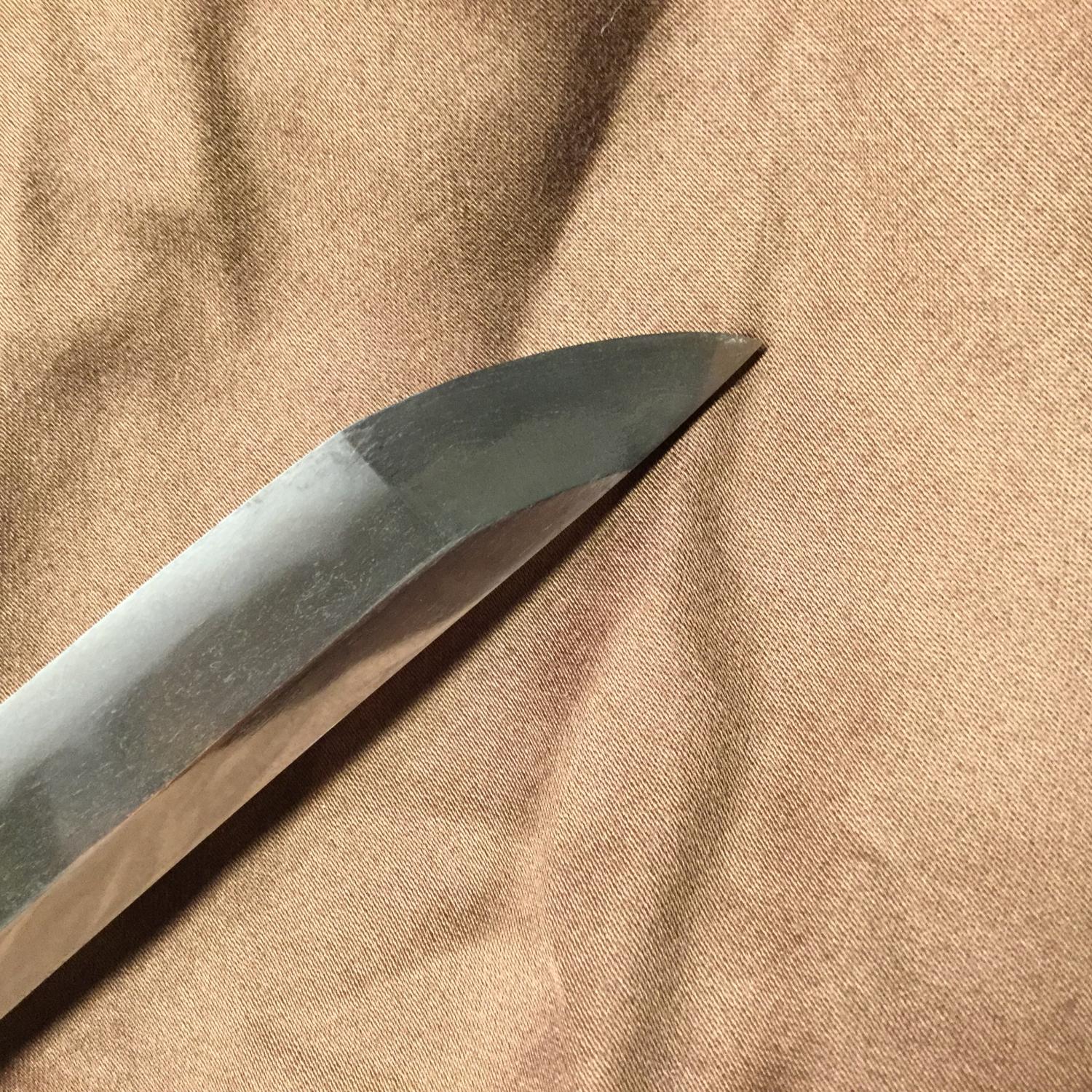
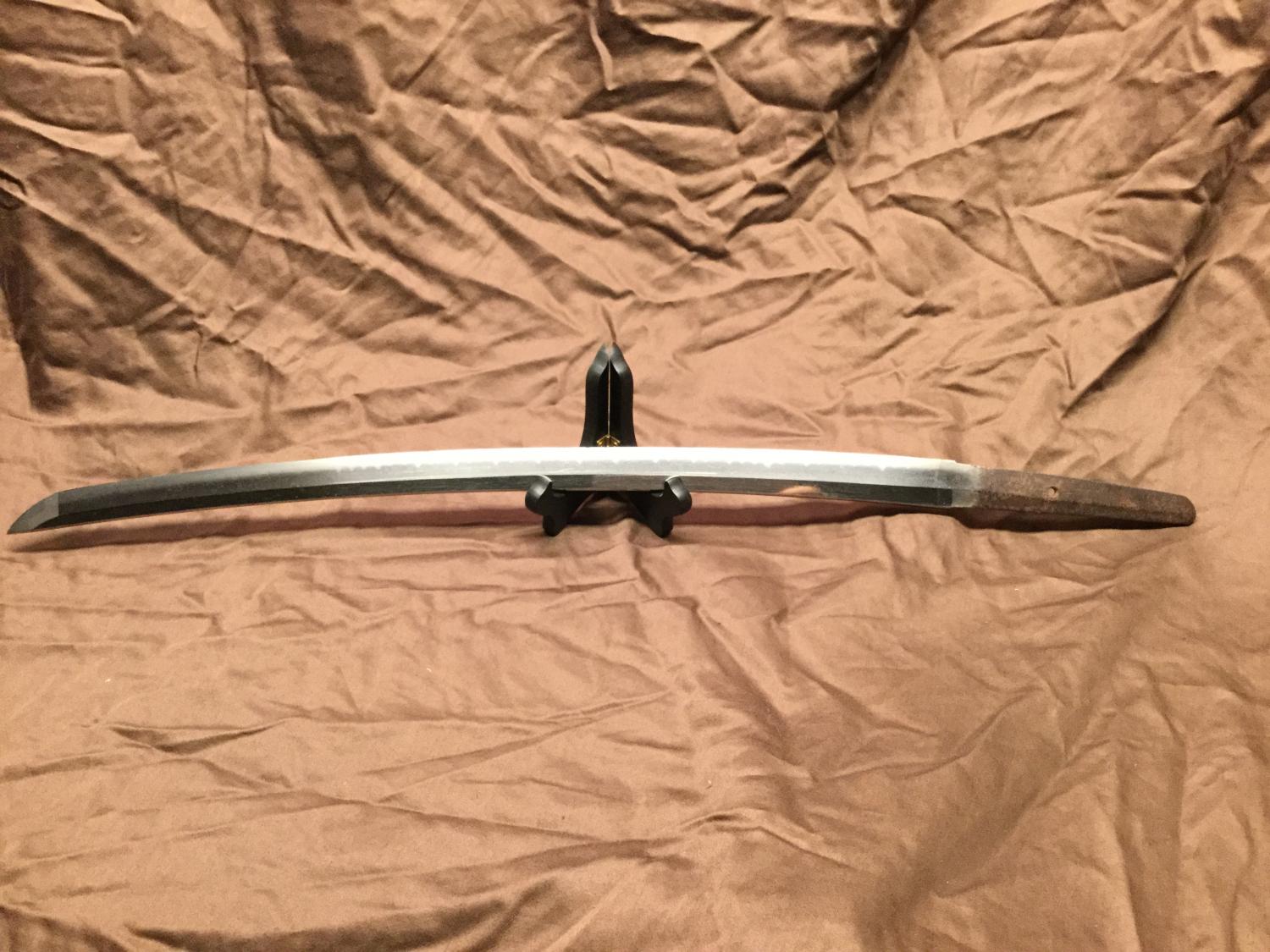
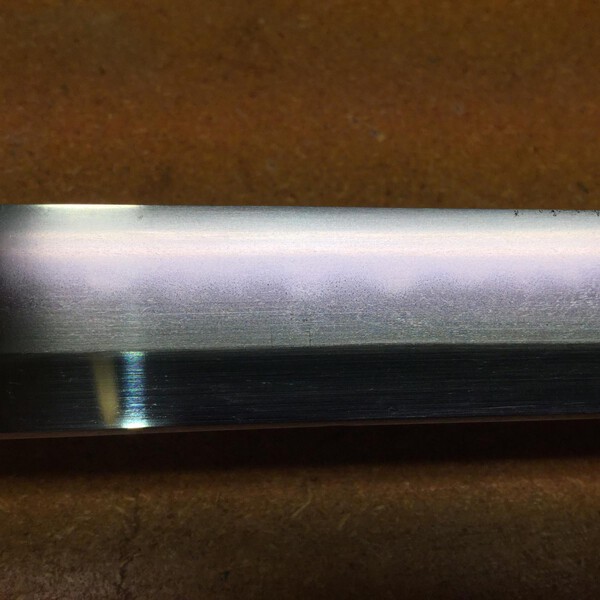
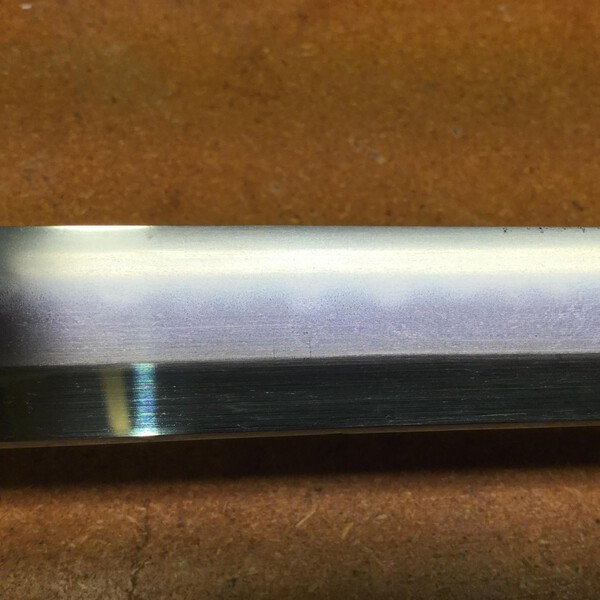
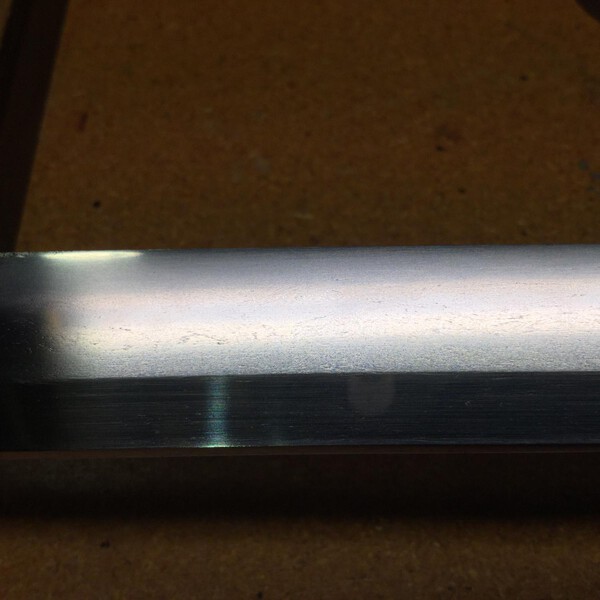
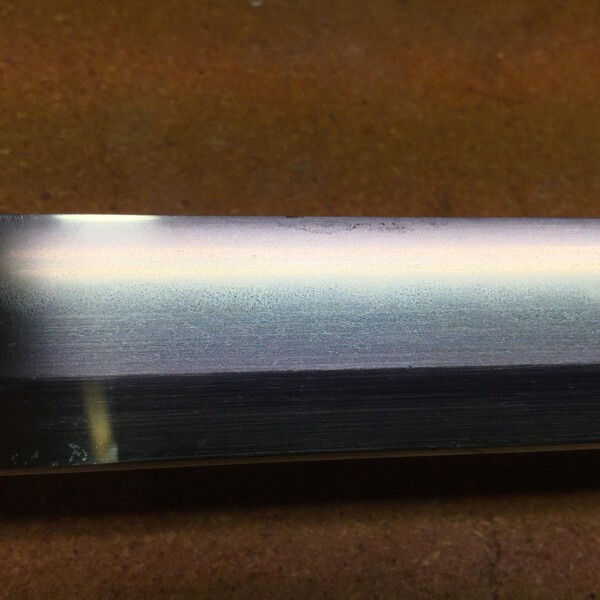
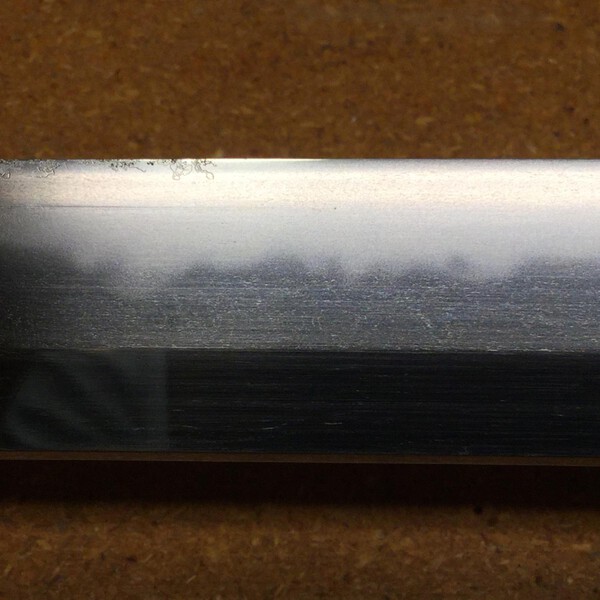
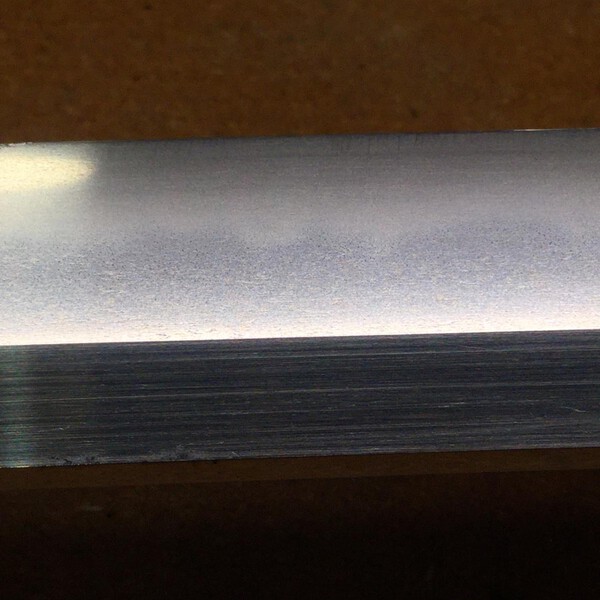
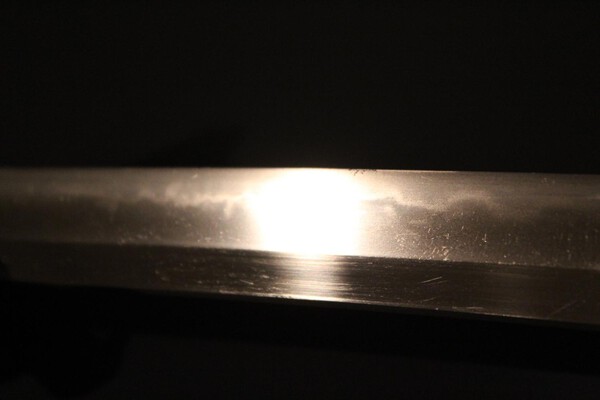
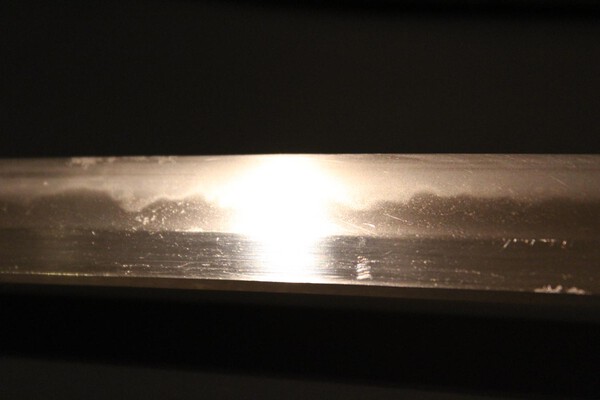
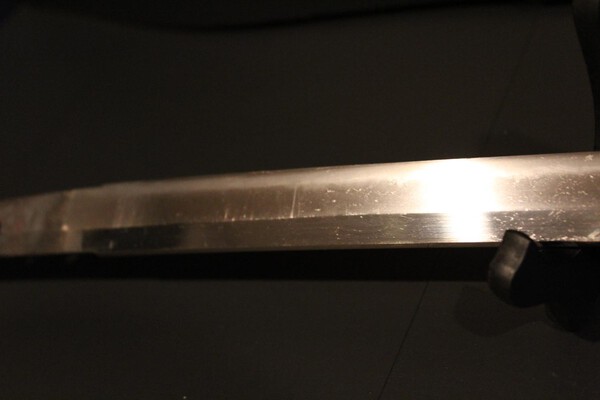
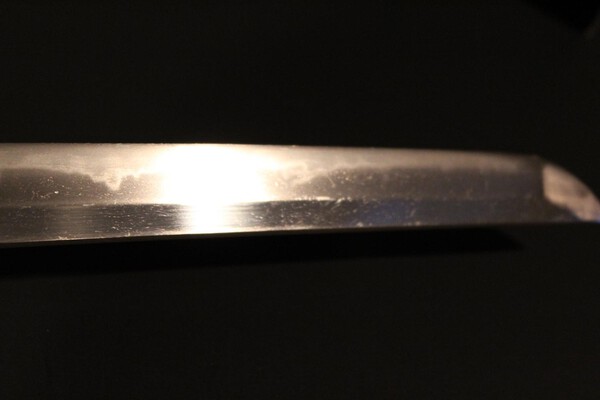
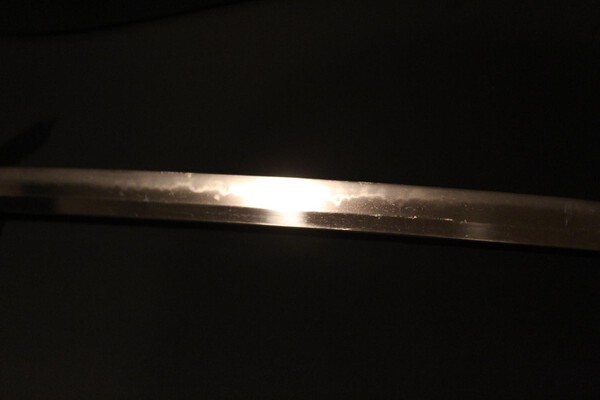
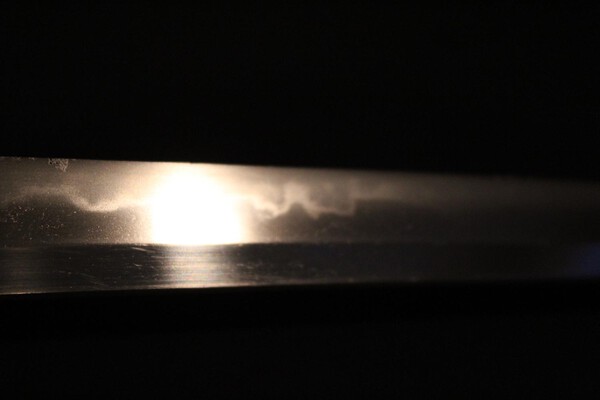
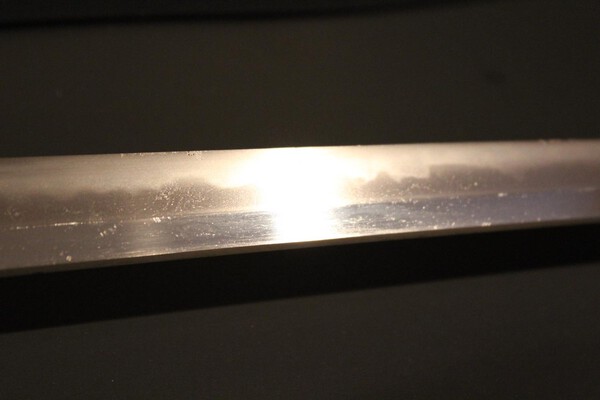
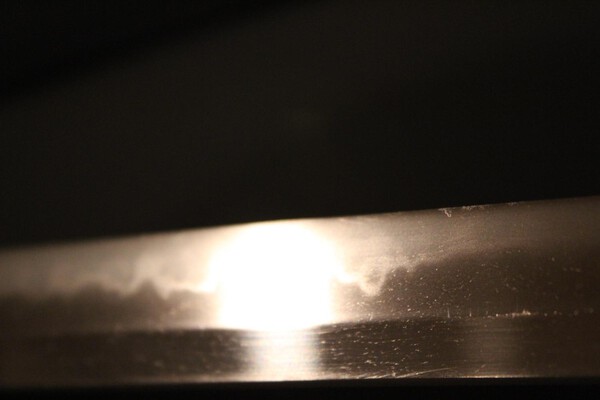
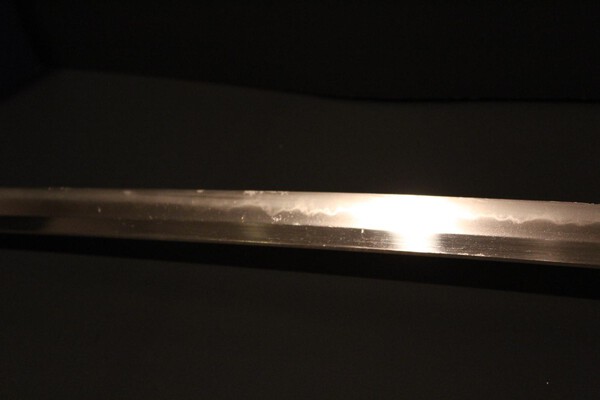
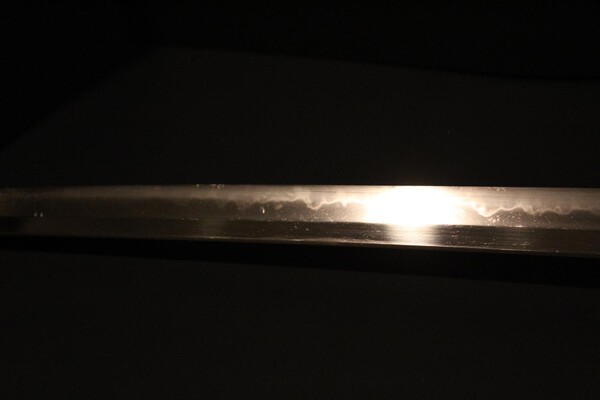
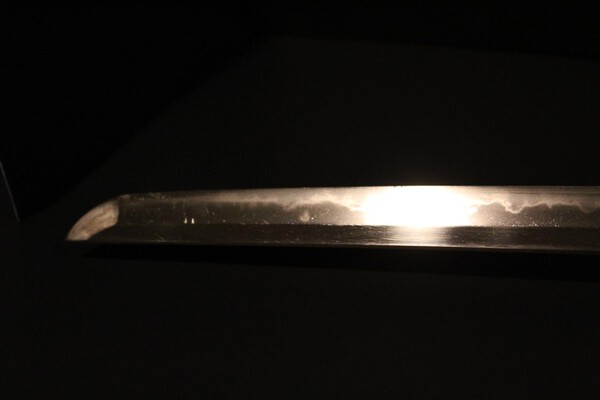
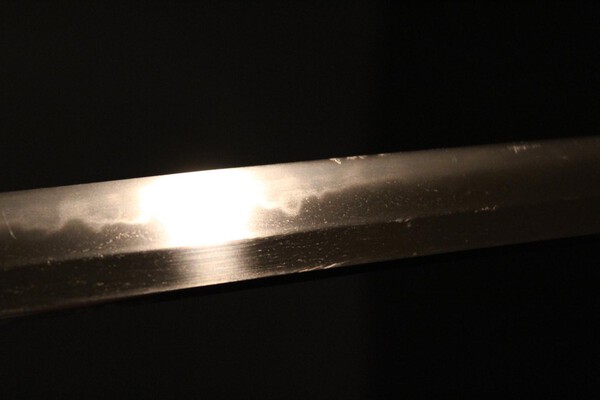
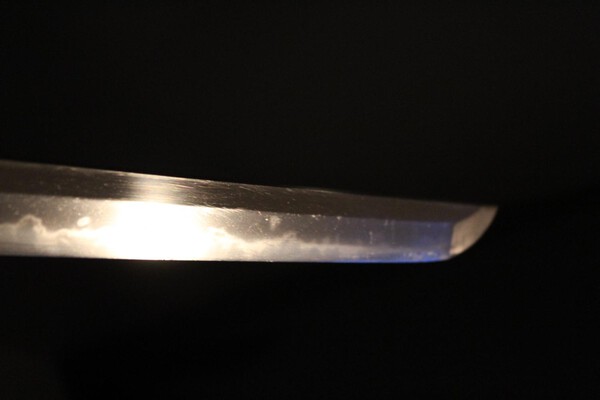
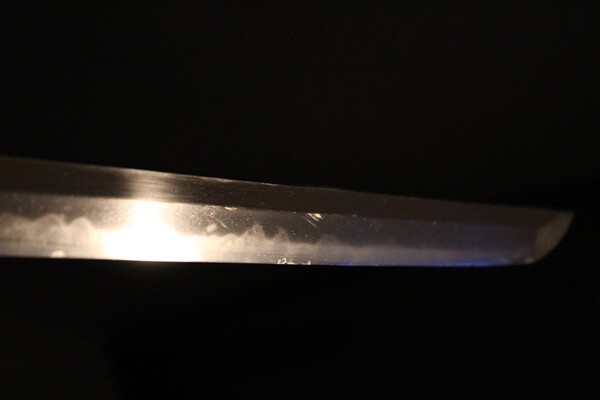
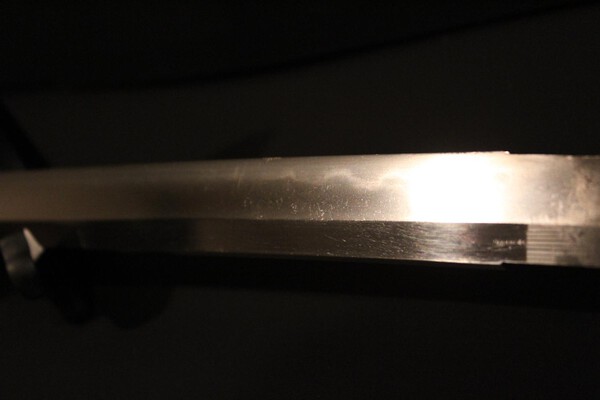
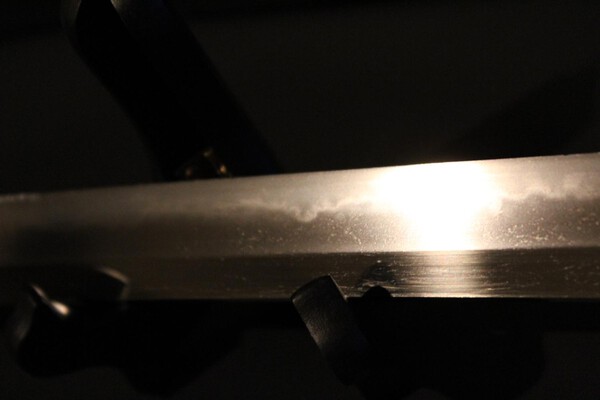
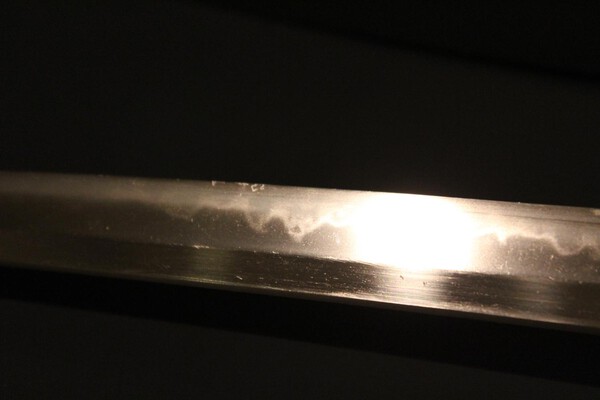
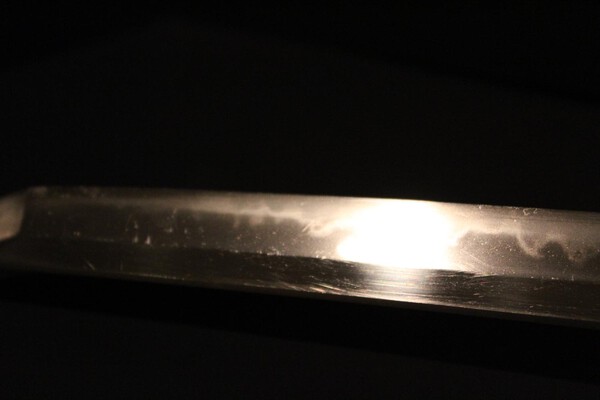
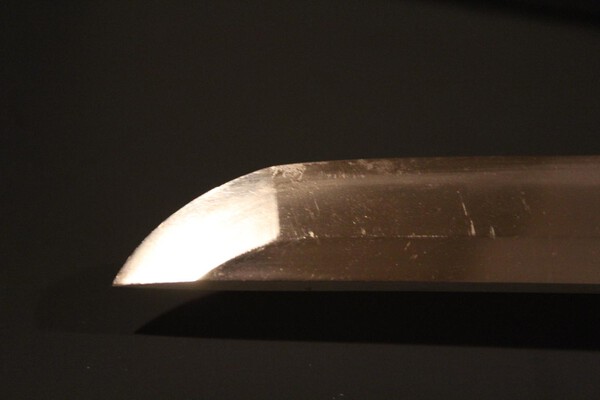
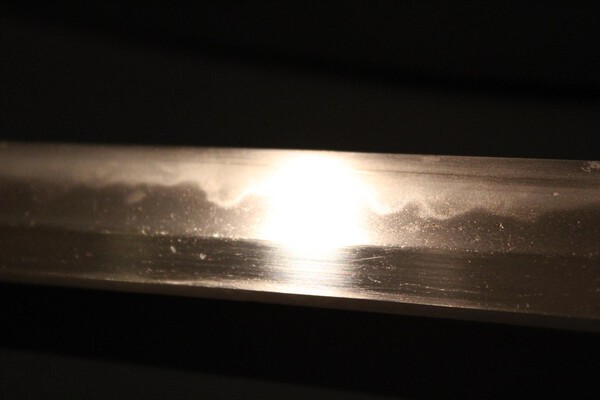
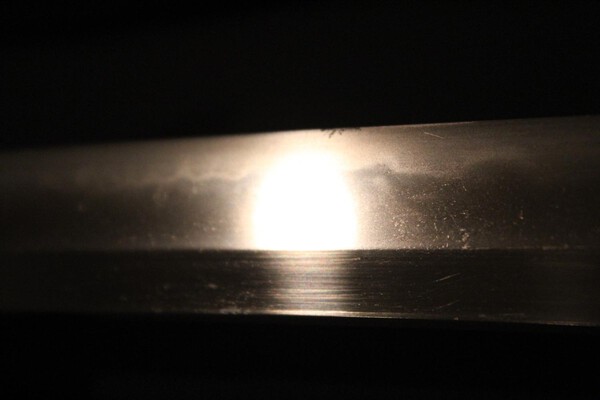
I appreciate the info guys and I'm hoping to hear from others to get a direction on time period and school. The kissaki is small, and not in the best polish but the the boshi is there, and doesn't look to run off the edge. So it could have been reshaped but was perhaps small to start with. The mihaba (width i believe) of the blade is fairly consistent throughout with perhaps a slight taper. It is not very wide at the hamachi. The last set of pictures probably captures the hada best. I am not very good at guessing as to the type. I will say that it is tightly textured and dense. Looking at the Connoisseurs book, I would pick Nashiji?? A fine, and dense ko-mokune and this blade has nie throughout. I do not see any Chikei but there are some concentrations in the peaks as it follows the hamon. I can't identify any utsuri. Again referencing Nagayama's book, the blade has a high and wide shinogi and is "meaty", it is convex shaped below the shinogi, medium to full hira-niku.
-

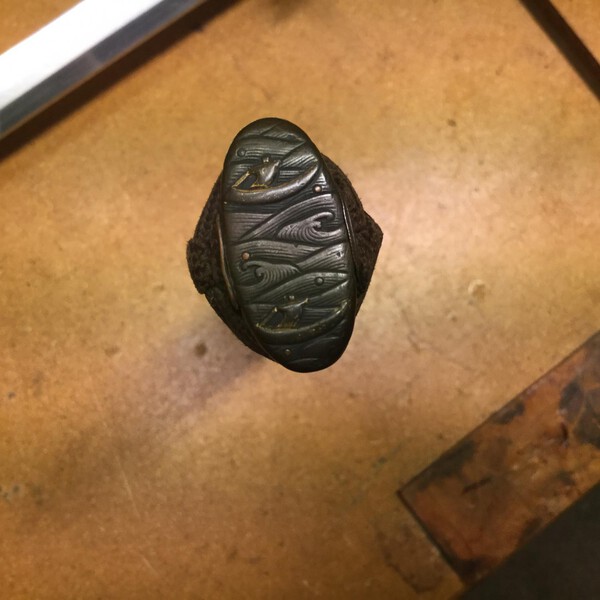
-
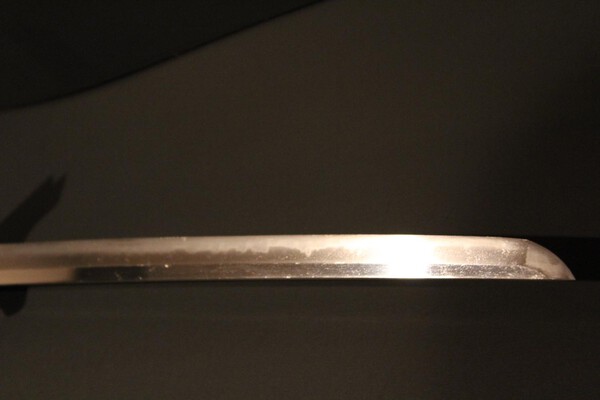
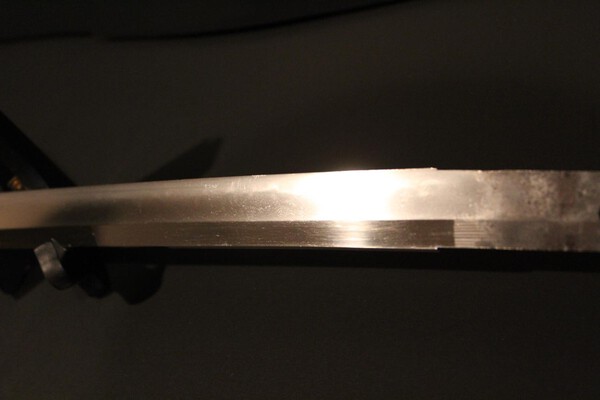
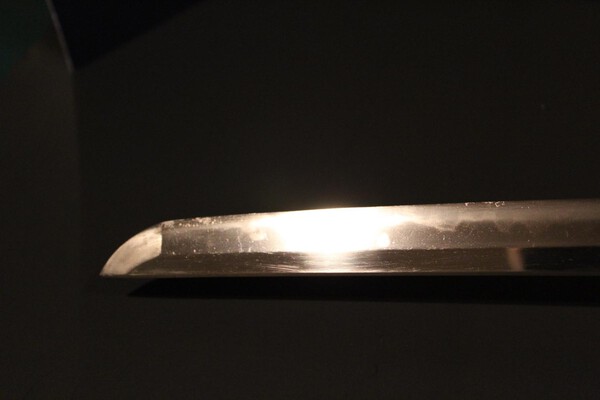

-
-
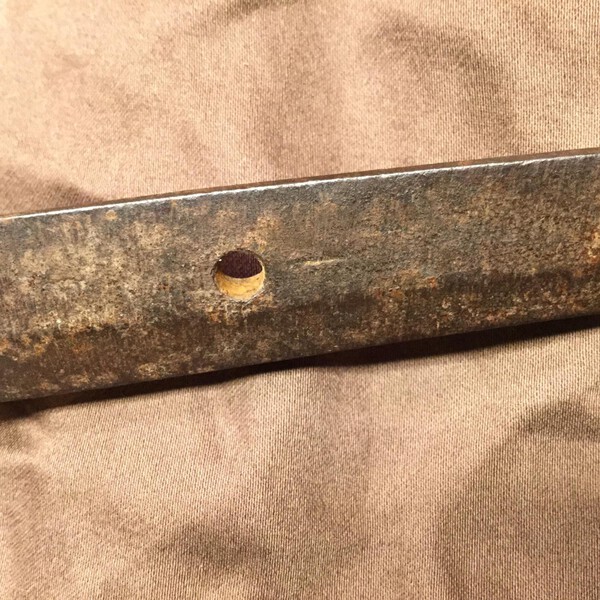
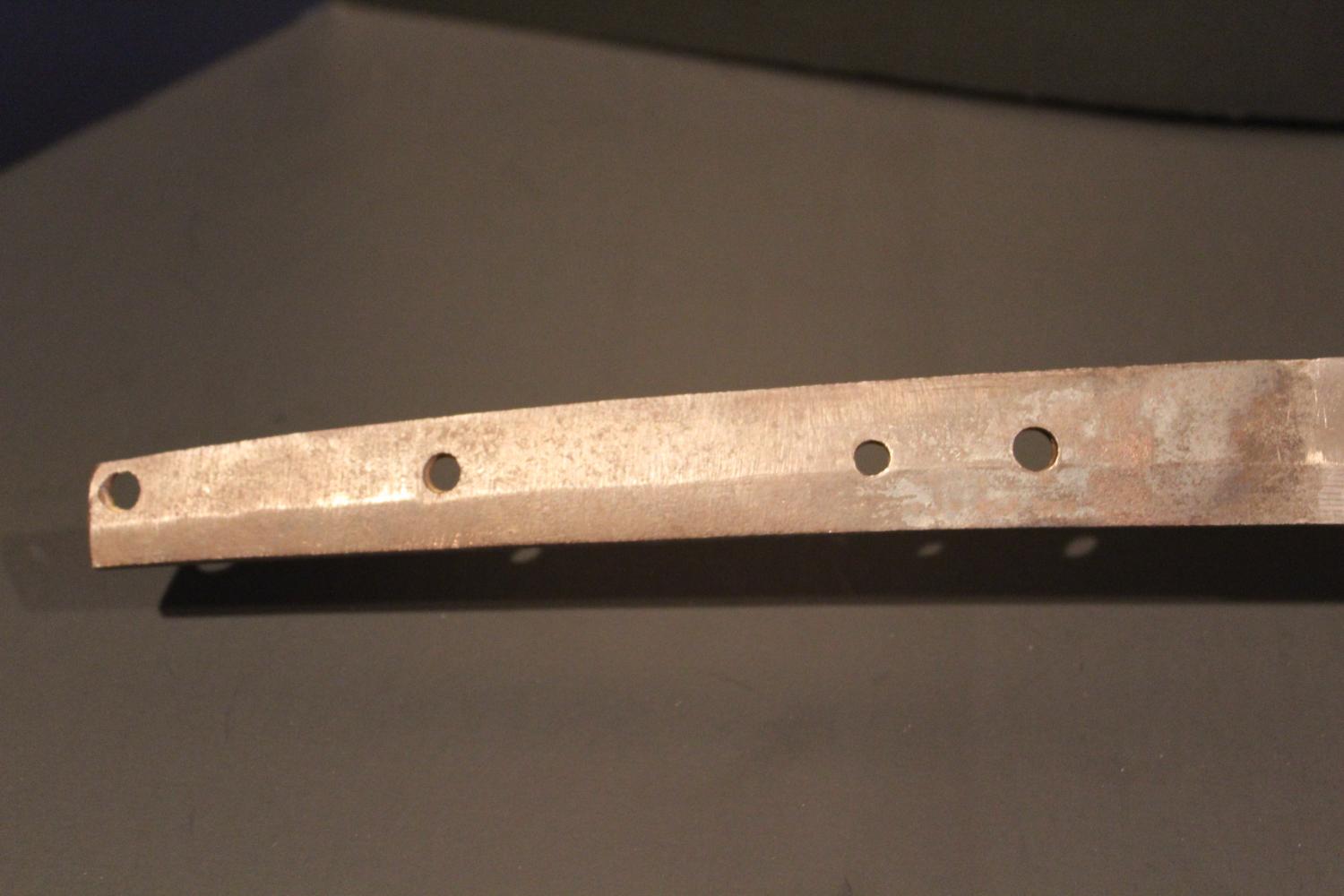
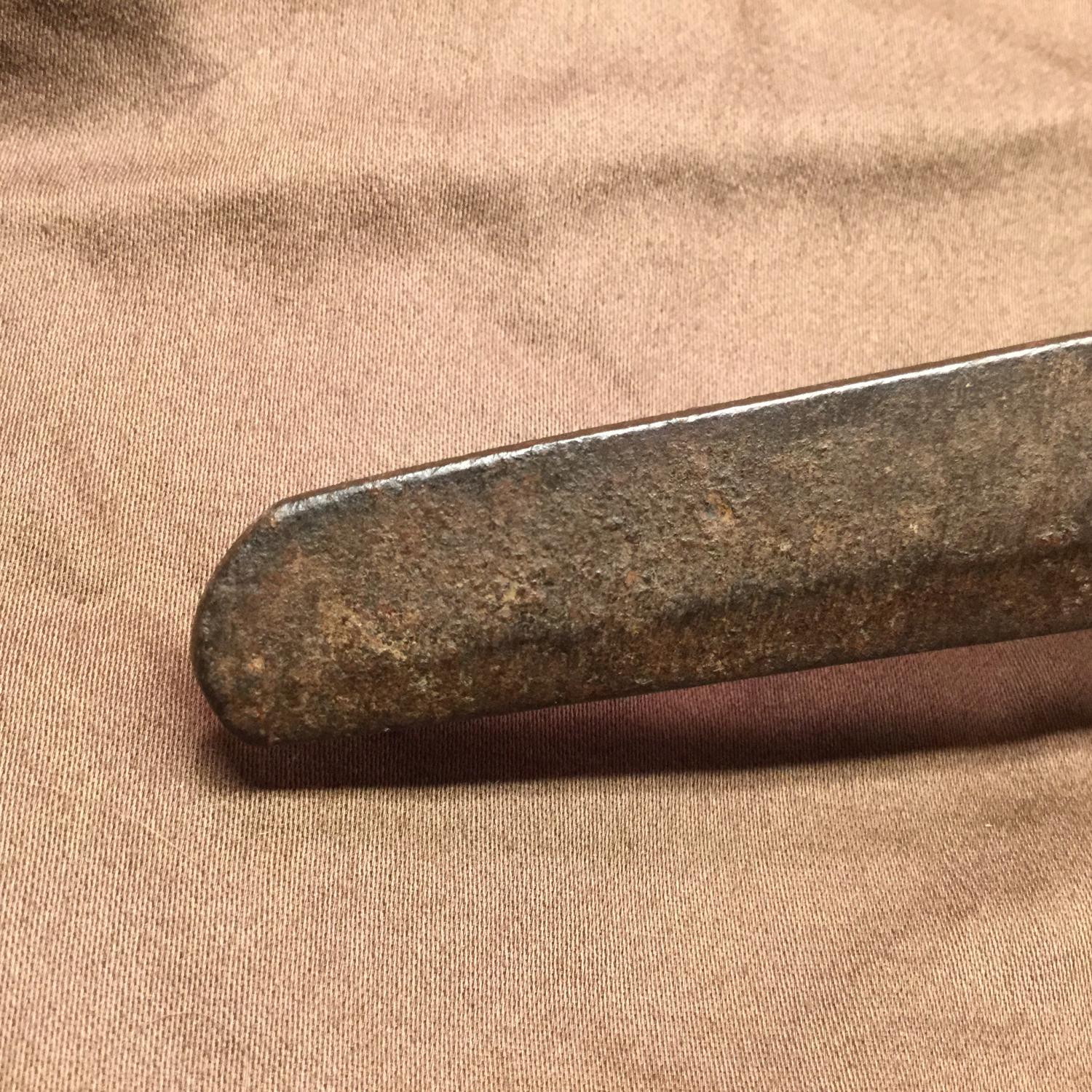
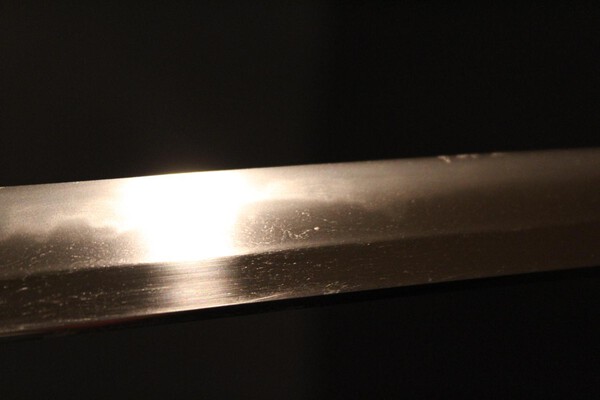
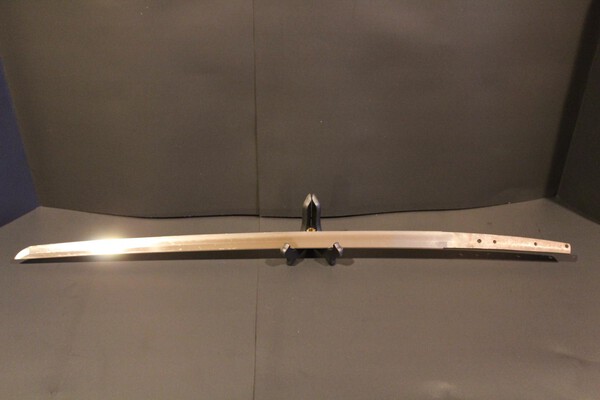
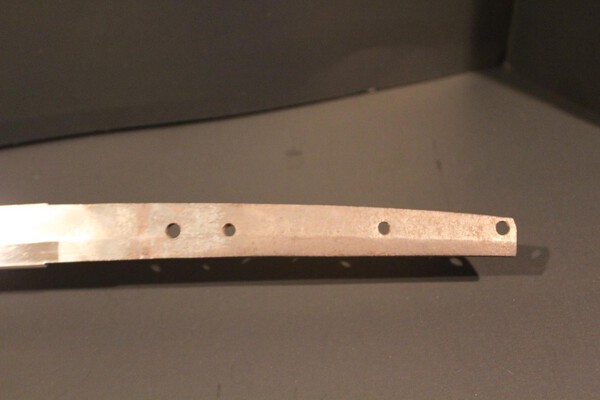
Nagasa is 26.25 and overall 34.25, with shallow sori. Testing what I have learned or attempting to learn, here's why I purchased this sword. If my assumptions are wrong, please tell me, so I can continue to learn. I saw the four mekugiana but yet it was still over 26 inches and based on the first mekugiana being almost off the nakago, I thought this must have been a very long blade when original. When I thought long blade, that led me to think this could be an older sword. The sugata is graceful, smaller kissaki, and looks like Kamakura period shape, but that is my very basic interpretation. Also, I thought with four mekugiana, this sword has been cherished over the years and used. I then received a picture from the seller and in one of the photos I saw an abundance of nie, which made me think better workmanship and higher quality. I had not seen much of the hamon, only a small taste. The sword did not have a tsuba nor saya. When I removed the sword from the packaging I could not believe the hamon. I spent some time cleaning it, removing finger prints, smudges, etc. with choji and uchiko. The polish is old, and there are some nicks in the ha, but the hamon is stunning. In my very limited experience from examining the few swords I have in hand and seeing pics on line, I thought to myself this is what they call a hamon, this is what people mean when they talk about hataraki. The hamon starts more controlled and then becomes more active and flamboyant as it reaches the kissaki. It looks like there is tobiyaki, sunagashi, choji, and more. The jigane is very tight, and there is yubashiri which I tried to capture in some pictures. Outside of the scratches and nicks there are few, if any, ware. The grain is so beautiful. I don't know, I am completely enamoured by this sword and I feel like it is something special, that is what my gut is telling me. I am looking forward to your feedback and education and happy to take more pics. PS. working on photography skills, it's not easy
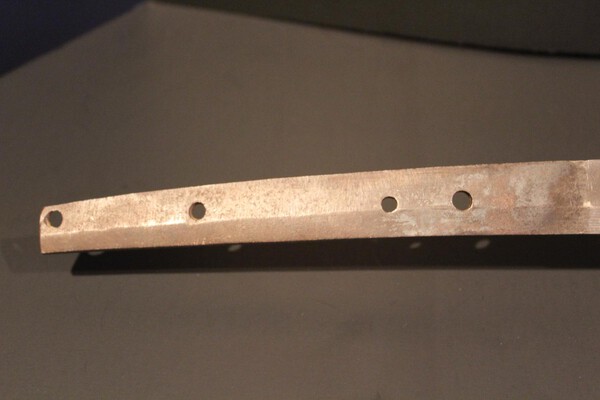
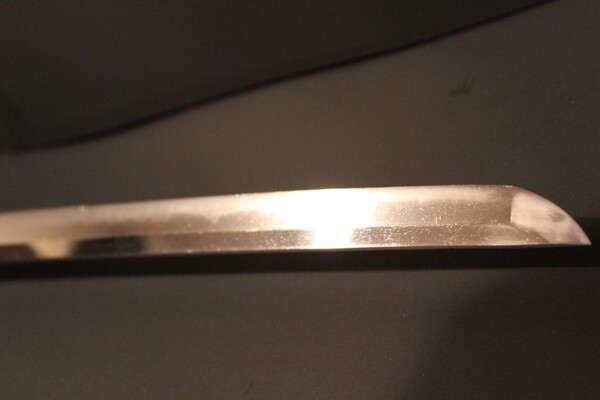
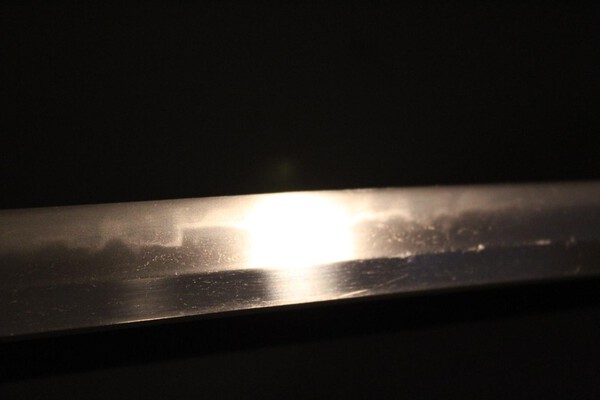
-
I agree. I am not a tsuba collector, yet, but I love Akasaka and Owari. Open iron work is the bomb.
-
I will do some more digging on my own.
-
No comments anyone?? Stephen, I figured you would educate me...
-
Thanks for the help Geraint. Would it be accurate to classify the tsuba as Akasaka or Owari?
-
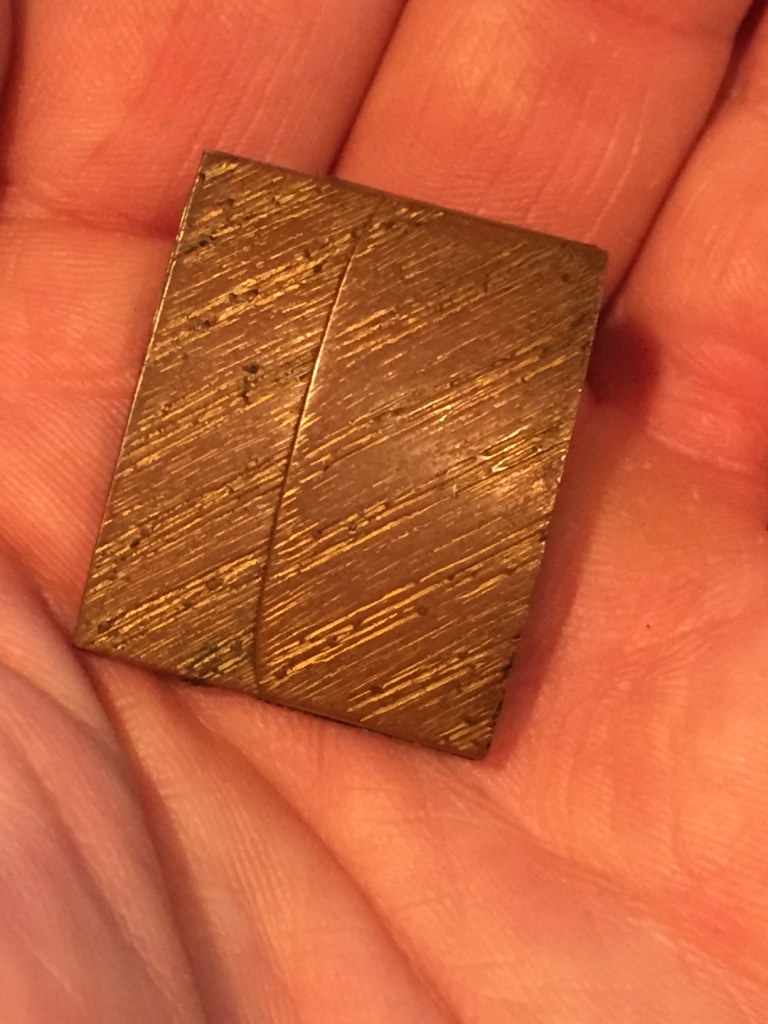
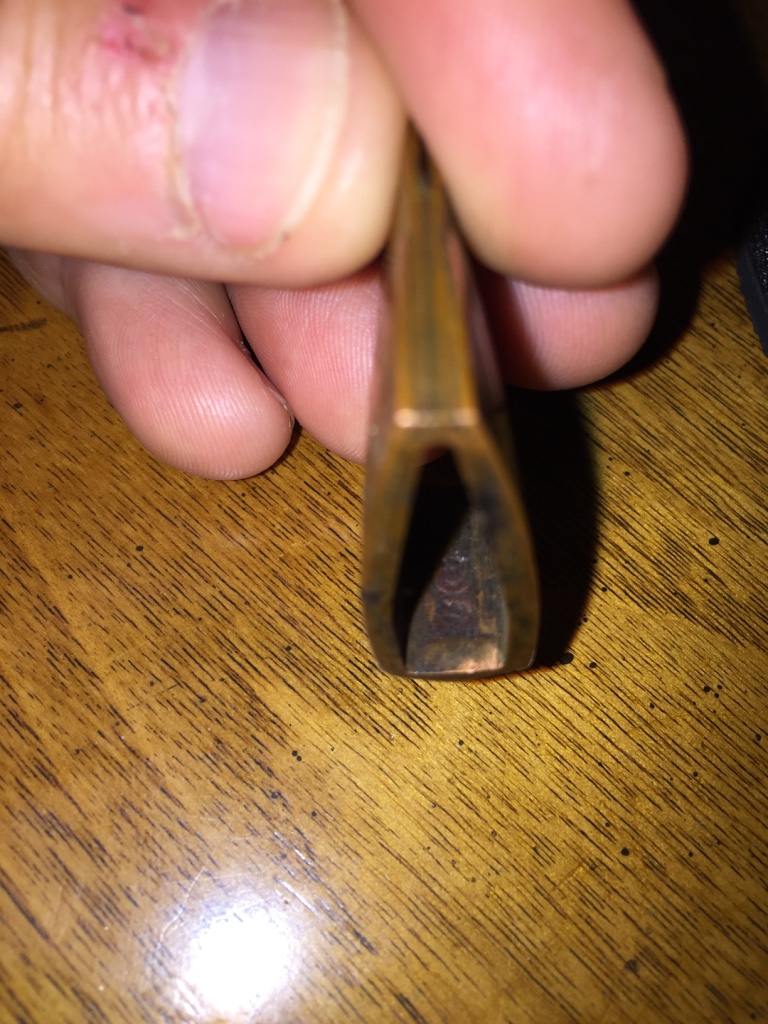
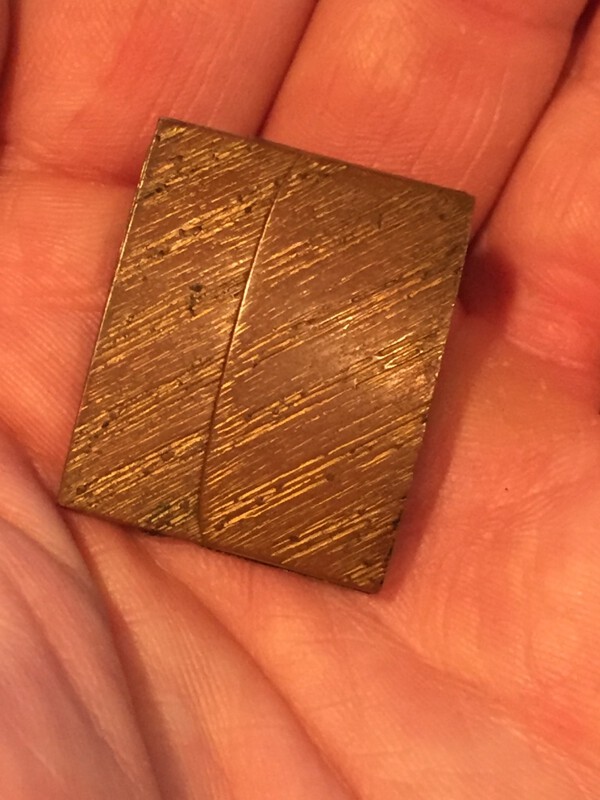
I picked up an inexpensive wakizashi for $100 with some battle damage and not in the best of shape. I really like the open iron tsuba and hoping someone could provide me with info on style and school. The habaki seems nice and well made, maybe a little better quality to my eyes. It also has 2 circular markings which I tried to get in the pictures. Not sure if this is tooling or maker's marks. Again any info would be appreciated. Thanks.
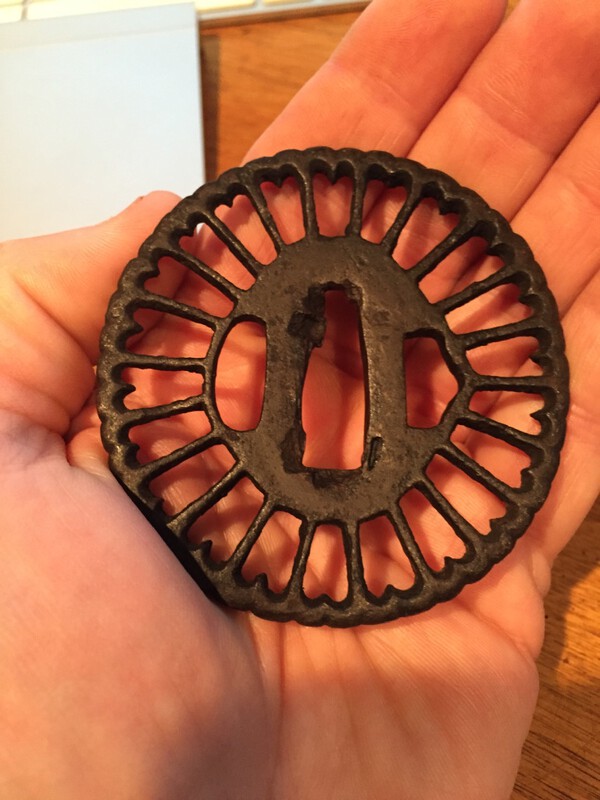




-
I'm a novice, but I have an opinion based on generalizations, so take it with a grain of salt. I'm also thinking back to my days in school, if I raise my hand I'm putting myself out there to learn and be educated, so here it goes. From all the gimei signatures that are out there, Kanemoto seems like an easy one to try and replicate. It's 2 characters, multiple generations, and a desirable name. Your mei seems different on many points. Finally, you are overthinking it and speculating far too much. Get it in the hands of some stateside experts or send it to Japan for polish and Shinsa and put your mind at ease. You'll stop thinking about it so much once the process has started. I have a potential 3rd generation Tadayoshi that I have resigned myself to being gimei. It's in Japan now being polished and Shinsa in November. Either way, it's still a beautiful blade. I felt much better once it was out of the house!
-
Need Assistance With This. My First Japanese Sword. Can't Read.
Prewar70 replied to teddf98's topic in Translation Assistance
The mei is not correct, is it? On the sword. I did a quick search the other night and could not find where he signed this way. -
What are the characteristics of the Higo School in general or more specifically for kozukas?
-
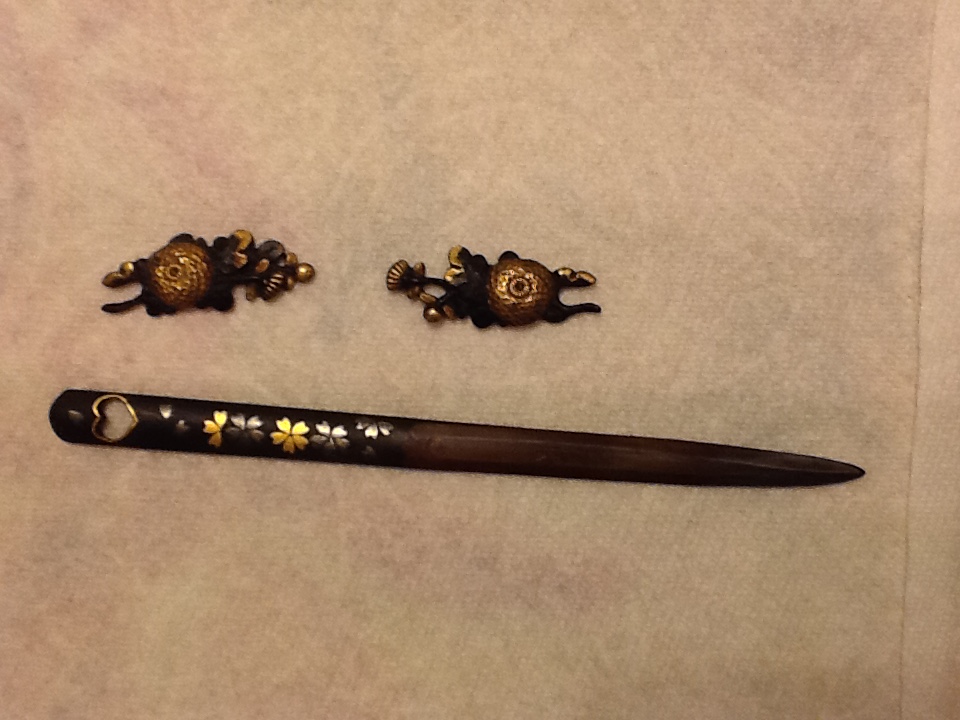
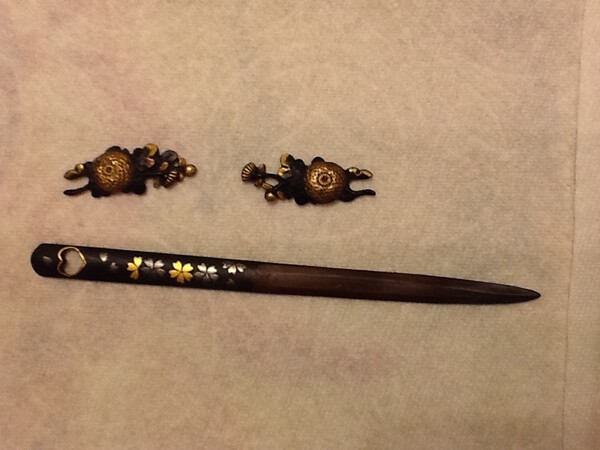
I am trying to find an iron kozuka to match the following. I was thinking of finding a flower themed kozuka that match the menuki but was advised I should find an iron kozuka to match the umabari. I'm searching and looking for examples but not having much luck. Open to thoughts and ideas and if you have pictures please include. Thanks.
-
Thanks Stephen. I'm not really "into" tsubas yet, meaning I have yet to purchase one but I do like looking at them. I always gravitate to open iron.
-
I really like the open work of Akasaka school and iron. To me, this tsuba looks legit. I have no idea if it's priced reasonably or not. What do you think? http://www.ebay.com/itm/2385-Akasaka-tsuba-for-Japanese-sword-fuchi-kashira-menuki-tsuka-saya-menpo-/222162018391?hash=item33b9e36057:g:yOIAAOSwwPhWkknX
-
Minneapolis Sword Show
Prewar70 replied to SwordGuyJoe's topic in Sword Shows, Events, Community News and Legislation Issues
Great news! Looking forward to meeting some people. -
Does your fingernail catch on it? Seems like it should be easy to determine if it's tape and on the finish or in the finish.
-
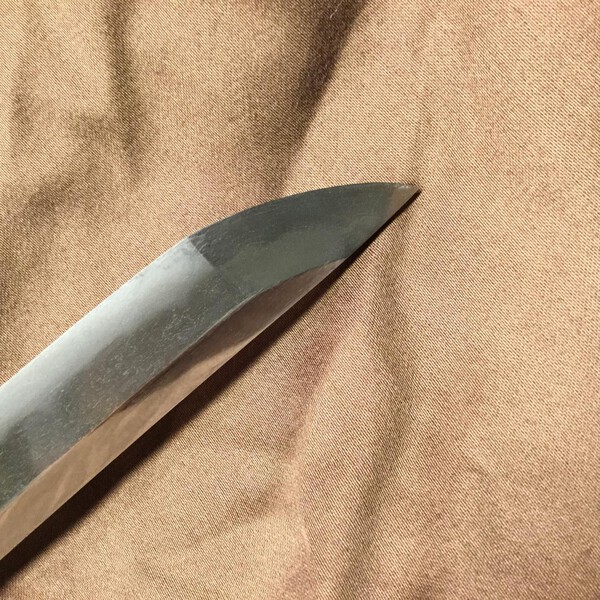
What is the the boshi and yasurimei telling me about this sword and where it was made? It is not takanoha yasurimei. The boshi is not exactly zigzagging to my eyes but neither is it ko-maru with turnback like the picture in the Connoisseur's book. I haven't seen enough true sword examples to do any comparisons either.

-
Not to mention I don't think that signature style/kanji format is correct.
-
Raging gimei
-
From my eye, the hada in the shinogi-ji is more coarse, and closer to itame but the grain is not long and continuous. The hada in the ji, is much more fine, and dense, that part is very clear when comparing the ji to the shinogi-ji. I would describe the ji-hada as more small swirls, or mokume. You can see some of what I'm talking about in the pictures. Feel free to correct me if I'm wrong.
-
Who would you recommend in the states to have these made and does anyone do both?
-
So much talk lately about Kanemoto, and I couldn't believe the timing of my recent purchase. So as I'm learning, a template for describing the main points of a sword makes sense. Maybe this is whats referred to as Kantei? Here's my description, along with pictures. Length/nagasa: 53.3 cm Nakago: 14 cm / ubu Sori: 2.2 cm Mekugiana: 1 Shinogi-ji: at the munemachi 1cm wide and tapers to .6 cm at the yokote Taper: not sure what this is called in Japanese, but seeing as this sword tapers, I wanted to measure. From the munemachi to the yokote, width from cutting edge to mune, 2.8cm - 2cm Hamon: sanbonsugi Hada: itame and mokume, more itame in the shinogi-ji Signature: mumei Mune: lori Sugata: shinogi-zukuri In the hand, this feels like a serious, utilitarian, strong sword. The hada is very visible, swirling and some straight, but there is little to no ware or openings. From everything I have read, the hamon is classic Mino School, Kanemoto or Kanesada. Not sure about generation, except perhaps later, as the hamon is not relaxed, but very uniform. The boshi is a little different on each side, hopefully you can see that in the pictures. It has a graceful curve. It has high shinogi. The mekugiana almost looks punched on one side vs drilled, but if I had to answer I would say drilled. The yasurimei is strongly sloping as you can see, but this didn't seem consistent with other Kanemoto examples I looked at. Not signed, although there is one vertical looking chisel mark visible below the mekugiana in one of the pictures. i'd like to hear your remarks and feedback as to what I have. Thanks for taking the time to have a look.