


2devnul
-
Posts
676 -
Joined
-
Last visited
-
Days Won
1
Content Type
Profiles
Forums
Events
Store
Downloads
Gallery
Everything posted by 2devnul
-
Still looking, Machibori will also do.
-
 Thanks Giordy, good research, I will save the data for sure. Some sources on Internet suggest that Shigetsugu was forging swords for Kunimasu. Therefore, the reason why not many signed by him. So you never know if you are looking at work of Kunimasu or Shigetsugu to be honest. Anyway, I'm still looking for signed or attributed sword to Shigetsugu. There was 1 Katana on market but it is gone = website empty and I didn't copy the pictures ...
 -
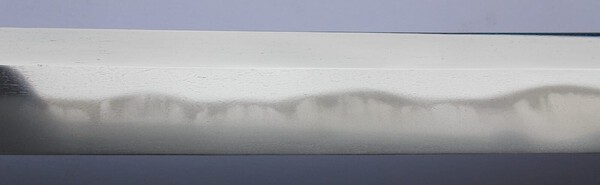
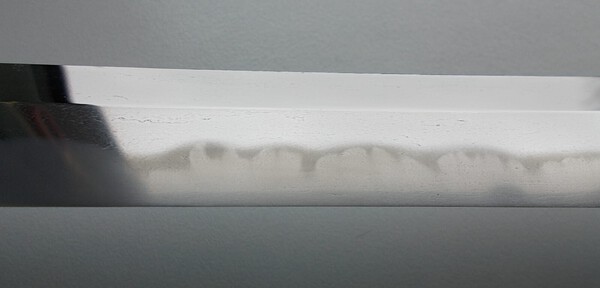
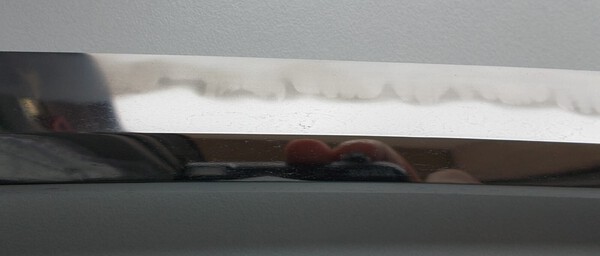
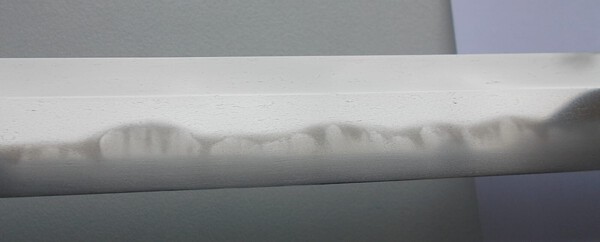
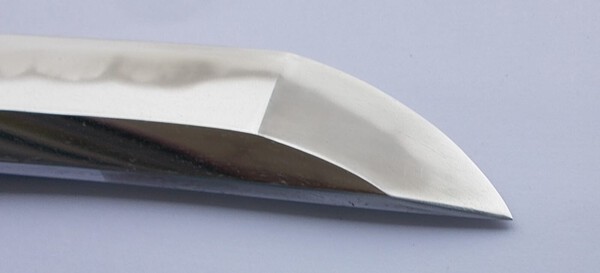
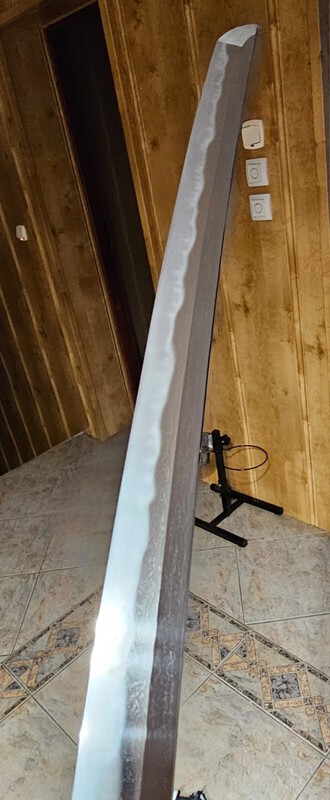
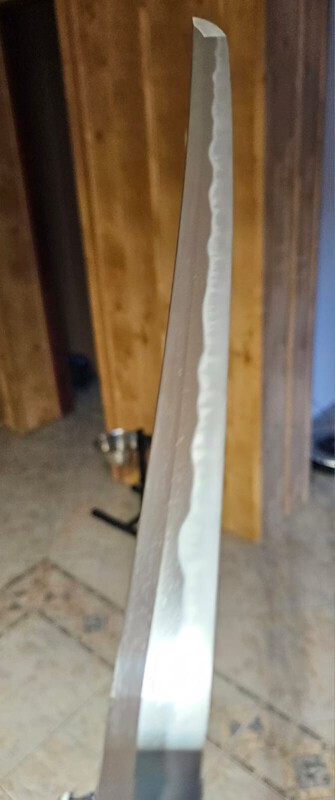
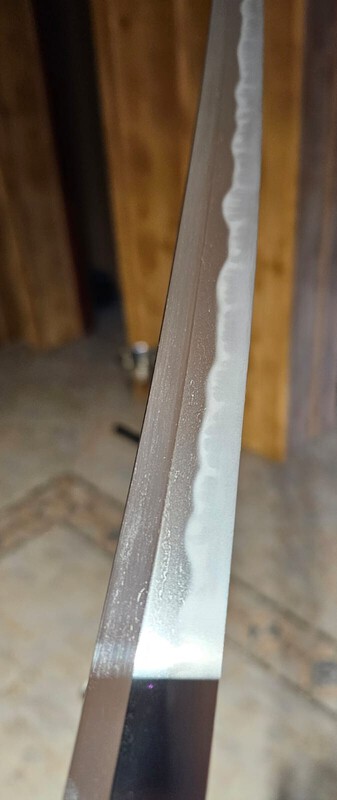
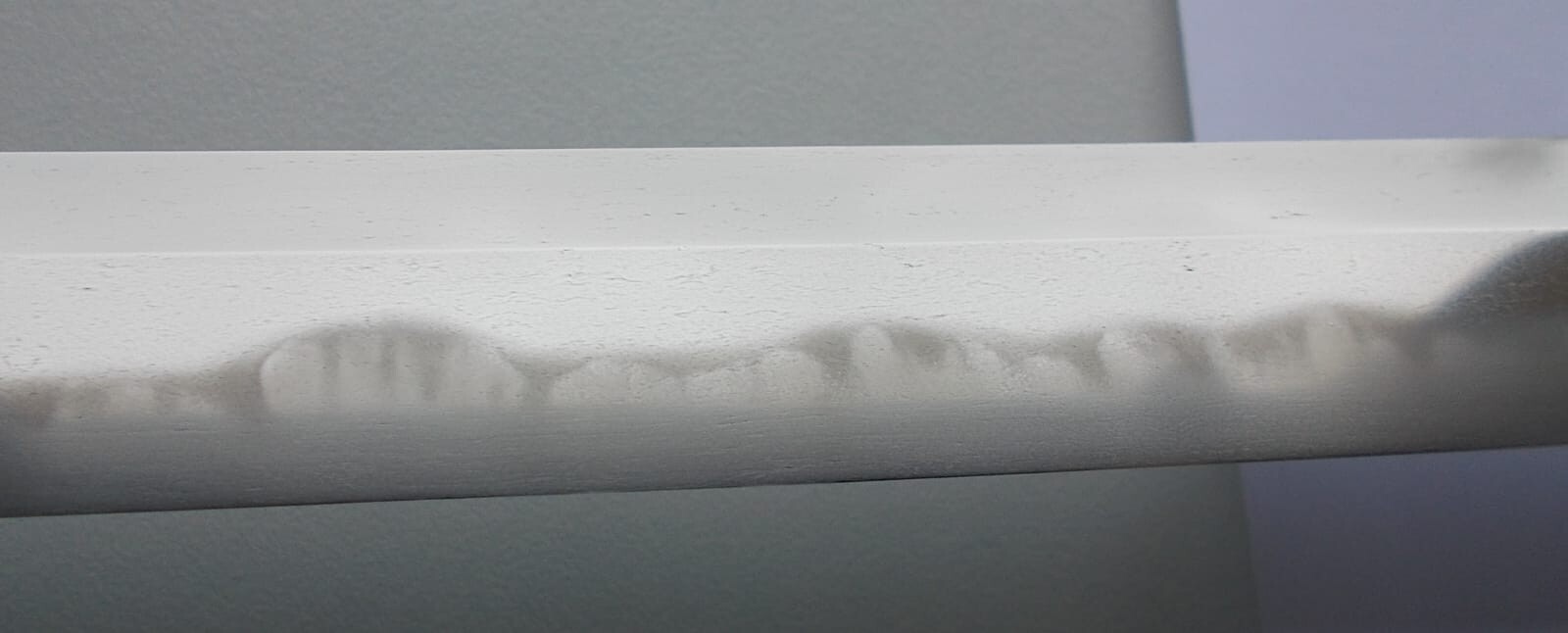
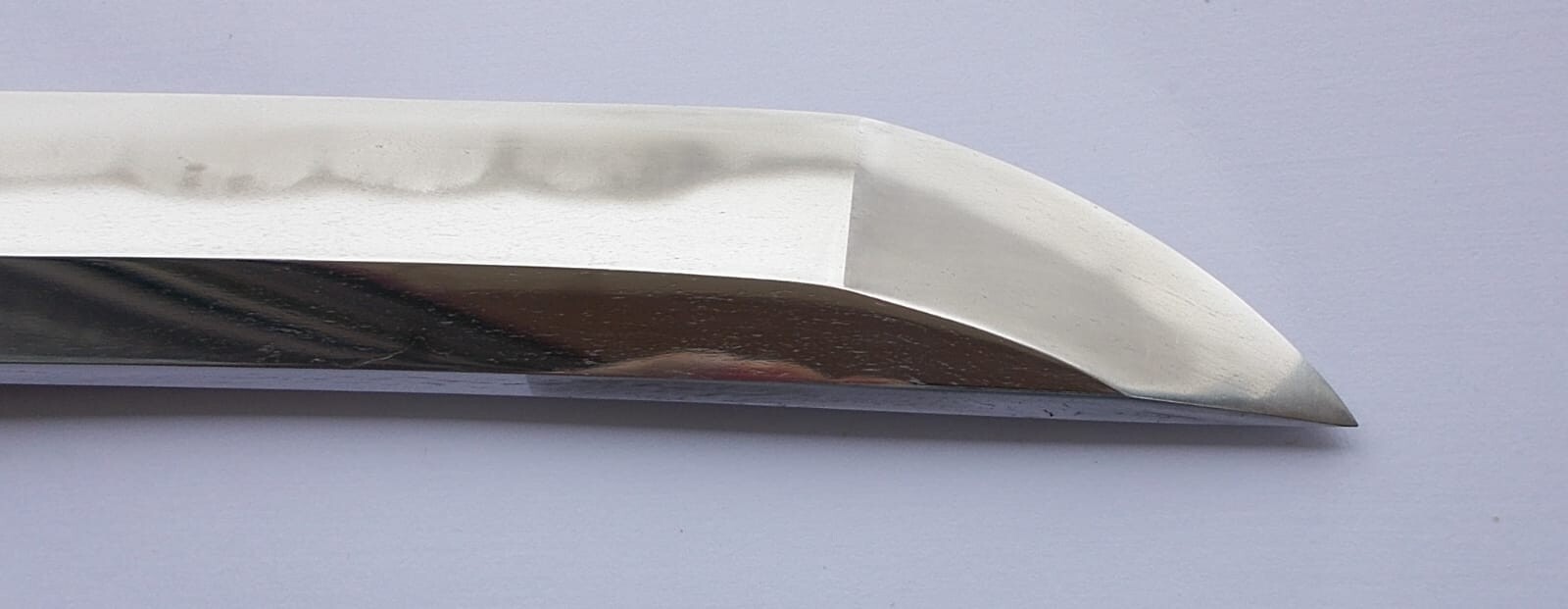
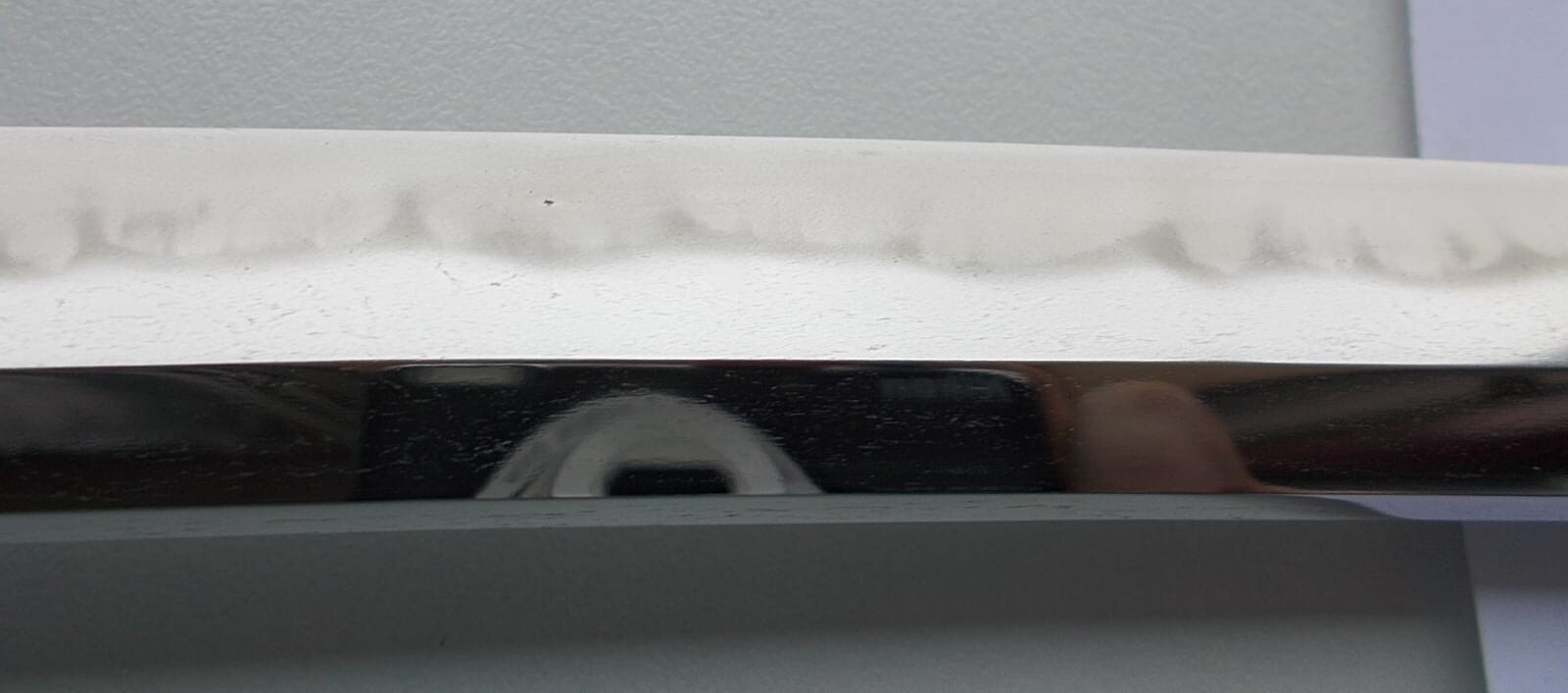
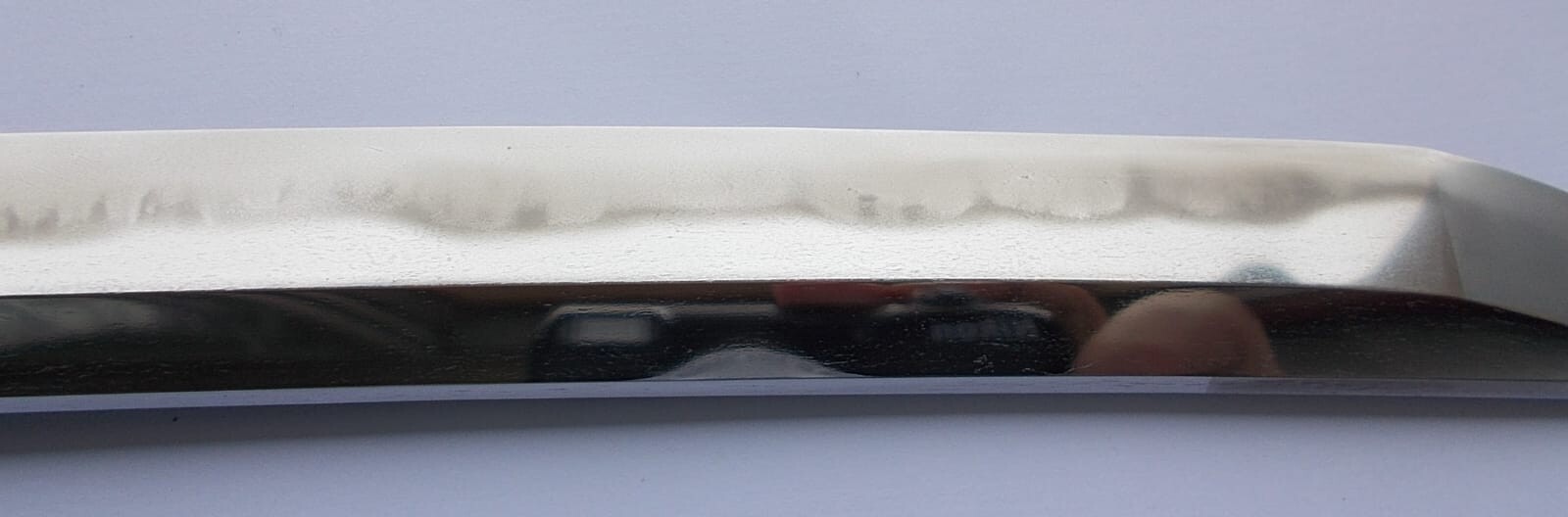
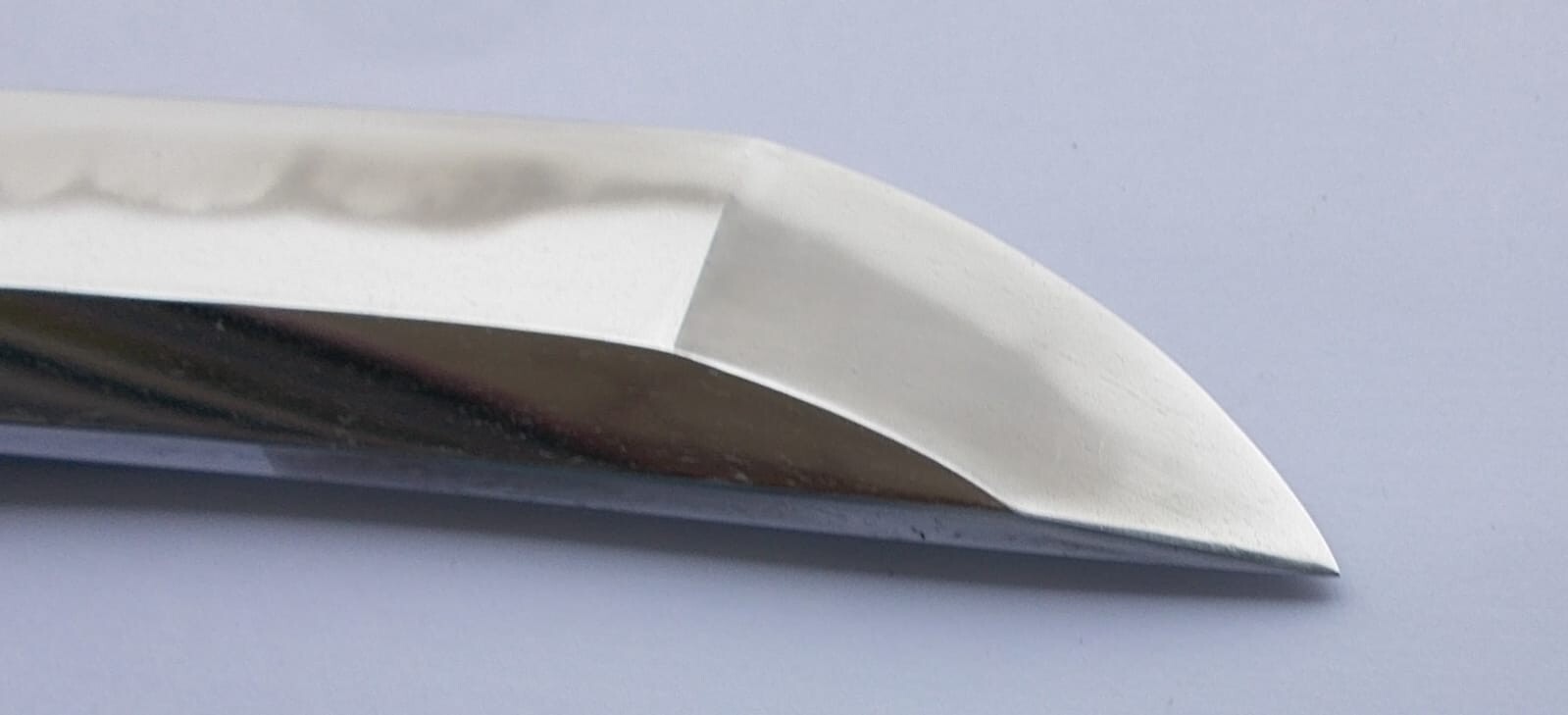
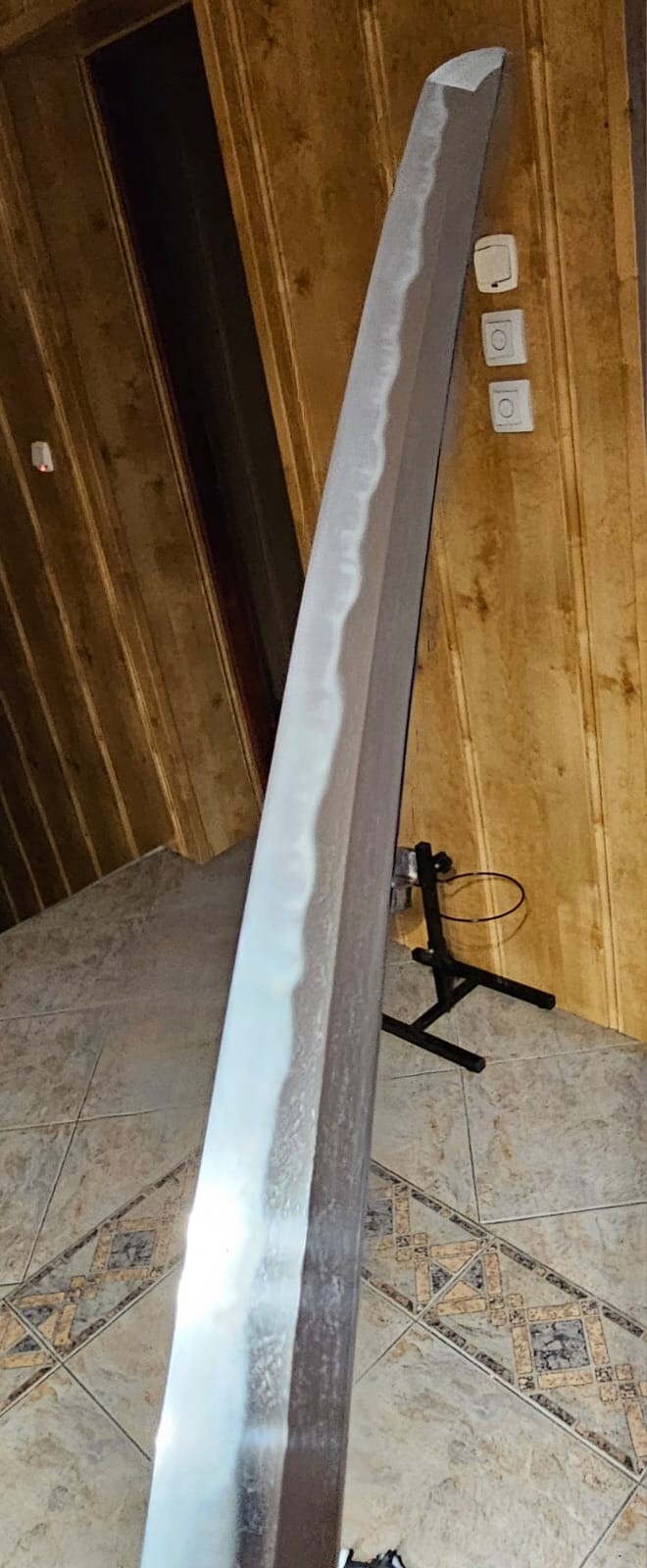
Hi, Thanks for sharing gentlemen! @Nihonto student Seems Yoshikuni worked at the same time as Shigetsugu who also has roots in Osaka school. Nice one Giordy, my type of fancy Hamon, I love it. That is also why I like my Shigetsugu from Tosa. Hada is nice but the Hamon, I can't take my eyes of it. I bet there are better ones out there, but for me it is top5 Hamon I had opportunity to 'hold in hands'.





-
Hi, thanks for sharing. Do you have this sword?
-
Indeed, I can't find any of his swords (except for 1 Katana) on the Internet. Therefore, the ask for contact with anyone who has something from this smith.
-
Thanks Baby Joe! I know about (as I have his sword) Shigetsugu, who was apprentice of Kunimasu. Below I will copy paste what I was provided by AI about Shigetsugu (if any BS please let me know). I will be happy to get in contact with anyone who has Shigetsugu's (or Kunimasu or Tanba Yoshimichi) sword at home. Please shout! AI generate info about Shigetsugu from Tosa: The swordsmith from Tosa Province (present-day Kōchi Prefecture) who signed his swords "Shigetsugu" (重次) during the Edo period is a craftsman named Nakazawa Uemon (中沢右衛門). He is a lesser-known but highly respected artisan from this region. Here are the key facts regarding his lineage, style, and workmanship: Lineage and Masters Training in Osaka: Shigetsugu did not originate from a native, isolated Tosa school. He traveled to Osaka, one of the most prominent swordsmithing hubs of the Edo period, to master his craft. His Master: He studied under Kunimasu (國益), who was a direct student of the legendary smith Yoshimichi (2nd generation Osaka). Thanks to this lineage, Shigetsugu brought the advanced forging techniques of the Kansai region back to Tosa Province. Characteristics and Blade Style Swords crafted by Shigetsugu are distinguished by their exceptional technical versatility. It is rare to find a smith capable of seamlessly combining multiple demanding tempering patterns on a single blade: Steel Grain (Hada): The steel is densely and precisely forged in a ko-itame pattern (resembling fine wood grain) with visible, sparkling martensite crystals (ji-nie). Temper Line (Hamon): This is the most fascinating aspect of his work. Shigetsugu could transition through four distinct hamon styles on a single blade: suguha (straight), notare (wavy), gunome (undulating/zigzag), and choji (clove-blossom pattern). Balance: His swords feature a center of gravity shifted closer to the hilt, providing excellent balance, a highly desirable trait for practical swordsmanship. Collectible Rarity Because Shigetsugu spent a significant portion of his career assisting his master Kunimasu with his commissions, the number of swords signed with his own name ("Tosa jū Shigetsugu") is very small. Consequently, his authentic works are scarce on the antique market and highly prized by collectors looking for unique pieces from Tosa Province.

-
Hi, I'm looking for anyone who has any type of Shinto sword, from any smith, from Tosa province. Any comments about smiths from that region will also be nice. Which school they evolved from, who was the most famous, any known lineage, etc.? Please share any details if you can, thank you!
-
Exactly! It is a very thick and heavy sword. I have a feeling it was made for cutting tanks in half I will do my best to follow your suggestions as soon I have some time to bend over this sword again. Thanks! Much appreciated!
-
Nazi Katana! Jokes aside, another great sword from you @Lexvdjagt. In different times I wouldn't hesitate to buy it! Great package, plus Tsuba reminds me of Goto school, which is another big plus (and value if it is indeed Goto). You can be sure one thing, if I'm able to sell anything from my collection you can bet I will take that sword from you! Cheers!
-
Now this is one nice woodcutter!

.thumb.jpeg.64dde2f0a95b09936eac656401a98db0.jpeg)
.thumb.jpeg.a57ae02052f318e3c2b32c2fae96029e.jpeg)
.thumb.jpeg.bd83fd6840d31fa7d433e7c0f14759cc.jpeg)
.thumb.jpeg.69bd4376e2034d0e3606b84d8d699a81.jpeg)
.thumb.jpeg.61b622de491e246522345fb04985a258.jpeg)


-
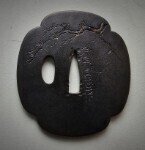
Sword upgraded in order to meet safety for training purpose etc... New Edo period Mokko Gata Tsuba. Mekugi-ana corrected and Mekugi replaced. Proper (not paper!) copper Seppa + 'mini Tsuba' to eliminate all looseness. Saya looseness at Koiguchi fixed. It looks and handles way better now.

.thumb.jpeg.9722138490765bf654e076fd1f802326.jpeg)
.thumb.jpeg.47a764826f2d514eec88e7f78bbefe9b.jpeg)
-
That makes more sense, thanks!
-
John, I know the history, it is just that per my knowledge we don't see reference to European steel in signatures until Shinto swords. Am I wrong?
-
You are correct, again
-
You are correct, my mistake. Date is on the other side. While looking at both I have a felling that these were done by different (the way they are made) persons. Don't you think?
-
Why? To me it looks like Katana. What I see on pictures is highly possible wartime Gendaito (traditionally made).
-
Hi, That is a big name/lineage of smiths. That 'koshirae' has nothing to do with Japan. Yes, Habaki looks good, Tsuba and Fuchi on the other hand looks like modern replicas, maybe even not originating from Japan. The rest is something like home-made (that leather wrapping) mounts. Better/proper pictures with full measurements might help. But with current polish it might be difficult to judge Hamon/Hada. You can give it a shot by publishing more/better pictures. There are some guides here on forum about what/how to take photos. Of course you can touch the blade, just make sure to clean it afterwards PS. From what I see on pictures, Nakago and Sugata\Sori looks promising (Bizen).
-
Hi, my thoughts exactly, Koto (1500s) swords don't find Nanban smithing IMO. Are you sure? Again, 1600s up is what I thought Nanban-tetsu.
-
XX century, China, maybe one of eBay Komonjo smiths In other words, IMHO, it is a fake.
-
Yeah, even famous Kondo Isami was boasting about having a Kotetsu blade, but he had a Gimei PS. When I saw the topic I thought you found Honjo Masamune PS2. I love it!
-
Sayagaki under the lacquer - please advise.
2devnul replied to 2devnul's topic in Translation Assistance
You are correct, I misused the term. It is just a writing on Saya. -
Sayagaki under the lacquer - please advise.
2devnul replied to 2devnul's topic in Translation Assistance
Hi, thank you for your comment. That is also what was suggested by mate-collector of mine here in Poland. AI translation suggests "chikuzen junin". -
I would say Shinto sword with Suriage Nakago. Gunome Hamon as you stated. Can't see Hada on pictures. Omaru Boshi. Sori doesn't look like Bizen-sori to me, but that could be due to the pictures. Only Bizen no kuni Kiyonori that I know about was active during Eikyo era (1429–1441). That sword isn't what I expect to be from that era, so probably Gimei.
-
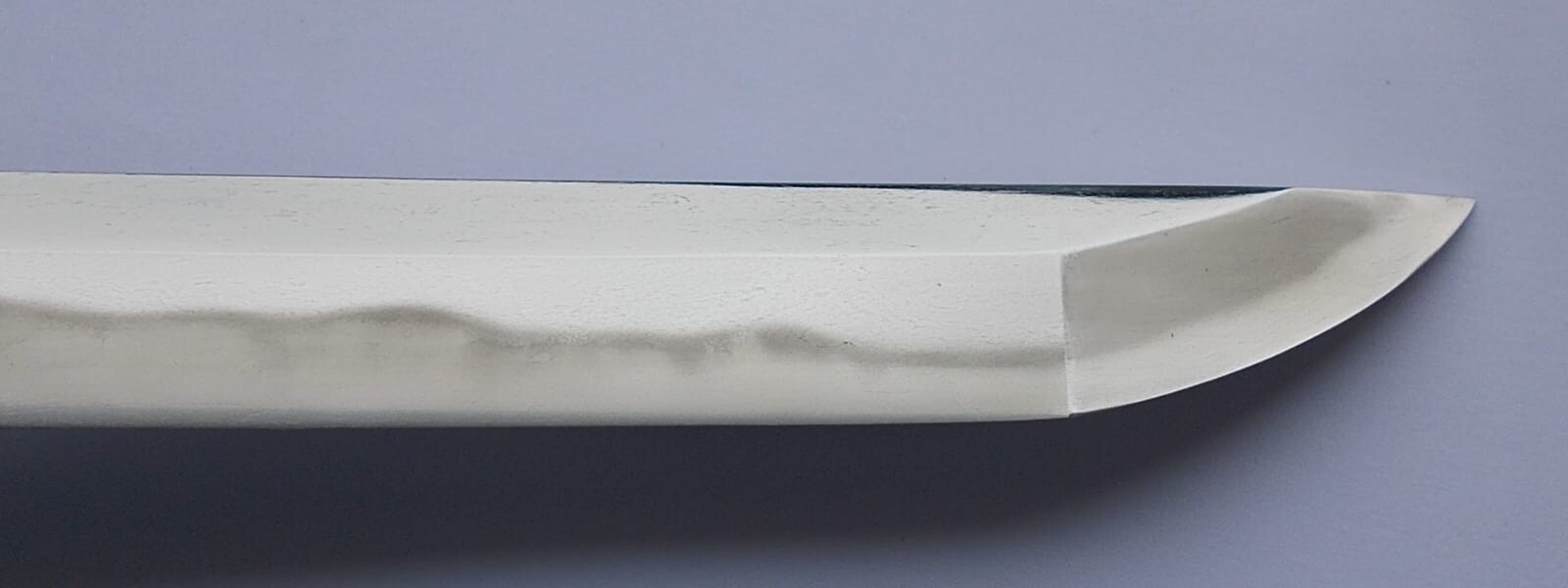
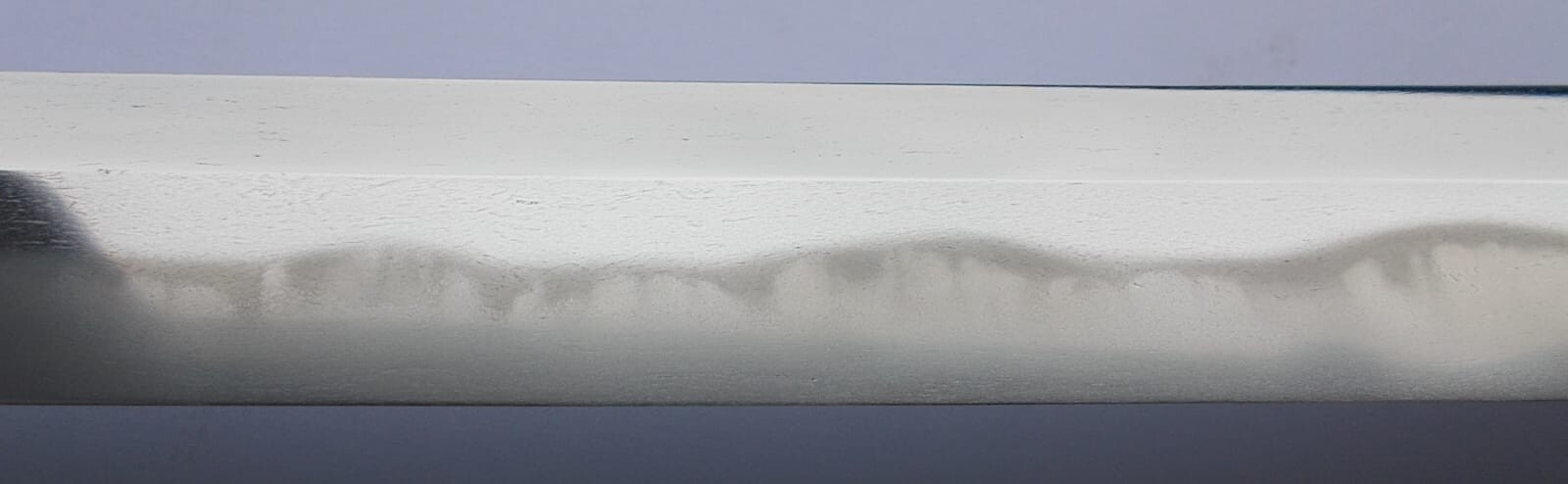
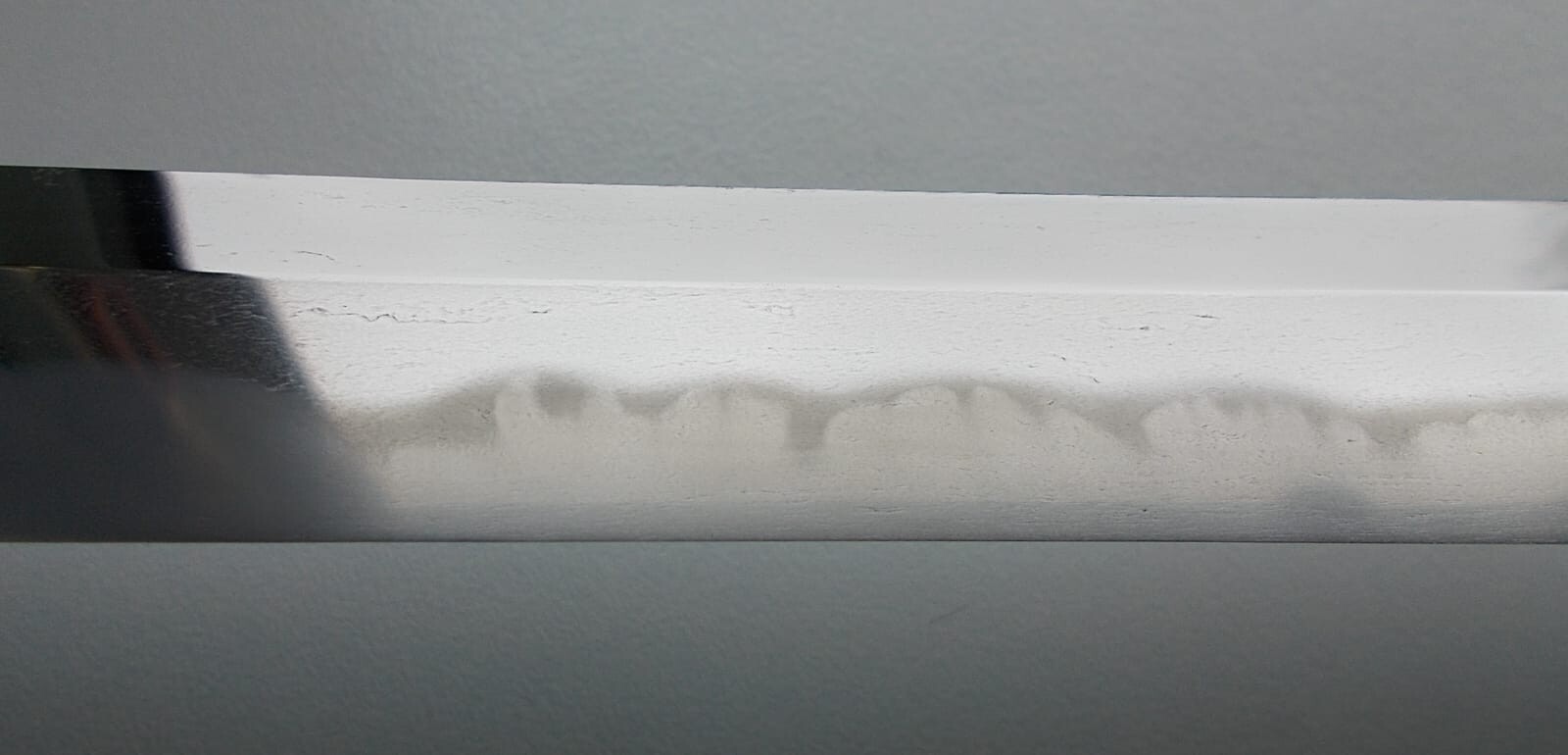
Kani No Tsune Hamon? One way or another I love it, my type of temper line. After proper polish it would look awesome. I bet that Tozando in Kyoto provided you with sword description. Why asking here?
-
Sayagaki under the lacquer - please advise.
2devnul replied to 2devnul's topic in Translation Assistance
Thanks for your reply, but I don't understand what you mean. Do you meant that writing translation is "not nearly good enough"? What alphabet is this? Kanji?












.jpeg.897063e6080ee2367ab978c914af9eea.jpeg)
.jpeg.b61c8fb5dc666d16d2631bc969fa230d.jpeg)
.jpeg.b03abe266743f53fa0e9aa9c035bf9ac.jpeg)
.jpeg.69e4eb7683a2f38ca07970d7afda3df3.jpeg)
.jpeg.da14882a18e8ba594f90fe44aa1ab029.jpeg)


.jpeg.4183f2df98282cc771b64cabcfa74c14.jpeg)
.jpeg.99d37423135ade51e6165ba4cc7d0da7.jpeg)