JakeNYC
-
Posts
300 -
Joined
-
Last visited
-
Days Won
2
Content Type
Profiles
Forums
Events
Store
Downloads
Gallery
Everything posted by JakeNYC
-

Kanesaki Omi Yari - NBTHK Hozon for sale
JakeNYC replied to JakeNYC's topic in Swords and Edged Weapons
-
Kanesaki Omi Yari - NBTHK Hozon for sale
JakeNYC replied to JakeNYC's topic in Swords and Edged Weapons


-
Kanesaki Omi Yari - NBTHK Hozon for sale
JakeNYC replied to JakeNYC's topic in Swords and Edged Weapons



-
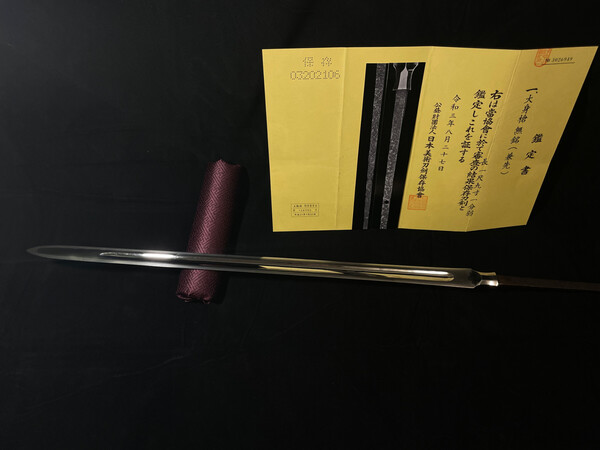
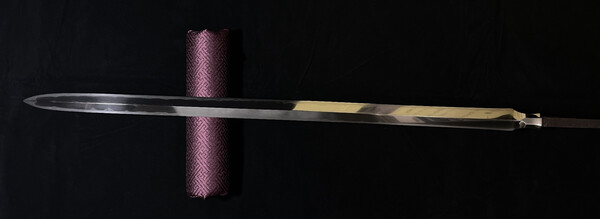
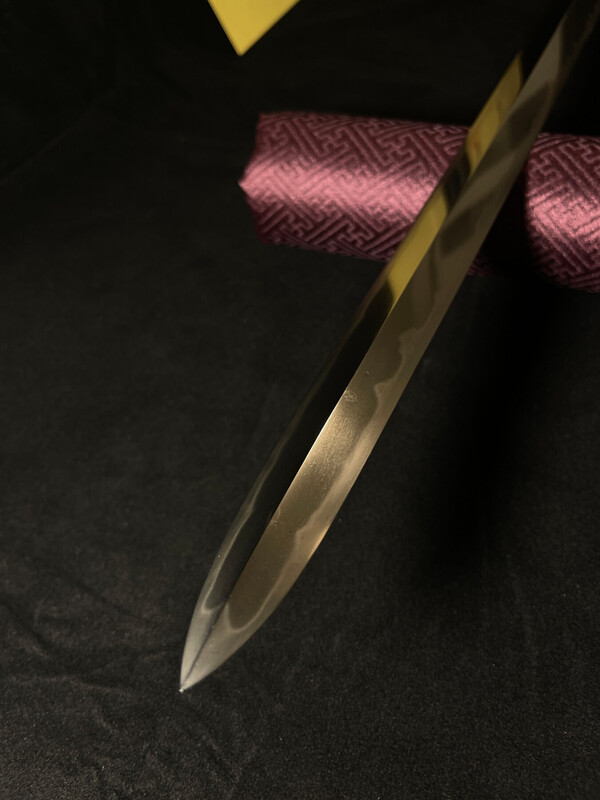
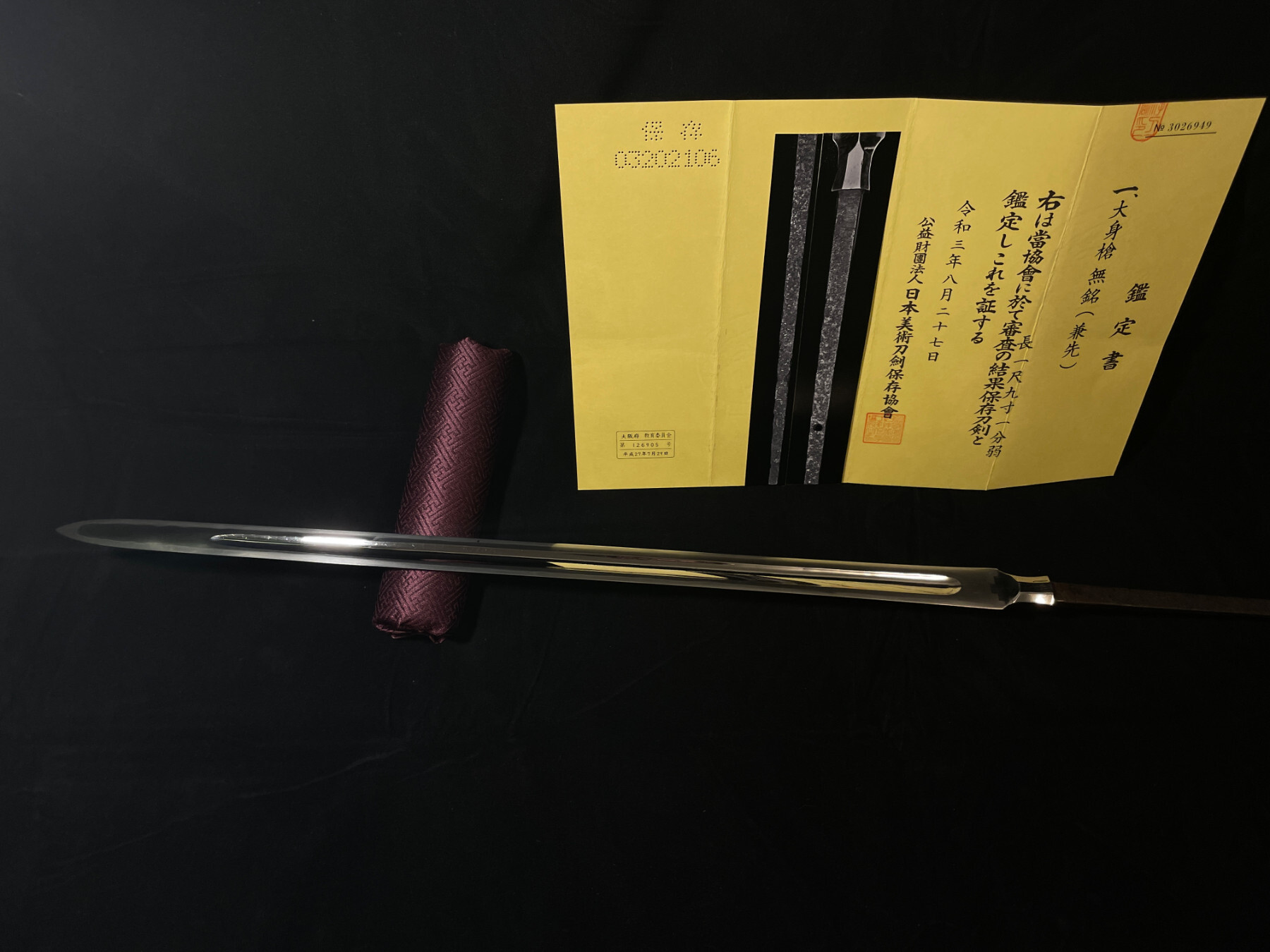
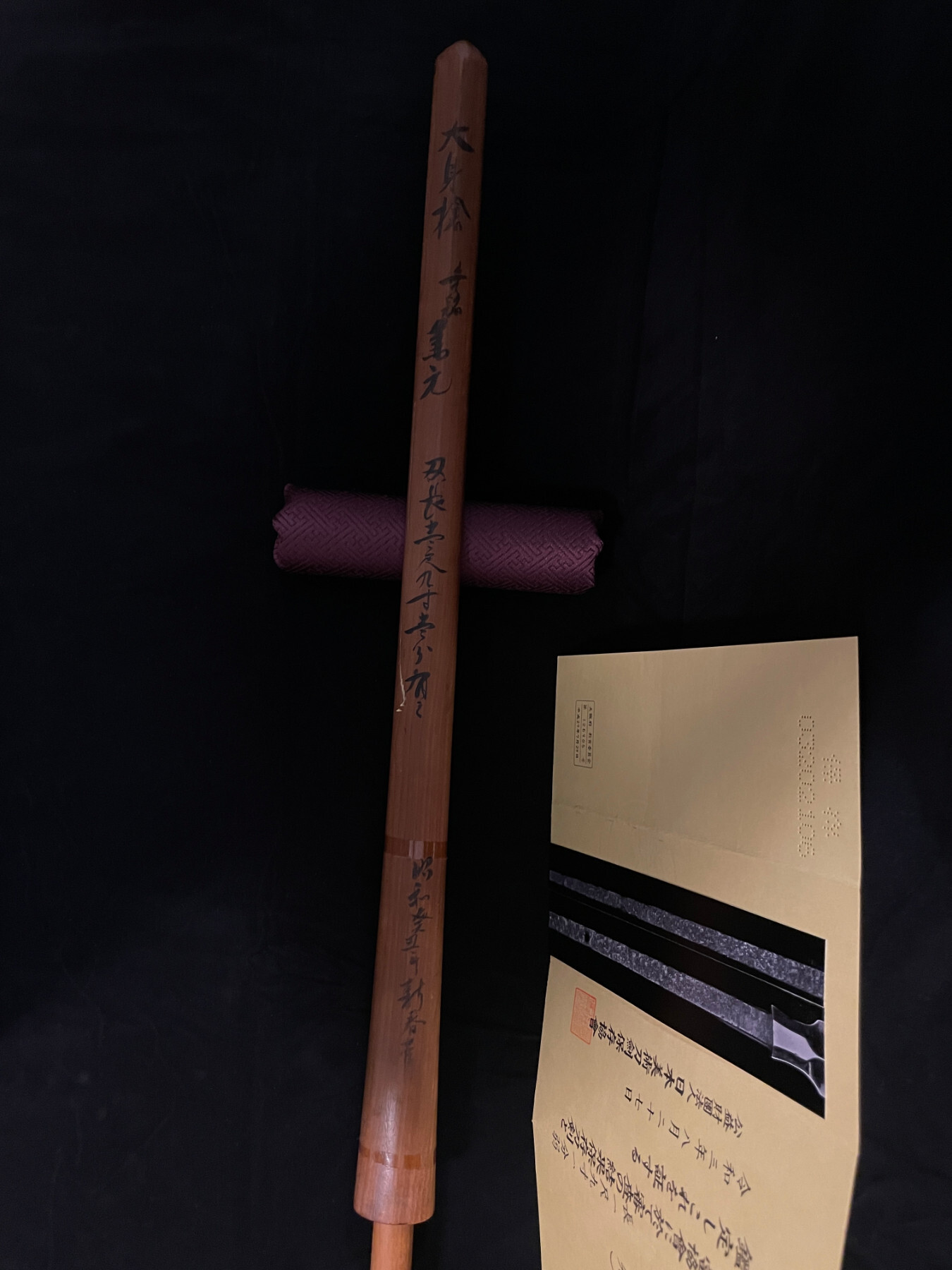
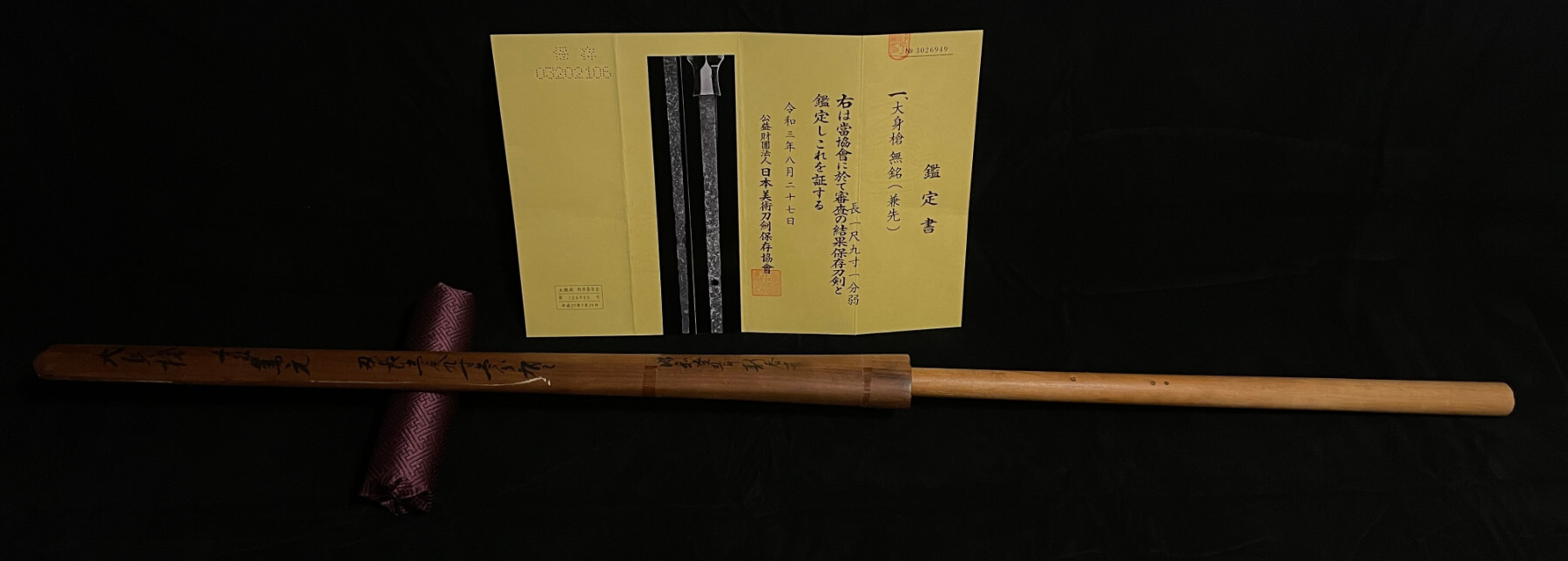
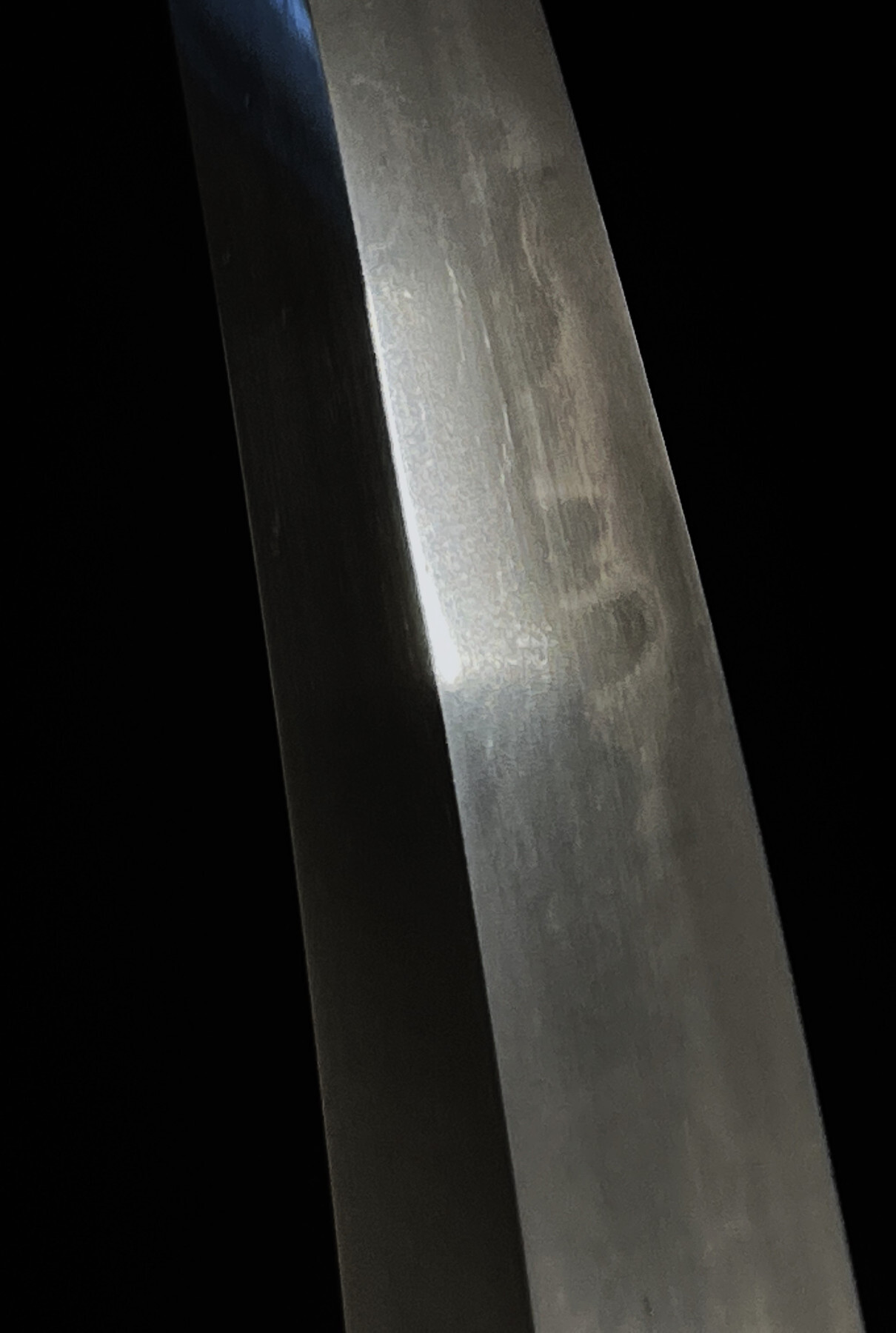
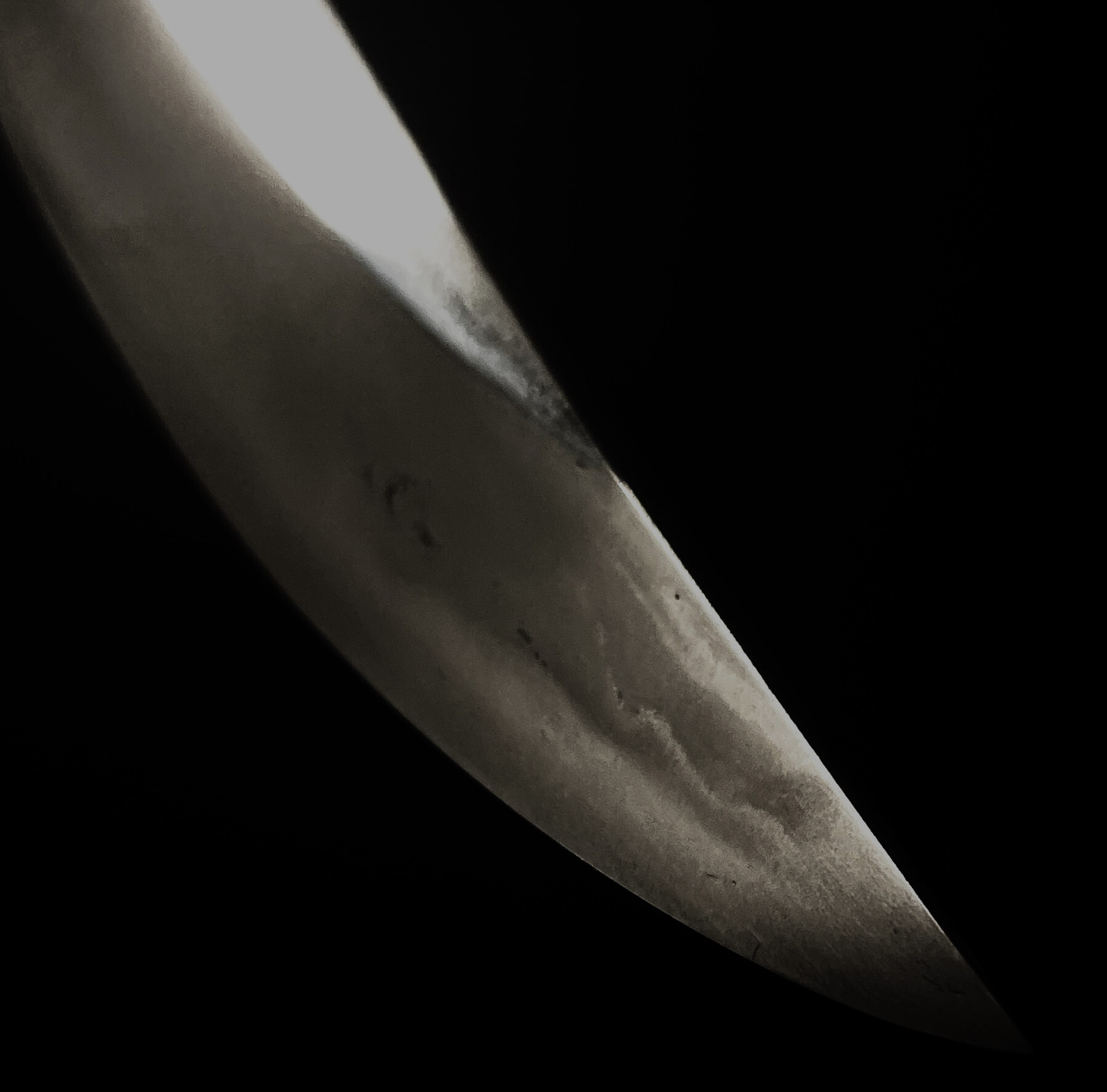
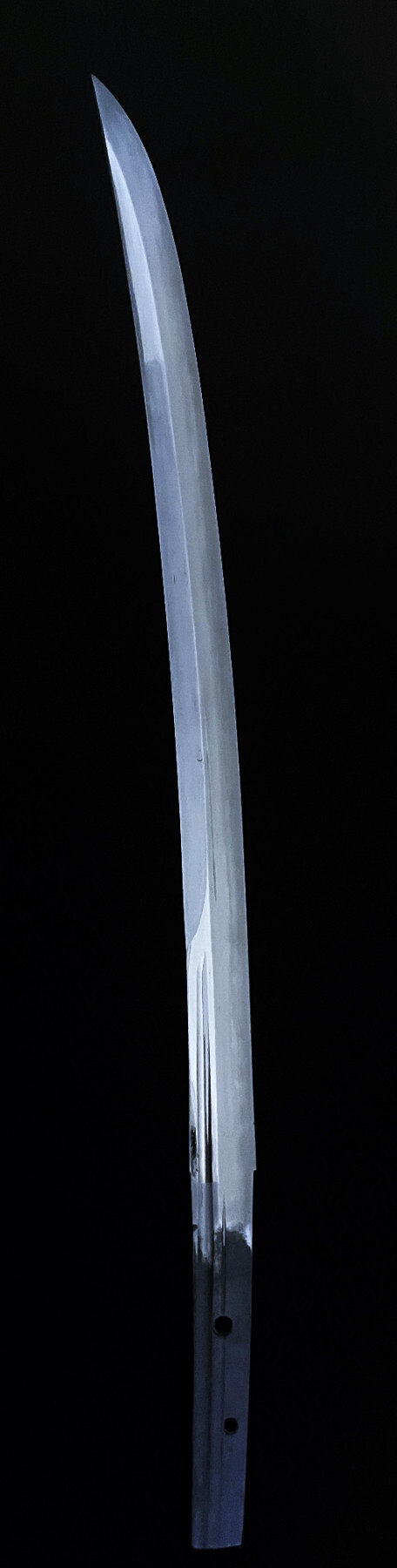
A large Omi Yari for sale: $1850 USD + Shipping and fees Mumei: Kanesaki NBTHK Hozon Late Muromachi-early Edo Ubu nakago Shirasaya 58CM Nagasa (23") Hamon features repeating togari pattern and is in good polish Located in NYC Can ship anywhere Payment accepted: Check, PayPal, Bank Transfer, Venmo Price: $1850 plus shipping / +PayPal fee if using PayPal Other Info and Full Description : This large Omi Yari was made in Mino province by Kanesaki. It has been awarded a Hozon paper by the NBTHK. Large yari like this were important as functional battlefield weapons and as a way for samurai to display their wealth. The steel has a whitish tint to it, indicative of the steel produced in Mino province in the Muromachi period. The hamon is very healthy and active on all four sides. It features plenty of hataraki to admire and study. There are tobayaki along the spine. There are small signs of prior rusting, but these spots are all inactive and have been polished and removed by an expert in Japan. Let me know if you have any questions. At this price I don't think this will last long. Jake


-
Reduced to 5350 * Tokubetsu Hozon, Nanbokucho period SA blade in fresh polish, solid silver habaki. Will include oshigata.
-
reduced * 6250
-
^ bump
-
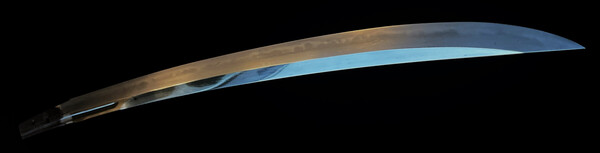
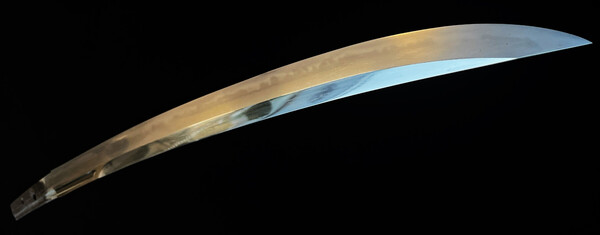
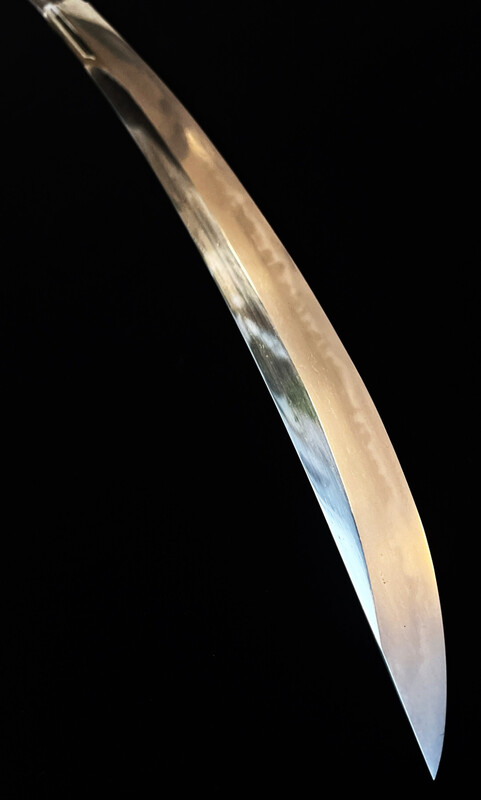
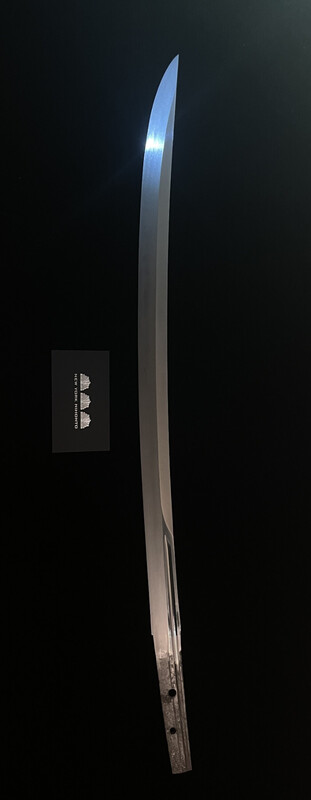
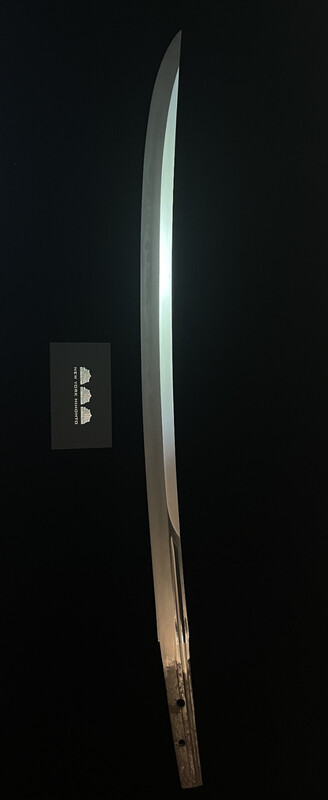
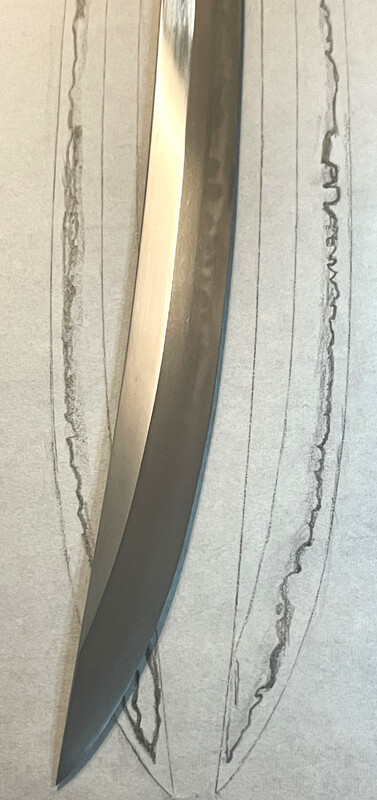
The kaeri is intact, indicating that the sugata has not changed much during the naoshi process. It is a Nanbokucho naginata in wakizashi packaging.

-
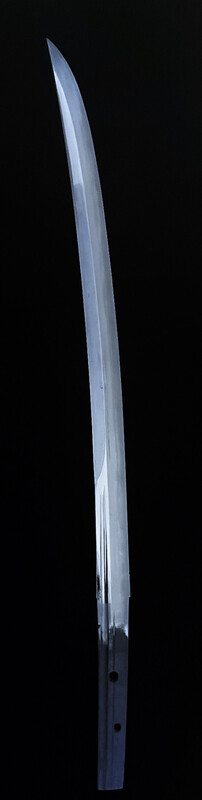
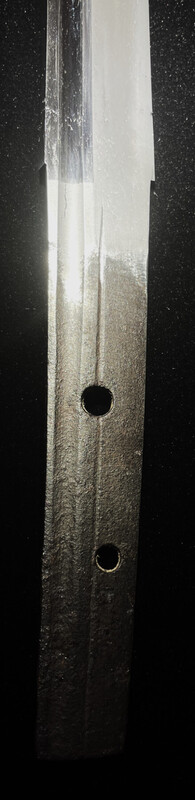
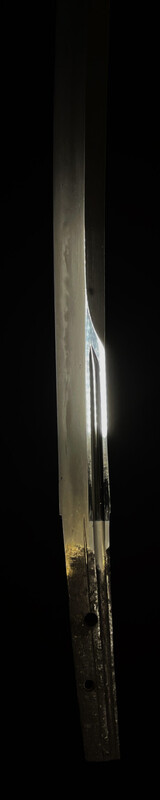
Hi everyone, I'm very pleased to be offering a 14th century Sa school wakizashi. Listing Information: Suriage NBTHK Tokubetsu Hozon Early to Mid Nanbokucho Period (1360s AD) Shirasaya with horn inserts 51CM Nagasa, 20" Very active hamon with togari points, hako, and sunagashi Mokume with "tree rings" as expected Located in NYC Will and have shipped nihonto worldwide Payment Methods Accepted : Check, PayPal, Transfer Price and Currency : 6350 USD + shipping Details: This sword was polished last year by Mr. Akio Muraki. A habaki was made from solid silver in a style often found in Kyushu where the sword was made. Originally a Naginata, this blade has been shortened, but not by much. The polisher believed this to be a late Kamakura blade, and to have only been shortened at the nakago. The NBTHK attributed this blade to a student of Samonji, whose real name was Saemon Saburo Yasuyoshi. Samonji is considered one of the top swordsmiths of all time; he is also known by the name “Ō-Sa”, or “The Great Sa,” since he used the kanji “Sa” (左) to sign his swords. Samonji worked in Chikuzen, in Kyushu, but he differentiated himself from the local tradition around 1340-50 and began to work in the Sōshū style. O-Sa is considered to be one of Masamune’s famous Juttetsu or “Ten Disciples.” O-Sa brought nie-based hataraki, such as kinsuji and sunagashi, to Kyushu. Another characteristic of Sa blades is the irregularity of the yakihaba. According to Kokan Nagayama, the hamon starts with a small pattern called “Samonji Koshiba,” and the width gradually increases toward the top. Kokan Nagayama also indicates that O-Sa’s students’ work features nie zake, and we can see that in this blade. Boshi, referred to as “Sa boshi” have distinguishing midare with saka ashi in the shape of a Jizo. The kaeri are long and the sashikomi polish has highlighted the excellent utsuri. Samonji was also an active teacher, with several students. This Naginata Naoshi was probably made by a direct pupil of Ō-Sa during the early Nanbokucho period. The attribution made by the NBTHK reads “Naginata Naoshi Wakizashi - Sue-Sa; Ō-Sa Ichimon”, meaning “Late-Sa; pupil of Ō-Sa”. “Sa” can mean “different” or “left” and it is a fitting name for someone who dramatically changed nihonto in Kyushu. The sugata is typical of the Mid-Nanbokucho period. -@NYNihonto on IG and Facebook- Please feel free to ask any questions or request more photographs! Will be shipped with a quality oshigata suitable for framing, drawn by myself. Thanks for looking! Jake



- 6 replies
-
- 10
-

-

-

-
Uda Kuninari Katakiriba Katana for sale NBTHK HOZON (KOTO)
JakeNYC replied to JakeNYC's topic in Swords and Edged Weapons

-
Uda Kuninari Katakiriba Katana for sale NBTHK HOZON (KOTO)
JakeNYC replied to JakeNYC's topic in Swords and Edged Weapons


-
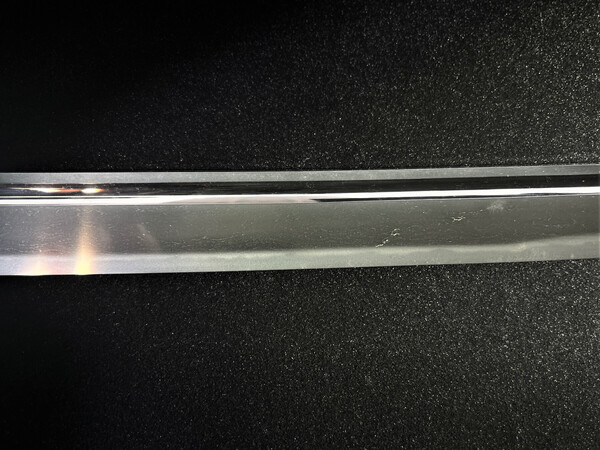
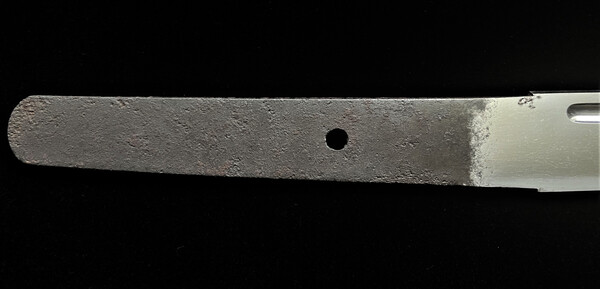
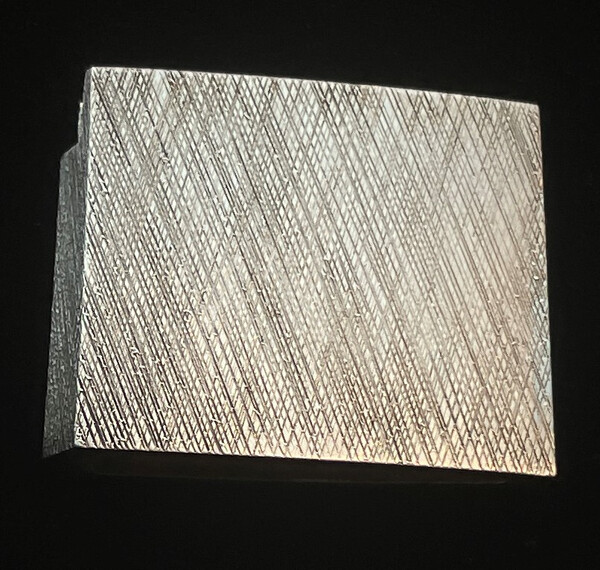
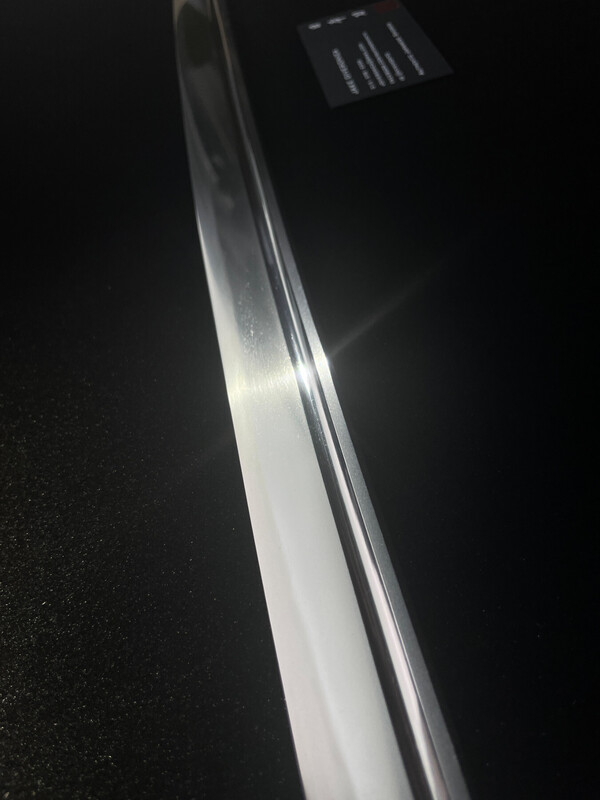
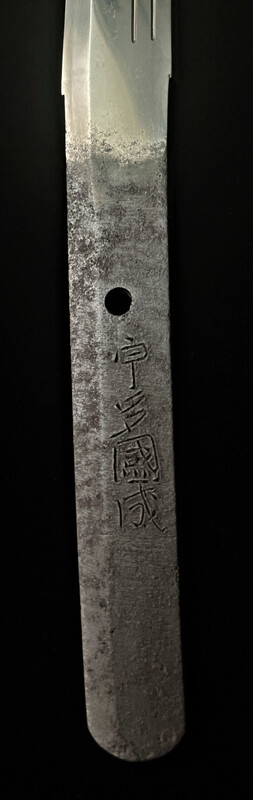
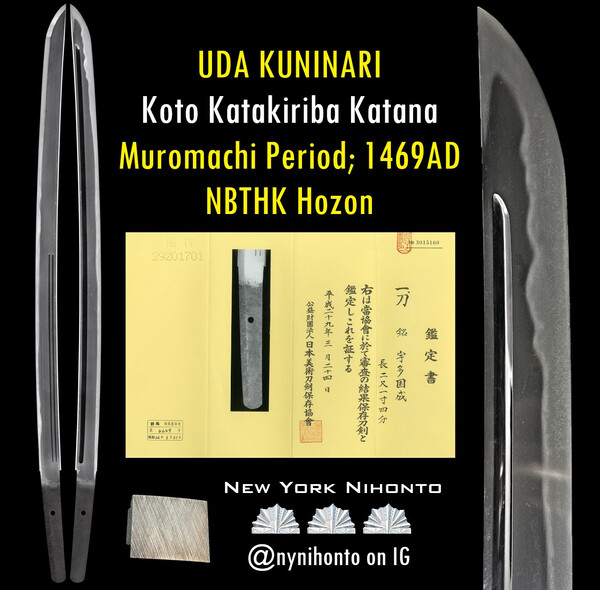
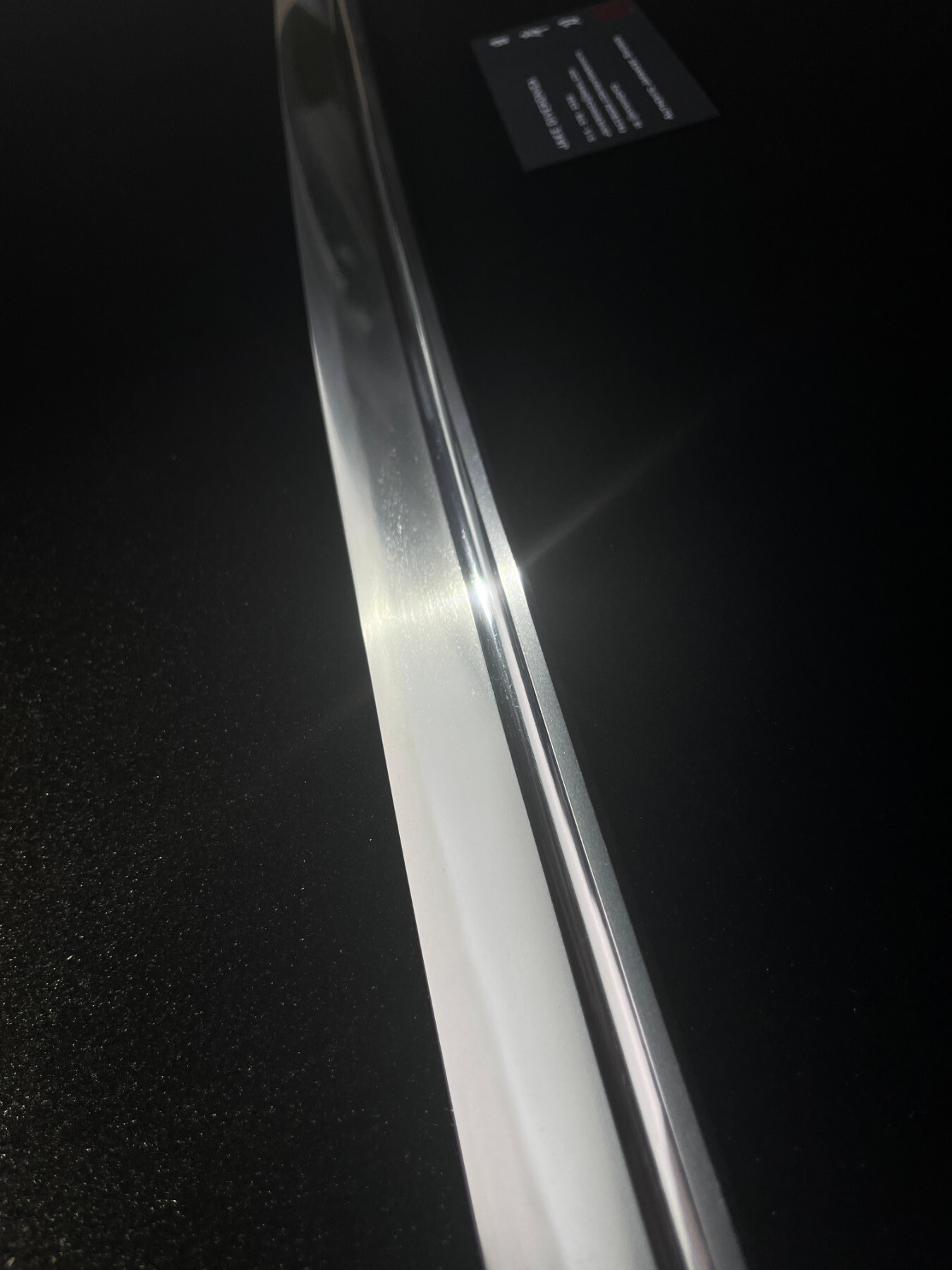
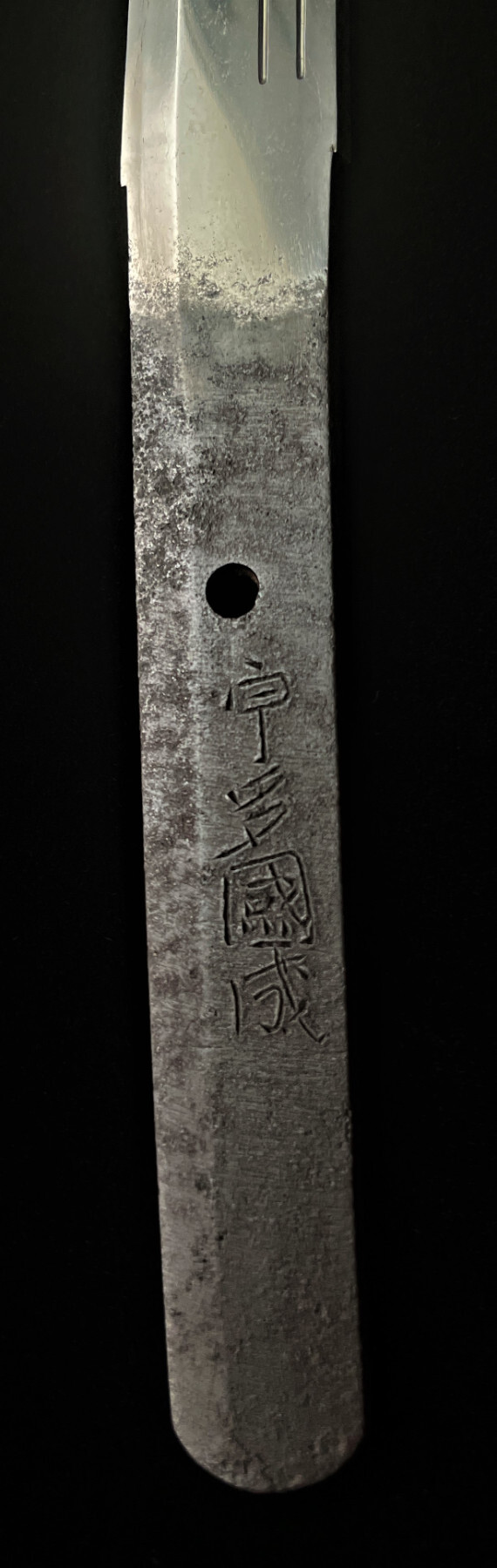
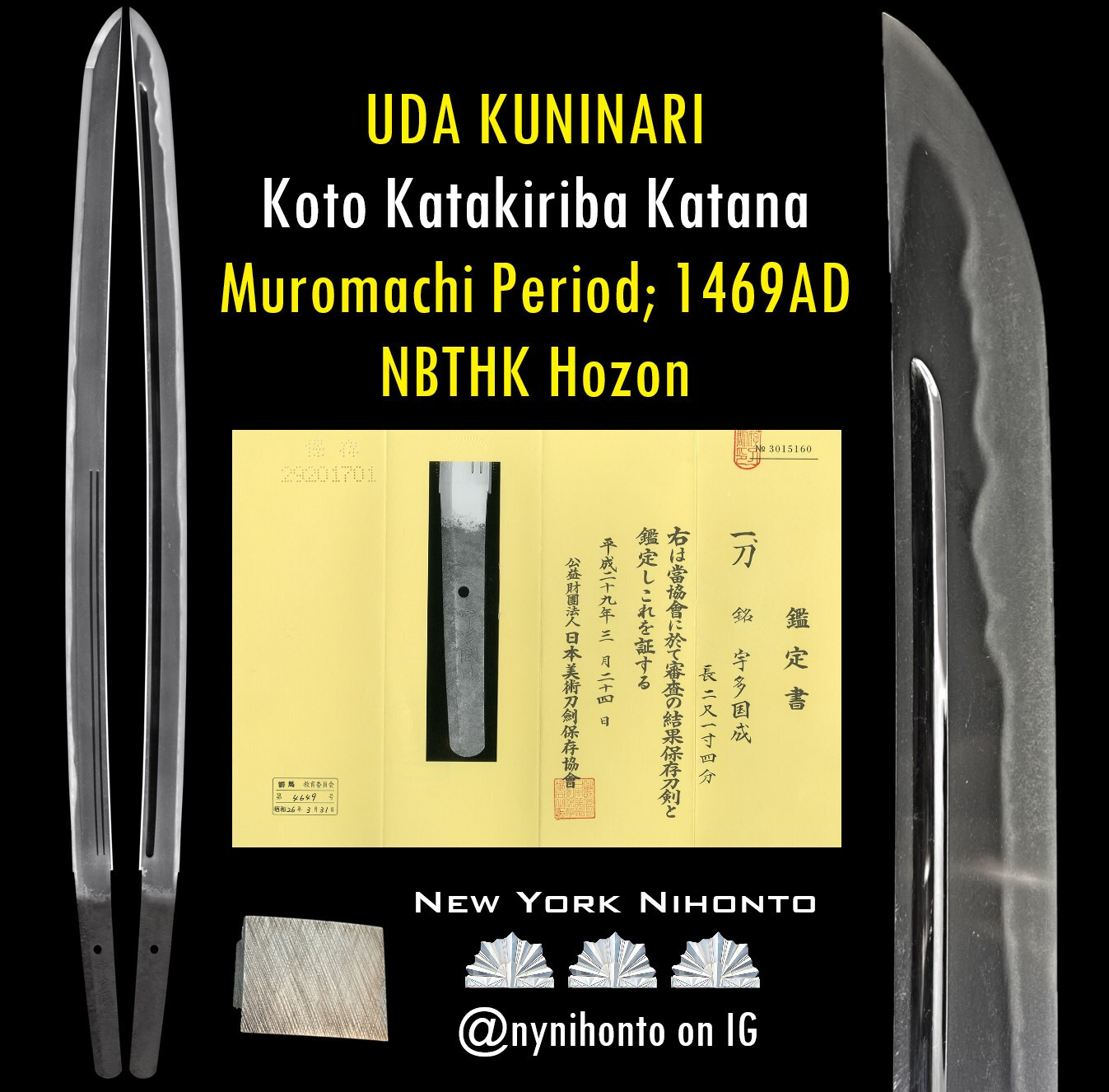
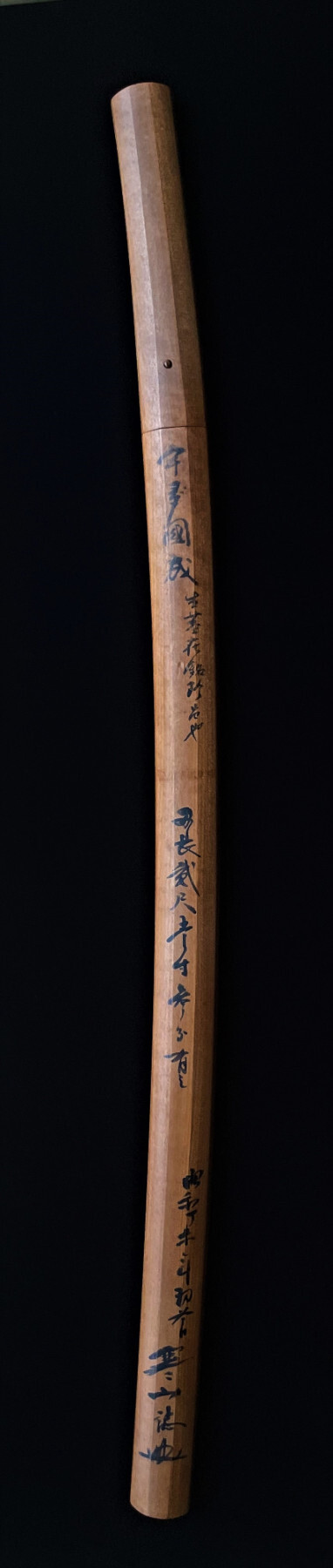
Type: Katana Ubu, Suriage or O-Suriage : Ubu Mei : (Mumei, Signature) : SIGNED - UDA KUNINARI Papered or not and by whom? : NBTHK HOZON Era/Age : 1469AD (MUROMACHI PERIOD) Shirasaya, Koshirae or Bare Blade? : Shirasaya Nagasa/Blade Length : 65.5CM Nagasa, 26” Sori : .5CM Flaws : see pictures Sword Location : USA Will ship to : Anywhere Payment Methods Accepted : Check, Paypall, Bank transfer Price and Currency : 5750 USD Other Info and Full Description : This koto (old sword) katana is in a very rare shape called katakiriba. Most katakiriba swords were made in the shinto period (1596 onward), however this blade was made by an Uda Smith named Kuninari around 1469AD. Kuninari is a very rare smith in the Uda school to find, with Kunimune being the most prolific. Markus Sesko believes this was special-ordered by a wealthy bushi to be used as a side arm were his tachi to have become broken in battle. The mei is well-preserved, and the nakago is ubu with a uniform and rich chocolate patina. The blade is in fantastic condition. The hamon flares out at the end in a Norishige style. Uda smiths worked in a mixture of the Soshu and Yamato traditions. The shirasaya was written by Dr. Kanzan in 1967. “Uda Kuninari, Ubu Nakago, Zaimei, Chinpin Nari.” A well-preserved and fearsome sidearm from the Sengoku Jidai.
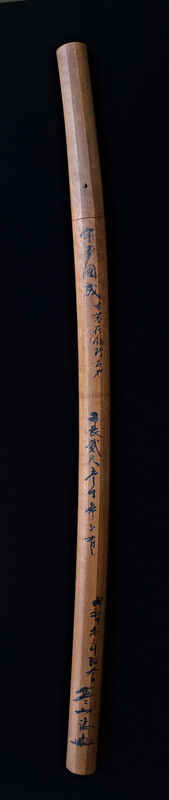


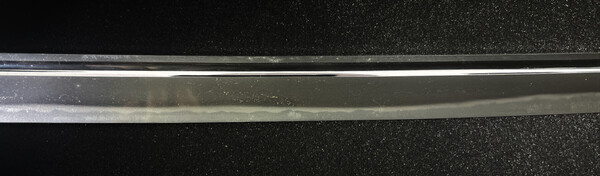
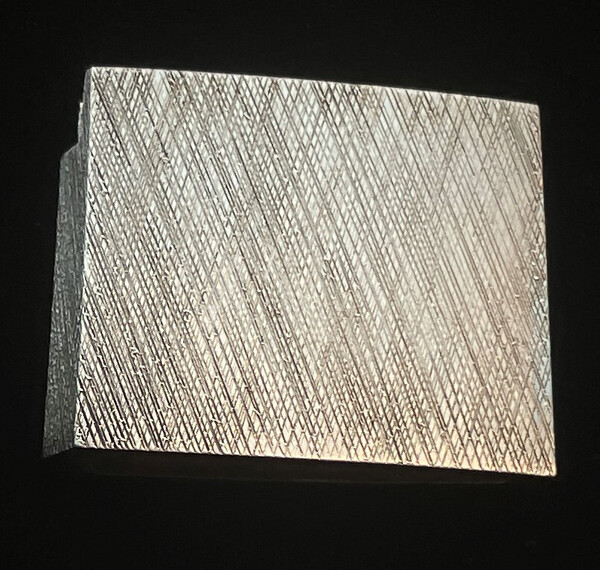

-
Mihara Masanobu Katana -Tokubetsu Hozon-
JakeNYC replied to JakeNYC's topic in Swords and Edged Weapons
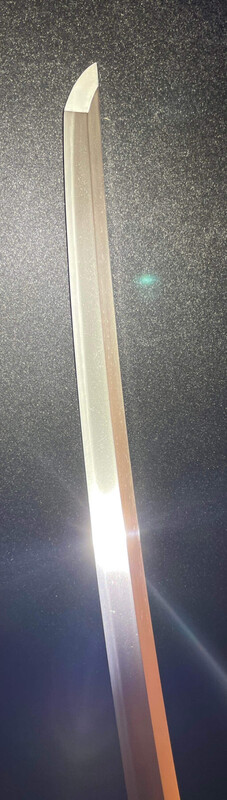
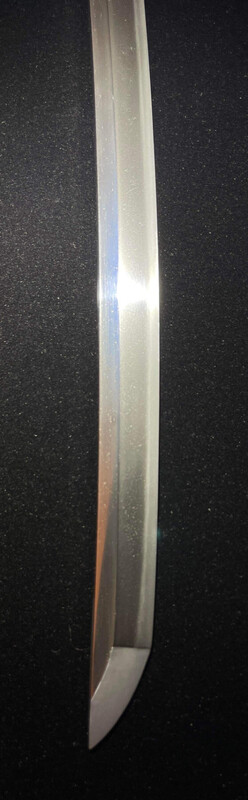
.thumb.JPG.6c3e140382091eed66e562b8ade8f69c.JPG)
-
San Francisco sword show
JakeNYC replied to Brian's topic in Sword Shows, Events, Community News and Legislation Issues
I'll be there too -
Mihara Masanobu Katana -Tokubetsu Hozon-
JakeNYC replied to JakeNYC's topic in Swords and Edged Weapons
bump -
Mihara Masanobu Katana -Tokubetsu Hozon-
JakeNYC replied to JakeNYC's topic in Swords and Edged Weapons
4200 -
Mihara Masanobu Katana -Tokubetsu Hozon-
JakeNYC replied to JakeNYC's topic in Swords and Edged Weapons
4300* -
2400*
-
2450 * Price Reduced *
-
Mihara Masanobu Katana -Tokubetsu Hozon-
JakeNYC replied to JakeNYC's topic in Swords and Edged Weapons
Price reduced * 4500USD * + shipping and PayPal fee or via bank transfer Can be shipped to EU and elsewhere -
Mihara Masanobu Katana -Tokubetsu Hozon-
JakeNYC replied to JakeNYC's topic in Swords and Edged Weapons
^ -
Mihara Masanobu Katana -Tokubetsu Hozon-
JakeNYC replied to JakeNYC's topic in Swords and Edged Weapons
bump -
Mihara Masanobu Katana -Tokubetsu Hozon-
JakeNYC replied to JakeNYC's topic in Swords and Edged Weapons
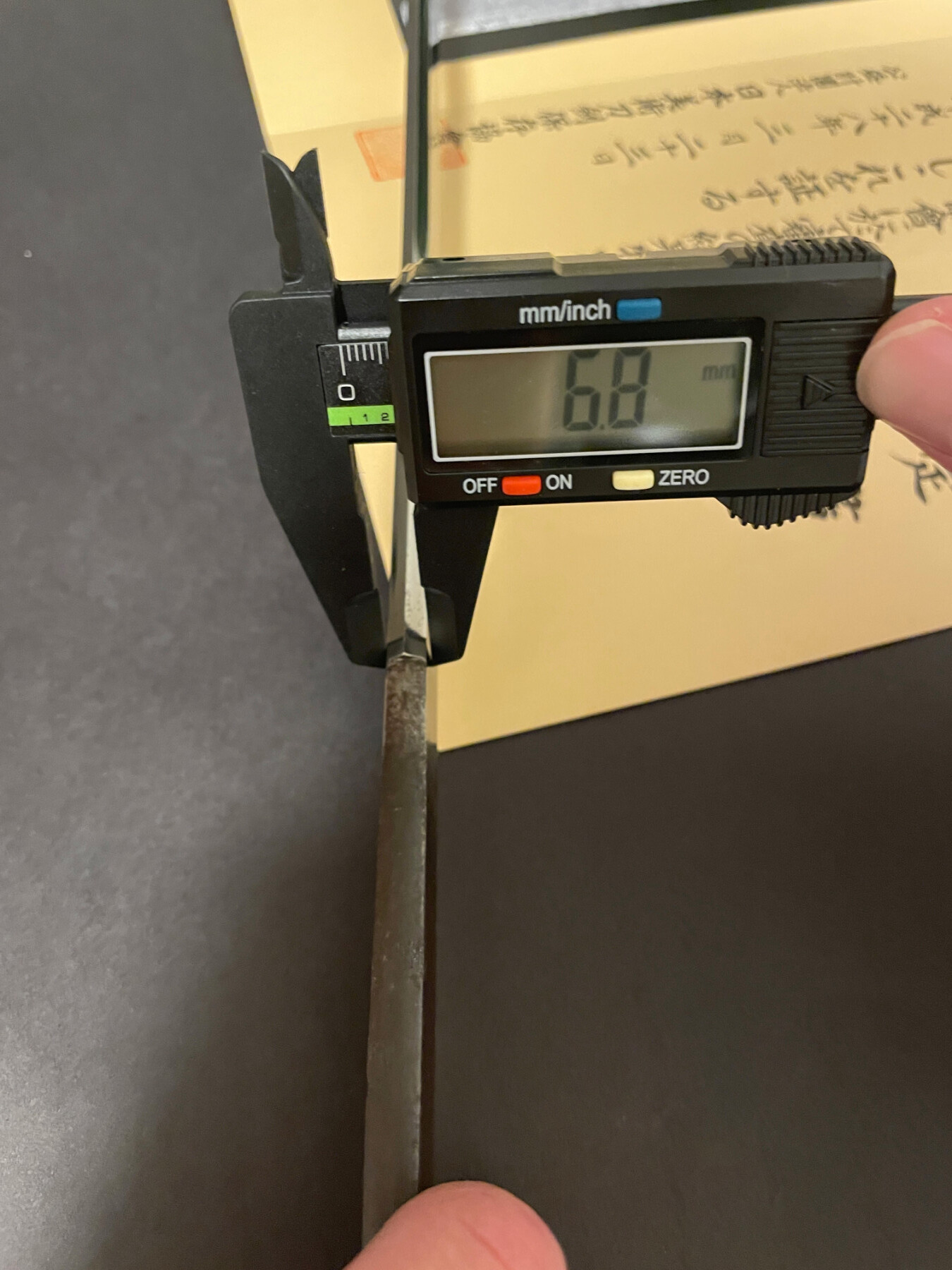
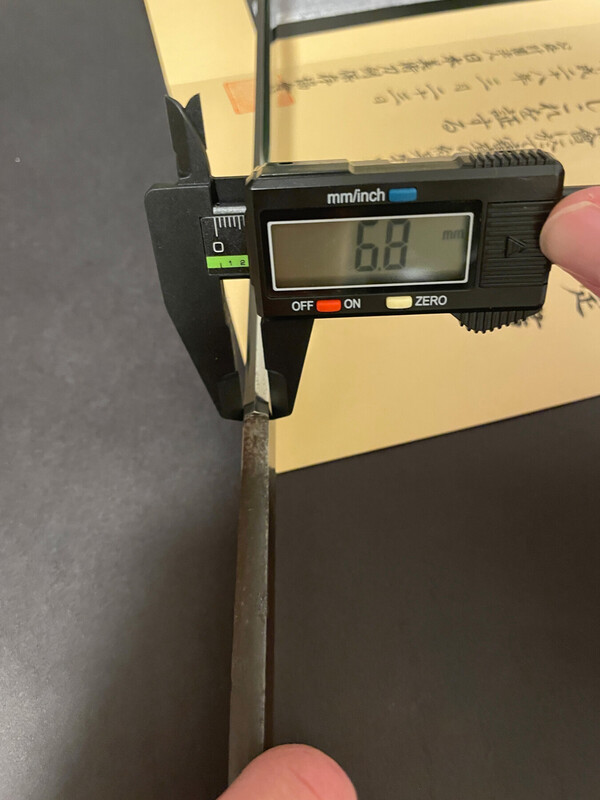
6.8MM Motogasane*** Correction -
Mihara Masanobu Katana -Tokubetsu Hozon-
JakeNYC replied to JakeNYC's topic in Swords and Edged Weapons








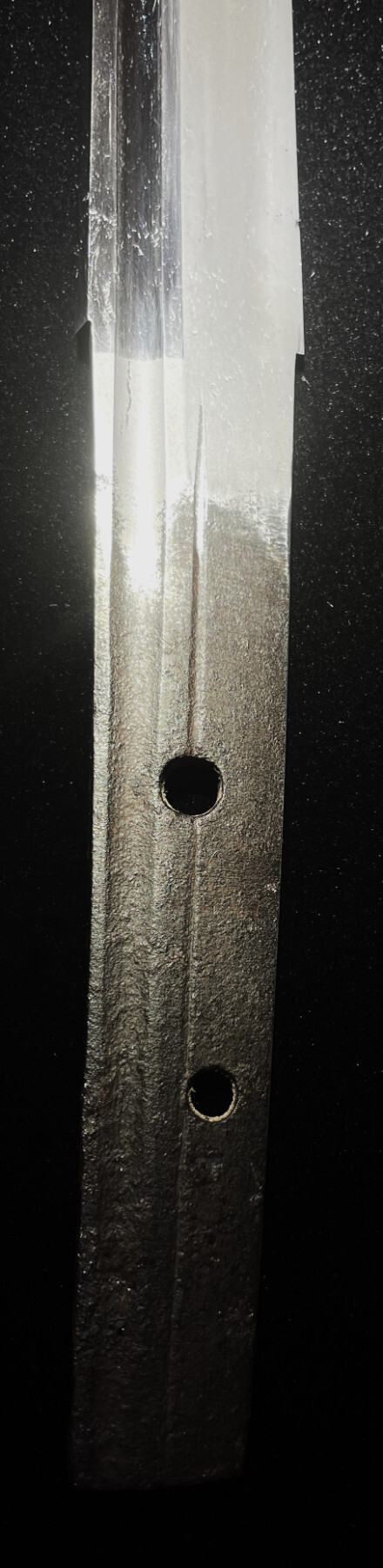




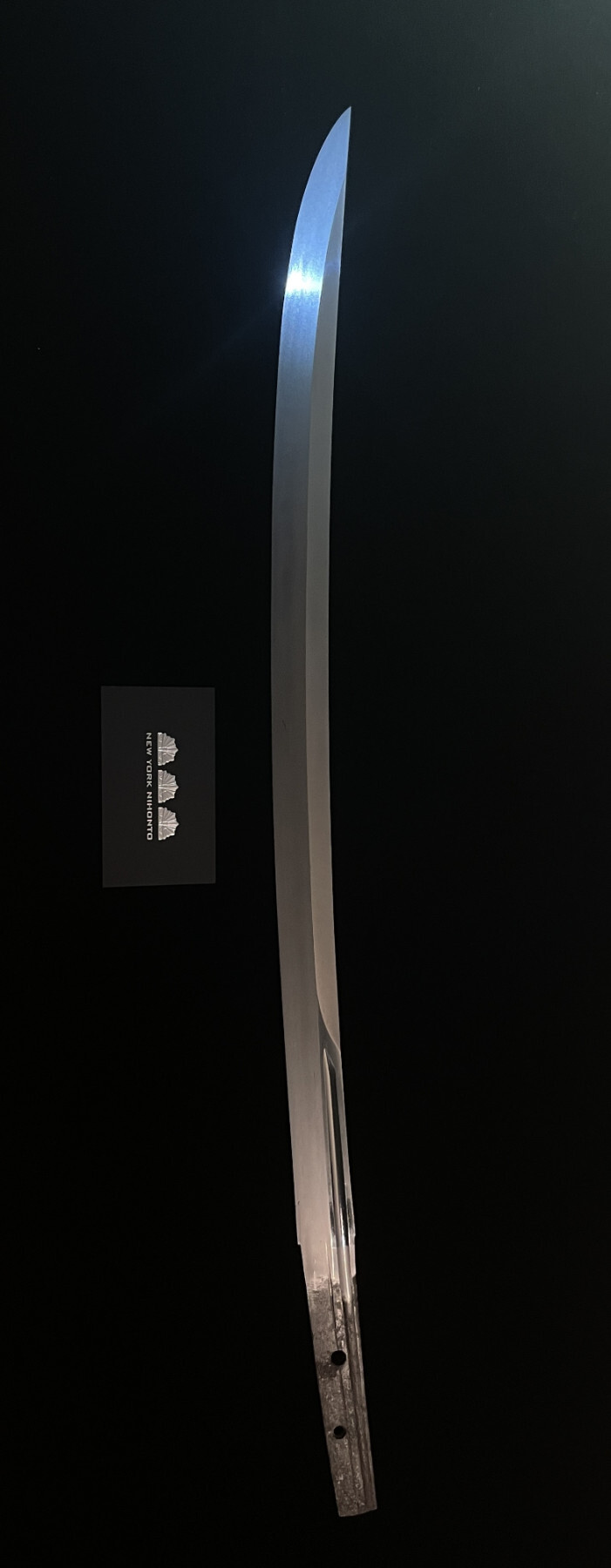


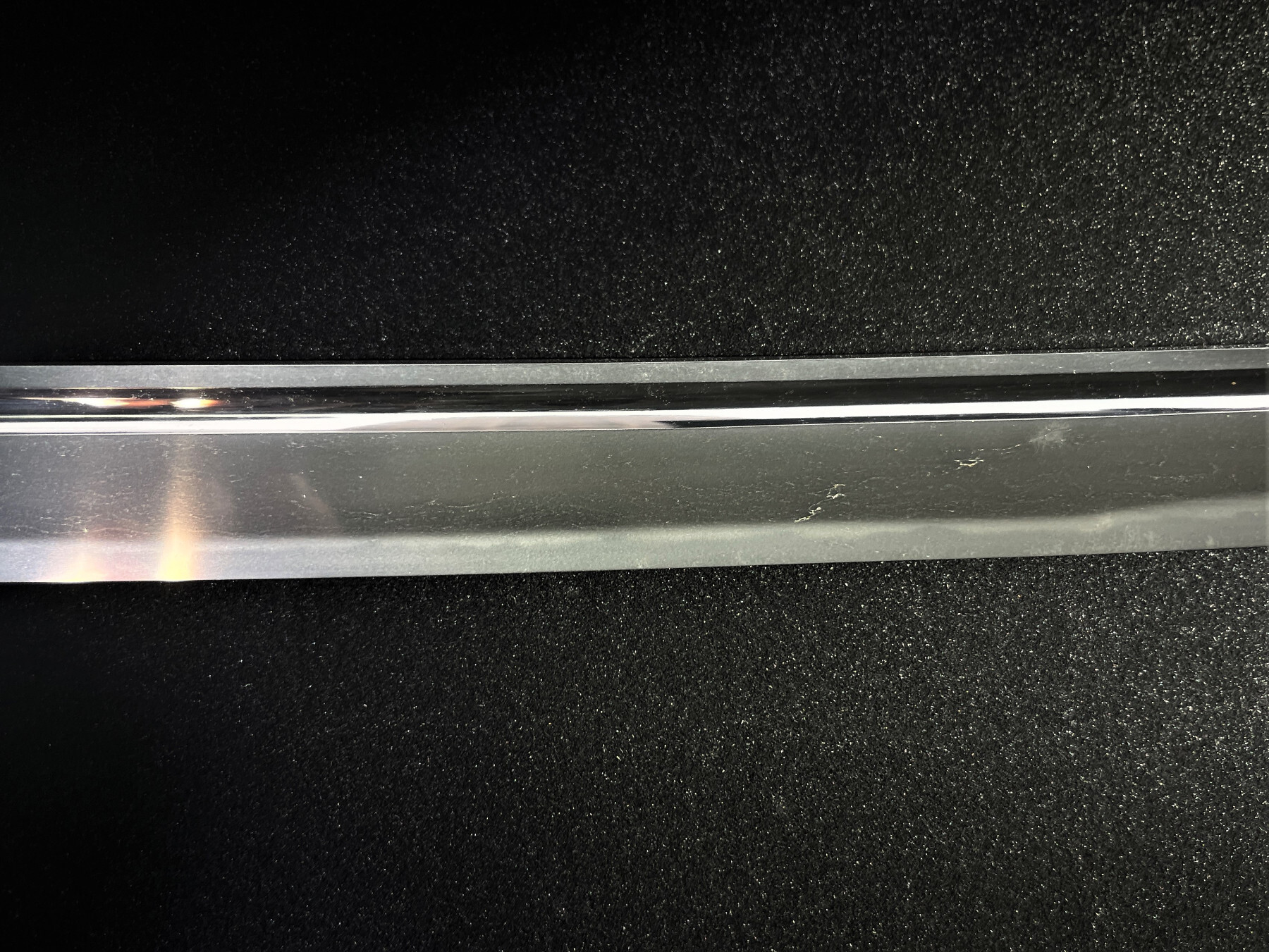
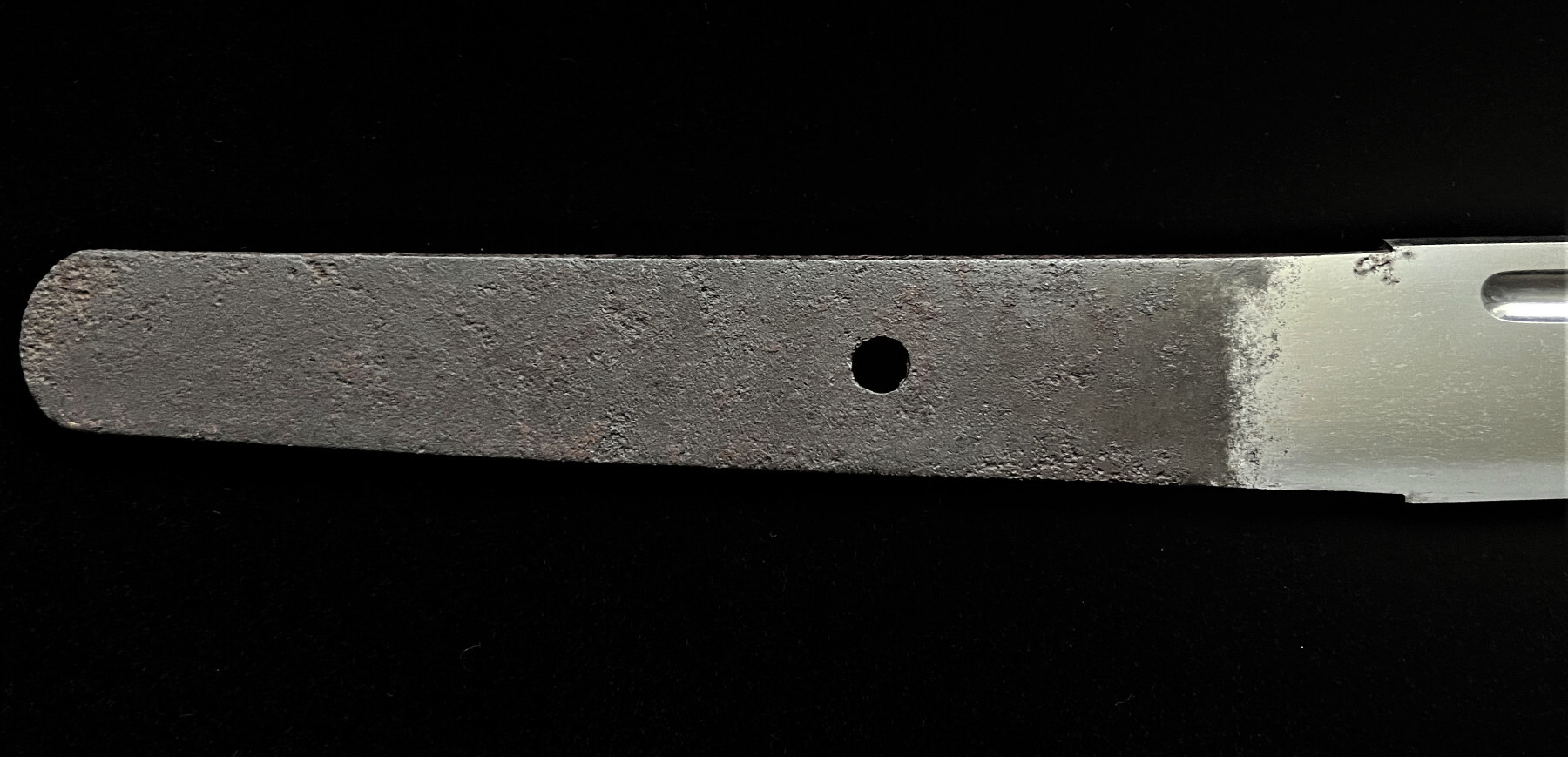






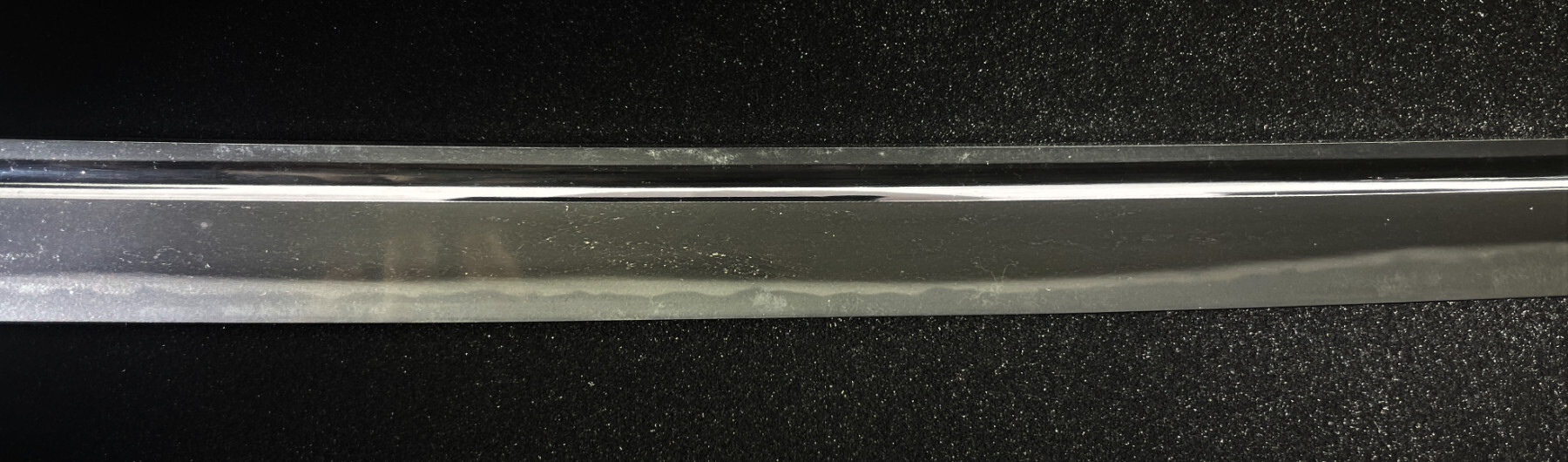
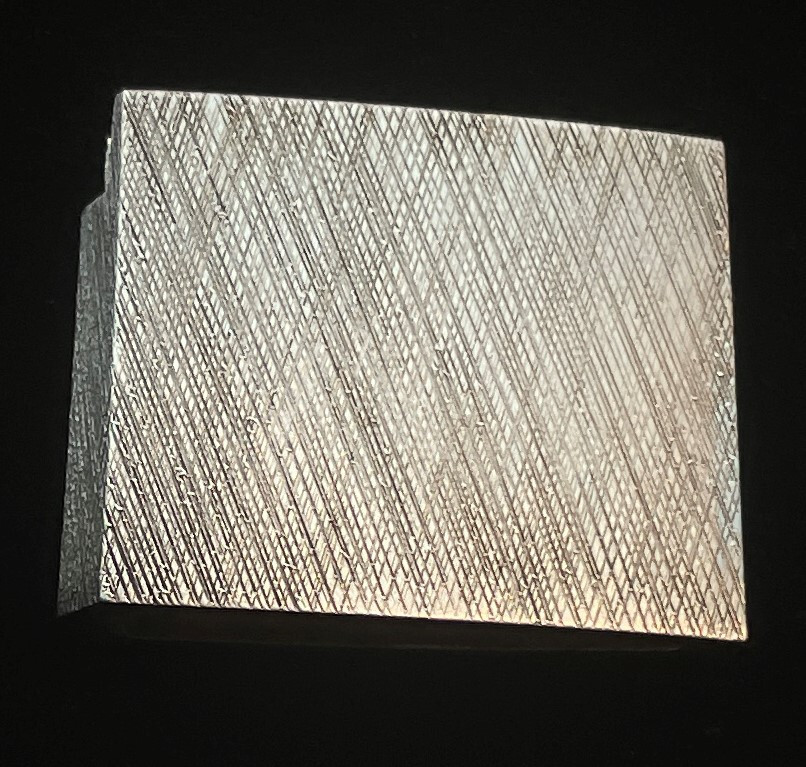

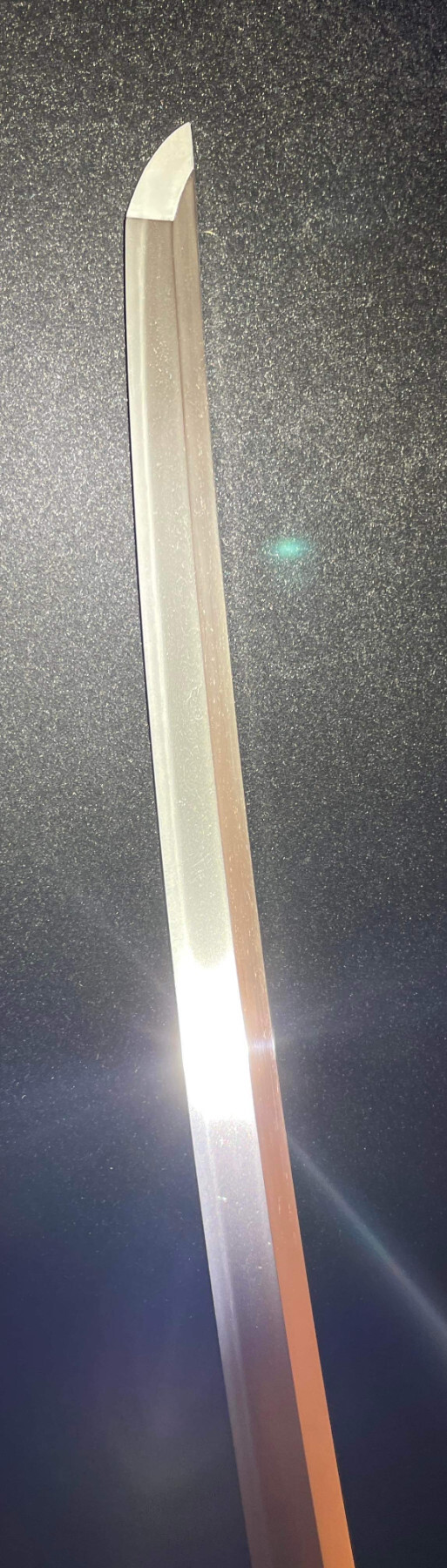

.JPG.570143bdc2d8ffb90ff440ccd2955e0d.JPG)