Kaigunto230
-
Posts
183 -
Joined
-
Last visited
-
Days Won
1
Content Type
Profiles
Forums
Events
Store
Downloads
Gallery
Everything posted by Kaigunto230
-

An Interesting (if Troubled) Zoheito
Kaigunto230 replied to Kaigunto230's topic in Military Swords of Japan
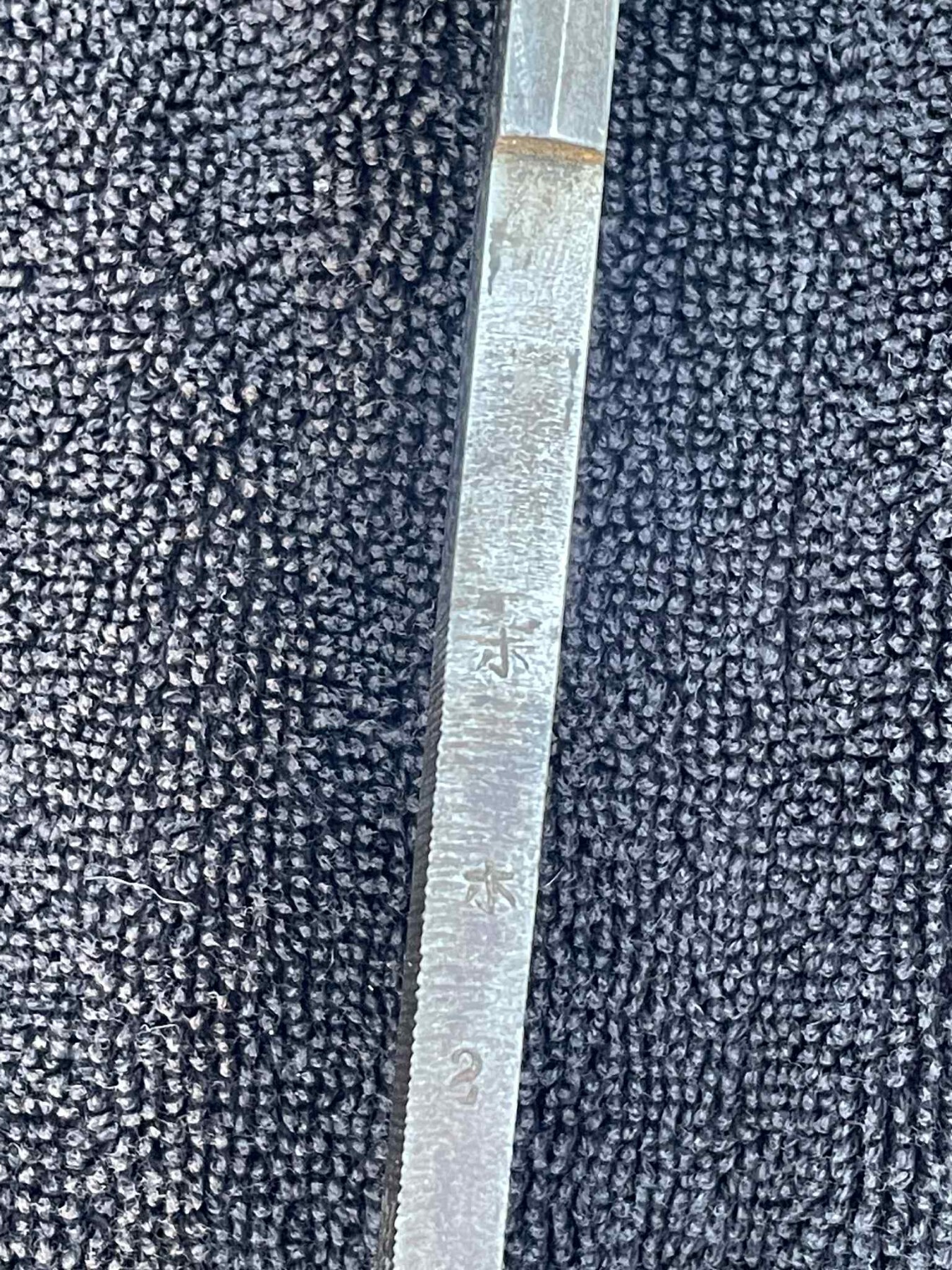
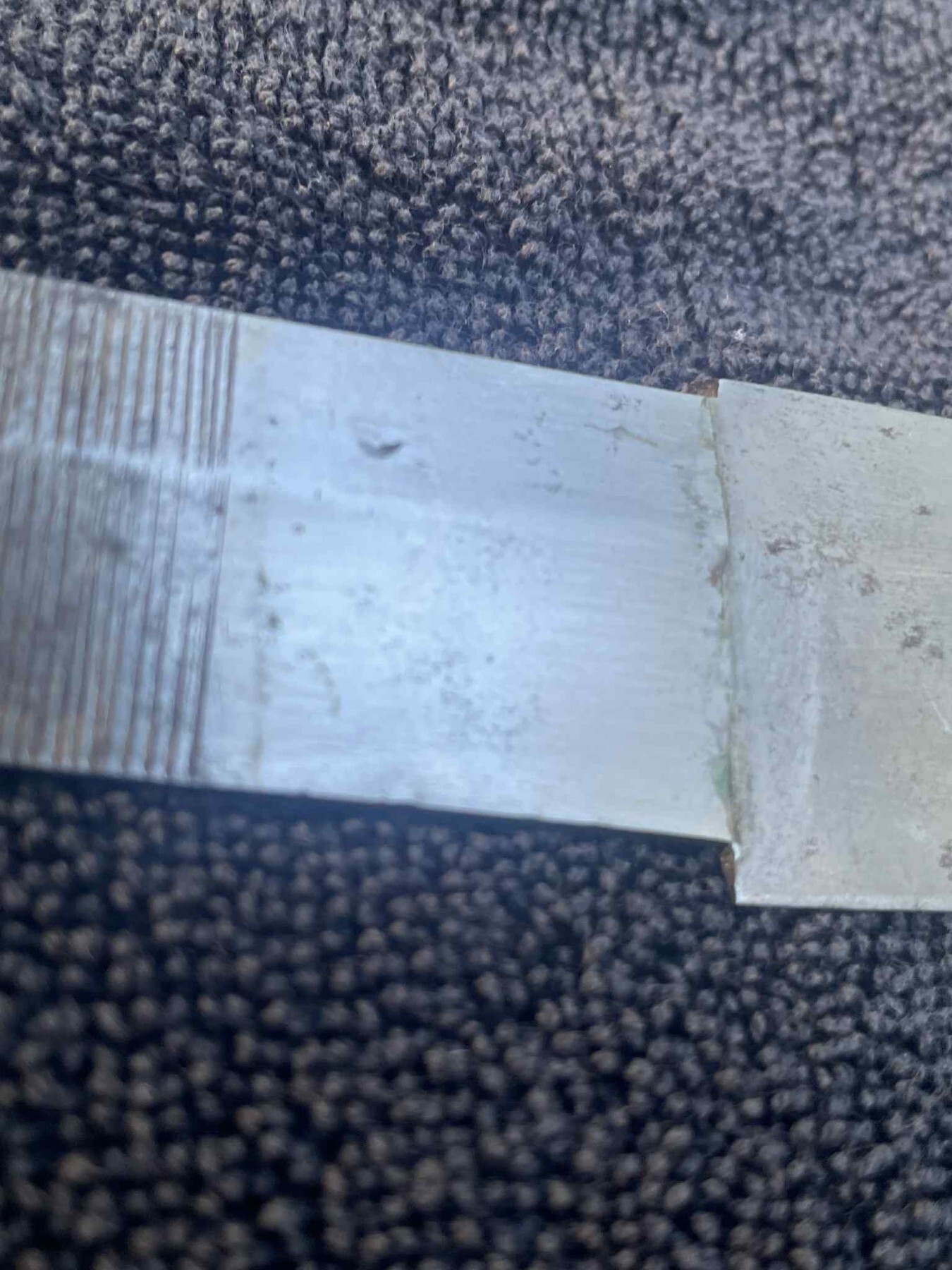
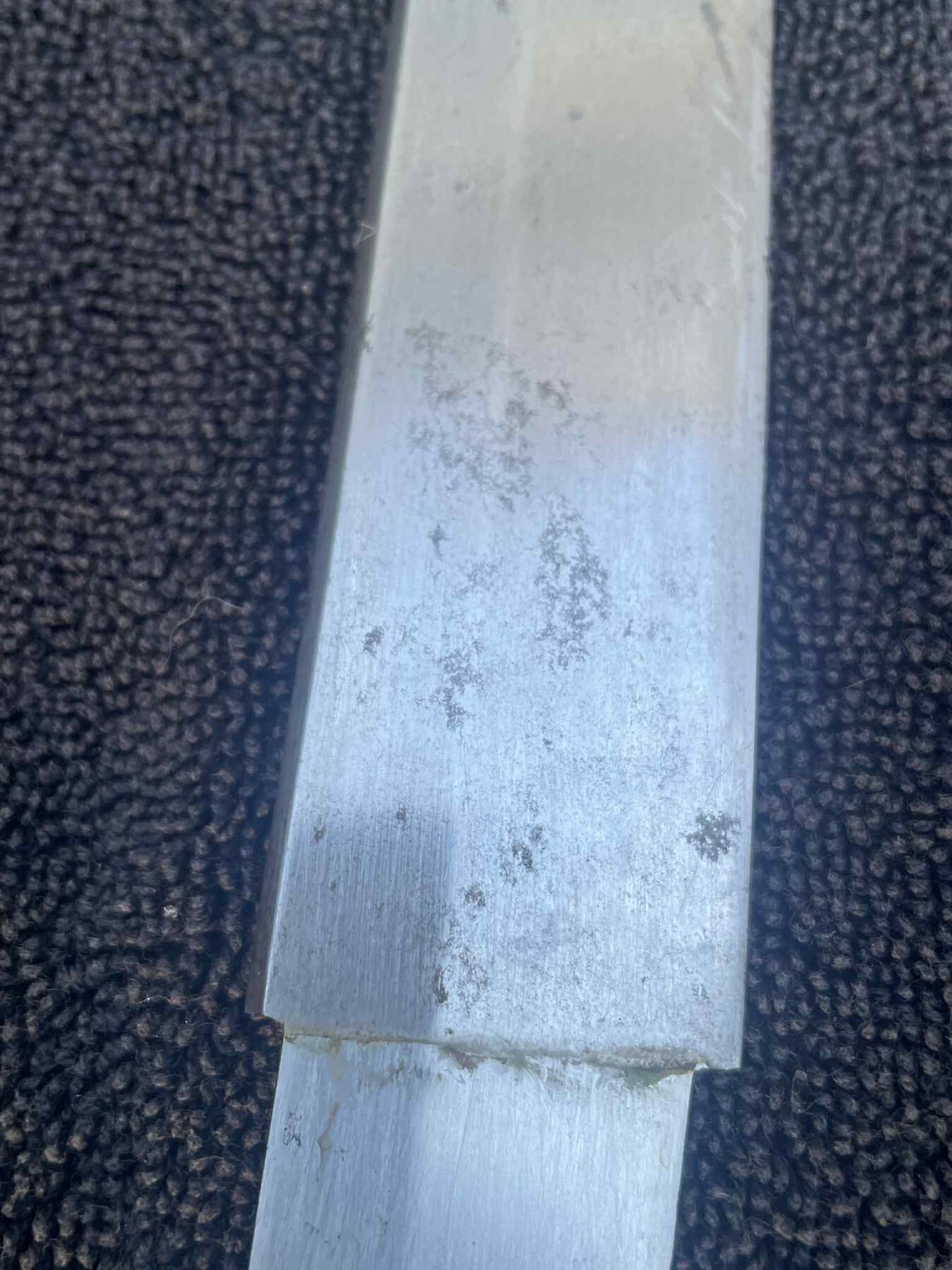
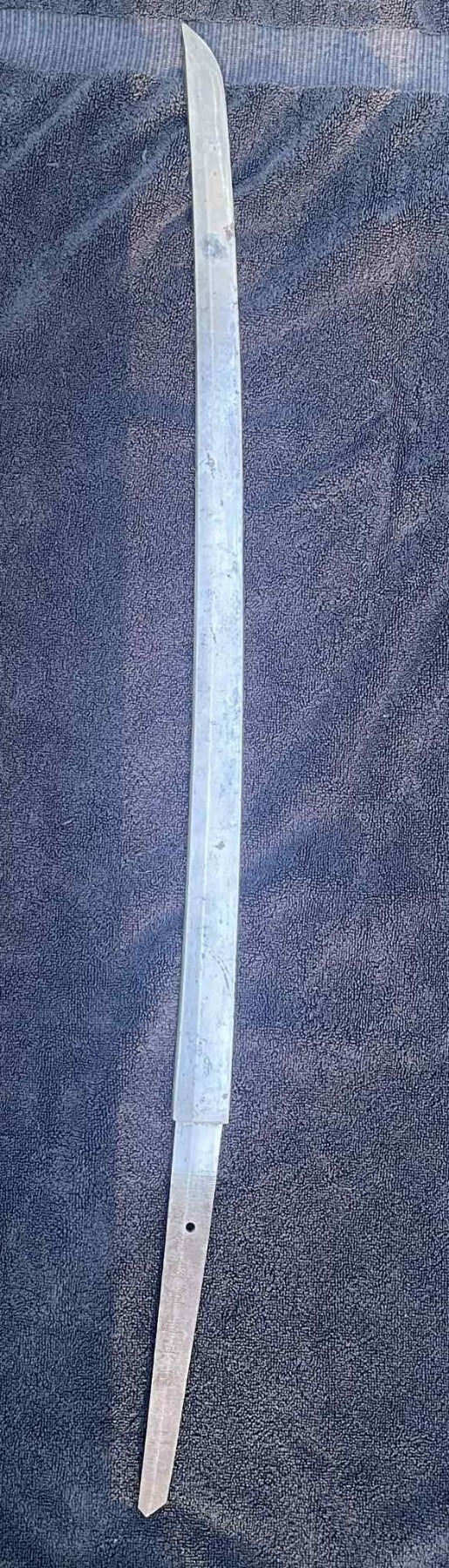
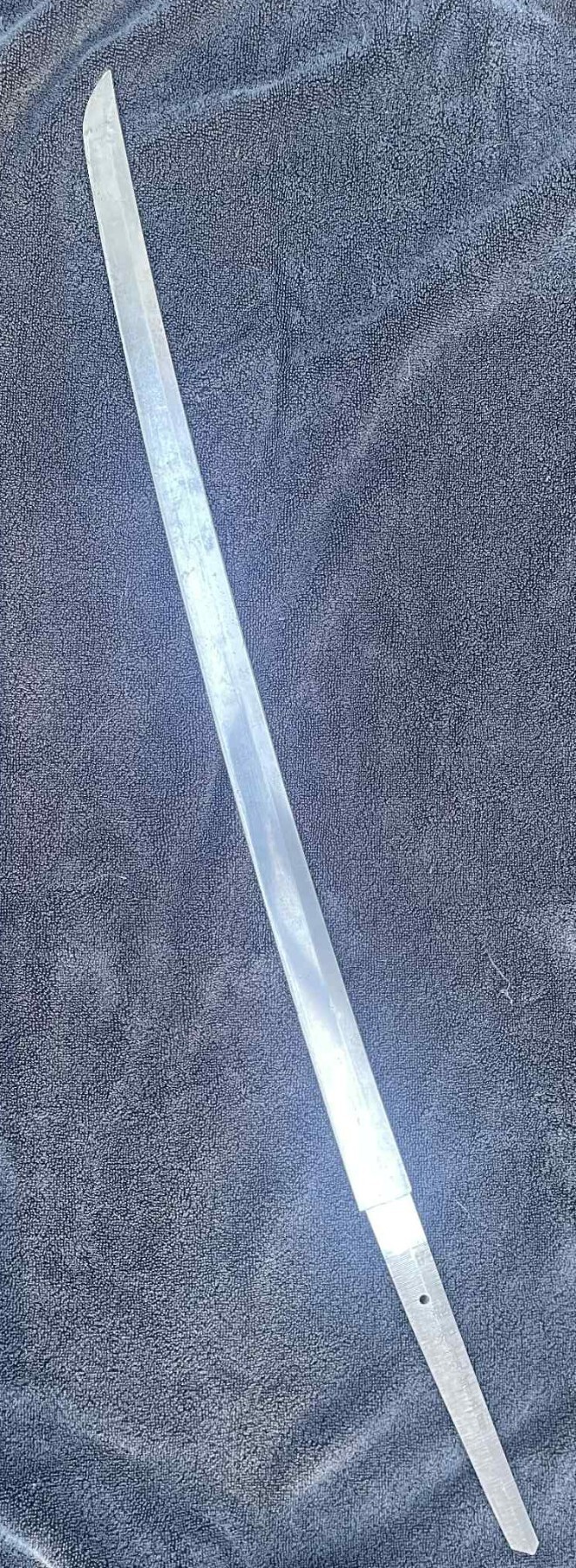
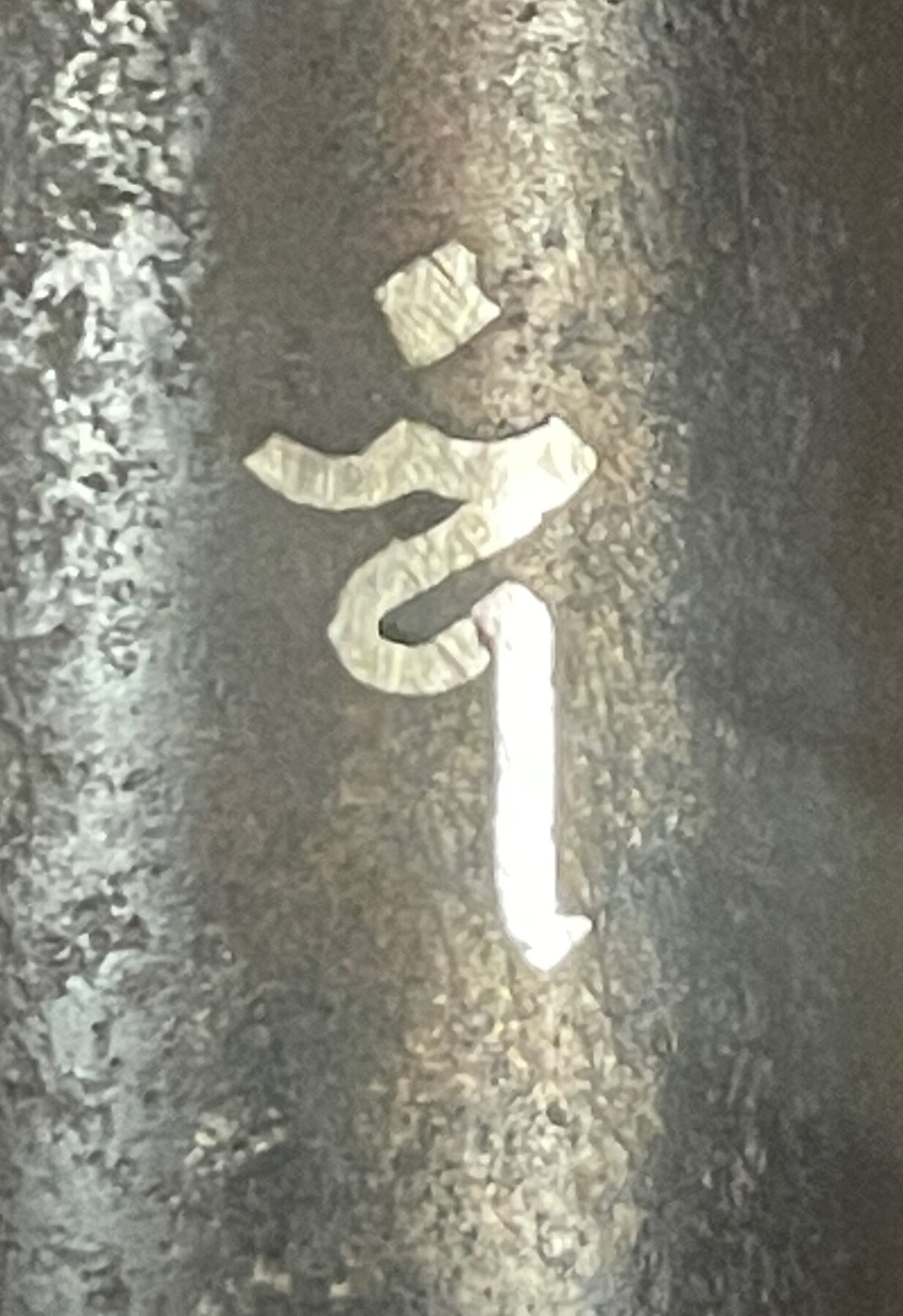
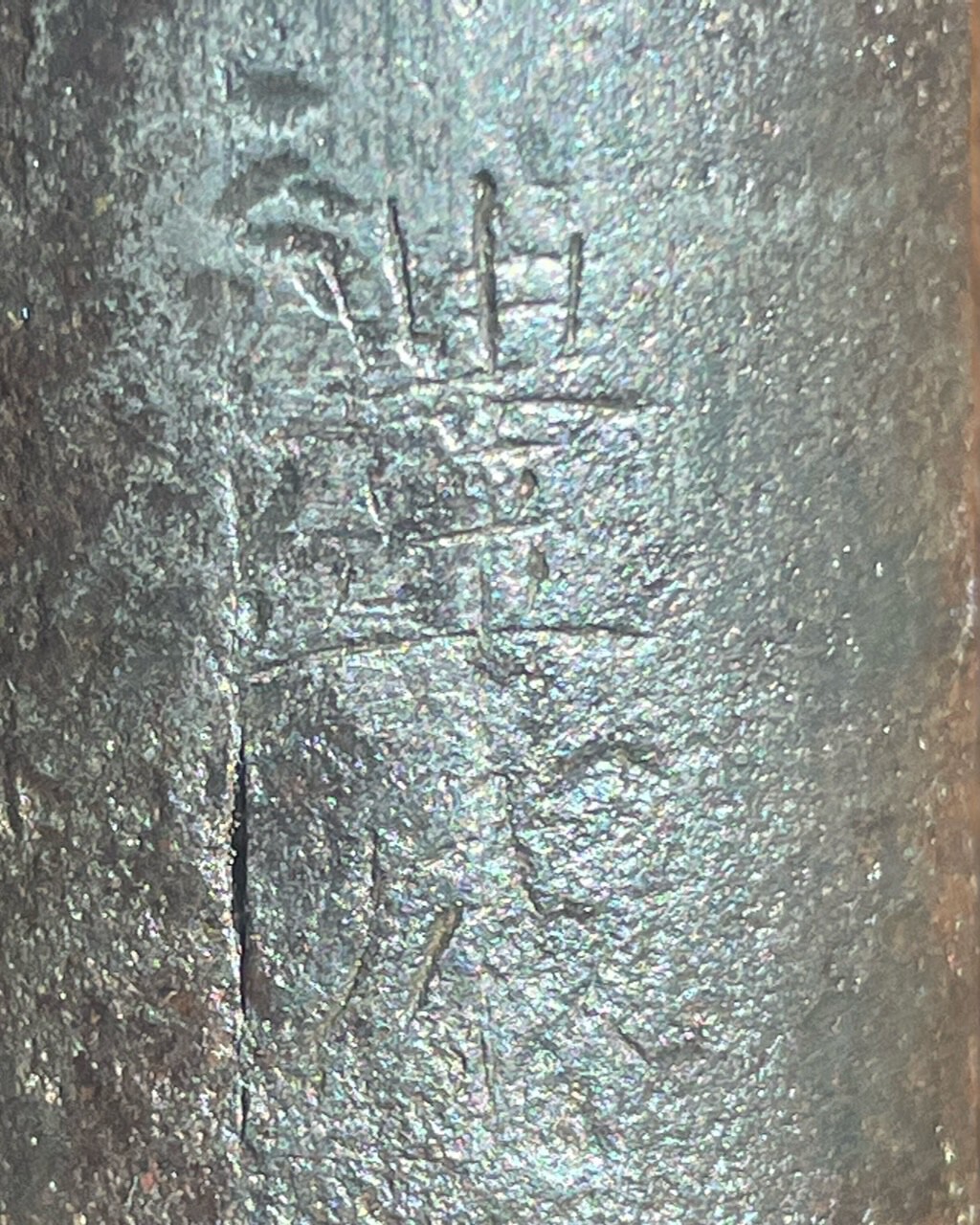
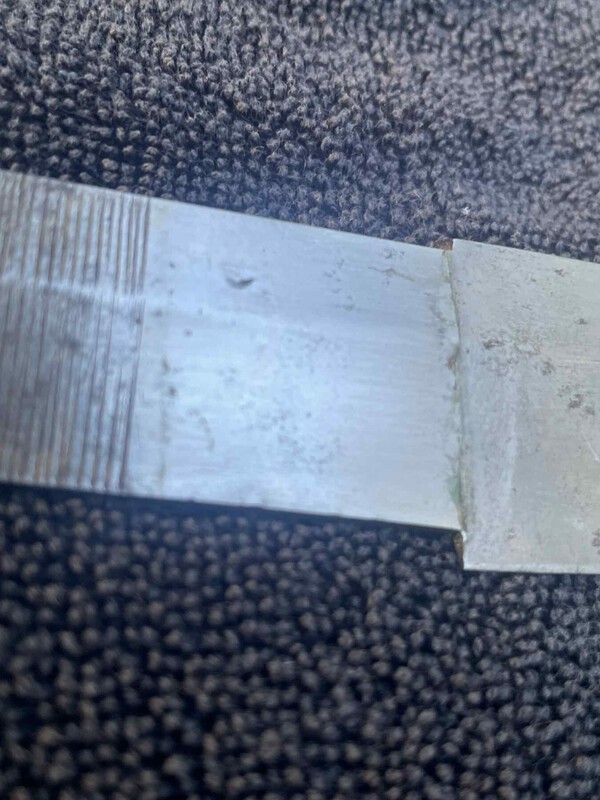
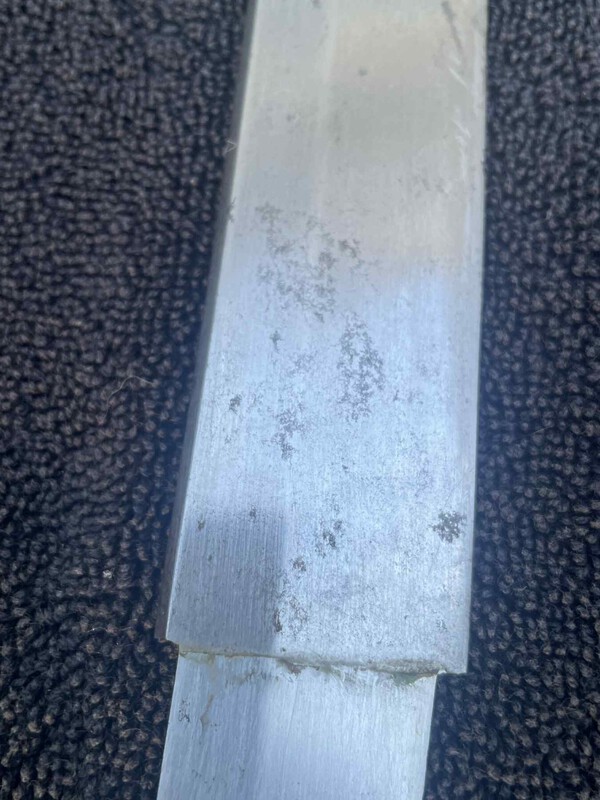
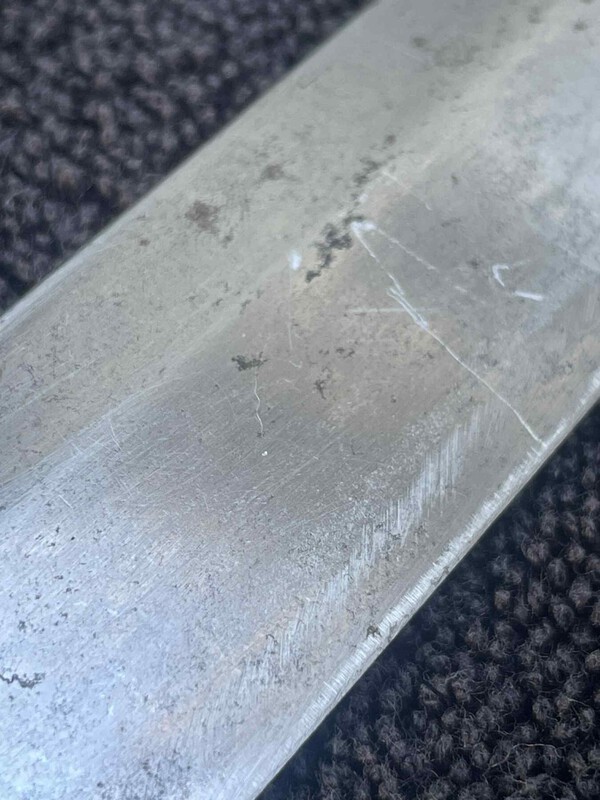
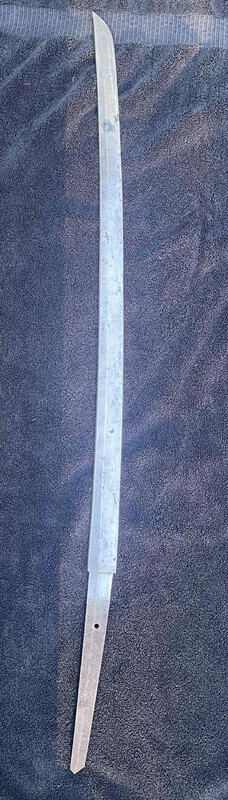
Here are the stamps near the mune-machi: Additional photos: What looks like faded painted assembly numbers: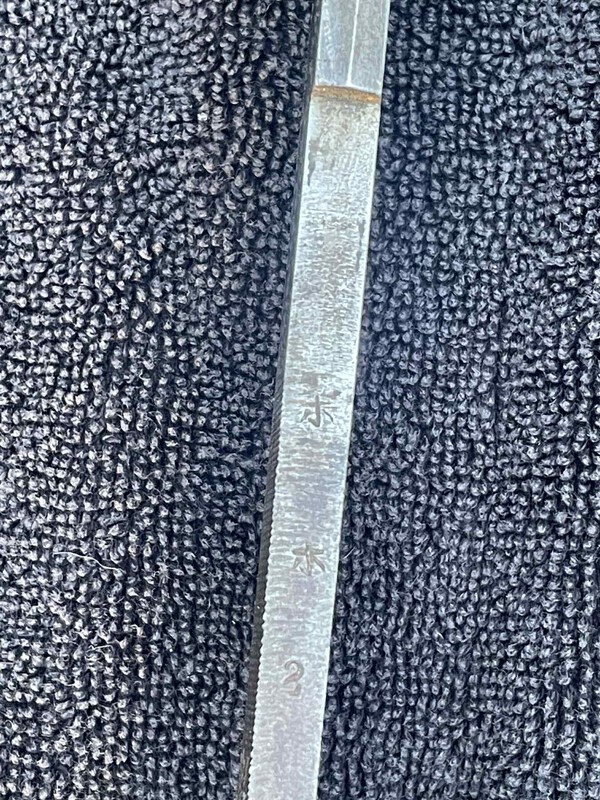

-
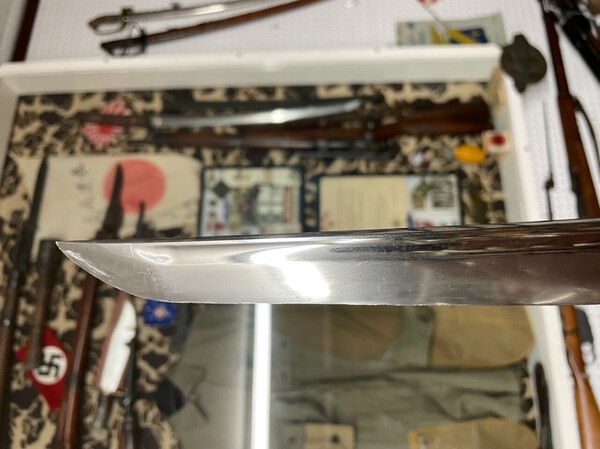
I recently purchased an interesting Zoheito produced at Kokura Arsenal in May 1944. I’ve been researching it and studying it for the last week. It has some drastic drawbacks, but I also had some good, specific reasons to purchase it. I wrote this post to compile some information from several other posts and as a tool to help me get back into the study of this hobby. I. Zoheito Generally If you hadn’t heard of a Zoheito (like I hadn’t), a quick summary I liked was that a Zoheito is the commissioned officer equivalent to the Type 95 NCO Gunto: machine-made and arsenal-produced. However, references to them seem scarcer than I would’ve guessed: · Dawson page 68 shows a Type 19 Zoheisho-produced sword. However, the book doesn’t use the term “Zoheito”. · Plimpton doesn’t mention them at all that I could find. · The shorter Fuller and Gregory book doesn’t mention them either. · Ohmura, however, has a nice page on them: http://ohmura-study.net/206.html · And finally, there’s a great section in them on Malcolm Cox’s wonderful book on WWII swords from Fukuoka, Kokura Arsenal, and Kyushu: https://www.militaria.co.za/nmb/files/file/118-showa-period-swordsmiths-of-fukuoka-prefecture-kyushu-and-the-kokura-arsenal/ II. This Particular Sword This sword has been posted about several times on NMB: · https://www.militaria.co.za/nmb/topic/10853-mei-translation/ · https://www.militaria.co.za/nmb/topic/52349-sword-id-and-value/ · And actually, it’s even featured on page 116 of Cox’s WWII Fukuoka smiths book!! What’s interesting about this particular sword is the production quality. It seems like the vast majority of Zoheito are mumei, undated and only have a small acceptance mark and occasionally the Kokura stacked cannonballs. By contrast, this one has a very strong mei that reads: · Kokura Rikugun Zōheishō / 小倉 陸軍 造兵廠 = Kokura Army Arsenal, and · Showa ju kyu nen go gatsu / 昭和十九年五月 = Showa 19 (1944) May. The sword also has three stamps near the mune-machi: · KO - Kokura Army Arsenal Supervisory Section · HO - 1st Factory of Kokura Army Arsenal · 3 Furthermore, it has incredibly strong kiri yasurime along the length of the nakago. Back in 2016, these features led Mr. Chris Bowen to theorize to the previous owner (in this thread: https://www.militaria.co.za/nmb/topic/10853-mei-translation/ ) that the sword was actually Gendaito and made by Moritaka: http://www.jp-sword.com/files/blade/moritaka/moritaka.htm . I’m reaching out to Chris to ask if he has any follow-on thoughts or more details. It seems like there’s only been three similar swords reported to the NMB like this with a smith-style mei saying it’s Kokura Arsenal-made but no smith mei: · My sword · One made in February 1945 with the same style mei but with an RJT star stamp but no smith signature: https://www.militaria.co.za/nmb/topic/13623-kokuri-rigun-z%C5%8Dheis%C5%8D/#comment-142780 · Another December 1944 Kokura-produced Zoheito with the same style mei but without an RJT star stamp: https://www.militaria.co.za/nmb/topic/16353-interesting-late-44-gunto/ There are some other swords that have kanji indicating the sword was made at Kokura Arsenal but these are star stamped and signed by a smith: · Kasuga Seizōsho Fumitada, May 1945: https://www.militaria.co.za/nmb/topic/25118-gendaito-translation/ · Yoshinori made, May 1945: https://www.militaria.co.za/nmb/topic/4859-gunto-mei-help-please/ So my sword is interesting to me in that it seems like it has qualities of both Gendaito and Showato. After getting it in hand, I was hoping for a faint star stamp, but unfortunately none was present. As to the obvious flaws: the seller mentioned he inherited the sword from his father and he was unsure if it was his father who caused the damage to the sword with sandpaper or a prior owner. The father bought the sword in a 1970s flea market. But the damage is done, and the blade itself is very poor. However, the nakago and mei remain gorgeous and interesting in their own right. Why did I buy it? I’ve been majorly into Japanese firearms for the last four years and have amassed what I think is a nice collection of those (I’m the same username over on Gunboards if you’re interested). But Nihonto and Gunto are still very much things I enjoy, and I’m glad to have amassed a decent starter library to study and enjoy the swords I do own and think about future purchases. So when I saw a listing for the sword on a local firearms forum without photos, only about two hours drive from me, I was intrigued. I came to NMB to see if I could learn more based on the description and discovered it had been posted to the Trader section here for sale too, with photos. By the time I negotiated the price down, it was $300, and it came with some Type 95 fittings worth at least $100. Then my wife said she’d like to contribute $100 as an early Father’s Day present! Despite the poor polish, there were many qualities that sold it for me. First, I lived in Japan for a time and some of my happiest memories come from several months spent on Kyushu. As a result, in both swords and firearms, I very much enjoy Kokura-produced specimens. I intend to make my Nihonto collection into one focused on Kyushu-produced examples. My first Nihonto was a Bungoto: https://www.militaria.co.za/nmb/topic/36574-my-first-kantei-post-12-fujiwara-yukinaga-katana/ . The sugata and sori on this sword were pleasant to me, and I was intrigued by the mei and strong yasurime. So for being made at my favorite arsenal, the unique signature, a book-published sword, and for a net-$100 ($300 sword - $100 wife’s contribution - $100 Type 95 fittings), I couldn’t resist. III. Kantei Don’t laugh, please. I recognize this is a somewhat silly exercise to do on a beat up Showato, but I wanted to re-familiarize myself with the following terms and go through the exercise. I was only ever a novice to begin with, and it’s been four years since I’ve bought anything Nihonto-related. The knowledge here (on the specific meaning of the terms in particular) is definitely a perishable skill. I used the NMB Kantei sheet located here: http://www.militaria.co.za/articles/Kantei_Sheet.pdf . The measurements are in inches. Brief Overall Description: Zoheito made at Kokura Arsenal in May 1944. Shirasaya length: N/A. Overall length: 34 3/8. Nagasa lengh: 25 6/8. Nakago length: 8 5/8. Kasane: 1/4. Mekugiana: 1. Mihaba: 1 1/2. Motohaba:1 1/4. Sakihaba: 13/16. Motokasane: 1/4. Weight: 2 lbs 0 oz. Sugata shape: Shobu-zukuri – See my questions below. There is no yokote visible, and I wonder if that’s intentional or due to the rough handling this sword has had. Hada: Very difficult to determine with the scratches. Perhaps muhi-hada or maybe masame-hada. Sori: 7/16; Type: Torii-zori. Kissaki: Chu-kissaki. Mune: Iori-mune. Hamon: None visible. Yakiba: None visible. Boshi: None visible. Nakago: Ubu; Nakagojiri: Kengyo but close to Iriyama-gata. Yasurime: Kiri (and incredibly strong too). Bohi: None. (I’m still trying to get “No-Hi” as a term to catch on ) Koshirae: None. Polish: Very poor. The blade has been the victim of some sanding along the edges and has scratches throughout. Period: Gendaito. School: N/A. Origami: None. IV. Questions. 1. Showato or a Gendaito? - My gut says Showato due to the lack of an RJT star-stamp. However, since other examples exist that lack a smith’s signature but do have a star-stamp, maybe this one just missed getting its star. I’d love that to be the case, but I worry that’s just wishful thinking. I’d love your take on it. The polish is bad enough that it’s probably impossible to tell in its current state. I can’t even really make out the jihada. What do you think? 2. No yokote? - Interesting to me to see that there’s no visible yokote. Does the shape of the sword look like that’s intentional? That’s my take. Or could it have been sanded/ground off? 3. Buying koshirae and habaki? – I’m wondering if trying to find a koshirae (or at least a tsuba and tsuka) is a fool’s errand. What’s your best recommendation for trying to match up fittings? I don’t want to sink too much more money into it, but it would be nice to at least have a proper tsuka on here for handling/display. If you stuck around this long, thanks for reading! If nothing else, this sword was a great way to get me hooked back into the hobby at a cheap price and start reading and engaging here again. I’d love any thoughts you have about the sword, process, or write-up. PS - More photos to follow shortly as I jigger with the size limits.


-
Questionable Gunto up for Auction
Kaigunto230 replied to Kaigunto230's topic in Auctions and Online Sales or Sellers
I agree. I wonder if it’s a weird mixmaster. Price is wild to me, but that’s the internet. -
Questionable Gunto up for Auction
Kaigunto230 posted a topic in Auctions and Online Sales or Sellers
First, Brian, if this is more appropriate for Military Swords of Japan, I'm sorry and could you please move it? This is a fairly well-known smaller auction house that's local to me and has a shingunto for sale. I don't intend to bid, but I'm trying (as always) to improve my ability to spot fakes. The auction is this weekend, and it's already at a hammer price ($1175) that seems a lot to me, let alone the additional 25% in premium fees and taxes. Here's the auction: https://www.proxibid.com/Imperial-Japanese-World-War-II-Naval-Shin-Gunto-Sword-With-Junior-Officers-Knot-CWA/lotInformation/92490068. Some things I noticed: Saya: I don't like the color/texture of the leather saya covering. It seems much too grey compared to the standard brown or black leather. Nakago: I dislike that there's no patina on the nakago. The mei is also allegedly Takeda Shingen? ....Makes me feel a little suspicious to say the least. Tsuba: The civilian tsuba has what looks like black paint chipping? That could just be iron/rust with the photo quality. But regardless, a weird inclusion with the rest of the piece. Blade: The blade itself (from the one bad picture) seems off. No yokote for one, and the whole things just looks flat. Tsuka/sword-knot: Here's where I'm pausing. Up to the this point, my warning bells have gone towards a fake. But these two things look decent. I look at Dawson and Plimpton for a while and couldn't spot obvious features that called these out as fakes. Perhaps these are actually real and added on? What do you think? Maybe I've totally missed it and someone is getting a (currently) $1500+ deal. I don't like it overall, but I'd love your thoughts. -
ARMY MOUNT 25 1/2" Kokura Army Arsenal Stamp ?
Kaigunto230 replied to Dogditcher's topic in Military Swords of Japan
Gorgeous! I picked up the somewhat bad condition Zoheito from the trader section a few days and am writing up a post about it, so it’s fun to see a reaaally nice one. Have you downloaded Cox’s book on Kokura swords? He’s got a nice section on Zoheito. It mentions that the early ones shouldn’t have a hamon. Maybe it’s the light, but it looks like yours has a suguha hamon. Is that true, or are my eyes missing it? -
My kai-gunto: some photos & questions.
Kaigunto230 replied to Nazar's topic in Military Swords of Japan
I really appreciate all the nice photos in this thread. Thanks for sharing your pickup! Some really interesting features for the price. Congratulations. -
Mei on Japanese Copy of 1869 Enfield Carbine
Kaigunto230 replied to Kaigunto230's topic in Translation Assistance
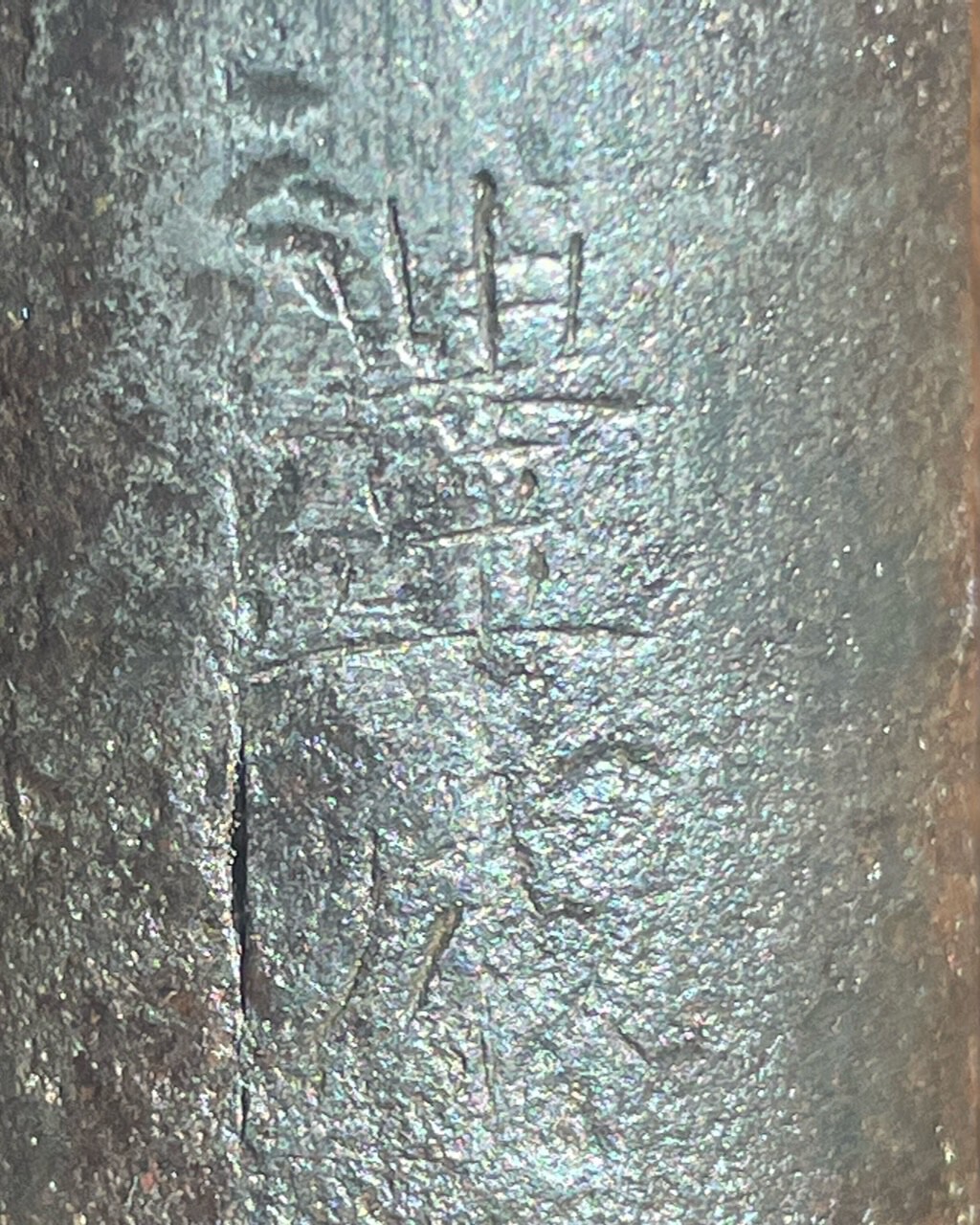
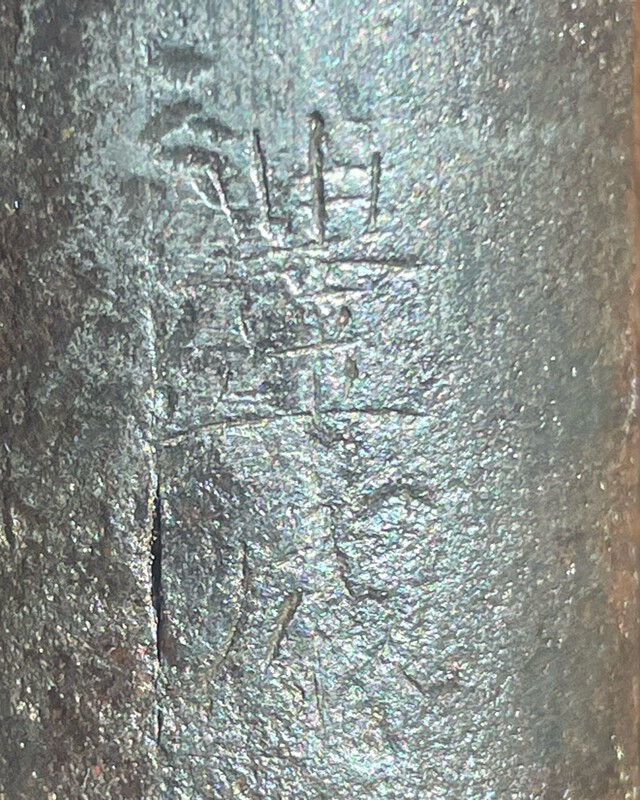
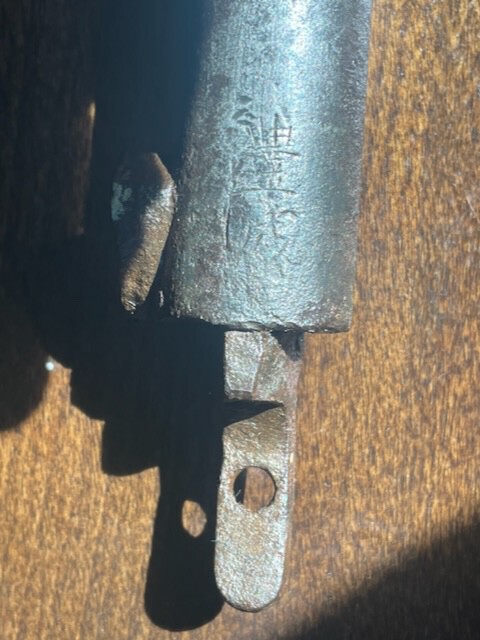
Thank you all very much. Glad there’s consensus on 豊, and I’m liking two independent votes for 豊成 - Toyonari. Wish the dang thing was clearer. -
Mei on Japanese Copy of 1869 Enfield Carbine
Kaigunto230 replied to Kaigunto230's topic in Translation Assistance
It’s pretty tough isn’t it? When I bought it, I had no idea there as a mei, so it was an unexpected surprise. Beggars can’t be choosers, but I wish it was more legible. Oops, thank you! Meant to flip that. It’s fixed. -
Mei on Japanese Copy of 1869 Enfield Carbine
Kaigunto230 replied to Kaigunto230's topic in Translation Assistance
Additionally, the gun has a silver inlaid Sanskirt Bonji. Mr. Shigeo Sugawa kindly took a look at said it would be translated as “safety and wellness,” but does anyone have any additional thoughts?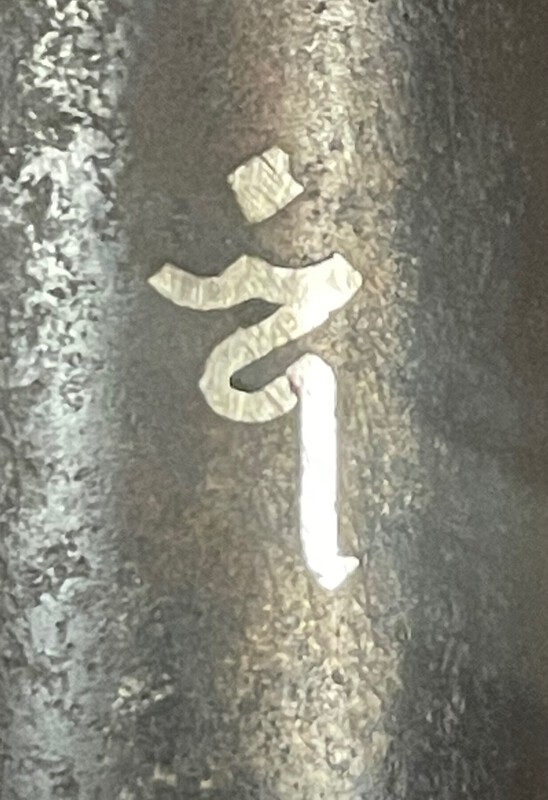
-
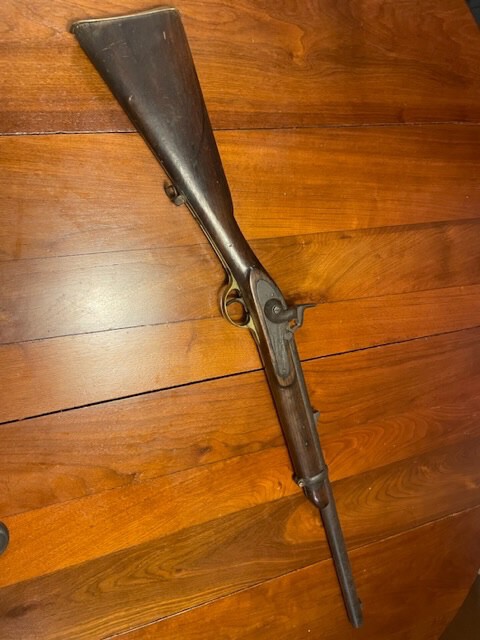
Could I please get some assistance with translating a mei that I’ve found on the underside of the barrel of a Japanese “Gewehr” copy of the British 1869 Snider-Enfield carbine? I’m working on an article for Banzai, the collector newsletter. If the gun looks familiar, it has been shared on the forum here before, and I’m grateful for the chance to have added it to my collection.

-
Colonial Parade Sword? Toy? Bad Fake?
Kaigunto230 replied to Kaigunto230's topic in Military Swords of Japan
Thank you for digging that up. The fit and finish on that one look worlds different/better than this one. I’m pretty convinced this was a bad fake, but it’s very interesting to see they faked something relatively uncommon. -
Colonial Parade Sword? Toy? Bad Fake?
Kaigunto230 replied to Kaigunto230's topic in Military Swords of Japan
Feeling it in hand, I tend to agree with you. If nothing else, it was shockingly worse quality than typical type 19s, which as you all know aren’t exactly the pinnacle of Japanese craftsmanship 😂 It was certainly interesting to see, but I need to actually add a Type 19 first, so I don’t think I’ll be buying this one. I was just surprised to find it and have it be so different from the Type 19 expected at first glance. -
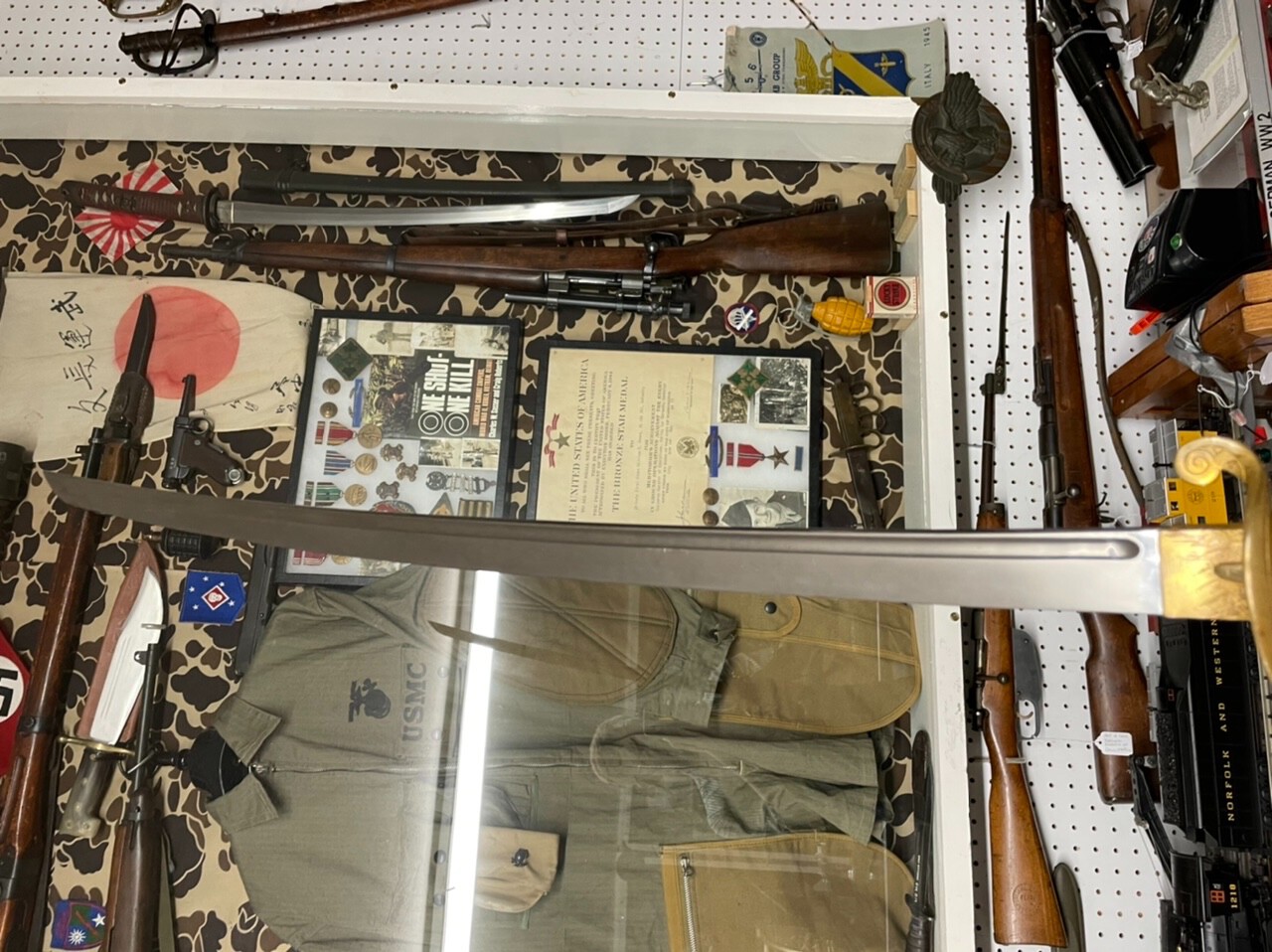
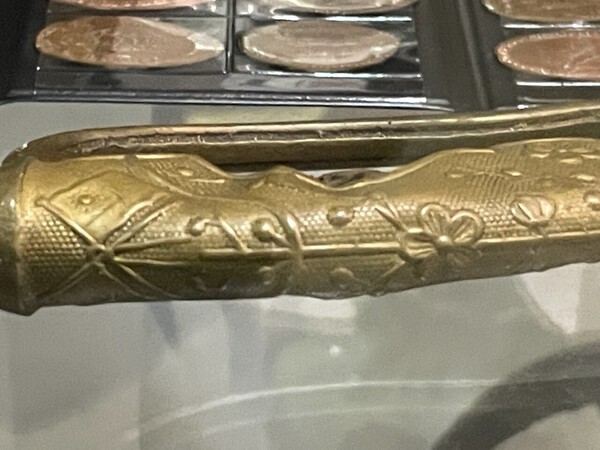
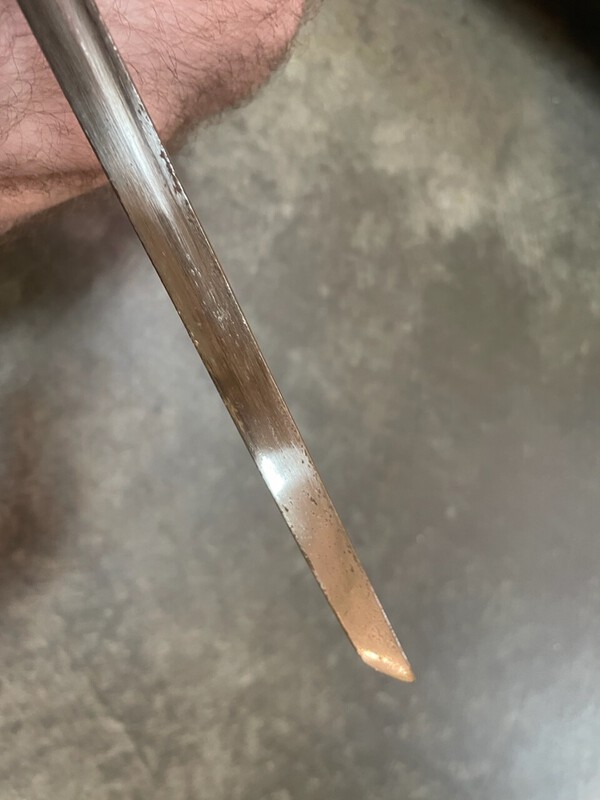
I went to an antique mall hoping to find some Nihonto/Gunto and sure enough ran into this. However, I’m not sure what I found. It was one of those establishments that hovers over you while you look and gives a stink eye at photos so I apologize for the poor image quality. I knew I wouldn’t be buying today and didn’t want to overstay my welcome. The construction was crude and felt like a toy. The blade felt misshapen, sori and kissaki especially, as compared to normal Type 19s. The grips looked like snake skin. I noted especially the double hanger and the crossed flags on the hilt, which look like Taiwan or Republic of China. When I got home, I didn’t find anything useful in Dawson. What’re your thoughts - fake, toy, a different colonial sword?





-
Newest Samurai/Military Sword Purchase
Kaigunto230 replied to Myles's topic in Military Swords of Japan
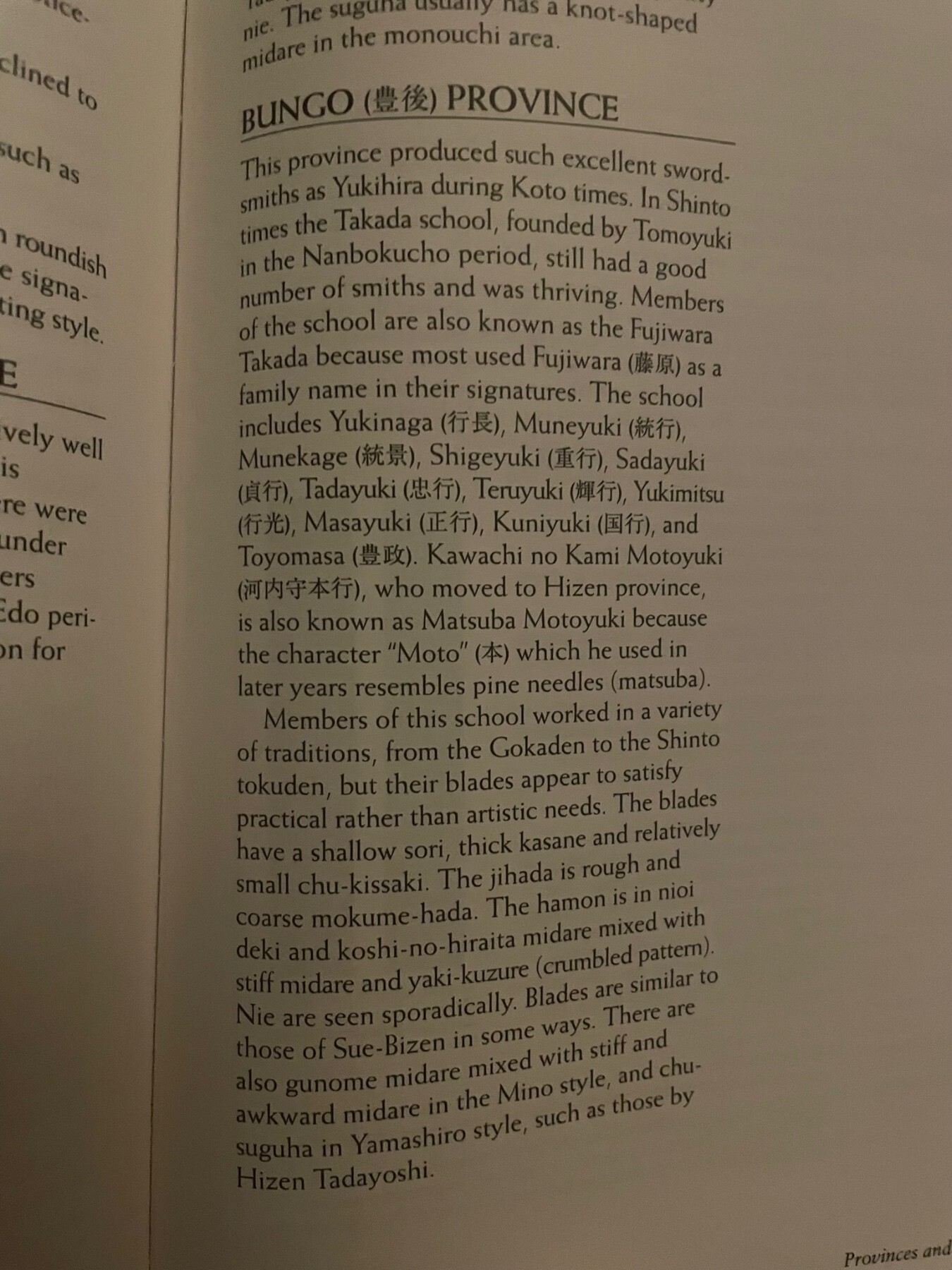
Here’s a quick reference from Koran Nagayama’s excellent “The Connoisseur’s Book of Japanese Swords” on the Bungo region. Hope it helps!
-
Newest Samurai/Military Sword Purchase
Kaigunto230 replied to Myles's topic in Military Swords of Japan
Took me a minute to find my old post I did after I bought mine. Hope you enjoy seeing another sword from a school that gets overlooked too often: https://www.militaria.co.za/nmb/topic/36574-my-first-kantei-post-12-fujiwara-yukinaga-katana/#comment-379473 -
Newest Samurai/Military Sword Purchase
Kaigunto230 replied to Myles's topic in Military Swords of Japan
Wow, thank you for sharing!! My most recent purchase was at the San Francisco show in August 2021. Two babies since then has limited the buying But that sword was also a Bungoto made by the Takada line. Ha ha, you’ve literally bought the sword I’m hoping to buy next - another Takada Bungoto in Gunto furniture. I’m jealous! Thanks again for sharing. -
“Swords of the Emperor” vs Dawson’s
Kaigunto230 replied to Kaigunto230's topic in Military Swords of Japan
Thanks, Conway! From the few snippits I've seen, it's a really pretty book without as much meat as Dawson's and the other previous go-tos. A friend bought a Type 32 a few days ago and needed to ask me for photos from Dawson and Fuller/Gregory. He has the new Plimpton's book, and it didn't cover what he needed beyond "hey, you bought a Type 32." -
For those of you who purchased Headstamp Publishing’s “Swords of the Emperor” by John Plimpton, how does it compare to Dawson’s “Cyclopedia”? Plimpton’s book looks beautiful, but I’m worried that it won’t add much information for the collector. I already own Dawson, Fuller/Gregory etc. At $130 plus shipping, I don’t want to buy something duplicative when I could put the money to something else. Anyone have opinions on if the book is worth it if you’ve already got a decent library?
-
Looks like a wonderful show. I wasn’t able to make it this year, but maybe next! I also introduced someone next door in Ohio to the forum and the show and hope he’ll get more excited throughout the year and attend next time. For the moment, I just love vicariously enjoying everyone’s new purchases.
-
An 'early Japanese firearm
Kaigunto230 replied to Peter Bleed's topic in Assorted Samurai, Japanese Art and Related Items
Is it possible to please get some more/clearer photos of the registration kanji? There’s likely a year date there too, using the two-symbol Jikkan Junisbi system. Thank you! -
I wish I was back in Kyushu and could attend. I’m very jealous! My first Nihonto is a Bungo-to Fujiwara Yukinaga. A school that mixes art with purpose and takes the best from all others. If they allow it, could we trouble you to please take some photos and post them here?
-
@PNSSHOGUN Regarding the Kiri-Mon, I had looked up the picture of the mon previously and saw it was tied to the Toyotomi clan. However, with your naming it, then I found it’s a symbol of either the Japanese government or with this 3-5-3 Paulownia (https://en.m.wikipedia.org/wiki/Government_Seal_of_Japan ), a symbol of the Japanese Imperial Guard. So, this wouldn’t represent the carrier's family but instead that he was a solider in the Imperial Guard?
-
@PNSSHOGUN thanks! It was the nicest mounts I’ve seen on a kyu in person, and I did love the feel of the longer tzuka. Part of it is fate, in that the shop isn’t in my area but I’ll be there this spring, so if it’s still available, I’ll see if the owner will entertain offers.
-
Thanks @Bruce Pennington! I didn’t have funds saved up and didn’t want to bother the shop owner knowing I wouldn’t purchase anything, so I erred on my full check up (and photos) of the sword. When I go, checking the nakago will be critical. Thanks for extra context on pricing. From dealers’ swords, I thought it was a little under even. $3k Mumei shinshinto - https://www.artswords.com/a_nice_katana_mounted_in_Imperial_Japanese_kyu_Gunto_Mounts_042508.htm $2900 - another Mumei shinshinto - https://japanesesword.com/for-sale-pages/2017/9/25/shinto-katana-in-d-guard-mounts
-
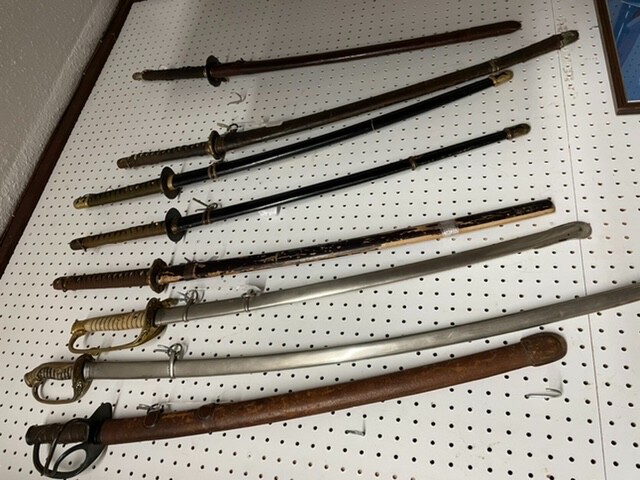
I’ve got a baby on the way, so I’m saving my pennies little by little for a hopeful late spring 2022 purchase. I’ve always loved Kyu Gunto given Meiji history and the East meets West quality. I ran into this one at a military antiques store for $1950. I didn’t notice until later that my photos of the sword itself are bad (can’t see hada or hamon), but it’s a Shinshinto mumei (allegedly, I didn’t ask to disassemble). Thoughts on the price of the package? Saya looks good and the d-guard appears frosty to me, plus there’s a mon. Sword is probably nothing amazing but was Nihonto. At $2k though, it’s where I want to be able to resell and not lose money if necessary in order to fund a bigger purchase down the line. Edit -I apologize for the photos being the wrong way; I’ve never had that problem and can’t seem to fix it. Third from the bottom. Also, look at the MASSIVE type 19. I’m 6’2” and it was so awkward to hold; I wondered if it was only a display piece.