Artur DrogaMiecza
-
Posts
330 -
Joined
-
Last visited
-
Days Won
4
Content Type
Profiles
Forums
Events
Store
Downloads
Gallery
Everything posted by Artur DrogaMiecza
-

The Fuchi/Kashira Orphanage
Artur DrogaMiecza replied to Nihontocollector19's topic in Fittings/Tosogu/Kodogu/Koshirae
-
Thank You.
-
Brian, I'd really like to try my hand at it. This year, unfortunately, I had too many personal problems to worry about and my right arm stopped working for 3-4 months. The second thing is that I'm a bit limited by not knowing how to go about it. I will complete my current projects and spend more time on this. I will definitely turn to you for tips / help. I will be obligated for your help.
-
Gentleman's, thank you so much for your kind words. It really motivates me.
-
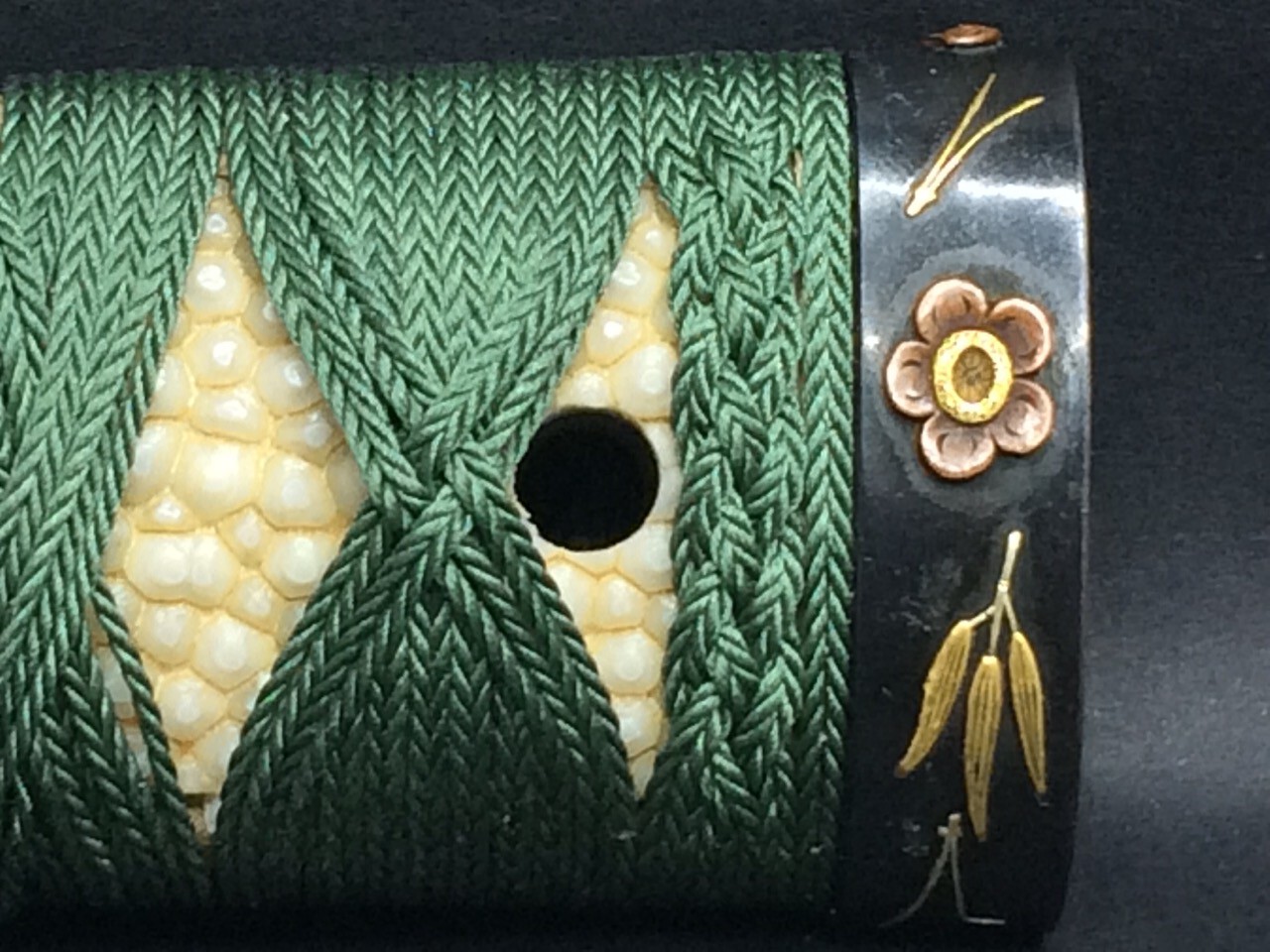
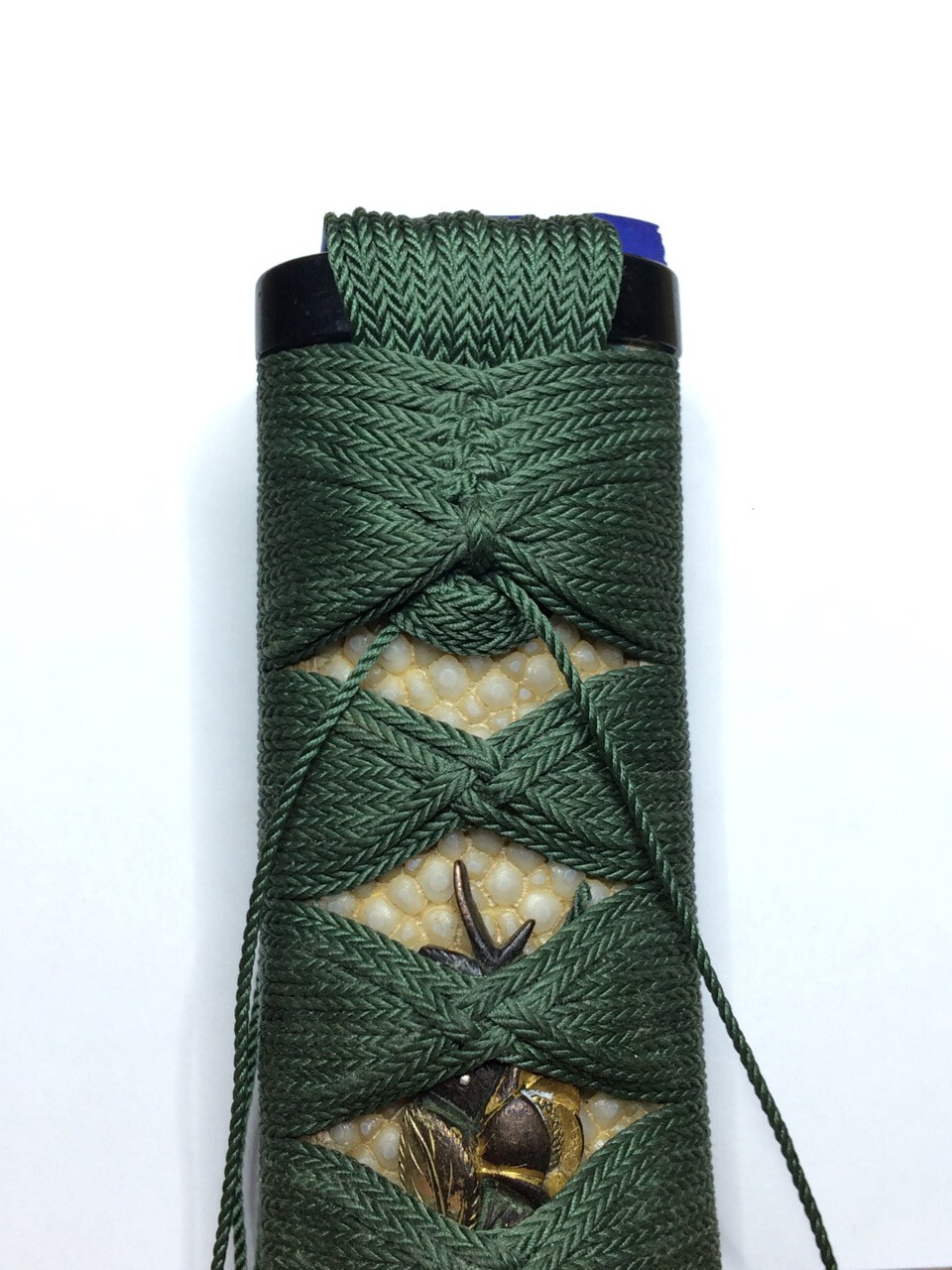
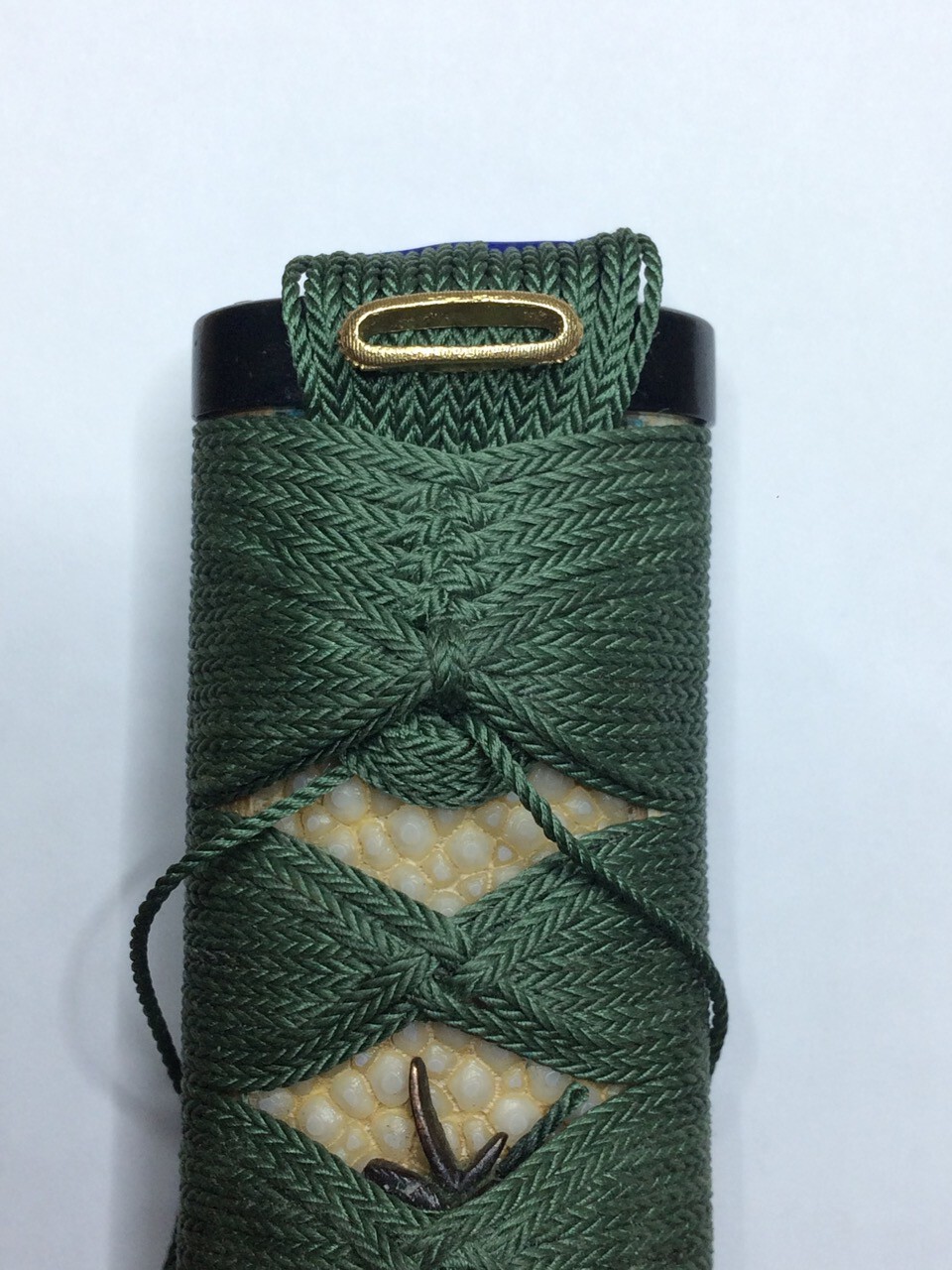
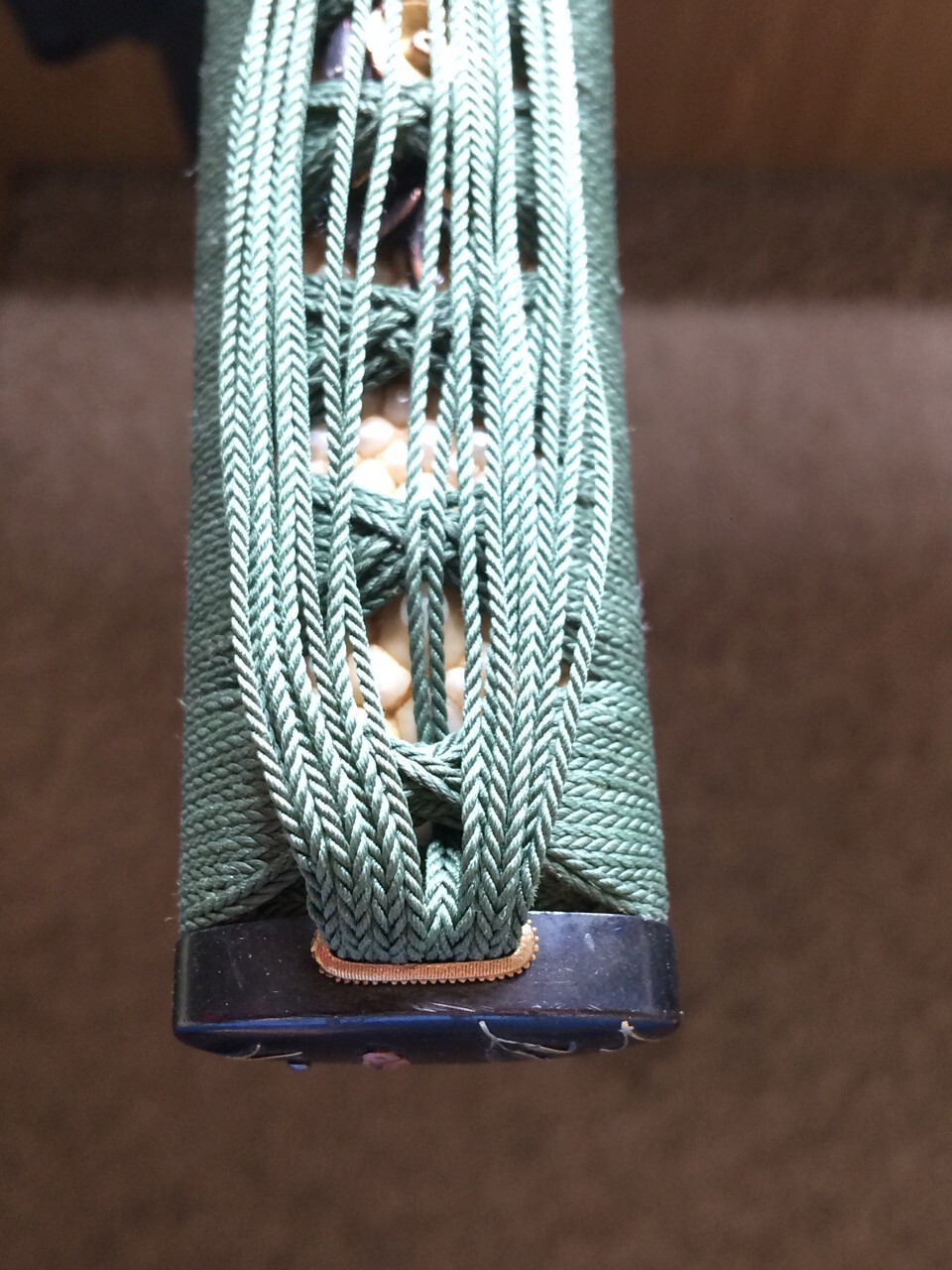
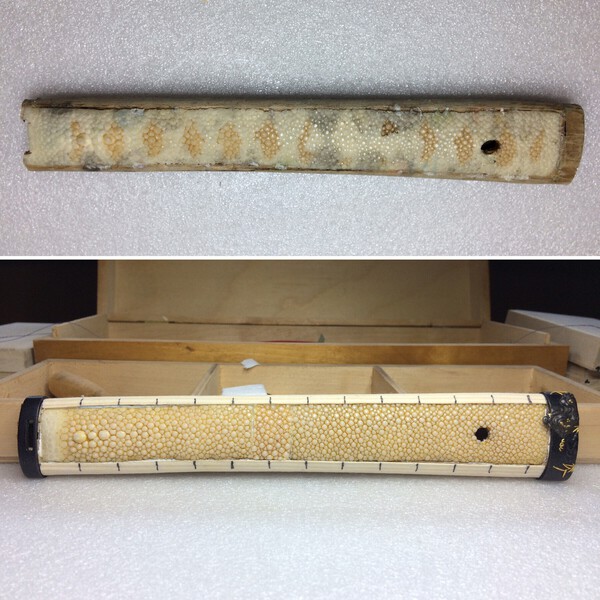
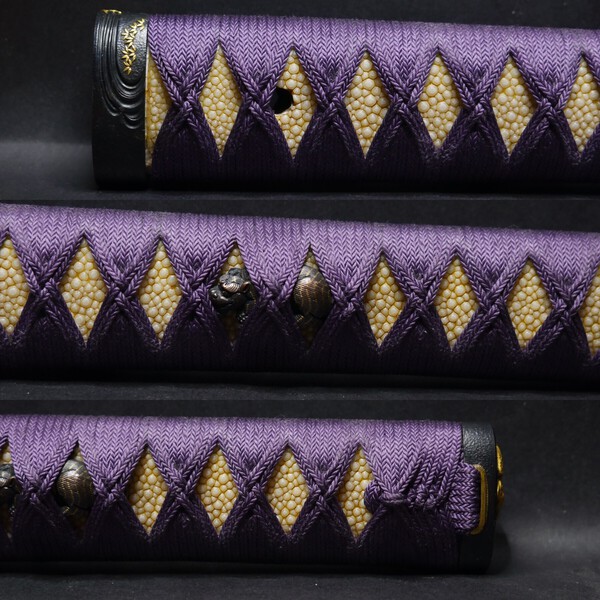
Hello, I wanted to show the last project. The order was for tsukamaki. However, after unwrapping the old braid, SAME was found to be in poor condition. I peeled off and cleaned SAME and then stained it using the traditional method. It was not the end of worries. The new fuchi and kashira needed a new spigot to make the fitter solid. On this occasion, I tried a new way to integrate new wood into the current wood. The wedge-shaped and additional 2 pins for this work gave a good effect. It shouldn't fall apart. Previously, I made flat inserts with 2 pins but I believe that the wedge will hold better if the tsuka was to be used for training. About tsukamaki. I learn something new every time. Currently, I plan to focus even more on shaping the washi paper under the braid. I believe my next tsuka will be even better. Thank You for watching. More photos and video here: https://www.flickr.com/photos/artur_drogamiecza/albums/72157717440581412



- 11 replies
-
- 15
-

-

-
The Fuchi/Kashira Orphanage
Artur DrogaMiecza replied to Nihontocollector19's topic in Fittings/Tosogu/Kodogu/Koshirae
Hello, I enclose a link to my fuchi photos. It would be nice to find a good kashira match. https://www.flickr.com/photos/189643573@N05/albums/72157716713521893 -
Thank You
-
Thank you.
-
Hannes, thank You. I used and ate 7 eggs then...
-
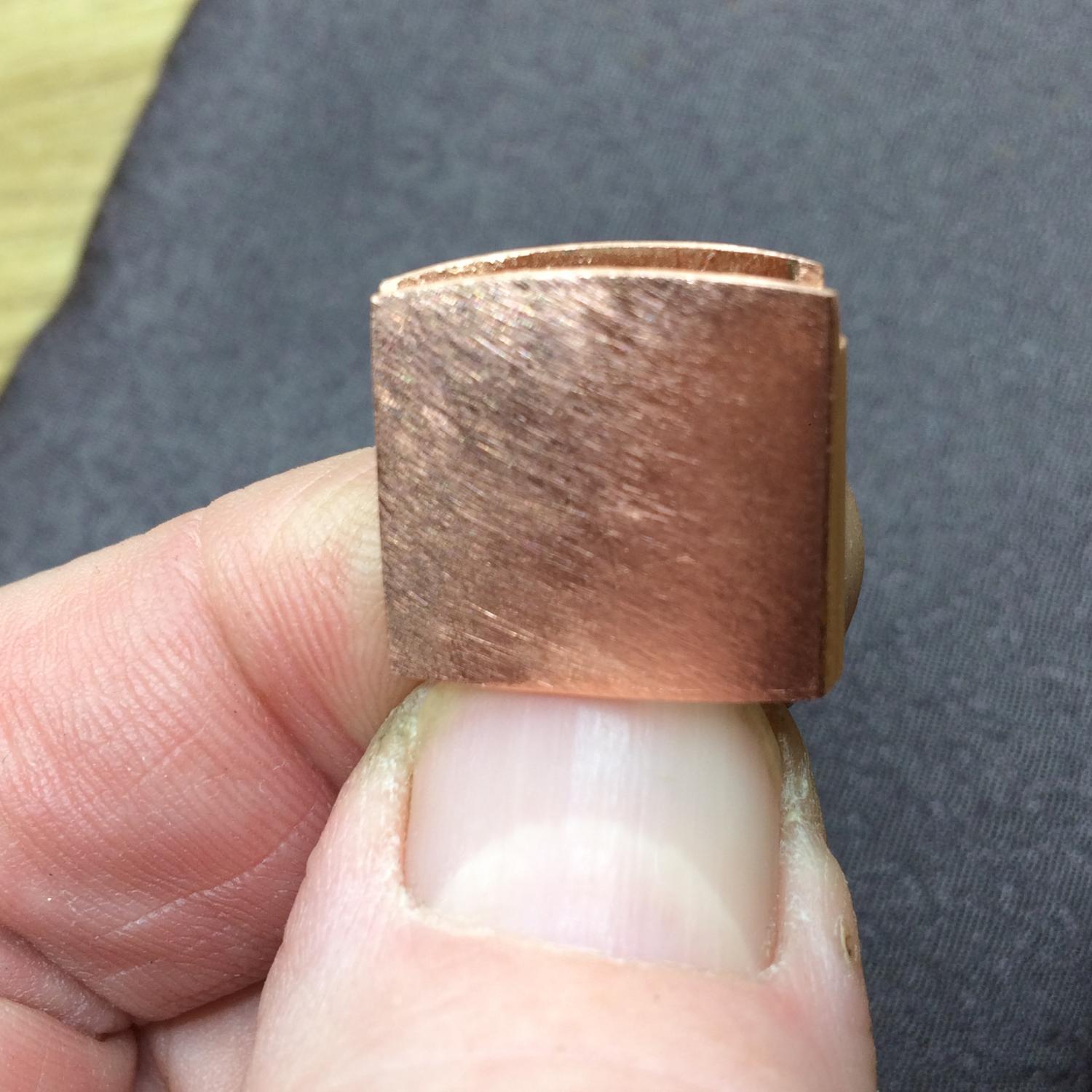
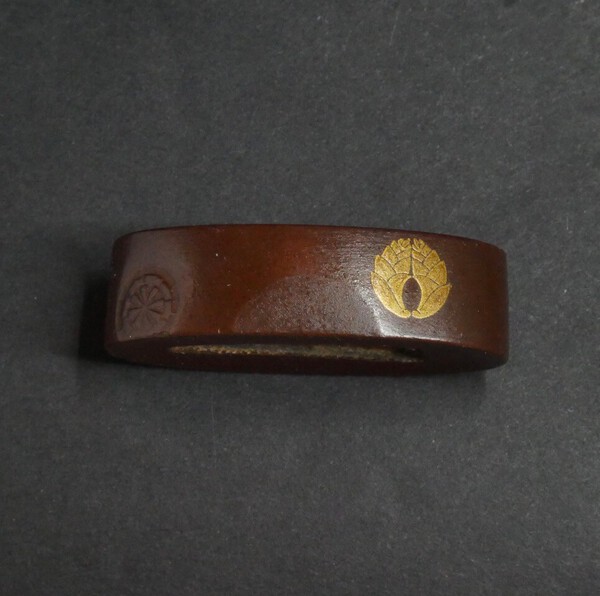
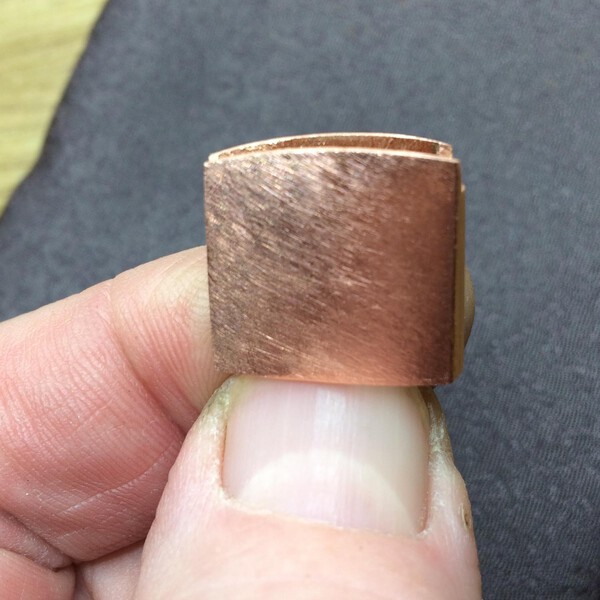
Hello, This set will never cease to amaze me. It looks like a suaka ... Exactly. But when I took it, it turned out to weigh 4 times less. Later, thanks to Japanese Tsukamakishi help, I determined that it was probably urushi + tonoko, formed on a thin copper plate. If you have encountered such sets, please contact me. From a practical point of view - not practical at all, but if the sword was to be light, then maybe it changes the sense of using this material. Have you encountered this type of tosogu?


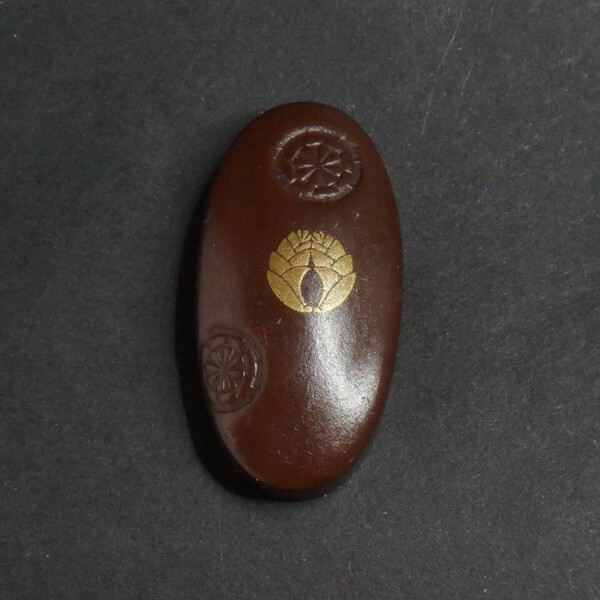
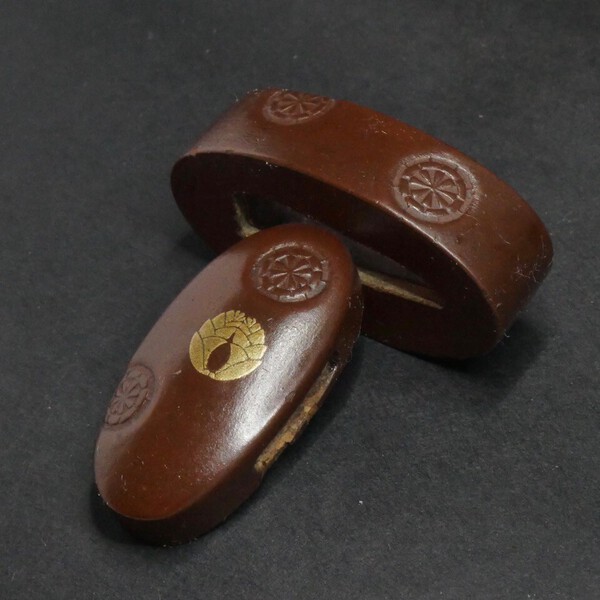


-
- 3
-
-
Brian, thank you so much for the kind words. I was thinking about trying to show my work in Japanese shinsa / other competitions but so far I don't know how to organize it + translations + applications. I need to be more interested in it, but I am also willing to use the help of someone experienced. Currently I have 4 pending projects that I plan to complete in about 60 days. I would love to see your project and let's talk.
-
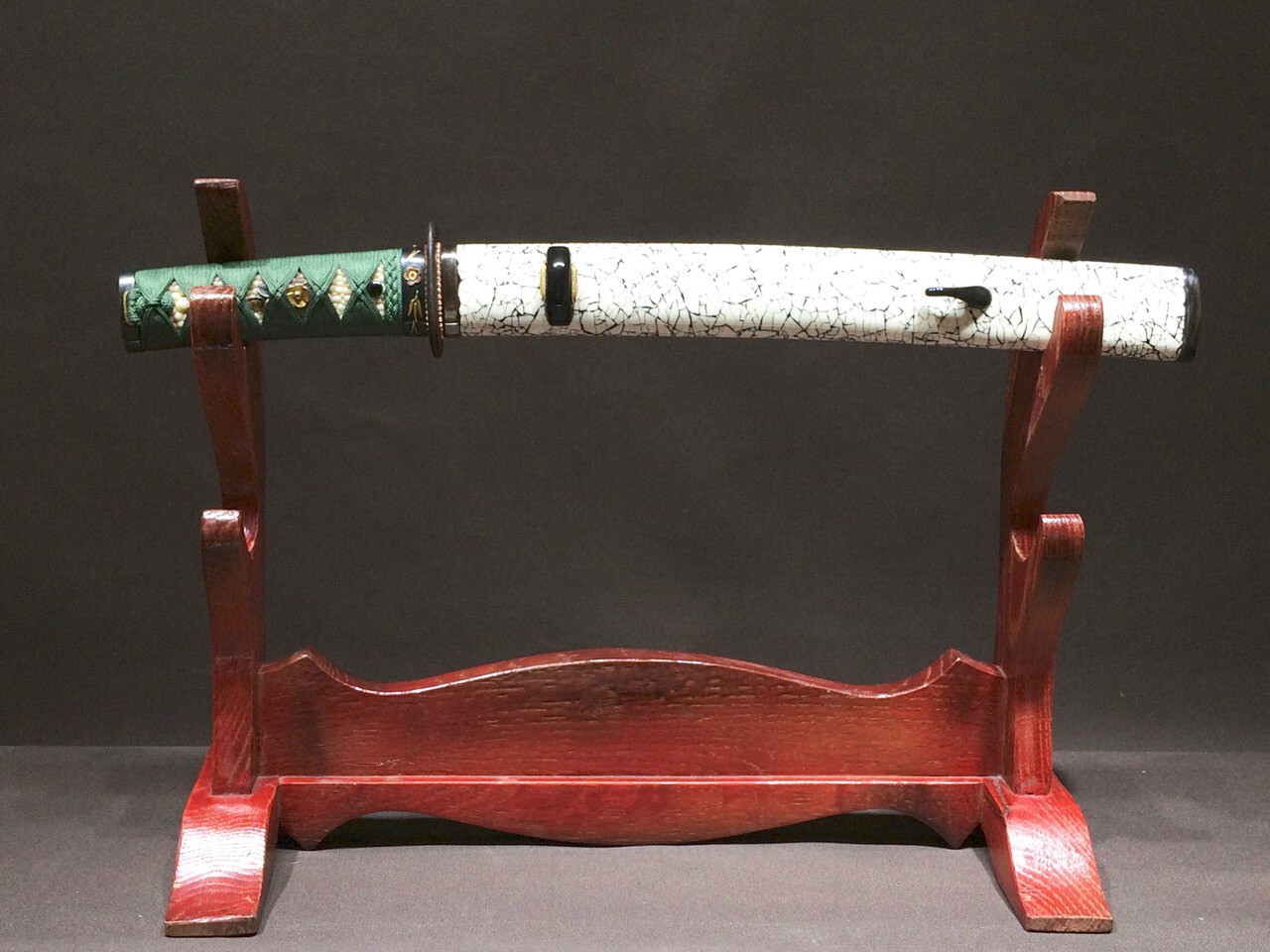
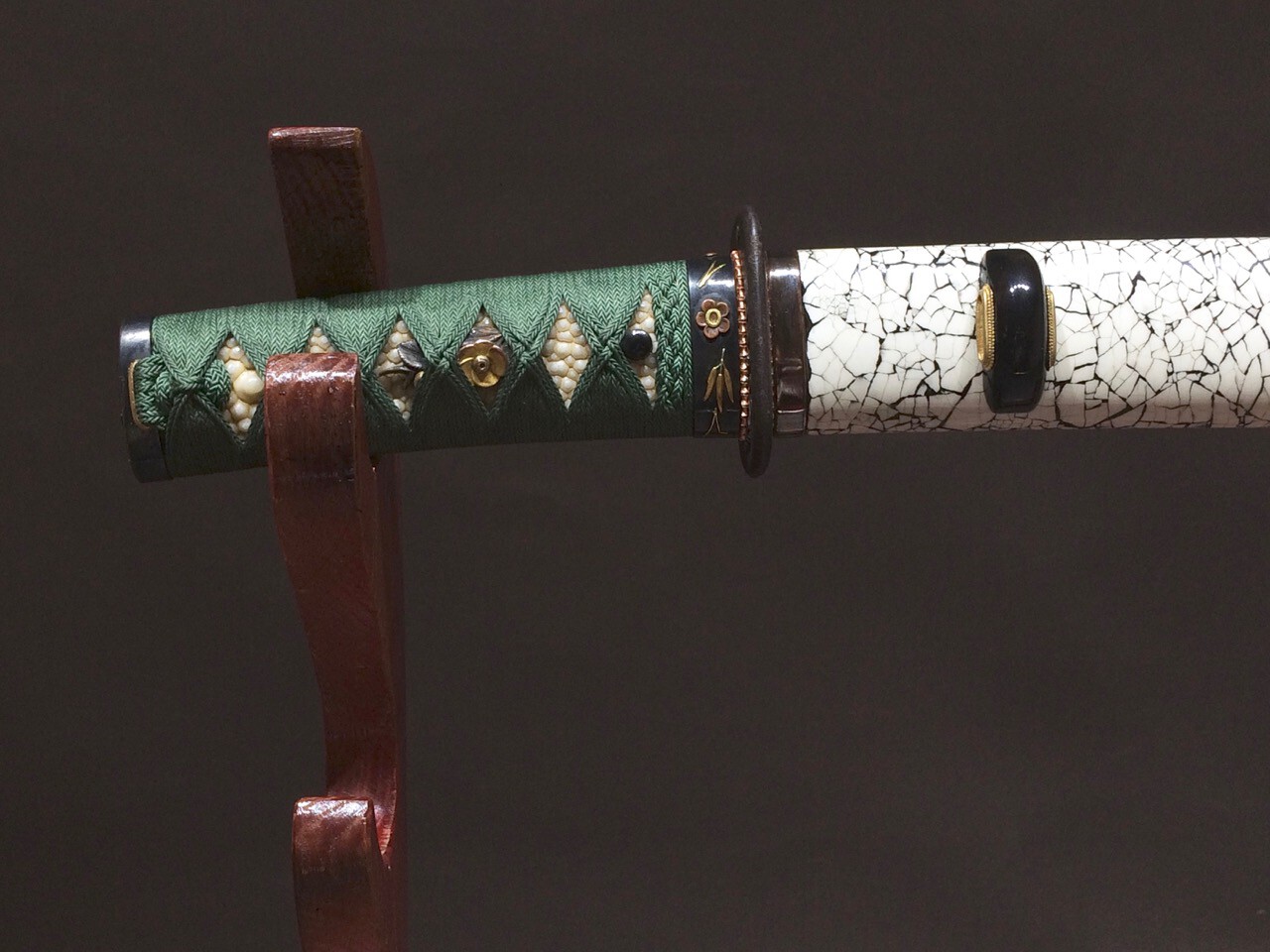
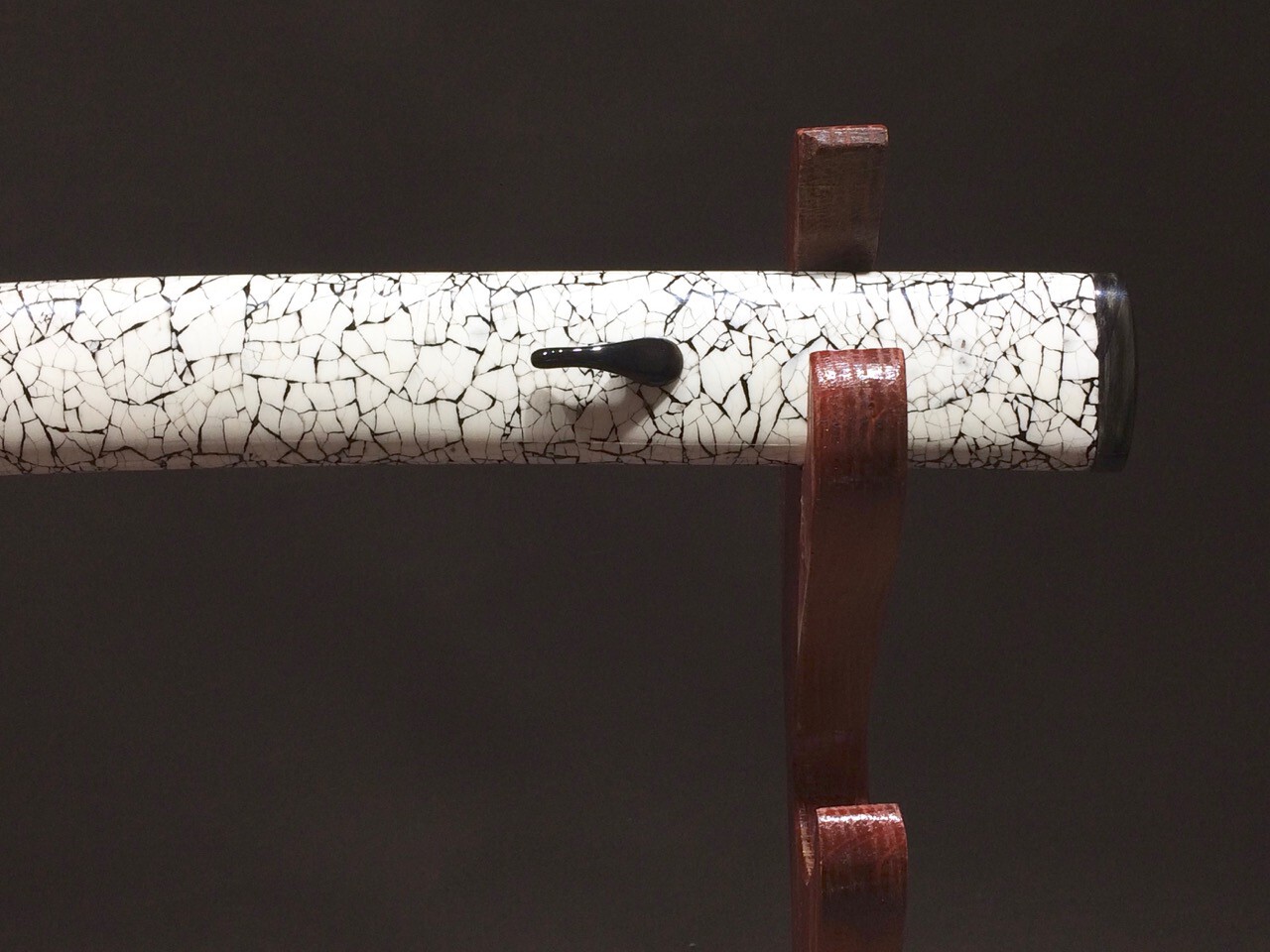
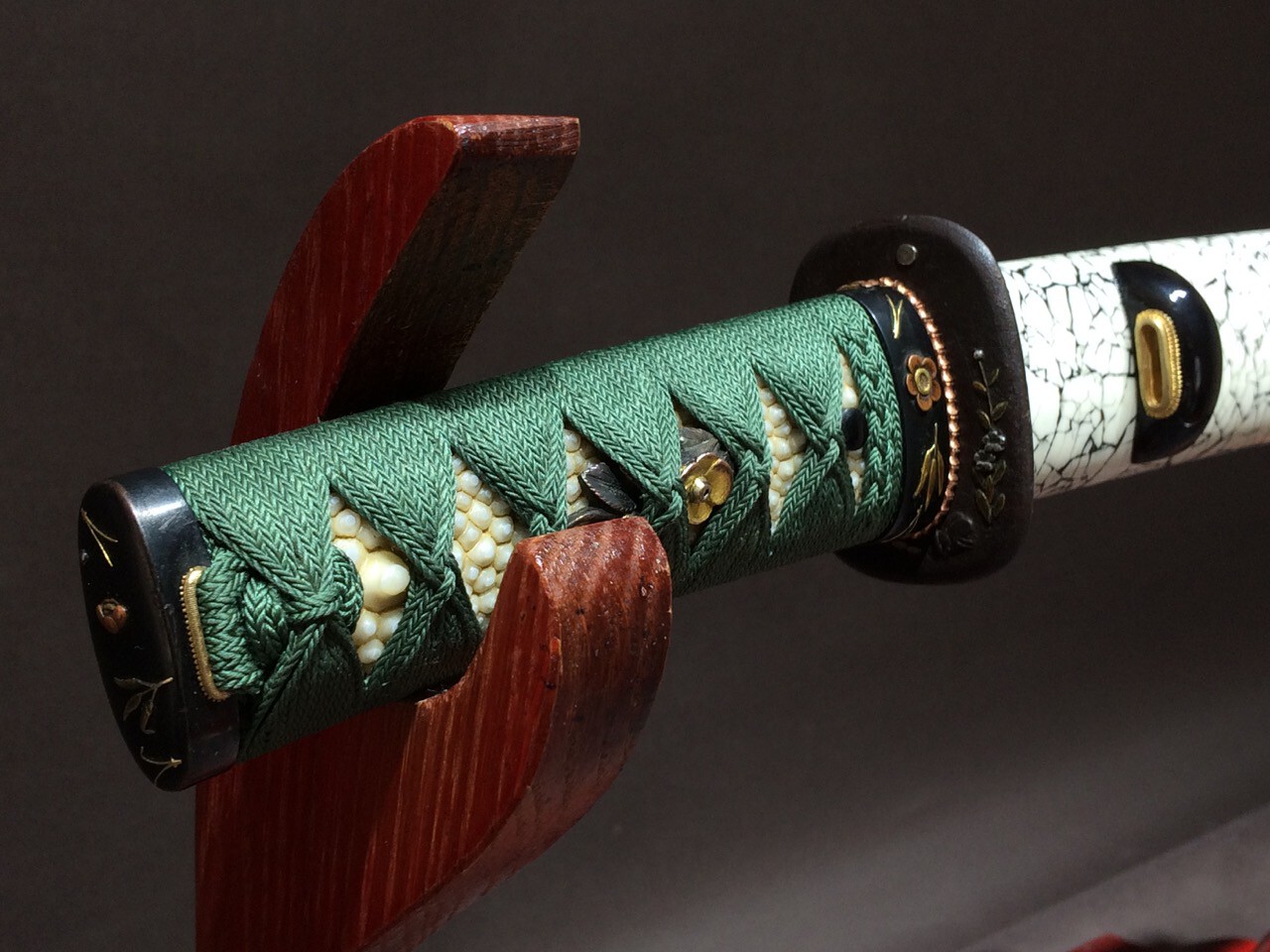
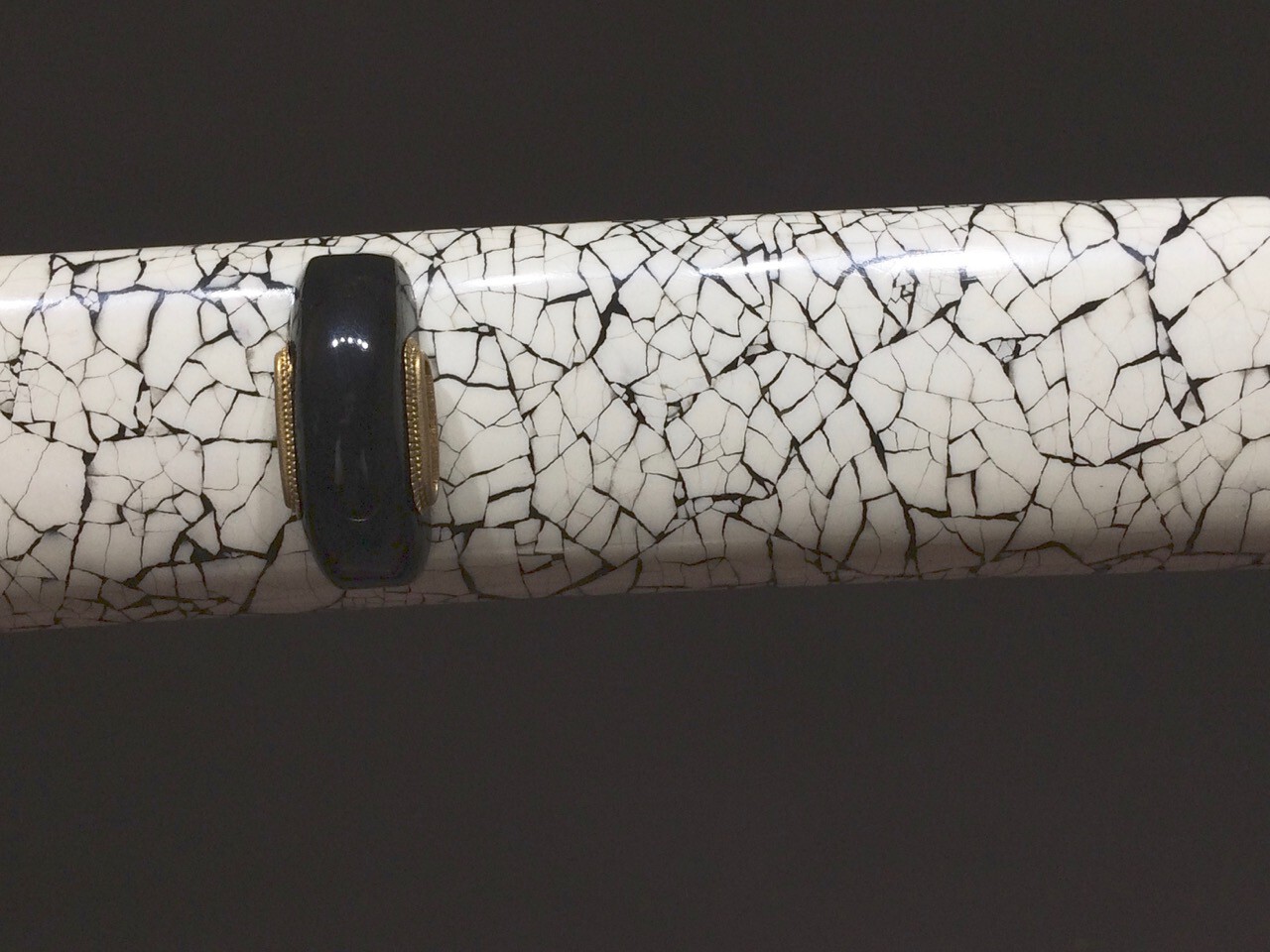
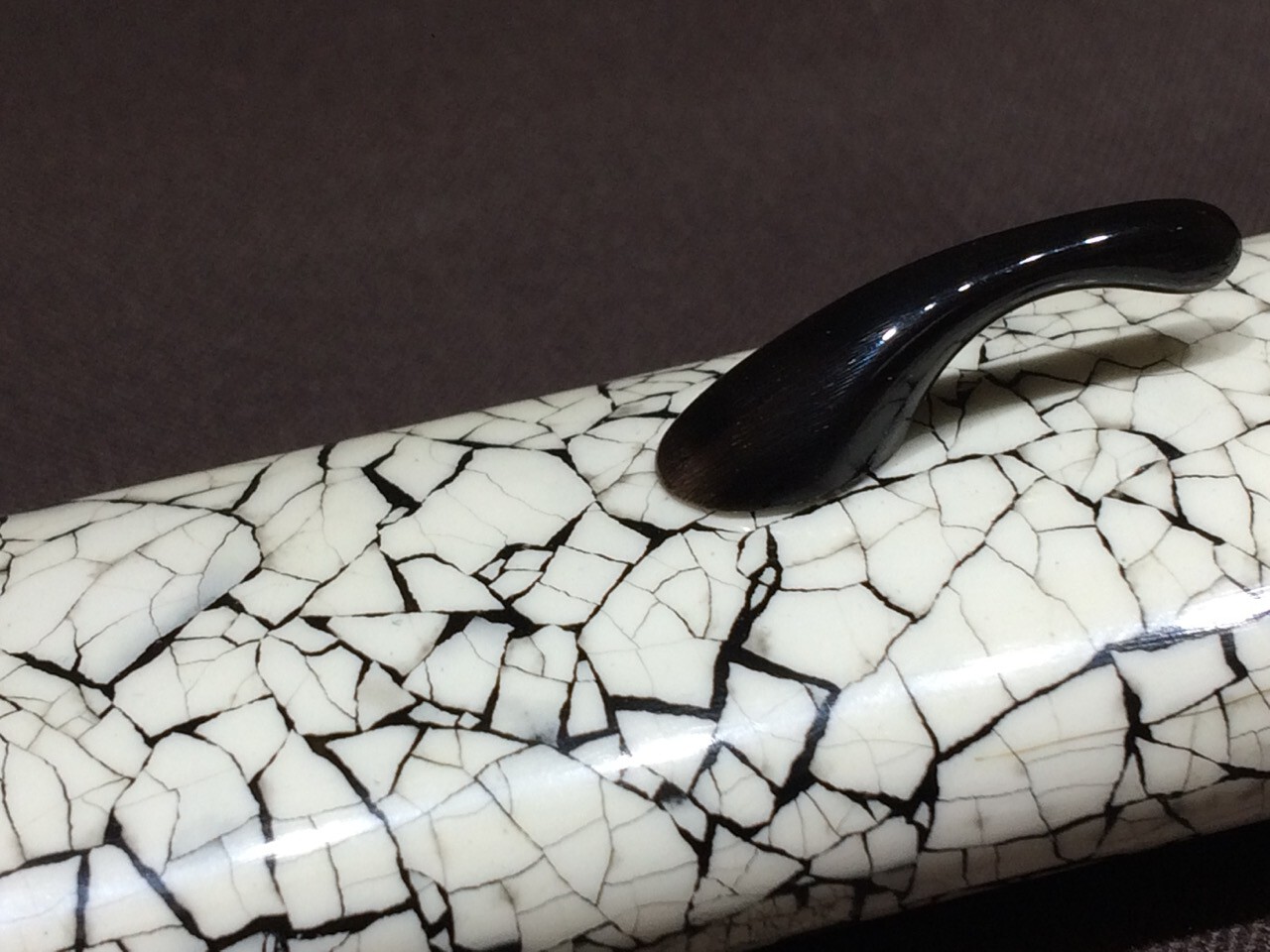
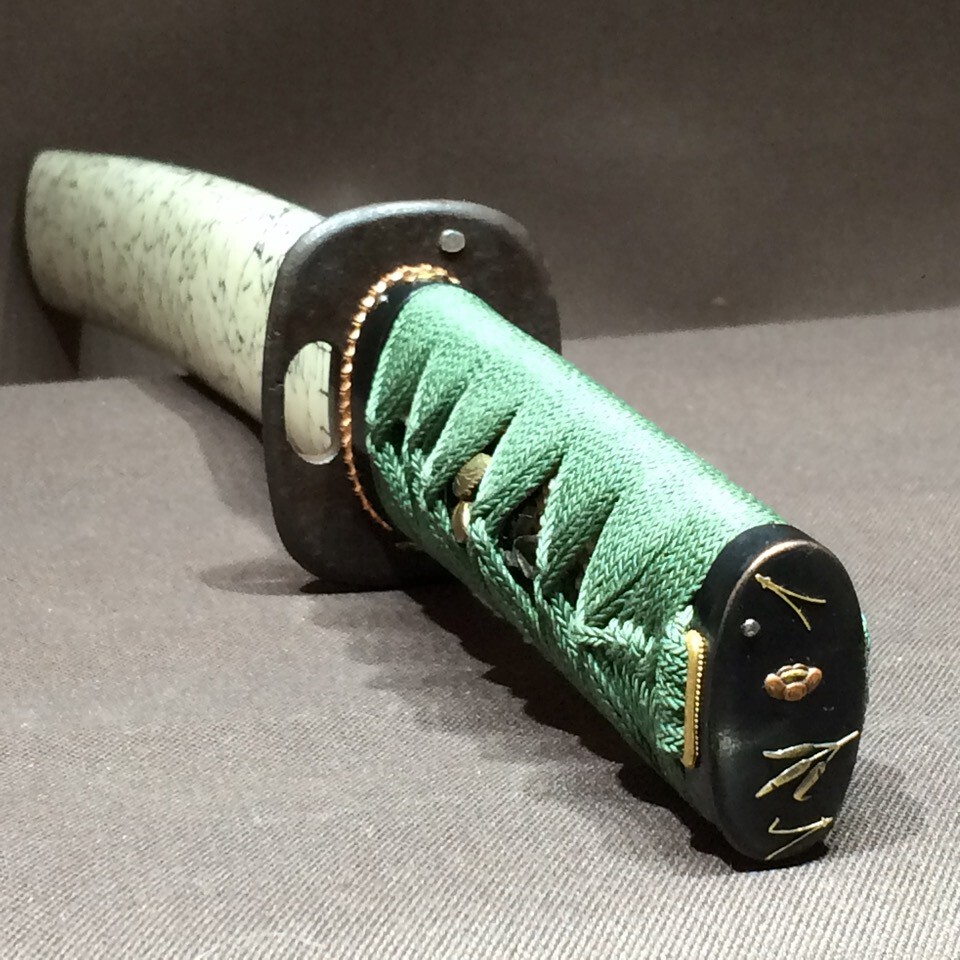
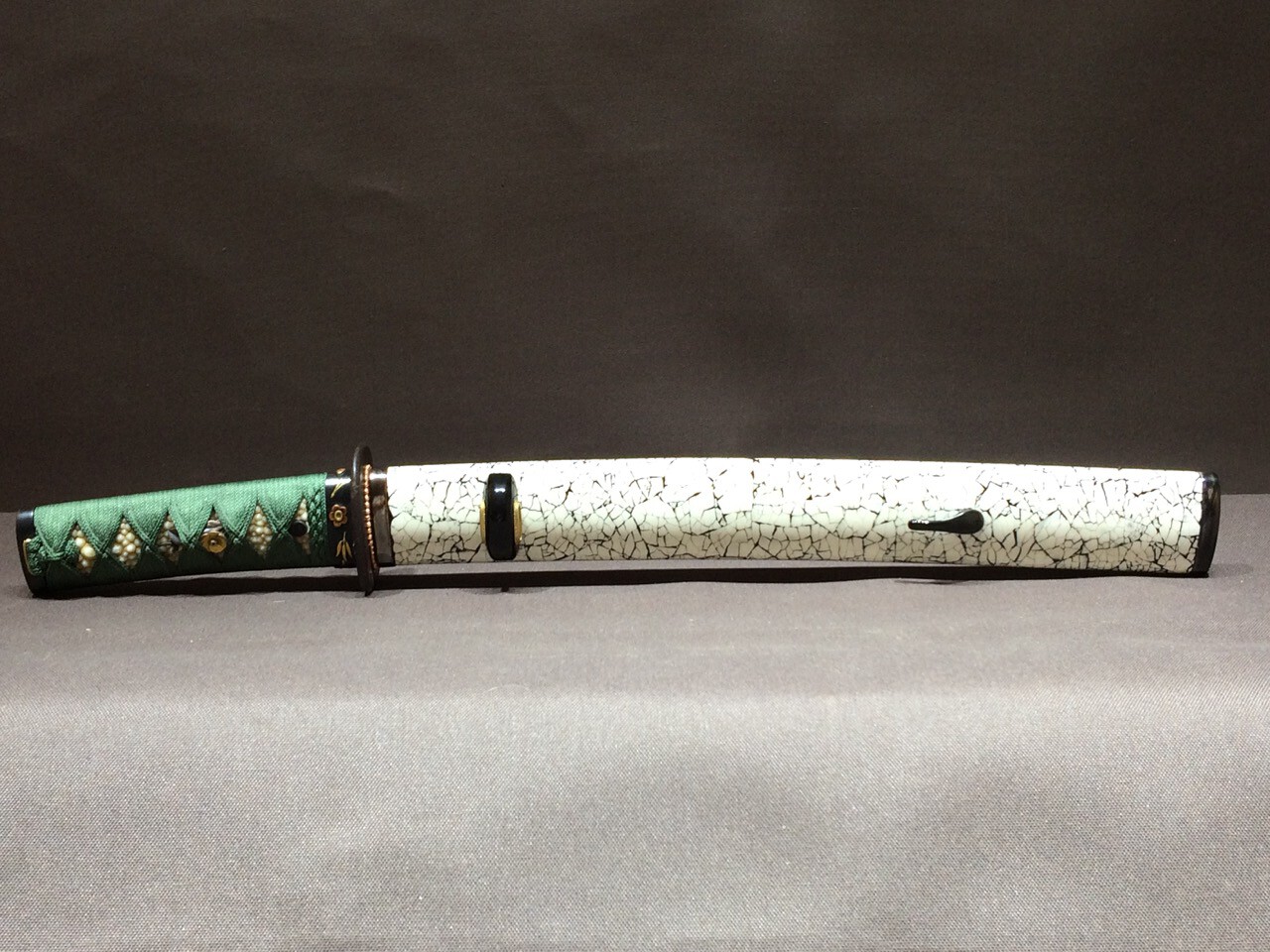
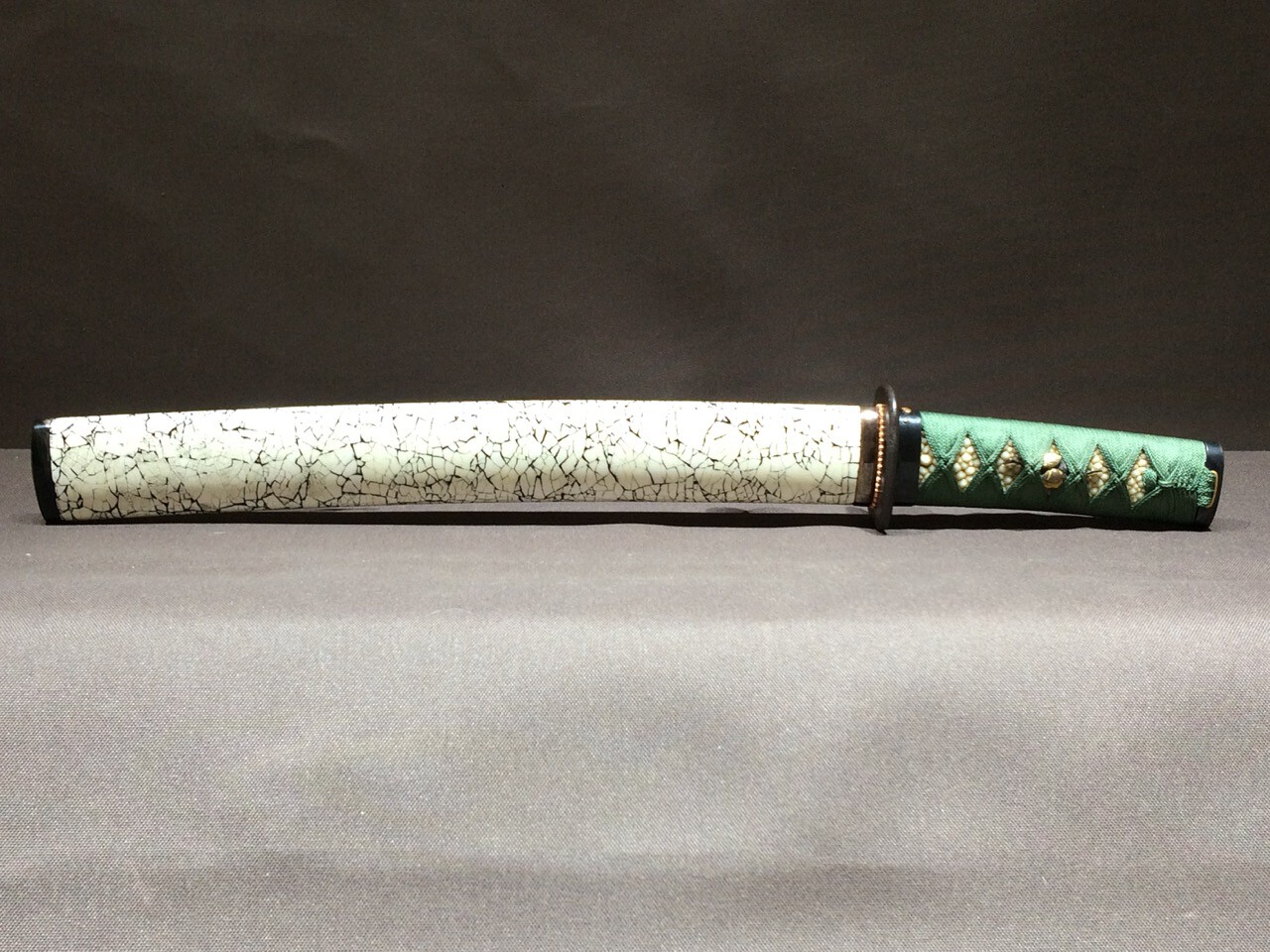
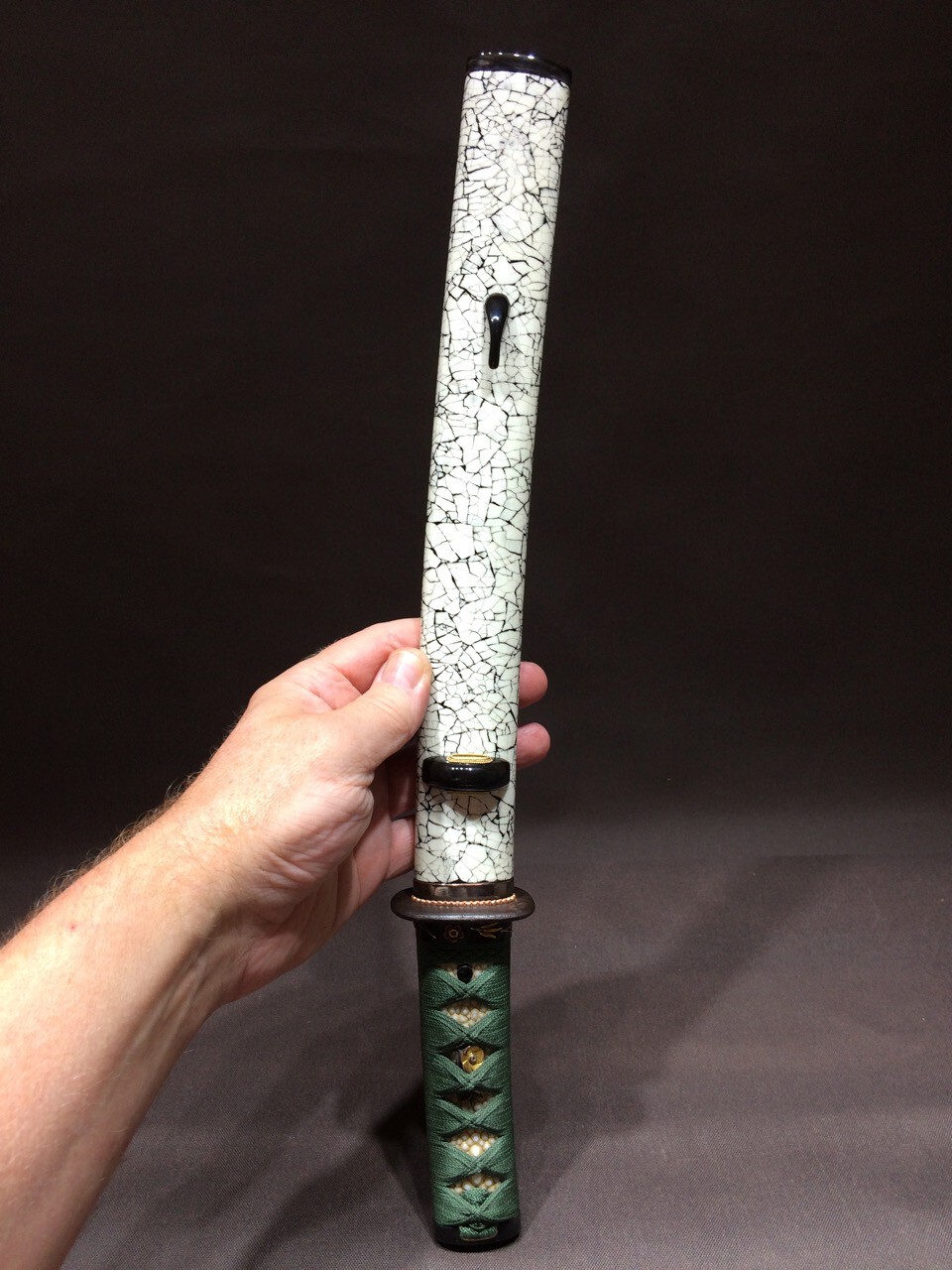
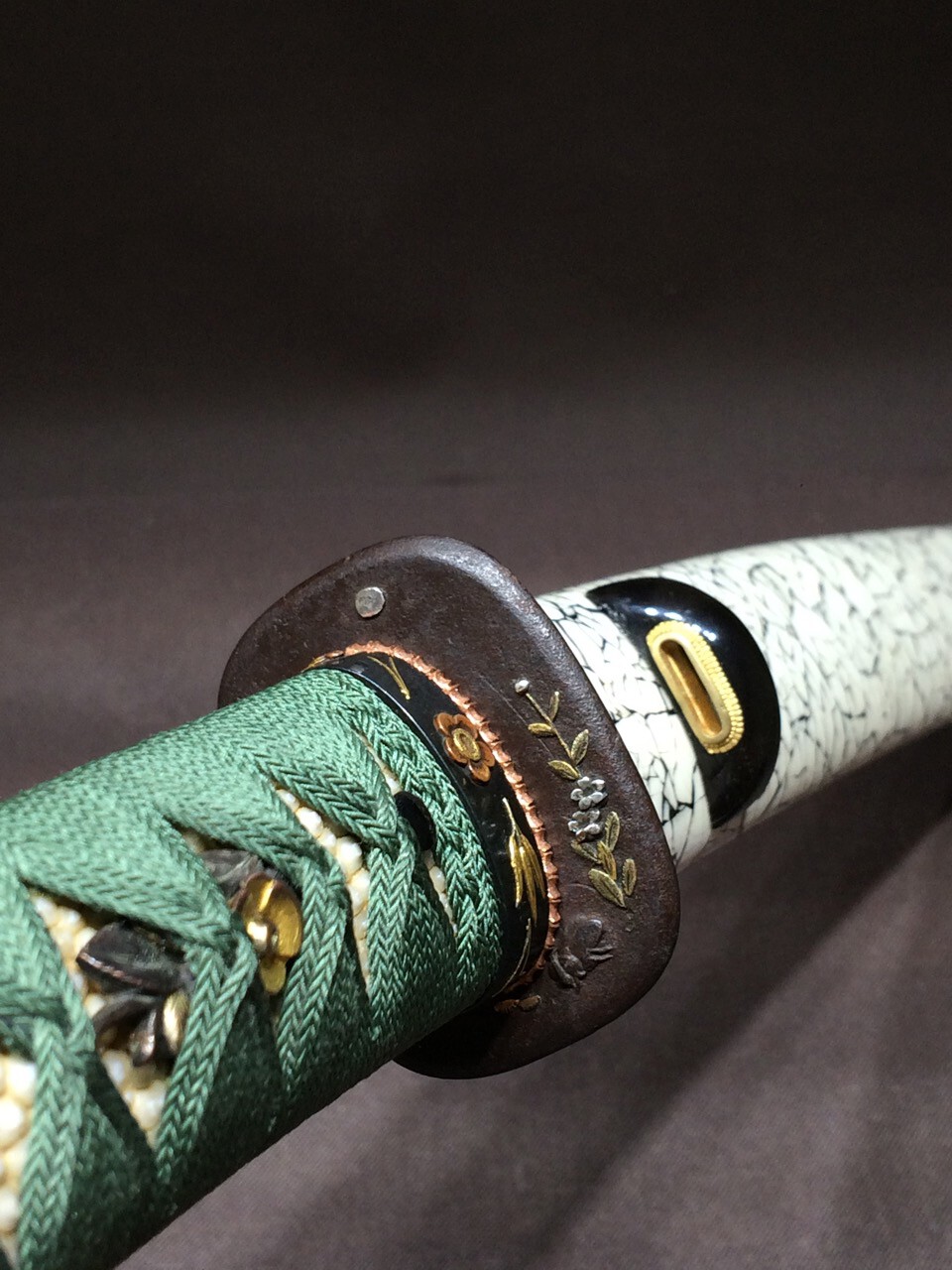
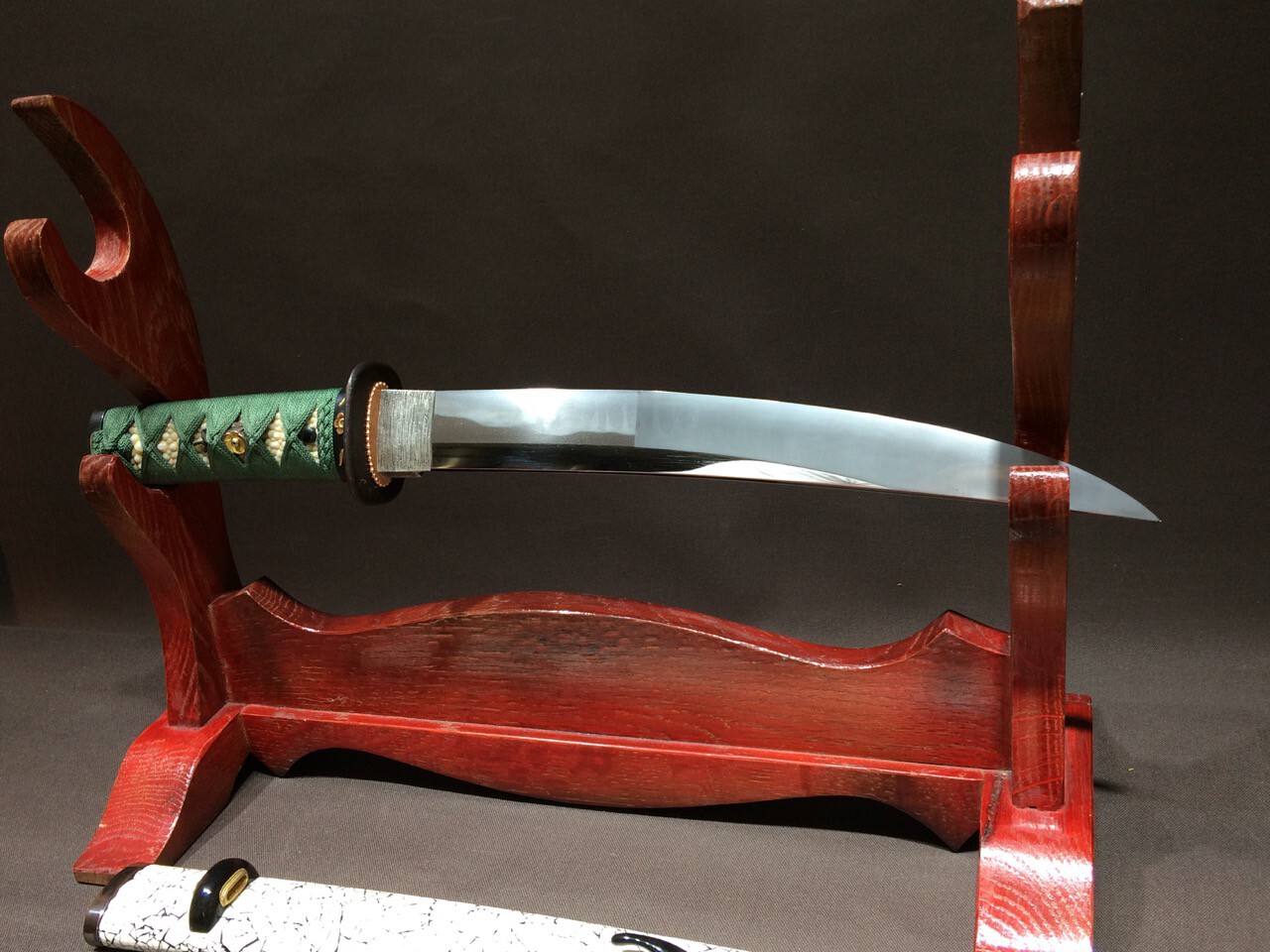
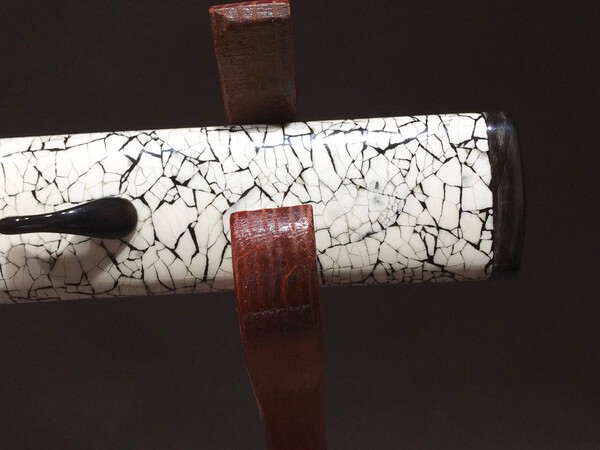
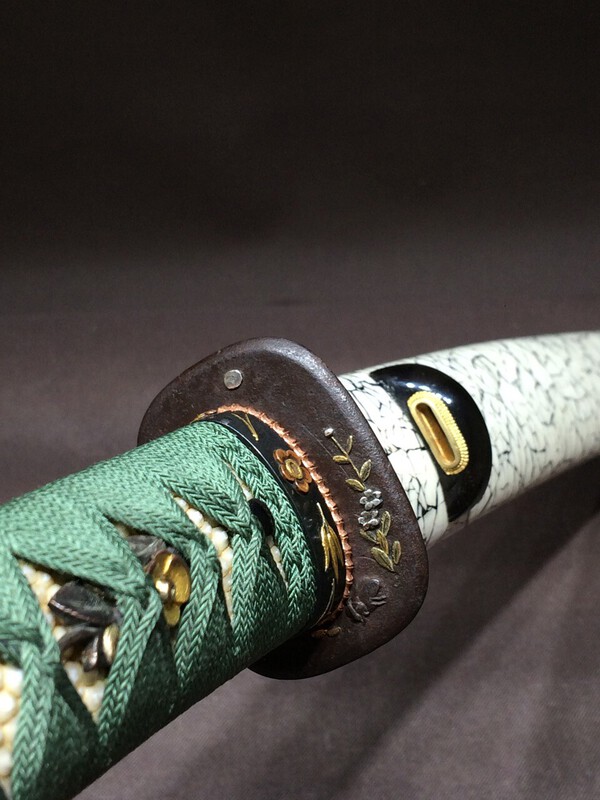
Hello, I would like to present my newest Tanto Koshirae. Saya. Working with the shells turned out to be very laborious. I used eggs from the village with a fairly thick shell. It is important to peel off the inner film after boiling, which is best to come off wet. The application lasted about 4 days. Then, filling small gaps and lacquering. During sanding, be careful not to take too much ... Tsuka. Samegawa dyed in the process of 2 natural dyes, which I received from a Japanese professional Tsukamakishi. Tsukamaki. The first time I did a 10-pair braid. The difficulty with more pairs is keeping straight lines on the center of the hishi in the cross section. Therefore, I decided to make the middle part of hishi - using the hineri-maki method. This in turn causes the cross section to be raised and the need for more hishigami / komekami ... The braid is a bit taller / protruding, but it gives a good depth. The braid is fully stitched so the threads do not slip and are tightly stretched. Used jabara is 0,85 mm diameter. My dream is to make a 12-pair braid. However, I can't find the right thickness for the jabaraito anywhere, it has to be about 0.65mm thinner. I used honoki wood. Saya fittings. Koiguchi of copper, rest of buffalo horn. Seppa with filing big teeth of copper. Keep fingers crossed for next better project.
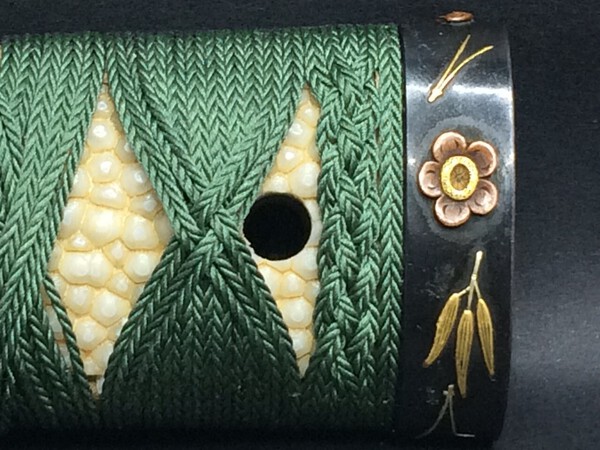

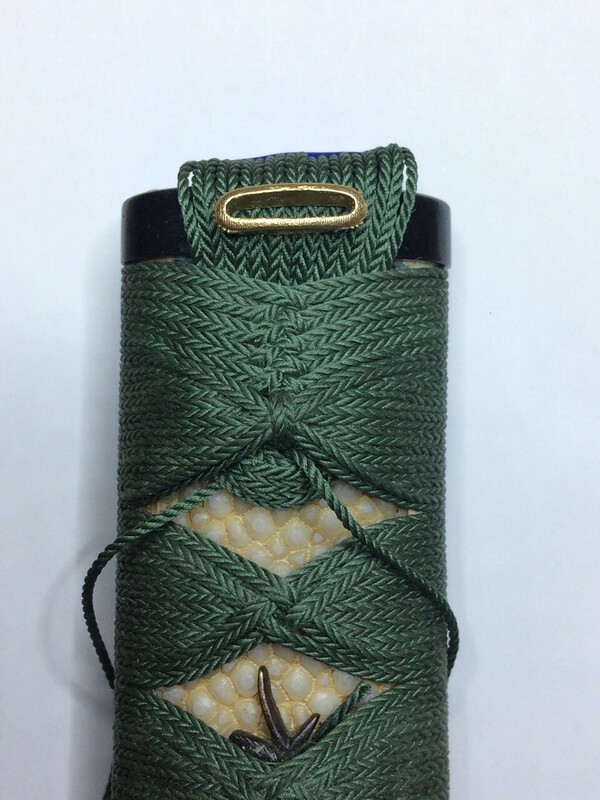





- 15 replies
-
- 15
-
-

-
Thank You. It took about 170 h.
-
Thank You. There is no menuki because it was the customer's expectation.
-
Thank you, You have always supported me!
-
I have always felt Your support. Thank You
-
Thank You.
-
I took to heart a few comments after the first publication. That motivated me. Two years have passed in studying and practice. Thank You.
-
Thank You, I have this one:

-
Yes, habaki is not perfect. I will improve this step of work.
-
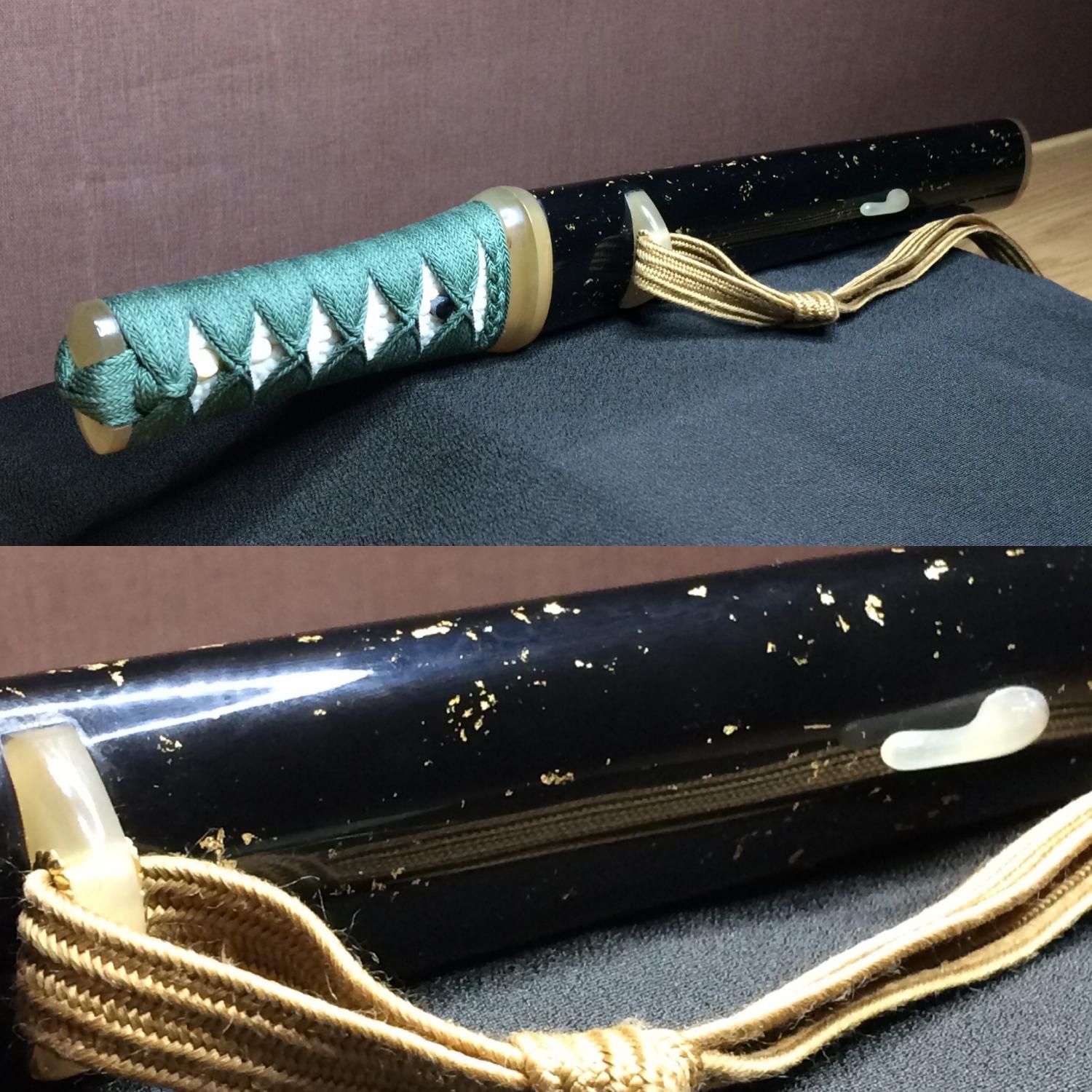
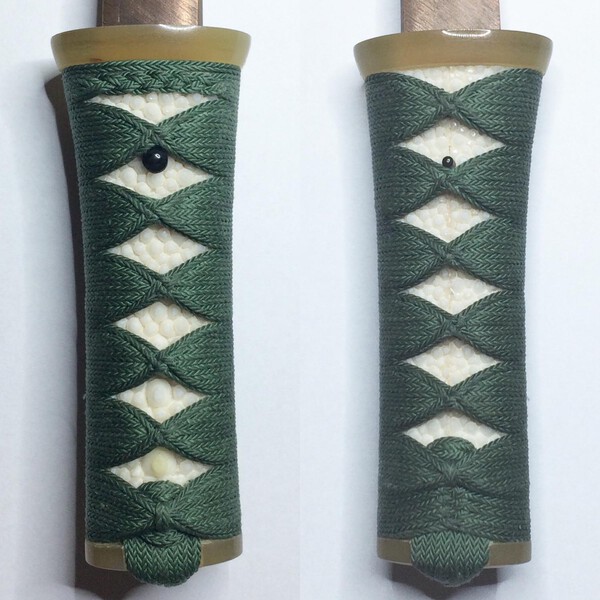
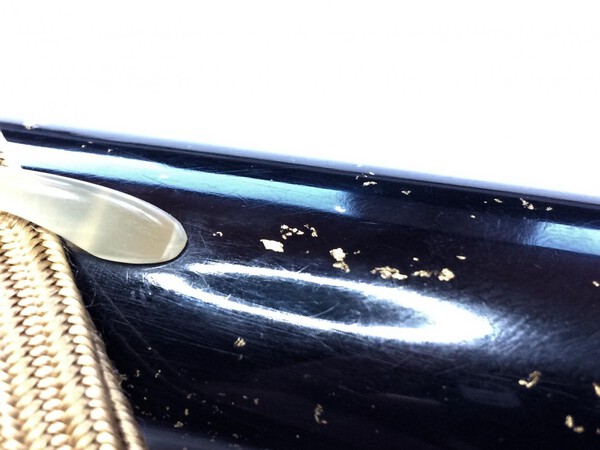
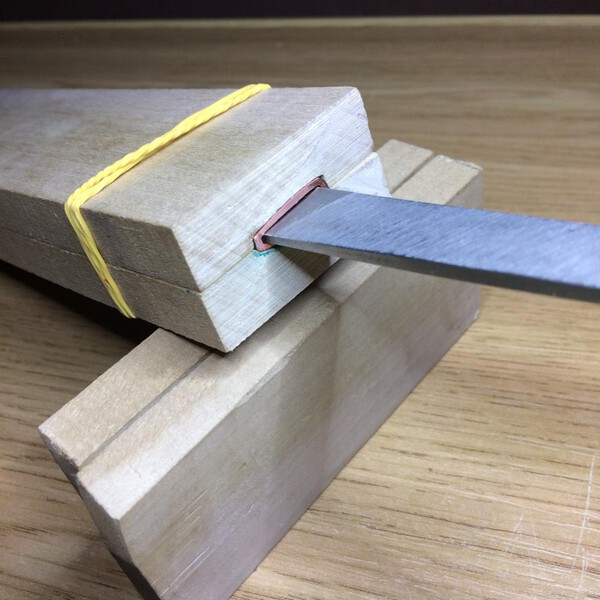
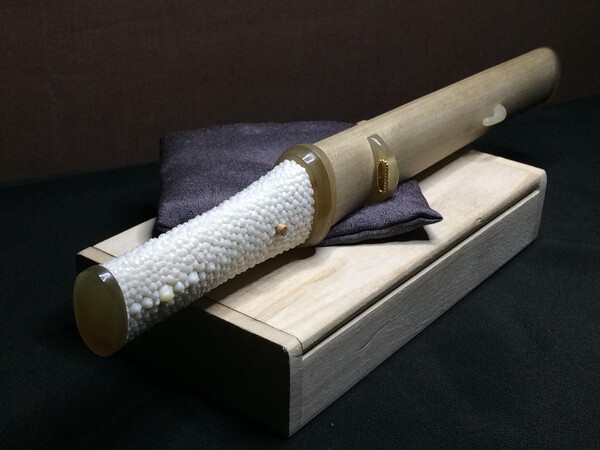
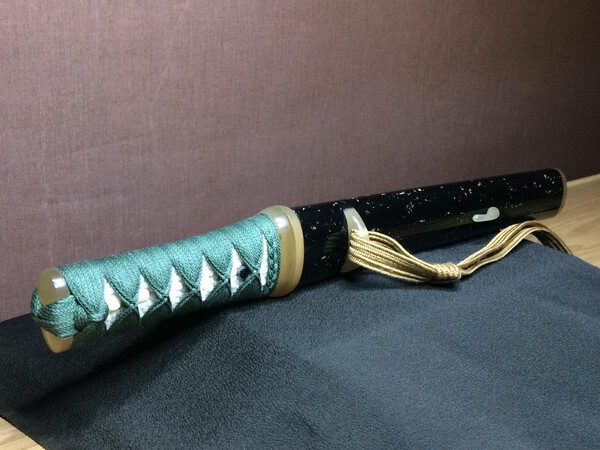
Thank You Peter for enabling me to carry out this project and substantive support. For this project, the biggest difficulty was scale. Kogatna koshirae - this is small. Jabramaki using a 0.85 mm thick thread. Black lacquer with the addition of golden scraps. Fittings made of amber horn buffalo.

- 20 replies
-
- 15
-
-
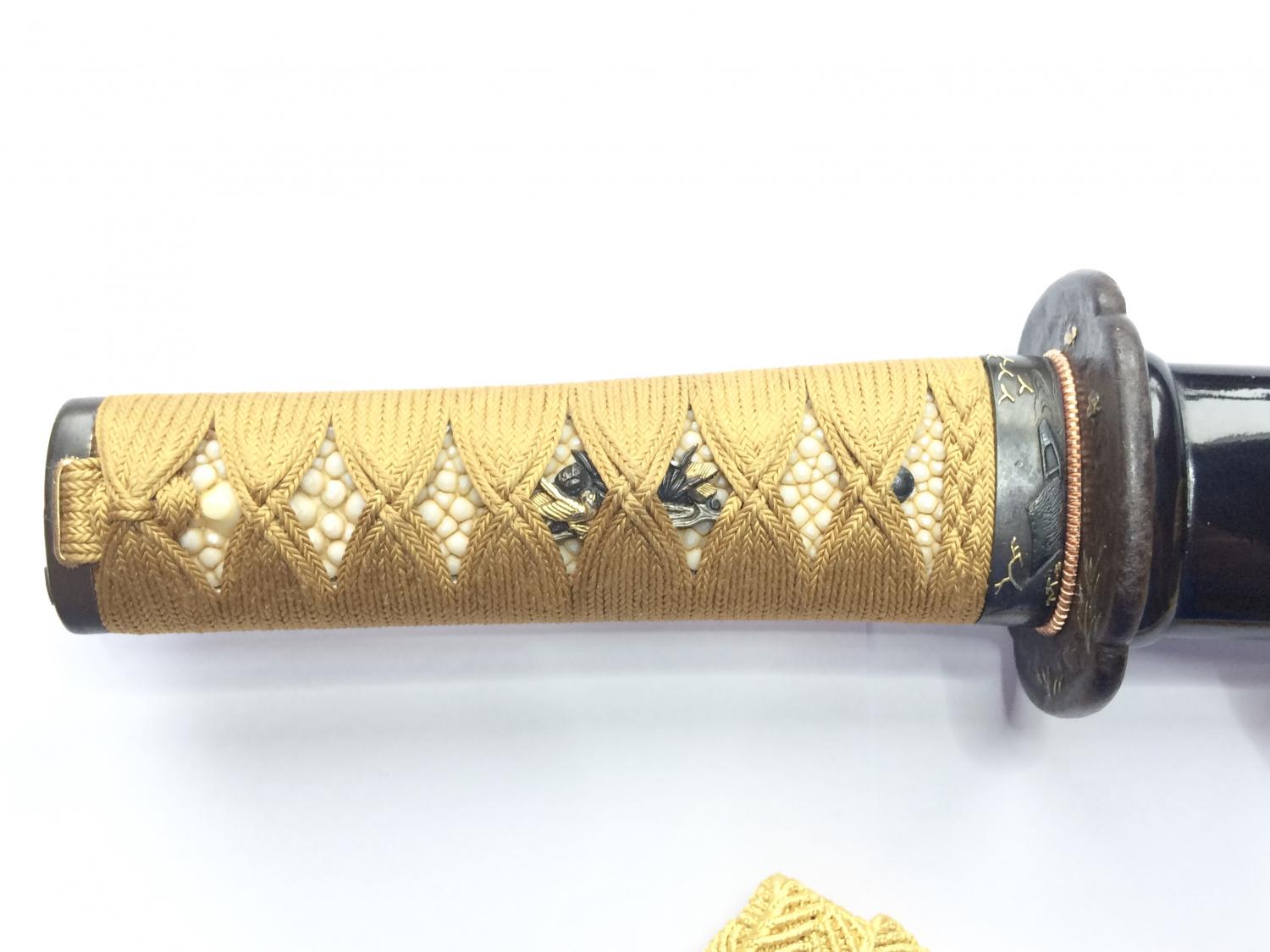
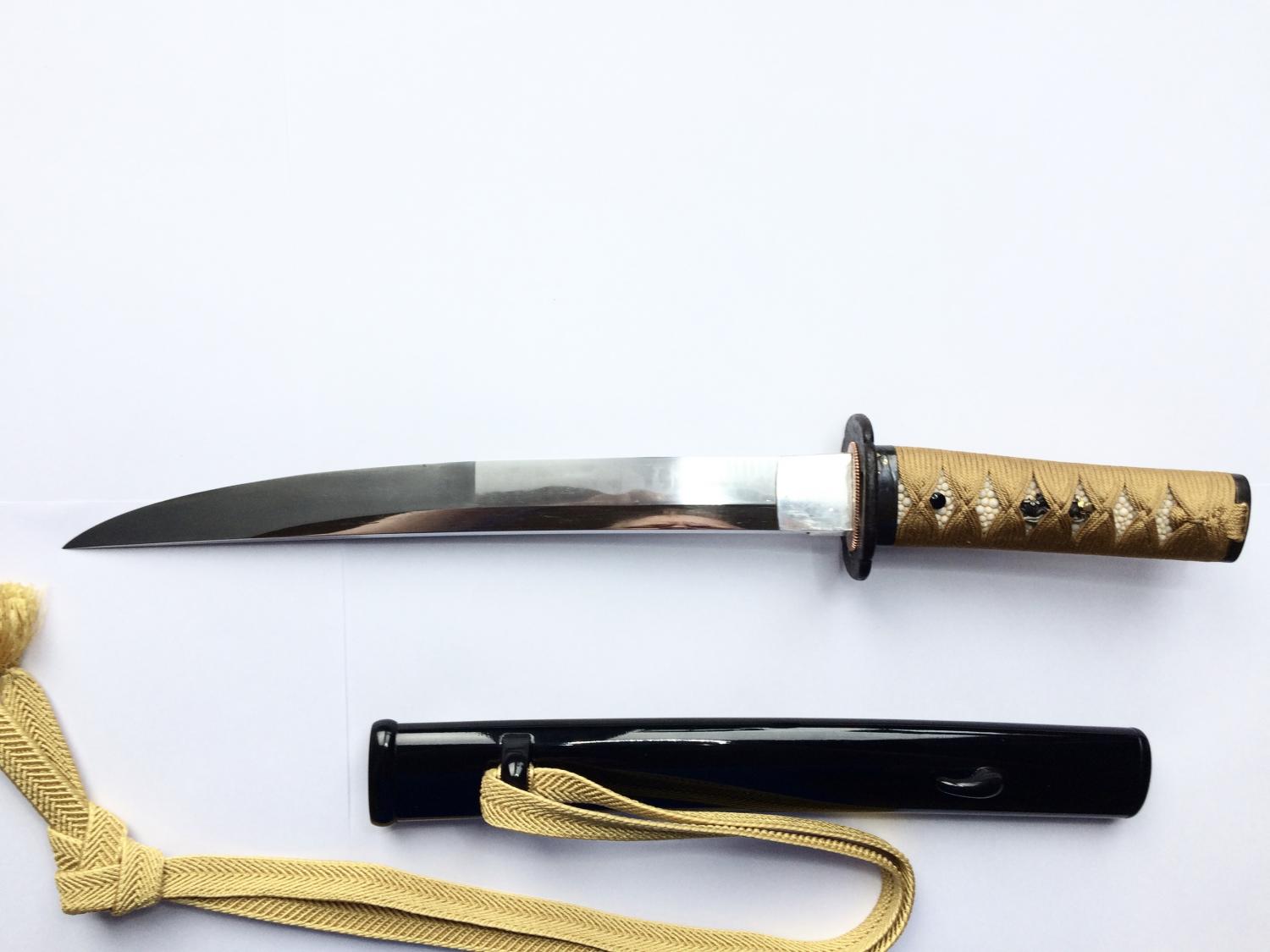
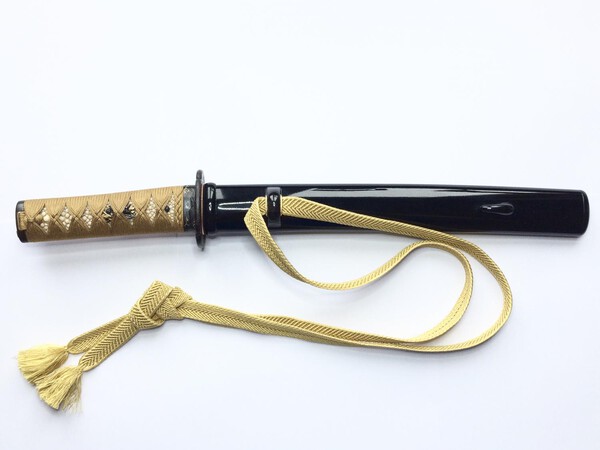
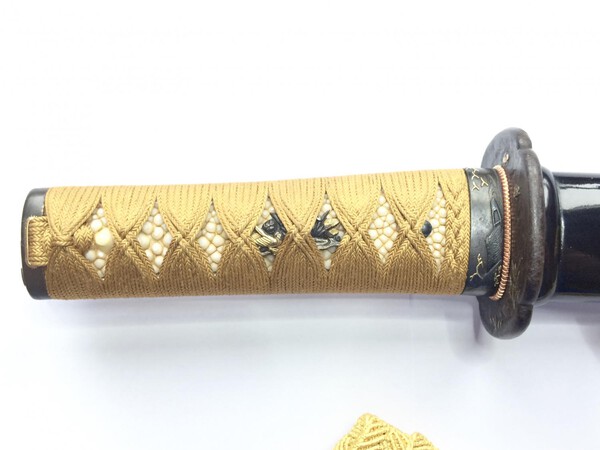
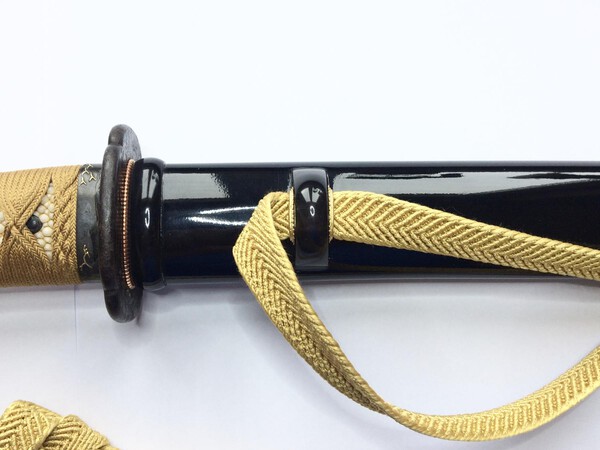
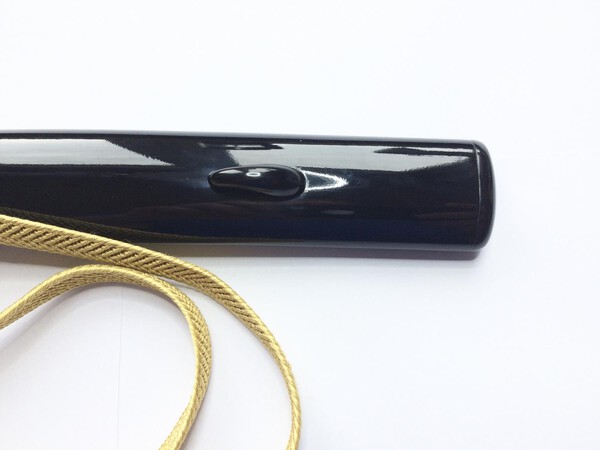
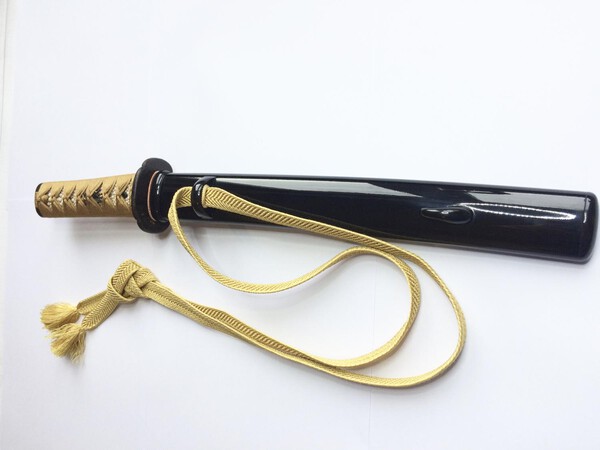
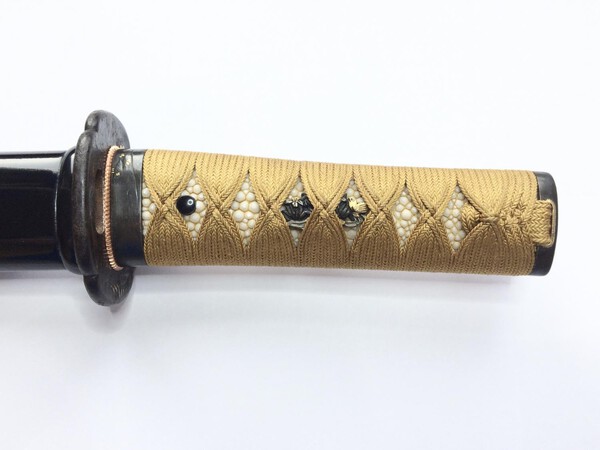
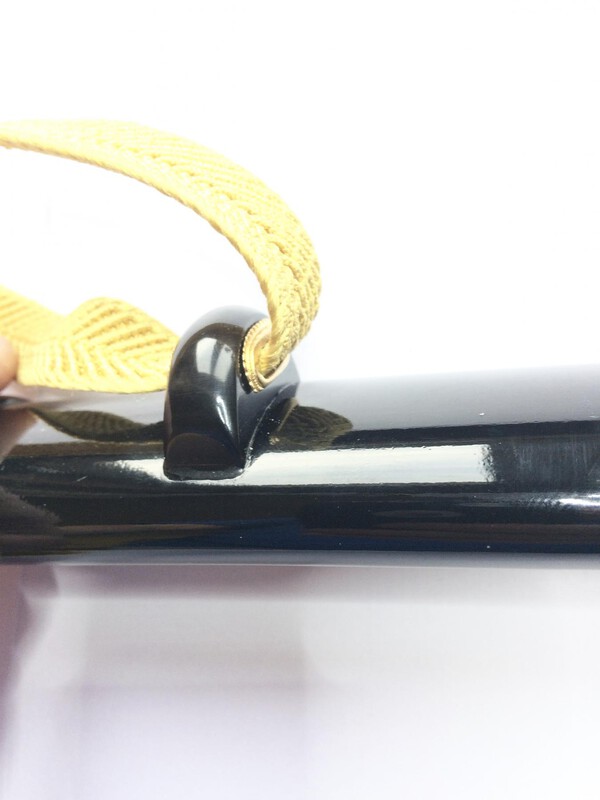
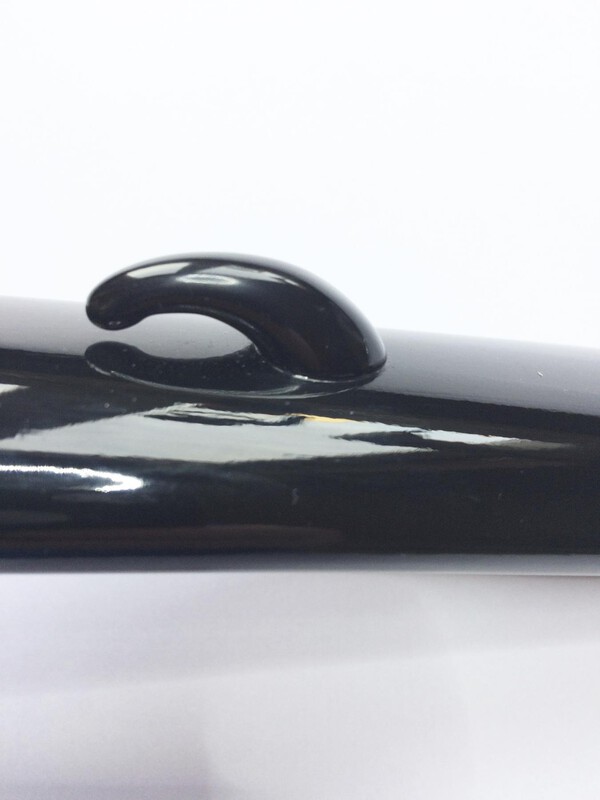
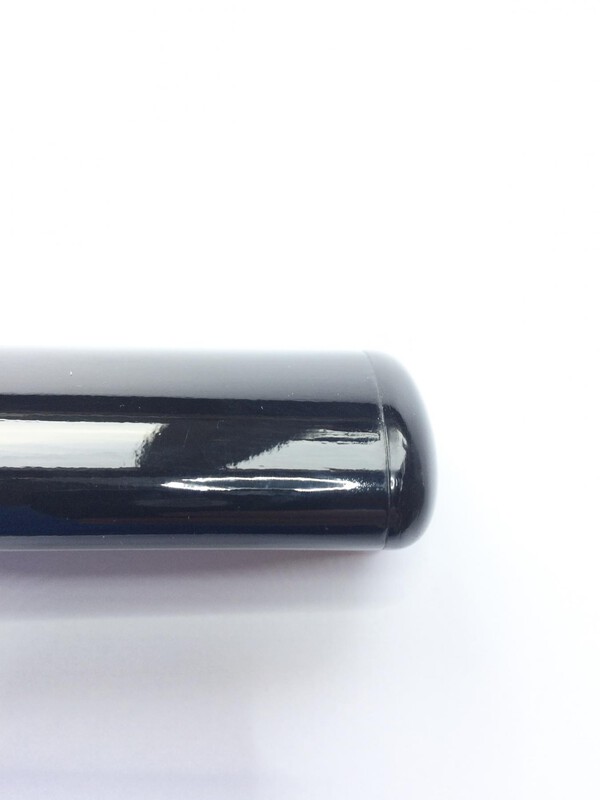
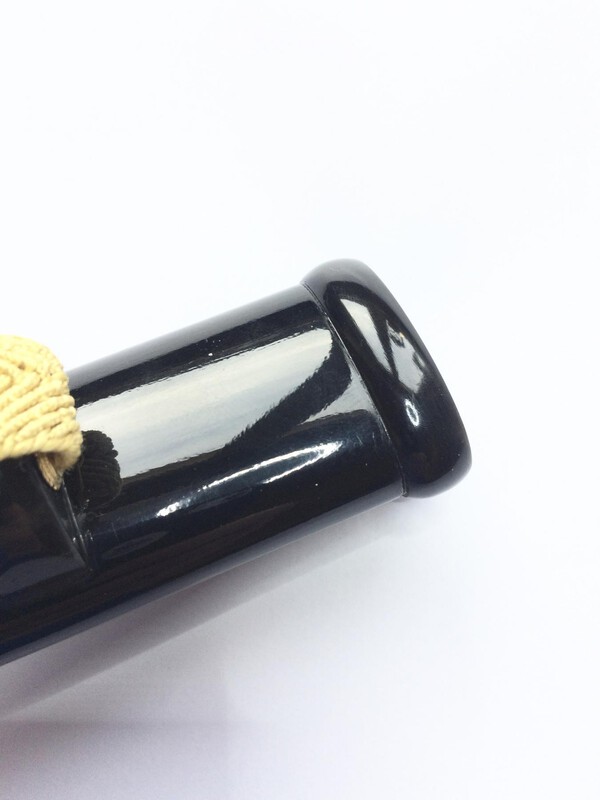
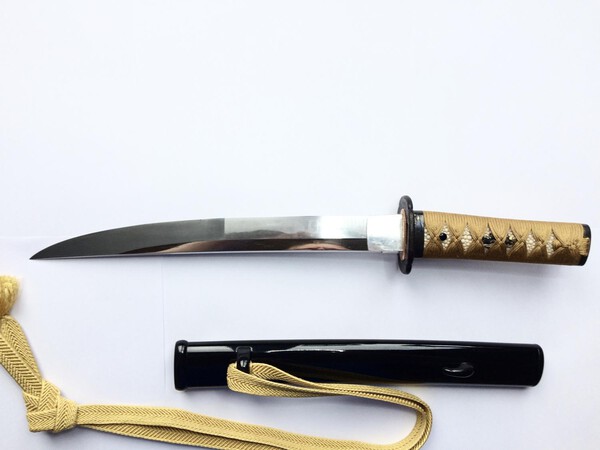
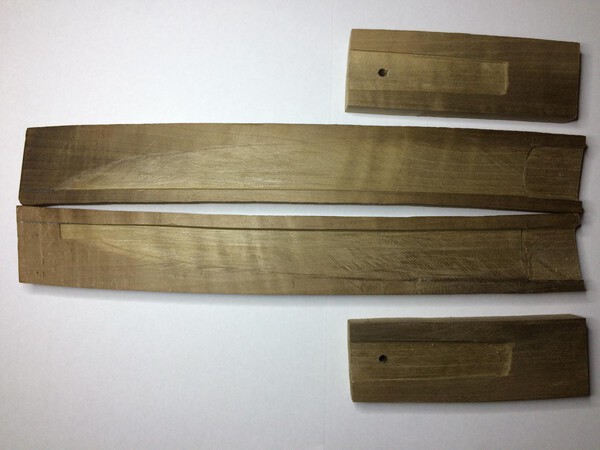
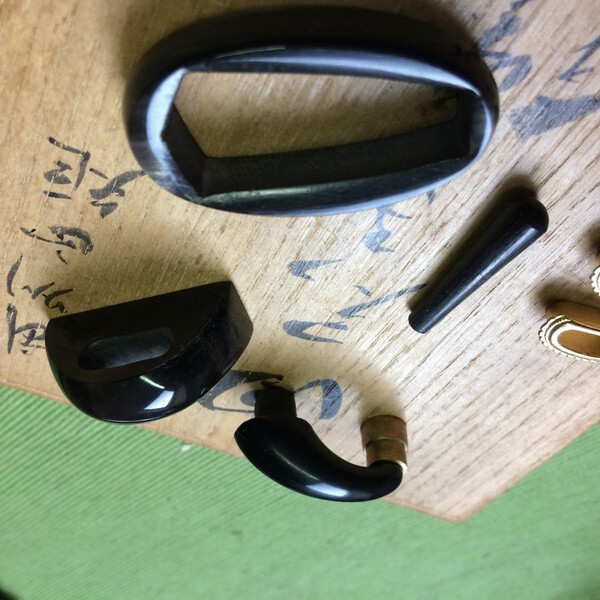
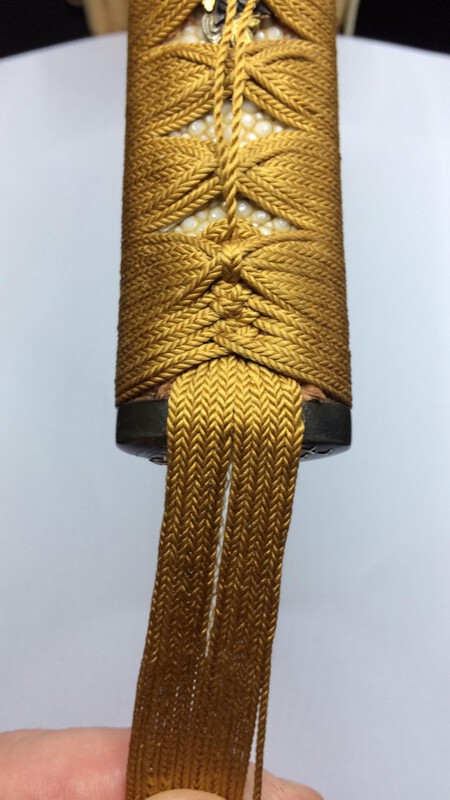
My new project. I received a blade and habaki, tsuba, fuch kashira. I had to choose menuki and make koshirae. Unfortunately, habaki is very thick. Due to the fact that it is wrapped in silver foil, I could not change the geometry - reduce it. This affected the shape of the koiguchi, which should correspond to the size of the fuchi. I will be pleased if you pay attention to what I could improve on my next project. Thanks to Takashi Iiyama San, for supporting me with tsukamaki work. Thank You

-
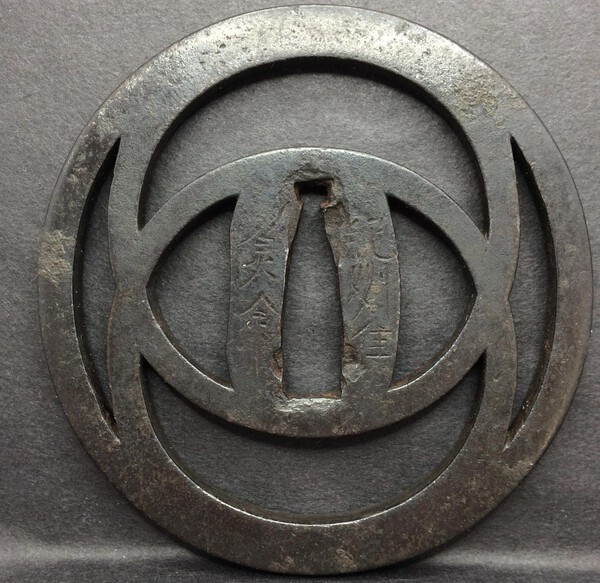
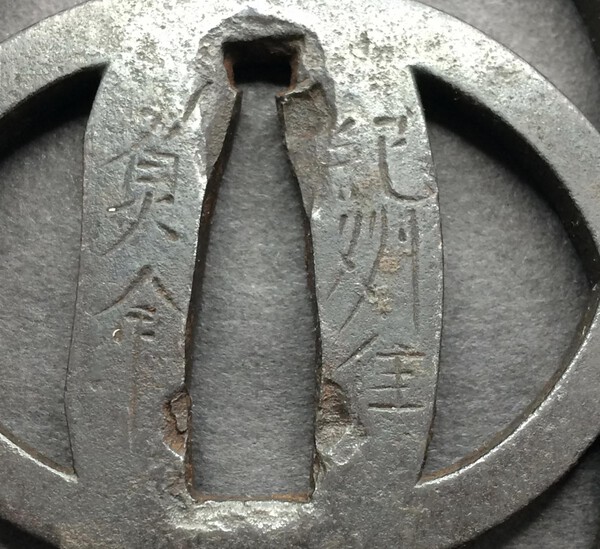
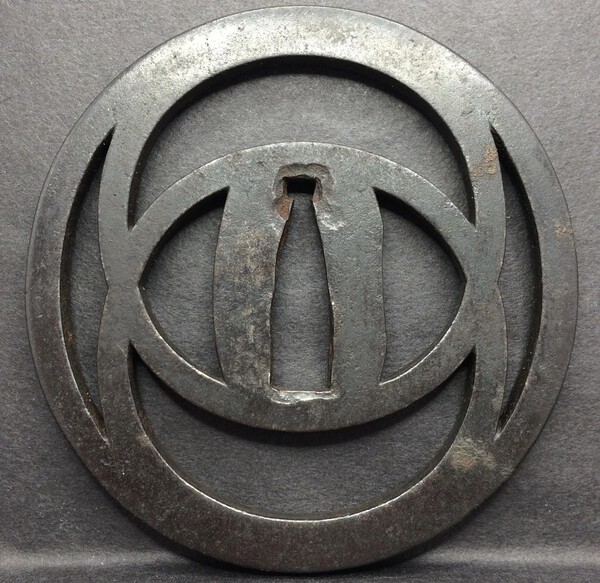
Kishu Teimei Tsuba - the beauty or the beast?
Artur DrogaMiecza replied to Higo-san's topic in Tosogu
Hello, I would like to share, new acquisition.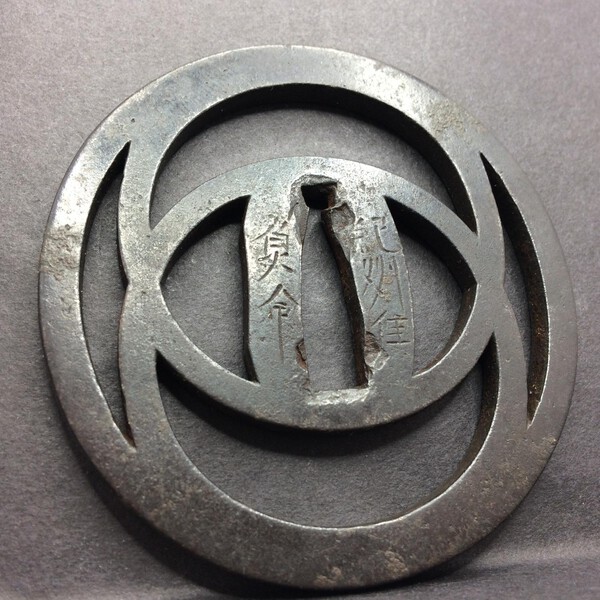
-
Thank You very much for good words.
-
Hello, thank You for interesting. Color samegawa takes 1 day (effective work about 2 h) it must dry after first layer of mixture and then second is putted. Tsukamaki takes about 25-30 h.