Mark S.
-
Posts
2,073 -
Joined
-
Last visited
-
Days Won
5
2 Followers

About Mark S.

- Birthday 04/09/1967
Mark S.'s Achievements






-
GOLD SUBSCRIPTIONS - Please read
Mark S. replied to Brian's topic in Forum Technical Details and Maintenance
My automatic membership processed today as normal… just in case anyone is concerned theirs might not. -
Spoils of War or War loot?
Mark S. replied to MassiveMoonHeh's topic in General Nihonto Related Discussion
Just finished the section of Markus’ book “Honma Talks” about the occupation and the race to save art swords after WW2. VERY interesting read and timely to this topic. -
Spoils of War or War loot?
Mark S. replied to MassiveMoonHeh's topic in General Nihonto Related Discussion
I guess I’m going to complicate this further, but I would say in the case of Japanese swords, they were all “Spoils of War”. To the victor go the spoils. Then I would divide the ‘spoils’ into “War Trophy’s” and “War Loot”. Examples of War Trophy’s are items picked up on the battlefield, or handed out as trophy’s, or surrendered from one individual to another or confiscated based on some type of criteria. War Loot, I would consider to be items stolen from museums or from homes or obtained through less than ‘legal’ channels. -
Thank you Steve.
-
Thank you for all the help! I’m not sure I completely understand how this translates into a sentence. “Made in Kuwana with refined old iron in the Zenjo School style? “
-
Not sure if I needed to mention, nakago is signed on both sides. Katana Mei side is Tanba no Kami Fujiwara Terukado. Just trying to understand the context of the side in question…. Other than Made in Kuwana with …. ???
-
Picked up a Terukado katana. Need help with a few characters. Thank you in advance.

-
Ouch! Don’t think it’s fatal, but not pretty. I’m guessing that damage like this is one reason we see machi-okuri on blades.
-
Hope he posts a little on the process and any other details he would like to share.
-
Hi Max, Glad you asked here first. While it can be difficult to wait and we all understand the excitement of a new blade, you are the prime example of why many collectors recommend “wait and study more”. It’s not because we want to ruin the excitement or fun, or think you aren’t wise enough, it’s just that many of us have gone through the same thing. You see… ‘we’ can’t tell you what flaws you can/should live with or what level blade you will be happy with. Some only collect the highest level and could never be happy with less. Some collect at a more modest level and are willing to accept certain things. My recommendation is to take time and study more until you have an idea what you like. As has been said already, we can give you advice… but we can’t decide what will make you happy… but we do want you to be happy with what you get.
-
I would view it as swordsmiths are craftsmen… some of whom are able to elevate their craft to the level of art.
-
I hope it helps. Once you get it and take a look, please give me an honest evaluation. I don’t want to recommend it if it doesn’t help at least a little.
-
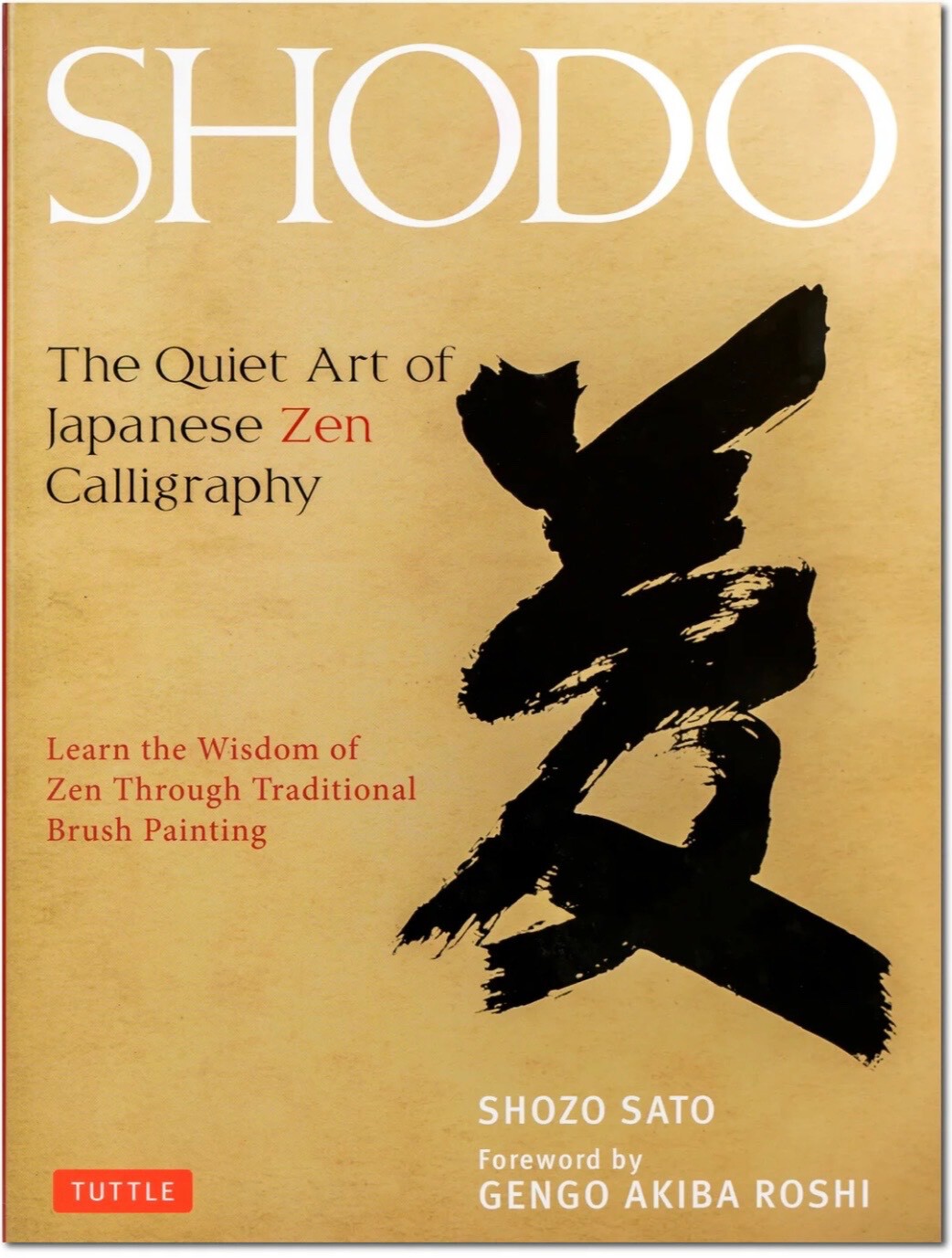
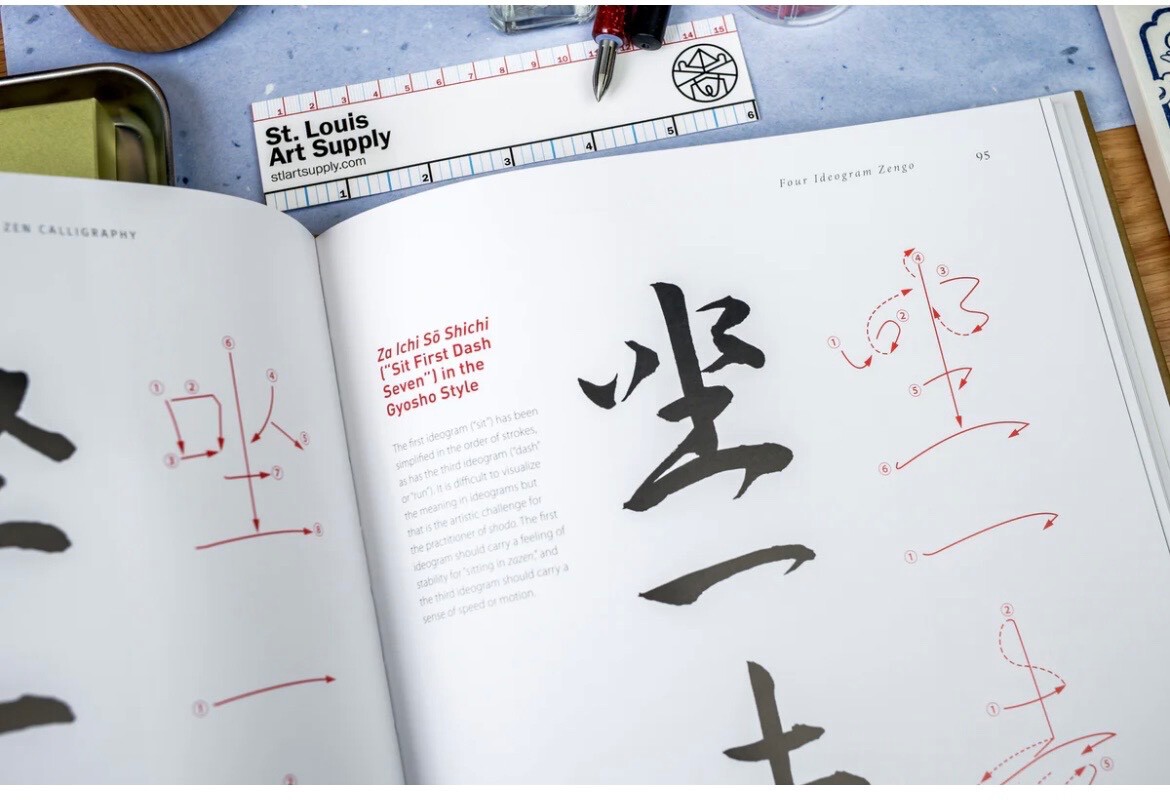
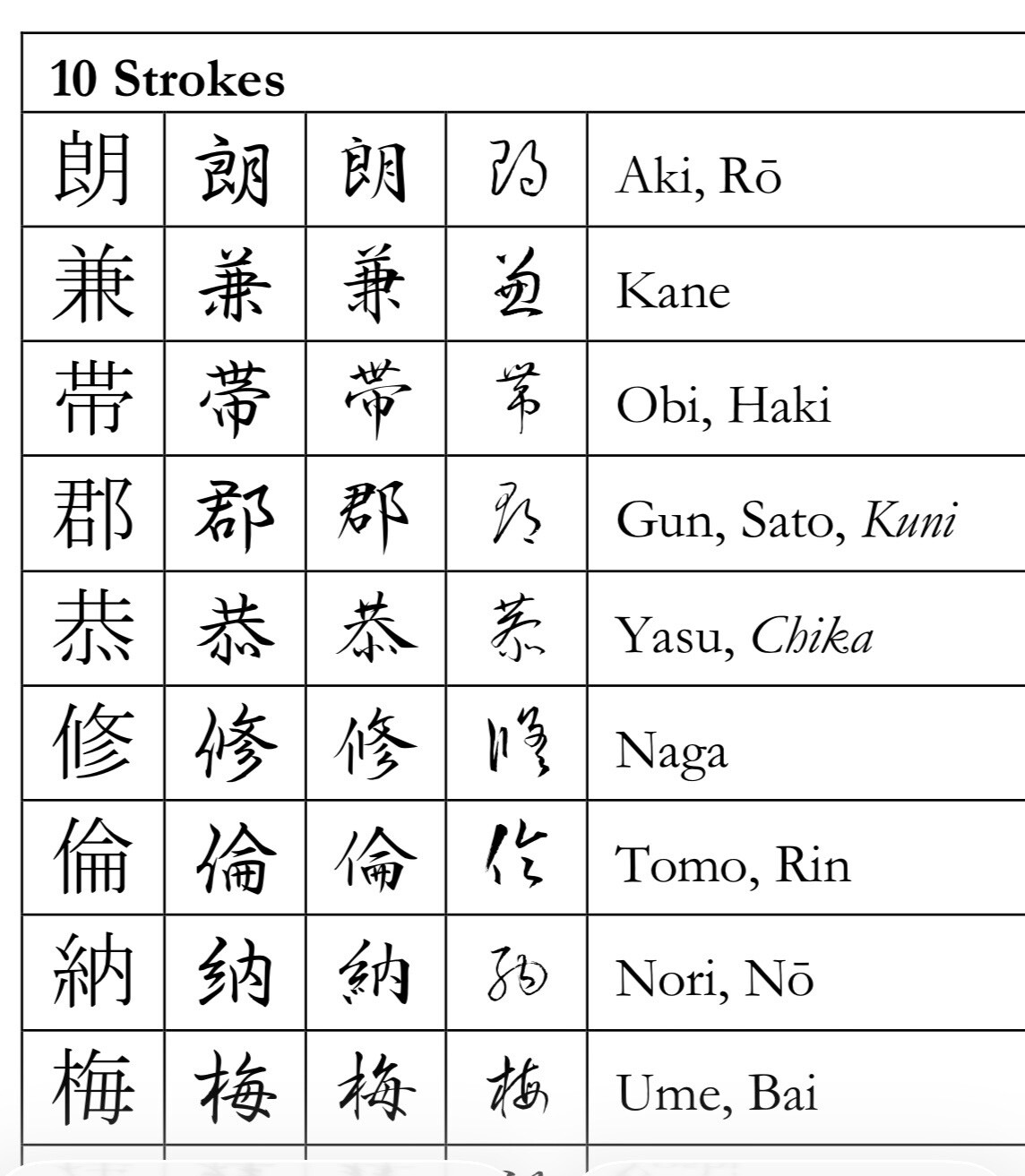
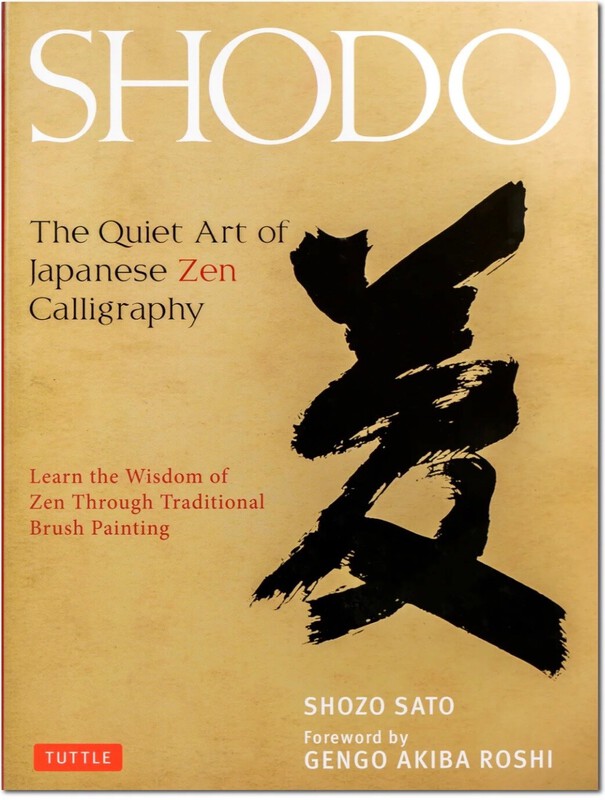
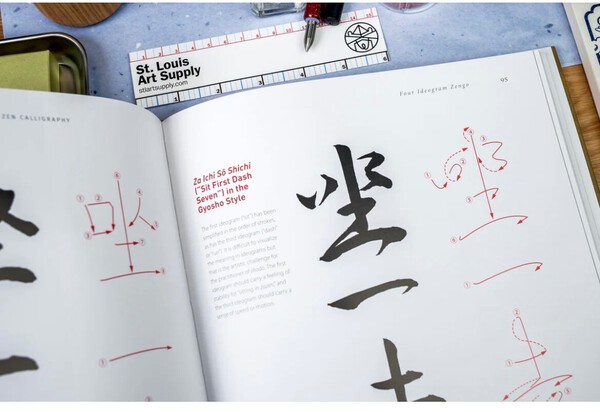
Not to hijack, but if anyone is interested in understanding a little bit more about stroke counts and the formal, semi-formal and informal versions of kanji characters, I highly recommend the book: “Shodo, the Quiet Art of Japanese Zen Calligraphy.” By Shozo Sato. Not directly nihonto related but interesting nonetheless. VERY reasonable $… about $25. Just a quick side note… he was my Chanoyu (Japanese Tea Ceremony) instructor when I was in college at University of Illinois. He was (unfortunately he is no longer with us) a master of tea ceremony, calligraphy, kabuki, and other Japanese Arts. Google him if interested. I will always be grateful for Sato Sensei and all he passed on to me…
-
Also, it took me a while to catch on that the “Kane” with the ‘4 separate strokes’ underneath was the same Kane kanji. Once I made that connection, besides “Kuni” it is one of the most recognizable kanji to me now.
-