Viper6924
-
Posts
539 -
Joined
-
Last visited
-
Days Won
2
Viper6924's Achievements






-
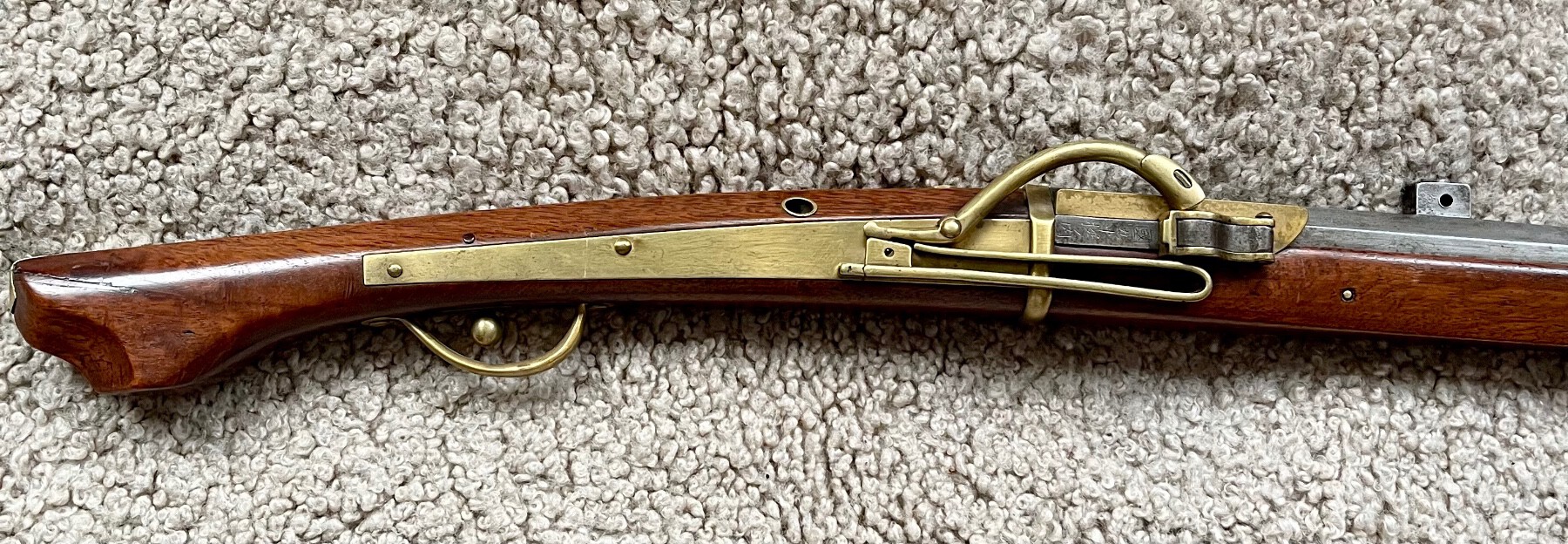
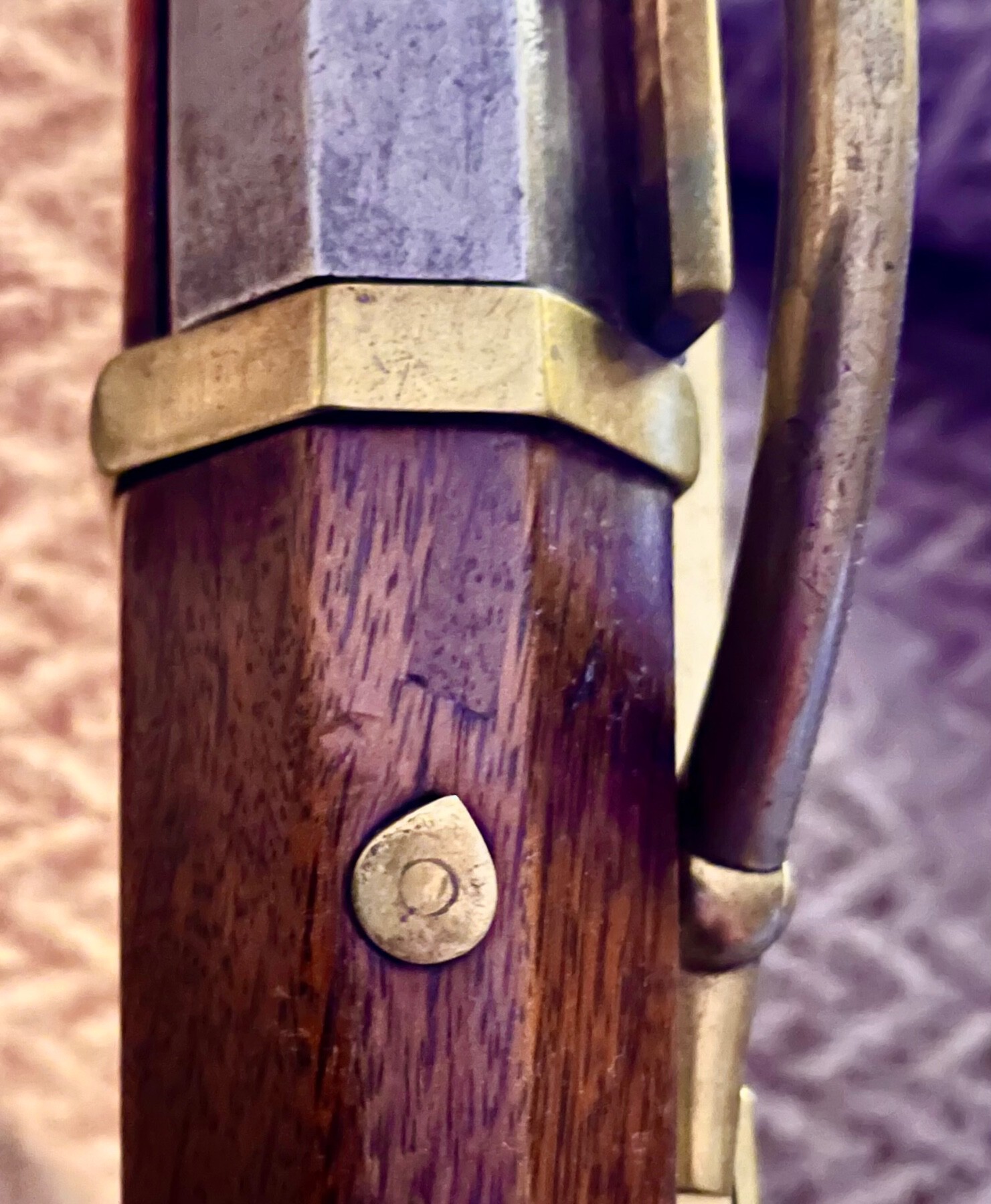
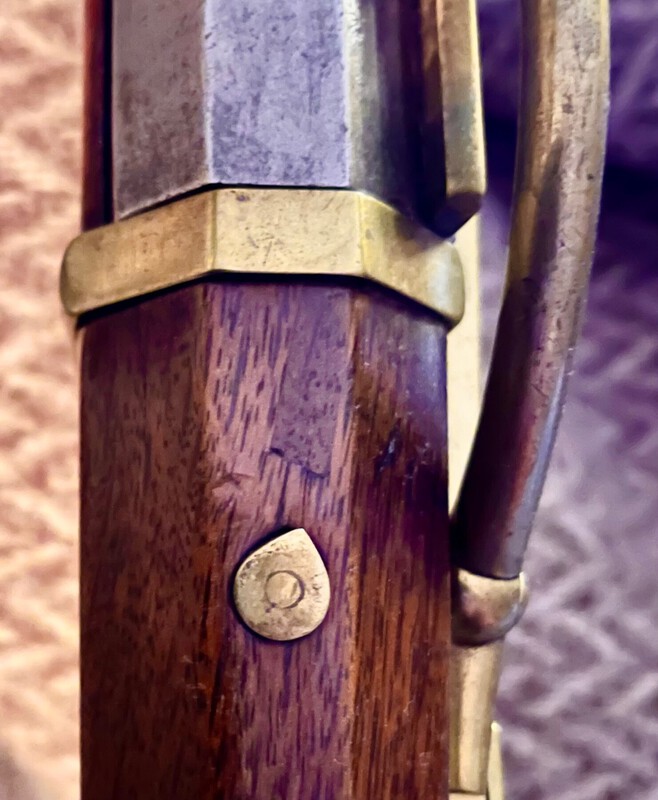
Now that’s an Inatomi ryu if I ever seen one. It’s actually rather easy to spot a Inatomi-ryu matchlock. Not only because of the overall ”flat” design but there are tons of small details that screams Inatomi-ryu. Compare the pictures you just posted with this one. As always; it’s in the details Congrats to an amazing gun that also holds a lot of historical importance. Jan
-
It’s always easy when you know what to look for Yes please take some additional picture of your latest. I call it the latest as I know more matchlock will find the way into your collection in the future Have a great christmas, my friend! Jan
-
The inlay looks very high-quality indeed. Might be original to this matchlock. I also see the ”jewel” decoration. As it happens I’m also lucky enough to own a proper Inatomi ryu. That one is also fitted with such a brass decoration. I wonder if this was something the gunsmiths used on Inatomi-ryu matchlocks? Oh, and I need some more pictures of your most reason addition to your growing collection. Don’t let this one ”slip away” Jan
-
-
You managed to pull together a nice display for that event. Well done Jan
-
There are indeed many works where the artist added a signature/seal, but the vaste majority of these were made by famous/semi famous artist. The pine is an evergreen, so it’s not poetically connected to any season. If you combine it with plum and bamboo, well then it’s connected to winter. But on its own, as in this poem, it’s non-seasonal. Jan
-
We know that Rengetsu helped many budding artist to sell their art by adding one of her poems to them. That way they could bring in some well-needed funds. I think that explain why we see so many illustrated waka by Rengetsu with the artwork itself left unsigned. We see this in all sort of arts from Japan. An artist in training wouldn’t sign their work in respect of their teachers or more accomplished artists. I think your scroll is such a cooperation. I have several in my collection. Jan

-
Loving these candle holders 🙂 Jan
-
It’s mainly to do with the style of her signature. Having a long and VERY productive life, her style varied quite a lot. But there are features to look for. The way she draws the pine needles etc are typical of her. To be honest, her ability as an artist, when it came to drawings, were limited. Usually I can nail an original Rengetsu drawing in seconds 🙂 Jan
-
It’s indeed one of her most well-known waka. This one is very easy to relate to even for people not used to enjoy poetry. For reference let me share the same poem executed in a slightly different style 🙂 This is a large shikishi and it shows how the old lady never wasted anything. This is from her early years. Work from this period is quite rare. First it got an illustration made by Rengetsu herself. A huge bonus. But what makes it truely unique is that she clearly ran out of space. But instead of putting it in the fire, she just added the last line of the poem to the bottom of this shikishi. Apparently a good move as this piece of art survived until the 21th century 🙂 Jan

-
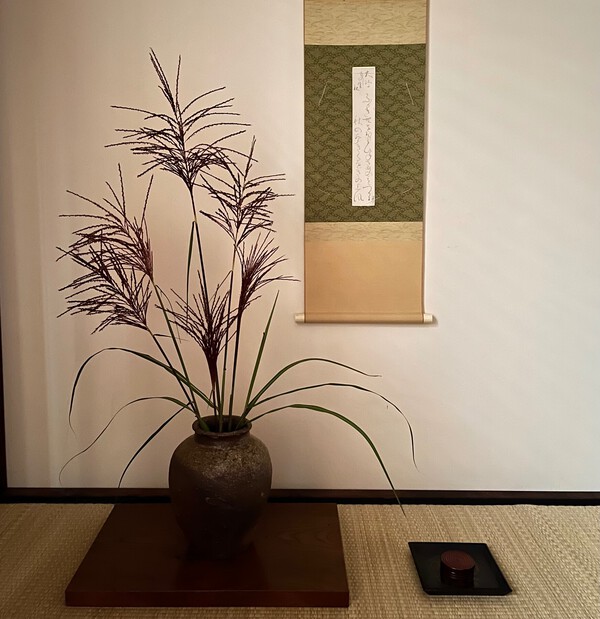
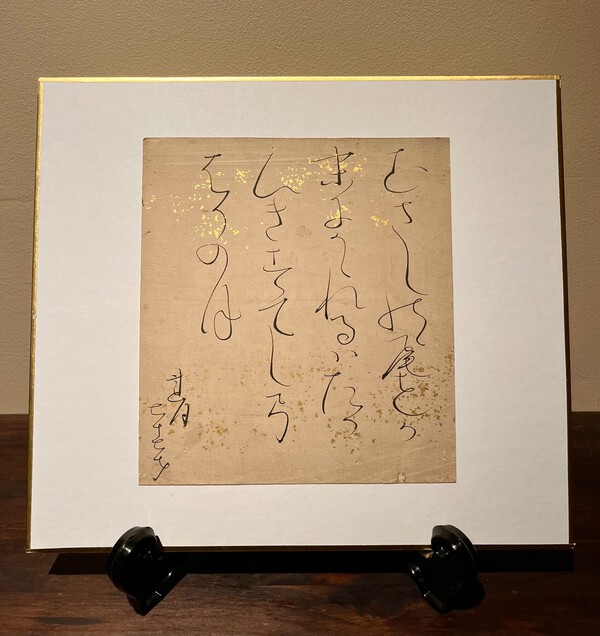
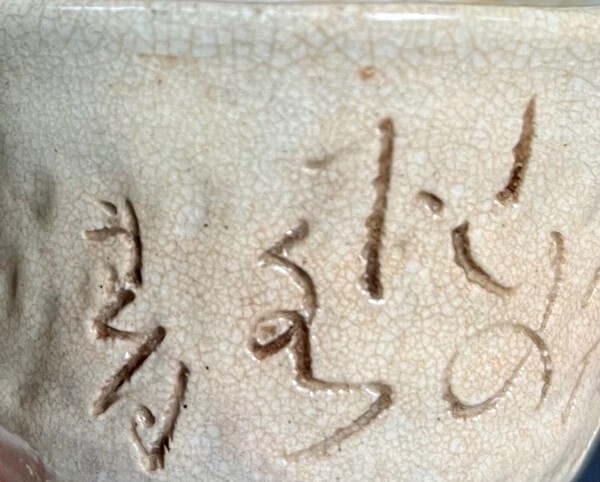
The picture of the traced calligraphy comes from the sencha mug I posted earlier. The tanzaku is currently stored away but will be displayed in the early spring. The moon-viewing festival or tsukimi in Japanese will be held at the 6th of october this year. As with all artifacts, antique or modern, if they have a seasonal motif, they should be displayed at the correct time of year. So let me give you an example of how I use the old lady from Kyoto at this time of year. In the tokonoma I have arranged some beautiful pampas grass which is closely connected to the moon festival. On the wall is displayed a rather dramatic tanzaku that reads: ”Reflecting on ancient times and burial mounds for ears I hear the voice of autumn the wind over the rushes”. The burial mounds of ears is of course connected to the gruesome habit of collecting ears during the Korean invasion. Rengetsu is contemplating the folly of men whilst the autumn winds reminds her of the changing of the seasons. I connect the autumn winds in the rushes with the grass displayed in the old Tokoname tsubo. In another part of the room I display a shikishi with a poem directly connected to the autumn moon and tall grasses. It reads: ”On Musashi Plain hanging behind the tips of pampas Who cast up this bow the crescent moon”. I don’t place this poem near the flower (grass) arrangment as it would be ”too obvious”. You need to let the mind do some thinking once in awhile. Well, that’s how I sometimes use the art by Otagaki Rengetsu. Jan
-
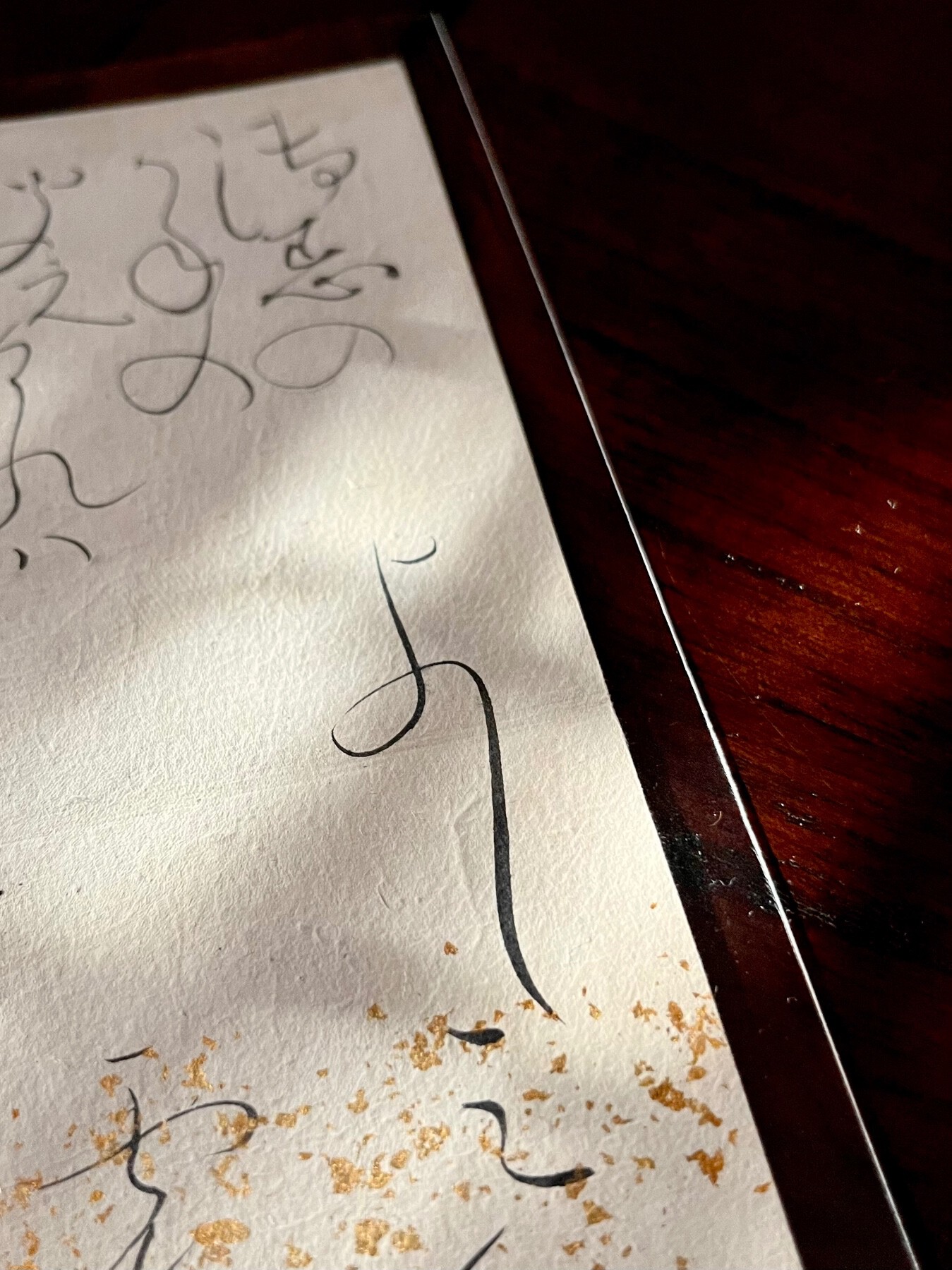
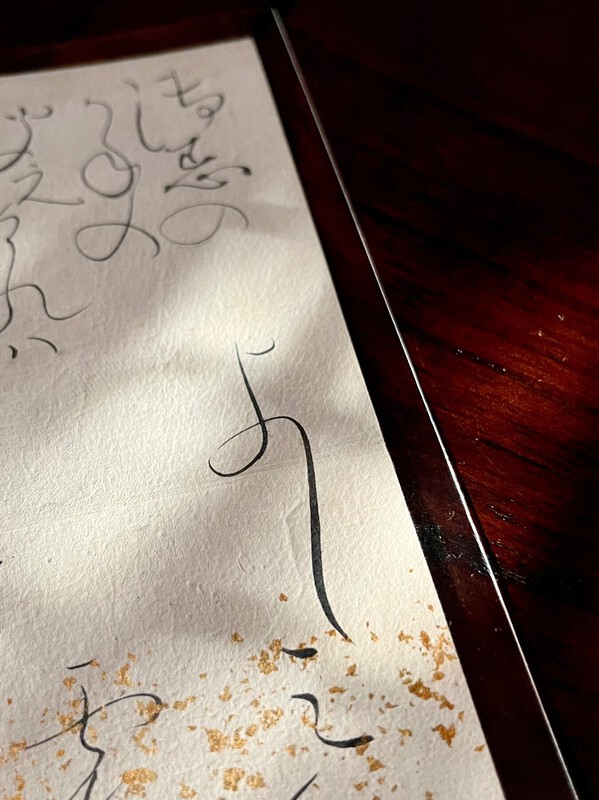
Here is the two faces of Rengetsu’s style of calligraphy. One brushed on paper and one traced in clay. If you look at a detailed part of a recent acquired tanzaku, you can see the beauty of her calligraphy. I don’t think I stick out my neck to far when I say that she had one of the very best hands when it comes to calligraphy in Japanese history. Powerful yet elegant. She moved the brush with the lightest of touch, at the same time she had the power to trace poems into semi-dried pottery. Not many, if any can match that. Jan
-
New-to-me - interesting, but what is it?
Viper6924 replied to Flint62Smoothie's topic in Tanegashima / Teppo / Hinawajū
Let me jump in a tad late in your discussion Looking at my own humble collection, guns without a trigger guard are usually small-caliber and they were most likely for target practise. If they have a trigger guard, but still small caliber, they tend to be used for hunting, even if they of course could be used for both. My own theory is that a trigger guard is more useful whilst out in the bush looking for game. You miss a step at least the guard protects you somewhat from touching the trigger causing a misfire. My five cents 🙂 Jan -
The decorations on these tanzaku were always made before the artist brushed the poem. On these ones the manufacturer first used blue paint and drew this wavy design. He then scattered flakes of mica or gold leaf as an extra decoration. It’s fun to see how the artist sometimes matched the content of the poem with the decoration of the tanzaku. There are two major types of tanzaku; the white ones which might include some scattered gold or they might be completely plain and then you have the decorated one. The latter was of course much more expensive. We know that Rengetsu bought hers from a dealer in Kyoto. But she of course also was gifted many of these tanzaku from friends and customers. She must have gone through hundreds per month. Jan
-
Nothing better than a well-prepared cup of gyokuro. But you really need to know what you are doing. Most people don’t understand how much tea you use in comparison to the amount of water. It’s just crazy to be honest We touched upon the nun’s production. She was very prolific, to say the least. Especially between 75-85. I have an interesting exemple of this. Here’s three tanzaku. They are of the absolute highest quality. They carry three different poems (spring, autumn and winter themed). They are all dated to her 79th year. She got these three (at least) tanzaku in one delivery and most likely in a burst of inspiration, brushed poems on them in one sitting. We of course don’t know when in the year she got them, but I find it interesting that she brushed poems from three different seasons. Having a catalogue of over 1000 poems to go from, I guess she brushed whatever came to mind, despite the season. Jan