CurtisR
-
Posts
599 -
Joined
-
Last visited
Content Type
Profiles
Forums
Events
Store
Downloads
Gallery
Everything posted by CurtisR
-
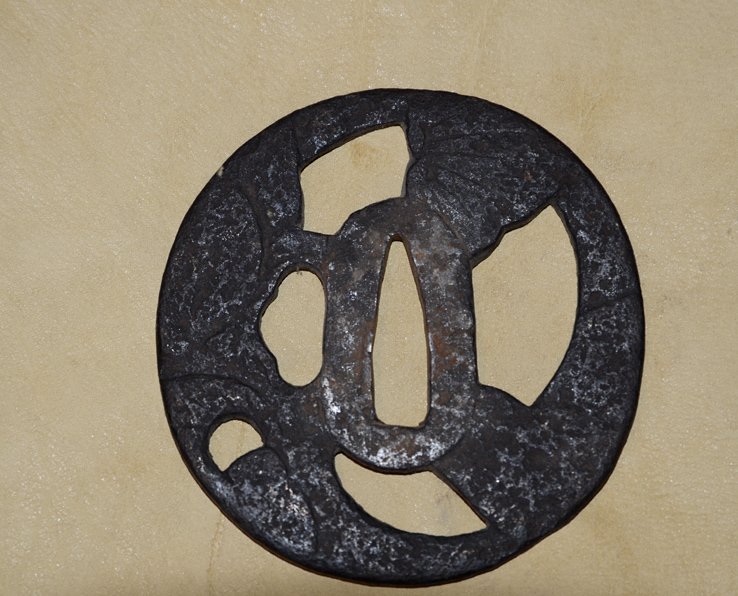
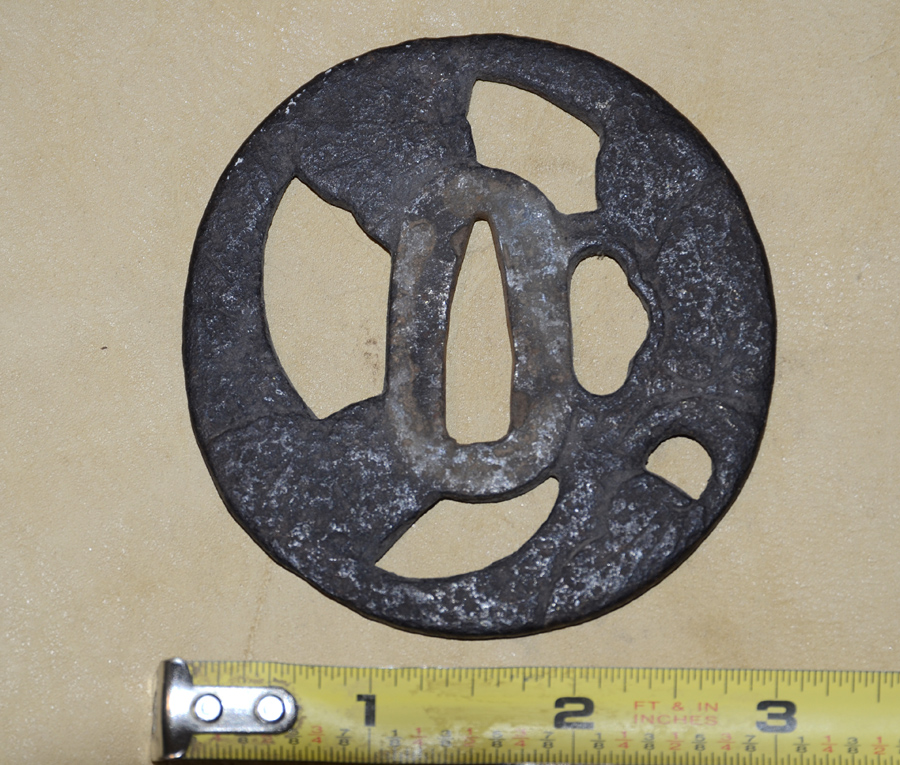
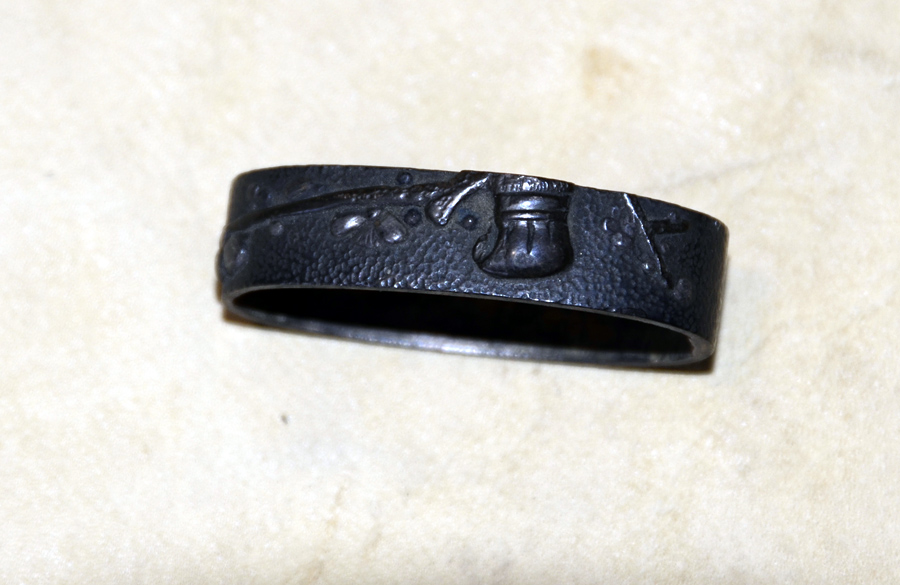
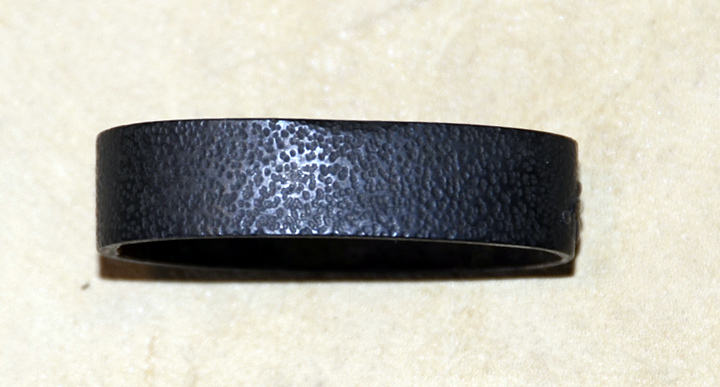
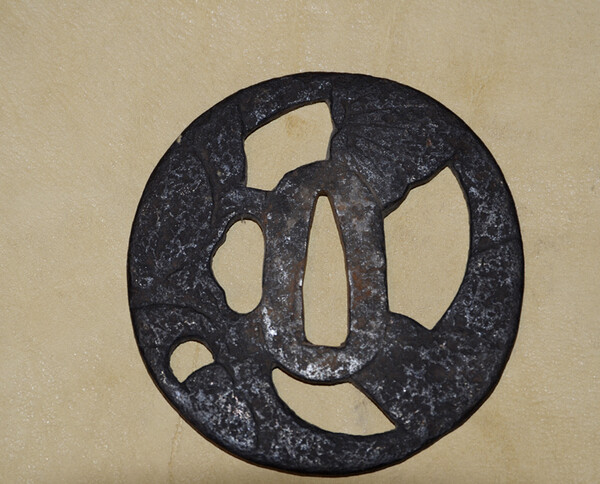
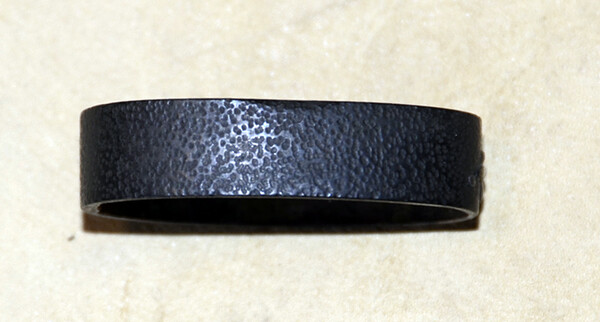
Greetings, This Tsuba (3mm at mimi and 4 mm at Nakago-ana) seems either very old iron work, or badly pitted from exposure, althought the fushi is not. I know the Tsuba is sukashi, but it's very hard to tell the theme as most detain is worn away. The swordsmith worked in the 1930's, so is it possible he just put on an old family Tsuba? The Kashira is also pretty,whowing Sakua flowers and limbs... Not a treasure, sertainly, but the varriation makes mewonder Hope all are having a great weekend ~ Curtis


-
Will do Chris - the more we find, the more he seems motivated . Thanks again, Curtis
-
Great idea Mr. Trotter - will so so! Thanks, Curtis
-
Thank you Mr. Bowen, That is exactly along the lines I was thinking (except for the shinsa outcome, which I hadn't expected). I know that the two I possess have genuine artistic value to them, but his opinion was that "all" show-era blades were non-importable. I totally agree that machine-made blades differ drastically from stamped blades, but he just had his mind set. I will have him visit your site, as well as Aoi arts and see if perhaps that can change his mind. Personally, I'm like an open book w/ blank pages and very much appreciate your expert input. Having dealt in old U.S. fireams for a number of years, Nihonto collecting and baluation is far more complex. I love it . Incidentally, I'm finding that my friend w/ the "hoard" is loosening up a bit toward selling parts of his collection. I knwo we spoke about him before, and I will keep you posted. Thank you for your kind knowledge, Curtis R. Denver, CO
-
Thank you Morita-san...I will have to go back ad compare kanji of "Seki" with Choshu", but at least I am learning! The Kiyo stamp is very stylized and thank you for your lead...more research...more research . Domo Arigato Curtis R,
-
I've recently had a discussion in which frond "A" believes that a Showa-era blade, even if traditionally made w/ tamahagane and water quenched, by a respected smith, is of little value. I'm aware they can't be submitted for shinsa, but perhaps in the next 50 years this will change? One basic pointer for me is that even Showa blades aren't used by most during tameshigiri, since they are considered to be valued. Regardless, my argument is that it is the blade, process and maker that adds true collector's value to them. I have two, both by Showa smiths and not Gunto...just can't see them as having no collector's value. Friend "A" also said that the Japanese gov't will not allow showa blades into the country at all. And so, I submit this dillema to the greater minds here and am open to any thoughts or experiences :D . Many thanks, Curtis R.
-
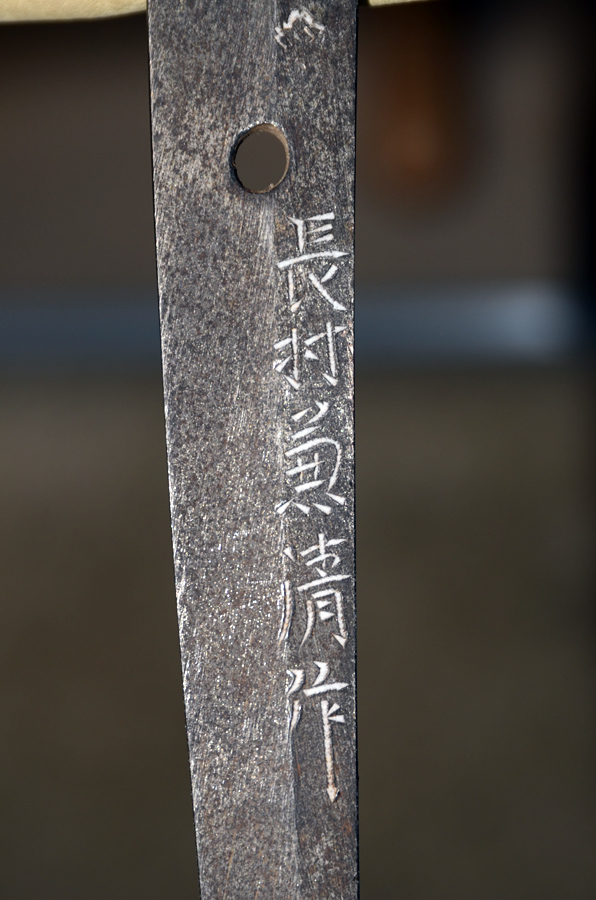
Thanks Gentlemen, For some reason my response didn't post so trying again.... I was actually able to get some decent photos of the Nakago and stamp...I just have a feeling it's part of the smith's signature, and would therefore be kokuin. Sadly I don't have the book suggested (yet)... I've also been able to decipher the mei as "Choshu province, Nagamura (Kanakiyo)" (although not 100% positive on the province or first name of the smith...) - please feel free to correct me if I have it wrong, but after researching the oshigata and using Jean's suggestion of "use the search button :D!), it seems genuine. Many thanks, Curtis


-
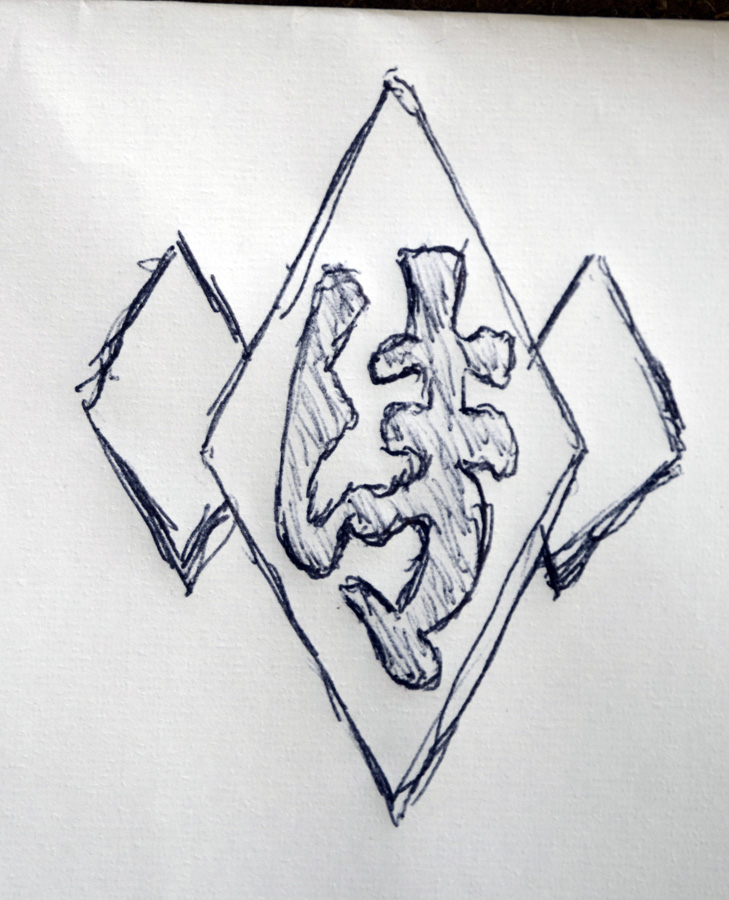
I hope I'm posting this in the right section....today I ran into a Nakago with the following "stamp" below the mei. I've searched my reference books and had no luck. The Nakago is signed as well, but this stamp is puzzling me - I've done my best to re-produce it using a loupe (it is perhaps 5 mm in height, and 3mm in width). Any thoughts on what it signifies would be very much appreciated. I believe the Mei is "Kanekiyo" but not sure of which gen. yet (still working on it). The blade and hamon are very distinct, and the tsuba/fittings appear to be of original age to the sword. I'd very much like to know what this type of "stamp" is called, if anyone knows? Thanks in advance ~ Curtis R.

-
Wish I could make it - Probably will make the SF show if they are still having it this year (and hoping they will have Shinsa as well)... Curtis R.
-
Thanks Adam, I suspect you are probably correct on the foil...I'll re-check it this coming Friday and am sure that's what I'll see. Beautiful Habaki in your photos, BTW! Curtis
-
Thank you Jean - and good point on searching first! Cheers, Curtis
-
Good afternoon (here in the U.S., that is), I've been wondering if there are specific clues to determine when a blade has been oil-quenched vs. traditional water? I've looked in my reference books but am not finding anything specific. Is there a certain color of steel, or.....? Many thanks, Curtis R.
-
Thank you Brian - very well put! I will let the owner know (BTW, I completely agree with having them restored, even in my novice opinion lol) and hopefully we can get the process going if Mr. Halam is game for it! Cheers, Curtis
-
Submitting blades for Shinsa
CurtisR replied to CurtisR's topic in General Nihonto Related Discussion
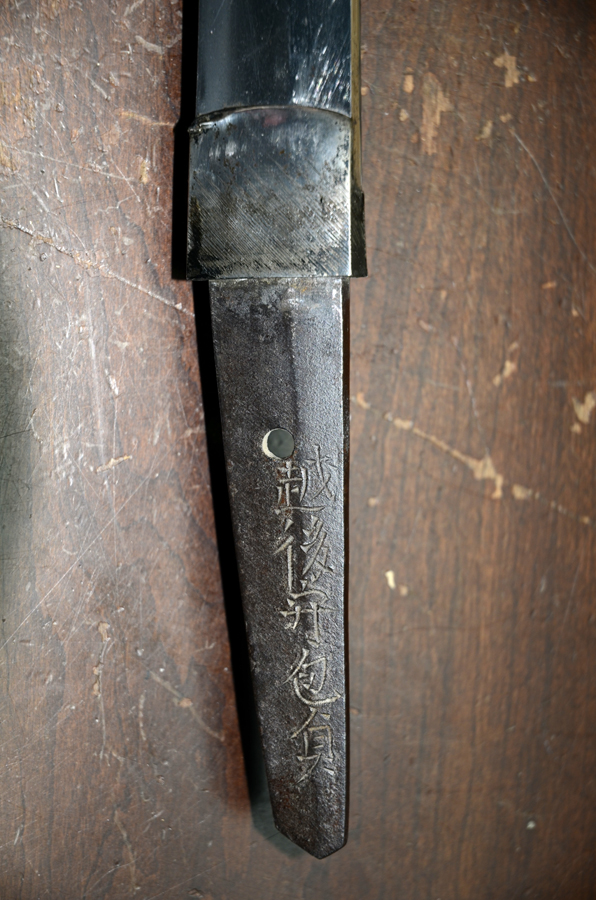
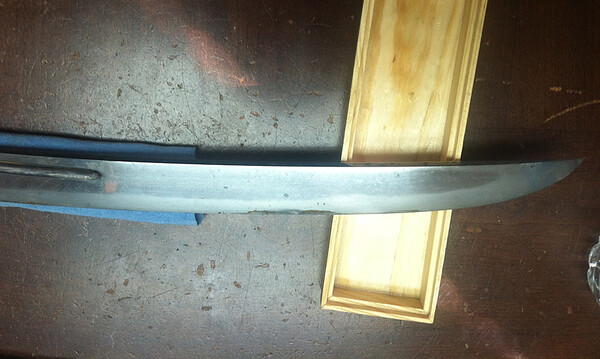
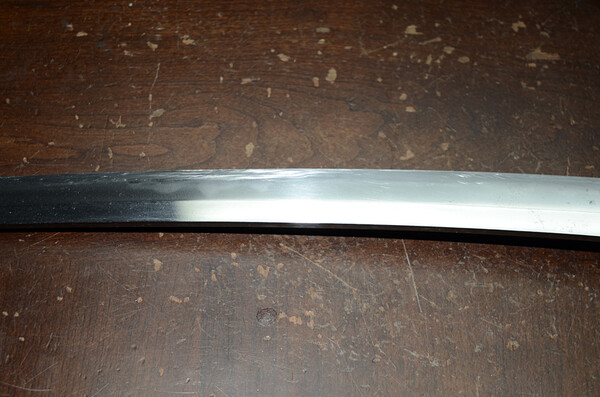
Thank you all for the excellent information! It seems to be - just as sword collecting - a very complex issue :D . As I am not "footing the bill", I want to be doubly sure that I don't give the owner bad advice and get them turned down after the expense of submission if they have no chance of passing. I do know that on the O-Tanto, the hamon does not run off of the edge, and is then probably (according to Jean's observations) NOT 1st generation. The Wakizashi blade is clean but out of polish. Here are images of the mei and blade portions of those I was thinking of submitting (attached). I welcome anyone's thoughts on going further with them! Perhaps having a window opened first might be the way to go...? Best Regards, Curtis

-
Greetings Derek, The habaki (from what I can tell) is solid silver and sadly, it is a bit 'smashed'...I'm going to try to get it off gently with the info. kindly provided here. Honestly, the workmanship of the fittings is beyond nice IMHO, but hard to appreciate fully unless in-hand :D . Sadly, I only know that it's current owner took it in at his shop, and paid a very good amount compared to it's apparently worth. He has a good eye, even if he doesn't know exactly what he's buying. He didn't get the "back story" on it, which is too bad - other than it's somehow ended up in Colorado. Congrat's on your piece as well...have you had it papered yet? Cheers, Curtis R.
-
Thank you Ford - awesome! I'd bet $$ (or Pounds lol) that you're right about the menuki. Sadly he received it without them. The theme makes perfect sense now, and the tsuba is beautiful to hold. Glad to know it could be restored, too - we all know at some point, sometime, it was at a yard-sale for $130.00 or something silly like that, and it was someone's 'brilliant' idea to mark it that way. I was amazed when the owner pulled it from his safe - I knew he had something pretty special, but through those here (who have my many thanks for translation and opinions!!) have found out how special so it can be preserved. I've seen your work on the "Katsamura's Tiger" video - stunning! Do you do this type of restoration? Feel free to PM me if you wish, also. I'm not sure of the metalic composition, but it's very soft (I'm guessing) and very heavy. Domo Arigato Ford-san ~ Curtis R. Denver, CO USA
-
P.S. I'd also be very careful with it if it WAS mine :D . The owner's expressed interest in selling once it's papered (although out of my price-range I'm guessing) so..... Curtis R.
-
Ahhhh - excellent point Adam. It's not mine so I'm being very careful with it, but the link will help a bunch. Thank you! Curtis R.
-
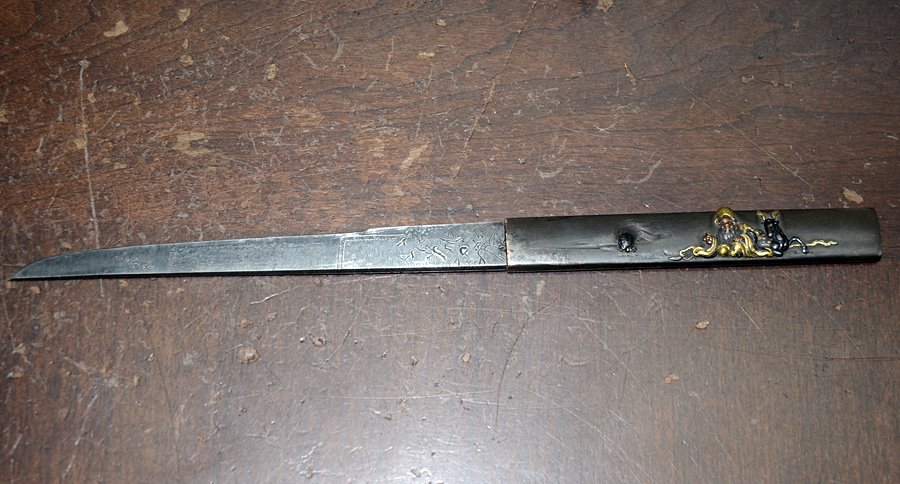
Thanks and glad you enjoy the photos...it's a joy to hold! The saya has very subtle inlaid circular"wood-grain" patterns in the urushi (done over the base layers...I have no idea how the sayashi did it but it's amazing). Oh, and yes, the kozuka does match...here are a couple of images of it . There is a sanskrit poem engraved on the omote side of the blade... I'm not sure who could restore the Tsuba but I love Ford's work for sure...the (a@*$(*#@ scratches are less than 1 mm deep, thankfully, so pretty sure it could be done. Curtis R.


-
And just a couple more... Curtis R.


-
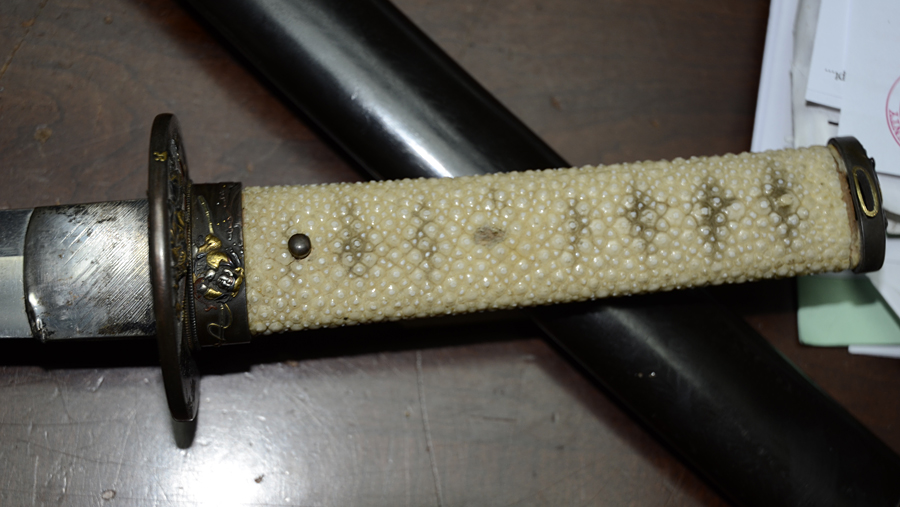
Fittings from a Nidai Kanesada wak. - sadly, someone scratched "130" into the omote side of the tsuba, but otherwise beautiful IMHO. Comments welcome! Curtis R.


-
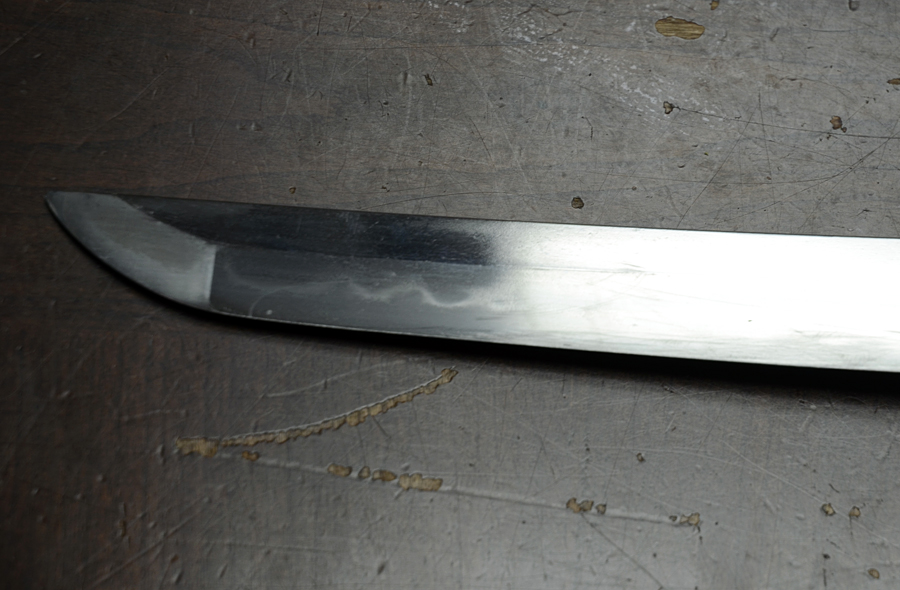
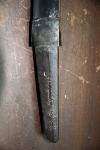
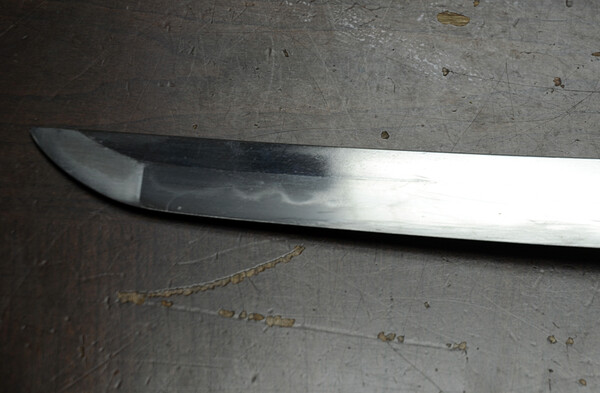
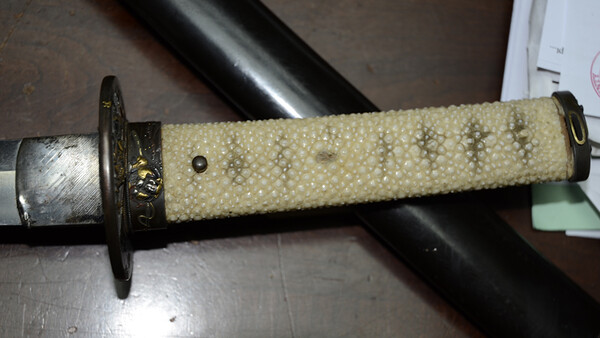
Good morning all, As promised, some detailed photos of a Nidai Kanesada Wakizashi - pics of the fittings in the Tosogu section....the Habaki is somewhat damaged and I did not want to remove it from the blade in fear of scratching the nakago. Cheers, Curtis R.


-
Thank you David - I just found the smith listing for him...Showa era smith but seems to be nice work, even though not Tamehagane. I believe the mei on this blade was "lightly" inscribed vs. other examples I found on NMB. I went ahead and made an Oshigata (to add to my collection) in case I see it again. Cheers, Curtis R.
-
Good day to all ~ In case anyone is interested, I'll be posting pics of the blade in the "Nihonto" section later this evening...also of the f/k and saya (which is beautifully decorated although damaged) in the Tosogu section. I also convinced it's owner to submit it to Shinsa, thanks to the great info. I received from everyone. Again, many thanks! Curtis R.
-
Thank you John & Moriyama-san...I can find no record of the smith Mantetsu, but am guessing it was forged during the Sino-Japanese war perhaps (based on the reference to the Manchuria Railway)? I still struggle with the Radicals in Kanji but practice, practice, practice . The sword is nicely balanced and appears to be traditionally forged, based on the file marks of the nakago. Best Regards, Curtis R.