Ed
-
Posts
1,855 -
Joined
-
Last visited
-
Days Won
44
Content Type
Profiles
Forums
Events
Store
Downloads
Gallery
Everything posted by Ed
-
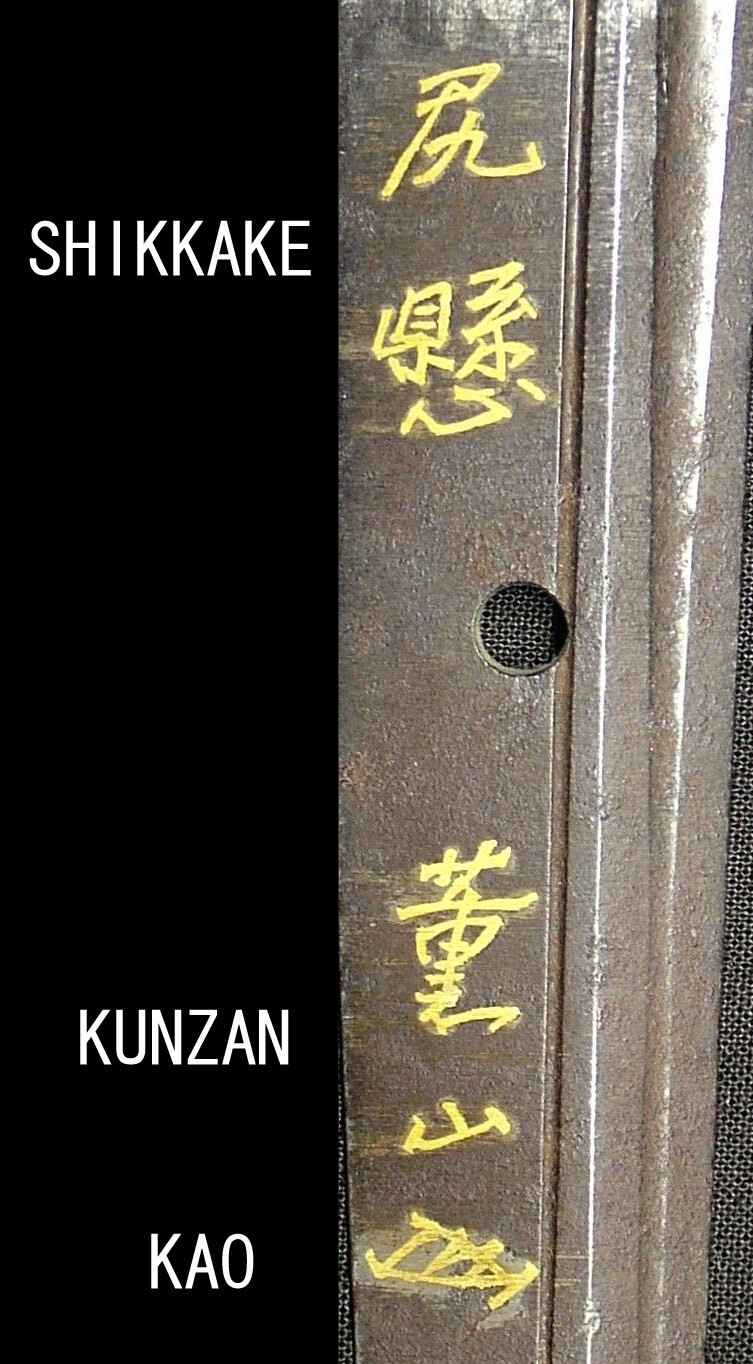
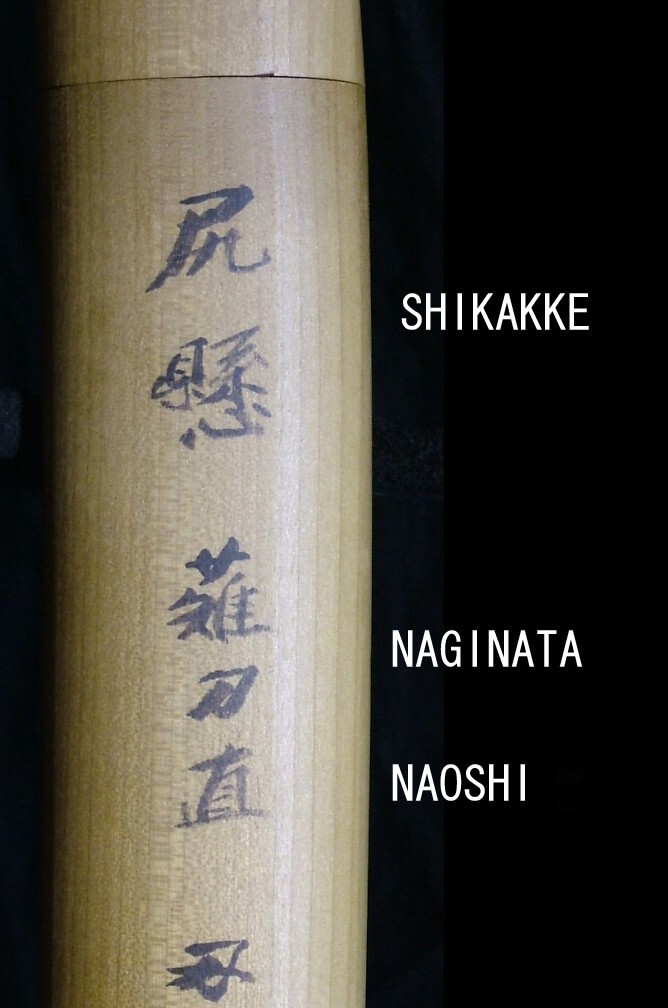
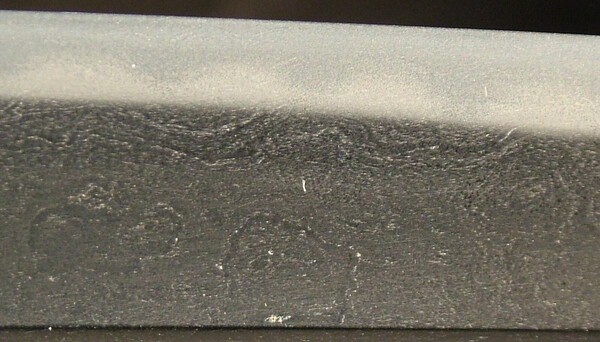
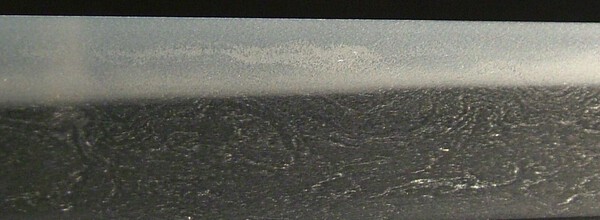
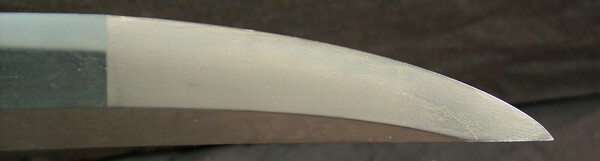
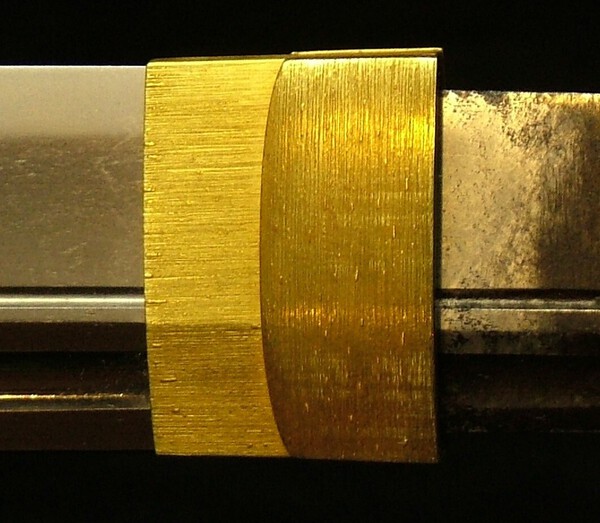
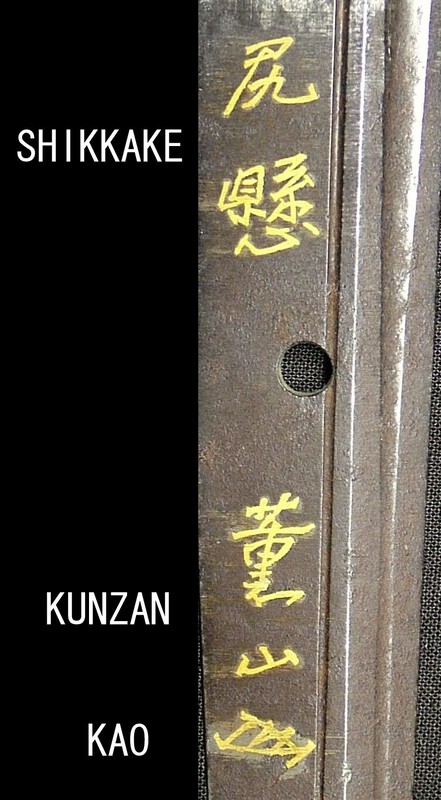
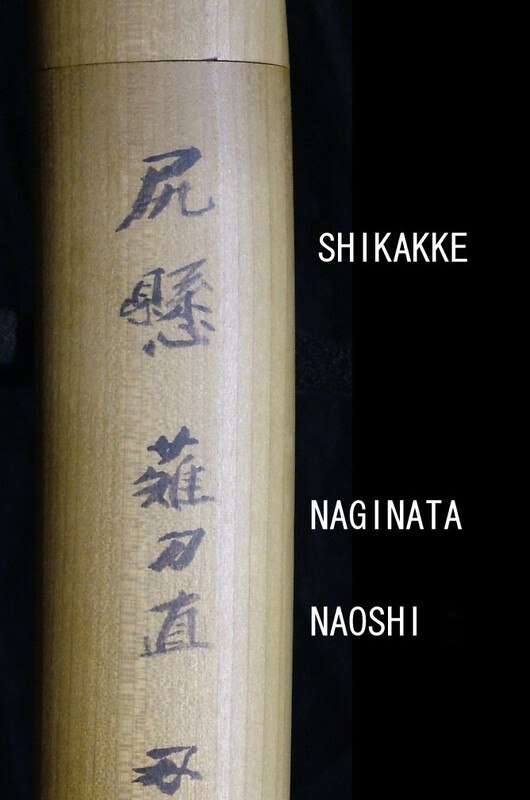
Not looking for cheap deals, let's move to the other end of the spectrum. Late Kamakura to early Nanbokucho period. Shikkake School of Yamato province prospered present Tenri City in Nara prefecture. The name Shikkake is from Shikkake-ishi, the flat stone to place the divine palanquin in Shinto. The Jitetsu of this sword is extremely fine that has something in common with Taima School. It satiates the collector’s interest. Five principal schools prospered in Yamato province: Tegai, Shikkake, Taema, Senjuin and Hosho. Norinaga is thought as the substantial founder of Shikakke school. Dated Tanto in 1319, the third year of Bunpo era in late Kamakura period still survive at the age of 69. Counting backward, Norinaga was born in 1270, the seventh year of Bunei era in Kamakura period. Later generations Norinaga forged sword to the Muromachi period. Smart Shinogi-suji, wide Shinogi-haba, stream like pattern of Itame-hada and Suguha-hamon are characteristics common to all Yamato province. The workmanship of Shikkake School shows traditional Yamato style. Typical ko-gunome hamon based on suguha. Kunzan Sayagaki which states this belonged to Dean Hartley. Provenance: Col. Dean Hartley Price: Ask, if you are prepared to purchase a sword of this level.






-
- 8
-

-

-
Thanks Jean. Hopefully, it has cosmetic issues but nothing fatal. Seems like a fair deal for someone starting out on a budget, but wanting a genuine Japanese sword.
-
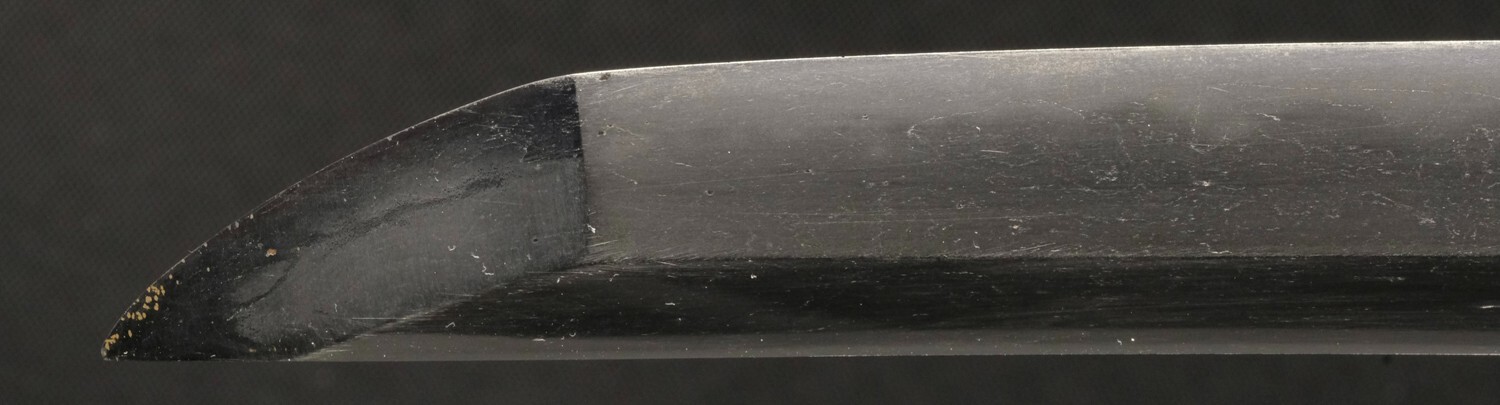
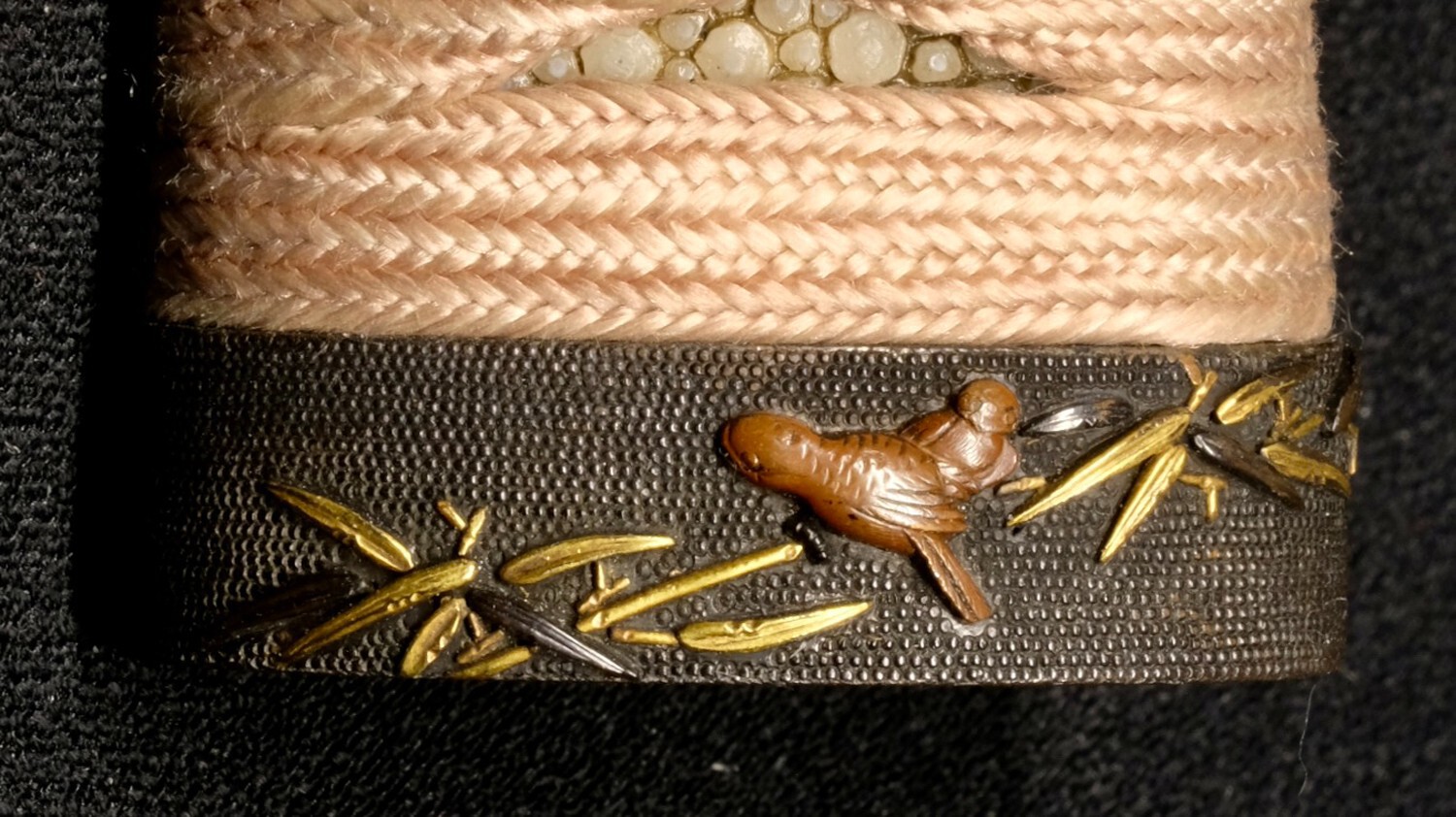
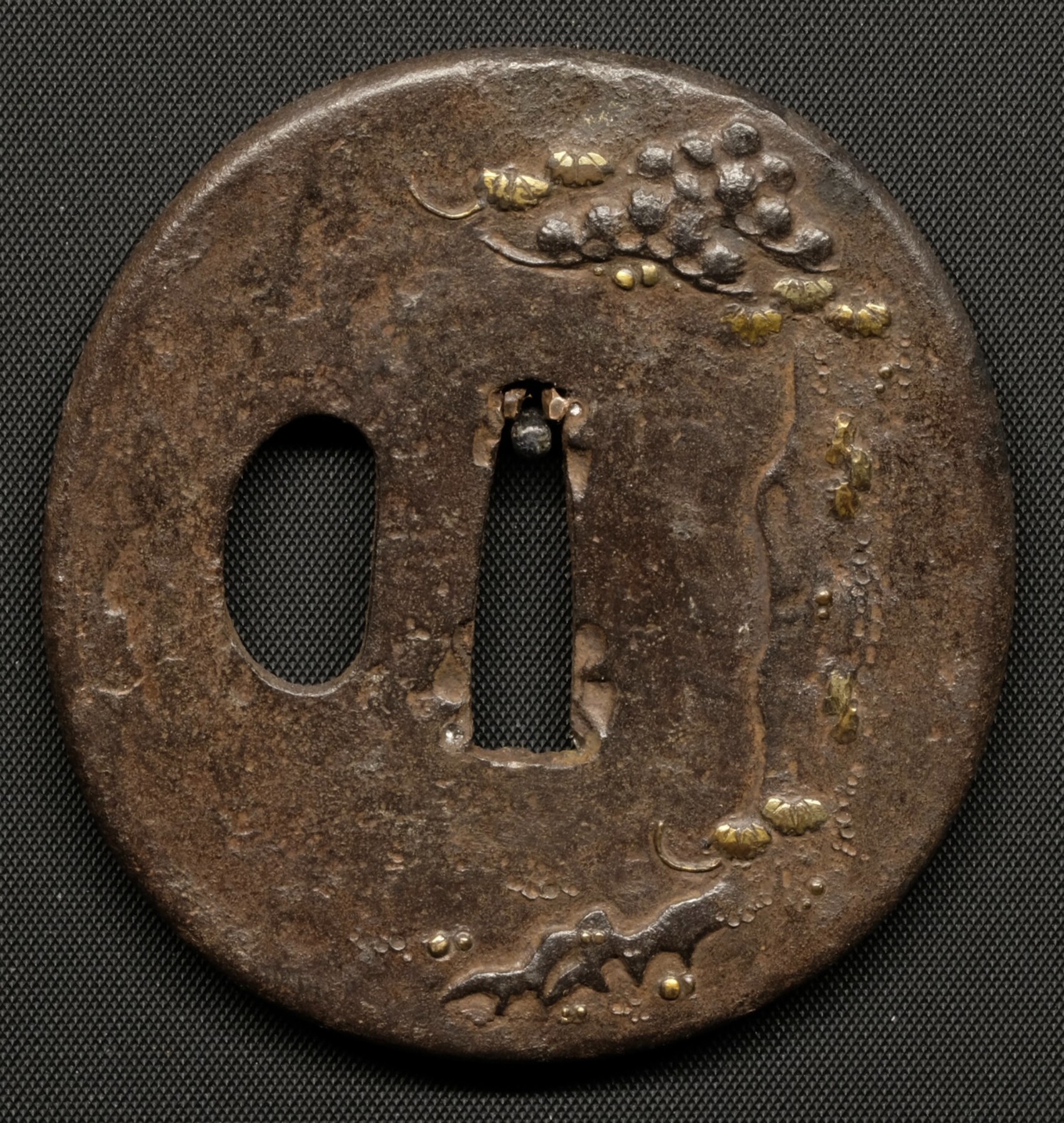
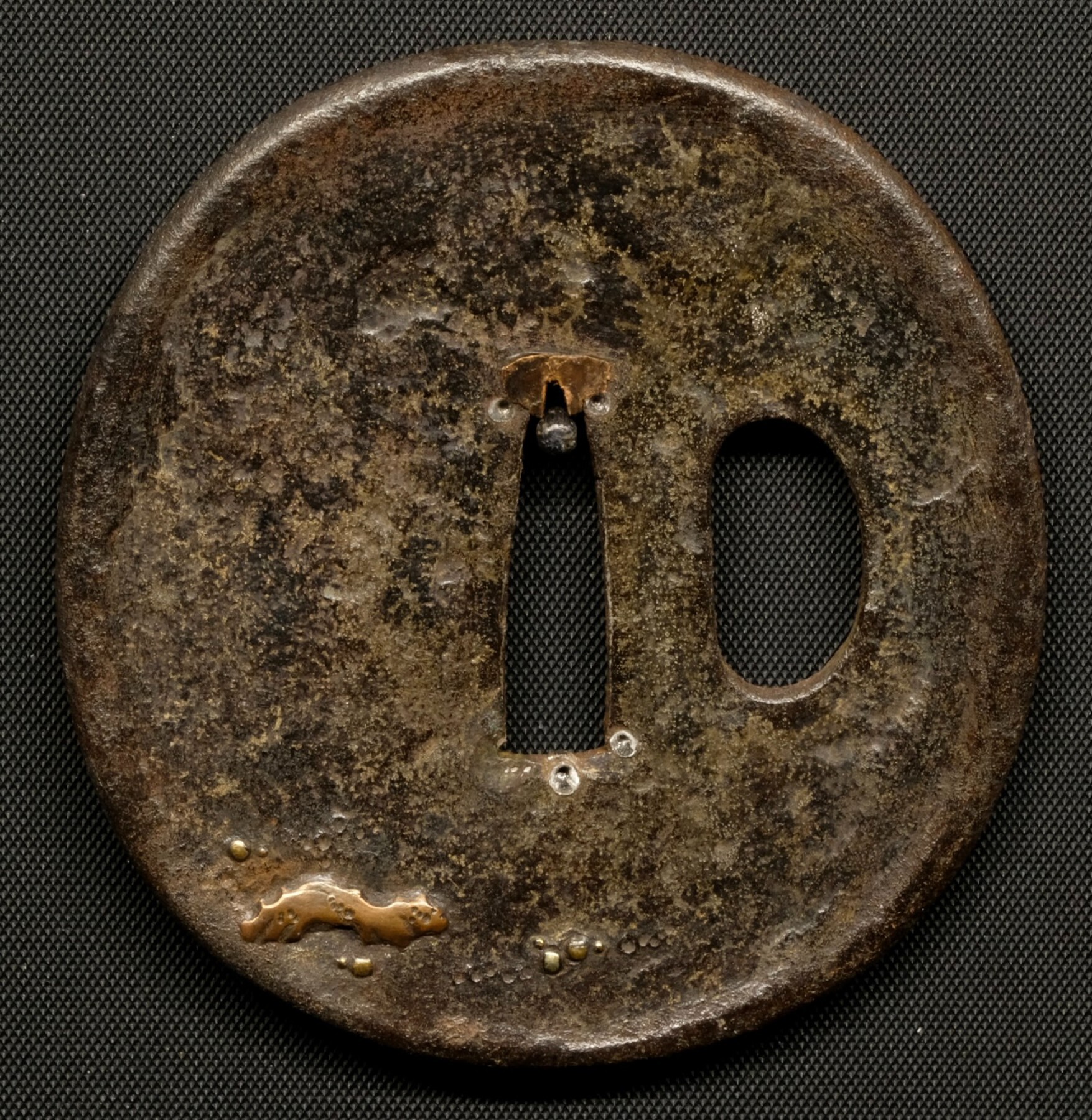
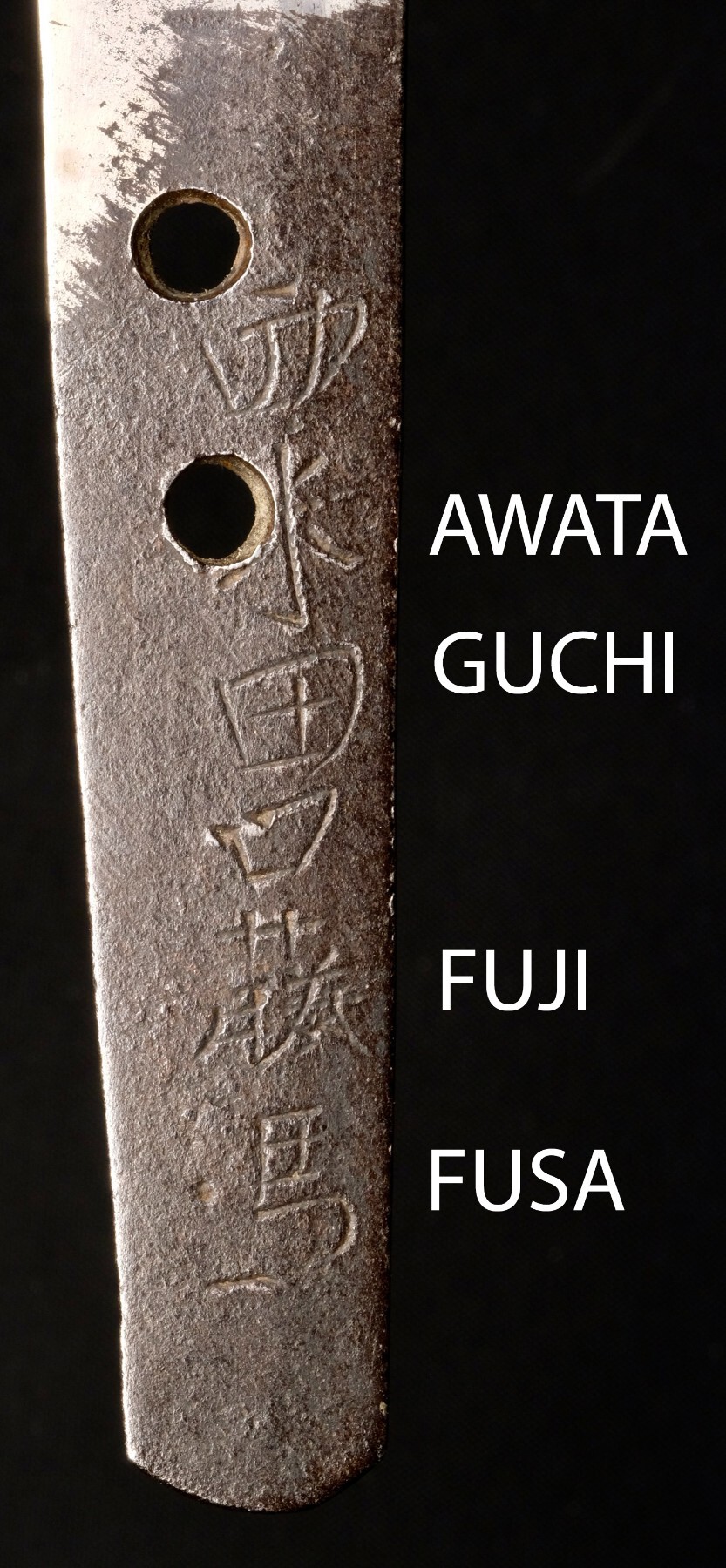
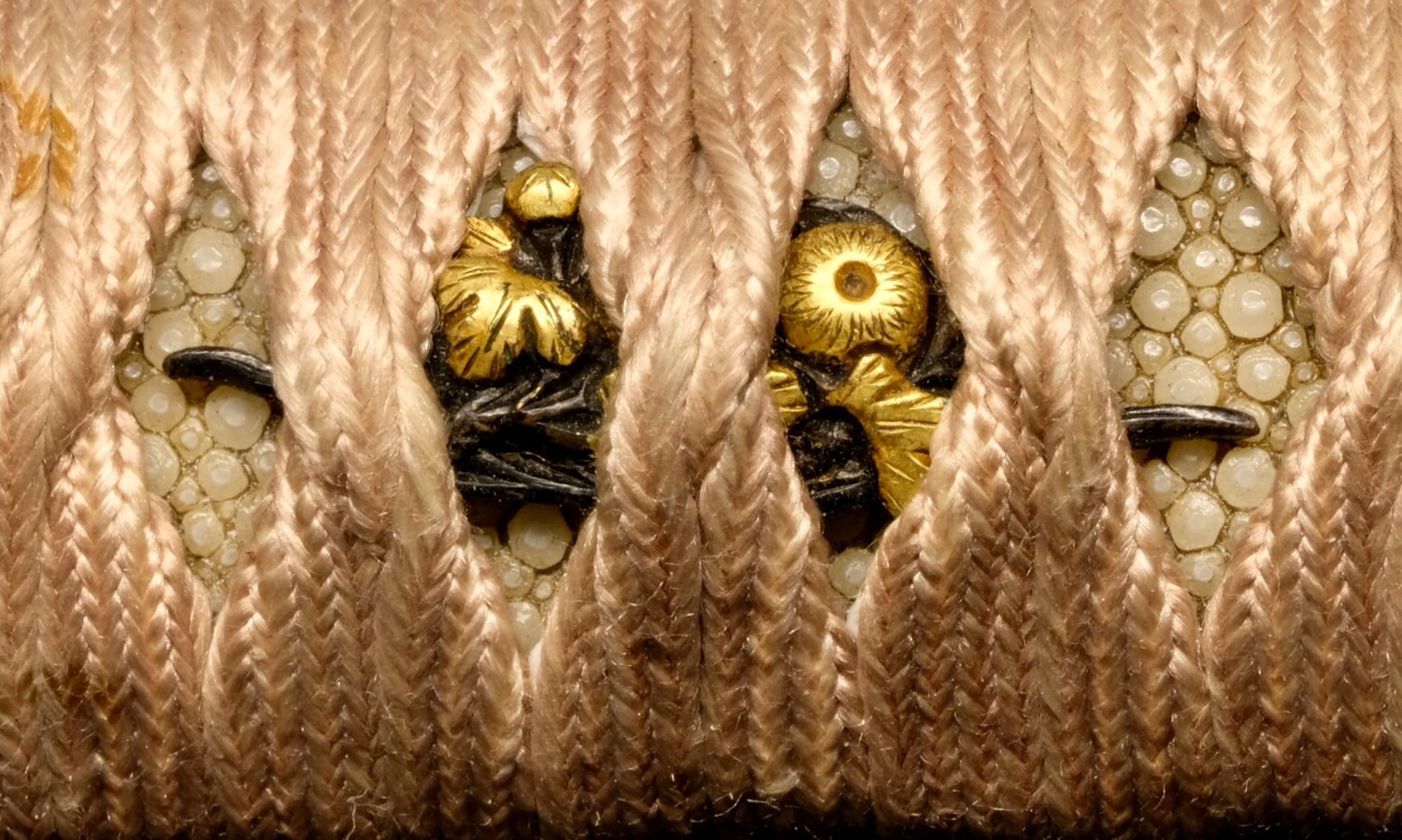
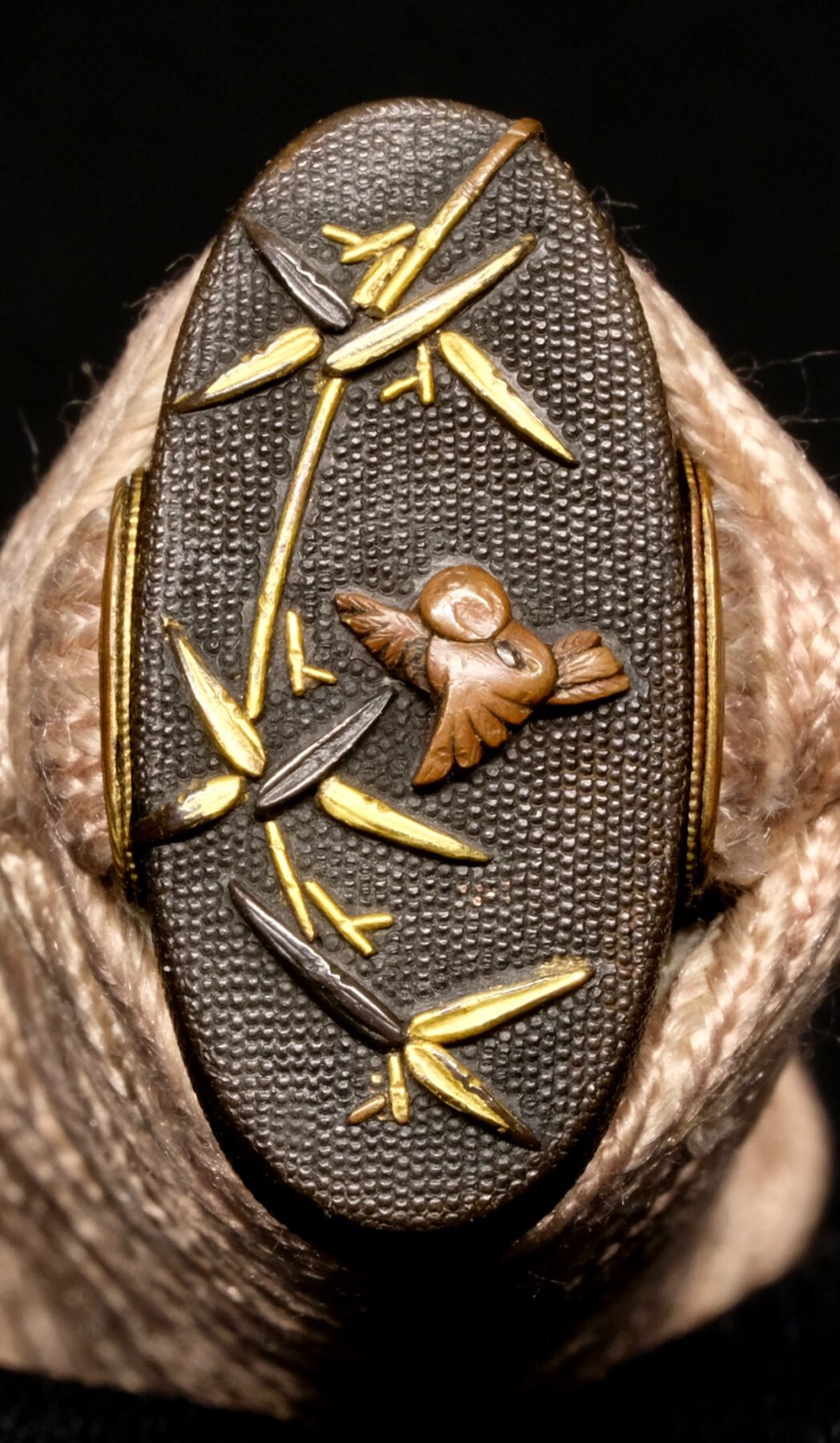
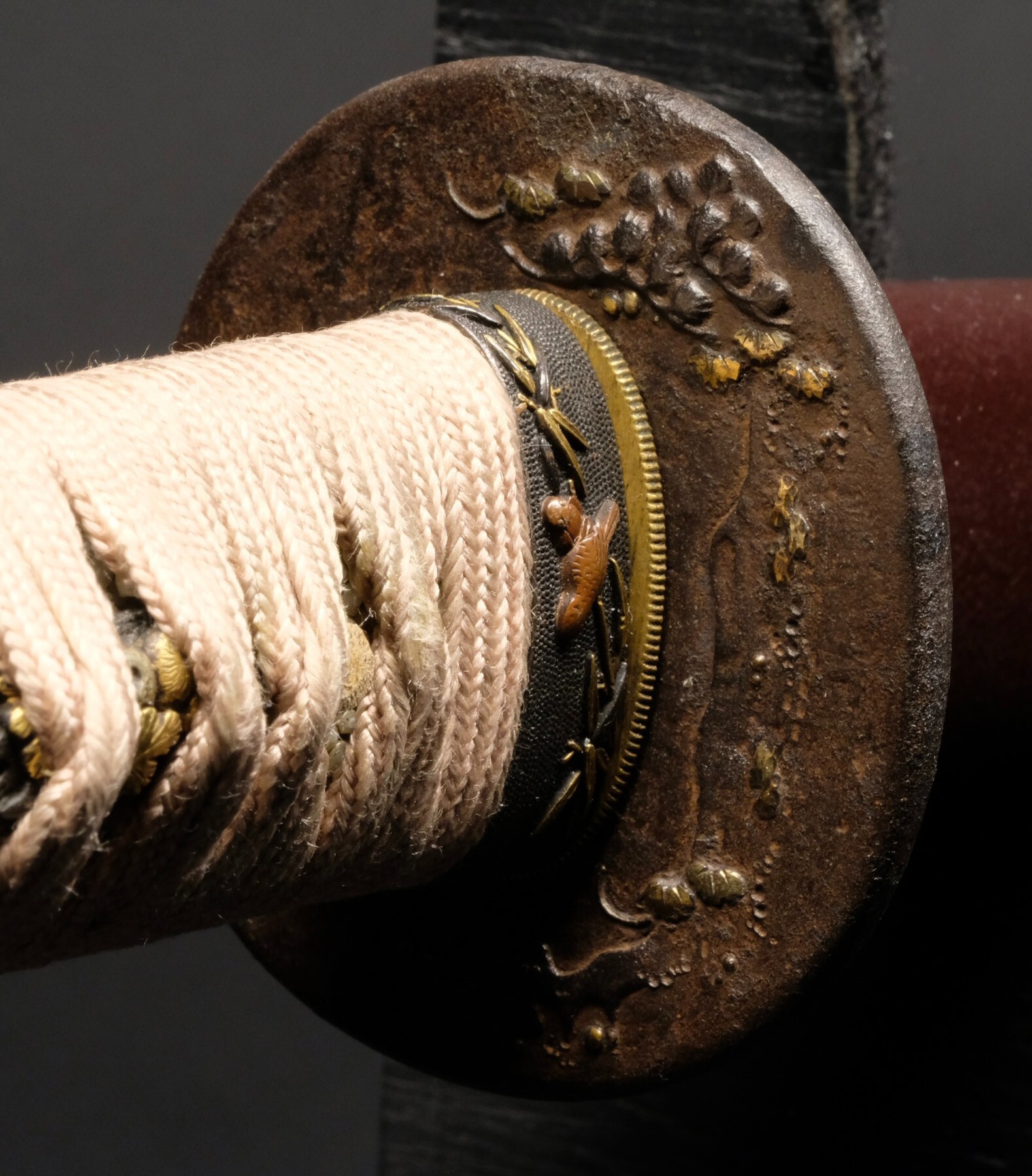
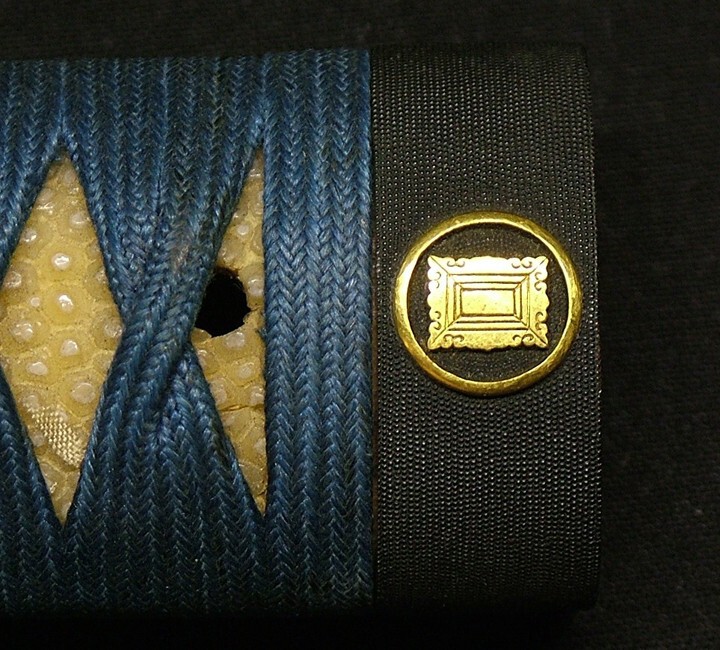
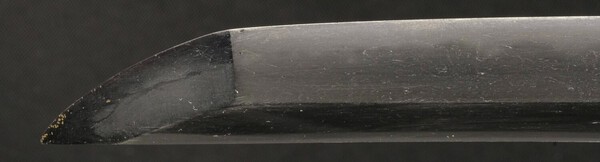
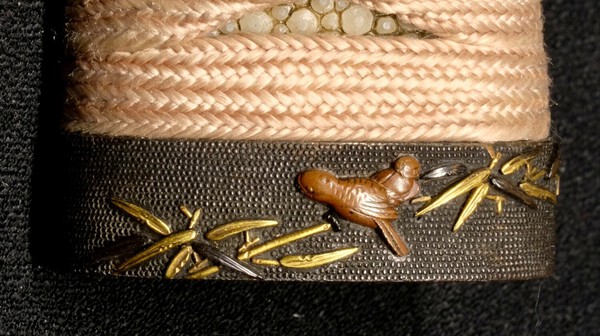
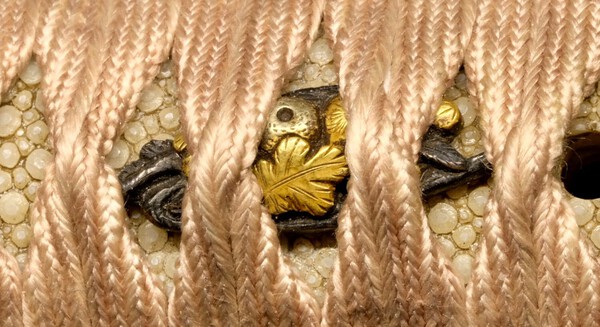
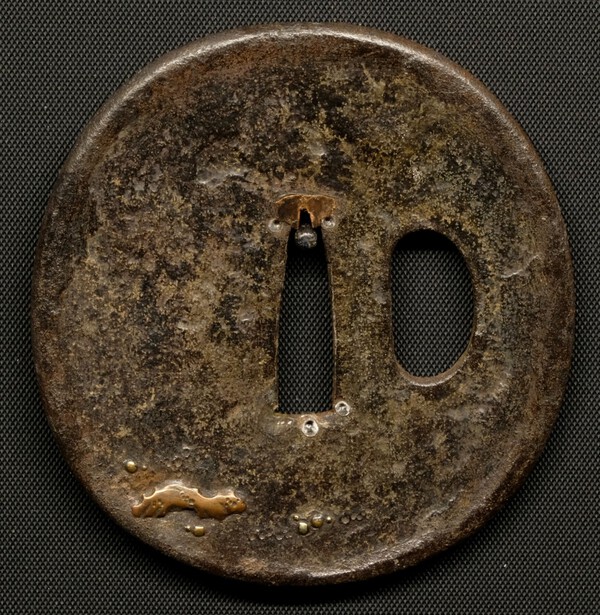
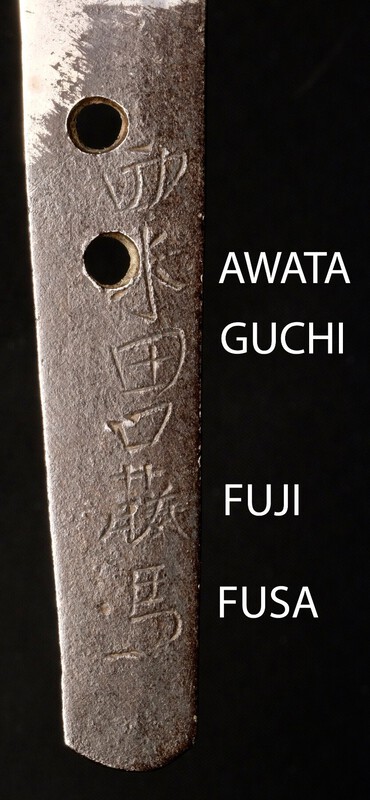
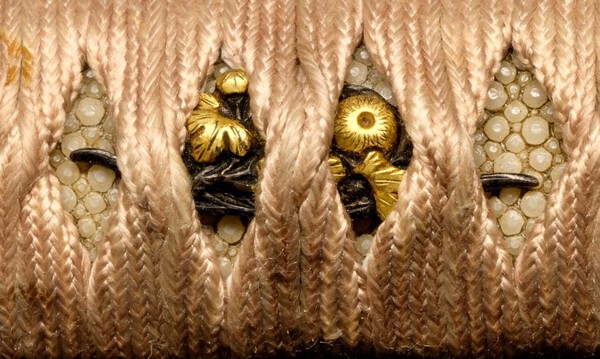
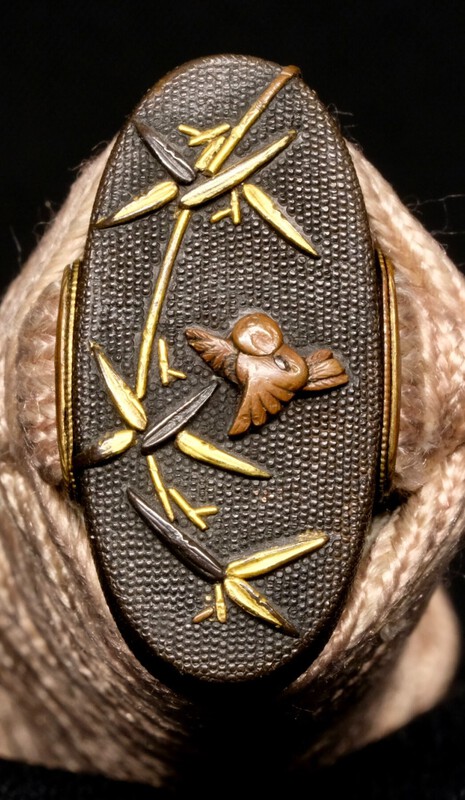
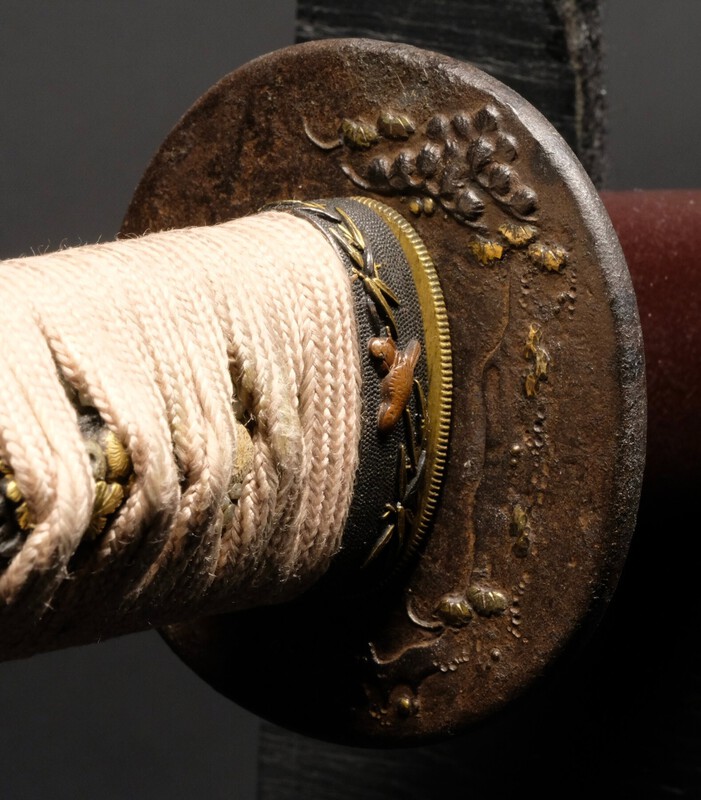
WAKIZASHI AWATAGUCHI FUJIFUSA / KOSHIRAE MEI: AWATAGUCHI FUJIFUSA DATE: 0 c. 1532 MUROMACHI NAGASA: 17.3125" OVERALL: 21.625" MIHABA: 1.01" KASANE: 0.25" SORI: 0.40" NAKAGO: UBU MEKUGI ANA: ONE YASURIME: SUJIKAI MUNE: IORI HADA: KO-ITAME HAMON: GUNOME CHOJI BOSHI: KOMARU HORIMONO OMOTE: NONE HORIMONO URA: NONE HABAKI: 1 PC. COPPER KOSHIRAE Wakizashi in koshirae signed Awataguchi Fujifusa. I could only find one reference for what may be this smith. Hawley’s lists one Fujifusa, a Muromachi smith c. 1532. It could be this smith, the other two options are gimei or an unlisted smith, (see reference and disclaimer below). Nakago is ubu with two mekugi ana. The hada is ko-itame and the hamon is gunome choji. Boshi is ko-maru. The sword is in fair condition but does have numerous small, non-fatal issues such as, surface pitting, kitte-ware, light rust, tarnish and hike-kizu or surface scratches. Comes with a one piece copper habaki. See photos for more detail. Koshirae has some nice fittings. The F/K are shakudo nanako with sparrows and bamboo in gold and copper. The menuki are a floral design of flowers and leaves in shakudo and gold. Saya is a rusty brown with horn koigughi and kurkata. Tsuba is iron with a carved pine with gold highlights. REFERENCES: Hawley’s (FUJ 6), pg. 31 15pt. c.1532 Condition: See Photos. The information I have provided is all I have on this item. Returns: Not accepted unless item is not as described. Ships USPS Priority Mail Insured. Your address and contact information is required to get an accurate shipping quote. Buyer is responsible for knowing your countries import laws and regulations. LIMITED TIME SALE: As with all “sales” sale is final. WAS: $975 plus any additional fees (S/H, PayPal, Wire, Insurance, etc) NOW: $800 plus any additional fees (S/H, PayPal, Wire, Insurance, etc) *Contact me via email only: Yakiba.com@gmail.com *Disclaimer: Information provided on items offered without kanteisho (papers) or with old shinteisho (papers) is nothing more than an opinion or translation of what is inscribed on the item as is along with any pertinent information of the smith referred to! This opinion/translation and information is provided as a courtesy only and is not an indication, opinion, or guarantee that the item is shoshin. Old shinteisho (white, green, blue, etc.) are no longer recognized by the NBTHK and if re-submitted to shinsa may or may not receive the same attribution. Items which are not accompanied by kanteisho (papers) have a higher probability of being gimei, but that is not always the case. Please do your own research, ask questions prior to committing to purchase and commit only when you are ready to purchase. Please, do not commit to purchase, then attempt to negotiate a lower price.












-
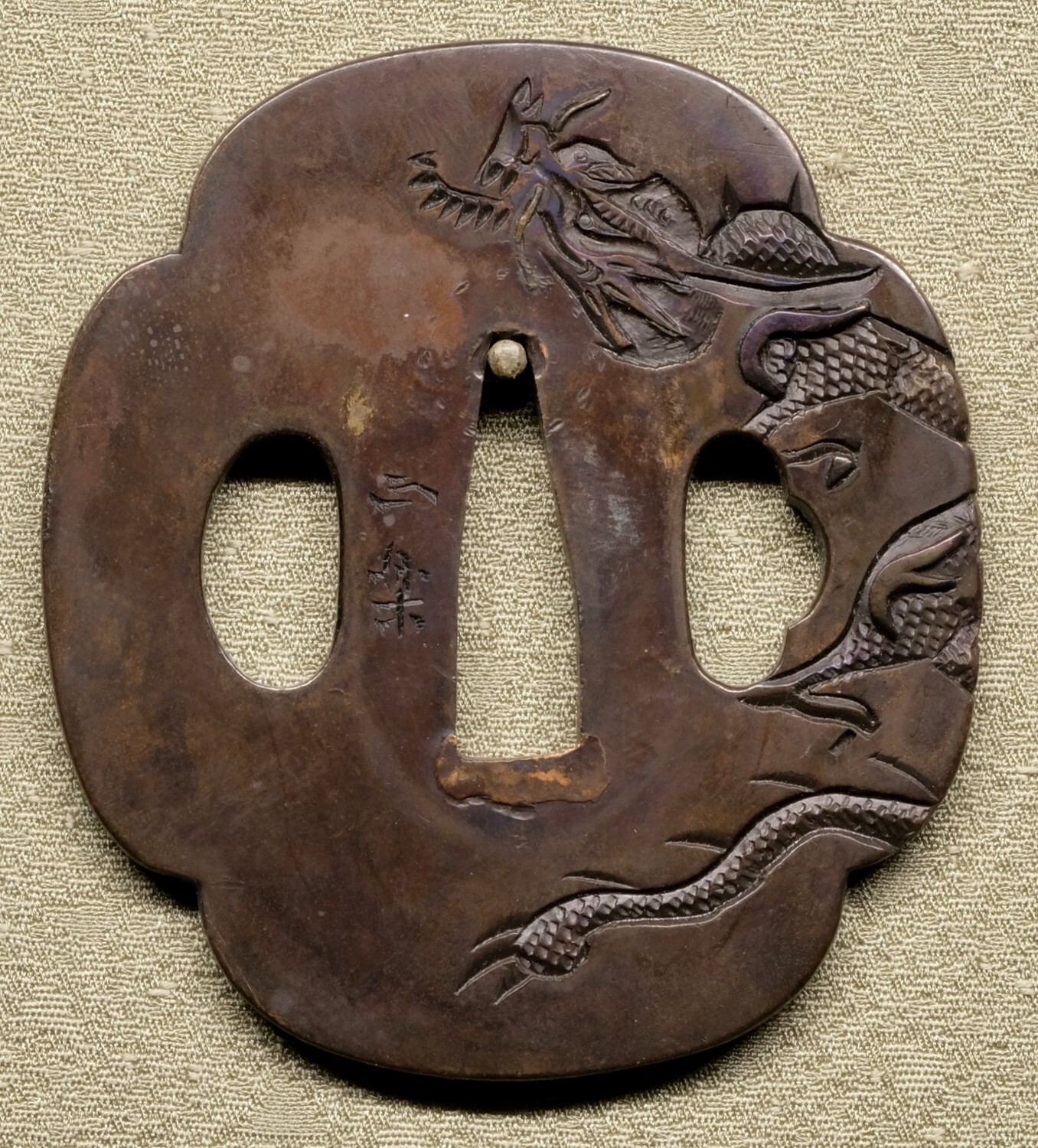
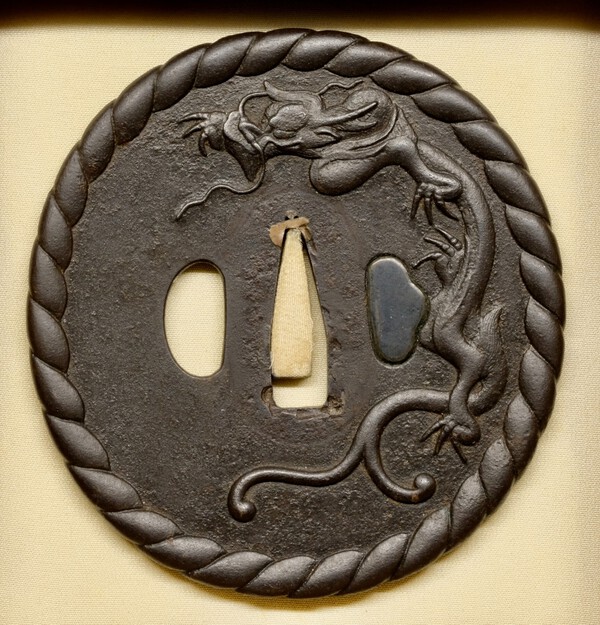
Large Iron Rain Dragon Tsuba 3.47" x 3.28" Outstanding iron example of a rain dragon, the mimi is carved as a rope. The Kogai ana he been filled with a shakudo plug. $2000 plus S/H and any associated fees such as Paypal fees, Wire fees, etc. Sale is final. All photos and information regarding this sword are included here. If you are interested in owning this tsuba, contact me via email only: yakiba.com@gmail.com


-
- 1
-
-
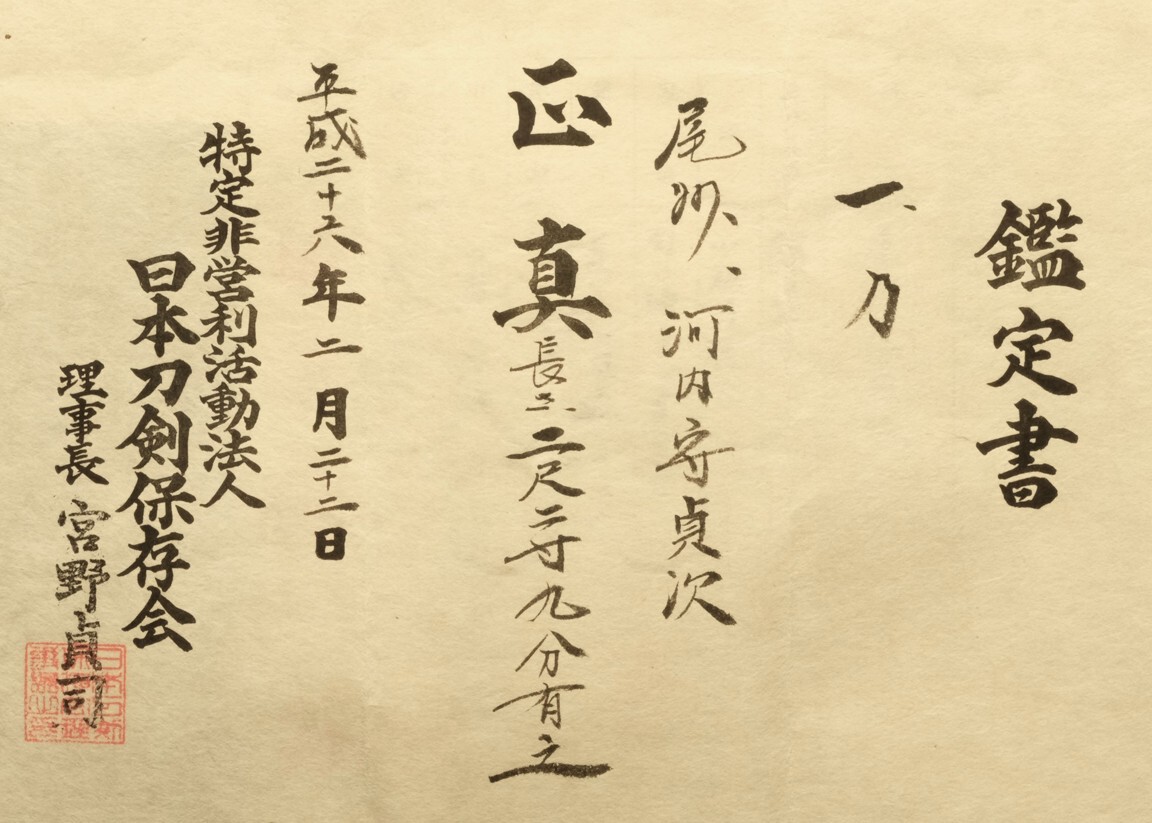
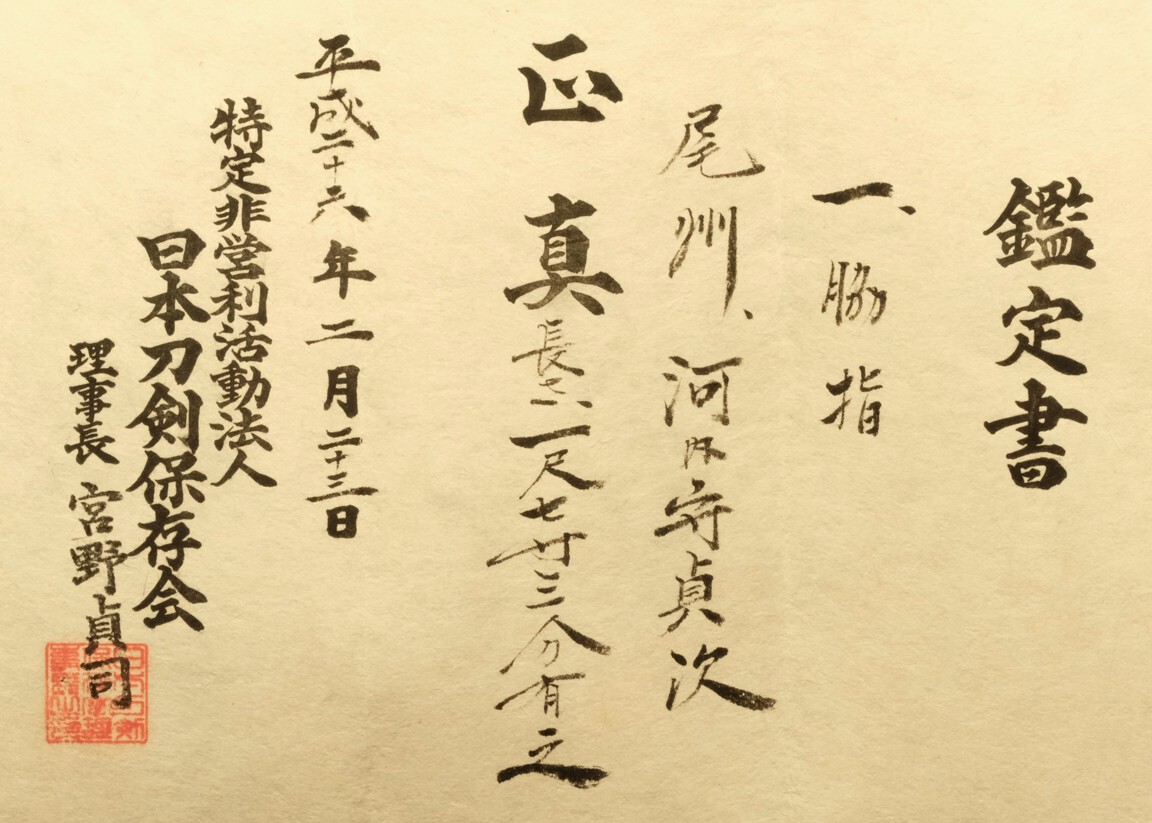
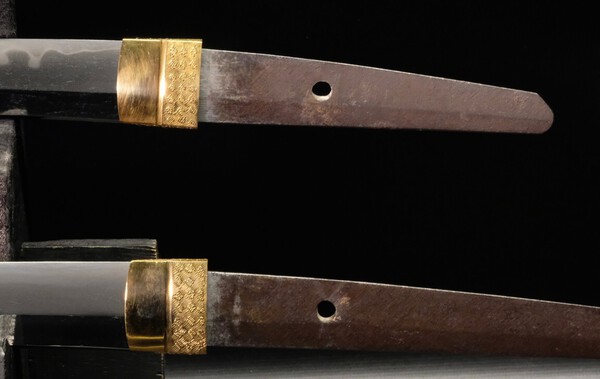
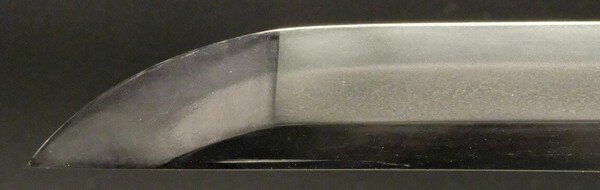
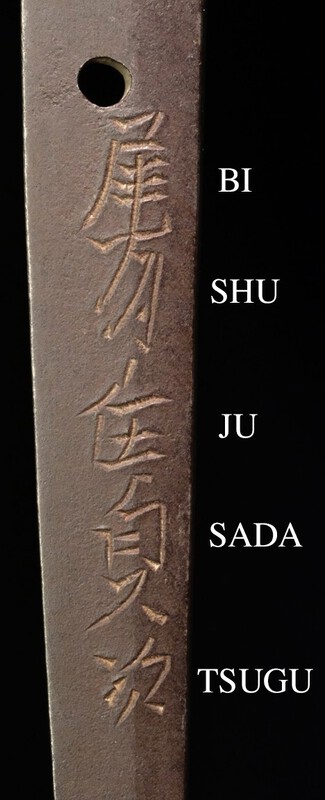
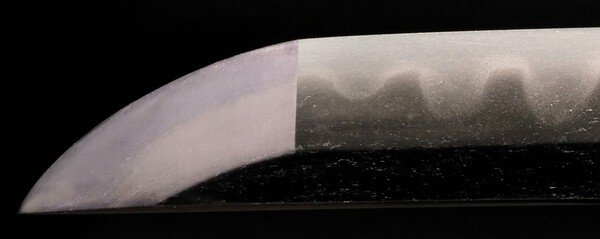
SADATSUGU, BISHU JU NTHK PAPERS CHU SAKU OWARI DAITO (Katana) SUGATA: SZ MEI: BUSHU JU SADATSUGU DATE: NONE c. GENROKU 1688-1704 NAGASA: 69.22cm (27.25") OVERALL: 88.9cm (35") MIHABA: (1.25") KASANE: 0.63cm (0.25") SORI: 0.5 NAKAGO: UBU MEKUGI ANA: ONE YASURIME: KESHO / SUJIKAI MUNE: IORI HADA: ITAME HAMON: SUGUHA BOSHI: KOMARU HORIMONO OMOTE: NONE HORIMONO URA: NONE HABAKI: 1 PC. GOLD FOIL SHIRASAYA ___________ SADATSUGU, BISHU JU NTHK PAPERS CHU SAKU OWARI SHOTO (Wakizashi) SUGATA: SZ MEI: BISHU JU SADATSUGU DATE: NONE c. GENROKU 1688-1704 NAGASA: 42.86cm (16.875") OVERALL: 56.83cm (22.375") MIHABA: (1.125") KASANE: 0.63cm (0.25") SORI: 0.5” NAKAGO: UBU MEKUGI ANA: ONE YASURIME: SUJIKAI MUNE: IORI HADA: ITAME HAMON: O-CHOJI MIDARE BOSHI: KOMARU / HAKIKAKE HORIMONO OMOTE: NONE HORIMONO URA: NONE HABAKI: 1 PC. GOLD FOIL SHIRASAYA REFERENCES: Hawley’s pg. 668, SAD 763 Sesko’s, Swordsmiths A-Z pg. 901 Courtesy of Sesko’s, Swordsmiths A-Z SADATSUGU (貞次), Genroku (元禄, 1688-1704), Owari –“Bishū-jū Sadatsugu” (尾州住貞次), “Kawachi no Kami Fujiwara Sadatsugu” (河内守藤原貞次), first name Kyū ́emon (久右衛門), student of Sadayuki (貞幸), ko-mokume, chōji- midare, chū-saku. You may prefer to call this a "pair" of swords. There are differing opinions on this as with most things in this hobby. Many feel if the koshirae are not matching they are not a daisho, or if the swords were not made together as a "daisho" then they are not a "true" daisho. Daisho literally means large and small or long and short. It does not specify that the swords were made together as a pair. Originally, even Daisho koshirae did not specify the koshirae were identically matched. I know all the schools of thought on what some refer to as a “true” daisho. Personally, I have always felt that is nothing more than a modern characterization. If you google the 47 Samurai's swords and look at their daisho, only a few were made by the same smith. Others were made by two completely different sword smiths. You will quickly see the “true” daisho hypothesis did not exist and certainly was not a “rule” in their time. Condition: See photos. All I know for certain is these are two very nice, polished, papered swords. Feel free to refer to them however you like once they are yours. WAS: $6,500 plus S/H and any additional associated fees (pp, wire, etc.) LIMITED TIME SALE PRICE: $5000 plus S/H and any associated fees such as Paypal fees, Wire fees, etc. *As with all Sale items, sale is final. All photos and information regarding this sword are included here. If you are interested in owning these swords, contact me via email only: yakiba.com@gmail.com _______











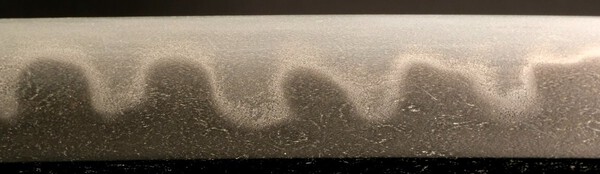

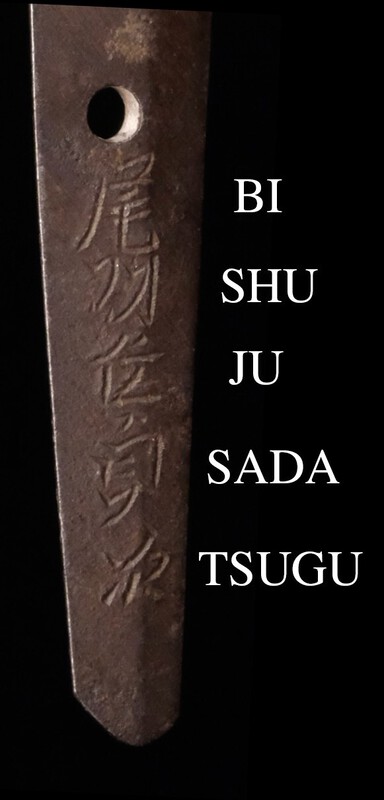
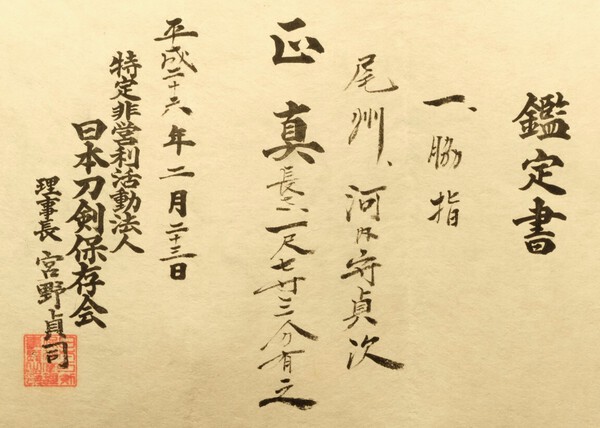
-
- 2
-
-
SOLD!
-
In all fairness it could use a polish. Hope I have allowed for that.
-
I remember that.
-
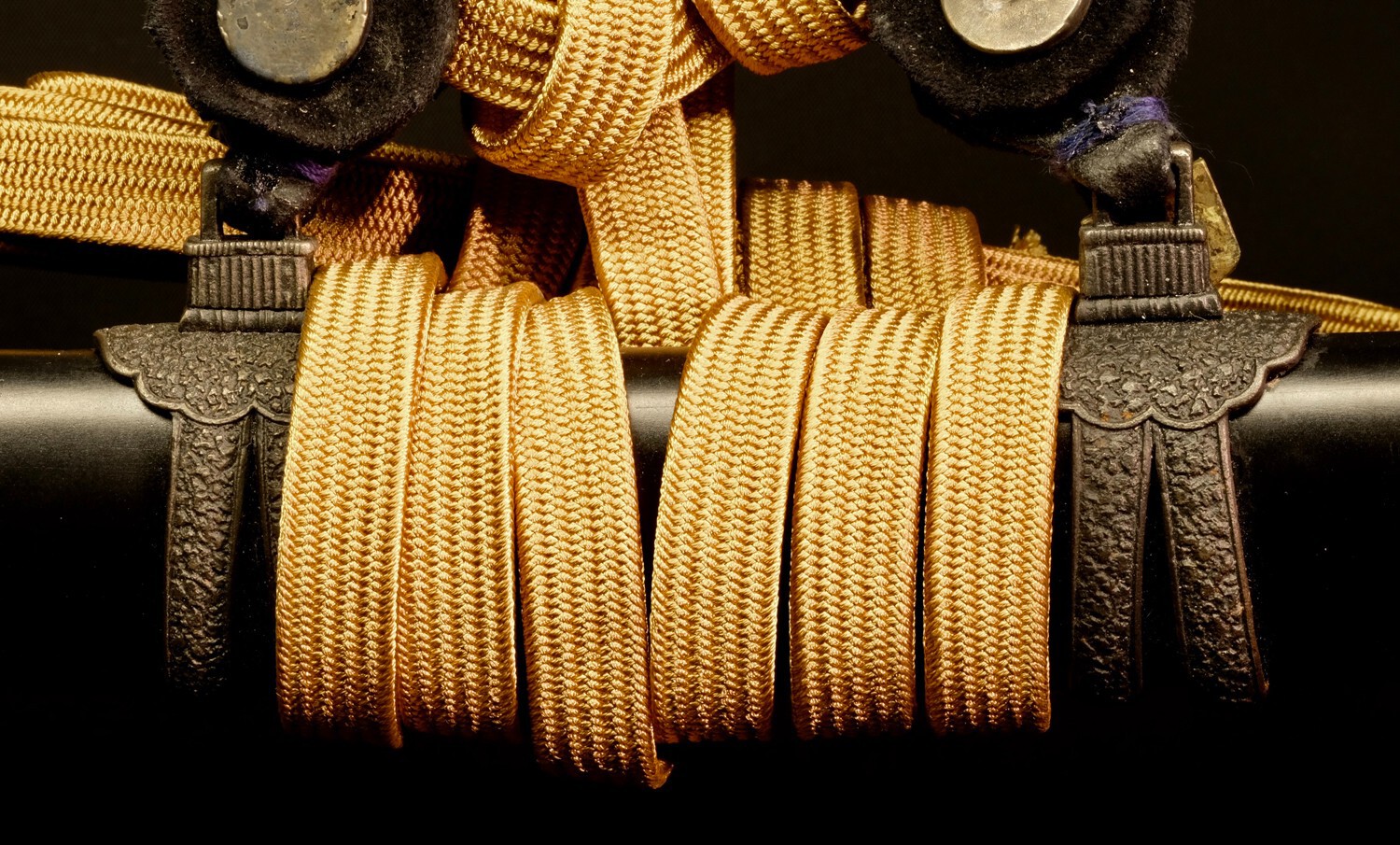
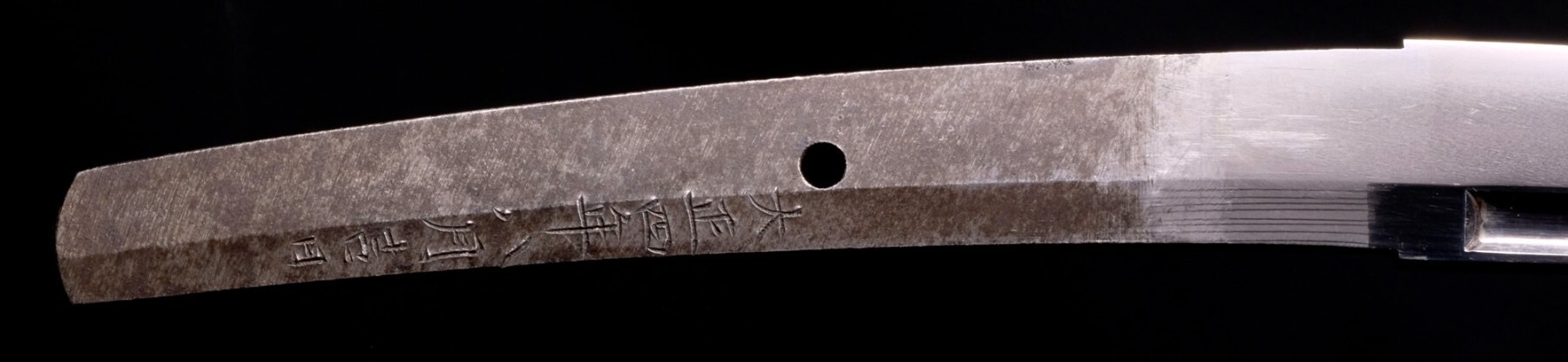
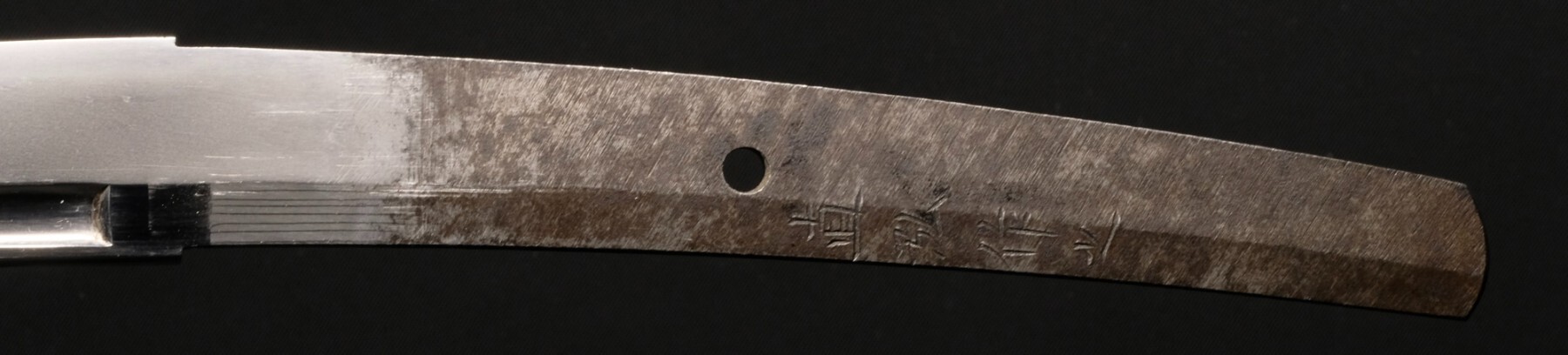
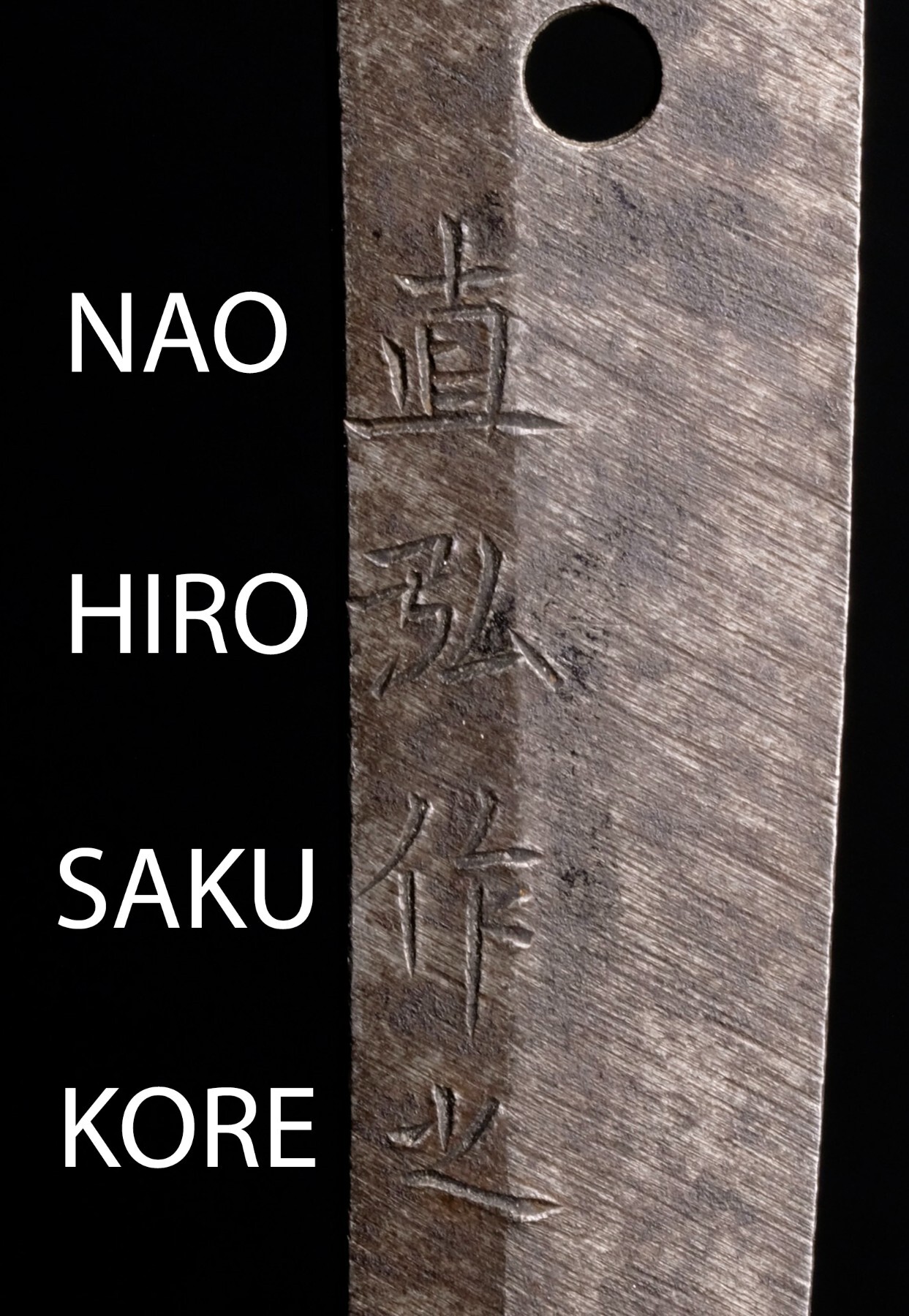
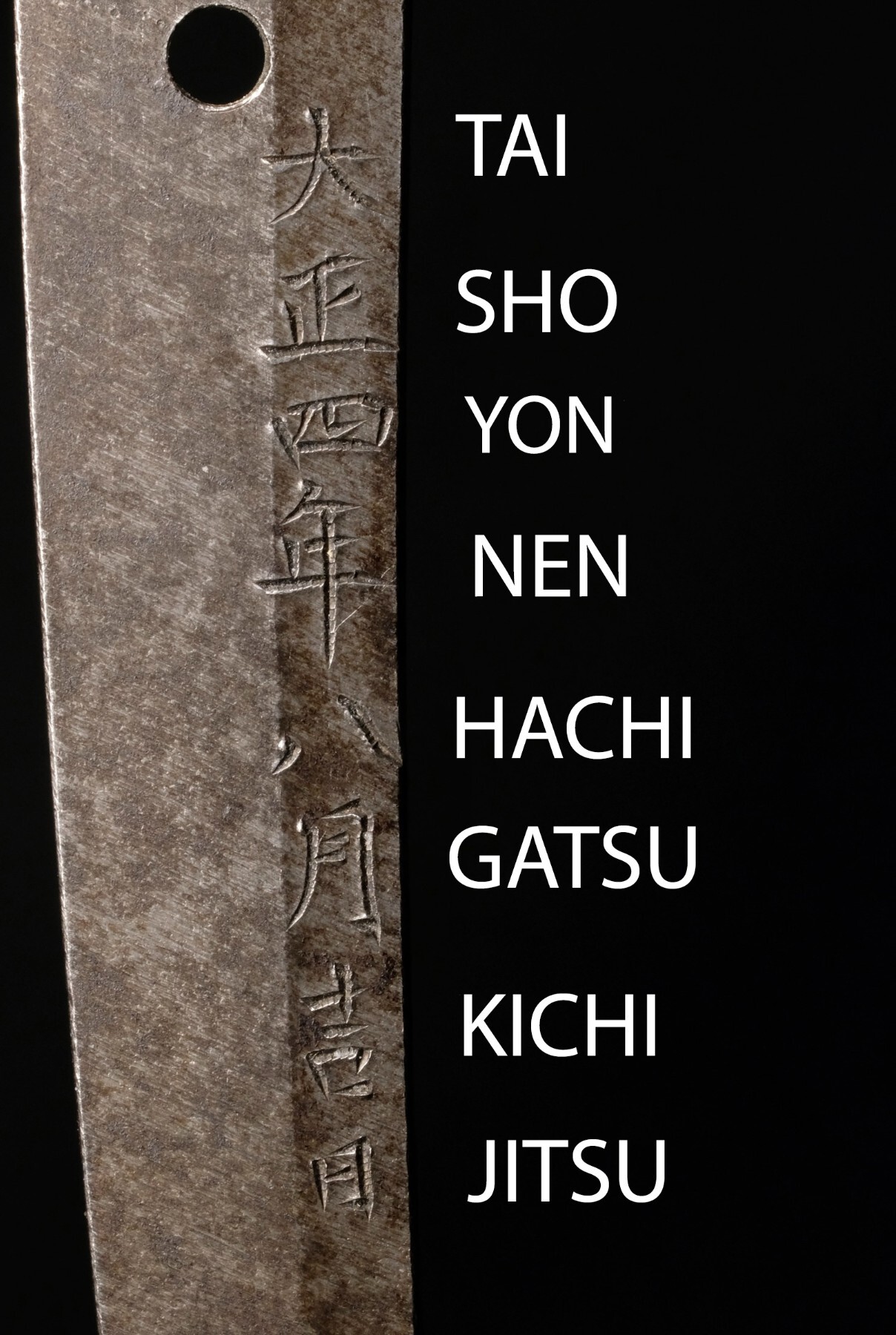
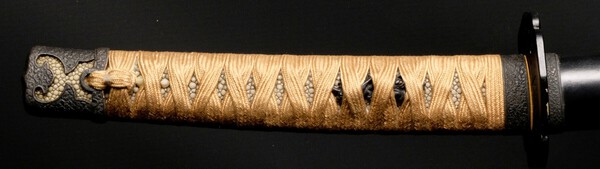
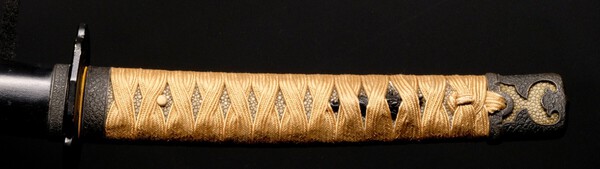
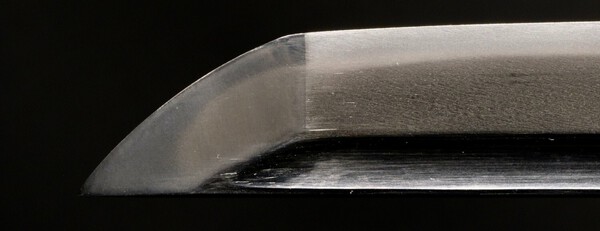
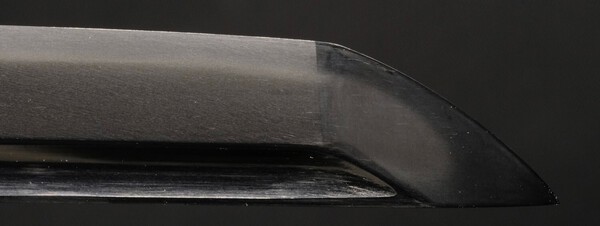
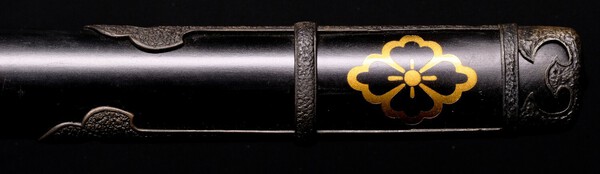
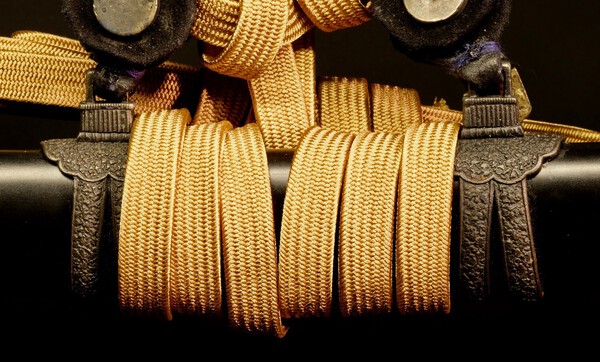
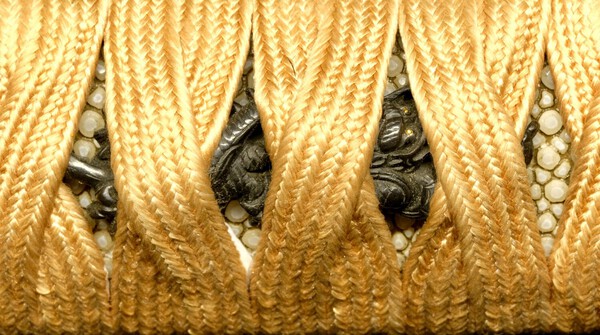
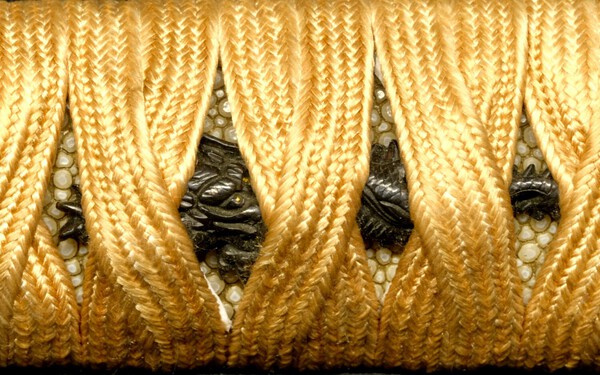
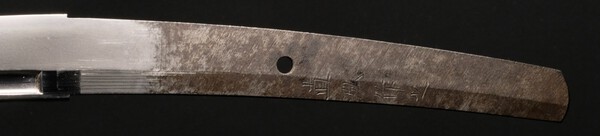
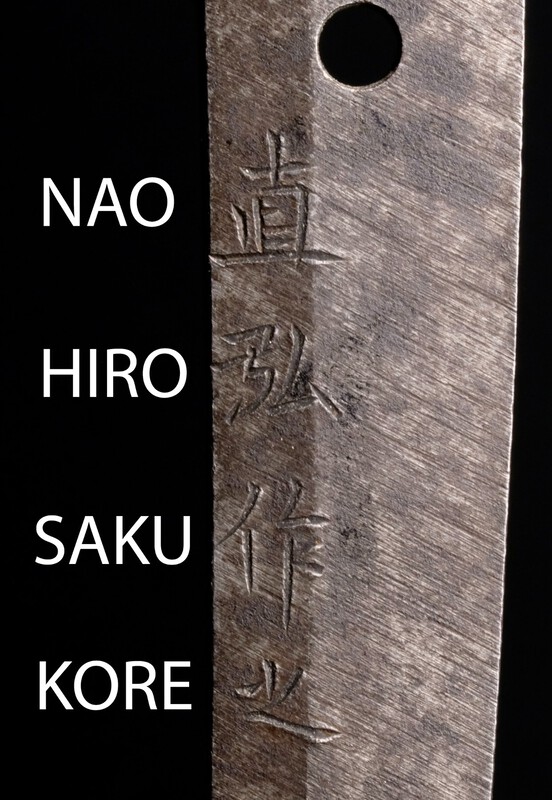
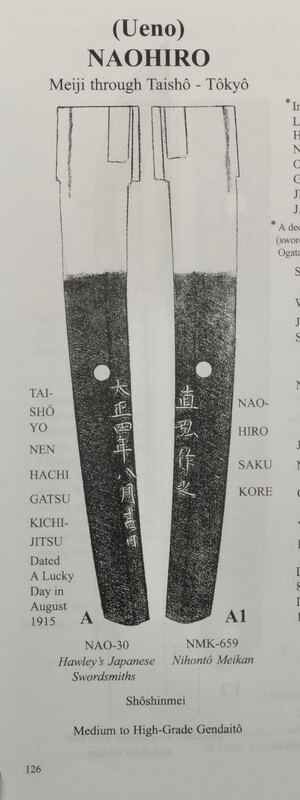
TACHI NAOHIRO in KOSHIRAE PUBLISHED ON PAGE 126 OF JOHN SLOUGH’S, “THE MODERN Japanese SWORDSMITH 1868-1945”. *MEASURMENTS IN INCHES. MEI: NAOHIRO SAKU KORE (TACHI MEI) DATE: TAISHO YON NEN HACHI GATSU BI NAGASA: 25 OVERALL: 30.75 MIHABA: 1 KASANE: 0.25 SORI: 0.75" NAKAGO: UBU MEKUGI ANA: ONE YASURIME: SUJIKAI MUNE: IORI HADA: KO-ITAME HAMON: SUGUHA BOSHI: KOMARU HORIMONO OMOTE: BO-HI with KAKU-DOME HORIMONO URA: BO-HI with KAKU-DOME HABAKI: 1 PC. SILVER KOSHIRAE There were a few Naohiro working in this time frame. Two are listed as working in Meji 1868-1912. Sloughs refers to this smith as Ueno Naohiro. Ueno Naohiro is listed as a Showa smith (1926-1989). This sword is dated Taisho (1915), so depending on his age when this sword was made certainly close enough for some overlap. If he was say 25 years old when he made this sword in 1915, he would have only been 36 in 1926. The blade has a very elegant and graceful shape as it tapers gently from a 1” motohaba to 0.625 (5/8") sakihaba ending at the ko-kissaki. Boshi is ko-maru The toshi-zori shape reminds me of the early Kamakura tachi where the kissaki was just slightly larger than the previous Heian period Ikubi kissaki. There are bo-hi carved bilaterally which end at the base in Kaku-Dome or squared end. The Kaku-dome are said to be the hardest to carve. The jihada is a tight well forged ko-itame/masame, almost muji. The hamon is an exquisitely controlled suguha in nioi-deki. Nakago is ubu with one mekugi ana, yasurimei is sujikai. The koshirae is modern as is the sword, with my personal opinion being that it is later or recent modern work. The koshirae is well made but feels like it was made very conservatively. It just doesn’t have the quality feel of a higher end koshirae. I do not mean to downplay the koshirae, but to maintain full transparency, I must be honest. So, what are the issues I am referring to? Almost everything, the saya is painted opposed to lacquered, the tsukmaki is far from well done. The tsuba is blackened or painted steel and some of the exterior has rubbed off. The pro’s are that the dragon menuki are pretty nice, The tachi fittings ie; kabutogane, ashi, koiguchi, kojiri are all matching and not bad, but are modern. This my opinion only, please look at the photos and decide for yourself. If I were to keep this one I would either have the koshirae redone or have a shirasaya made for it. REFERENCES: Hawley’s (NAO 30), pg. 573 Gendaito Meikan pg.108 Gendai Toko Meikan pg. 75B Slough’s Modern Japanese Swordsmiths pg.126 Nihonto Meikan (NMK-659) Toko Taikan pg. 446 Sesko’s, Swordsmiths A-Z., pg 764 To reiterate the blade is gorgeous. Courtesy of Sesko’s, Swordsmiths A-Z: NAOHIRO (直弘), Meiji (明治, 1868-1912), Ōshū – NAOHIRO (直弘), 2nd gen., Meiji (明治, 1868-1912), Musashi – “Naohiro” (直弘), son of the 6th gen. Naomichi (直道), he lived in Edo´s Ichigaya-Takajōmachi (市ケ谷鷹匠町), real name Yanagawa Saijirō (柳川才次郎), mostly a chōji-midare NAOHIRO (直弘), “Ueno Naohiro” (上野直弘) This Gendaito is published on page 126 of John Slough’s, The Modern Japanese Swordsmith 1868-1945 (see photo). Condition: See Photos. The information I have provided is all I have. Returns: Not accepted unless item is not as described. Ships USPS Priority Mail Insured. Your address and contact information is required to get an accurate shipping quote. Buyer is responsible for knowing your countries import laws and regulations. *LIMITED TIME SALE: As with all “sales” sale is final. $2800 plus S/H and any additional associated fees (pp, wire, etc.) *If you would like to own this beautiful Gendai Tachi, please contact me via EMAIL ONLY: yakiba.com@gmail.com












-
- 2
-
-
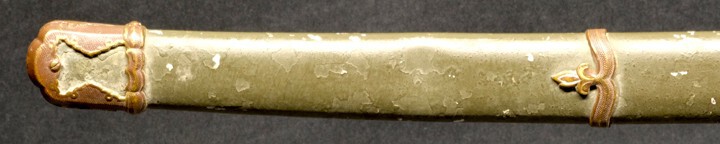
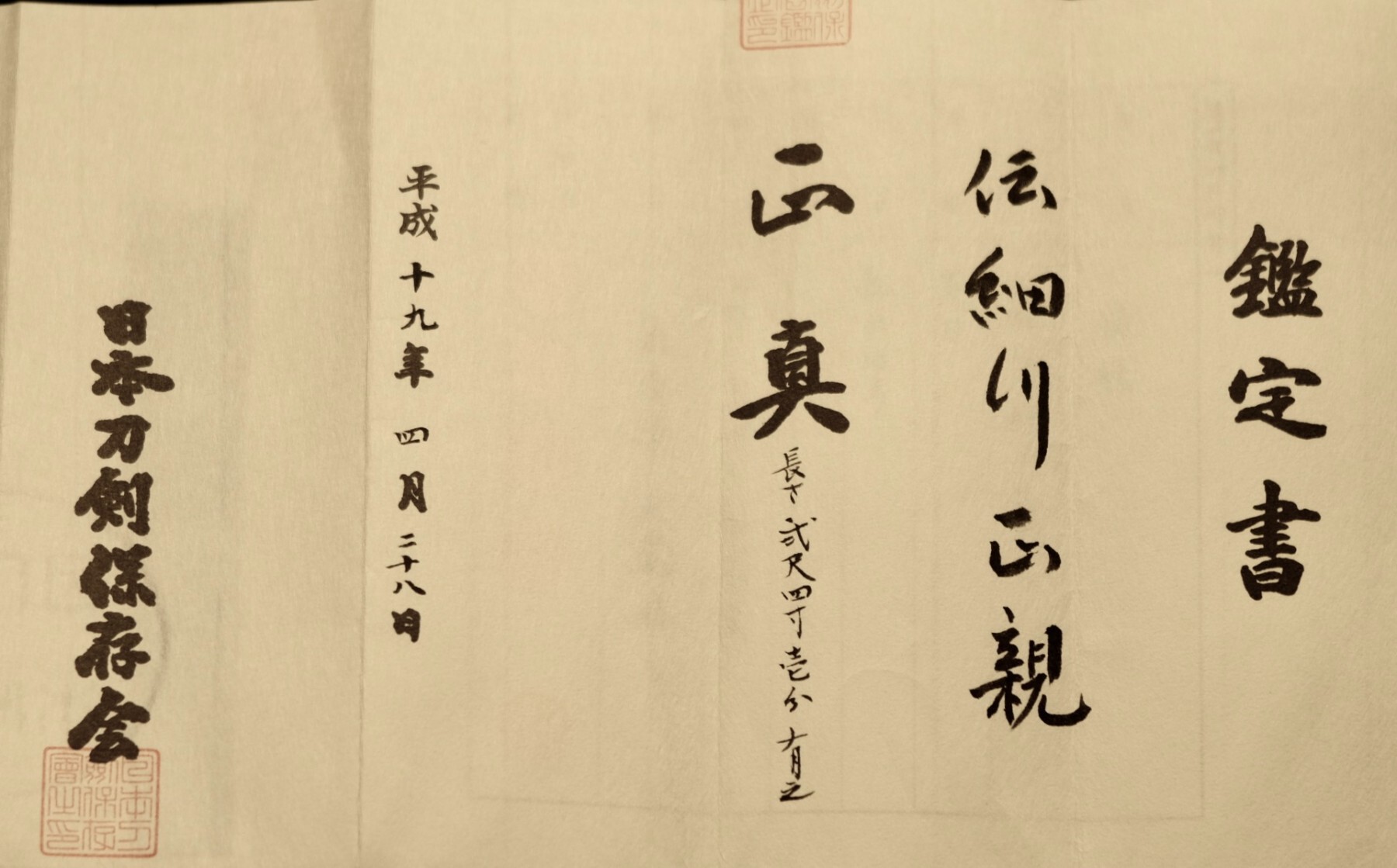
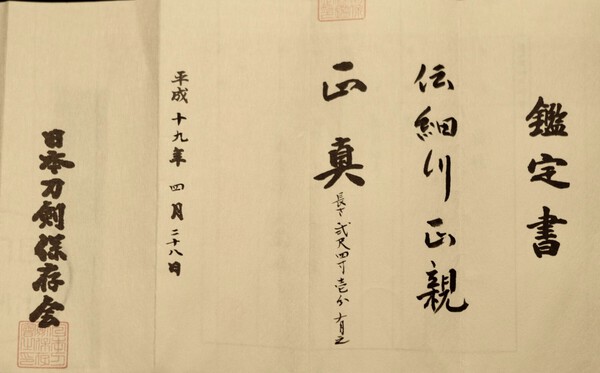
HOSOKAWA MASACHIKA SHINSHINTO RATING: 2 MILLION YEN MEI: MUMEI DATE: NONE NAGASA: 72.39cm (28.5") OVERALL: 96.52cm (38") MIHABA: 3.175cm (1.25") KASANE: 0.63cm (0.25") SORI: 2.222cm (0.875") NAKAGO: UBU MEKUGI ANA: ONE YASURIME: SUJIKAI MUNE: IORI HADA: ITAME WITH MASAME HAMON: KO-MIDARE BASED ON SUGUHA BOSHI: MIDARE-KOMI HORIMONO OMOTE: NONE HORIMONO URA: NONE HABAKI: ONE PIECE SILVER FOIL GUNTO KOSHIRAE NTHK KANTEISHO This is a long wide mumei katana attributed to den Hosokawa Masachika by the NTHK. The kanteisho does not directly attribute this katana to a specific generation, however, they do attribute this work to Musashi province and Kaei period (1848-1854). There were two generations of Hosokawa Masachika. The shodai, Tenpō (天保, 1830-1844), Musashi province, signed using the following combination of characters 正親. He was active from approximately 1830-1868 and was a student of the famous Hosokawa Masayoshi who in turn was a student of Suishinsei Masahide. The nidai Masachika, Kaei (嘉永, 1848-1854), Musashi province, never signed with the same characters as his father, but instead used 正近. Of note, the nidai was executed in 1868 for producing gimei blades. The working period of the two generations overlapped and with this sword being mumei we can ascertain this is what led to the den attribution. The kanji used for these papers is the Chika character used by the shodai 親, although that doesn’t mean anything other than that is what was written. I only mention this as I have seen Masachika papers using the character used by the nidai. The working date of Kaei would point to the nidai. This is a big beefy katana with a 28.5” nagasa and is 38” overall. Structurally, the blade is in great condition but not in great polish. There are a few light surface scratches or hikekake and a few stains, but nothing fatal, detrimental or anything which prevented it from receiving NTHK papers. Even with the less than optimal polish the blade still offers lots of activity to be seen, like chikei, kinsuji, sunagashi, etc., see photos. If this sword was re-polished it would be a stunning piece. The blade is housed in a standard Type 98 Gunto Koshirae. The koshirae is in good overall condition. The ito was replaced a few years ago as the original was tattered and falling apart. The saya has one small dent, and the paint is flaking in spots as seen in the photos. Courtesy of Sesko’s, Swordsmiths A-Z: MASACHIKA (正近), 2nd gen., Kaei (嘉永, 1848-1854), Musashi – “Namiesuke Masachika kore o saku” (濤江介正近作之), “Namiesuke Masachika” (濤江介正近作), “Masachika saku” (正近作), real name Sakai Namiesuke (酒井濤江介), he was the son of the 1st gen. Masachika (正親) but signed his name throughout his life with the characters (正近), i.e. never as (正親) like his father did, some sources list both smith in one entry, i.e. as one person and one generation, he lived in the village of Kobiki (小比企) in Hachiōji but moved later to Edo´s Kobikichō district (木挽町), we know blades from the Kaei to the Genji era (元治, 1864-1865), he was very talented but was executed in Hachiōji in the course of the execution of Ogura Tadamasa (小栗忠順, 1827-1868) in Keiō four (慶応, 1868) who sided with the bakufu against the emperor, but it is also said that he was executed for producing forgeries Condition: See Photos. NOTE: The photos didn't come out too good on this one. It looks better in hand that the photos. The close-ups of the activities reveal the condition better than the full length shots. The information provided is all I have on this item. Returns: No accepted unless item is not as described.Ships USPS Priority Mail Insured. Your address and contact information is required to get an accurate shipping quote. Buyer is responsible for knowing your countries import laws and regulations. *LIMITED TIME SALE: As with all “sales” sale is final. $800 plus any additional fees (S/H, PayPal, Wire, Insurance, etc) *To purchase, contact me via email only: Yakiba.com@gmail.com





-
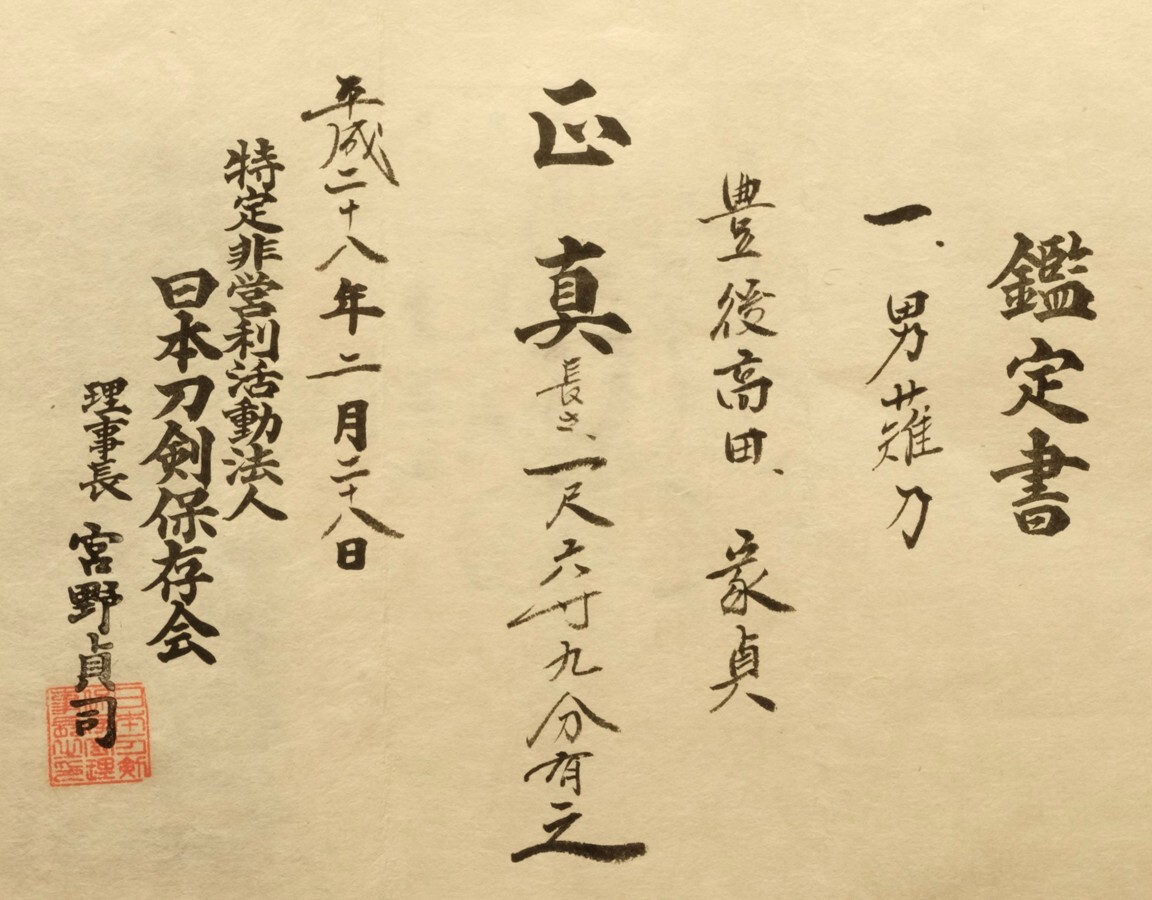
Lewis, These are not old papers. The issue date is shown in the photo, Heisei 22 (2010).
-
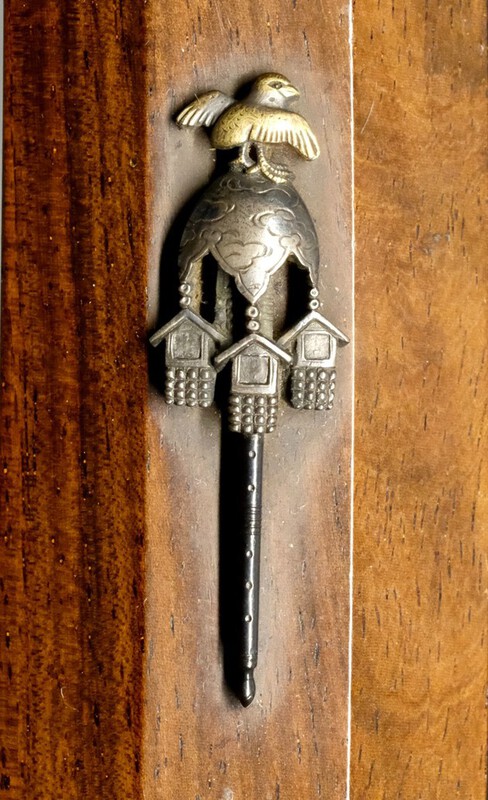
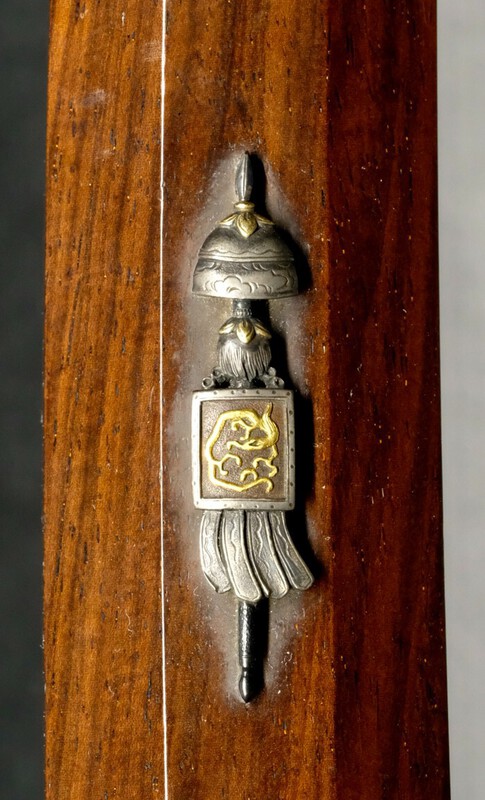
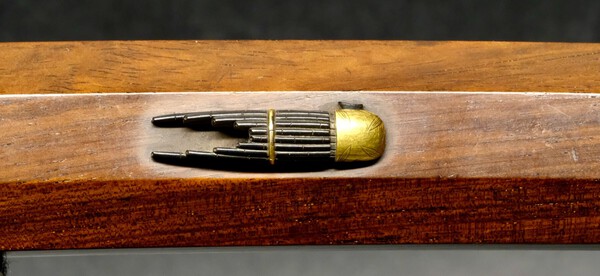
Some nice examples shown in this thread, thanks for sharing. I haven't seen one for sale in a long time. Only have one, it was gifted to me a few years ago.



-
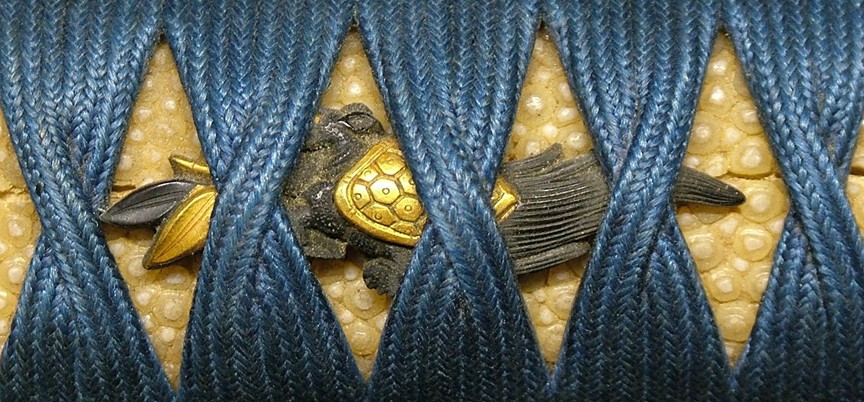
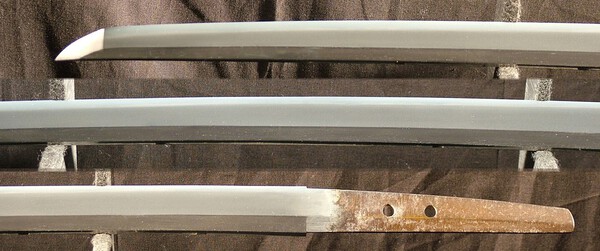
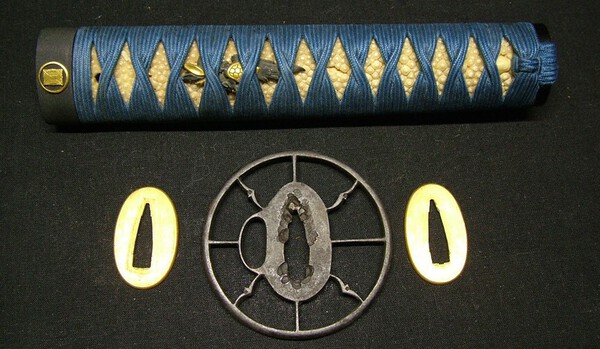
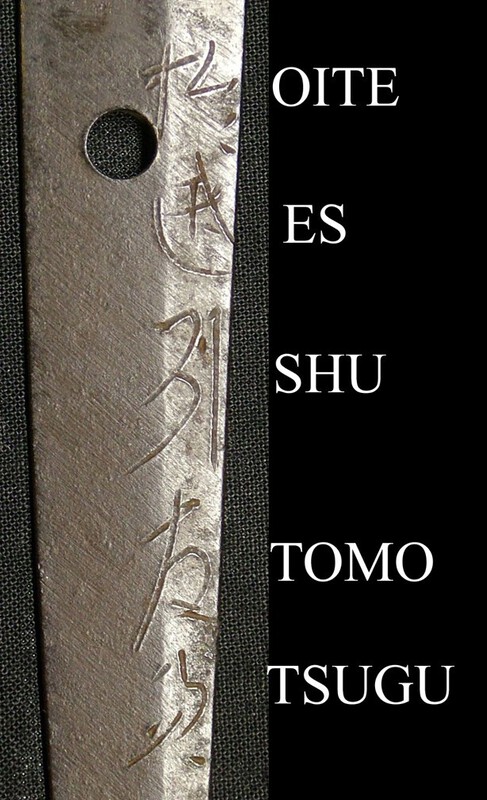
ECHIZEN TOMOTSUGU O-WAKIZASHI SHINTO KYOHO c. 1716 ECHIZEN NTHK KANTEISHO SUGATA: SHINOGI ZUKURI MEI: OITE ESSHU TOMOTSUGU DATE: NONE NAGASA: 60.166cm (23.6875") OVERALL: 74.77cm (29.4375") MIHABA: 2.70cm (1.0625") KASANE: 0.635cm (0.25") SORI: 1.11cm (0.437") NAKAGO: UBU MEKUGI ANA: TWO YASURIME: SUJIKAI WITH KEISHO MUNE: IORI HADA: ITAME HAMON: KO SUGUHA BOSHI: OMARU HORIMONO OMOTE: NONE HORIMONO URA: NONE HABAKI: ONE PIECE GOLD FOIL SHIRASAYA & KOSHIRAE O-WAKIZASHI TOMOTSUGU NTHK KANTEISHO There are five generations of Echizen Tomotsugu swordsmith's listed in Hawley's. This smith is also listed in the Nihonto Meikan pg. 633, ref.: 09MC2K. The shodai or first generation worked around 1381 while the maker of this sword was most likely the last of this lineage working in the late Edo period and likely up into the early shinshinto period. This sword was attributed by the NTHK to Edo Shinto, Kyoho 1716. There are three basic designations, Katana, Wakizashi, Tanto and this a wakizashi. The term O-Wakizashi is used to emphasize its length. To meet the designation criteria for Katana, the nagasa must be 2 Shaku in length. Two Shaku equals 23.86” or 60.6044cm. The nagasa of this sword measures 60.166cm (23.6875") or 1 Shaku, 9 Sun, 8.6 Bu. It lacks a mere 1.44 Bu or 0.43635168cm (0.171792") being a Katana. The sugata is shinogi zukuri with tori-sori. The nakago is ubu with two mekugi ana and is beautifully signed, Esshu Ni Oite Tomotsugu. The yasurime is sujikai with keisho and yoko yasuri on the omote. The hada is a flawless, perfectly executed tight ko-itame which at first glance could be mistaken for muji. The hamon is suguha done in nie deki, there are chu nie and perhaps a sprinkling of ara nie in the monouchi area. The sword exhibits chu kissaki, the boshi is o-maru with hakekake. It comes in a new shirasaya with exotic wood hatome and a one-piece gold foil habaki. Koshirae with black lacquer saya. The Kojiri is horn and the Kurigata I believe is lacquered wood. The menuki are Misugane (turtles). The tsuba is a nice iron sukashi. The motif is of chidori and the four cross members could be a subtle Christian Cross(?). Comes with Kanteisho from the NTHK As with all “Sale Price” items, sale is final LIMITED TIME SALE: $1250 plus S/H and any additional associated fees (pp, wire, etc.) If you are interested in owning this sword, contact me via email only: yakiba.com@gmail.com









-
Sold! Thank you, Ed
-
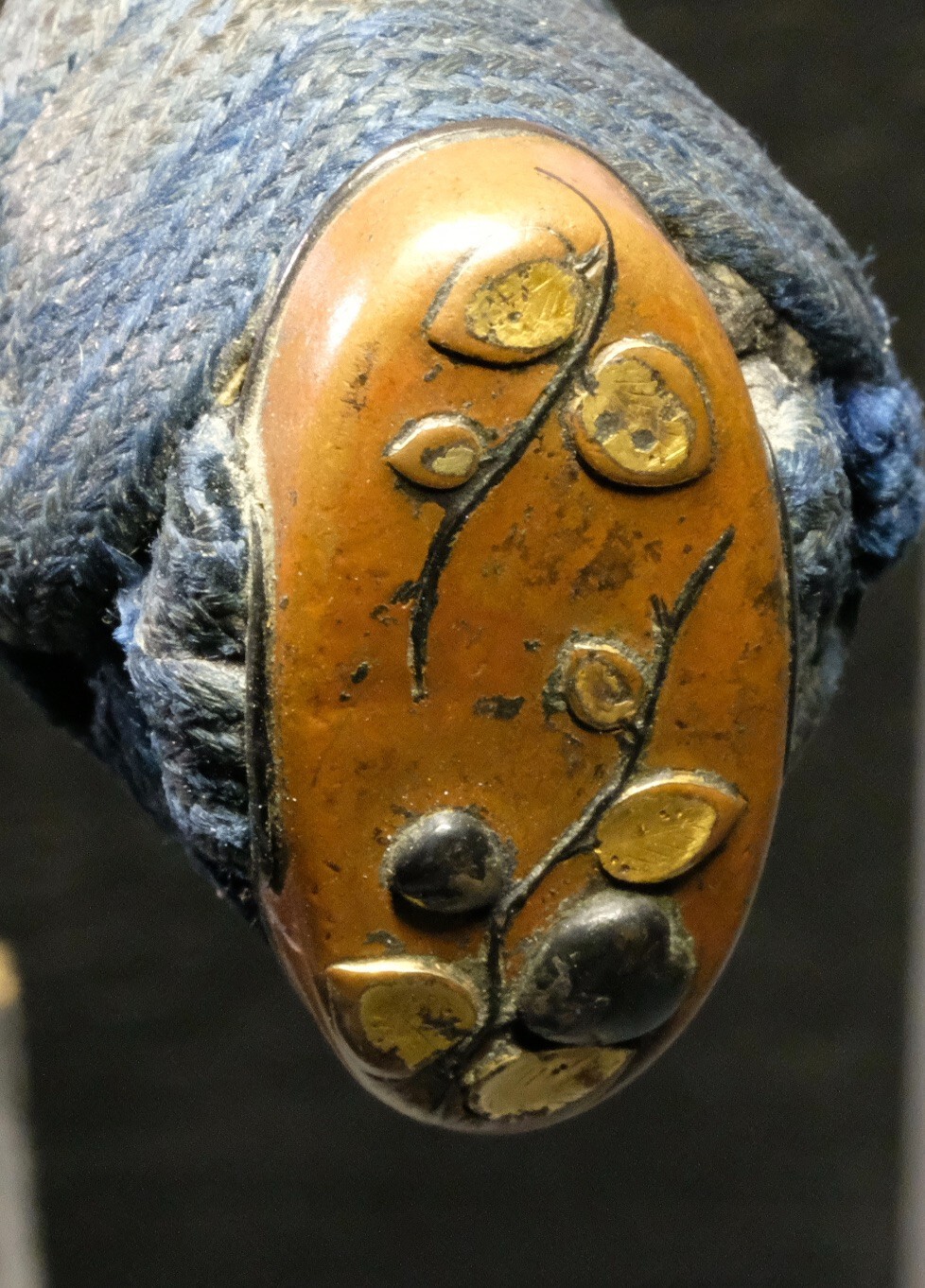
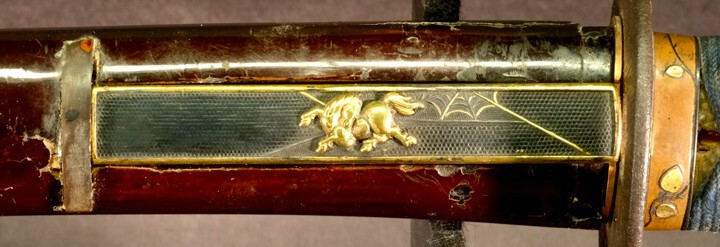
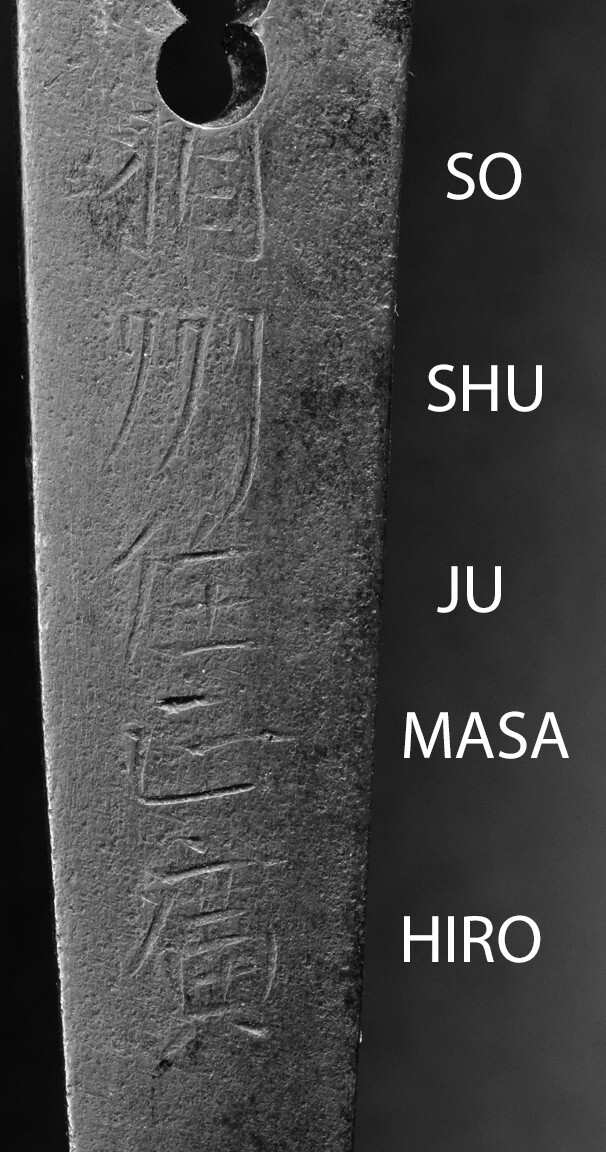
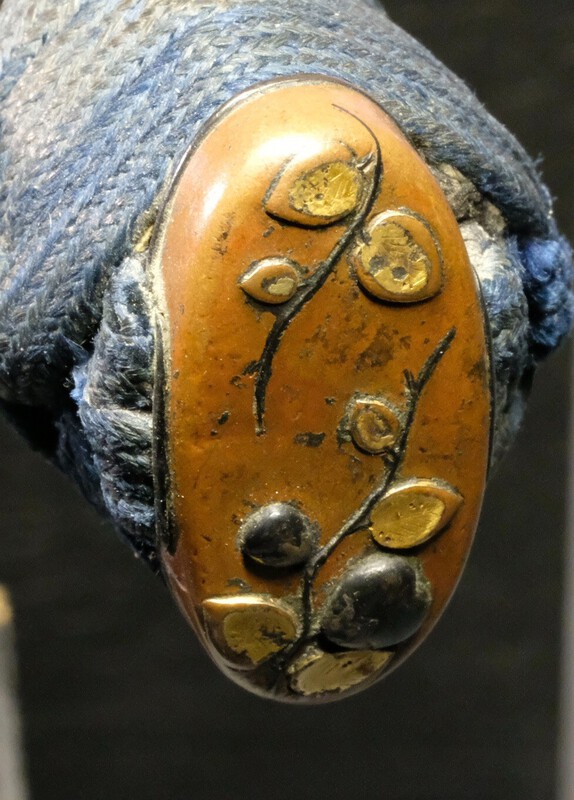
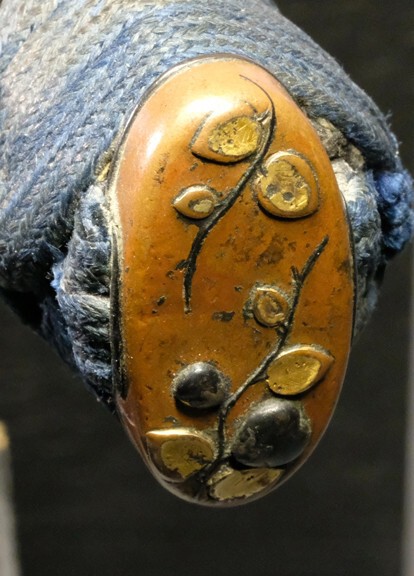
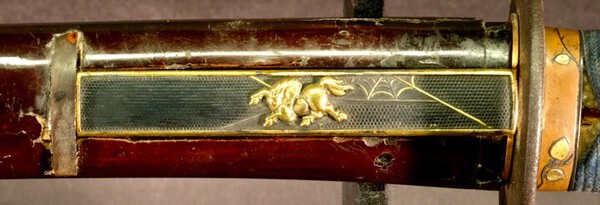
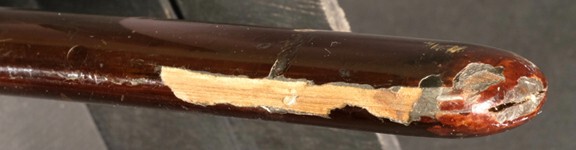
SOLD! MASAHIRO, SOSHU MEI: SOSHU JU MASAHIRO DATE: NONE NAGASA: 45.08cm (17.75") OVERALL: 57.15cm (22.5") MIHABA: 2.698cm (1.0625") KASANE: 0.63cm (0.25") SORI: 1.27cm (0.5") NAKAGO: UBU MEKUGI ANA: TWO YASURIME: KIRI MUNE: IORI HADA: KO-ITAME HAMON: O-MIDARE WITH TOBIYAKI BOSHI: KO-MARU WITH HAKIKAKE HABAKI: 2 PIECE GOLD FOIL KOSHIRAE This sword is signed Soshu Ju Masahiro. I want to state clearly, the majority of swords signed Masahiro are gimei. On such a big name it is always wise to assume gimei when there are no papers to authenticate the mei. While the mei is undoubtedly false, which was common throughout history, the sword is guaranteed to be a genuine Nihonto. The blade is in relatively poor polish with a couple of small ware but no serious flaws. The hada is tight ko-itame with some masame. There is considerable activity to be seen (see photos). The koshirae is in poor to fair condition. The kurigata, kaerizuno, are intact. The aragawara is missing. The saya is a brown lacquer with some damage and losses, again see photos. The Fuchi / Kashira are a copper base with eggplant and foliage done in mixed metals of shakudo and gold wash. I have no idea what the menuki depict, but they are brass. Tsuba is iron with what I am calling a stylized amida rays. The Kozuka is done in gold utori and depicts a horse and spider web on the shakudo nanako jita. The Kogatana is signed Jiro Taro Naokatsu, but is likely gimei as well. This sword is being sold under the assumption that all signatures are gimei. Nonetheless it is a genuine Nihonto with no fatal flaws, and may be perfect for the budget constrained. $450 PLUS S/H and any associated fees (PP, Wire, etc.) At this price sale is final.













-
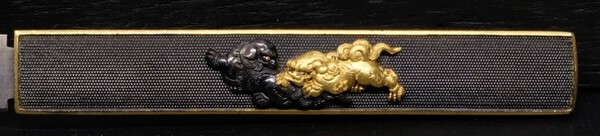
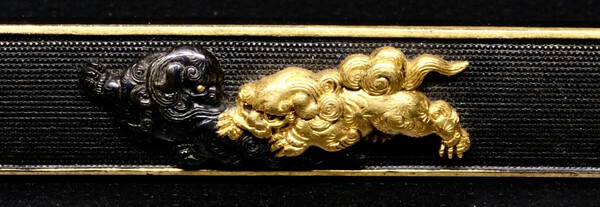
Gotō School (後藤) Kibei-Line (喜兵衛) Kyoto and Kaga Mitsunari, c.1719-1759 worked for the Kibei line of the Goto school. He became the 6th generation master or head of this branch. He was the son of Jōha (5th master). Over the span of his career he signed his works as Mitsuaki (光昭), Mitsunari (光生), Mitsuyori (光寄), Magojūrō (孫十郎) and also a variant character for Nari “成” as seen on this kozuka, Mitsunari (光成).
-
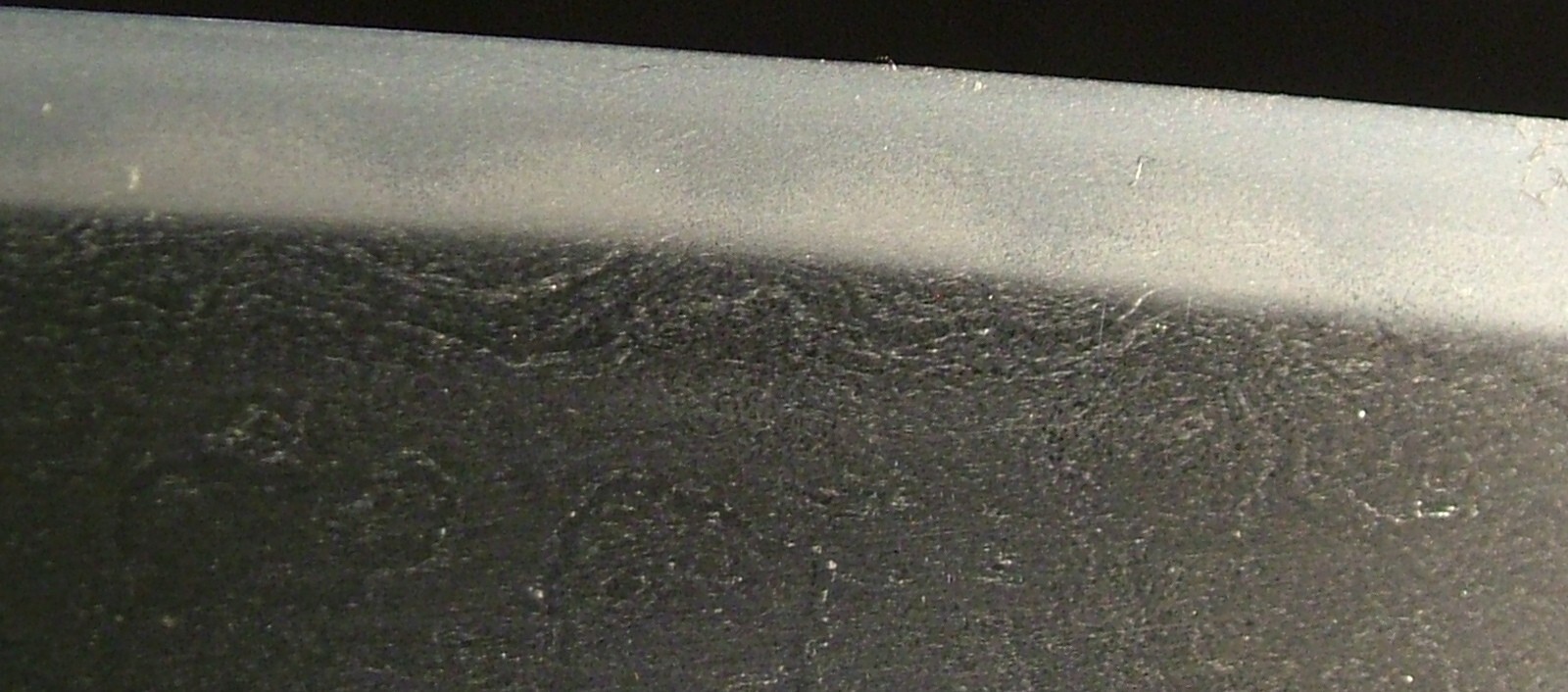
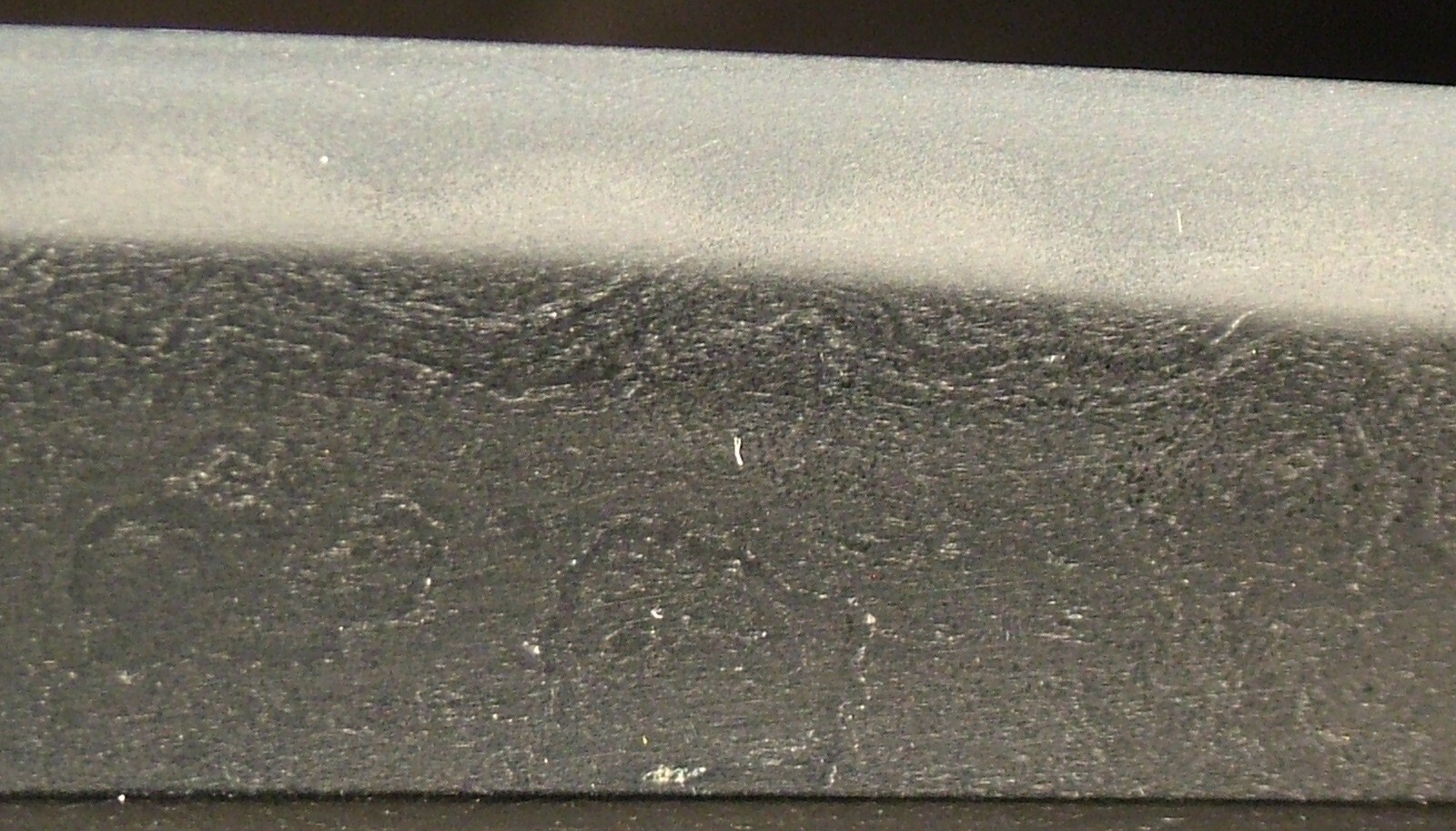
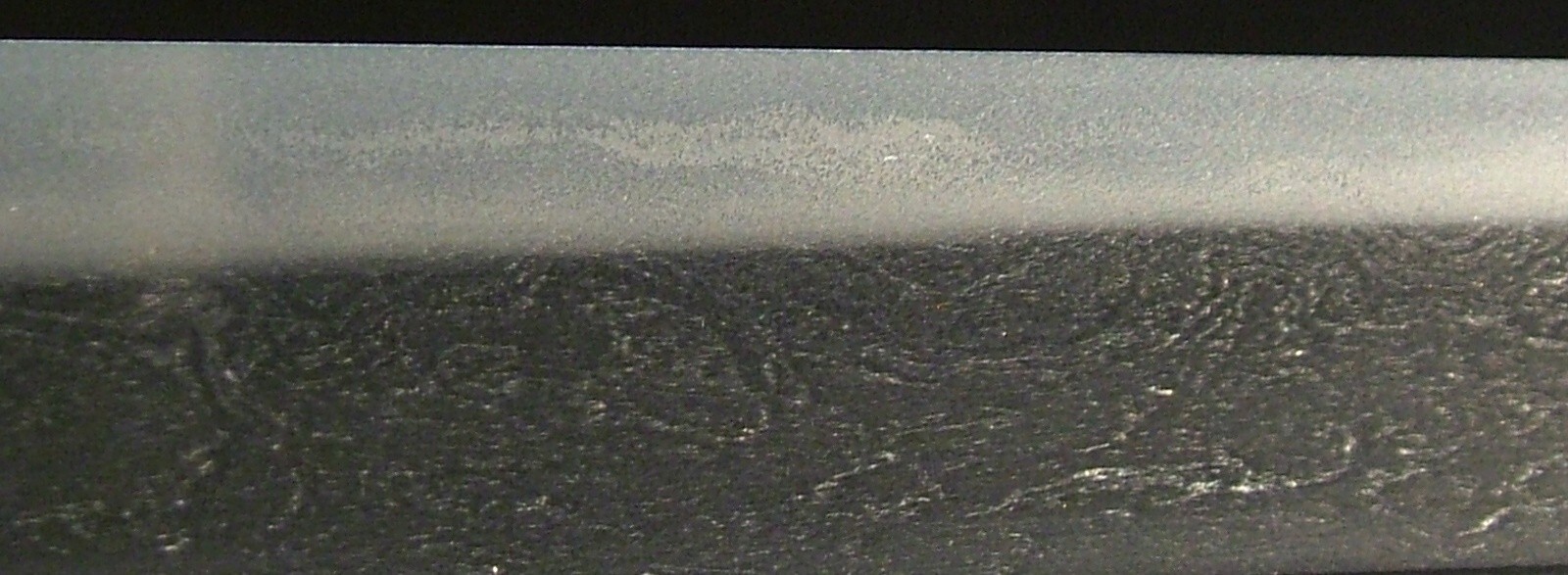
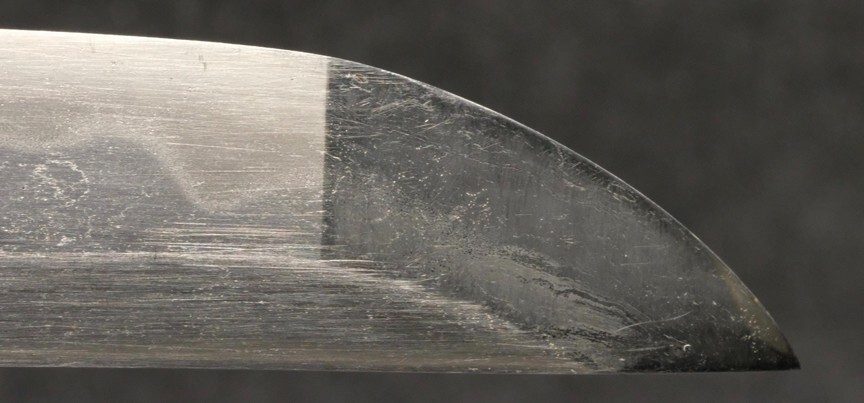
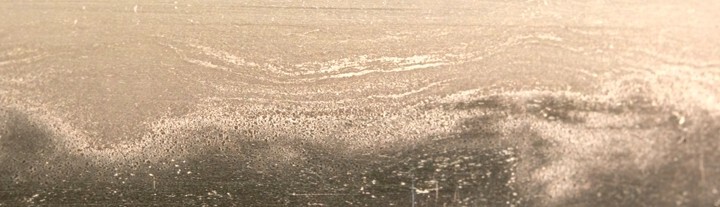
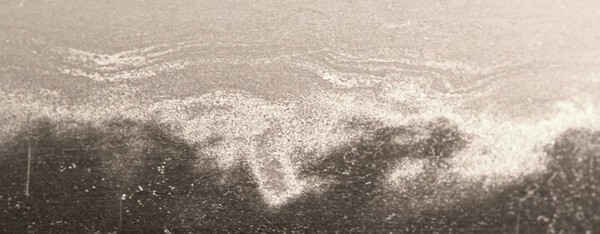
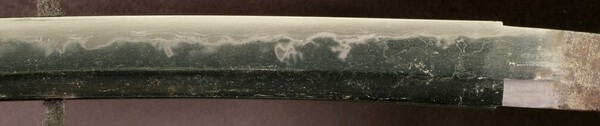
I think that one would be easier to call Kaen. I honestly try not to get caught up in semantics, and just stick to hakikake to prevent argument.
-
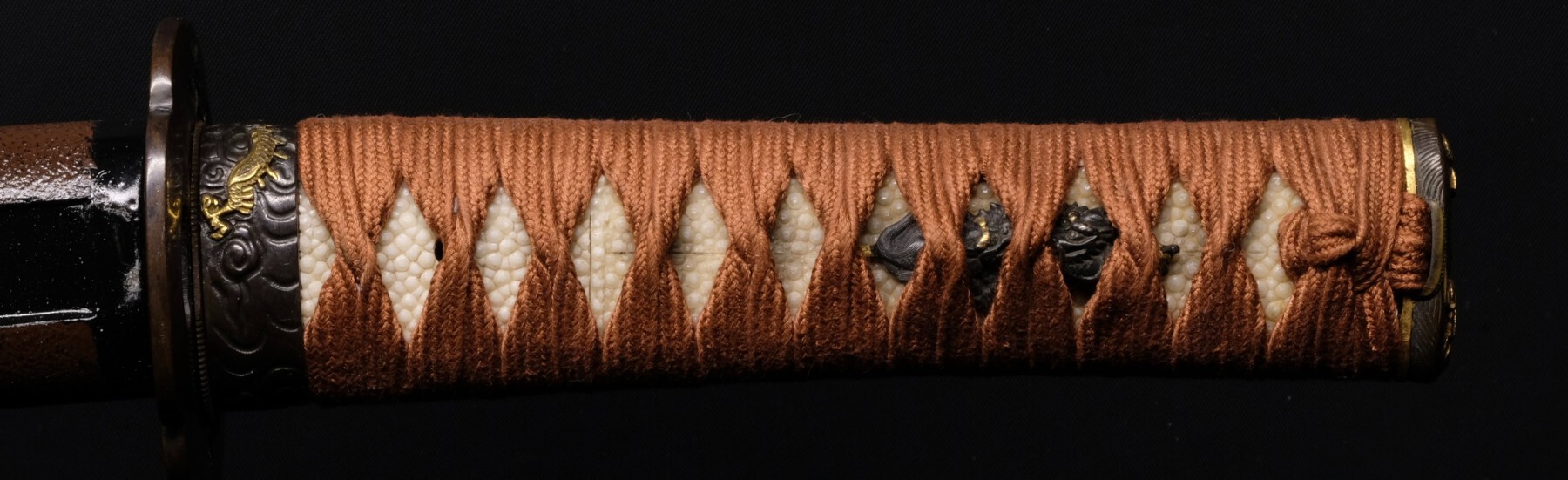
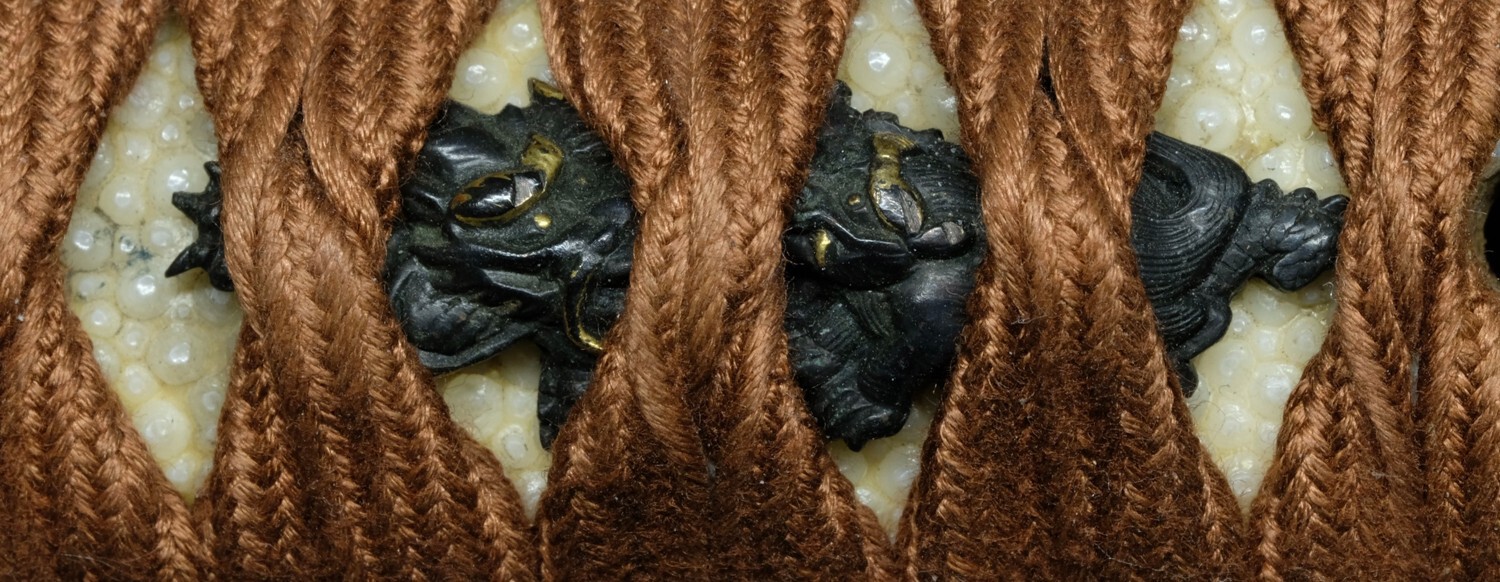
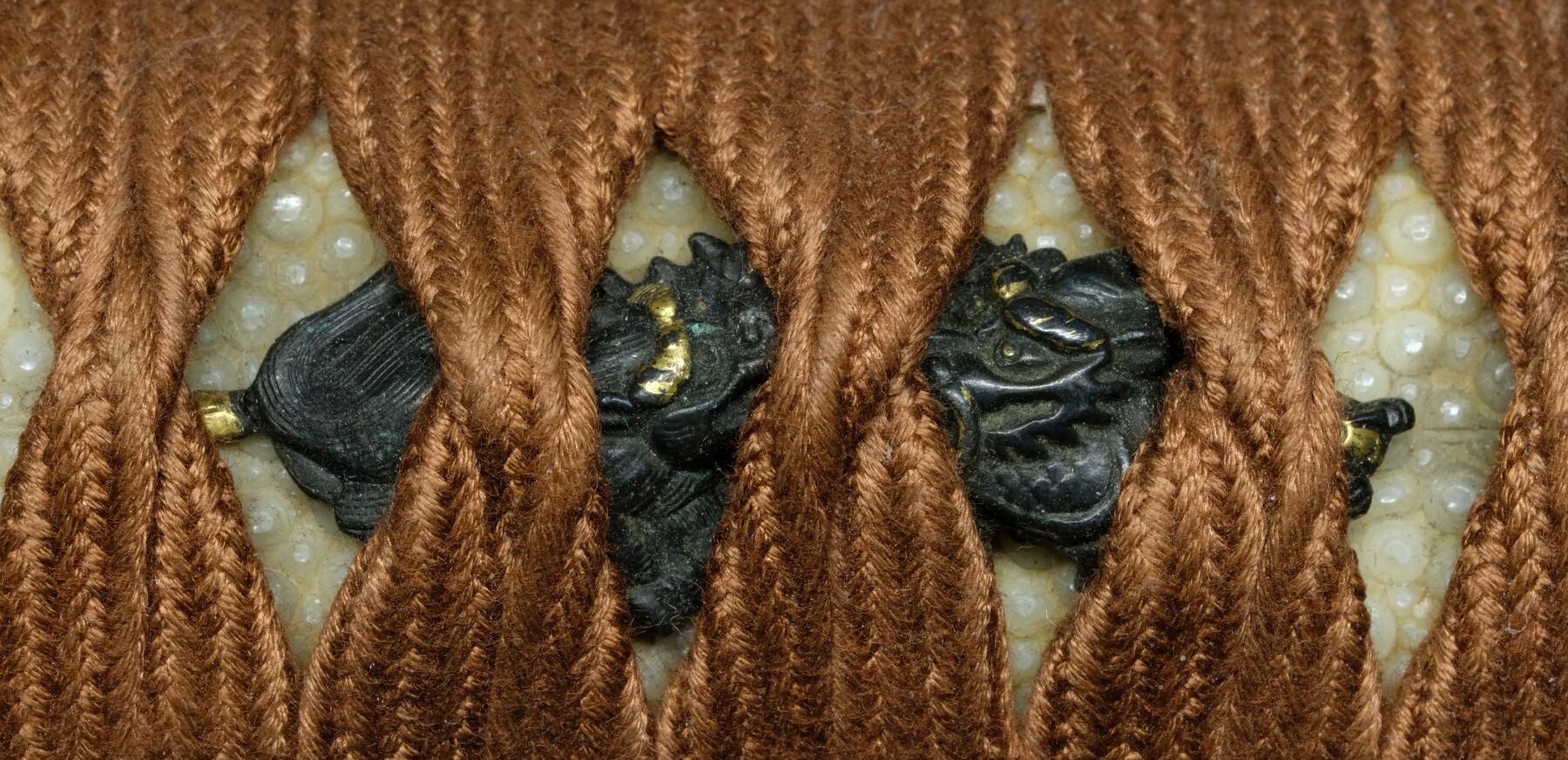
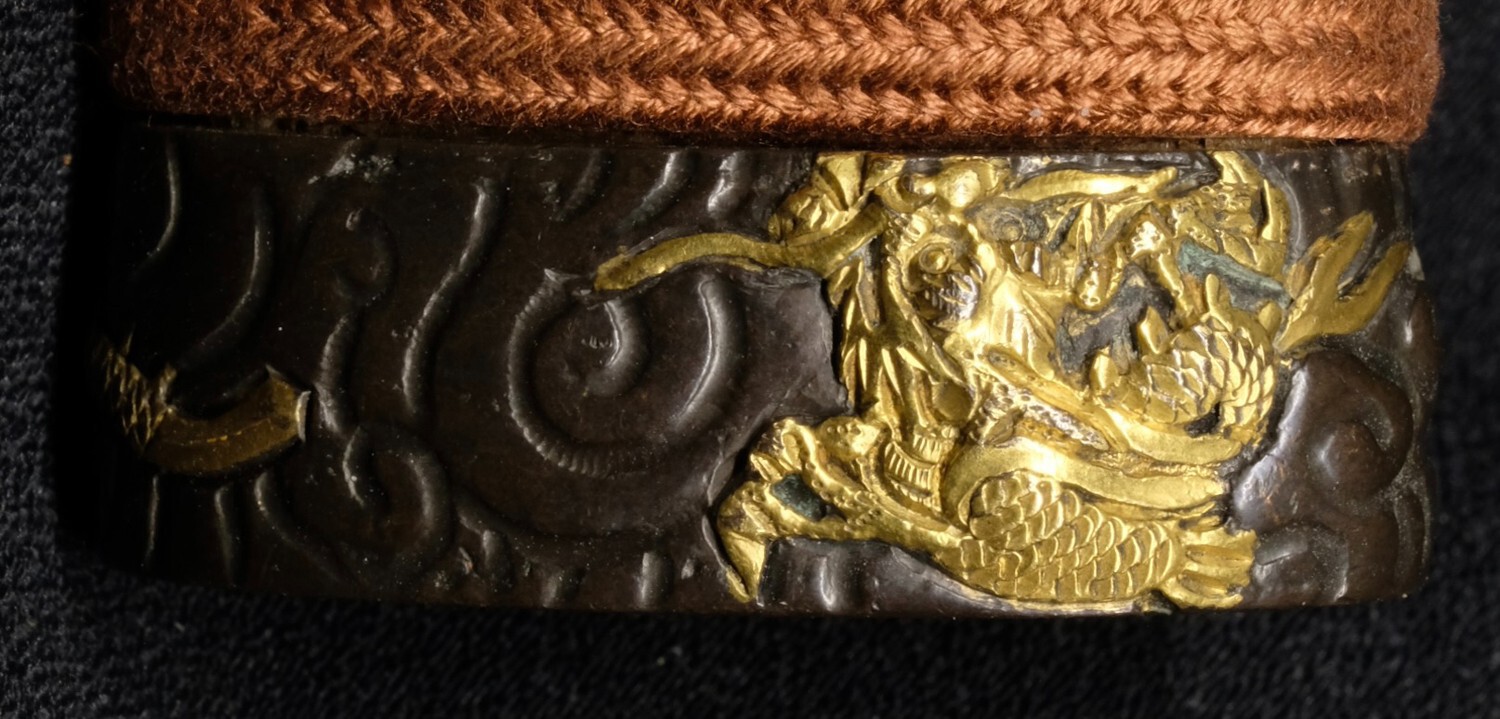
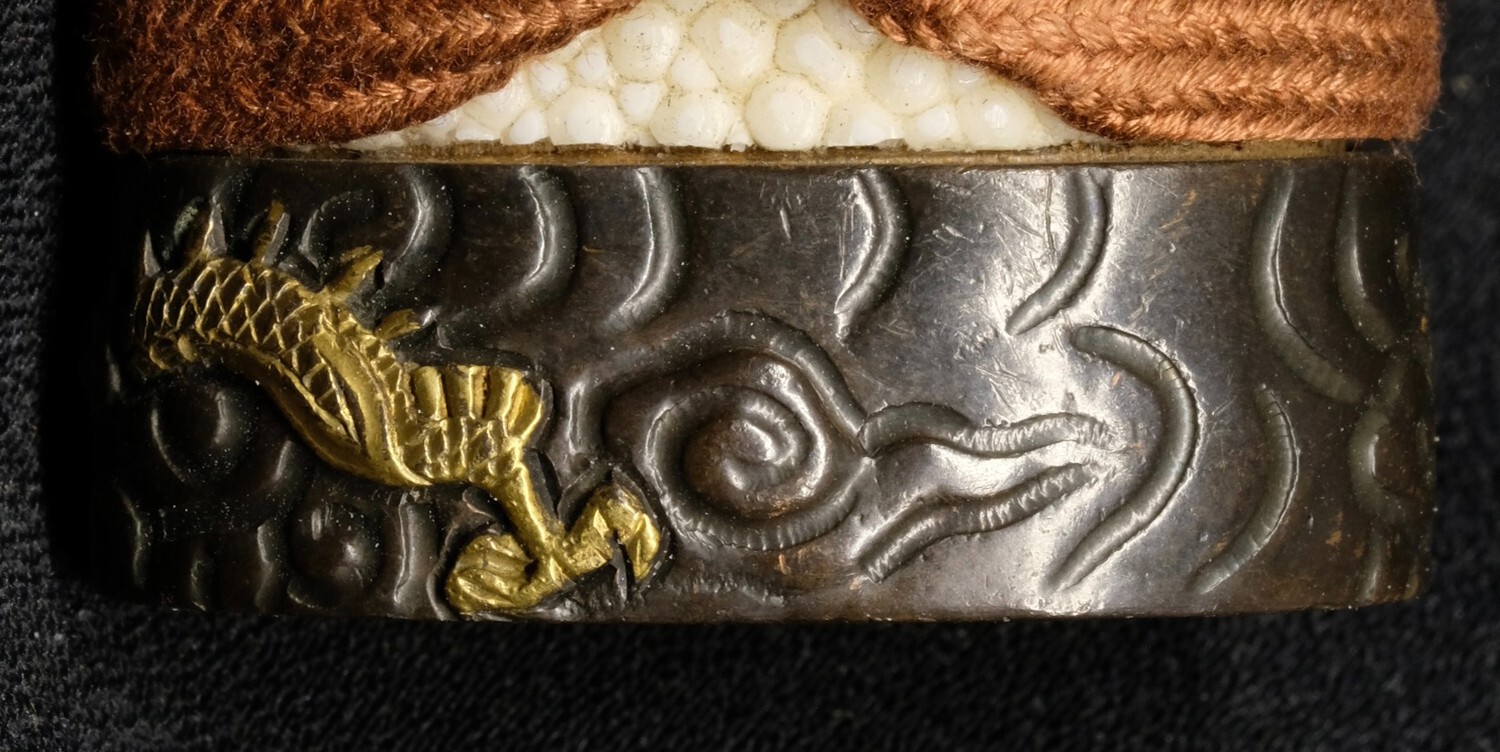
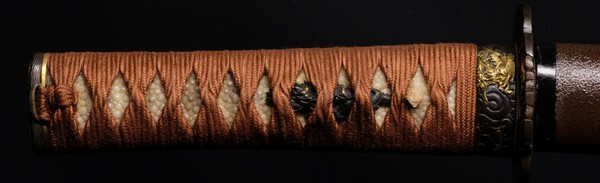
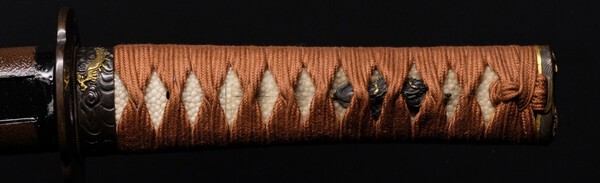
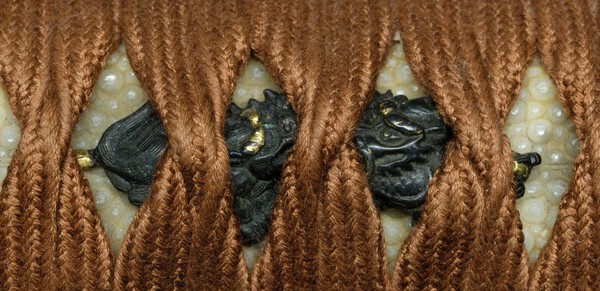
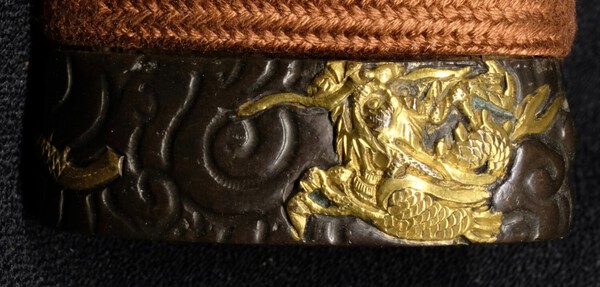
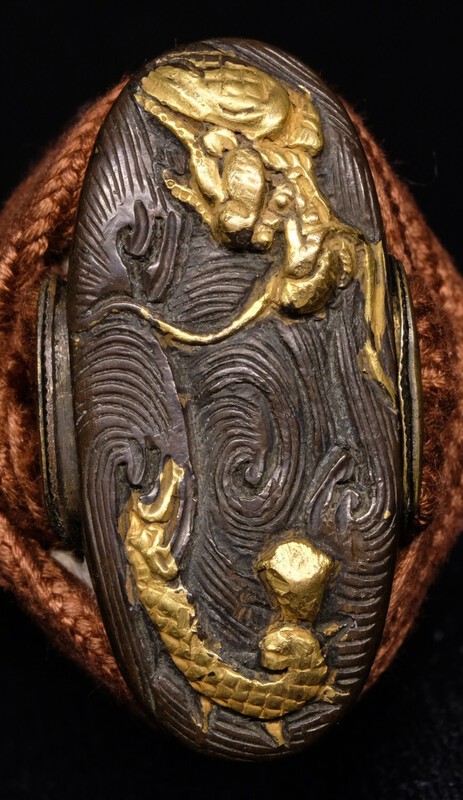
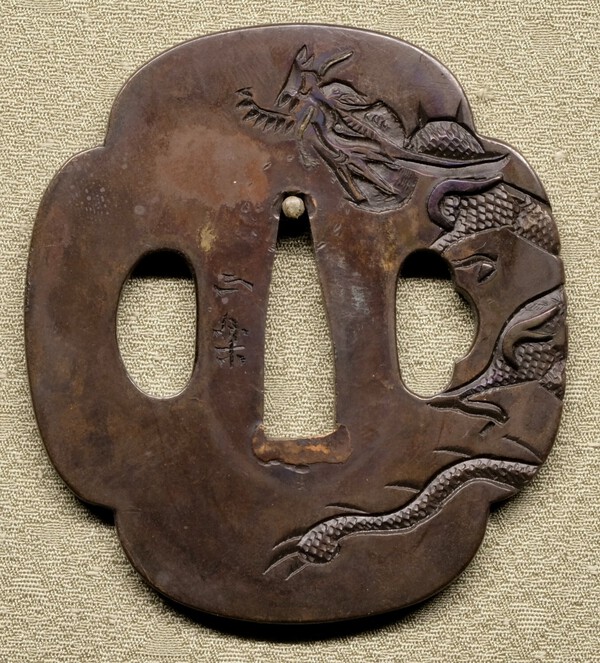
KOSHIRAE FOR WAKIZASHI DRAGON THEME NOTE: Measurements are in inches: KOA: 27 K SAYA: 20.25 K TSUKA: 6.375 TSUNAGI OAL: 22.75 TSUNAGI NAGASA: 18.25 TSUNAGI NAKAGO: 4.375 SORI: 0.25 TSUBA MOTIF: Dragon TSUBA MEI: ? TSUBA DIMENSIONS: 2.59 x 2.33 x 0.15 TSUBA ANA: 1.03 x 0.27 MENUKI: Shakudo Dragons F/K MOTIF: Shibuichi with Gold Dragons F/K MEI: 0 KOZUKA MOTIF: 0 Kozuka KOZUKA MEI: 0 KOGATANA MEI: 0 Kogatana HABAKI: 1 pc. copper This is a wakizashi sized koshirae, see lengths above. I reiterate, koshirae only, no sword. I do not know the exact age of this koshirae. The koshirae is modern but the fittings used are all ANTIQUE. The koshirae has a wooden Tsunagi. A Tsunagi is an exact wooden replica of the blade for which the koshirae was originally made. Before you ask, I have no idea what became of the original blade or who made the tsunagi. The saya is done in a brown ishimei finish, the koiguchi and kojiri are horn. The F/K are shibuichi and depict a gold dragon, the menuki are shakudo dragons, the tsuba depicts yet another dragon. The habaki is a 1 pc. copper. The tsuka is wrapped in samegawa, then wrapped with a brownish colored ito. Finding koshirae which fit other blades is difficult as each blade is slightly different, therefore each koshire is slightly different as they are custom built for a particular sword. It is not impossible, but sometimes difficult. Collectors have been known to find a koshirae that fits perfectly or which is similar in size and with some minor alterations make it work. If your sword is in fresh or recent polish, inserting it into an “old” koshirae is not advised. One little grain of sand inside the saya can potentially scratch the polish. Another option is simply displaying a nice koshirae alongside your blade. As this saya is new and has never housed a sword, it shouldn’t be an issue. *Note however, there is no guarantee given or implied that a bit of sand or trash has not entered the saya. If you plan to put a blade into this koshirae, take caution and do it at your own risk. This koshirae is also being sold with no guarantee given or implied that it will fit any particular sword. Detailed measurements have been provided in the event you are attempting to fit it to your blade. While difficult to find an exact match, the measurements will assist in find something close, at best fitting perfectly, at worst requiring minimal alteration. Condition: See photos Returns: Not accepted unless item is not as described. Ships USPS Priority Mail Insured. Your address and contact information is required to get an accurate shipping quote. Buyer is responsible for knowing their countries import laws and regulations. Price: $675 plus any additional fees (S/H, PayPal, Wire, Insurance, etc) Contact me via email only: Yakiba.com@gmail.com Ed Marshall Yakiba.com





-
- 1
-
-
Yes, all kaen boshi are hakikake, but not all hakikake boshi are kaen. Kaen implies a deviation from normal to an extreme proportion of hakikake. When in doubt hakikake is never wrong. I can see why the dealer in question called this one hakikake as would I, if for no other reason than to err on the side of safety. In my opinion there in not enough hakikake to make this one kaen. Yet, there is enough that undoubtedly some would consider it kaen. There will always be varying opinions.
-
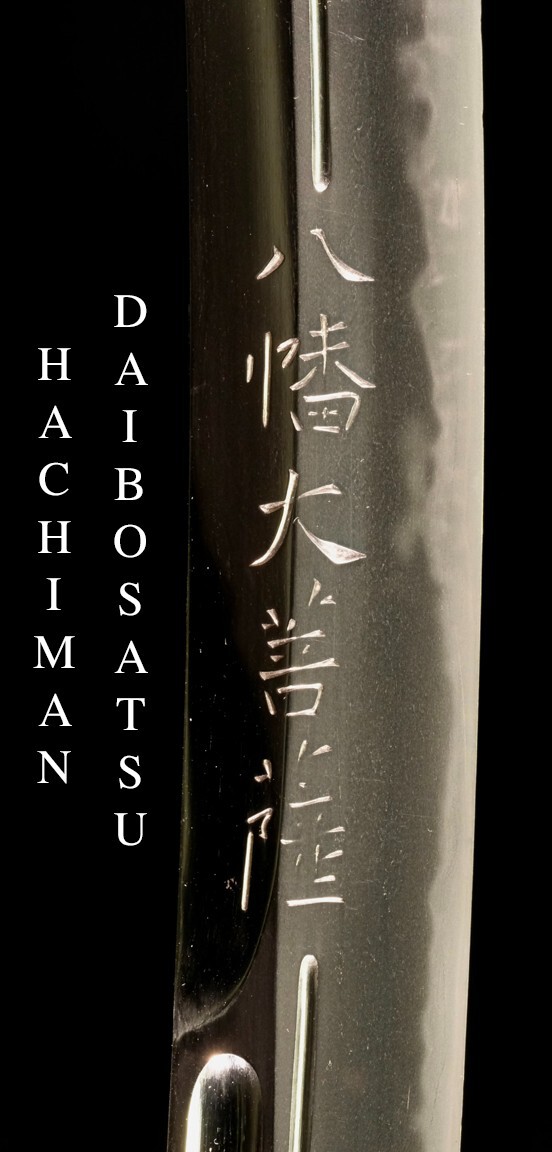
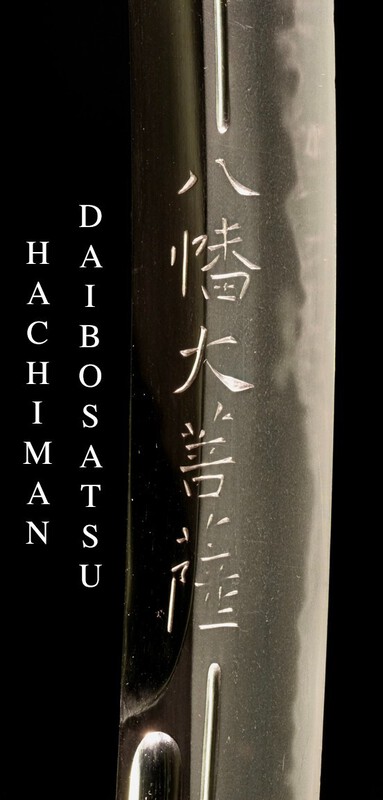
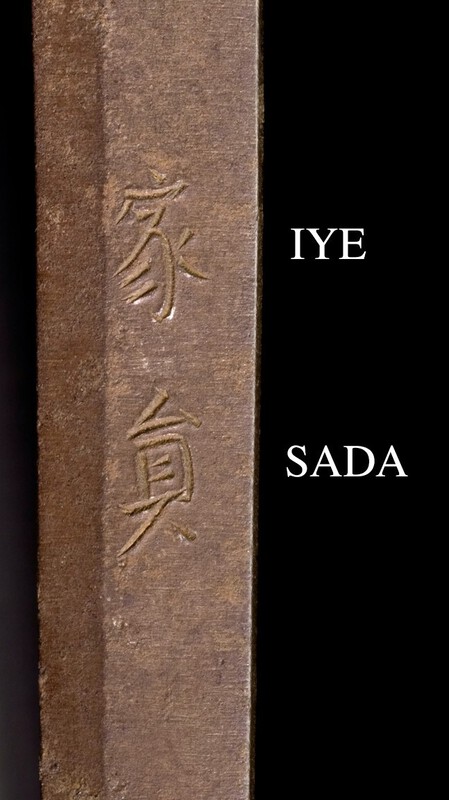
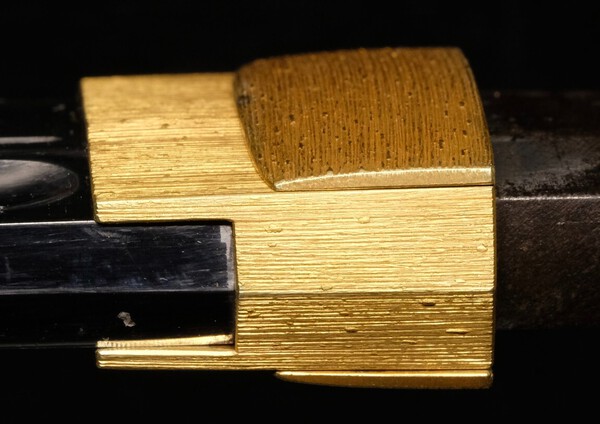
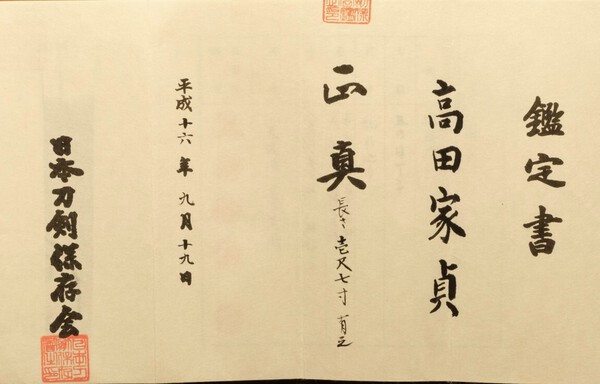
IESADA, BUNGO TAKADA NAGINATA NTHK X 2 c. TENMON 1532 (NTHK) / KEICHO c. 1596 (NTHK-NPO) SUGATA: NAGINATA MEI: IESADA (BUNGO TAKADA) DATE: NONE MUROMACHI c. 1532 NAGASA: 31.5cm (20.25") OVERALL: 103.7cm (40.75") MIHABA: 3.016cm (1.1875") KASANE: 0.794cm (0.3125") SORI: 1.4375 NAKAGO: UBU MEKUGI ANA: ONE YASURIME: YOKOYASURI OR KIRI MUNE: IORI HADA: ITAME HAMON: GUNOME MIDARE with ASHI, YO, ETC. BOSHI: CHOJI MIDARE KOMI HORIMONO OMOTE: NAGINATA HI with MYOGO HORIMONO URA: NAGINATA HI with MYOGO HABAKI: 2 PC. GOLD FOIL by BRIAN TSCHERNEGA SHIRASAYA Outstanding signed, and papered ubu naginata by Takada Iesada, signed niji mei (two character). It is so nice to find naginata which have not been cut down. This flawless naginata is in excellent condition and polish. The hada is Itame with chikei. The hamon is an extremely active gunome midare with tons of hataraki guaranteed to provide endless study pleasures. There are clouds of nio with nie, ashi, yo, inazuma, yubashiri etc., etc. Myogo are inscribed bilateraly. Myogo (名号): names of Buddhist deities engraved on blades. Hachiman Daibosatsu (Great Buddha to be), known as the God of War or the Tutelary God Warriors is inscribed on the left side. During the age of the samurai, descendants of both samurai clans, Seiwa Genji (清和源氏 Seiwa Gen-ji, a line of the Minamoto clan descended from Emperor Seiwa) and Kanmu Taira (桓武平氏 Kanmu Taira'u-ji/ Hei-shi/ Hei-ji, a line of the Taira clan descended from Emperor Kanmu) honored Hachiman, from which the tradition is derived nationwide in which samurai clans (武家 "buke" in Japanese) honor Hachiman as the deity sacred to them. His other roles include determining a samurai's fate—i.e., whether they are a success or failure in battle; controlling and protecting the martial arts; and proclaiming the victory of an army. Kasuga Daimyojin which is reference to both the Kasuga-taisha or shrine as well as the collective deities (Kami) associated with the shrine is inscribed on the right side. The birth of the Kasuga-taisha shrine, according to legend, began when the first kami of Kasuga-taisha, Takemikazuchi, rode on the back of a white deer to the top of Mount Mikasa in 768 BC. This kami is said to have traveled from the Kashima Jingu Shrine in order to protect Nara. The shrine location first received favor from the Imperial government in the Heian period as a result of the power from the Fujiwara family as well as Empress Shōtoku. The four main kami enshrined here are Ame no koyane, Himegami, Futsunushi no mikoto, and Takemikazuchi no mikoto. Though these are the primary divine beings of Kasuga taisha, they are often grouped together as a syncretic, combined deity known as Kasuga Daimyōjin. Kasuga Daimyōjin is composed of five divine beings and each consists of a Buddhist deity and Shinto kami counterpart. The fifth deity, Ame-no-Oshikumone, was added much later and is said to be the divine child of Ame no koyane and Himegami. The importance of the multifaceted kami was that it became a template for future worshipers who wanted to combine several deities to pray to at once.1 Courtesy of Wikipedia. https://en.wikipedia.org/wiki/Kasuga-taisha Forged in a period steeped in war prior to the unification of Japan by Oda Nobunaga, Toyotomi Hideyoshi, and Tokagawa Ieyasu. While a beautiful work of art, make no mistake this blade was made for battle and carried prayers of victory and protection for whoever wielded it. Courtesy of; Nihon Koto Shi. The Takada school of which founder is Tomoyuki of the previous period lived in Bungo Province as well and demonstrated more powerful and characteristic workmanship than that of the Bungo-Ryokai school. The school thrived through to shinto times. There are three groups in the school, one is the smiths who use a character of ‘Yuki’ for their smith names and others are the ones who use characters of ‘Mori’ or ‘Shizu’ for their smith names. Incidentally, almost shinto smiths of this school use ‘Yuki’ for their smith names. Shigeyuki is a student of Tomoyuki and Nagamori is a student of Shigeyuki. Shigeyuki and the smiths of his lineage use the clan’s name of ‘Taira’ in their mei and then all smiths of this school came to use the clan name of ‘Taira’. Therefore, the smiths belong to the lineage of Nagamori is called ‘Taira-Takada’. Swordsmith directories say that there are two generations of Nagamori, the first generation was active in the Oei or Choroku Era and the second generation in the Eisho Era. Though, we can see their extant works with production years of the Eisho and Daiei Eras, these correspond to the second generation. It seems that the main lineage of the Takada school was not very active in this period, but the smiths who used ‘Mori’ and ‘Shizu’ for their smith names, left many extant works. The first and the second generations of Nagamori were skilful smiths, but Shizumori and Shizunori are only mediocre smiths. As a whole, the Takada school tempered gunome-midare, ko-notare and sugu-ha and forged jigane with chikei and a kind of chafe, particularly the hataraki of the ji is emphasized in the jigane of Shizumori and the smiths of his lineage. Nagamori tempered hoso-sugu-ha, gunome mixed with choji and hitatsura and occasionaly forged dense ko-itame-hada (sometimes nashiji-hada) and carved koshi-bi and elaborate kurikara in relief. The horimono was one of their traditions started by Yukihira. They tempered hoso-sugu-ha on tanto and forged nashiji-hada and in this case therefore, the tanto (from the book) looks like one of the Kamakura Period at a glance. There is an extant work of Shizumori with a production year of the Tenbun Era. Shizunori appears to have been active a little later than Shizumori. There is an extant tanto of Shizumori with wide mi-haba and the hamon is gentle o-notare. Shizunori was the maker of famous ‘Gondo no Naginata’, which looks like Yosozaemon no Jo Sukesada at a glance, and it is no exaggeration to say that the naginata is the best work of the school. The nickname of Gondo’ comes from a retainer, one Gondo of Kuroda Josui who is said to have killed a tiger with the naginata during the expedition against Korea. *NOTE: This naginata comes with not one, but two (2) sets of papers. Both NTHK & NTHK-NPO authenticated this mei as shoshin. The NTHK-NPO gave this naginata an outstanding 77 pts., which is equivalent to the NBTHK Tokubetsu Hozon. An added benefit is the outstanding two-piece gold habaki made by Brian Tschernega. $16,000 plus S/H and any additional associated fees (pp, wire, etc.) Limited time 1/2 off sale: At this price the sale is final! The only exception being if you were to find a fatal flaw which was inadvertently overlooked within 48 hrs. There isn't! You won’t! Sale Price: $8000 plus S/H and any additional associated fees (pp, wire, etc.) I have provided all the information I have on this exceptional Naginata Feel free to contact me if you are ready to purchase. For purchase/payment information contact me at: Yakiba.com@gmail.com






-
- 2
-
-
-
Tried find out more as it was interesting to me as well. But, I had no luck. I met him in 2008, of course that was before I owned this Tanto.
-
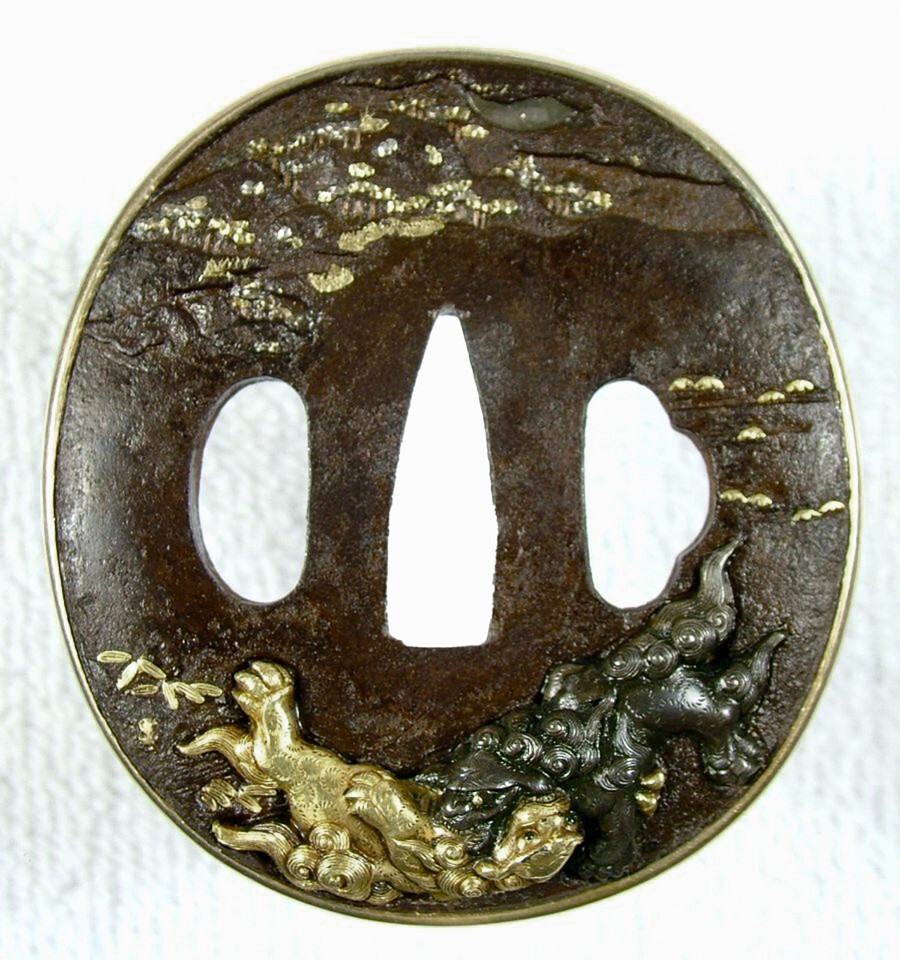
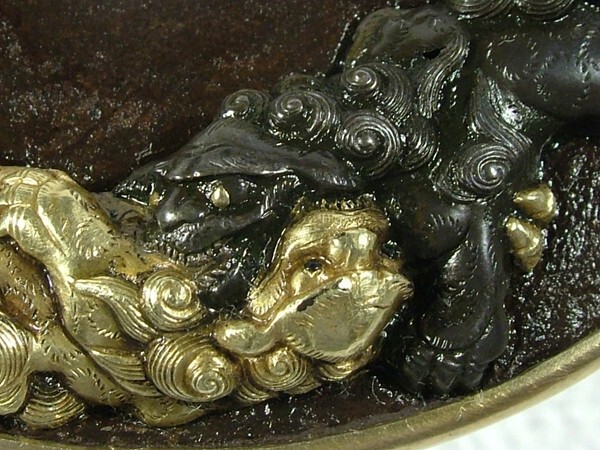
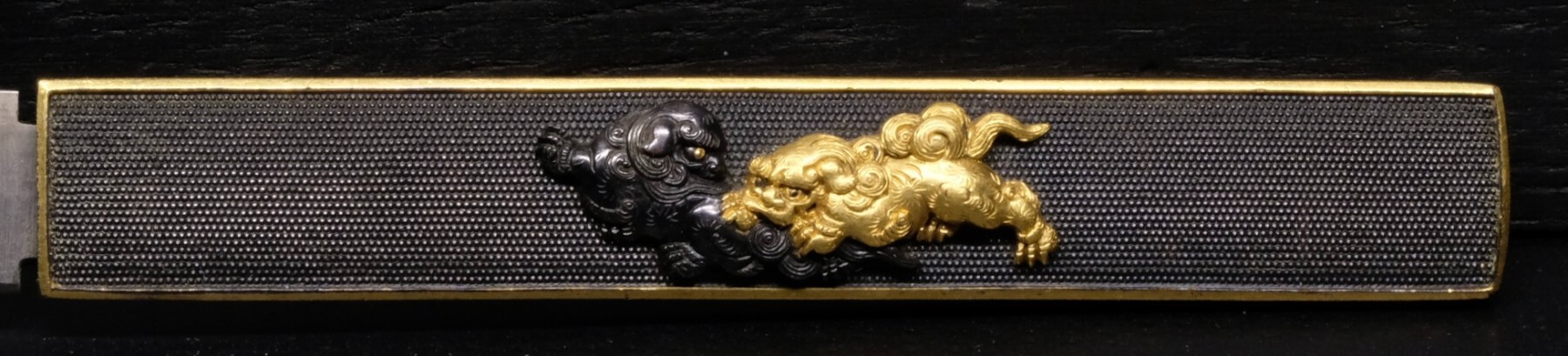
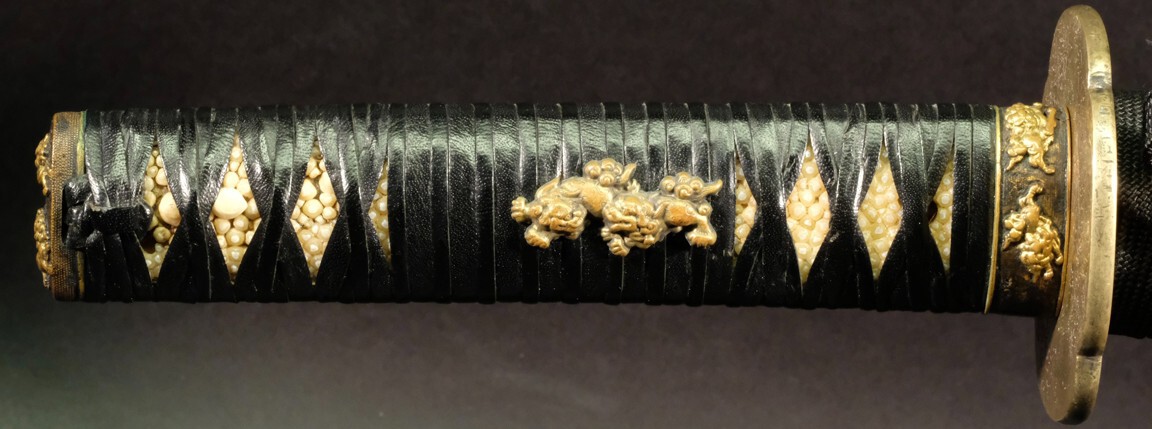
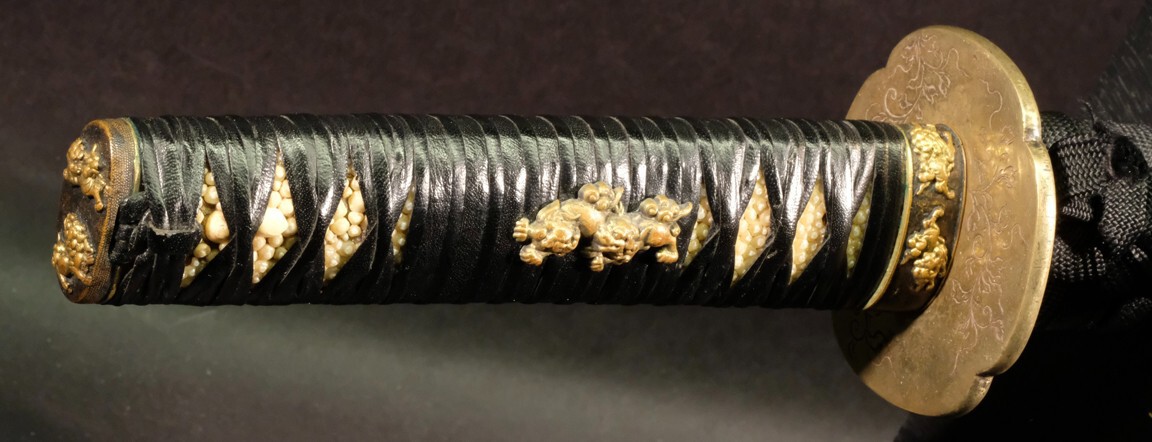
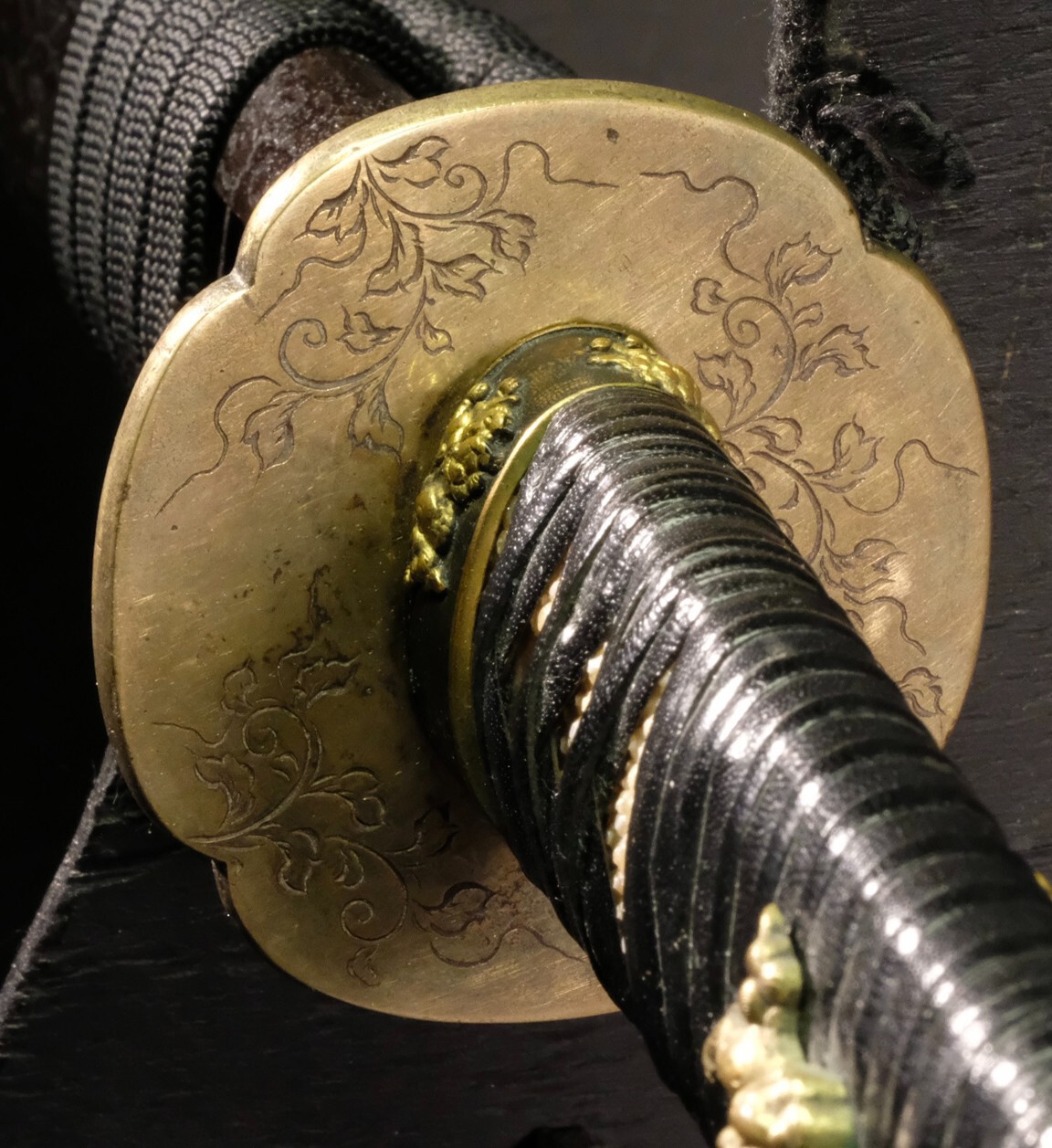
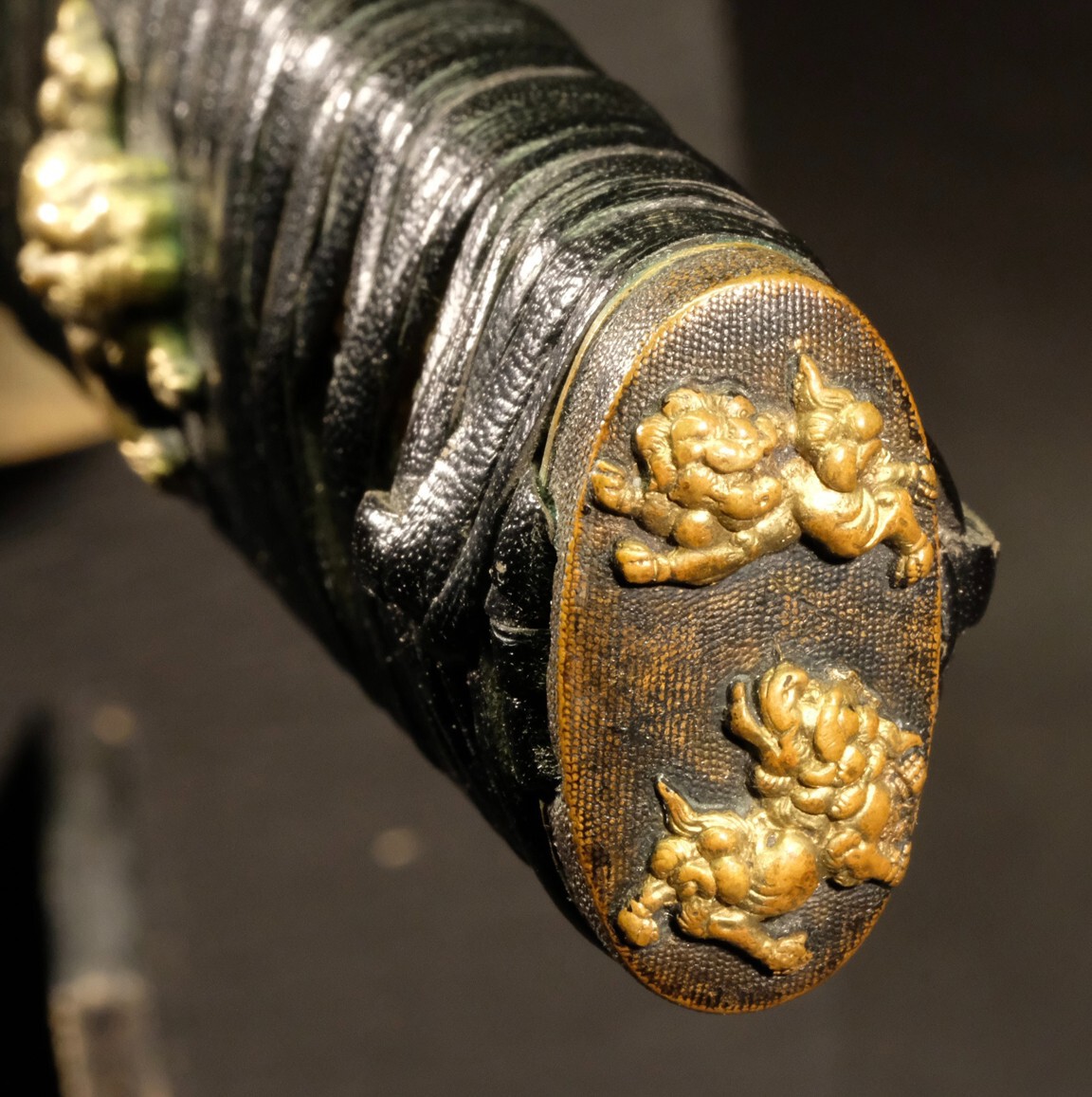
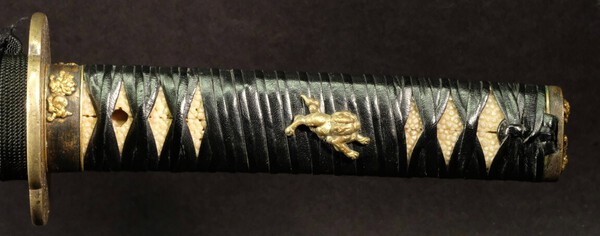
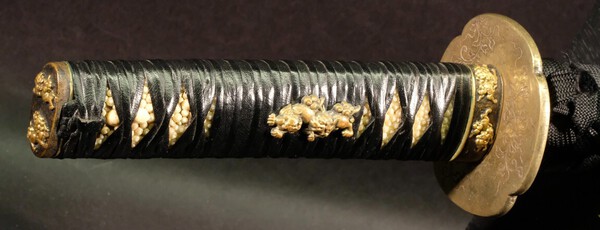
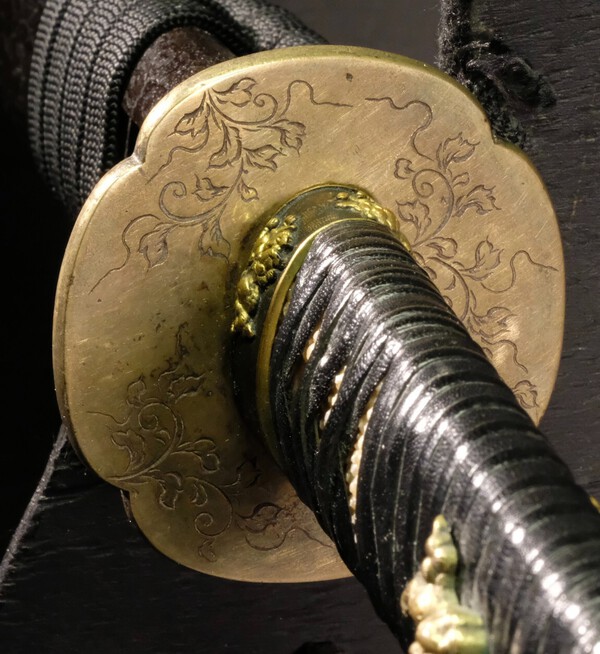
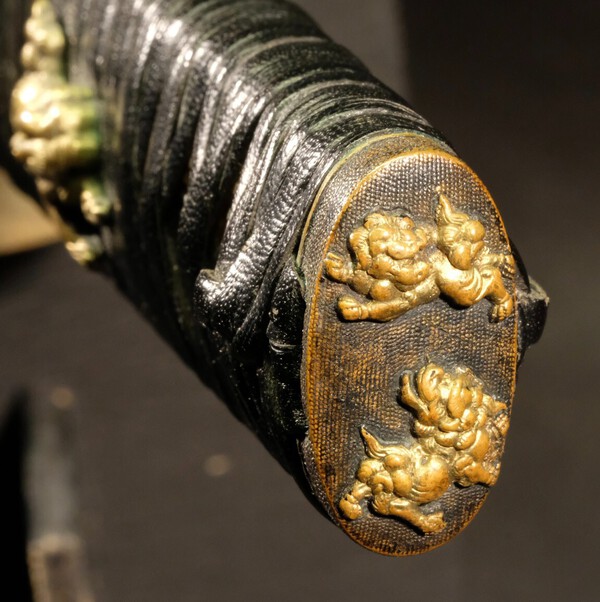
KOSHIRAE FOR WAKIZASHI *NO BLADE* SHISHI THEME NOTE: Measurements are in inches: KOA: 30.25 K SAYA: 23 K TSUKA: 5.1875 TSUNAGI OAL: 28.1875 TSUNAGI NAGASA: 21.5 TSUNAGI NAKAGO: 6.6 SORI: 0.75 TSUBA MOTIF: Brass Karakusa TSUBA MEI: 0 TSUBA DIMENSIONS: ? TSUBA ANA: ? MENUKI: Shishi F/K MOTIF: Shishi F/K MEI: 0 KOZUKA MOTIF: 0 KOZUKA MEI: 0 KOGATANA MEI: 0 HABAKI: 1 pc. Shakudo This is a wakizashi sized koshirae, see lengths above. I reiterate, koshirae only, no sword. I do not know the exact age of this koshirae. The koshirae appears to be relatively new ie; not antique, however the fittings are all ANTIQUE. The koshirae has a wooden Tsunagi. A Tsunagi is an exact wooden replica of the blade for which the koshirae was originally made. Before you ask, I have no idea what became of the original blade or who made the tsunagi. The koshirae is nice and is done in matching Shishi fittings. Shishi, are sometimes called Jishi or Koma-inu 狛犬 (lion dog) in Japan. Shishi are guardians which repel evil. They are often seen outside temples and shrines and are very popular on sword fittings. All of the fittings depict shishi with the exception being the tsuba. The tsuba is brass with karakusa (scrolling vines) in katakiri bori. There are a few small stains on the tsuba. The habaki is shakudo, or possibly blackened copper and has a few small dents in it. The tsuka is wrapped in samegawa, then wrapped with leather ito. The kojiri while it resembles metal it is lacquer and mimics a metal one. The saya is black and has a pattern of clouds. Or at least clouds are my best guess. Finding koshirae which fit other blades is difficult as each blade is slightly different, therefore each koshire is slightly different as they are custom built for a particular sword. It is not impossible, but sometimes difficult. Collectors have been known to find a koshirae that fits perfectly or which is similar in size and with some minor alterations make it work. If your sword is in fresh or recent polish, inserting it into an “old” koshirae is not advised. One little grain of sand inside the saya can potentially scratch the polish. Another option is simply displaying a similar sized koshirae alongside your blade. Even though relatively new, there is no guarantee given or implied that a bit of sand or trash has not entered the saya. If you plan to put a blade into this koshirae, take caution and do it at your own risk. This koshirae is also being sold with no guarantee given or implied that it will fit any sword. Detailed measurements have been provided in the event you are attempting to fit it to your blade. While difficult to find an exact match, the measurements will assist in find something close, at best fitting perfectly, at worst requiring minimal alteration. Condition: See Photos. The information I have provided is all I have on this koshirae. Returns: No accepted unless item is not as descriced. Ships USPS Priority Mail Insured. Your address and contact information is required to get an accurate shipping quote. Buyer is responsible for knowing your countries import laws and regulations. *Reduced $450 plus any additional fees (S/H, PayPal, Wire, Insurance, etc) Contact me via email only: Yakiba.com@gmail.com






-
- 2
-