All Activity
- Past hour
-
-
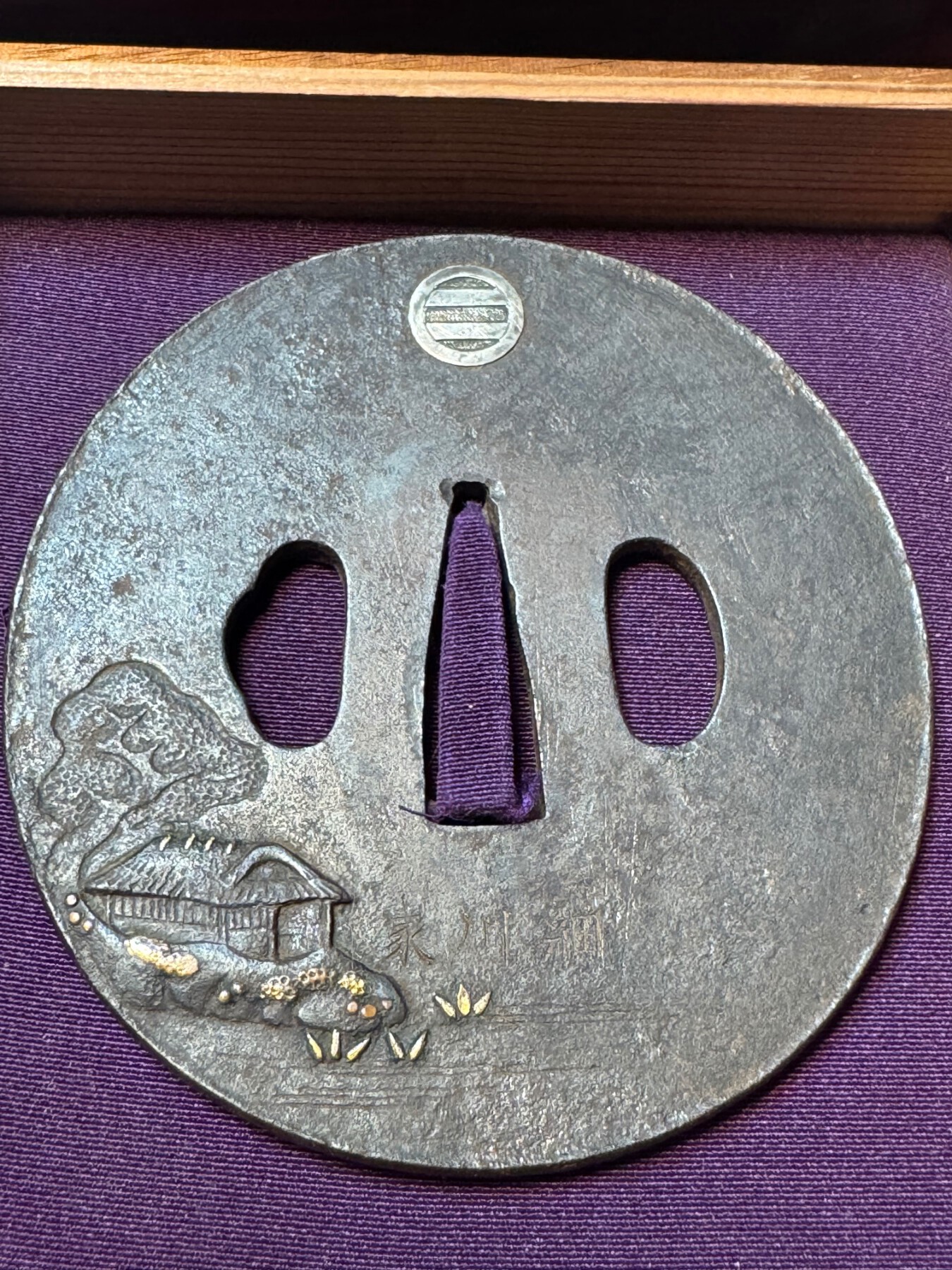
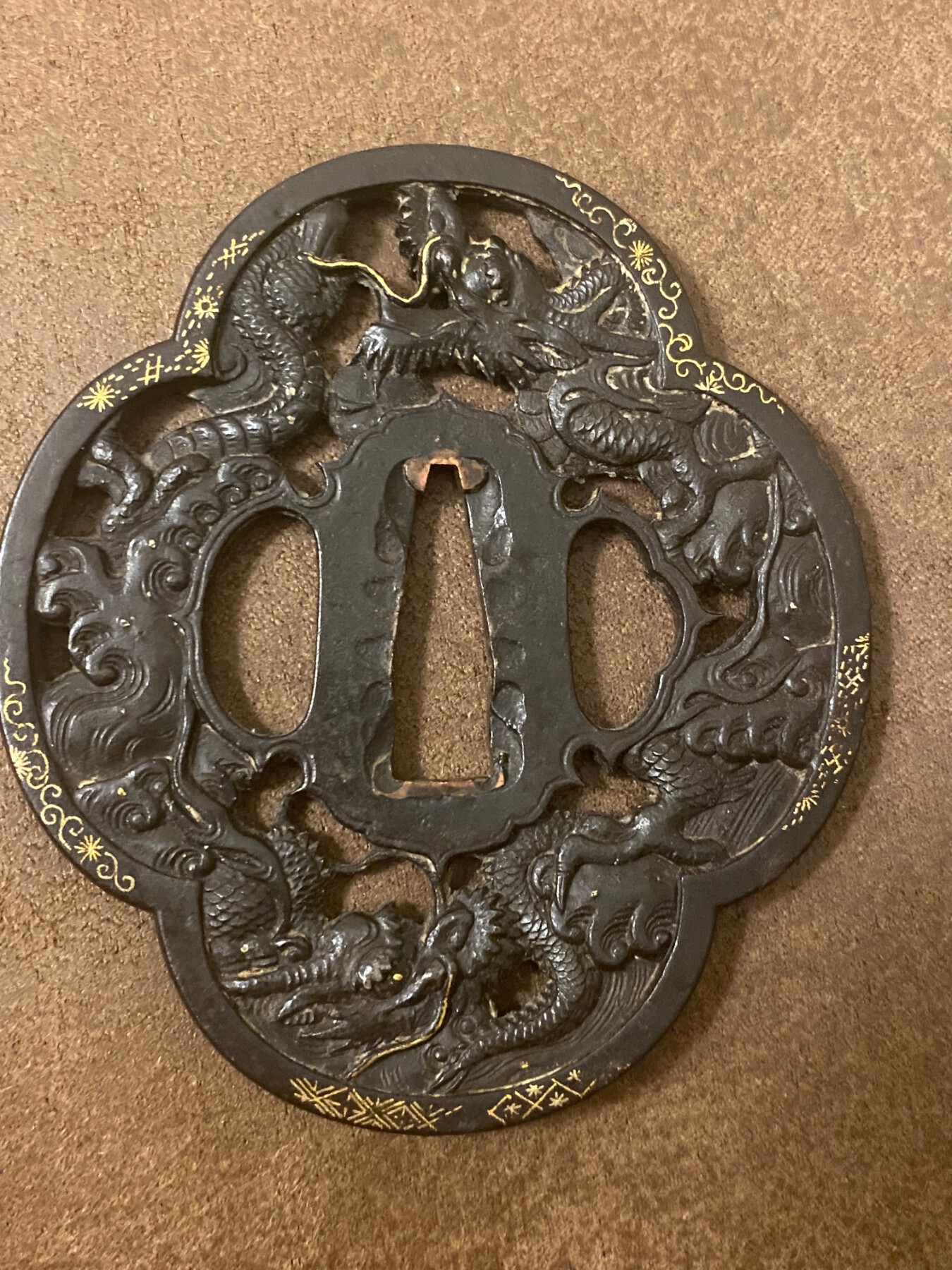
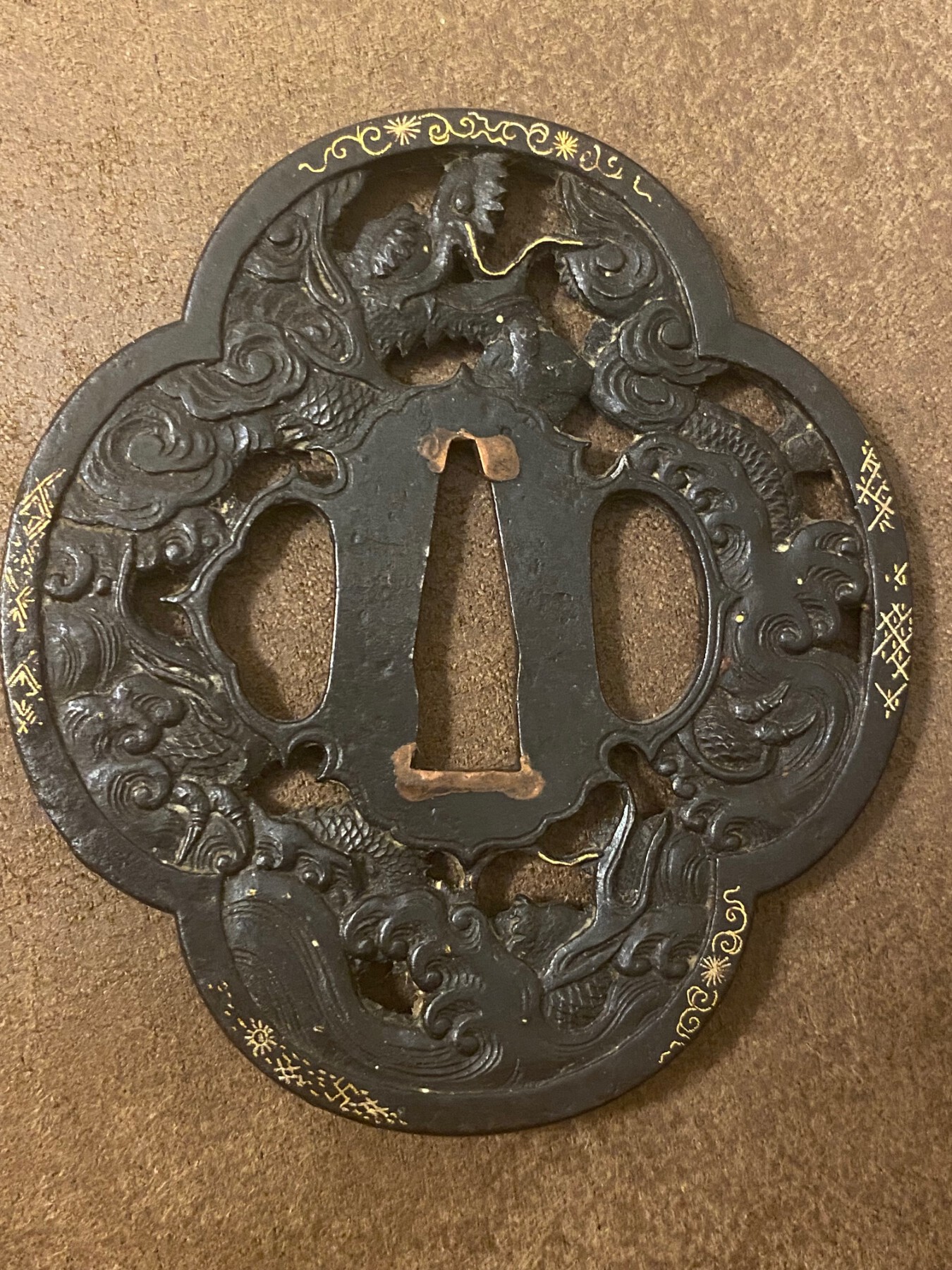
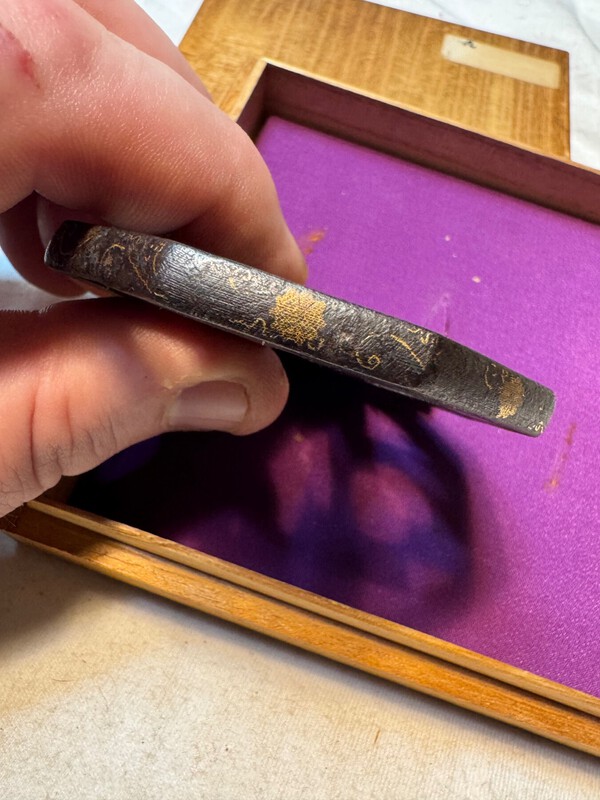
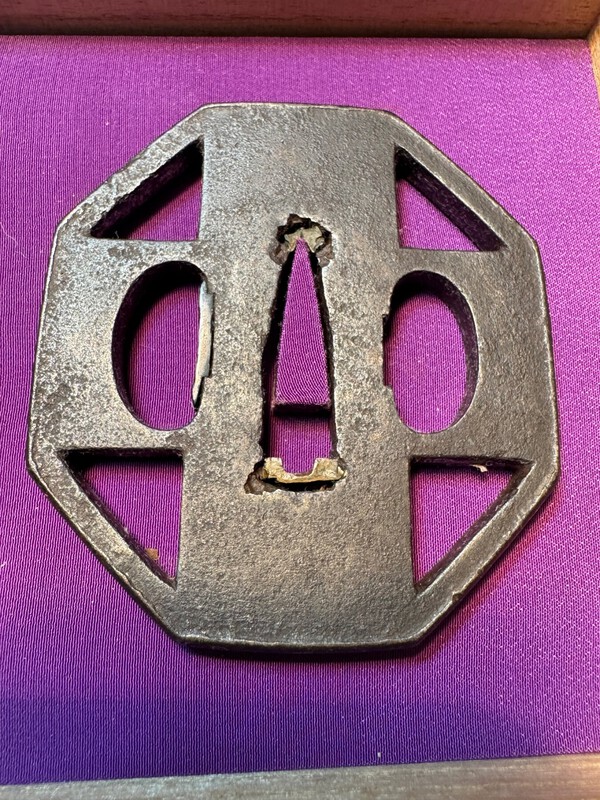
I know it is not round, but I have been told by a couple people this is a take on a Satsuma kamon tsuba. There is also work with some gold on the rim, but some is faded. Jason
-
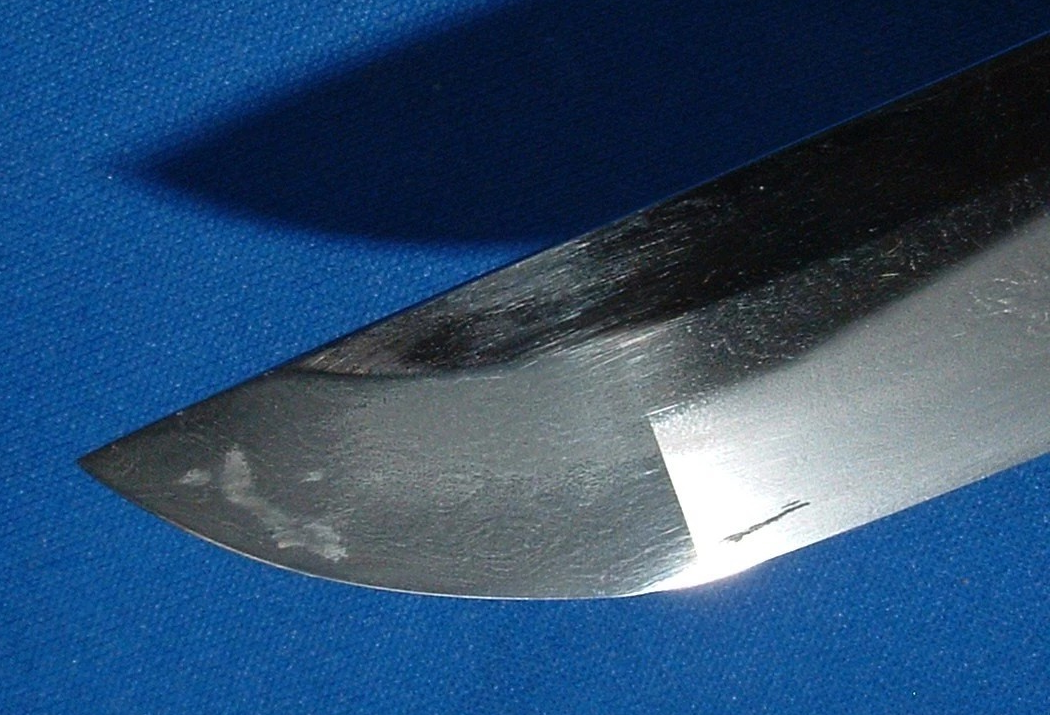
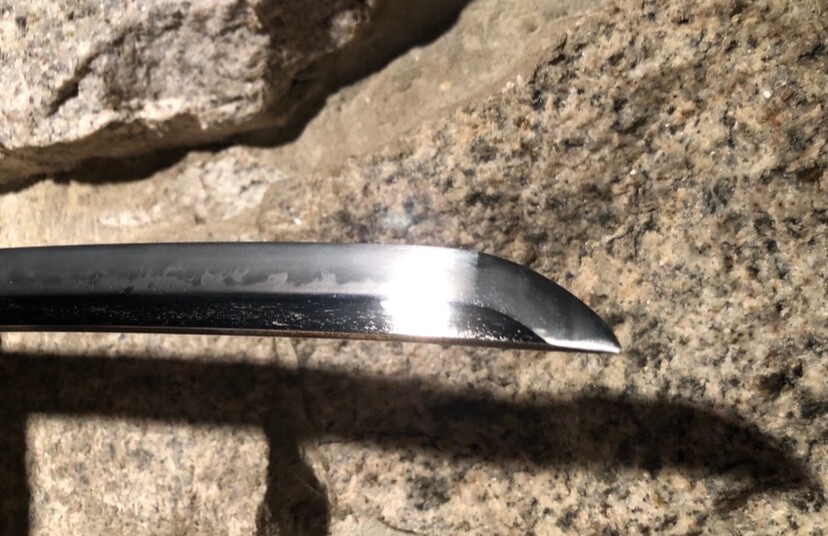
Amy: Not sure about the tip. Is it damaged? Would affect any sale price. John C.
- Today
-
Looks interesting but some will translate it much quicker than I can (and probably more accurately)
-
Time for another sword crossword! Thanks to those who did the easier one posted on Izakaya. This one focuses on Nihonto and is a bit more challenging. Indeed, I suspect no one can complete the whole puzzle without looking up at least one of the answers (the gauntlet has been thrown). I'm also including a screenshot version for those who are leary of downloading stuff. Enjoy!!! John C. Sword Crossword_3_A.docx


-

-
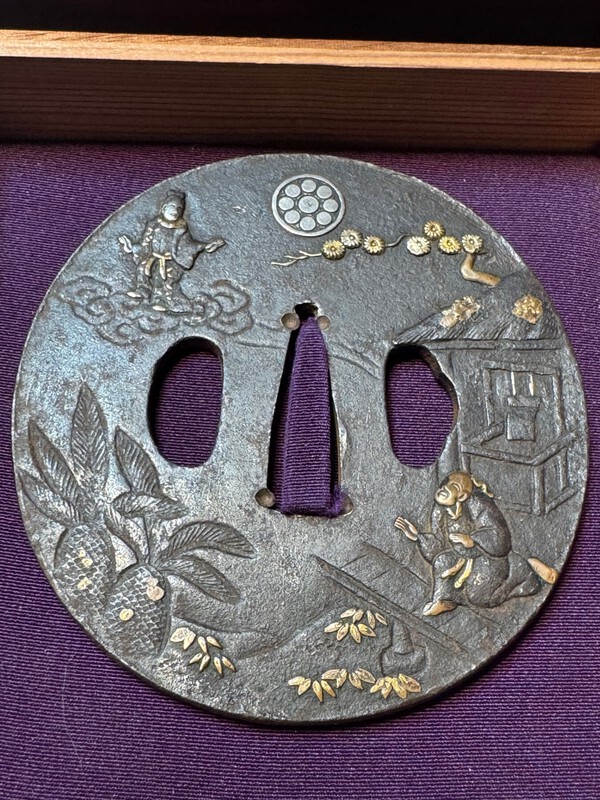
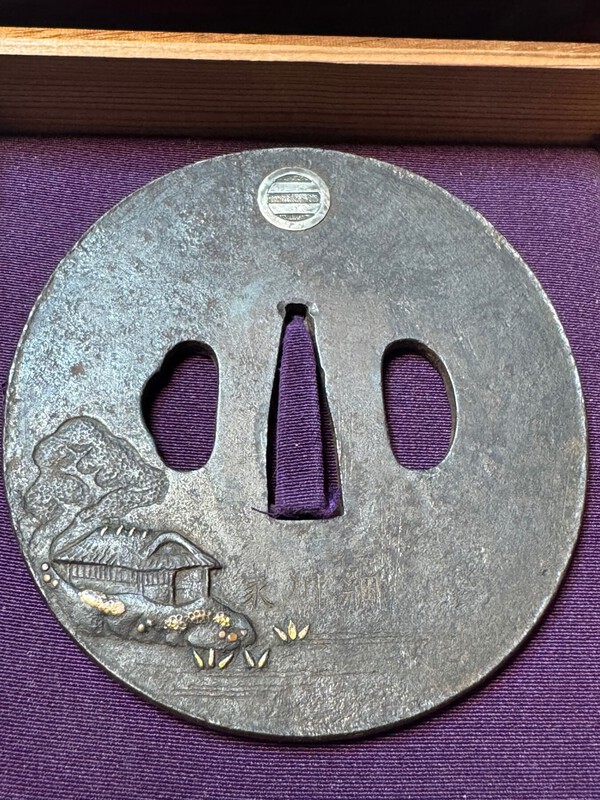
I have a tsuba that I have been curious about as the original collector not only had a cedar storage box made, but that also fits inside another larger box. It has a silver Hosokawa mon on one side and a silver Ashigaga mon on the other. It also has a horizontal three kanji mei. Jason
-
@Amyjo47380 You could try to sell it in the For Sale or Trade section of this forum that way you could avoid eBay fees and taxes. See the link below. You would want to put it in the Swords and Edged Weapons section. https://www.militaria.co.za/nmb/forum/6-for-sale-or-trade/

-
Weren’t so called polish fakes nco made with similar numbers? But yeah looks genuine
-
Thank you could someone do that and where is the best place to sell this and how do I go about this? And thank you tons
-
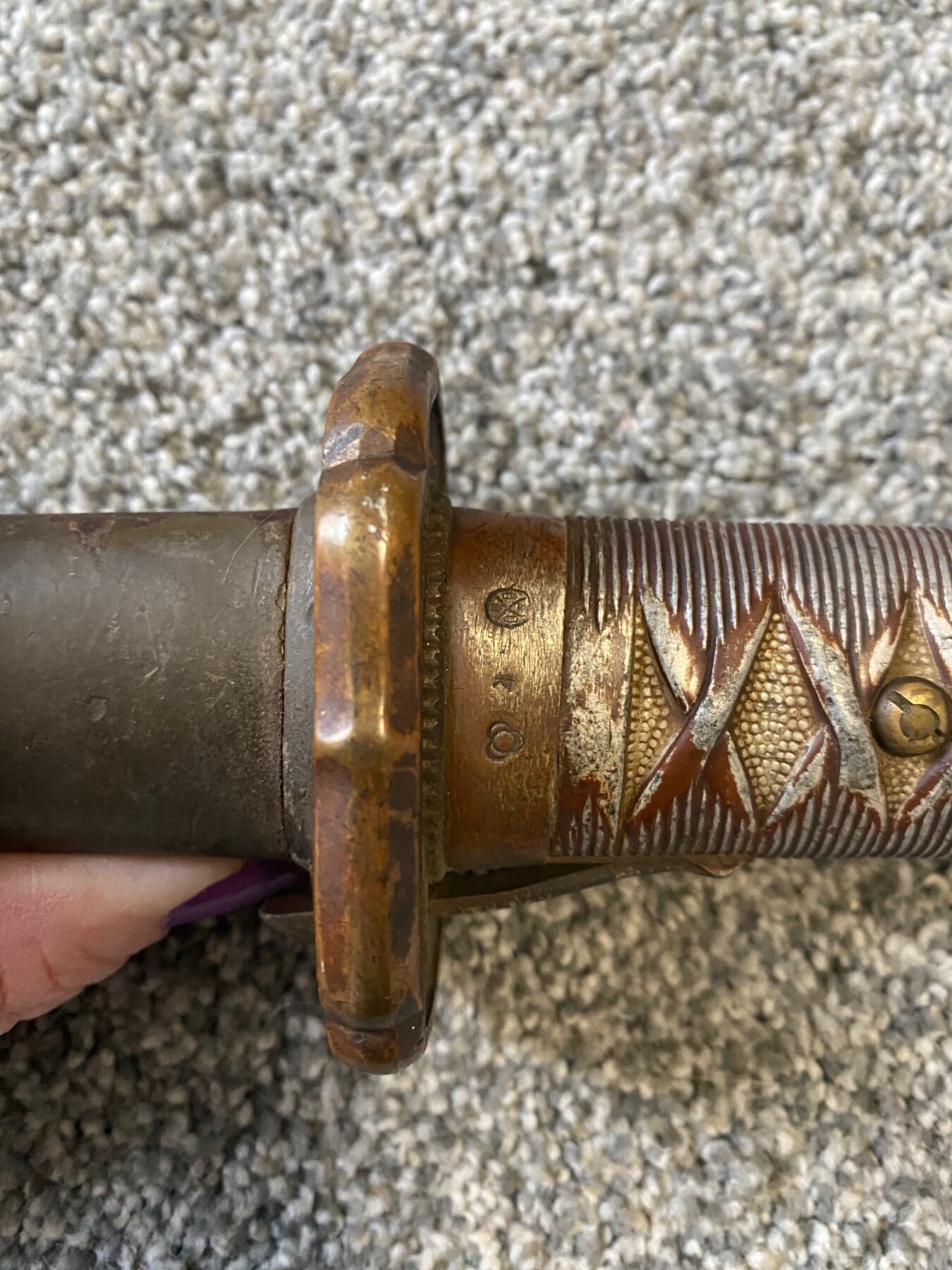
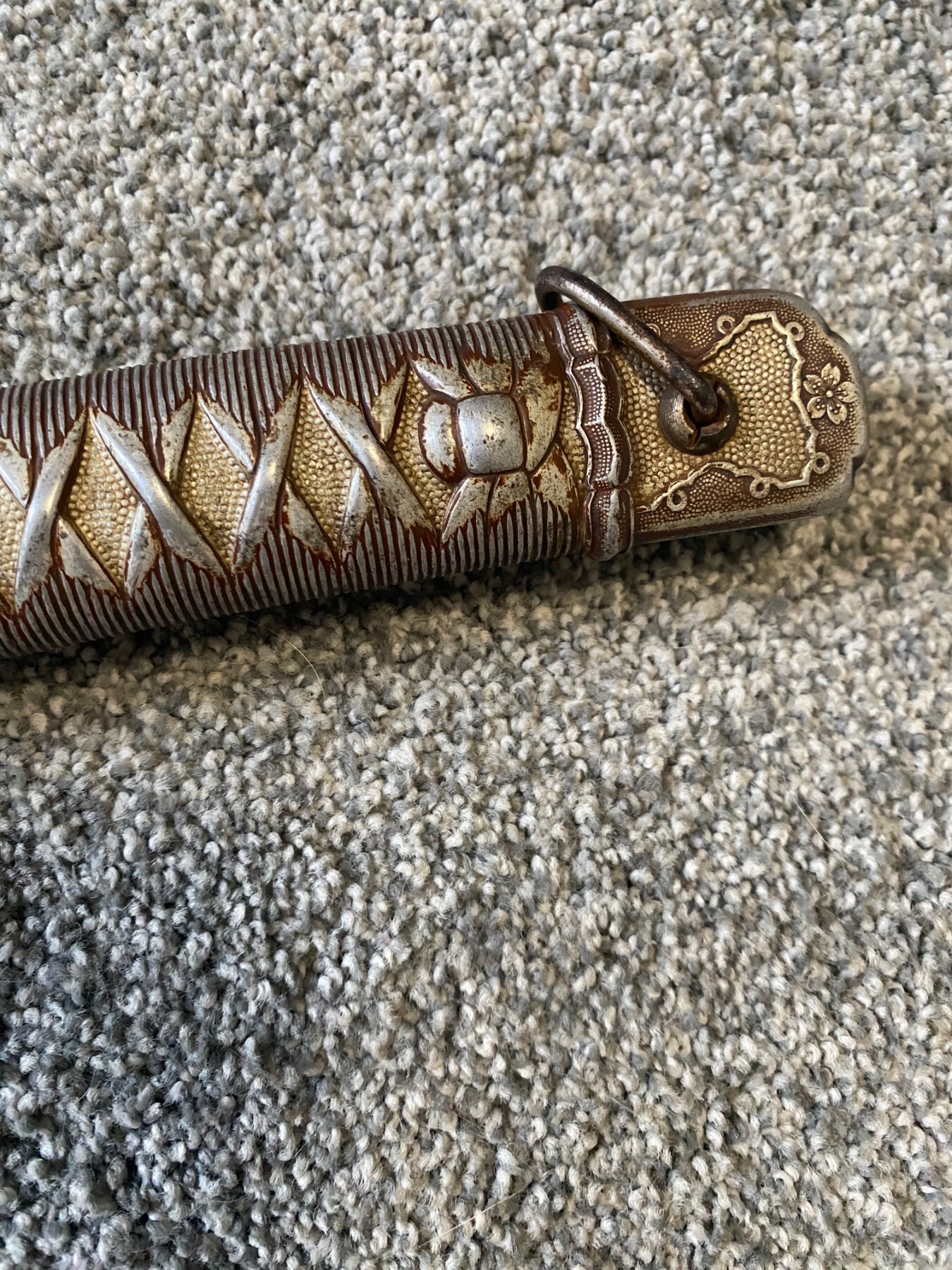
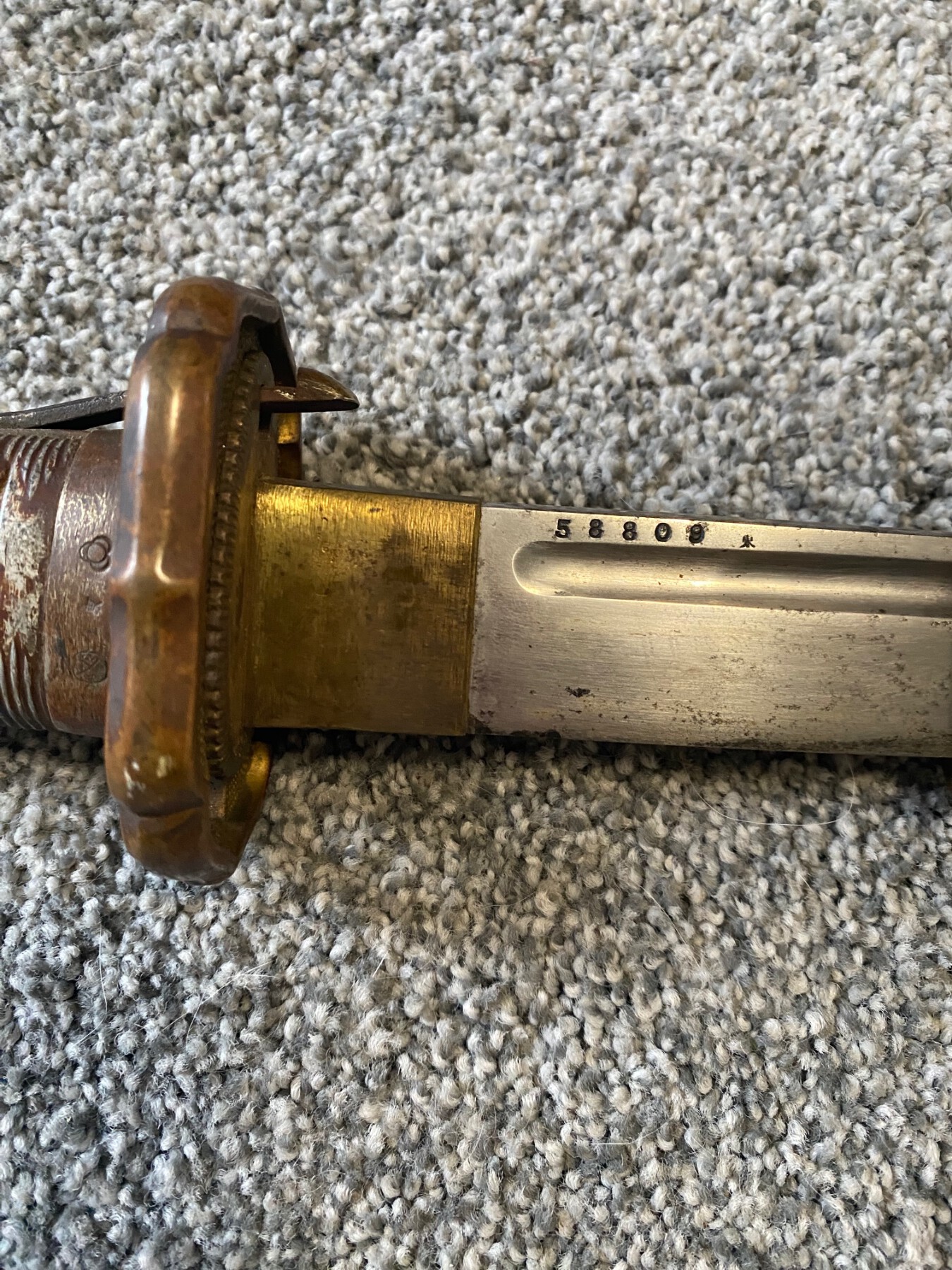
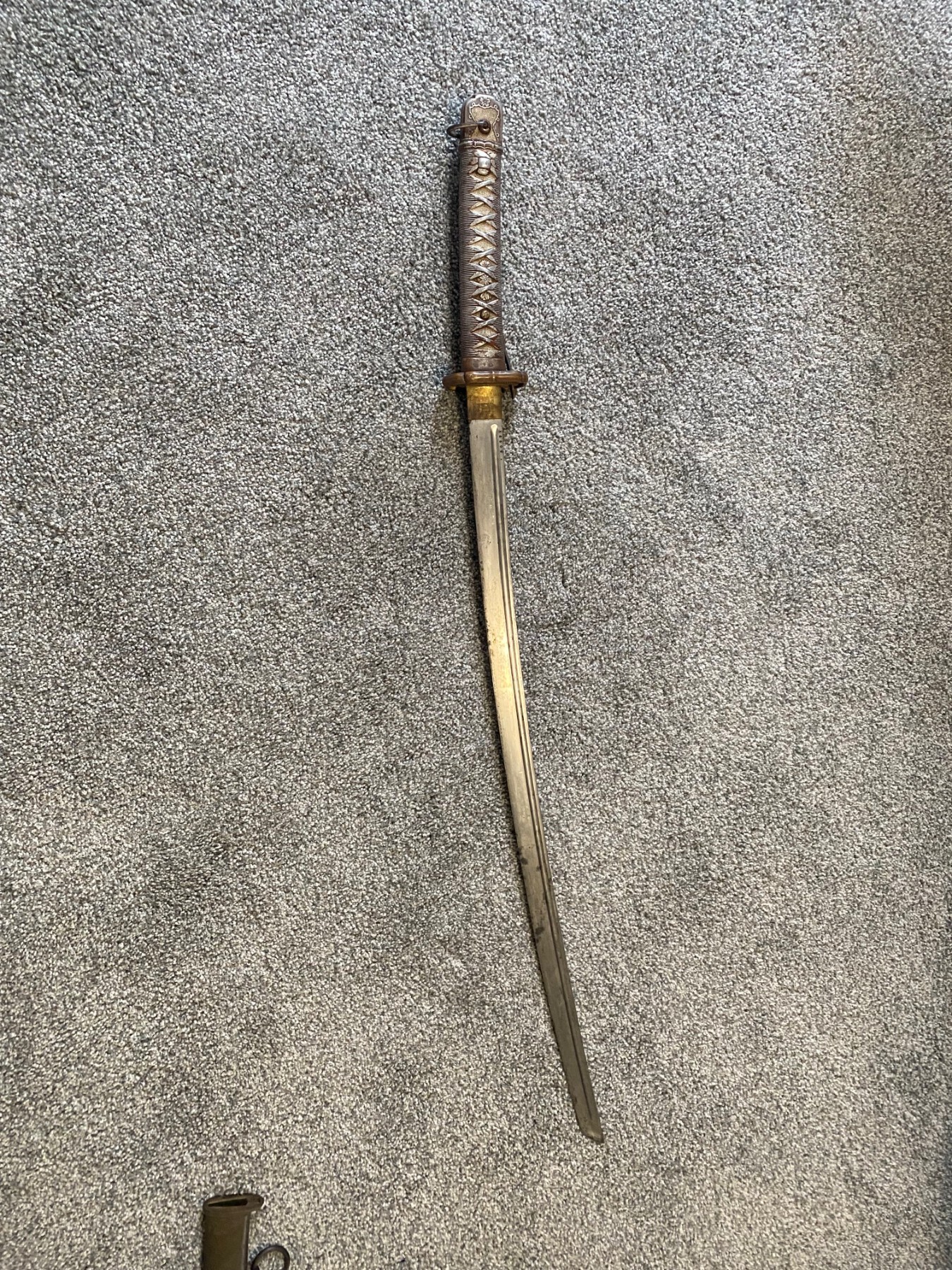
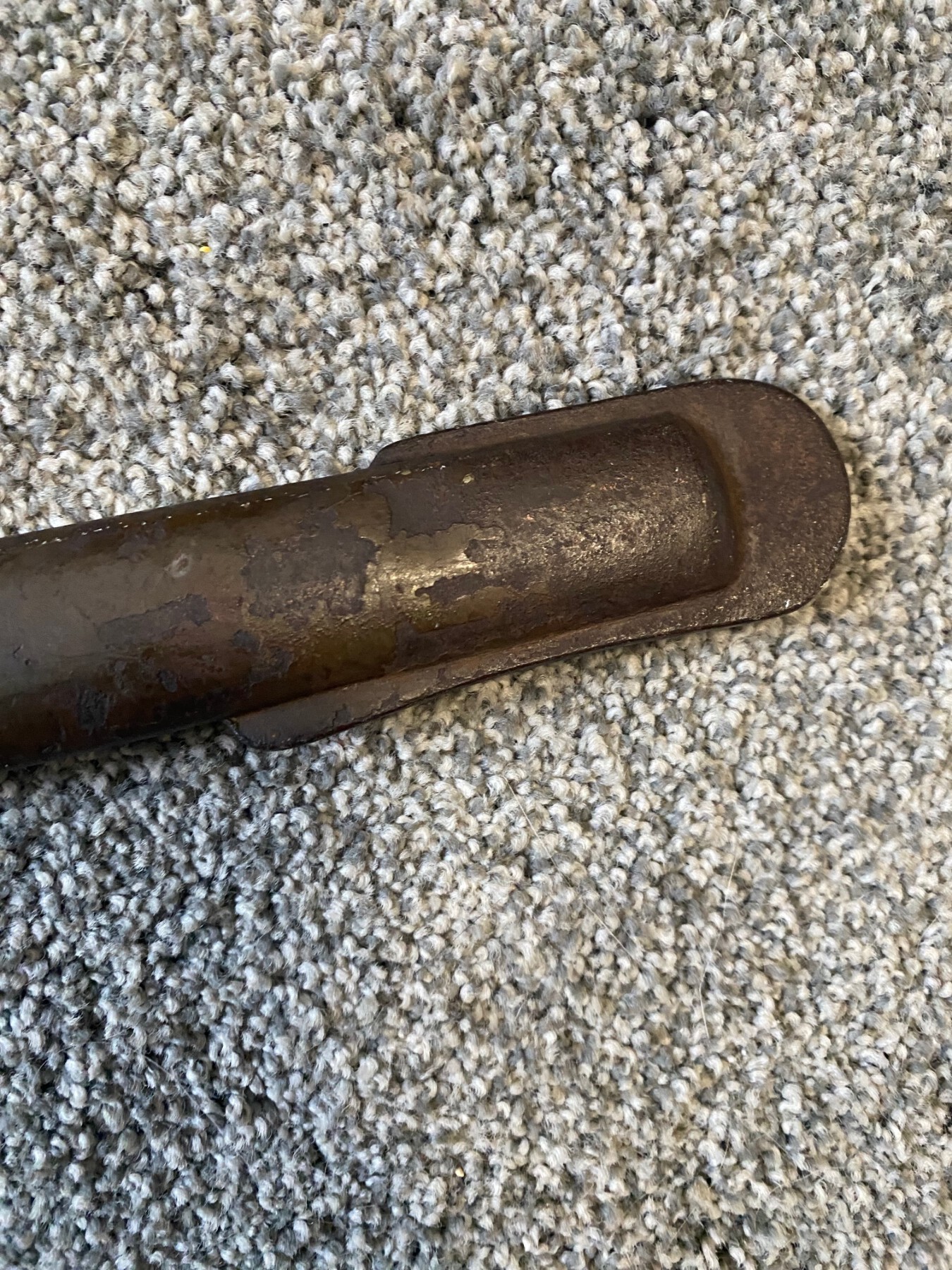
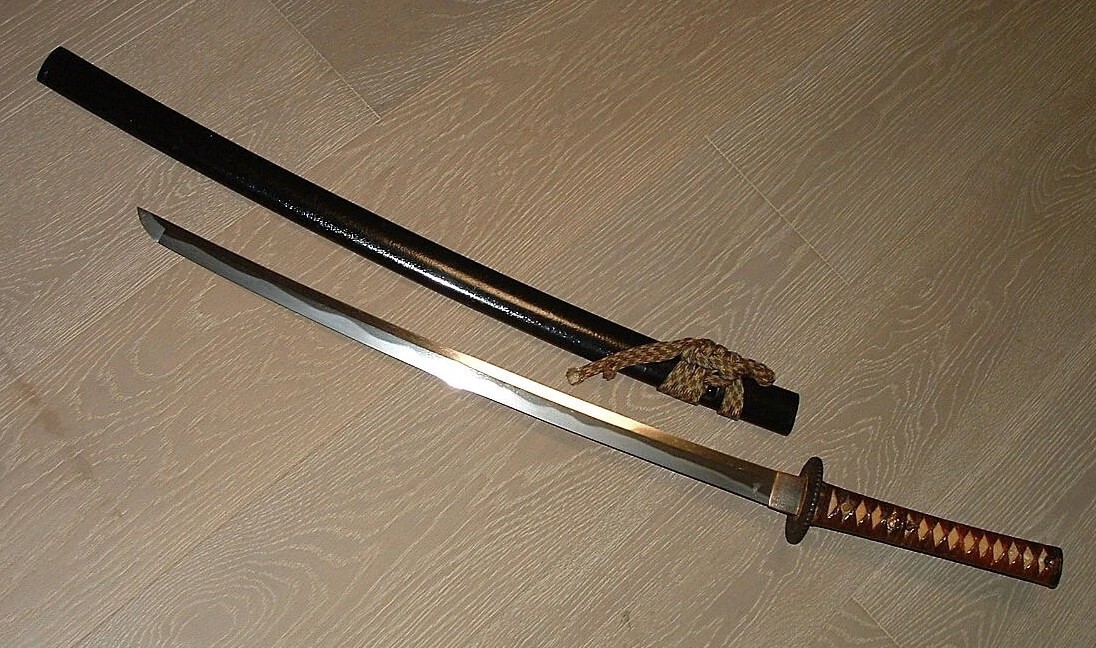
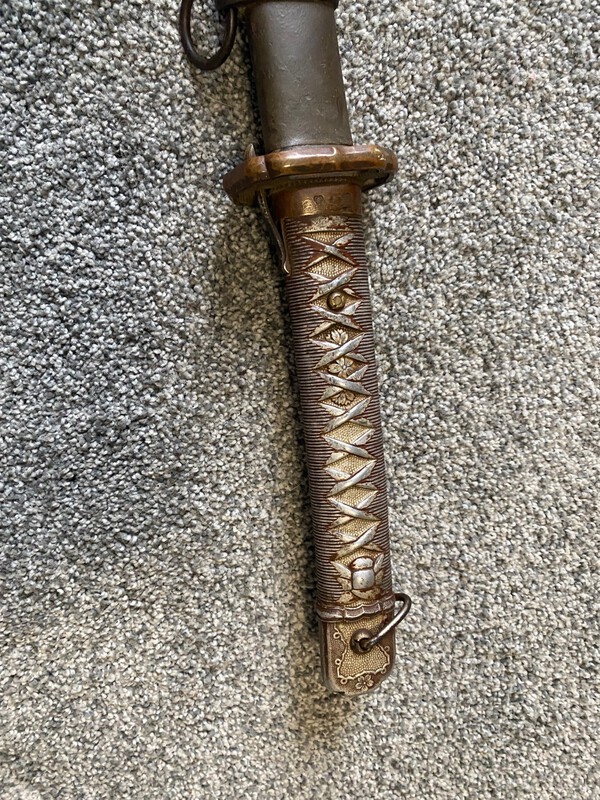
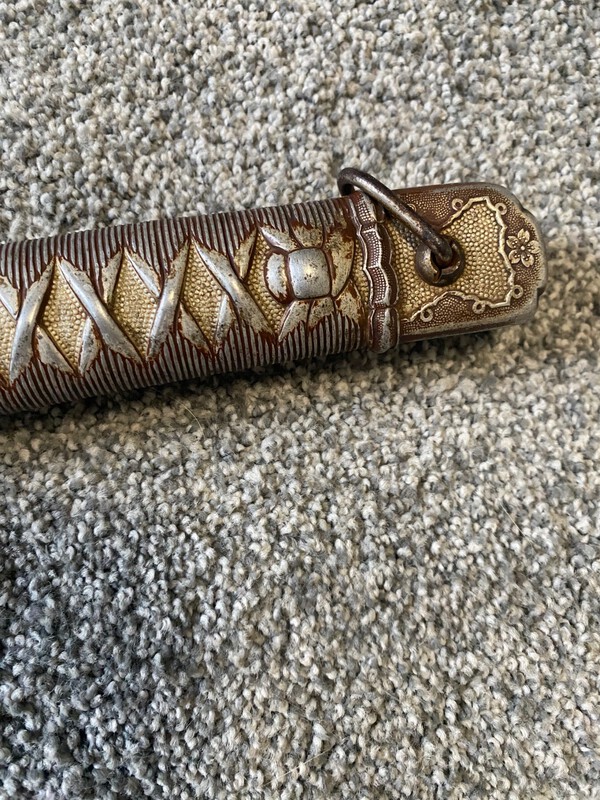
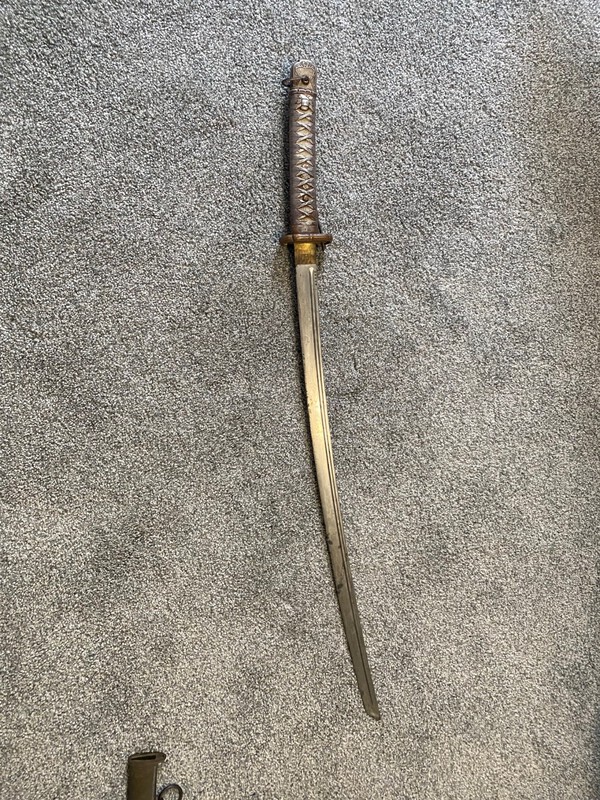
@Amyjo47380 Hi Amy, What you have is Type 95 NCO sword from WW2. Your example looks to be in decent condition. The photo of serial number on the scabbard is unclear. It looks matching, but can you confirm if the number on the scabbard matches the number on the blade? These are highly collectible among collectors of WW2 Japanese swords. They are machine made and are not considered traditional Japanese swords. Condition dictates the value of these types of swords. If you look on eBay, you will see there is a wide-range of asking and selling prices. Maybe a moderator @Scogg can move this to the military section of the forum.
-
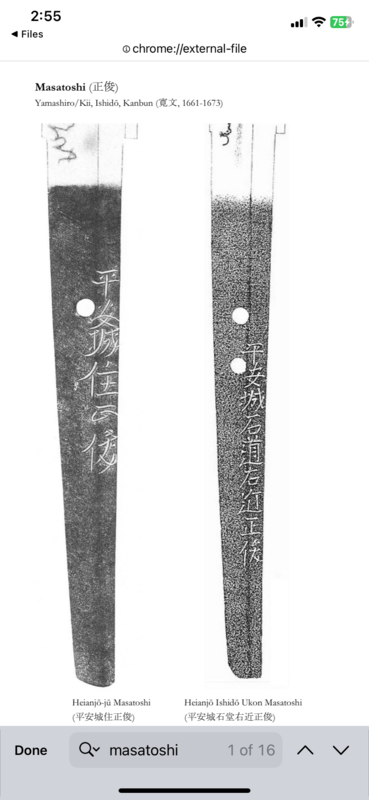
From Markus Shinto Meikan
-
 Amyjo47380 joined the community
 -
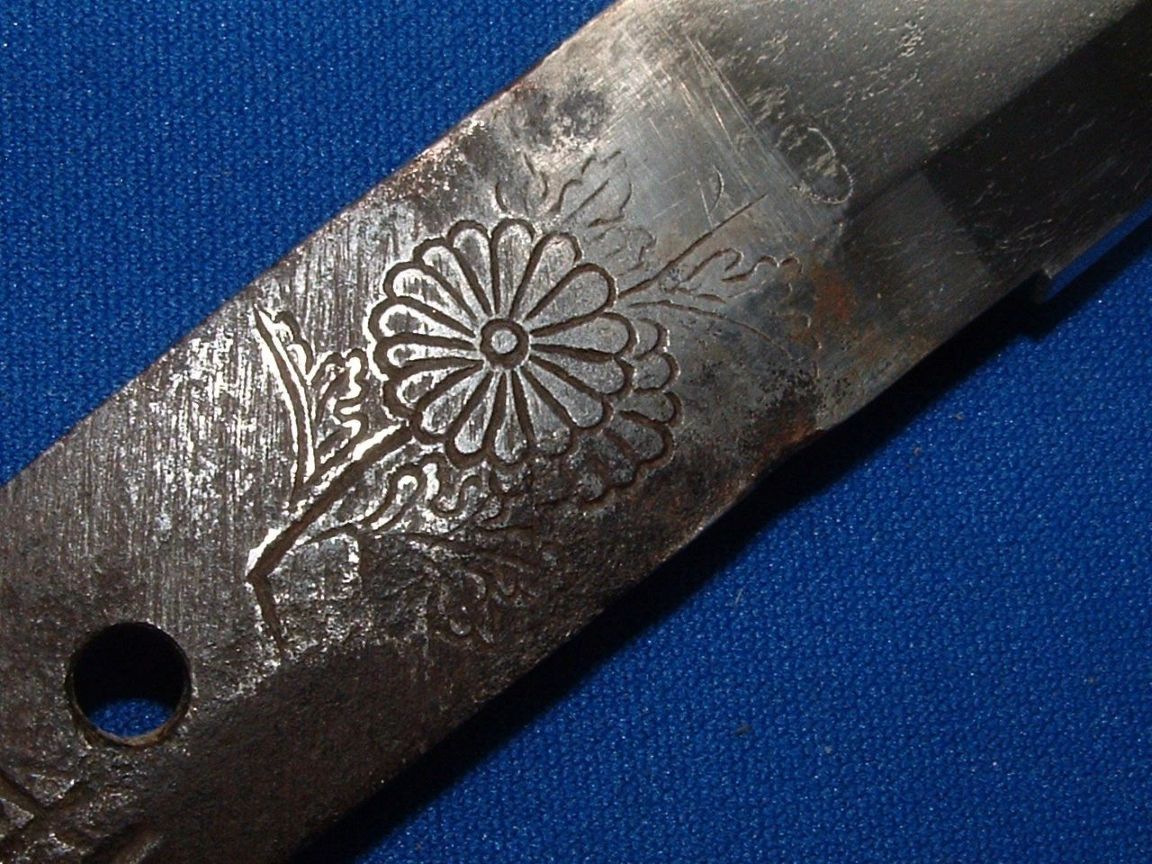
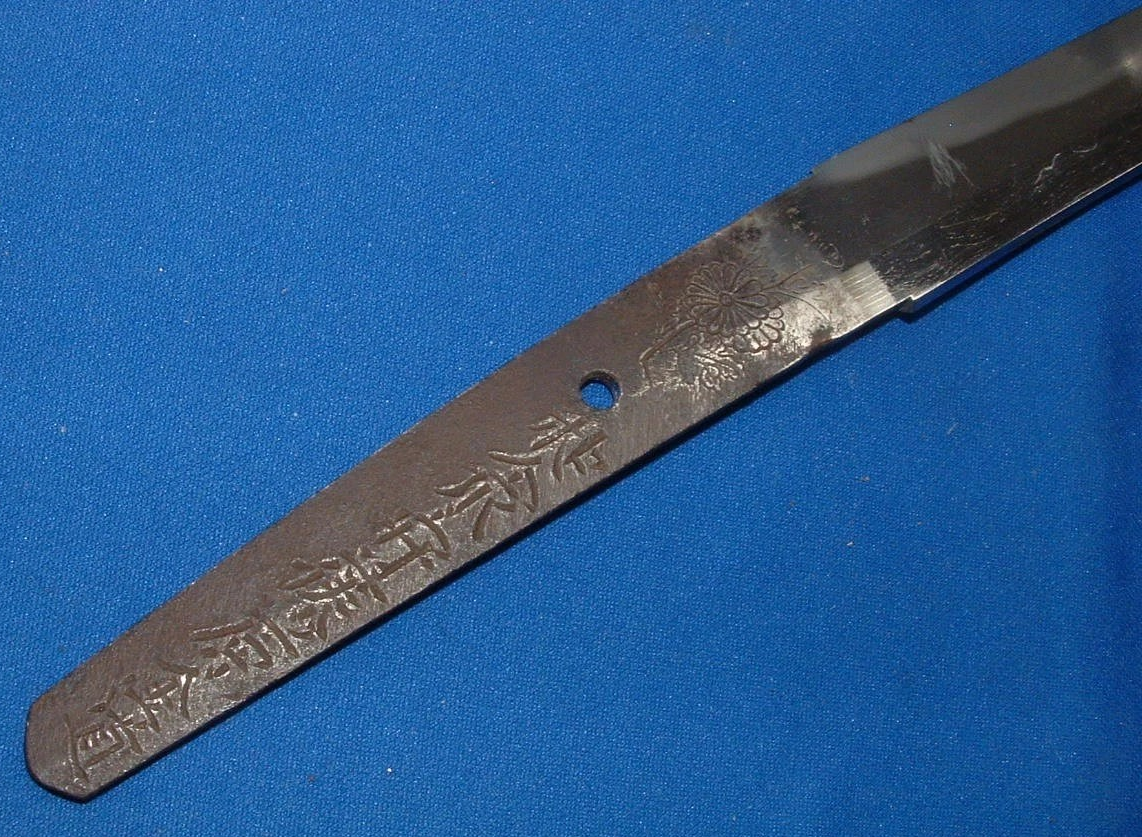
From Markus Sesko's swordsmiths reference it appears to be by one of these Fujiwara Kinmichi smiths. Most likely 2nd or 3rd generation as they carved chrysanthemum on the nakago. KINMICHI (金道), 1st gen., Keichō (慶長, 1596-1615), Yamashiro – “Kinmichi” (金道), “Iga no Kami Kinmichi” (伊賀守金道), “Iga no Kami Fujiwara Kinmichi” (伊賀守藤原金道). He was the oldest son of the Seki-smith Kanemichi (兼道). He had accompanied his father in the second year of Bunroku (1593) with his three brothers Echigo no Kami Rai Kinmichi (越後守来金道), Tanba no Kami Yoshimichi (丹波守吉道), and Etchū no Kami Masatoshi (越中守正俊) to Kyōto where they settled in the Nishinotō´in (西洞院) neighborhood and where Kanemichi founded the Mishina school (三品). The name Kinmichi was in back then read Kanemichi but to avoid confusion, more and more the reading Kinmichi became common. He received the honorary title Iga no Kami on the 19th day of the second month Bunroku three (1594) and worked also for the Imperial Court from that time onwards. Shortly before the Battle of Sekigahara, Tokugawa Ieyasu ordered 1,000 tachi from him and due to the skillful management of all the workers he was granted with the honorary title Nihon-kaji-sōshō (日本鍛冶惣匠, lit. “master swordsmith of Japan”). With that title, he had a certain influence at court on the granting of honorary titles for other swordsmiths. The title and the advisory function at the imperial court were hereditary and held by successive Kinmichi generations until the bakumatsu era. The 1st gen. Kinmichi died on the eleventh day of the twelfth month Kan´ei six (寛永, 1629). His blades have a sakizori and his rather wide mihaba does not taper that much. The jigane looks hard and the jihada is a standing-out ko-itame with nagare and masame along the mune. Ji-nie and chikei occur. The hamon is a notare mixed with gunome and togariba or a ko-notare mixed with gunome. His works in the Mino tradition are somewhat different from his works in the other traditions, i.e. the hamon is in this case an ō-midare mixed with yahazu-midare or hako-midare with irregular nie. In addition, sunagashi and kinsuji appear and an influence of the Shizu school or of No-Sada can be seen. The bōshi is a Mishina-bōshi. wazamono, jō-saku KINMICHI (金道), 2nd gen., Kan´ei (寛永, 1624-1644), Yamashiro – “Iga no Kami Fujiwara Kinmichi – Nihon-kaji-sōshō” (伊賀守藤原金道・日本鍛冶惣匠), real name Mishina Kanbei (三品勘兵衛), oldest son of the 1st gen. Kinmichi and the older brother of Izu no Kami Kinmichi (伊豆守金道), the 1st gen. received as mentioned the honorary title Nihon-kaji-sōshō but it was the 2nd gen. who signed that title for the first time, he also carved a chrysanthemum onto his tangs which looks like a stylized cartwheel, he died on the 21st day of the tenth month Enpō eight (延宝, 1680), itame mixed with masame, suguha, gunome-midare, often sunagashi, Mishina-bōshi, wazamono, chūjō-saku KINMICHI (金道), 3rd gen., Jōkyō (貞享, 1684-1688), Yamashiro – “Iga no Kami Fujiwara Kinmichi” (伊賀守藤原金道), real name Mishina Kanbei (三品勘兵衛), he received the honorary title Iga no Kami on the 28th day of the first year of Jōkyō (1684) at the age of 30, the title Nihon-kaji-sōshō was granted to him in Kyōhō six (享保, 1721), he changed the characters for “sōshō” from (惣匠) to (宗匠), in the seventh year of Kyōhō (1722) he worked at the invitation of the bakufu in the Edo-bakufu residence Hama-goten (浜御殿), he and all of his successors carved a chrysanthemum on their tangs, because of an illness he was supported by
-
Can someone please help me evaluate the sword and let me know if it is worth any amount or not?





-
You could include seller in description. For example maybe You heard about seller komonjo? Search him in this forum.
-
 More photos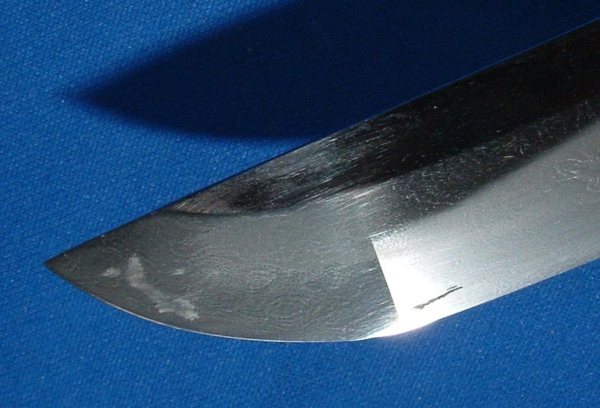
-
Additional Photos

-
This is my first post on this site. The site was recommended to me by a fellow collector, as a source of information regarding a sword I purchased (which should soon receive). I posted photos of the tang of this sword (sorry but I am too novice to know all the Japanese nomenclature); and many questions arose due to the absence in its mei of a single character (kai), and also the style of its Imperial Crest. That discussion yielded results, which indicated that the Second Generation of this swordsmith was known to have used a Crest like the one on my sword; but only occasionally. Some sources also mention that this maker signed some swords without including a "kai", though he normally included a "kai". All I seek is information to help me determine whether or not to keep the sword; seeing as I have a return privilege. It was not too expensive, and I like the sword's appearance. If any of you possess the knowledge to determine whether or not that characteristics of this blade match its mei, I would greatly appreciate hearing from you. I do not intend to sell the sword. My primary collecting interests lie in a completely different field. I am just buying a few of these swords because I think they are beautiful. Thanks for any and all comments, J Ambrose


-
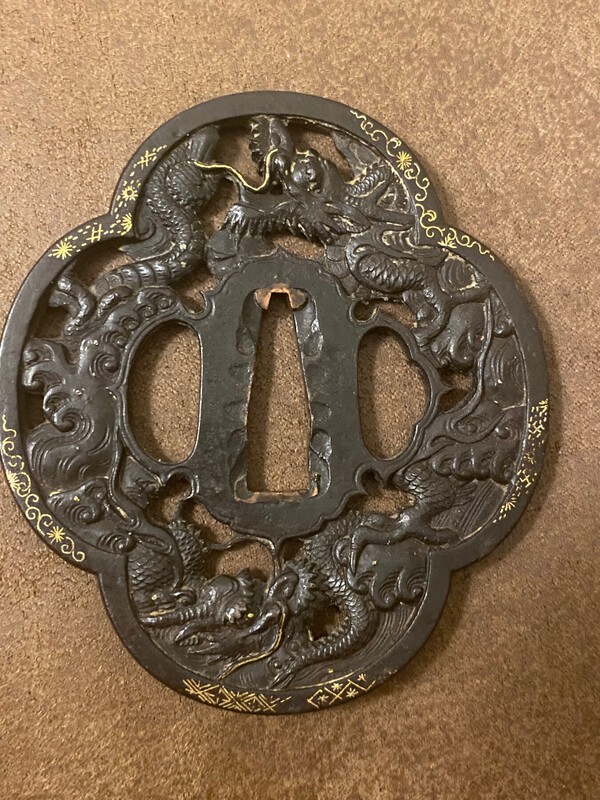
I’m not a fittings person so please forgive my lack of knowledge on the subject. I’ve had this Tsuba for 10+yrs could you please educate me about it.. Ian

-
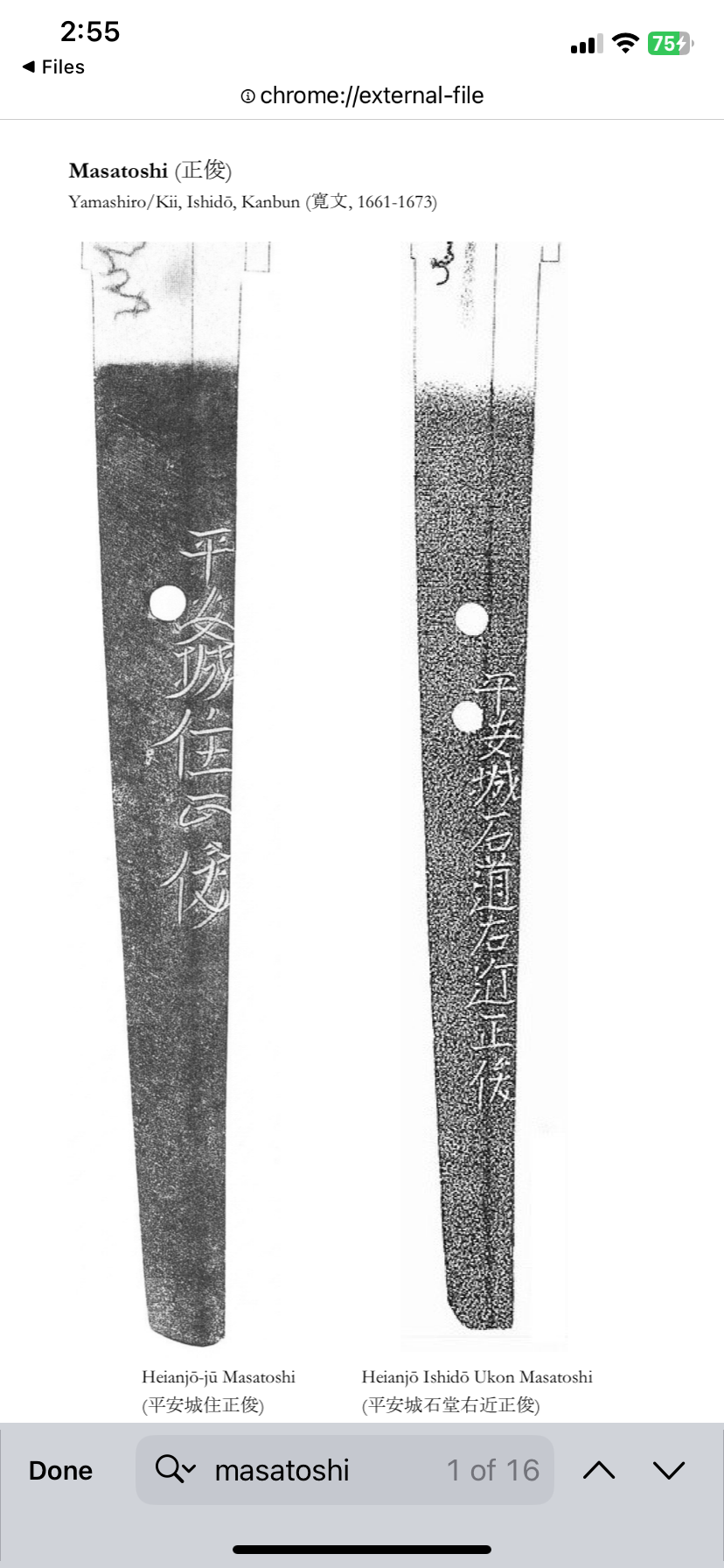
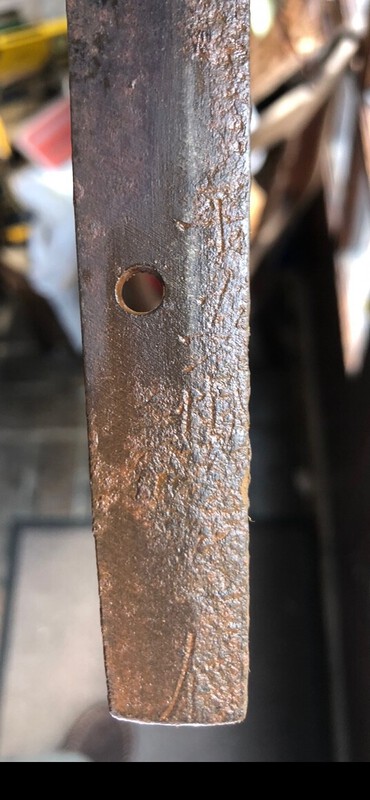
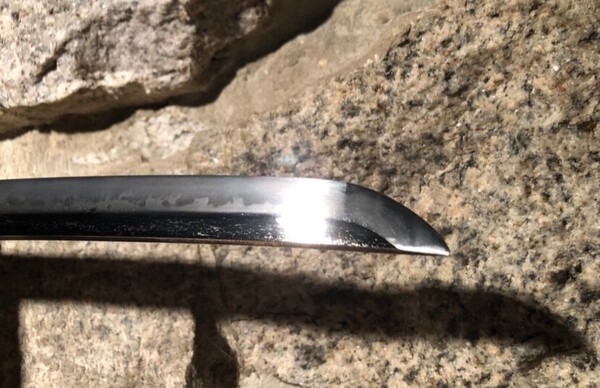
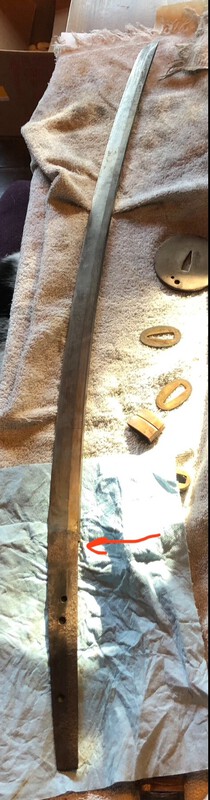
Here is a large katana I own, signed as you see. Any ideas on the mei would be welcome. My initial thought was Heianjo Ju Masatoshi based SOLELY on the last kanji you can just make out that is large compared to the rest. Very large hamon as well. Thank you for your input in advance for my research. Nagasa is 68.5 and has a large machi okuri done to it (cruddy last picture)


-
J Ambrose joined the community
-
Another Emura and Nagamitsu reference from aoi

-
Cheers https://sword-auction.com/en/product/29863/tsuba-mumei-unsigned(satsuma-nasu/